Our base in Praia da Luz gave us the perfect jumping-off point to explore some of the Algarve’s most charming towns and villages. Each one has its own flavour — some are steeped in Moorish history, some cling to the cliffs above the Atlantic, and others hum with local life far from the coastal crowds. What they all share is that unmistakable Portuguese mix of sunshine, tradition, and slow-living simplicity.
Here are some of the places that stole our hearts.
Praia da Luz — Home Base by the Sea
Praia da Luz quickly became more than just our base — it became home. With its crescent-shaped bay, soft sand, and the dramatic cliffs of Rocha Negra watching over the shoreline, Luz offered everything we love in a seaside town: beauty, walkability, and a slower, gentler rhythm. It’s a place where old and new coexist easily and where days seem to stretch just a little longer.
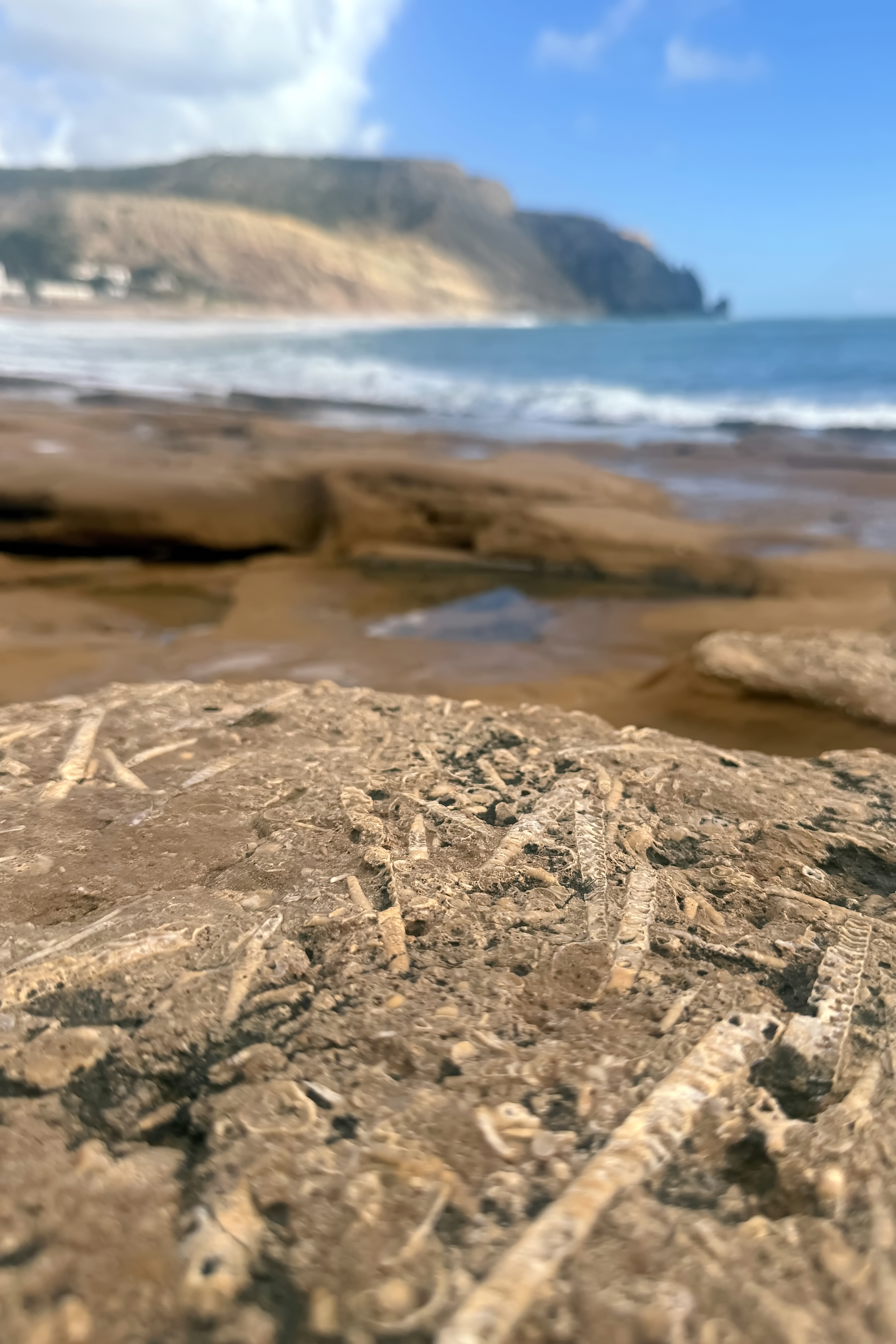
Most mornings began the same way — slow walks along the beach and promenade, stopping often to admire the layers of sedimentary rock pressed up against black volcanic lava. We found ourselves stepping carefully among fossils embedded in the shoreline, some dating back 120 million years, quietly marvelling at how small our moment felt in comparison.
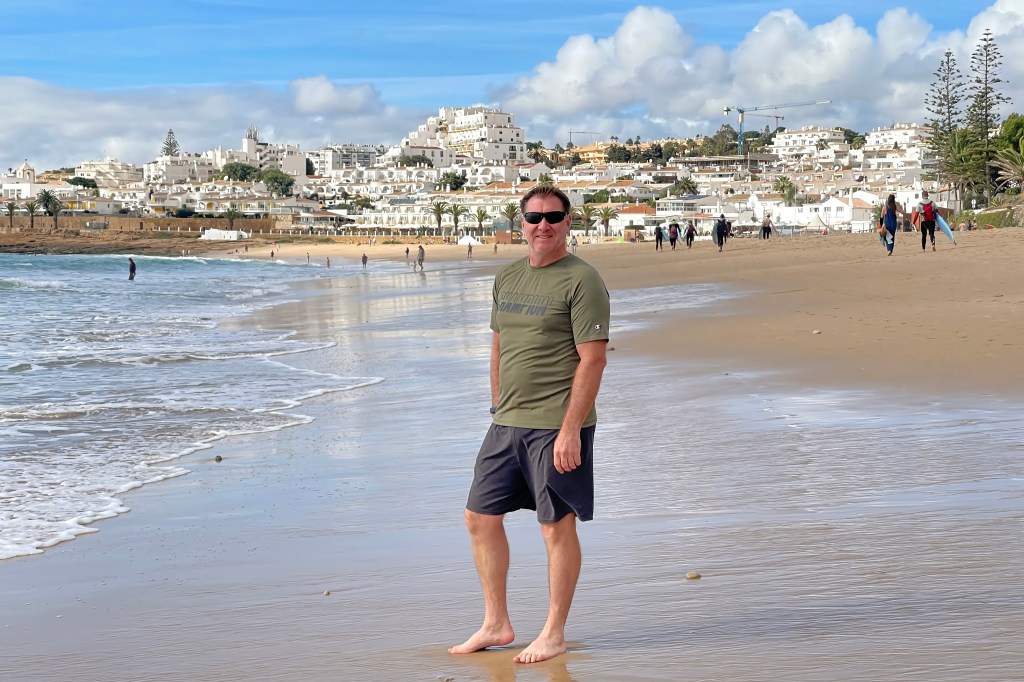
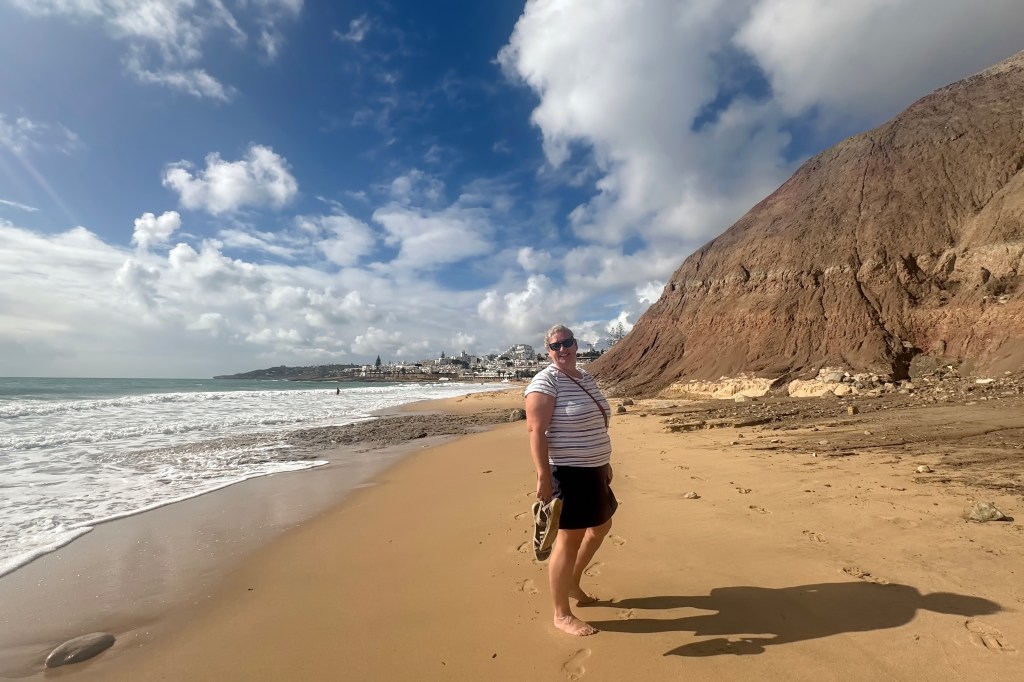
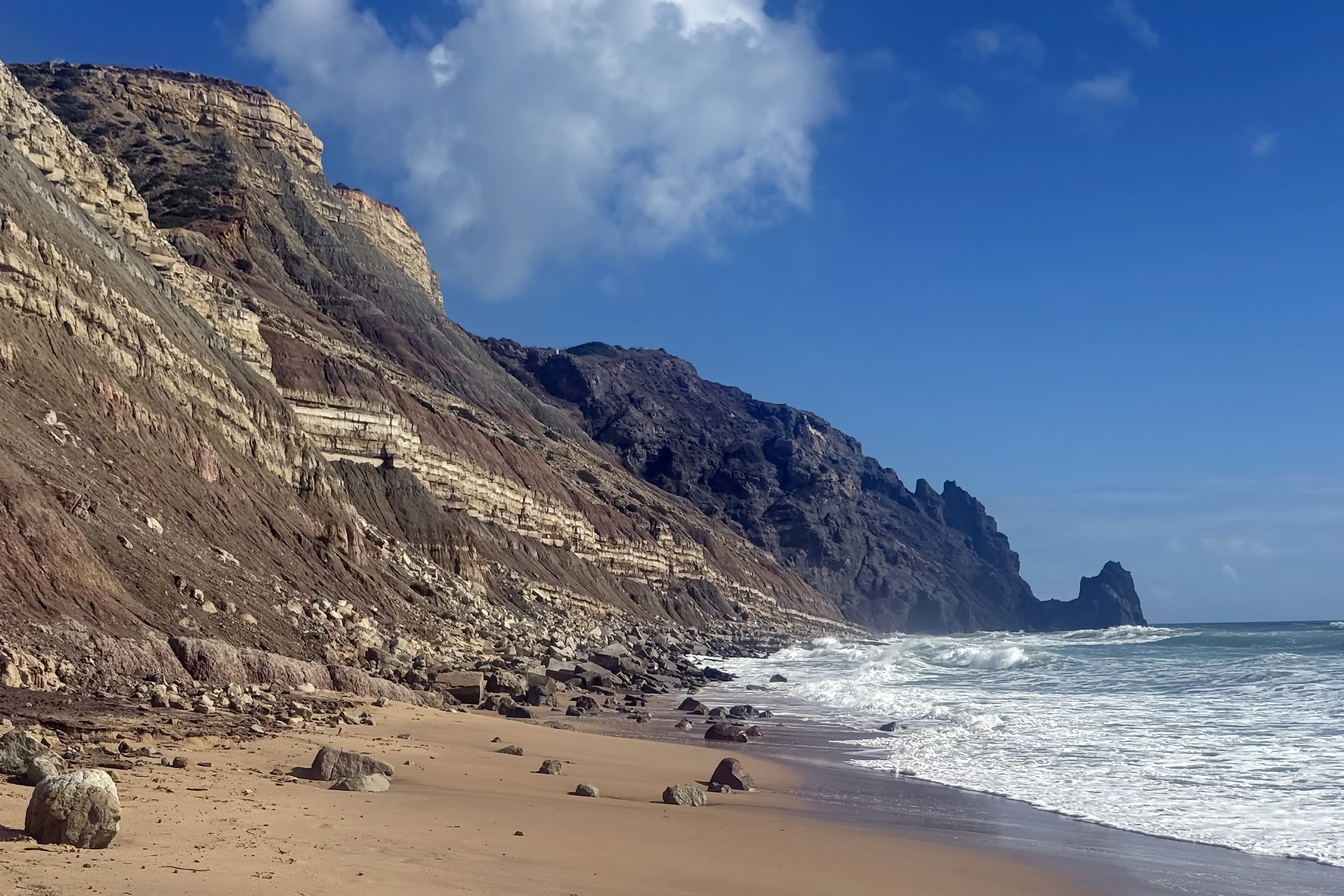
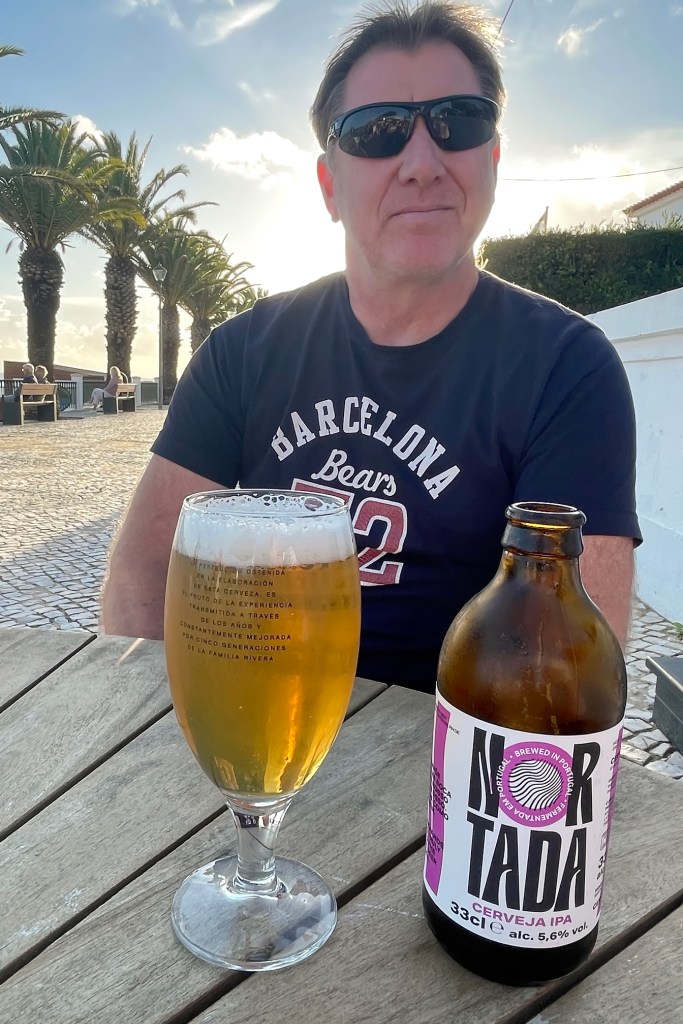
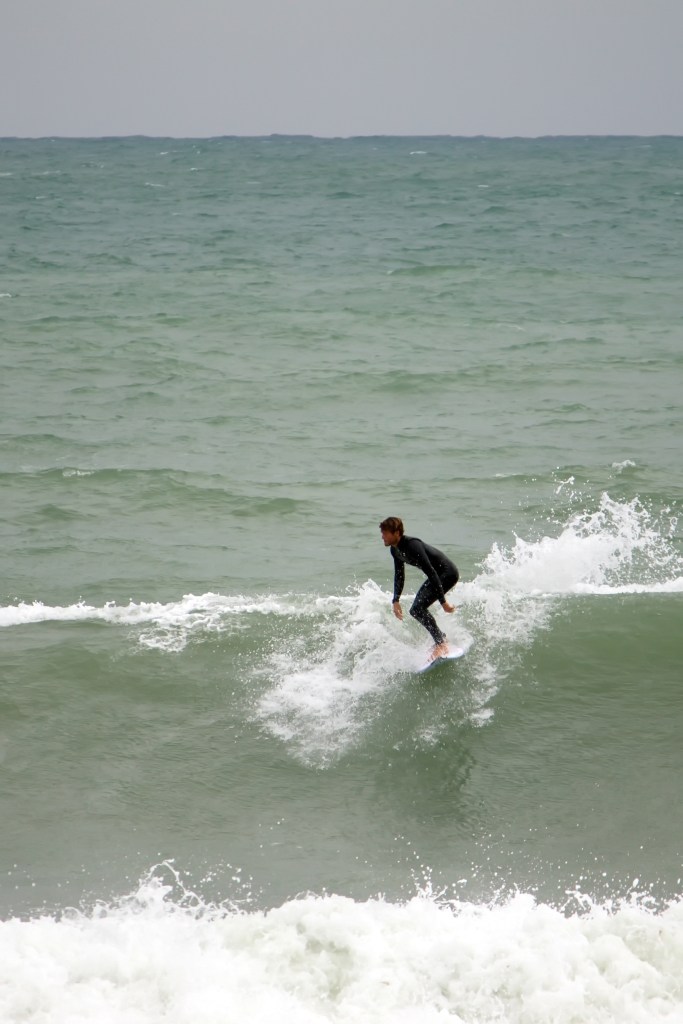
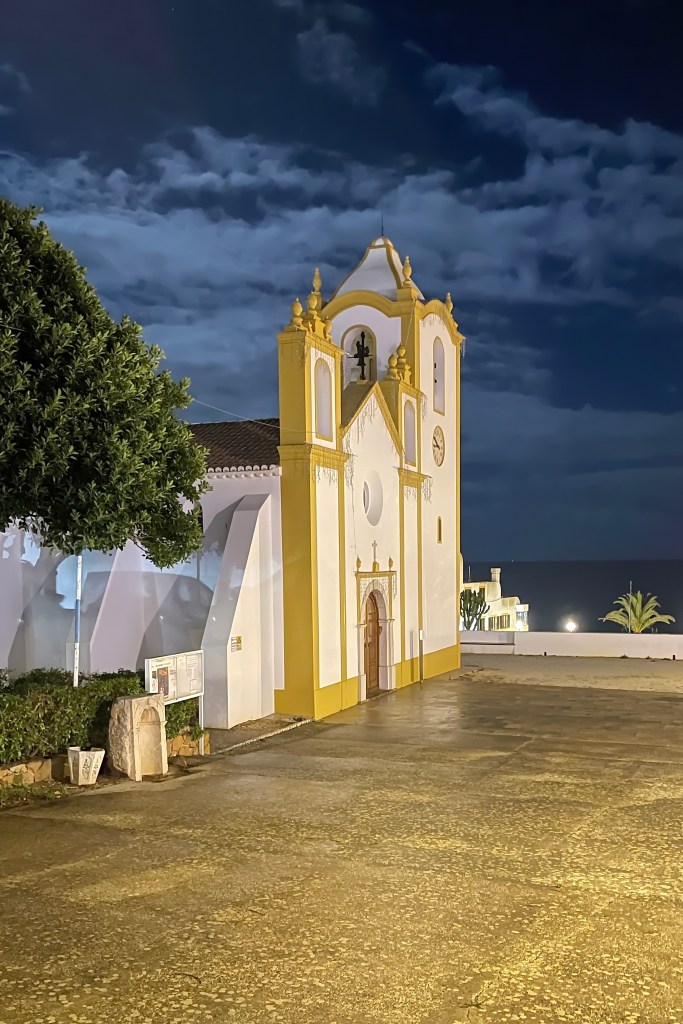
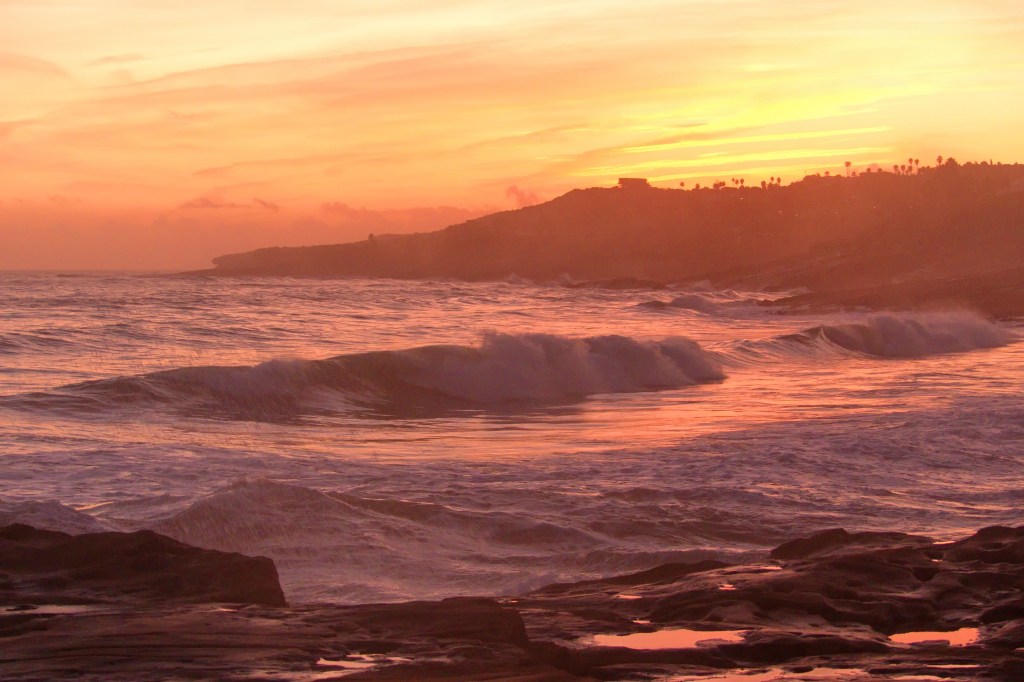
It was blissfully peaceful to sit back and simply be — sipping coffee, or more often a cold beer, while surfers chased waves and locals passed by with dogs and groceries. In the afternoon light, the cliffs glowed gold, mirroring the sunny yellow façade of the Church of Our Lady of Light, a gathering place that felt woven into daily life. And most evenings ended the same way too — lingering as the sky caught fire in fleeting, unforgettable sunsets.
Luz has modern comforts, but its history hums quietly beneath the surface. That blend of ease and depth gave it a warmth that made it feel alive — and made leaving each day feel like returning home.
Aljezur — Where History Meets Wild Algarve Beauty
Perched high above the valley, Aljezur immediately feels different from the coastal towns. Whitewashed houses tumble down the hillside, while the ruins of Aljezur Castle — once a Moorish stronghold — keep watch above it all. Standing up there, with sweeping views across the town and rolling hills, we felt wrapped in silence and history at the same time.
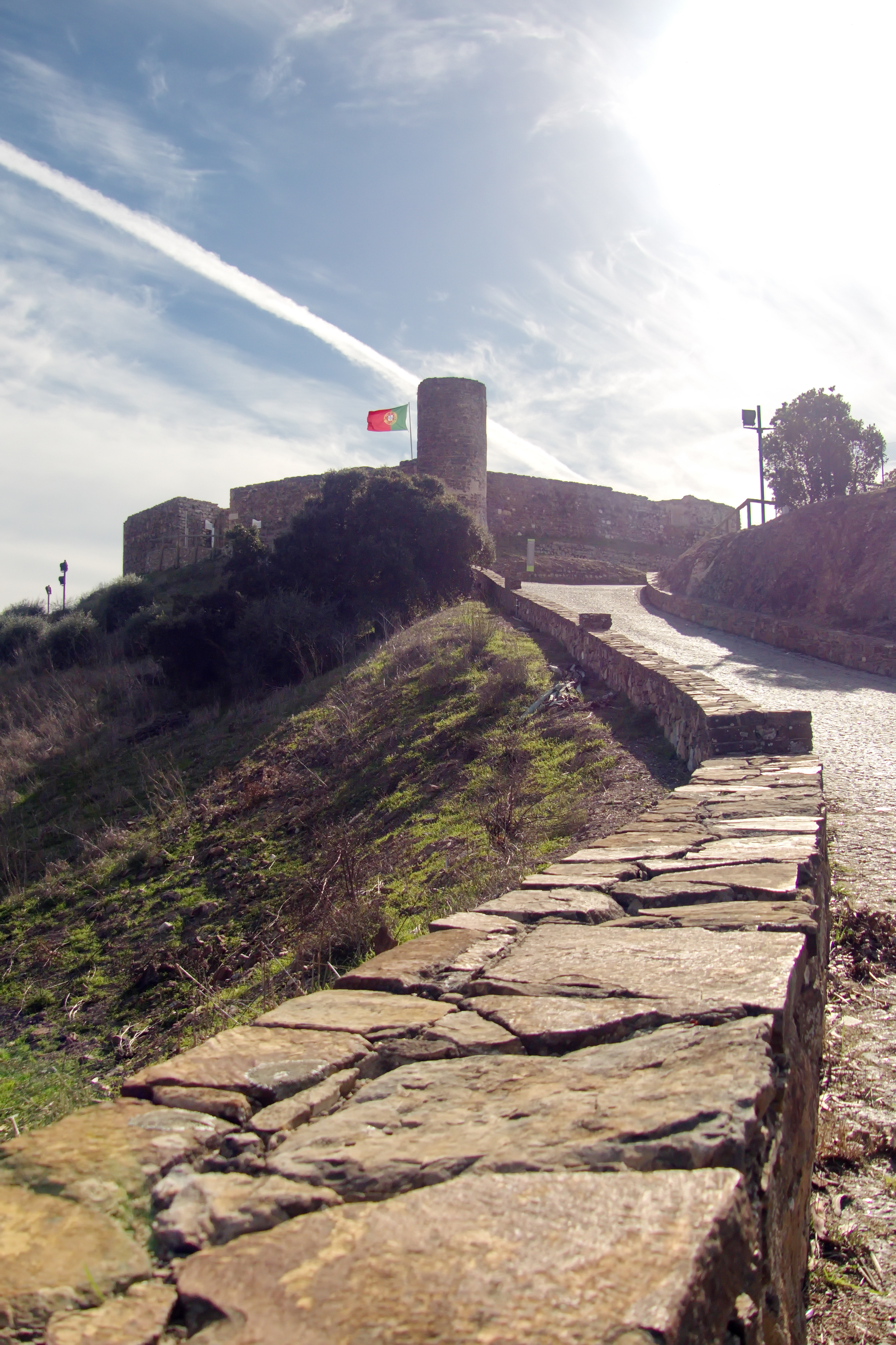
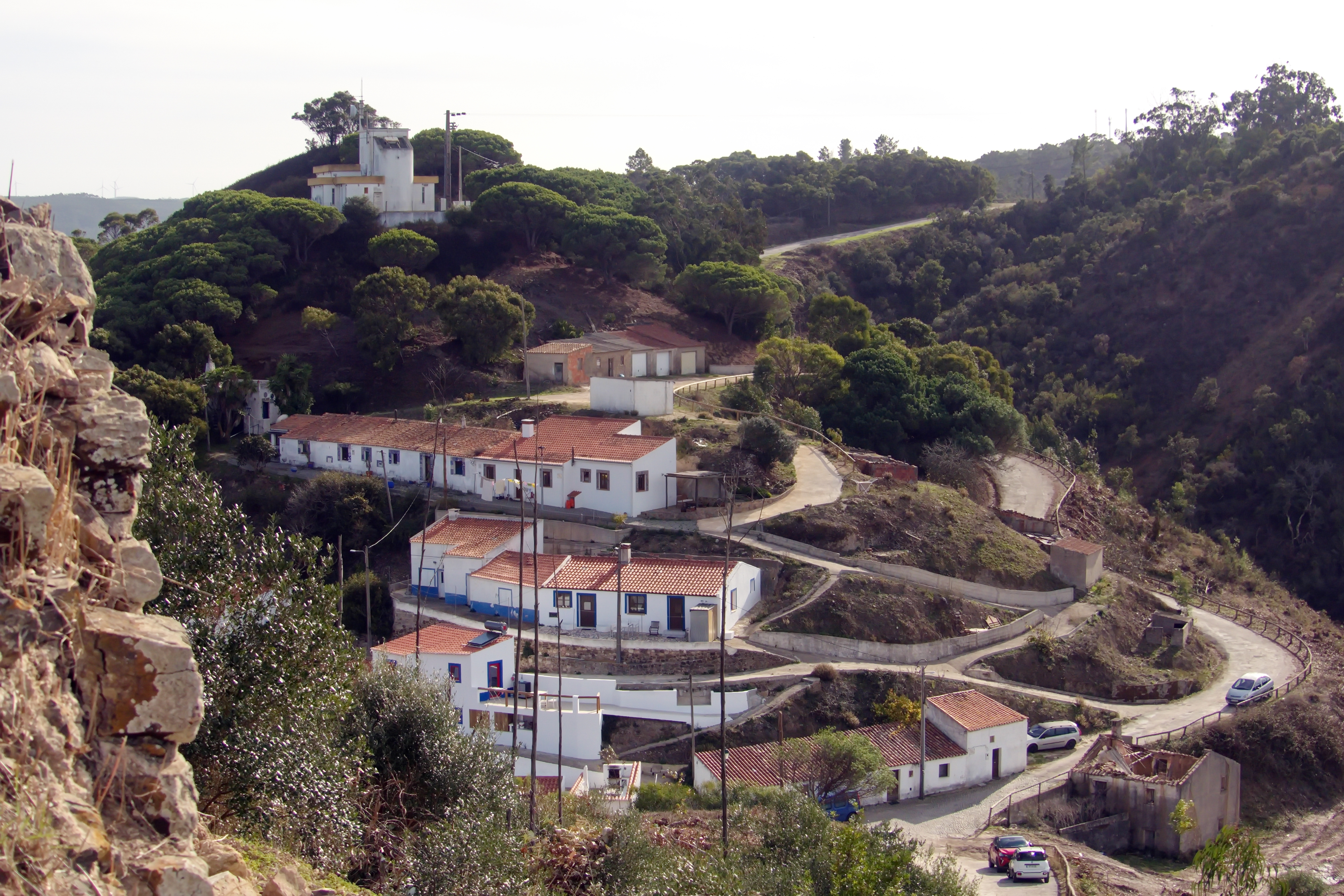
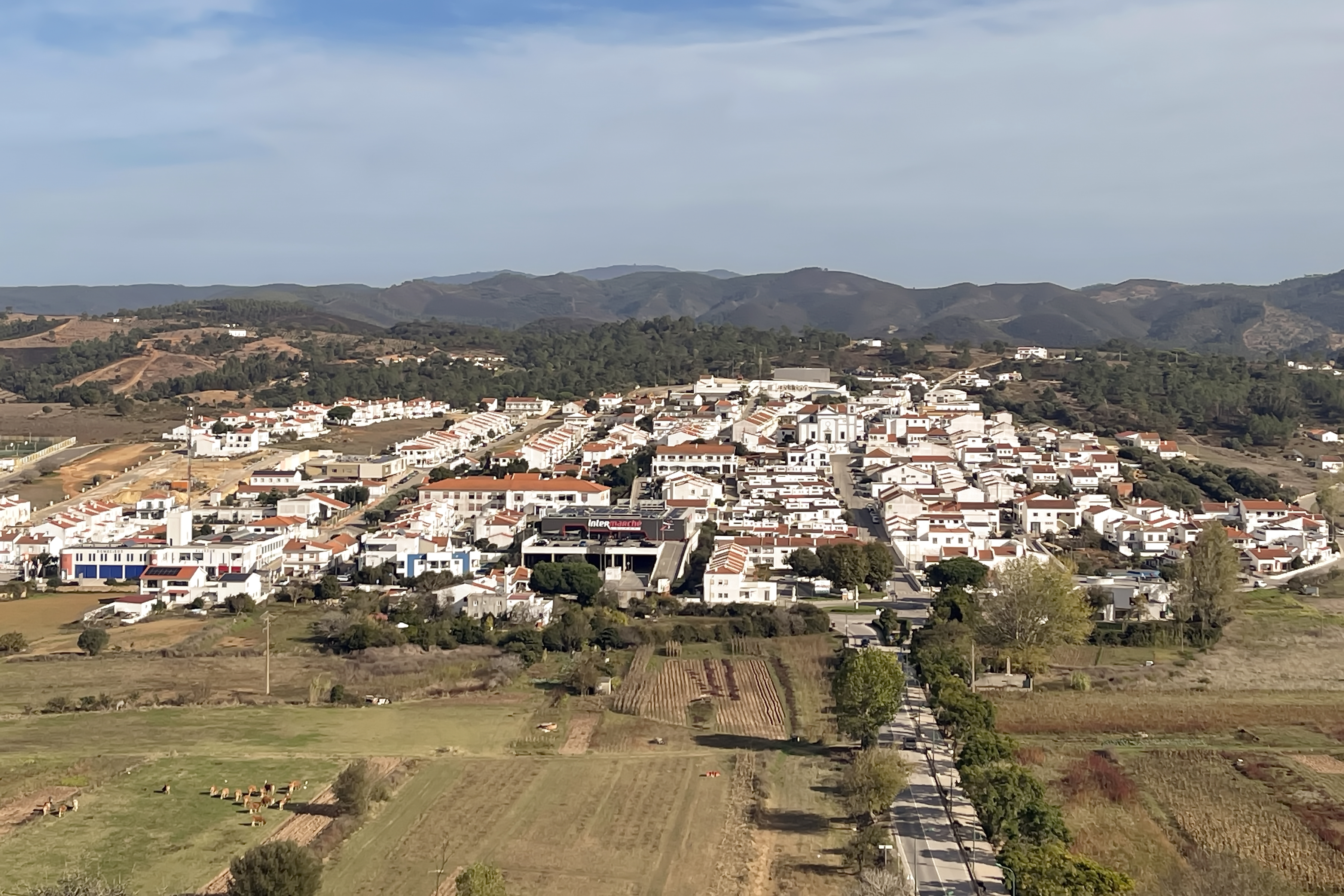
Wandering the town below, we followed narrow, winding streets shaped by centuries of Moorish influence, from the terraces to the street names themselves. Far removed from the busier southern coast, Aljezur has held tightly to its traditional character, resisting the pace of modern tourism.
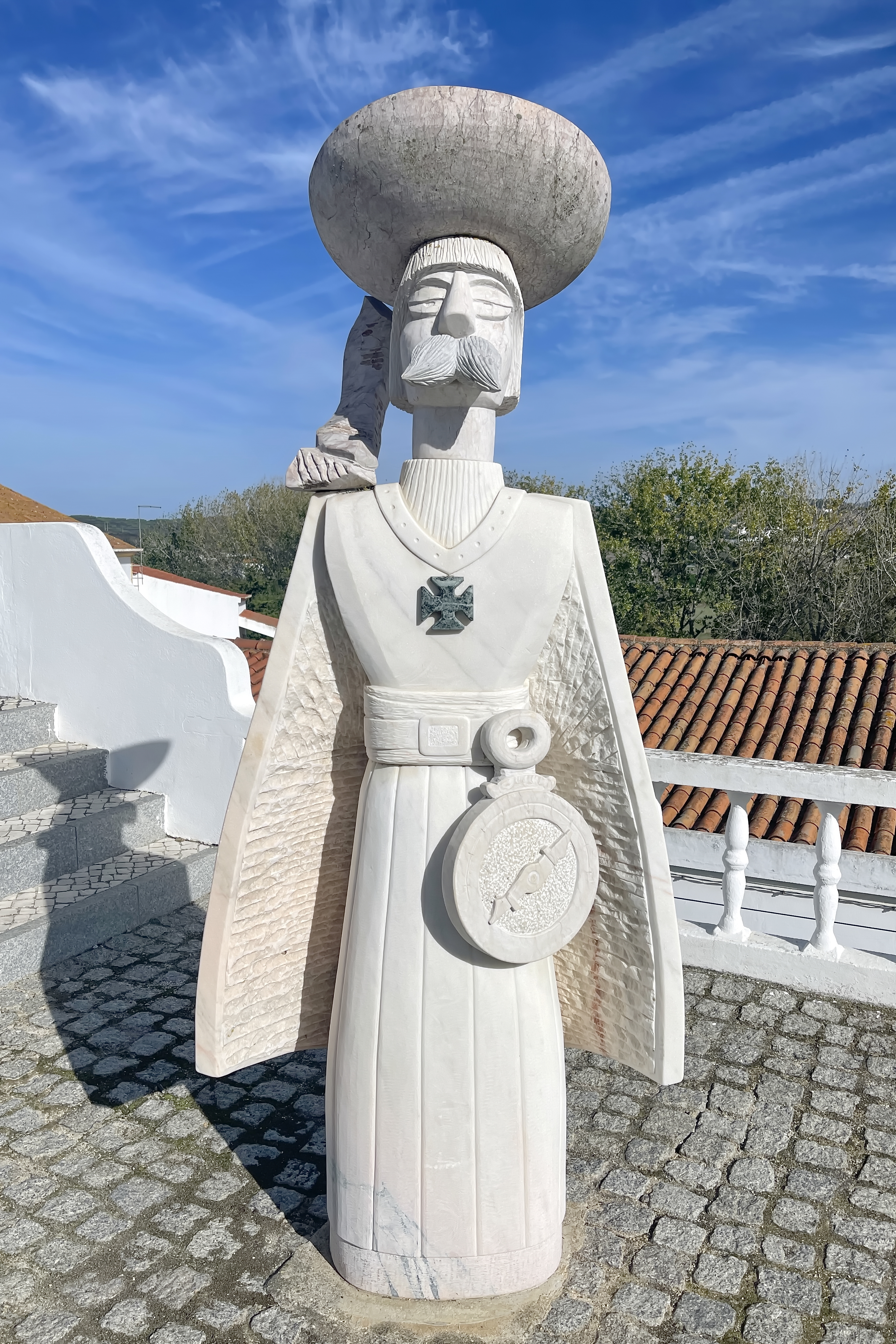
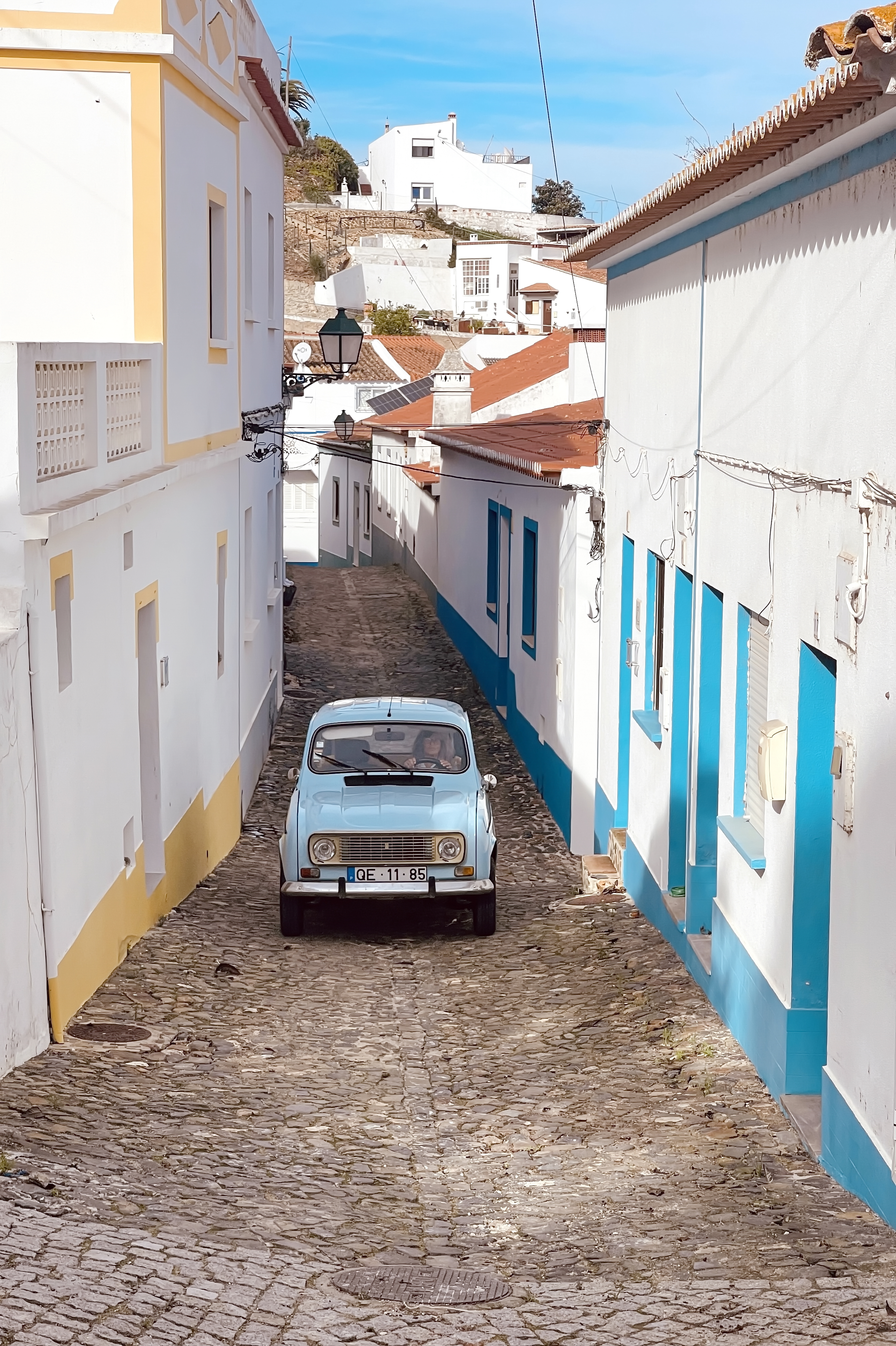
What we loved most was how effortlessly Aljezur blends history, culture, and landscape. We wandered without a plan, letting curiosity guide us, and it felt like discovering a quieter, more authentic Algarve — one that gently insists you slow down and notice where you are.
Burgau — The Sleeping Fishing Village
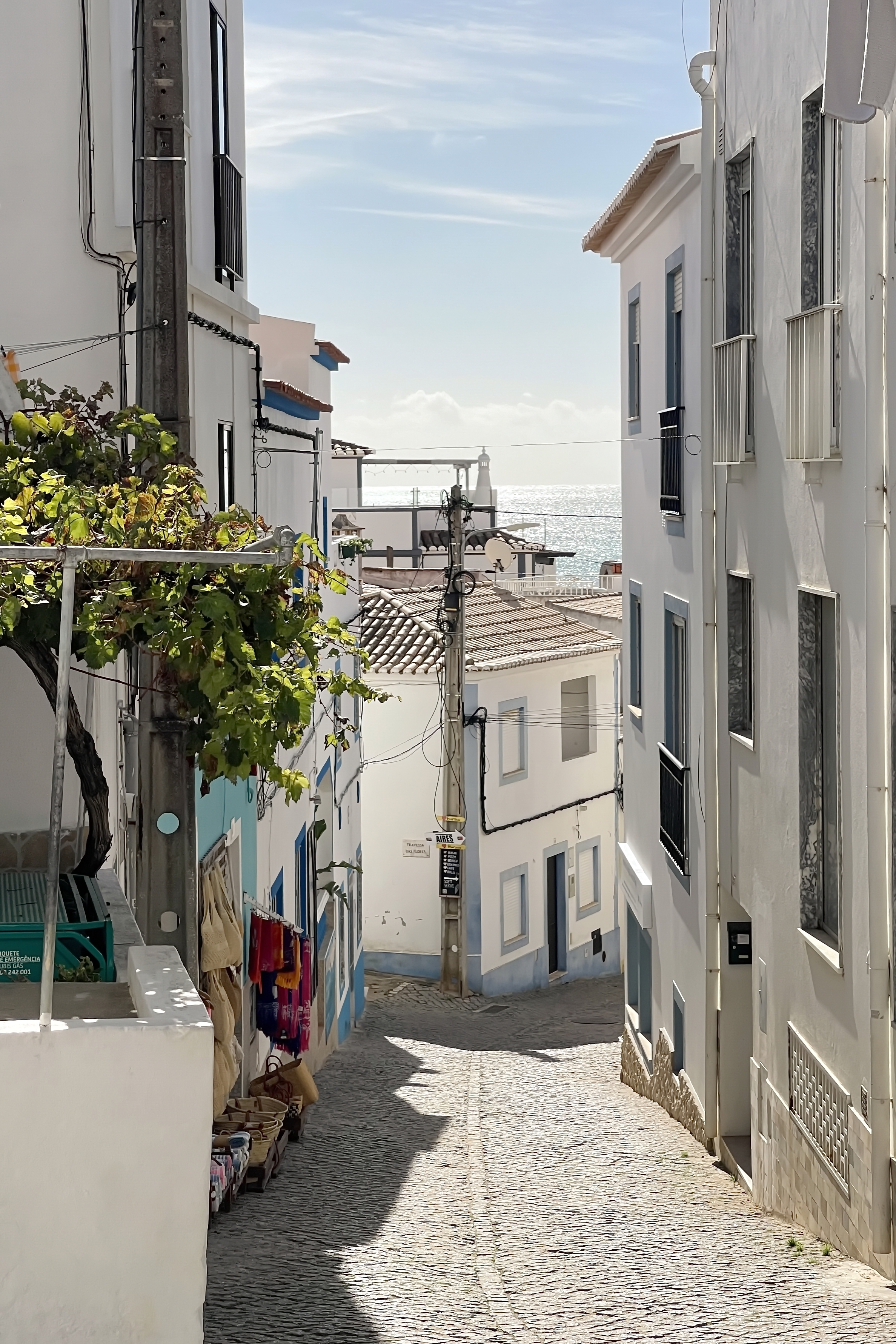
Just minutes from Luz, Burgau felt like stepping back in time. Once a small Moorish fishing settlement tucked between the cliffs, the village grew around its sheltered cove, shaped by tides and tradition. Its isolation well into the 20th century helped preserve the simple rhythms that still define it today.
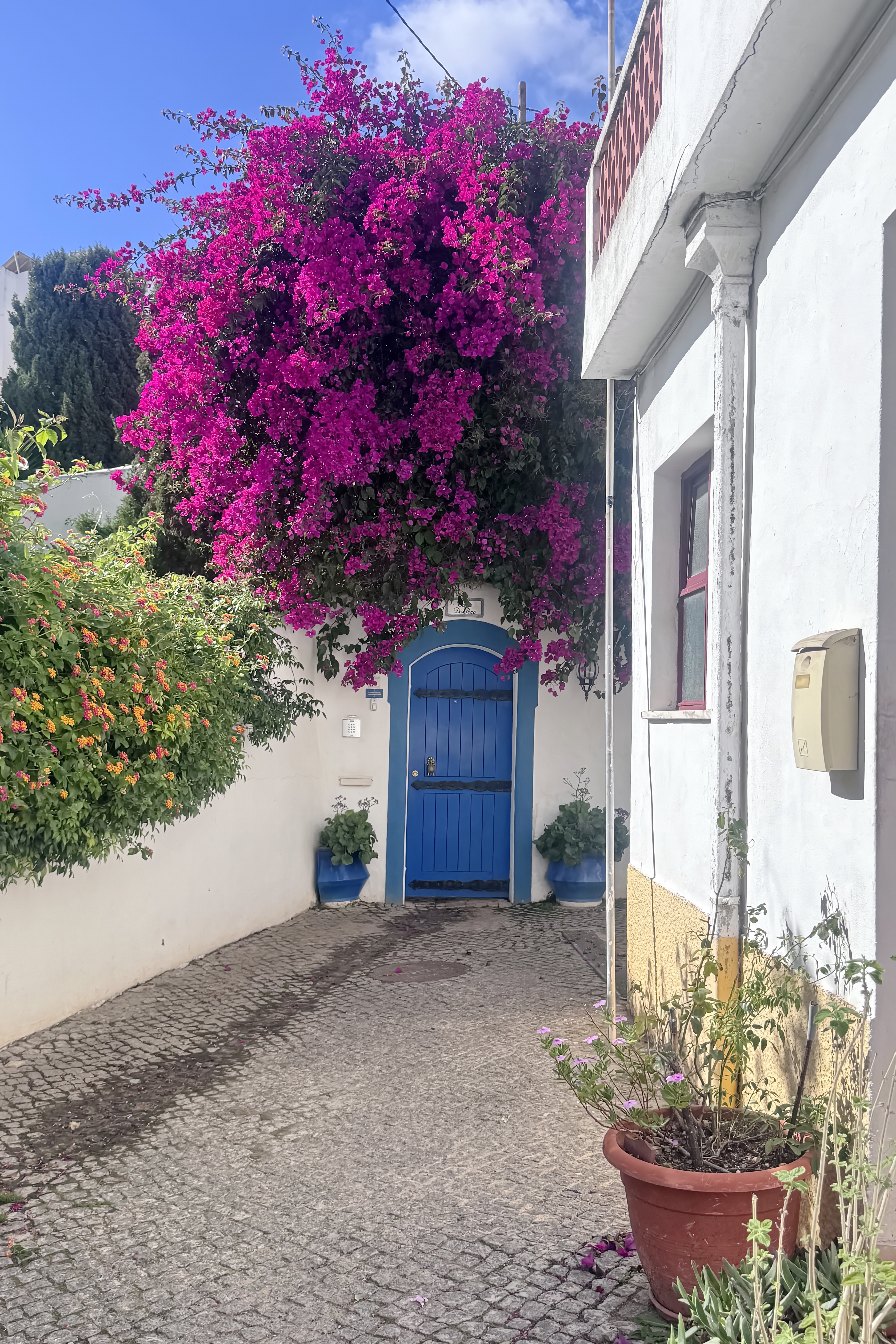
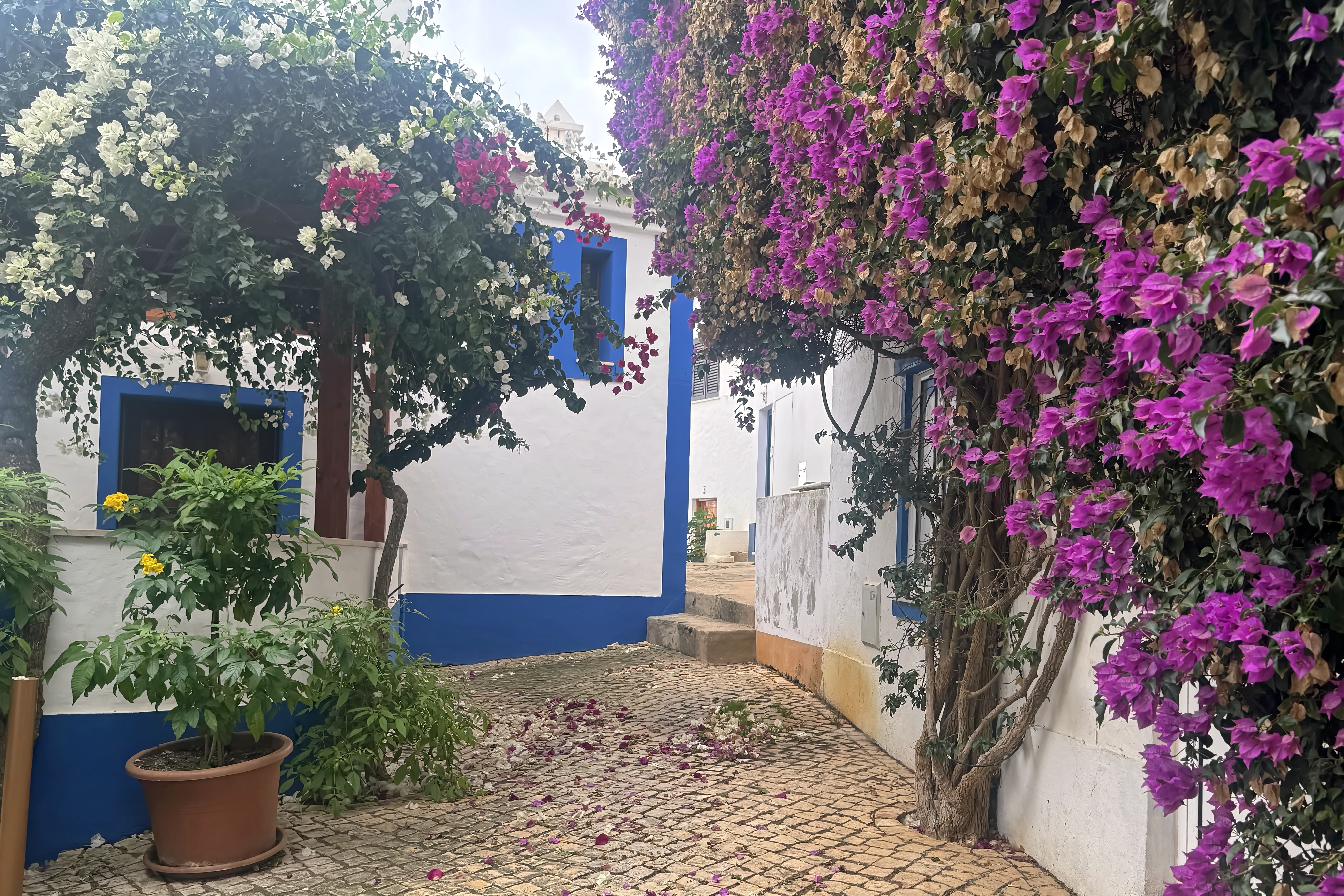
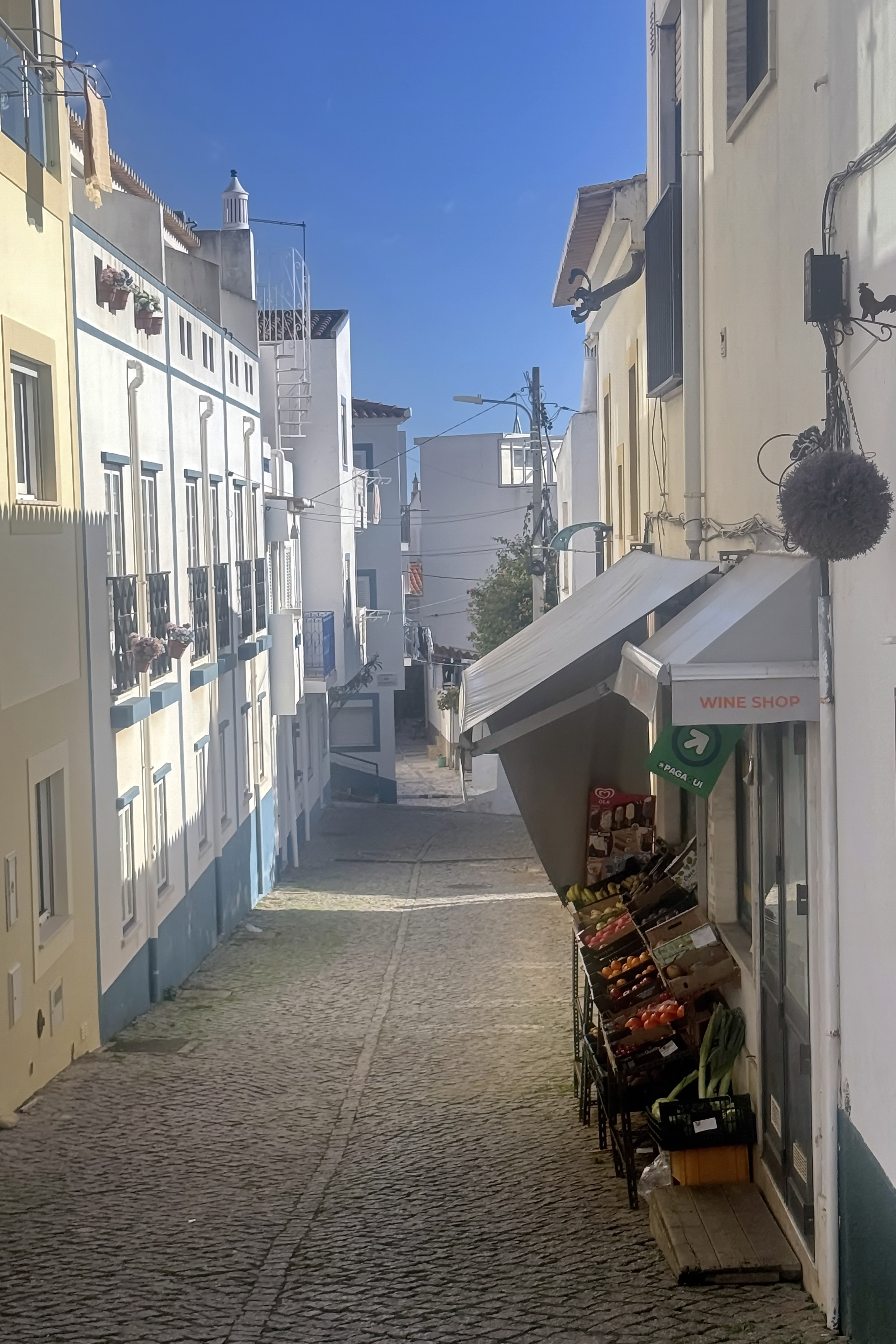
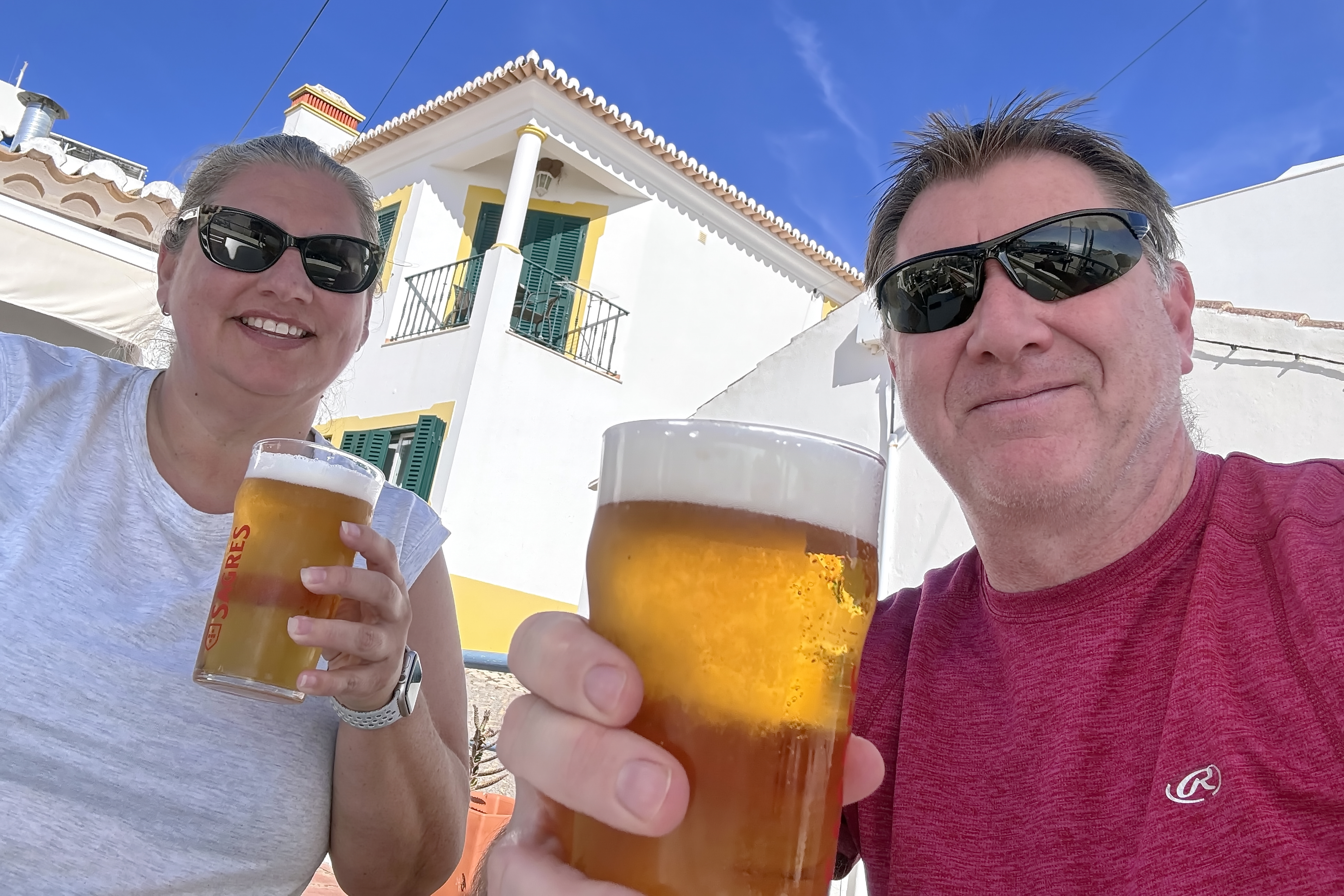
Narrow lanes tumble steeply toward the beach, lined with whitewashed houses splashed with colour from flowering shrubs and potted plants. The scent of salt lingers in the air, and everything feels relaxed and unhurried. Burgau doesn’t try to impress — it doesn’t need to. An afternoon wander followed by a beachside drink felt exactly right. It’s a place that moves at the pace of the tide and quietly invites you to do the same.

Cacela Velha — Simple & Stunning
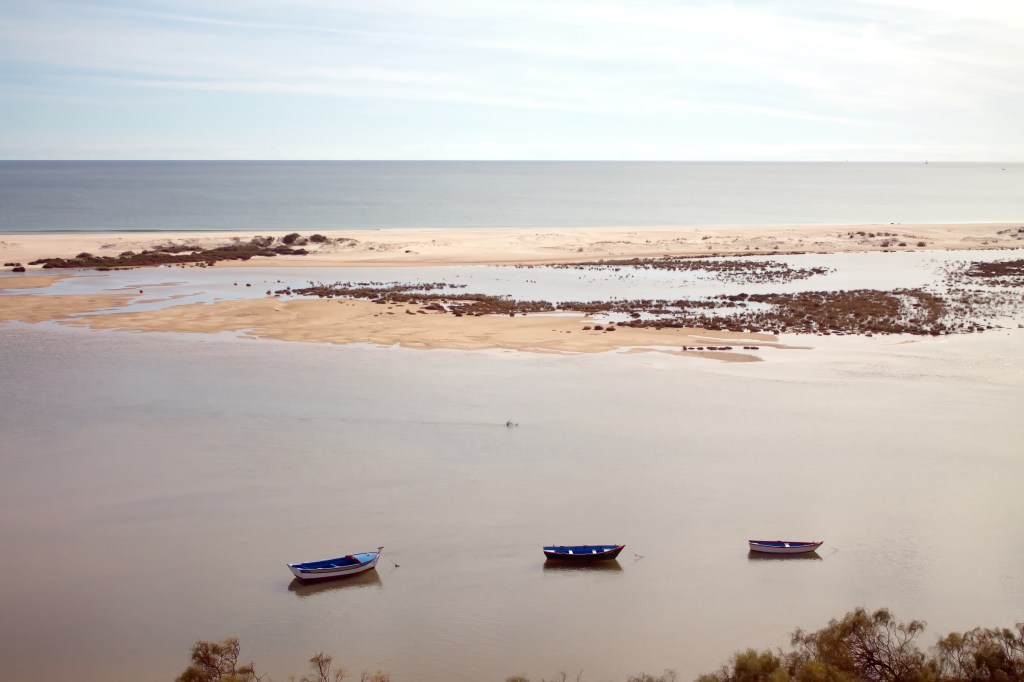
Cacela Velha may be small, but it’s unforgettable. Its castle is perched above the Ria Formosa lagoon with views stretching beyond to the Atlantic, and it feels like a secret carefully guarded by time. Evidence of Phoenician and Roman settlements sits beneath layers of Moorish and Portuguese history, all culminating in the striking fortress and church, both overlooking the coast.
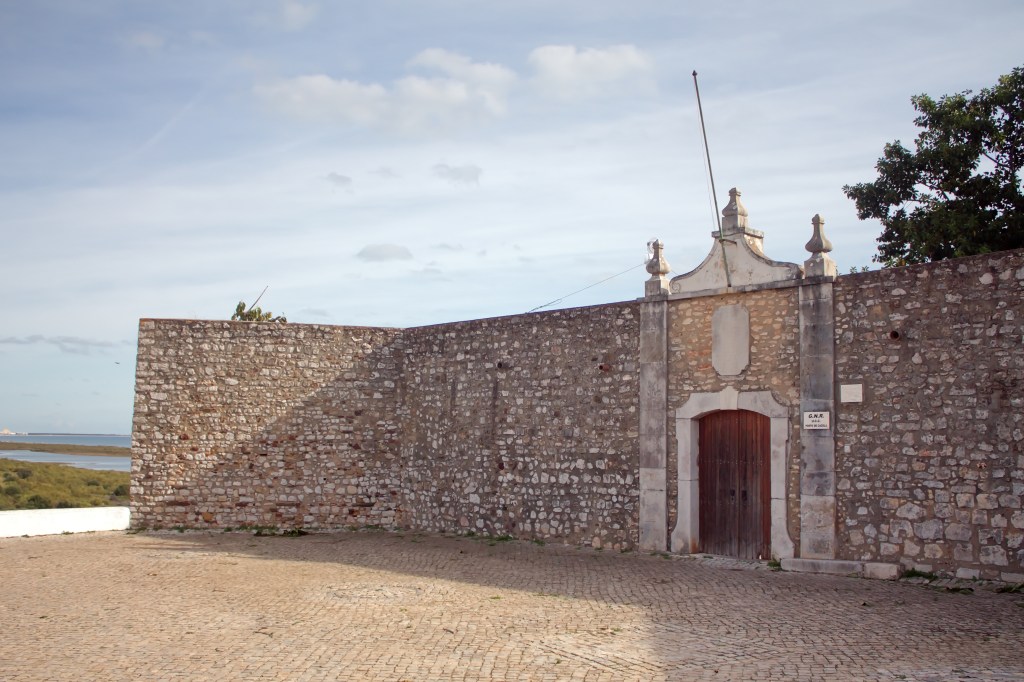
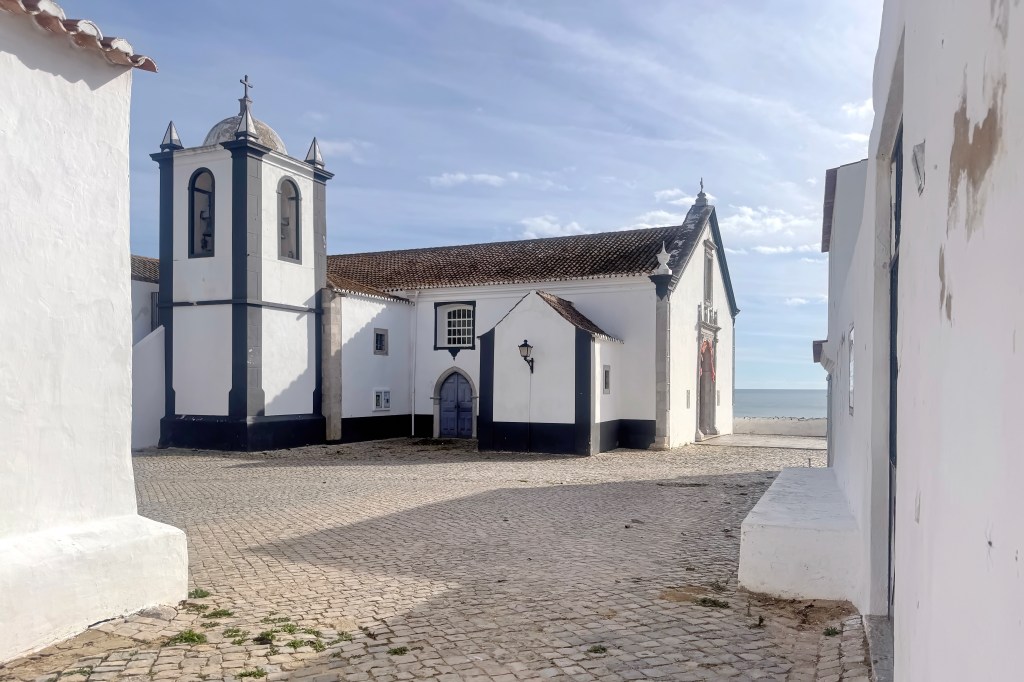
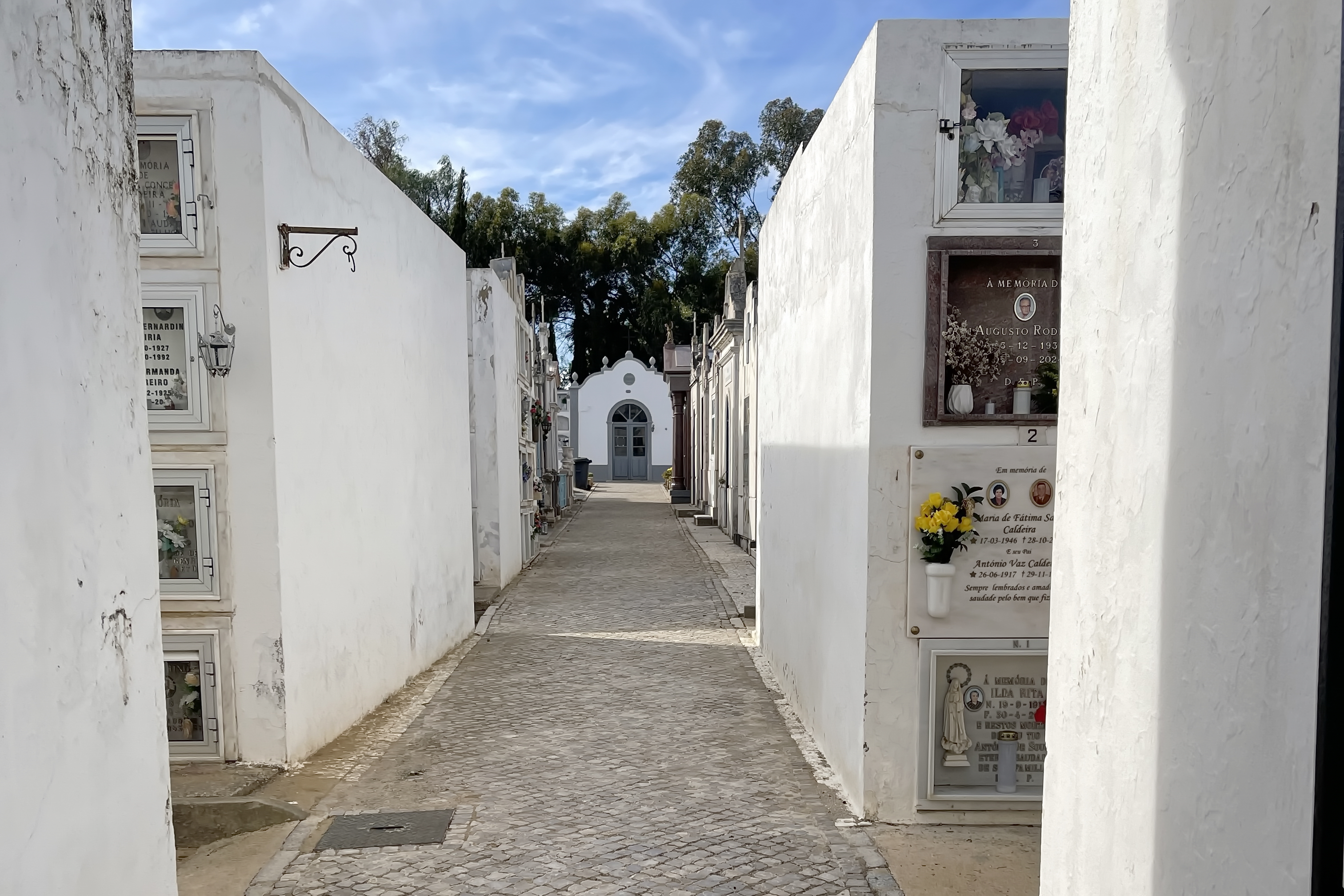
Walking its cobbled streets felt like stepping into another era. Whitewashed homes, colourful shutters, and generations of quiet continuity surrounded us. Even the cemetery stopped us in our tracks — its neatly stacked wall niches were unexpectedly beautiful, a moving tribute to the lives lived here.
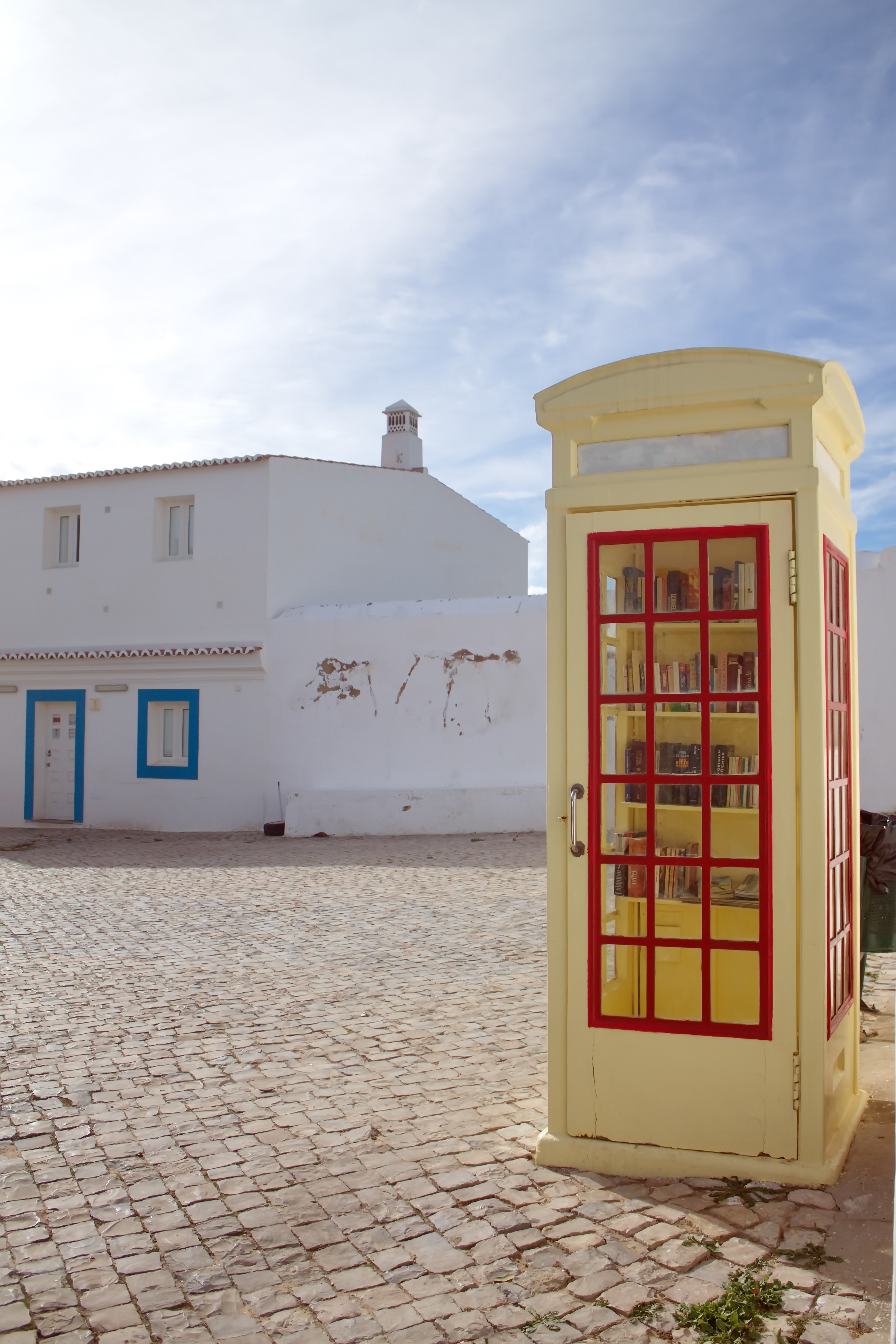
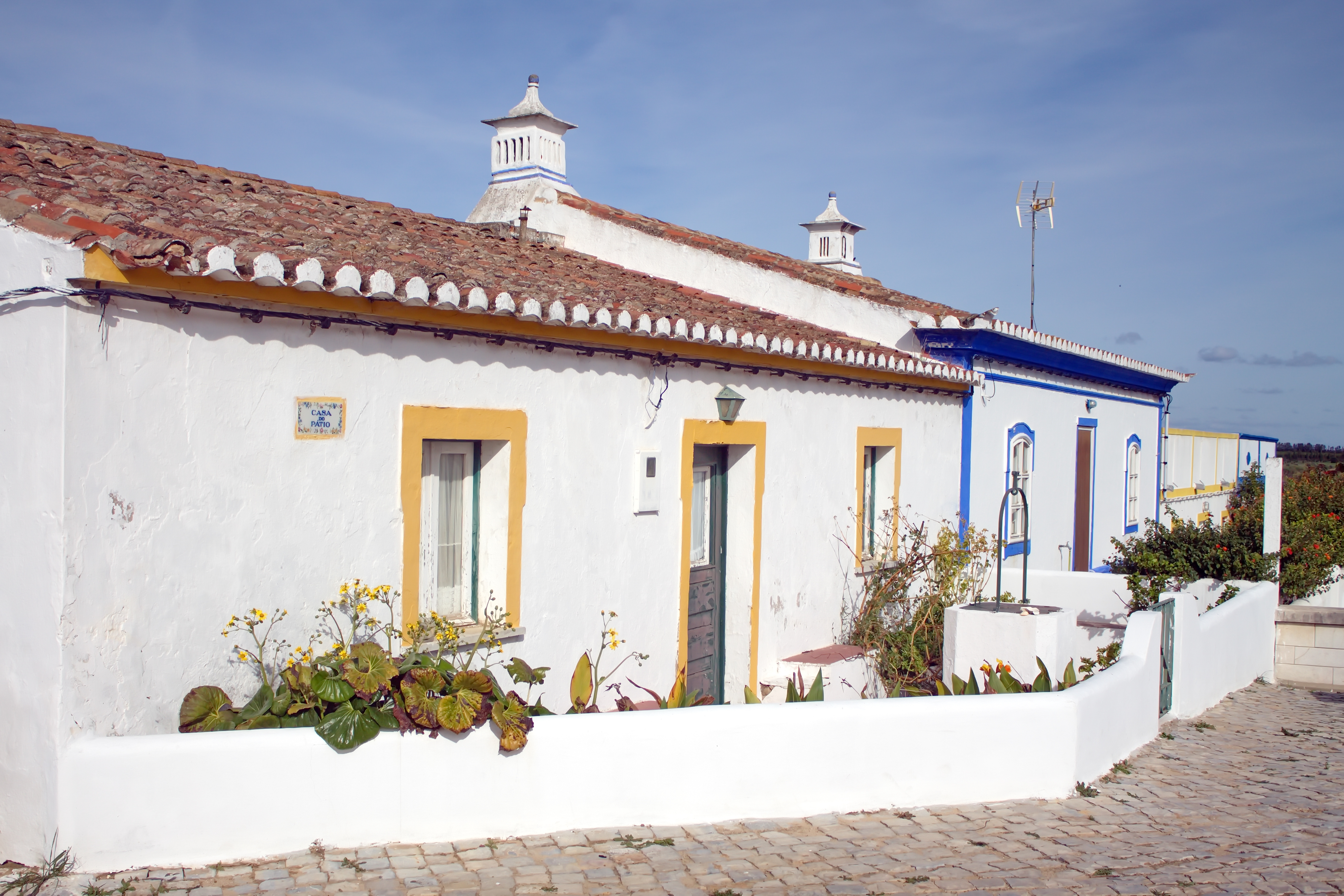
Unlike much of the Algarve, Cacela Velha remains blissfully unspoiled. It felt less like a destination and more like a discovery — the kind you’re grateful still exists.
Carvoeiro — Clifftop Boardwalk & Carved Rocks
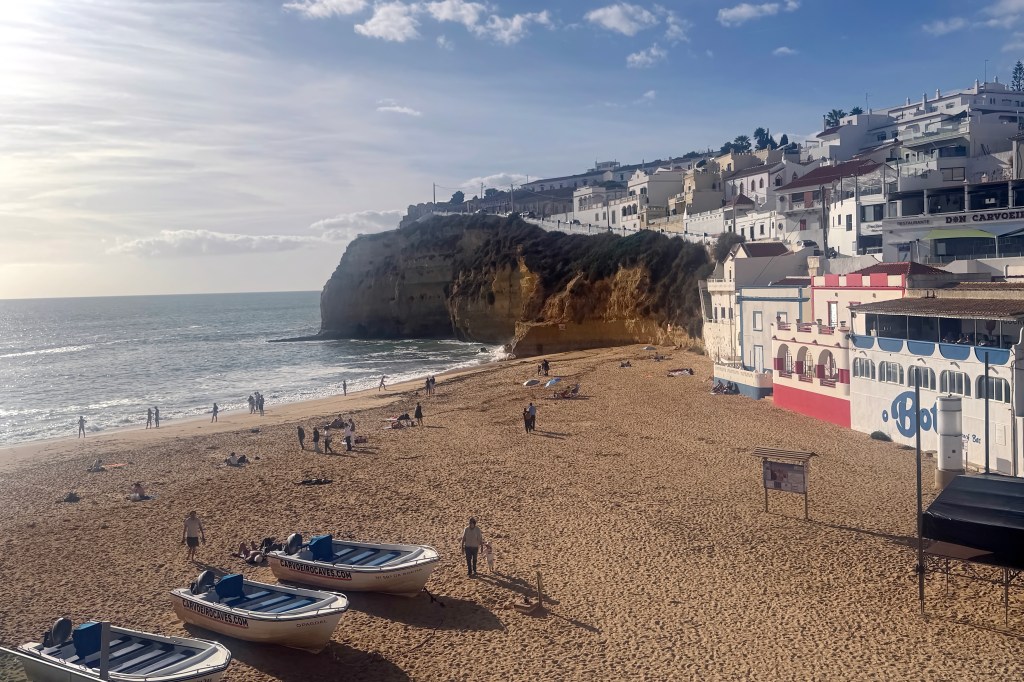
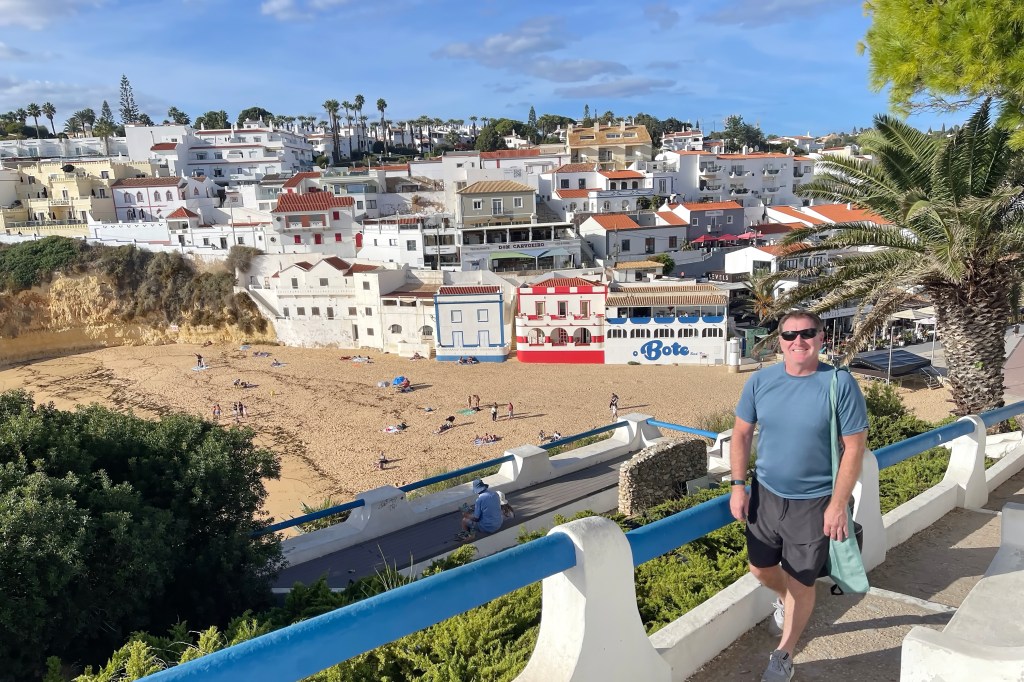
Carvoeiro retains the quintessential Algarve vibe, whitewashed houses tumbling down to the small cove beach, surrounded by lively restaurants, shops, and cafes. The town maintains a laid-back, less overwhelming atmosphere and balances traditional Portuguese character with modern amenities.
After a light lunch, we ascended above the town to the Carvoeiro Boardwalk, one of the easiest and most scenic walks of the trip. Starting near the crescent-shaped bay, the wooden path hugs the clifftops, with glorious open-sea views along the way.
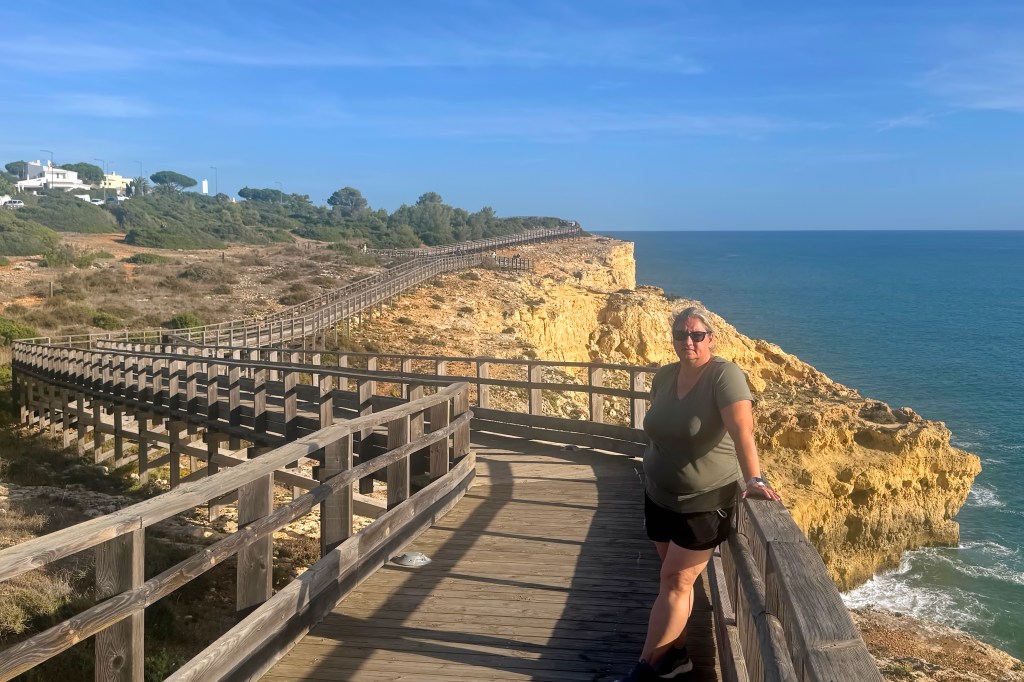
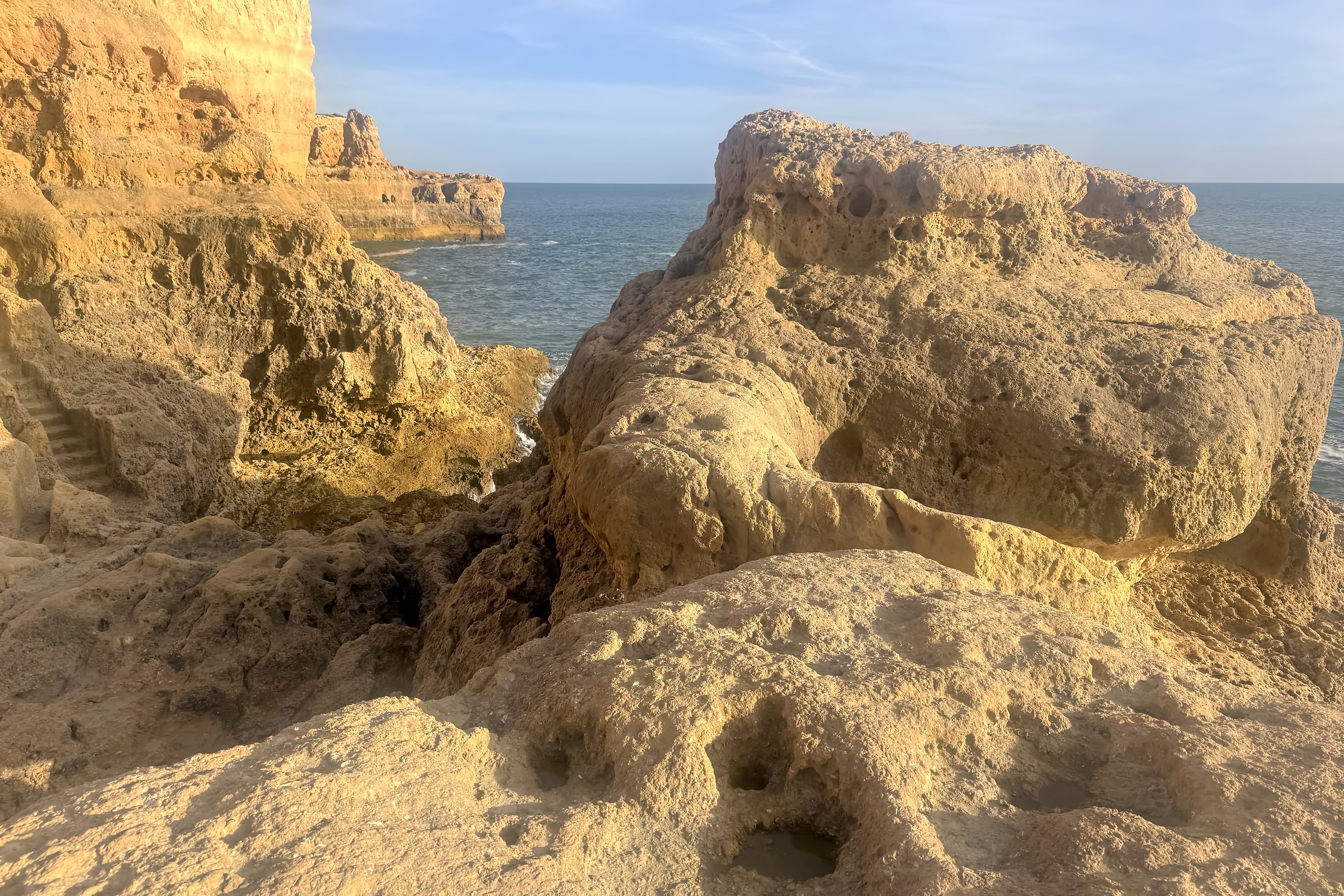
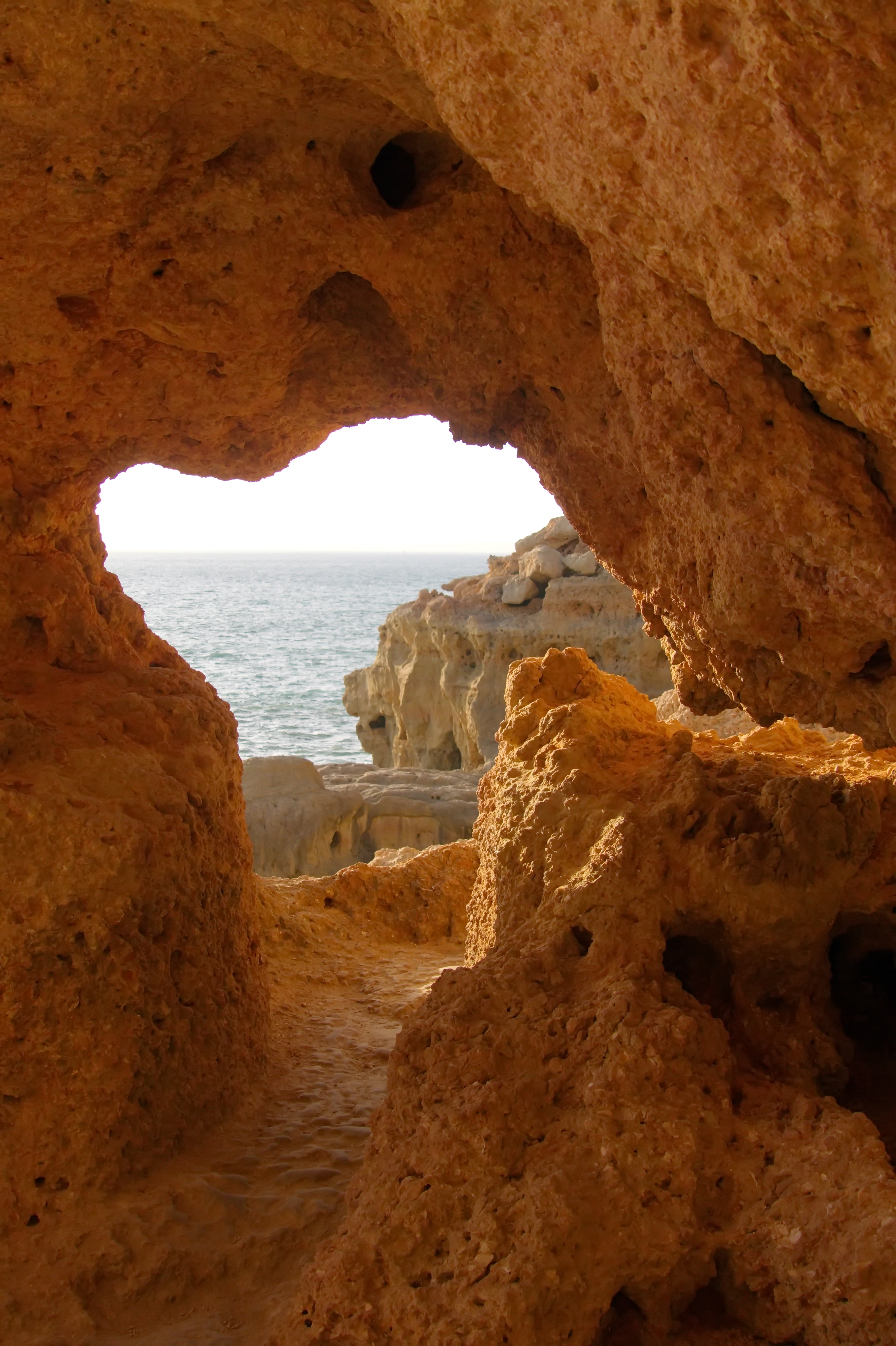
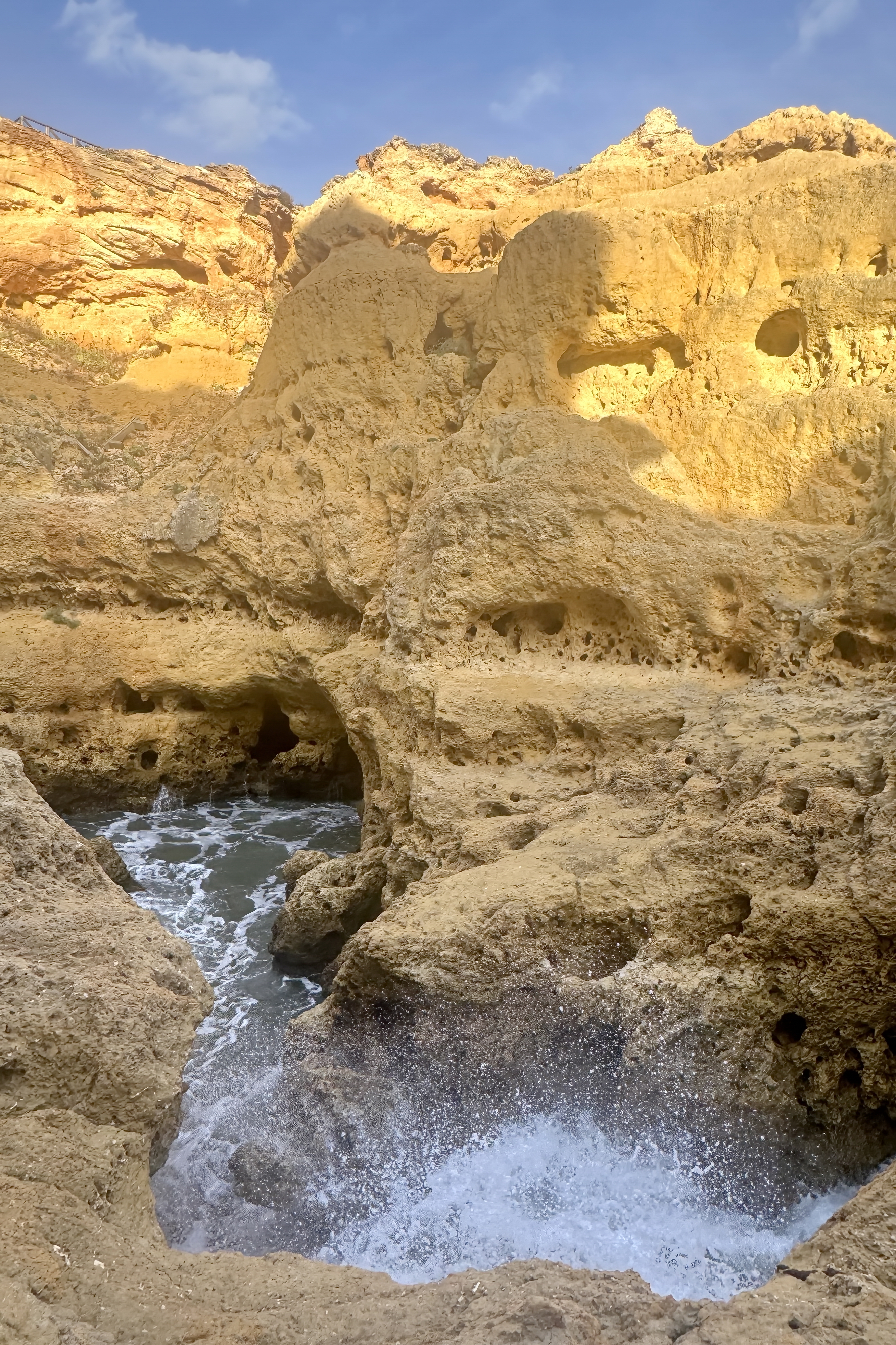
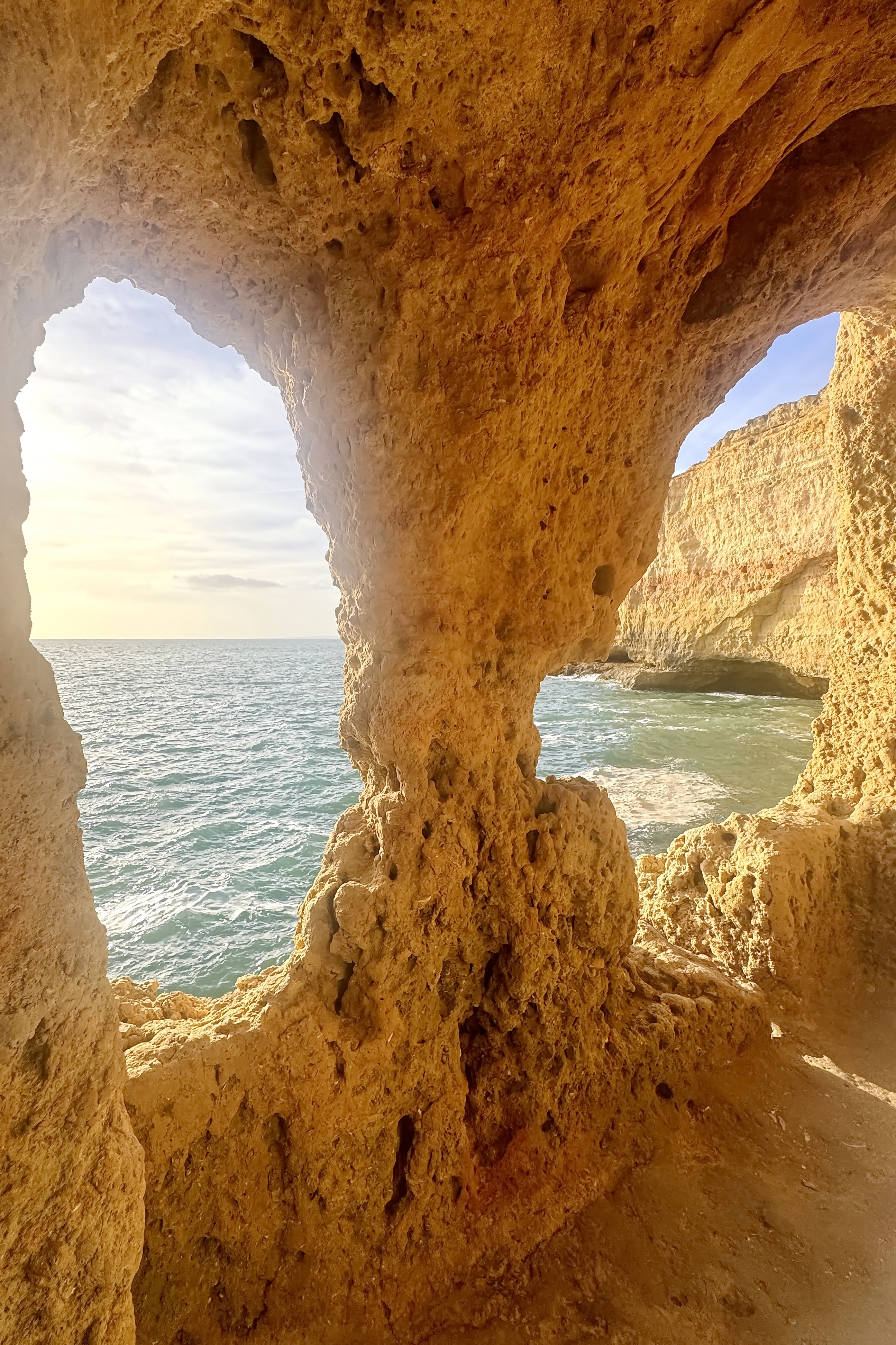
Our destination was the dramatic limestone formations of Algar Seco. Here, the landscape feels almost otherworldly — carved arches, sea caves, and sculpted rock that look more Martian than Mediterranean. Every step felt like a photo opportunity, with ochre rock glowing against the blue sky as ocean breezes threaded through the cliffs.
Castro Marim — Salt Pans & Castle Walls
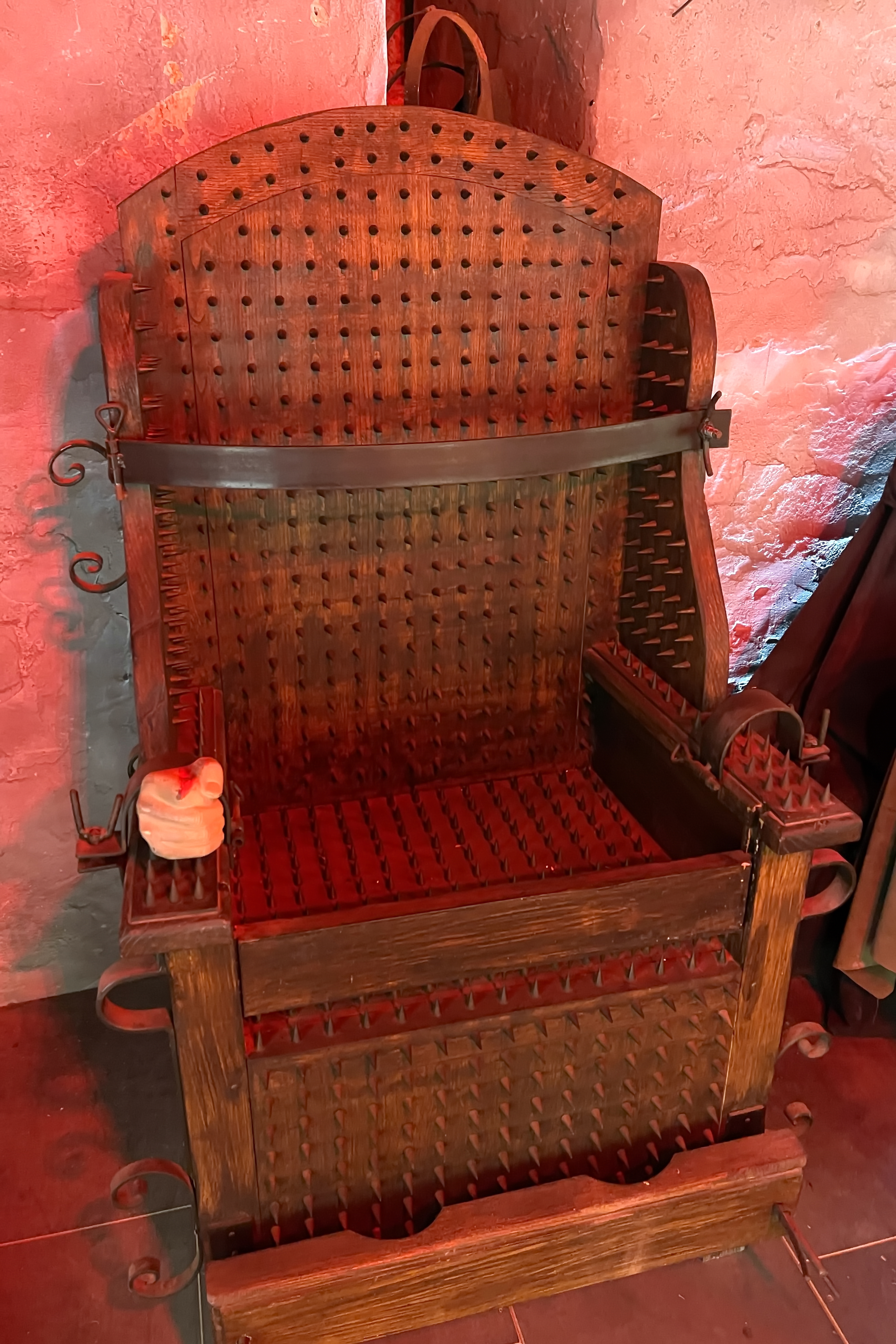
Castro Marim rises quietly above the Guadiana River, with a medieval castle on one hill and a fortress on the other. Walking along the old walls, we couldn’t help but imagine the soldiers who once stood watch here, scanning the valley below and guarding the border with Spain. Inside the castle, we unexpectedly came across a grisly exhibition of replica Instruments of Torture and Punishment used during the Reconquista — fascinating in a macabre way, but definitely not for the squeamish!
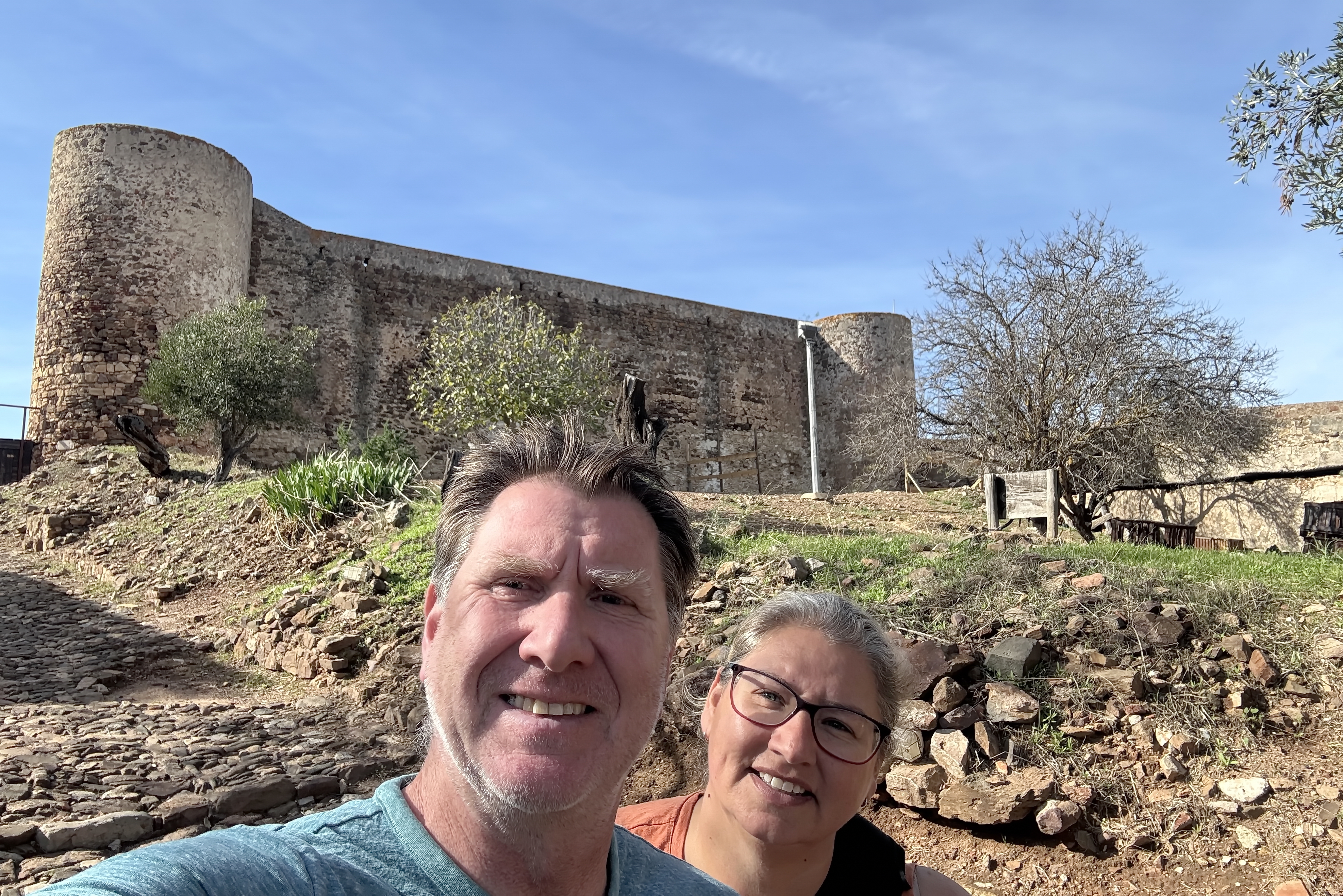
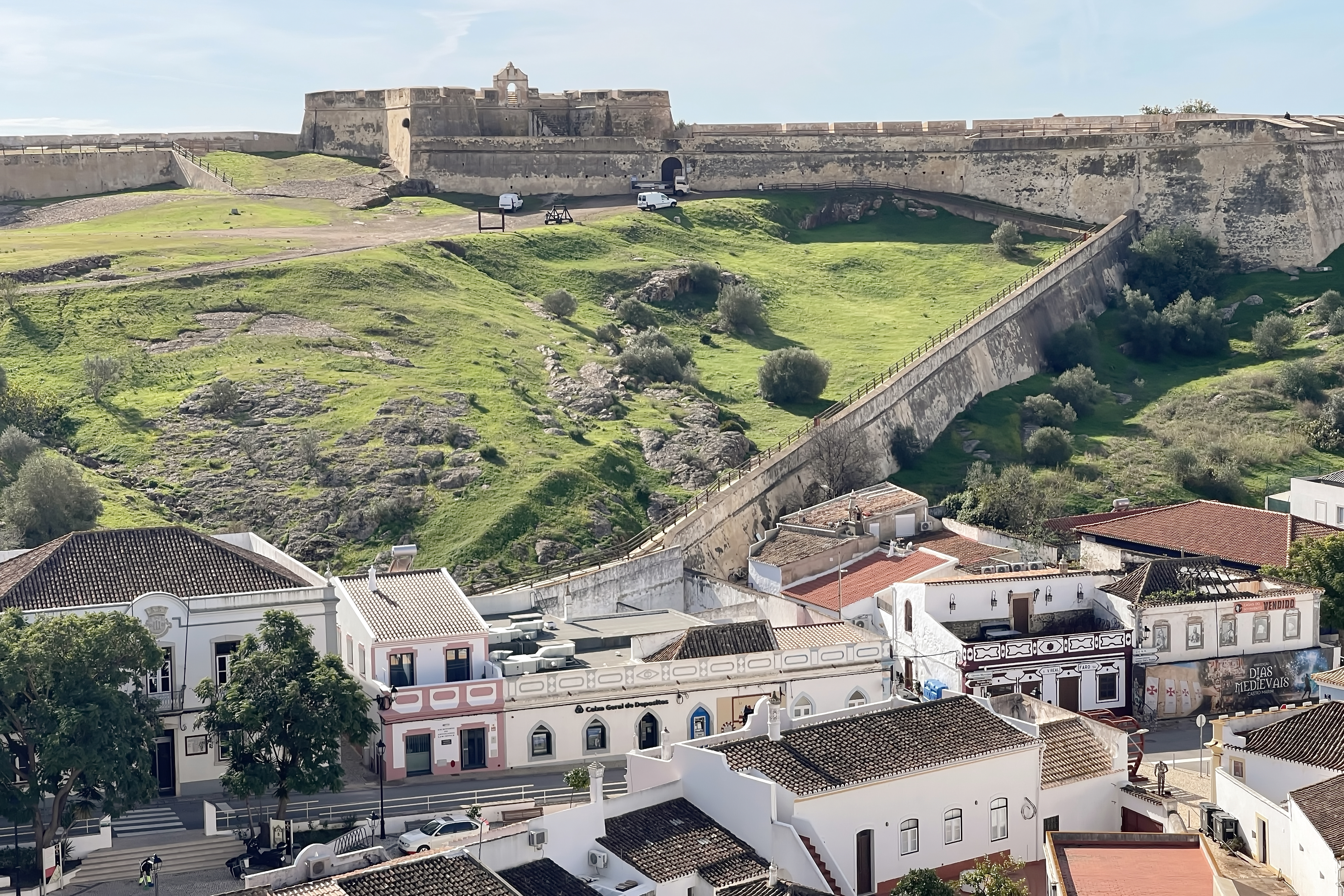
Down below, the narrow streets wrap gently around the base of the castle, leading us into the main square where Our Lady of the Martyrs Church stands proudly. This is another reminder of Castro Marim’s turbulent past, but the feeling today couldn’t be more different. It feels calm and unhurried, with a slower rhythm and a sense of everyday life unfolding around us, entwined with history. Just beyond the village, the salt pans are still worked using ancient methods that have shaped both the landscape and livelihoods here for centuries.
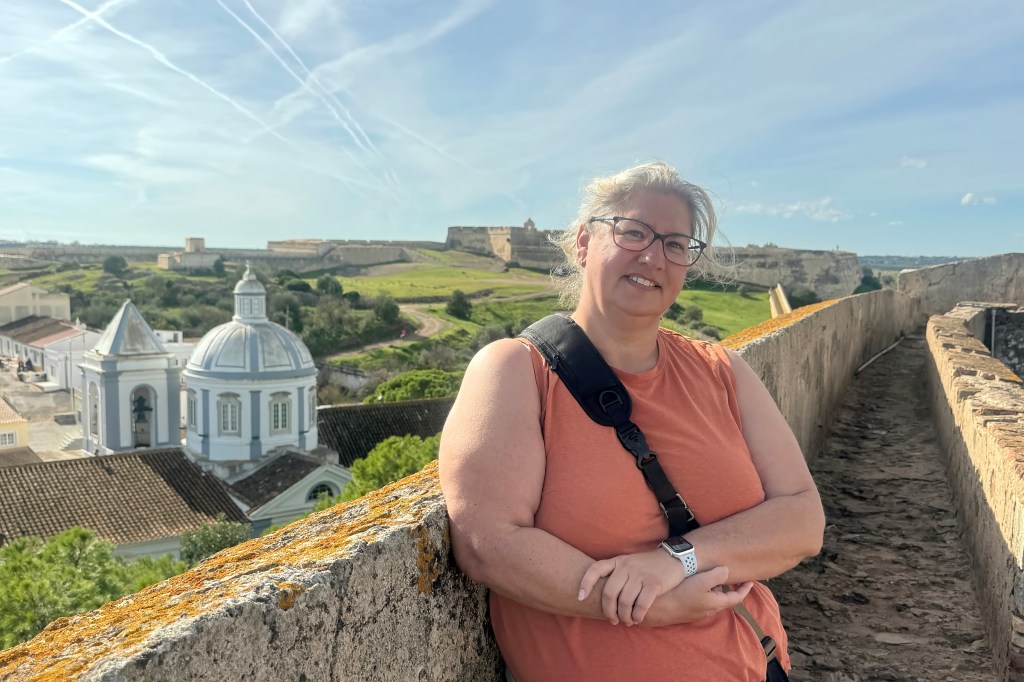
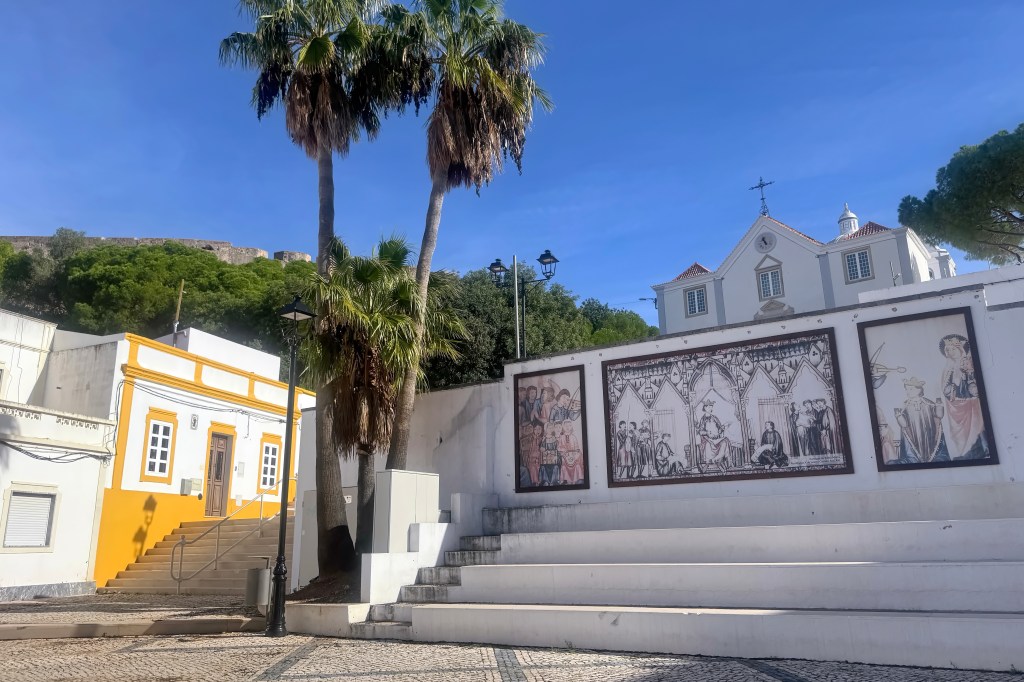
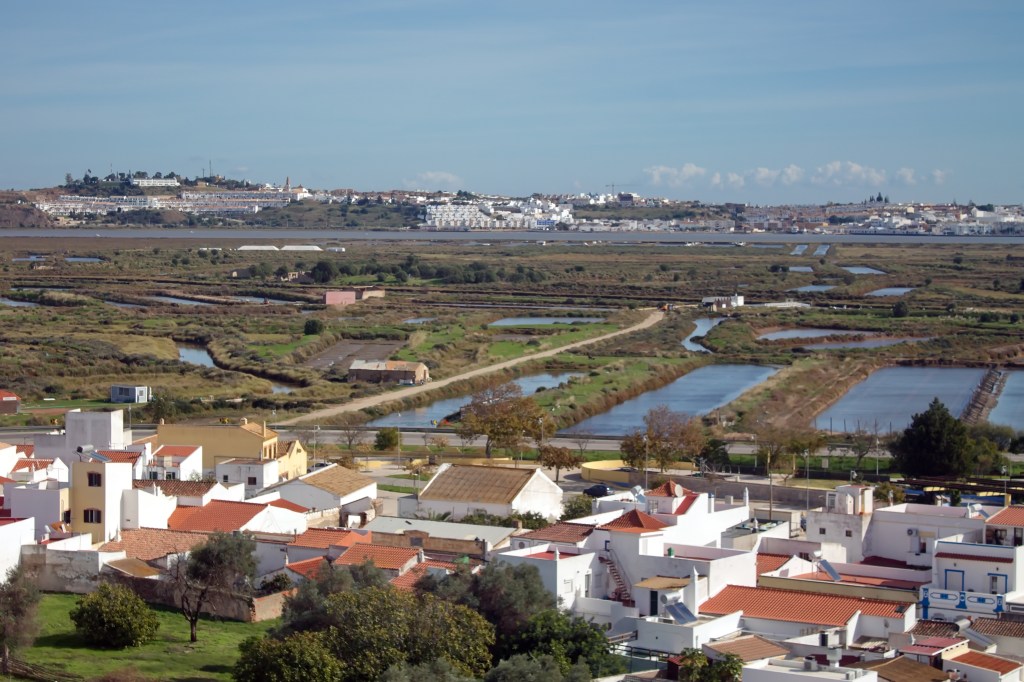
Standing at the crossroads of history and geography, Castro Marim felt like a place where the past lingers quietly — not shouted, but softly woven into every corner we explored.
Ferragudo — A Working Village Painted in Pastels
Ferragudo instantly stole our hearts. Set along the Arade River, it looks like a postcard brought to life with homes stacked on the hillside and fishing boats bobbing along the promenade below. At its centre, the village square hums gently with cafés, tapas bars, and the smell of fresh bread drifting through the air.
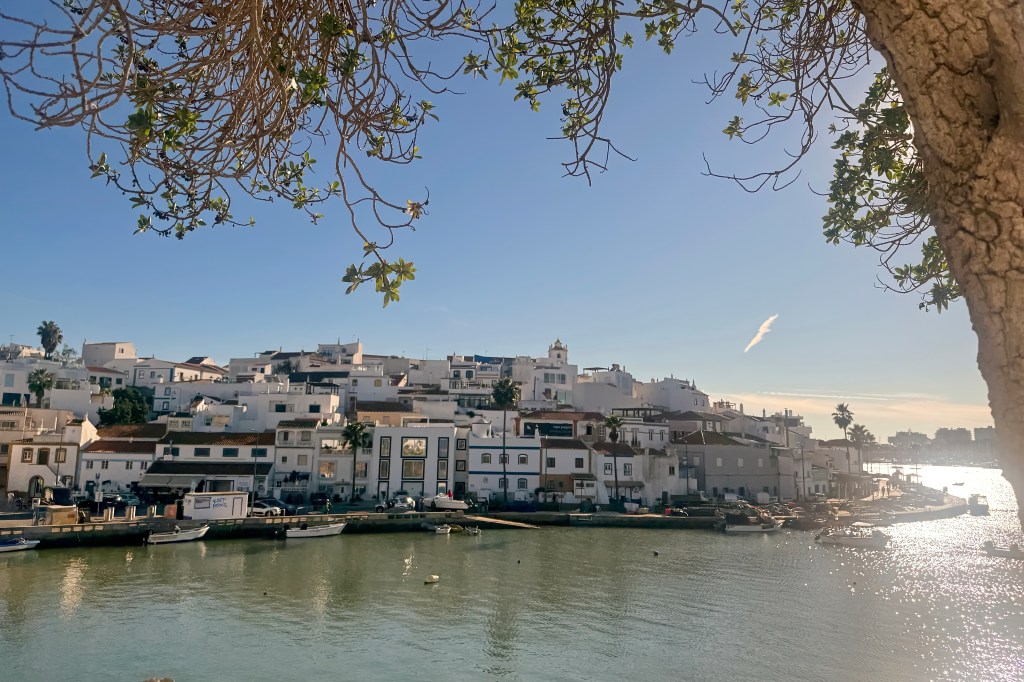
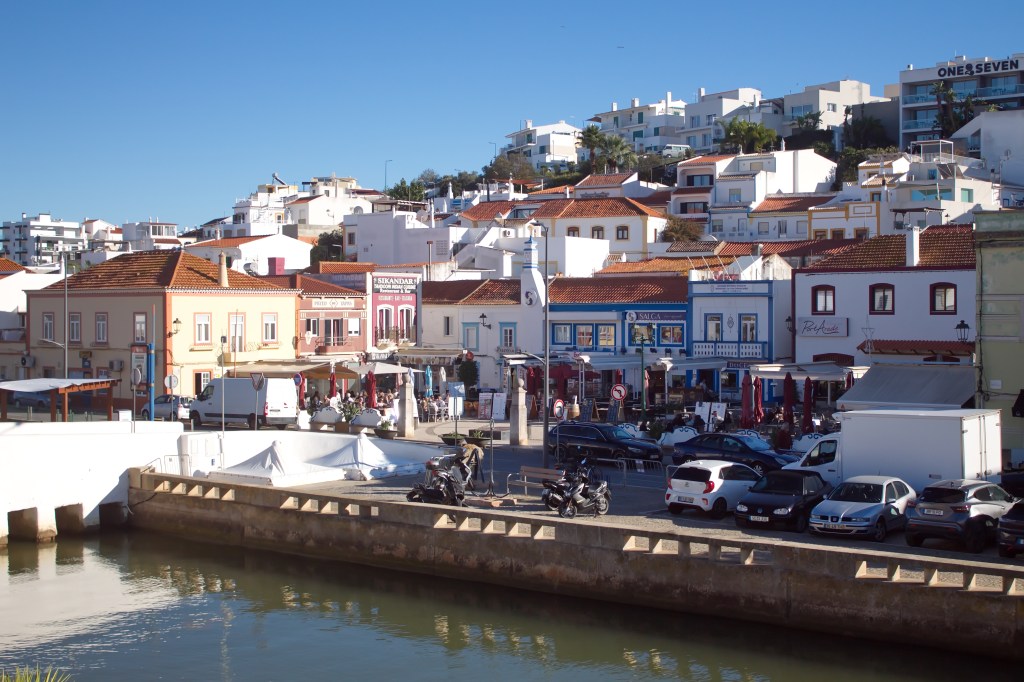
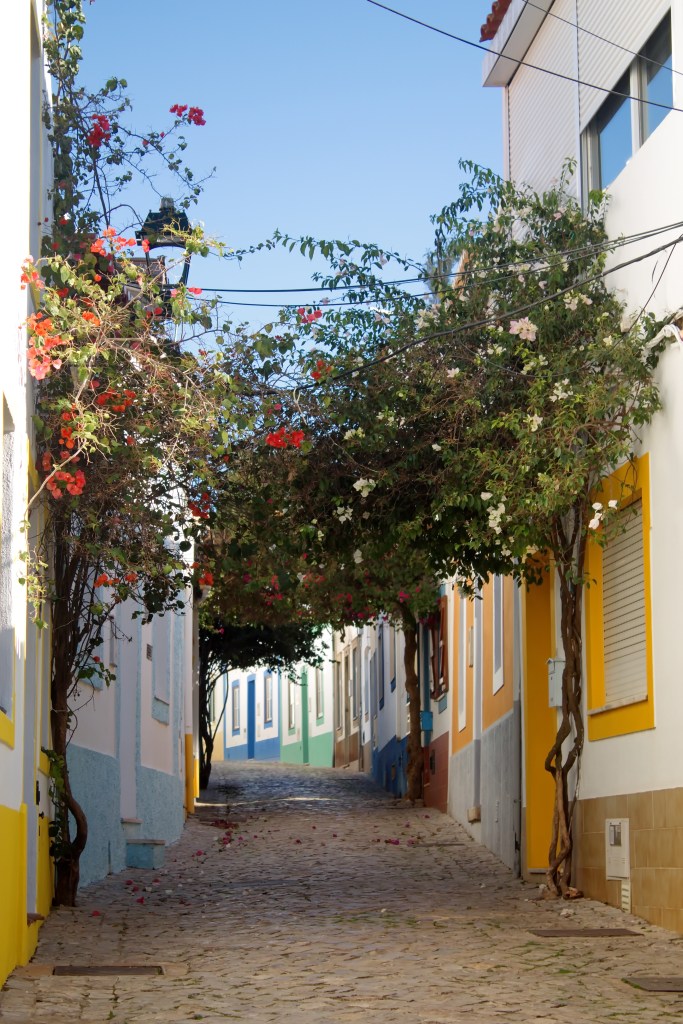
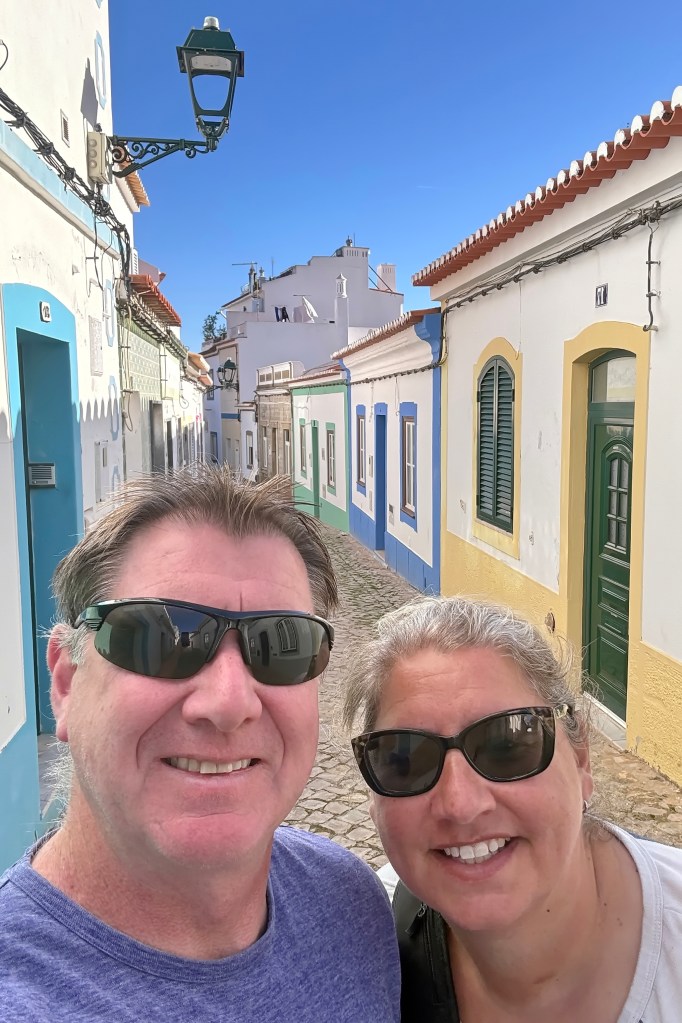
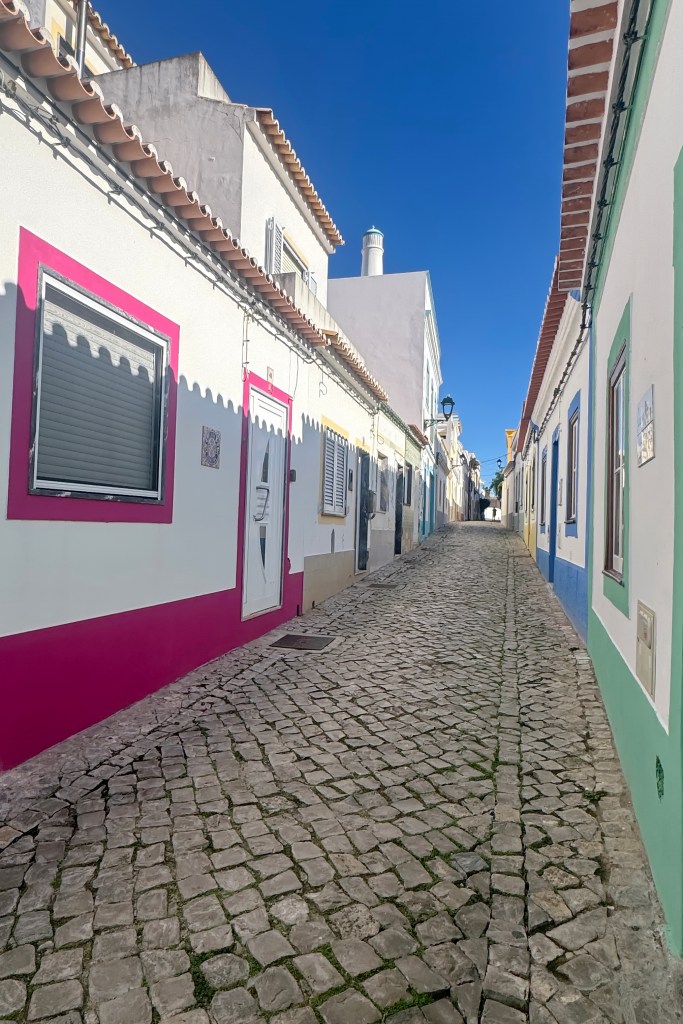
What makes Ferragudo special is its authenticity as fishing nets dried in the sun and daily life unfolded without performance. Walking the streets of pastel houses with sheltered canopies of bougainvillea and stepping along narrow passageways linking the quiet bustling square it was easy to imagine how local families went about their day. Beautiful, yes — and also deeply real.

Lagos — History & Colour
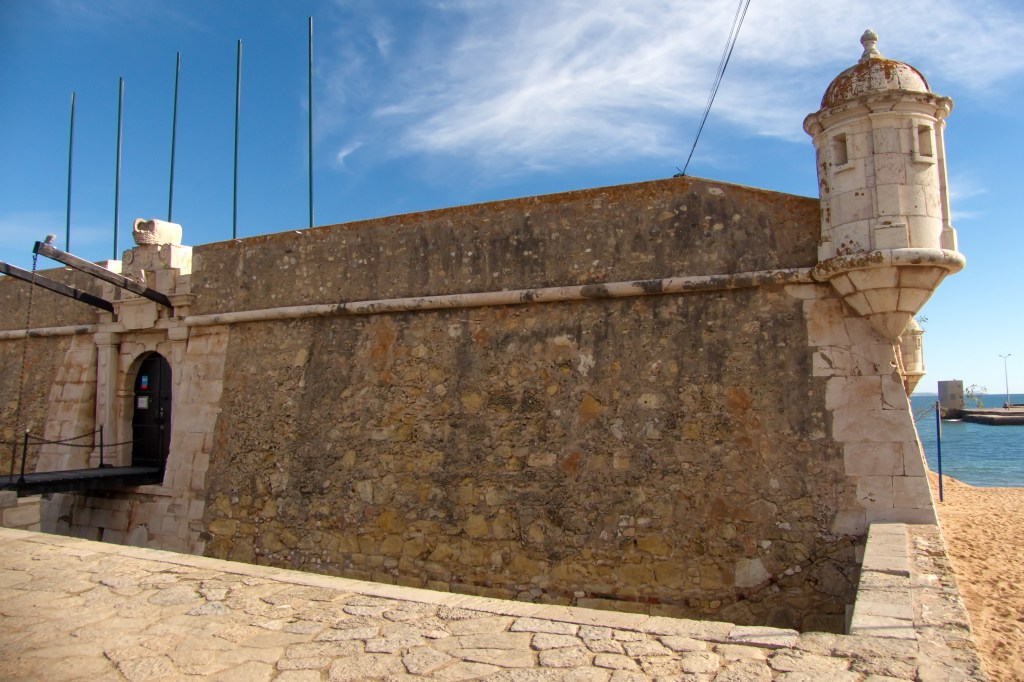
Lagos buzzes with energy and colour. While the marina and old town draw crowds, the city’s depth lies in its maritime past. Sixteenth-century walls still encircle the centre, and the fortress guards the river entrance like it always has.
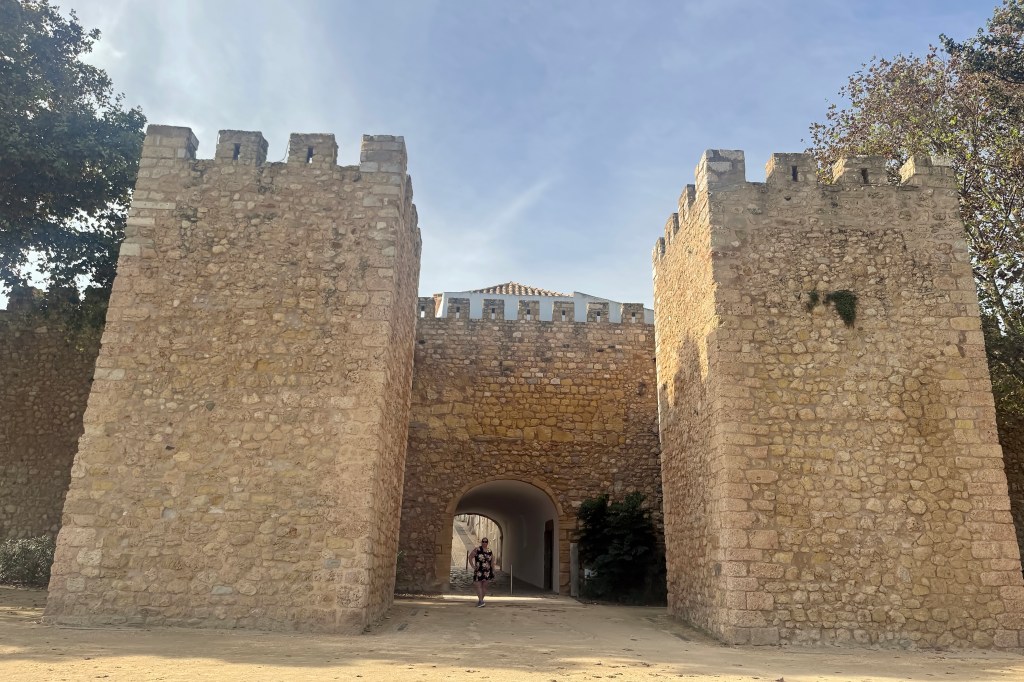
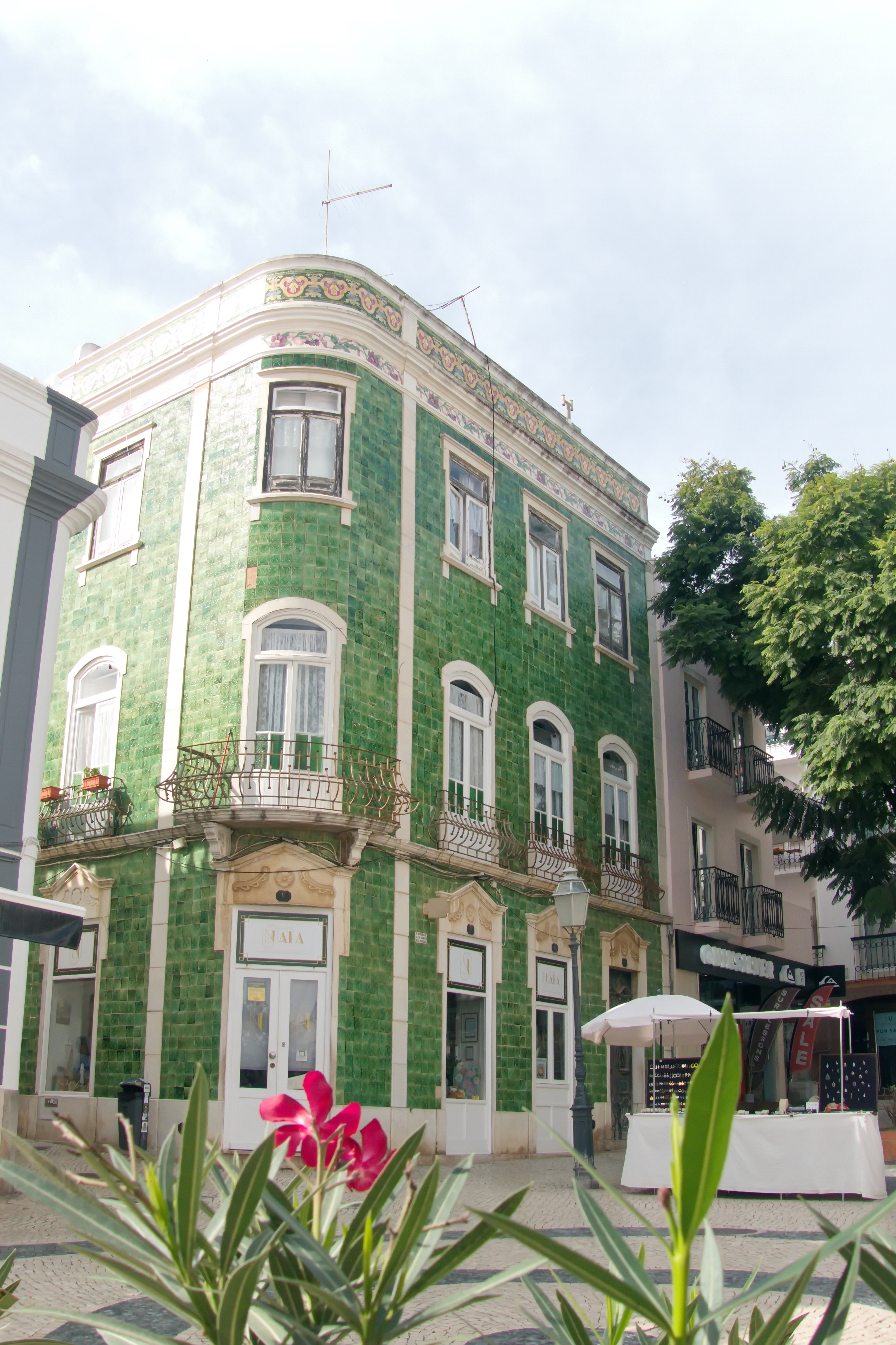
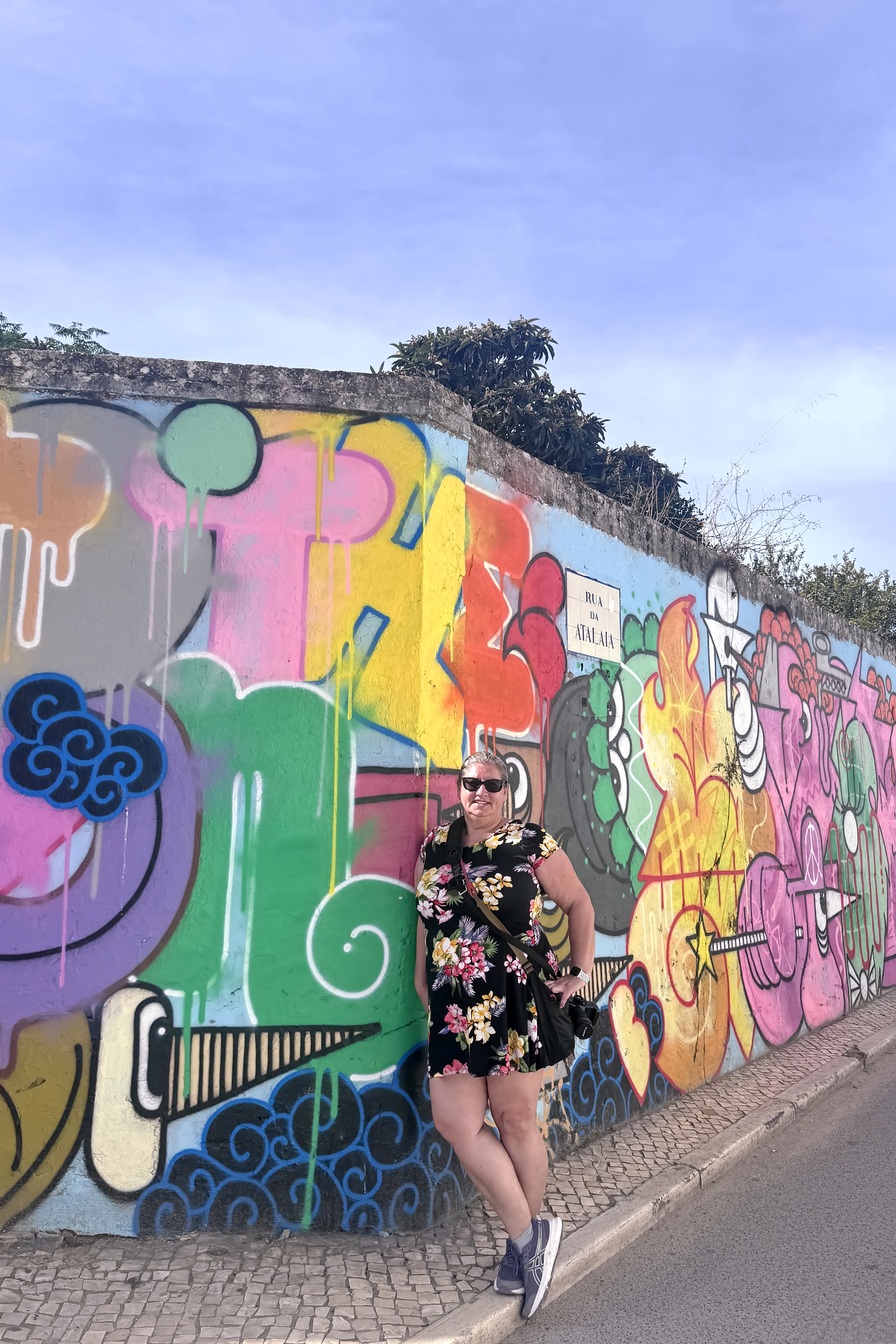
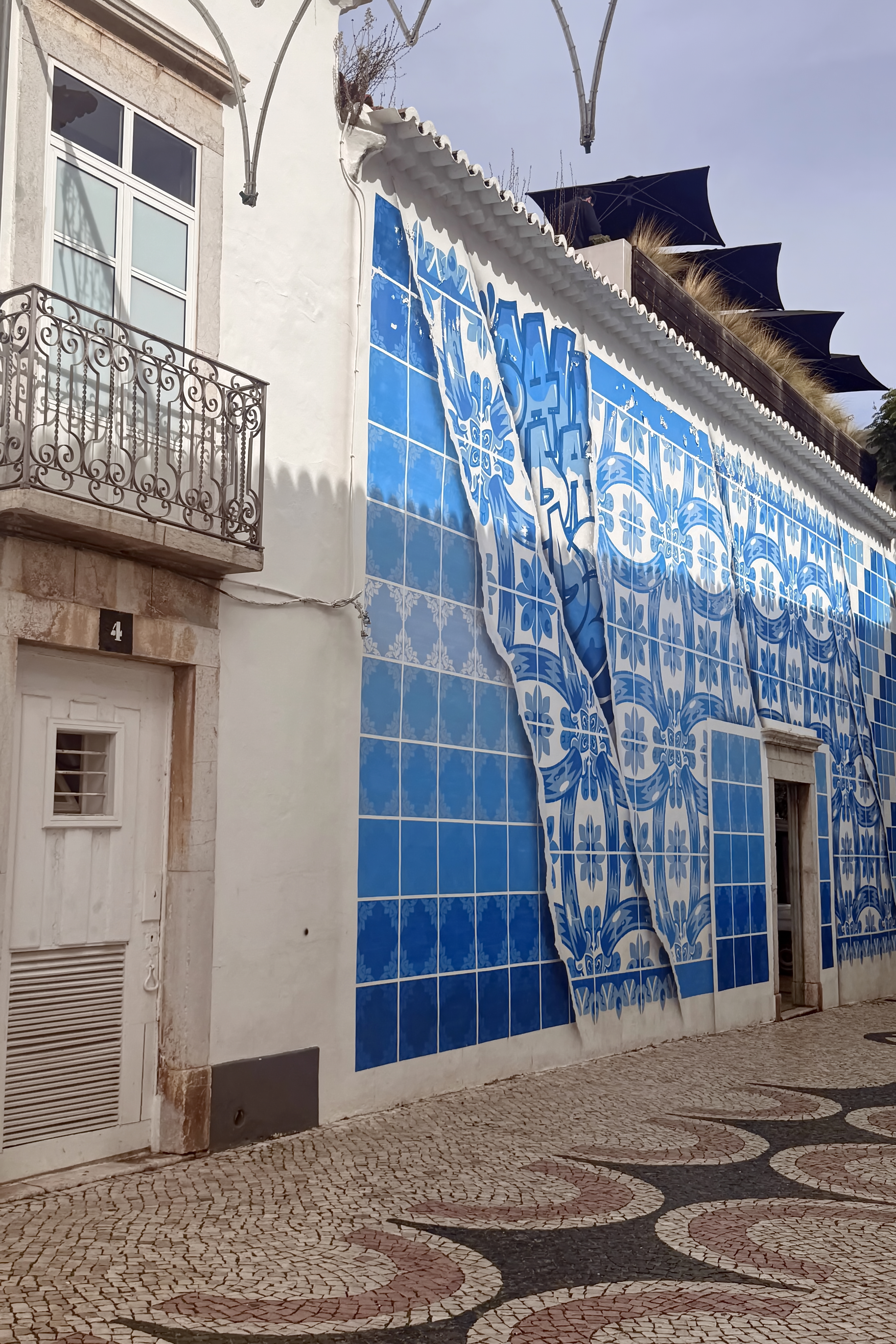
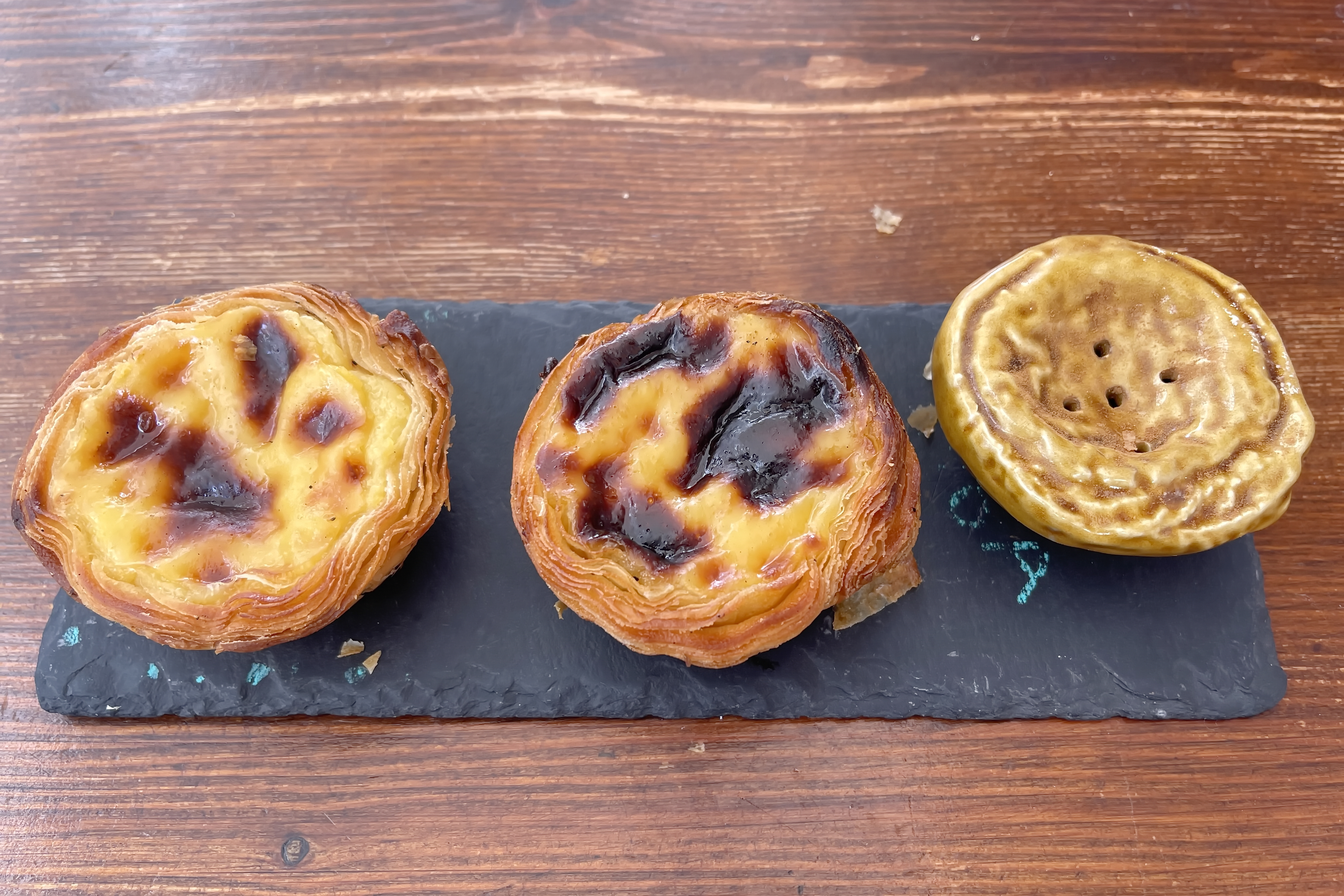
We loved wandering the cobbled streets — geometric stone patterns underfoot, azulejo tiles on the buildings, and bursts of vibrant street art around every corner. And yes, we sampled more than our fair share of pastéis de nata… purely for research purposes, of course.

Loulé — The Cultural Heartbeat of the Algarve
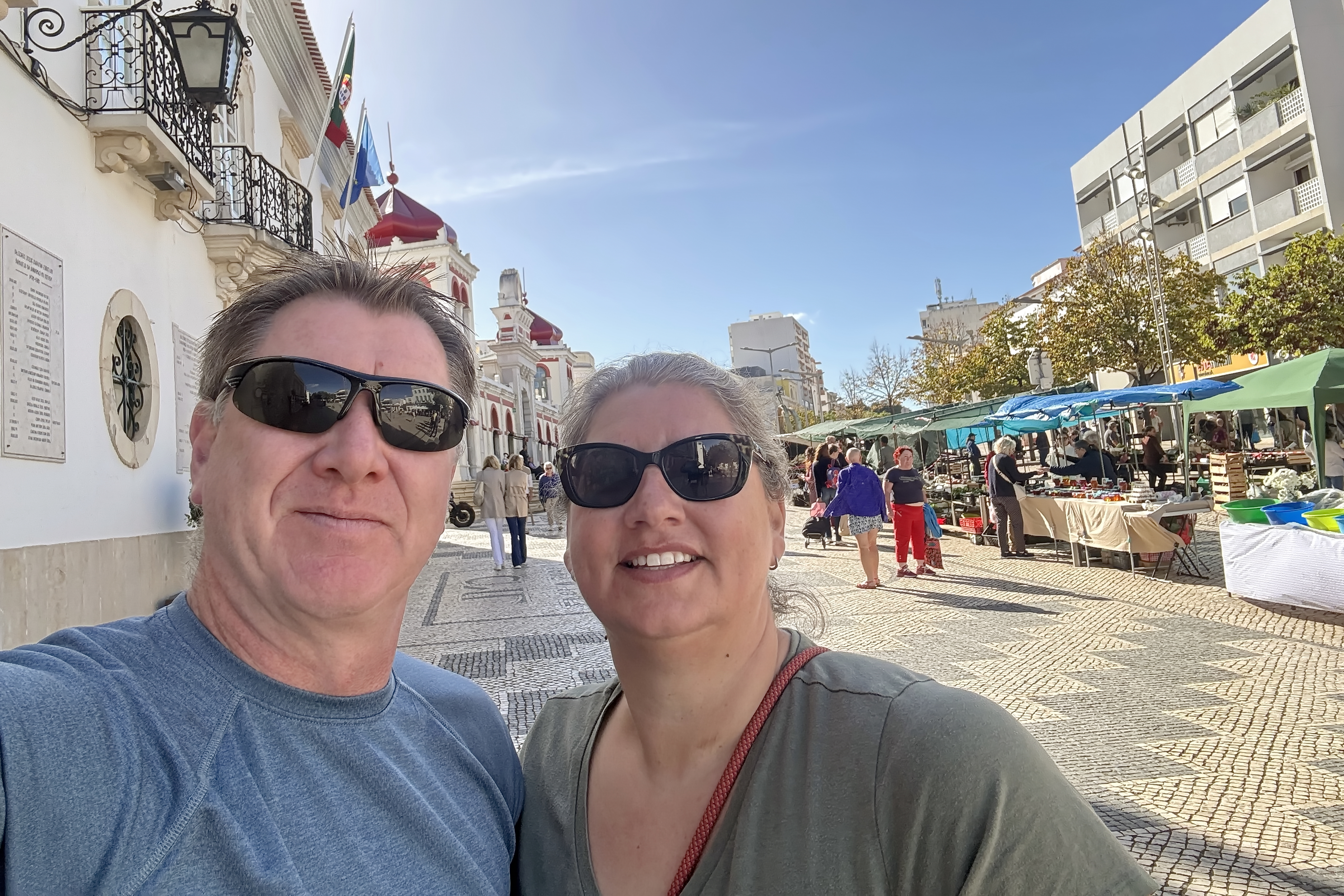
Inland Loulé trades beaches for tradition. Its Moorish-inspired market is a feast for the senses — tiled arches, colourful produce, handmade crafts, and stalls selling everything from olives to cork.
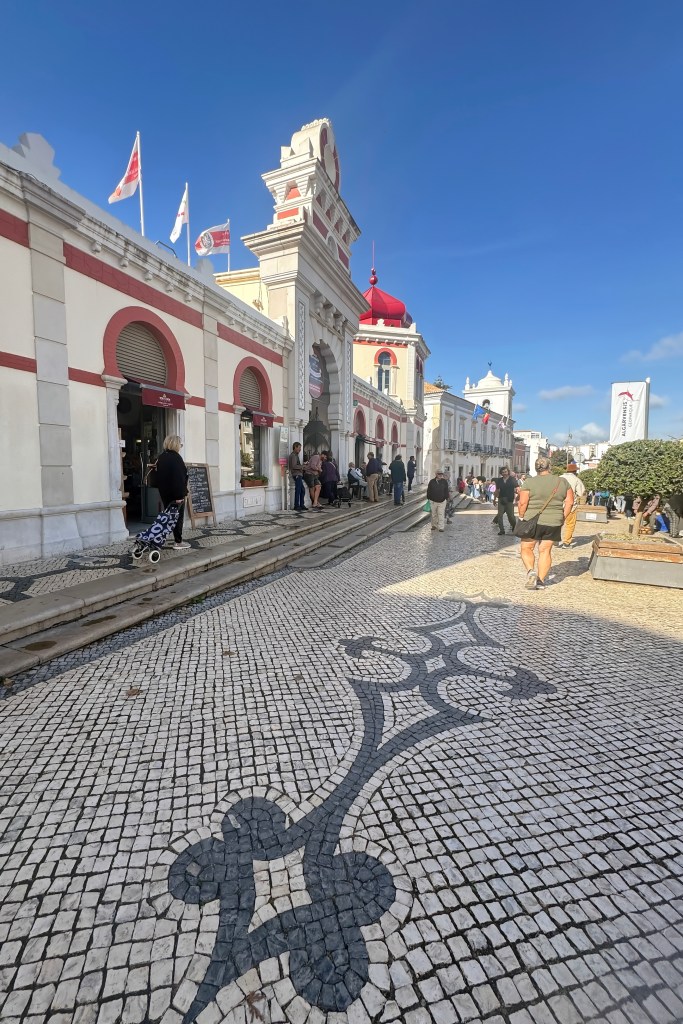
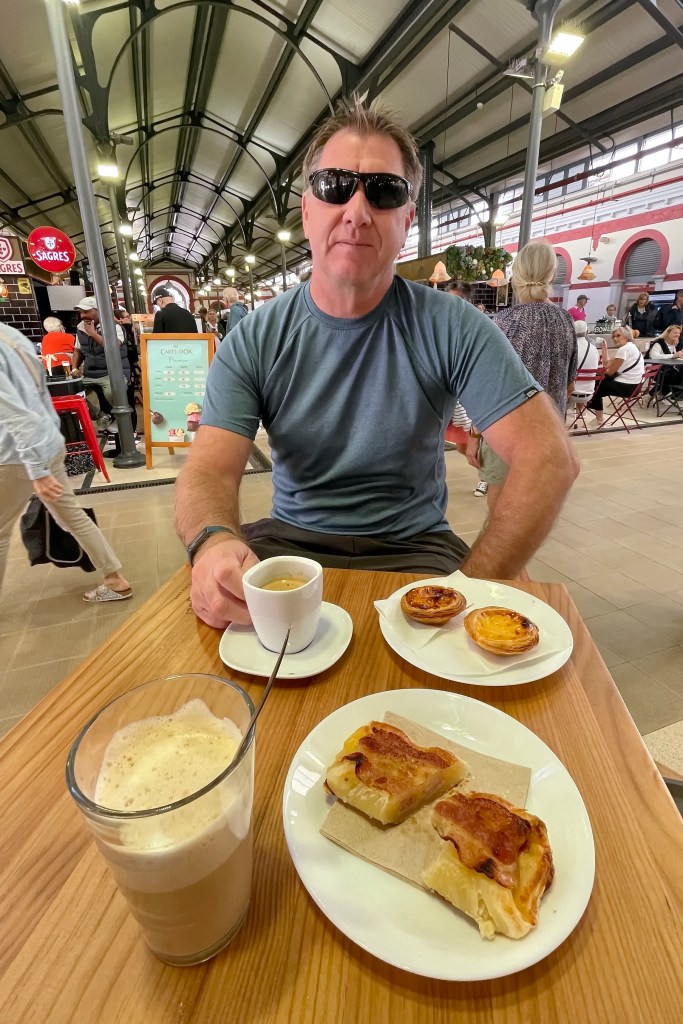
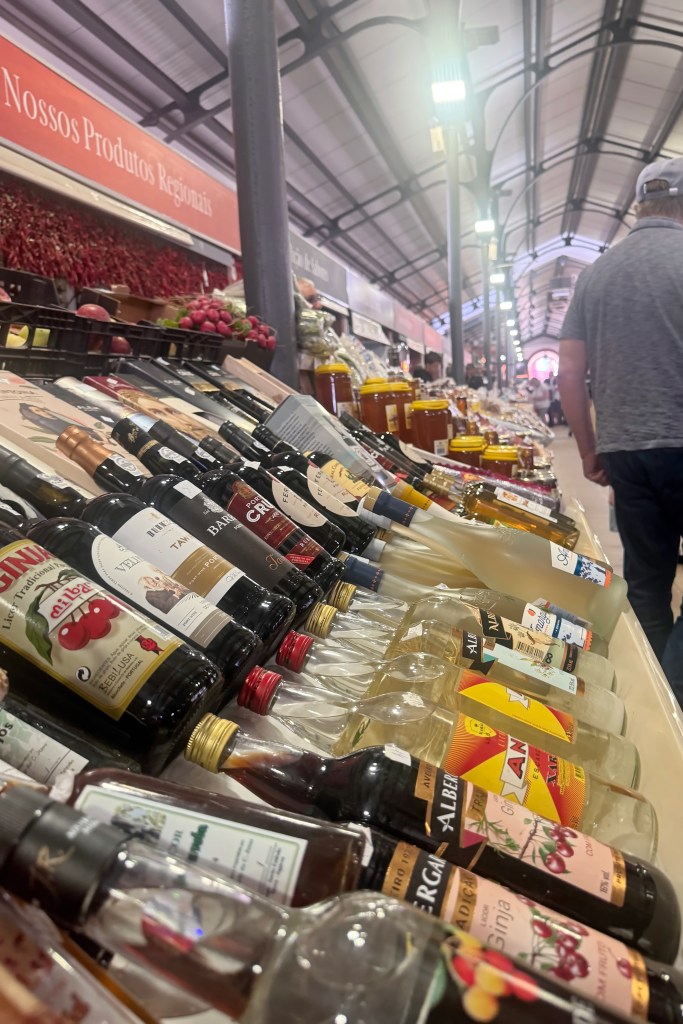
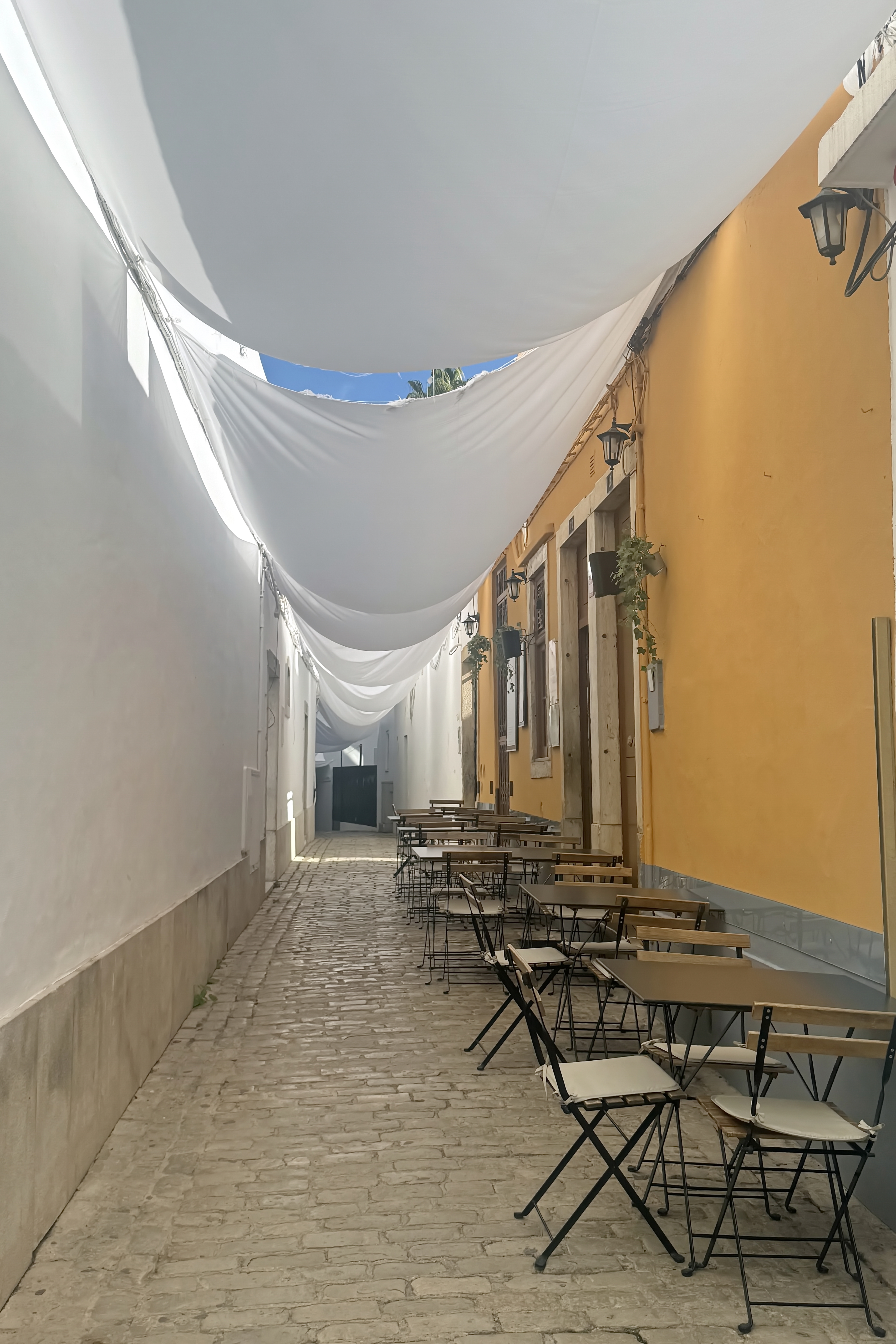
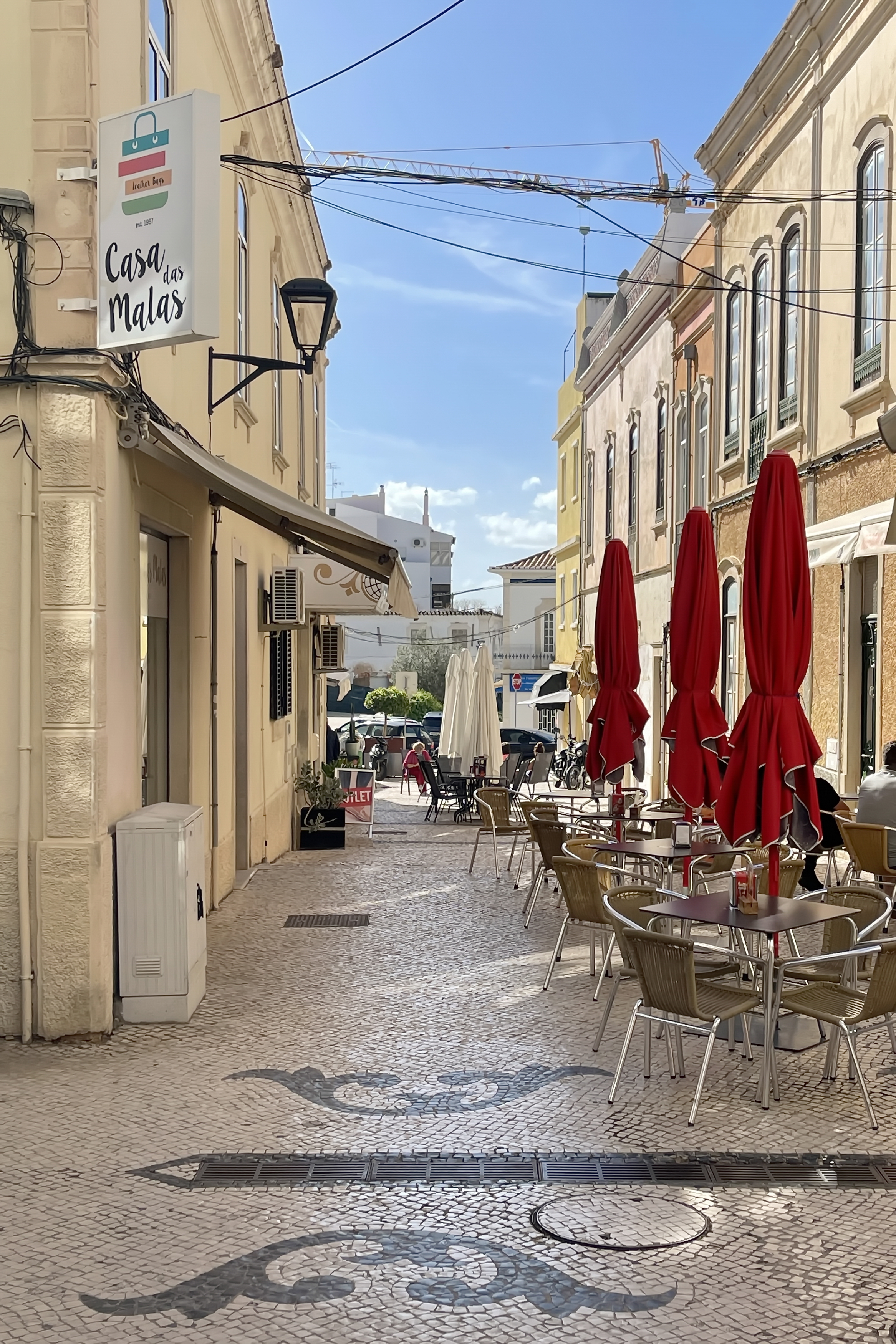
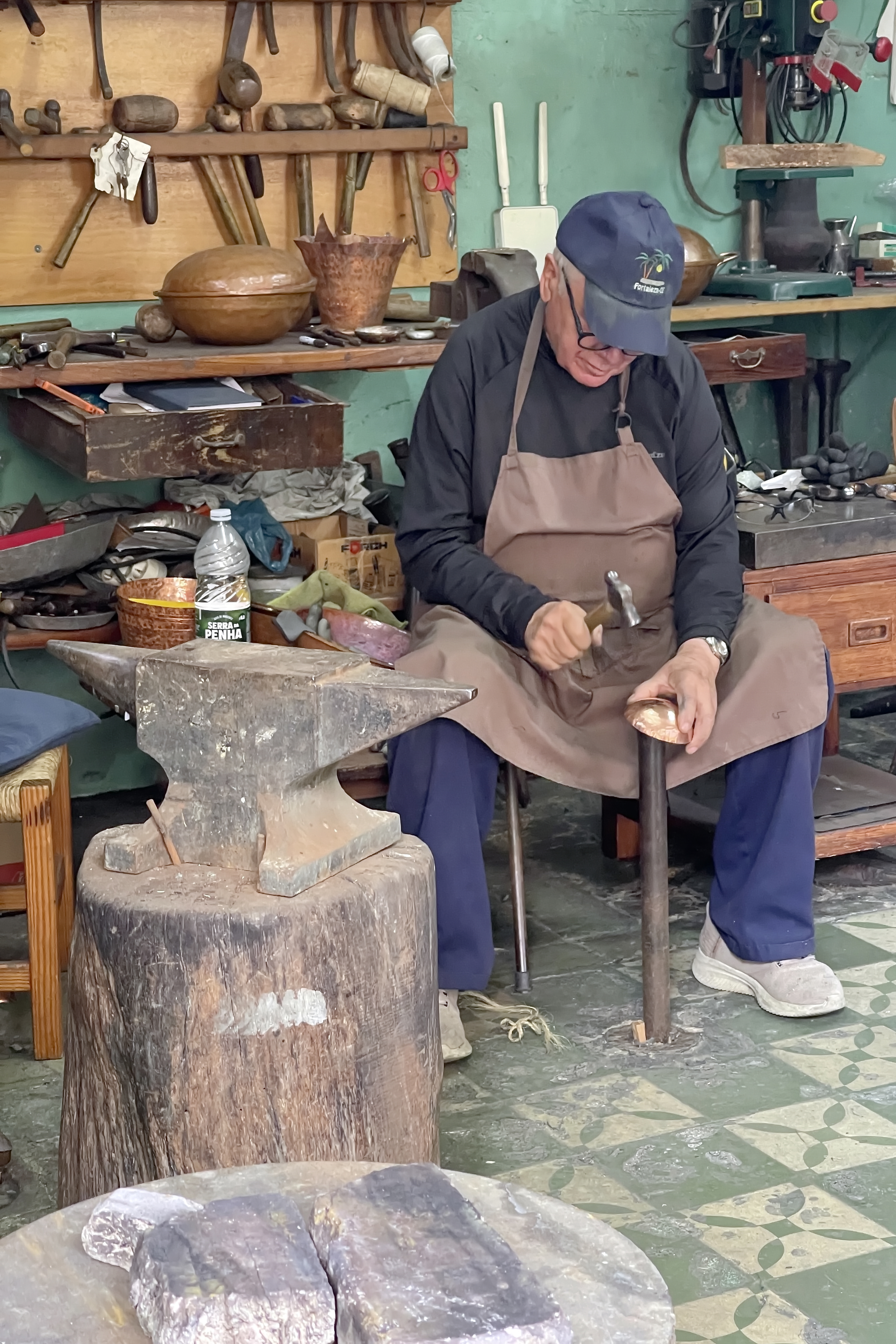
Beyond the market, quiet medieval streets reveal artisan workshops, fragments of old city walls, and shaded cafés where time seems optional. Loulé feels unapologetically Portuguese — unhurried, authentic, and grounded in everyday life.
Silves — An Imposing Moorish Castle
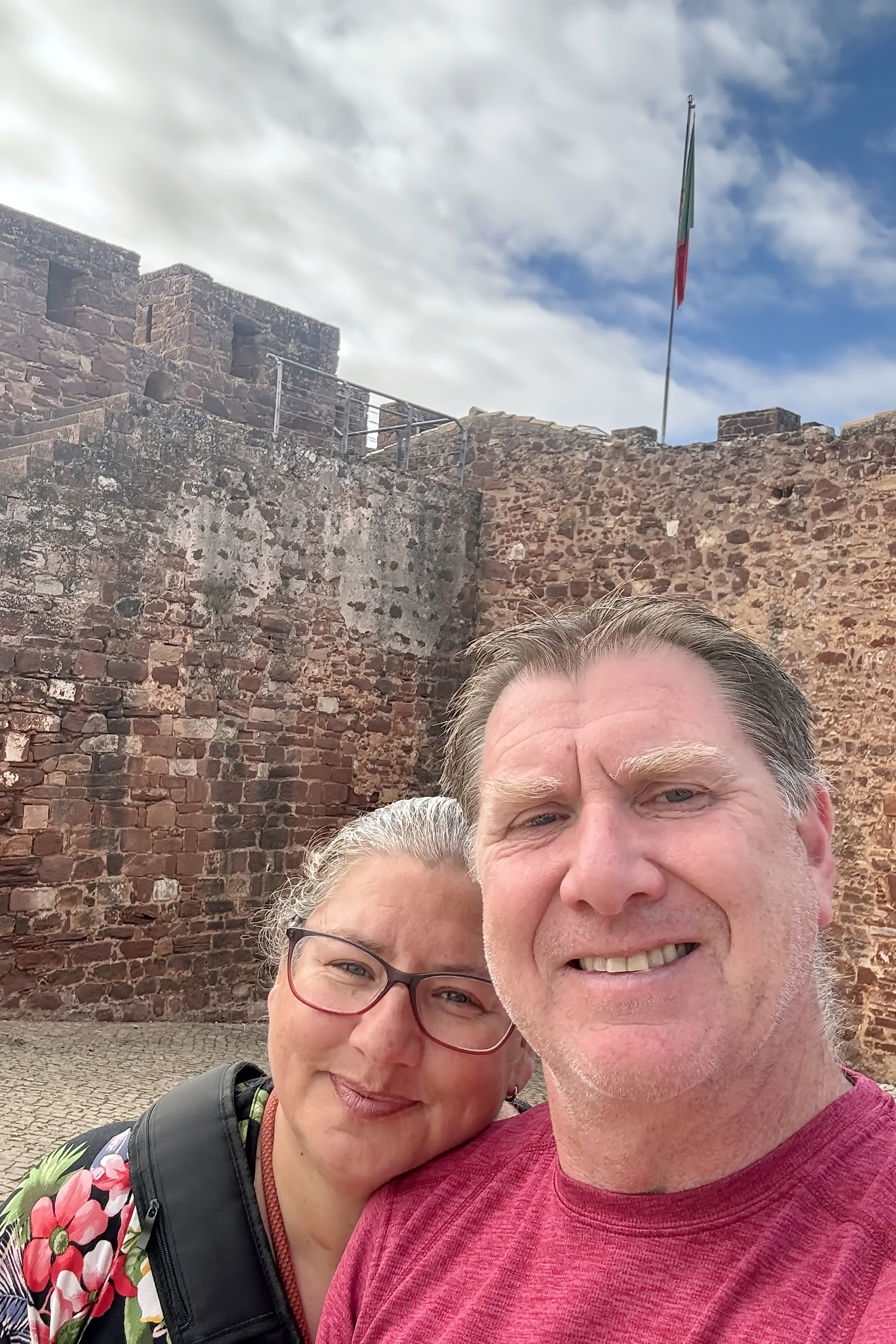
Silves feels ancient in the best possible way. Once the Moorish capital of the Algarve, it was a centre of culture and learning, and that legacy still lingers. The red sandstone castle — the best preserved in the region — dominates the skyline above terracotta rooftops.
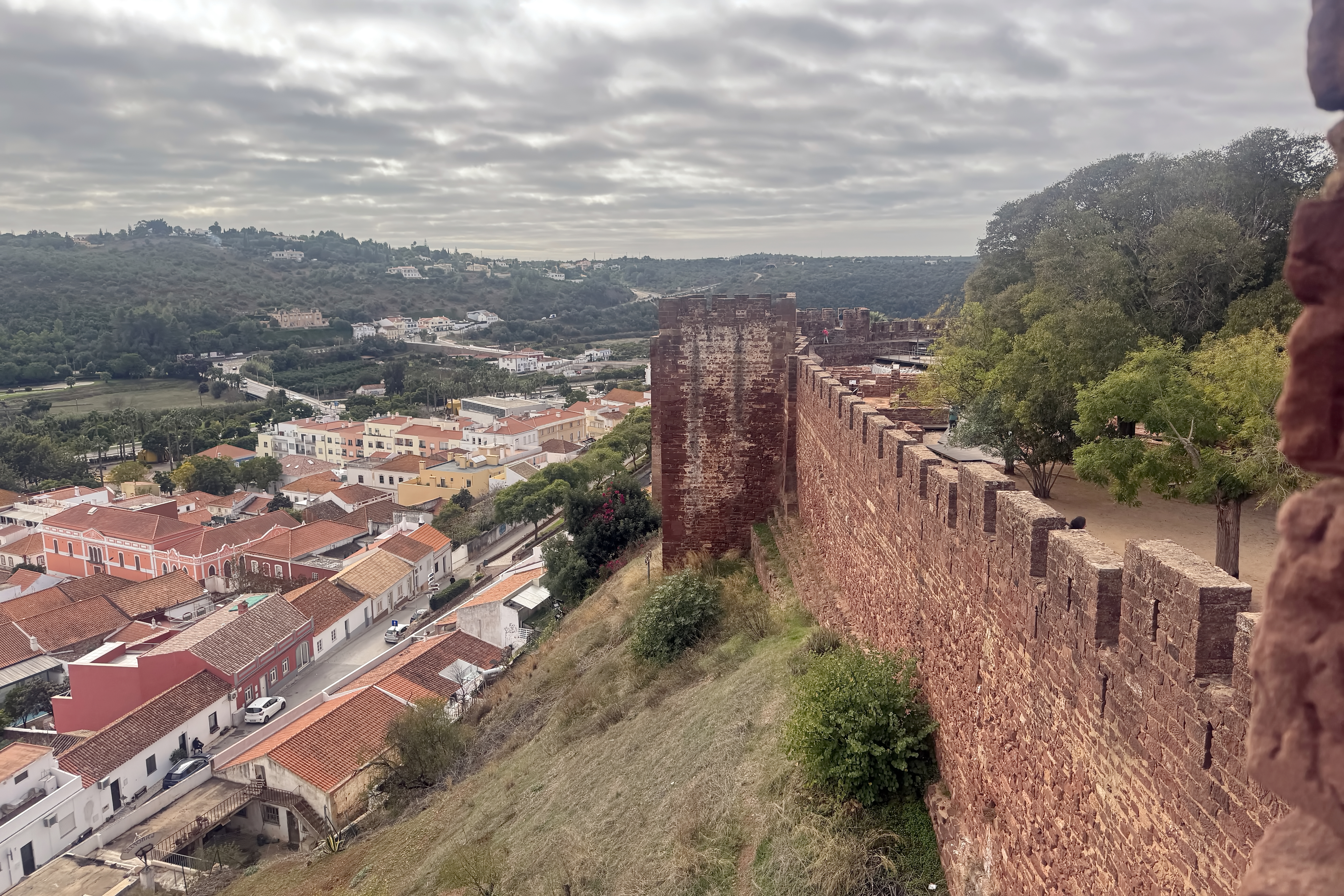
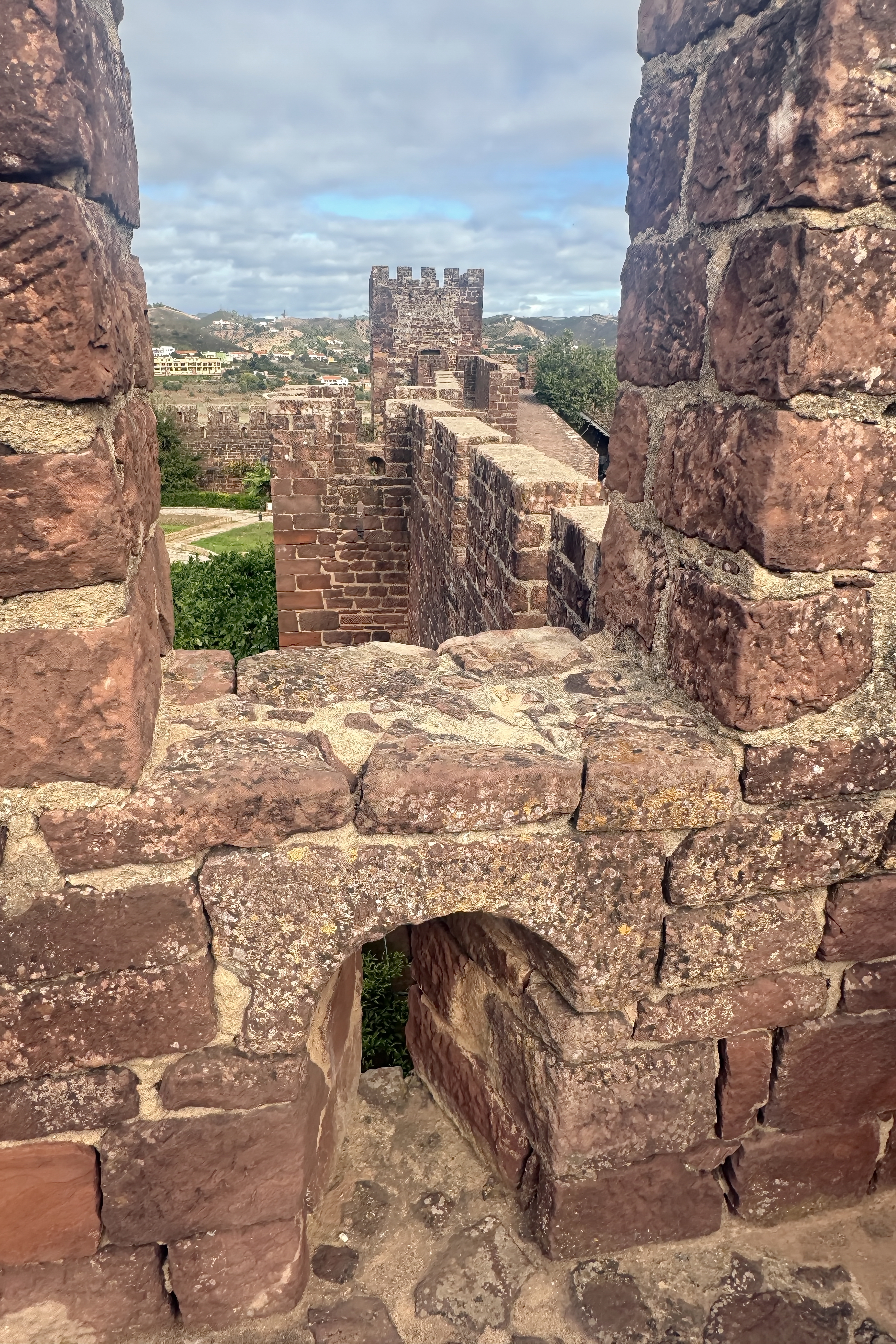
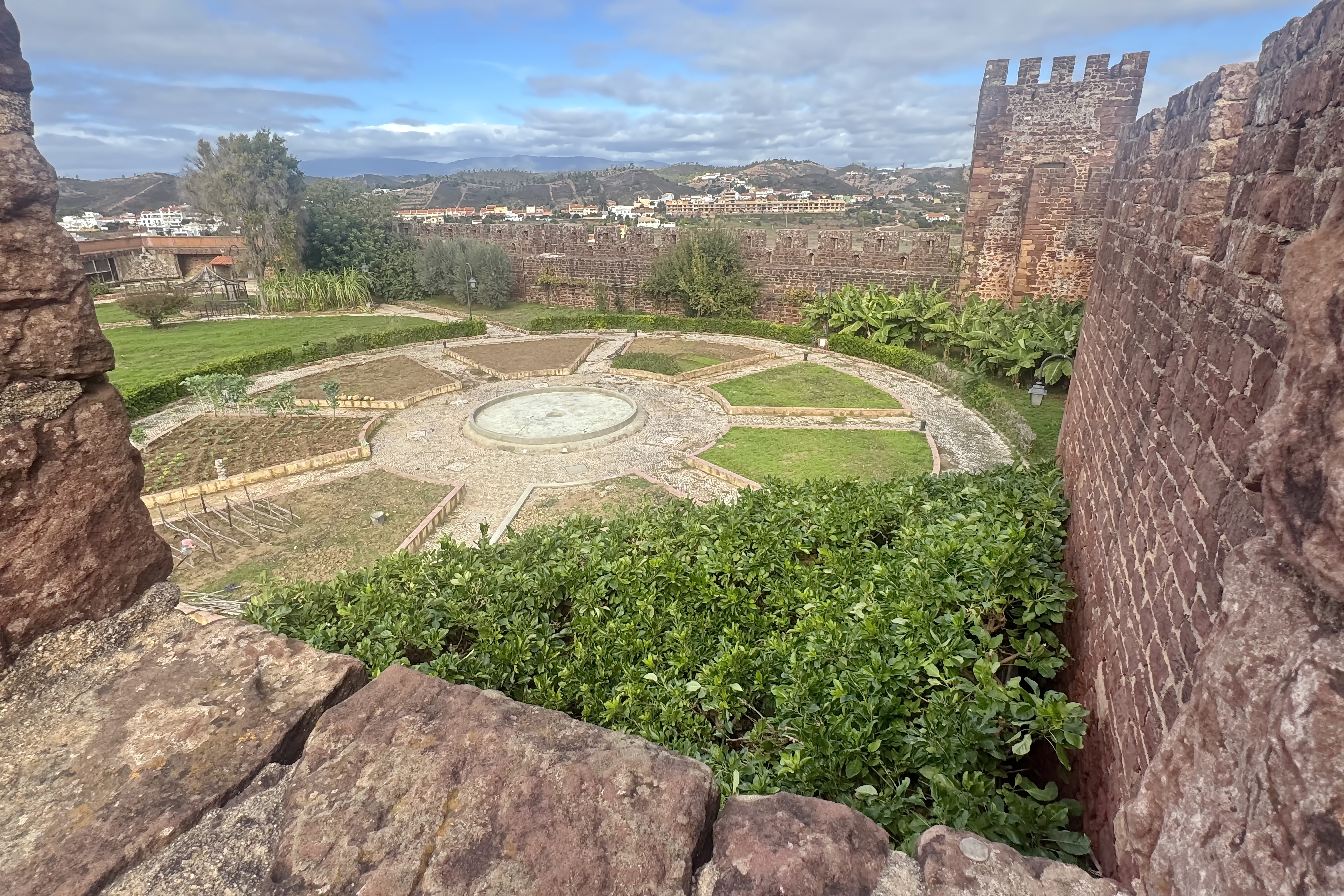
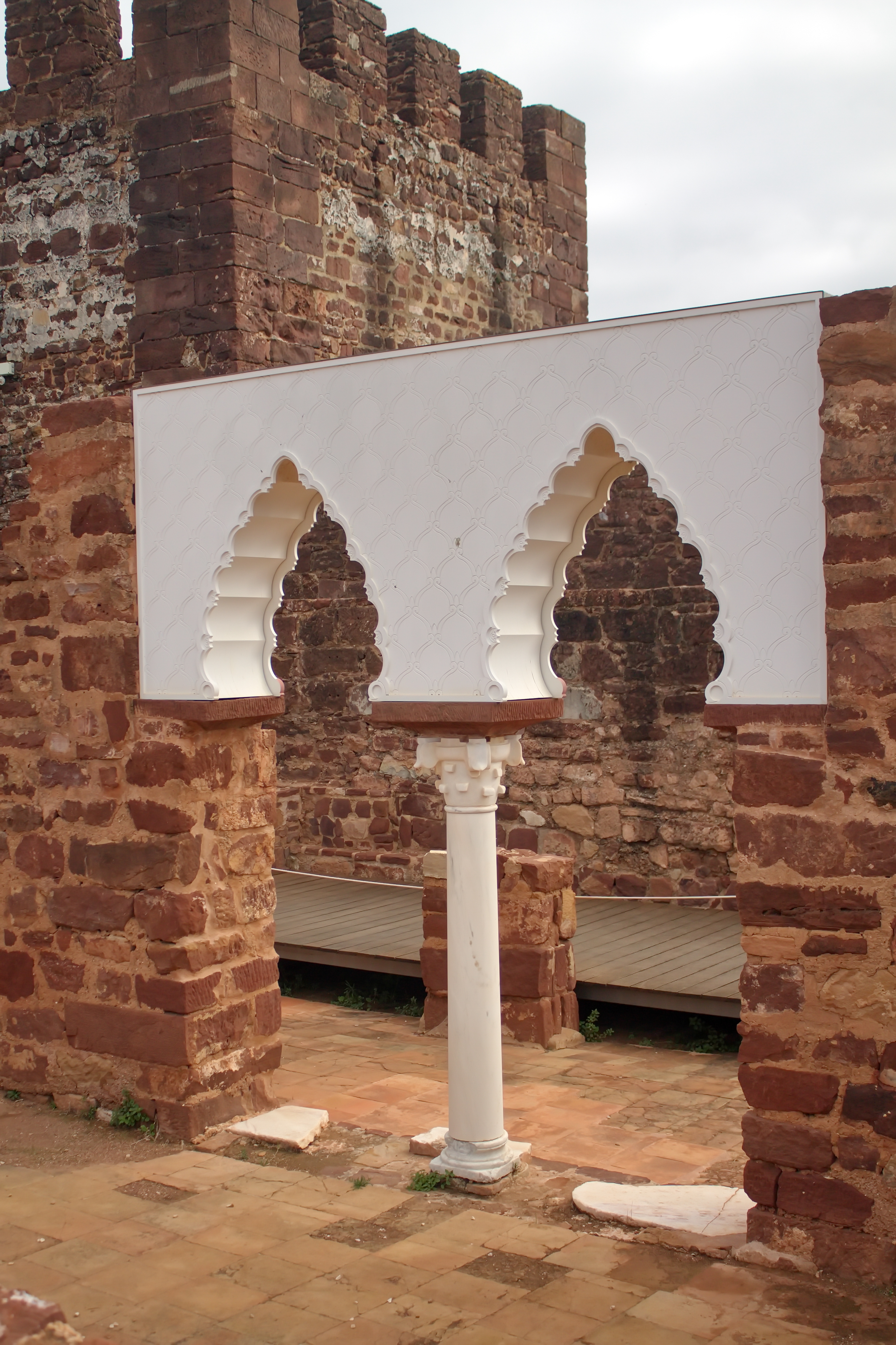
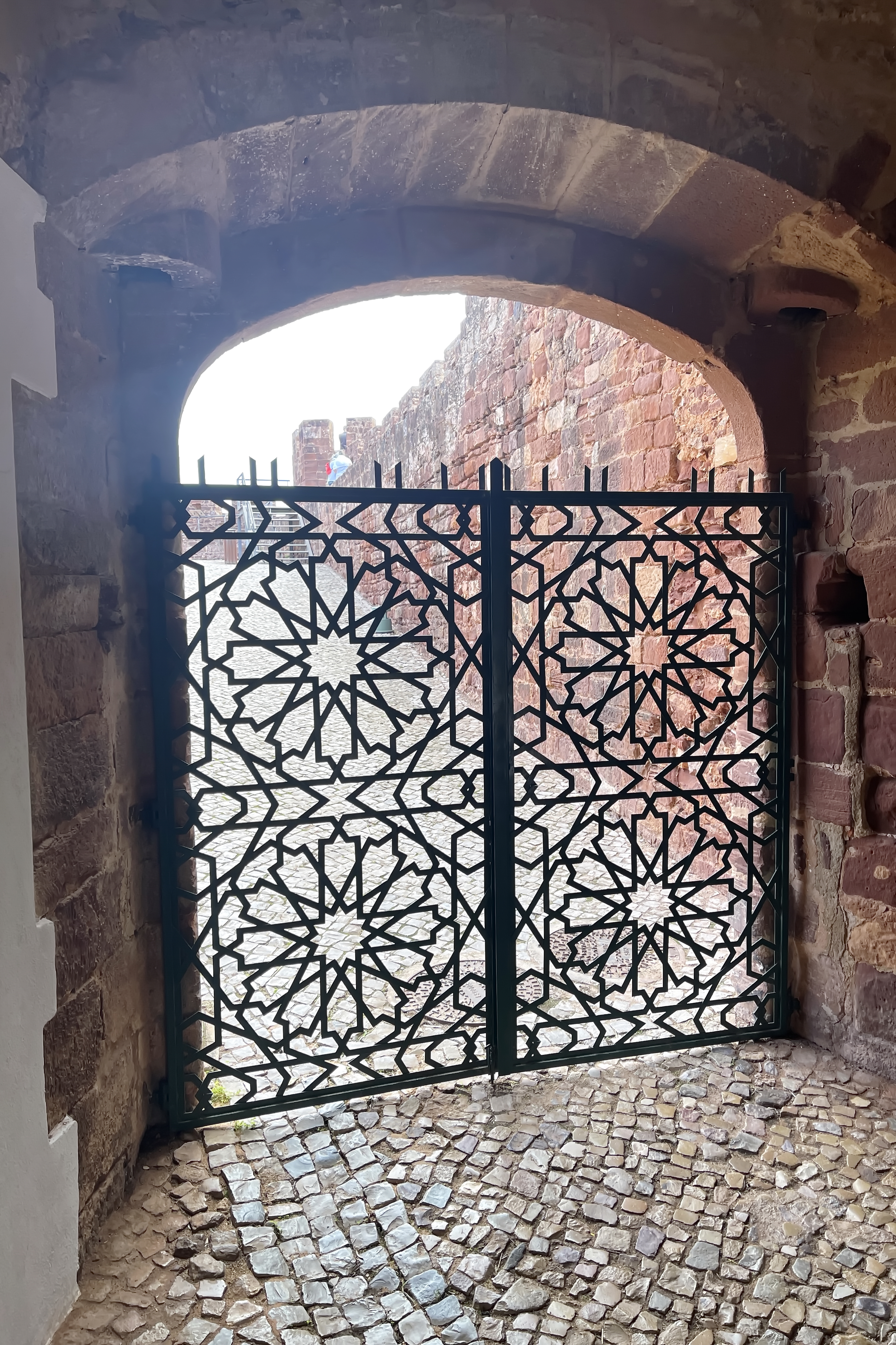
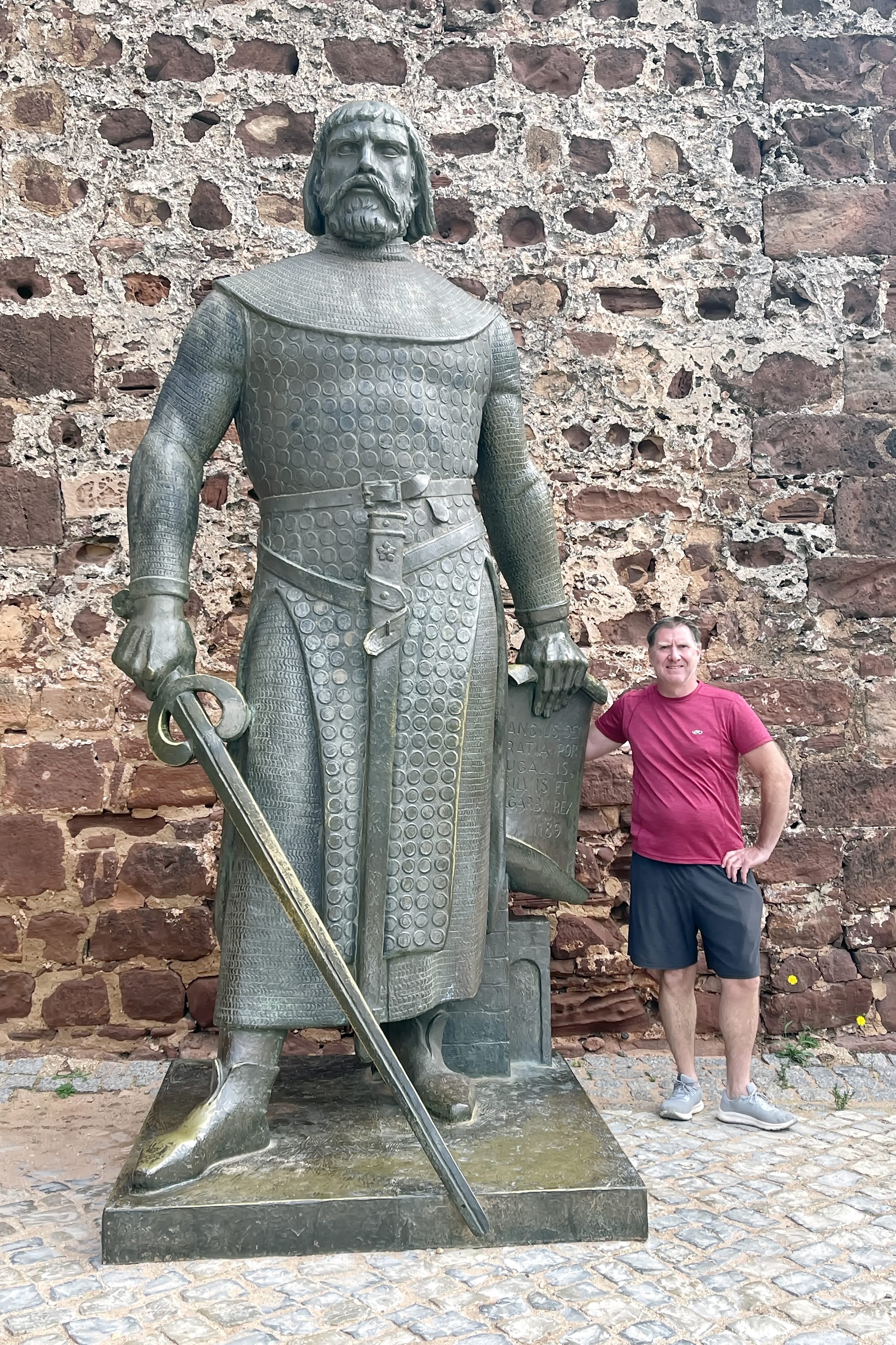
From inside the fortress walls, we had views stretching across orange groves, rolling hills, and the slow-moving Arade River. Below, the town’s winding lanes, tiled façades, and riverside cafés make it a place meant for wandering rather than rushing.
Tavira — The Elegant Jewel of the East
Tavira feels almost dreamlike. Cobblestone streets, whitewashed houses, and graceful churches surround the gentle flow of the Gilão River. From the seven arches of the pedestrian-only Roman Bridge, reflections rippled and sunlight glinted on the water, the pastel buildings and palm-lined banks creating endlessly photographic scenes.
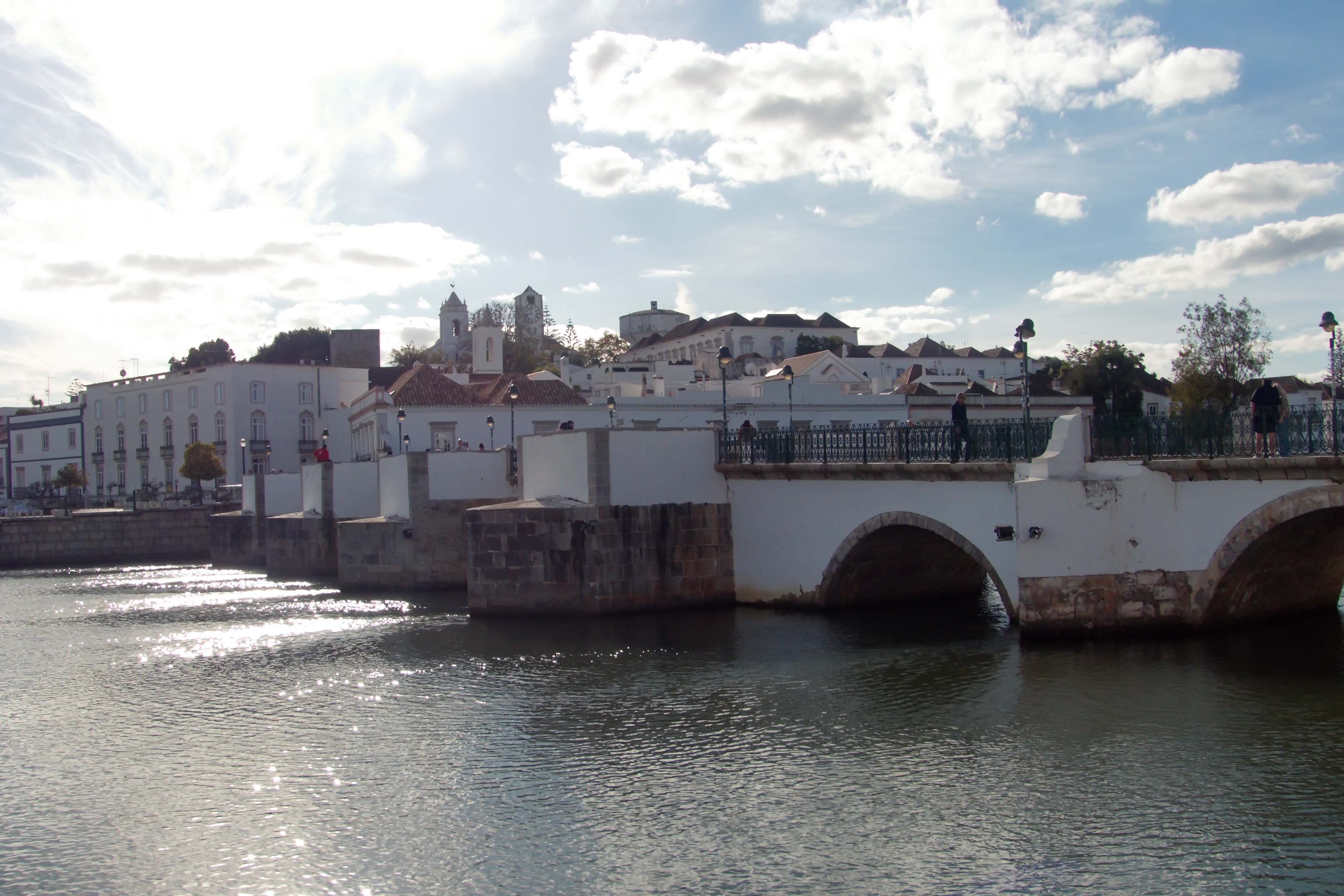

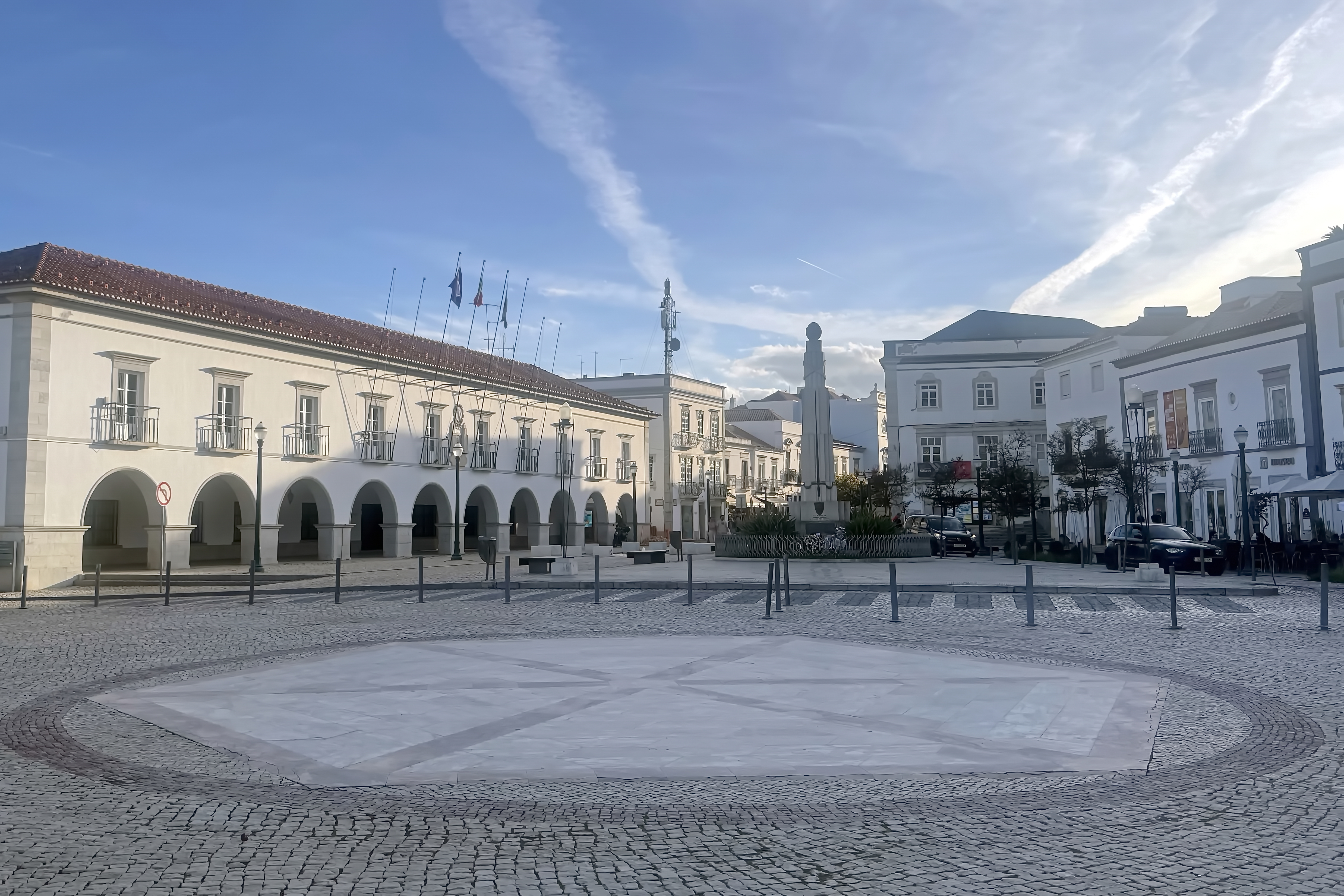
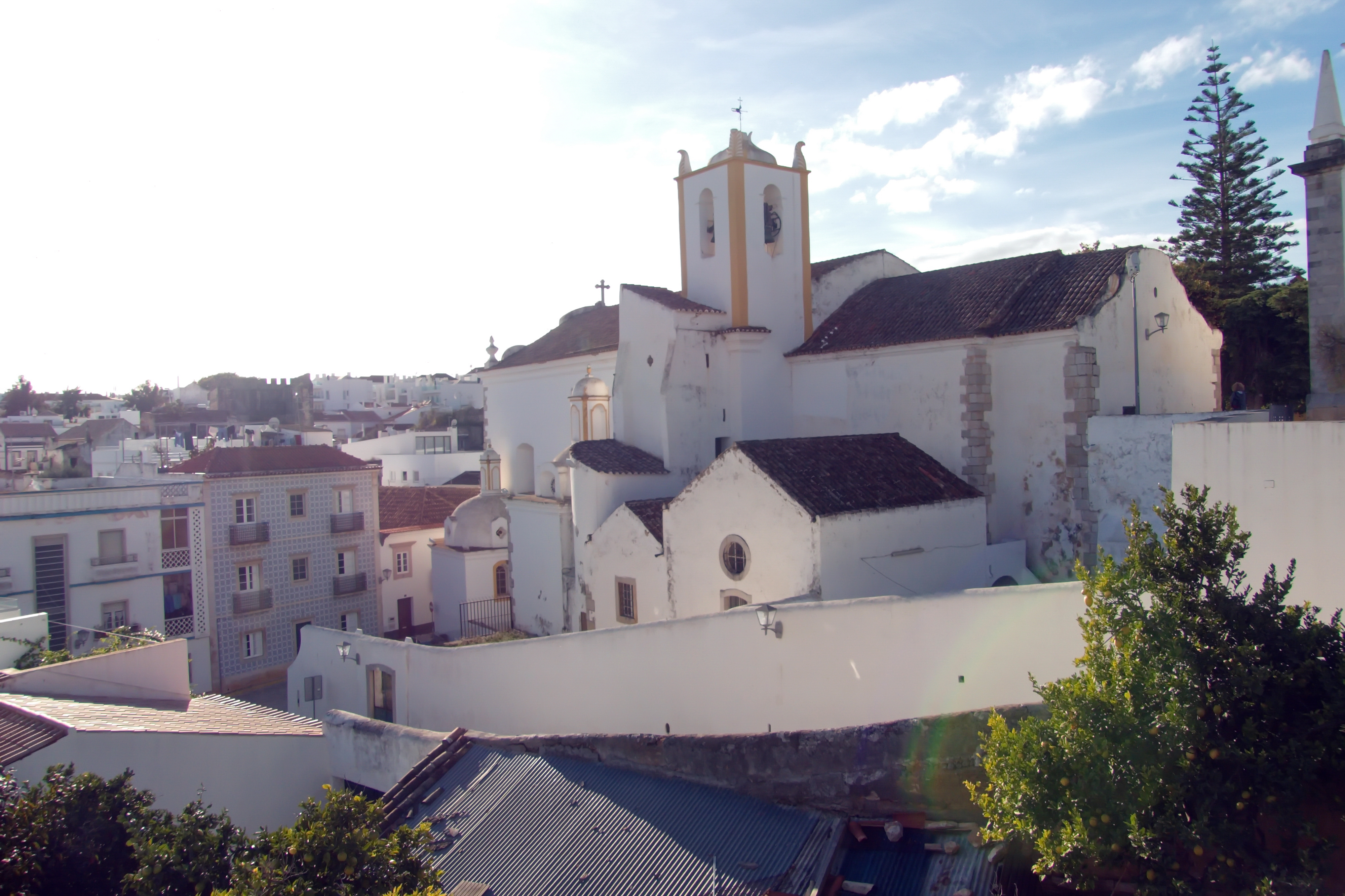
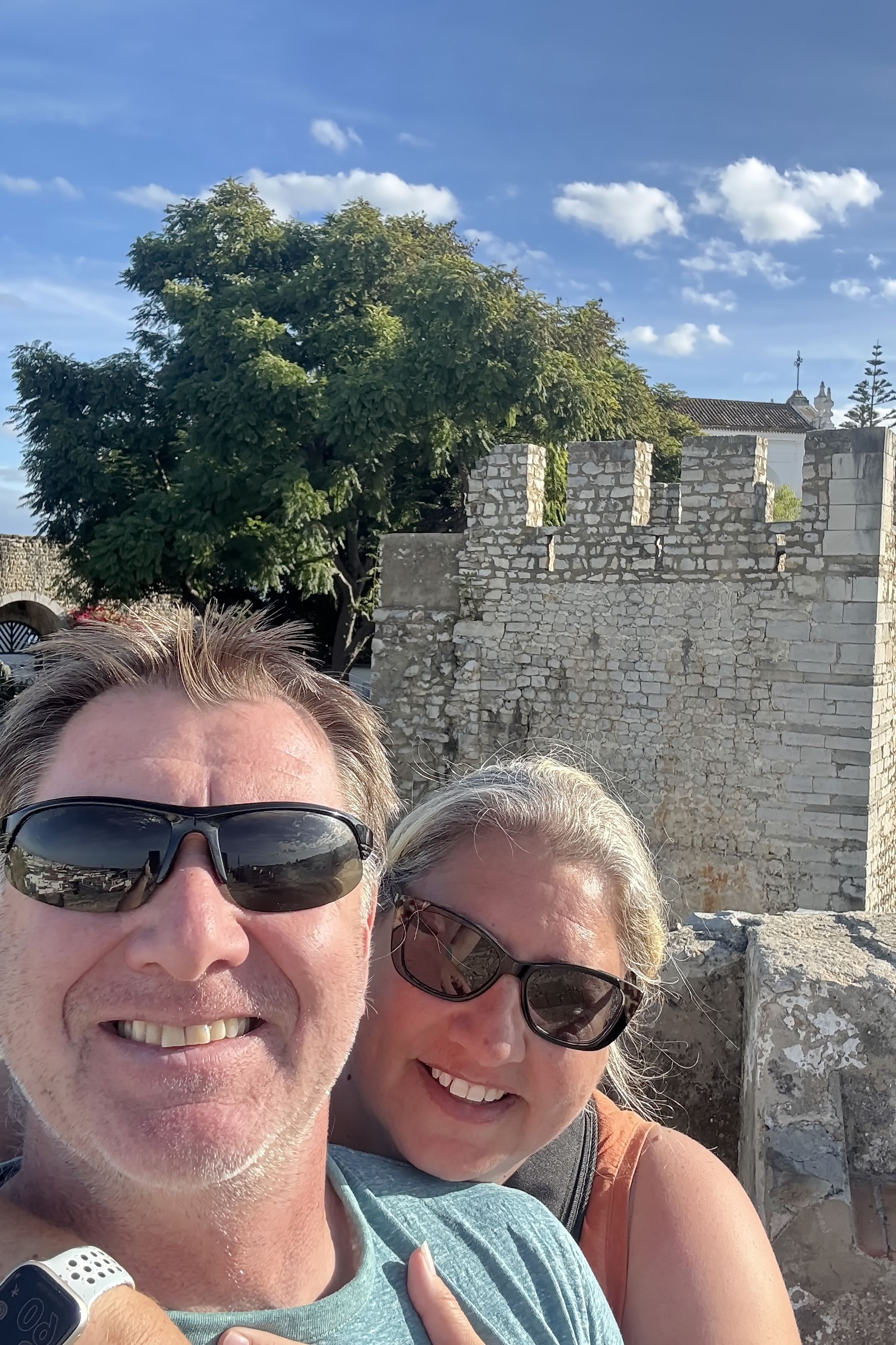
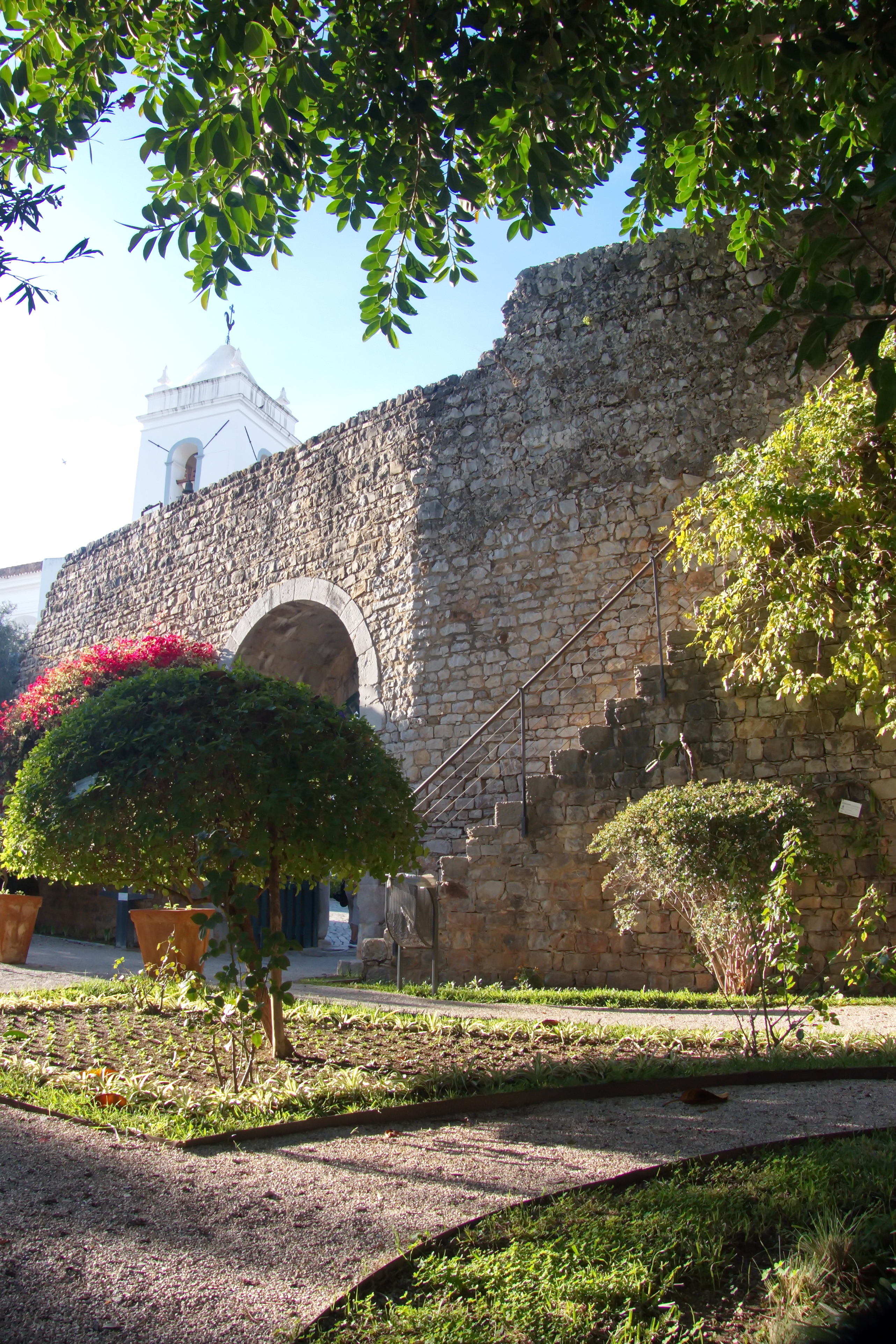
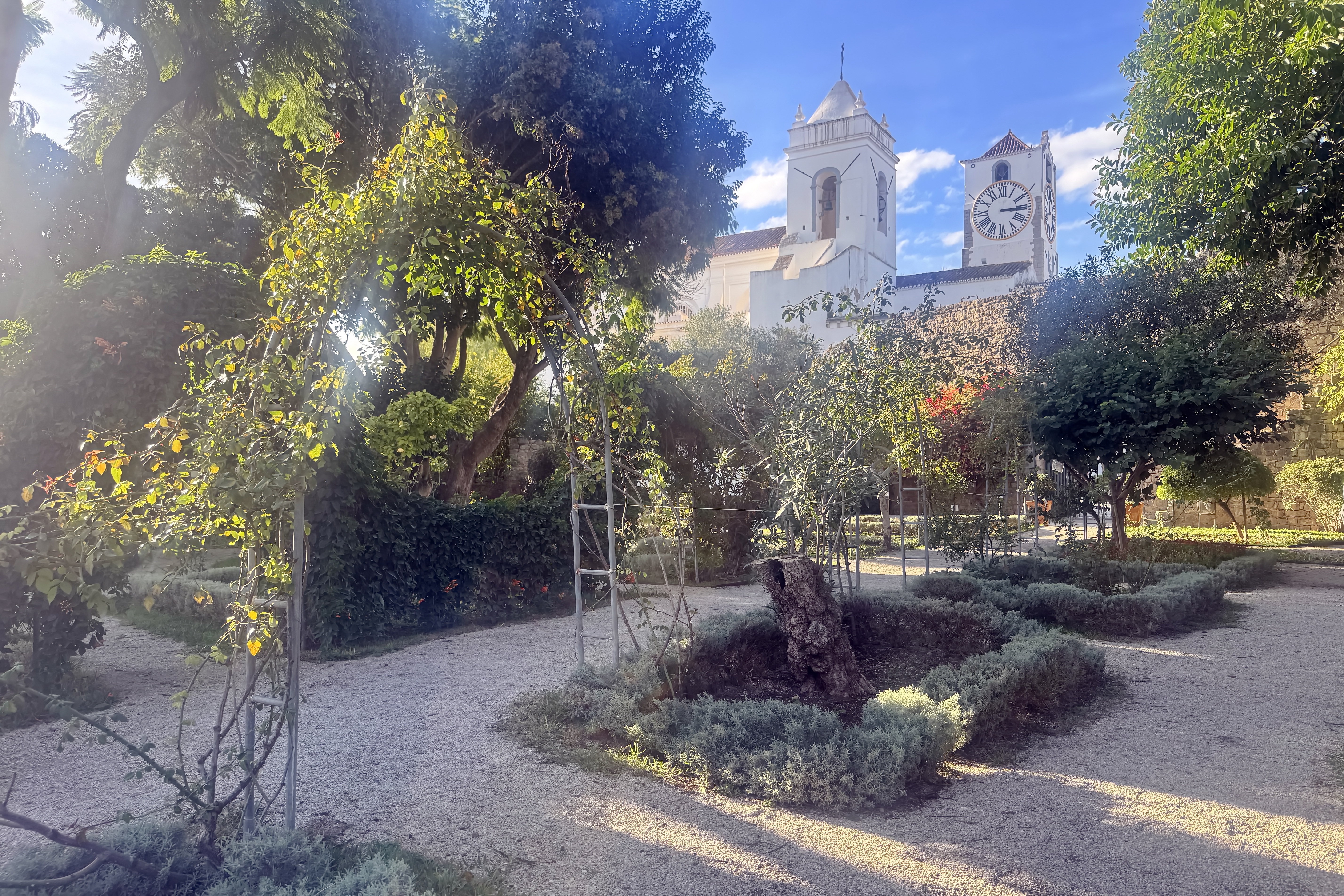
Near the river, we wandered into Republic Square and followed a web of quiet backstreets, lingering over patterned tiles and beautifully worn doors as the climb toward the upper old town slowly unfolded. The walk led us past the town’s main landmarks—the Church of Santa Maria, the Church of Mercy of God—and finally up to the ruins of the imposing castle. Inside the castle courtyard, we were happy to discover a peaceful garden filled with vibrant flowers and gently trickling fountains, the perfect reward after the strenuous walk uphill. From the crumbling ramparts and walls, we paused to take in sweeping panoramic views over the town below, a moment that neatly capped off the climb and reminded us why these hilltop towns are always worth the effort.
Tavira radiates calm sophistication — historic, artistic, and effortlessly beautiful.
Final Thoughts — The Algarve’s True Magic Lives in Its Little Towns
The Algarve’s beaches may steal the spotlight, but it’s the small towns that captured our hearts. Hilltop castles, sleepy fishing villages, traditional markets, and quiet riverbanks — each place offered something different, whether it was history, simplicity, or a feeling of timelessness.
Using Praia da Luz as our home base allowed us to explore at an easy, unhurried pace, uncovering corners of Portugal that often get overlooked. And when we think back on this trip, it’s not just the landscapes we’ll remember — it’s the quiet moments, the slow wanderings, and the feeling of truly being there that will stay with us the longest.


 Mapgirl Adventures
Leave a comment