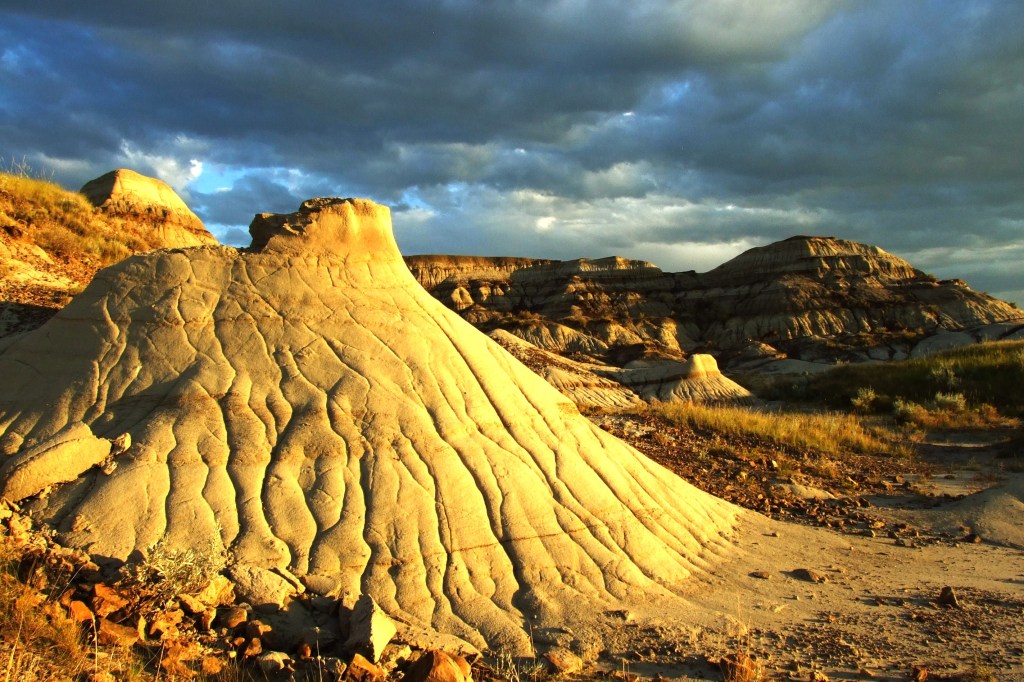
The Canadian Badlands, are a unique geological region characterized by dramatic landscapes with deep canyons, multi-hued rock formations, and wind-sculpted hoodoos. Renowned for its rich fossil deposits, including the largest deposits of dinosaur bones in the world, this place is an adventurer’s dream.
The landscape covers the world famous Royal Tyrell Museum in Drumheller, the UNESCO World Heritage Listed Dinosaur Provincial Park near Brooks, the first officially recognized dinosaur nesting site in Canada at Devil’s Coulee near Warner, and the Big Muddy Badlands and Avonlea Badlands in southern Saskatchewan.
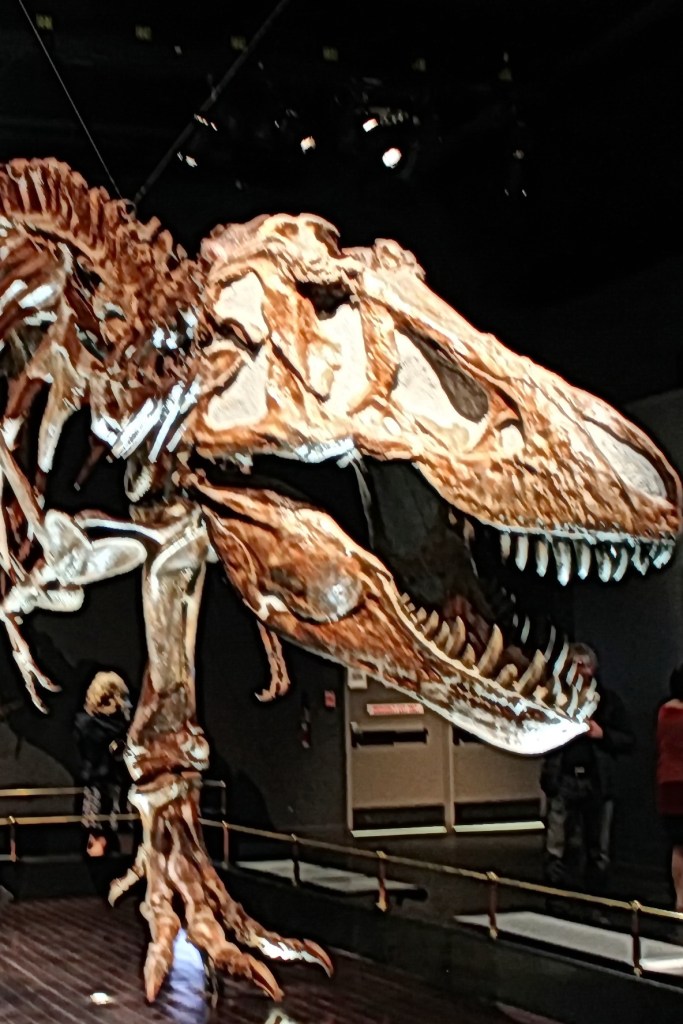
The Royal Tyrrell Museum of Palaeontology houses one of the world’s largest dinosaur fossil collections, many of which come from Dinosaur Provincial Park and the surrounding areas of Alberta, specifically the Upper Cretaceous Horseshoe Canyon Formation along the valley of the present-day Red Deer River. The engaging exhibits, including the notable cast of the “Black Beauty” T-Rex specimen pictured below (left!), bring the prehistoric past to life. For a great food stop in Drumheller, check out the burgers and shakes at Bernie & The Boys Bistro.

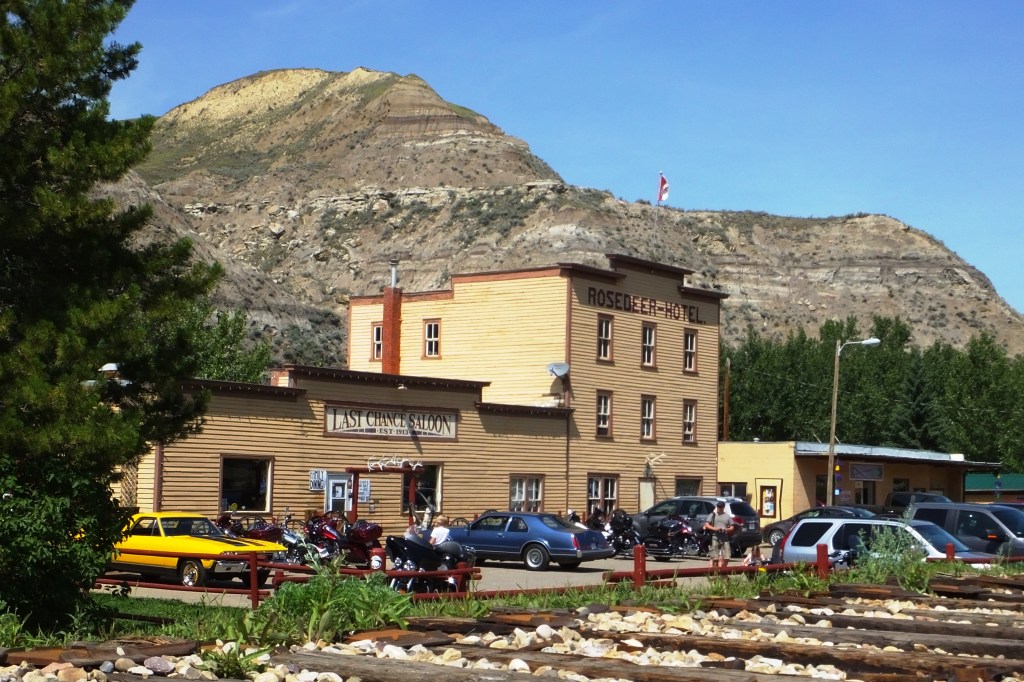
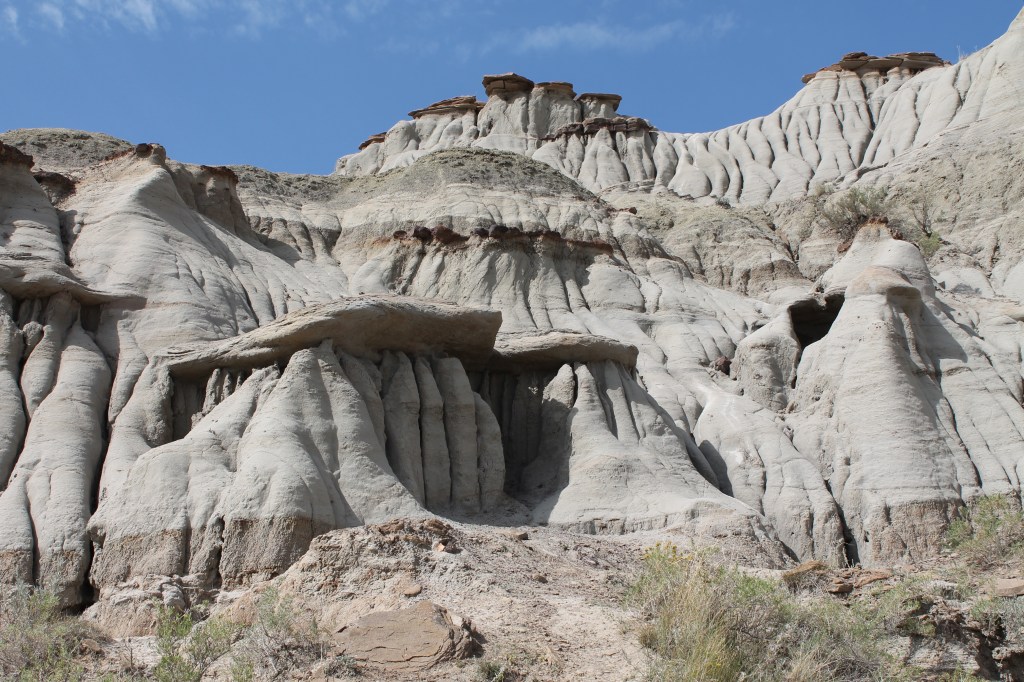
The Dinosaur Trail loop provides stunning views of the badlands and canyons carved by the Red Deer River, and, just South of Drumheller, offers a side-trip via 11 bridges along the Rosebud River to the ghost town of Wayne and the quirky and popular Last Chance Saloon. Further adventures await at the hoodoos in East Coulee and the hamlet of Dorothy with its historic grain elevator and partially ruined buildings.
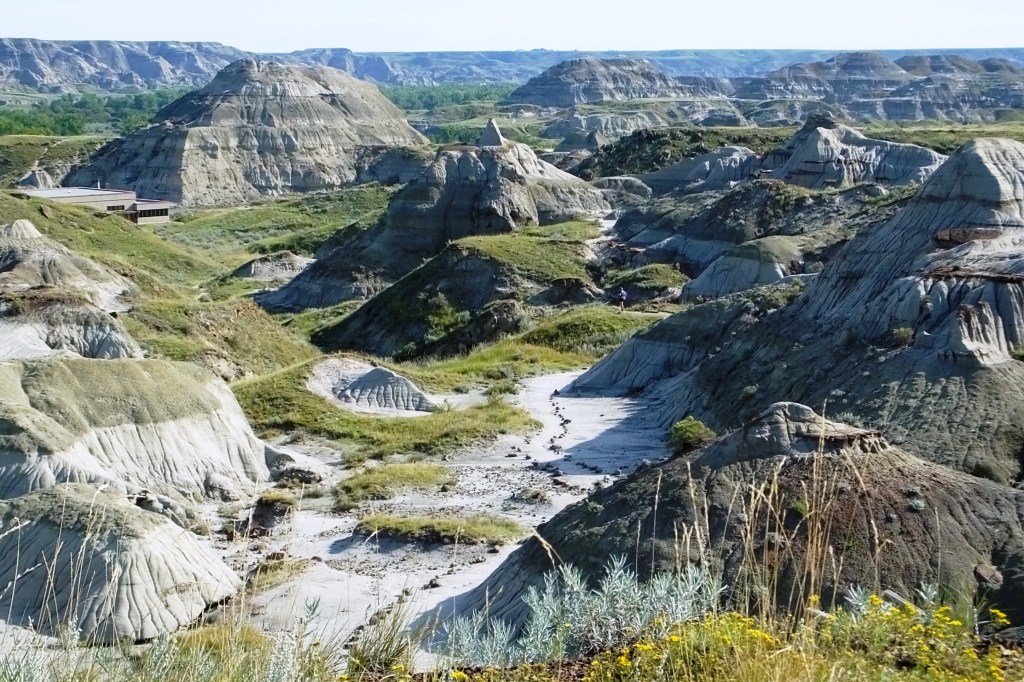


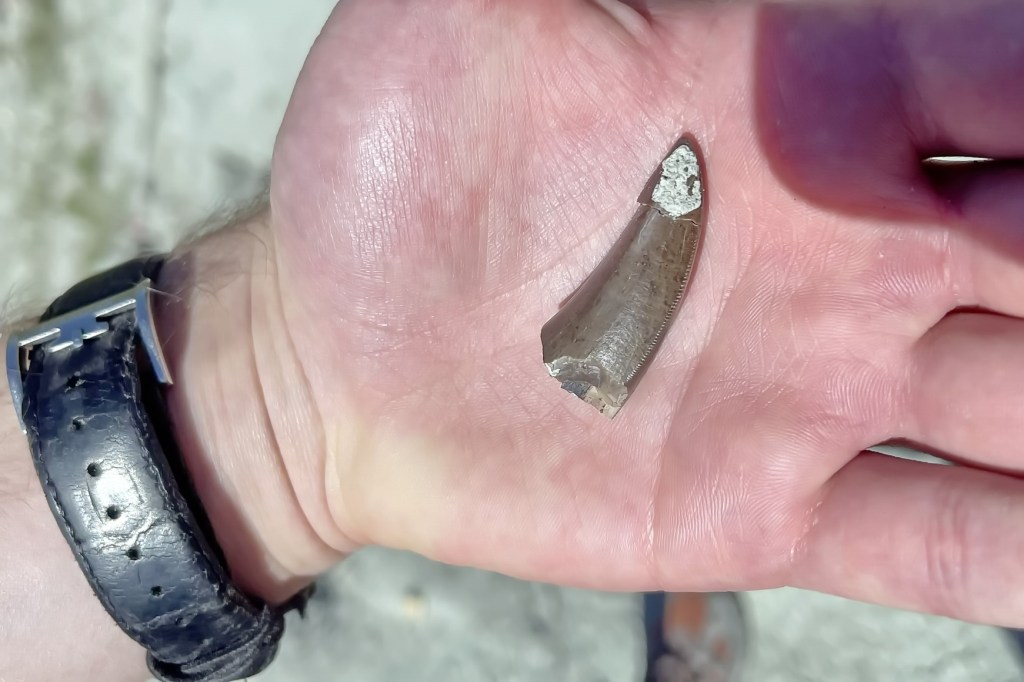
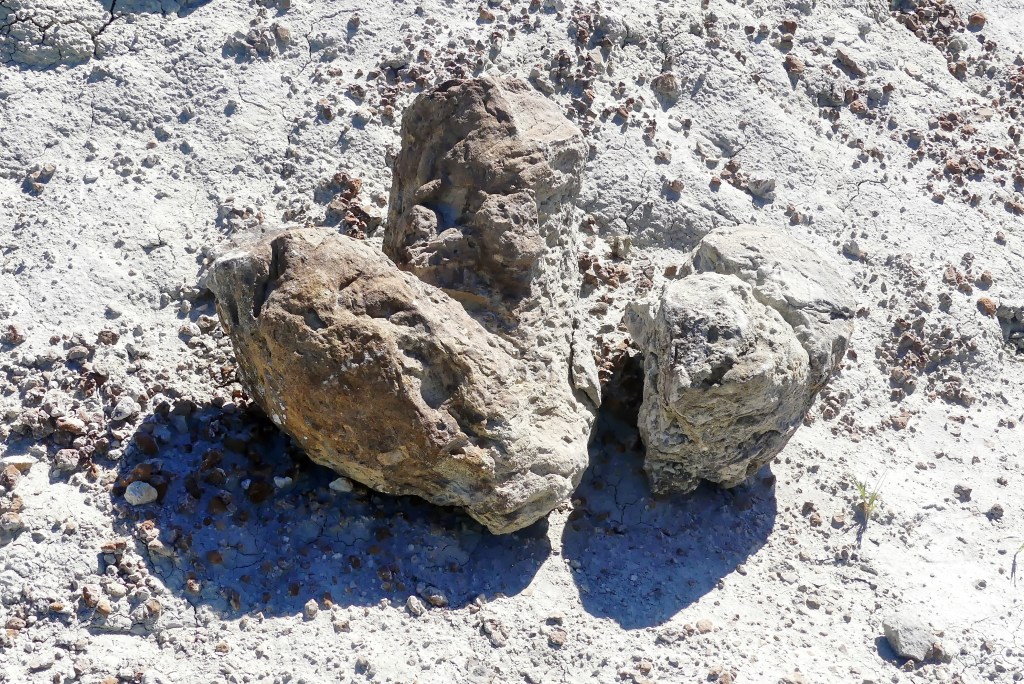
Although Drumheller attracts the majority of tourists, the guided tours of Dinosaur Provincial Park provide a far more immersive experience as much of the park is a protected reserve with restricted access to the fossil-rich canyons. We have participated in two small-group fossil safaris with a guide from the Royal Tyrell Museum leading us into unexplored territory. Searching for fossils of dinosaur bones is captivating and thrilling since the soft, sedimentary rock is easily eroded and ever-changing so you can be the first to stumble across a unique piece of our earth’s ancient history.
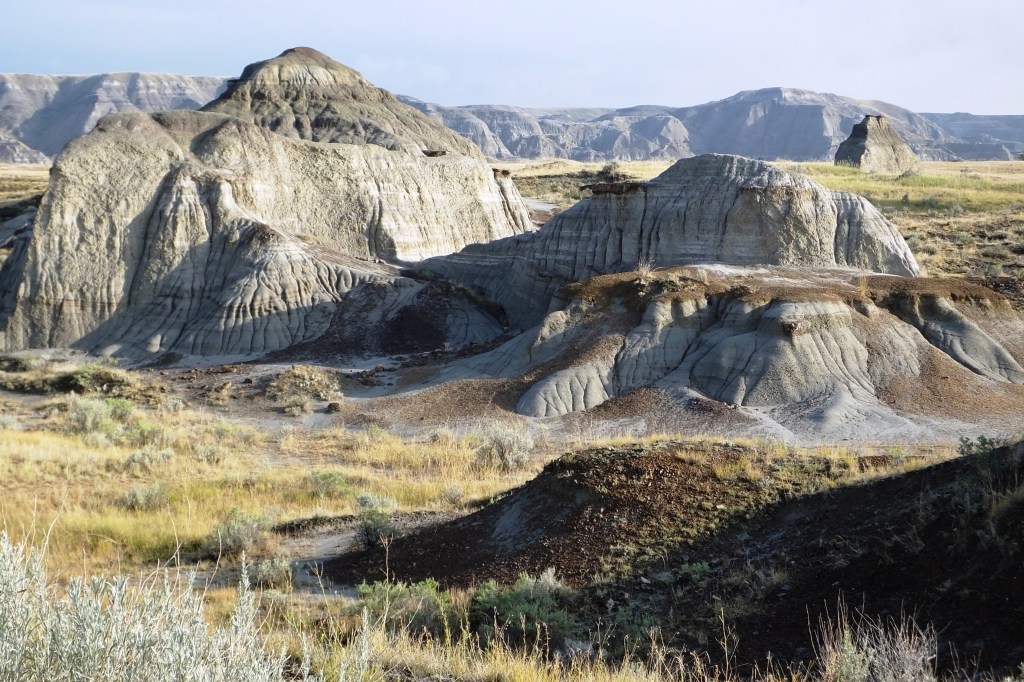
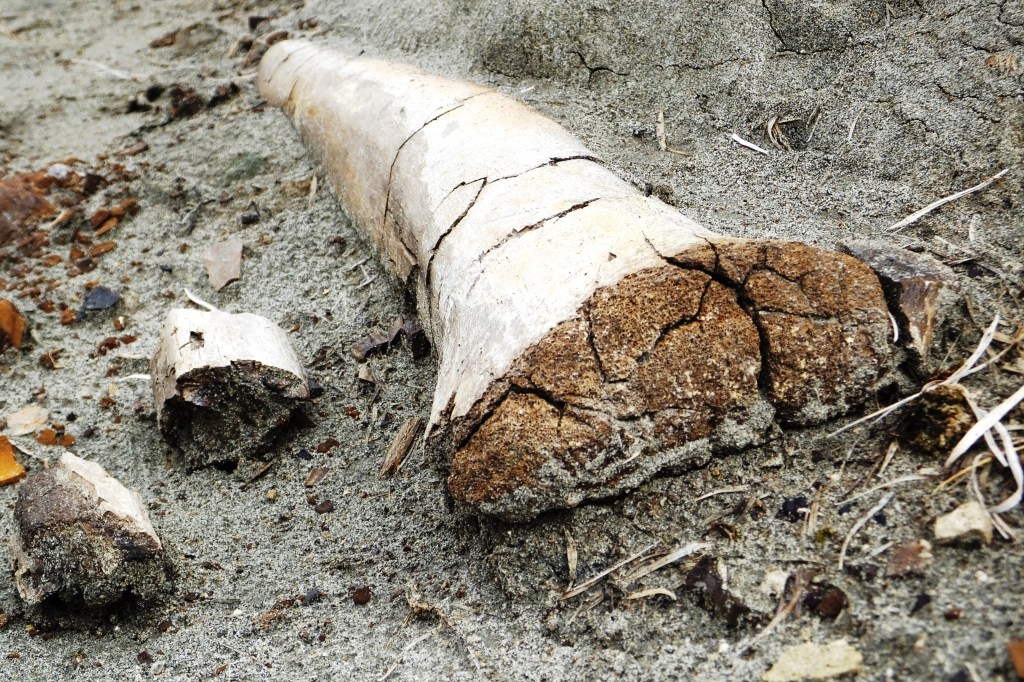
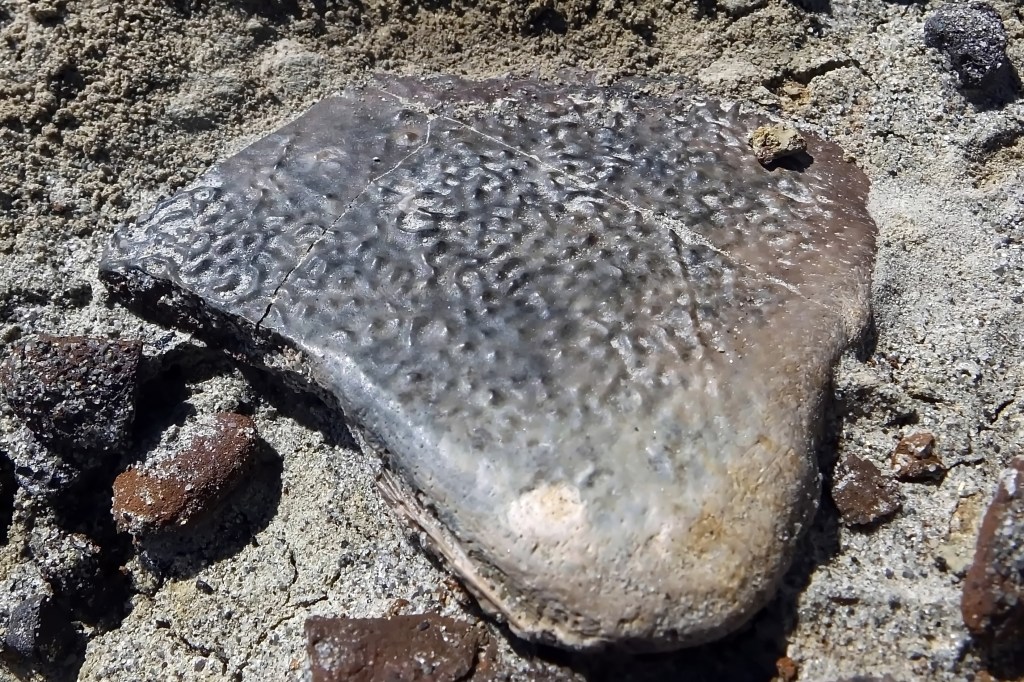
Devil’s Coulee in the south of Alberta, near Warner presents another unique experience, as it is here where Canada’s first dinosaur nesting site including hadrosaur eggs, nests, and embryos was discovered. After visiting Devil’s Coulee Dinosaur and Heritage Museum we left with a guide to the restricted access area. Near the original excavated site there are still loose eggshell fragments, many other fossilized bones, and further afield there are several fossils of dinosaur footprints.
Moving to the east, the landscape of the Saskatchewan badlands was formed near the end of the last ice age when a glacial lake outburst flood occurred from a prehistoric glacial lake. The present-day area along the Big Muddy Valley is characterized by sandstone cliffs, buttes, and a unique landscape of erosion. The prominent Castle Butte, a relic from the ice age, served as a landmark to First Nations people, the North West Mounted Police, and early settlers.

View all of our Badlands pictures here.

 Mapgirl Adventures