Established in 1885 as Rocky Mountains Park, Banff National Park in Alberta is Canada’s first national park, and forms part of the Canadian Rocky Mountain Parks UNESCO World Heritage Site. Interest in the area was sparked by Canadian Pacific Railway workers who stumbled upon the Cave and Basin hot springs, and the historic Banff Springs hotel was then built by the railway company in an attempt to bring tourists to the park.
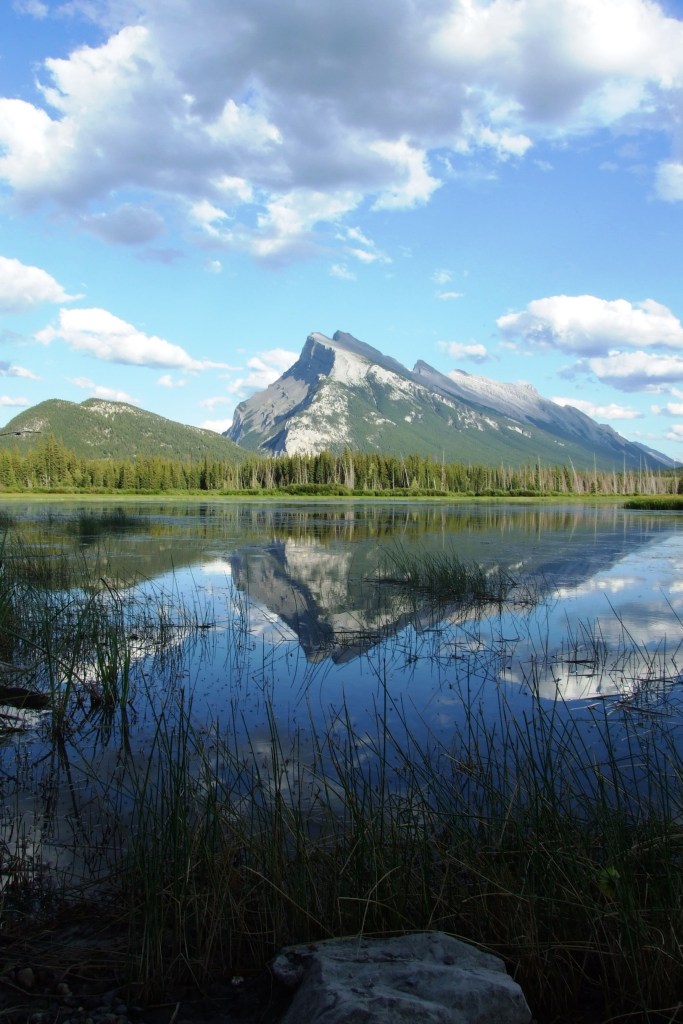
Less than 2 hours from Calgary, the easy access for international tourists makes this the most visited national park in Canada, and sights such as Lake Louise and Moraine Lake, with their aquamarine waters surrounded by towering mountain peaks, are justifiably world famous. The townsite of Banff provides a mix of boutiques, restaurants, château-style hotels, and souvenir shops, and nearby are natural attractions such as the powerful cascade of Bow Falls and the calm, reflective waters of the Vermilion Lakes.



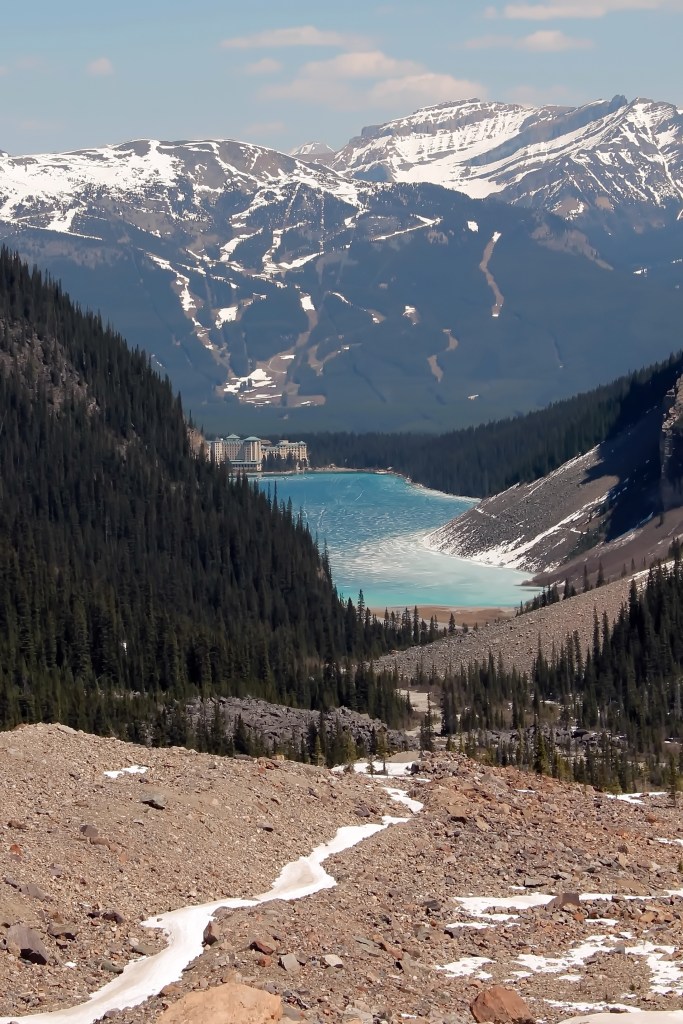
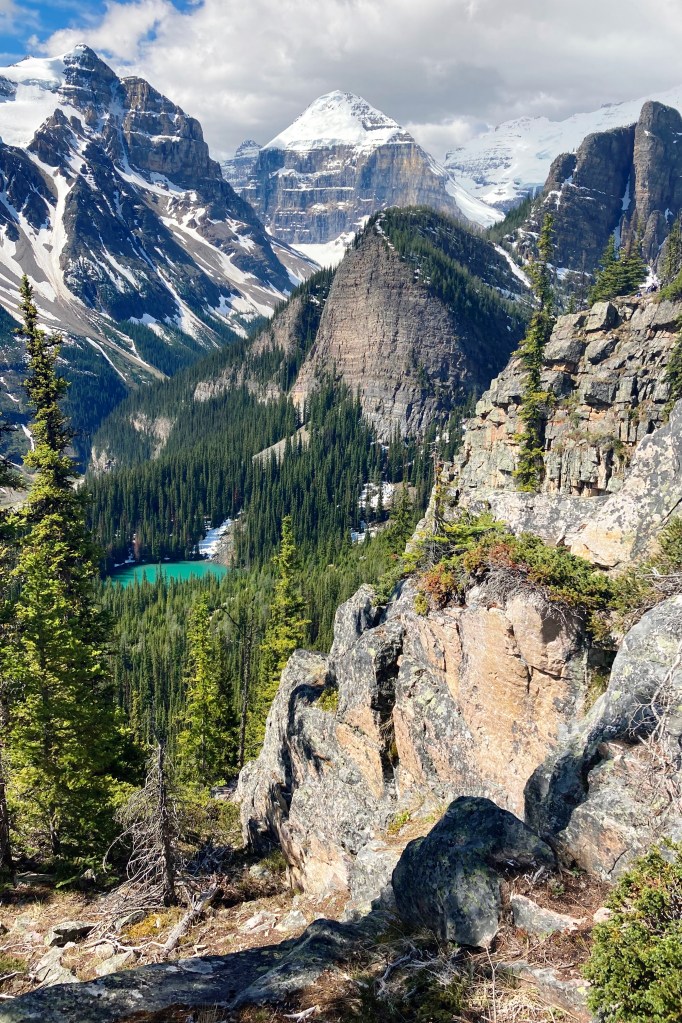
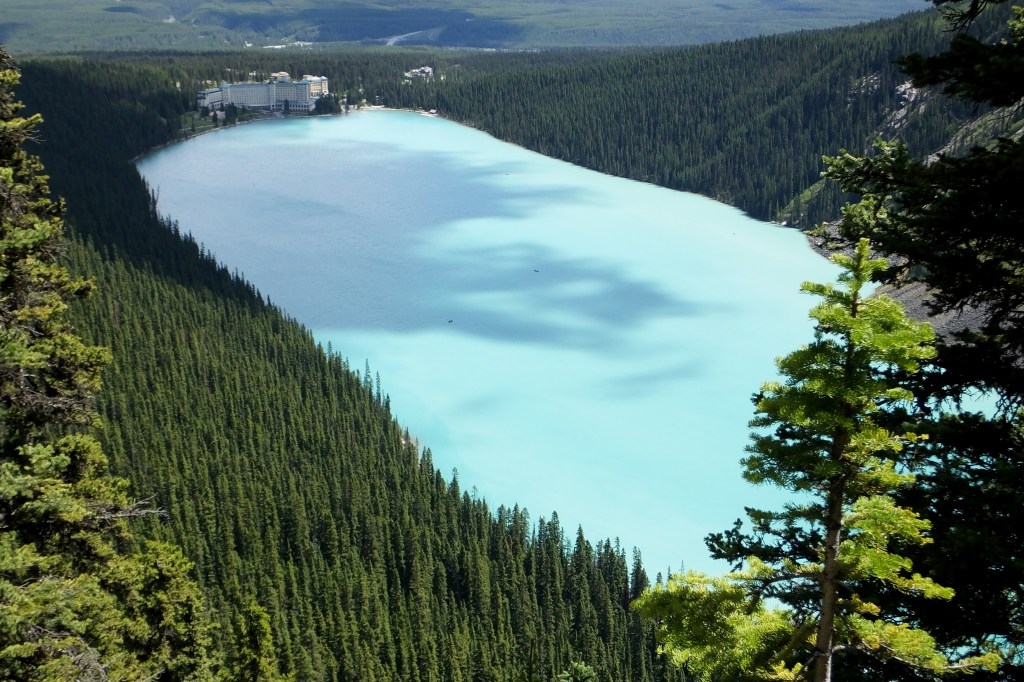
Leading away from the iconic Fairmont Chateau Lake Louise Hotel, the Plain of the 6 Glaciers trail meanders along the full length of the lakeshore before winding up the valley at the opposite end of the lake towards the eponymous Plain of the 6 Glaciers Teahouse, set in a stunning natural mountain amphitheater. Our hike was too early in the season for the Teahouse to be open for a well-deserved break, but upon reaching our destination, the view of the glaciers nestled between the towering peaks of Mount Lefroy and Mount Victoria was awe-inspiring. On the return route back, this trail then connects with the Highline Trail, which contours at a higher elevation around Lake Louise towards the Lake Agnes Teahouse and on towards the peaks of Big Beehive and Little Beehive with stunning views at every turn.

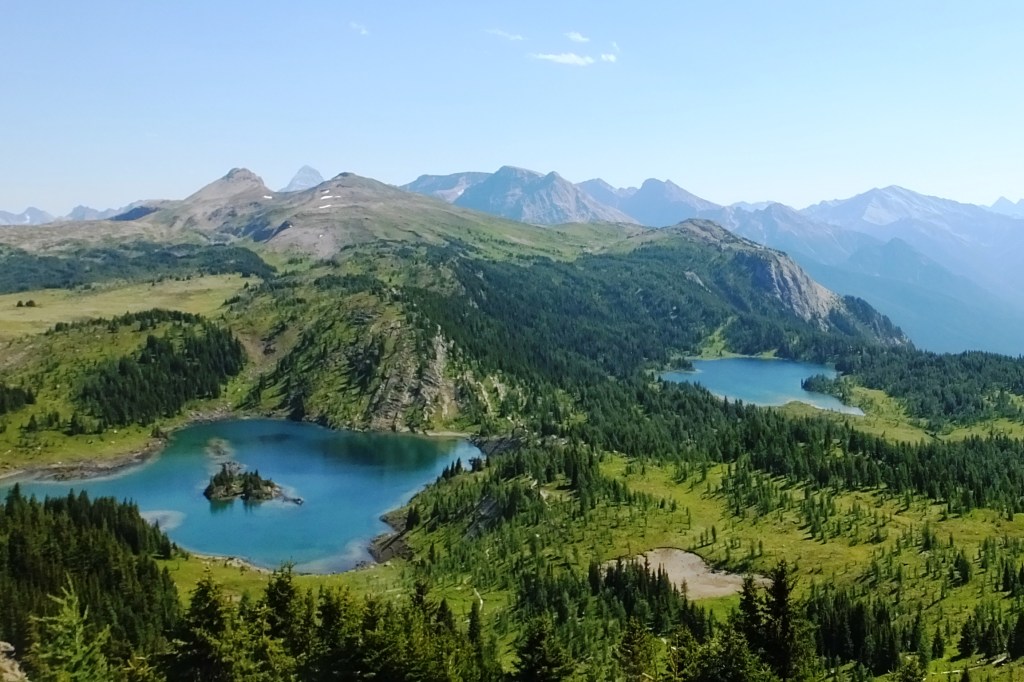
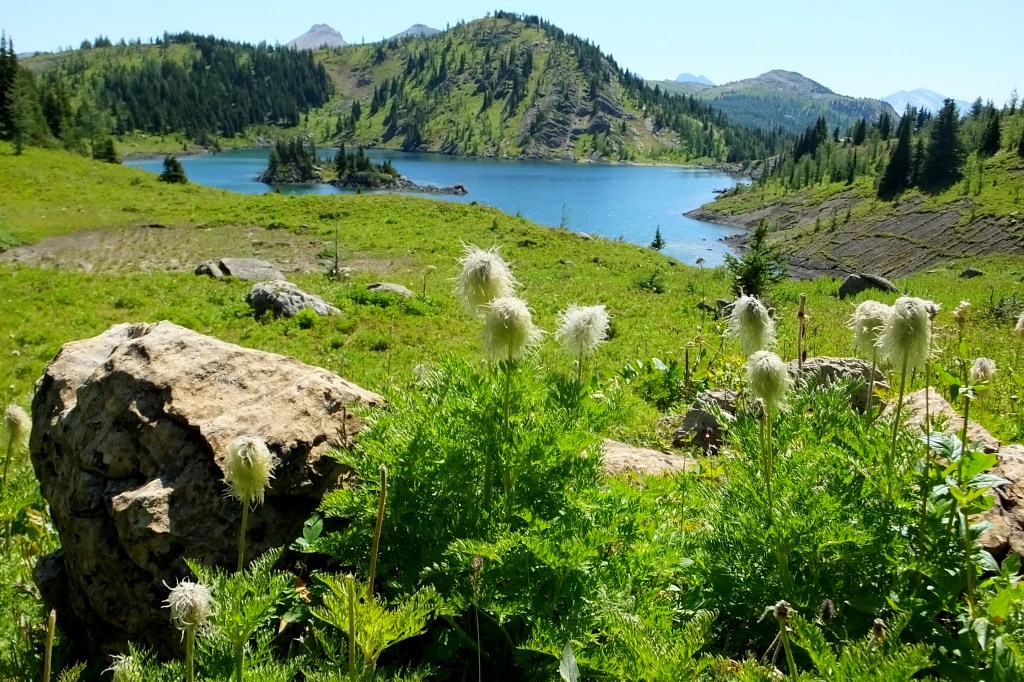
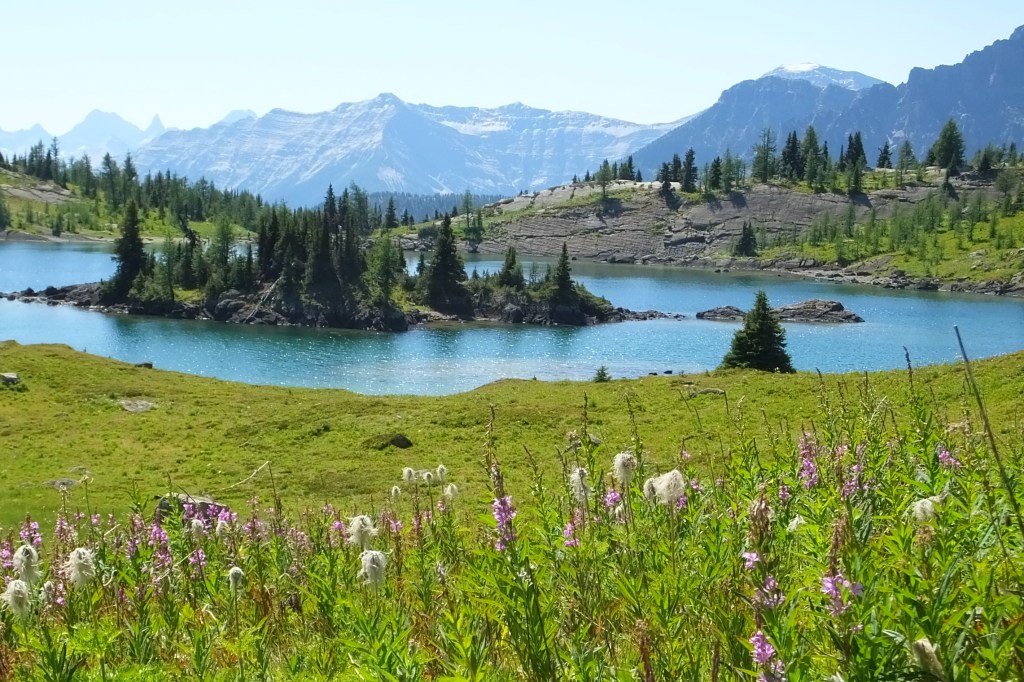
For an inspiring day in nature with less effort, the Sunshine Meadows trails offer expansive views dotted with small glacial lakes and views across the Continental Divide into British Columbia. Since the main access to the area is via a shuttle bus from downtown Banff, there are far fewer people here than on other common hikes, such as Johnston Canyon (which is also a nice walk). After the bus ride, you can either get the gondola from the ski resort or start walking from there towards the vibrant green, gentle, rolling meadows. This is one of the most spectacular places to see alpine wildflowers and majestic eagles soaring in the clear skies above.
There are so many things to see and stops to make along the Icefields Parkway that this 232-kilometer (144-mile) route can easily become a full-day road trip. Connecting Lake Louise in Banff National Park to the town of Jasper in Jasper National Park, the Icefields Parkway winds through the Canadian Rockies, offering breathtaking views of mountains, glaciers, lakes, and forests.
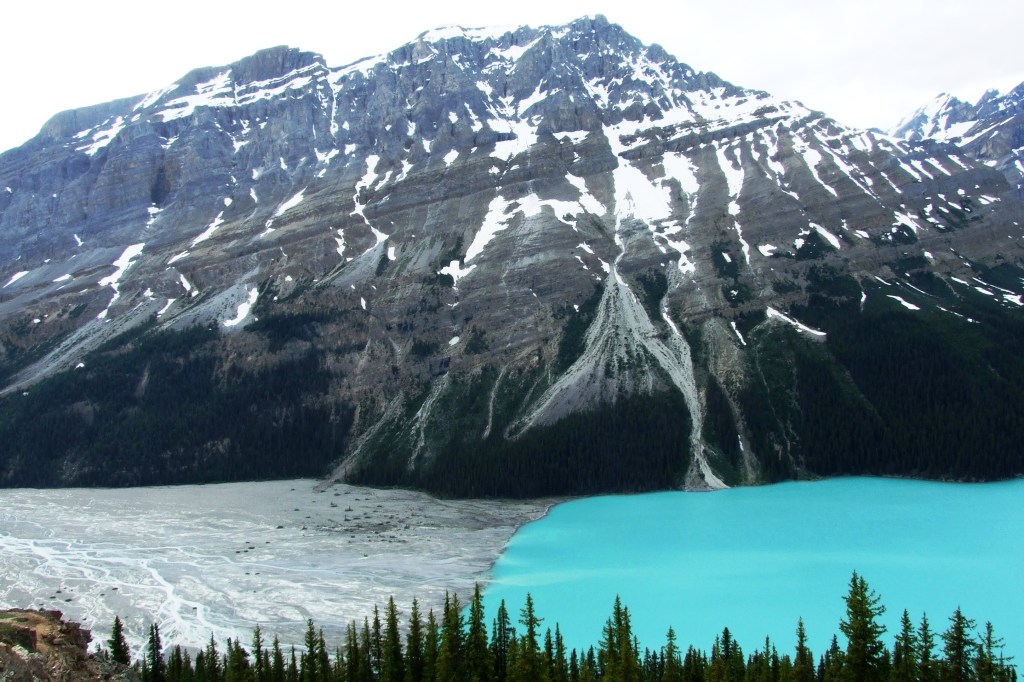
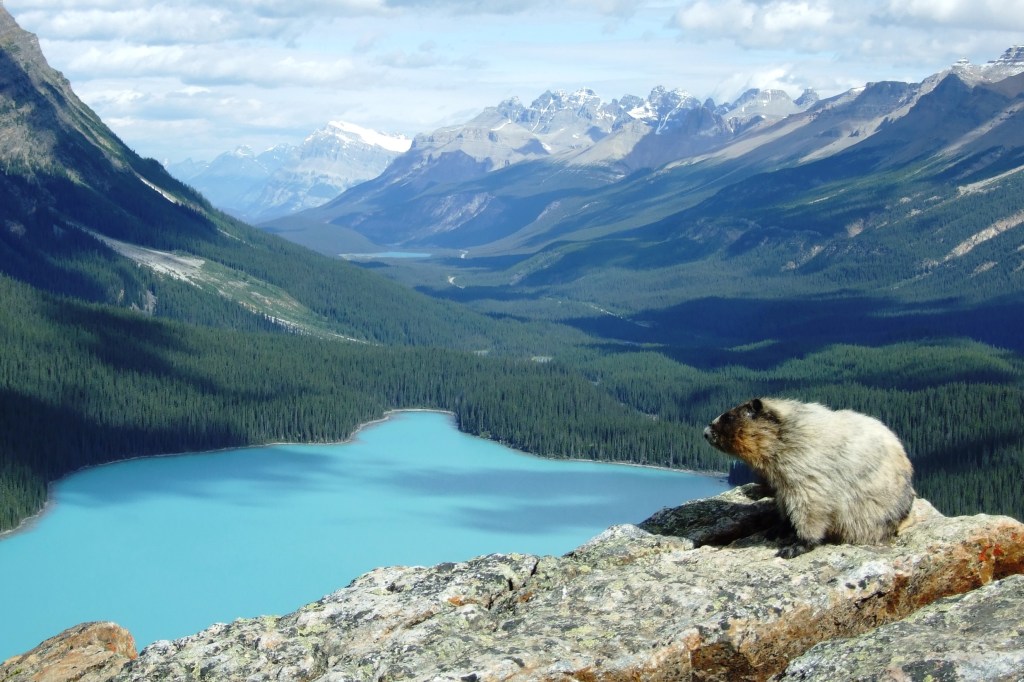
Bow Summit is the highest point on this scenic drive and is the access point for the trail to the Peyto Lake viewpoint. During the summer, significant amounts of glacial rock flour flow into the lake, and these suspended rock particles give the lake a bright, turquoise colour. Most people head for the constructed observation deck and jostle for position to get the best view from the platform, not knowing that there is a much better and quieter viewpoint less than 10 minutes away. Stumbling across this lesser-known and less-maintained trail by complete accident resulted in having the secret second viewpoint alone…well, except for a hoary marmot perched on a rock overlooking this iconic view.
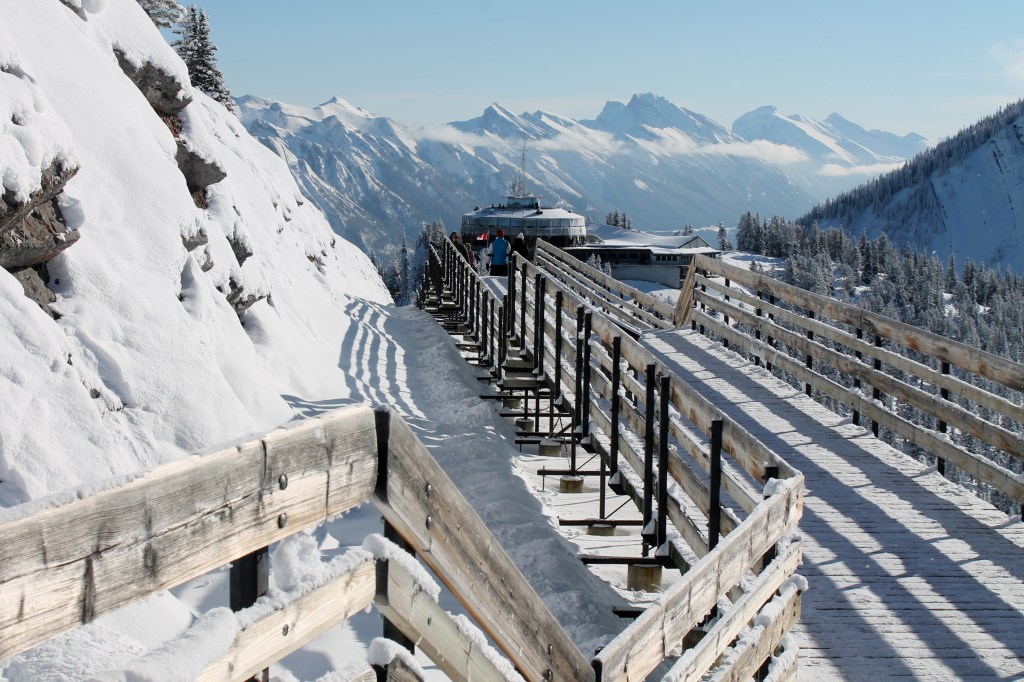
The Sulphur Mountain Boardwalk is a scenic, well-maintained pathway on the summit of Sulphur Mountain, accessible by the Banff Gondola. Connecting the Upper Gondola Terminal to the Cosmic Ray Station and Sanson’s Peak, the boardwalk offers a safe and easy way to explore the summit area with breathtaking panoramic views of the snow-covered peaks in Winter.

View all of our Banff National Park photos here.

 Mapgirl Adventures