There’s truly nowhere else quite like Havana. Cuba’s colourful capital pulses with a rhythm all its own—where the rumba spills into the streets, vintage cars glide past crumbling colonial buildings, and the scent of cigars and sea air hangs in the warm breeze. It truly is a city caught in time.
Havana is a city full of contrasts. Decay and beauty exist side by side—faded grandeur with bursts of bold colour and life. The city’s deep history is visible in every weathered wall and echoed in every note of live music drifting from a nearby bar. You’ll find Spanish colonial architecture, revolutionary landmarks, and vibrant street art, all within the same block.
Old Havana (Habana Vieja), a UNESCO World Heritage Site, is where the city’s soul beats the loudest. We wandered cobblestone streets past pastel façades, historic plazas, and tucked-away cafes serving strong Cuban coffee. There’s a sense of nostalgia here that’s impossible to ignore, like stepping into a living postcard from the 1950s.
Of course, no visit is complete without cruising down the Malecón, the city’s iconic seaside boulevard, where locals gather at sunset to talk, fish, and soak in the view.
Cuban culture is rich and resilient. It lives in the music, the dance, the art—and in the people. We met locals who welcomed us with warmth and stories, sharing a deeper glimpse into everyday life beyond the tourist lens. Havana has a complex history—colonialism, revolution, and resilience—and it’s all woven into the fabric of the city.
From lively salsa nights to quiet rooftop moments under the stars, Havana leaves a mark. It’s a place that gets under your skin in the best way—messy, magical, and totally unforgettable.
A Glimpse into Havana’s History — From Cannons to Carved Stone
Havana’s story begins in 1519, when Spanish colonizers founded the city along a perfect natural harbour. Its strategic location made it a vital port for ships crossing between the Old World and the New—and that meant one thing: fortifications.
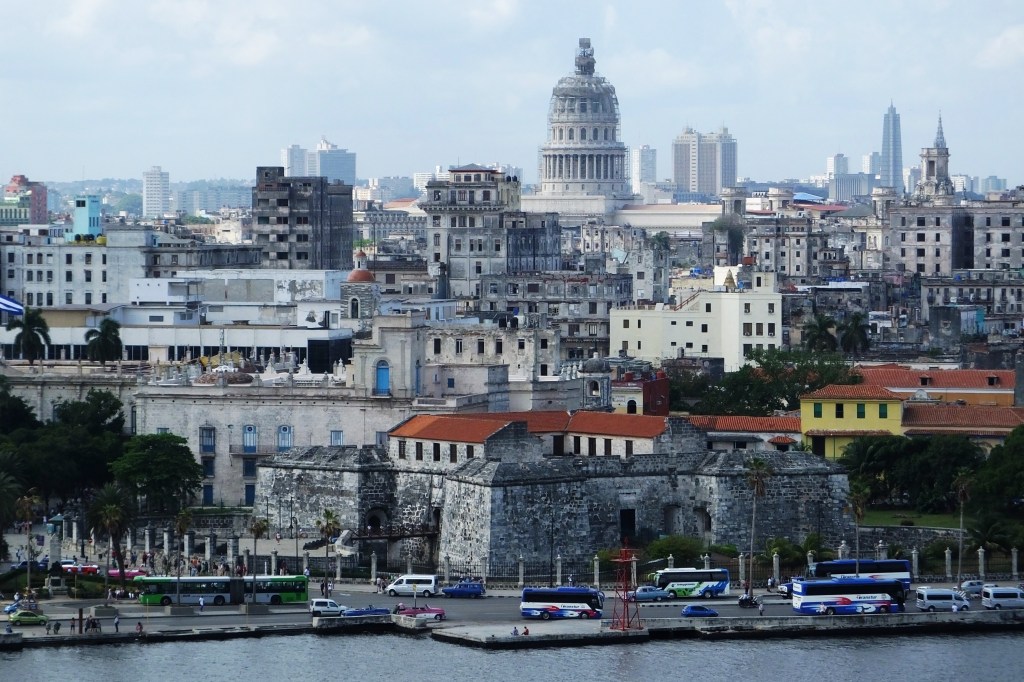
The skyline was first shaped not by spires or towers, but by stone fortresses like Castillo del Morro and La Cabaña, built to defend against pirates and rival empires. These thick-walled sentinels still watch over the bay today, their cannons long silent but their presence just as commanding.
As the city prospered, so did its architecture. The skyline blossomed with baroque churches, neoclassical mansions, and colonial plazas, echoing centuries of Spanish influence. Old Havana (Habana Vieja) remains a living museum of this era, its church domes, terracotta rooftops, and wrought iron balconies frozen in time.
The 20th century brought revolution and reinvention. Art deco buildings like the iconic Hotel Nacional, and grand boulevards like the Paseo del Prado, added layers of elegance and modern flair. And even in more recent years, new rooftop bars and boutique hotels have begun to pop up, blending with the old rather than replacing it.
Today, Havana’s skyline is a mosaic: crumbling grandeur, weather-worn beauty, and bursts of color, all bathed in Caribbean light. It tells a story of resilience, rhythm, and the unshakable spirit of a city that has lived through empire, embargo, and everything in between.
City Streets of Havana — Where Every Corner Has a Story
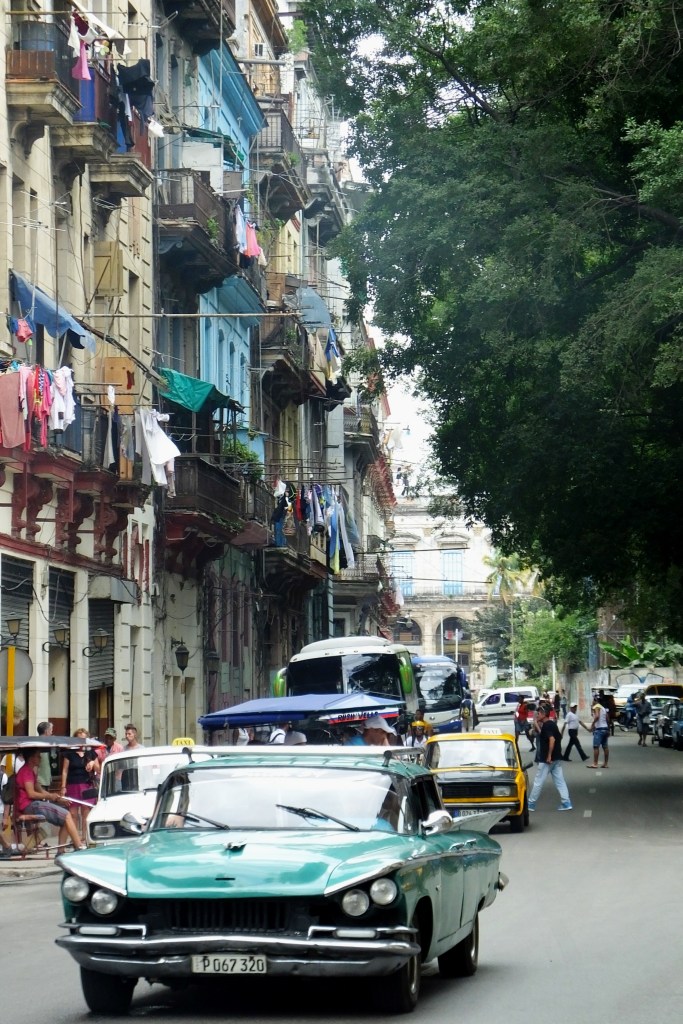
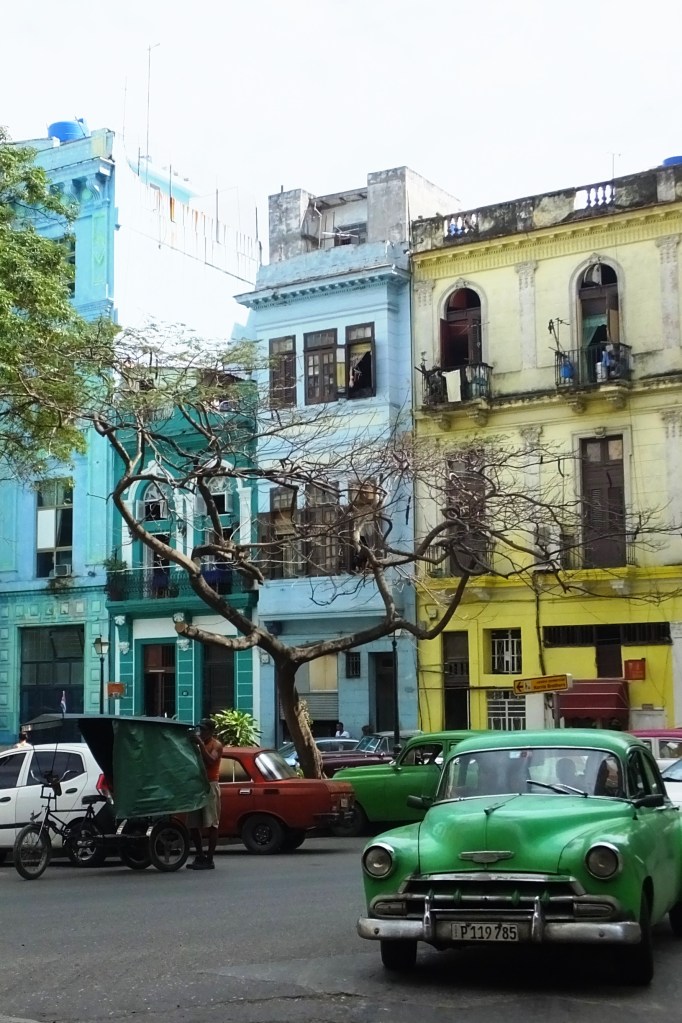
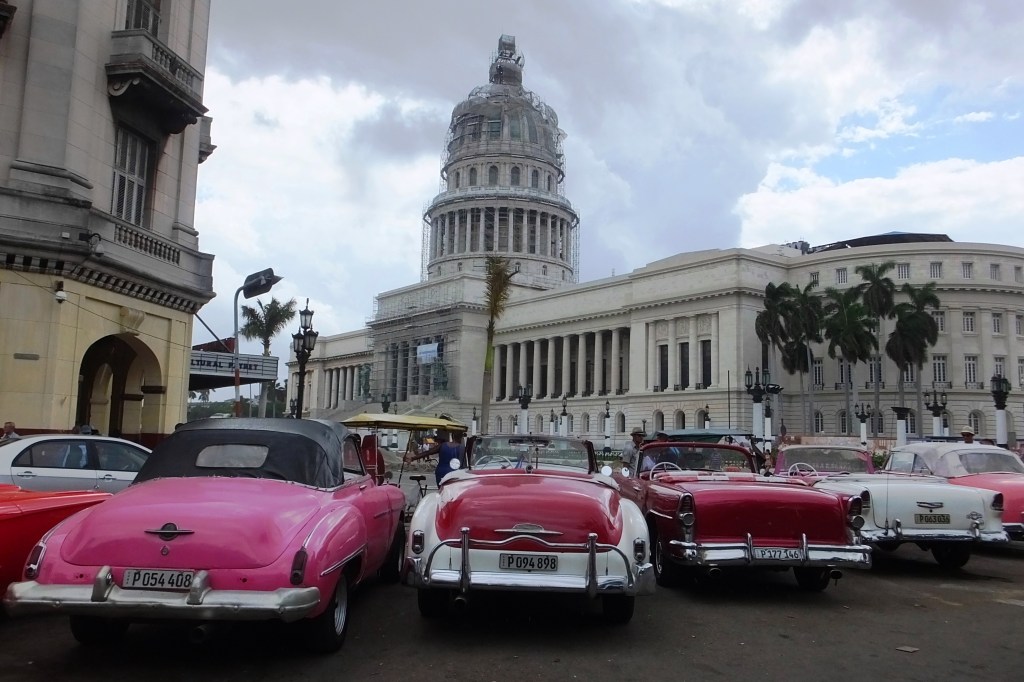
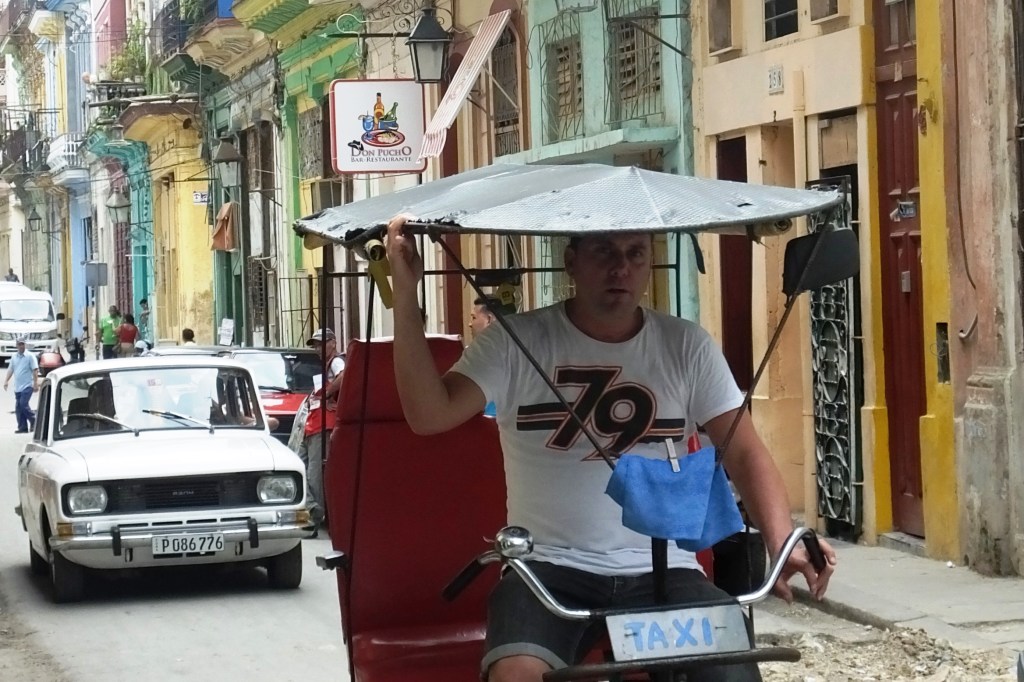
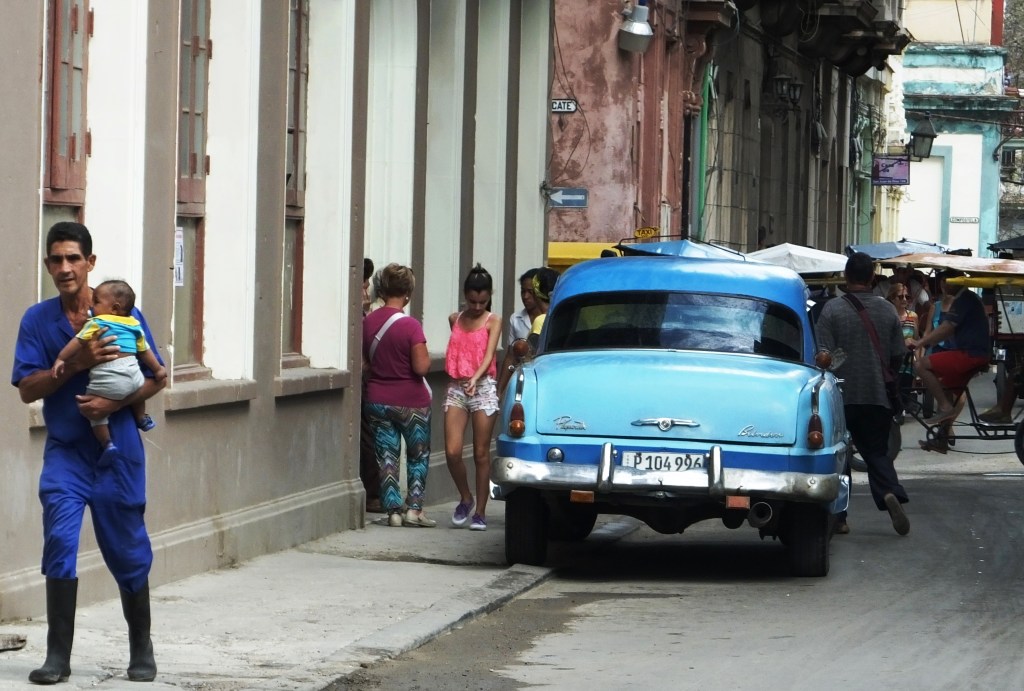
Wandering the streets of Havana feels like stepping into a living, breathing time capsule. The roads are lined with vintage American cars in every imaginable colour, cruising past crumbling facades and pastel-painted buildings. Each street is a blend of old charm and new energy, horns honk, music spills from open windows, and people gather on doorsteps to chat, play dominoes, or just watch the world go by.
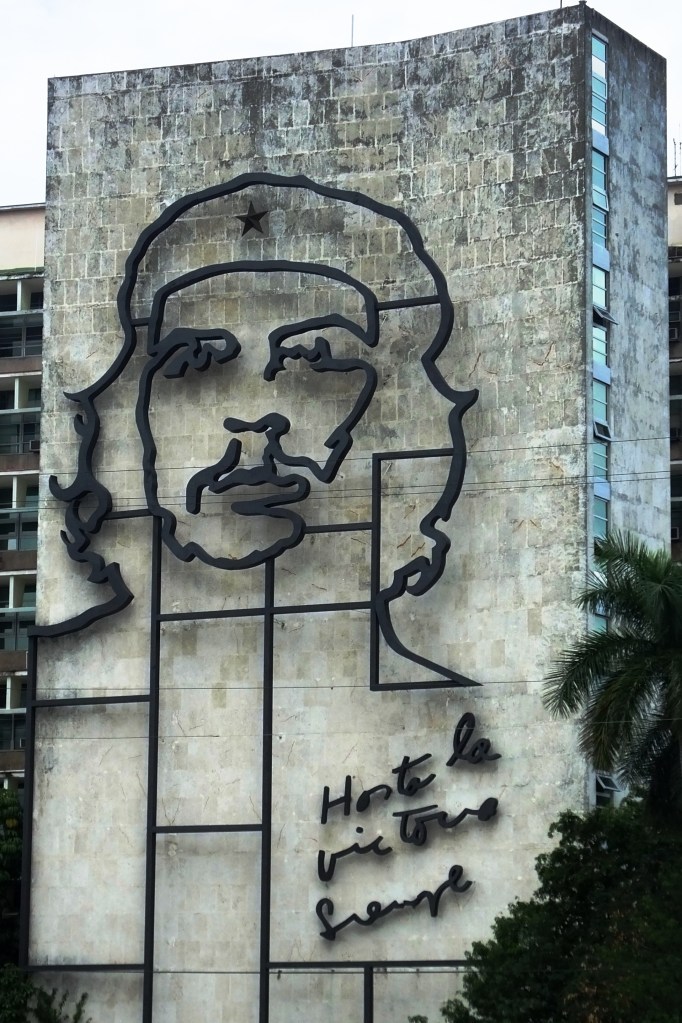
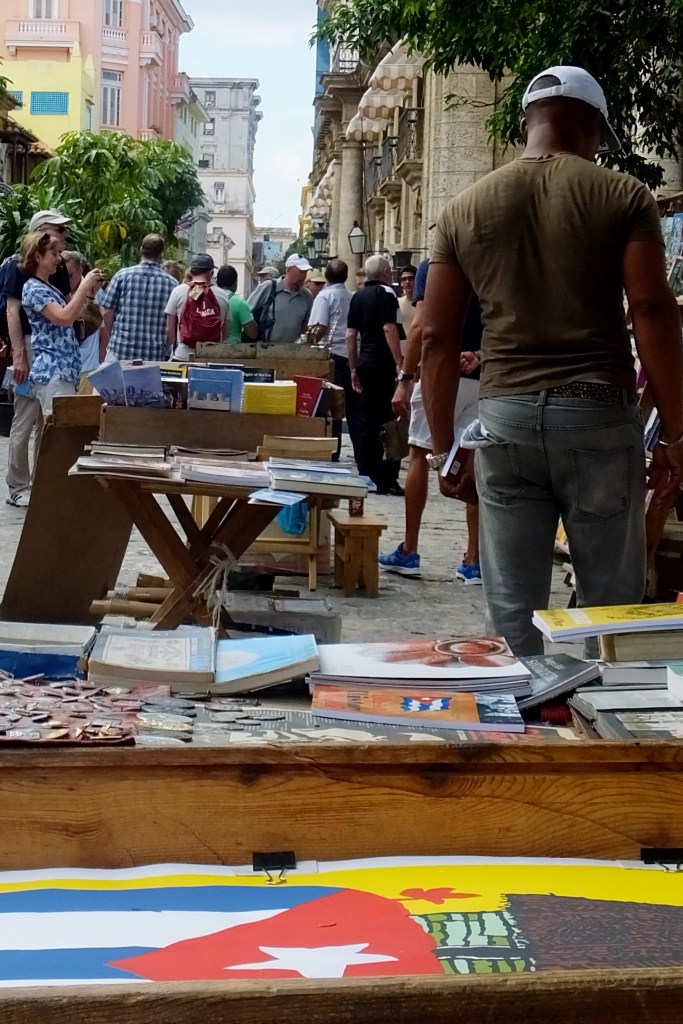
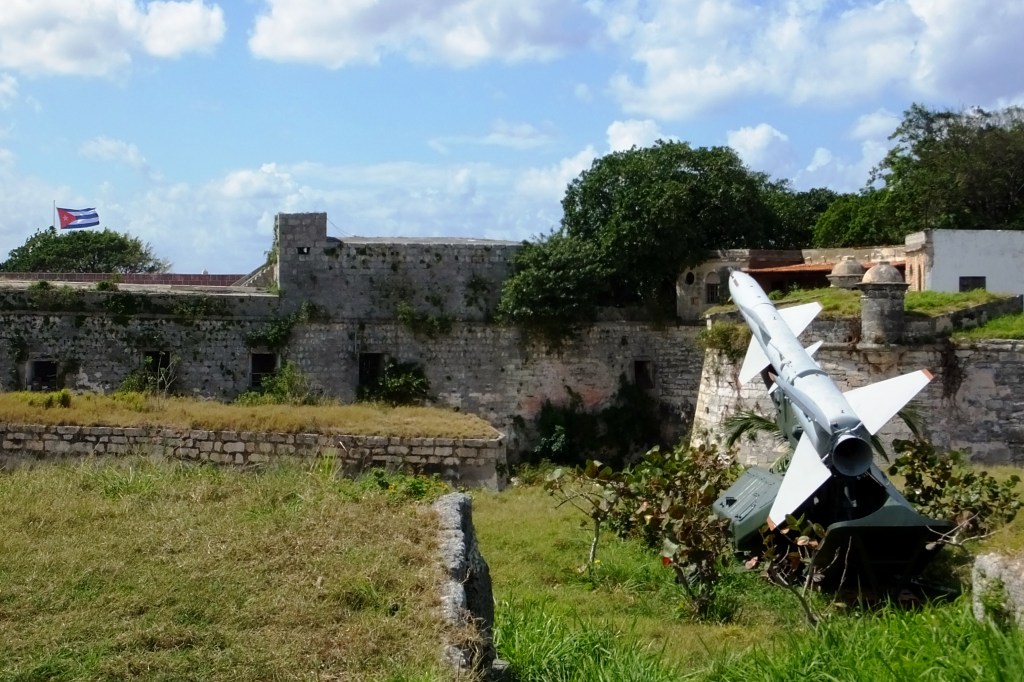
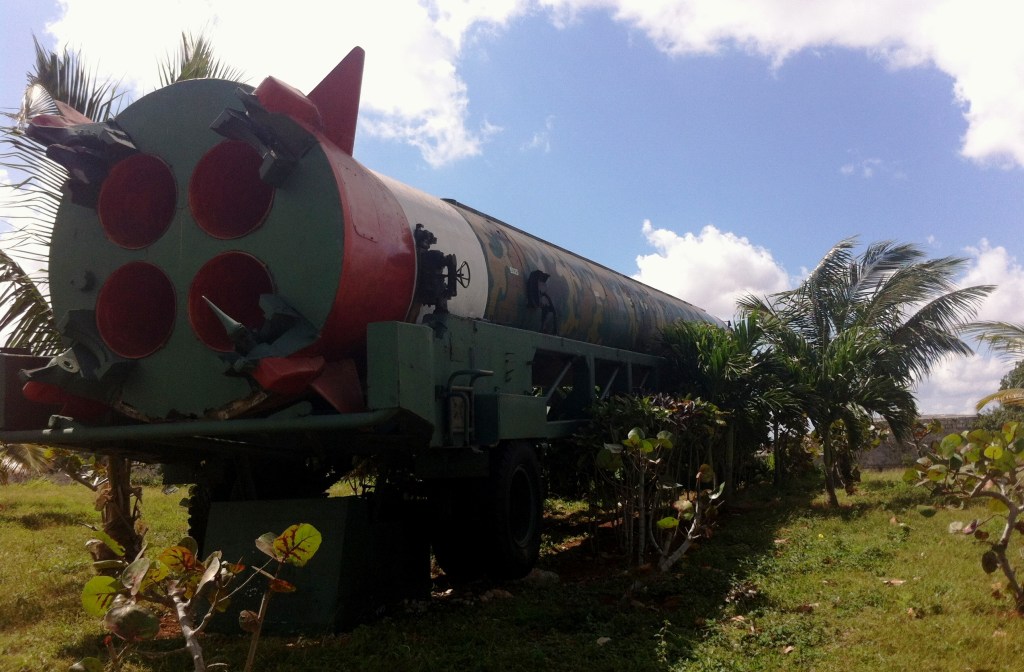
Cold War Missiles – Shadows of a Tense Past
Not far beneath the charm of Havana’s colourful streets and vintage cars lies a story of global tension and brinkmanship. Cuba played a central role in one of the most chilling moments of the 20th centuries the Cuban Missile Crisis of 1962.
In the heat of the Cold War, Cuba became a strategic pawn between the world’s superpowers. Following the failed U.S.-backed Bay of Pigs invasion and mounting pressure from Washington, Fidel Castro’s government turned to the Soviet Union for support. In a move that shocked the world, Soviet nuclear missiles were secretly installed in Cuba, just 90 miles from the coast of Florida.
When U.S. reconnaissance planes discovered the launch sites under construction, the world held its breath. For thirteen days in October, the Cuban Missile Crisis brought humanity to the brink of nuclear war. Eventually, after intense negotiations, the Soviets agreed to remove the missiles in exchange for a U.S. promise not to invade Cuba and the secret removal of American missiles from Turkey.
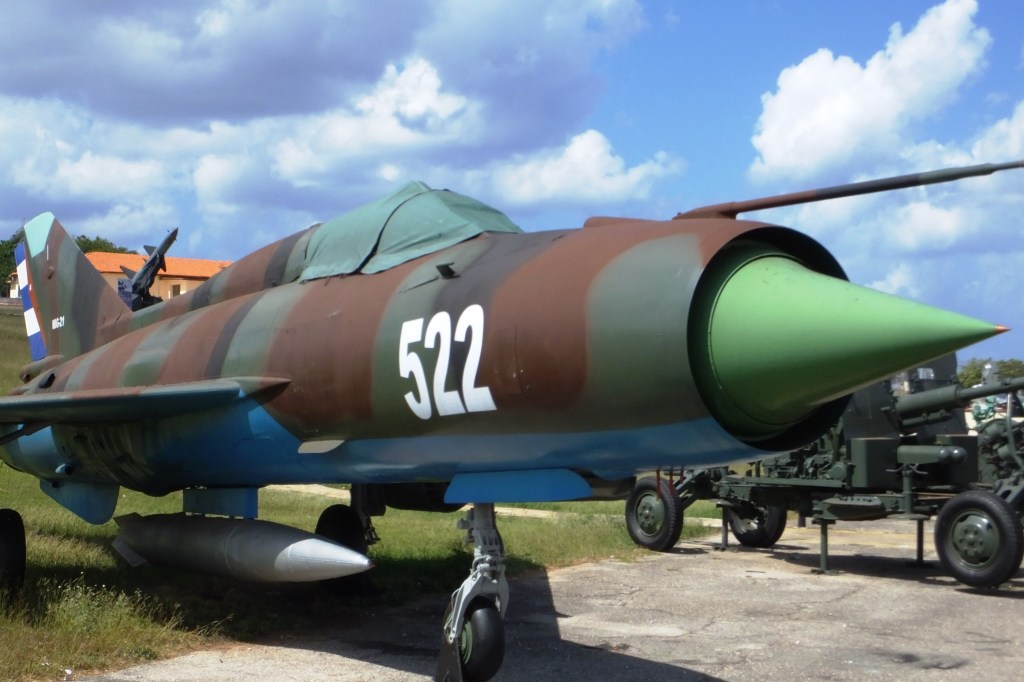
Today, remnants of that era can still be seen across Cuba, especially at places like the Museo de la Crisis de Octubre (October Crisis Museum) and scattered military sites where decommissioned missile equipment is on display. These quiet relics serve as stark reminders of a time when Havana stood at the heart of a global standoff.
Though decades have passed, the missile sites remain part of Cuba’s complex and layered history, silent echoes of a time when the fate of the world hinged on what happened on this small but mighty island.
Classic Cars of Havana – Rolling Time Capsules
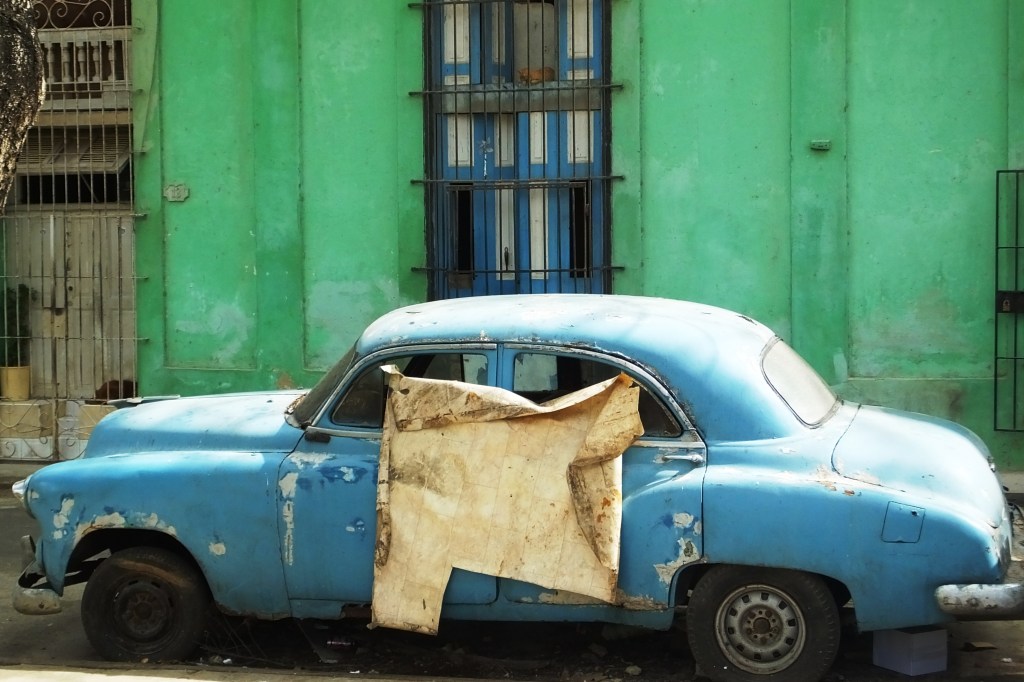
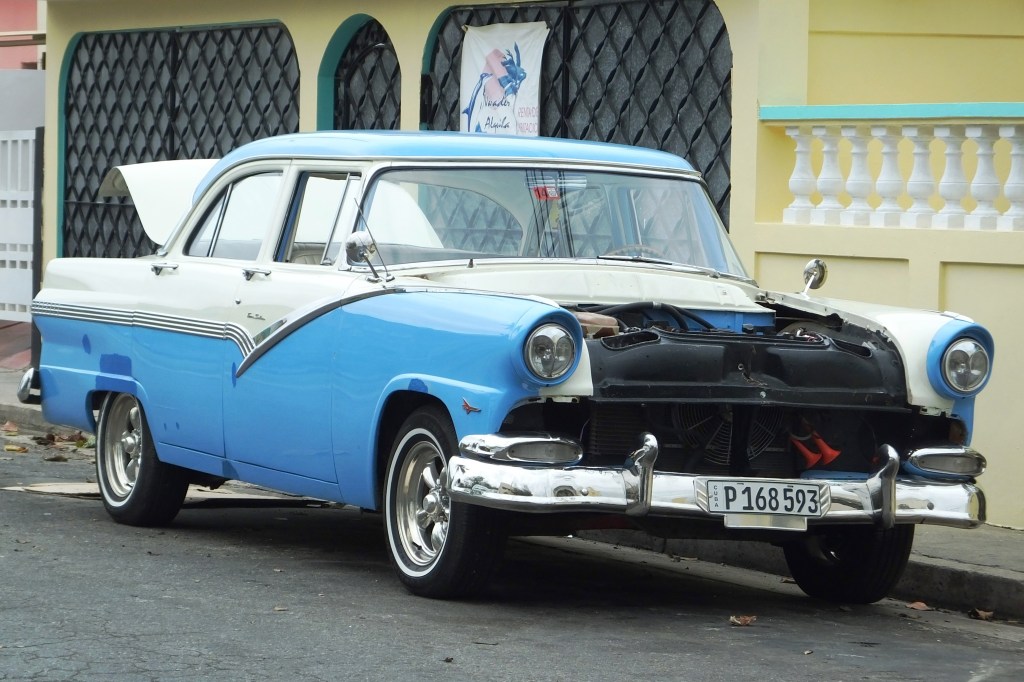
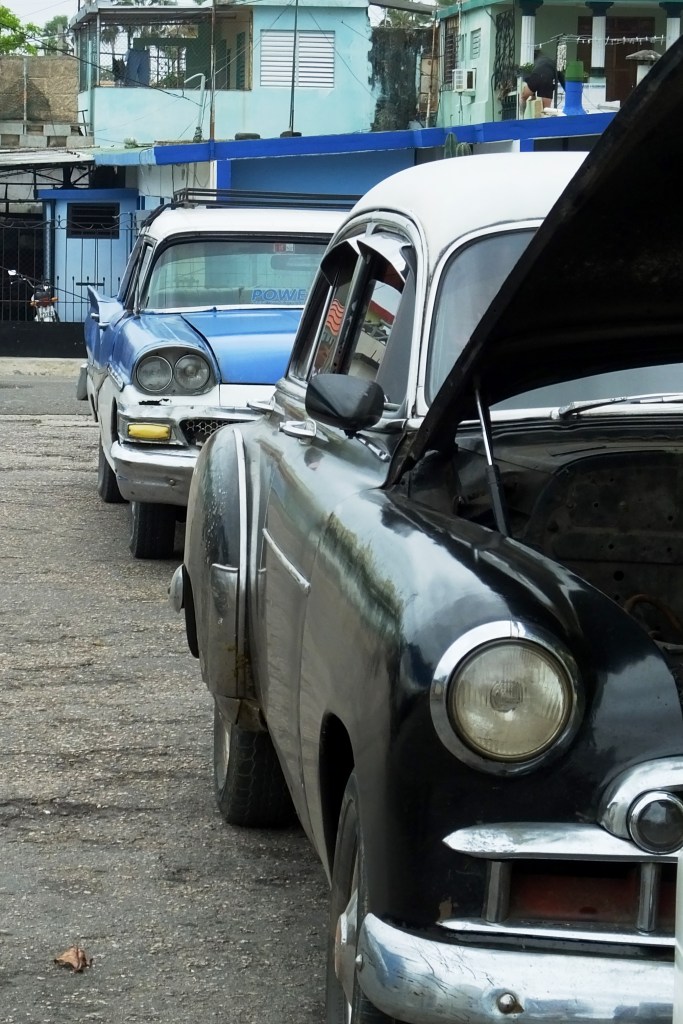
One of the most iconic and unexpected sights in Havana is the sheer number of vintage American cars cruising the streets, brightly painted Chevys, Buicks, and Fords from the 1940s and 50s that look like they’ve driven straight out of a movie set.
After the Cuban Revolution and the U.S. trade embargo in the early 1960s, imports of American cars and parts were cut off almost overnight. But Cubans, known for their creativity and resilience, kept these classics running with incredible ingenuity. Under the hoods, you’ll often find modern diesel engines or handmade parts. Some are lovingly restored showpieces; others are patched together with whatever’s on hand, but all of them are full of character.
We couldn’t resist taking a ride in one. Sitting in the back of a bubblegum-pink convertible, wind in our hair, reggaetón playing on the radio, it felt like stepping into a time warp. Whether parked proudly along the Malecón or rumbling through narrow Old Havana streets, these cars are more than just a way to get around they’re a moving piece of history and a symbol of Cuban perseverance.
In Havana, the classic cars aren’t just for tourists. They’re still part of everyday life. School kids pile into the back seats, couples use them for wedding photos, and drivers proudly wave from behind the wheel. It’s not just nostalgia, it’s a living tradition, one chrome bumper at a time.
View all our pictures from Havana and Cuba here,

 Mapgirl Adventures