Iceland is a land of stark contrasts and stunning natural beauty, where volcanic landscapes, glaciers, and rugged coastlines shape a unique and dramatic geography. Nestled in the North Atlantic, this island nation has a rich history deeply connected to its Norse heritage and the ancient Icelandic parliament, Alþingi, established in 930 AD, one of the world’s oldest parliaments.
Our journey began with the famed Golden Circle, a popular tourist route spanning about 190 miles (300 kilometers). This loop includes three main highlights: Thingvellir National Park, where history and geology intersect; the bubbling geothermal wonderland of the Geysir Geothermal Area; and the spectacular Gullfoss Waterfall, a thunderous cascade that captures the power of Iceland’s wild nature. From there, we extended our adventure to the South Coast and indulged in the world-famous Blue Lagoon, a soothing geothermal spa that offers the perfect blend of relaxation and otherworldly scenery.
On our journey around the Golden Circle we visited three of Iceland’s most iconic waterfalls, each offering a truly unforgettable experience.
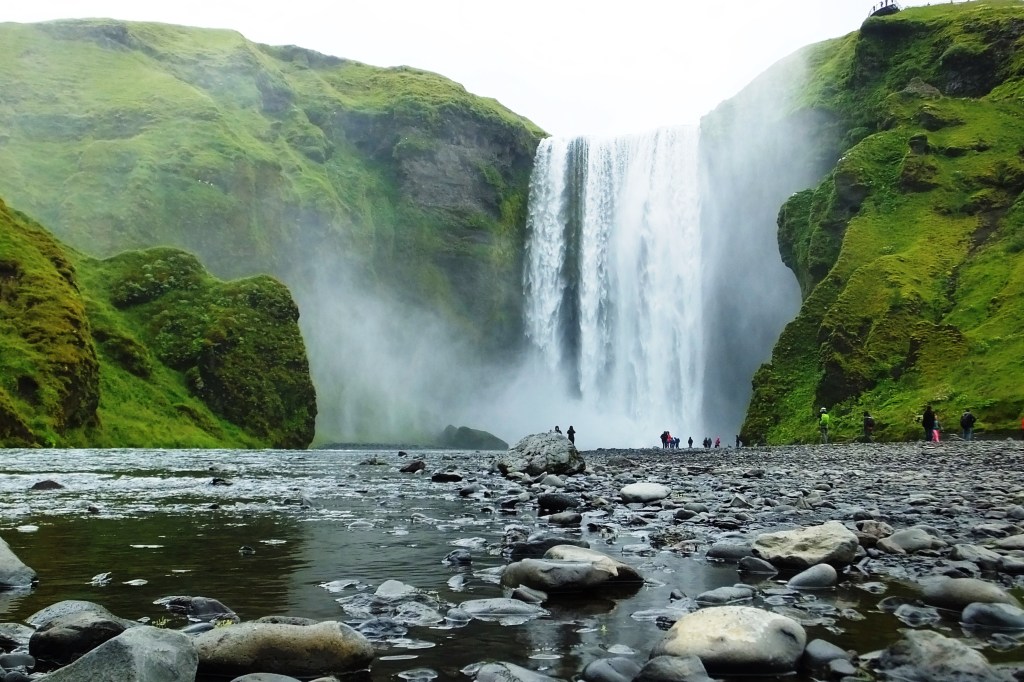
First up is Skógafoss, a mighty cascade plunging about 60 meters (197 feet) down a sheer cliff. Standing at the base, you can feel the roar of the water and often catch vibrant rainbows dancing in the mist—a magical moment that stays with you long after you leave. For the more adventurous, a staircase beside the falls leads you to a viewing platform above, revealing stunning vistas of the surrounding coastline and plains.
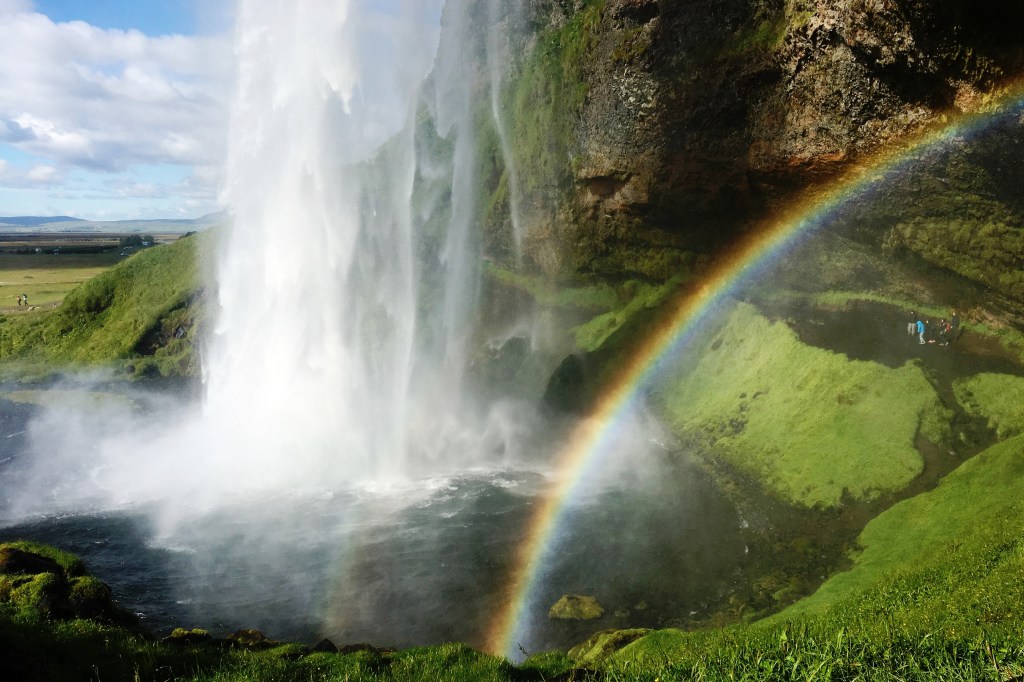
Next is Seljalandsfoss, famous for its rare and unforgettable feature: a walking path behind the waterfall itself. This lets you experience the falls from all angles, stepping into a curtain of water that creates an ethereal, almost otherworldly atmosphere. It’s especially enchanting at sunset when the golden light filters through the cascading water.
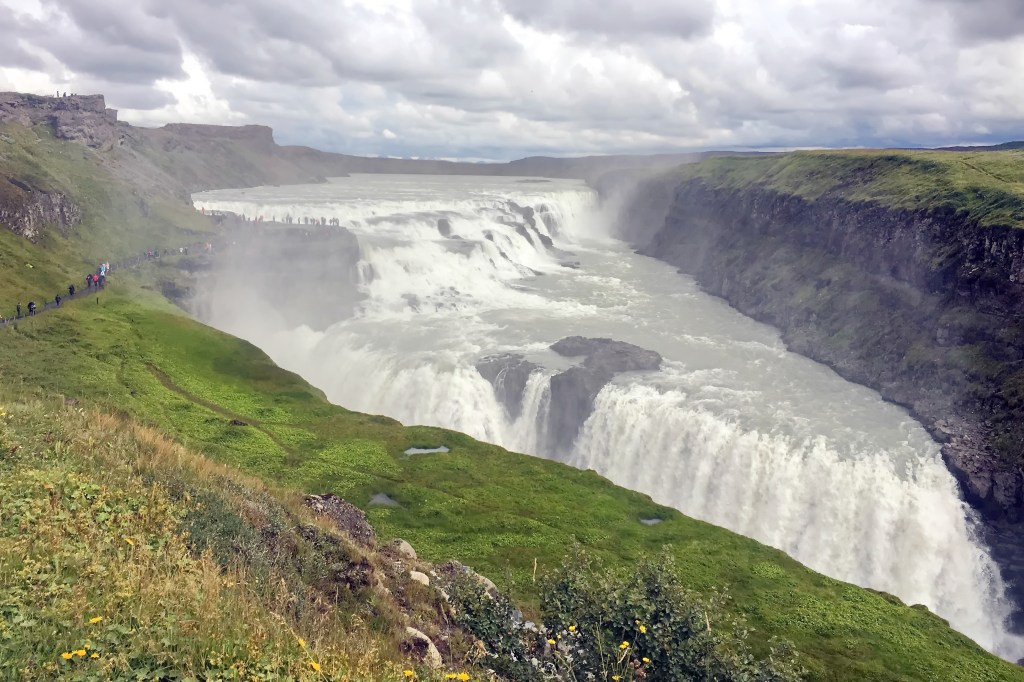
Finally, there’s Gullfoss, often called the “Golden Falls.” This powerful two-tiered waterfall roars as it plunges into a rugged canyon, sending sprays of glistening mist high into the air. Its raw energy and natural grandeur perfectly capture the untamed spirit of Iceland’s wilderness, making it a highlight of the Golden Circle route and a must-see for any visitor.
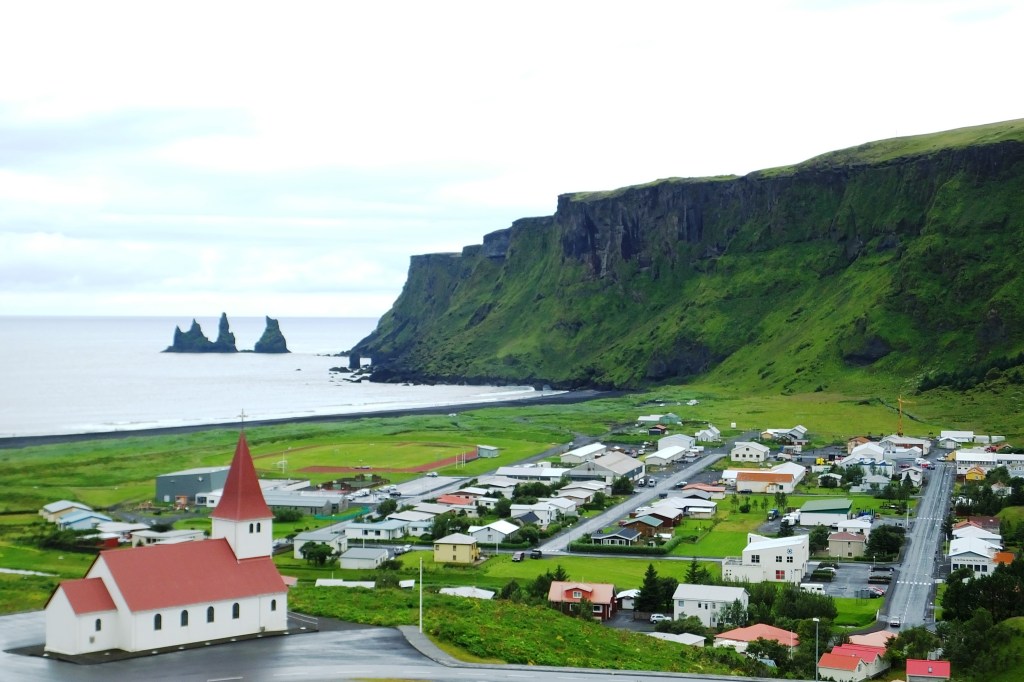
We continued along the South Coast to the small seaside village of Vík, the southernmost village in Iceland. Surrounded by dramatic cliffs and often cloaked in mist, Vík has a moody, cinematic charm. Perched above the village is a picturesque red-roofed church that looks out over the ocean, offering one of the most iconic views in the area.
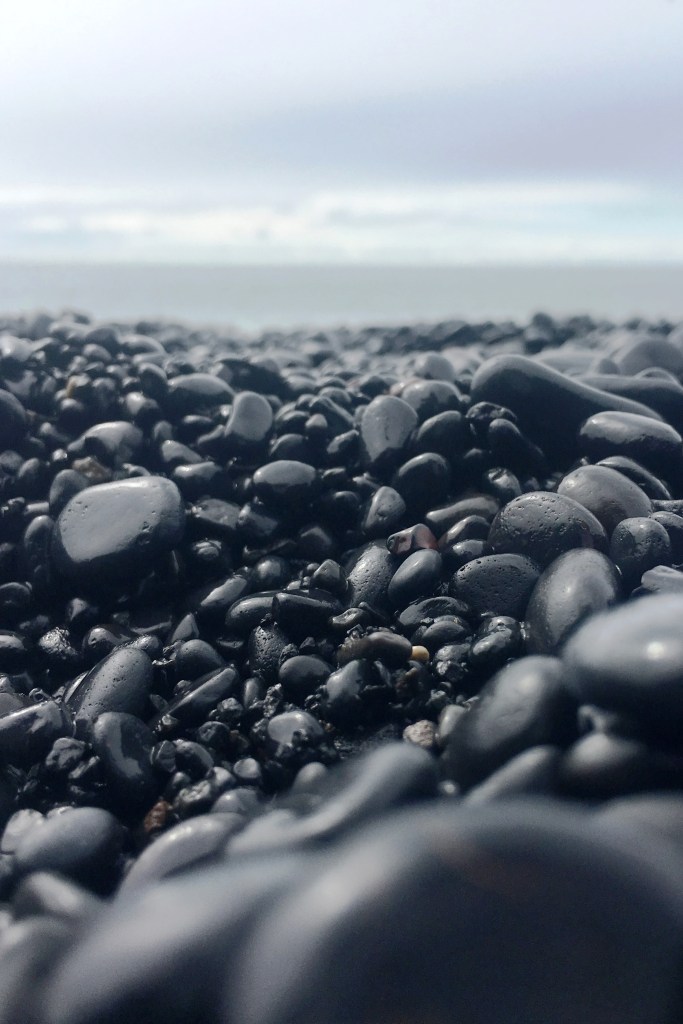
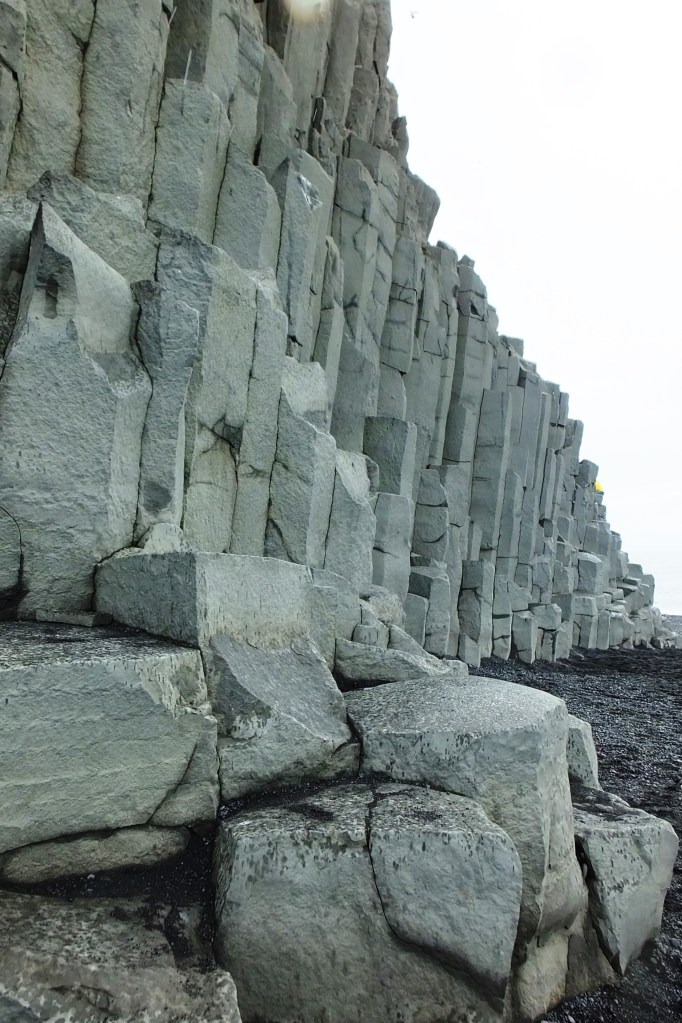
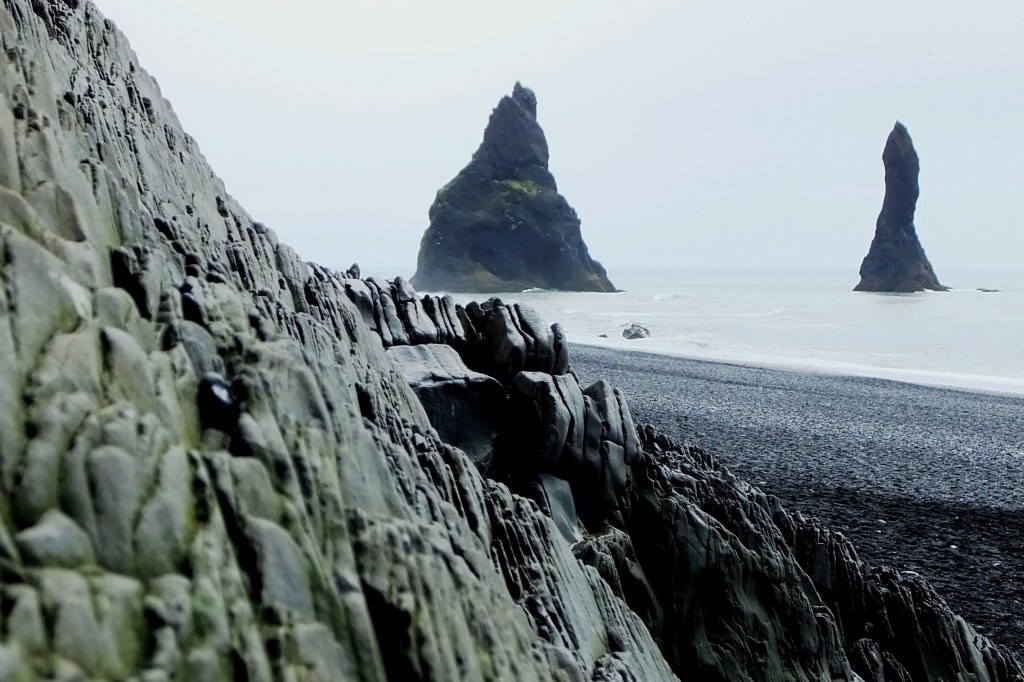
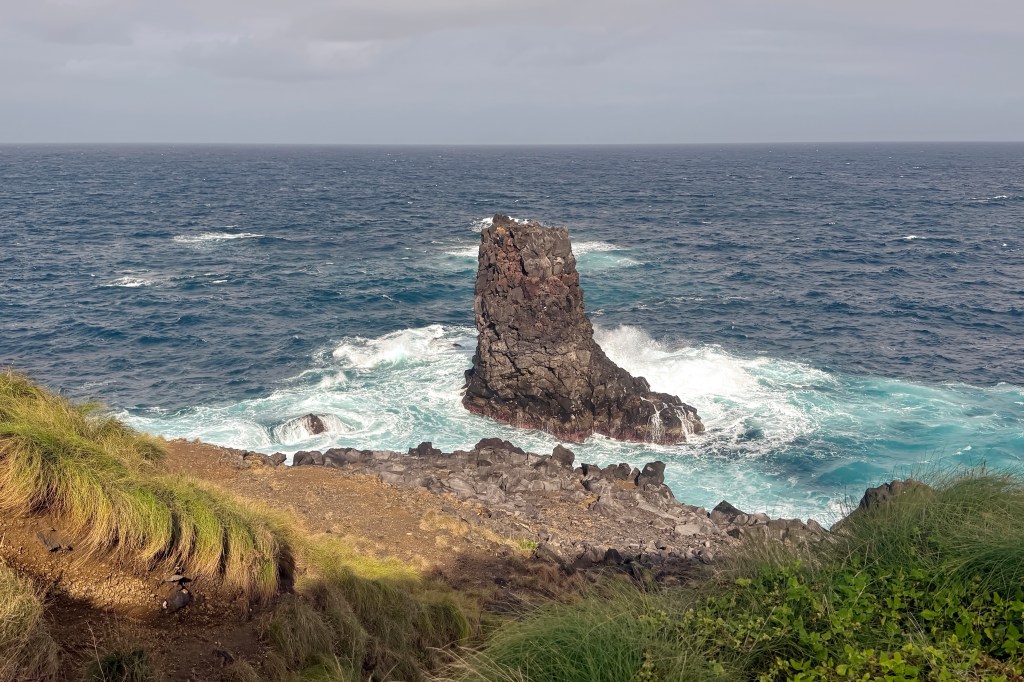
Just west of Vík is Reynisfjara Black Sand Beach, one of the most striking and surreal places we’ve ever visited. The beach is known for its deep black volcanic sand, towering basalt columns, and the powerful Atlantic waves that crash dramatically along the shore. Offshore, the jagged Reynisdrangar sea stacks rise out of the ocean like ancient sentinels. According to local folklore, they’re trolls turned to stone by the morning sun.
We wandered along the beach, marveling at the geometric patterns in the basalt and the contrast of the white sea foam against the black sand. It’s a place that feels otherworldly raw, wild, and unforgettable. You can feel the power of nature here in every gust of wind and thunderous wave.

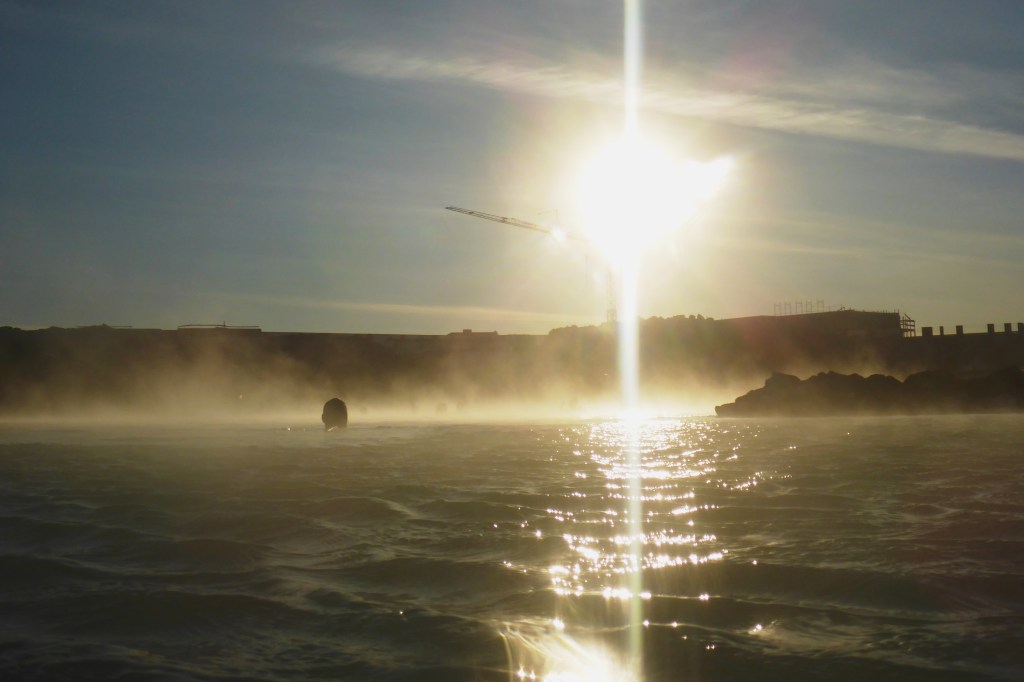
No trip to Iceland would feel complete without a soak in the famous Blue Lagoon. Nestled in a lava field on the Reykjanes Peninsula, this iconic geothermal spa is every bit as magical as the photos suggest. The milky-blue, mineral-rich water steams gently against the stark black volcanic rock, creating an atmosphere that’s both surreal and soothing.
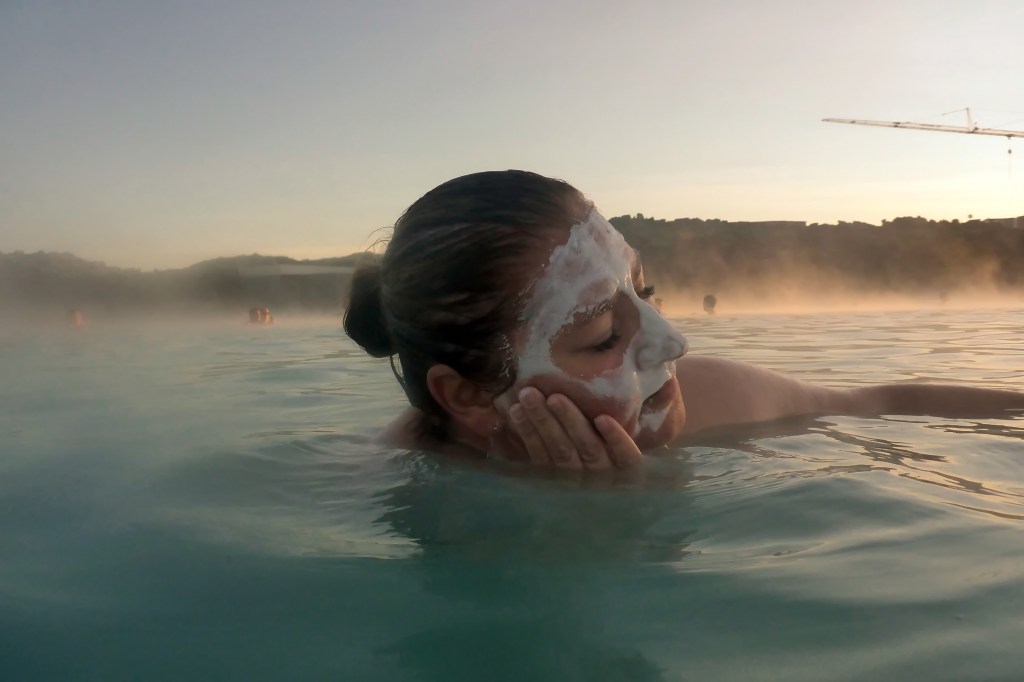
We arrived with enough time to settle in and enjoy the experience without feeling rushed. After checking in and slipping into our swimsuits, we stepped into the warm, silky water, pure bliss. The lagoon is large enough to find a quiet pocket away from the crowds, and we took our time drifting through the warm pools, applying the famous silica face masks, and enjoying the contrast of the cool air on our faces.
There’s something incredibly peaceful about floating in that mineral-rich water, surrounded by nothing but steam and lava rock. Whether it’s the healing properties of the water or just the tranquil atmosphere, the Blue Lagoon is one of those places that makes you feel like you’ve pressed pause on the world for a little while.
After all the wild beauty and open landscapes of Iceland, Reykjavík was a fun shift—quirky, colourful, and full of creative energy. As the world’s northernmost capital, it’s compact and walkable, with a friendly vibe that makes it easy to explore at your own pace.
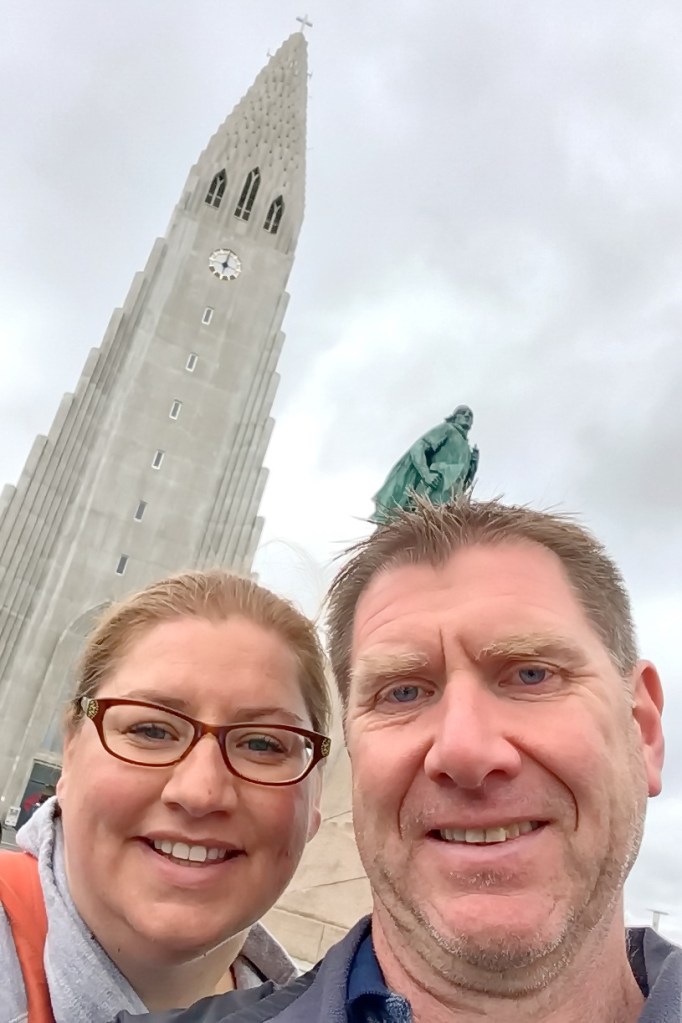
We wandered past rows of brightly painted buildings, art murals, and tucked-away cafés, often stopping just to take it all in. The city has this cozy, lived-in feel, but it’s also filled with modern style and a deep connection to Iceland’s past. One of the highlights was visiting Hallgrímskirkja, the striking church that towers over the skyline. We took the elevator to the top and were rewarded with sweeping views of the colourful rooftops, mountains, and the nearby sea.
We also spent time down by the harbour, where old fishing boats bob alongside sleek new buildings like Harpa Concert Hall, with its shimmering glass panels catching the light in every direction. Reykjavík may be small, but it’s packed with personality, from the shops selling locally made wool sweaters and lava rock jewelry to the restaurants offering everything from traditional Icelandic dishes to world-class coffee and pastries.
It was the perfect way to wind down after days of exploring Iceland’s natural wonders, a mix of culture, comfort, and that unmistakable Icelandic charm.


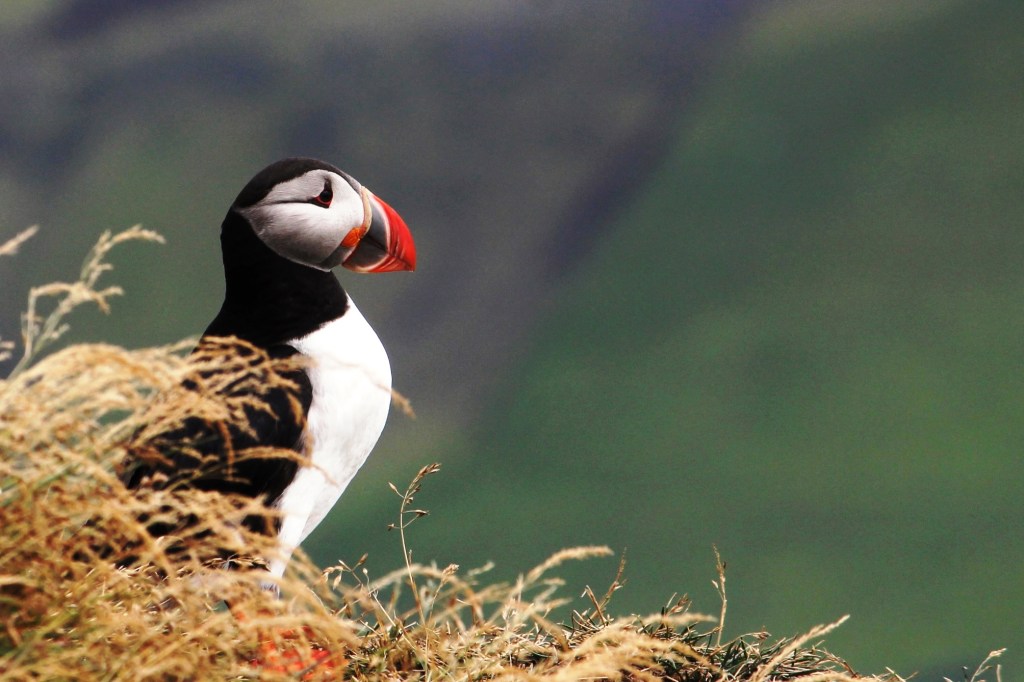
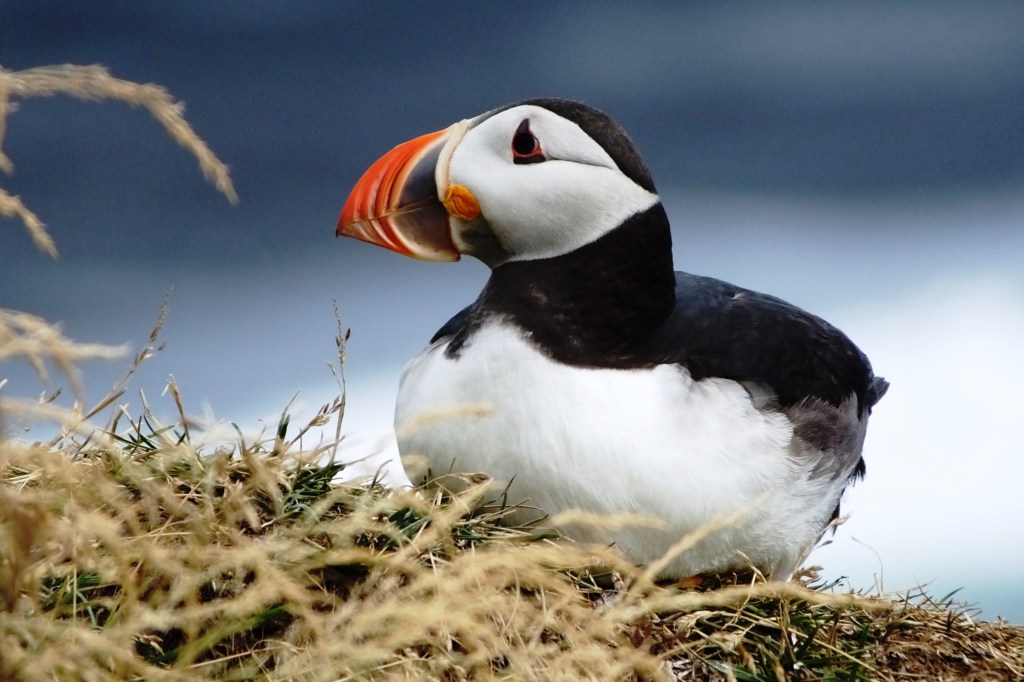
One of the absolute highlights of our time in Iceland was getting to see Icelandic puffins up close. These charming little seabirds, with their bright orange beaks and clumsy, endearing waddle, feel almost too whimsical to be real—like little cartoon characters come to life.
We spotted them along the coastal cliffs, especially in the south near Dyrhólaey and on some of the offshore rock formations. There were hundreds of them nesting in the grassy edges, flapping and swooping above the waves, and popping in and out of their little burrows in the cliffs. It was mesmerizing to watch them take off into the wind, somehow graceful in their own awkward way.
Iceland is home to over half the world’s Atlantic puffin population during nesting season (roughly May to August), so if you’re here at the right time, chances are good you’ll get to witness them too. We stood quietly, trying not to disturb them, snapping photos and just soaking up the magic of the moment.
Seeing puffins in the wild was one of those simple, unforgettable unexpected delight.
View all our Iceland pictures here.

 Mapgirl Adventures