Lisbon – Layers of History and Culture on Every Hill
Lisbon isn’t just a city, it’s a story, written across tile-covered buildings, echoing in tram bells, and told through soulful Fado songs drifting from tiny taverns. As one of the oldest cities in Europe, Lisbon’s history goes back thousands of years. It was shaped by Romans, ruled by Moors, and eventually became the heart of a powerful seafaring empire during the Age of Discoveries.
You can still feel those centuries of history under your feet whether you’re wandering through the Alfama district, with its maze of narrow alleys and laundry strung from balconies, or climbing up to São Jorge Castle for sweeping views over the red rooftops and the shimmering Tagus River.
Lisbon’s culture is just as layered. It’s a mix of old and new: ornate Gothic cathedrals next to sleek art galleries, time-worn yellow trams sharing the streets with trendy cafés. Locals are proud of their traditions, especially the melancholic beauty of Fado music, recognized by UNESCO as Intangible Cultural Heritage. And don’t even get us started on the food. From creamy pastéis de nata to grilled sardines and vinho verde, Lisbon knows how to eat well and live slowly.
It’s in the Squares and Boulevards That Lisbon Truly Comes to Life
Lisbon’s squares and boulevards are more than just places to pass through, they’re where the city’s rhythm reveals itself. Whether it’s locals sipping espresso, musicians filling the air with melody, or kids chasing pigeons across patterned pavement, these open spaces are full of everyday charm.
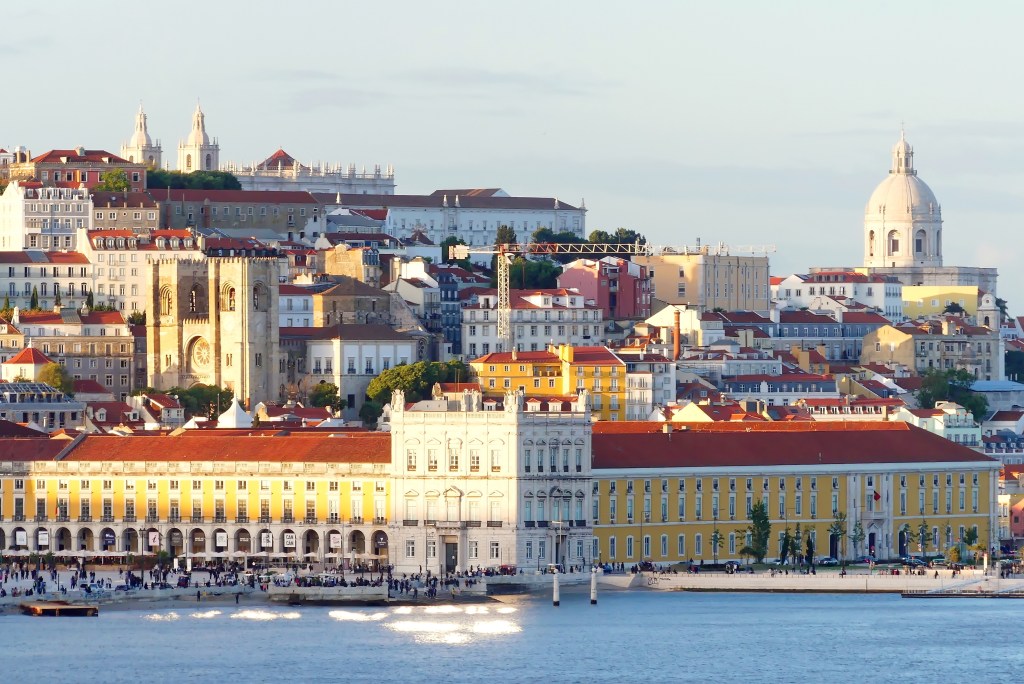
Praça do Comércio is one of the grandest. Set right on the edge of the Tagus River, this vast square was once the gateway to Lisbon for ships arriving from around the world. With its golden yellow buildings, elegant archways, and views out to the water, it’s easy to imagine the bustle of merchants and sailors centuries ago. Now, it’s a scenic place to sit by the water, grab a drink, and people-watch.
Just up the hill, Rossio Square offers a different kind of energy, livelier, with its wave-patterned cobblestones and nearby shops and cafés. It’s been a gathering place for centuries, and still hums with activity day and night.
Then there’s Avenida da Liberdade, Lisbon’s grand boulevard lined with leafy trees, high-end shops, and historic buildings. Often compared to Paris’s Champs-Élysées, it’s perfect for a leisurely stroll or a stylish café break. We loved wandering here, admiring the intricate tilework underfoot and pausing to browse at one of the shaded kiosks.
Each square and boulevard felt like a mini stage where Lisbon’s personality came to life, sunny, stylish, full of history, and always just a little bit laid-back.

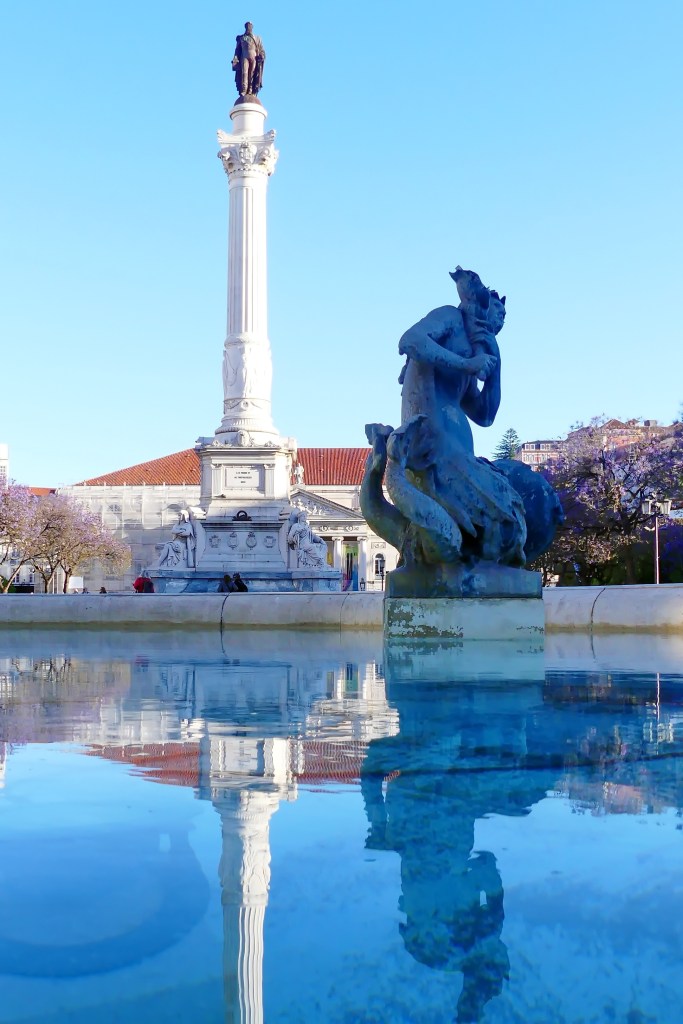
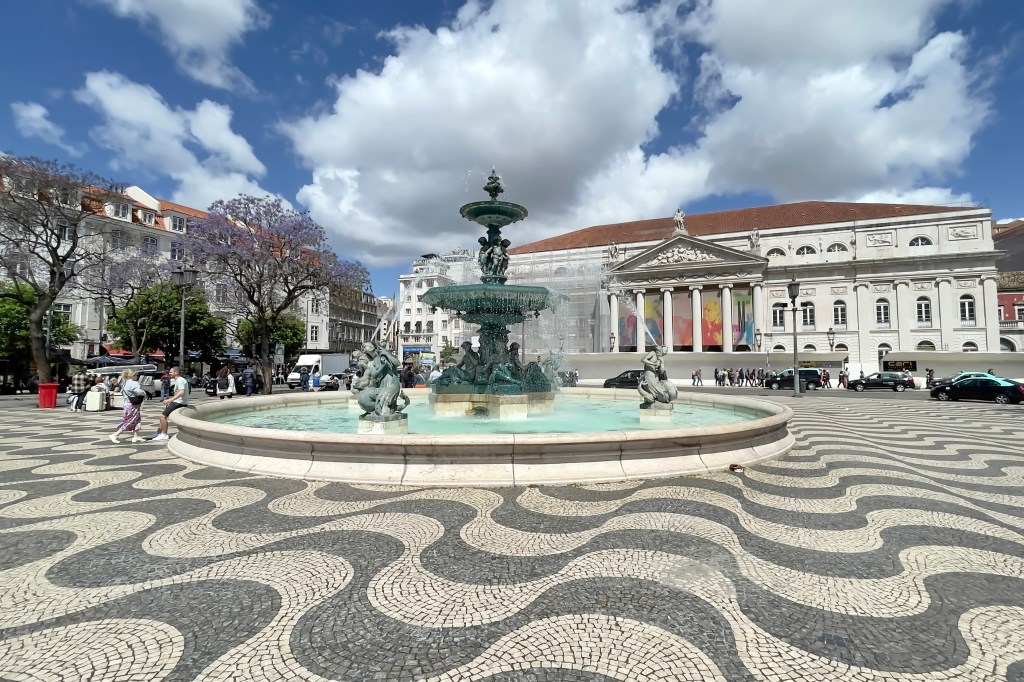
The Trams: Riding Through Lisbon’s History
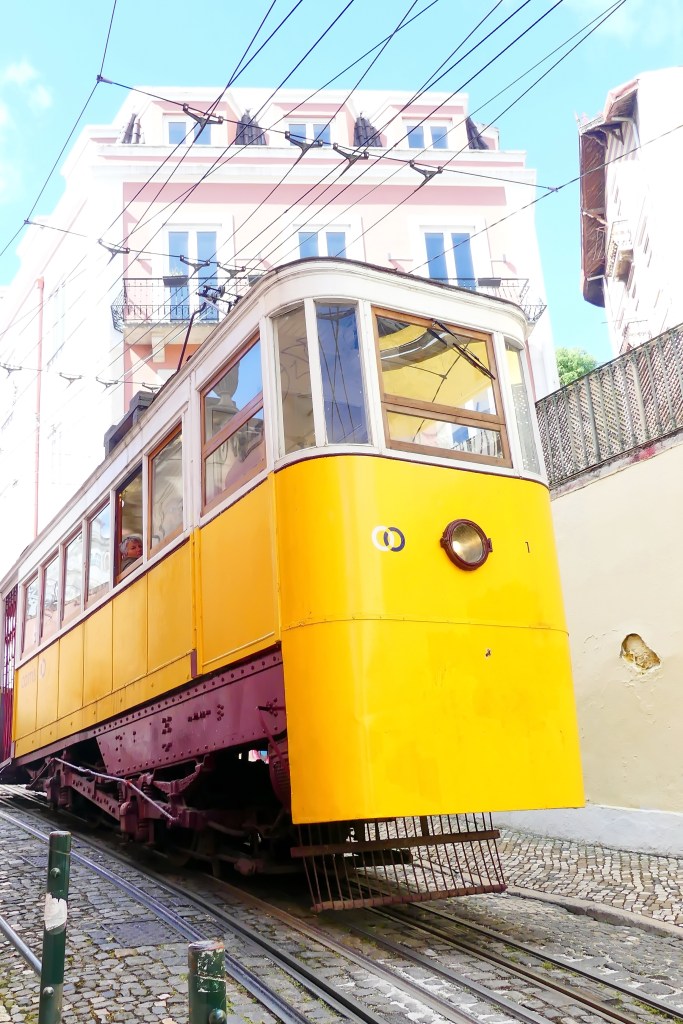
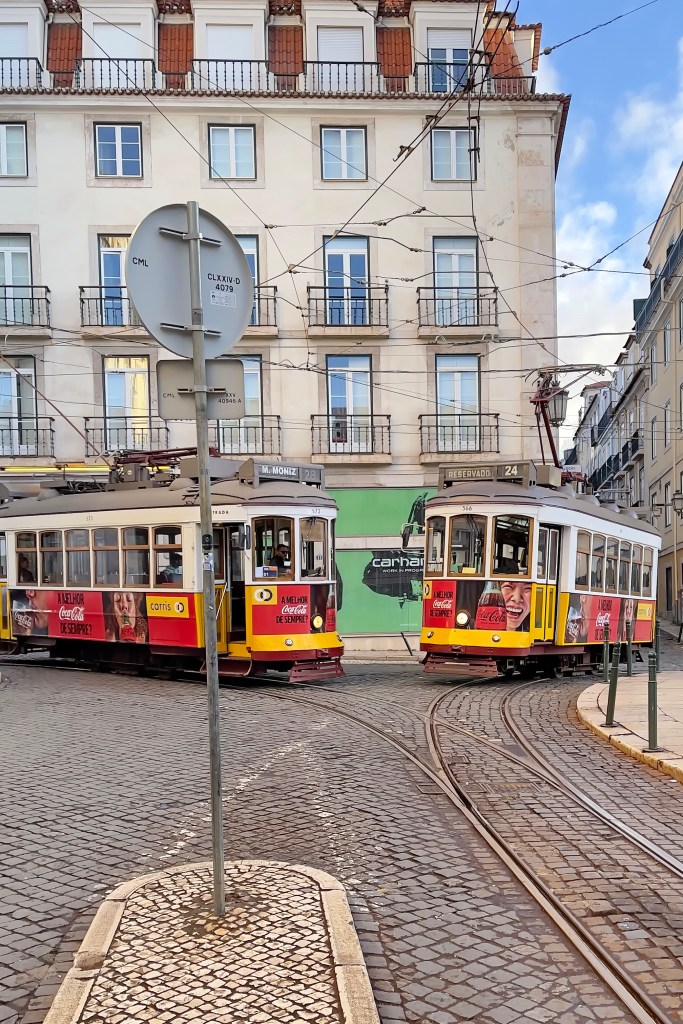
There’s no better way to soak up Lisbon’s charm than hopping aboard one of its iconic yellow trams. These vintage streetcars have been rattling through the city’s narrow, winding streets for over a century, weaving past colourful tiles, pastel buildings, and bustling plazas. We caught Tram 28 early in the morning, well before the crowds arrived, and had the tram almost to ourselves. It felt like a private tour through the city’s history, every twist and turn revealing a new slice of Lisbon’s story. It wasn’t just transportation; it was a moving snapshot of the city’s soul.


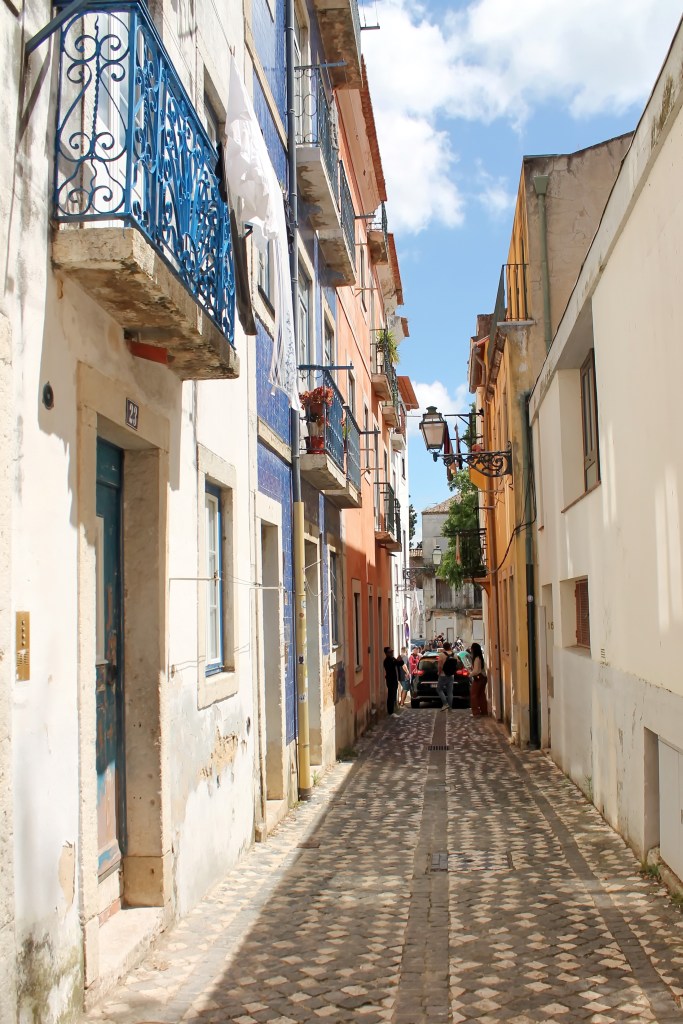
Alfama is the oldest neighborhood in Lisbon, a maze of narrow streets, colorful houses, and hidden courtyards. It’s like discovering a timeless corner of Lisbon untouched by the rush of modern life. As you wander through its winding alleys, you can feel the layers of history blending with the vibrant daily life of locals. The scent of freshly baked bread, the sound of Fado music drifting from open windows, and the lively markets all add to the neighborhood’s unique charm. Alfama truly offers a glimpse into Lisbon’s soul.
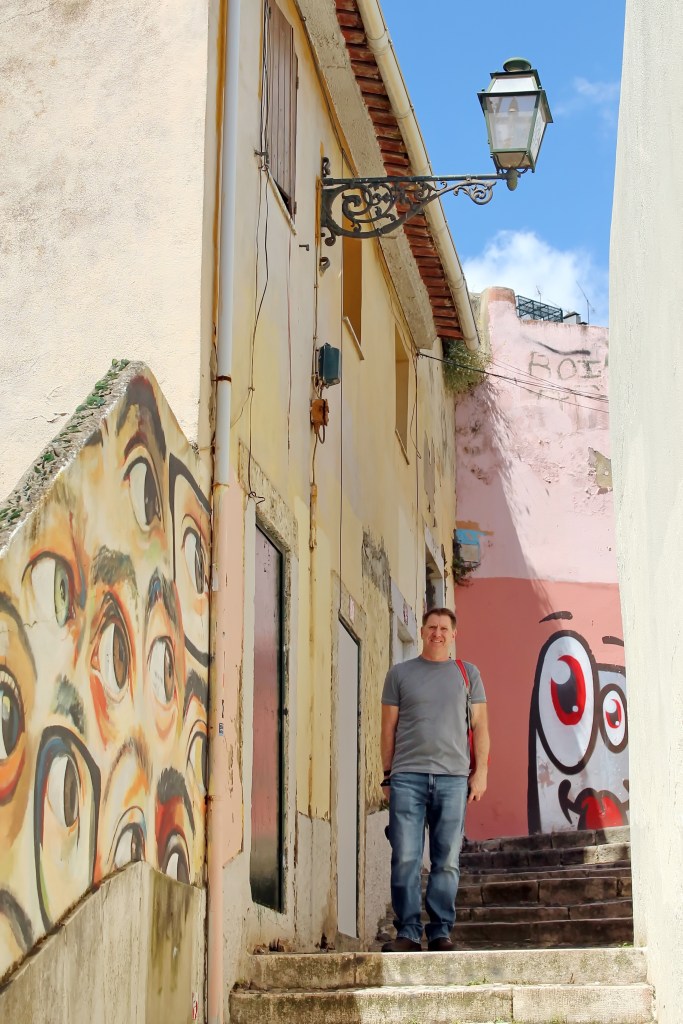
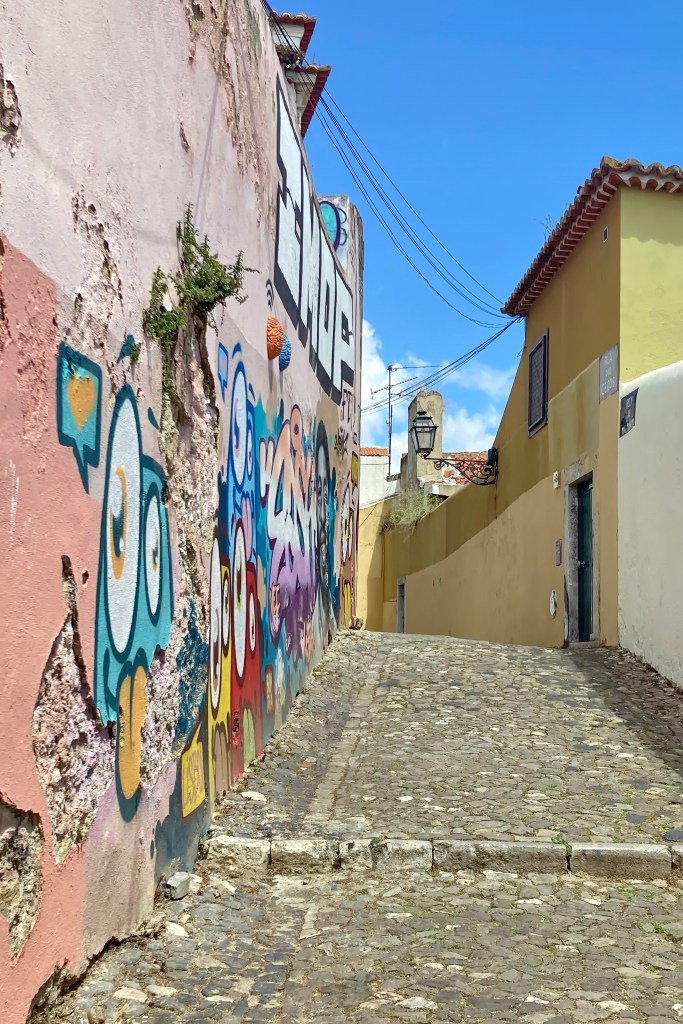
Bairro Alto pulses with a completely different energy than Alfama, it’s the heart of Lisbon’s nightlife and creativity. By day, its narrow streets feel relaxed and artsy, lined with quirky shops, galleries, and colorful street art. But come evening, the neighborhood truly comes alive with vibrant bars, live music venues, and bustling restaurants spilling onto the cobblestone streets. It’s a place where locals and visitors mingle, laughter fills the air, and the city’s youthful spirit shines brightest. Bairro Alto perfectly blends tradition with a modern, lively vibe that keeps Lisbon buzzing well into the night.
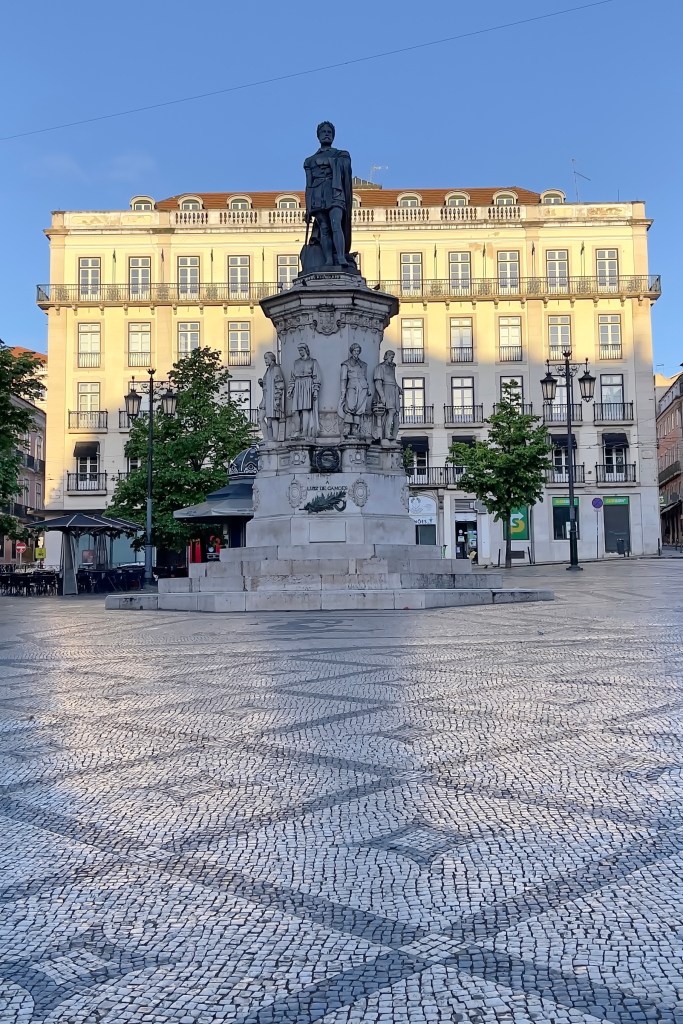
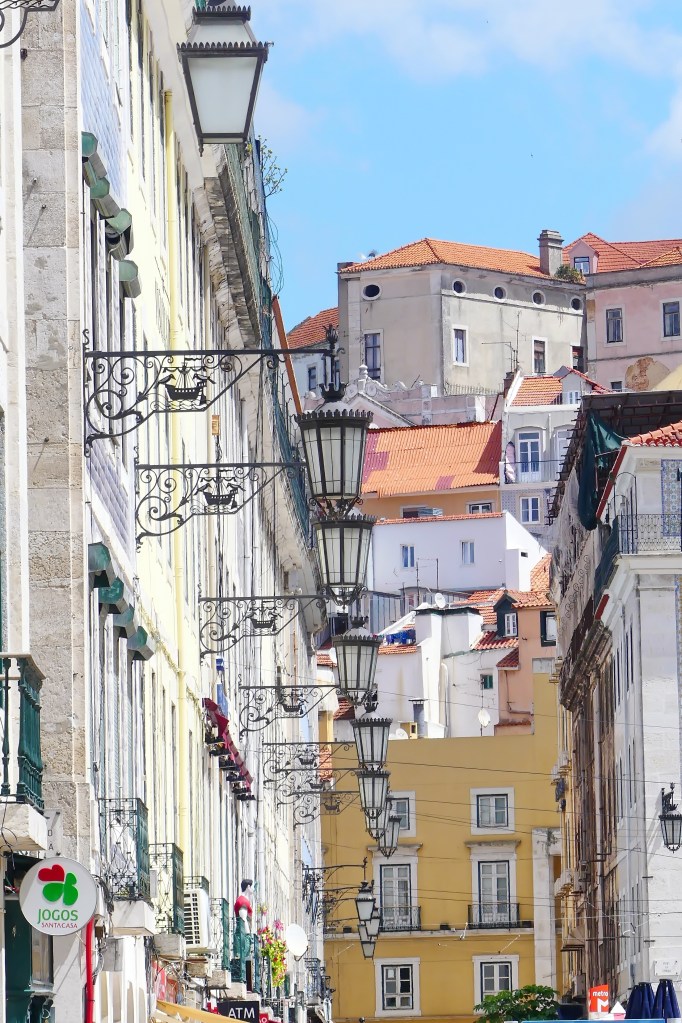
Praça do Comércio, also known as Terreiro do Paço, is Lisbon’s grand riverside square and one of the city’s most iconic landmarks. Framed by elegant yellow buildings and open to the Tagus River, this vast plaza has long been the gateway to the city. It’s a place where history and daily life blend seamlessly, from majestic triumphal arches to lively cafés and street performers. Whether you’re watching the sunset over the water or soaking up the buzz of the city, Praça do Comércio perfectly captures Lisbon’s spirit: open, vibrant, and full of stories waiting to be discovered.
View all of our Lisbon pictures here.


 Mapgirl Adventures