A Walk Through Time: The History of Québec City
Perched high above the mighty St. Lawrence River, Québec City is one of North America’s oldest and most storied settlements. But long before the arrival of French explorers, this region was home to Indigenous peoples who had lived, traded, and traveled along the river for thousands of years.
The area now known as Québec City lies on the traditional territory of the Wendat Nation (Huron-Wendat), whose ancestors named it Kebec, meaning “where the river narrows.” This narrowing of the St. Lawrence River made the site a natural gathering place—a vital hub for trade, hunting, and fishing—long recognized for its significance by the First Nations of the region.
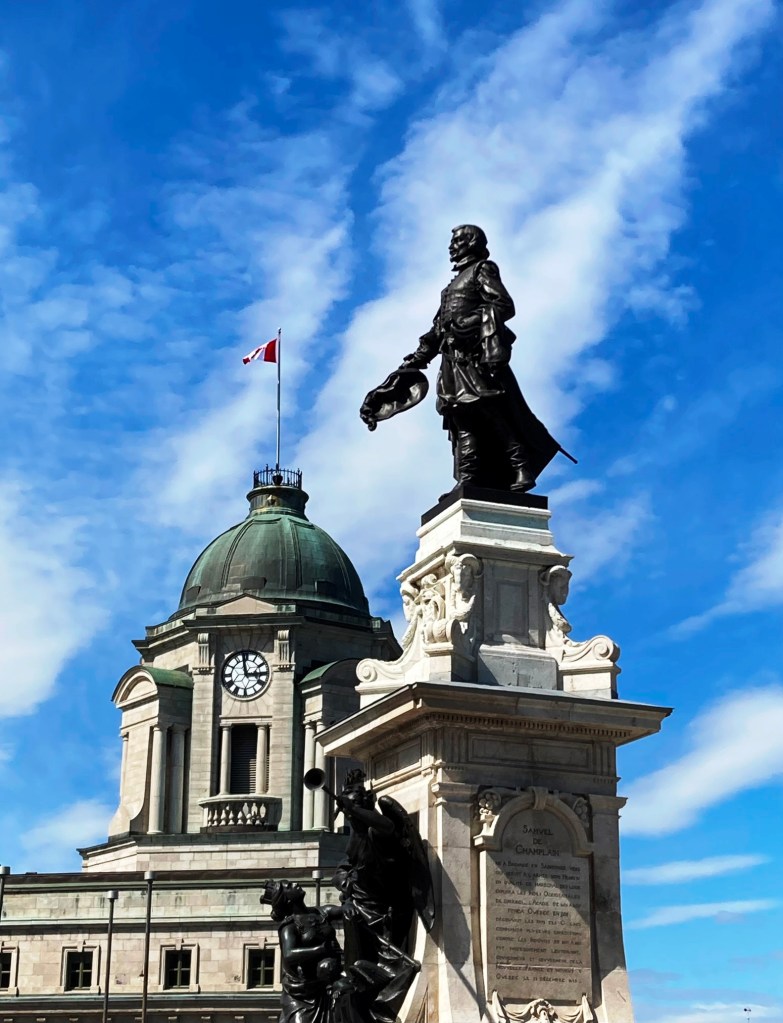
In 1608, French explorer Samuel de Champlain founded a permanent settlement here, establishing a fur trading post that would grow into the vibrant heart of New France. Its strategic location made it a crucial military and cultural stronghold in the colonial era.
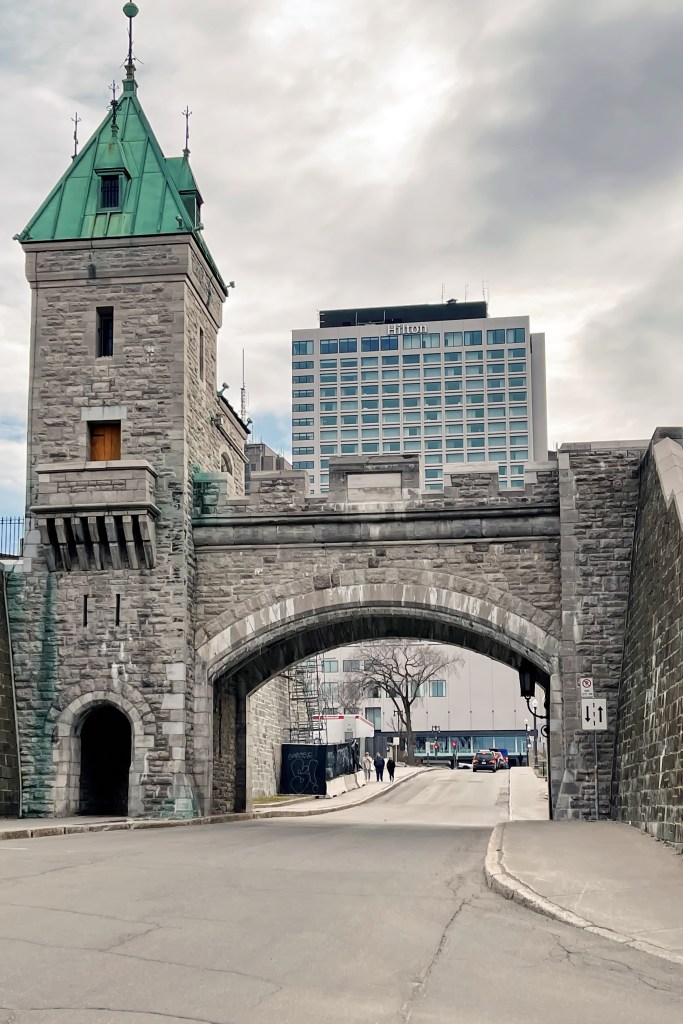
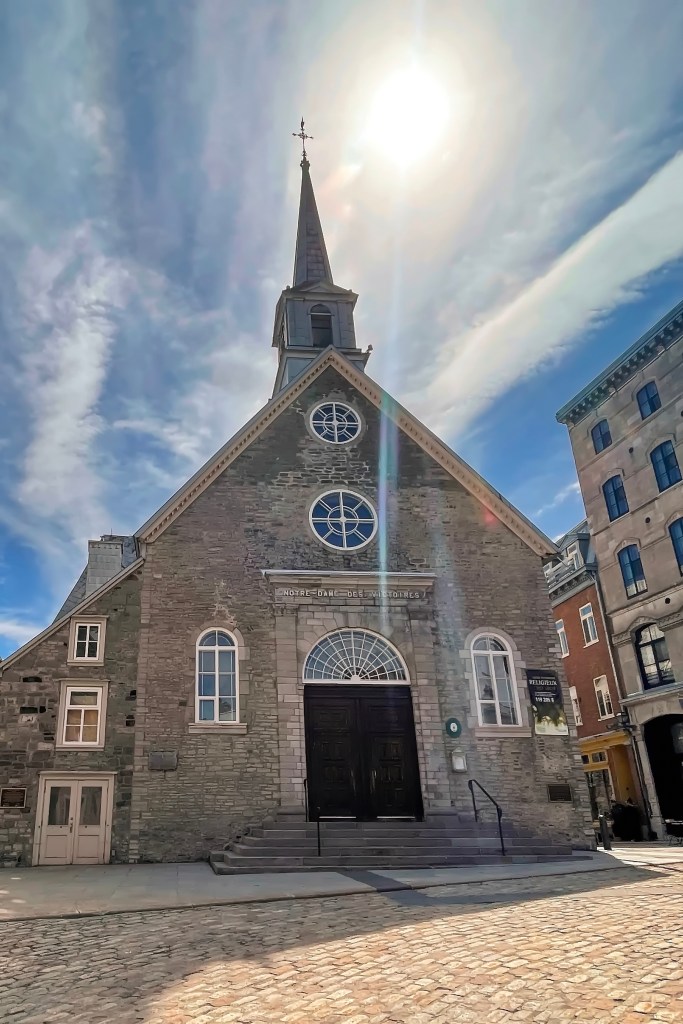
Nowhere is that legacy more vividly preserved than in Old Québec (Vieux-Québec), a UNESCO World Heritage Site. With its fortified walls, narrow cobblestone streets, and centuries-old architecture, it remains the only walled city north of Mexico and one of the most picturesque and historically rich places in North America.
Over the centuries, Québec has played host to dramatic moments in history: the Battle of the Plains of Abraham in 1759, when British forces claimed the city from the French; the resilience of French-Canadian culture under British rule; and the birth of a province that remains proudly distinct to this day.
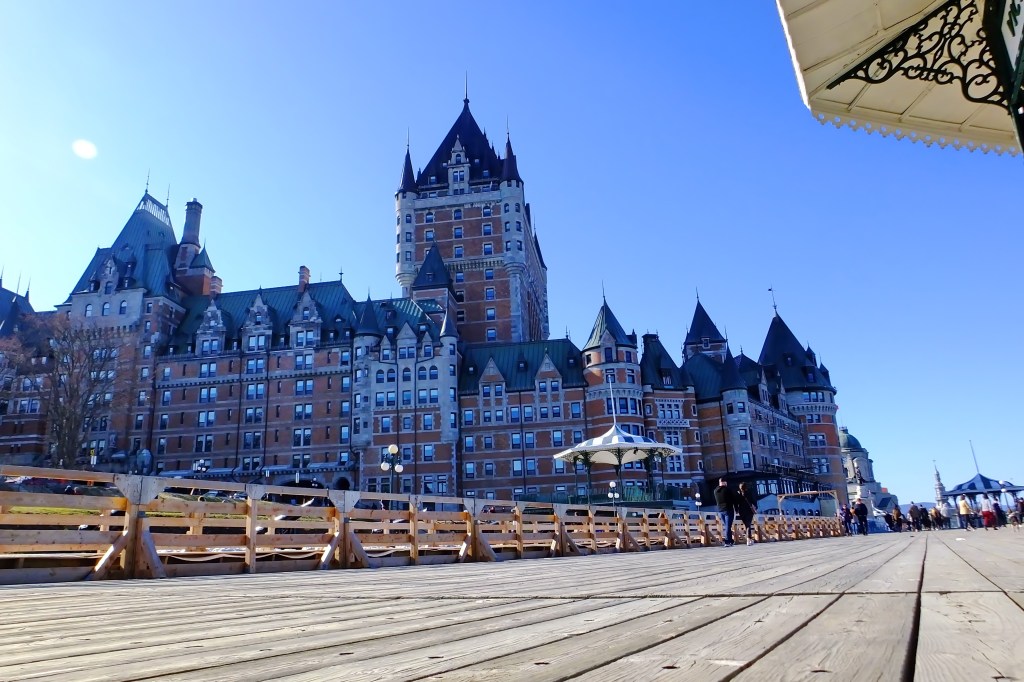
The city’s architecture reflects its layered past, from the sturdy French colonial homes to the grand Château Frontenac, the most photographed hotel in the world. Around every corner, you’ll find echoes of old Europe mixed with a uniquely Québécois flair.
Whether you’re wandering past centuries-old churches, peeking into boutiques tucked in historic buildings, or simply sipping café au lait on a cobbled terrace, Québec City makes it easy to feel the history come alive.
Quartier Petit Champlain – A Stroll Through Storybook Streets
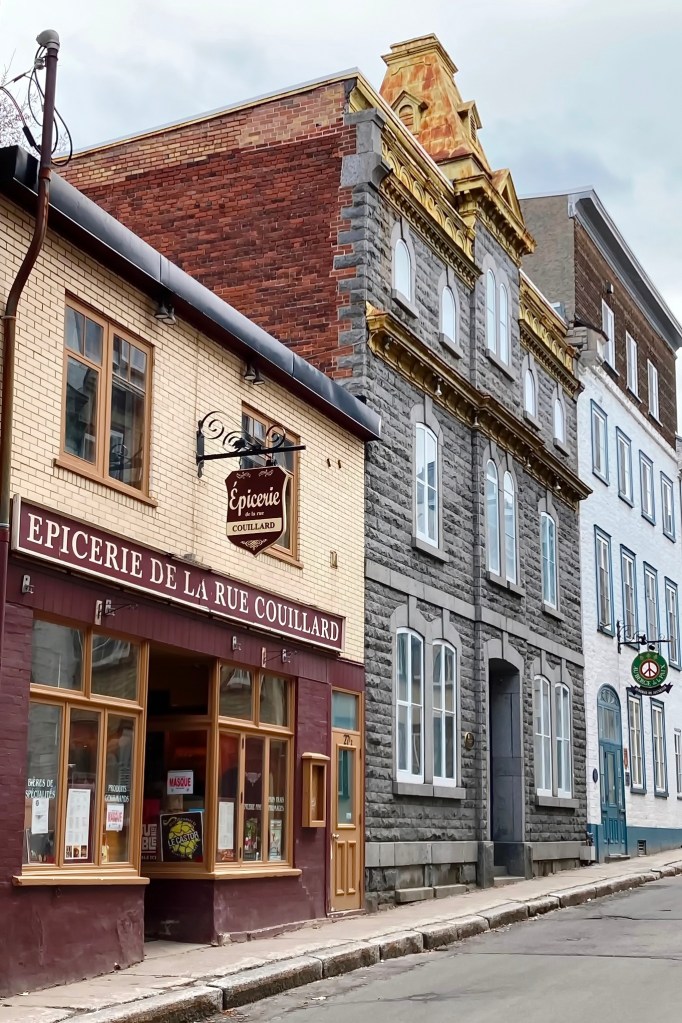
Tucked at the base of Cap Diamant in Old Québec, Quartier Petit Champlain feels like stepping straight into a European fairy tale. This charming neighbourhood is considered the oldest commercial district in North America, and it shows in all the best ways with narrow cobbled lanes, stone buildings with painted shutters, and a creative spirit that dances through every boutique and gallery.
Originally a working-class riverside quarter in the 17th and 18th centuries, the area has been beautifully restored while keeping its historic soul. It’s named after Samuel de Champlain himself, and walking through it, you can imagine the bustle of early settlers unloading ships just steps away at the waterfront.
Today, it’s a lively and artsy corner of the city, especially magical in winter when twinkling lights and festive decorations make it feel like a holiday postcard. You’ll find unique local shops, cozy cafés, and hidden courtyards that invite you to linger. It’s also home to the iconic Breakneck Stairs (Escalier Casse-Cou)—the oldest staircase in Québec City, and a fun little challenge for the curious.
Whether you’re shopping for handmade goods, sipping hot chocolate, or just soaking in the atmosphere, Petit Champlain is a place that delights the senses and slows you down in the best way.


The Cap-Blanc Stairs – A Workout with a View
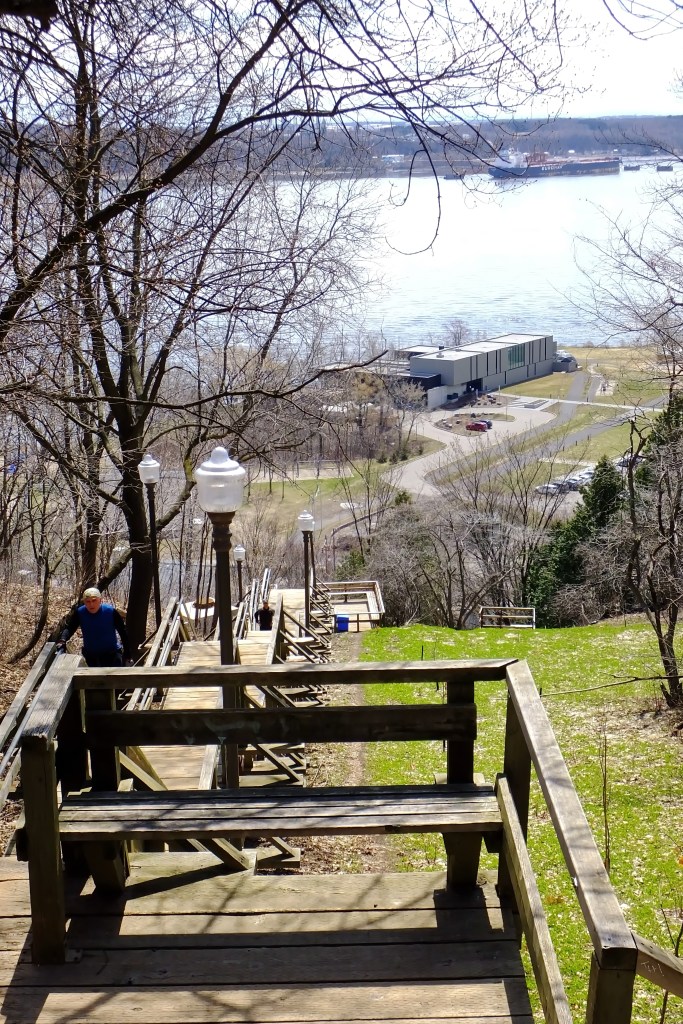
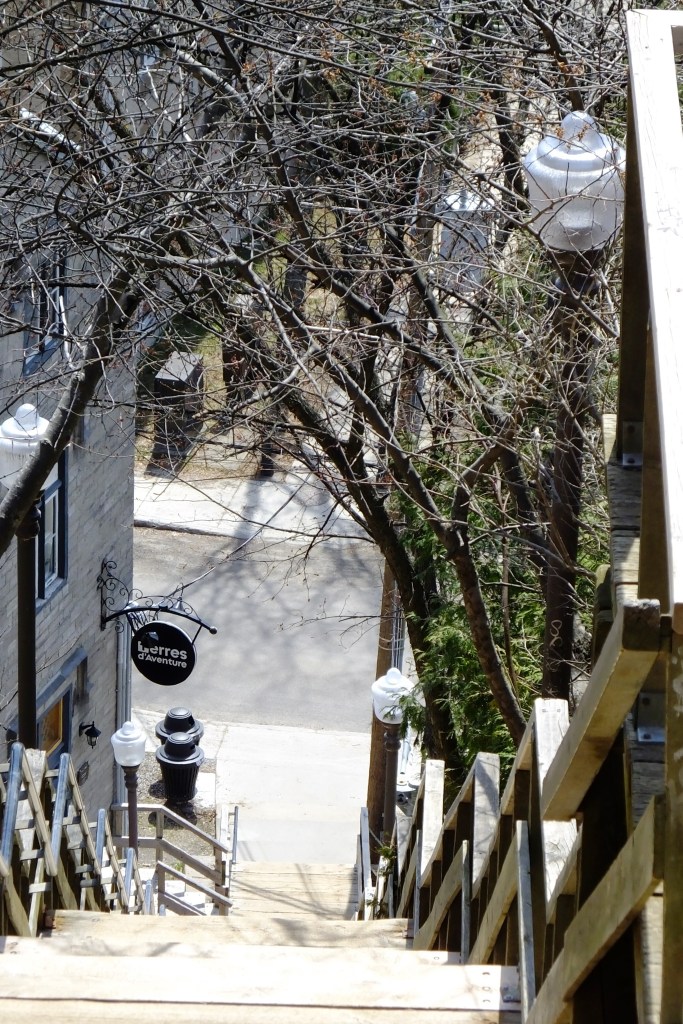
If you’re up for a bit of a leg burner, the Cap-Blanc Stairs in Québec City are a fun way to combine sightseeing with a little exercise. This long wooden staircase—398 steps to be exact—links the historic Plains of Abraham at the top with the riverside below, right near the Petit-Champlain district.
We found the stairs at the end of Ontario Avenue, just south of Battlefields Park. From the top, the views over the St. Lawrence River are worth pausing for (and catching your breath). As you make your way down, the city unfolds in layers with green parkland above, rooftops and stone buildings below, and the river stretching out beyond.
Originally built for military purposes, the stairs are now used by locals out for a jog and curious visitors like us. It’s definitely a bit of a challenge coming back up, but the reward is a fresh perspective on the city, and maybe a good excuse for a pastry or poutine afterward.
A Personal Connection to Québec’s Early Days
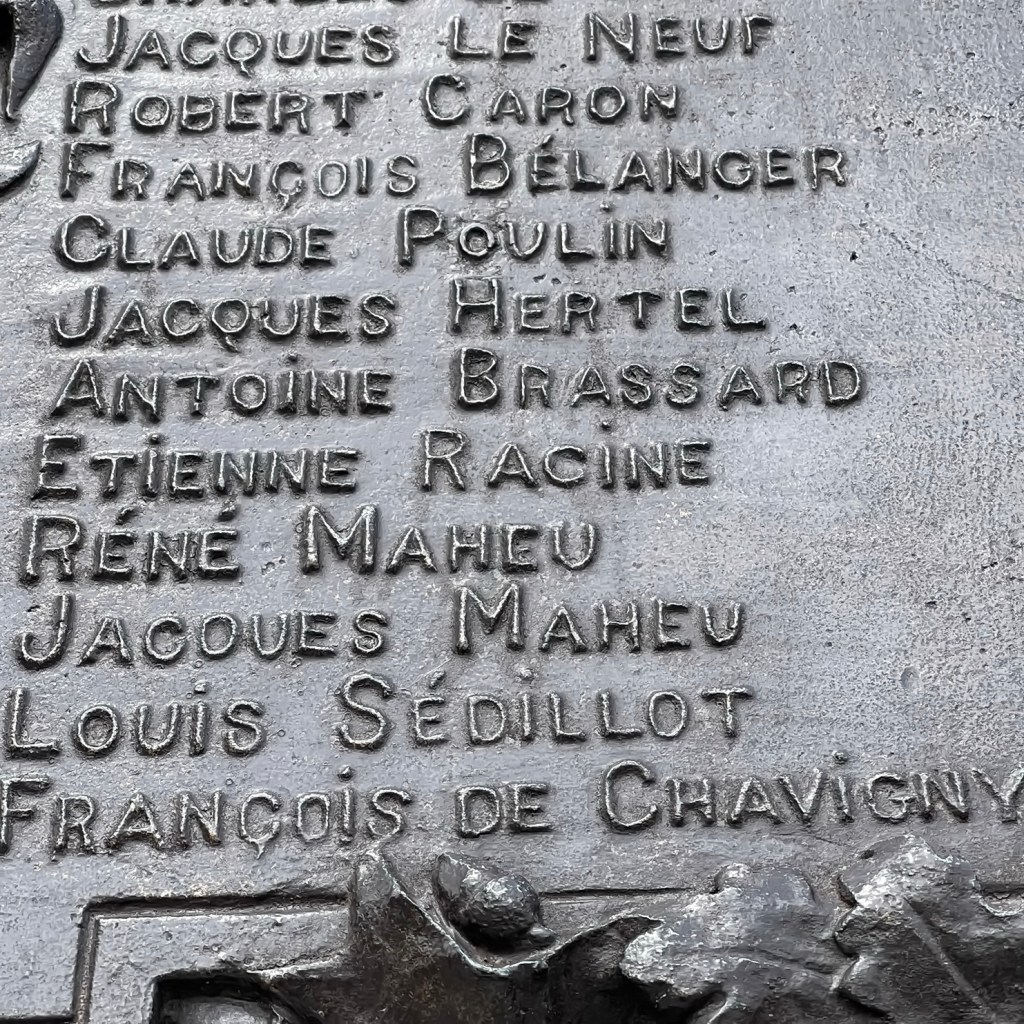
Wandering the historic streets of Québec City, it’s hard not to feel the weight of history around every corner. For me, it’s even more personal. I can trace my ancestry back to one of the city’s earliest families. My ancestor, Antoine Brassard, and his wife Françoise Mery, were among the settlers who helped lay the foundations of New France.
Françoise Mery was born around 1621 in Tourouvre, in the Perche region of France. She arrived in the colony as one of the Filles à Marier—a lesser-known but important group of women in early Canadian history. These “marriageable girls” were recruited and sponsored to come to New France between 1634 and 1663, before the more famous Filles du Roi program began.
The Filles à Marier were often orphans or women without dowries, but they were courageous and resourceful. They crossed the ocean to marry settlers and help grow the colony, not just in numbers, but in community and culture. Their legacy is written into the very fabric of Québec’s identity, and I’m proud to say it’s written into mine too.
When I visit Québec’s historical monuments, churches, and stone streets, I can’t help but wonder what it looked like through Françoise’s eyes. She may not have known it then, but her journey shaped generations to come.
Montmorency Falls – Thundering Beauty Just Outside the City
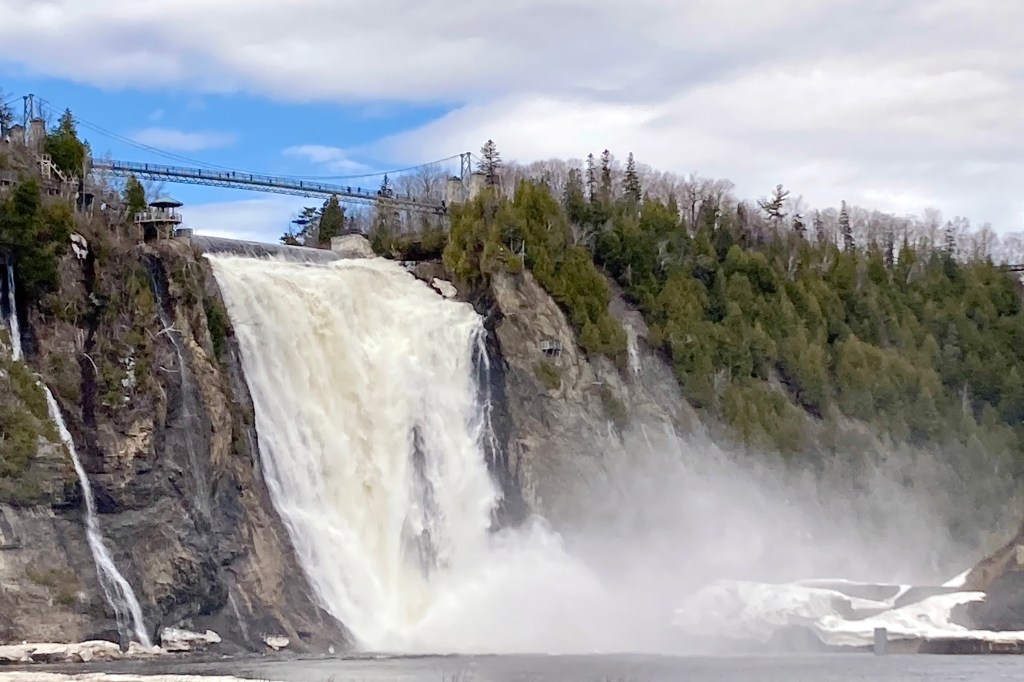
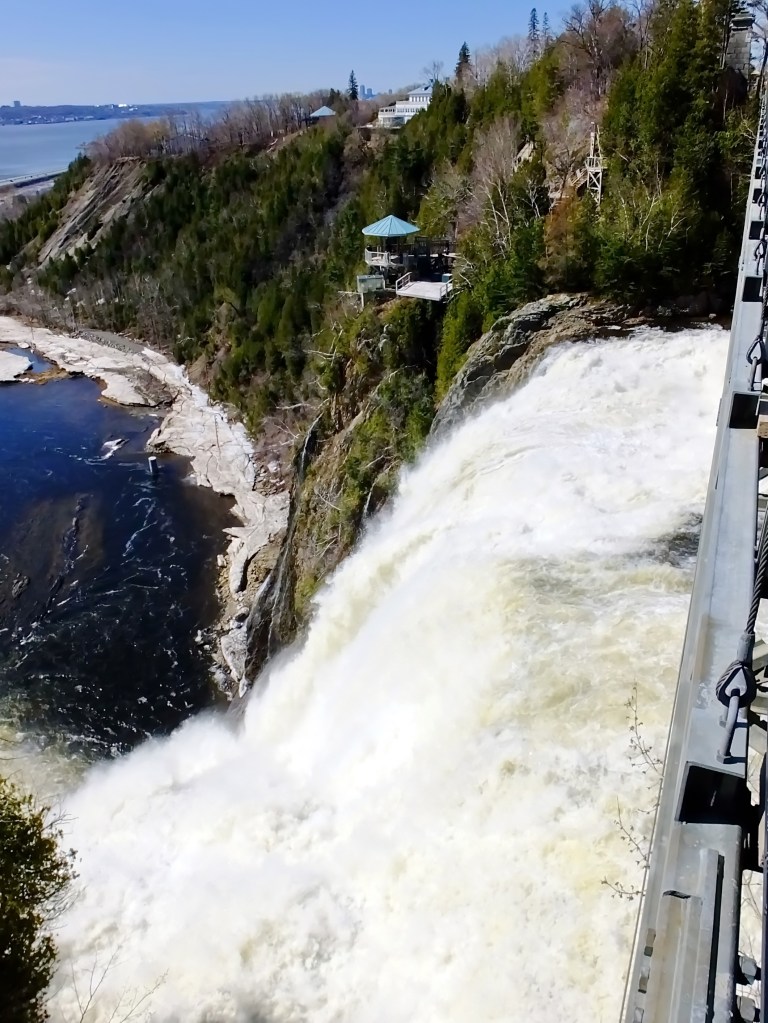
Just a short drive from Old Québec, Montmorency Falls (Chute Montmorency) is one of those places that instantly makes your jaw drop. At 83 metres high, it’s actually taller than Niagara Falls—by about 30 metres! But what makes it really special is how dramatic and accessible it is.
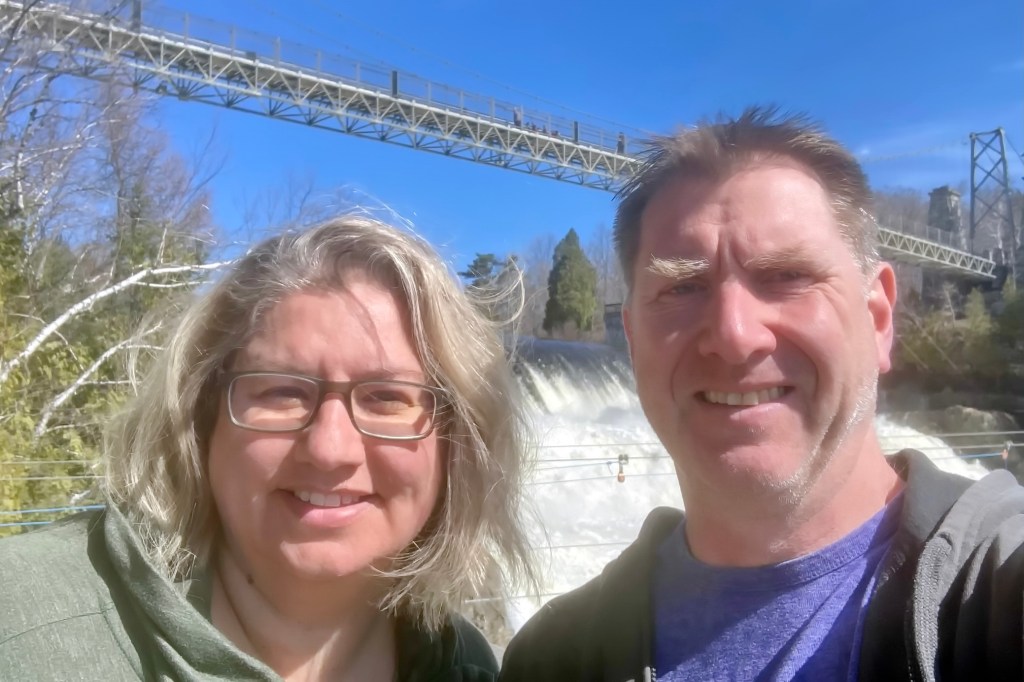
We followed the trail through Montmorency Falls Park, and before long, the roar of water filled the air. The falls are stunning from every angle: we gazed up at them from the base, crossed over the top on a suspension bridge (yes, it sways a little!), and even walked the wooden staircase that clings to the cliffside. It’s a bit of a leg workout, but totally worth it for the views.
The area has a rich history, this was the site of a key battle during the 1759 British siege of Québec. But today, it’s more about soaking in the scenery, snapping photos, and maybe even packing a picnic. In the winter, the falls freeze into a glittering wall of ice, and in the summer, they’re a lush and misty escape from the city heat.
You don’t have to be a hardcore hiker to enjoy Montmorency Falls. Whether you’re up for a full walk, a cable car ride, or just stopping in at the lookout, this is one of those must-see spots that captures the power and beauty of Québec’s natural landscapes.
Tastes of Québec – From Poutine to Beer Donuts
One of the absolute highlights of any visit to Québec City? The food! The city is a culinary delight, rich with French-Canadian flavours, cozy cafés, bistros tucked into old stone buildings, and more maple syrup than you ever thought possible. Of course, we had to try the classics: steaming hot poutine with squeaky cheese curds, hearty tourtière, and sweet maple taffy pulled on snow. But it wasn’t all tradition, we also discovered some creative and quirky treats.
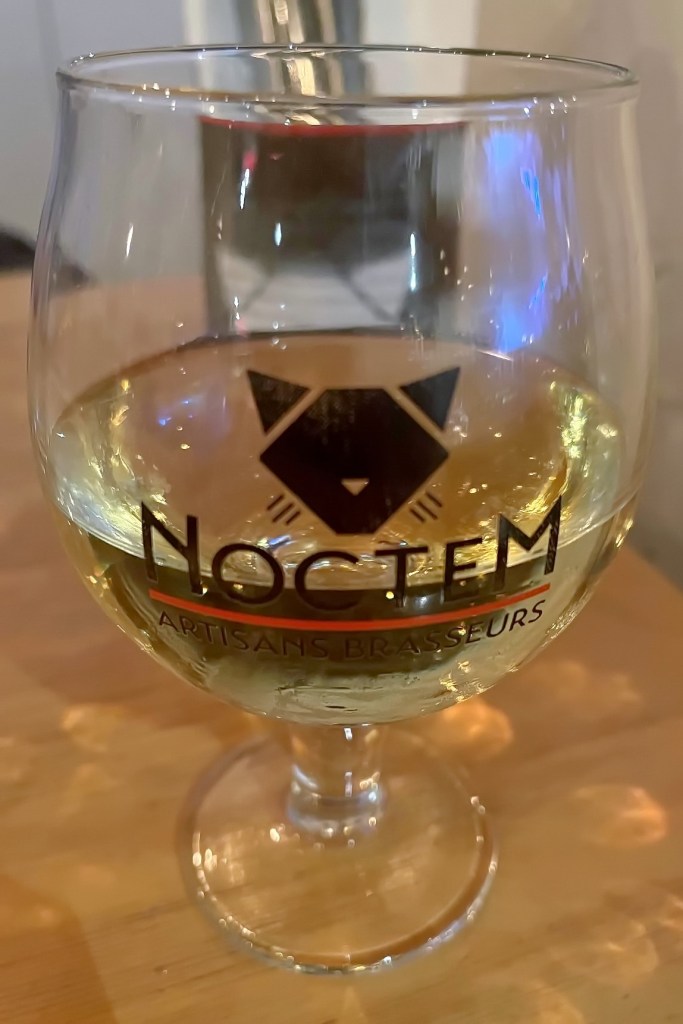
One of our favourite stops was a little spot that makes donuts with beer in the batter. Yep, you read that right—beer donuts! We shared a few, but the two that really stood out? One topped with crispy maple bacon, and another loaded with crushed chocolate cookies. They were wild, messy, and ridiculously tasty, the pup was not your average donut shop. It’s that kind of unexpected twist on comfort food that makes eating your way through Québec City such a joy.

View all our Quebec City pictures here.

 Mapgirl Adventures