Venice — Undeniably Busy, Undeniably Beautiful
Yes, Venice is busy. The kind of busy where you find yourself sidestepping rolling suitcases and selfie sticks even before your first espresso. But it’s also one of the most breathtakingly unique places we’ve ever experienced, and that beauty has a way of silencing the crowds, if only for a moment.
There’s nowhere quite like it. Built on a cluster of 118 small islands linked by canals and footbridges, Venice rose from the marshes of the Venetian Lagoon in the 5th century. Originally a safe haven from invading forces on the mainland, it evolved into a powerful maritime republic that dominated Mediterranean trade for centuries. By the height of its influence, Venice was one of the richest cities in Europe — and it shows.
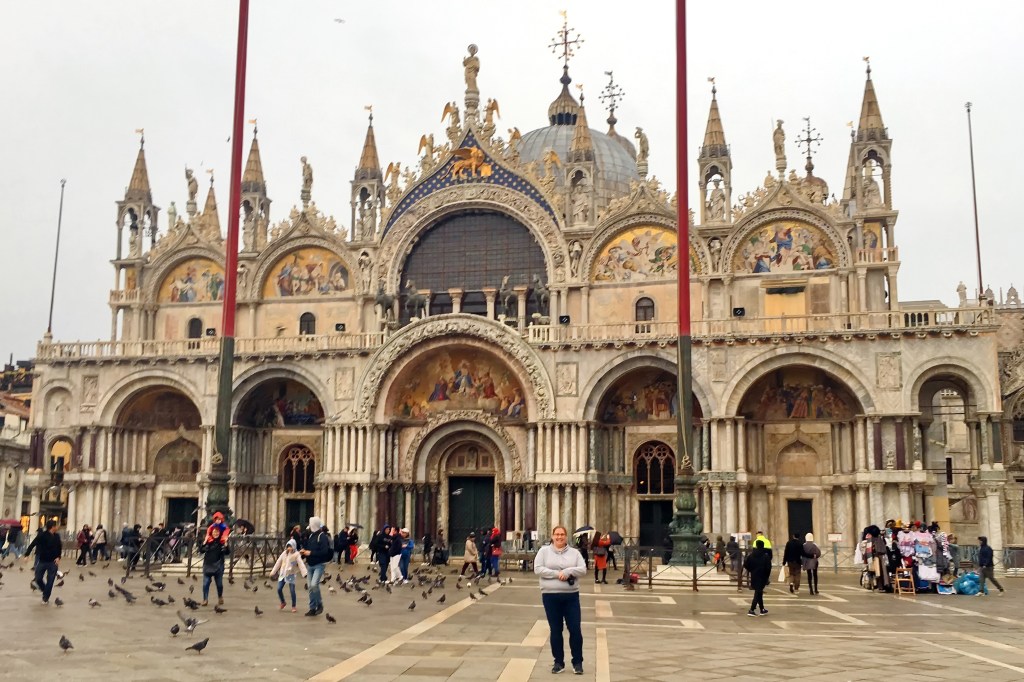
The grandeur of that golden age is everywhere: in the Byzantine mosaics of St. Mark’s Basilica, the Gothic arches of the Doge’s Palace, and the quiet decay of centuries-old palazzos that seem to float on the water. But Venice isn’t just a museum: it’s alive in the slap of water against stone, the echo of footsteps in narrow alleys, the scent of salt air, and the aroma of espresso drifting from a canal-side café.
Even in the busiest piazzas, there’s beauty, and if you’re patient, or get up early, or wander just a little off the main tourist path, you’ll find quiet corners that feel like they’ve been waiting just for you.
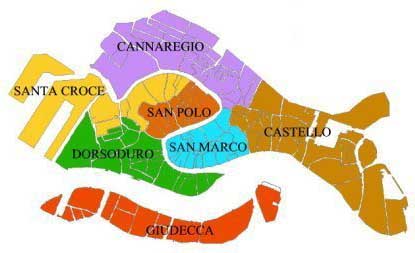
The Districts of Venice — A City of Six Personalities
One of the things that makes Venice feel like a collection of little worlds rather than one big city is its six sestieri. Each district has its own rhythm, architecture, and reason to wander — and while they all feel unmistakably Venetian, they each bring something a little different to the table.
San Marco – The Beating Heart
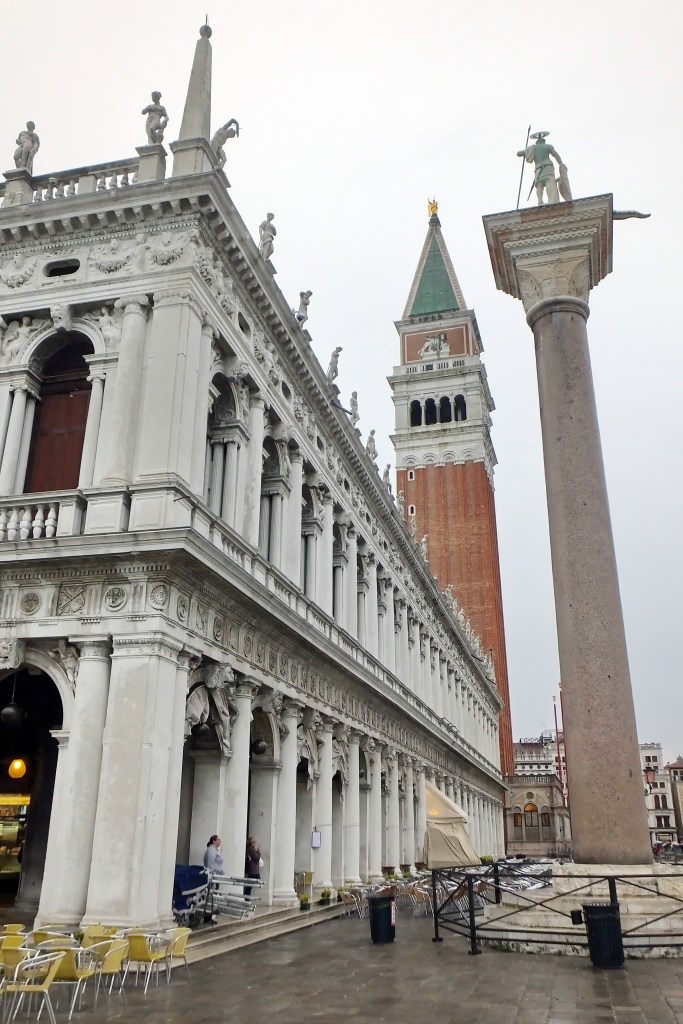
This is the Venice you see in postcards: St. Mark’s Basilica, the Doge’s Palace, the Campanile, and Piazza San Marco. It’s crowded, grand, and glittering with history. You’ll find upscale shops, iconic cafés, and almost every tourist in town at some point. We embraced the bustle here then quickly ducked down a side street to find a quieter gelato stand.
Cannaregio – Local Life & Quiet Charm
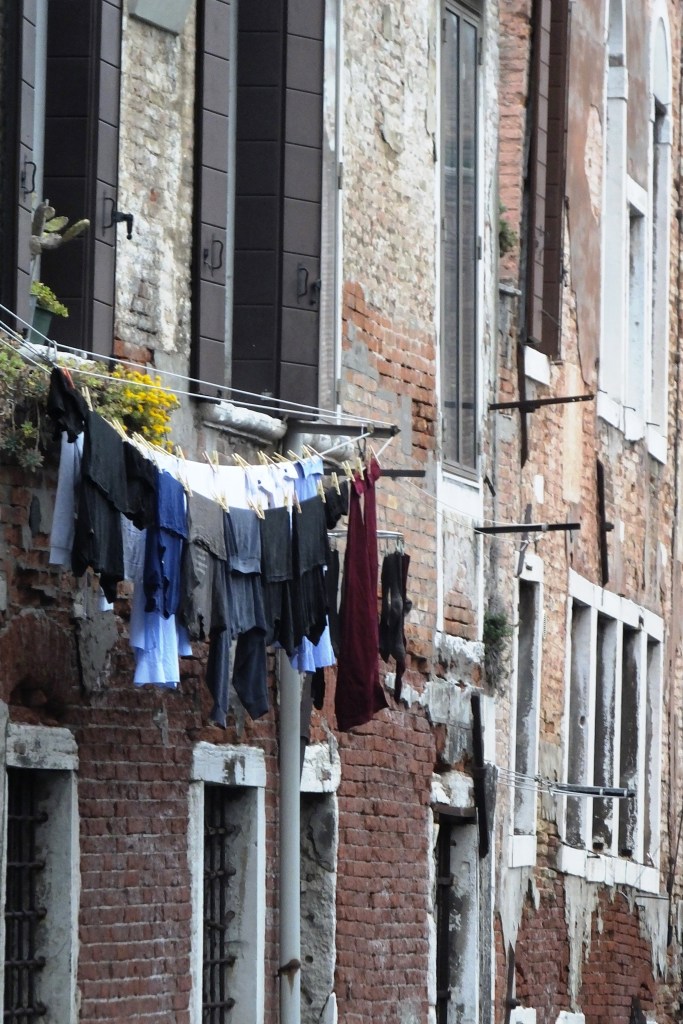
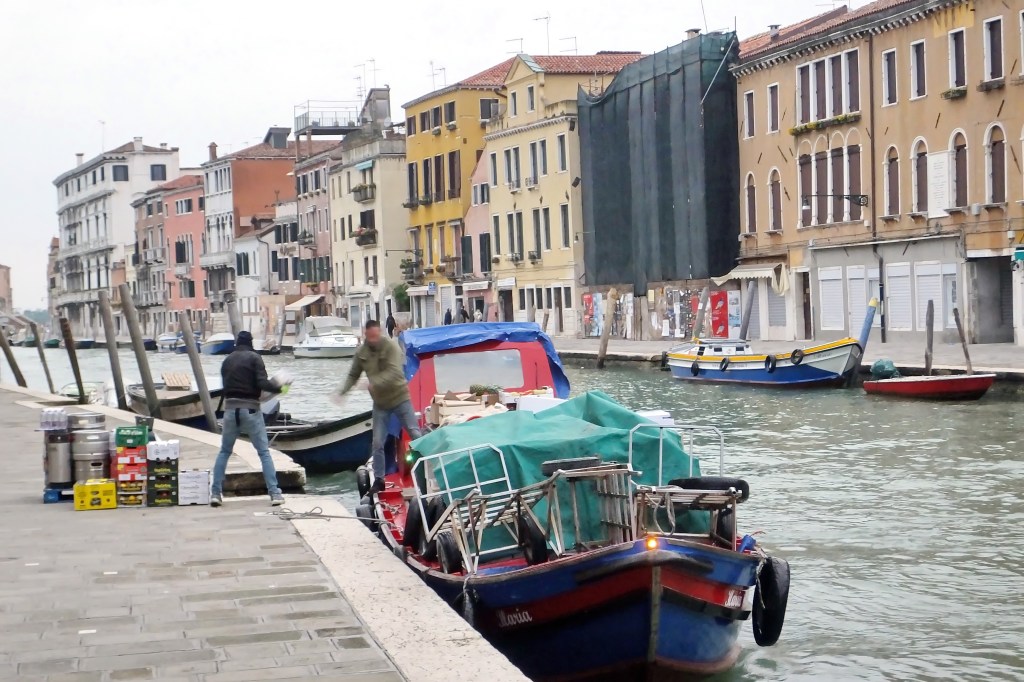
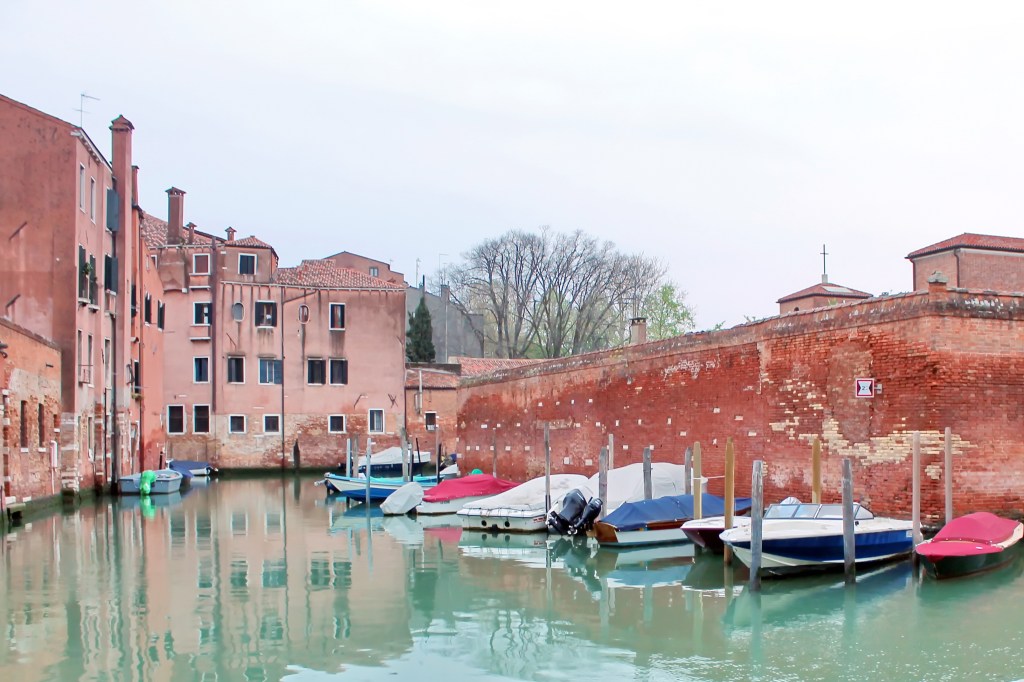
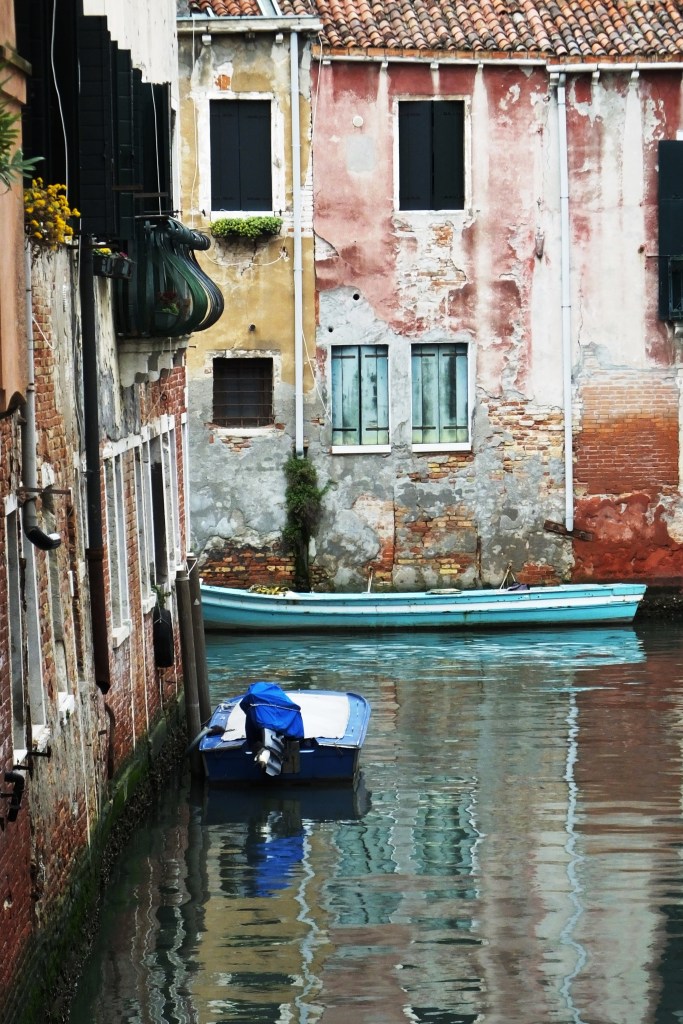
This northern district is where you start to feel real, lived-in Venice. Fewer tourists, more laundry hanging between windows, and quieter canals. It’s also home to the historic Jewish Ghetto and some wonderful little wine bars. We loved wandering Cannaregio in the early morning with the just locals and the occasional delivery boat.
Dorsoduro – Art & Academia
With its art museums like the Peggy Guggenheim Collection and the Gallerie dell’Accademia, Dorsoduro draws a more creative crowd. It’s also home to university buildings, so the vibe feels younger and livelier without being overrun. Plus, the views from the Zattere promenade are stunning at sunset.
Castello – Green Spaces & Authentic Corners
Stretching east from San Marco, Castello starts busy and slowly turns peaceful the further you go. It’s home to Arsenale and the Giardini, the main sites of the Venice Biennale art festival. It feels like a hidden pocket of gardens and quiet courtyards perfect for a long, meandering walk.
Santa Croce – The Gateway
If you’re arriving by bus or car, you’ll land in Santa Croce first. It’s the most functional district with lots of transport, a bit grittier, but also more affordable and less polished. It’s not the first place visitors linger, but it has some unexpectedly lovely spots if you give it a chance.
San Polo – Markets & Rialto Magic
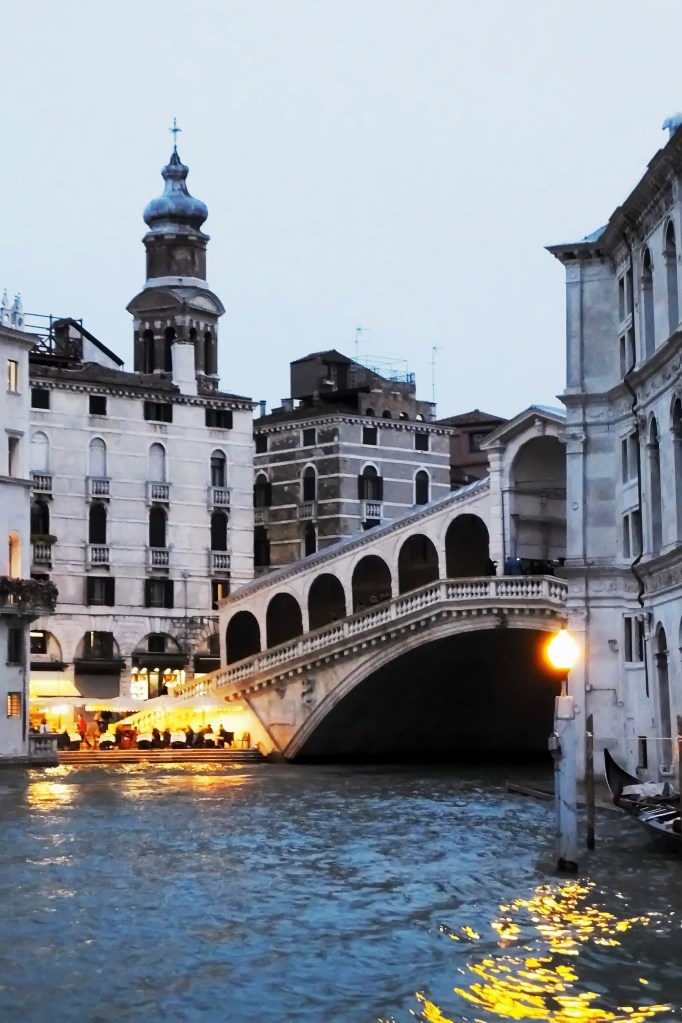
This is the oldest part of Venice and home to the Rialto Market, where vendors still sell seafood and produce just like they have for centuries. The Rialto Bridge is iconic (and very busy), but just beyond it, we found some of our favourite little bacari (Venetian wine bars) and snack spots.
An Afternoon Walk Through Dorsoduro – Quiet Corners and Local Rhythm
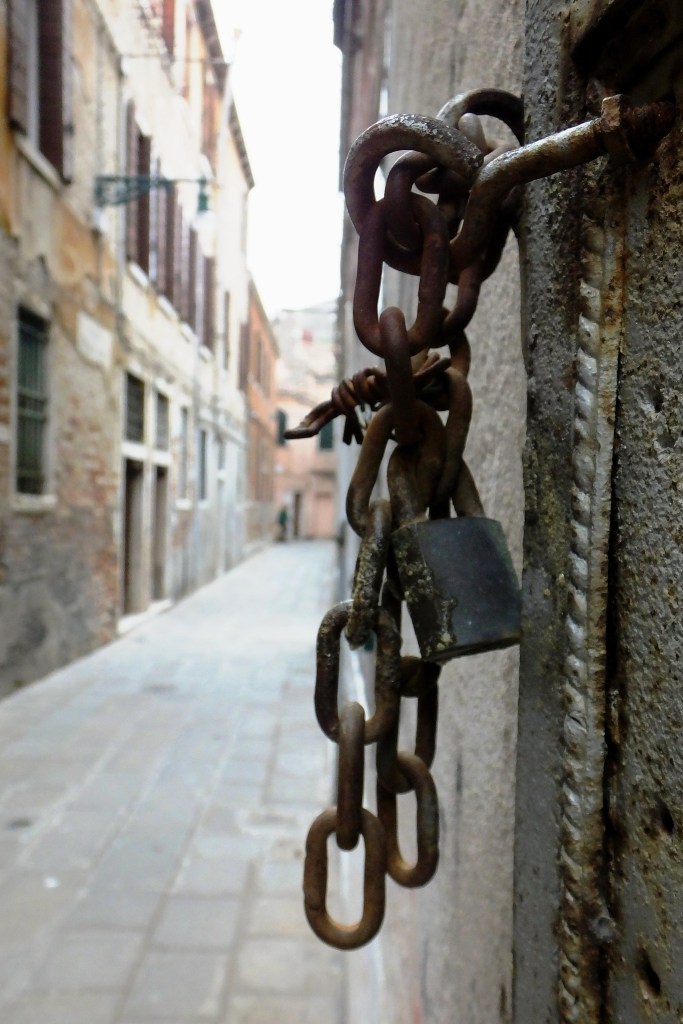
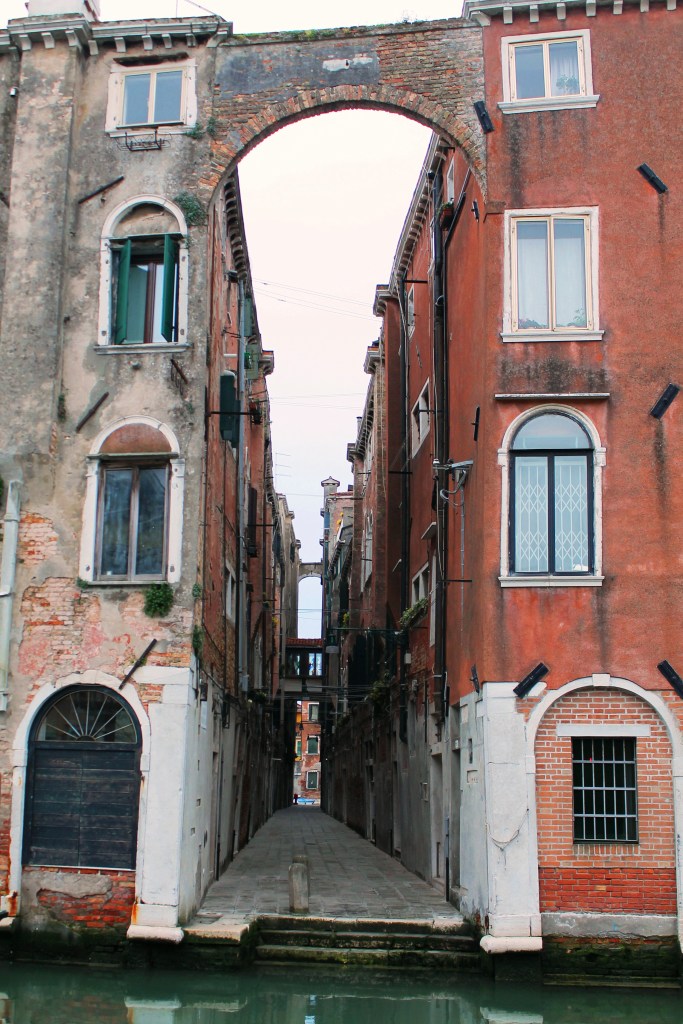
Dorsoduro was one of our favourite parts of Venice, especially in the afternoon, when the pace of the city starts to slow and the light gets softer. We wandered without a plan, letting the narrow lanes lead us through peaceful squares, over tiny bridges, and past doorways with peeling paint and flowerpots on the sill.
This district feels like the artistic soul of Venice. Home to the University of Ca’ Foscari, there’s a younger, more local energy here with students sitting on the edge of canals chatting, laundry strung across alleyways, and cafés filled with people reading or catching up over spritz.
We stumbled into a little square that felt like it hadn’t changed in centuries. Kids were kicking a ball around, a woman leaned out her window to water plants, and in the centre stood a quiet church with its door propped open and a breeze drifting through.
One of the best parts of Dorsoduro is just how easy it is to find a moment of stillness. Even though you’re only a 10-minute walk from the Grand Canal or the Accademia Bridge, the crowds fade away and you’re left with a quieter, more lived-in side of Venice.
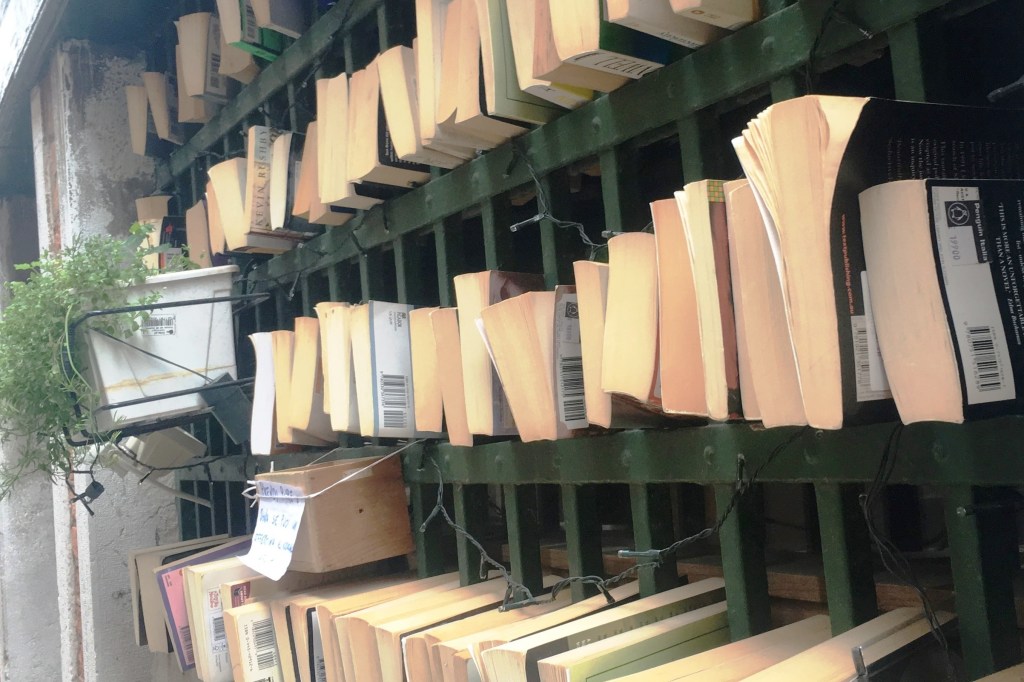
Our photos from that afternoon walk are some of our favourites, not because they’re flashy or filled with landmarks, but because they capture the feeling of Dorsoduro. Calm, golden, quietly beautiful.

Gondolas: The Soul of the Venetian Lagoon
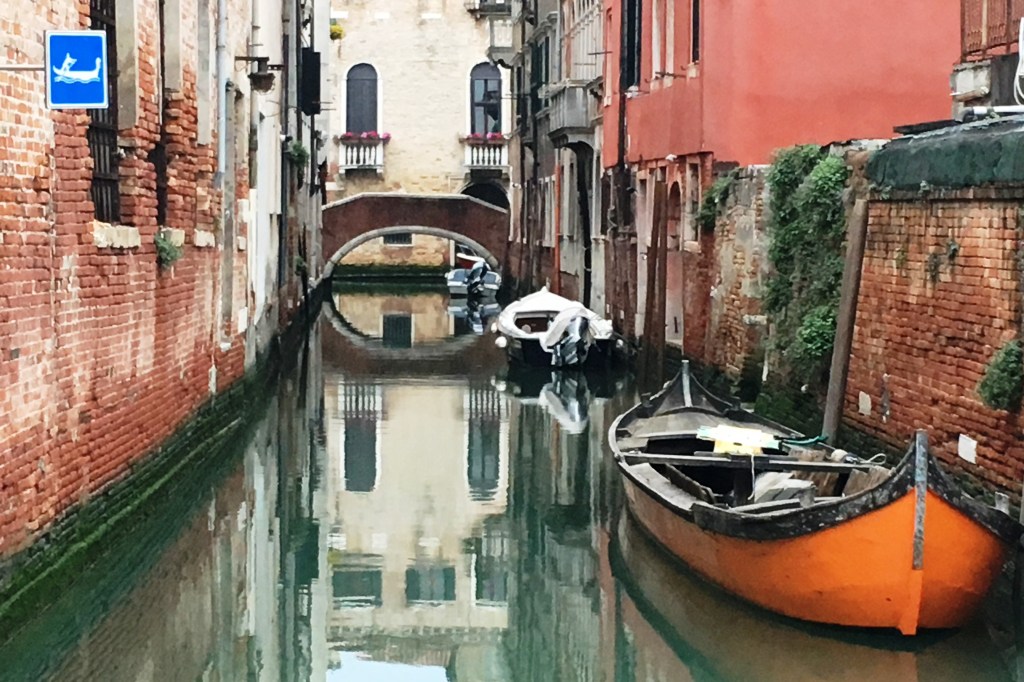
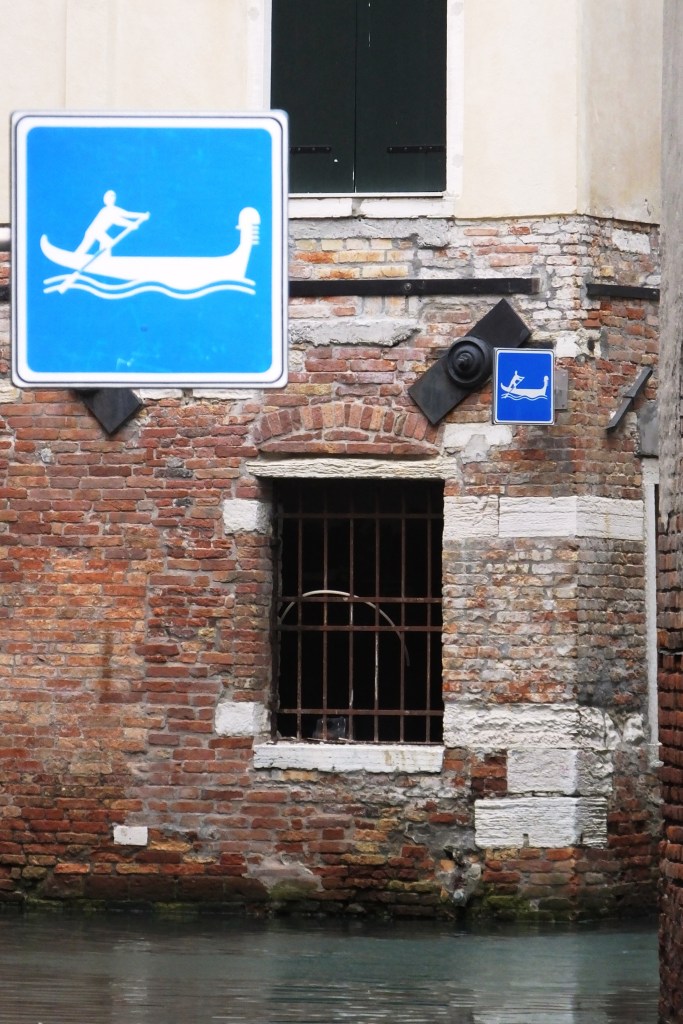
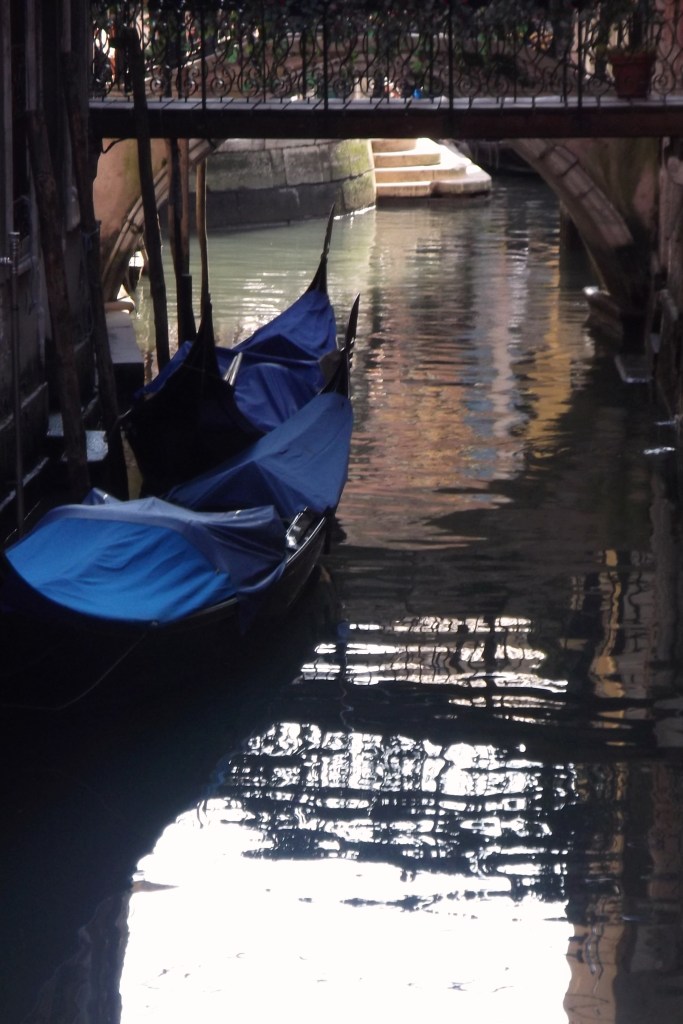
You can’t think of Venice without picturing a gondola, gliding silently along a canal, steered by a striped gondolier, the city reflected in the water like a painting. As iconic as they are, these beautiful boats are more than just a tourist experience and they’re living history.
The gondola dates back over a thousand years, with the earliest versions appearing around the 11th century. For centuries, they were the primary mode of transport for Venetians. At their peak in the 17th and 18th centuries, there were around 10,000 gondolas navigating the city’s canals. Today, only a few hundred remain, mostly used for tourism, but they’re still crafted by hand in specialized workshops called squeri, using traditional techniques passed down through generations.
Every detail of a gondola has meaning. The asymmetrical shape (wider on one side than the other) helps it travel straight with just one oar. The curved iron prow, called the ferro, isn’t just decorative; it represents the six districts of Venice, the Doge’s cap, and the Grand Canal’s curves. Even the glossy black paint is part of tradition, once ordered by law to reduce the city’s once-gaudy boat rivalry.
We didn’t indulge in a gondola ride ourselves, with short time in the city, we were too busy soaking it all in. There was so much to see, so many corners to wander, and simply watching the gondolas float by from a bridge or canal-side café felt like enough. There’s something timeless in the way they move, like Venice itself is rocking gently to the rhythm of its own past.

Venice After Dusk – Evening Wander Through San Polo and San Marco
There’s something magical about Venice in the evening, when the day-trippers leave and the city exhales. We wandered the softly lit lanes of San Polo, crossing sleepy canals and passing quiet trattorias, before reaching the Grand Canal, where the lights of passing vaporettos danced on the water like fireflies. The Rialto Bridge, usually packed shoulder-to-shoulder, felt almost peaceful at this hour, its elegant arch glowing under the night sky.
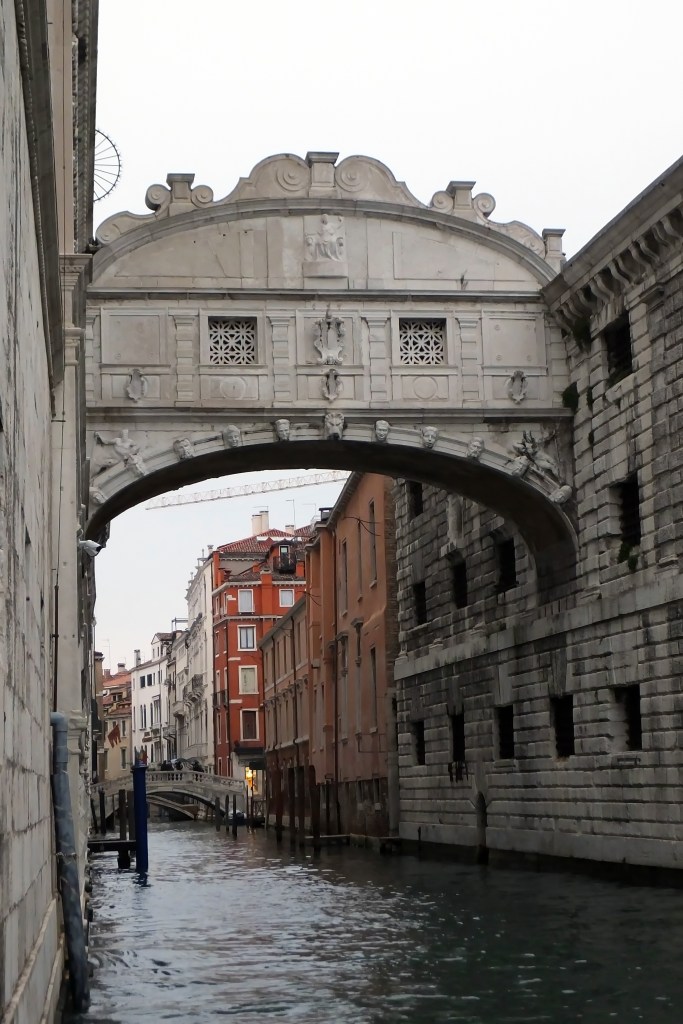
Crossing into San Marco, we followed the sound of distant violin music until the vast Piazza San Marco opened up before us, golden under the floodlights. The square felt almost surreal without the midday crowds, just a few people milling about, soaking in the atmosphere. The Doge’s Palace, with its Gothic arches and soft shadows, looked even more regal by night, and a quiet moment by the Bridge of Sighs gave us a little chill, not from the breeze, but from the centuries of stories held within those stone walls.
Even with just a short time in the city, these evening hours gave us a more intimate side of Venice, and somehow even more beautiful after dark.
Morning Stillness in Cannaregio – A City Before It Wakes
On our last morning in Venice, we set the alarm early – 6 a.m. and headed out for one final walk before the city fully stirred. We wandered through the quiet streets of Cannaregio, a part of Venice that still feels lived-in and local, and at that hour, it was as peaceful as it gets. The only sounds were the soft lapping of water, footsteps echoing off stone walls, and the occasional clatter of early deliveries being made by handcart or boat.
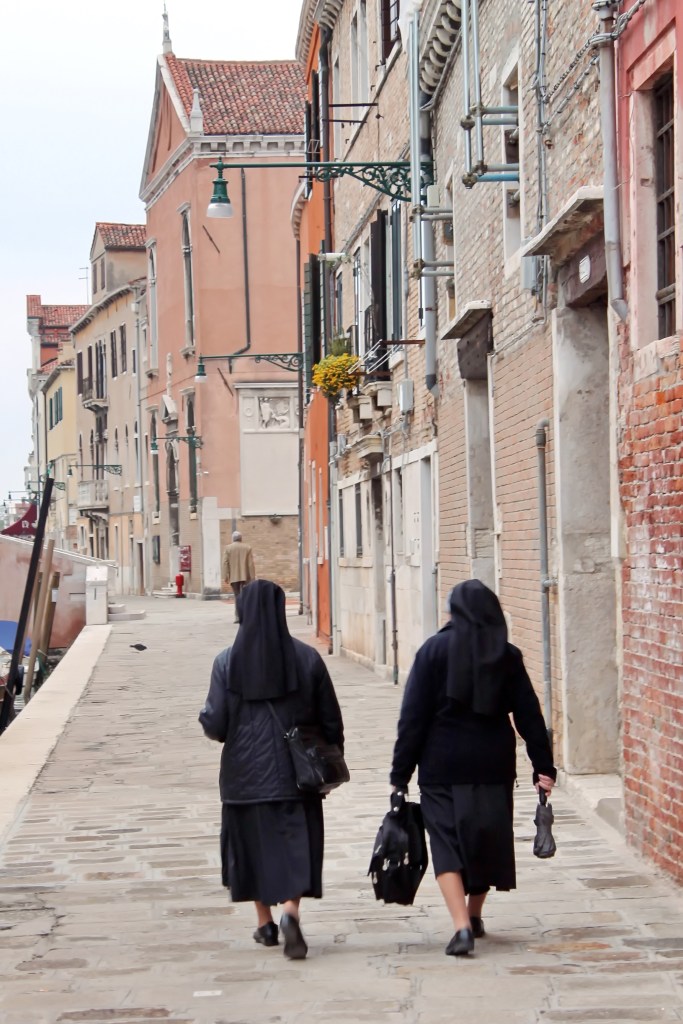
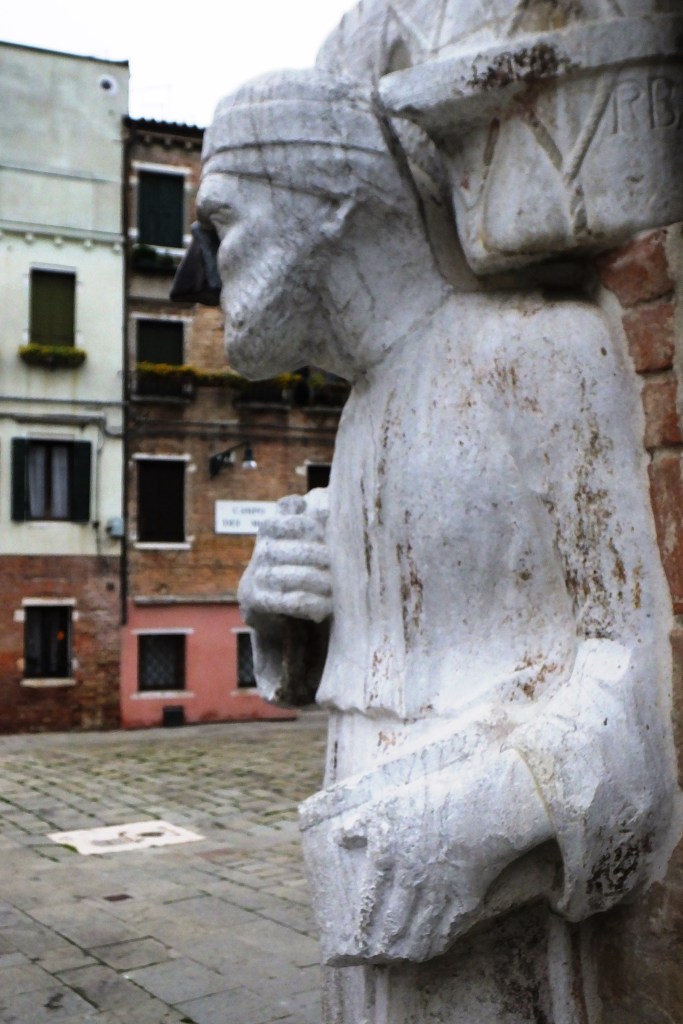
We passed a pair of nuns walking in quiet conversation, crossed through the old Jewish Ghetto, and watched the sun start to peek over the rooftops, casting golden light down narrow alleyways. The Venice of the postcards is lovely, but this was something else, no crowds, no noise, just a city gently waking up.
It’s a moment I always recommend if you can swing it: see a place in the early morning, before the world catches up. You get to witness its real rhythm of the place, the one that exists behind the tourist rush, and that’s where the true beauty often lives.
View all of our Venice pictures here.

 Mapgirl Adventures