While visiting Belgium, we wanted to gain a deeper understanding of the history of the First World War, and a Flanders Battlefield Tour provided an unforgettable and deeply moving experience. Based in Ypres, this small, passionate company is known for its expert guides and personalized tours of the Western Front.
What made our tour truly special was how our guide tailored the experience specifically for us as Canadians, highlighting the sites and stories most connected to our national history. Standing at places like Tyne Cot Cemetery, Vimy Memorial, or Passchendaele, we were reminded of the immense sacrifices made by Canadian soldiers, and the important role Canada played in shaping the outcome of the war.
Our guide was incredibly knowledgeable, blending historical facts with personal stories, and brought the landscapes to life in a way that felt both respectful and human. The tour was thoughtful, well-paced, and left us with a new layer of appreciation for the past and pride in our heritage.
Whether you’re a history buff or simply someone looking to connect with history in a meaningful way, Flanders Battlefield Tour is an experience we would highly recommend.

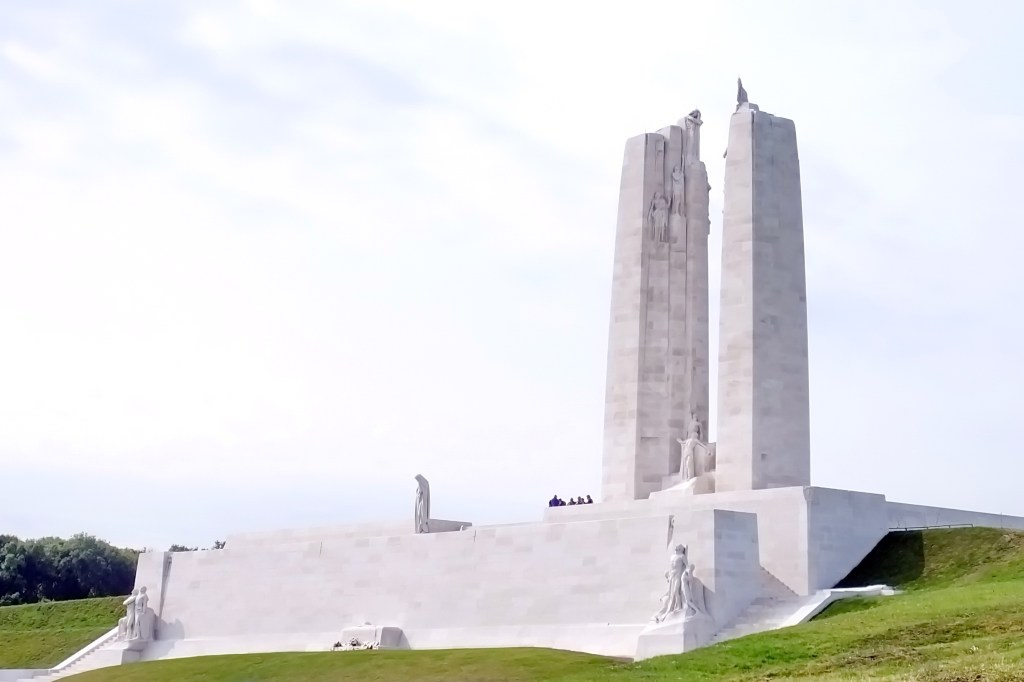
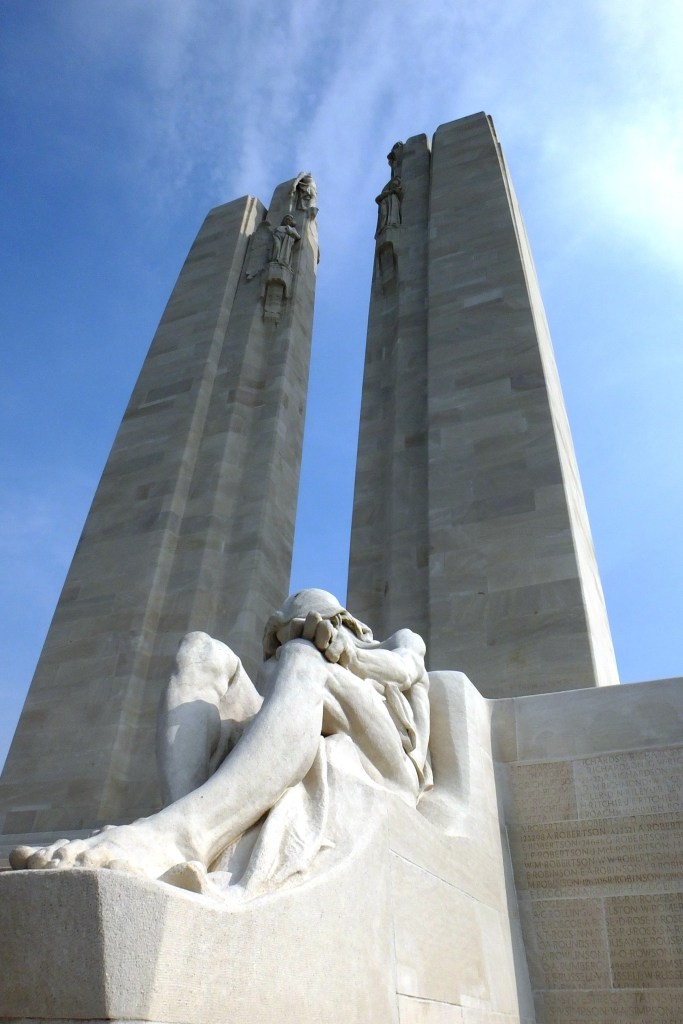
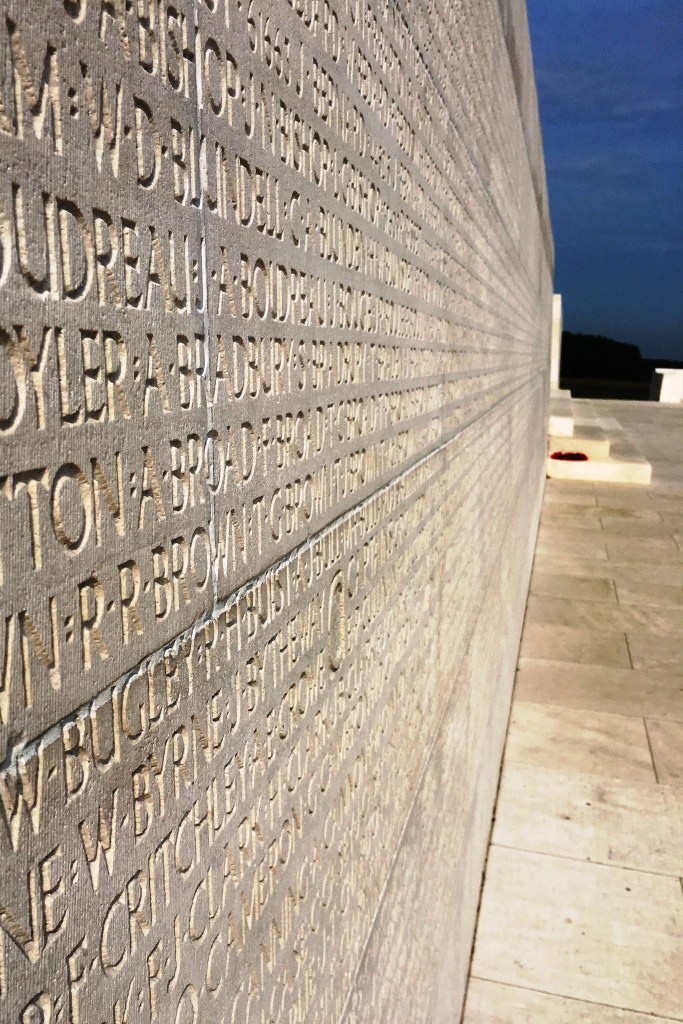
Visiting Vimy Ridge was one of the most powerful moments of our trip. Standing on the ground where so many Canadians fought and fell brought a wave of emotion that’s hard to put into words. The towering white memorial, rising from the ridge and carved with the names of over 11,000 missing Canadian soldiers, is breathtaking solemn, graceful, and deeply moving.
Knowing that two of my great-grandfathers fought here made the experience even more personal and profound. Walking through the preserved trenches and seeing the cratered landscape still scarred by shellfire over a century later, I felt a deep connection to my family’s history and the sacrifices they made. It’s hard to believe the quiet, green fields were once a scene of such chaos and bravery.
The visitor centre, run by young Canadian students, offered an insightful and personal connection to the past, and we were proud to see our country’s role so respectfully honoured on foreign soil.
Vimy isn’t just a battlefield it’s a piece of Canada, far from home, and visiting it was a reminder of the courage, sacrifice, and resilience of those who came before us.
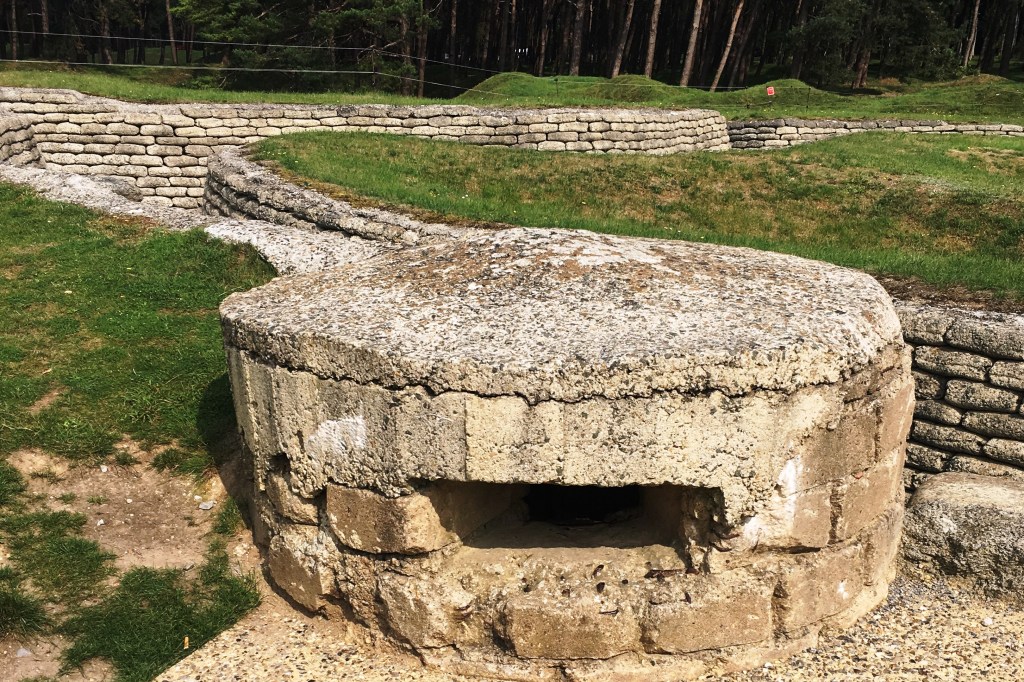
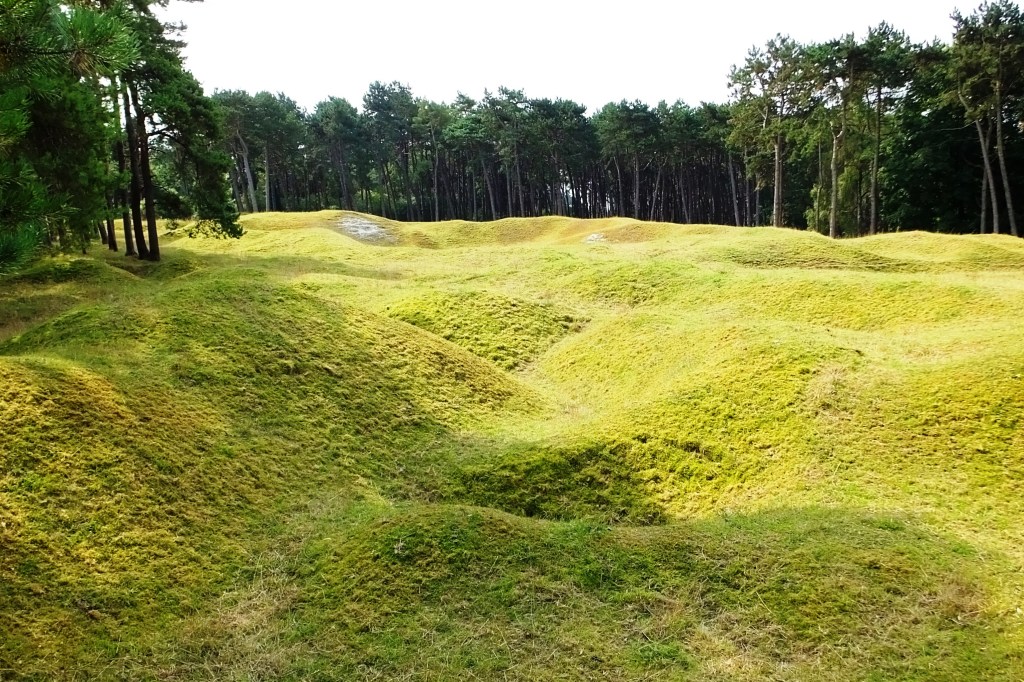
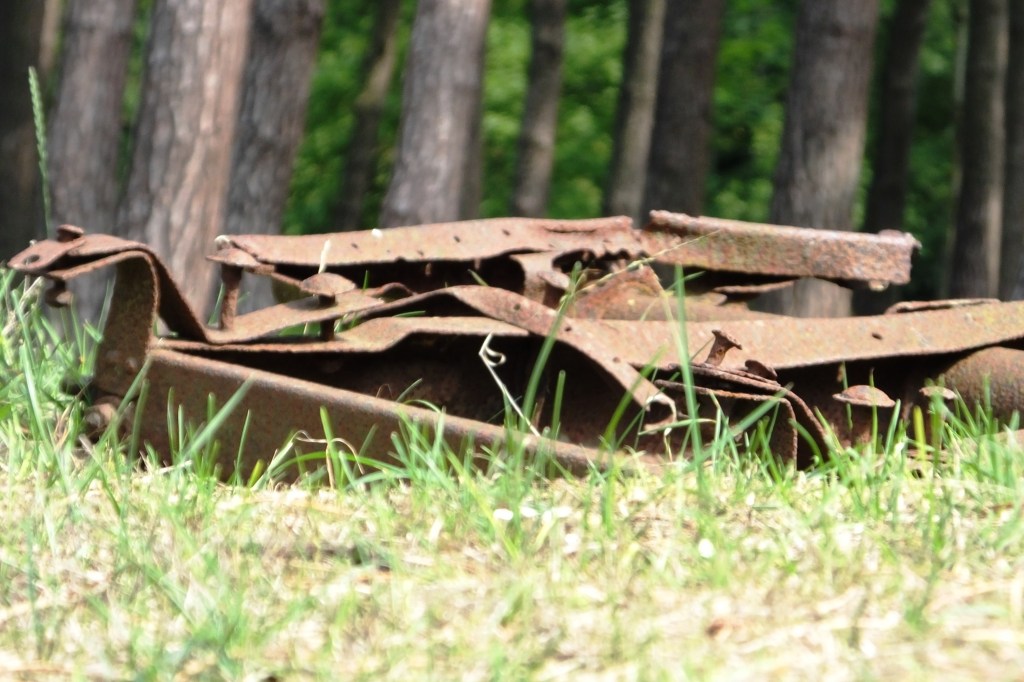
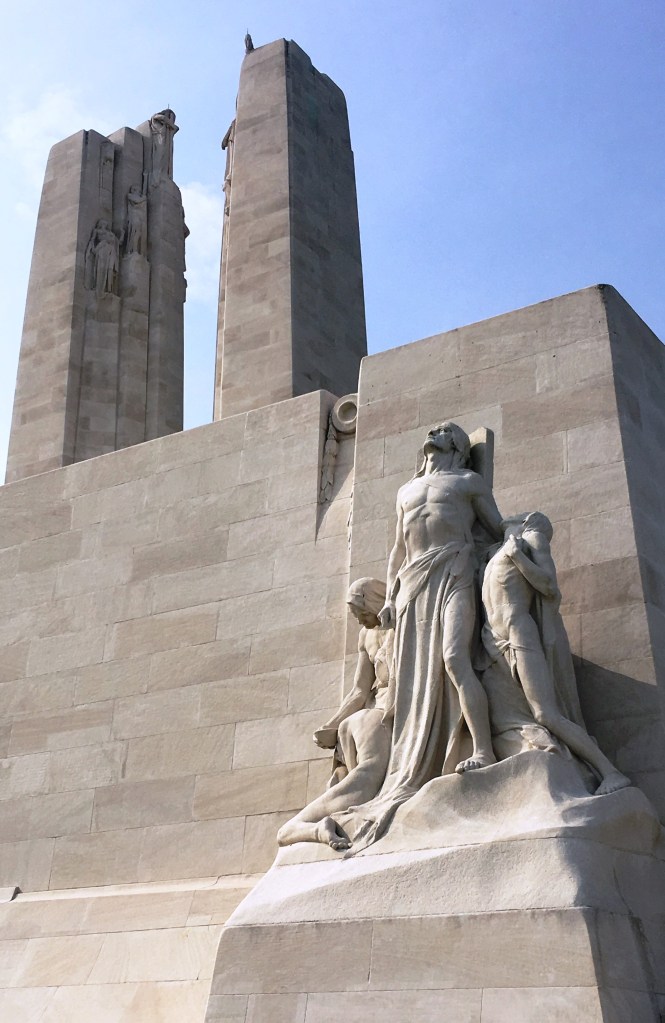
The Vimy Ridge Memorial in northern France is Canada’s largest overseas national memorial and a powerful symbol of our country’s sacrifice during the First World War. Situated on land generously granted by France to the Canadian people, the memorial towers over the very battlefield where the Battle of Vimy Ridge was fought from April 9 to 12, 1917 a defining moment in Canada’s history.
Designed by Walter Allward, one of Canada’s most renowned sculptors, the memorial is an imposing and deeply moving structure. Allward began work on it in 1925 and completed it 11 years later, at a cost of $1.5 million. The monument is adorned with 20 allegorical figures representing ideals like faith, justice, peace, honour, charity, truth, knowledge, and hope. The central figure, “Canada mourning her fallen sons,” captures the profound grief and loss felt by the nation.
Engraved on the memorial are the names of 11,285 Canadian soldiers who died on French soil and have no known graves, a poignant reminder of the cost of war. The site was unveiled in 1936 before a crowd of over 100,000 people, including 6,000 Canadian veterans who made the journey overseas to pay their respects.
Remarkably, the memorial survived World War II, despite fears that German forces might destroy it. Even Adolf Hitler visited the site in 1940, an eerie moment in its history. Since then, the memorial and the surrounding 91-hectare park of Canadian trees and shrubs have become a place of pilgrimage for Canadians honoring their military past.
Visiting Vimy Ridge was especially meaningful to me, knowing my two great-grandfathers fought here. Standing in the shadow of this monumental tribute, I felt the weight of history and the sacrifice of so many who helped shape Canada’s identity.
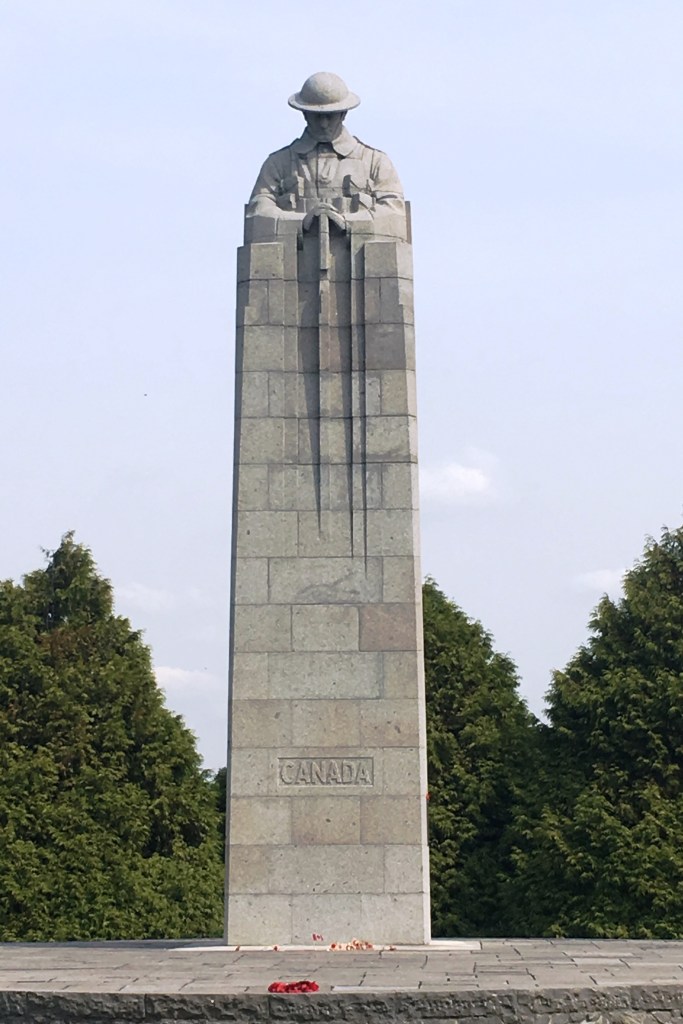
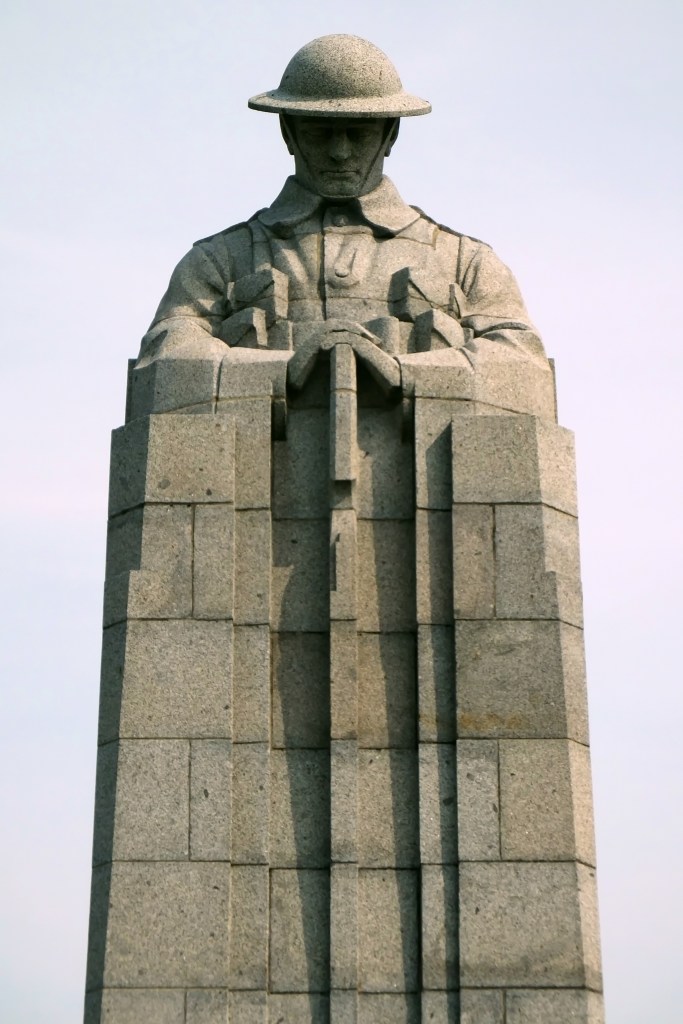
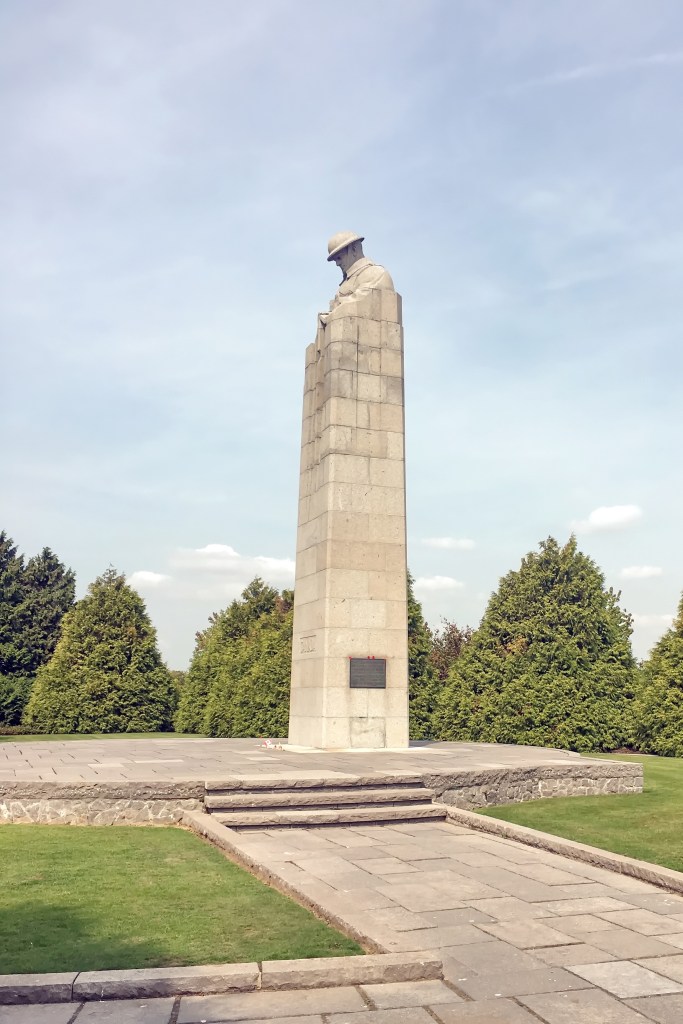
The St Julien Memorial, also known as Vancouver Corner, stands as a solemn tribute to the Canadian soldiers who fought and sacrificed in one of the bloodiest battles of the First World War — the Second Battle of Ypres in 1915.
This site marks the spot where, for the first time in the war, Canadian troops faced the terrifying new weapon of chemical warfare: poison gas. Despite being outnumbered and outgunned, the Canadians held their ground against relentless attacks, showing extraordinary courage and resilience.
Vancouver Corner became a critical defensive position during the fierce fighting, and the memorial honors the bravery of those who stood firm under unimaginable conditions. It’s a reminder of the harsh realities of war and the steadfast spirit of the Canadian forces.
Visiting the memorial, you can almost feel the echoes of the battle the sacrifice and determination that helped shape Canada’s legacy in the Great War.
The John McCrae Memorial at Essex Farm marks a deeply significant spot on the Western Front, the place where Lieutenant Colonel John McCrae, a Canadian physician and soldier, penned the iconic poem “In Flanders Fields.”
Essex Farm was a key medical station during the First World War, where countless wounded soldiers were treated under challenging conditions. It’s here, amid the chaos and sacrifice, that McCrae wrote his words of remembrance and hope, inspired by the sight of poppies growing among the graves of fallen comrades.
The memorial stands as a tribute not only to McCrae’s enduring legacy but also to the countless medics and soldiers who showed courage and compassion amid the horrors of war.
Walking the grounds at Essex Farm, you sense the profound connection between the land, the history, and the poem that continues to resonate worldwide.
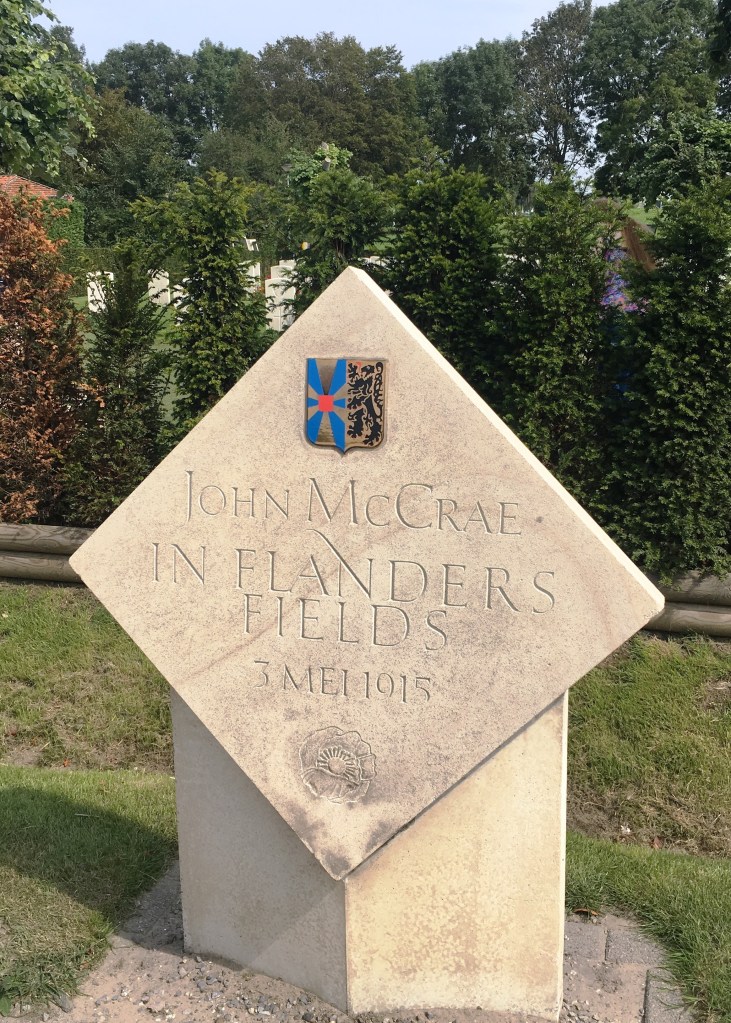

In Flanders fields
In Flanders fields, the poppies blow
Between the crosses, row on row,
That mark our place; and in the sky
The larks, still bravely singing, fly
Scarce heard amid the guns below.
We are the Dead. Short days ago
We lived, felt dawn, saw sunset glow,
Loved and were loved, and now we lie,
In Flanders fields.
Take up our quarrel with the foe:
To you from failing hands we throw
The torch; be yours to hold it high.
If ye break faith with us who die
We shall not sleep, though poppies grow,
In Flanders fields.
Passchendaele is one of the most haunting and somber battlefields of the First World War. Known officially as the Third Battle of Ypres, it was fought in late 1917 and became infamous for the relentless mud, horrific conditions, and staggering loss of life. The landscape here still bears the scars of the conflict, with churned earth and deep craters telling the story of a brutal struggle that tested the limits of human endurance.
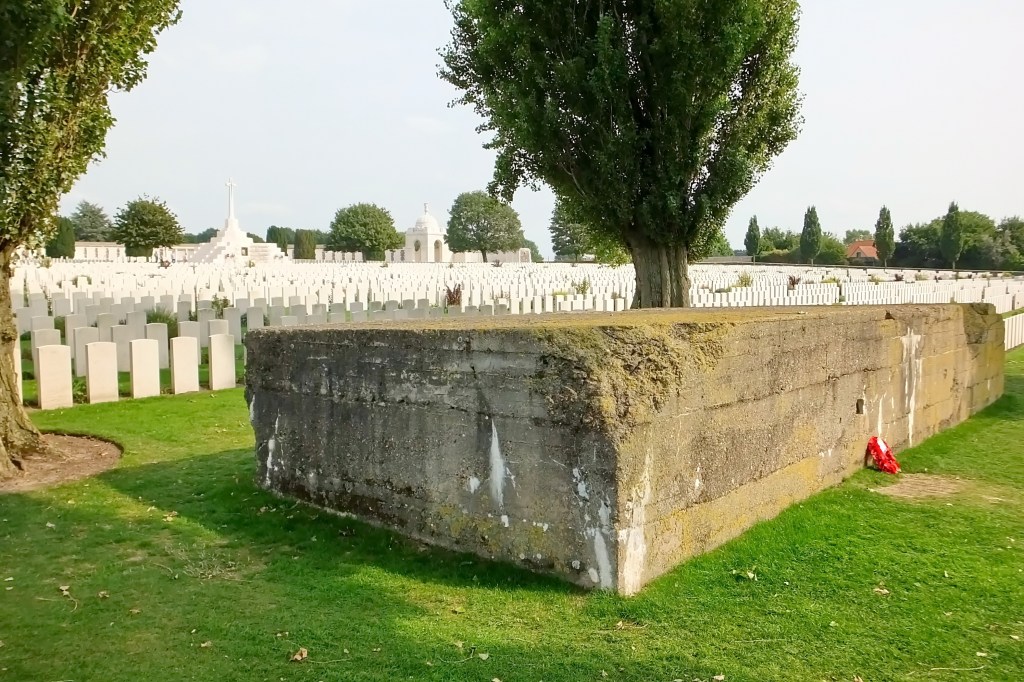
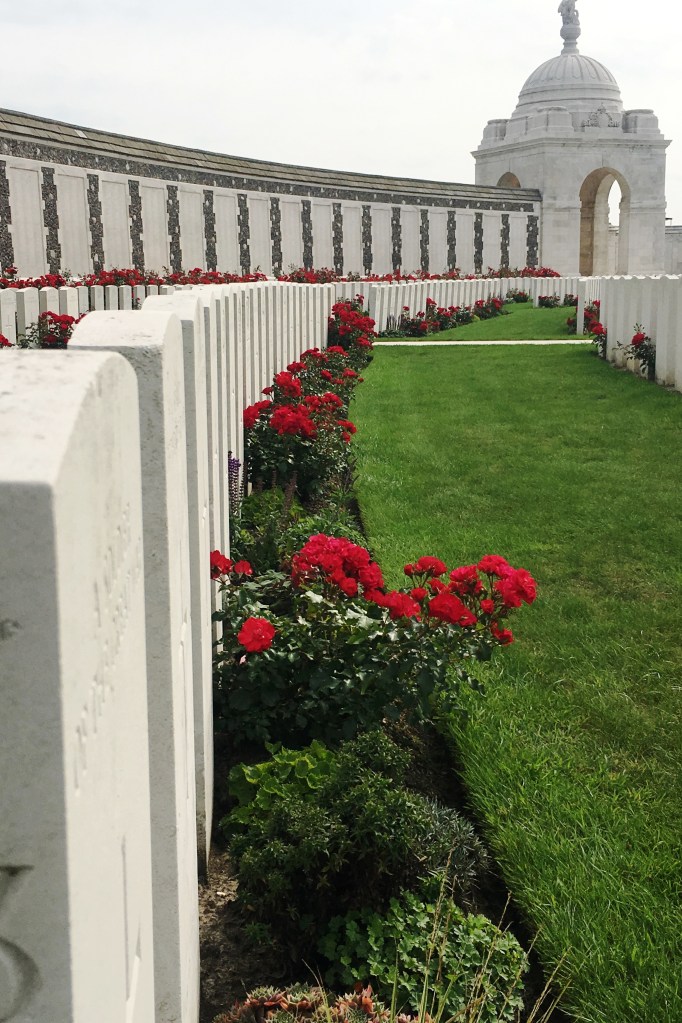
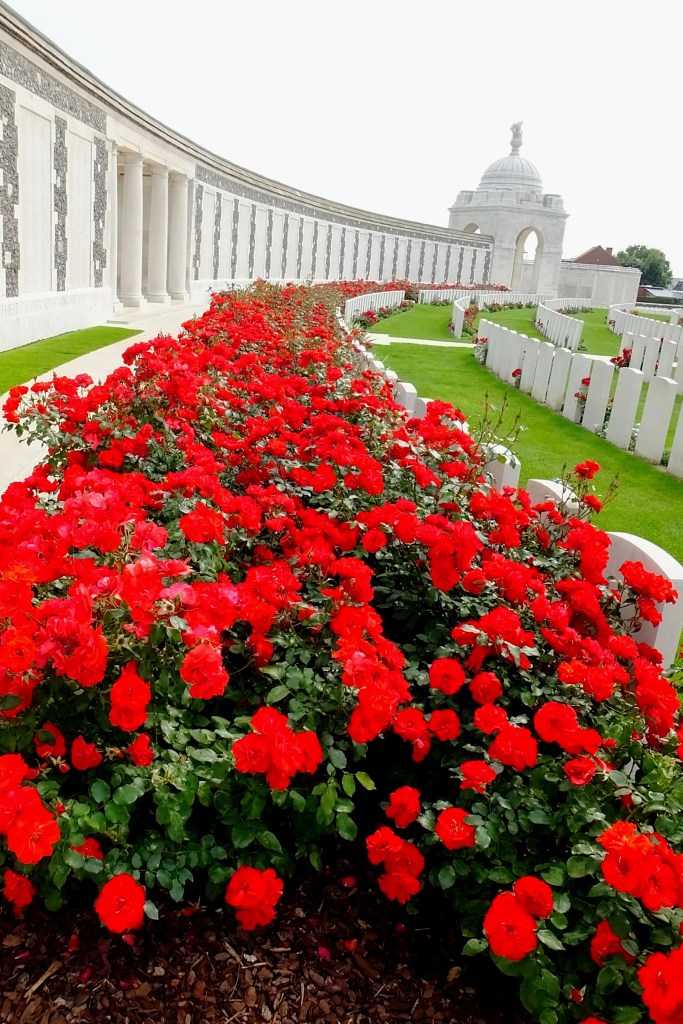
Nearby, Tyne Cot Cemetery stands as the largest Commonwealth war cemetery in the world, a solemn resting place for more than 11,900 soldiers, many of whom fell during the battles around Passchendaele. Walking through the rows of white headstones is a powerful reminder of the sacrifices made and the sheer scale of the human cost.
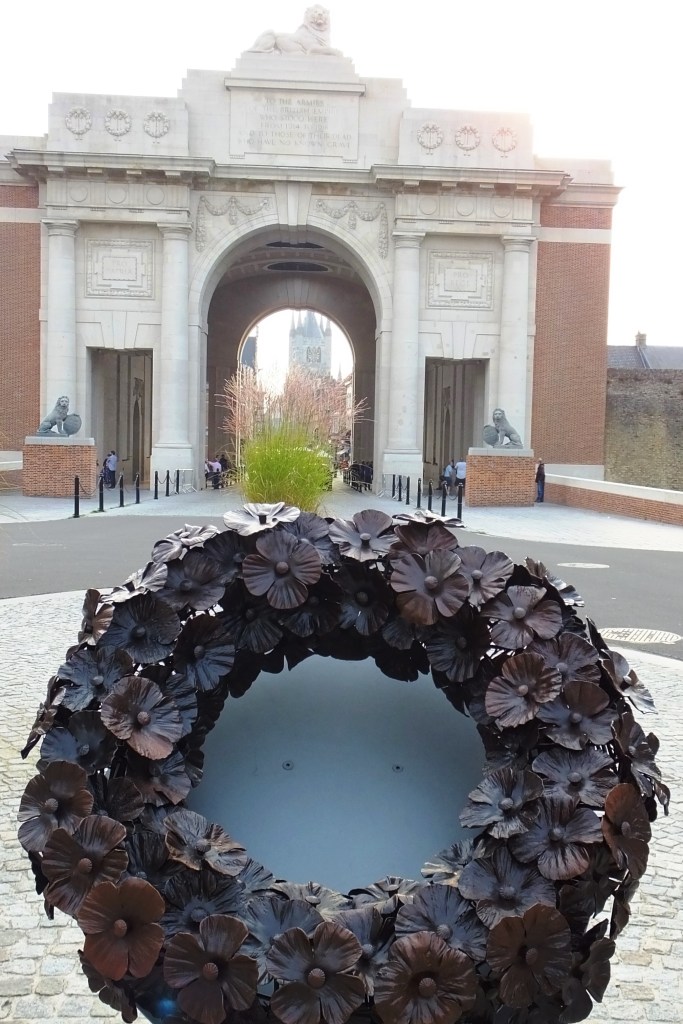
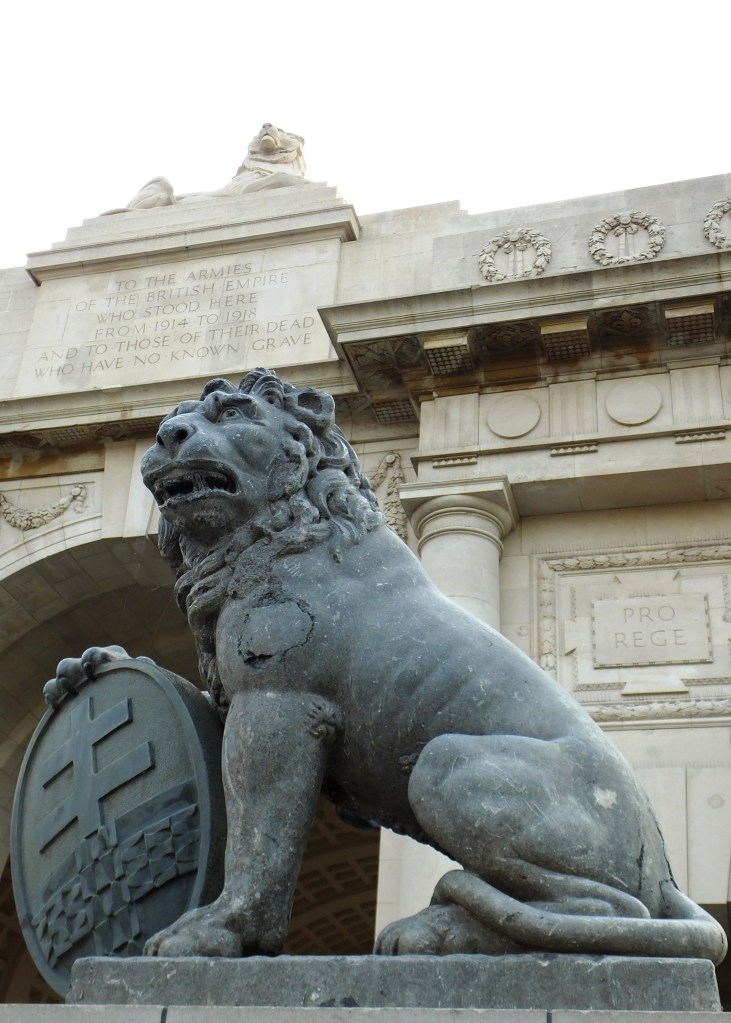
Every evening at exactly 8 o’clock, the bustling streets of Ypres (Ieper) fall silent as the city pauses beneath the towering Menin Gate Memorial to the Missing. Here, the Last Post Ceremony unfolds, a poignant ritual where the haunting notes of the bugle echo through the cool evening air, paying final tribute to the thousands of soldiers from the British Empire and its allies who lost their lives in the brutal battles of the Ypres Salient during the First World War (1914–1918).
This daily act of remembrance is lovingly maintained by the Last Post Association, an independent, voluntary, and non-profit group made up of local citizens of Ieper. Since its founding in 1928, the association has ensured that this ceremony continues without interruption, a solemn promise that the sacrifices of the fallen will never be forgotten.
As traffic halts and crowds gather, locals and visitors alike, you can feel the weight of history and the deep respect that fills the moment. The bugler’s call, simple yet profoundly moving, reverberates through the night, weaving together stories of bravery, loss, and enduring memory. The ceremony is open to all, free of charge, with no need for reservations unless you wish to join in the tribute yourself.
Standing there, surrounded by the ancient walls and the quiet crowd, it’s impossible not to be touched by the timeless power of this ritual a nightly reminder of the human cost of war and the strength of remembrance.
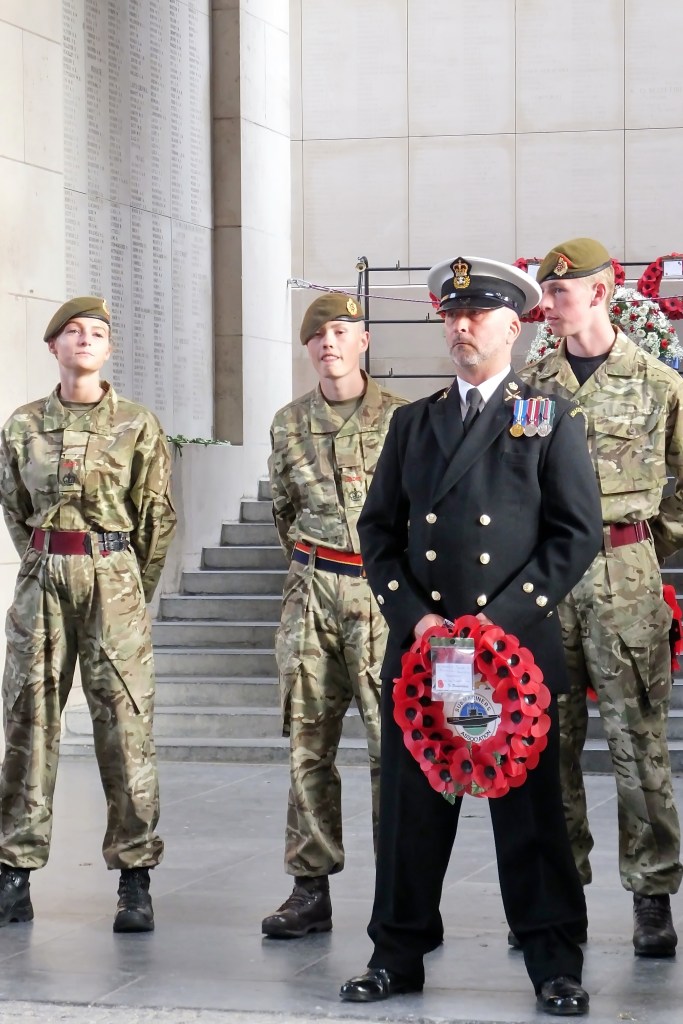
Standing there, surrounded by the ancient walls and the quiet crowd, it’s impossible not to be touched by the timeless power of this ritual a nightly reminder of the human cost of war and the strength of remembrance.
We will remember them.
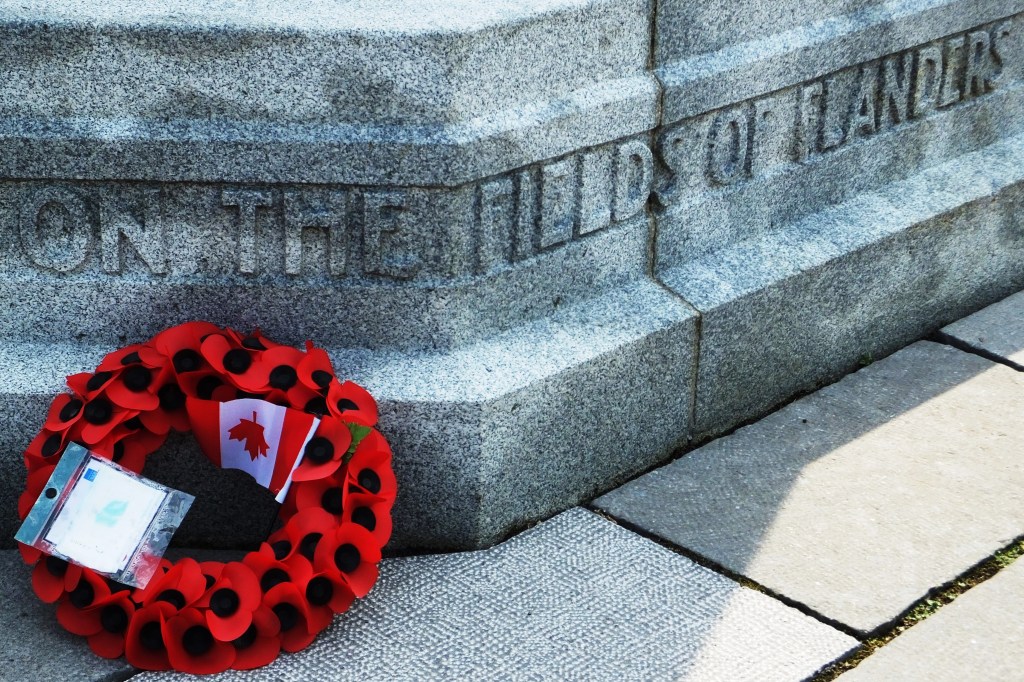
View all our Belgium World War I Battlefield Site pictures here.
View all our Vimy Ridge pictures here.

 Mapgirl Adventures