Established in 1872, Yellowstone was the first national park in the USA and is also widely understood to be the first national park in the world. At 2.2 million acres, this UNESCO World Heritage Site encompasses the caldera of a dormant supervolcano and is home to more geysers and hot springs than any other place on earth. This is one place that massively exceeded our expectations. The sheer scale of the park, the variety of landscapes, and the quantity of geothermal features are breathtaking. And there is so much more to see and do than the overly touristic Old Faithful, with its seating area packed every 90 minutes for the predictable geyser eruption (more on that later).
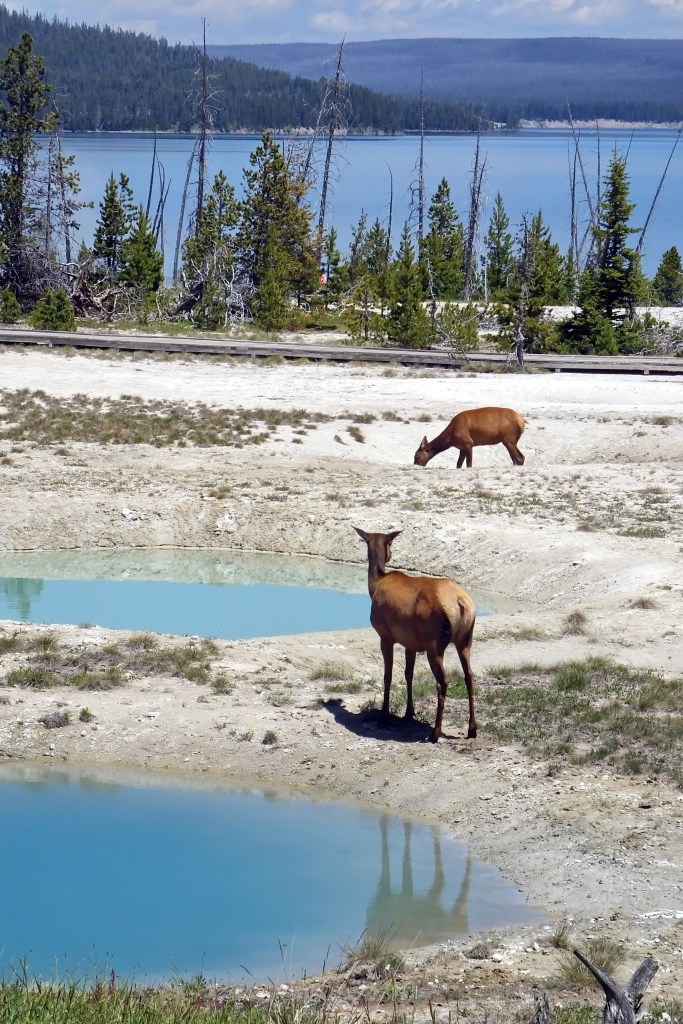
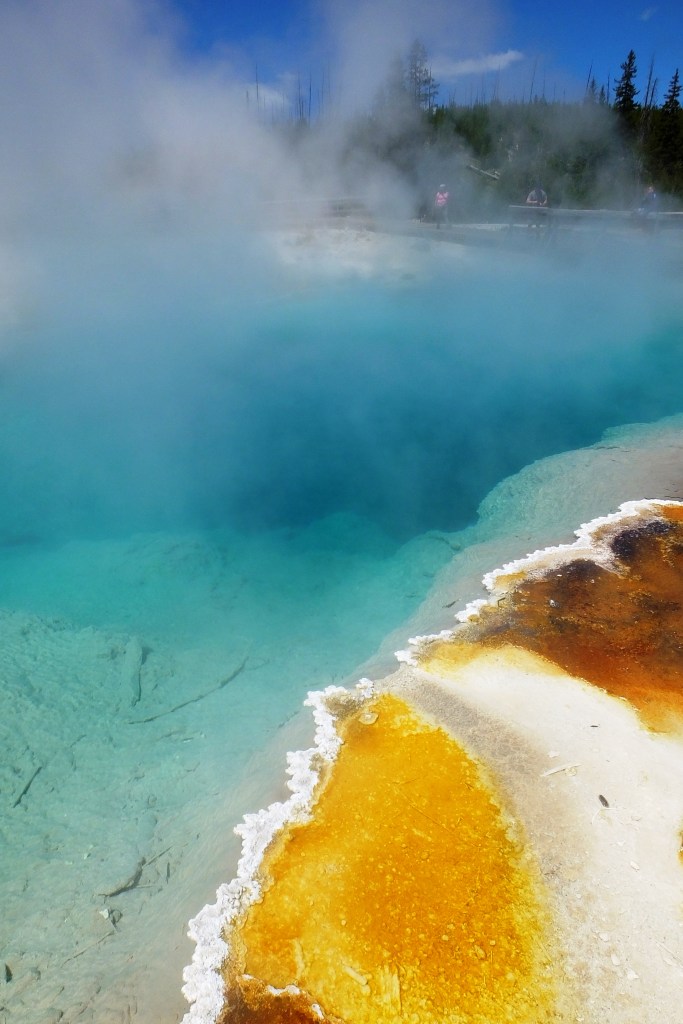
West Thumb Geyser Basin is a unique area with numerous thermal features right along the shore of Yellowstone Lake. The basin features a boardwalk trail that winds through various hot springs, mud pots, and geysers. This was our introduction to the park with its dramatic features and mesmerizing colours.

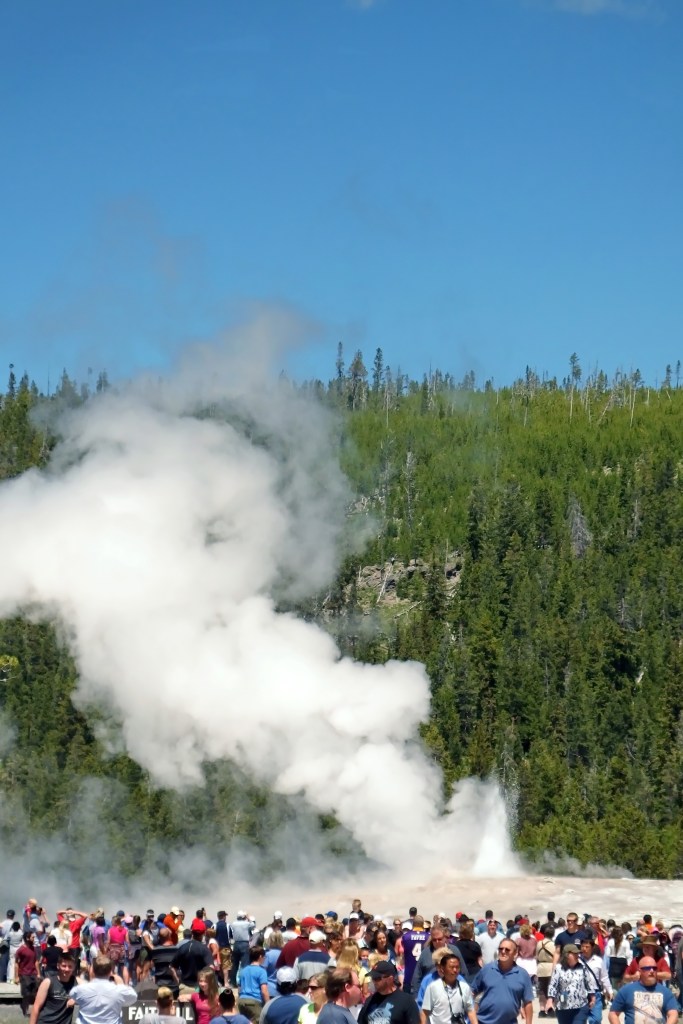
Old Faithful is the most famous geyser in Yellowstone National Park, and the area around the site is set up for the vast number of tourists who visit. The Old Faithful Inn and Visitor Education Centre provide easy access to the boardwalk trails of the Upper Geyser Basin and along the banks of the river, but the main attraction is right next to the parking lot. Erupting approximately every 90 minutes, we caught two differing views of the predictable and reliable Old Faithful – one from the main viewing area with hundreds of other people and then, after following switchbacks along the Observation Point trail, we shared a much better view with only a handful of others.

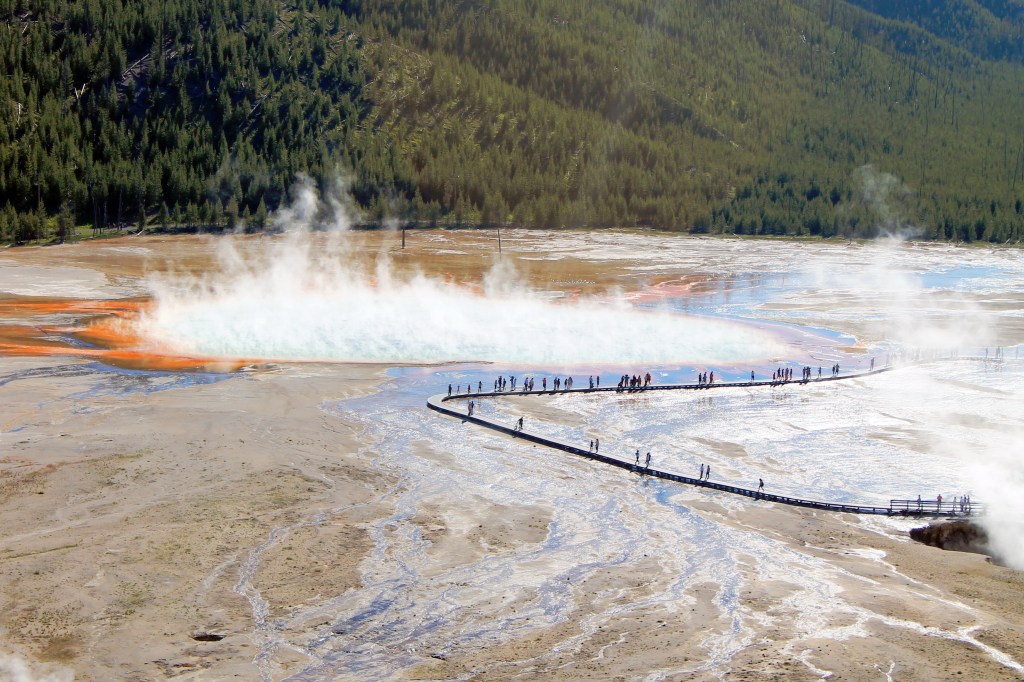
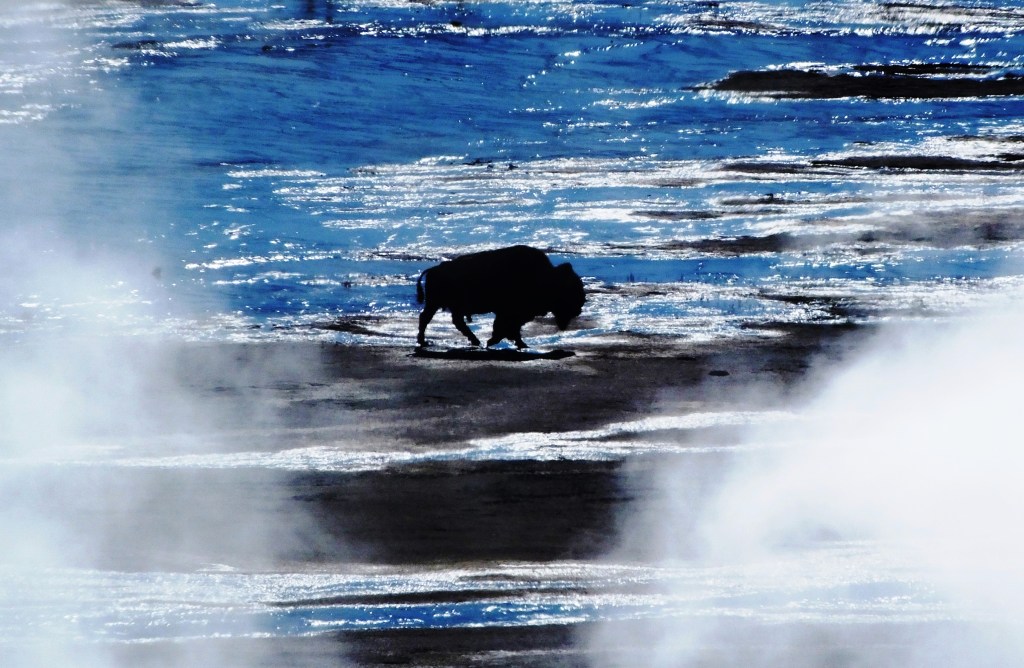
The Grand Prismatic Spring, located in the Midway Geyser Basin, is the most photographed thermal feature in Yellowstone due to its vibrant colours and enormous size. The boardwalk trail is very busy and popular, so we took the path less-travelled and followed a trail up Midway Bluff across the highway. This gave us an elevated perspective that captured the full scale of this attraction, including a lone bison wandering through the steam.
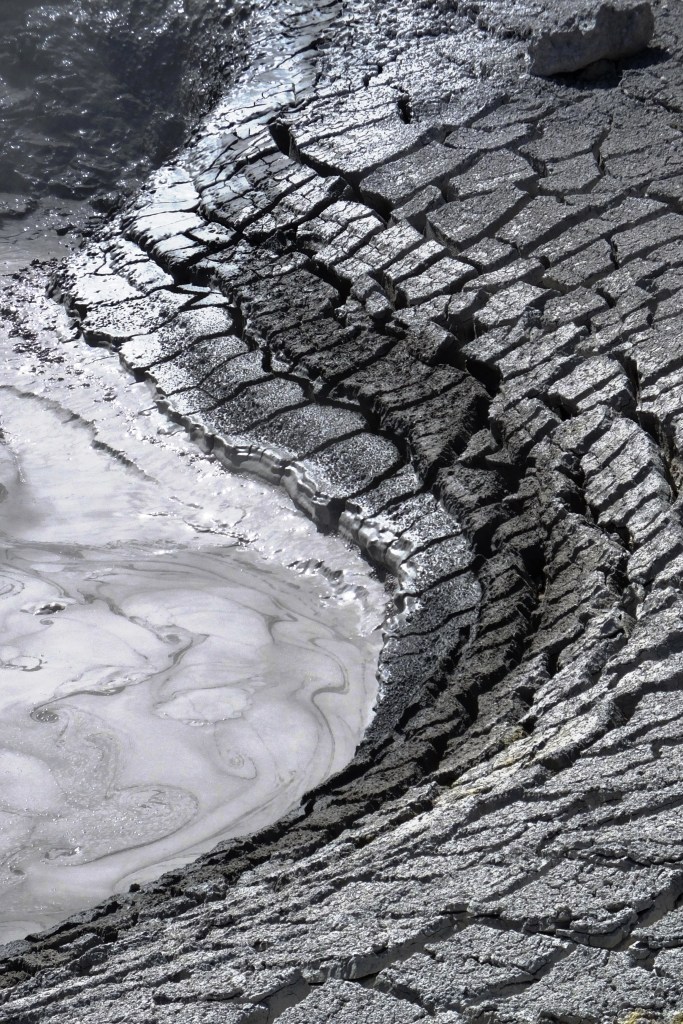
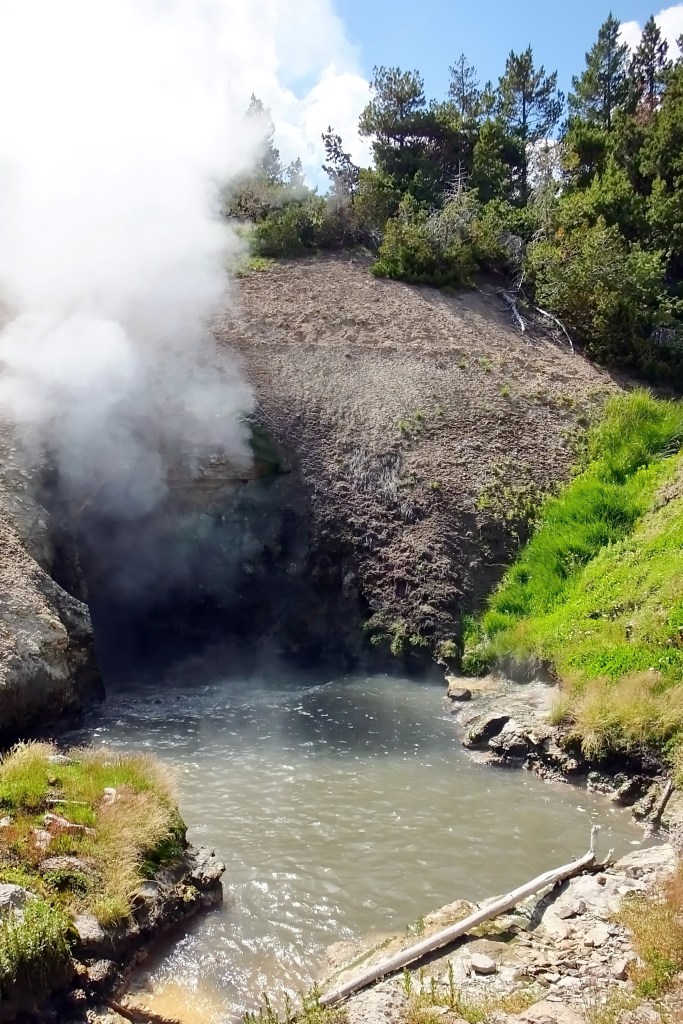
Mud Volcano is a large, churning pool of bubbling mud where the acrid smell of sulphur fills the air. It is characterized by a murky, thick appearance and constant activity where gases escaping from beneath the earth’s surface send bubbles of mud through the surface. Nearby Dragon’s Mouth Spring gets its name from the steam and water that ‘roar’ from a cave-like opening in the hillside. This spring may not have the visual appeal of some others, but the audible rumbling and growling noise makes this another unique and memorable spot.
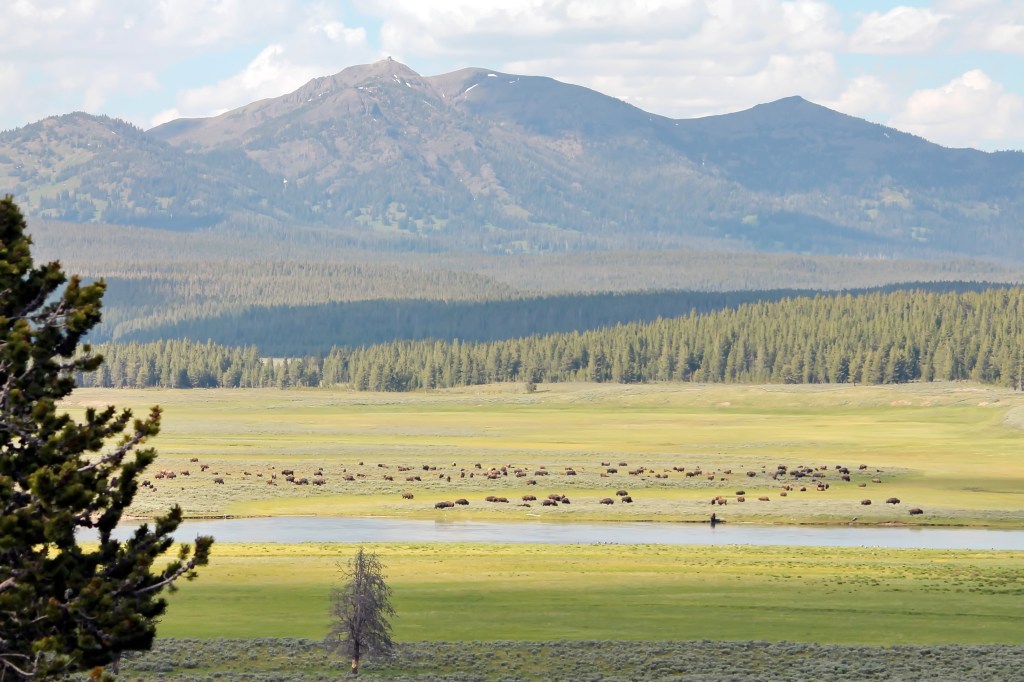
The wide open expanse of the Hayden Valley straddling the Yellowstone River with the backdrop of Mount Washburn provides a contrast to the park’s myriad geothermal features. The valley is well known as one of the best locations to view wildlife in Yellowstone National Park, including bison that have lived here continuously since prehistoric times and are among the few bison herds that have not been hybridized through interbreeding with cattle. The naturally wild behavior exhibited by these bison has led to numerous encounters and attacks on humans who got too close!
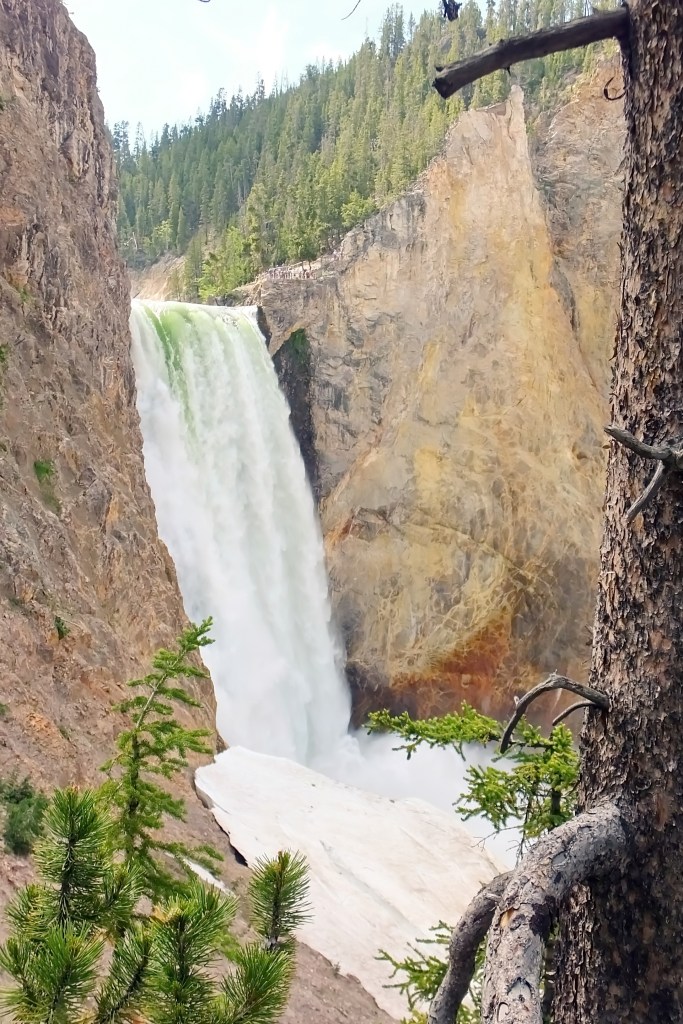
The Grand Canyon of the Yellowstone is a dramatic canyon carved by the Yellowstone River offering a number of perspectives and experiences. The limestone rocks create a colourful palette with vibrant hues of yellow, red, and orange, especially visible from Artist Point with a view along the length of the canyon towards the iconic Lower Falls. Upper Falls View looks back towards the Chittenden Memorial Bridge which provides access to the North and South Rim scenic drives.
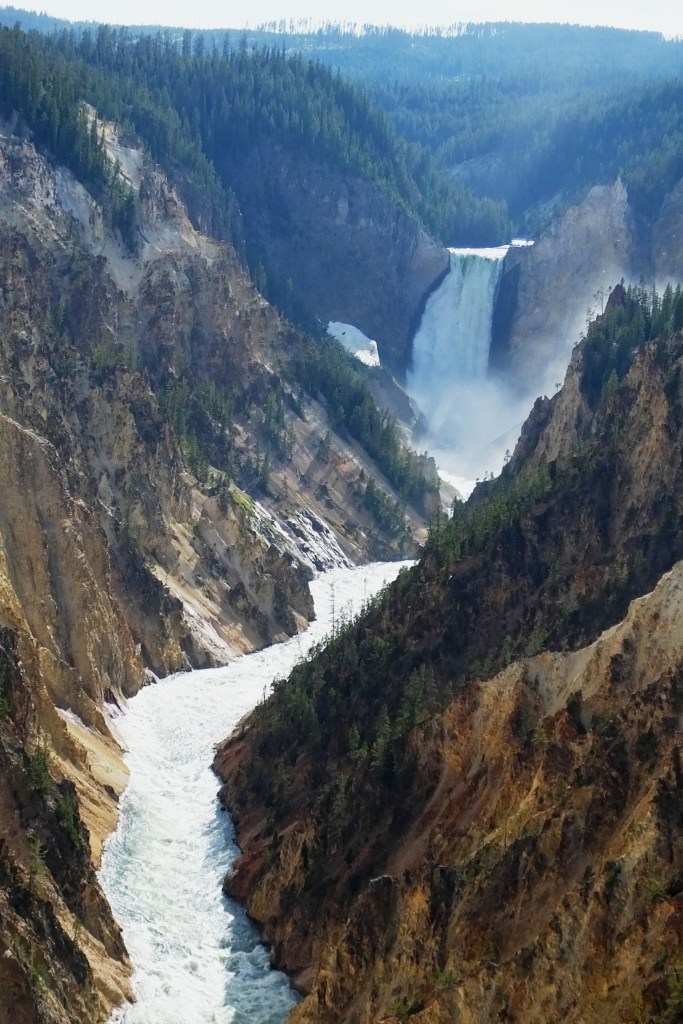
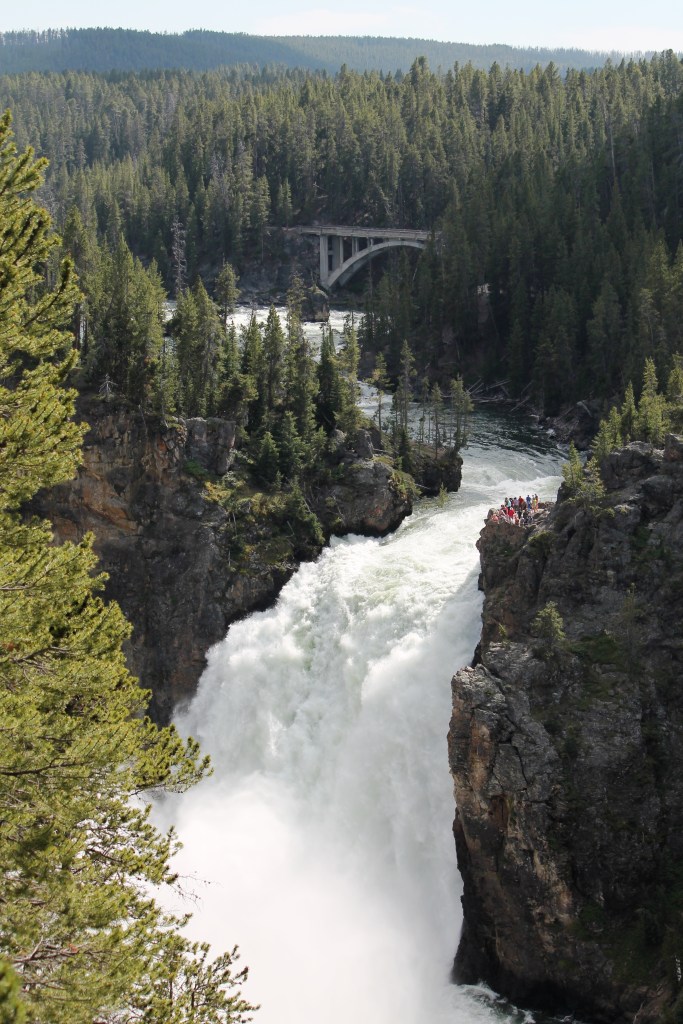
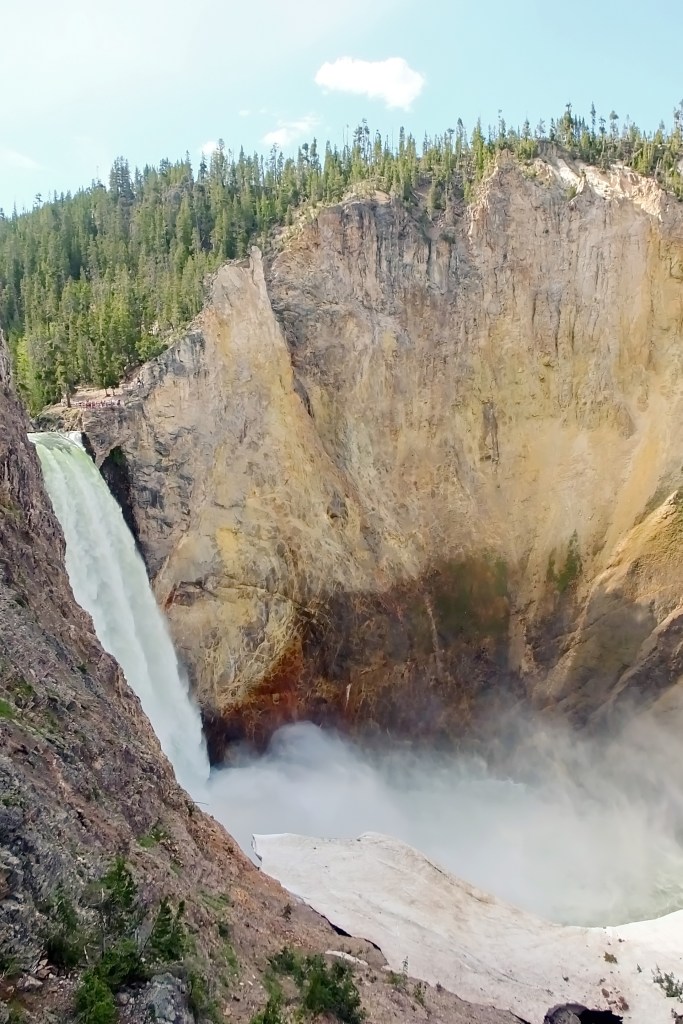
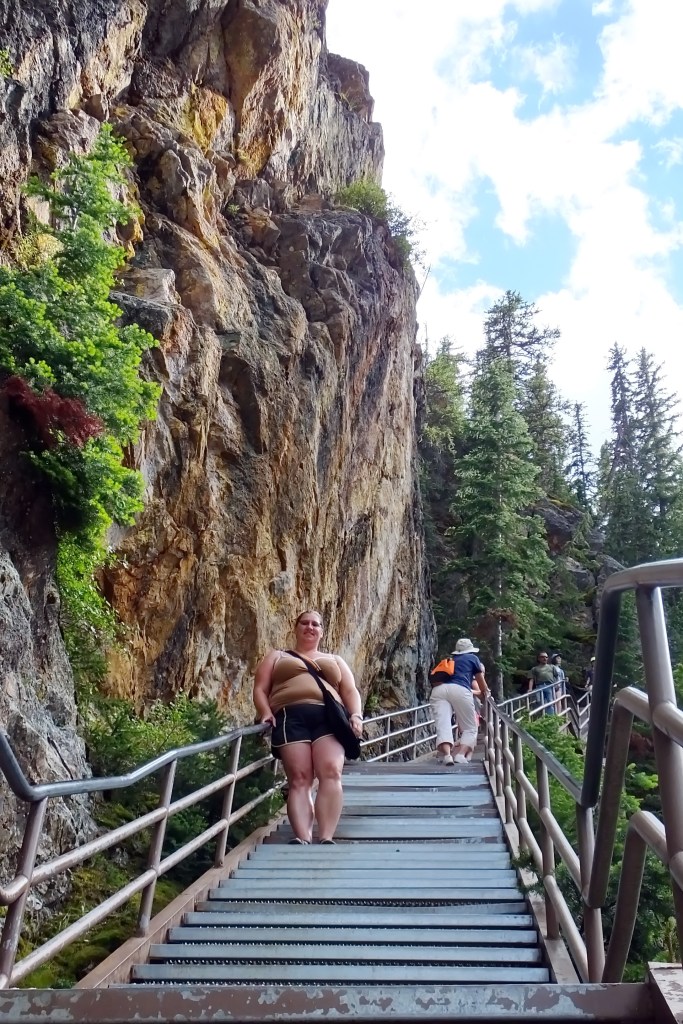
Uncle Tom’s Trail, initially a path for picnics and tours led by “Uncle Tom” Richardson, leads to a viewpoint offering stunning views near the base of the Lower Yellowstone Falls. The trail features a steep descent down 328 steps from the south rim of the canyon. We have learned that the stairs were closed indefinitely in 2019, so despite having to climb back up the 328 steps again, we were glad to experience this while we could.
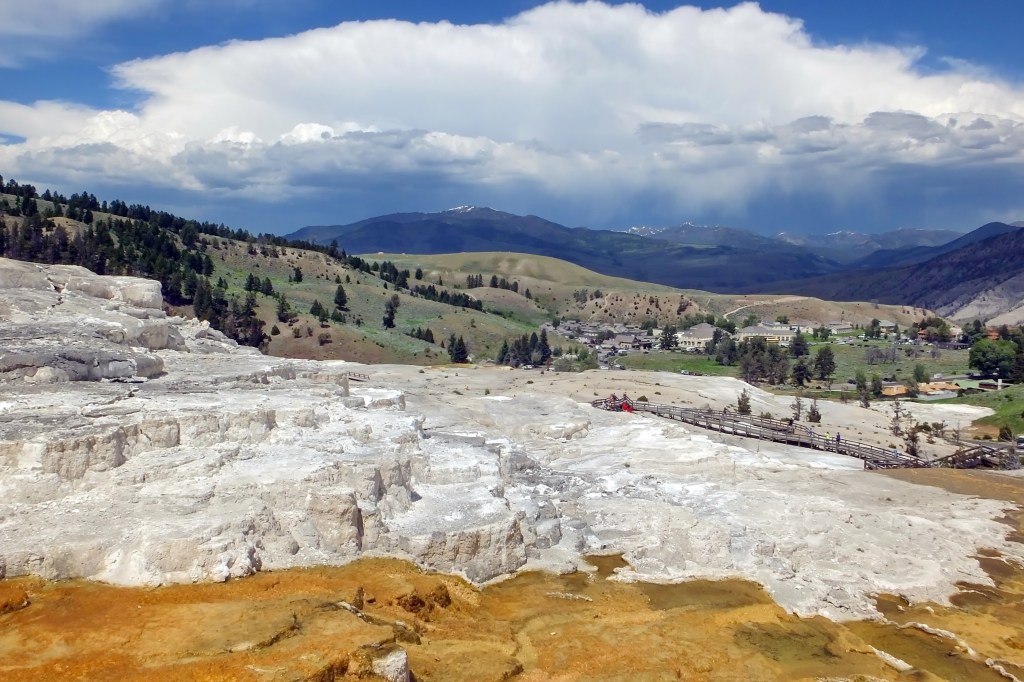
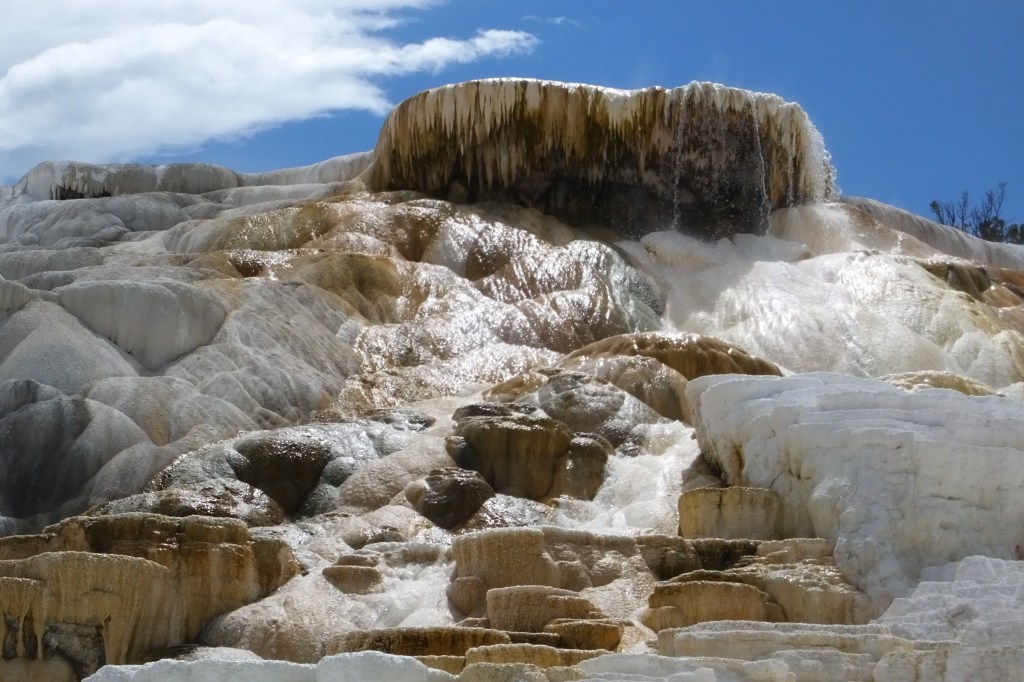
For hundreds of years, Shoshone and Bannock people collected minerals from Mammoth Hot Springs for white paint. These minerals contribute to the beautiful terraces that characterize the area. Here, a network of fractures and fissures allows hot water from underground to reach the surface. The solution rises through the limestone rock, and at the surface, dissolved calcium carbonate is deposited in the form of travertine, the rock that forms the terraces of Mammoth Hot Springs.
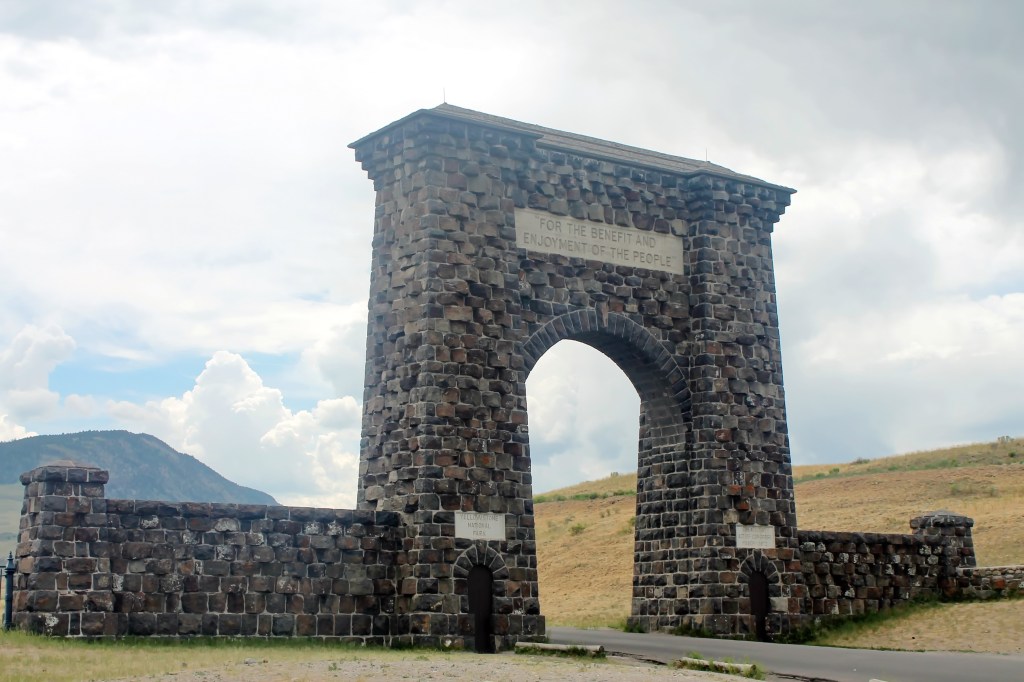
Not far from the Mammoth Hot Springs area is the North Entrance to Yellowstone National Park, near Gardiner, Montana. It is marked by the historic Roosevelt Arch and provides the only year-round entrance to this most magical and mesmerizing national park.
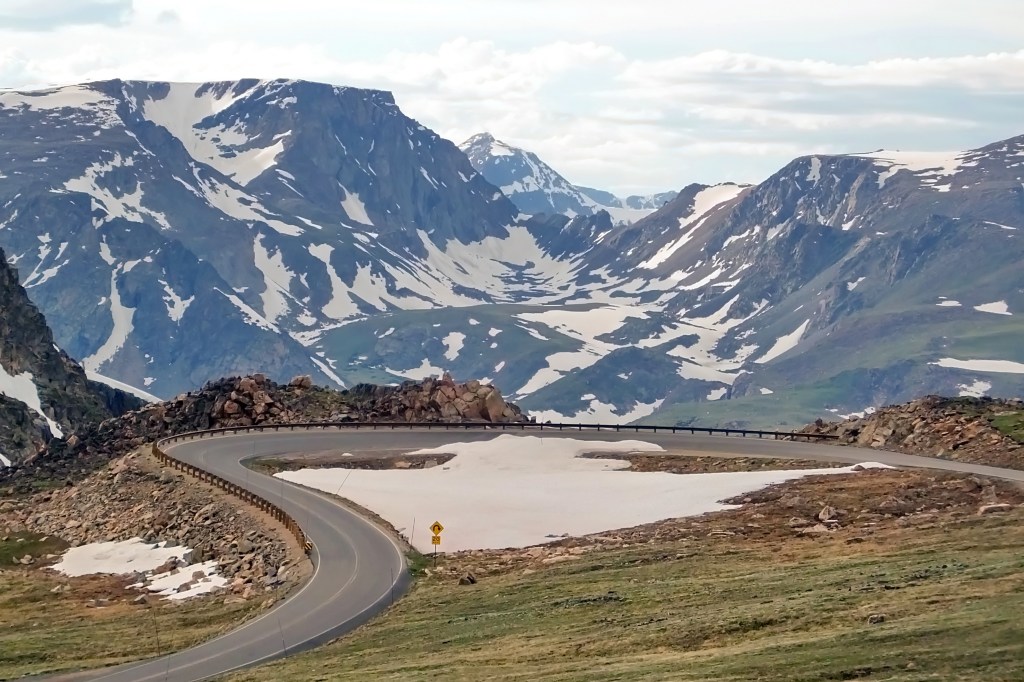
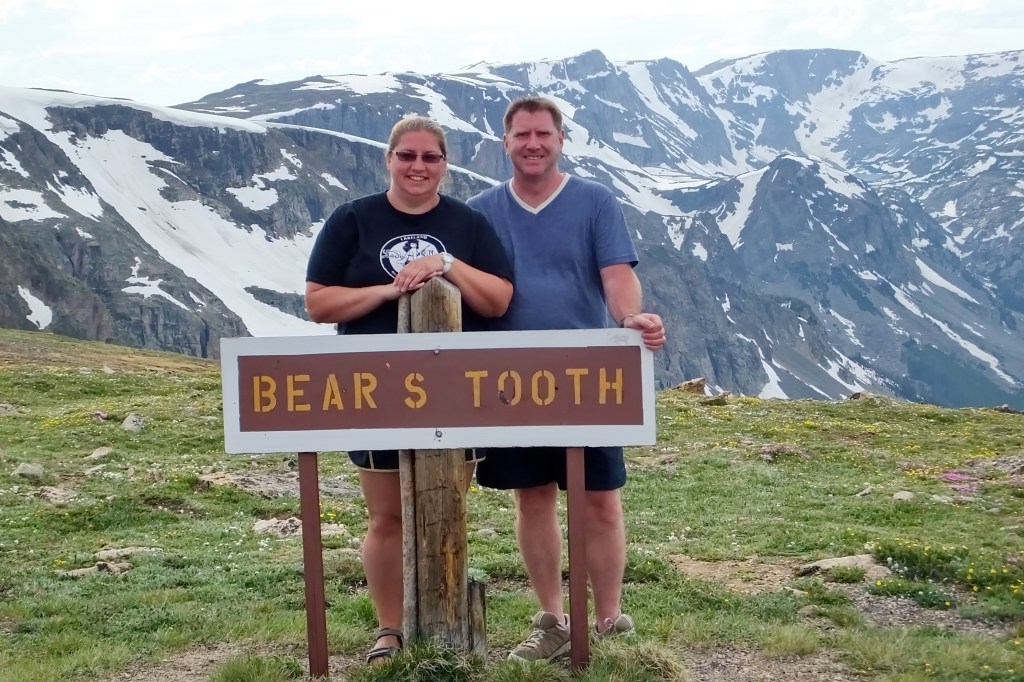
Leaving the park we drove the less-travelled Beartooth Highway, a scenic highway that connects the northeast entrance of Yellowstone National Park to Red Lodge, Montana. It’s known as the “Highway to the Sky” offering breathtaking vistas as it climbs to over 10,000 feet at Beartooth Pass, with lots of snow still around, even in July!

View all our Yellowstone National Park pictures here.

 Mapgirl Adventures