Eight Is Too Many for a Lifeboat: An Alaskan Family Cruise Aboard the Norwegian Sun (Fueled by Buffets and Booze)
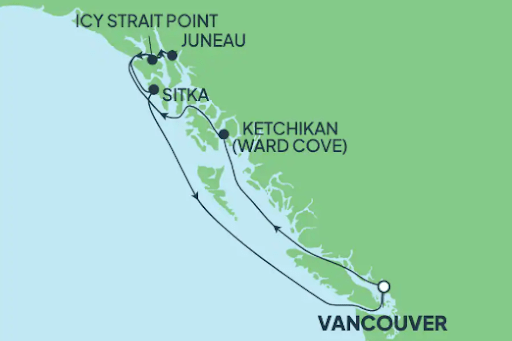
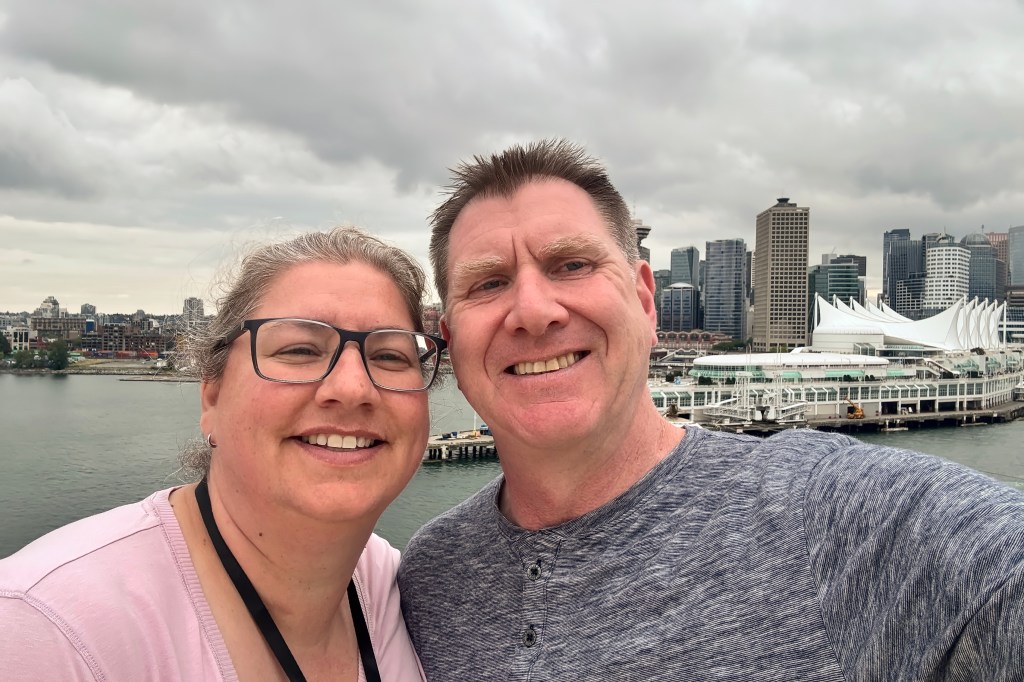
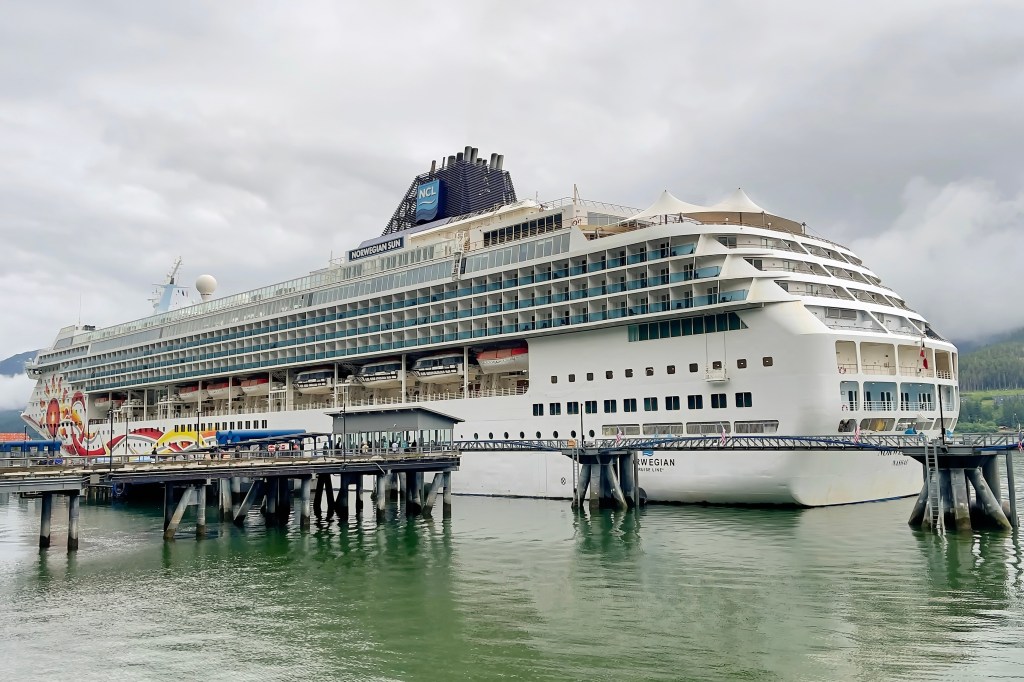
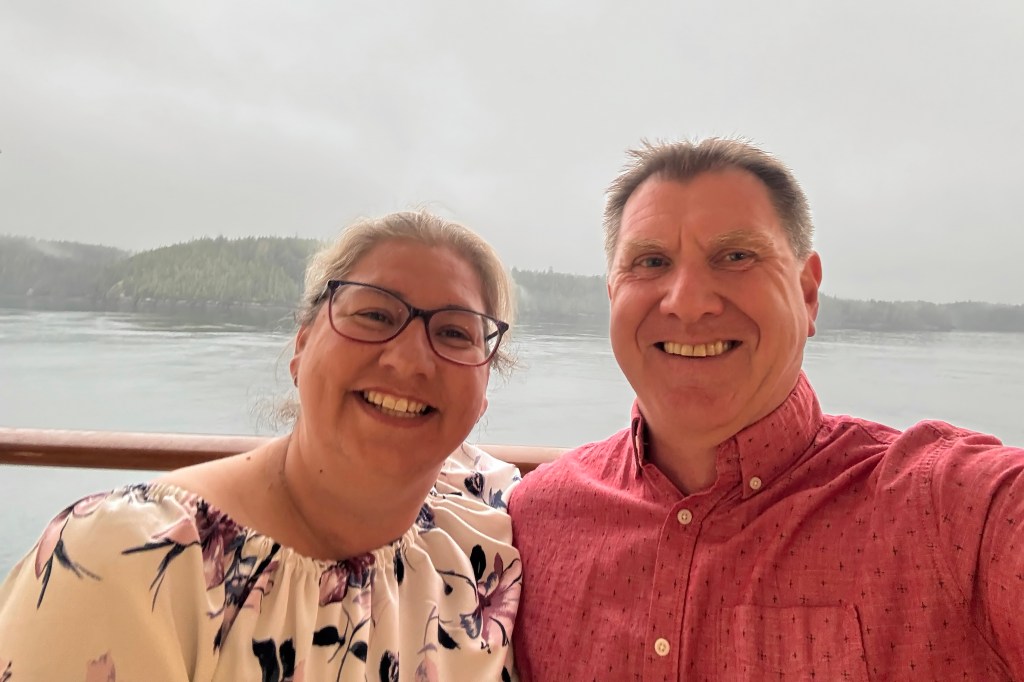
When your parents hit 50 years of marriage, you celebrate big, like, “eight of us crammed on a cruise ship heading to Alaska” big. This wasn’t just any trip; it was a multi-generational family cruise in honor of a golden anniversary. Along for the ride: myself, Keith, my parents, my brother, his partner, and his two kids. Packed into 3 cabins, fueled by unlimited soft serve and blended drinks, we set sail on the Norwegian Sun from Vancouver for a week of glaciers, wildlife, and mild family chaos along Alaska’s majestic Inside Passage.
Booze, Waves, and Motion Sickness
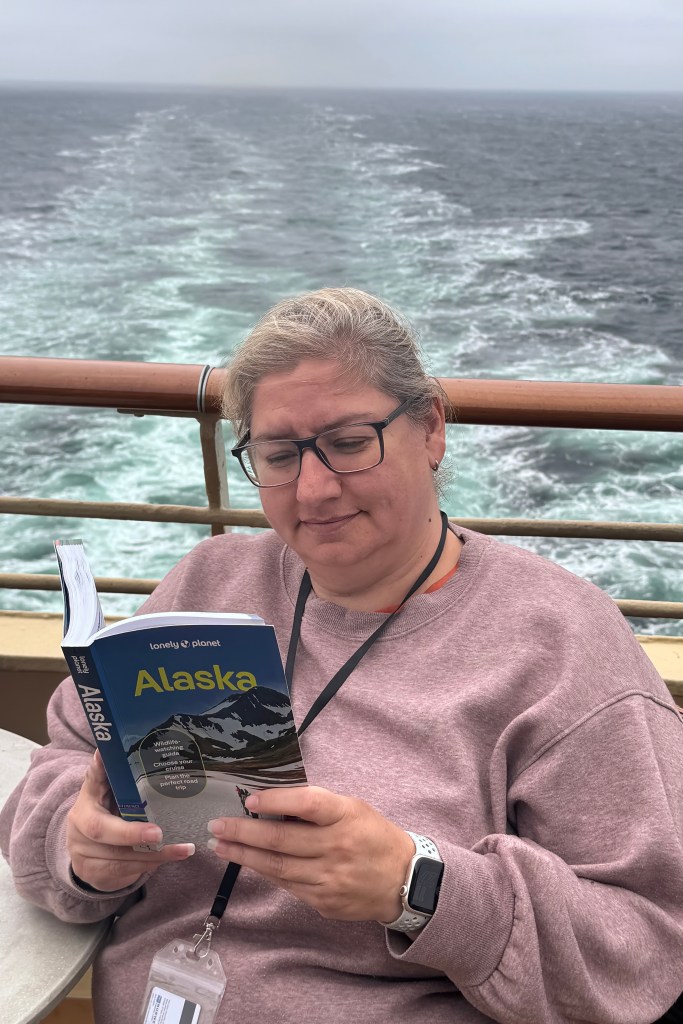
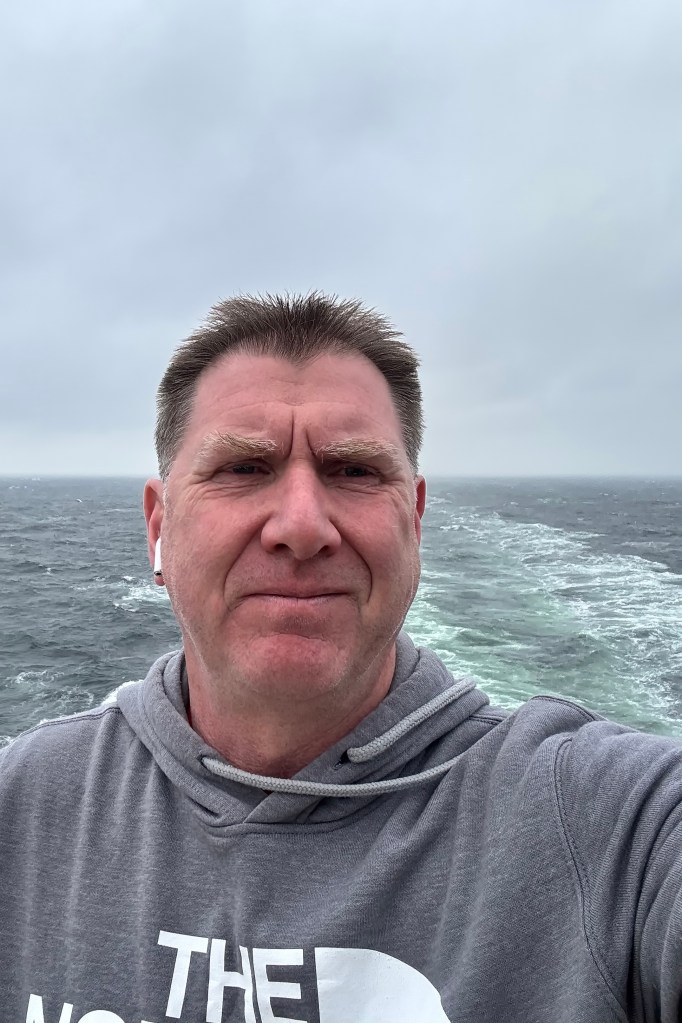
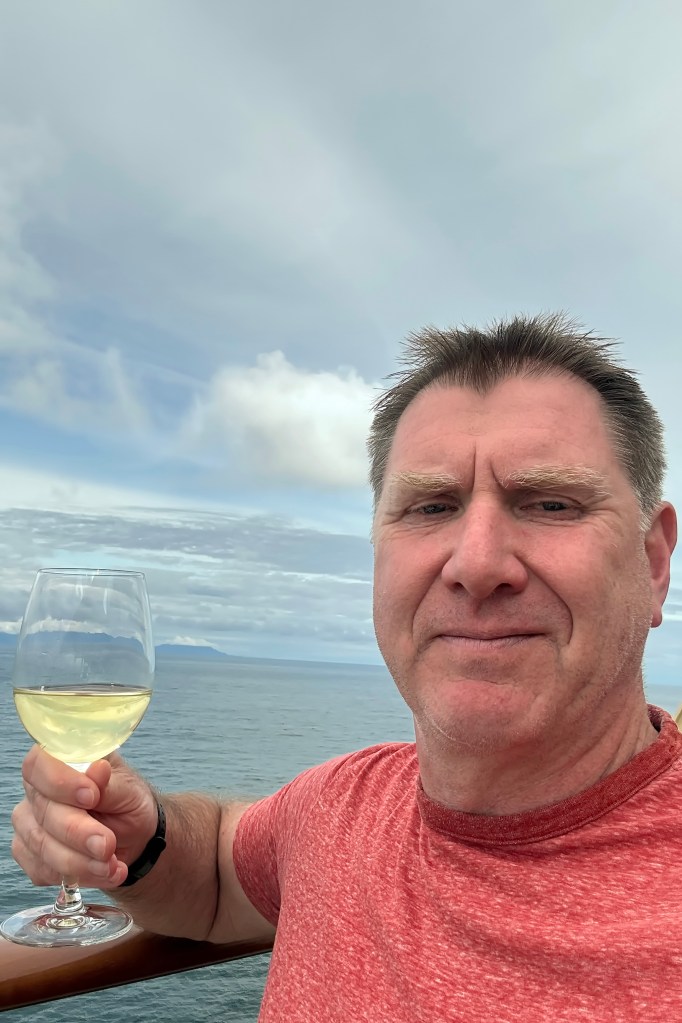
Our first full day was a sea day. It gave us the true cruise experience: endless ocean views, a slight wobble in our step (thanks to both the waves and the bar), and a test of everyone’s sea legs. The ship rolled just enough to make a few of our crew question their life choices, or at least their breakfast. Fortunately, Keith and I held steady while others found the seasickness patches really did work. Between buffet runs and figuring out how many cocktails are too many before noon, we also spent time doing some research on our upcoming stops and scanning the horizon, eyes peeled for that magical puff of spray from a whale’s blowhole. We leaned into the railings, drinks in hand, searching for signs of giants beneath the waves.
First Stop: Ketchikan
Our first stop in Alaska was Ketchikan, where the Norwegian Sun docked just north of town, in Ward Cove. The cruise terminal was developed in partnership between Norwegian Cruise Lines and Ward Cove Dock Group to responsibly repurpose the site of a former pulp mill. The Ketchikan Pulp Company had been the longest continuously operating mill in Alaska from 1954 until 1997, when the closure had a significant impact on this isolated community. This project has transitioned a decaying brownfield site into a historic and significant landmark, which once again provides economic opportunity to the residents of Ketchikan.
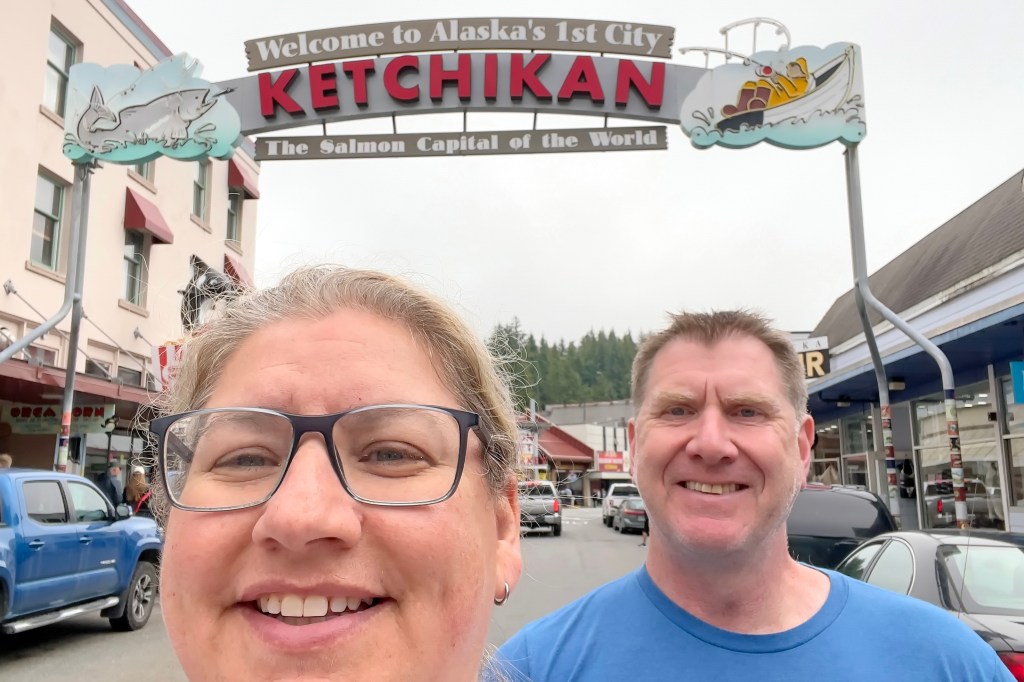
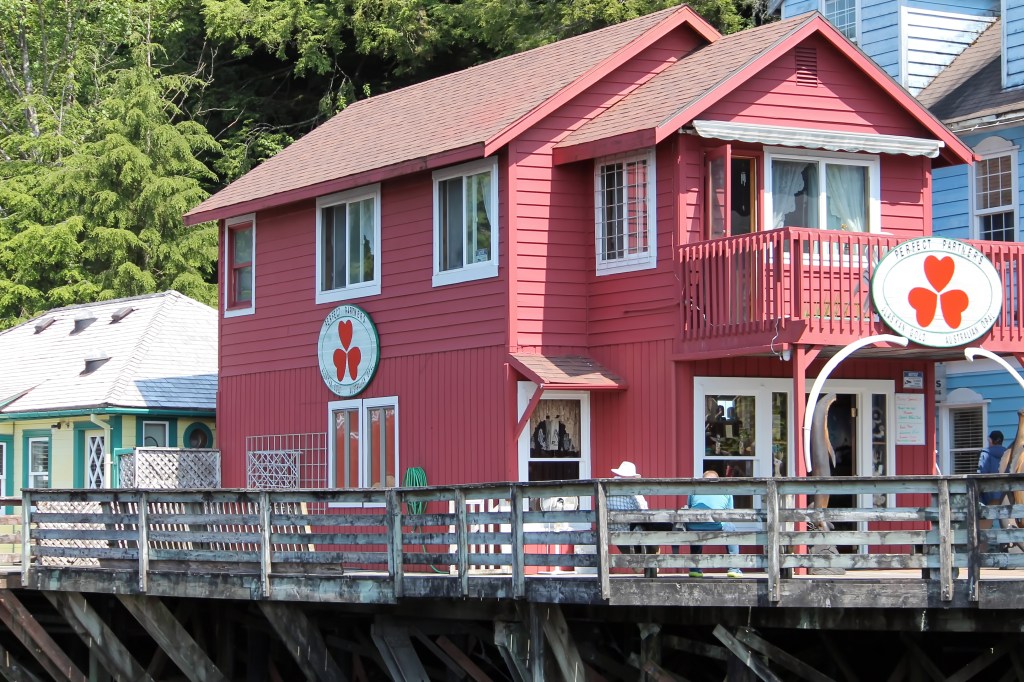
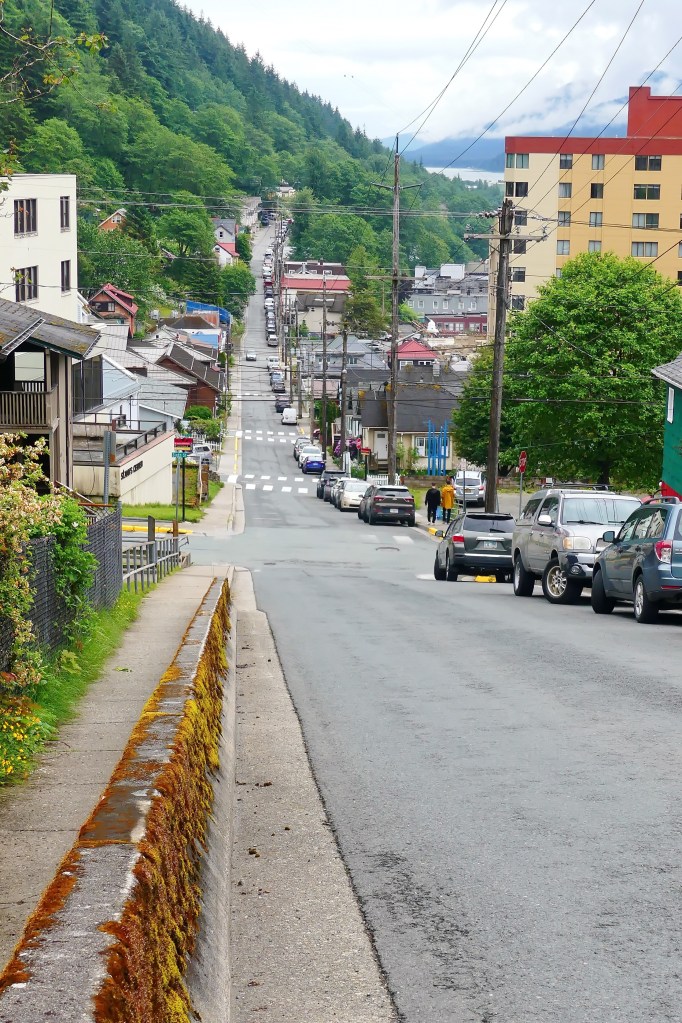
After a short shuttle ride into town, we found out our cruise ship was just one of five that had descended on this sleepy town and transformed it into a bustling hive of activity. Once past the cruise ship berths along the waterfront lined with souvenir shops and kitchy stores, we made our way towards the historic downtown area. Here we wandered through a lush, misty world of boardwalks along historic Creek Street and trails that seemed to spill right out of a storybook. The colourful and charming buildings on Creek Street are constructed on stilts over the creek, and this area was a bustling red-light district during the early 20th century.
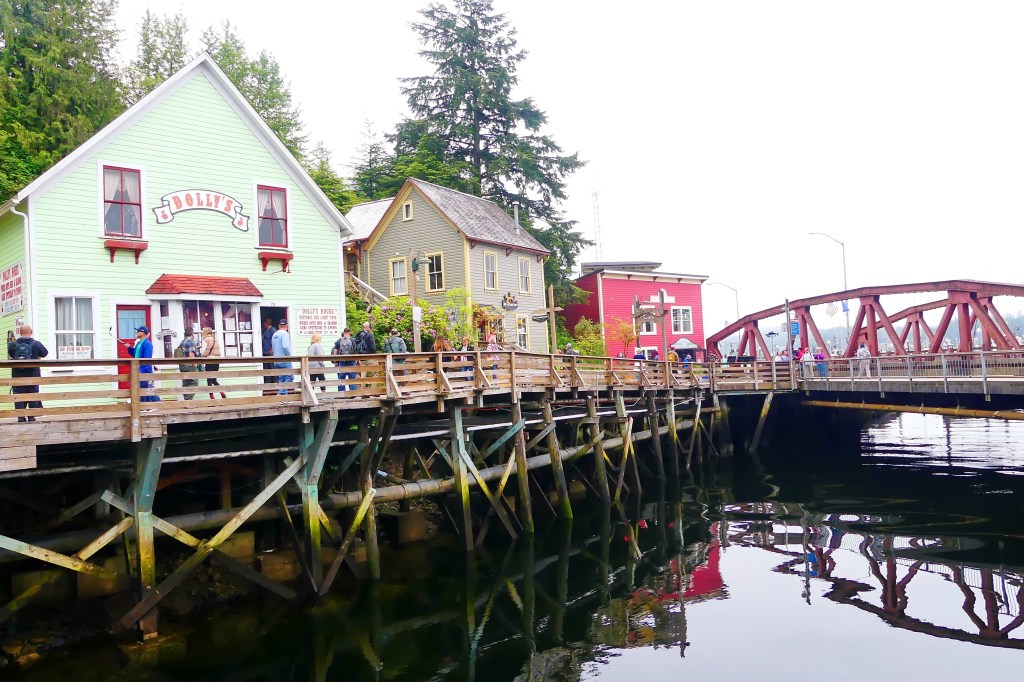
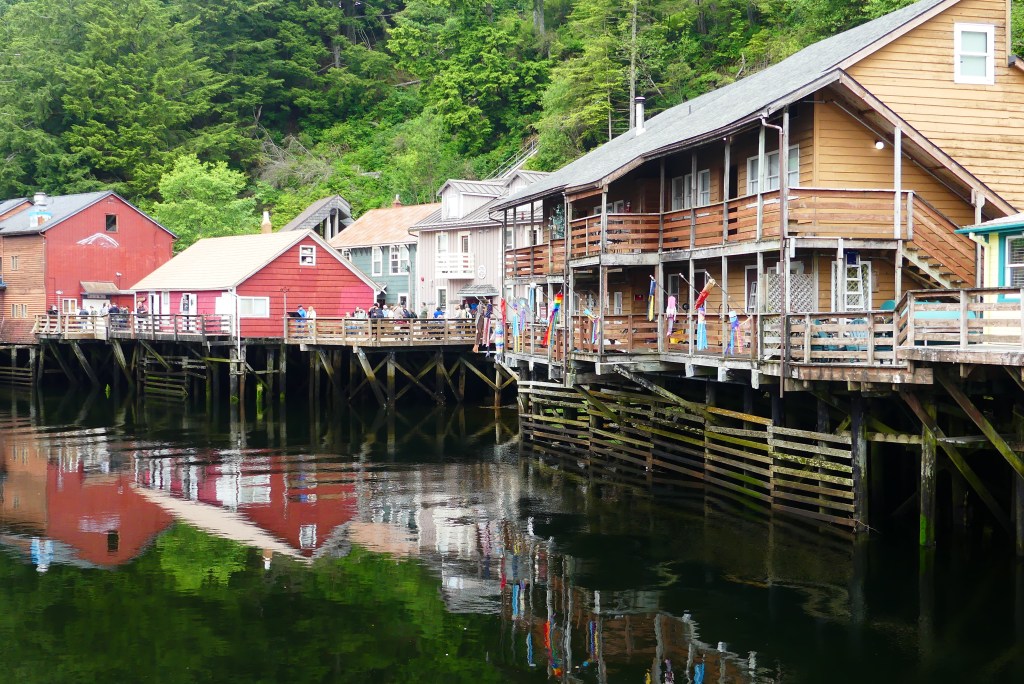
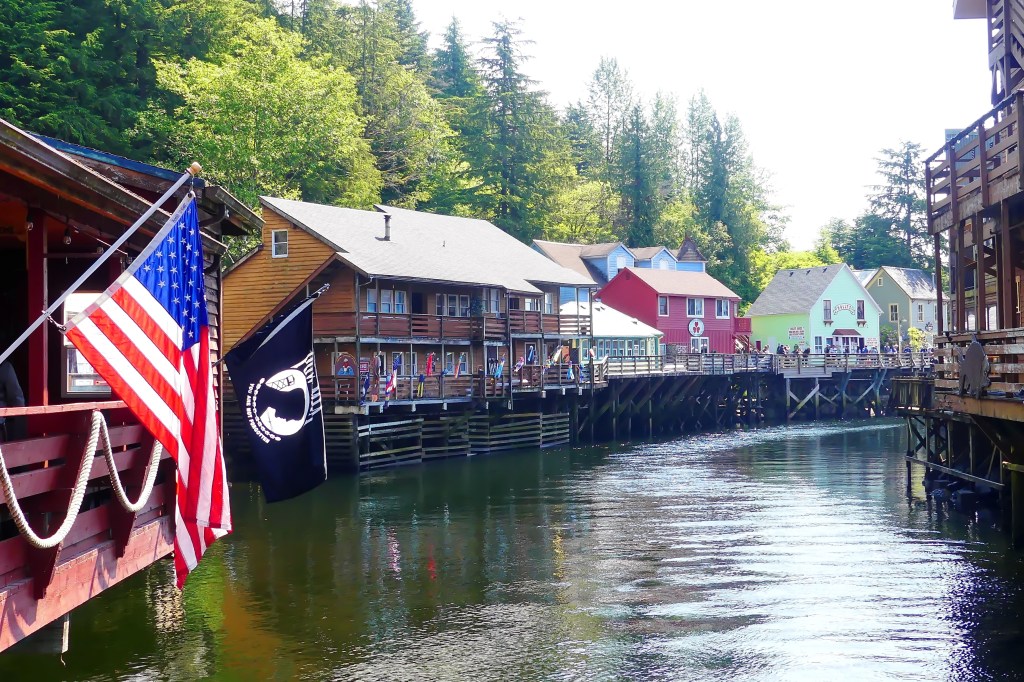
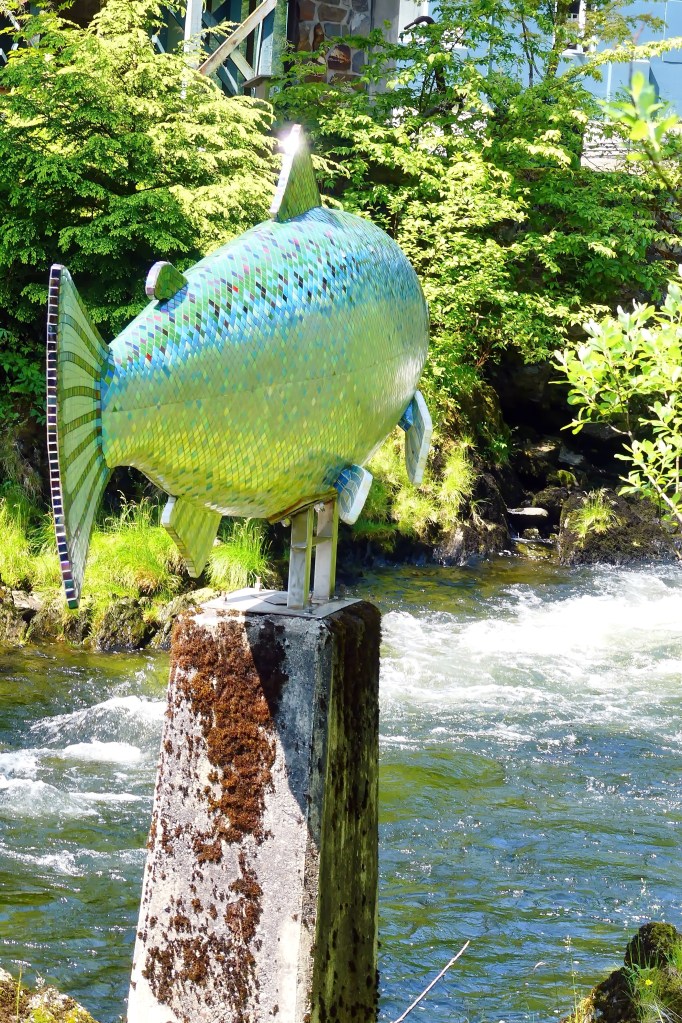
We meandered along the historic Married Men’s Trail (originally used by men sneaking to and from the brothels without being seen) and continued on to the Salmon Walk, which follows the creek further upstream, past a salmon ladder that helps the fish reach their spawning grounds. The salmon themselves were clearly still on vacation, as the run hadn’t quite begun yet and we didn’t see any.
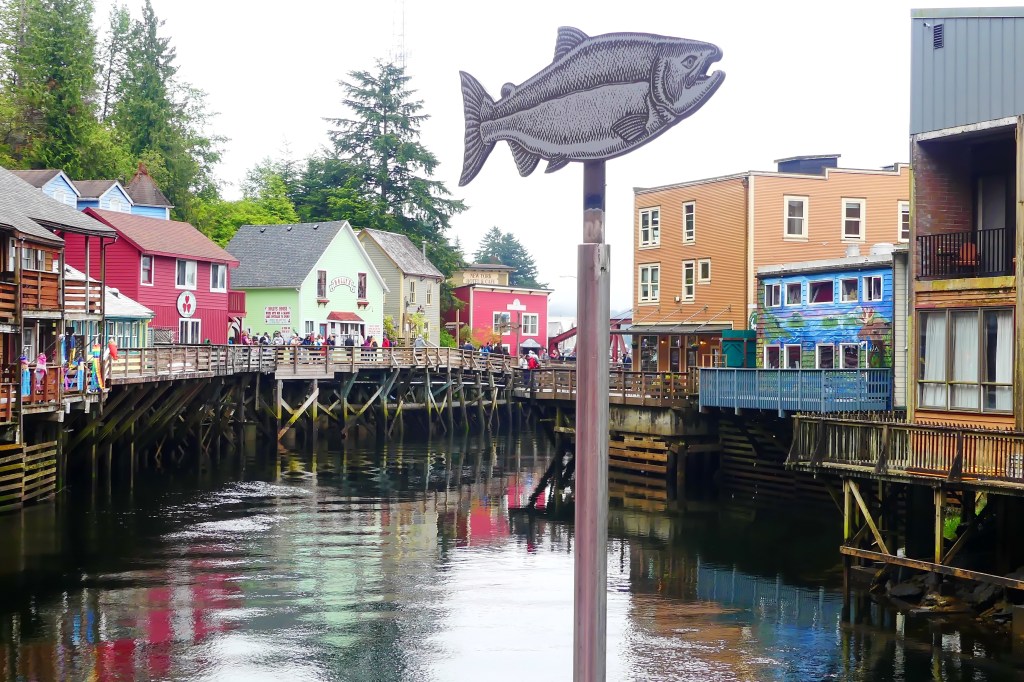
Ketchikan calls itself the “Salmon Capital of the World,” and even without the fish in action, the vibe is pure Alaska. The town itself grew up in the late 1800s around the fishing and canning industries, then flourished thanks to logging, tourism, and a whole lot of rain (seriously, it’s one of the rainiest places in North America). Its downtown boardwalks are lined with colorful stilted buildings built over the creek, once home to saloons and brothels, now hosting art galleries, coffee shops, and souvenir stores filled with everything from bear-shaped bottle openers to local carvings. We managed to taste a few free samples of the various salmon products on offer and they were delicious.
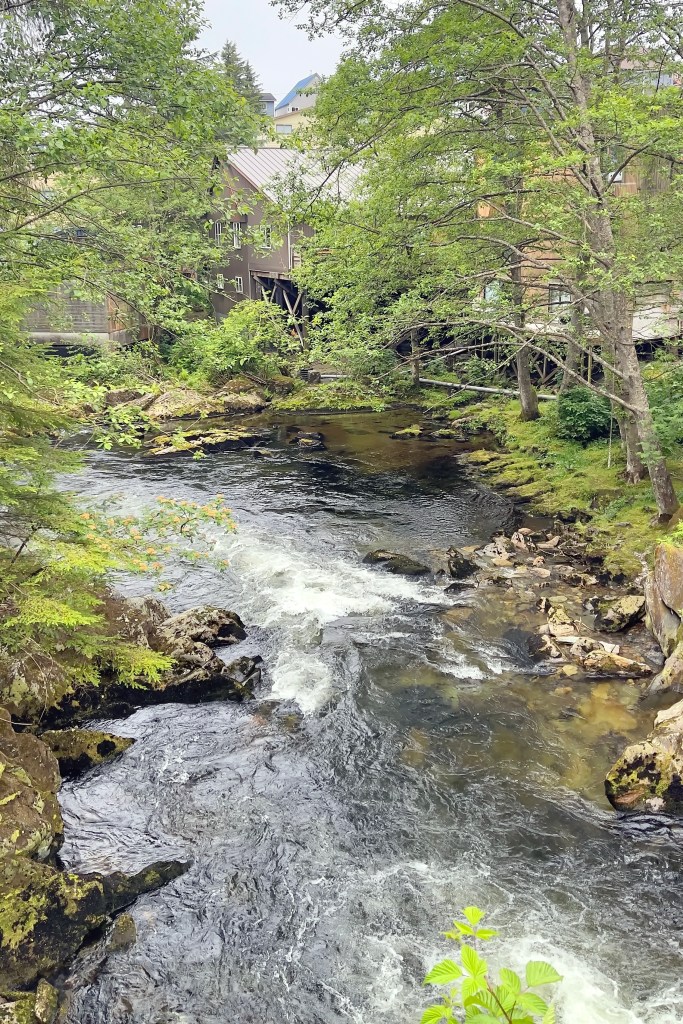
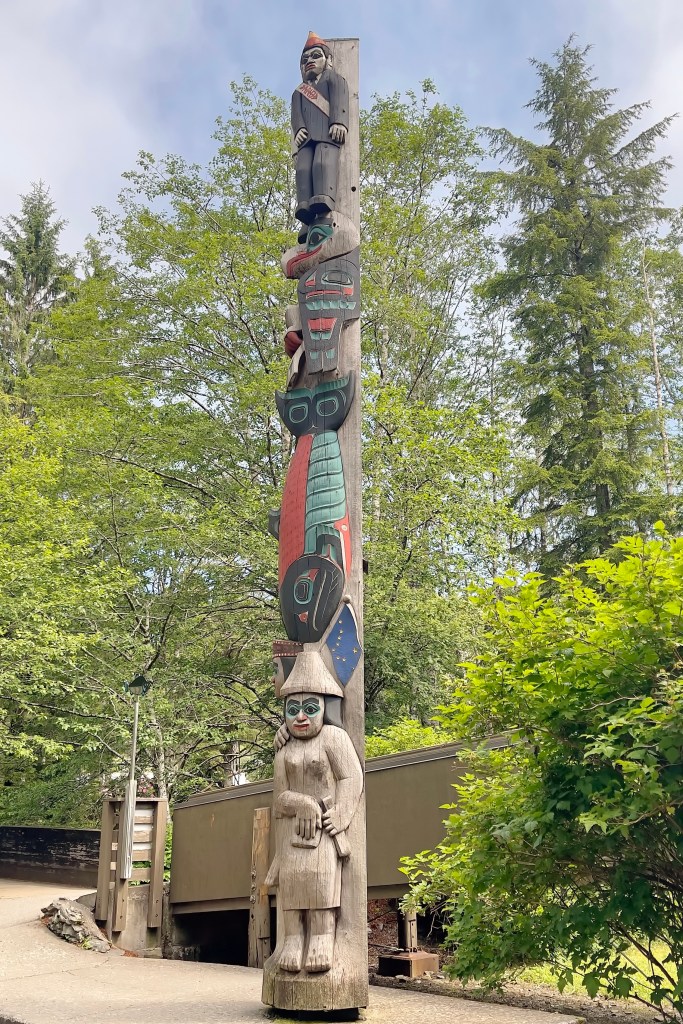
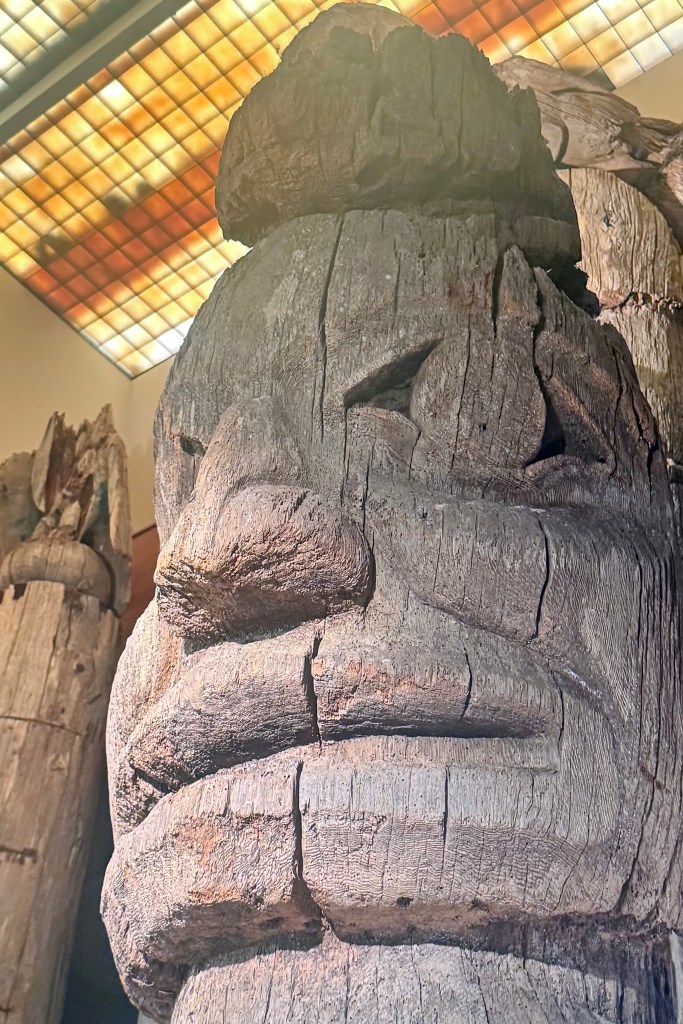
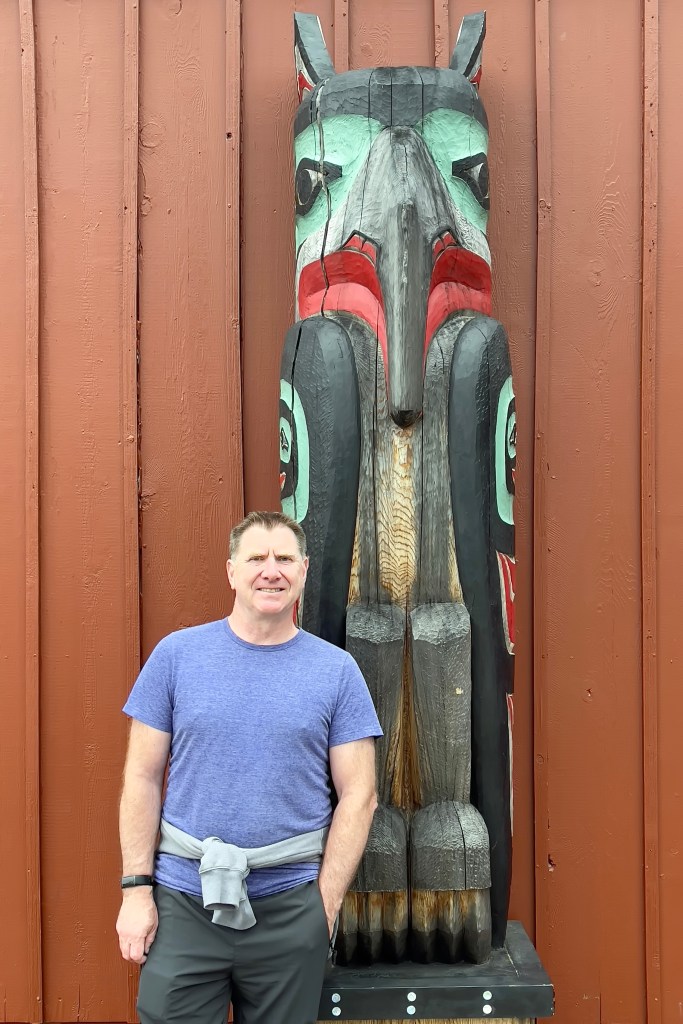
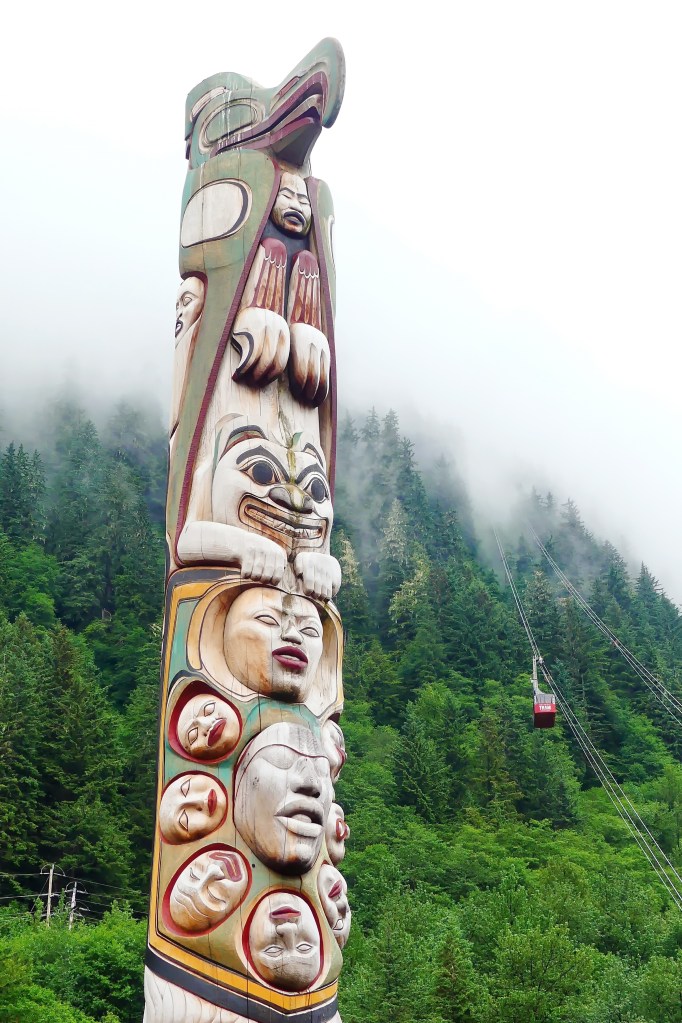
Along the Salmon Walk lies the Totem Heritage Center which houses and preserves a collection of unrestored 19th century totem poles. and incredible photographs of the old villages where the poles were originally located. This exhibition perpetuates the living artistic traditions of the Tlingit First Nations people and provides an insight into how the depictions on totem poles and different types of pole reflect elements of their culture and traditions. It was morbidly fascinating to learn about the ‘mortuary’ poles which have a recessed open area where a box containing cremated remains would be placed, thereby serving as both a tomb and headstone.
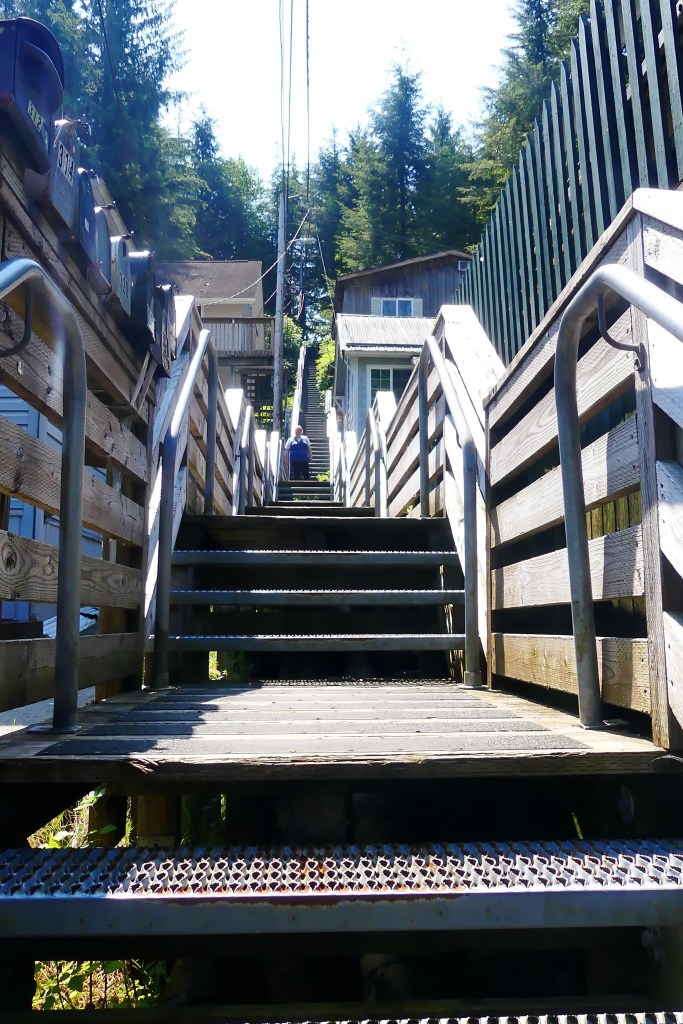
On our return back downtown, we followed a steep staircase up to a viewpoint overlooking a trail back down to Creek Street through the lush forest. Despite being so close to the main tourist area, this walk provided a respite from the crowds and a serene conclusion to our time in Ketchikan.
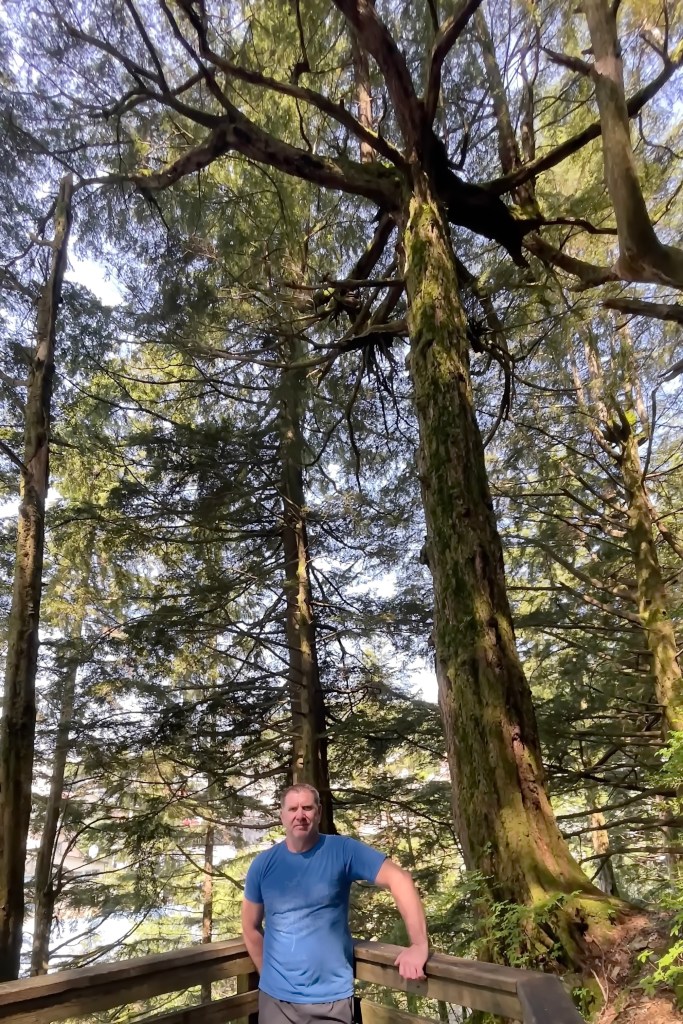
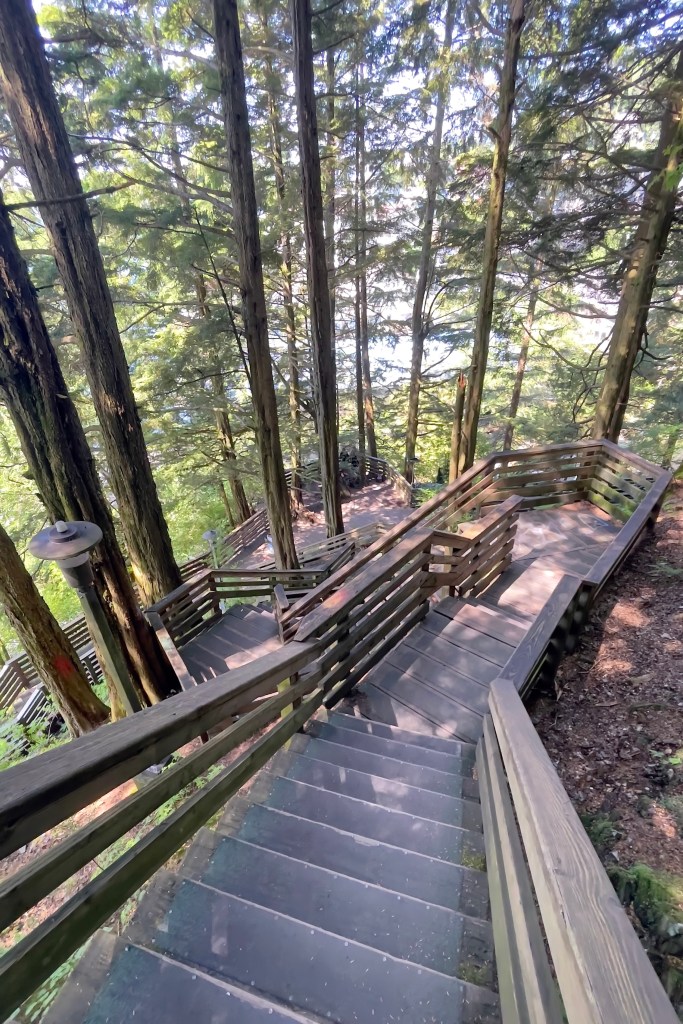
Even with eight of us moving in a slightly chaotic pack, it was easy to soak in the charm. Ketchikan feels like a place where the forest is always creeping back in – trees, moss, waterfalls, and history all tangled together in the best possible way.
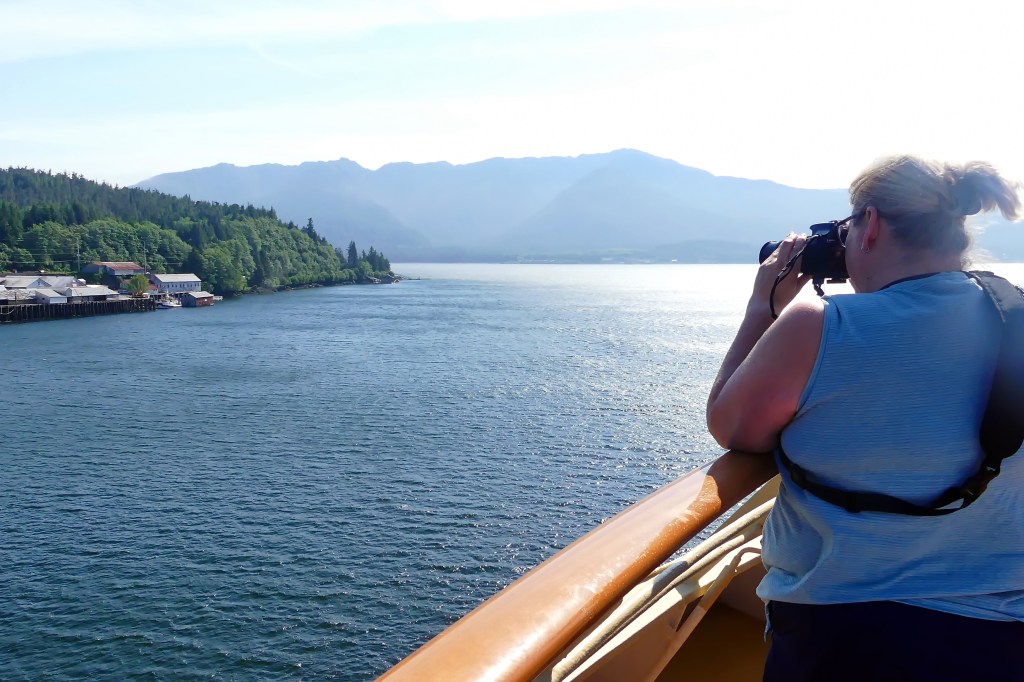
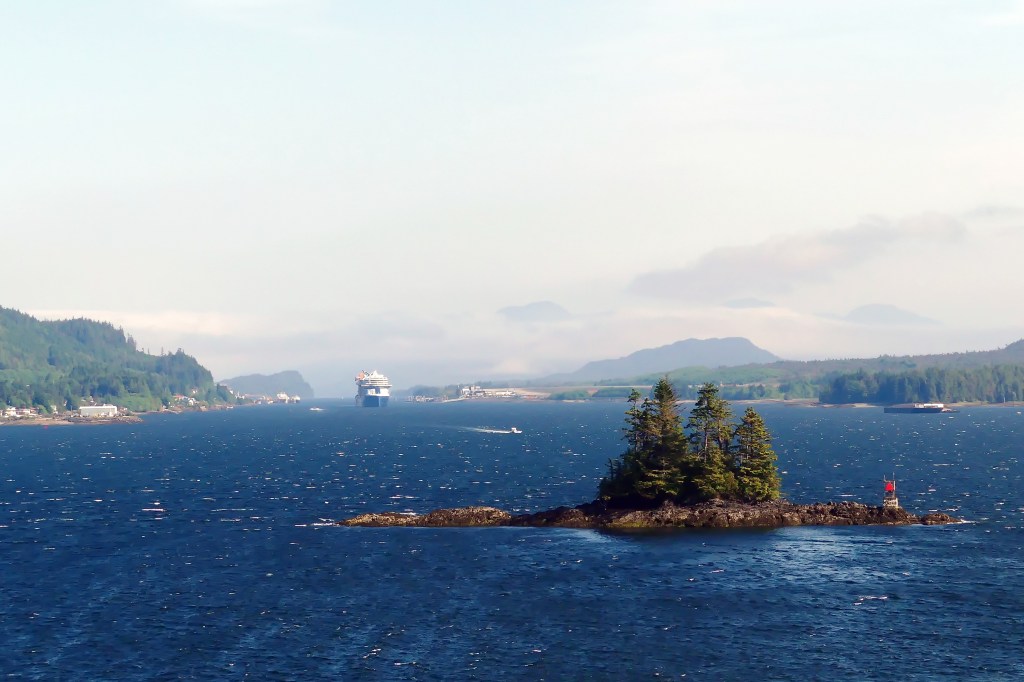
Leaving port in the late afternoon, we stood on deck to admire the stunning scenery and take advantage of the uncharacteristically warm and dry weather.
Icy Strait Point & Hoonah Village: Where Industry Meets Culture
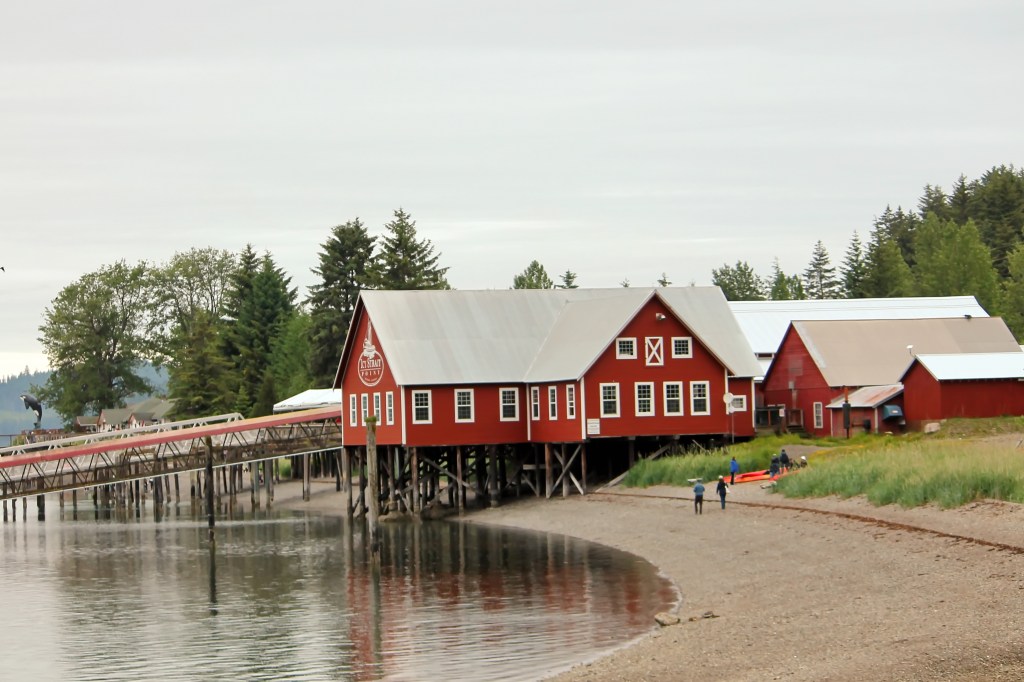
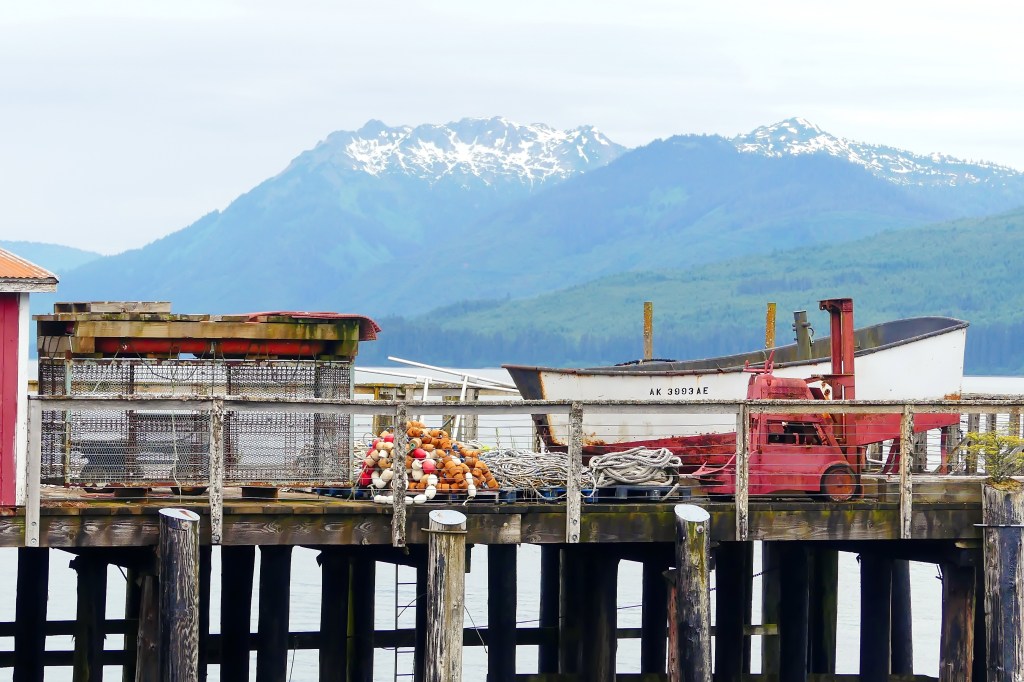
Our next stop was Icy Strait Point, a polished little port built specifically for cruise passengers, complete with boardwalks, souvenir shops, an orca whale statue, and a very expensive zipline from the mountaintop down to the terminal buildings. The whole area has a fascinating backstory; it used to be a salmon cannery that operated for decades before being shut down and eventually revived as a tourism destination by the local Alaska Native corporation. Nowadays, the aroma of freshly cooked fish emanates from the cookhouses and cafes along the waterfront.
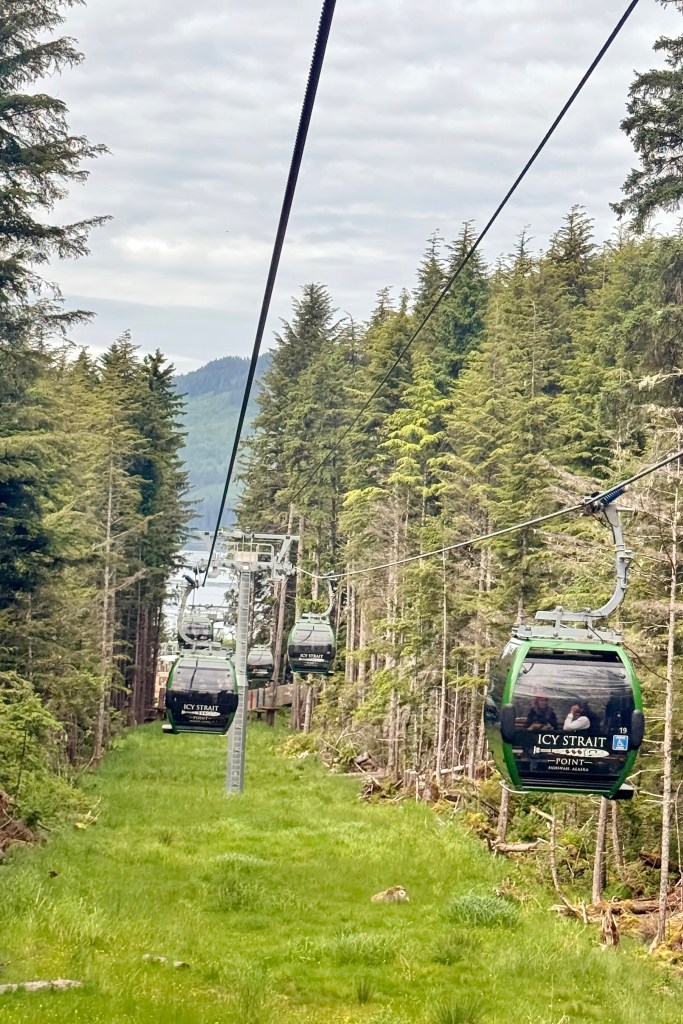
Although there was a pleasant nature walk through the trees to the cannery buildings, on the way there we elected to take advantage of the free gondola transporter from our ship to the far end of the harbour. Here, the remnants of the cannery buildings have been repurposed into modern spaces that blend local culture with visitor comforts, including an informative museum showcasing exhibits and detailing the history of salmon fishing in the area.
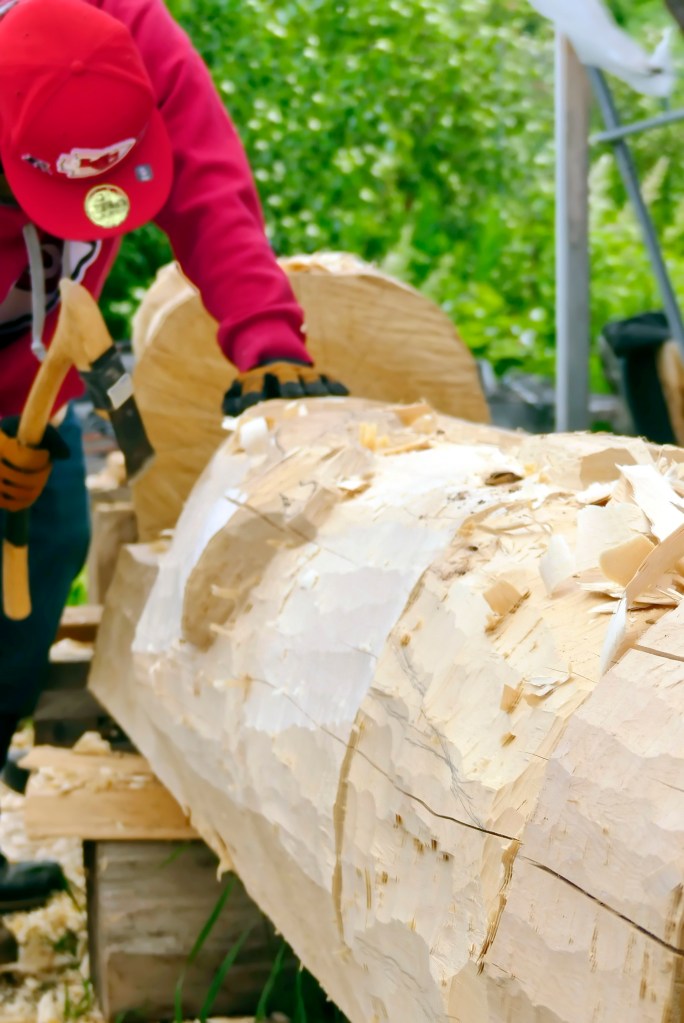
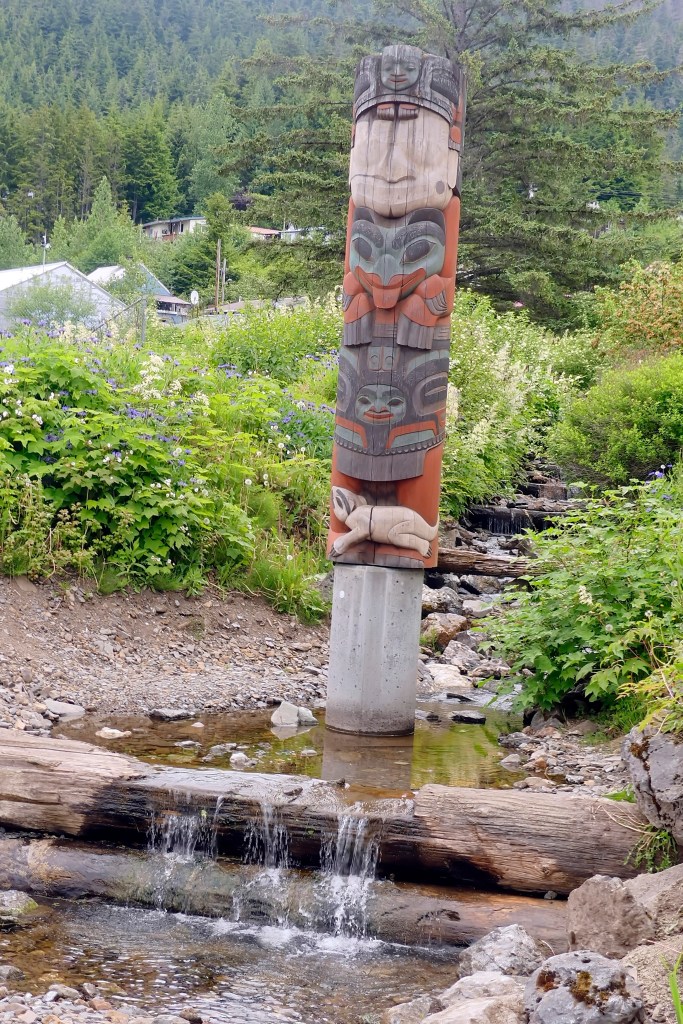
Wanting a more authentic experience, we then skipped past the ziplines and wandered past the other cruise crowds, taking the mile-and-a-half walk along the shore to nearby Hoonah Village. The town has deep roots, settled generations ago by the Huna Tlingit people after they were displaced from Glacier Bay by advancing glaciers. Today, Hoonah is a quiet fishing village, with signs of everyday life scattered along the shore, boats in the harbor, laundry on lines, and locals waving from porches. Right in the middle of Hoonah is the truly unique experience of seeing local Tlingit carvers at work and getting some insight into their culture and the purpose of these gorgeous works of art. There are also many beautiful totem poles, as well as murals painted by locals, all around this unassuming little town.
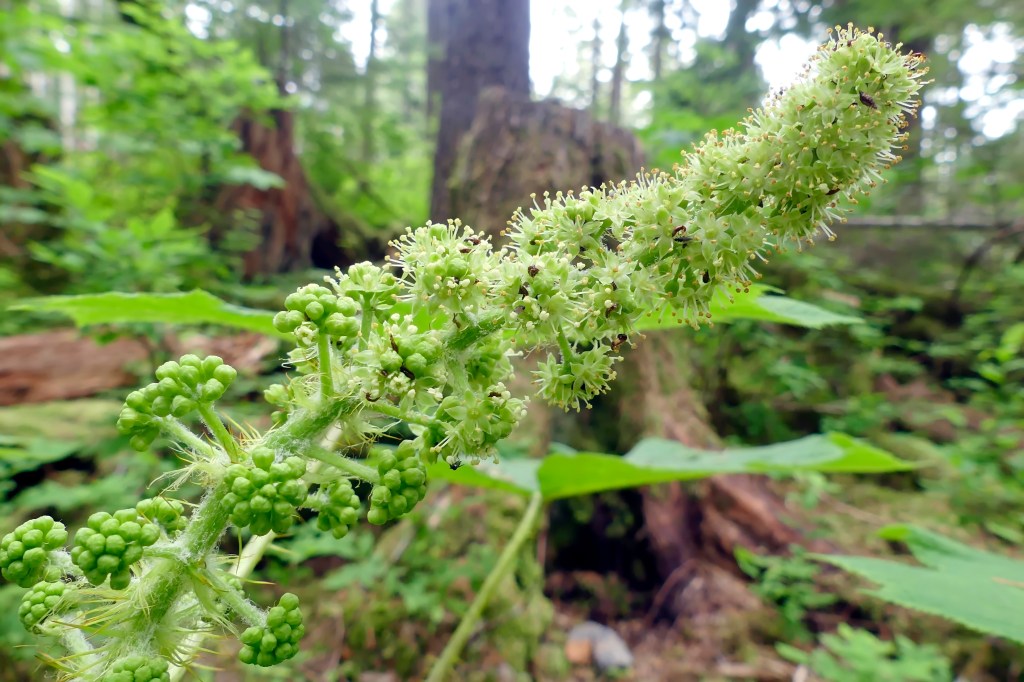
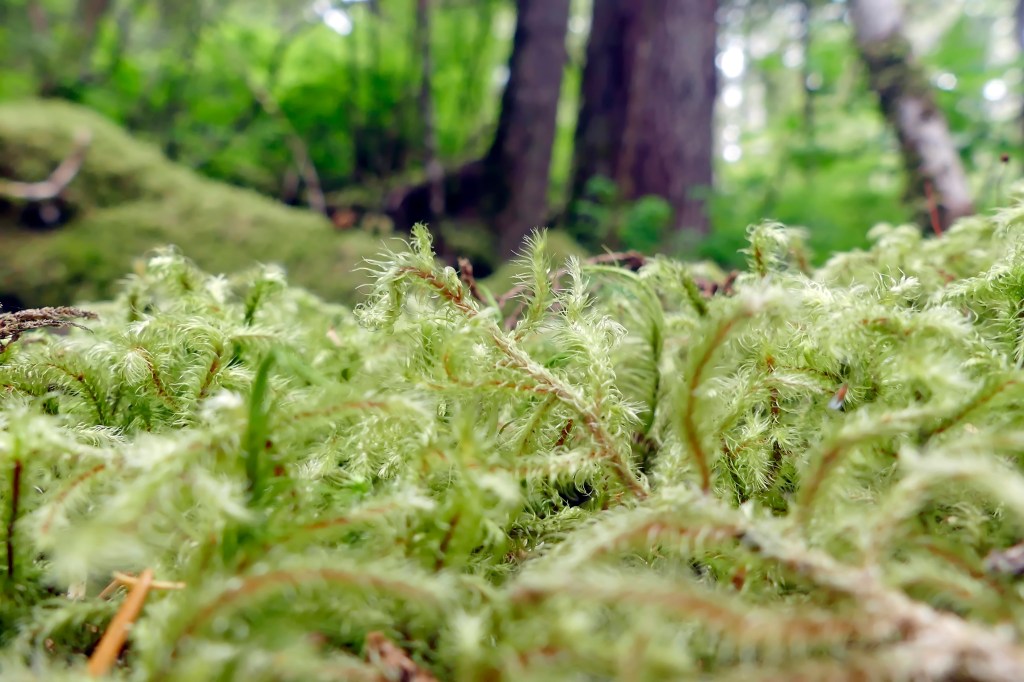
After exploring the few streets and small harbour, we took the shuttle bus back to the port and walked through the lush rainforest trail that winds among the trees below the gondola. The flourishing ferns and moss of the undergrowth hinted at new life through a palette of green – buds thrusting, vines curling and tendrils grasping.
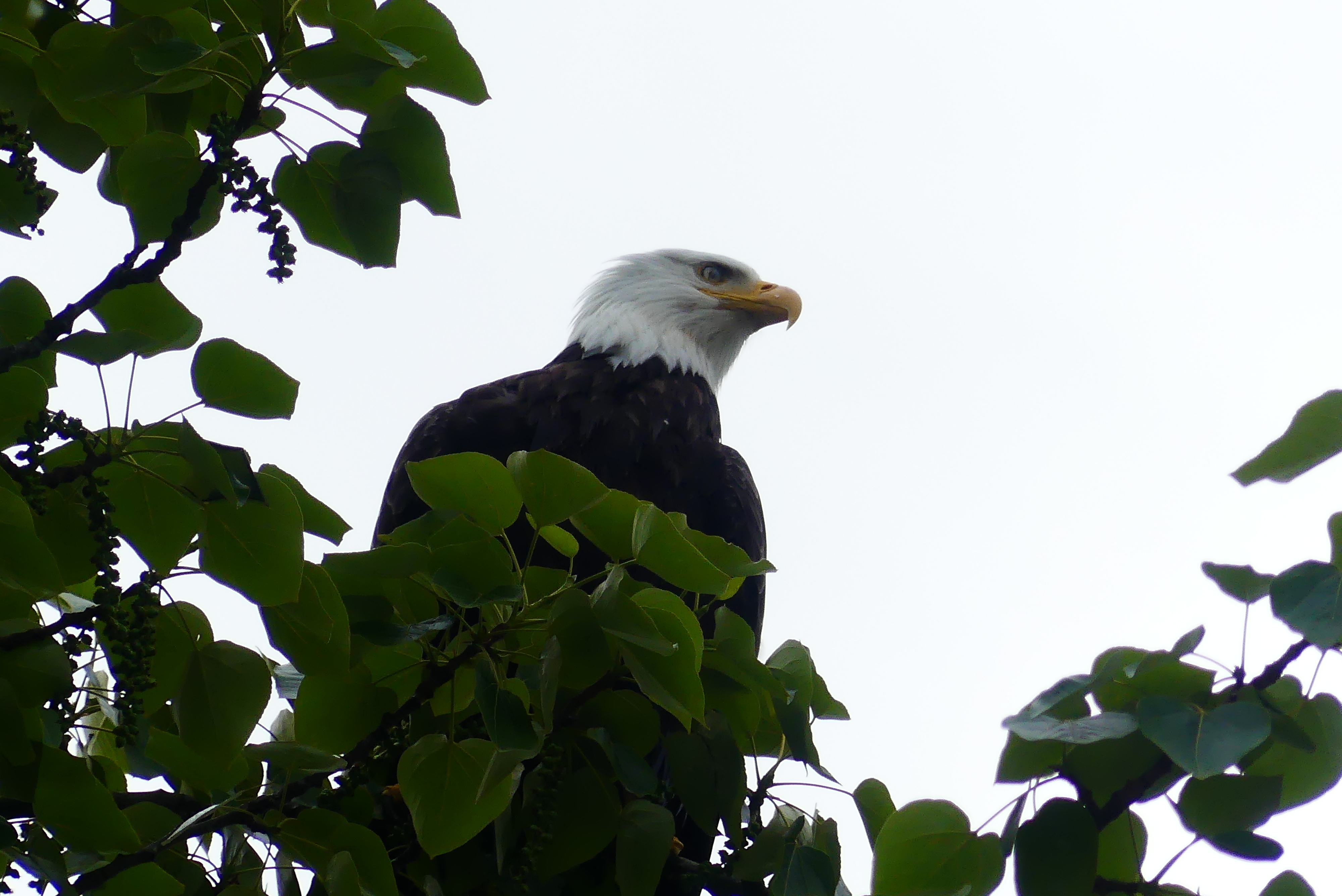
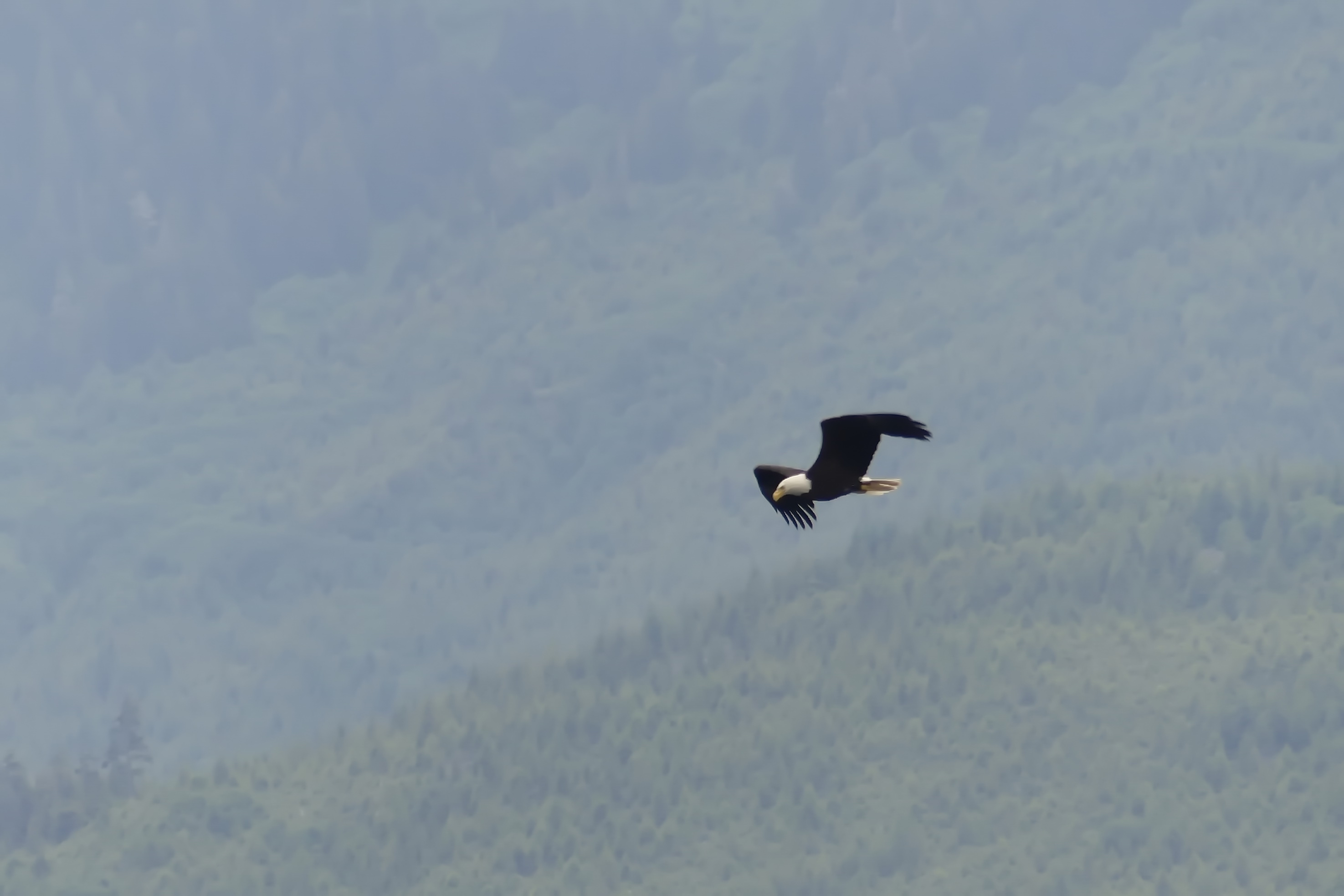
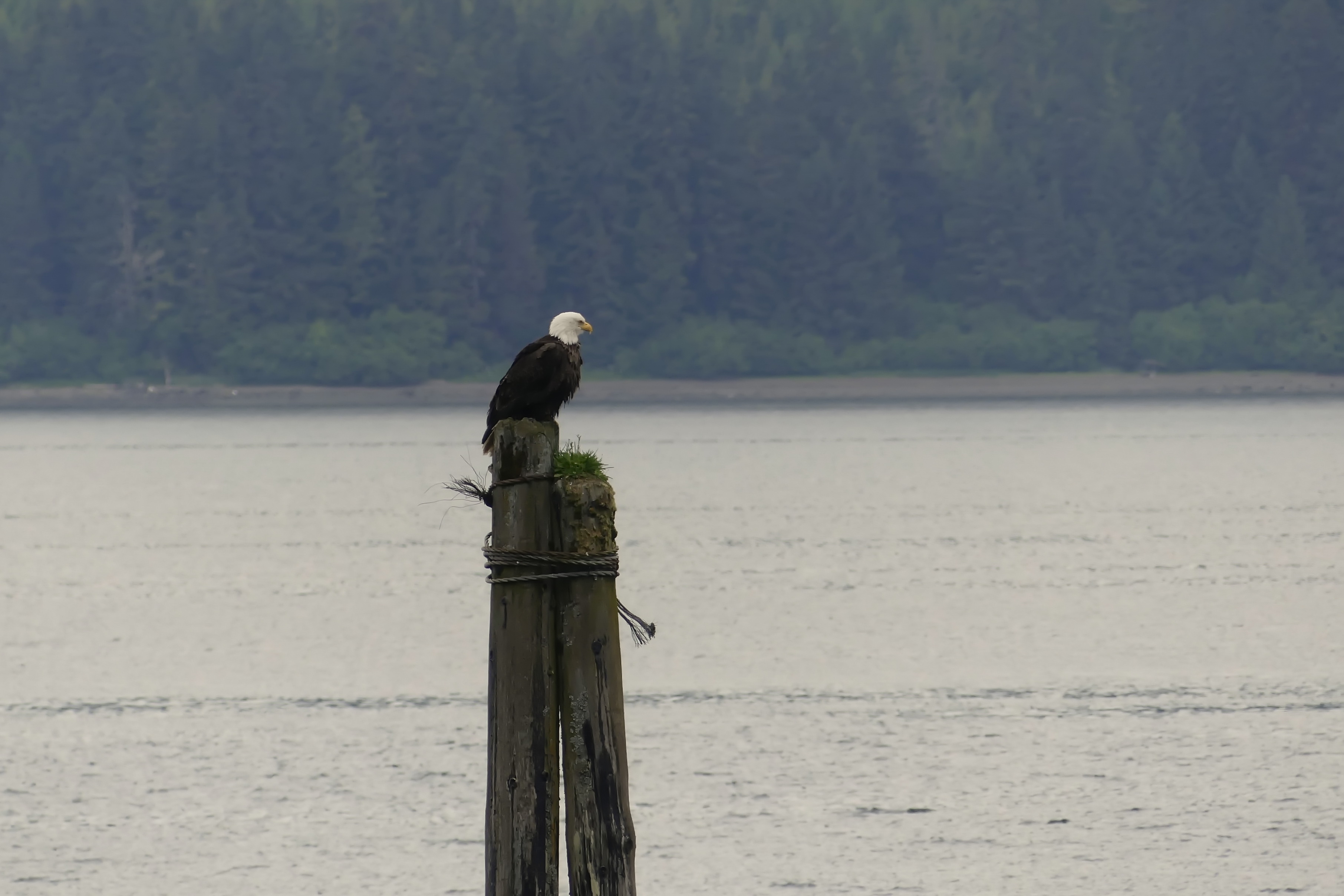
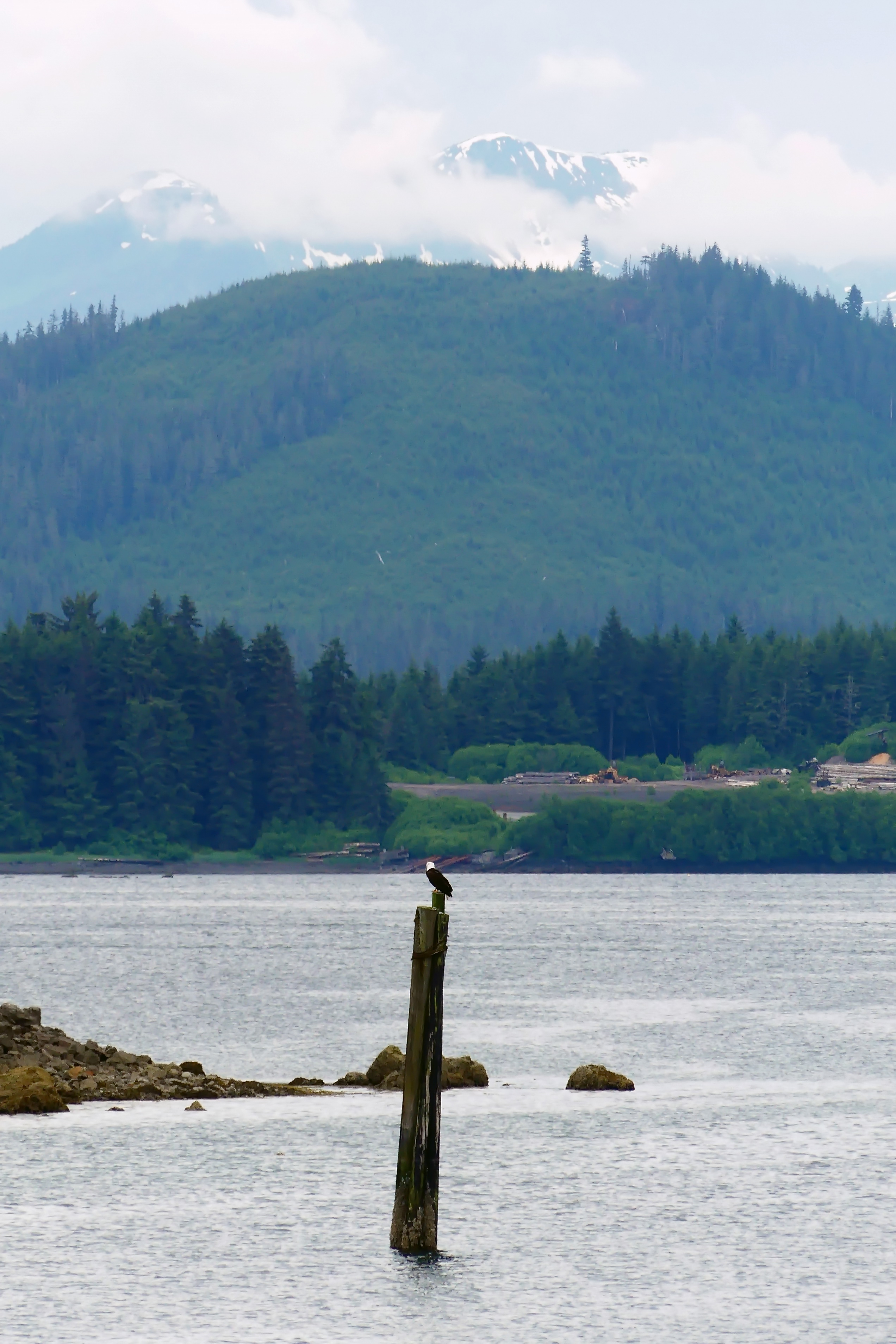
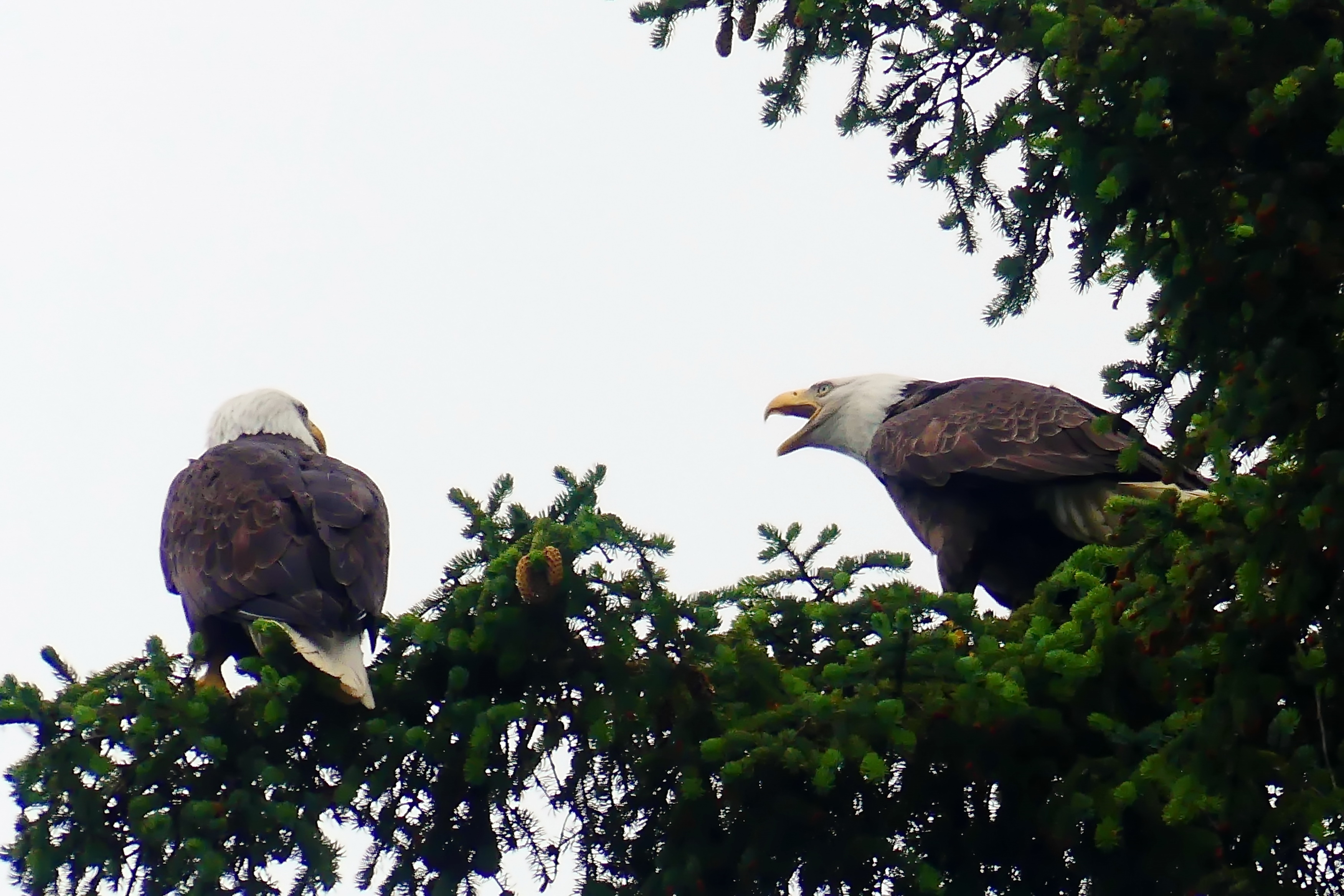
Before heading back aboard the ship, we couldn’t resist a little treat from one of the snack stands: the mini donuts fresh from the fryer. I went for coconut, Keith chose maple-bacon, and we both agreed: nothing pairs better with Alaskan air than warm sugar and a view of the water. But the real stars of the day were the bald eagles, perched on poles and treetops and circling overhead like they owned the place (which, honestly, they kind of do).
Juneau – Glaciers, Gold, and a Pre-Breakfast Adventure
Juneau is one of those places that feels like it shouldn’t exist, and yet, there it is: Alaska’s capital city, nestled between towering mountains and massive glaciers, with no road connecting it to the rest of the state. Founded during a gold rush in the 1880s, Juneau boomed thanks to prospectors and eventually became the capital in 1906. Today, it’s a unique mix of government, history, and outdoor adventure, where locals get around by boat or plane, and cruise passengers flood in for a day of exploring.
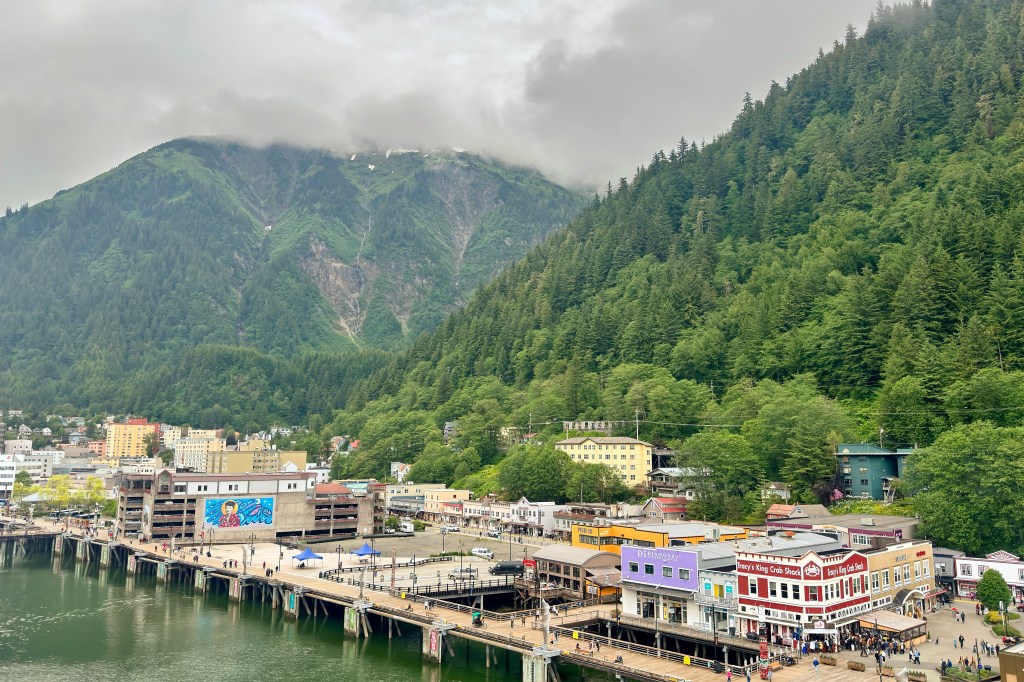
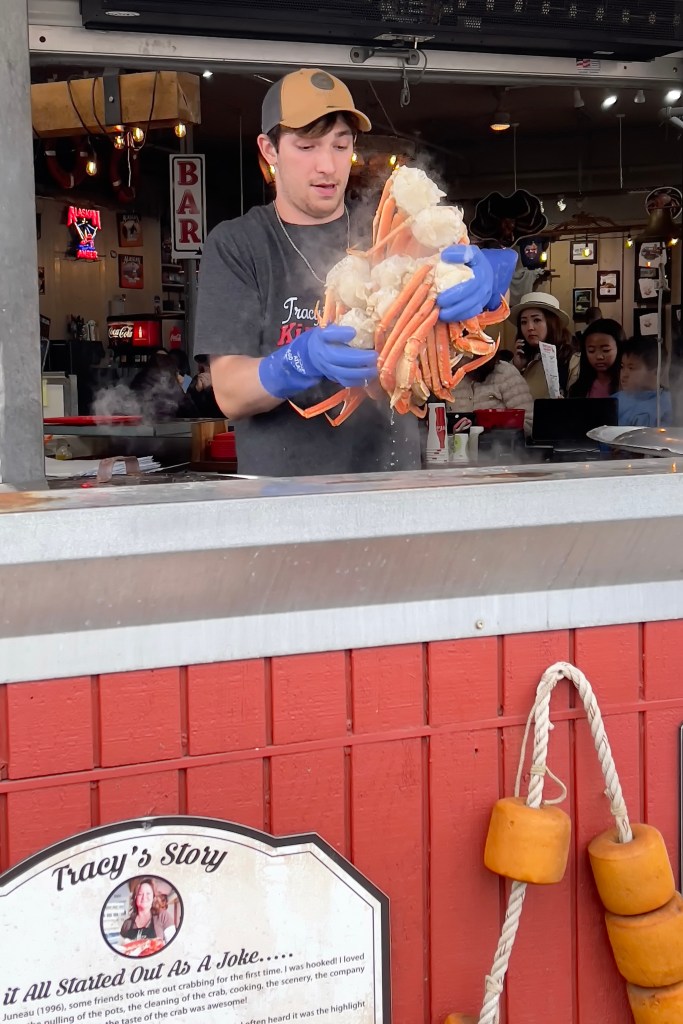
There’s no shortage of things to do off the cruise ship here. You can hop a tram up Mount Roberts for sweeping views, stroll through the historic downtown full of shops, crab shacks, and bars, or head out on a tour – the chice is yours: whale-watching amongst the islands, kayaking along the harbour channel, or flightseeing over the nearby icefields. But we had one immediate priority: getting to the Mendenhall Glacier before the crowds.
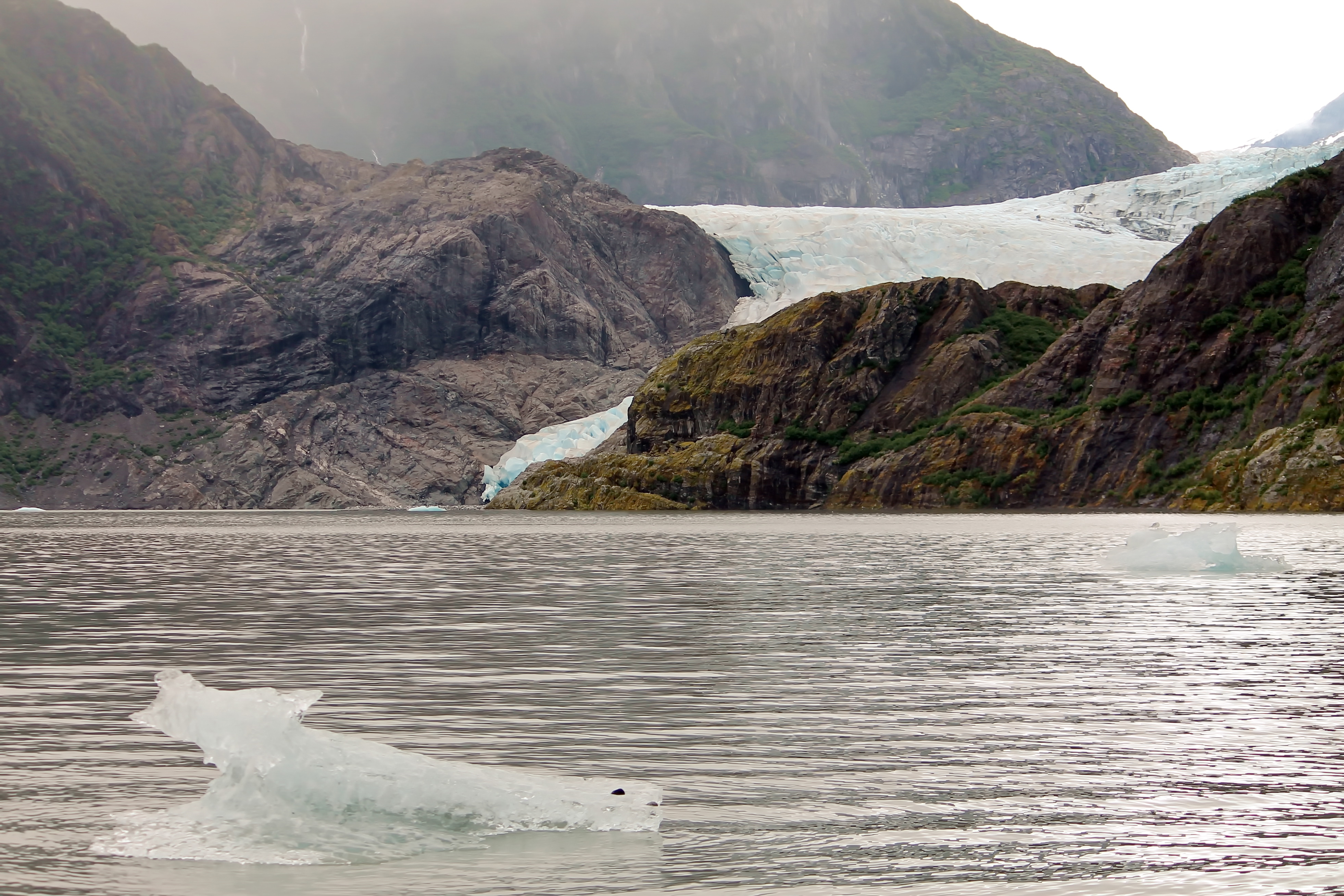
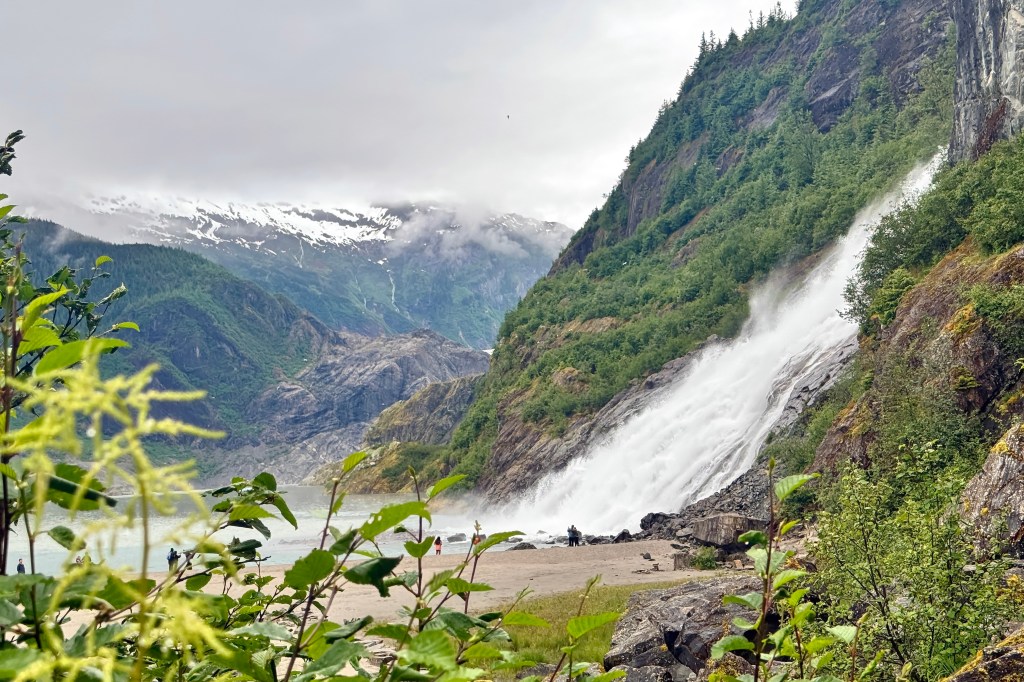
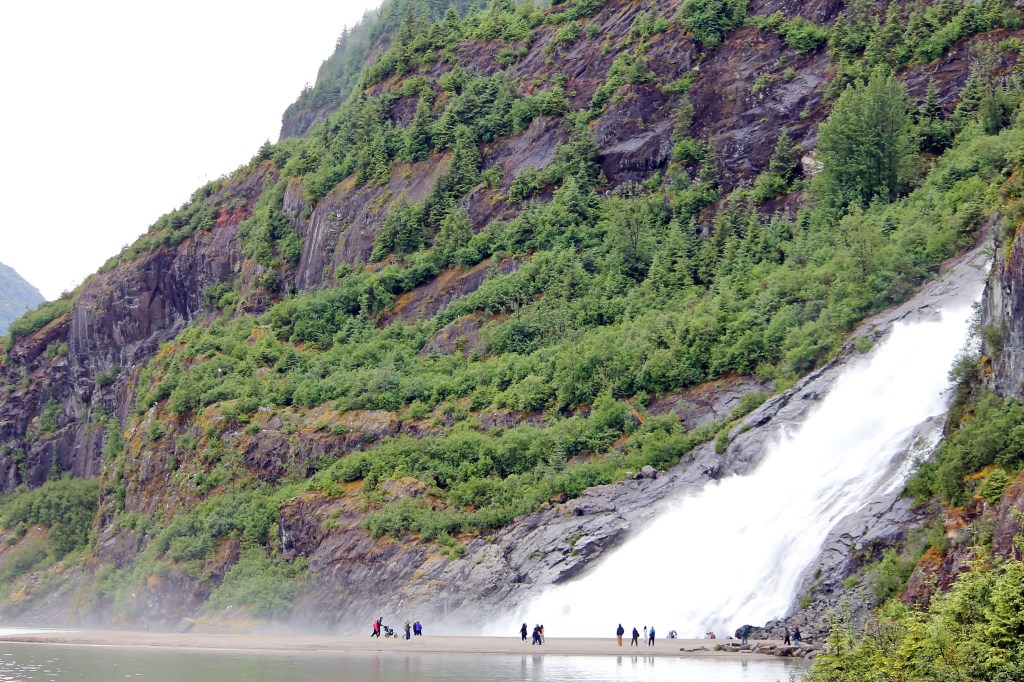
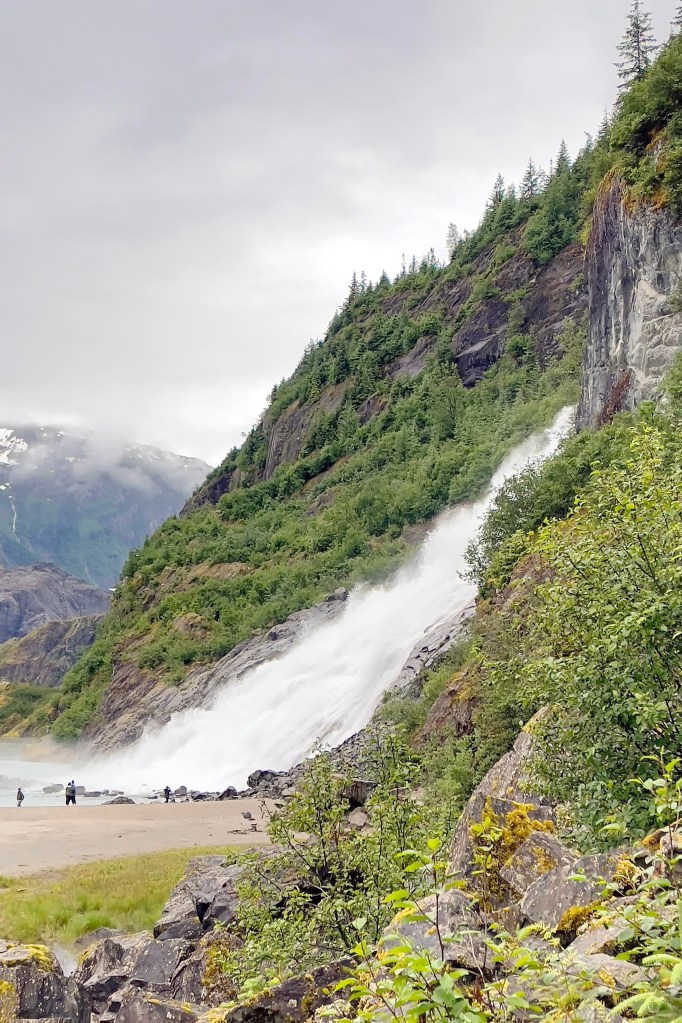
Located around 12 miles from downtown Juneau, the Mendenhall Glacier lies like a frozen river trapped in time, a vast tongue of ice spilling down from the jagged mountains of Alaska’s Coast Range. We grabbed a cab early in the morning and made it to the glacier where we found an empty visitor center parking lot! It was just us (and a few others who has also chosen the taxi option), the serenity of the landscape, the majesty of the glacier, and the thundering of Nugget Falls nearby. Even from a distance, the scale of the glacier is hard to put into words. It gleams in hues of icy blue, ghostly white, and shadowed gray, It is constantly shifting, with chunks calving off into the lake below.
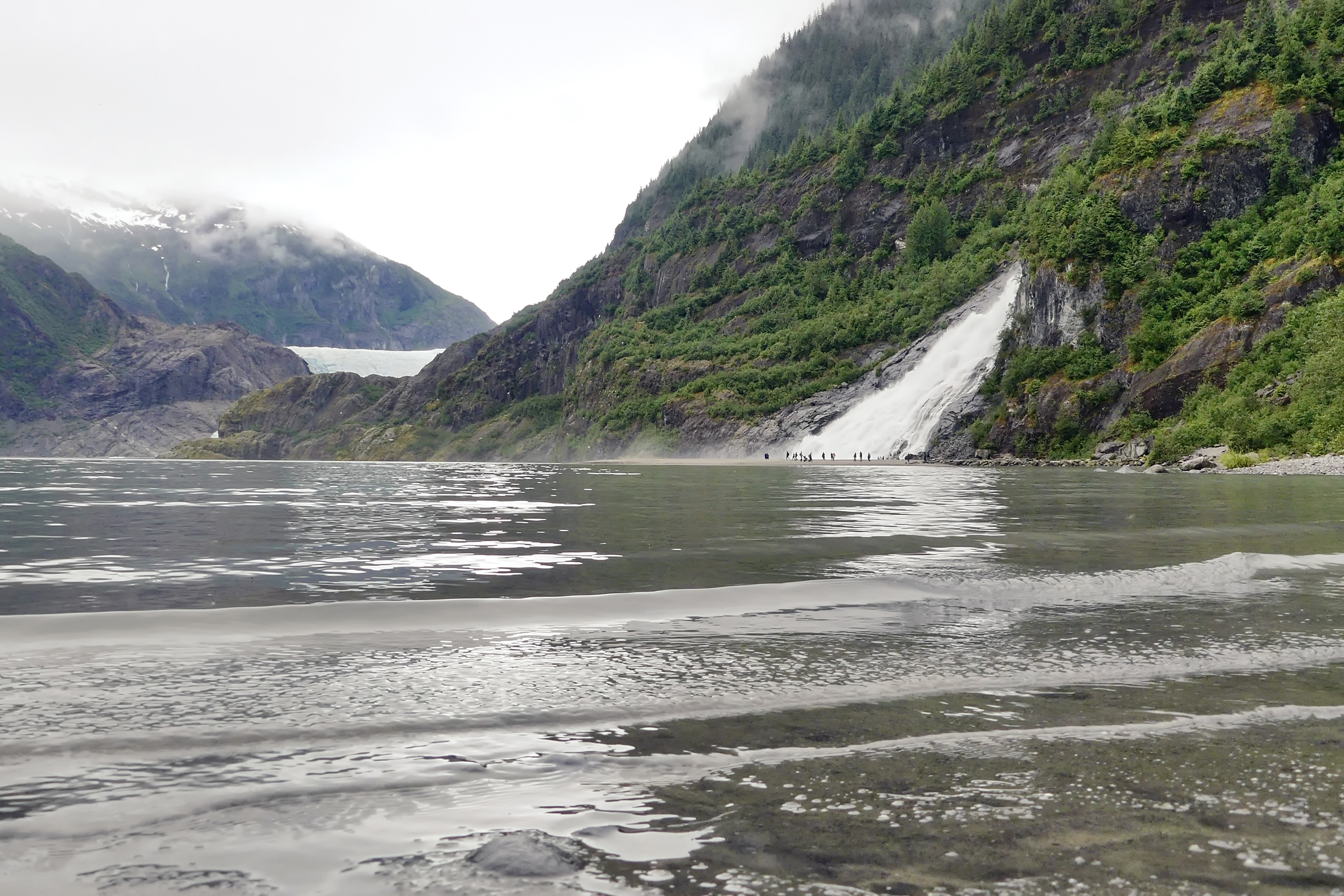
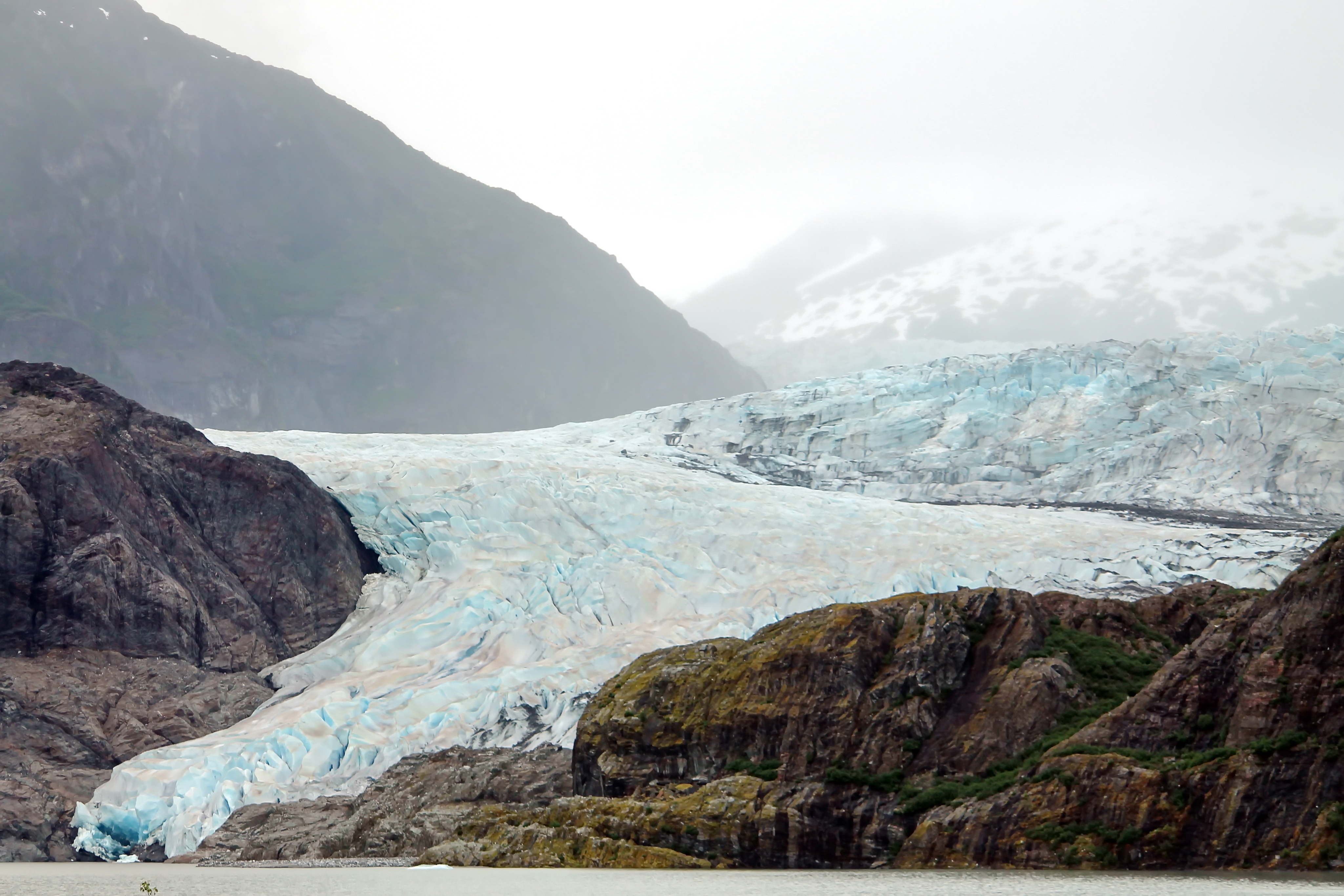
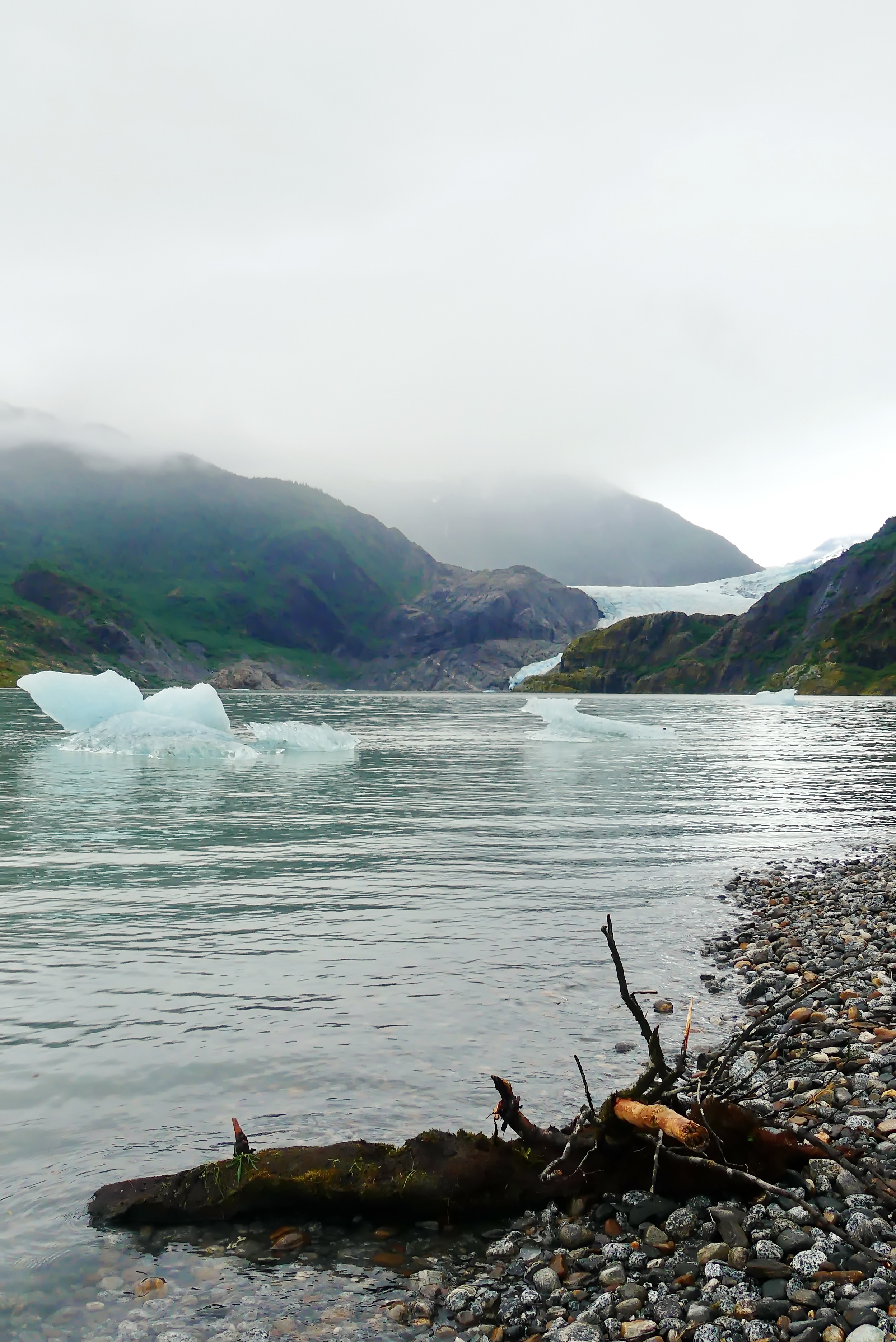
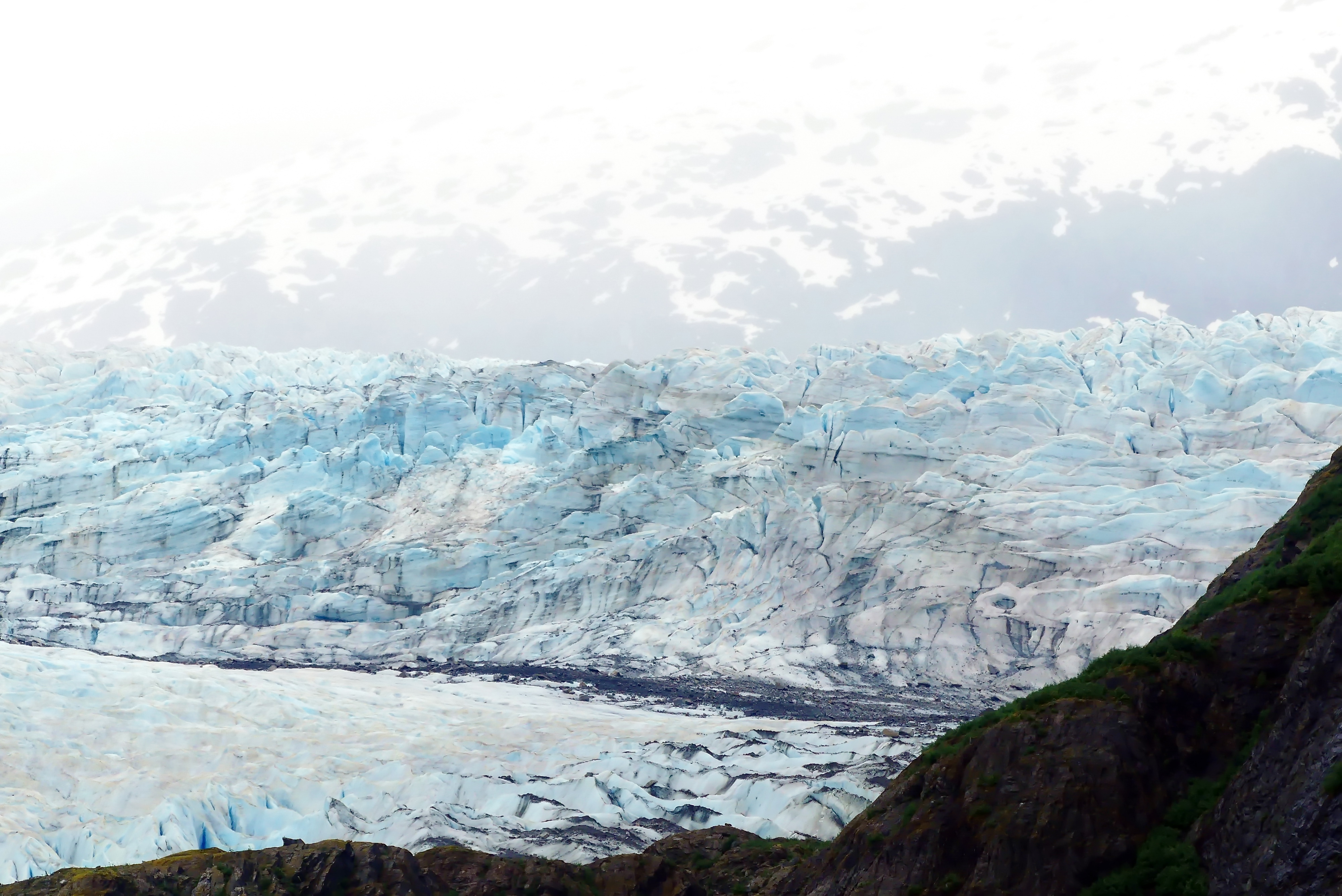
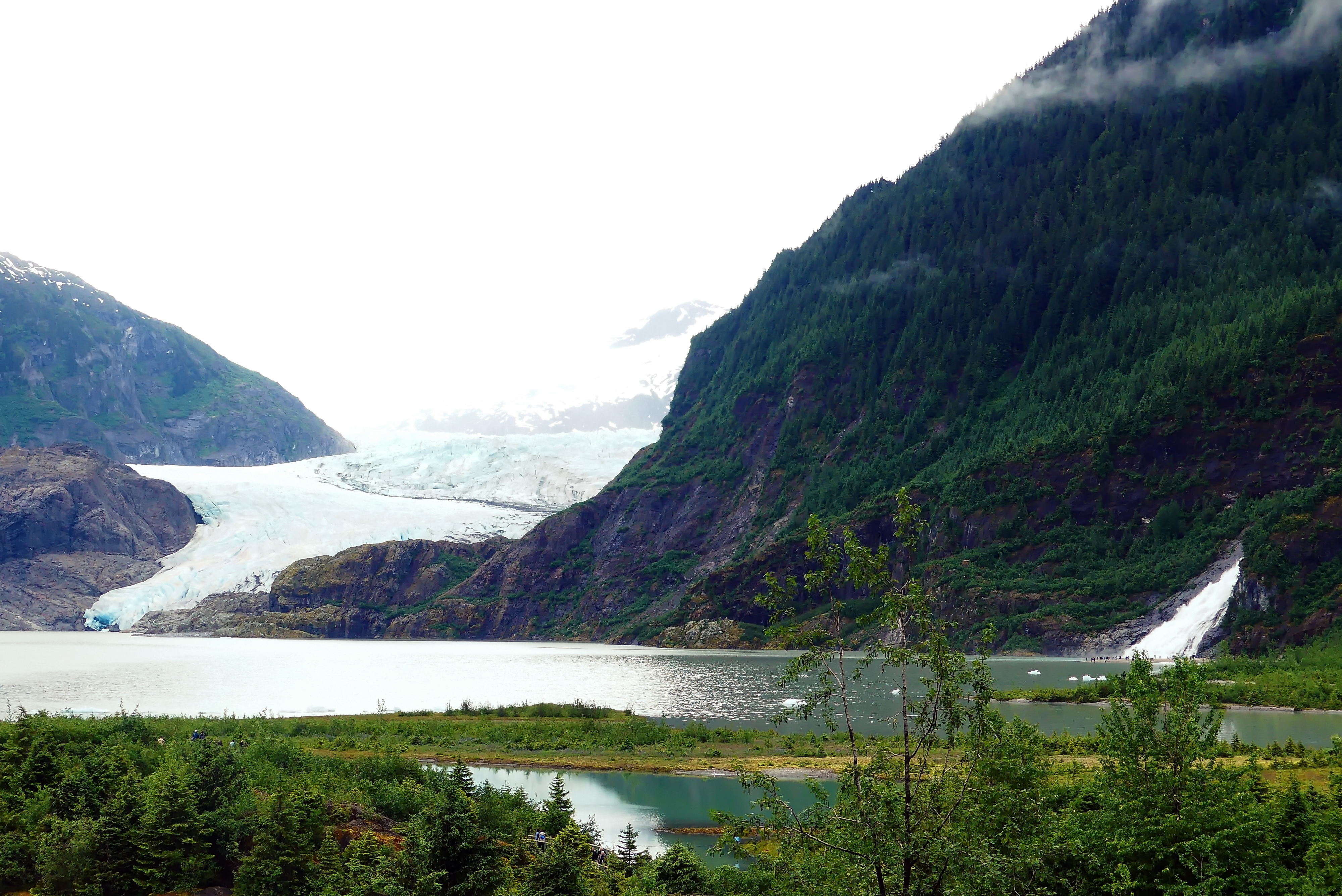
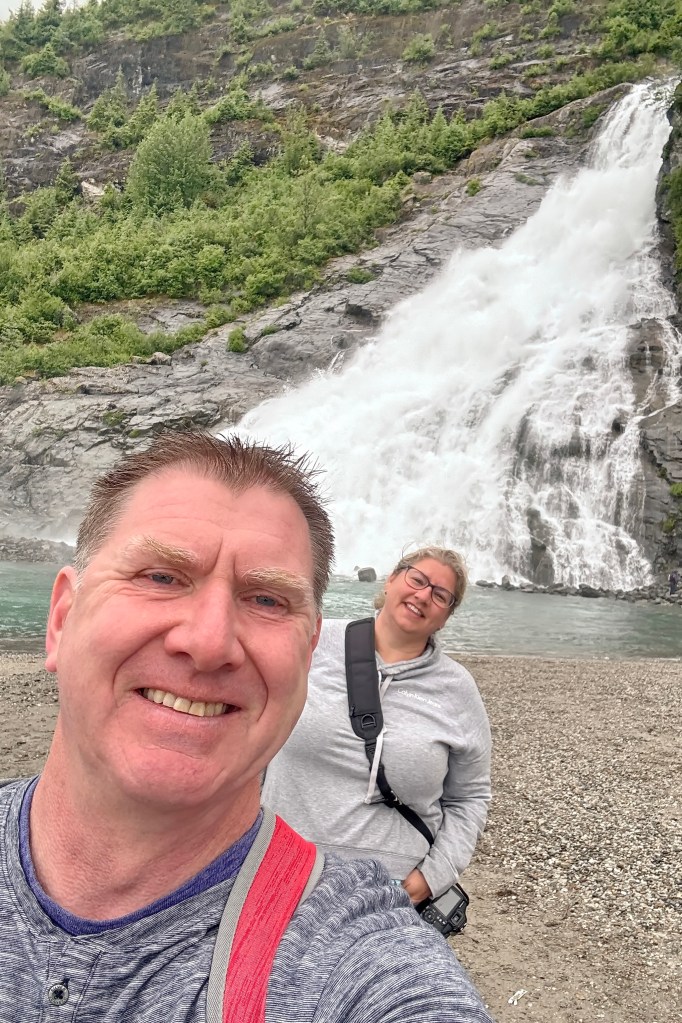
We stared in wonder for a while then followed the winding path to the roaring Nugget Falls and stood on the pebbled lakeshore where the rushing cascade crashes into the lake. The glacial meltwater and misty spray made the whole place feel alive. After soaking it all in and snapping our photos, we headed back to the ship just in time for breakfast, because what’s better than glacier and waterfall views followed by a buffet?
Later in the day, we returned to town to explore the colorful streets, pick up a few souvenirs, and step into a few of the charming local shops. One delicious highlight? The cookies at the Alaskan Fudge Company – fresh, sweet, and perfectly chewy.


Sitka – Russian Roots and Small-Town Charm
Our final stop was Sitka, a place that felt less like a cruise destination and more like a real Alaskan town that just happened to let us visit for the day. Tucked between the forested mountains and the sea, Sitka is a quiet, walkable town with a surprisingly deep history. Long before Alaska was part of the U.S., Sitka was the capital of Russian America. It was here, in 1867, that the official transfer of Alaska from Russia to the United States took place, a moment still commemorated in town with a reenactment every year.
We made our way up to the hilltop site where Baranov Castle once stood—although there’s no castle left to see, the views out over the harbour are still pretty spectacular. All that remains now are a few interpretive panels that walk you through the area’s rich history, from its roots as a First Nations settlement, to a Russian outpost, and eventually its transfer to the United States.
While the old Russian walls and fortifications are long gone, you can still imagine what once stood here, overlooking the water like a strategic stronghold. After the Russians moved out, early American pioneers moved in, leaving their own mark on the landscape,including Pioneer House, a classic reminder of Sitka’s next chapter in history.
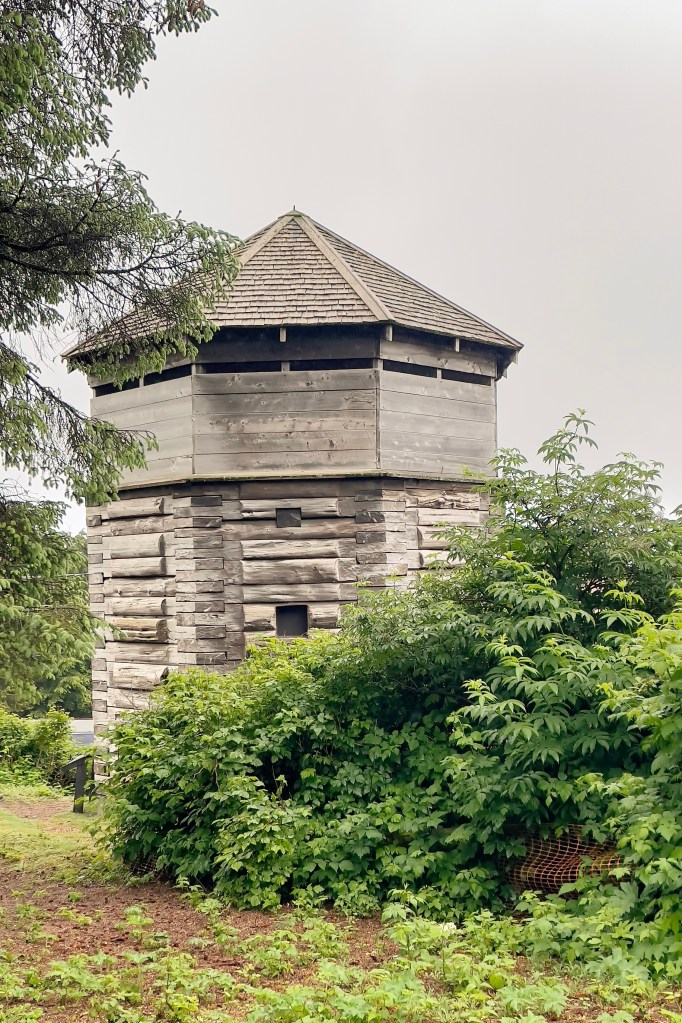
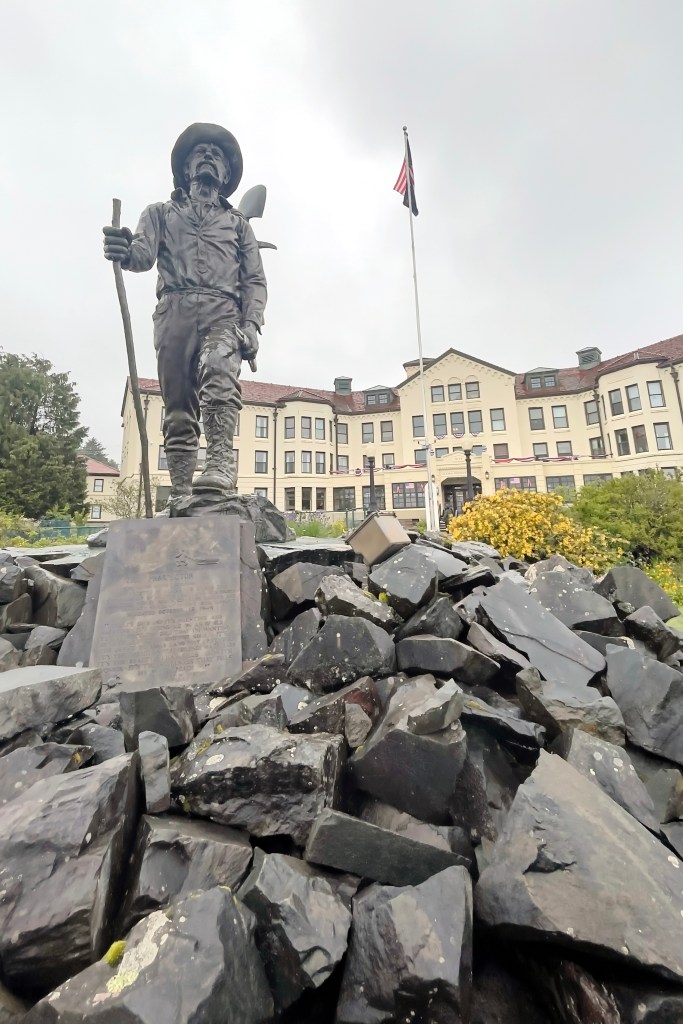
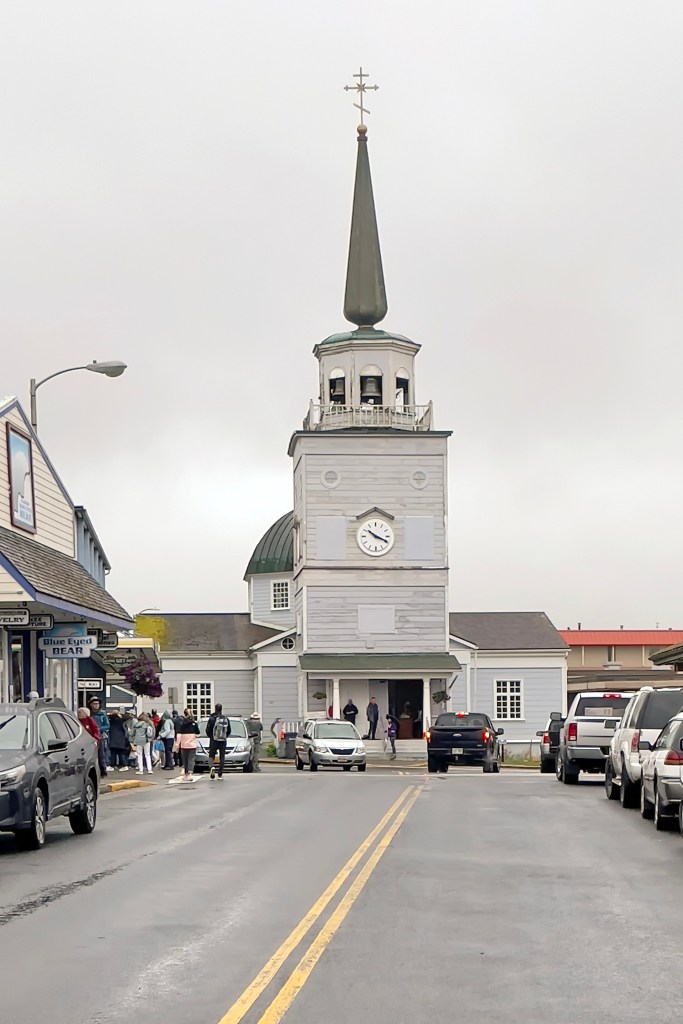
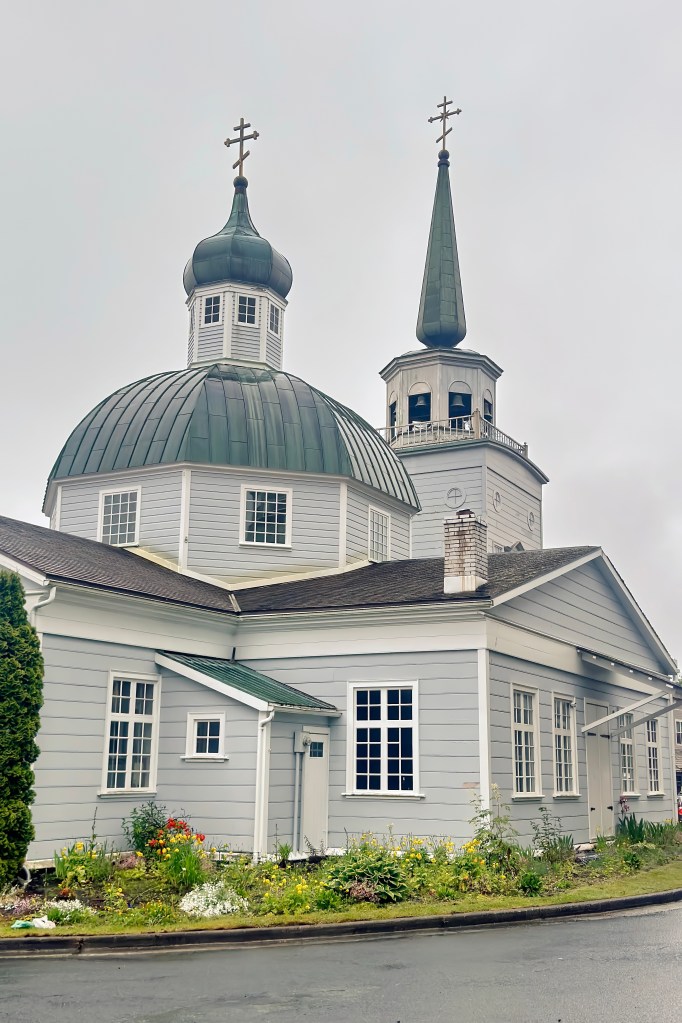
You can still see traces of that Russian past in the onion-domed St. Michael’s Cathedral which lies directly in the path of the main street downtown, but Sitka is very much its own place now – laid-back, scenic, and steeped in both Indigenous and settler history. We spent our day wandering through the town’s streets, exploring local shops, watching fishing boats glide across the harbor, and just soaking in the peaceful atmosphere. With fewer ships and a slower pace, Sitka felt like the perfect end to our cruise – a place to breathe deep, take in the view, and start mentally sorting through all the stories we’d be telling once we were back home.
On Deck – Shimmering Skies, Endless Seas and Amazing Scenery
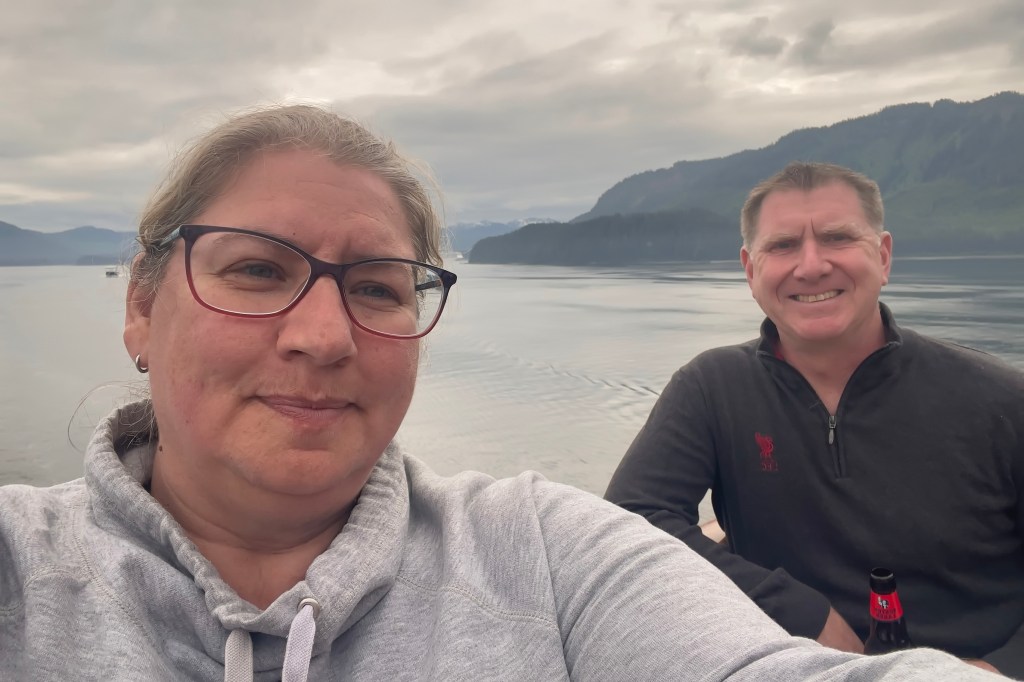
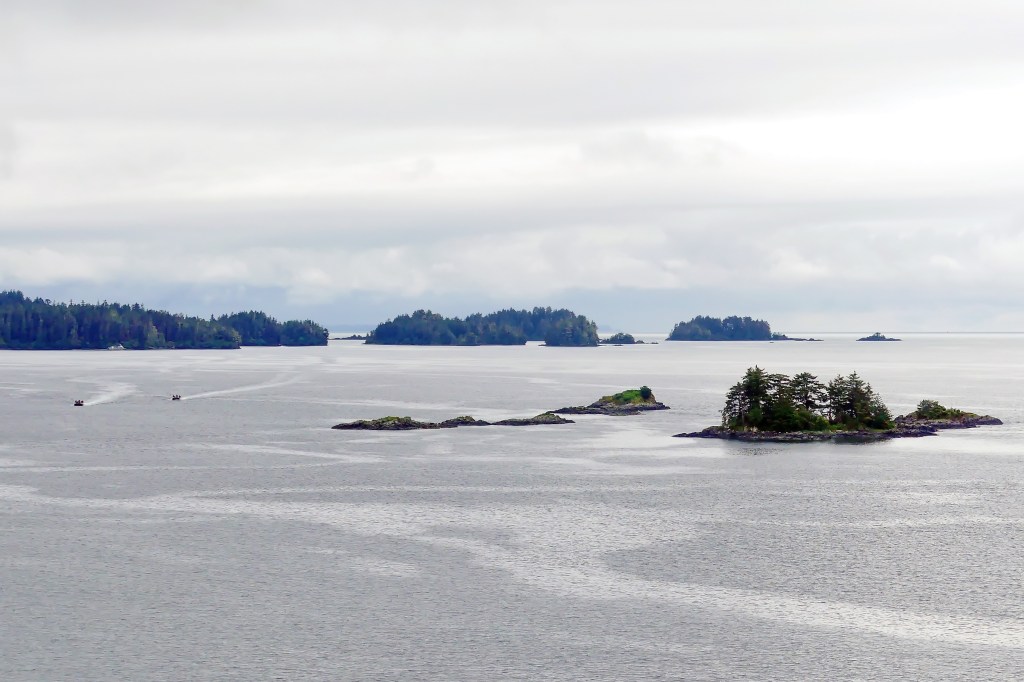
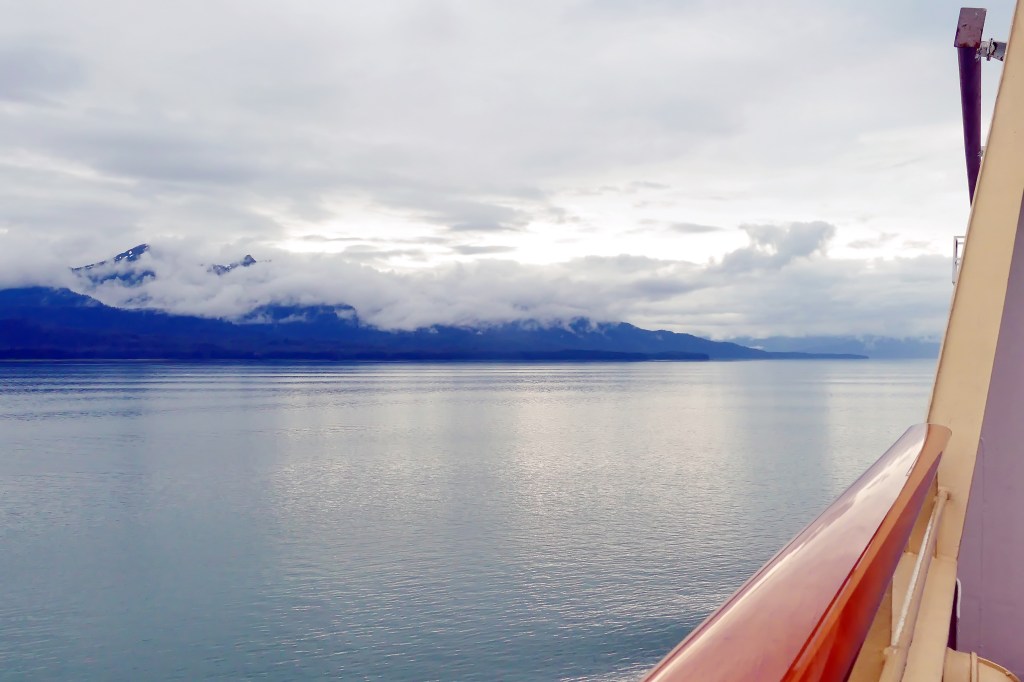
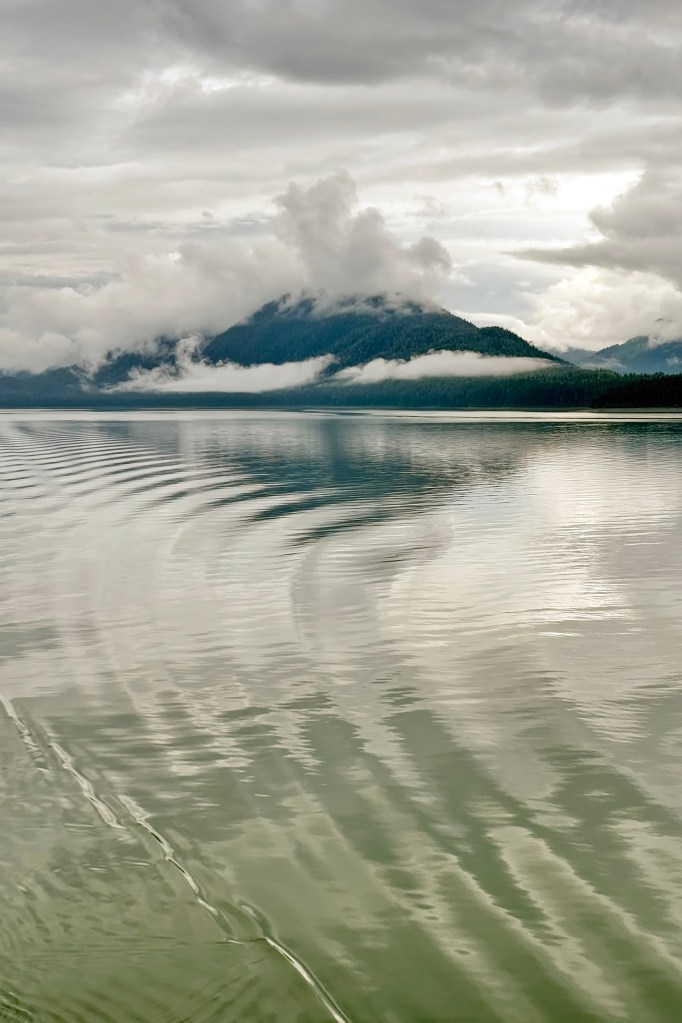
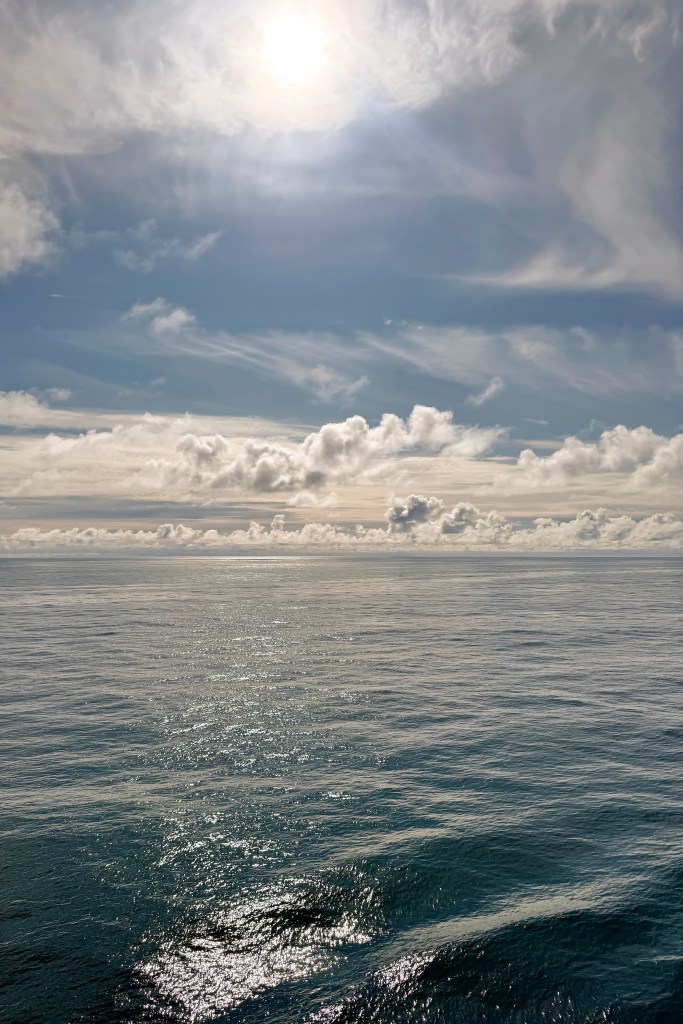
In between our adventures on land, we had lots of time to kick back on deck and soak in the scenery, often with a drink in hand, of course. Each day brought something new: snow-capped mountains, forested hillsides, and rugged little islands scattered along the coast like nature’s breadcrumbs. And then there were the days we were way out at sea, where the only view was endless ocean in every direction… still beautiful, just a little less photogenic!
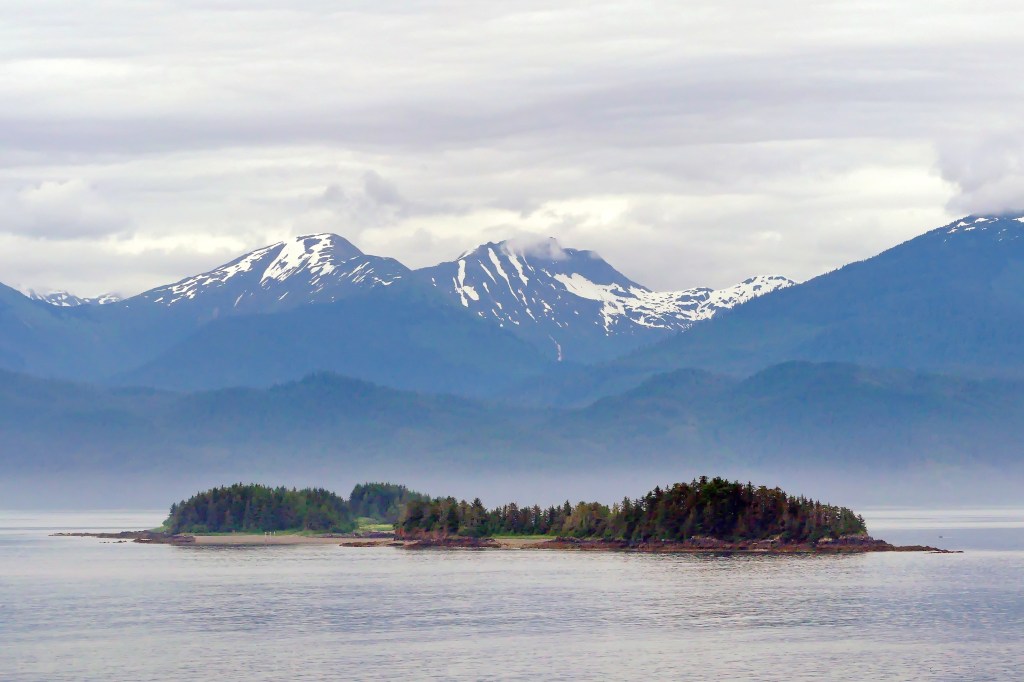
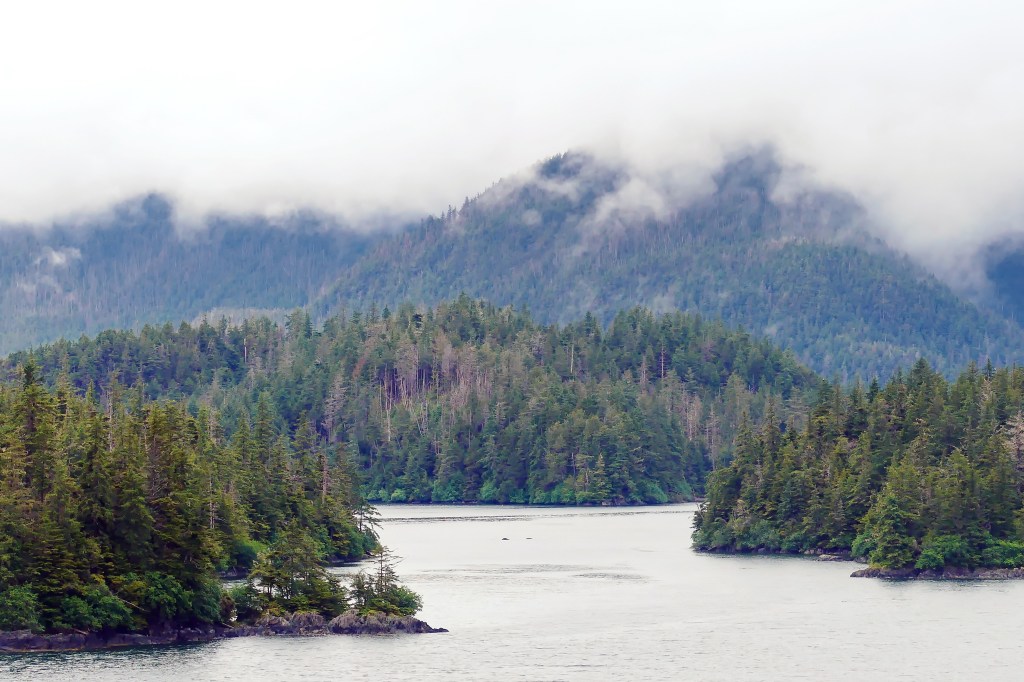
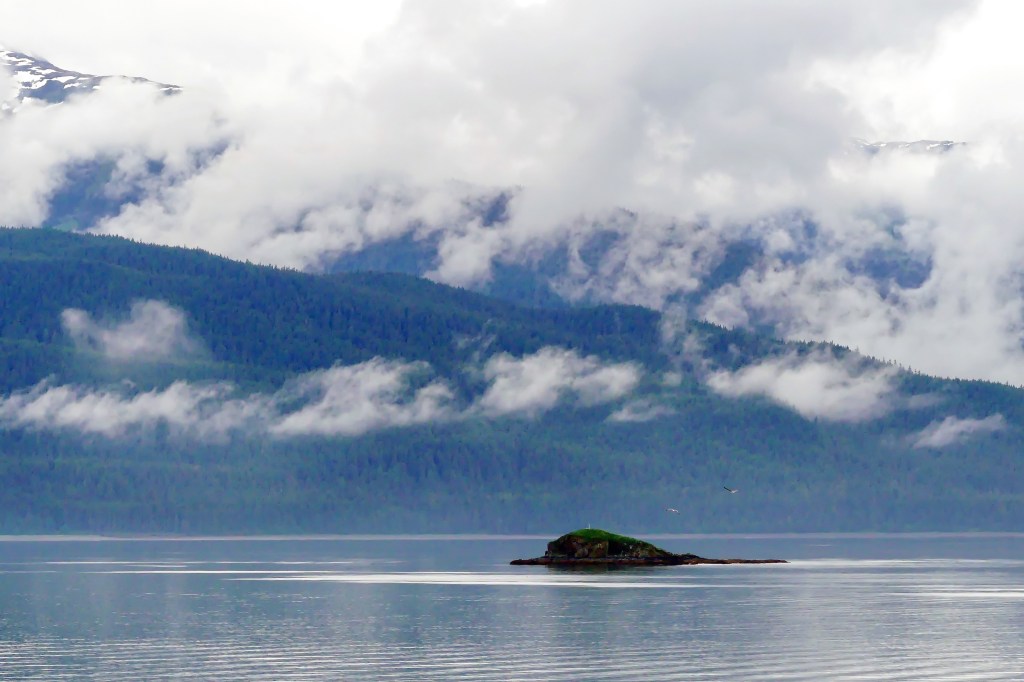
As we sailed south on our return to Vancouver, the Alaskan coastline continued to put on a show. Towering cliffs gave way to dense, green forests that seemed to tumble right down to the sea, with the occasional waterfall spilling into the ocean like it had somewhere to be. We passed countless little islands and inlets, some so untouched they looked like they’d never seen a human footstep. Eagles soared overhead, and we even spotted the occasional fishing boat, a tiny speck against the wild, sprawling landscape. It was the kind of scenery that makes you pause, breathe a little deeper, and wonder if maybe this is what they mean when they say “the last frontier.”
Back To Where We Started
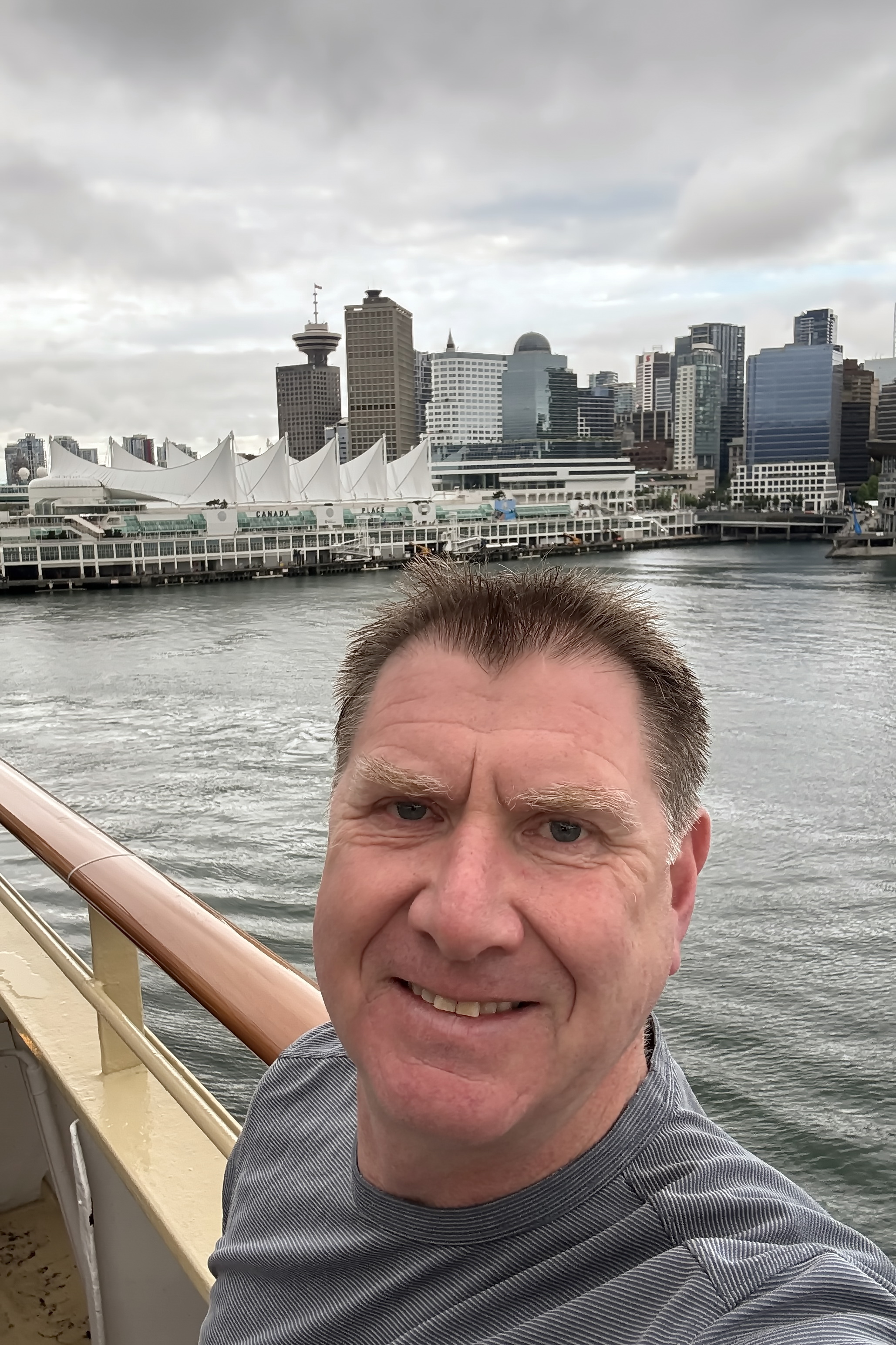
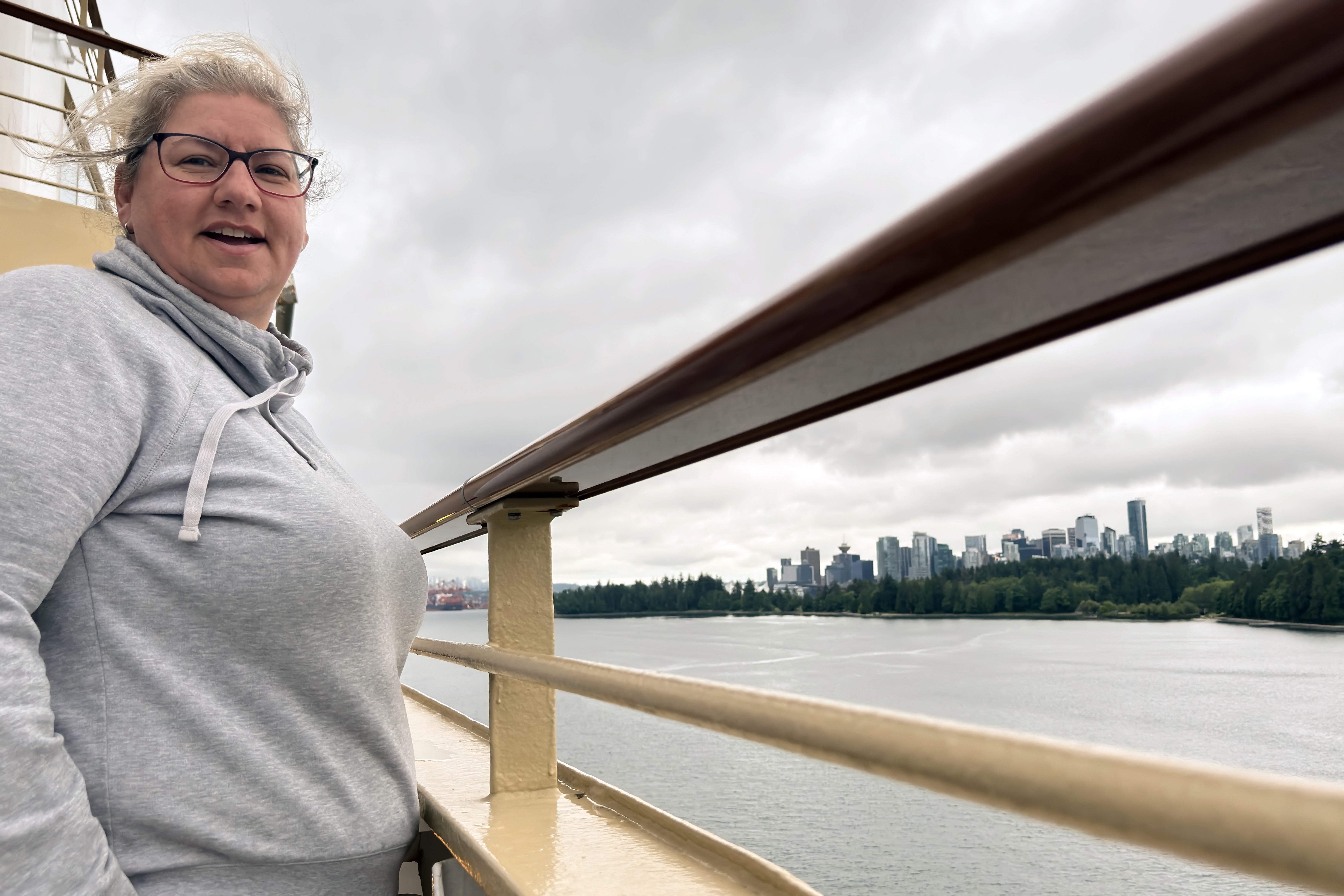
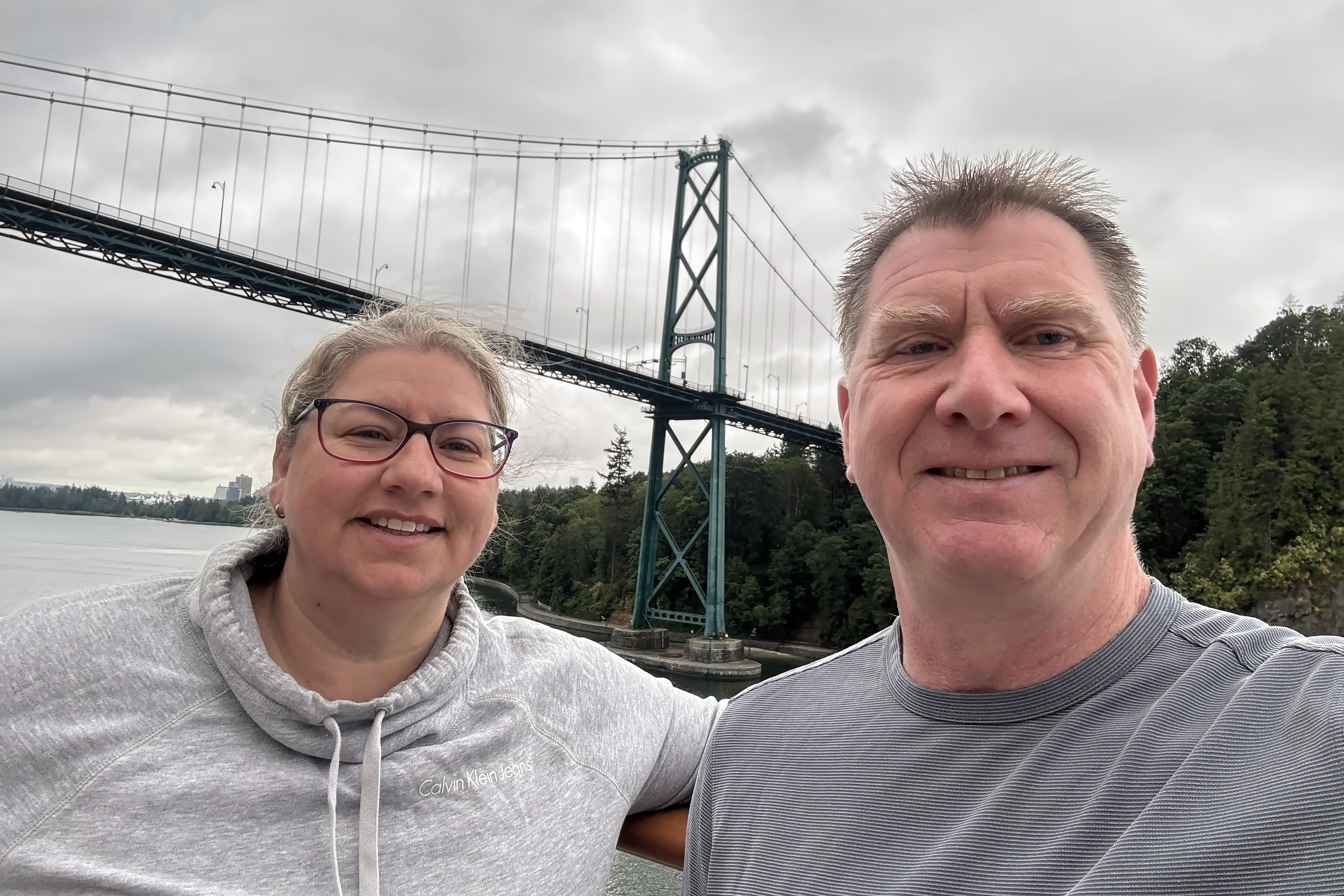
All too soon, we found ourselves sailing back into Vancouver, with its skyline coming into view with a gentle nudge back to reality. Disembarkation was smooth and well-organized, though we weren’t quite ready to trade in ocean breezes for city traffic. As we walked down the gangway one last time, we took a moment to soak it all in. From misty glaciers to quirky port towns and endless coastal beauty, Alaska had definitely left its mark. And like all good adventures, it ended with just one thought: we have to go back there one day!
Check out our gallery of photos from Alaska Inside passage on our Mapgirl Photography site.

 Mapgirl Adventures
Leave a comment