This is the second part of our (almost) A-to-Z guide which captures the highlights, surprises, and small details from our time exploring Sao Miguel island that made our Azorean adventure so memorable. If you missed Part 1 you can view it here.
F – Furnas Valley
Nestled in the heart of Sao Miguel, the Furnas Valley is one of the most fascinating places in the Azores, and one of Europe’s most active geothermal areas. Set within the caldera of an active volcano, this lush, vibrant valley feels like the place where you come closest to the island’s restless core. Everywhere you look, there are subtle (and not-so-subtle) reminders that powerful forces are constantly at work beneath the surface.
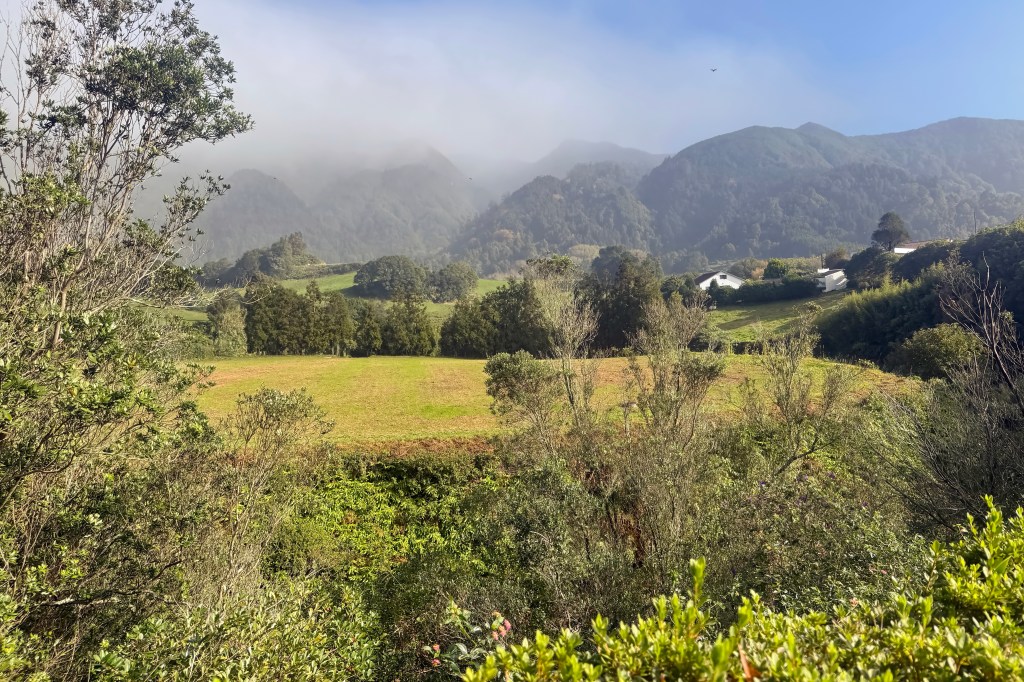
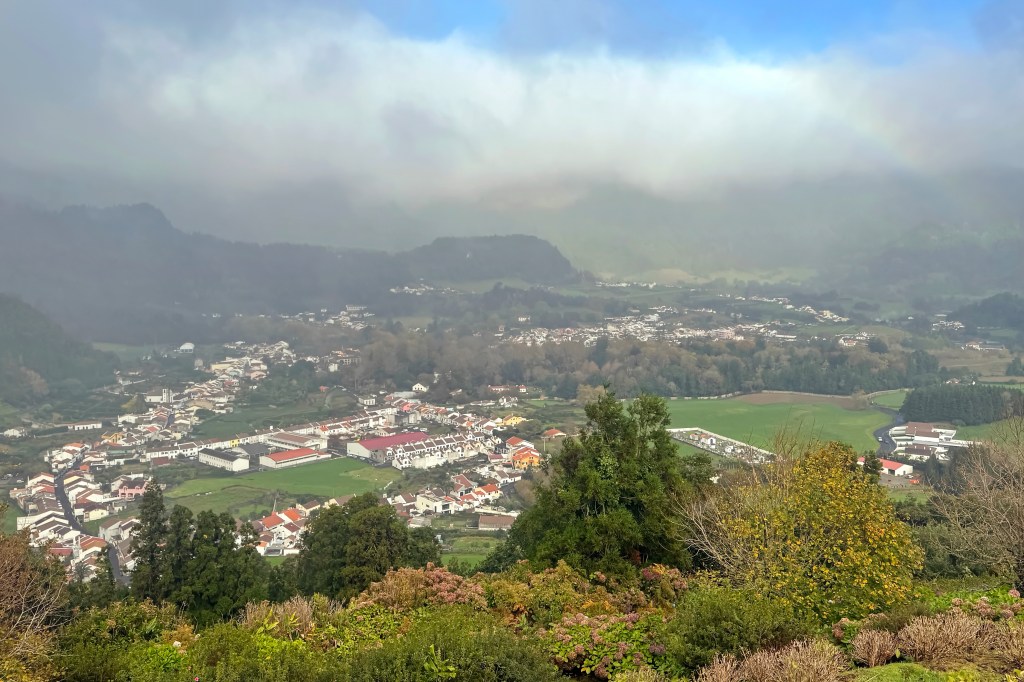
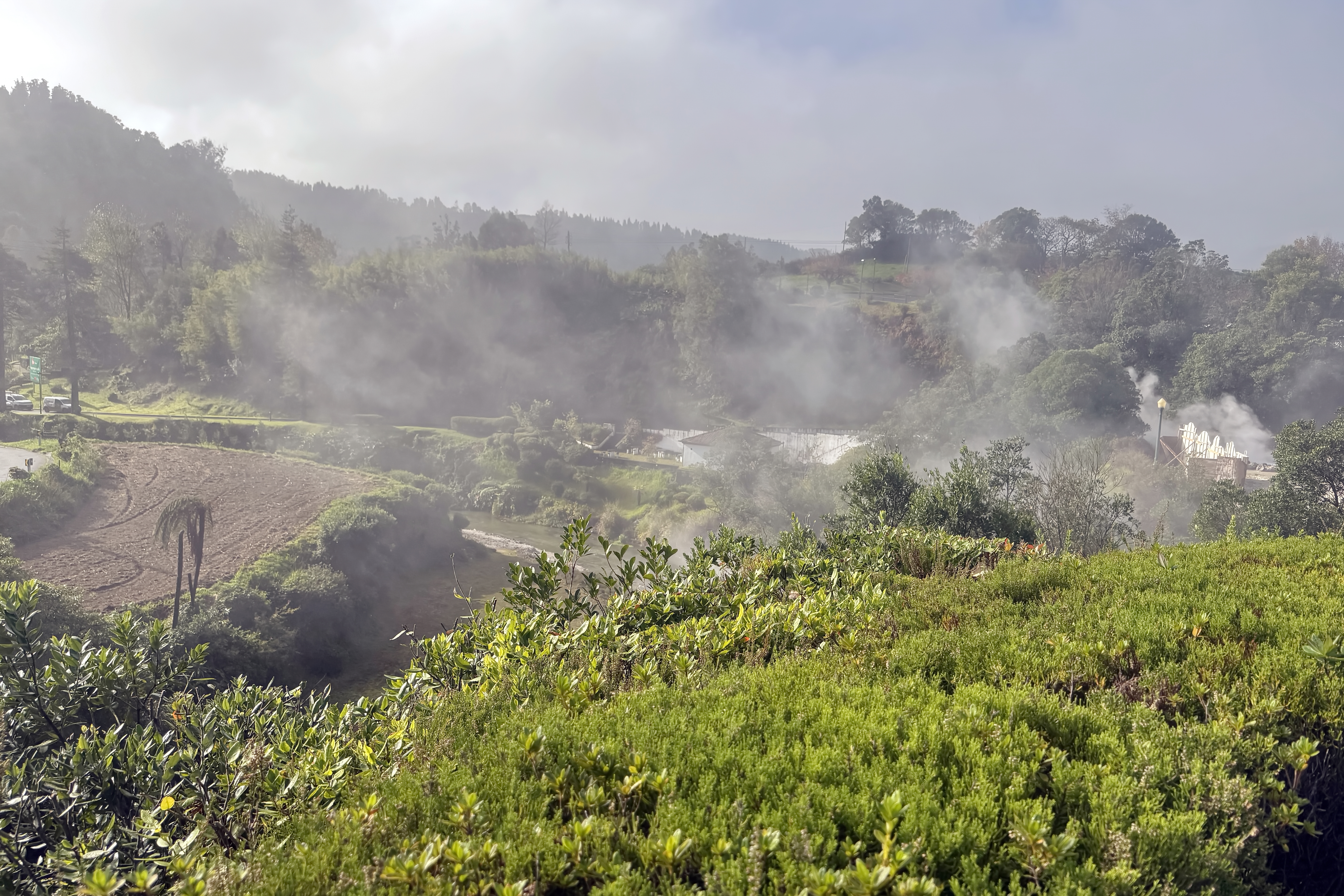
In the village of Furnas, a misty haze drifted up from the sulphurous, mineral-rich waters of the stream as we wandered along the path on its slopes. The trail wound through a tranquil, emerald-green garden, a peaceful setting that contrasted sharply with the gurgling mud pots, steaming fumaroles, and bubbling hot springs nearby. The air carried the unmistakable scent of sulphur, the ground hummed with quiet energy, and it felt impossible not to be completely absorbed. Furnas is a place that engages all your senses and leaves you feeling quietly enchanted.
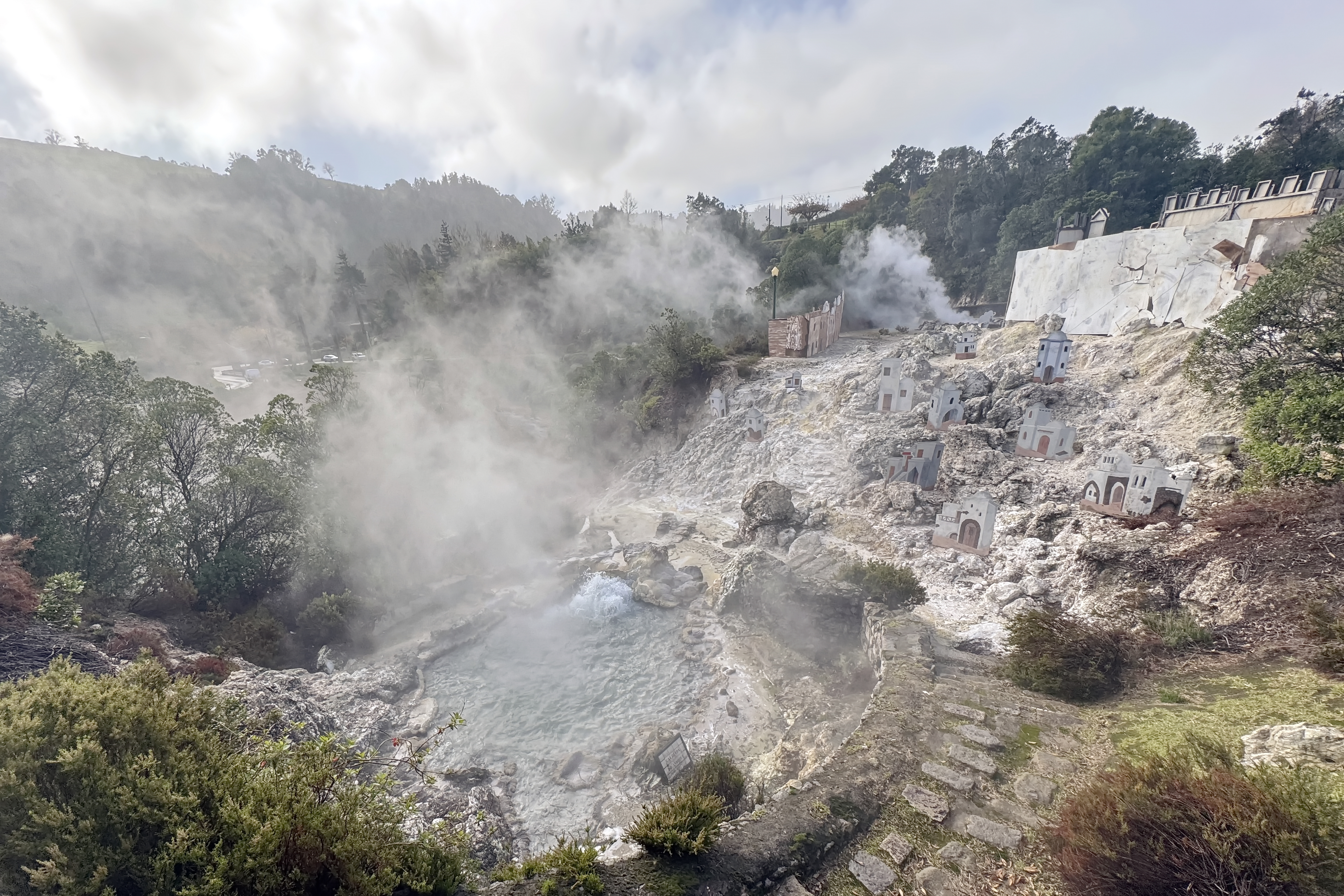
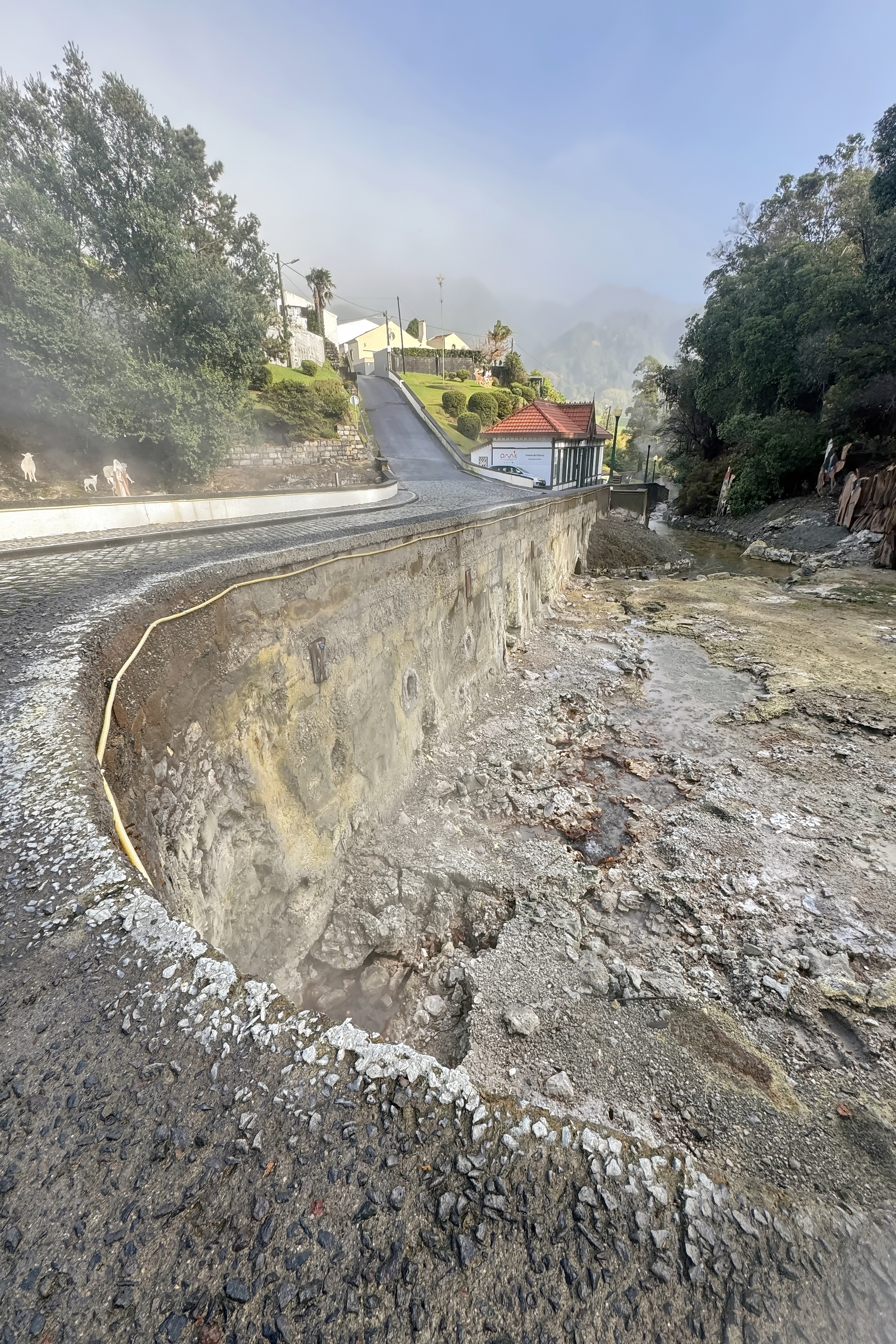
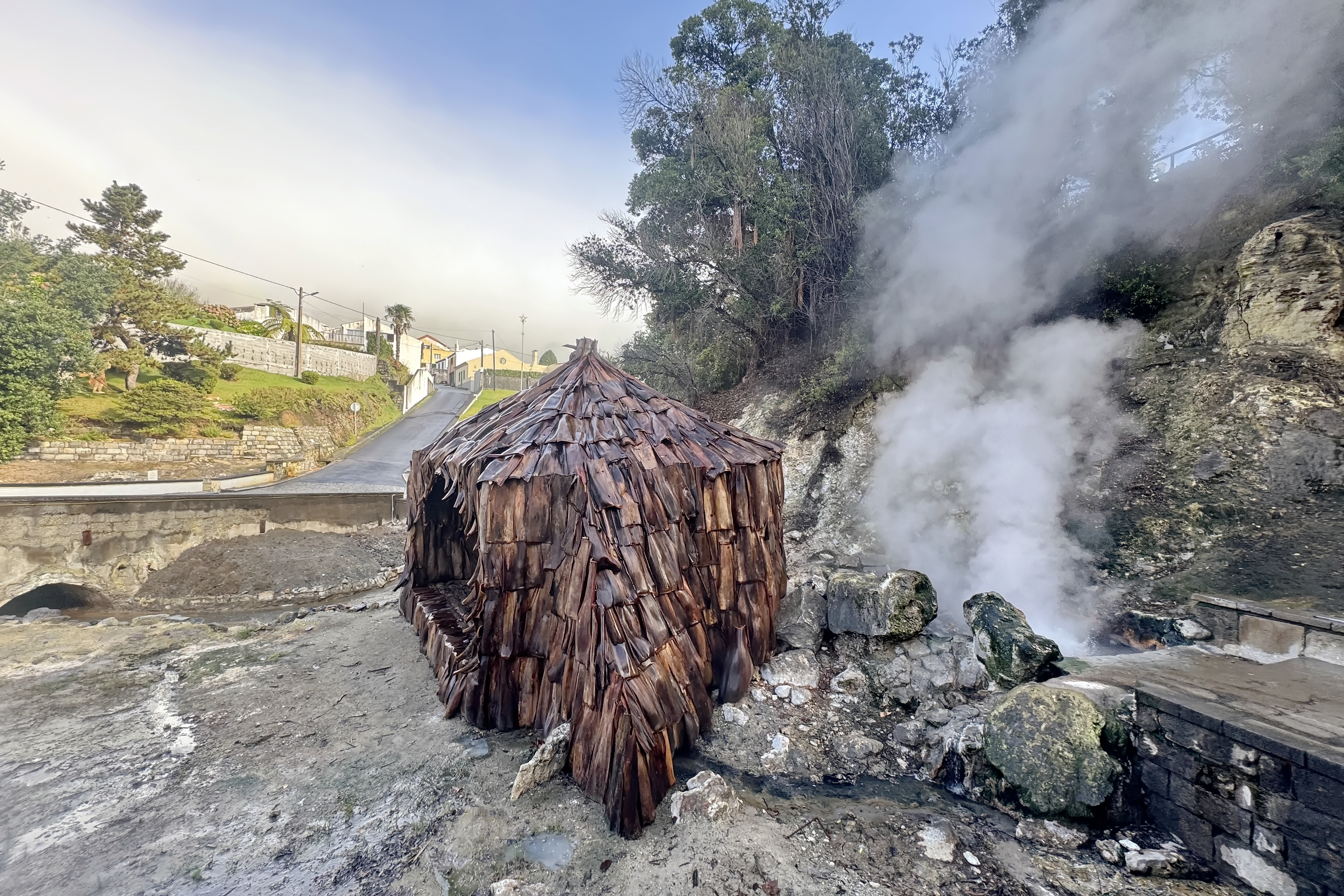
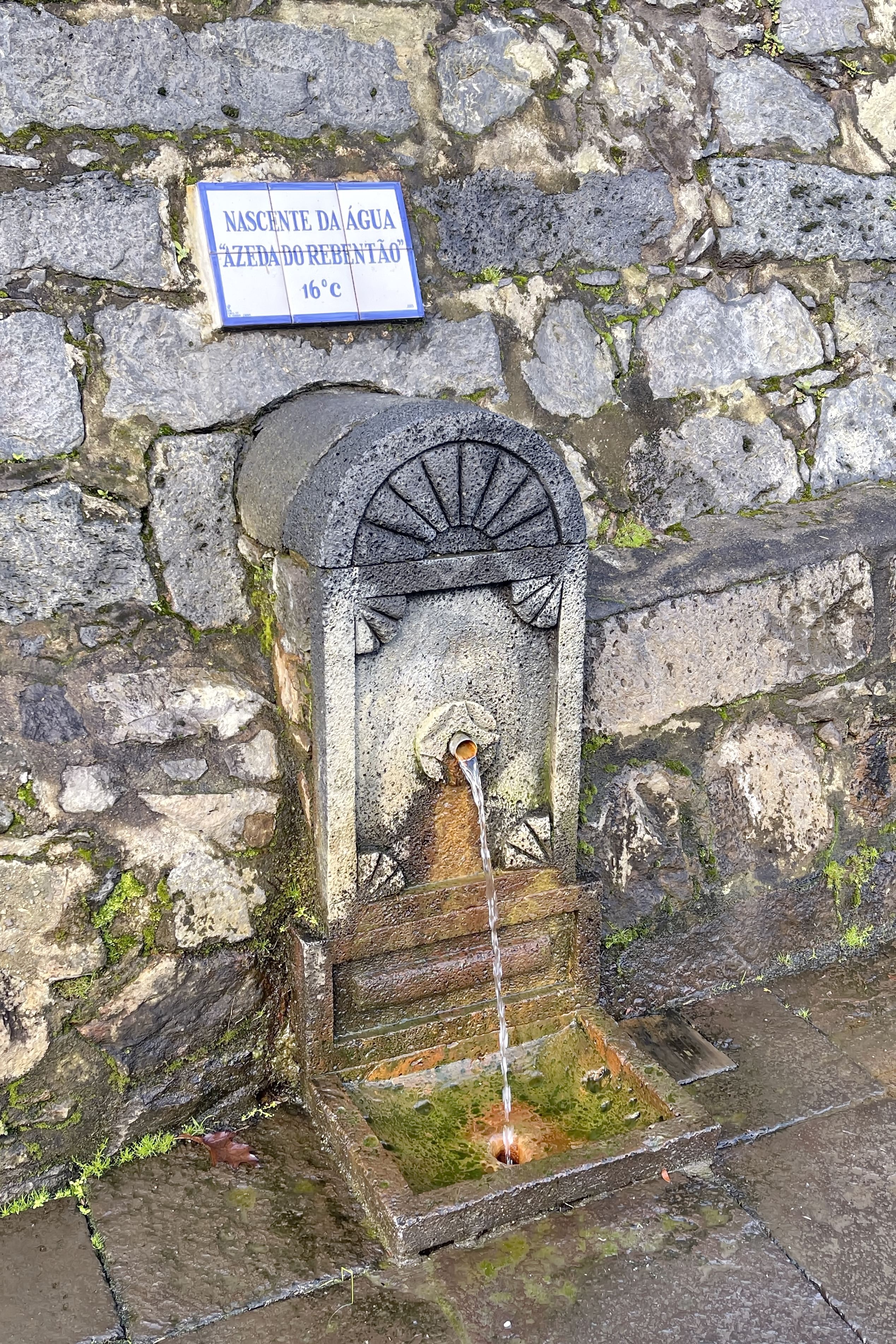
A short drive away, Lagoa das Furnas revealed a very different mood. The still surface of the crater lake reflected the surrounding volcanic ridges beneath ever-shifting light, creating a scene that felt calm and contemplative. Boardwalks led us safely past steaming vents and warm mud pots, where the water hissed and bubbled with the earth’s heat. This is also where one of Furnas’ most beloved traditions comes to life—the famous ‘cozido das Furnas’, a hearty stew of meat and vegetables slowly cooked underground using volcanic steam. We had to try it, and it sure lived up to expectations—delicious, flavourful, and filling. Having our meal prepared beneath our feet made the experience feel even more connected.
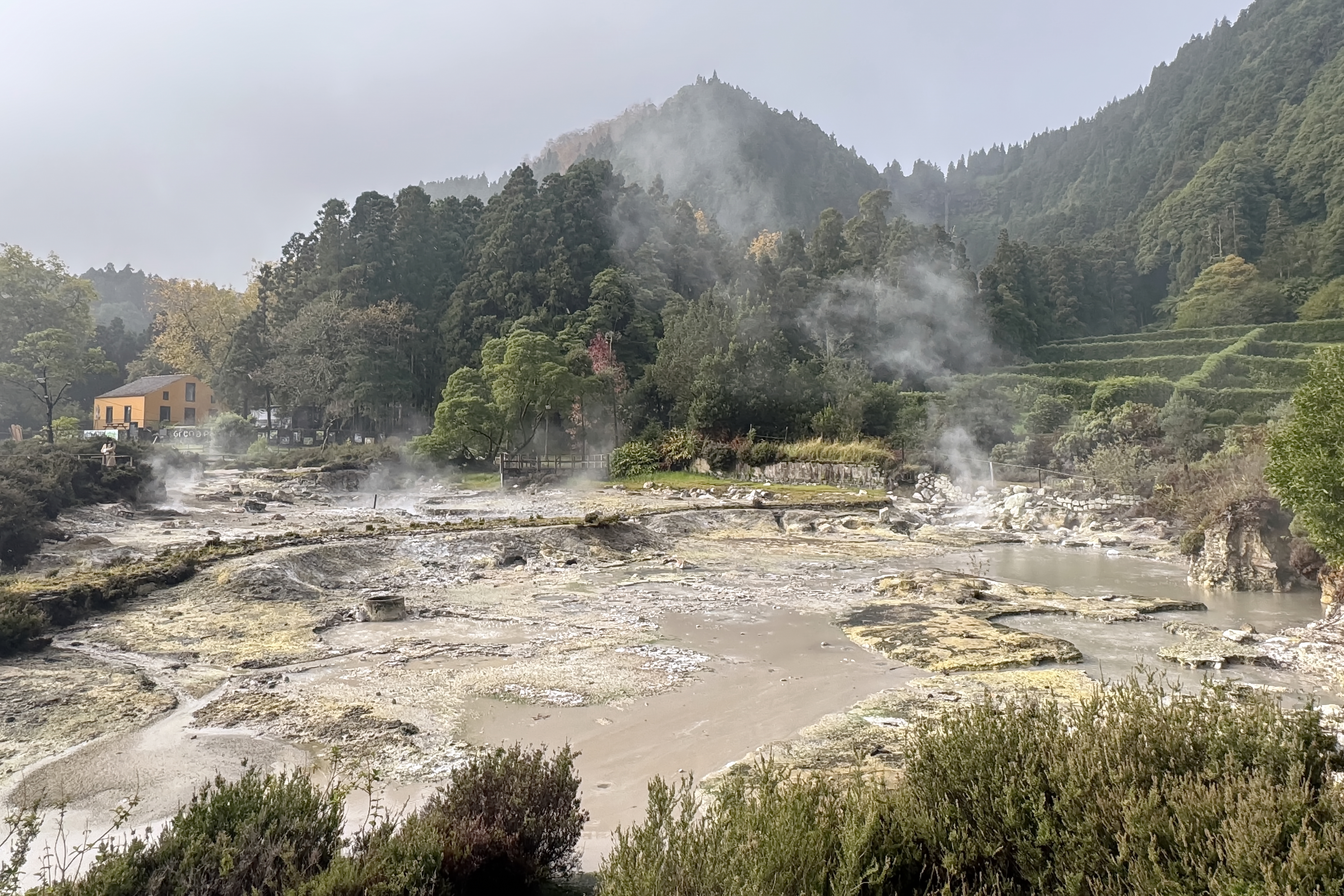
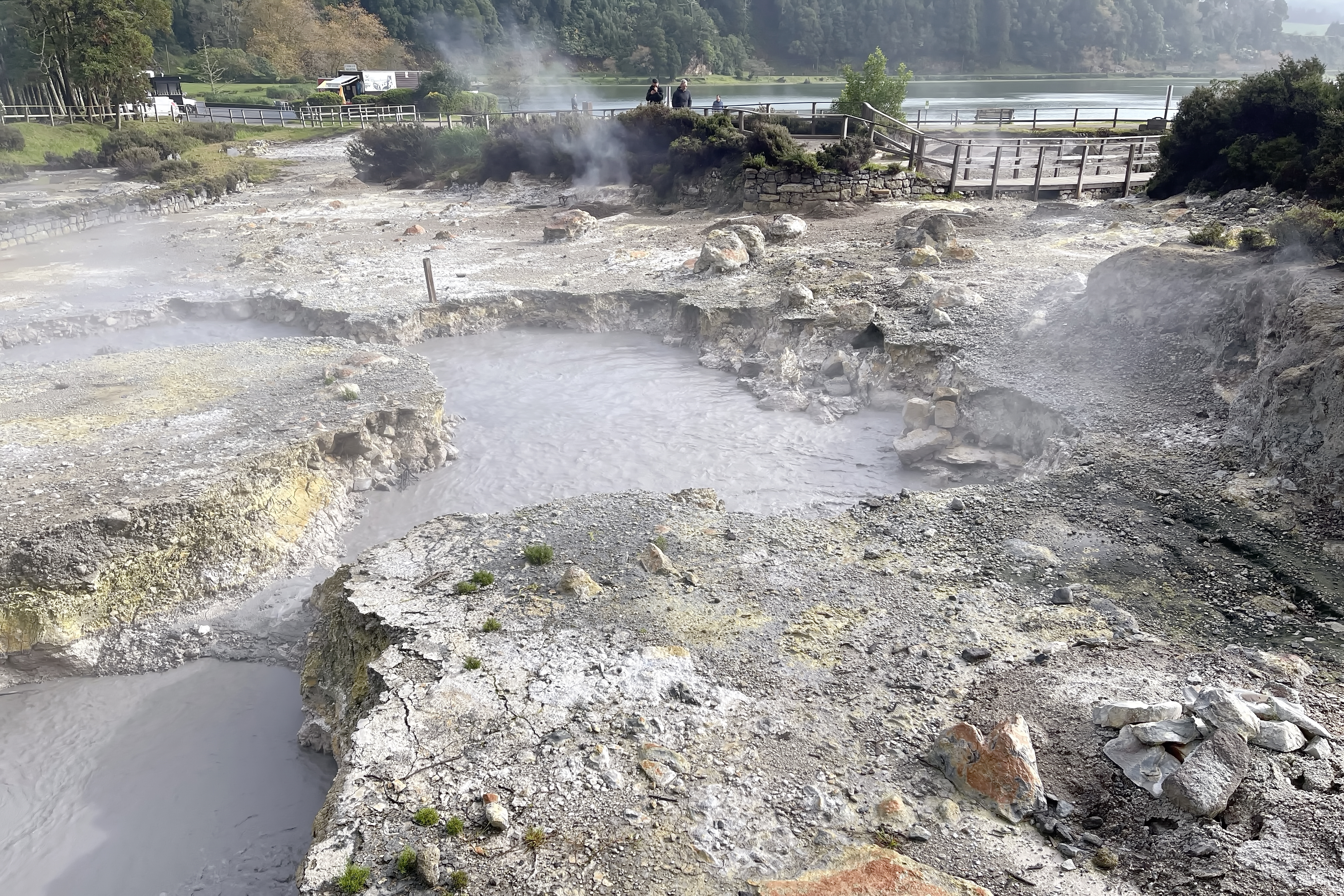
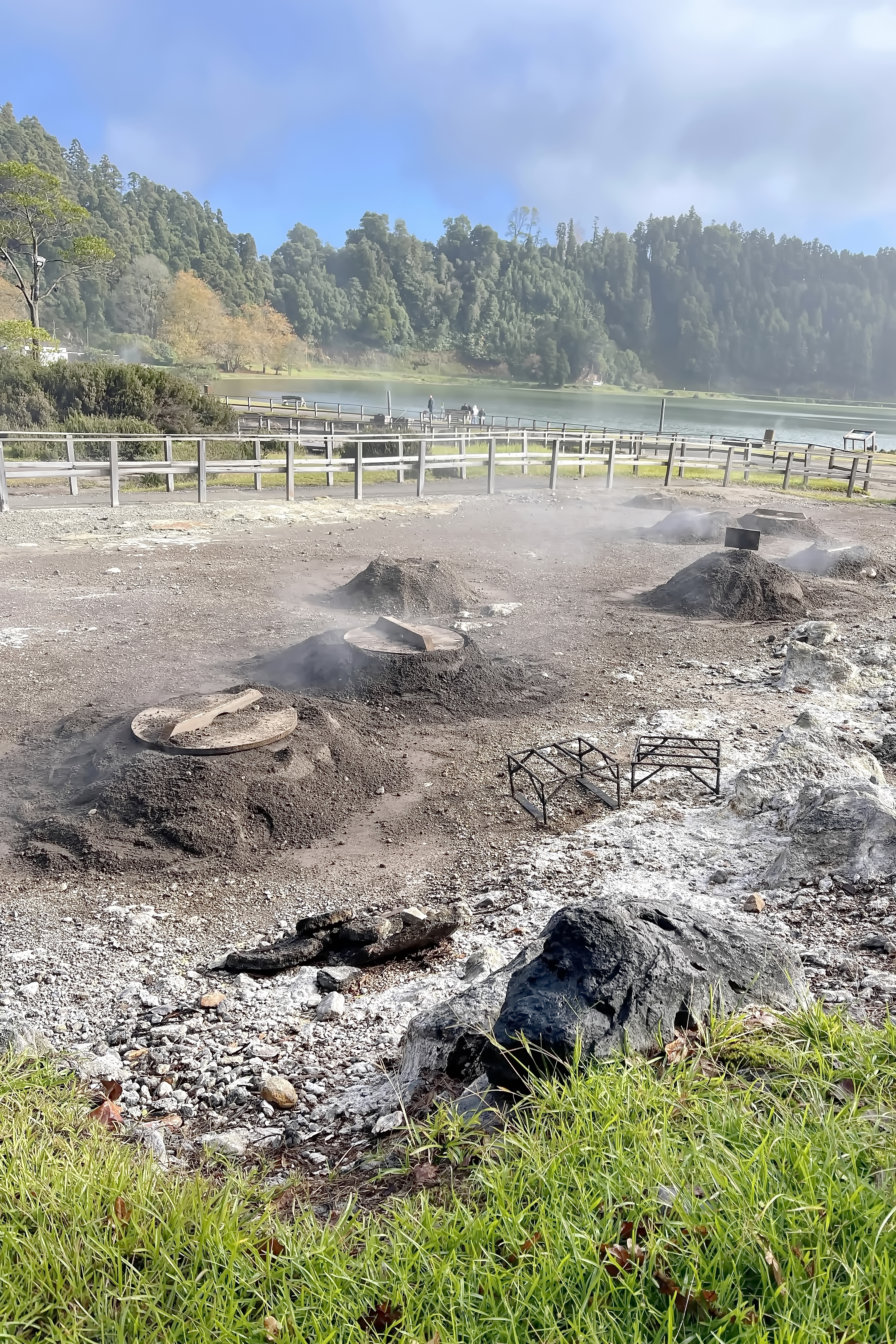
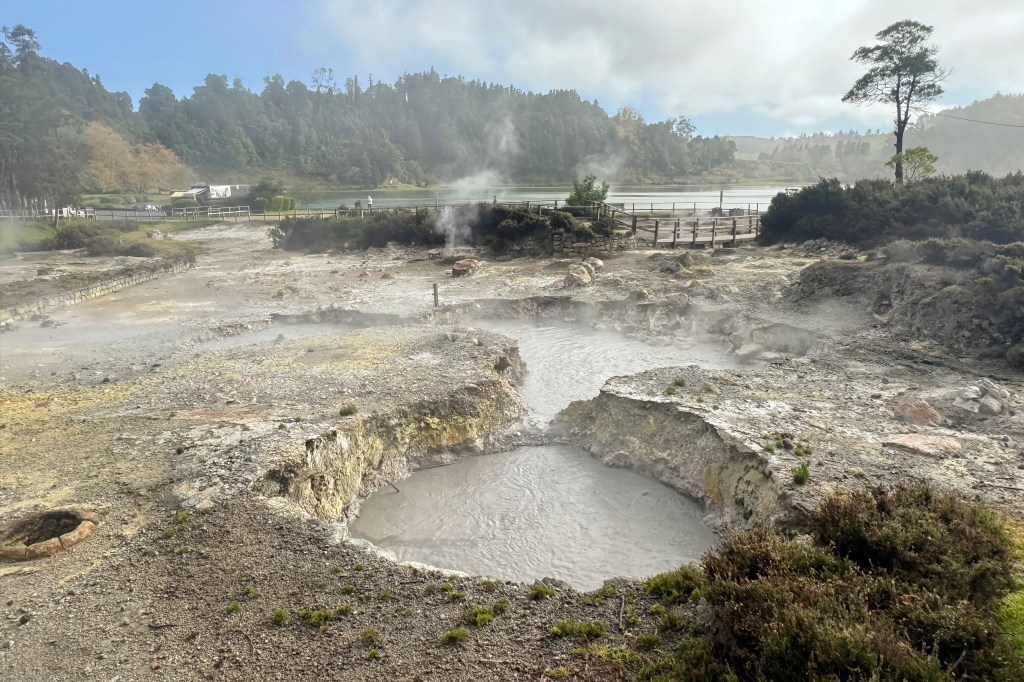
At the far end of the lake, a gentle walk along the shoreline brought us to the neo-Gothic Chapel of Nossa Senhora das Vitorias. Its elegant lines and pointed spire gave it an almost fairytale-like quality, but under brooding skies, the dark local stone took on a more dramatic, slightly foreboding presence. Standing there, it felt strikingly out of place and yet perfectly at home, a man-made monument set against the raw, untamed landscape.
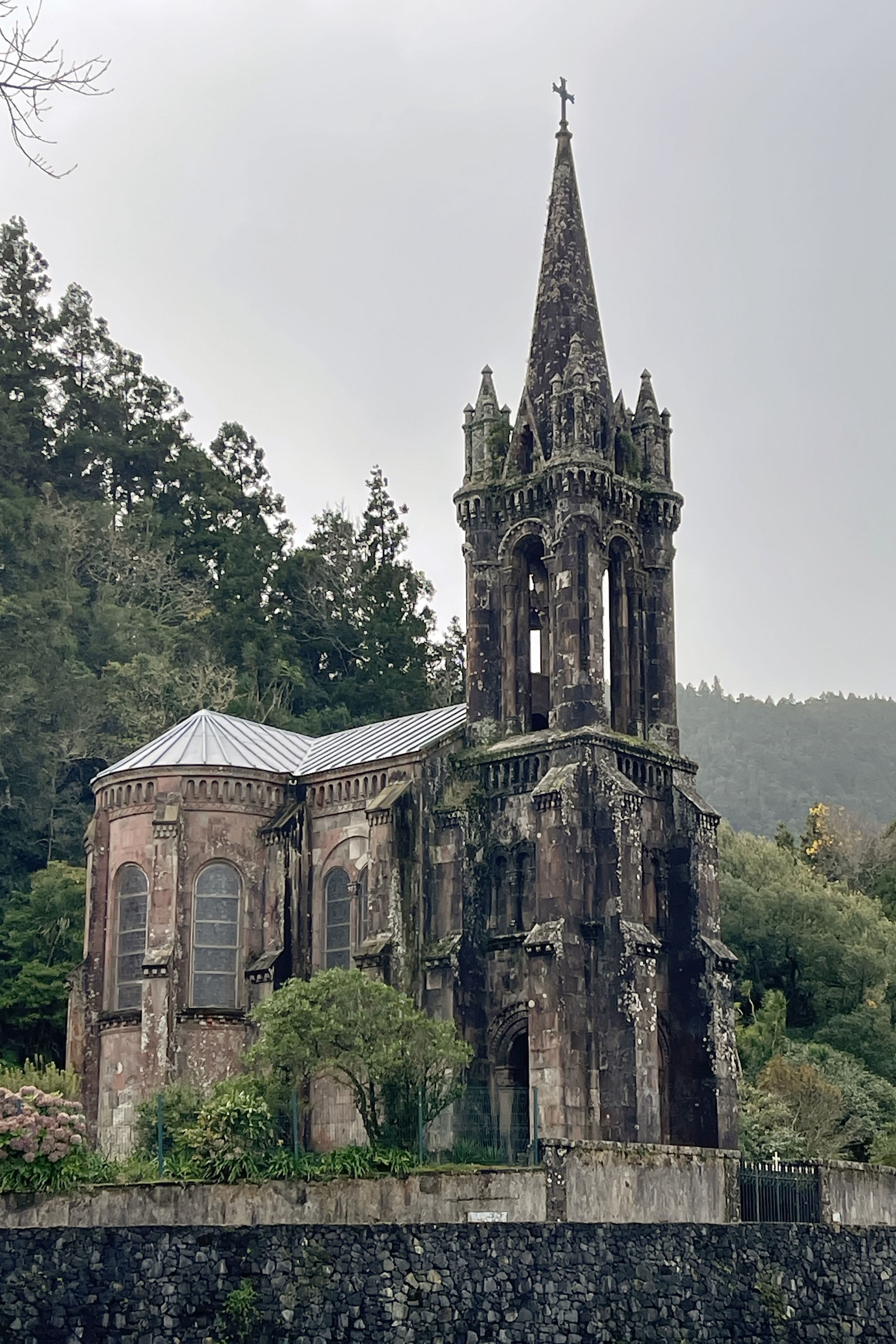
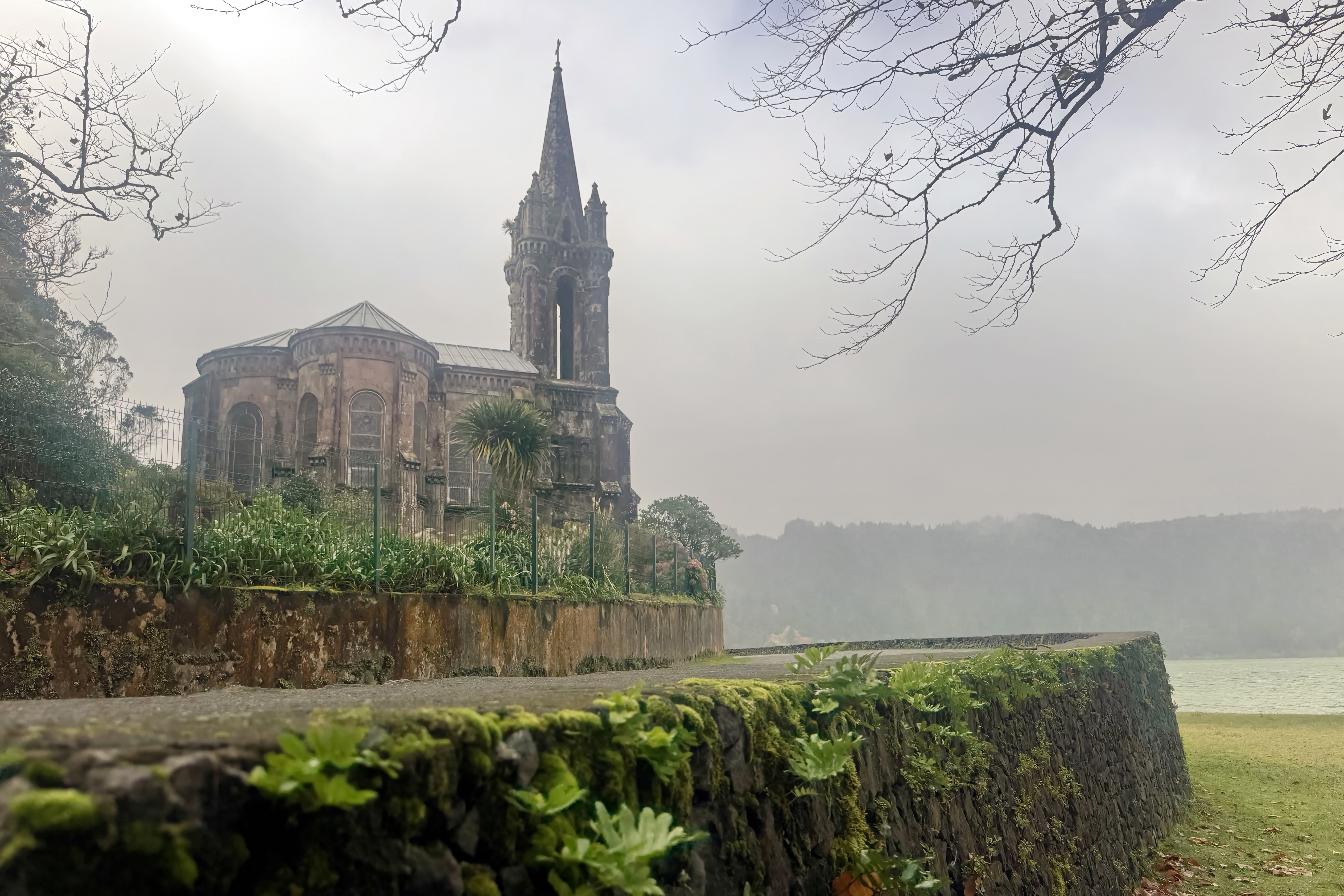
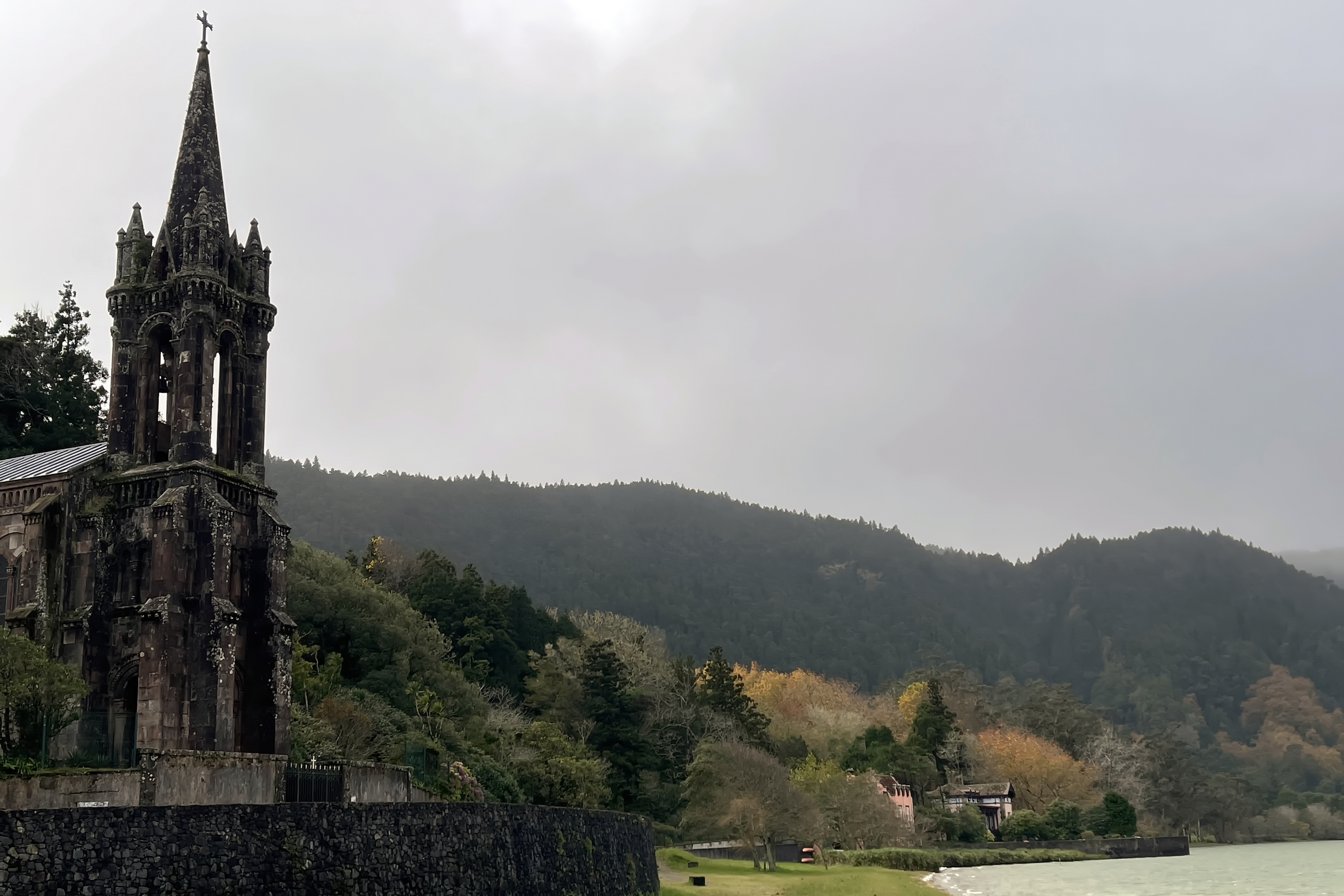
The magic of Furnas lies in these contrasts—a charming village, a serene lake, steaming vents breaking through lush greenery, and bubbling hot springs reminding you that the ancient earth is always at work below. Whether you’re seeking dramatic views or simply taking the time to slow down and absorb the moment, Furnas offers an experience that lingers long after you’ve left the valley behind.
G – Gorreana Tea Plantation
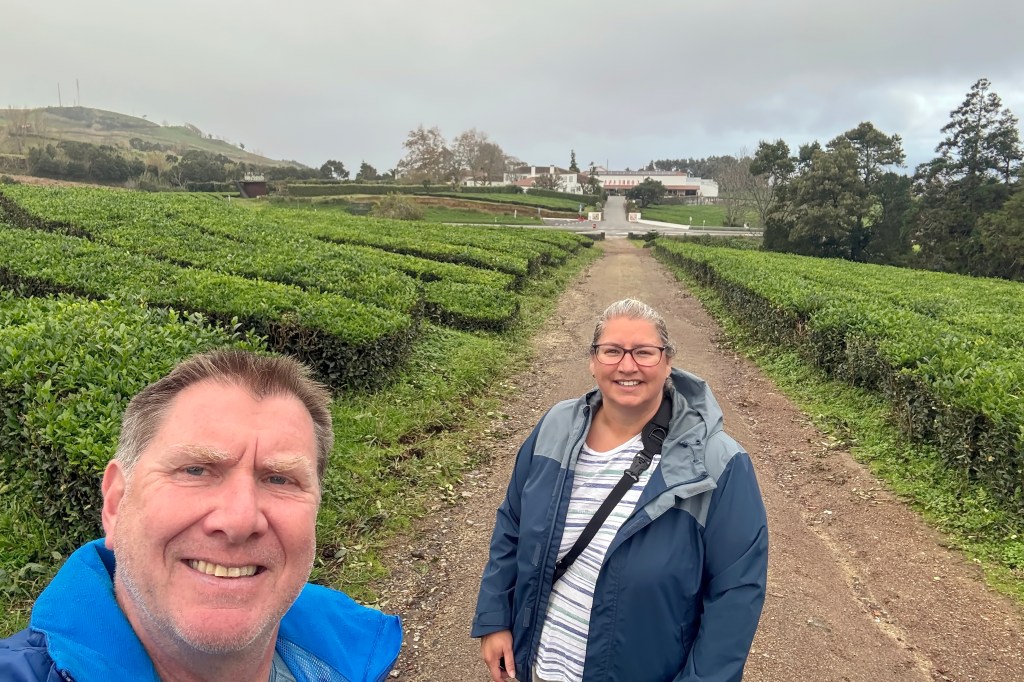
There’s something quietly magical about stepping into a place where time feels gentler, and the rhythm of life is measured by the breeze and the rustle of leaves. That’s exactly what we found at Gorreana Tea Plantation, Europe’s oldest and one of its only tea plantations. Tea has been grown here since the 19th century, when seeds brought from Asia found a perfect home in the Azores’ mild, humid climate. To this day, the plantation produces tea using traditional methods, combining time-honored techniques with a deep respect for the land. There’s a palpable sense of pride here both in the painstaking work and in the continuation of a legacy—generations have tended this land, and the rhythmic patterns of the fields reflect that history.
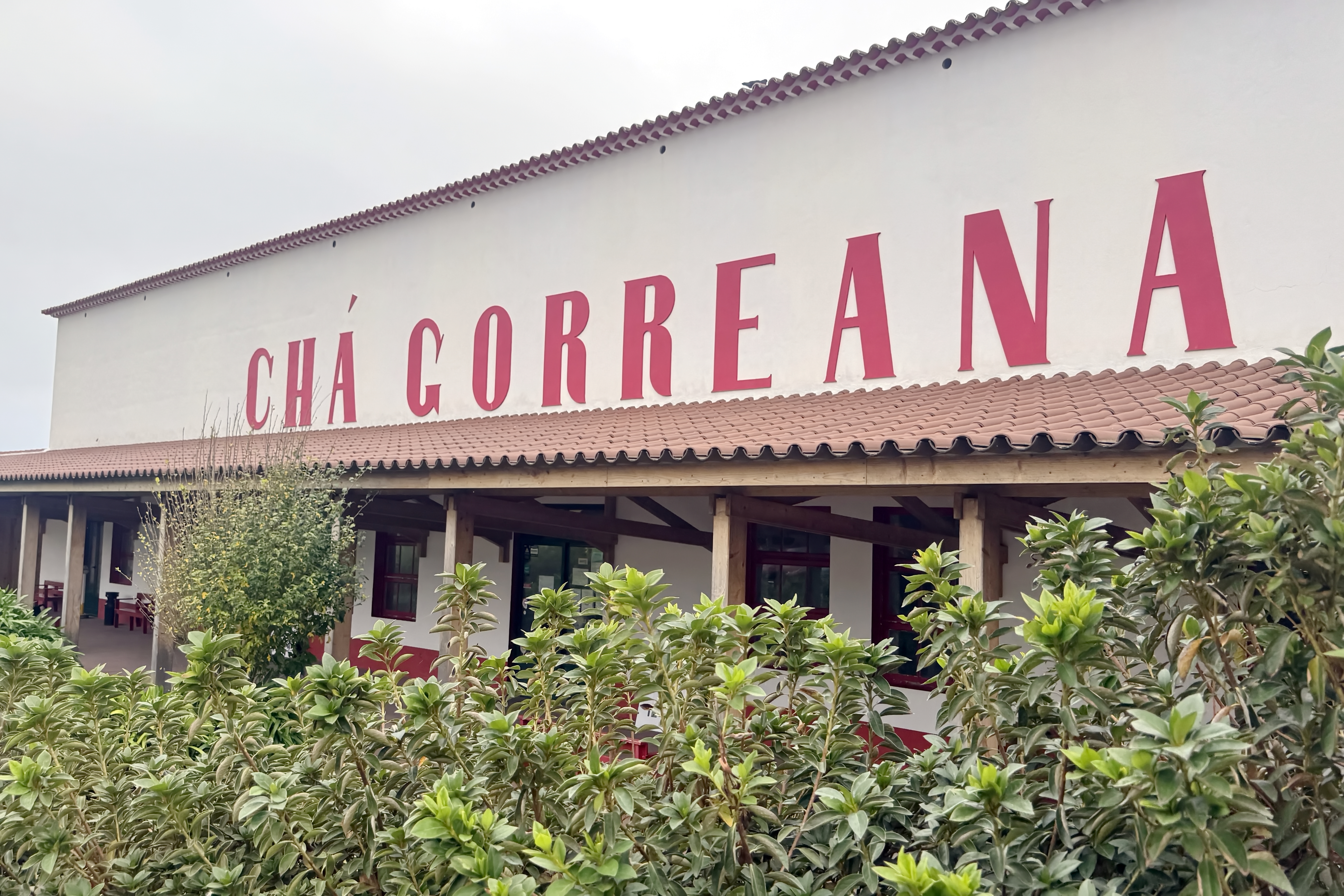
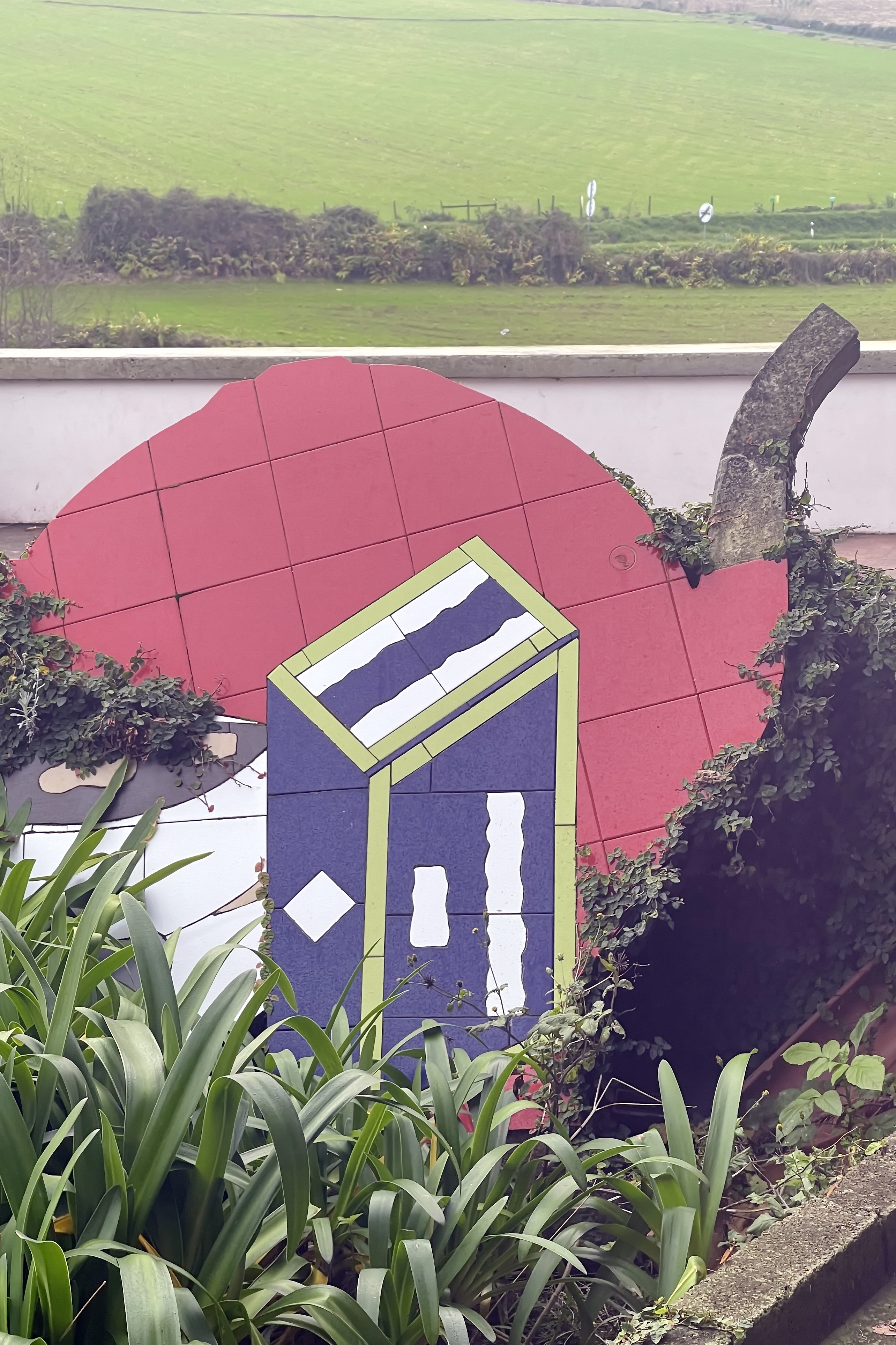
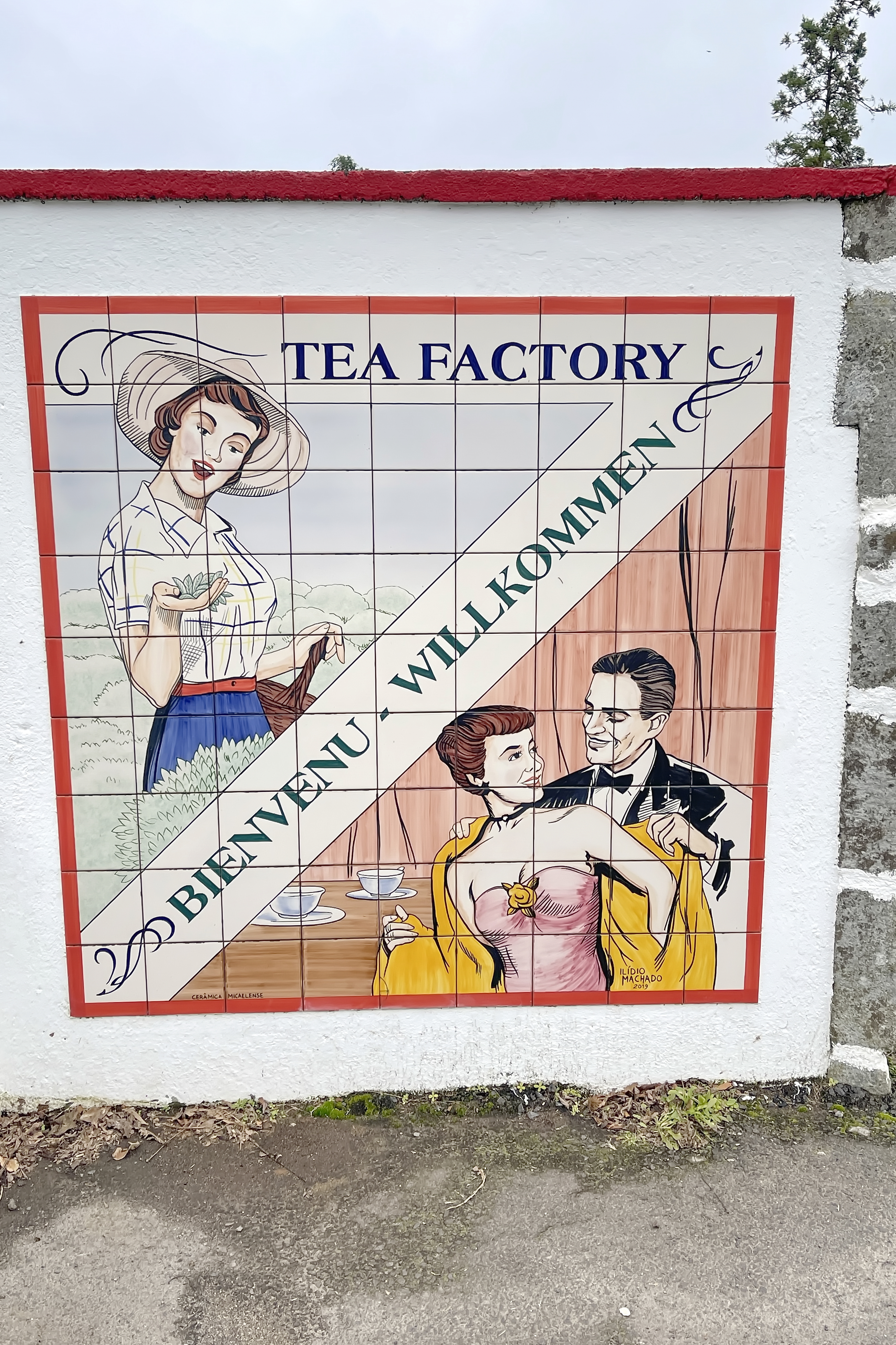
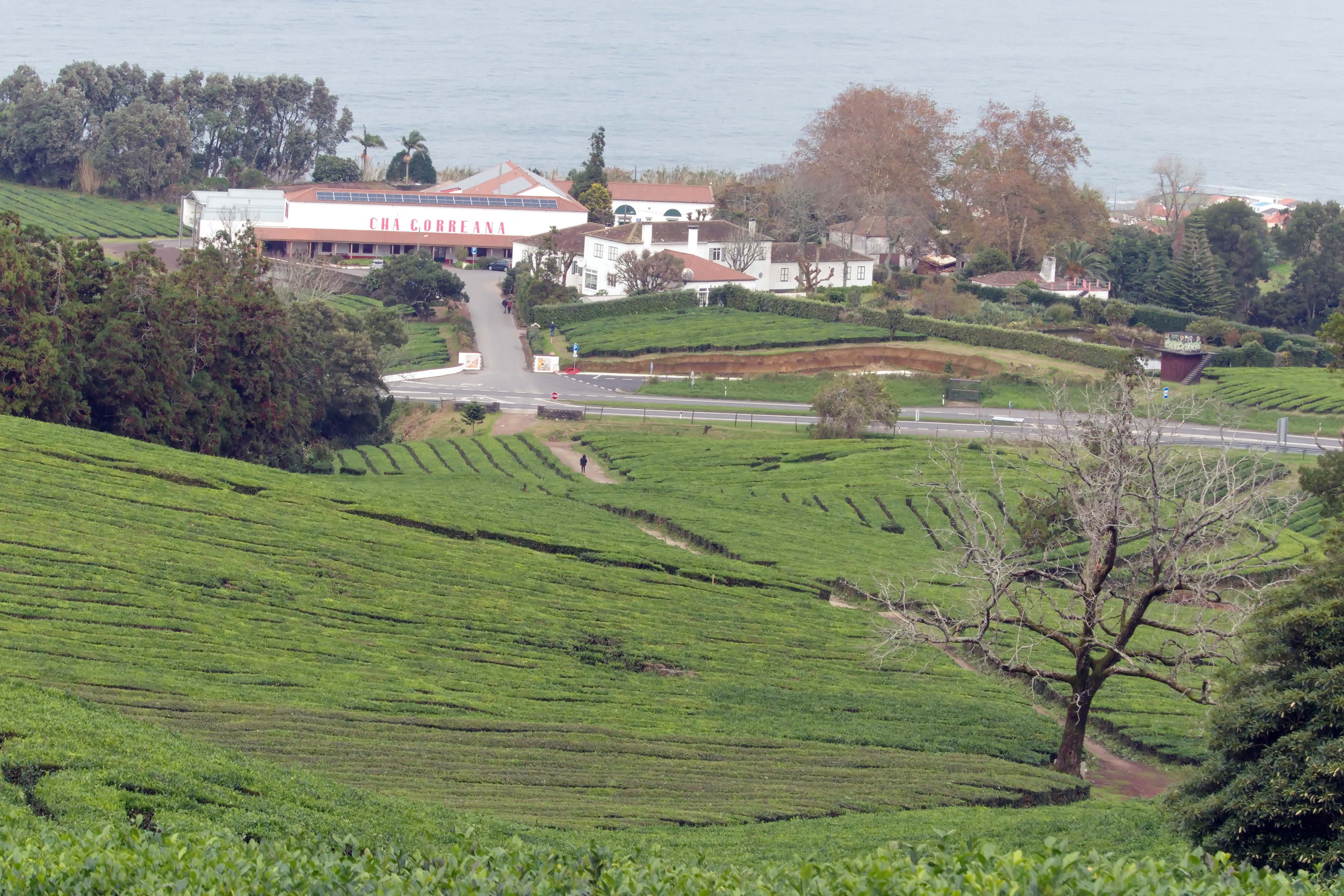
Nestled among rolling emerald hills, Gorreana unfolds like a dream. The scent of fresh earth and green tea leaves was immediate—crisp, inviting, and calming. We strolled along the narrow paths where every direction seemed to offer another breathtaking tableau: neat terraces curving with the contours of the land, the Atlantic glinting in the distance, and the gentle hum of nature all around.
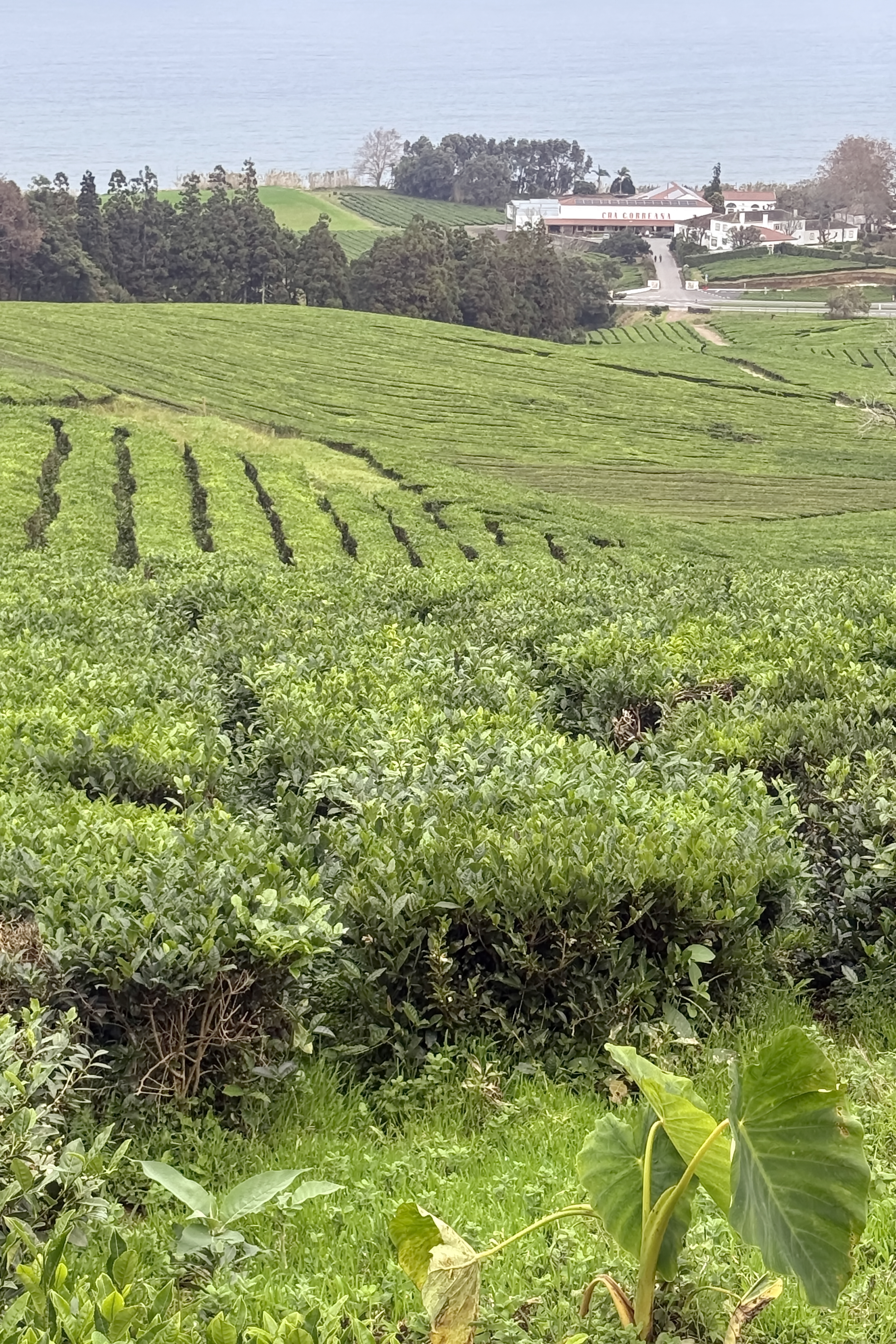
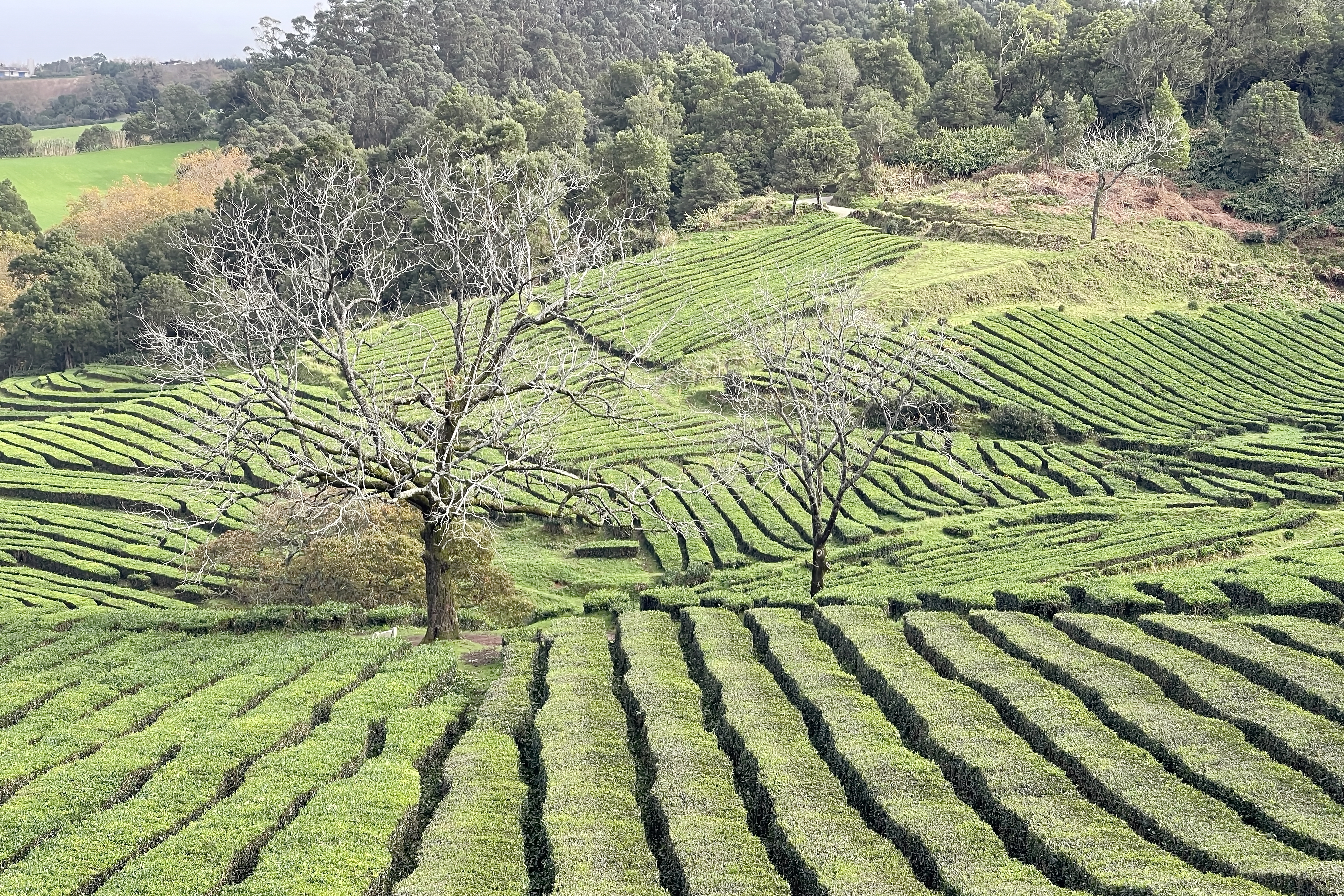
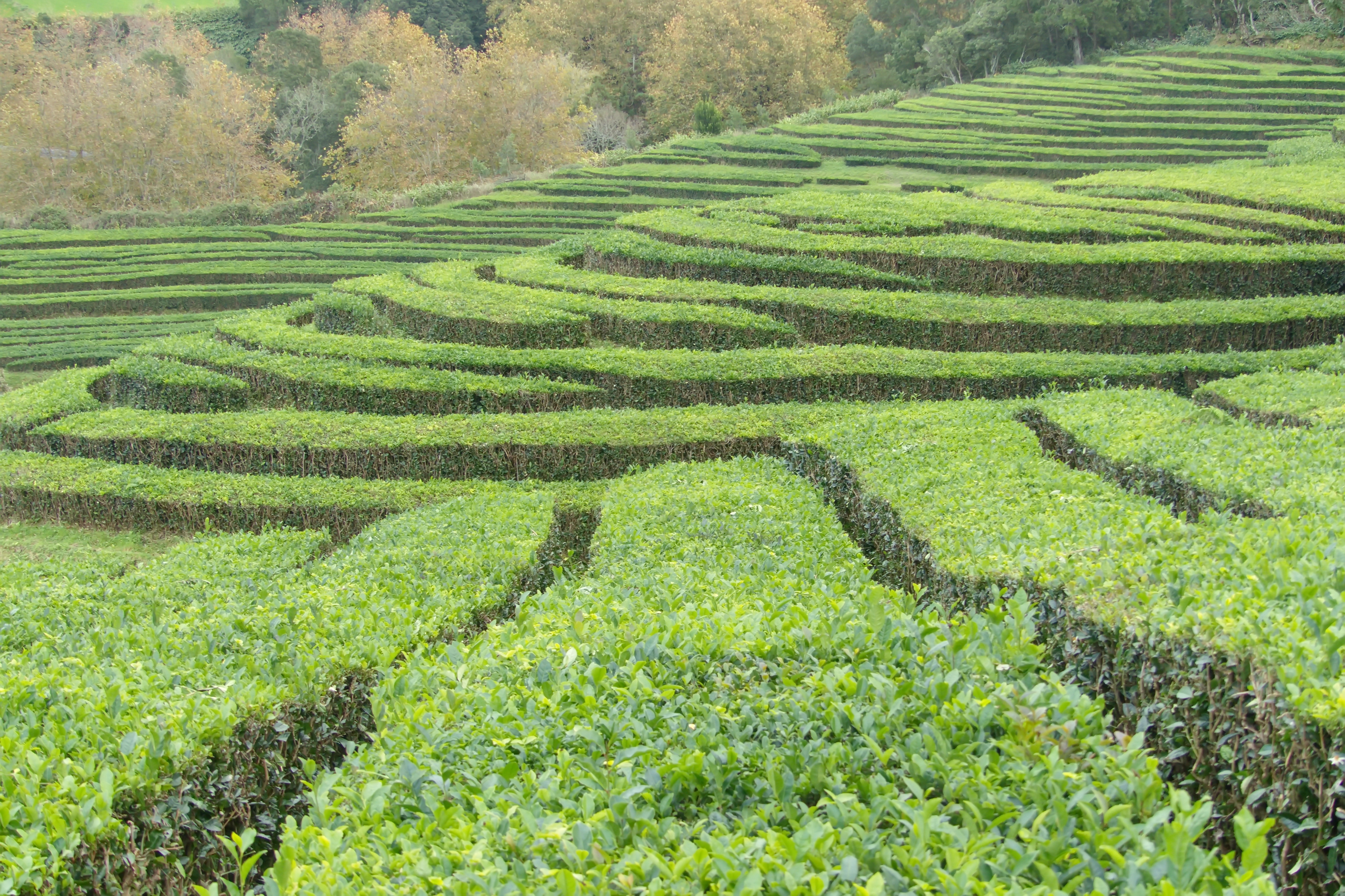
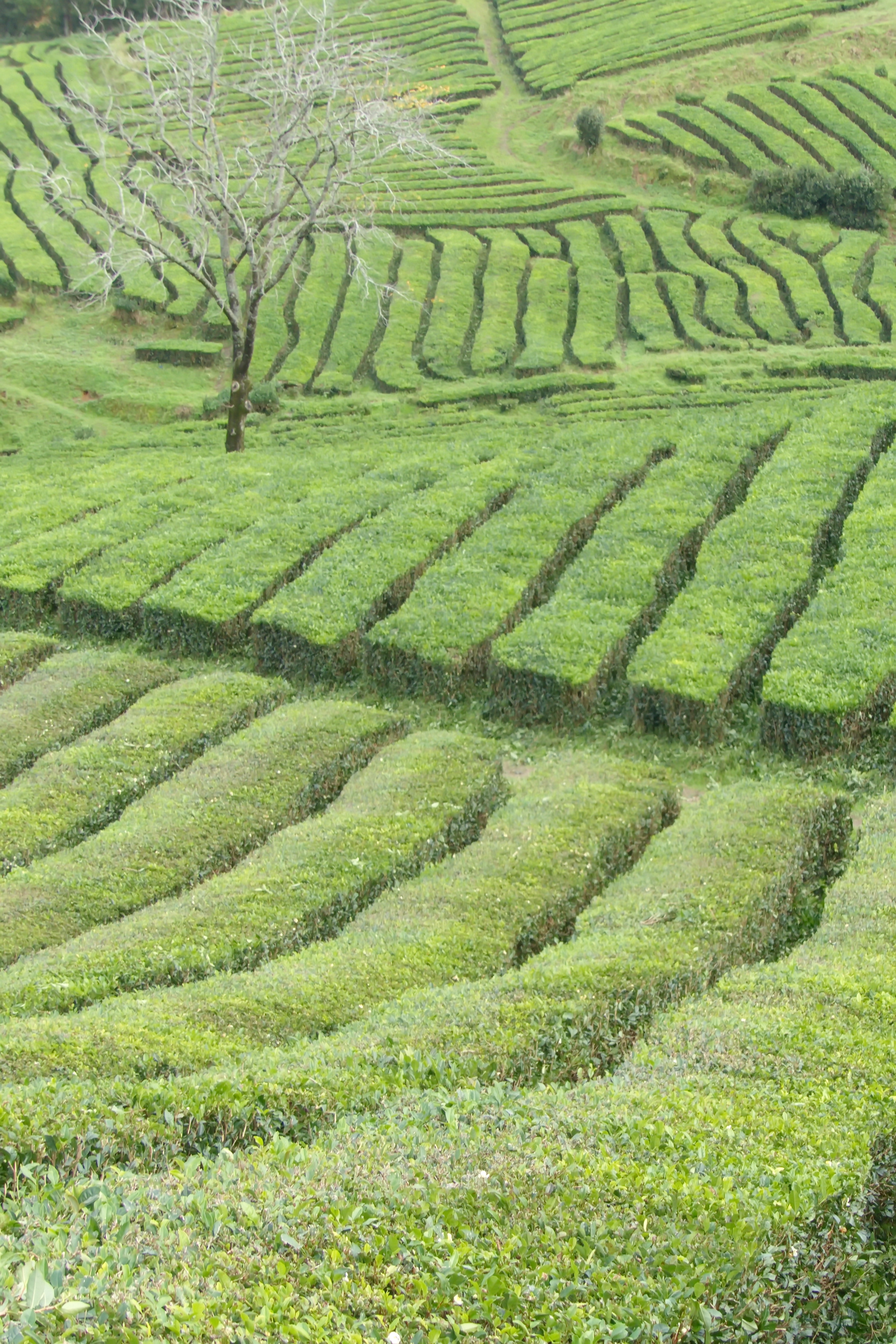
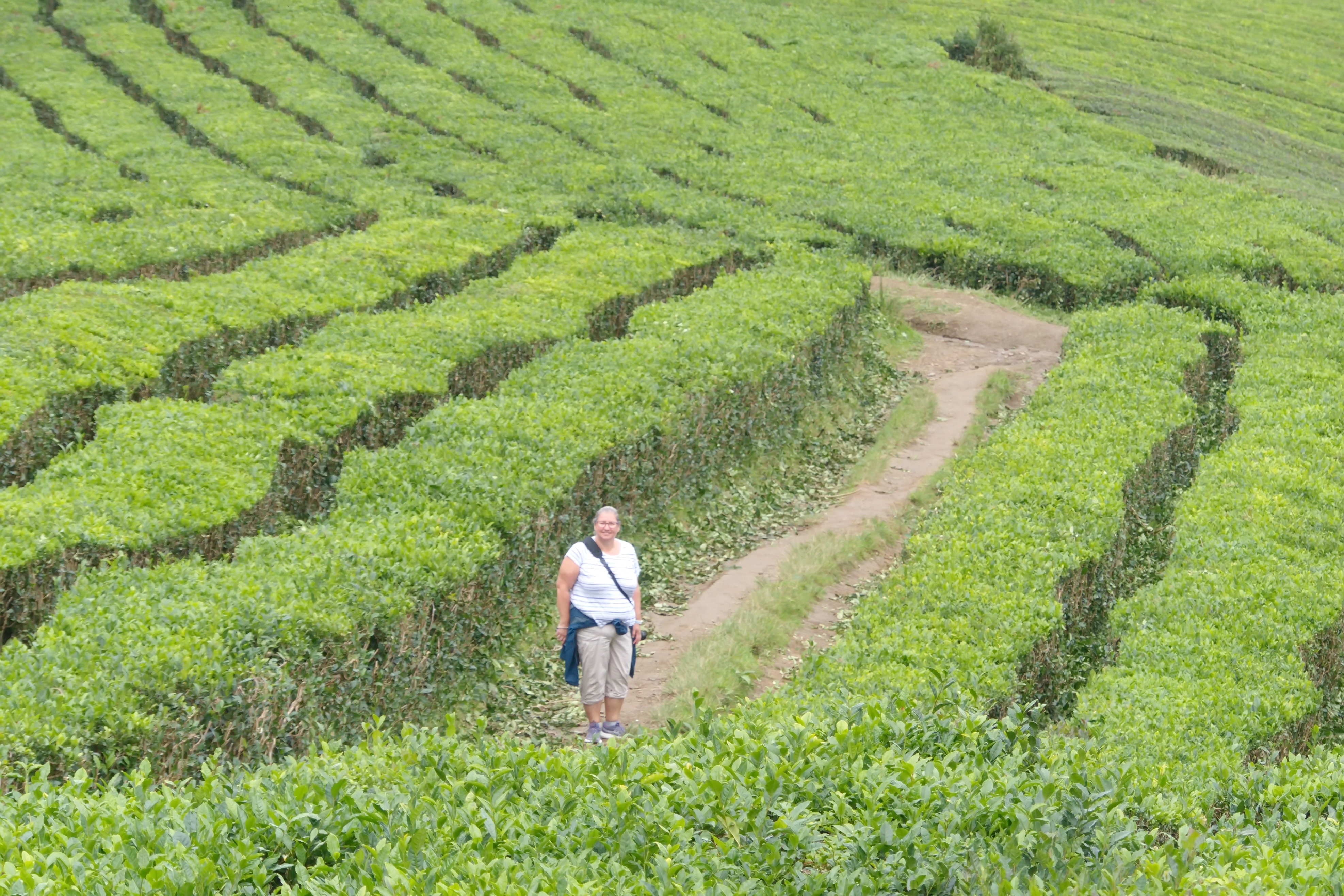
Walking here isn’t just scenic; it’s meditative. The paths weave between wave-like rows of bushes, offering countless spots to pause and take in the views. The earth beneath your feet alternates between soft soil and old volcanic rock, and as we meandered, rustling leaves became the soundtrack. It’s the kind of place where time slows—where you’ll catch yourself smiling just because the world is so quiet and beautiful.
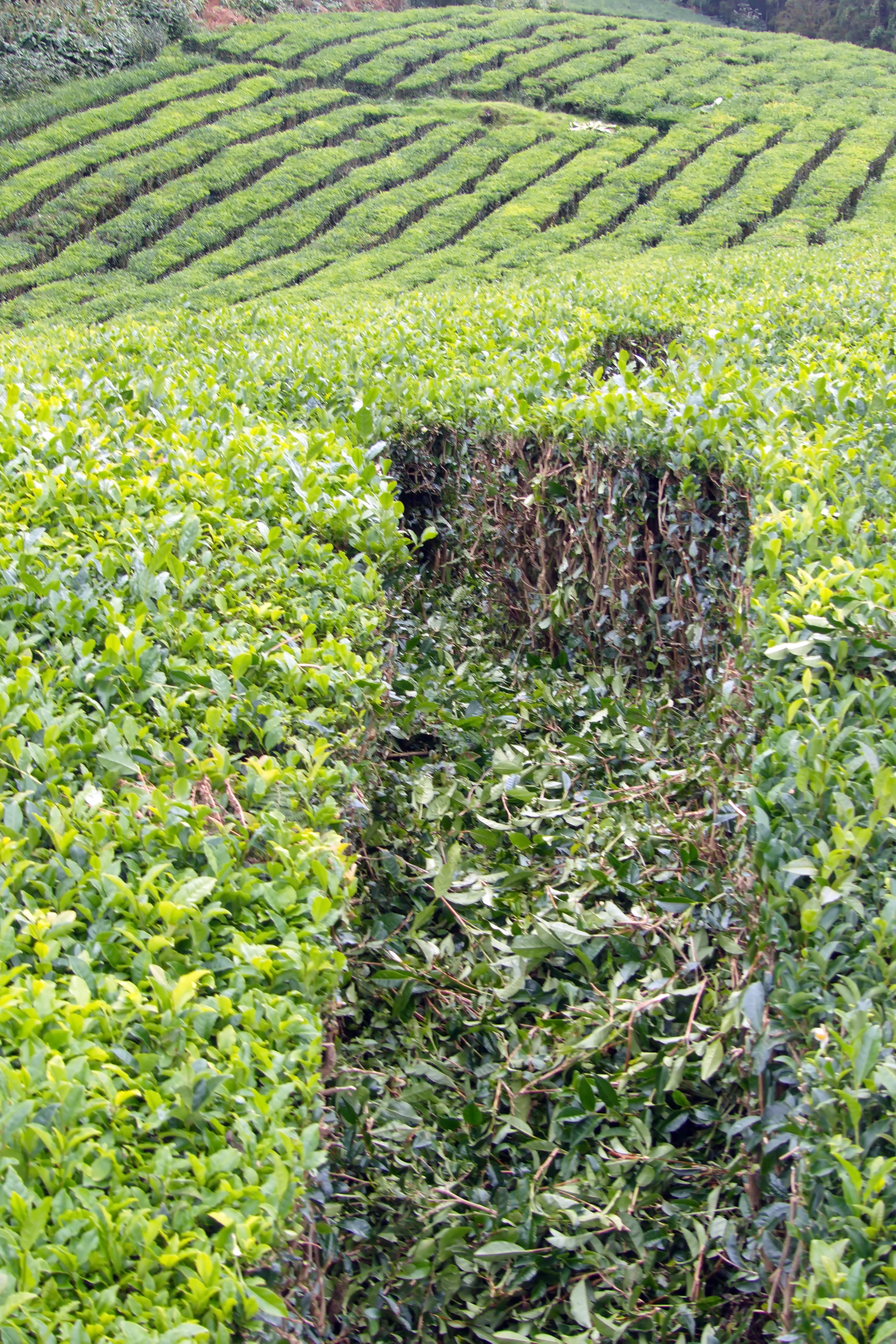
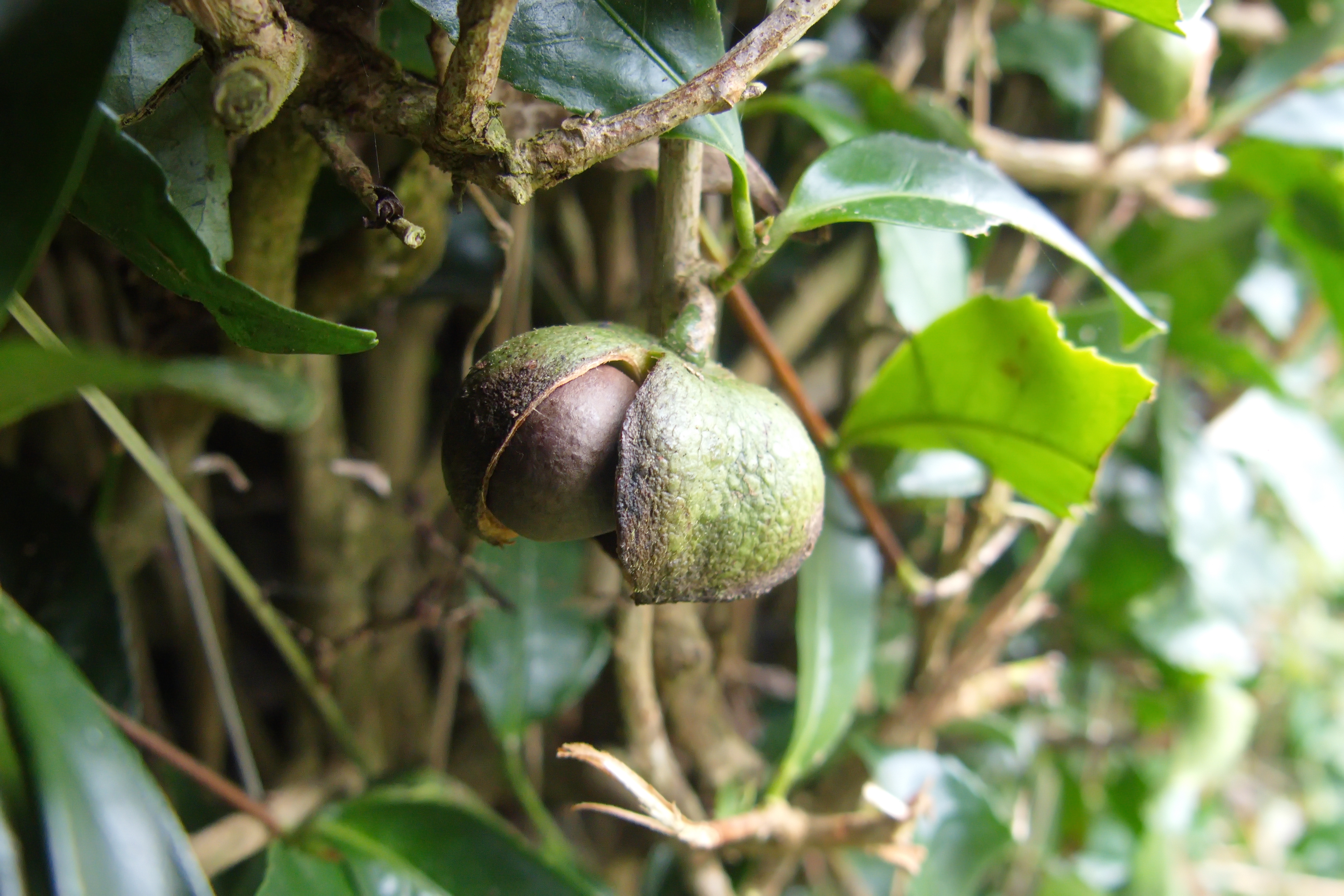
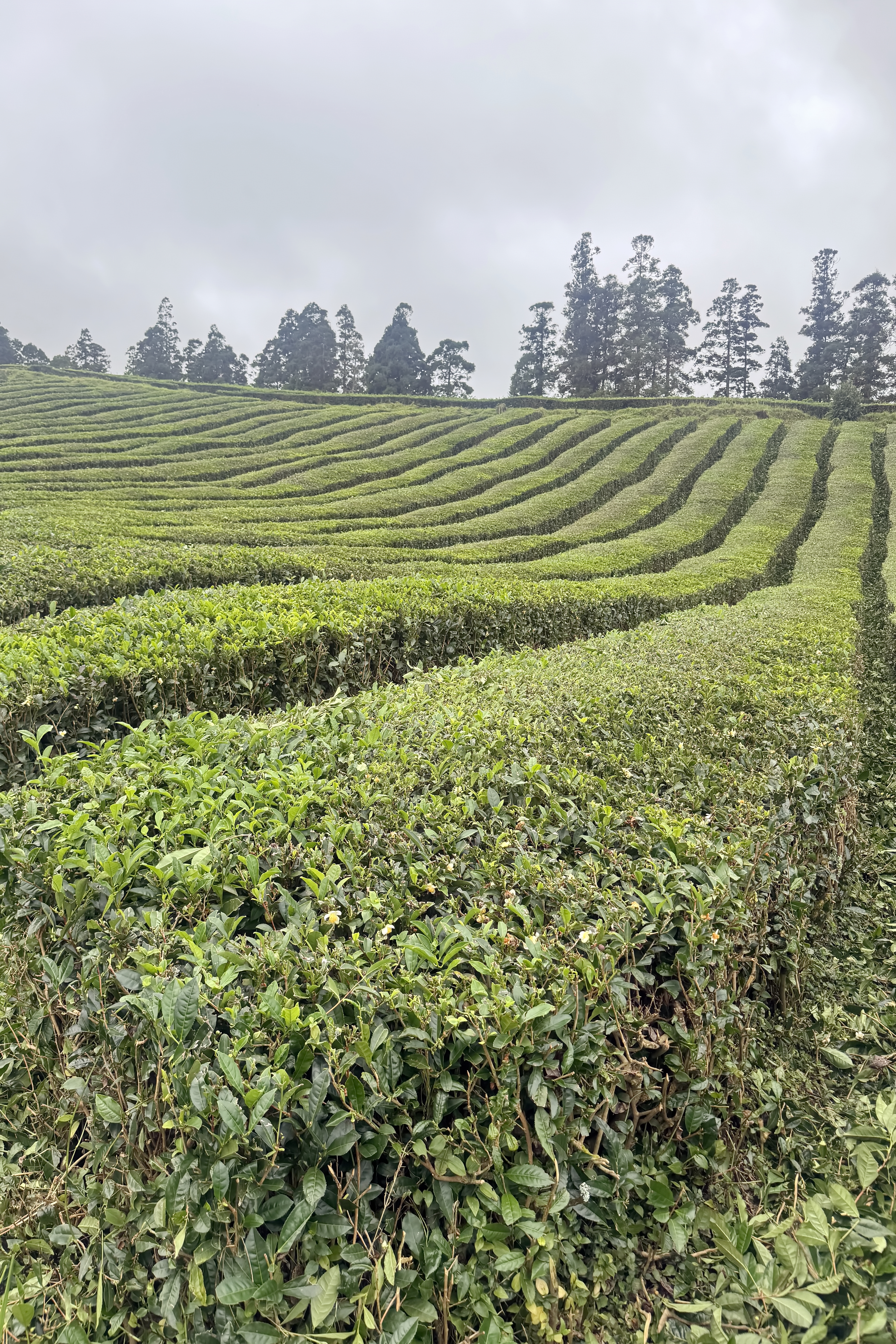
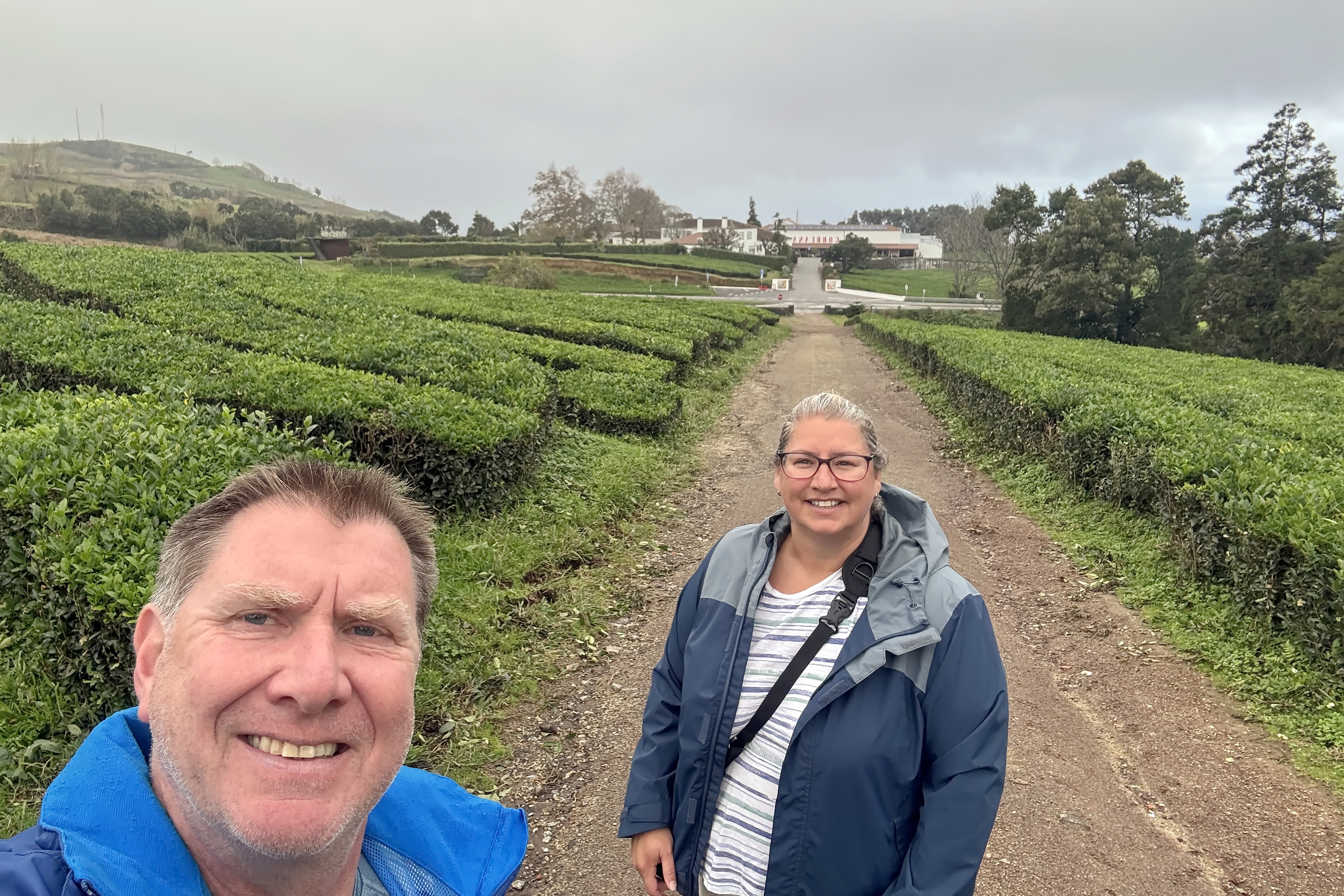
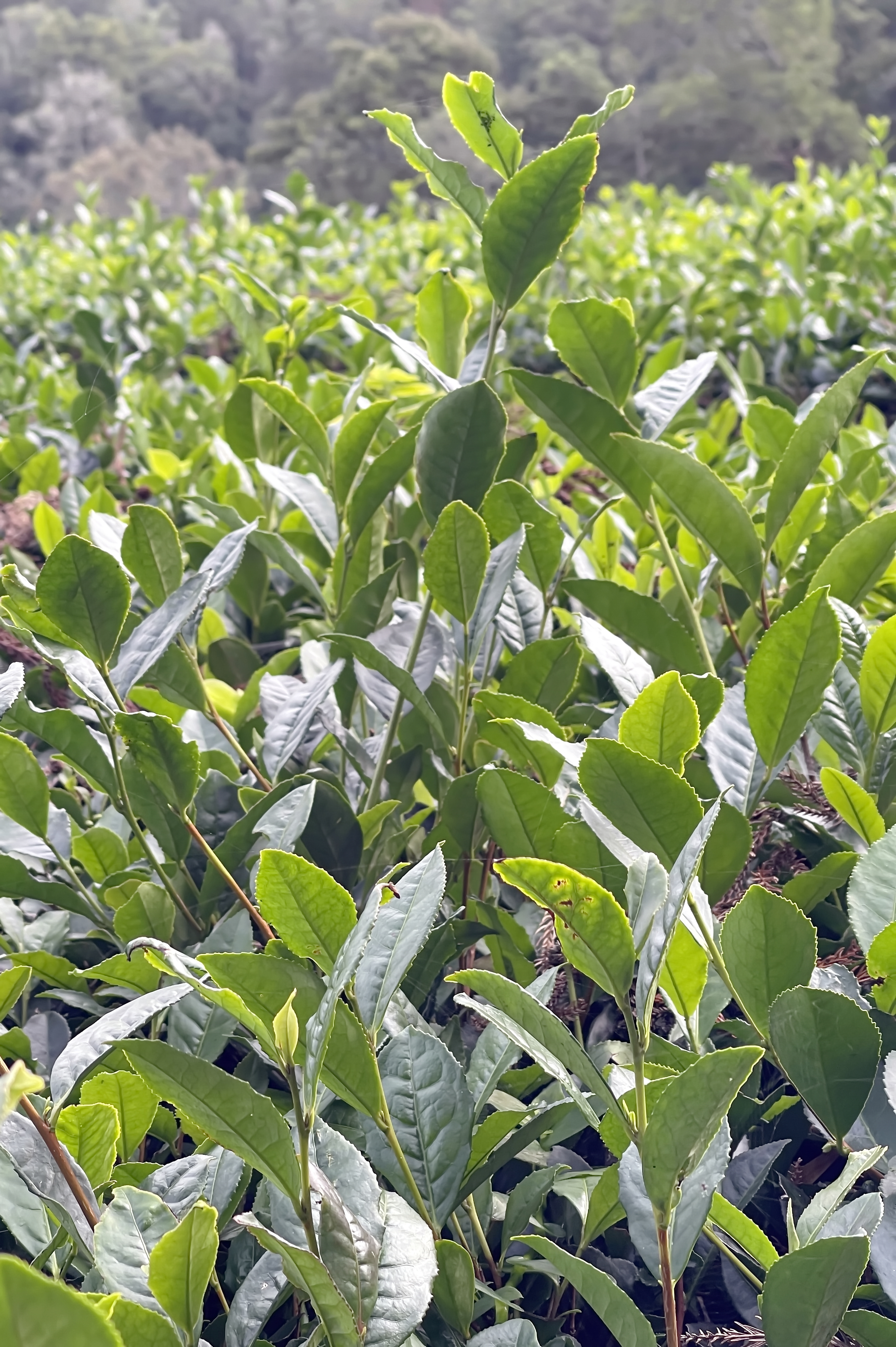
At Gorreana, you don’t just see tea growing; you feel the roots of tradition beneath your feet. You learn that tea is more than just a drink: it’s a landscape, a livelihood, and a living link between past and present.
H – Hydrangeas
Wherever you travel on Sao Miguel, flowers seem to line the landscape, with hydrangeas stealing the show. They spill along roadsides, fill fields and gardens, and quickly become part of the island’s personality—a quiet symbol of welcome and warmth. Giant clusters of blooms tumble over stone walls, fringe narrow lanes, and frame nearly every view in shades of deep blue, soft pink, lavender, and pure white.
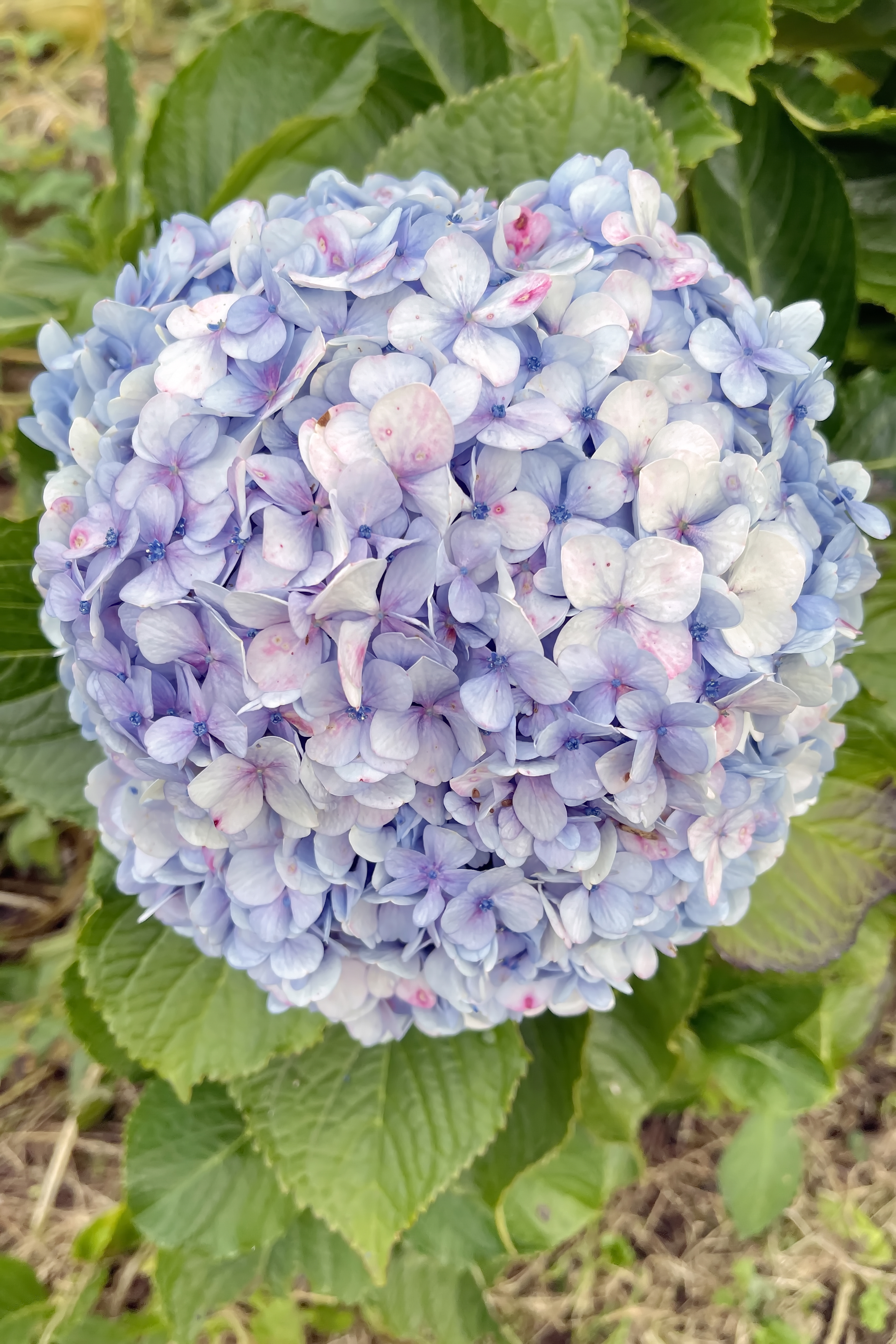
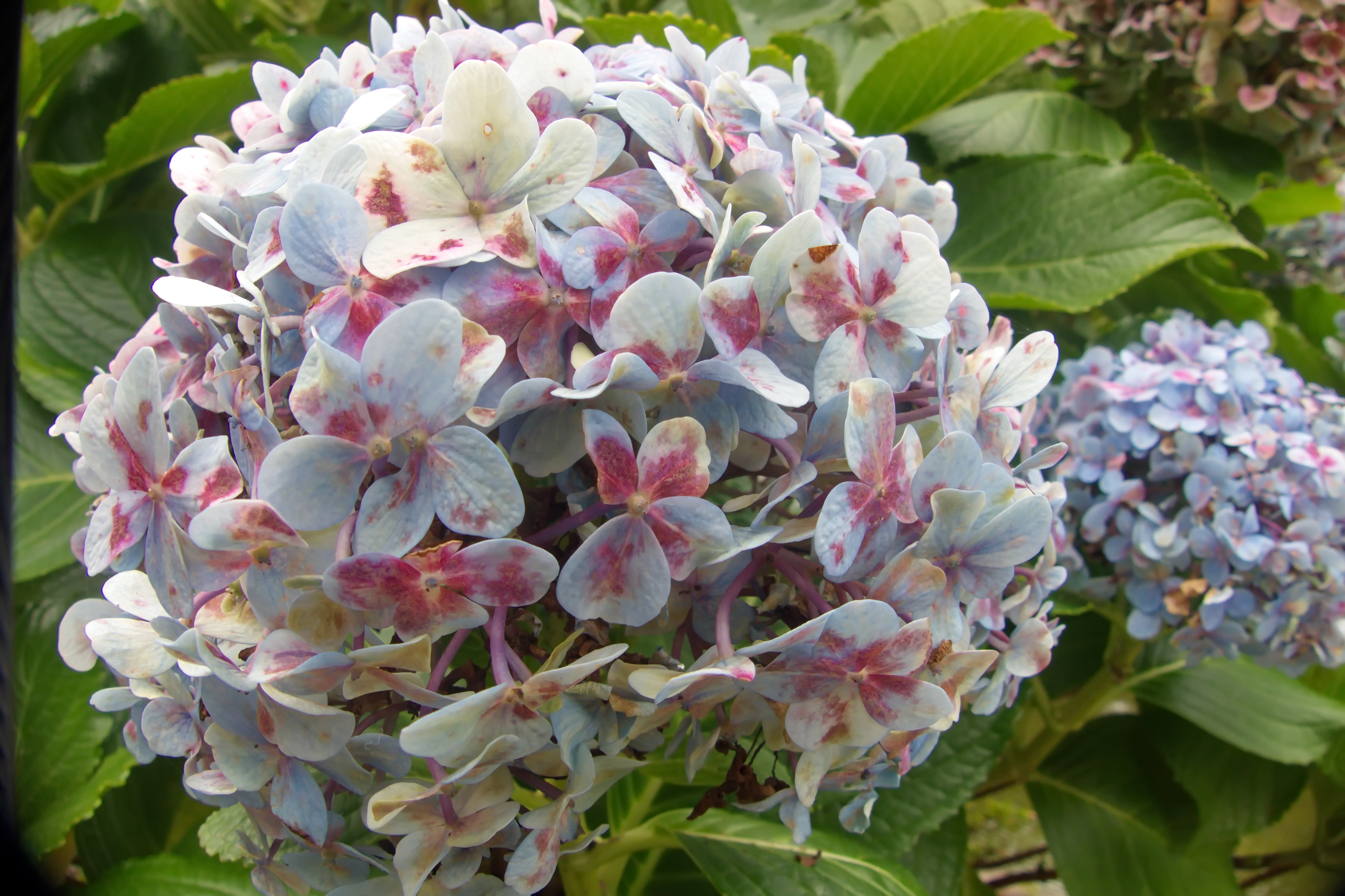
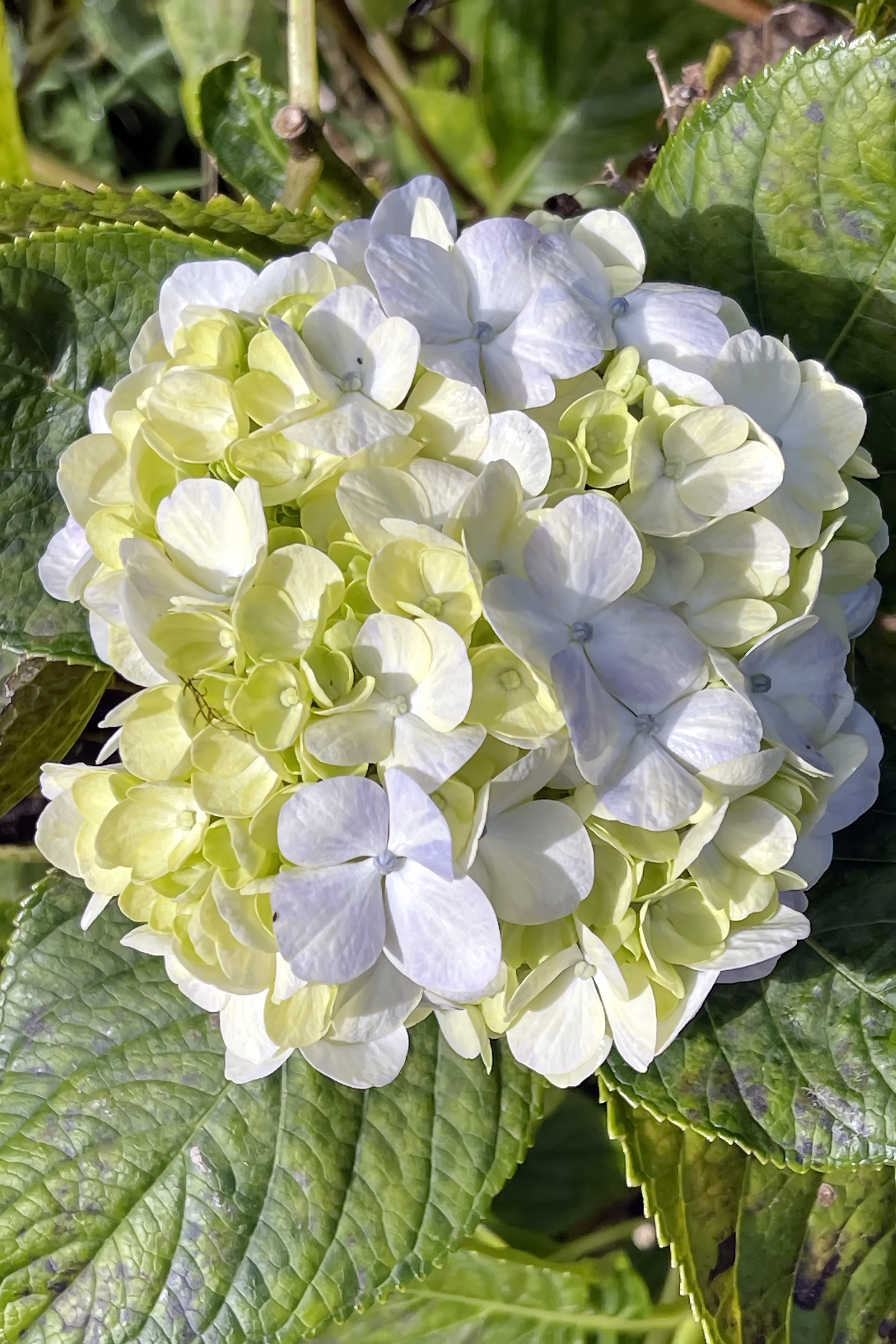
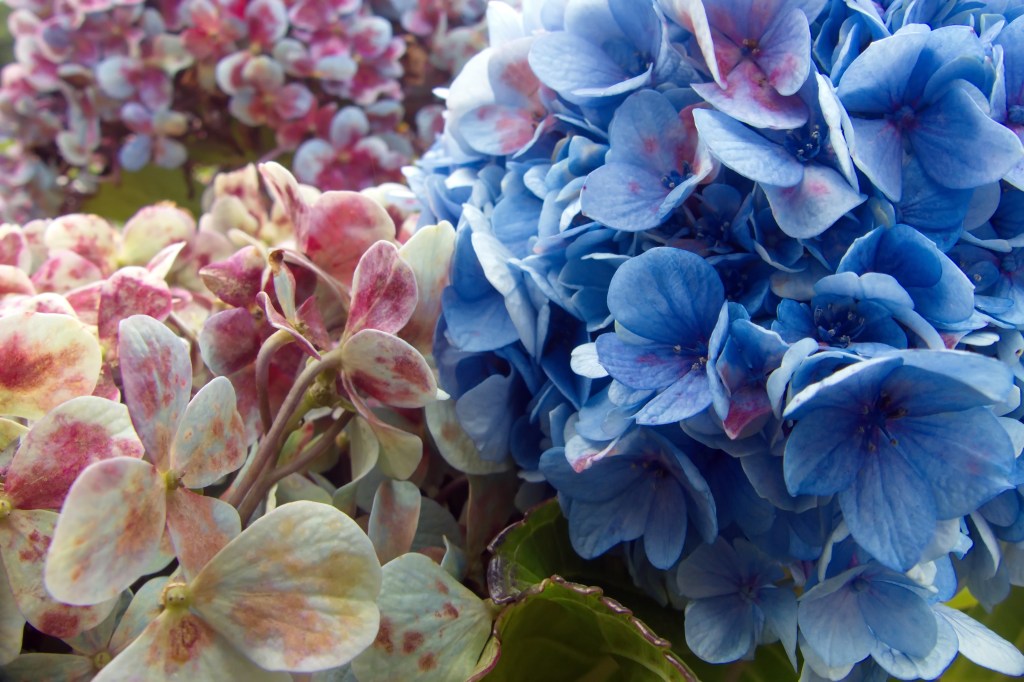
One of the simple joys of exploring Sao Miguel is never knowing what colours await around the next bend. The island’s volcanic soils provide excellent drainage and rich mineral content, creating ideal conditions for hydrangeas to thrive with little effort. You’ll find them everywhere—at coastal viewpoints, along caldera panoramas, edging lakes, and tucked into natural parks.
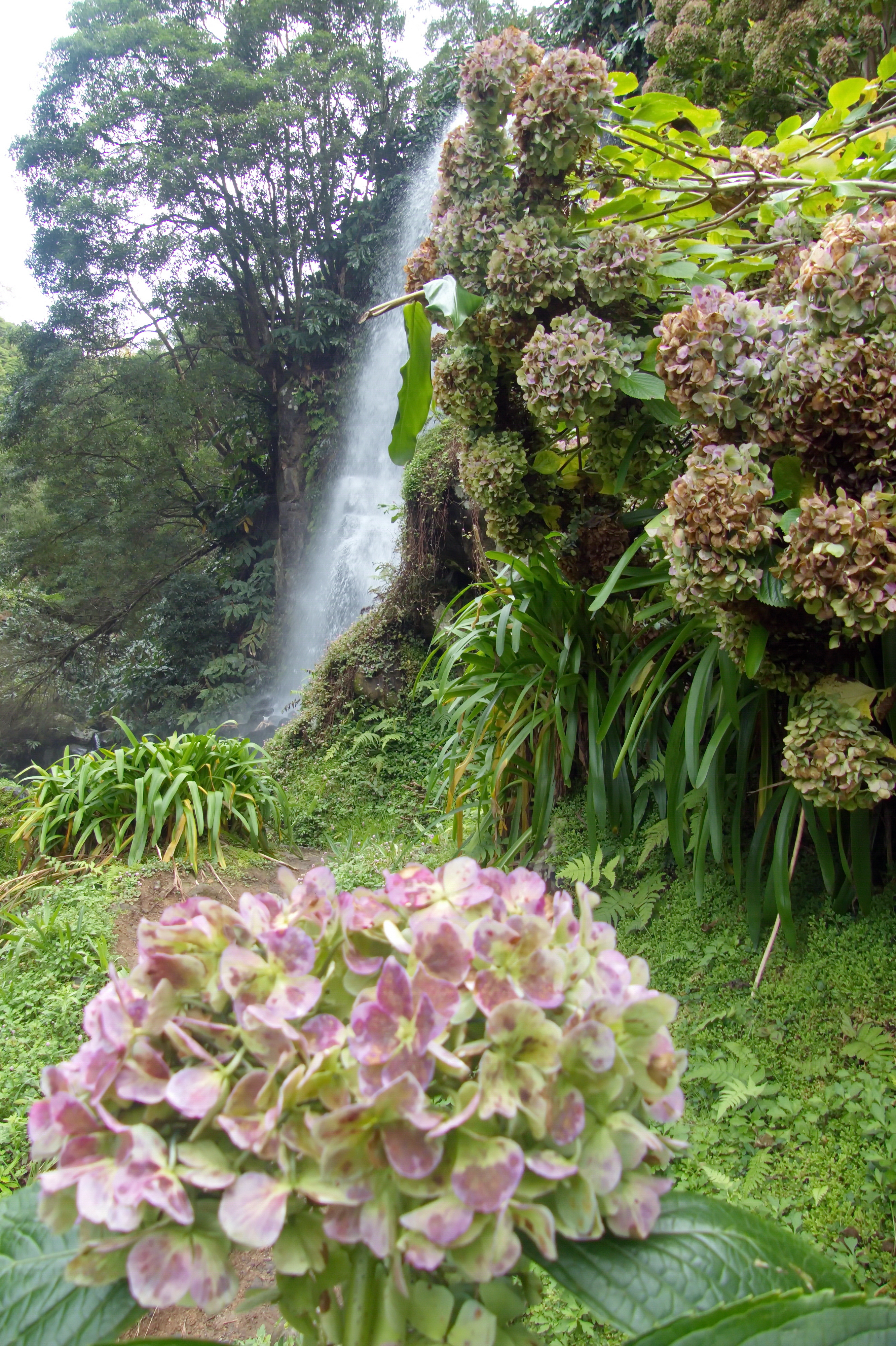
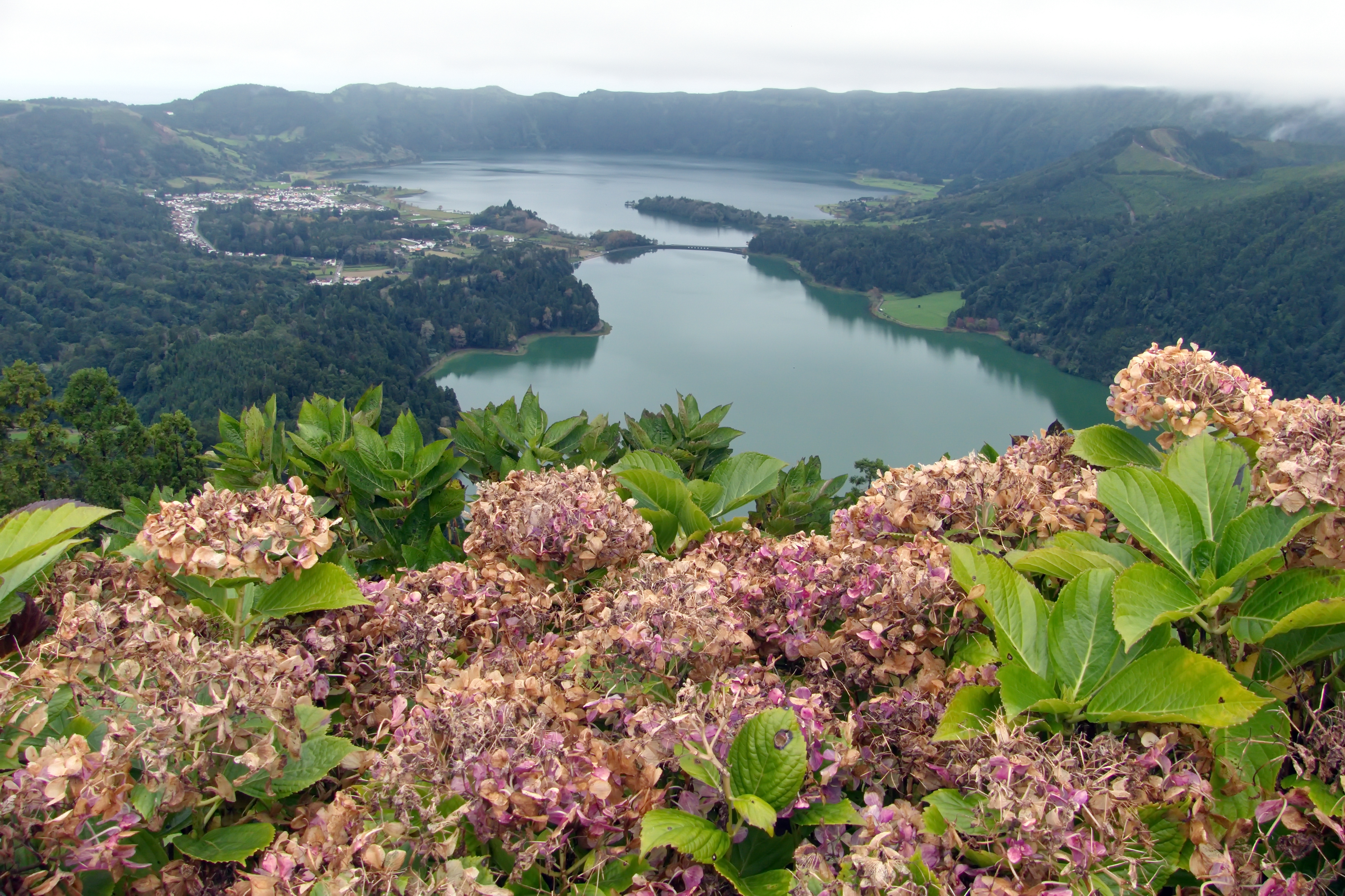
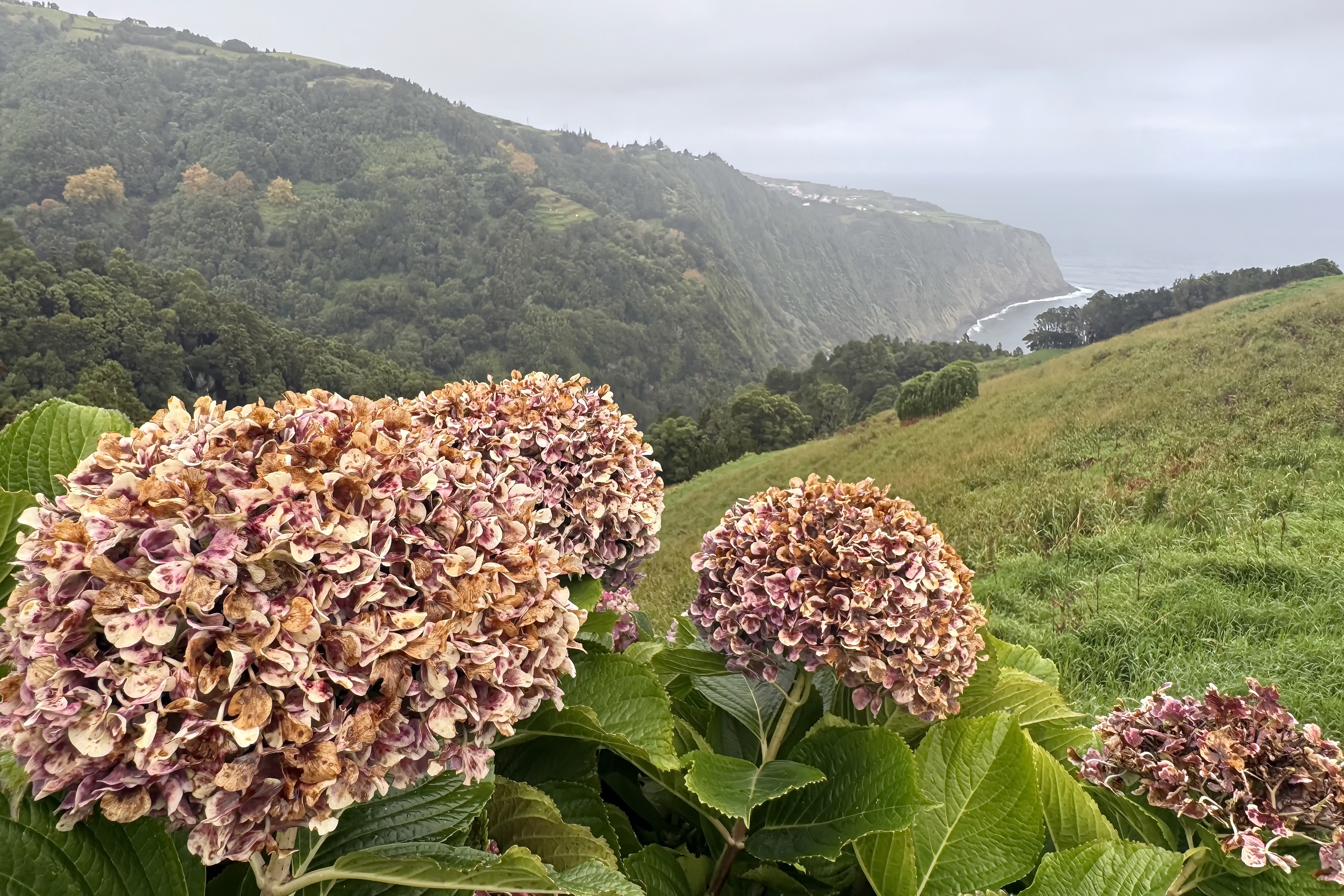
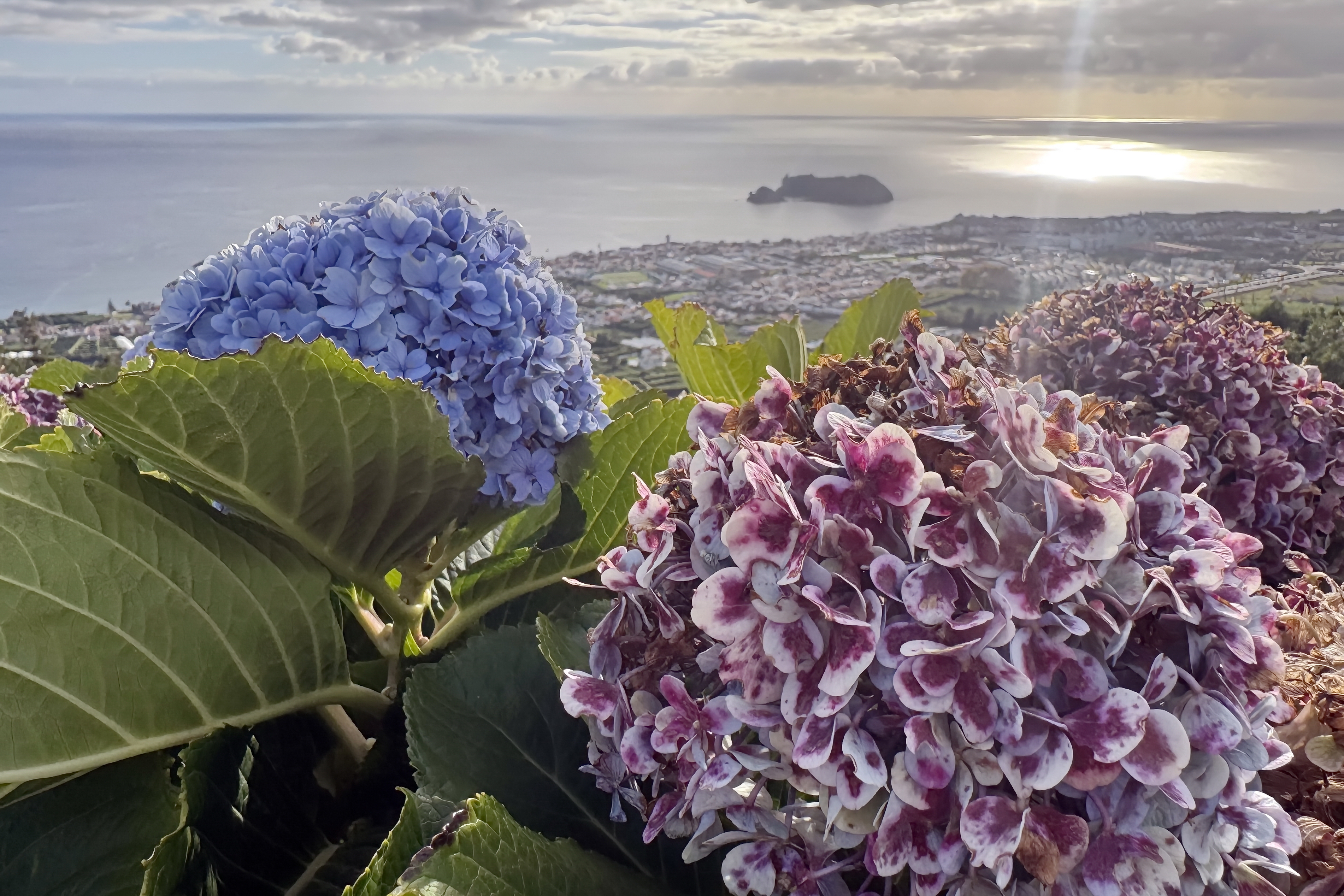
For many visitors, Sao Miguel’s hydrangeas are more than a botanical curiosity. Against a backdrop already rich with lush greens and dramatic volcanic scenery, these vibrant bursts of colour feel like nature’s own quiet celebration, adding softness and joy to every journey across the island.
L – Lago do Congro
Tucked away in the green heart of Sao Miguel, Lago do Congro felt like a quiet secret reserved for anyone willing to stray a little from the usual route. We reached it along a narrow dirt track, guided by birdsong and the simple hope of a lake resting unseen inside an ancient volcanic crater. Unlike the island’s showpiece viewpoints, Congro unfolds gradually—the first glimpse only a flash between trees, inviting you to keep going, step by step, until the path finally delivers you to the water’s edge.
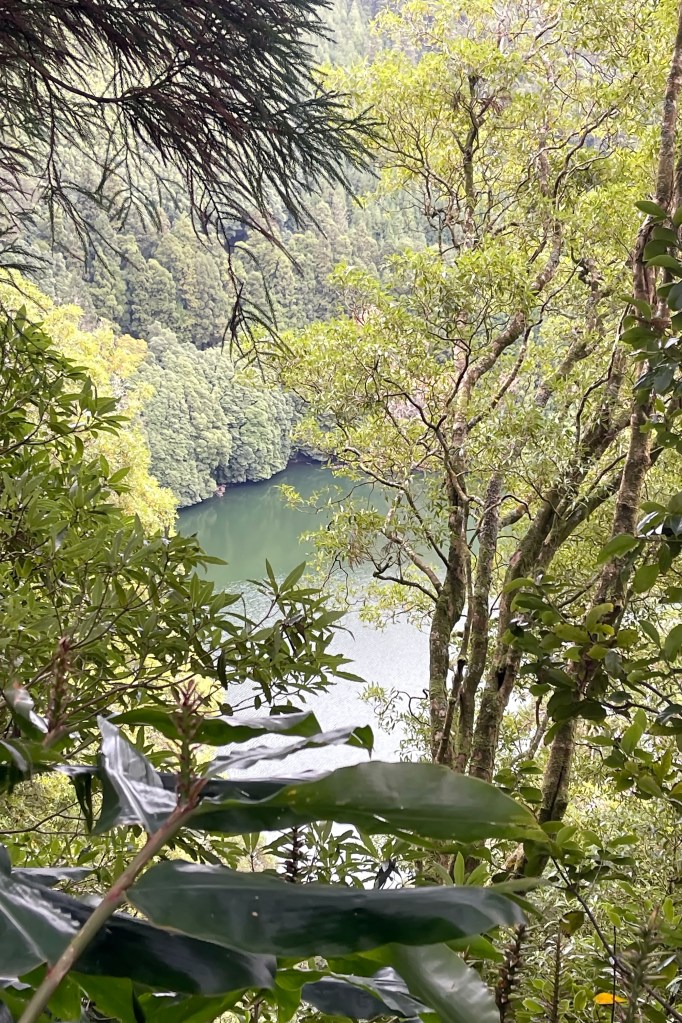
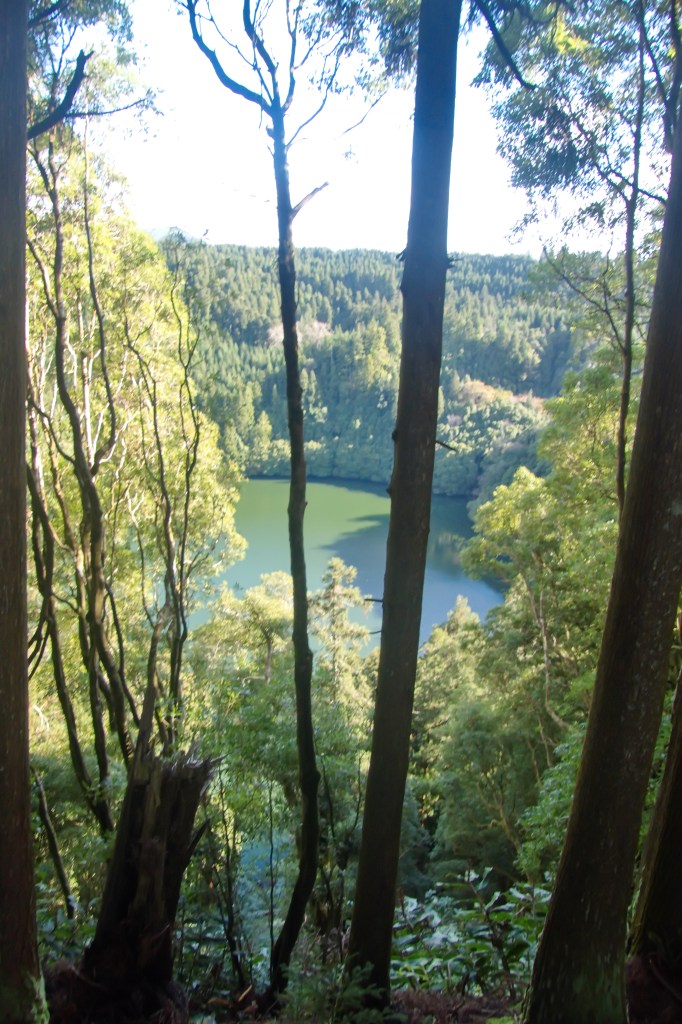
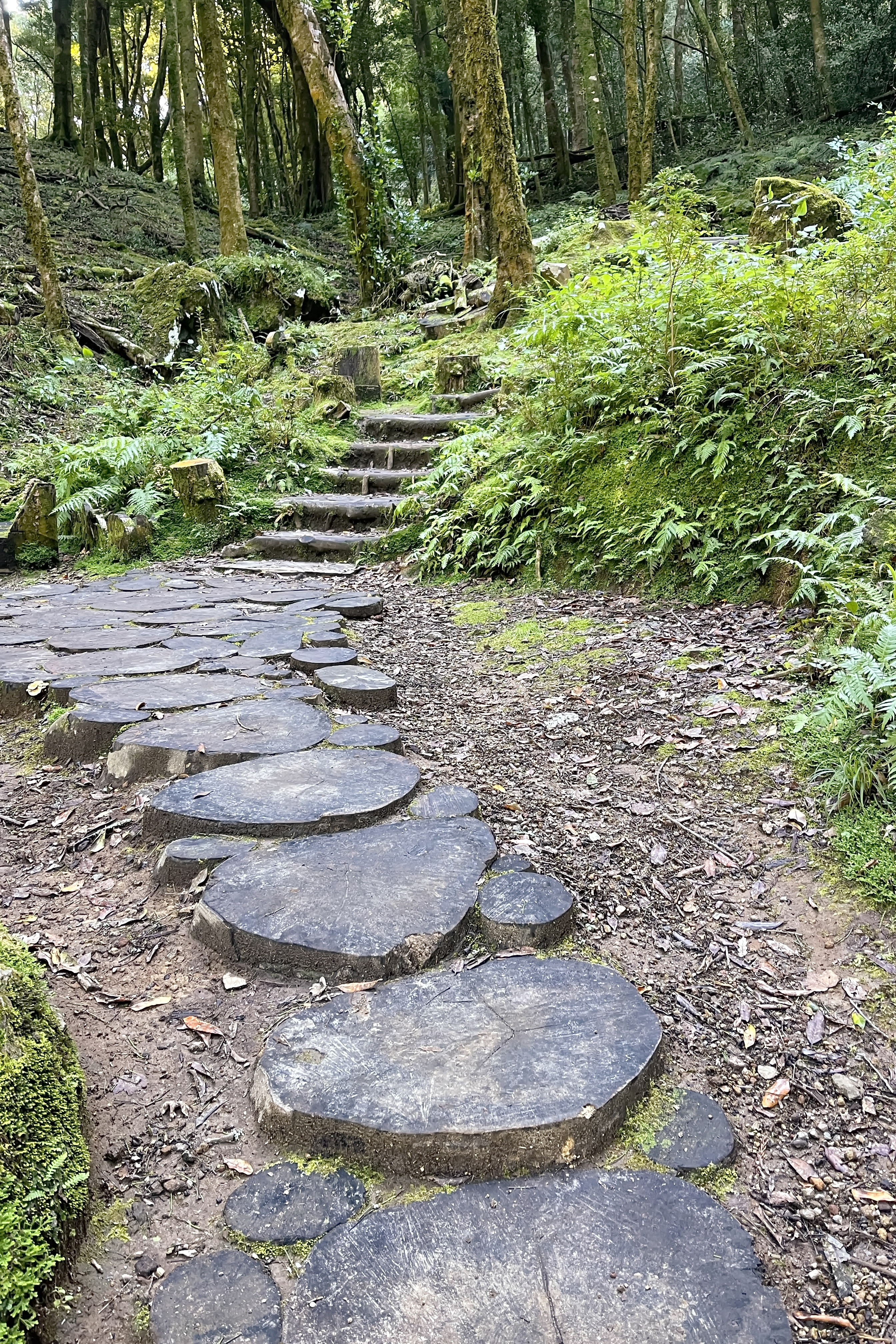
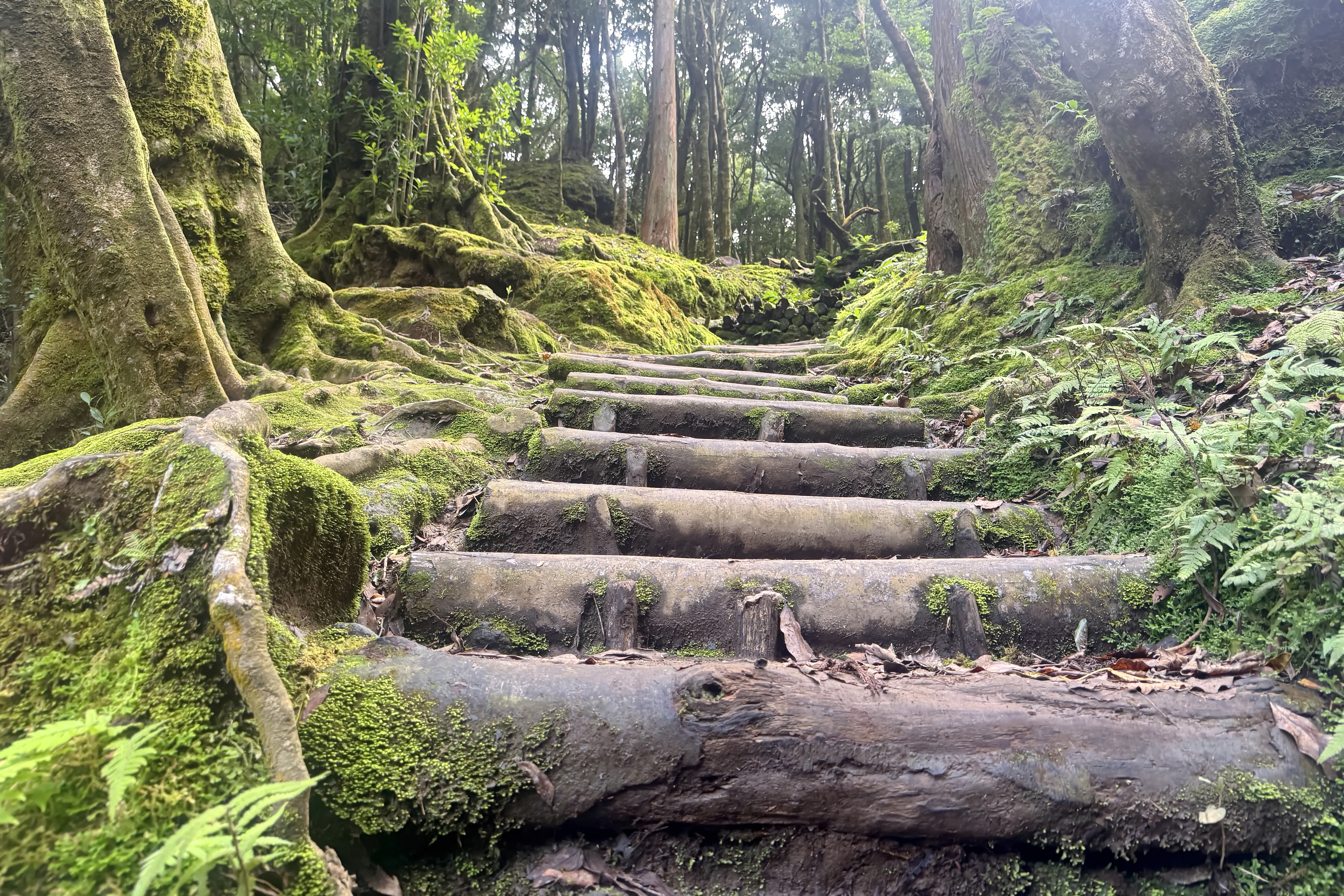
The shaded path dipped downhill through dense forest, and almost immediately the air changed. It grew cooler and damper, scented with wet earth and leaves. Sunlight filtered through the canopy in scattered beams, catching on moss-covered trunks and tangles of ivy. At times the trail narrowed and twisted down worn wooden steps, and we kept expecting the lake to appear around the next bend. It stayed hidden, teasing us, until suddenly it was there.
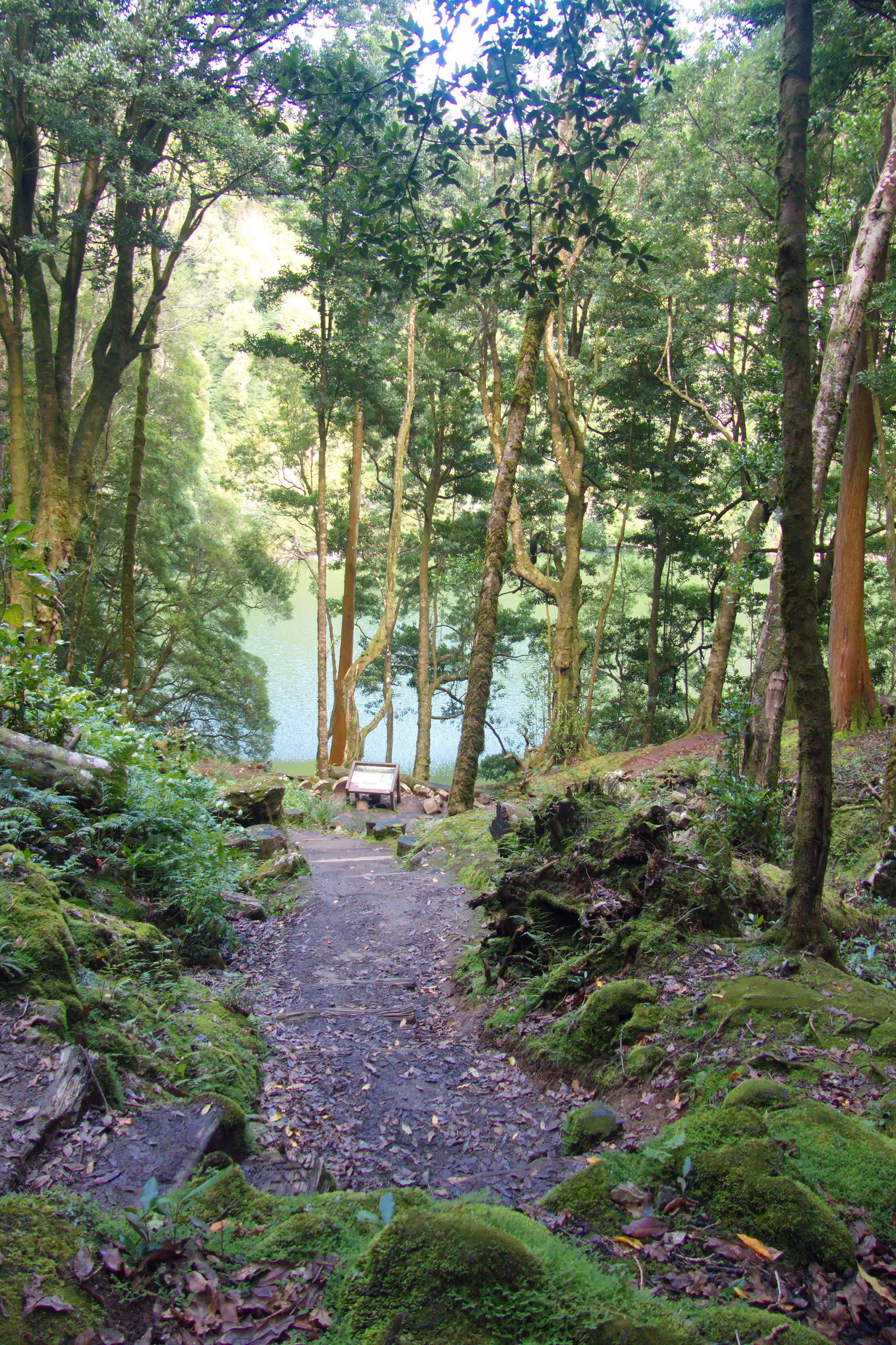
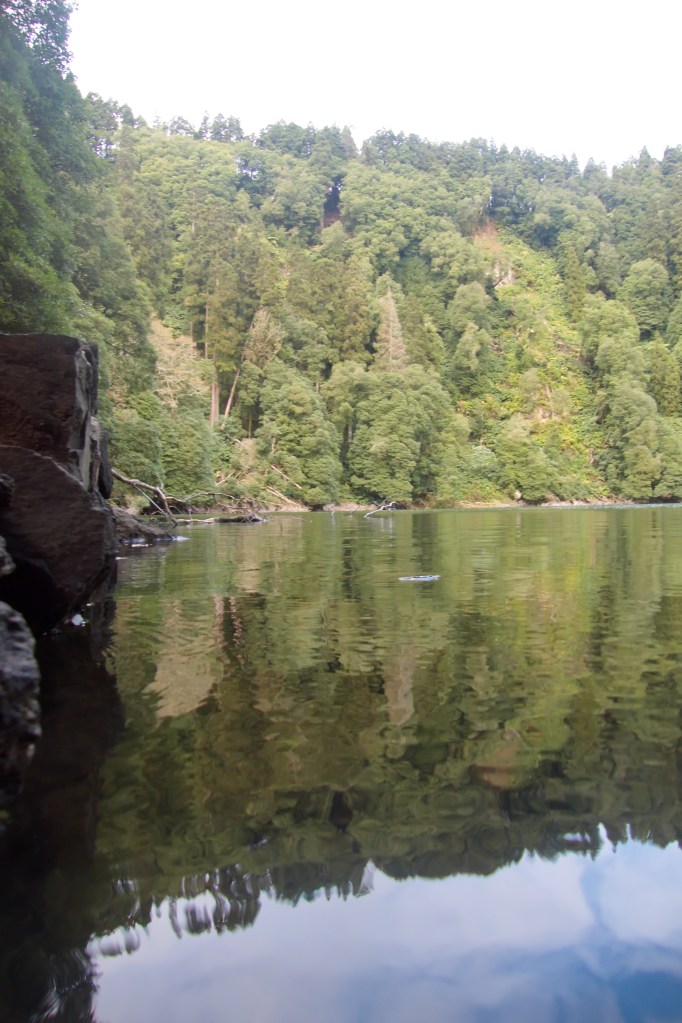
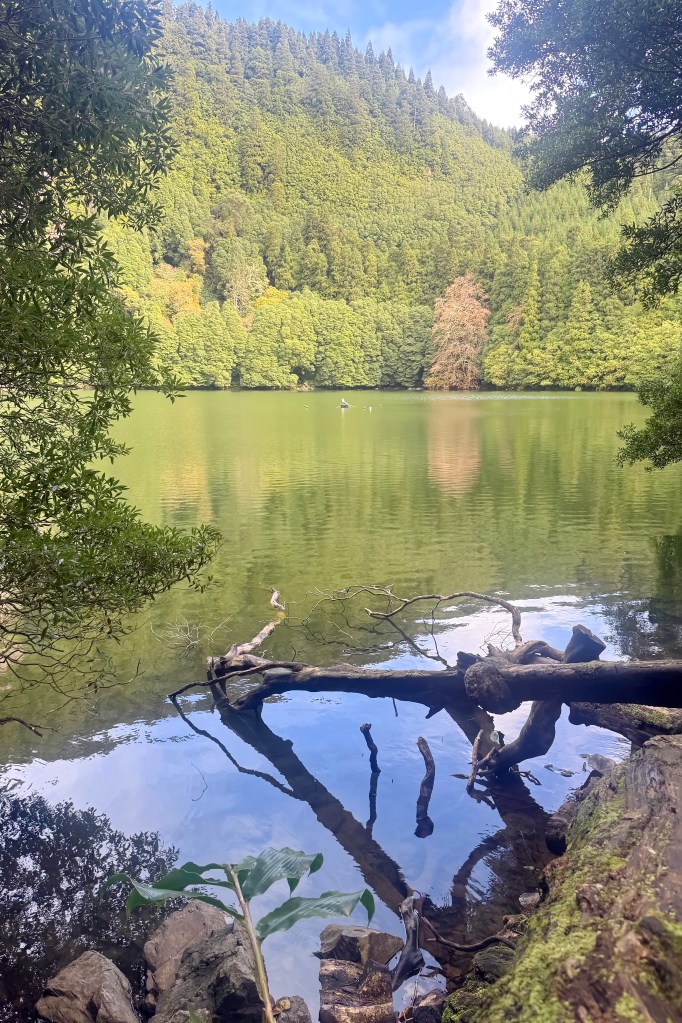
Lago do Congro lay perfectly still, a dark mirror framed by steep crater walls. The water was a deep emerald, almost mysterious in its intensity, and the vegetation crowded right to the edge as if trying to keep the place enclosed. We found a small opening near the shore and sat for a while, happy to say nothing at all. Occasionally a fish broke the surface, sending gentle ripples across the lake, but otherwise the world felt suspended. It was easy to imagine how little this scene must have changed—decades, even centuries passing with nothing more than the slow growth of trees to mark the time.
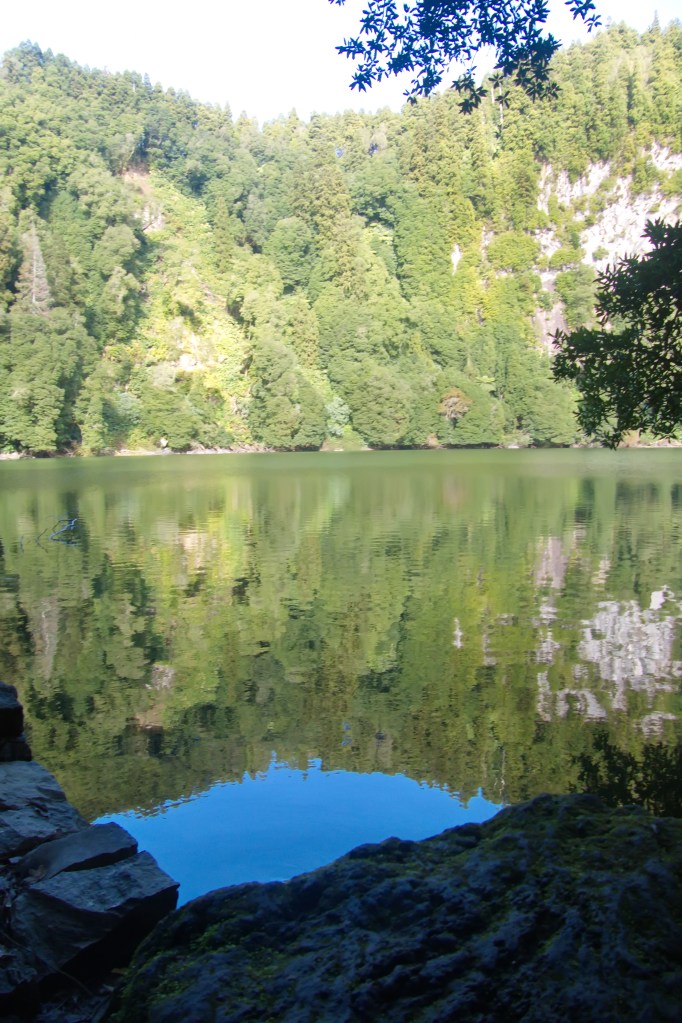
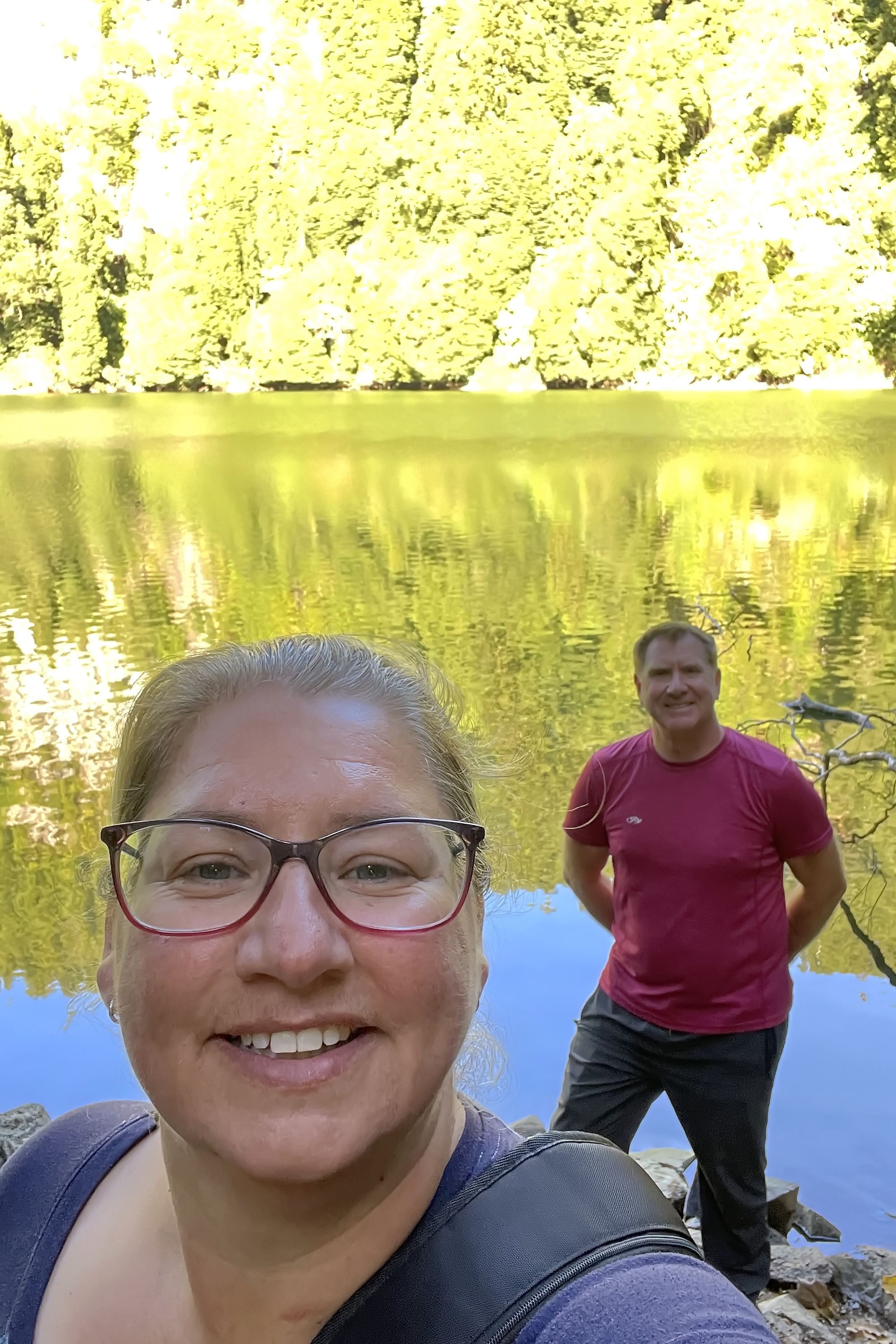
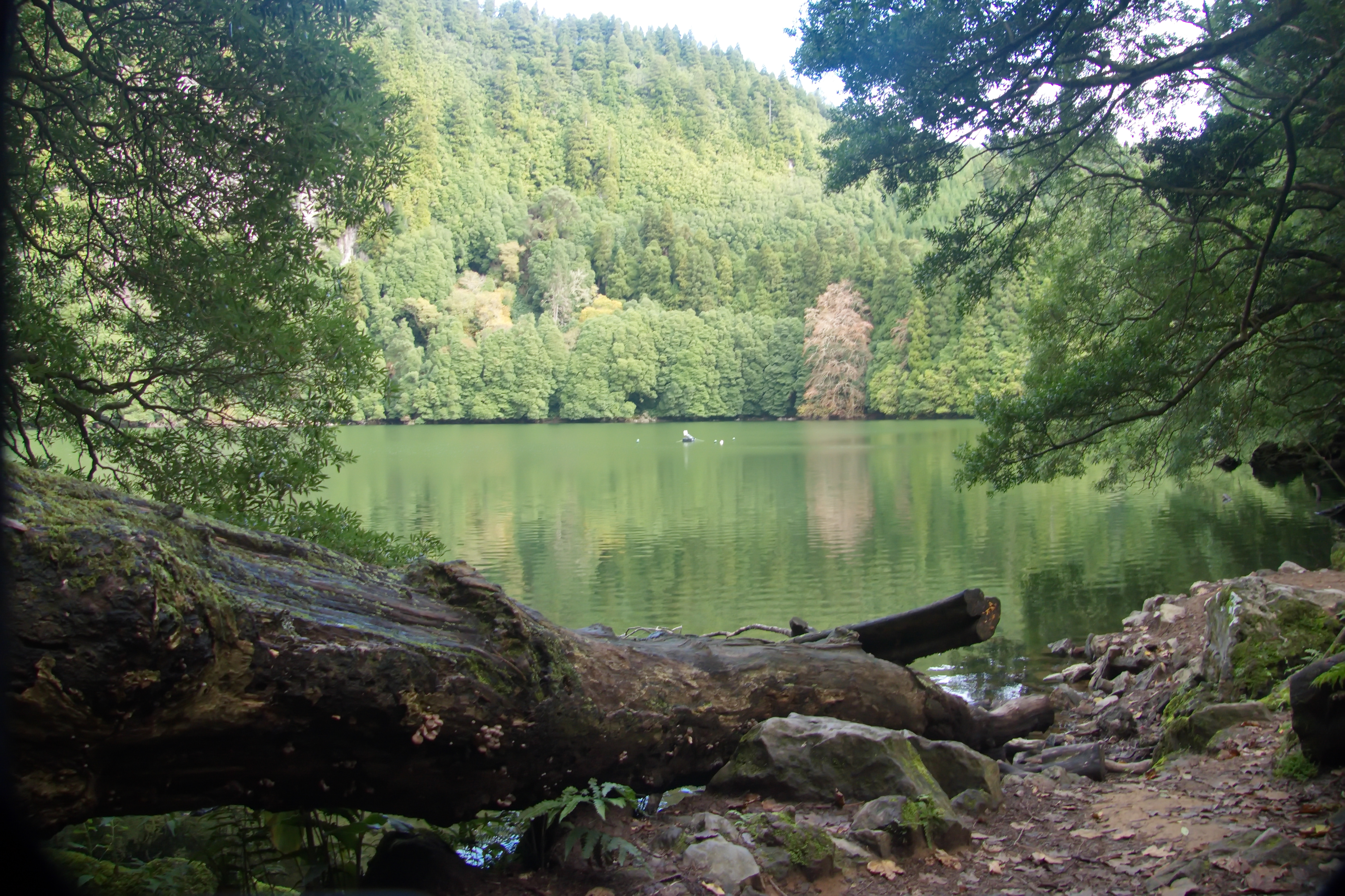
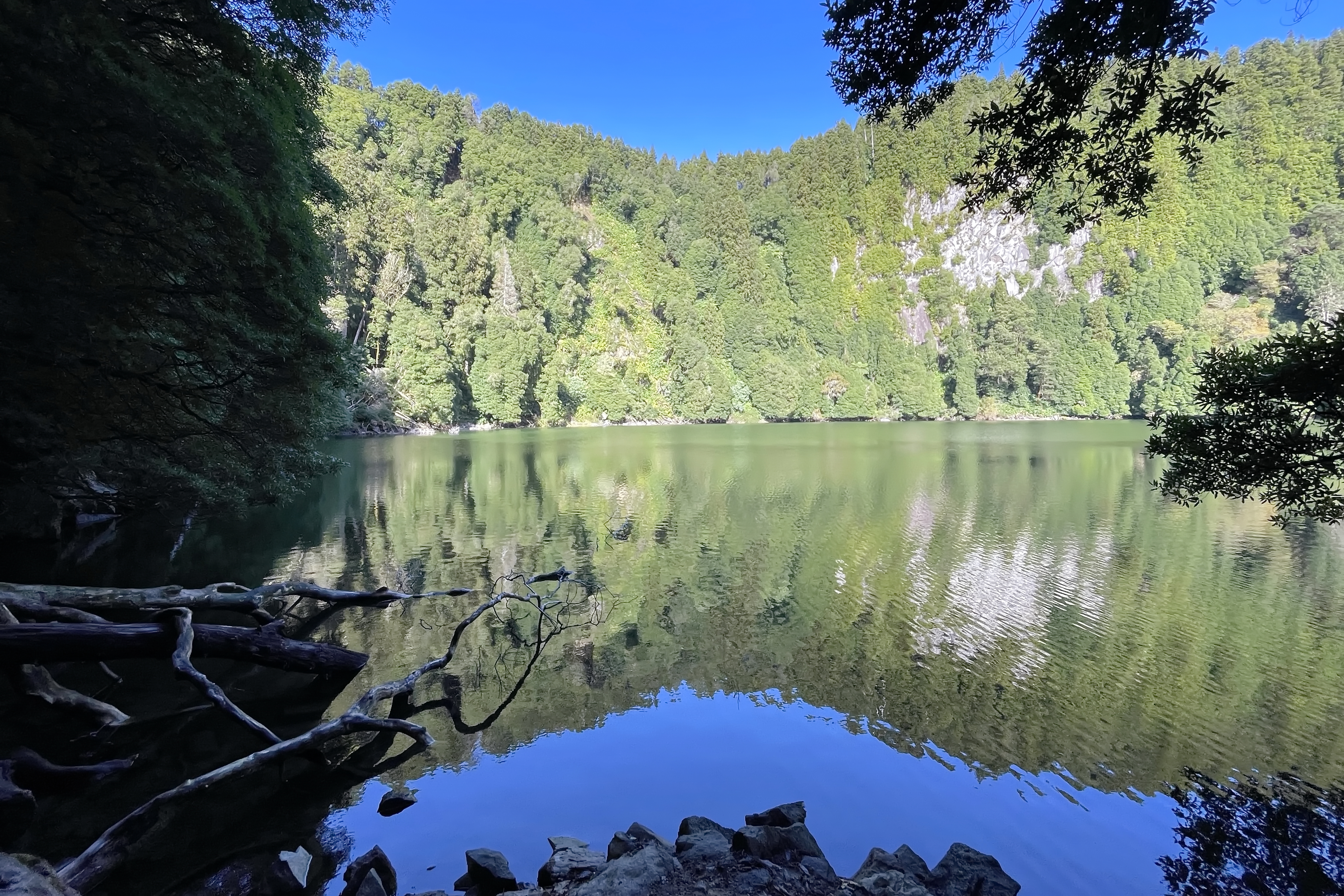
What stayed with us most was the quiet. Lago do Congro doesn’t demand attention; it simply invites you to breathe and slow your thoughts to the pace of the water. After the busy viewpoints and dramatic overlooks of the island, this felt like a gentle exhale. Some of Sao Miguel’s most beautiful places aren’t the ones you see first—they’re the ones you have to walk a little farther, and a little deeper, to find.
M – Muro das Nove Janelas
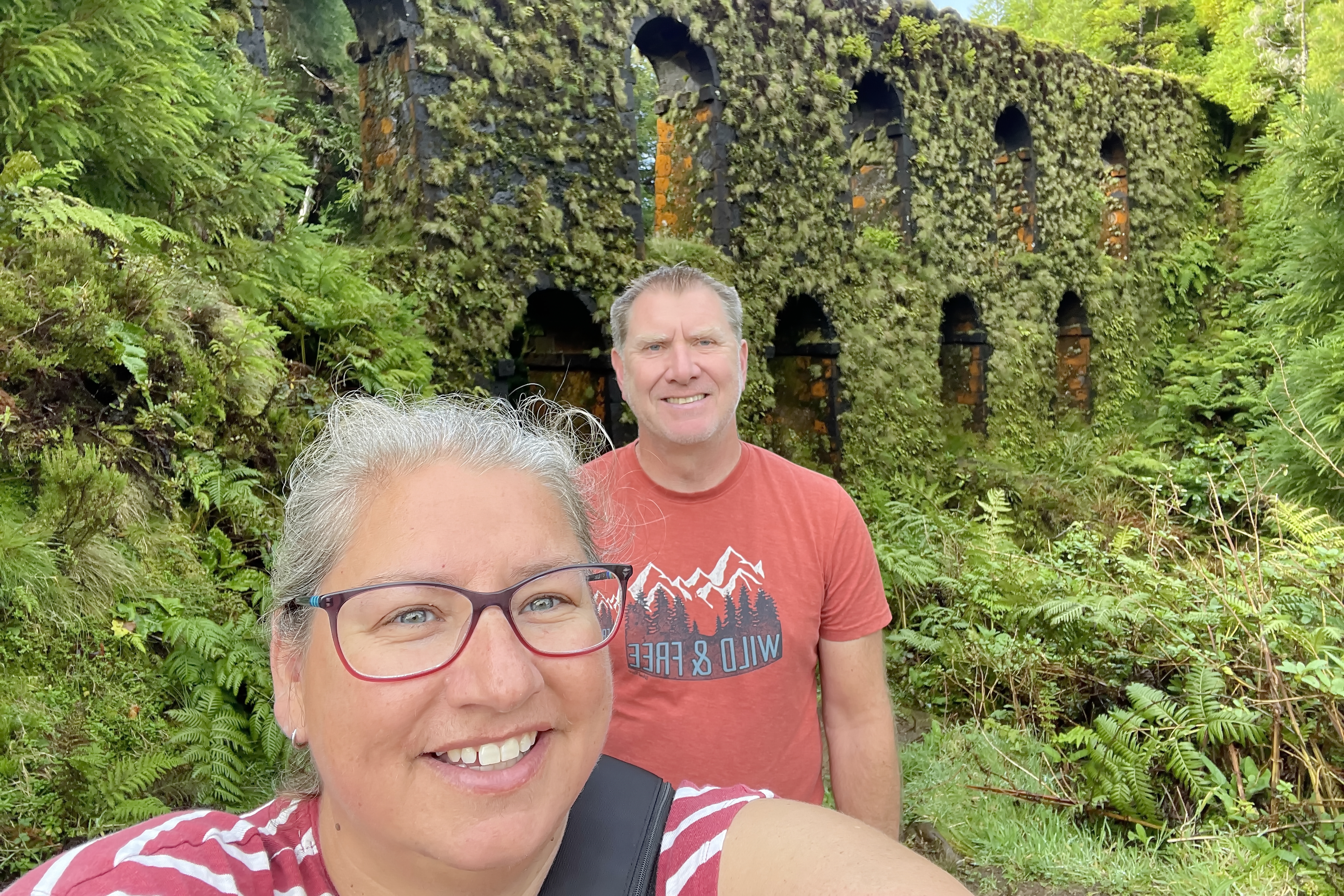
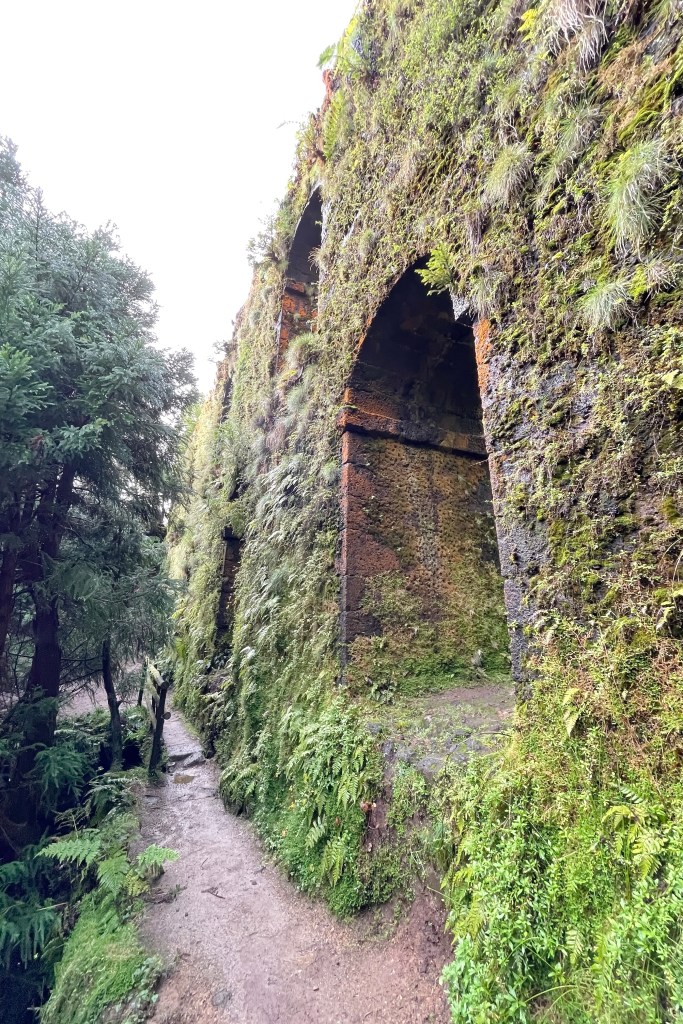
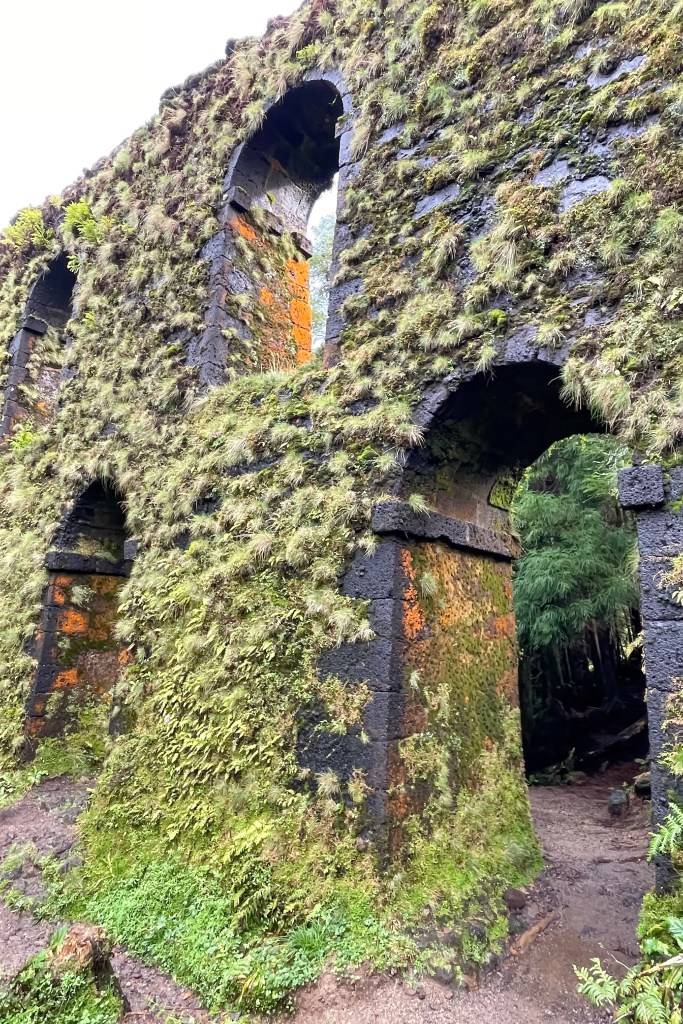
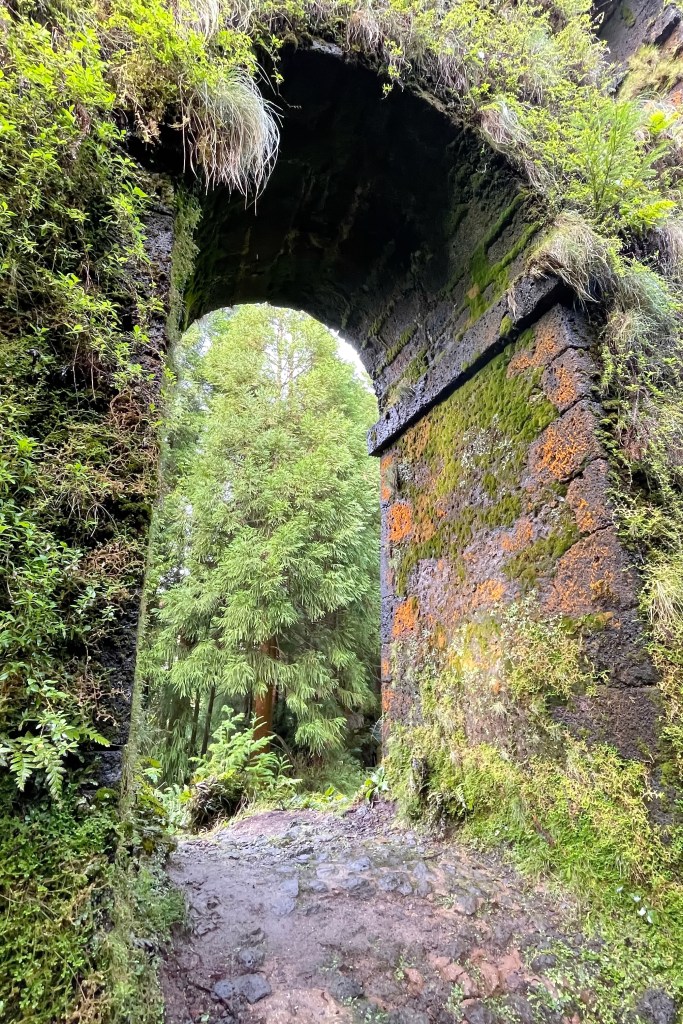
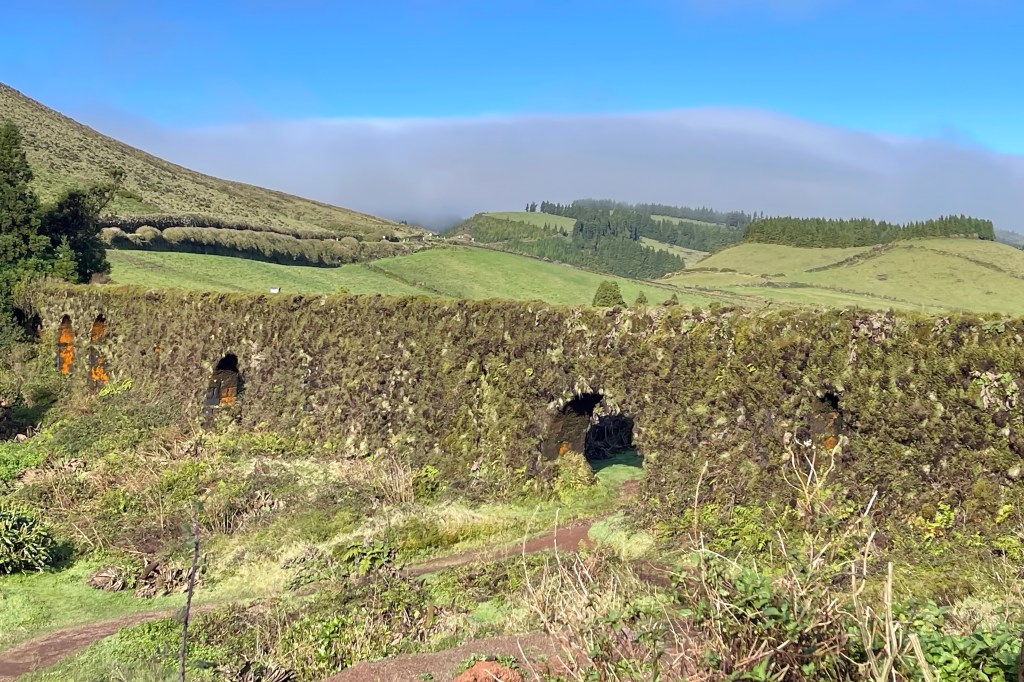
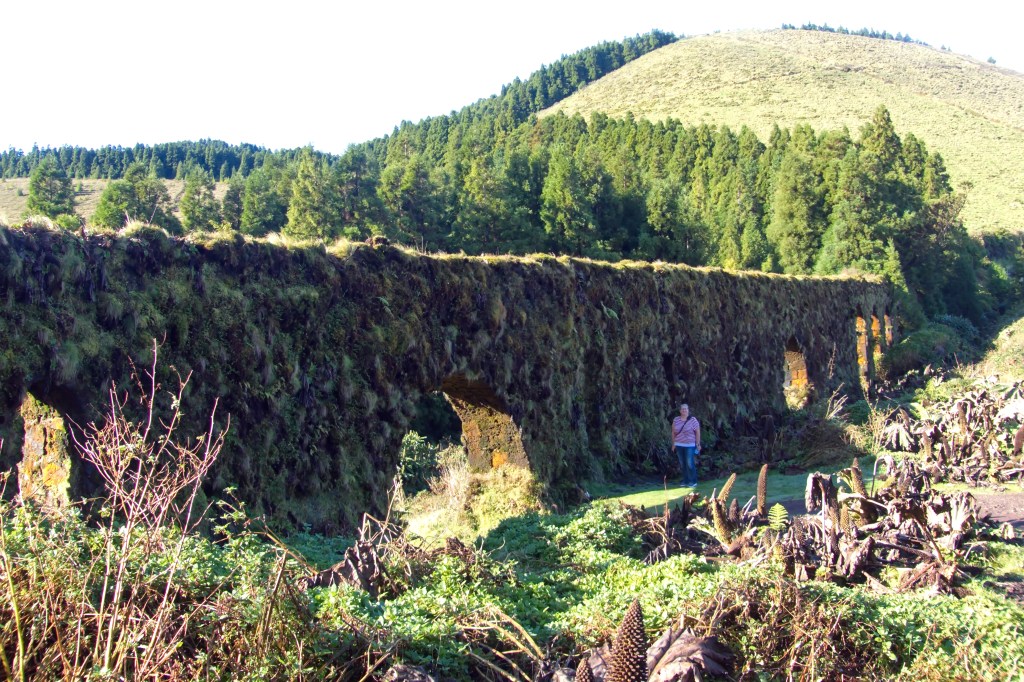
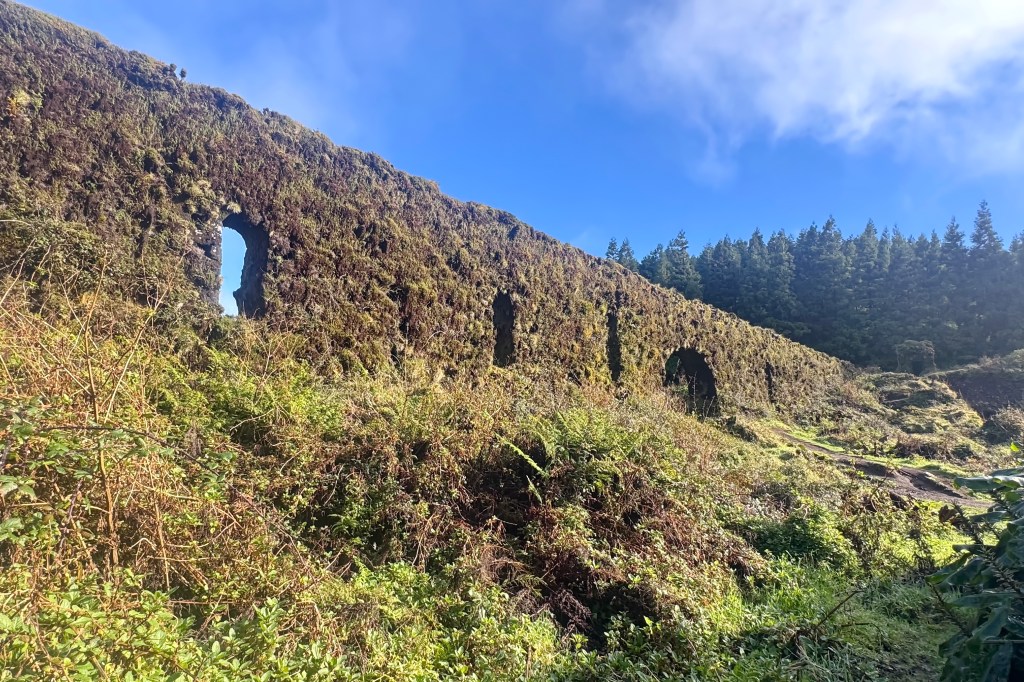
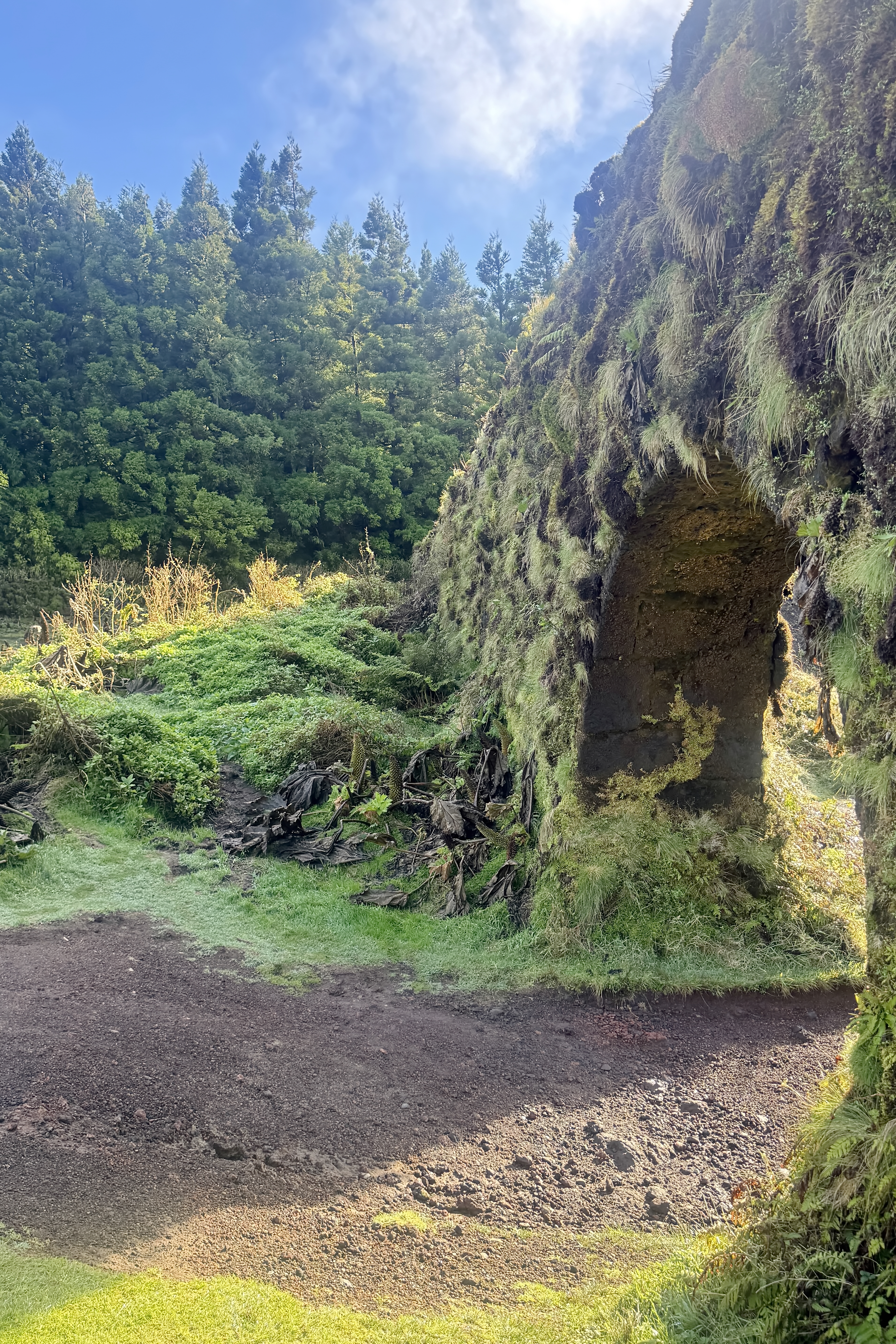
There are places on Sao Miguel where nature takes centre stage—and then there are places where human history quietly weaves itself into that landscape. The connected Muro das Nove Janelas and Aqueduto do Carvão are exactly that: a reminder that centuries ago people were shaping this island simply to live. Dating back to the 17th century, these stone features formed part of an elevated waterway built to carry fresh water from the hills down to the growing city of Ponta Delgada, a lifeline carved patiently into volcanic rock.
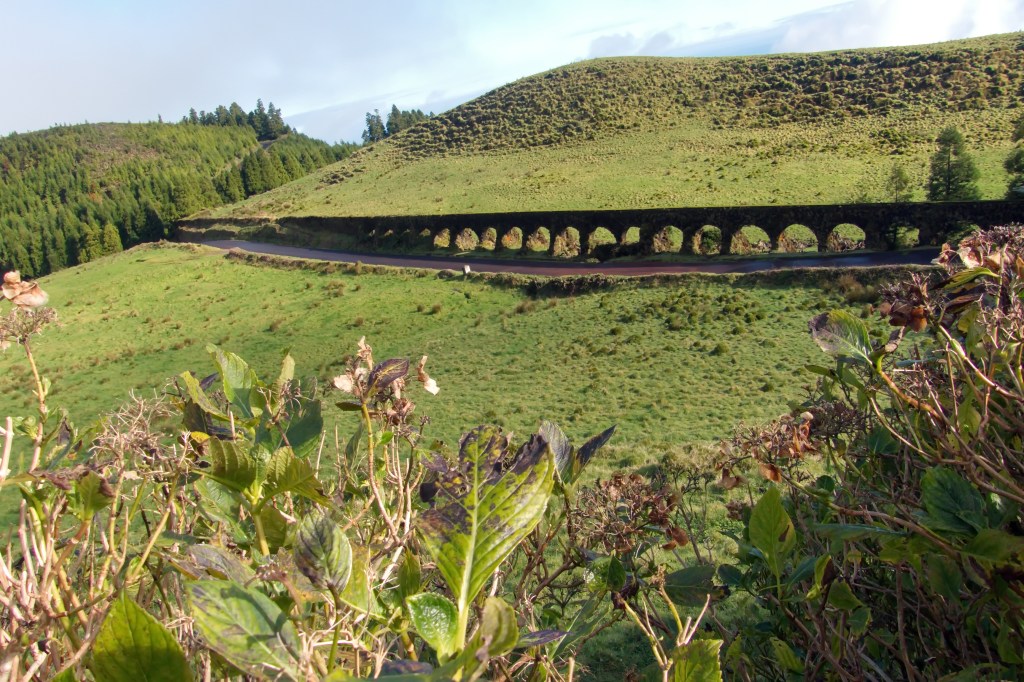
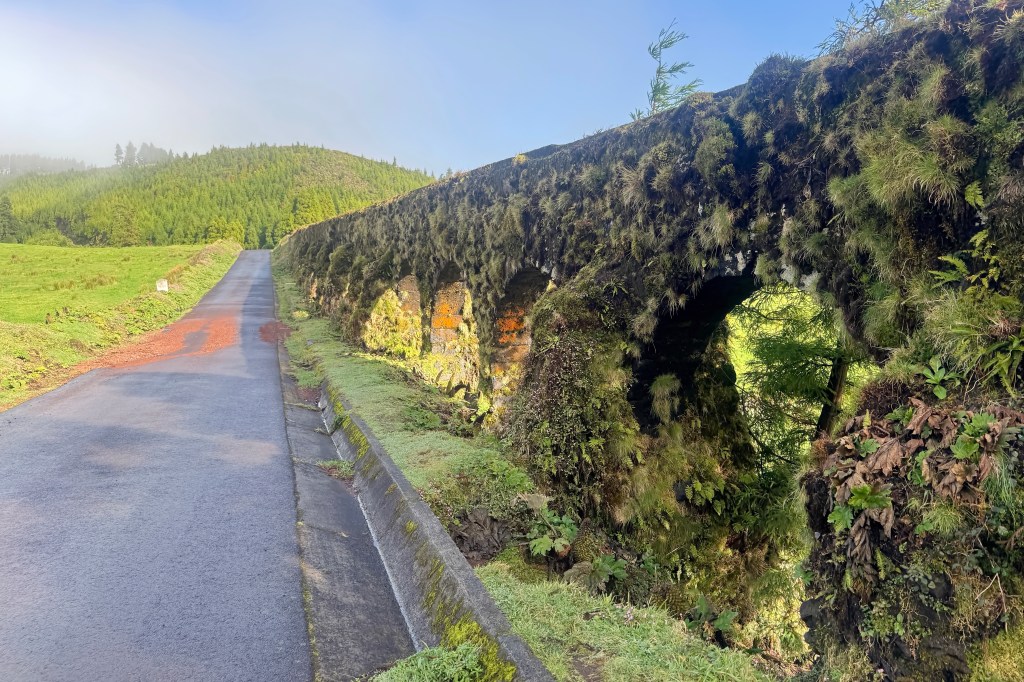
We visited on a cool, mist-soft morning, the kind where the clouds seem to hover just above the treetops and the world feels gently hushed. There was something unexpectedly graceful about the Muro das Nove Janelas. It isn’t a dramatic or much-visited destination; instead, it’s quiet and reflective, the sort of place that settles into you without trying. We lingered longer than planned, watching how the light shifted through each archway and how every “window” framed a slightly different piece of green horizon. What we loved most was how accessible it all felt—the small path inviting us to wander beneath the arches and along the old channel, our fingers tracing the rough volcanic stone and the soft moss that clung to it like velvet.
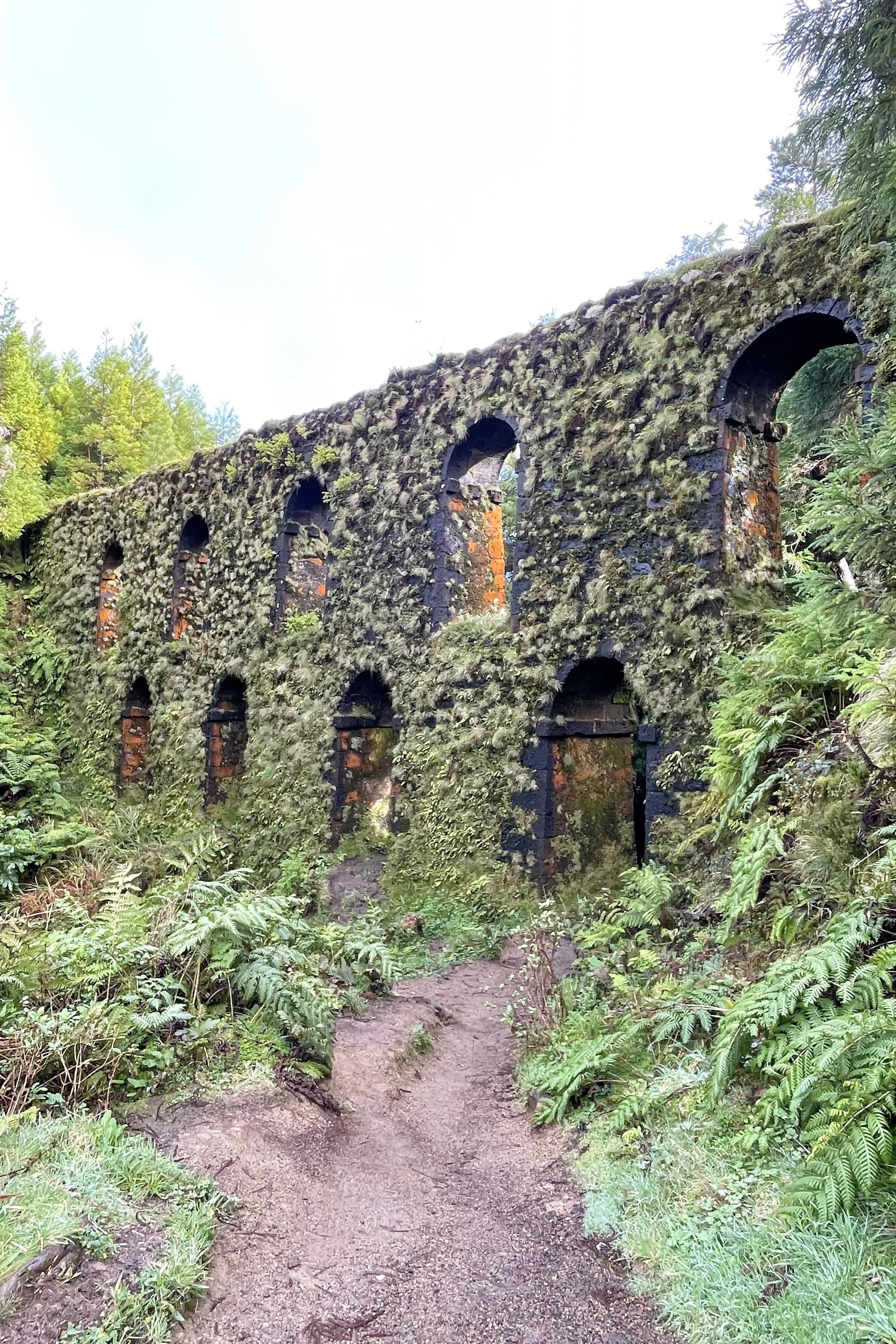
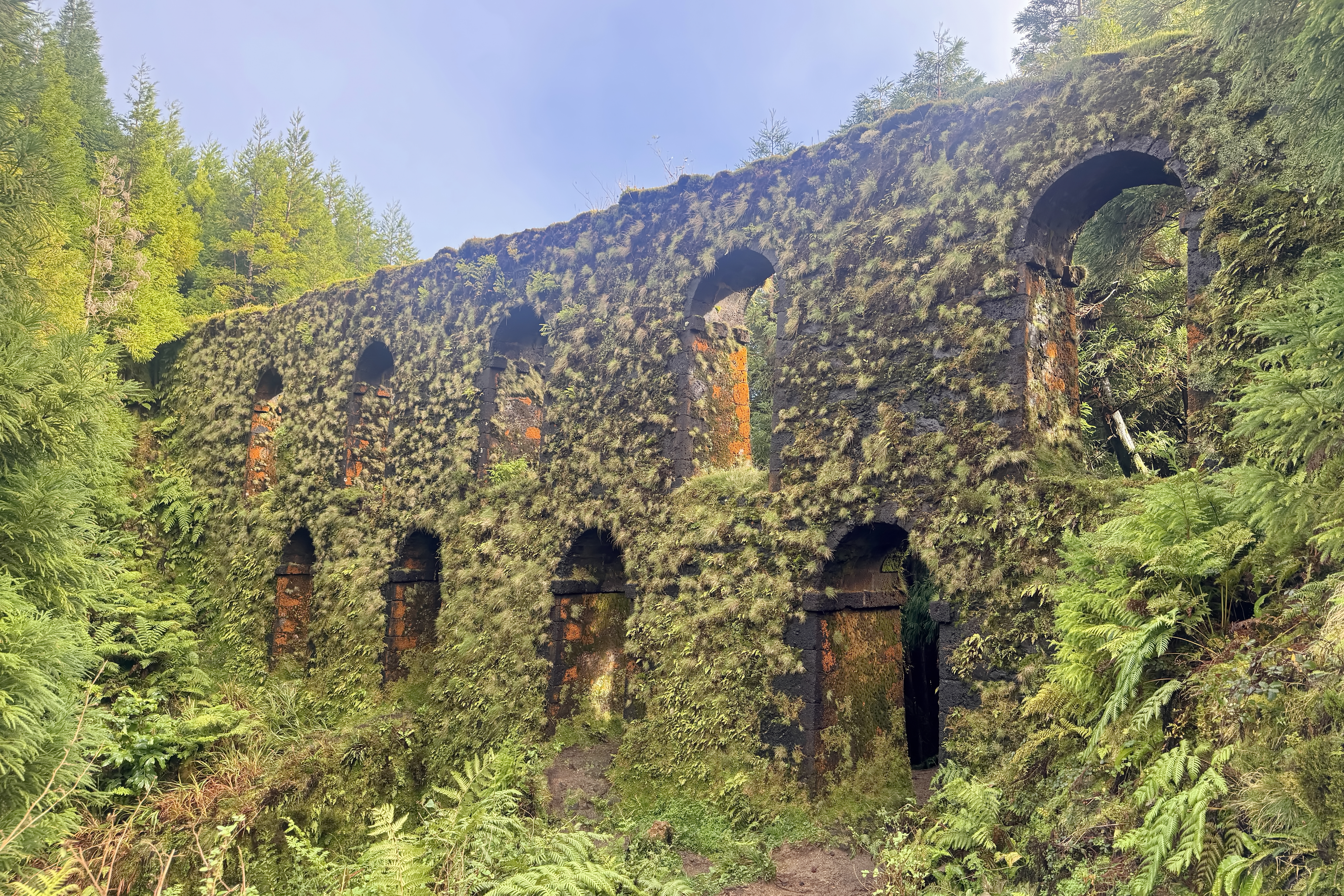
Just nearby, the more popular Aqueduto do Carvao stands with a simple, enduring pride. Looking at it, it was hard not to imagine the effort behind those walls: hands shaping basalt blocks, water slowly finding its route across valleys, generation after generation depending on this quiet ribbon of engineering. The water no longer flows as it once did, yet the structure remains—weathered and dignified, a stone skeleton of everyday life from another era. Even something as practical as a water system feels poetic, softened by moss and time.
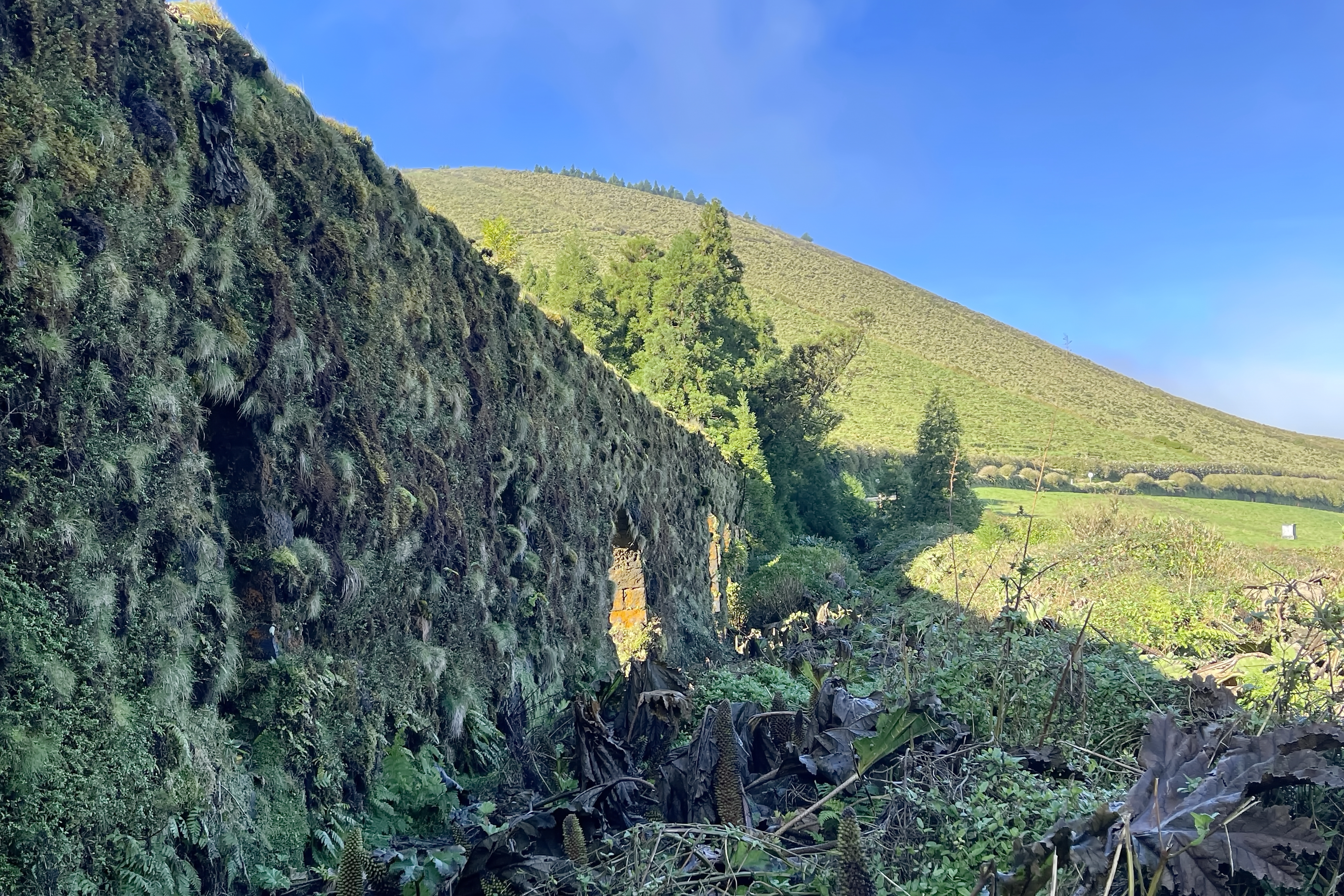
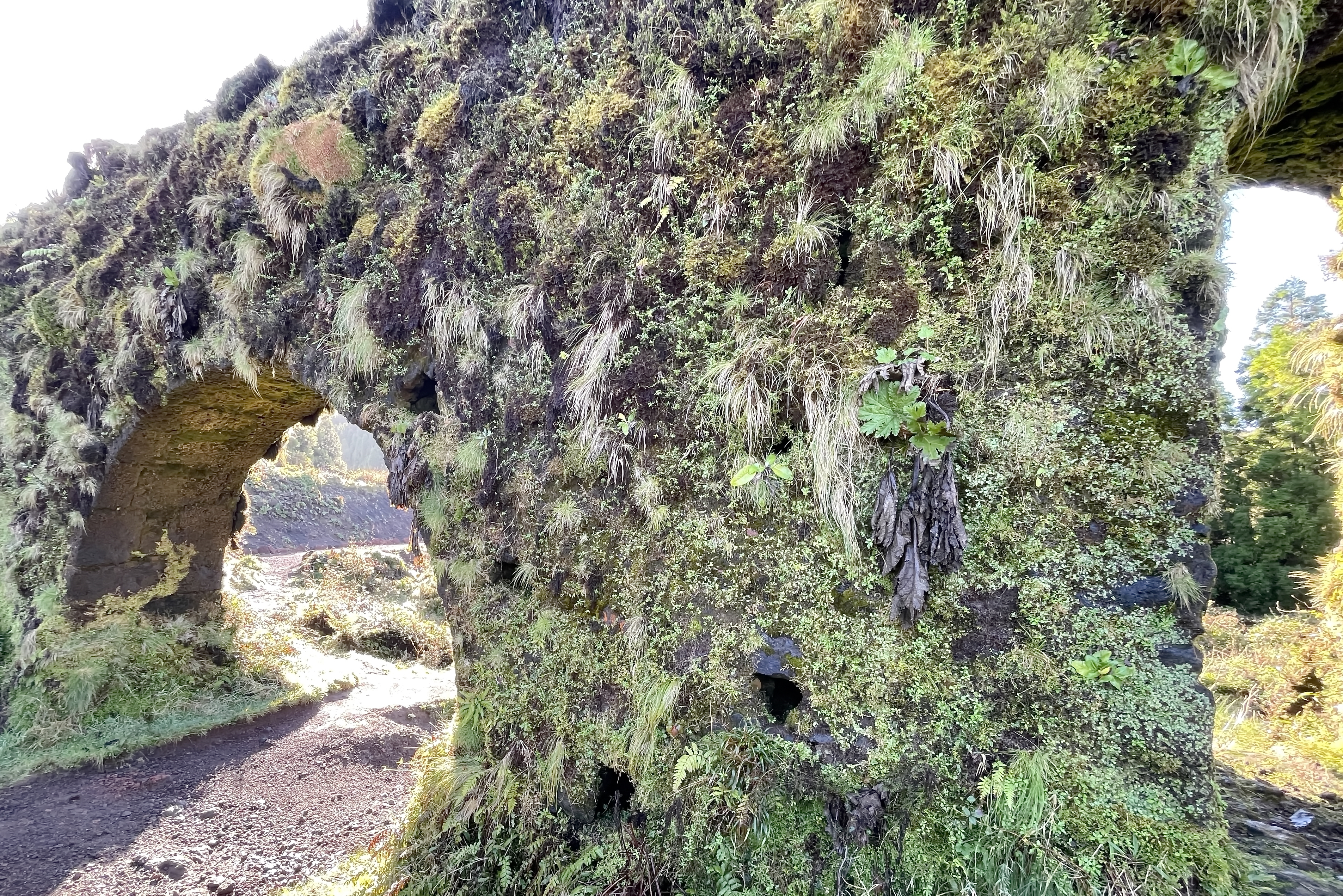
As we drove away, the grand arches slowly slipped back into the greenery, and the rolling countryside once again stole the spotilight. Moments like this—simple, historic, a little unexpected—are the ones that stay with us most, quietly holding their own beside the more famous views.
N – Natural Park Ribeira dos Caldeiroes
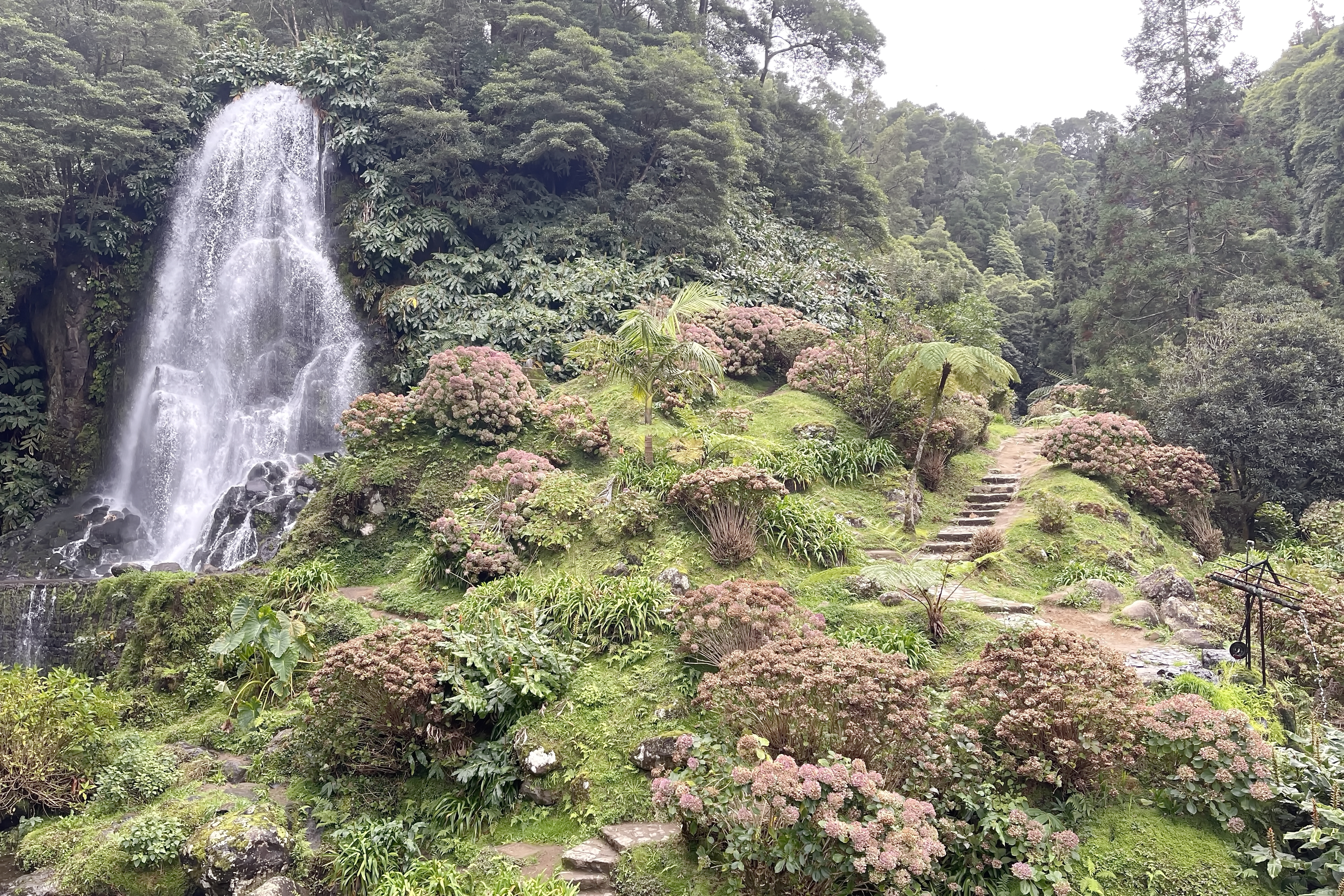
Tucked into the verdant northeast corner of Sao Miguel, the Natural Park of Ribeira dos Caldeiroes felt like stepping into a living postcard. From the moment we arrived, the air was filled with the sound of rushing water and birds hidden somewhere high in the canopy. Waterfalls tumbled through ancient forests, historic watermills stood quietly among the trees, and the lush vegetation had a wild, almost primeval energy that made the outside world fade away.
The park stretches along the slopes of the Serra da Tronqueira ridge, a landscape layered in every shade of green imaginable. Towering tree ferns arched over the paths, thick stands of laurel forest crowded the hillsides, and everywhere we looked there was movement—leaves trembling in the breeze, water slipping over stone, mist rising from the gorge. It was the kind of place that makes you slow your steps without even realizing it.
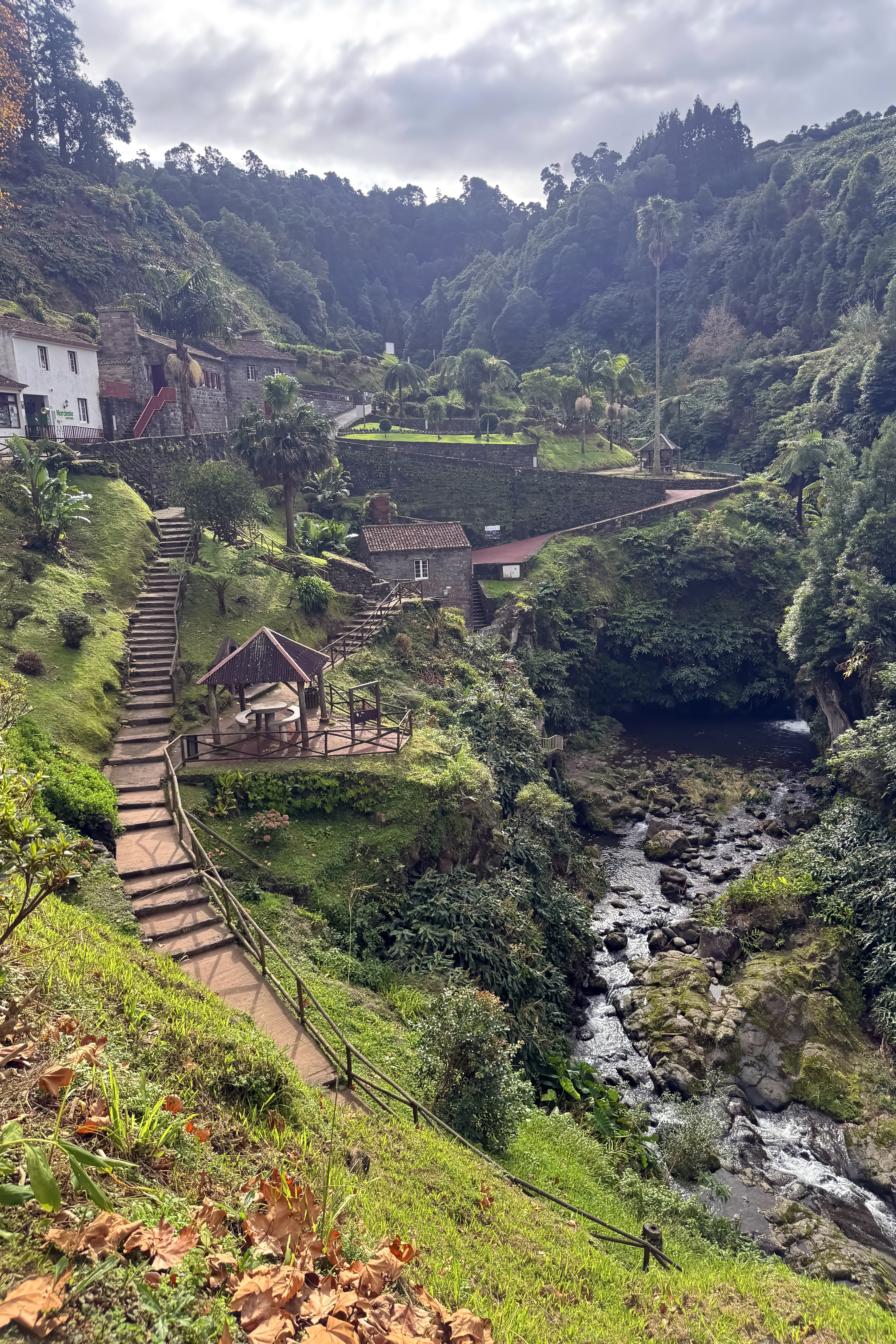
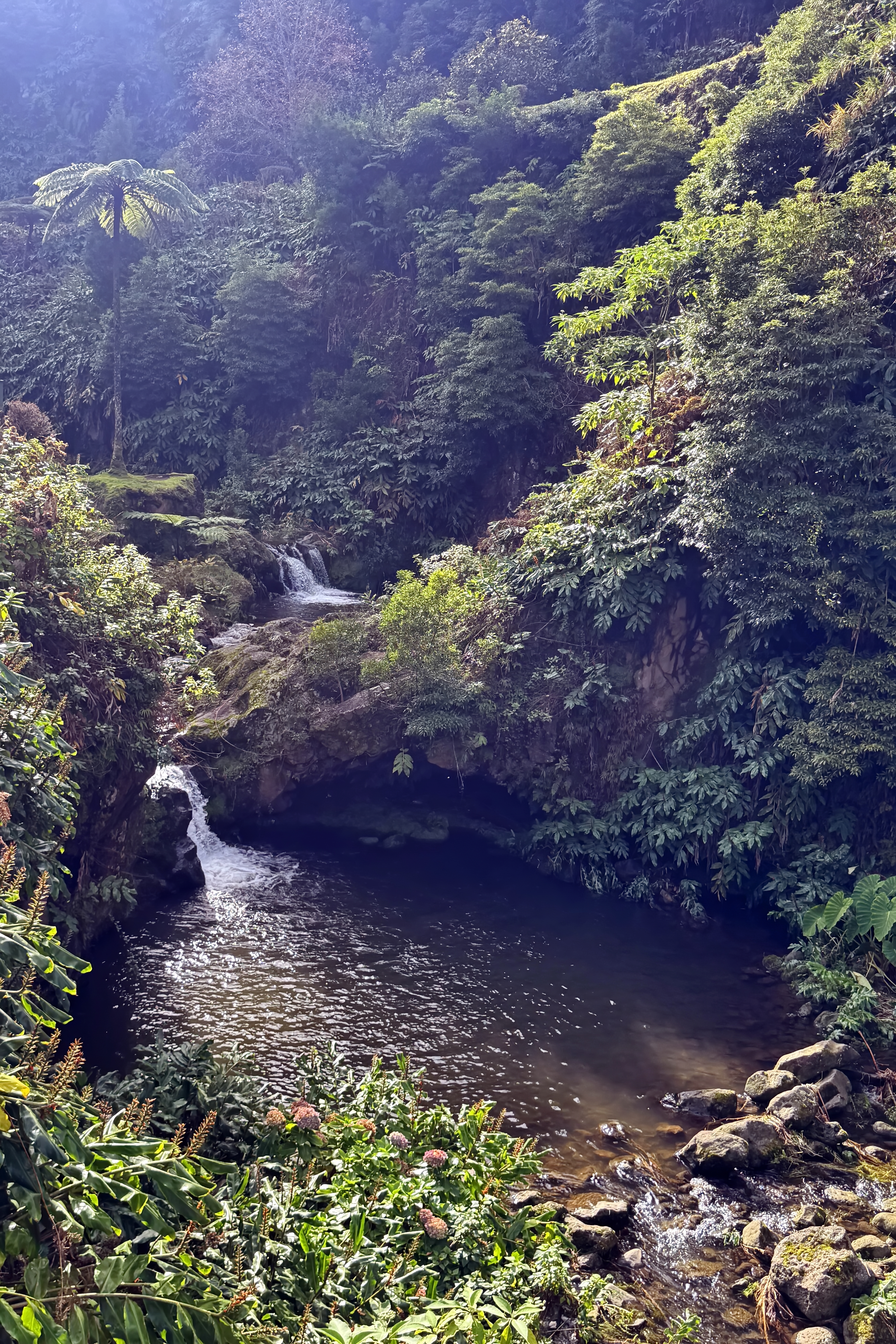
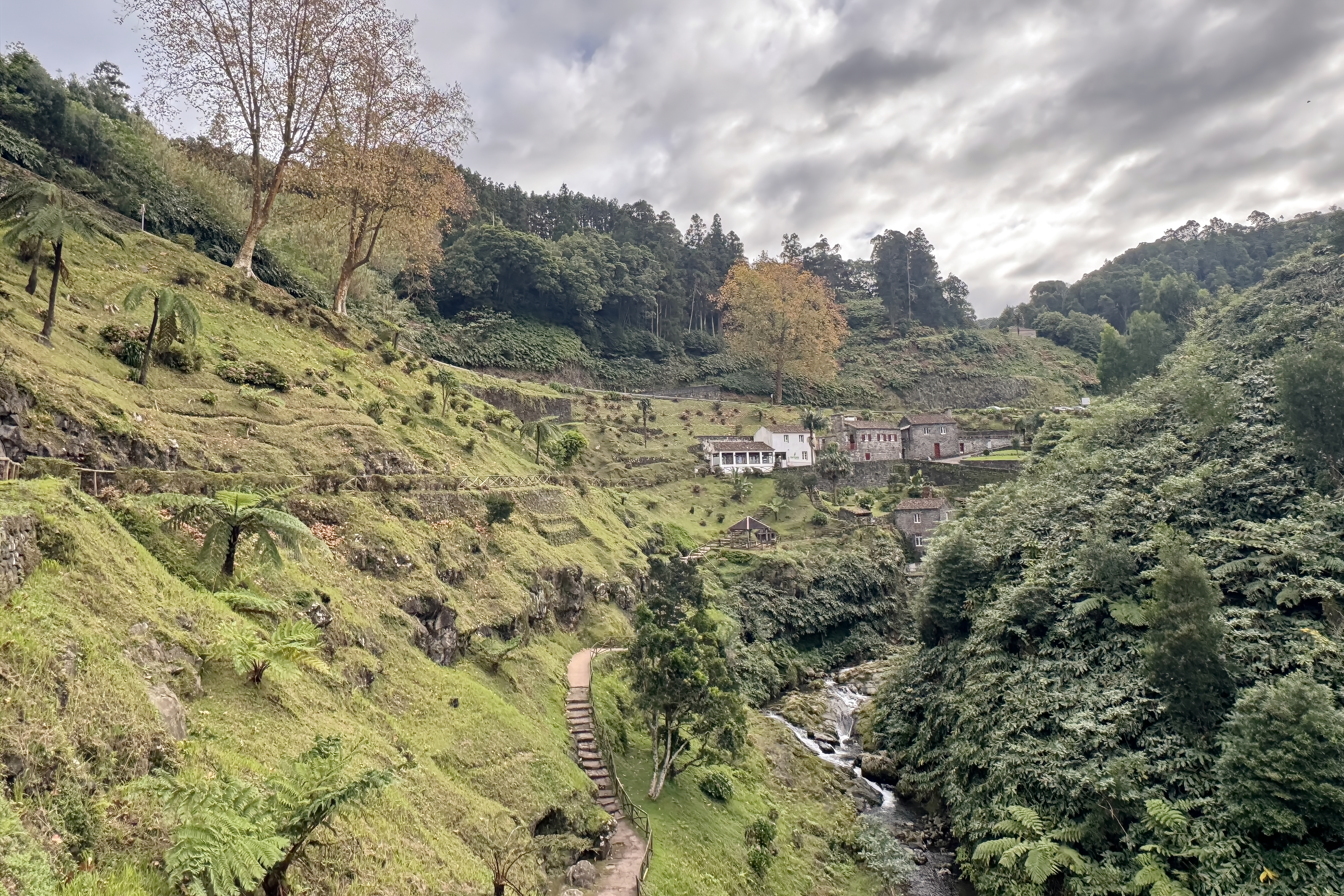
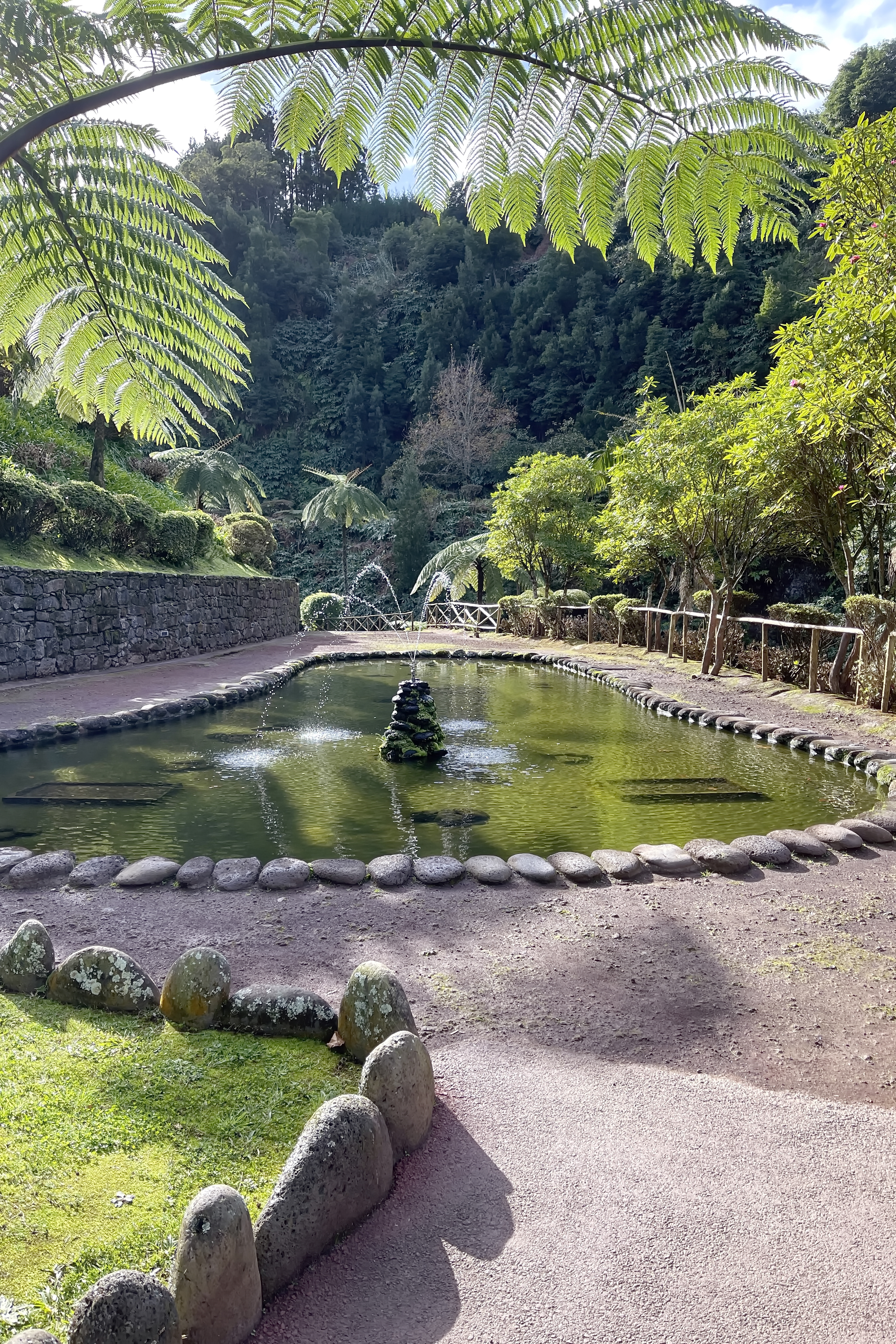
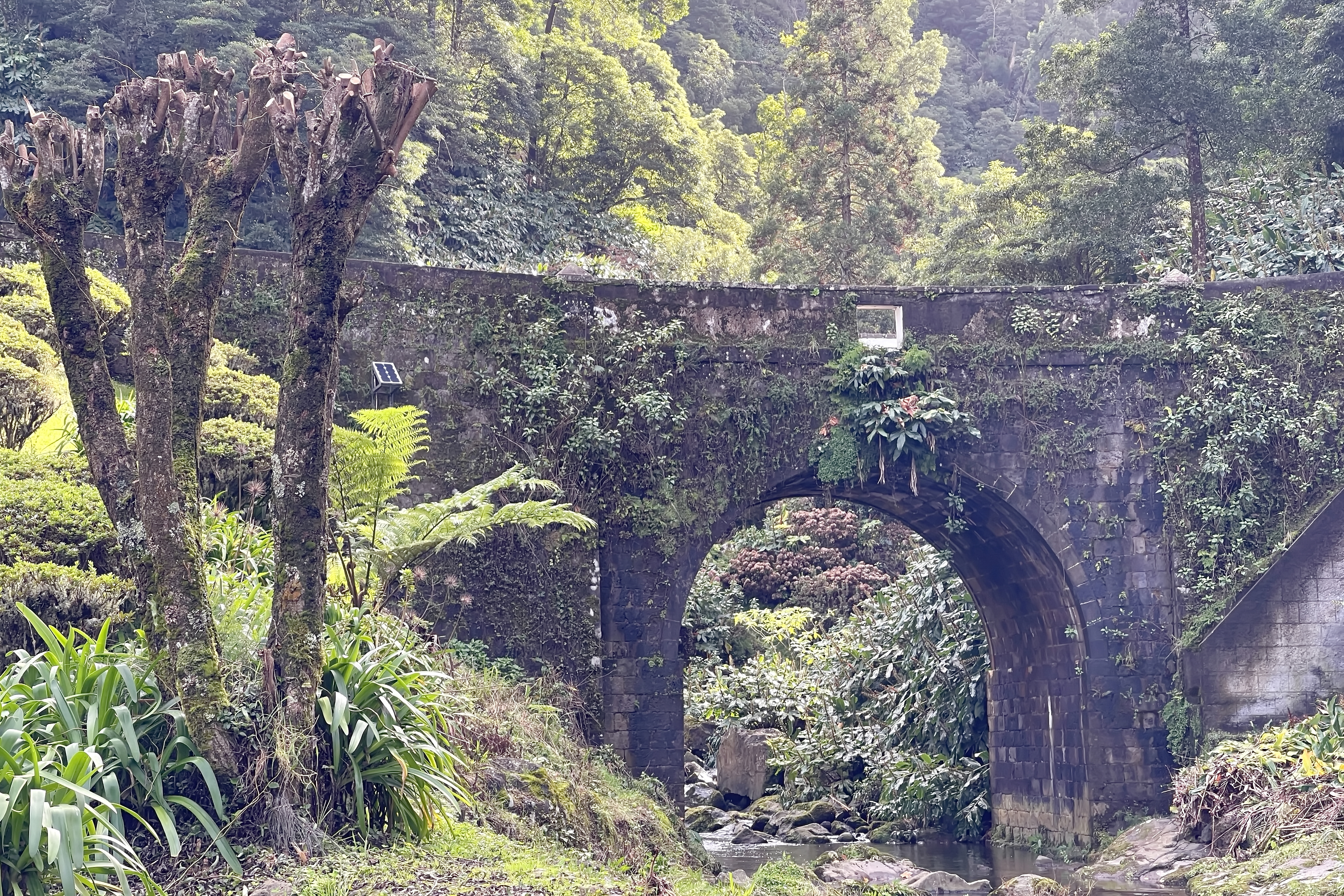
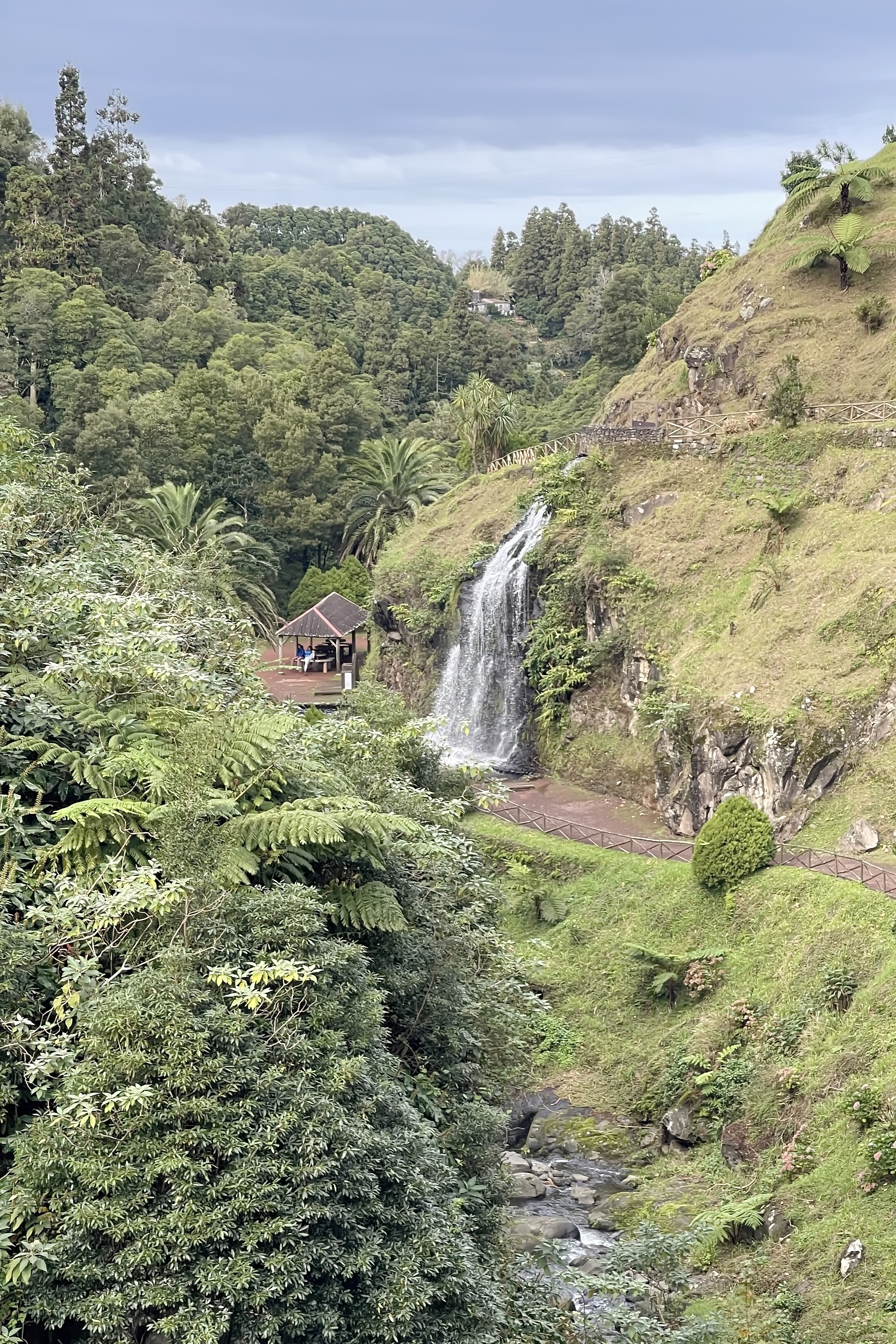
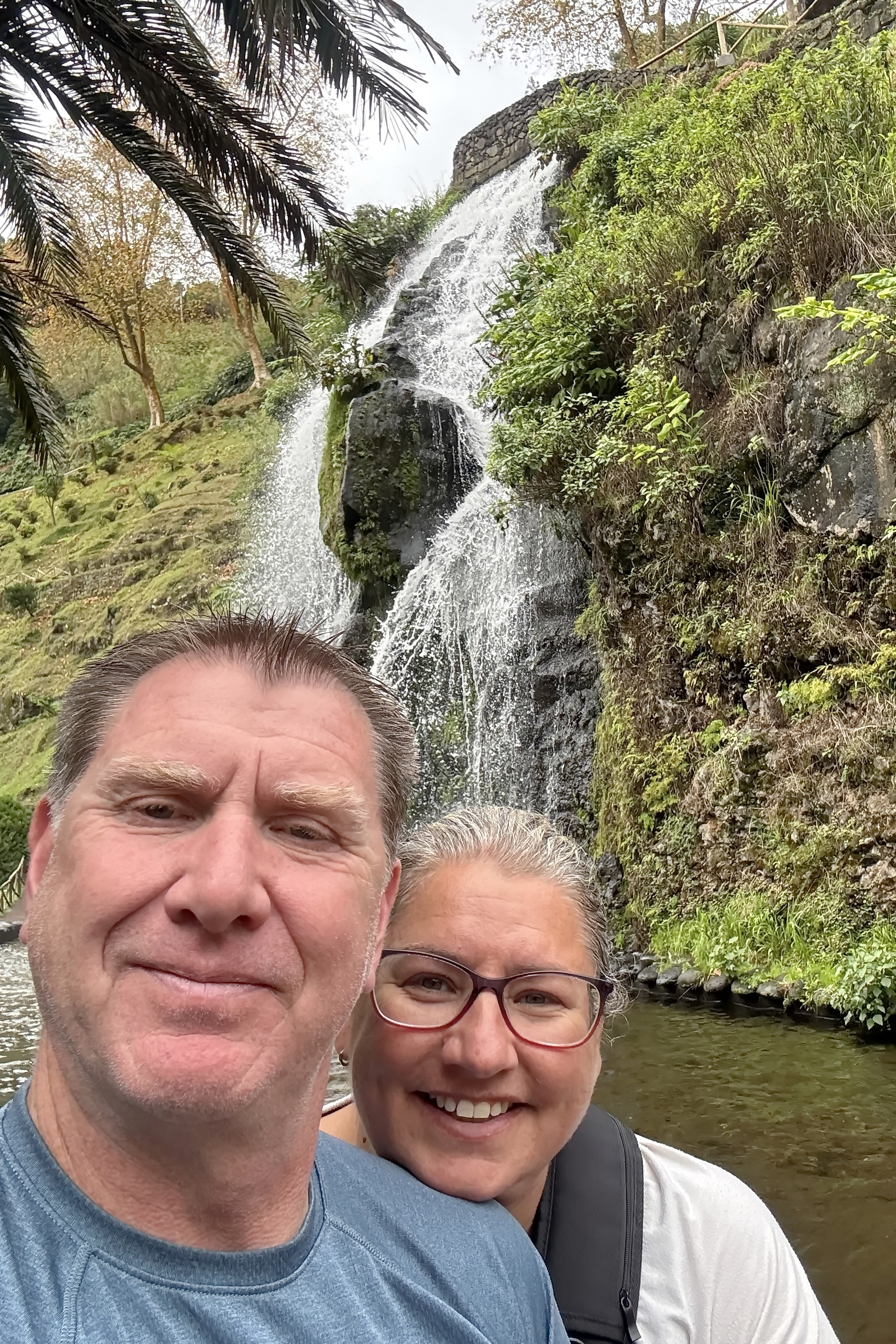
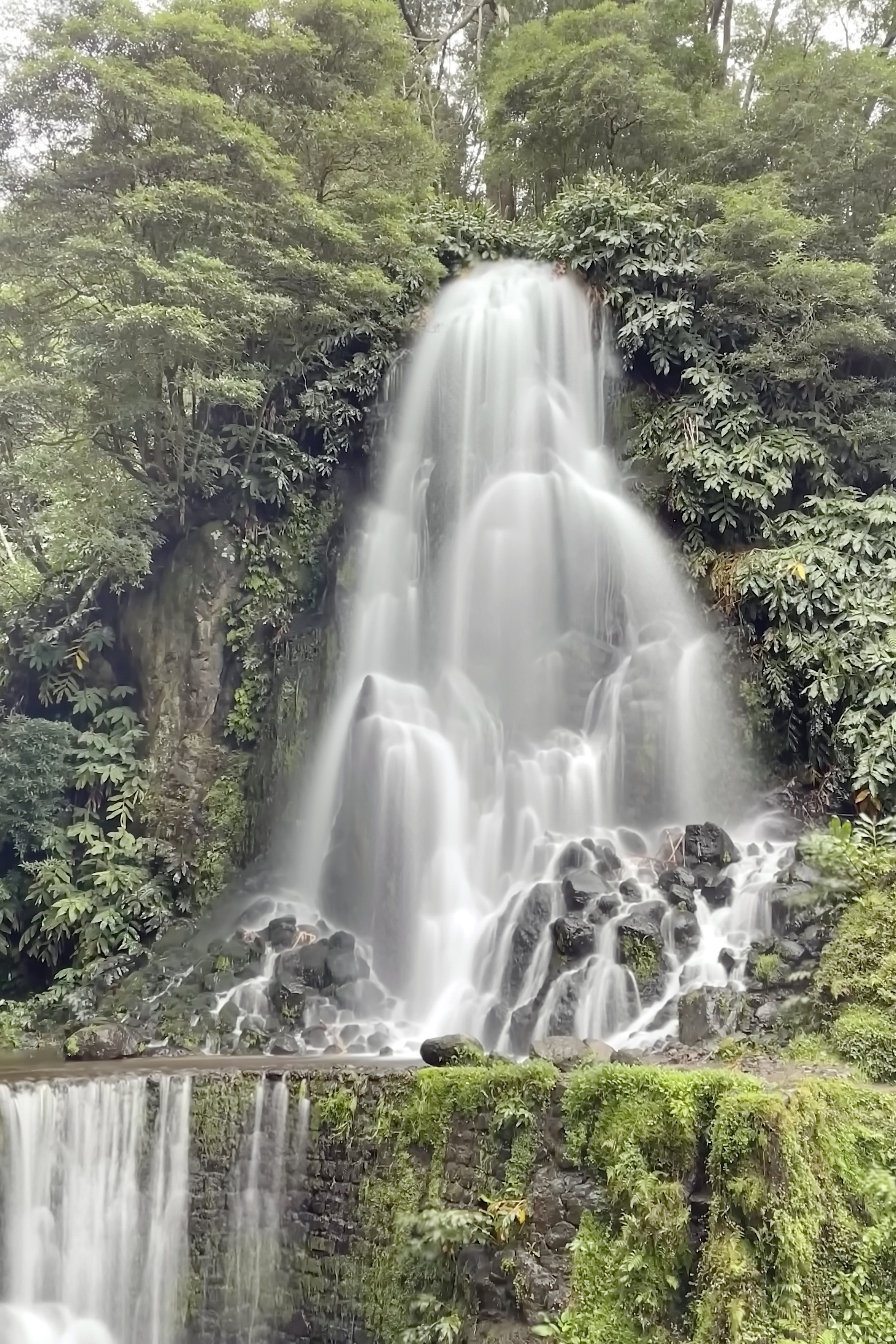
We followed a footpath that traced the river’s edge, the ground damp beneath our shoes and cool in the shade. Near the bottom of the gorge, a breathtaking waterfall spilled over a moss-covered rock face into an emerald pool which was perfectly still. It was a place that beckoned you to stay for a while, observing and listening—to the water, to the wind in the ferns, to the quiet feeling of being somewhere truly untouched.
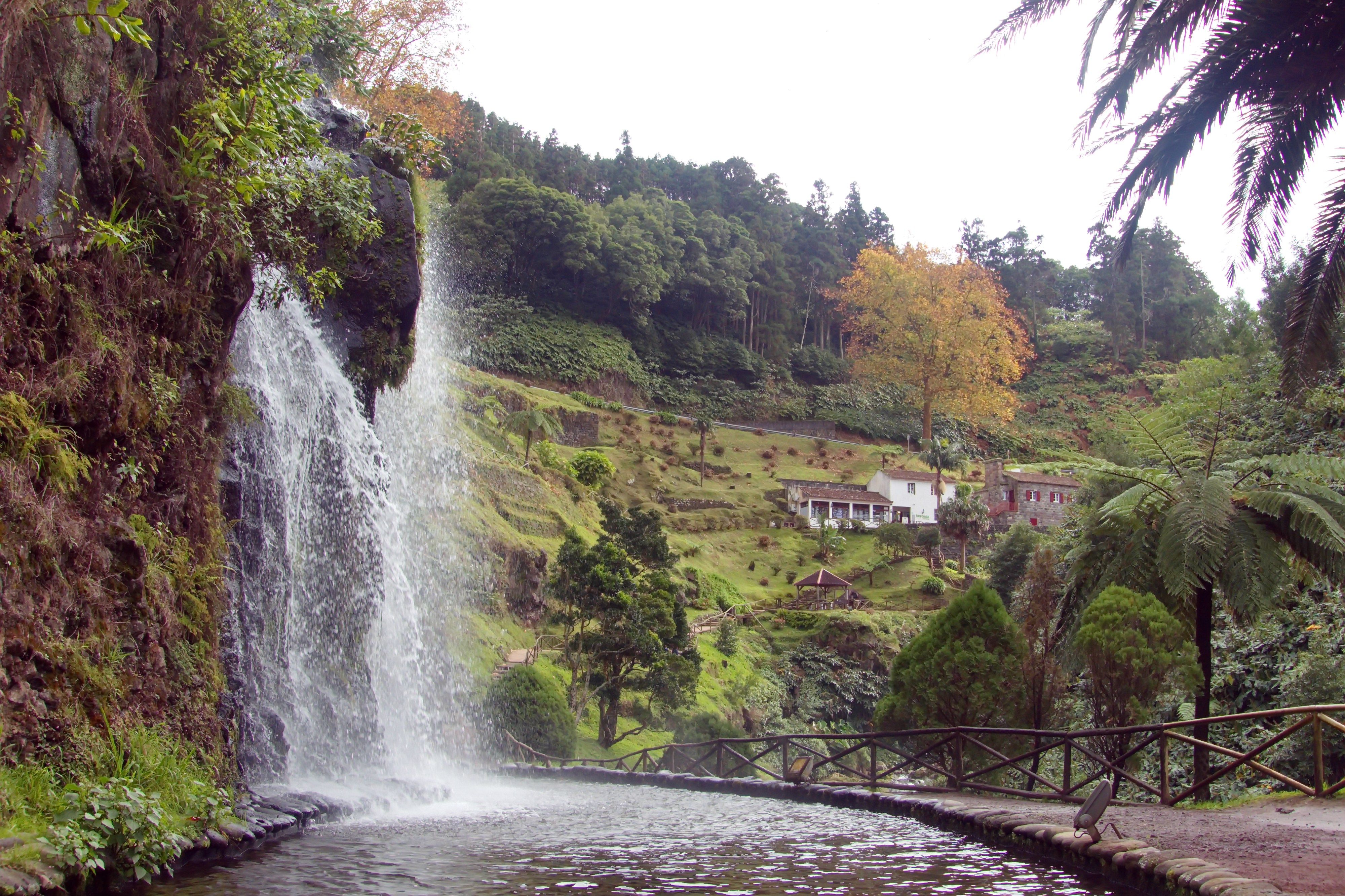
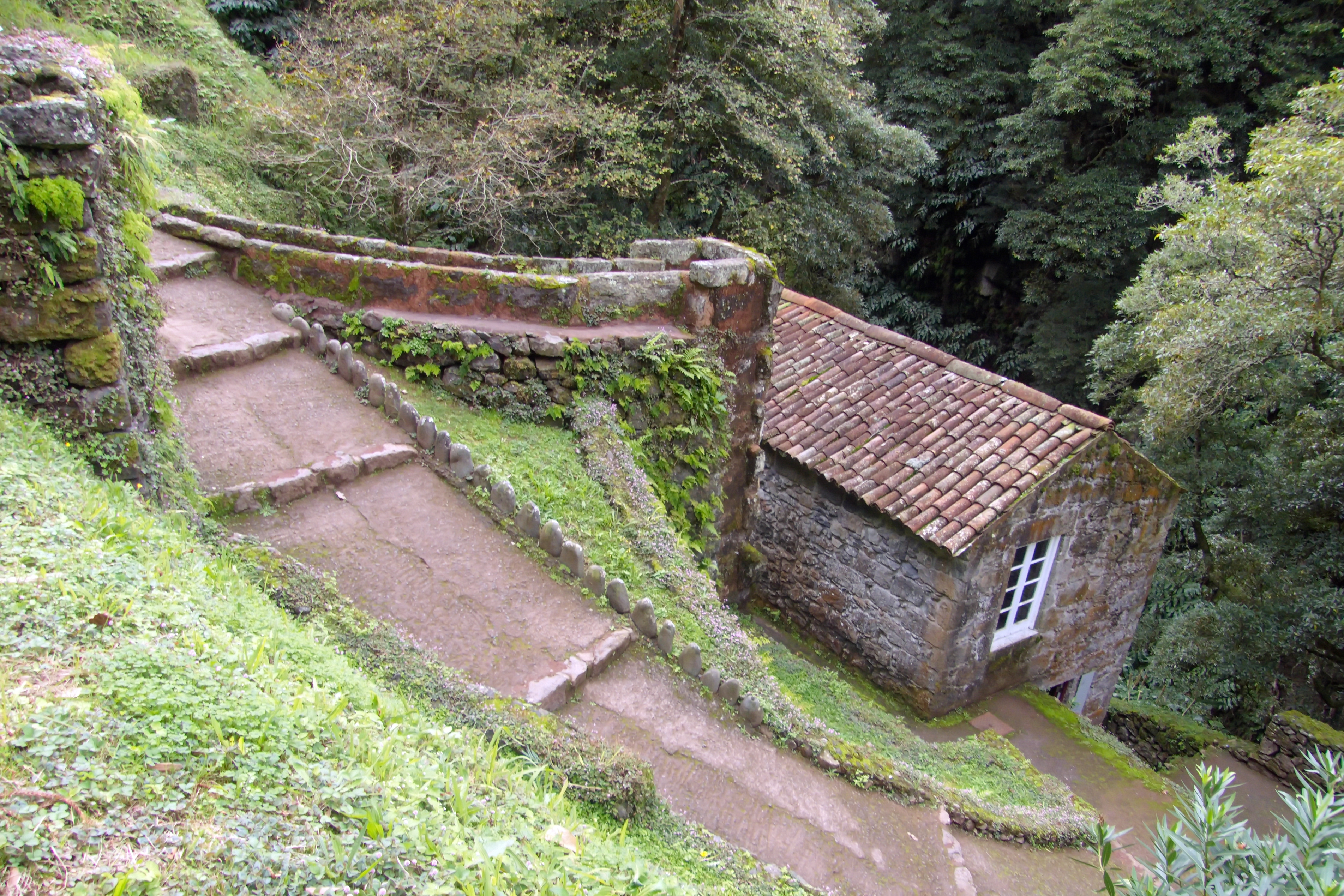
Scattered through the park are five 16th-century watermills, tucked into the hillside as though they had grown from the landscape itself. Seeing them up close, we were reminded that these sturdy stone buildings once powered the island’s grain and flour production and were at the heart of everyday life on Sao Miguel. Traces of that history are still everywhere—in the narrow channels that guided water from mill to mill, and in the grey and whitewashed walls, softened and rounded by centuries of weather. As we wandered between them, it was easy to picture the rhythm of another era—the steady clatter of machinery, voices drifting along the river, and the simple, dependable routines of a community shaped by this flowing water.
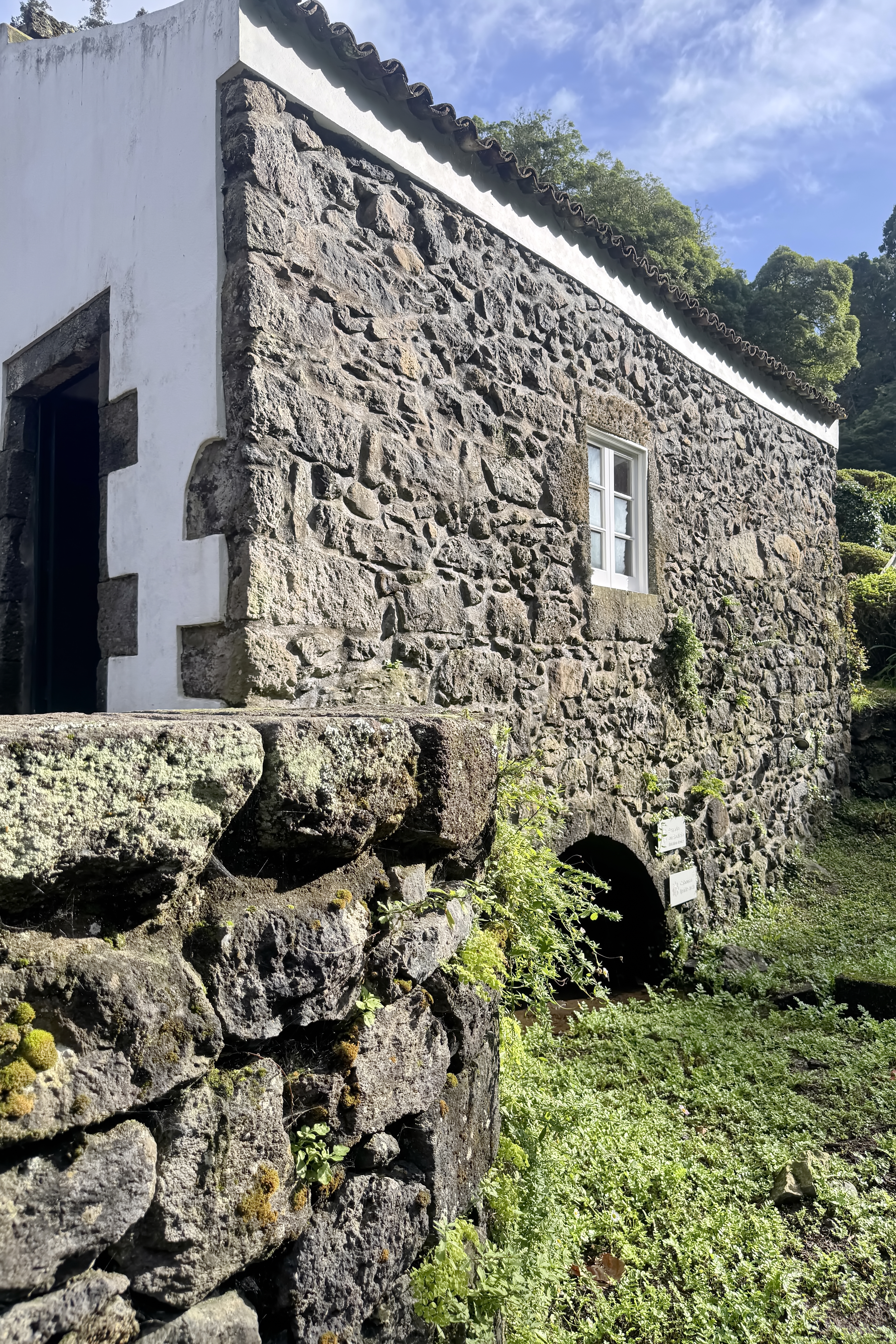
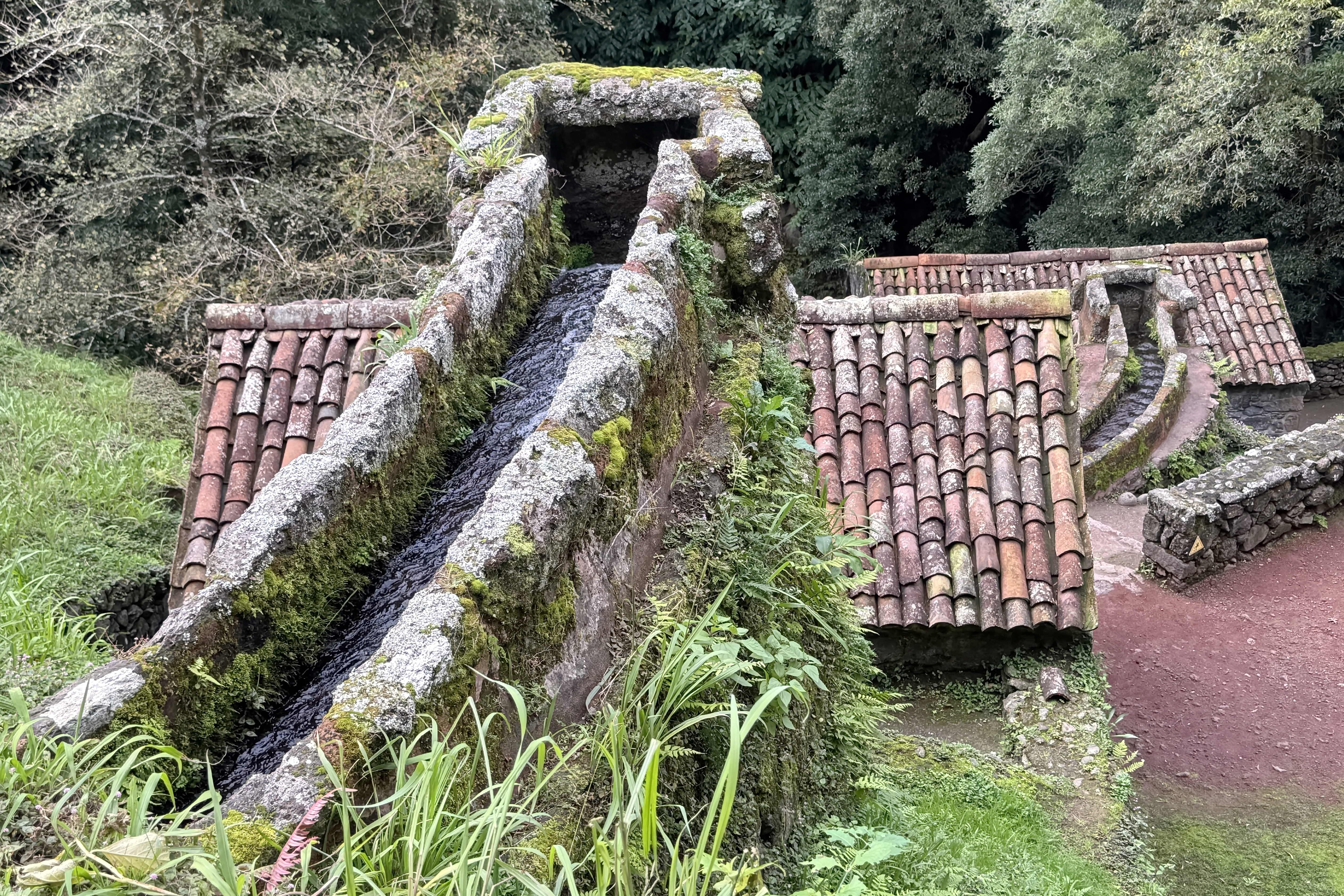
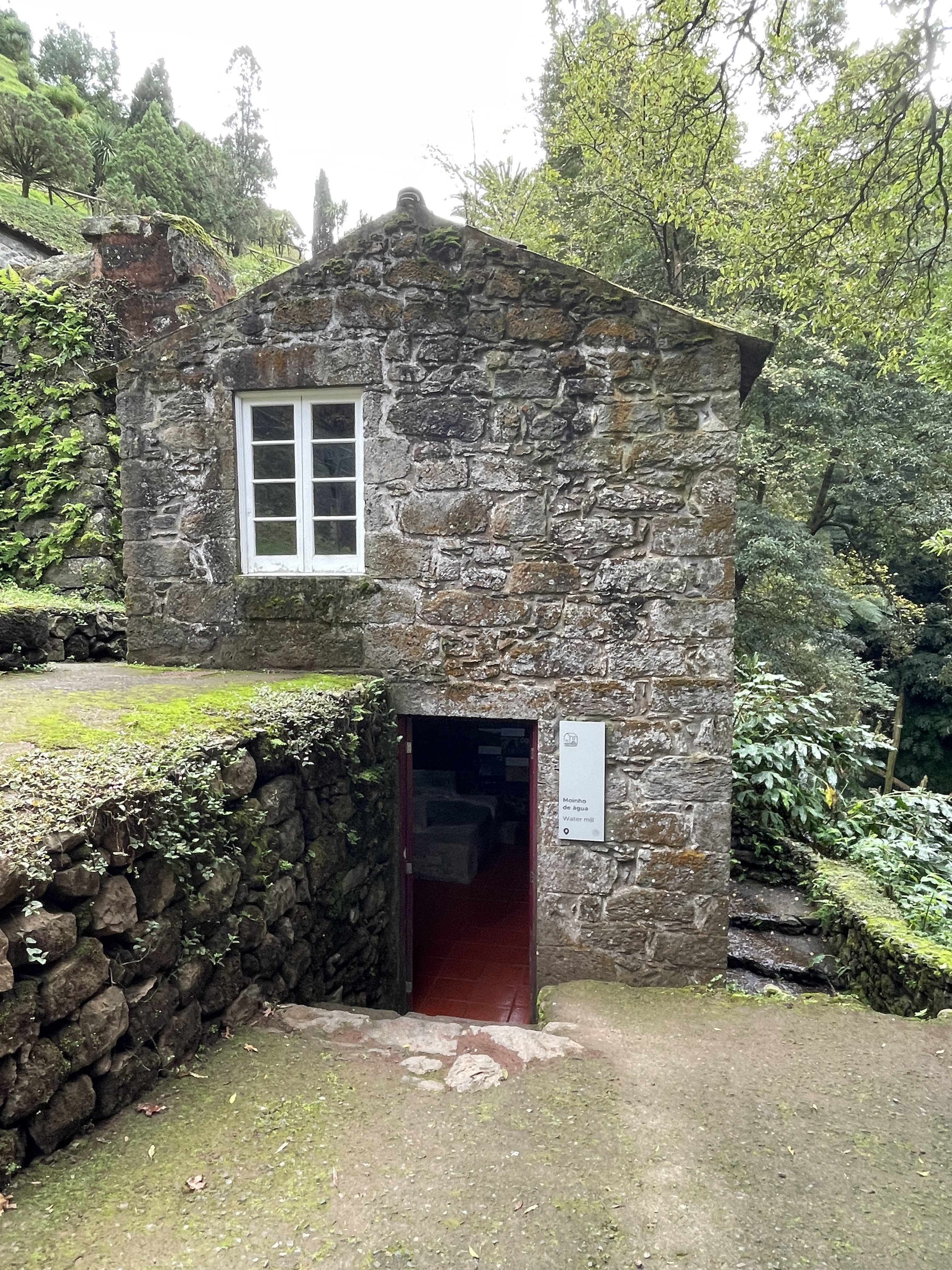
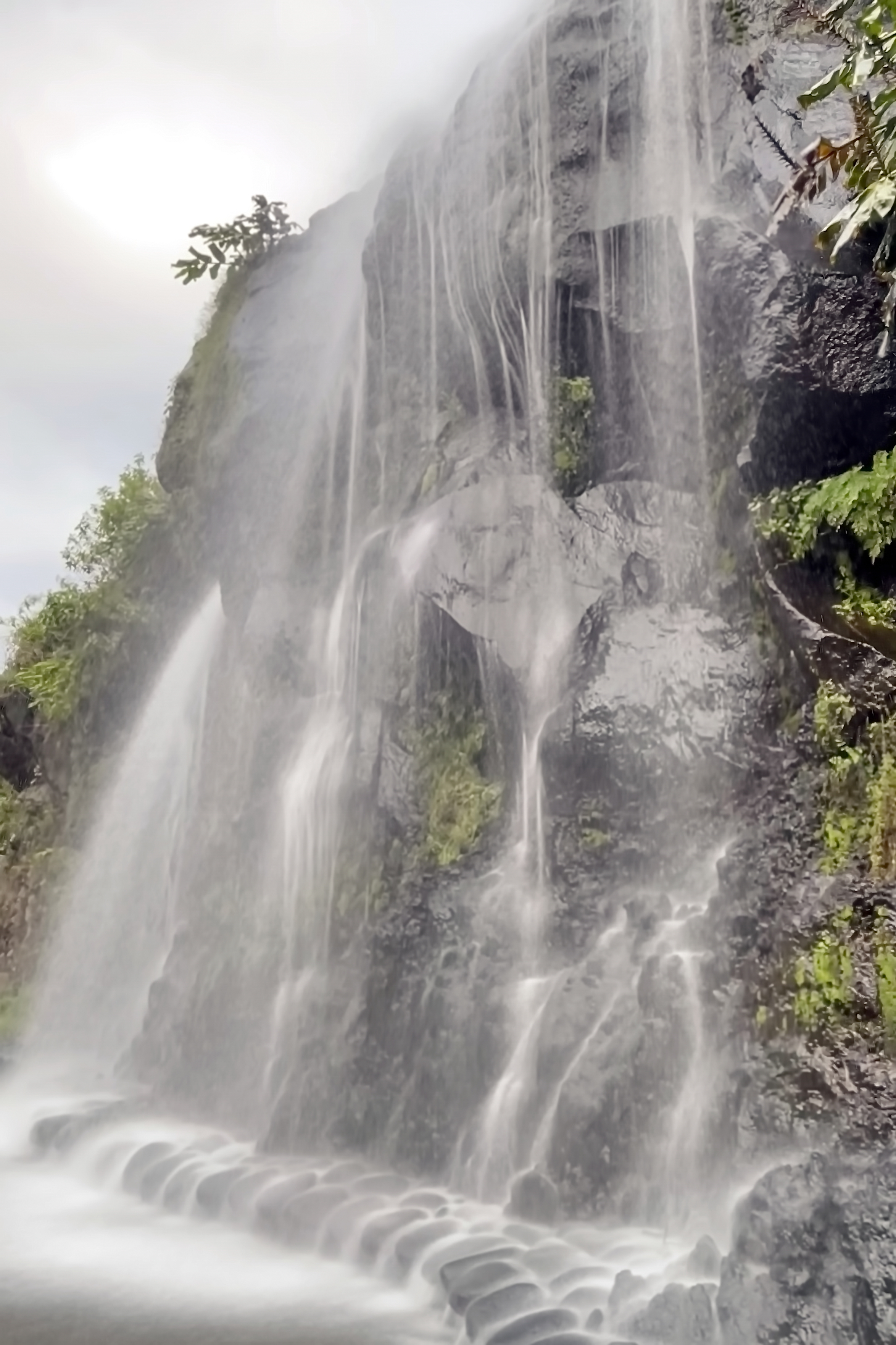
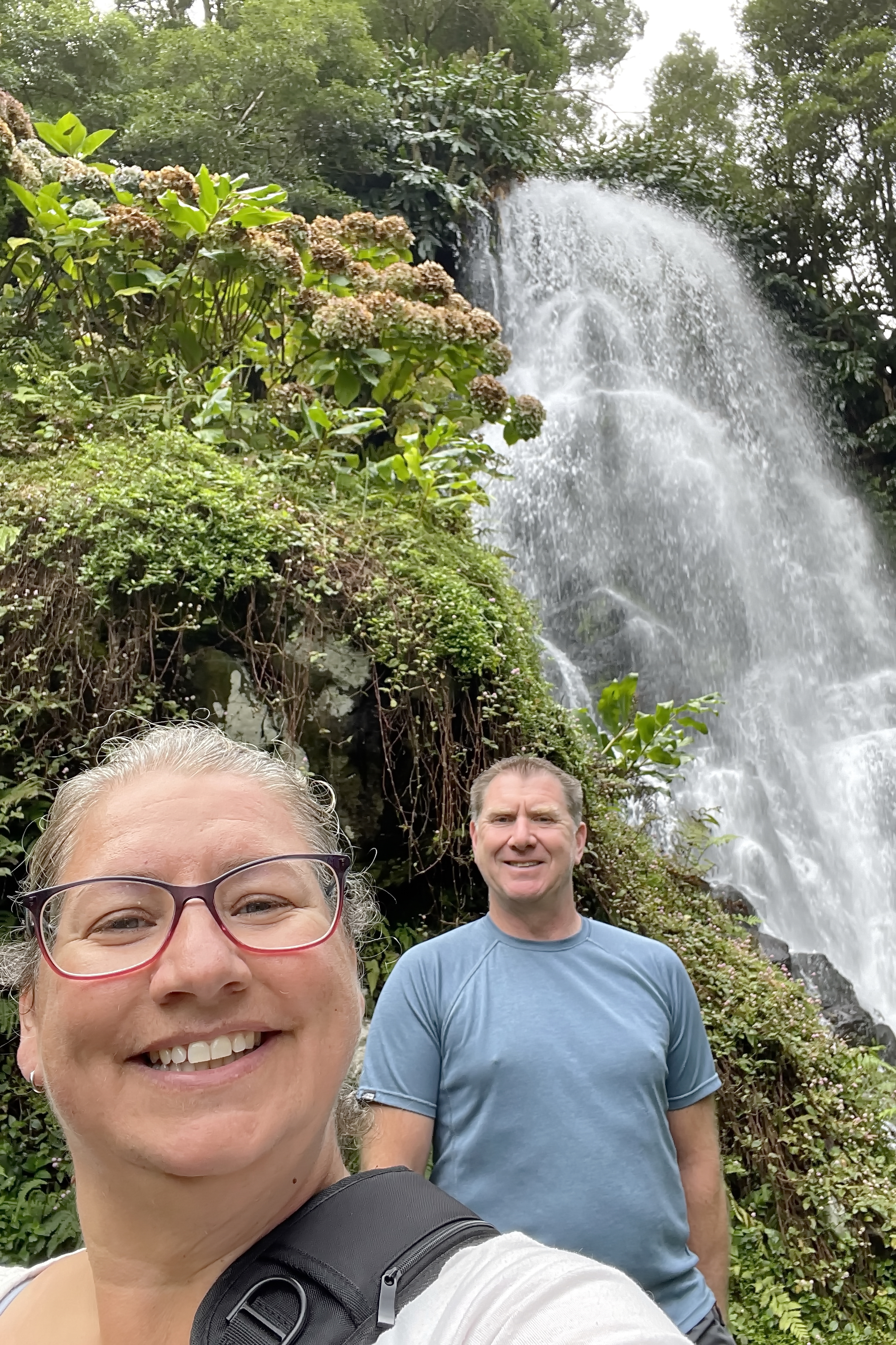
Beyond the main area, the path led us toward another waterfall, this one framed by a hillside thick with hydrangeas. We crossed the stream on a line of well-placed stepping stones, laughing a little at our balance, and found ourselves right at the base of the cascade. The spray cooled our faces, and for a moment it felt like we were standing inside the heartbeat of the park itself.
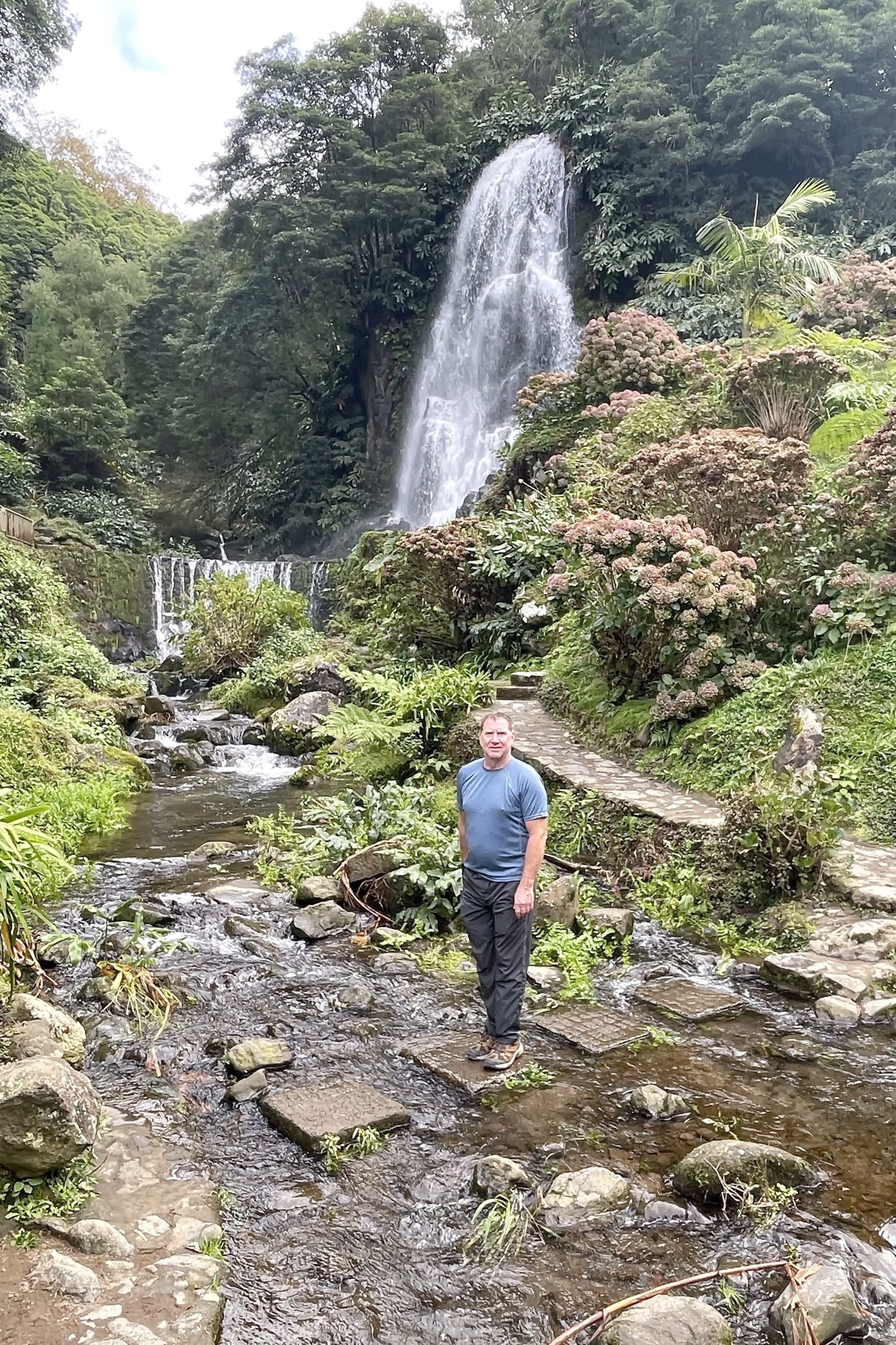
What lingered with us was the way the past seems to breathe through the landscape. Ribeira dos Caldeiroes is more than a scenic stop—it feels alive with stories. Walking the shaded paths, moving from rushing water to old stone walls, we found ourselves imagining the generations who had once called this corner of the island their everyday world.




Leave a Reply