
From hidden caves to outlaw legends, explore the rugged Saskatchewan landscape where history comes alive.
The Big Muddy Badlands of southern Saskatchewan are a landscape like no other. Rolling grasslands suddenly give way to deep valleys, sandstone cliffs, and strange hoodoos carved by centuries of wind and water. It’s a place that feels timeless: remote, rugged, and filled with echoes of stories from long ago.


One of those stories belongs to Sam Kelly (aka Charles ‘Red’ Nelson), a notorious outlaw who once turned this harsh country into his personal fortress.
In the late 1800s and early 1900s, Kelly and his infamous Nelson-Jones Gang operated along the Canada and U.S. border. The gang specialized in horse and cattle rustling, stealing stock in the US and then slipping across the border to sell their loot where nobody asked too many questions. They were also not averse to robbing the occasional trainload of Montana gold.
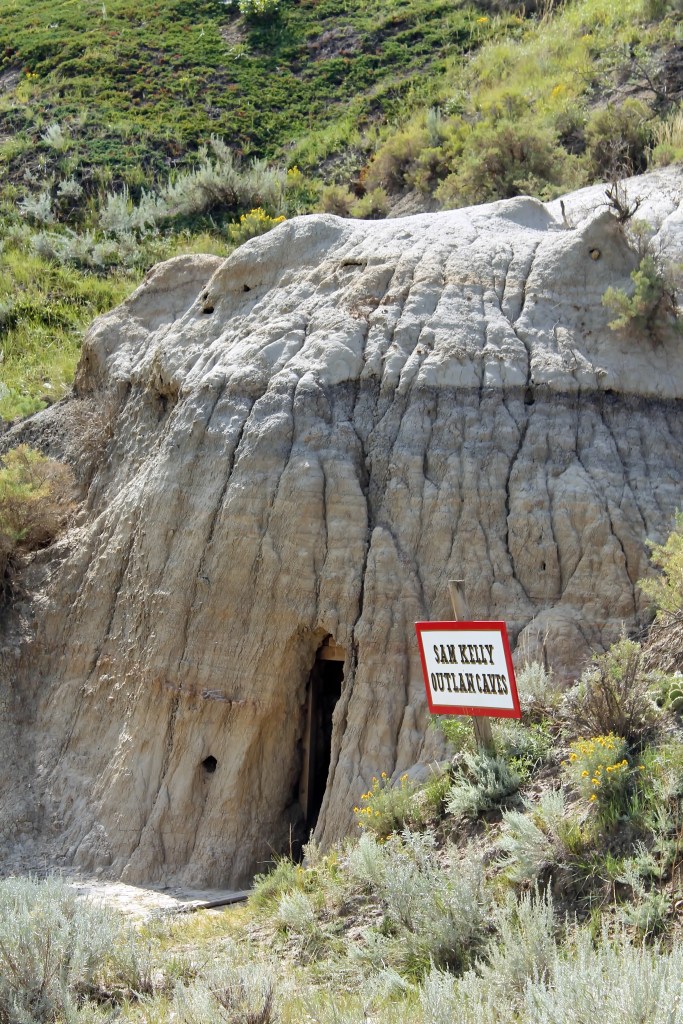
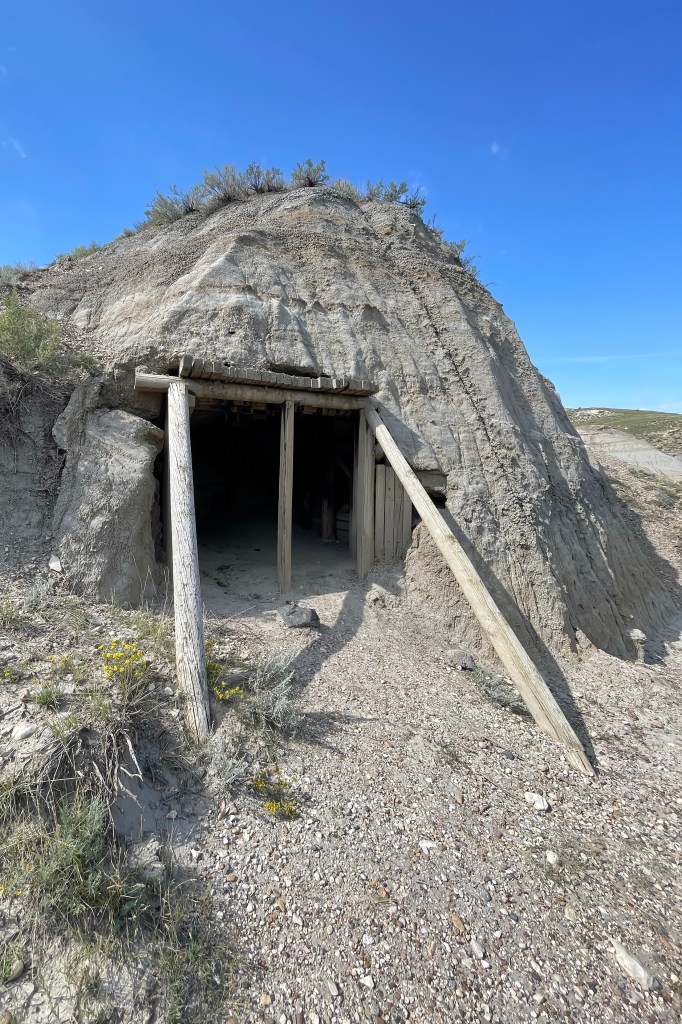
The key to their success wasn’t just their daring; it was the Big Muddy itself. Hidden in the valley are caves that Kelly and his men enlarged from old wolf dens. One cave sheltered the outlaws; the other hid stolen horses. From the top of Peakes Butte lookout, situated right at the border, outlaws could watch for lawmen or rival rustlers. A simple signal from the butte gave the gang enough time to vanish into the maze of coulees and gullies, crossing the border before anyone could catch them.


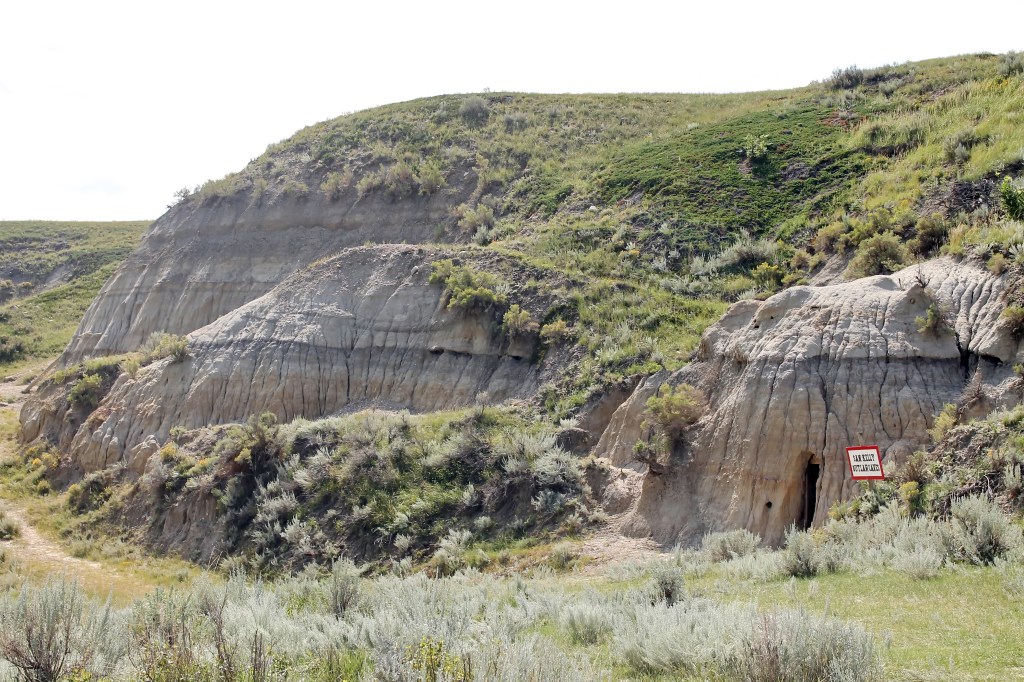
The Big Muddy was also the northern gateway to the Outlaw Trail, a loose web of hidden routes and safe havens that stretched all the way to Mexico. It was never a single mapped road but rather a lifeline for bandits, connecting hideouts like Castle Butte in Saskatchewan to the famous Hole-in-the-Wall in Wyoming, Brown’s Park in Colorado, and Robbers Roost in Utah.

Figures such as Butch Cassidy and Kid Curry used the same trails that Sam Kelly rode, relying on friendly ranches and remote caves as relay points to change horses, restock supplies, and vanish into the wilderness. For decades, this underground network of paths made it nearly impossible for lawmen to keep up.
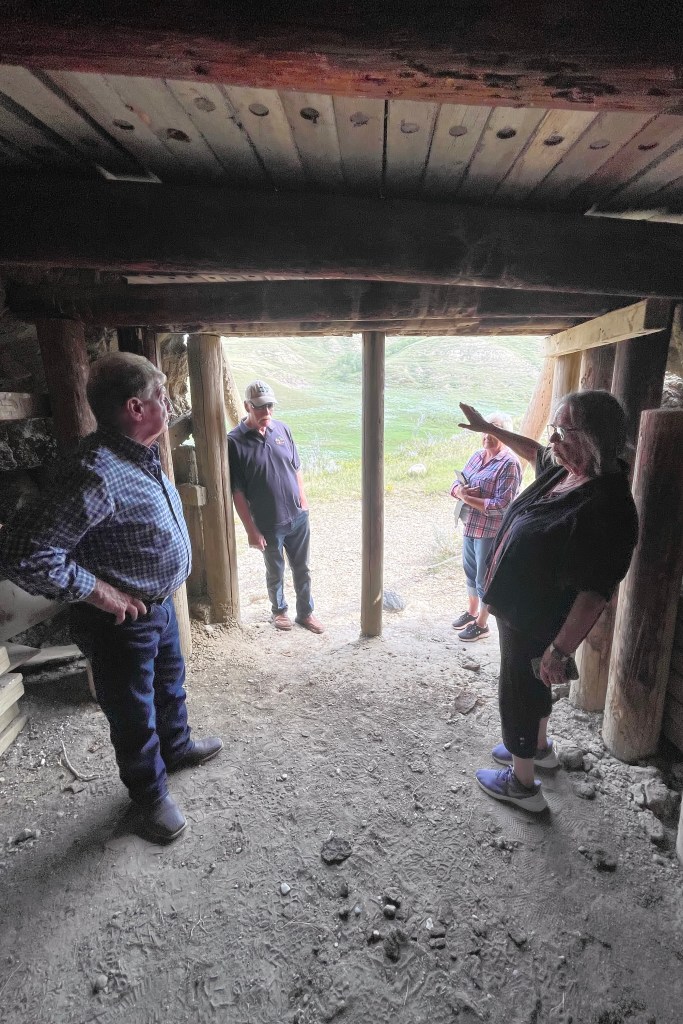
Keith and I had the chance to step back in time when we joined the “Outlaws and Effigies” tour with Big Muddy Tours out of Coronach. Our guide, Elaine, was a master storyteller, spinning tales of Sam Kelly, the Outlaw Trail, and the colourful, often dangerous characters who once roamed these lands. The tour offered rare access to private lands, where the outlaw caves lie hidden, places impossible to reach without a guide. Elaine had the keys to open gates marked with ominous but humorous no trespassing signs, giving us a secretive sense of stepping into forbidden territory.
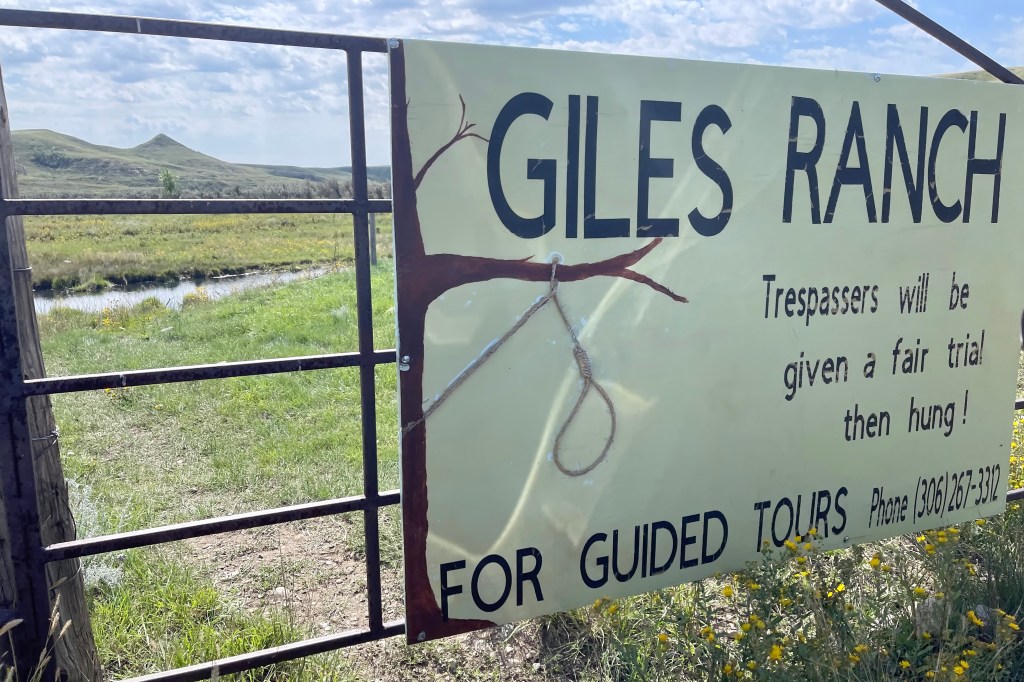
Leading a convoy of 3 vehicles from site to site, she broadcast her stories over the radio, her voice carrying the suspense and drama of the old frontier as we drove through the rolling badlands. Standing at the mouth of Kelly’s cave, with the wind whipping across the rugged landscape, it was easy to imagine the flicker of a lantern in the shadows, the soft shuffle of horses hidden inside, and the signal fires or tumbling barrels from a lookout, warning the gang that danger was near. In that moment, history didn’t feel like stories in a book.


But Sam Kelly’s story didn’t end in the Badlands.
Later in life, Sam walked away from outlawing and tried to live a quieter life. He ended up near Debden, Saskatchewan, where he took up homesteading. People there remembered him as a kind and gentle man. He would give candy to children, and his piercing blue eyes and soft-spoken nature left a strong impression. He even became known as a peacemaker of sorts, helping settle disputes and lending a hand to neighbours. It was a far cry from the wild days of rustling cattle and evading the law.
Unfortunately, the toll of his earlier years seemed to catch up with him. Sam began to show signs of paranoia and mental decline; some say it was the stress of years on the run, others believe it was simply age and isolation. Eventually, he was institutionalized, where he lived out the rest of his days. Yet even in his final years, those who knew him in Debden spoke of him fondly, as a man who, despite his past, had tried to find peace.
Today, the Big Muddy Badlands and the story of Sam Kelly remain a unique part of Saskatchewan’s history. From outlaw caves and tales of rustlers and rebel gangs to the echoes of a man who walked a long, complicated road, it’s a place where legend and landscape meet.

 Mapgirl Adventures
Leave a comment