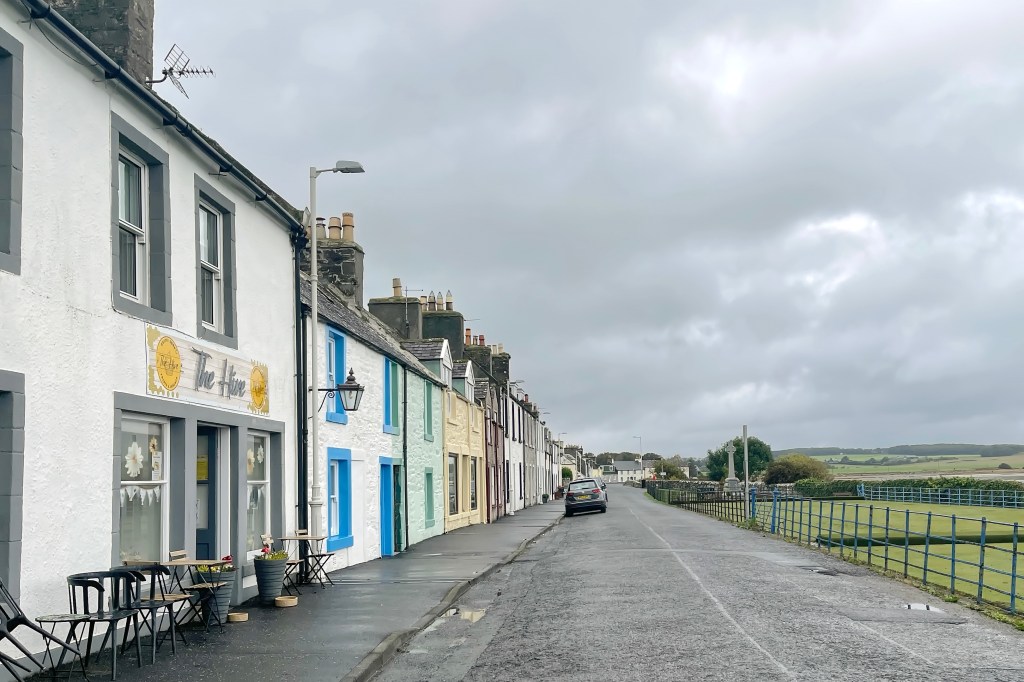
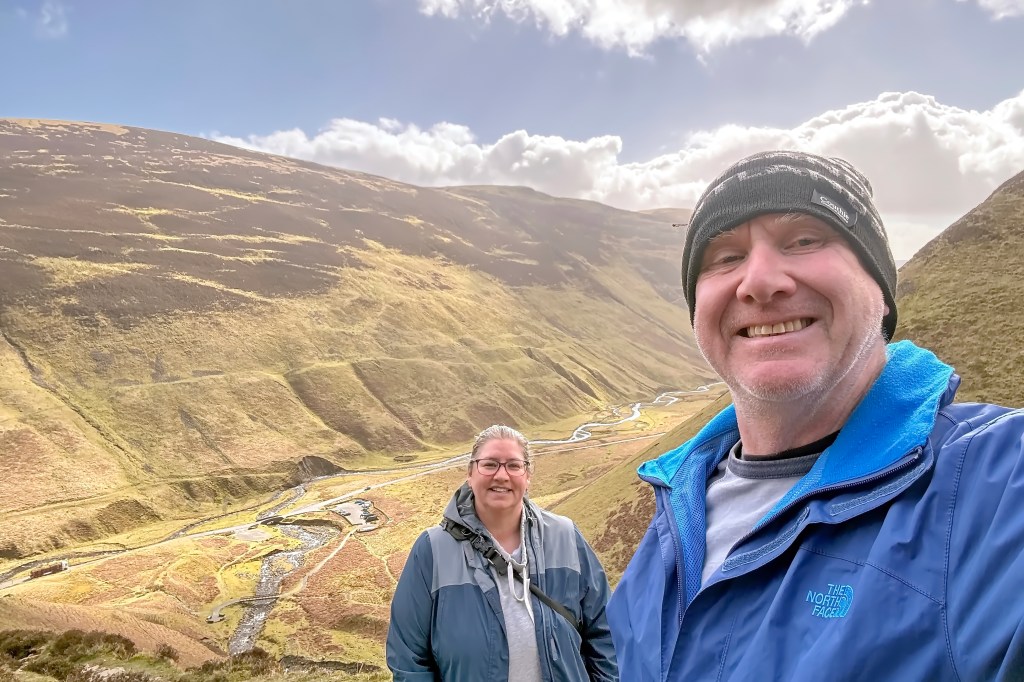
Yesterday, Keith and I set off in search of a book or two, winding our way through the rolling green hills and wild beauty of Galloway Forest Park, heading towards the south coast of Dumfries and Galloway. Our destination: Wigtown, Scotland’s National Book Town.
In 1998, after a nationwide search, Wigtown earned this title, breathing new life into the community and drawing book lovers from around the world. Each autumn, the town comes alive with the Wigtown Book Festival, a 10-day celebration of reading, ideas, and conversation.
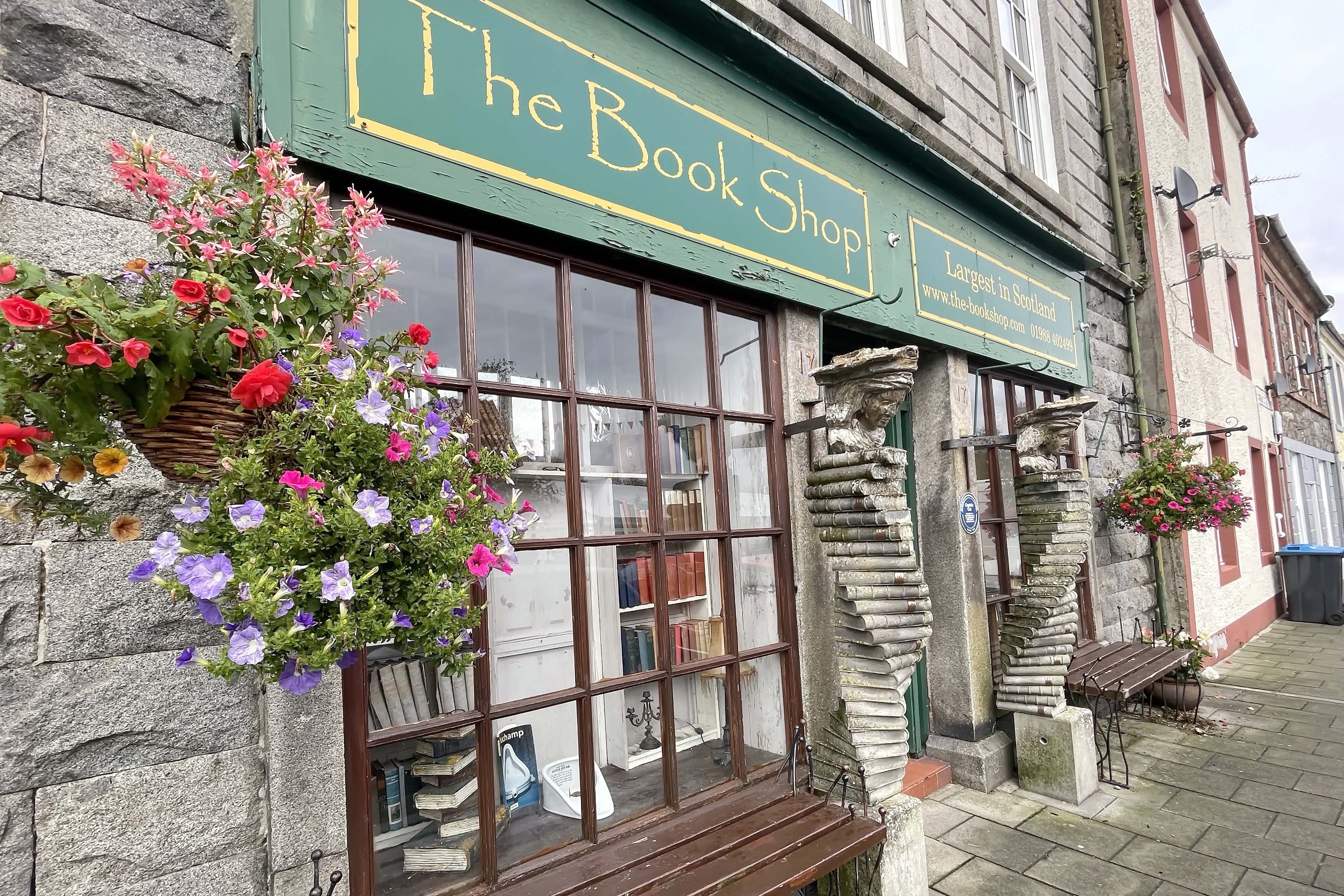
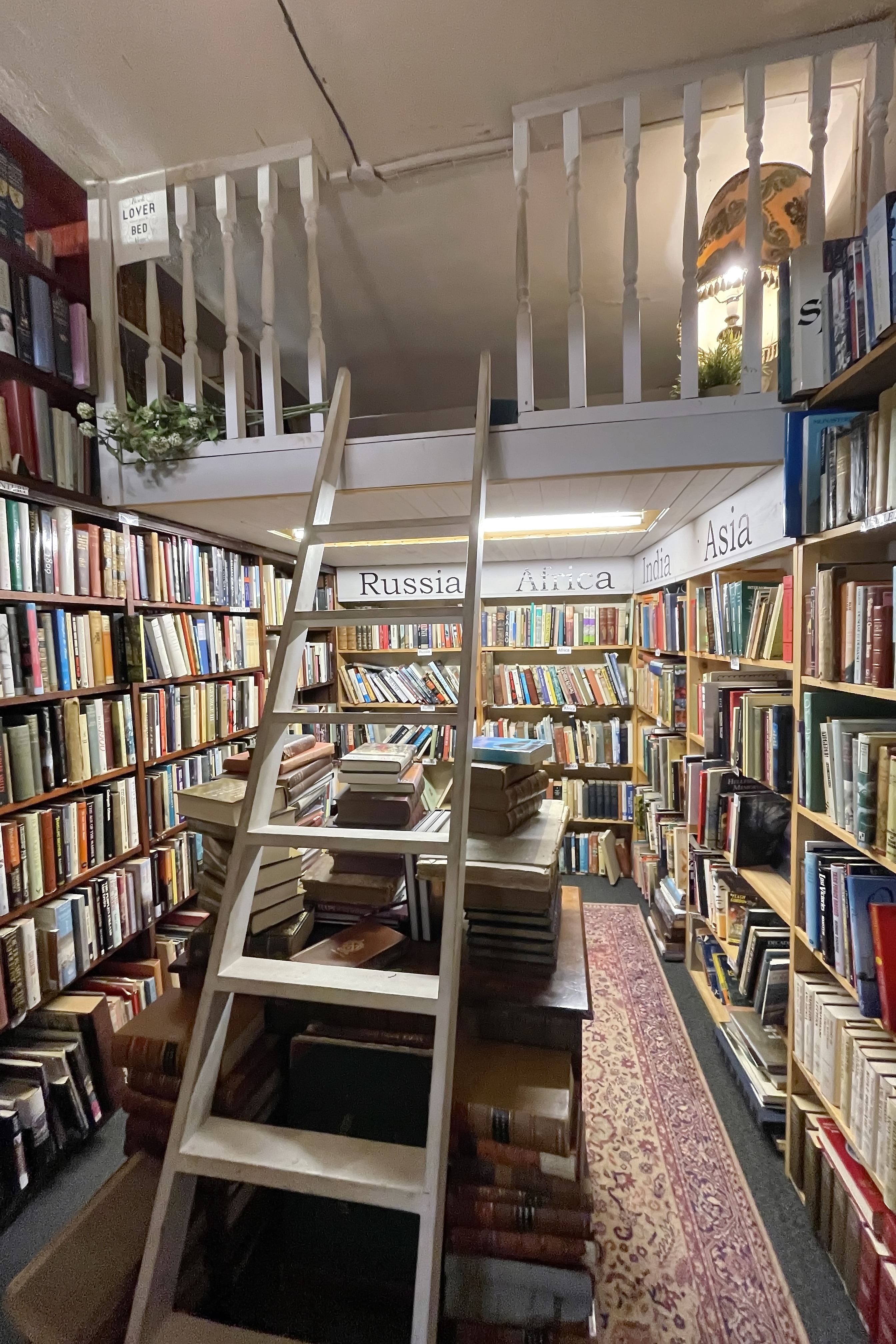
The Festival was in full swing during our visit, and we made it our mission to step inside every bookshop in this vibrant little town. With more than a dozen tucked into every corner, ranging from cozy front-room shops to larger treasure troves, we were spoiled for choice.
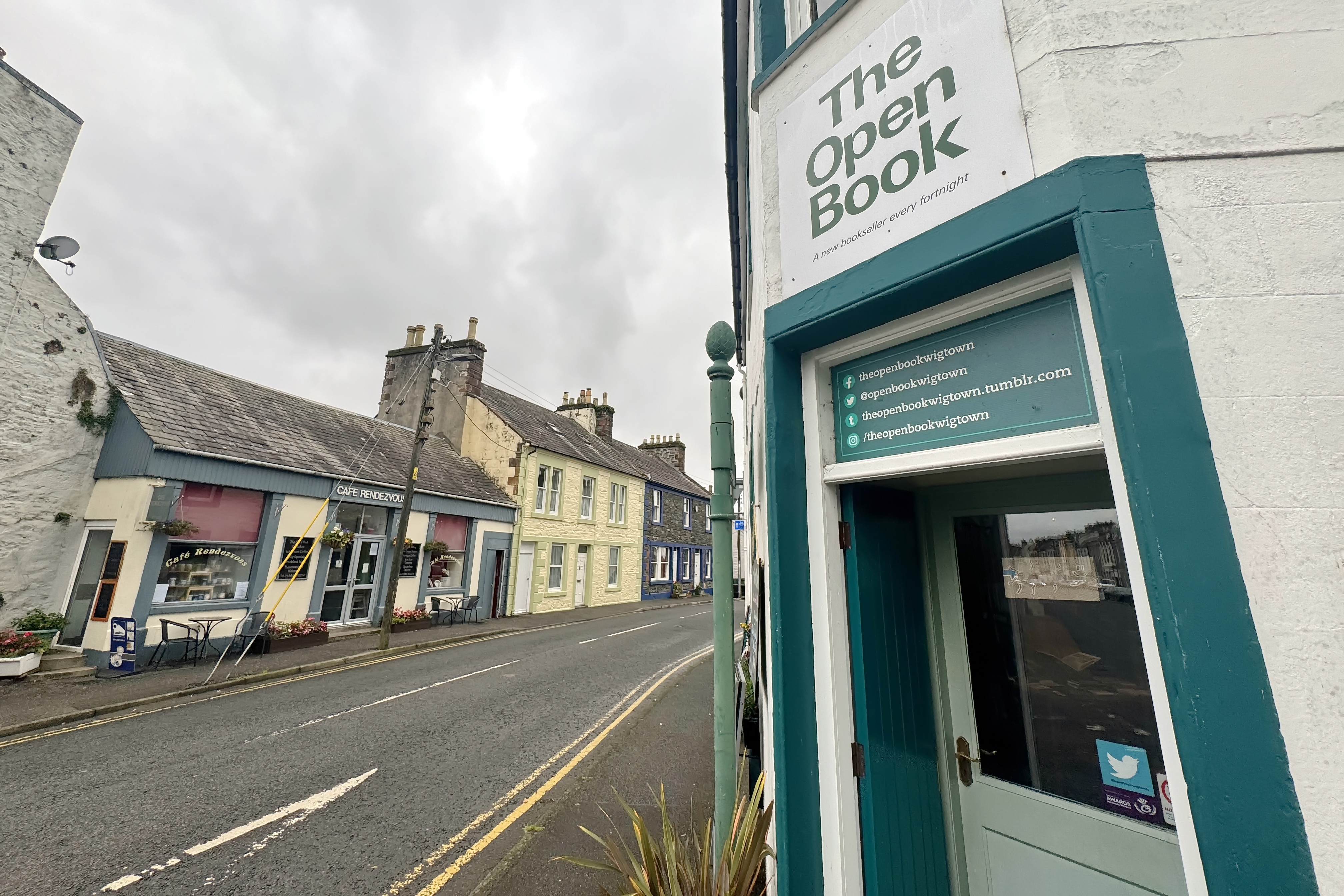
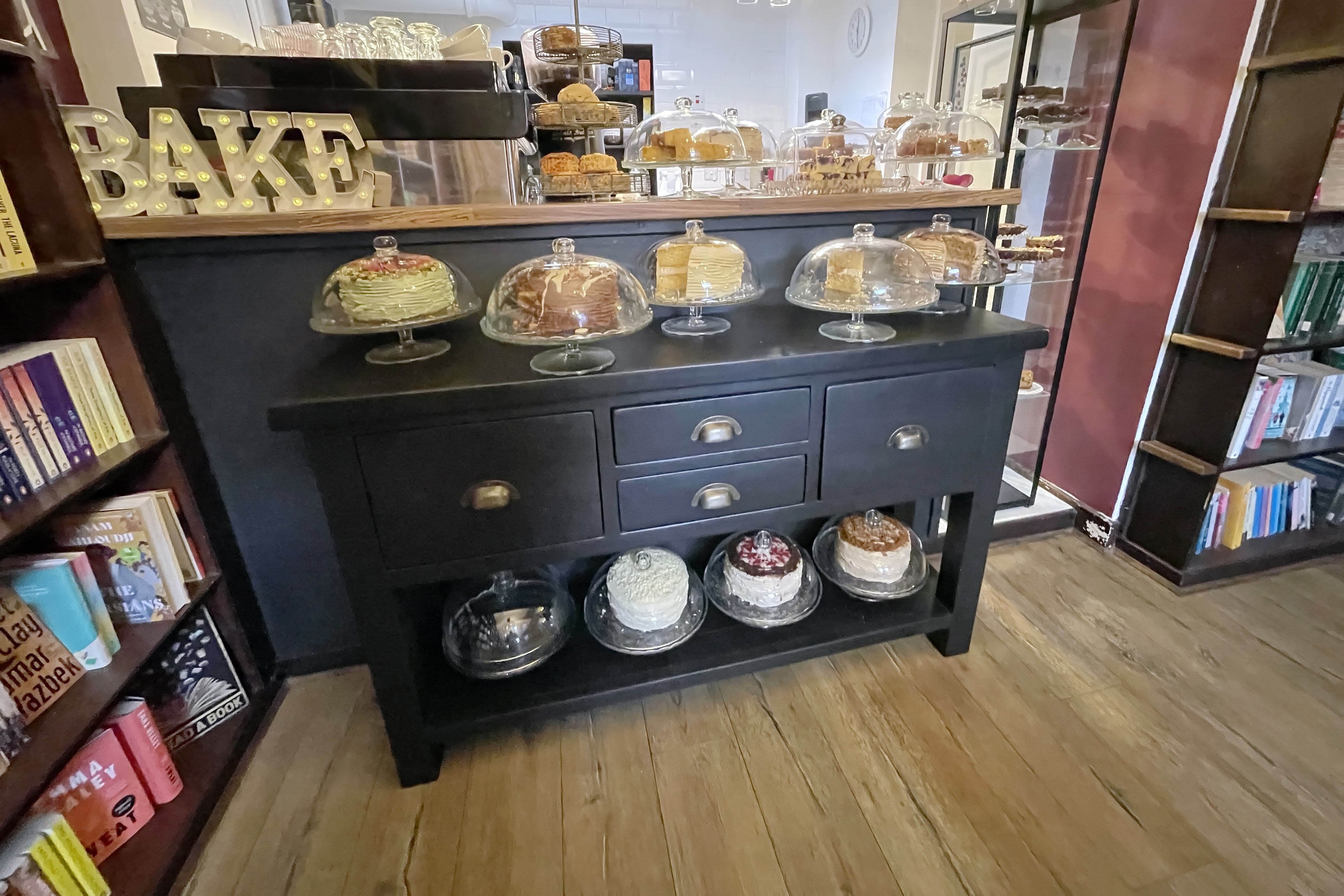
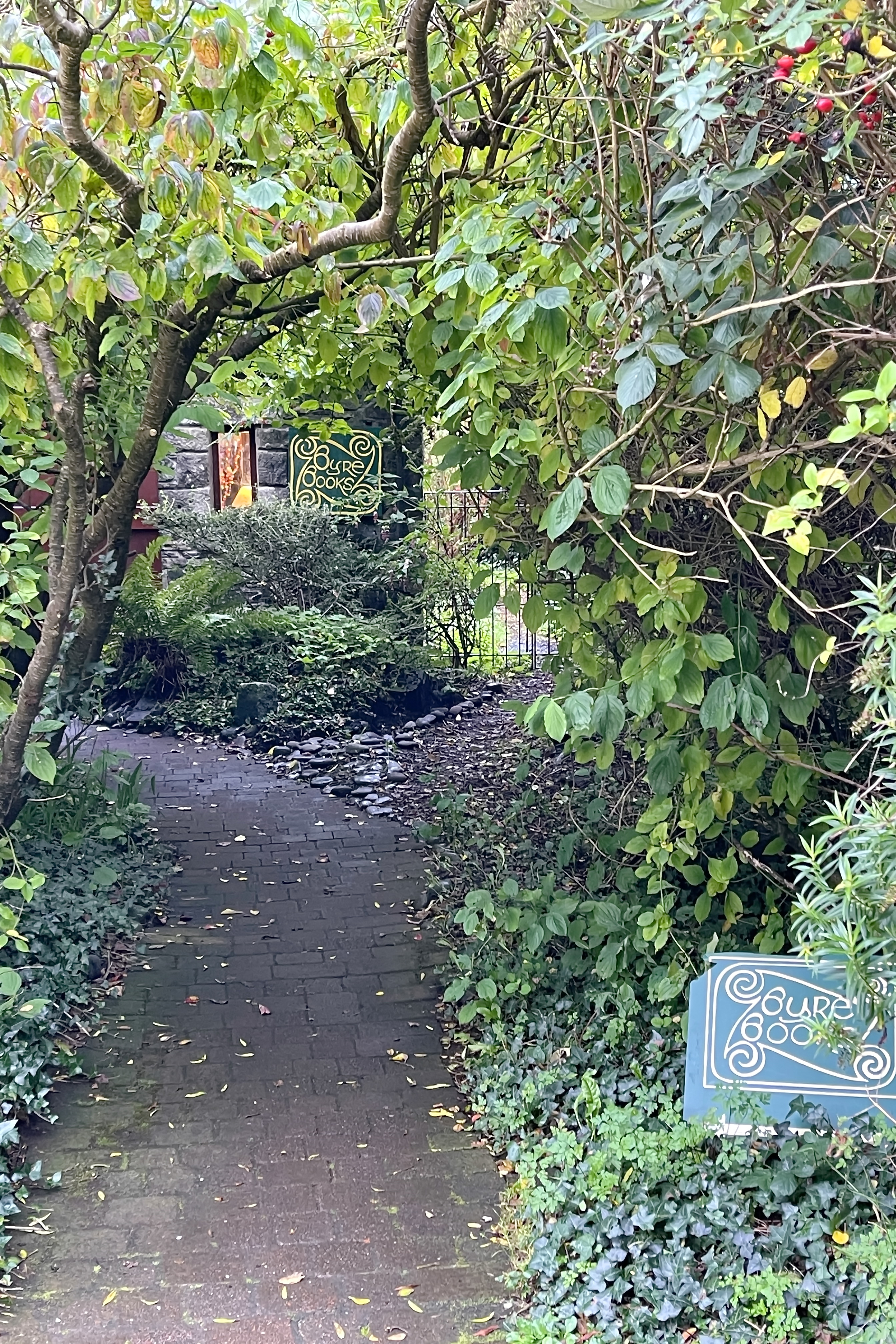
A few of the standouts included The Open Book, a one-of-a-kind shop that doubles as an Airbnb, where guests actually run the bookshop for a week or two. Then there was ReadingLasses, specializing in books by and about women, with the bonus of a welcoming café and snug reading nooks. And tucked down a narrow passageway off the main street, we found Byre Books, set in a converted stone barn and entered through a leafy, almost spellbound canopy.
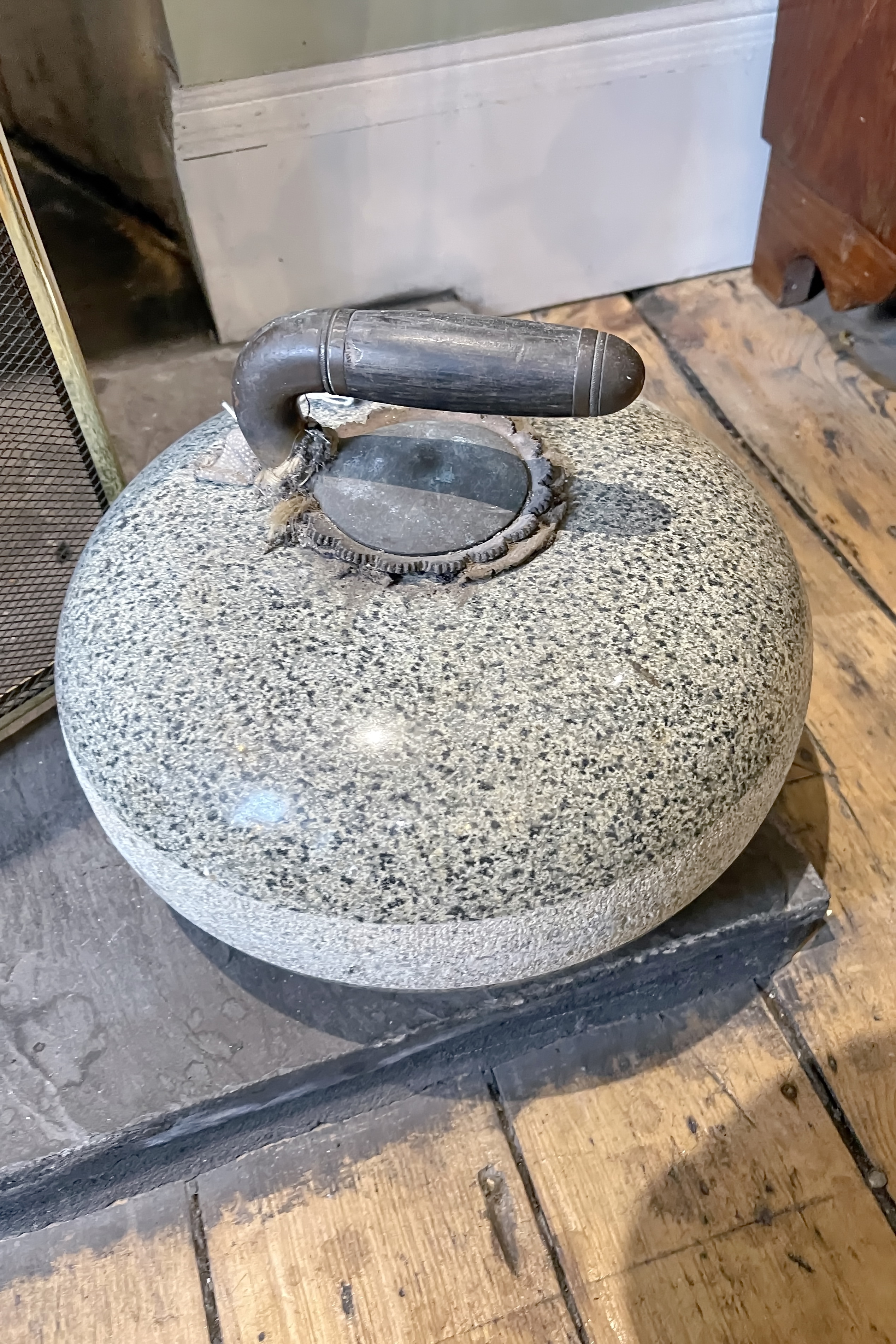
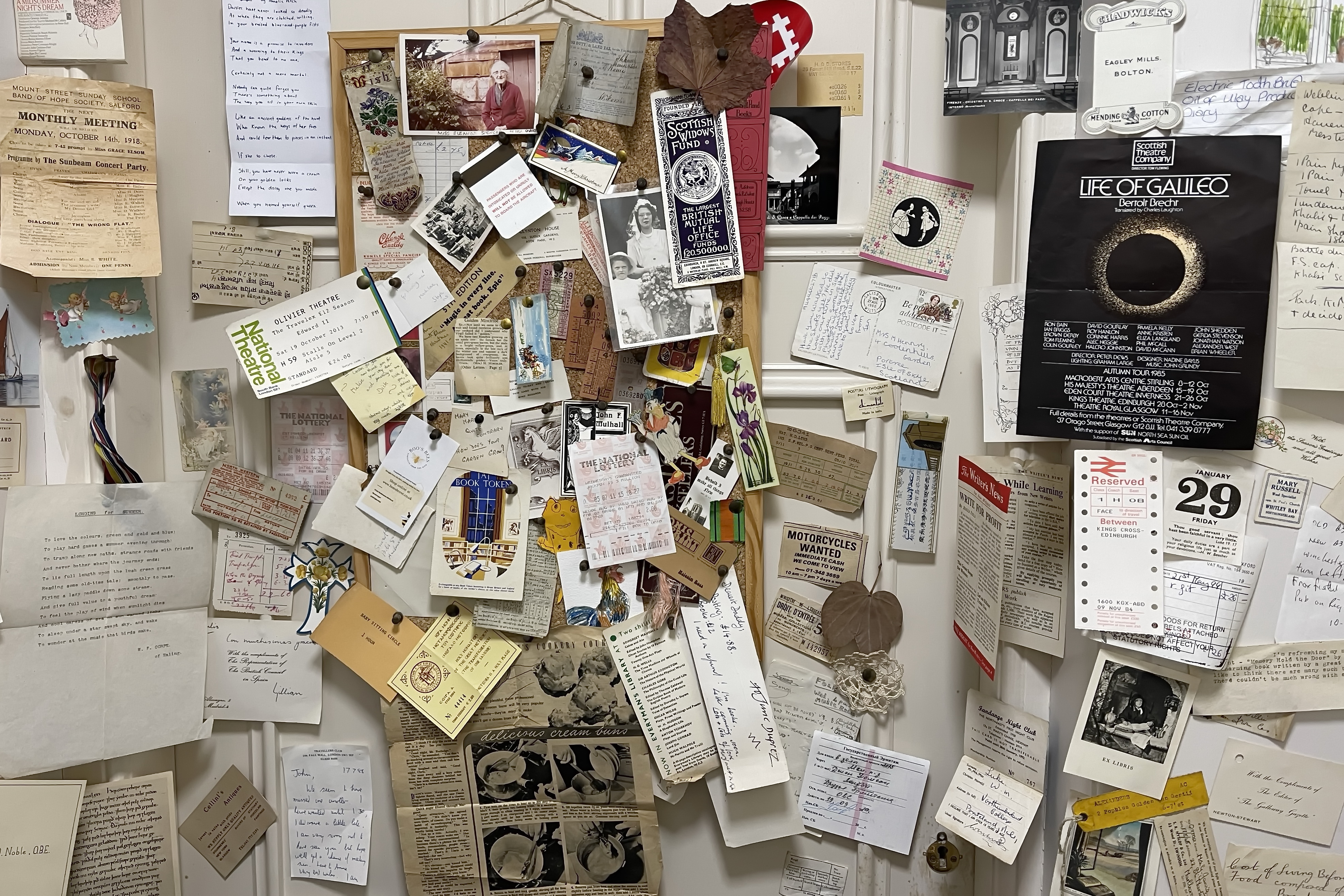
That’s not to say the other bookshops, or the town itself, weren’t equally captivating. Stone pillars, shaped like towering stacks of books, marked one entrance. Antique and curio shops tempted us with fascinating artifacts from the past. And in one secondhand store, we lingered over a curious display of treasures once tucked between the pages of donated books.
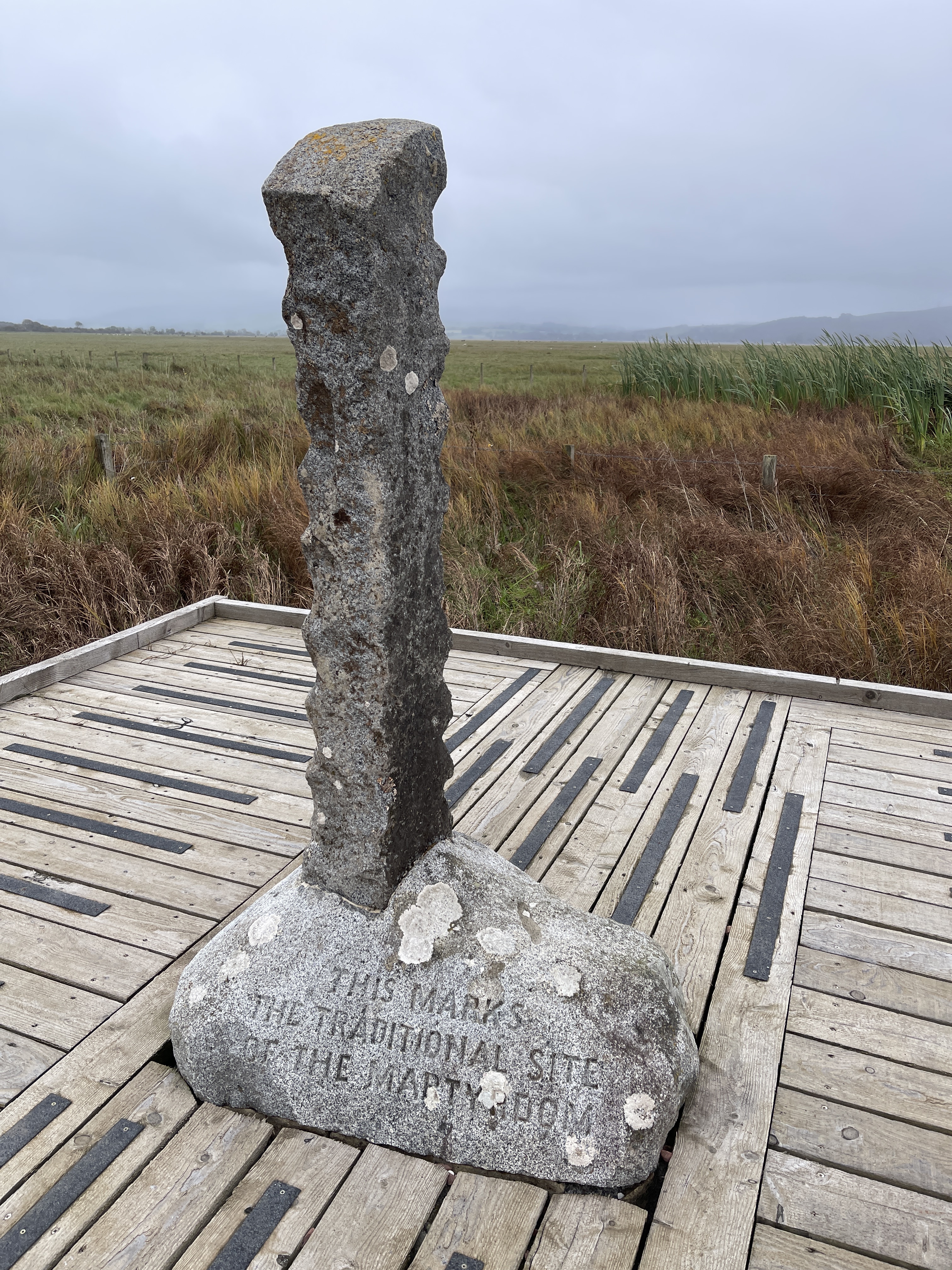
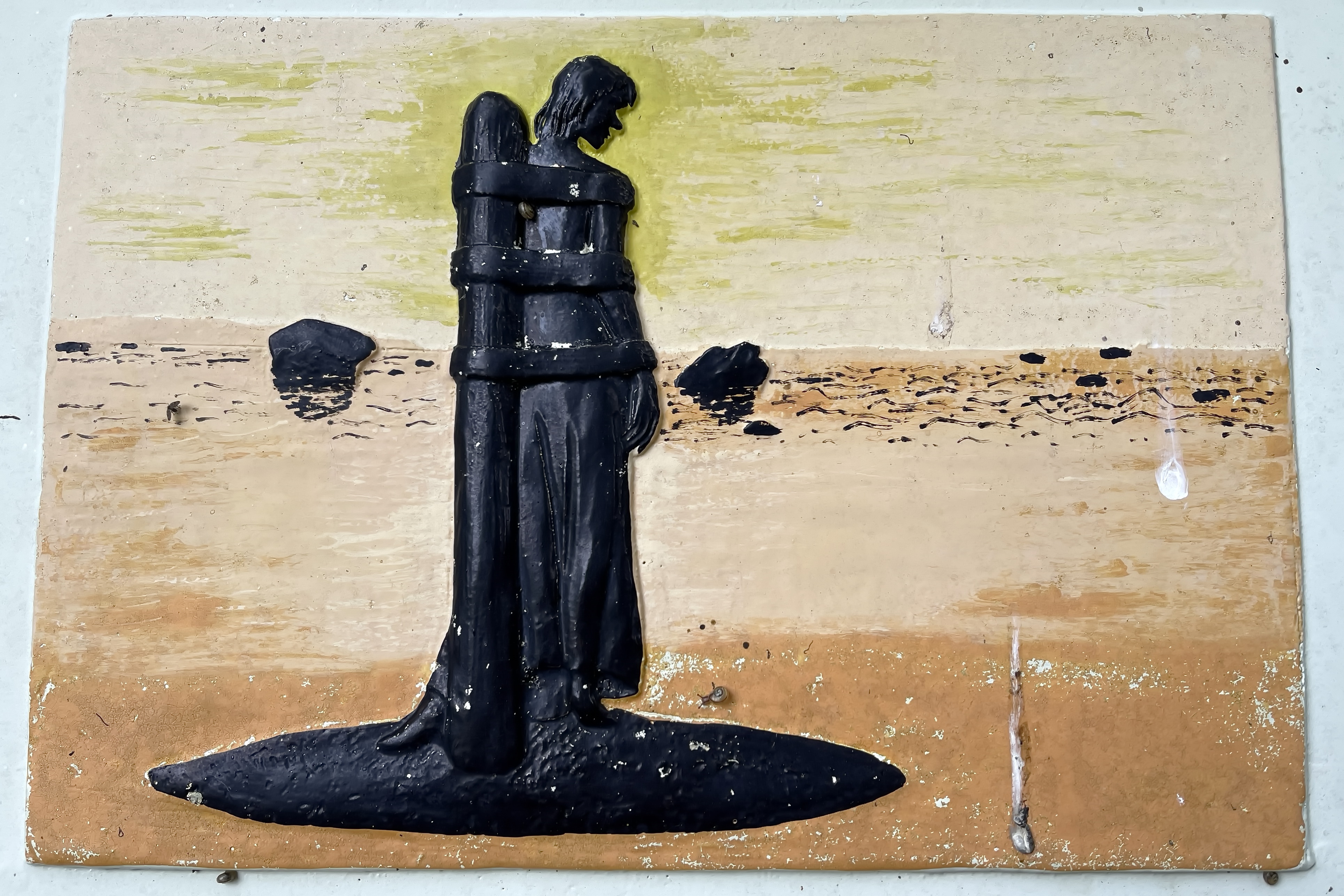
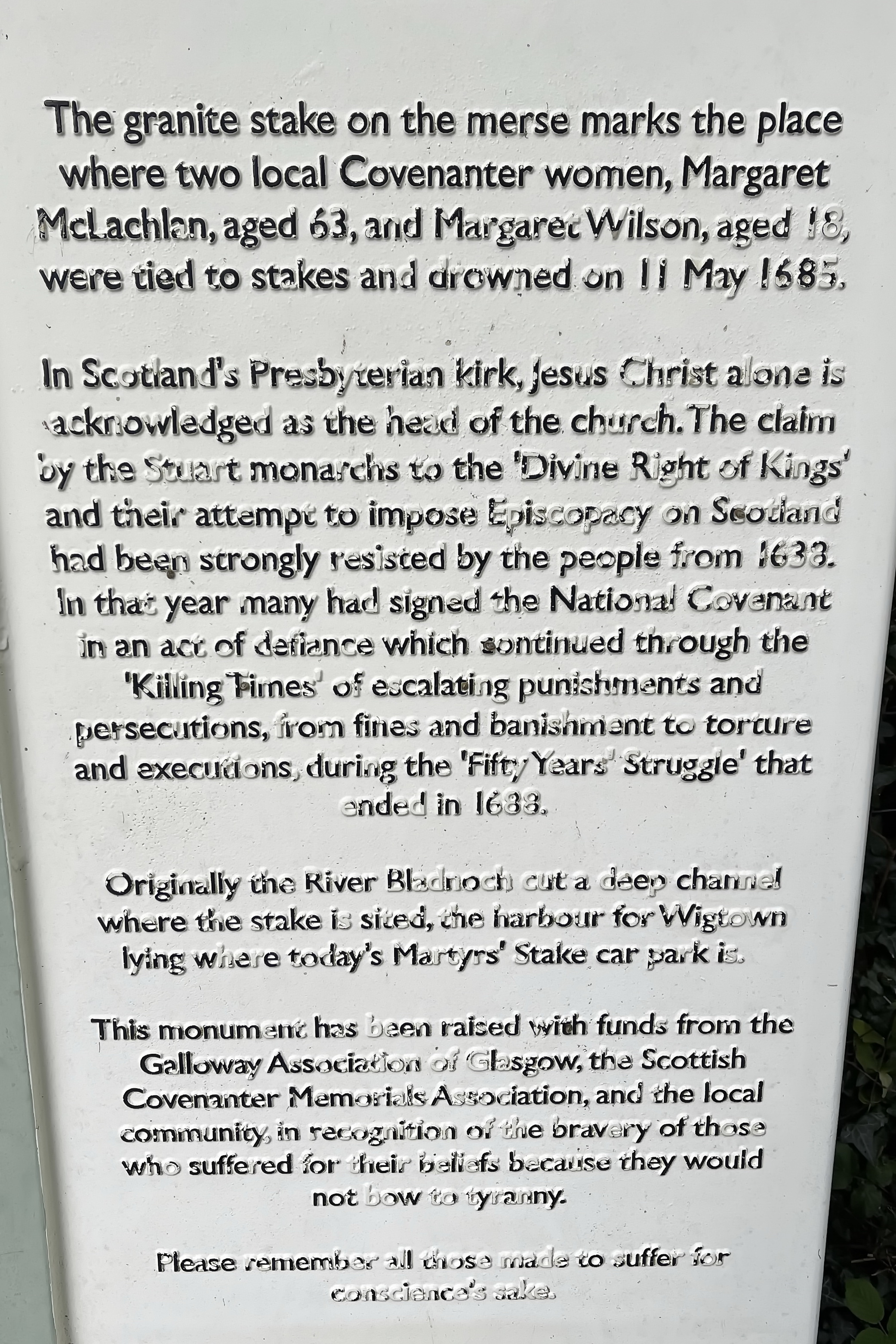
While here, we also paused to reflect on a tragic chapter in the town’s history: the story of the Wigtown Martyrs. The Covenanters were Scots who had signed a covenant pledging to uphold their Presbyterian faith and resist attempts by the monarchy to control the church. For their refusal to give up these beliefs, many faced persecution, and in 1685, five people, including Margaret Wilson and Margaret McLachlan, were executed in Wigtown. While three men were hanged, these two women stand out for the savage method of their demise, as they were both tied to stakes in the rising tide of the Solway Firth and drowned for their faith. Today, a memorial to these women at the site stands curiously on a wooden boardwalk above the marshy estuary about 100 metres from the shore, the course of the water having changed substantially over the years.
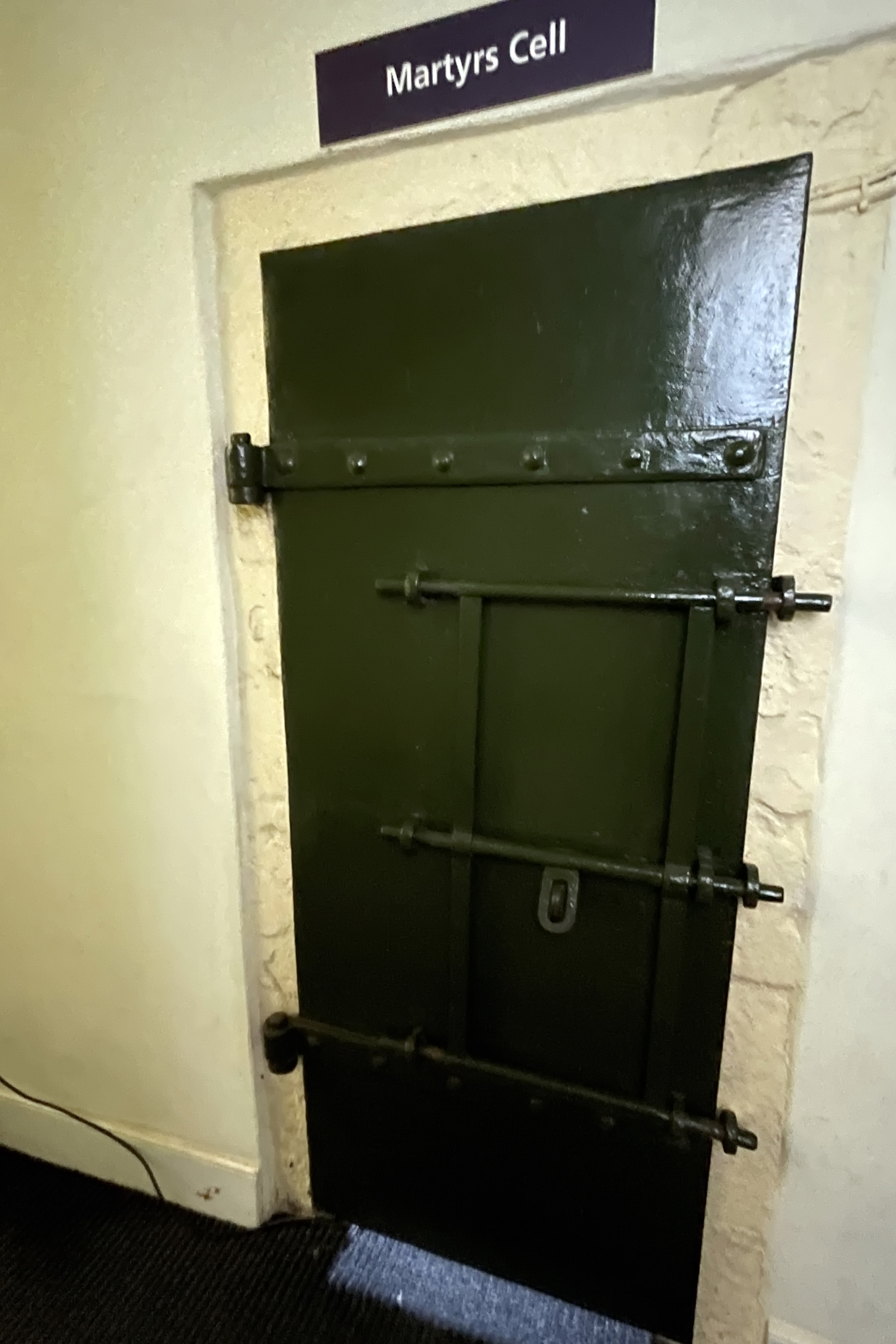
In the town’s former county building sits The Martyr’s Cell, a small prison dating back to the 18th century. Though it has no direct link to the Wigtown Martyrs, it stands as a poignant reminder of the persecuted Covenanters during the dark “Killing Times” and the turbulence of Scotland’s past.
Strolling through the quiet streets of Wigtown today, it’s moving to realize how this little town holds both sorrow and hope, bound together across the centuries. Between the history, the books, and the undeniable charm, Wigtown feels like a place where stories, both written and lived, are always close at hand.
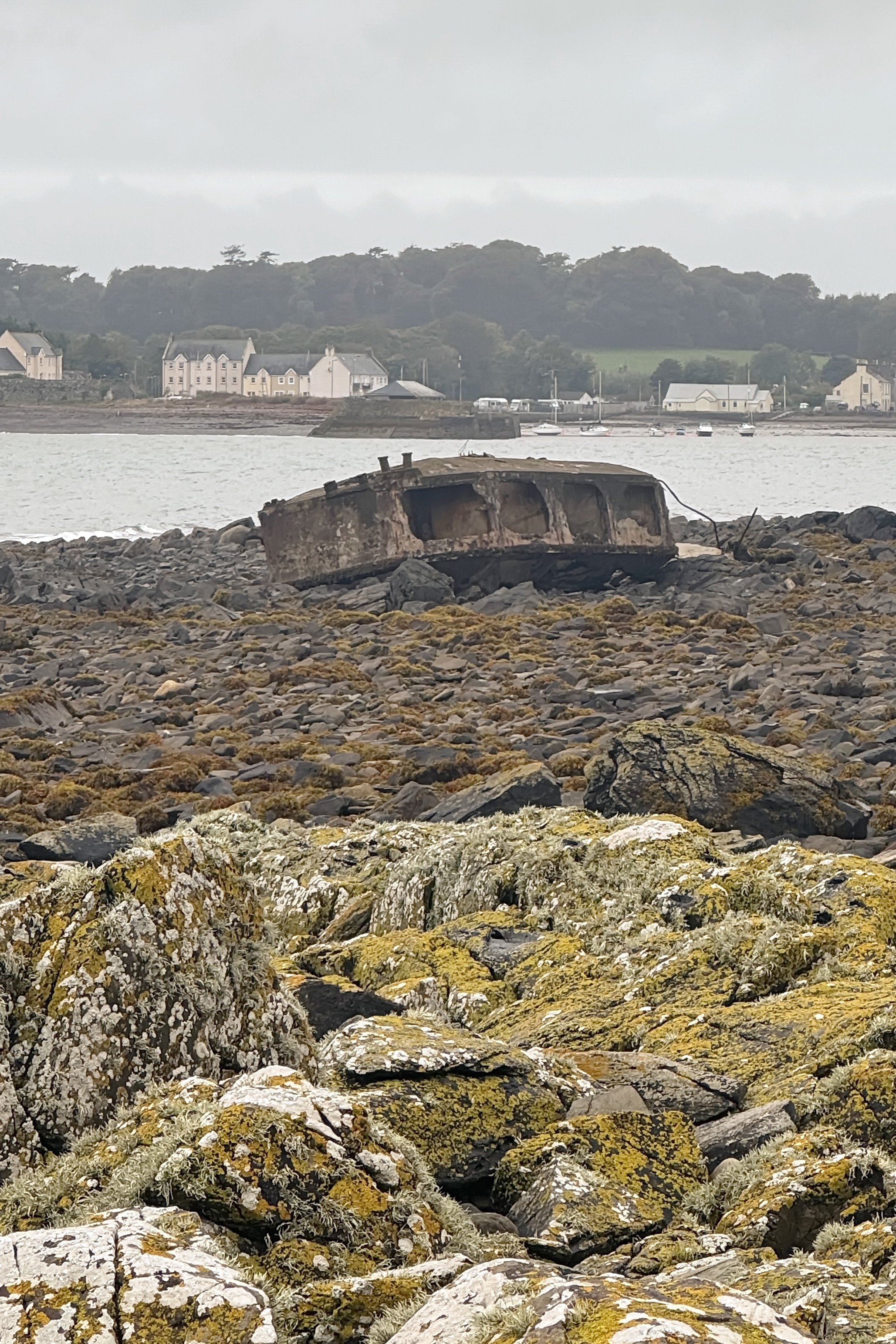
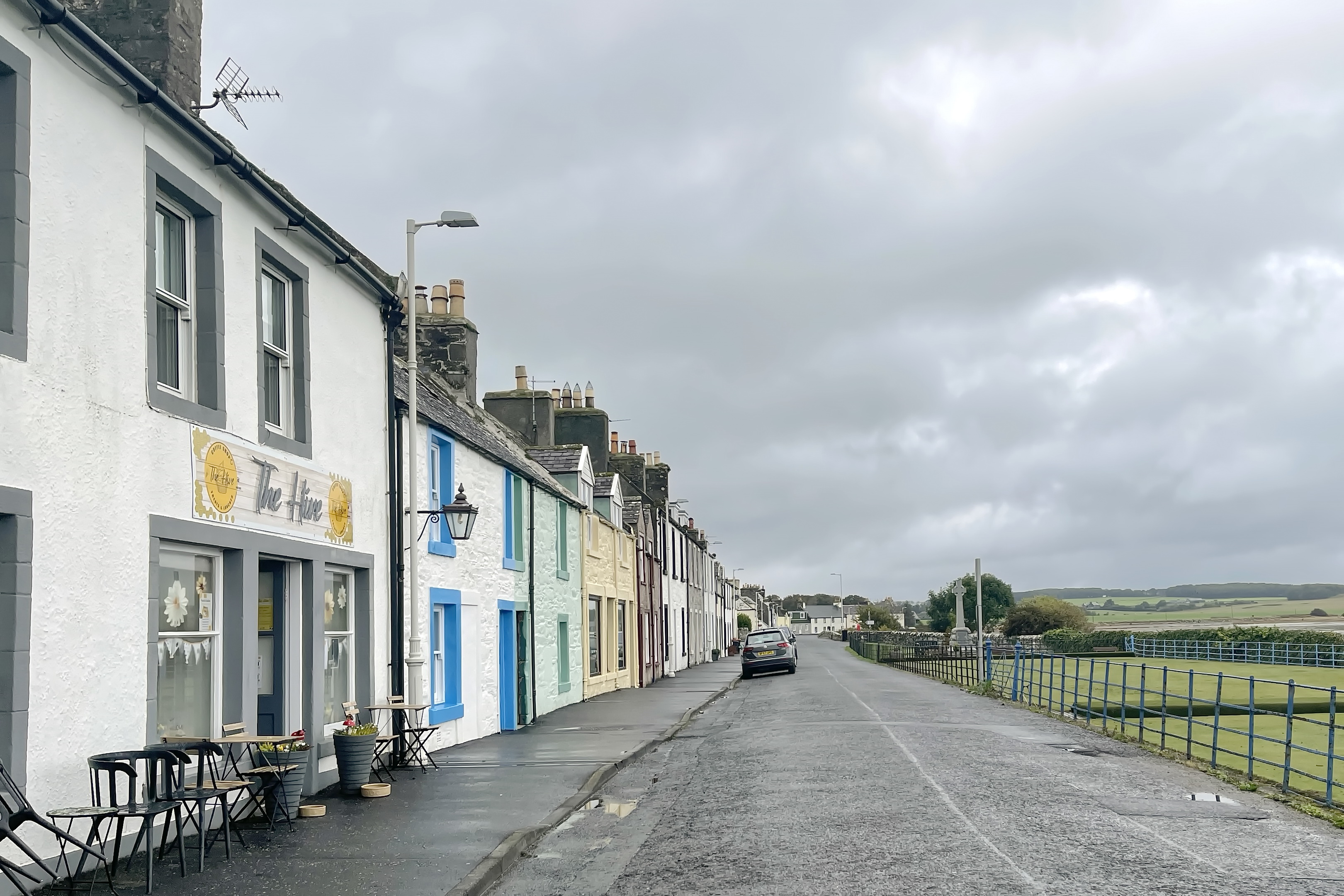
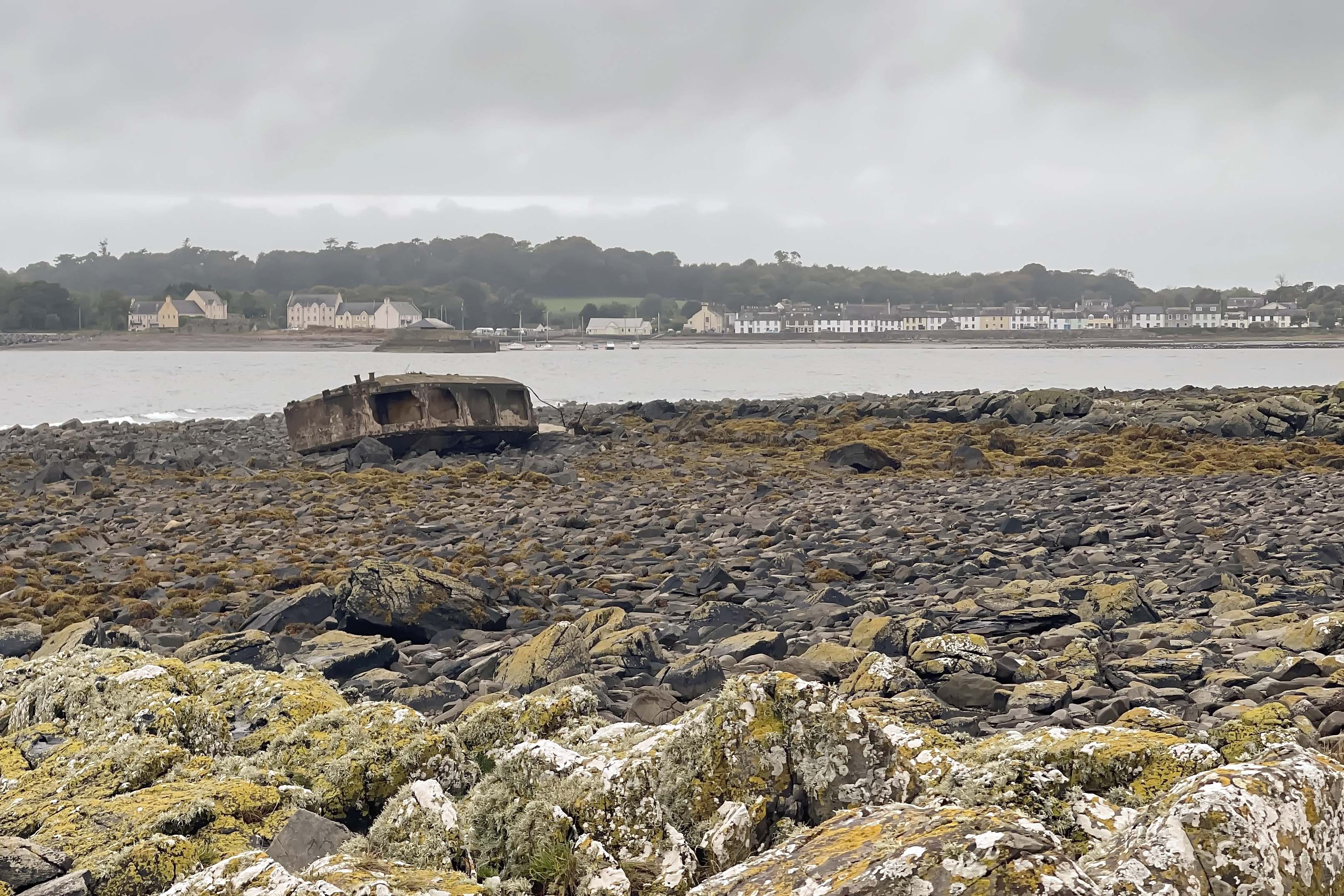
To finish the day, we made a short trip to the nearby village of Garlieston, with its graceful curving terraces and a small harbour that hugs the south side of Garlieston Bay. This peaceful seaside spot holds an unexpected place in history: it was here that the prototype Mulberry Harbours were tested, the ingenious floating harbours later used during the D-Day Landings in World War II. Garlieston was chosen for its remoteness, as well as its exposed coastline and dramatic tides, which mirrored those of Normandy. Today, the story lingers in the remains of two ‘Beetle’ sections of the prototype harbour, still resting on the far shore of the bay—a quiet but powerful reminder of innovation in the face of war.
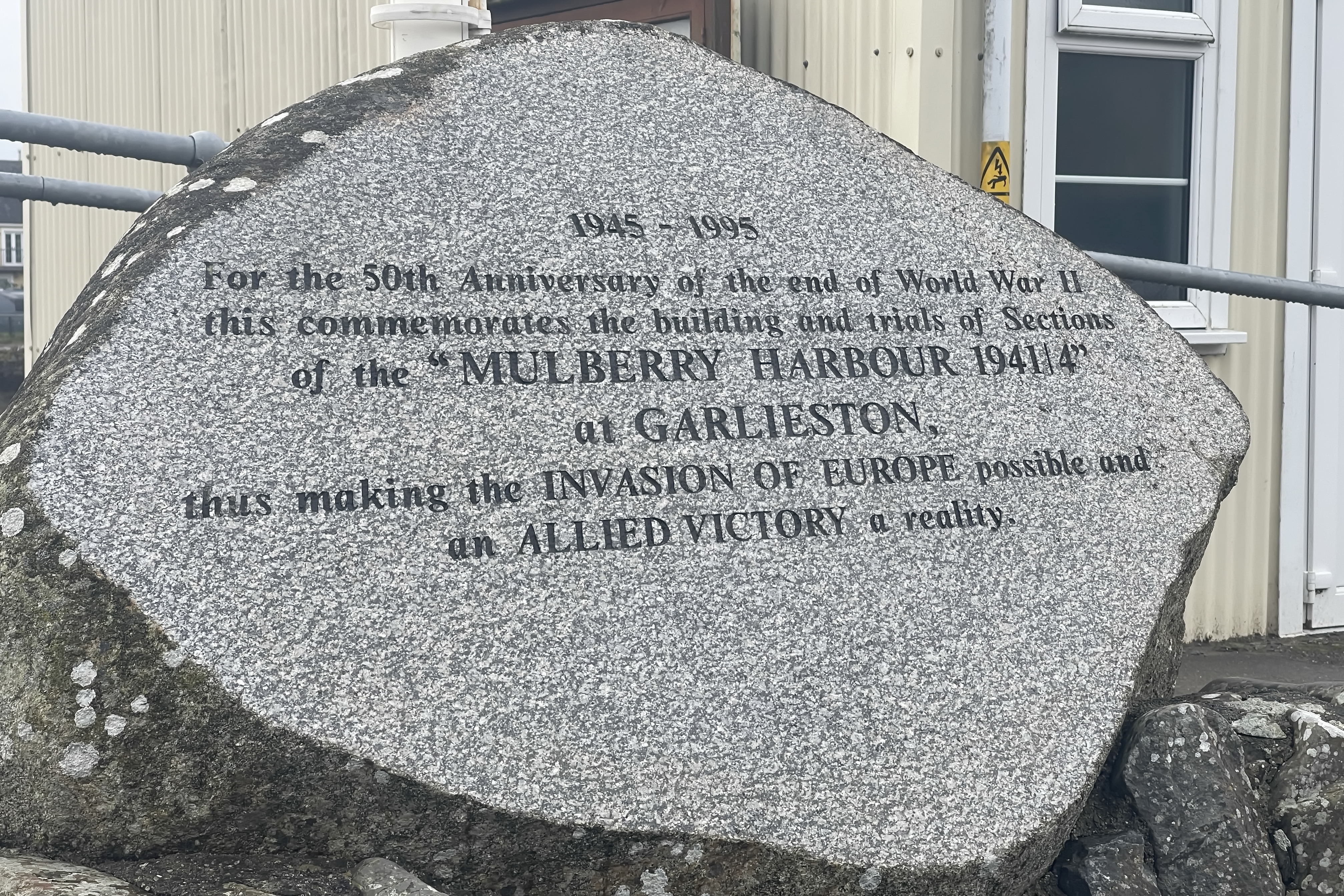
This quiet peninsula of Dumfries & Galloway, known as The Machars, may be less visited than other parts of Scotland, but it holds its own with unique attractions and layers of ancient history waiting to be uncovered. We had such a wonderful day exploring here—and with so much still left to see, one thing’s certain: we’ll be back.


 Mapgirl Adventures
Leave a comment