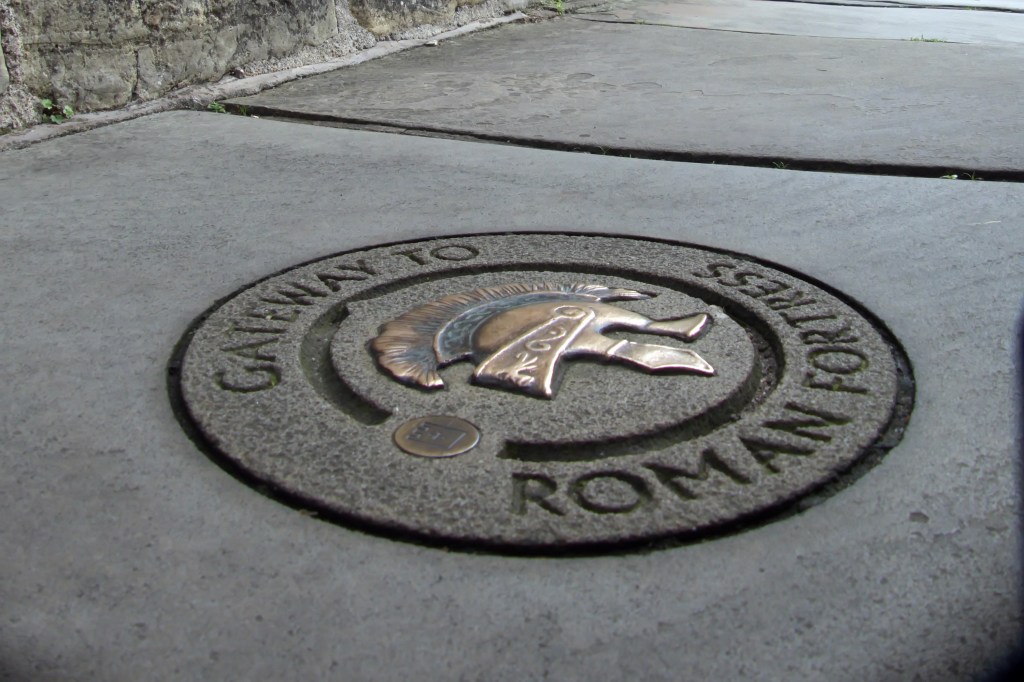
The storied city of York reveals layers of the past at every turn. With nearly 2,000 years of history, it offers an intriguing blend of Roman, Viking, Medieval, and modern English heritage. Renowned for its well-preserved city walls, the magnificent gothic York Minster, and its winding cobblestone streets, York is a one-of-a-kind city to explore.
Founded in 71 AD as Eboracum, York began as a major Roman settlement and military hub until their withdrawal from Britain around 400 years later. The Anglo-Saxons ruled next, before the Vikings seized control in the 9th century and renamed the city Jorvik. The Norman Conquest in 1068 marked another transformative chapter when William the Conqueror built two motte-and-bailey castles on either side of the River Ouse. The Norman period eventually brought stability and growth, leading to the construction of the city’s medieval walls, much of which you can still walk today.
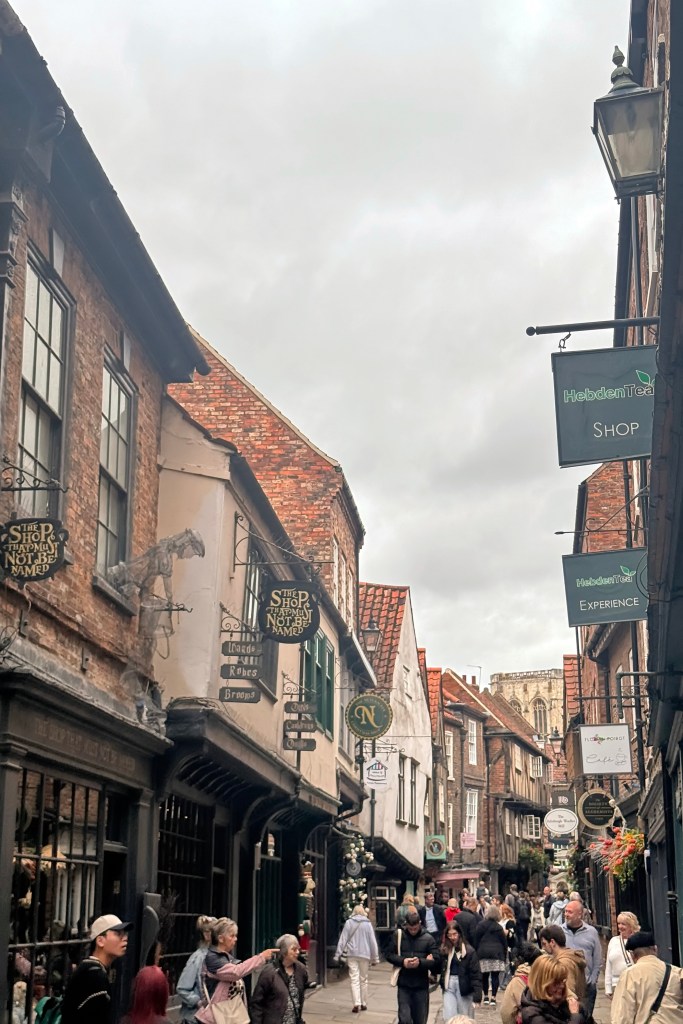
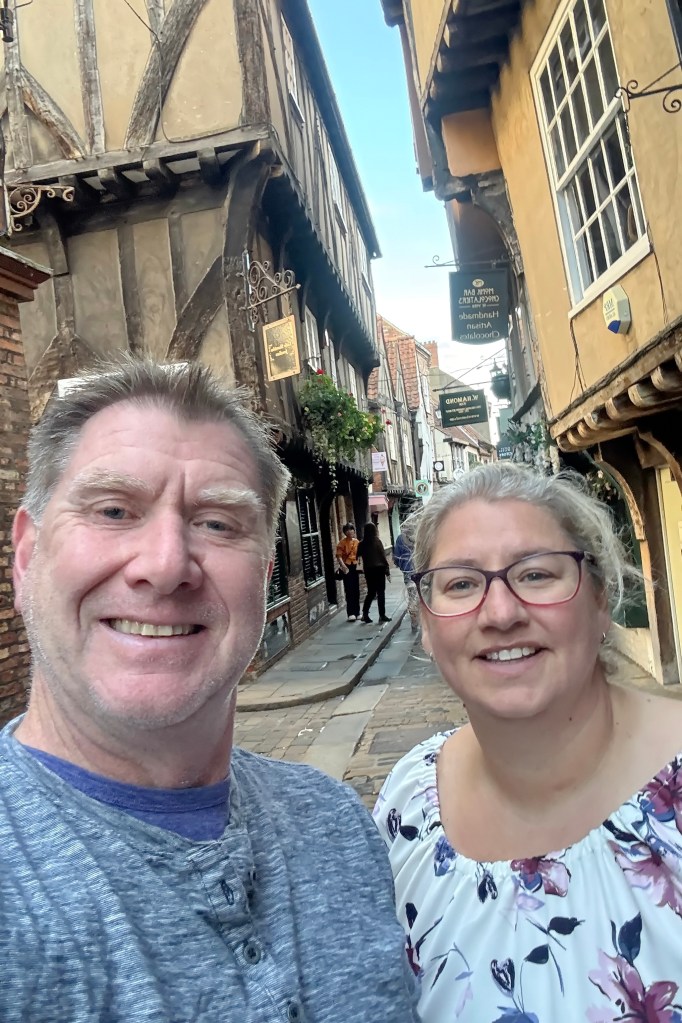
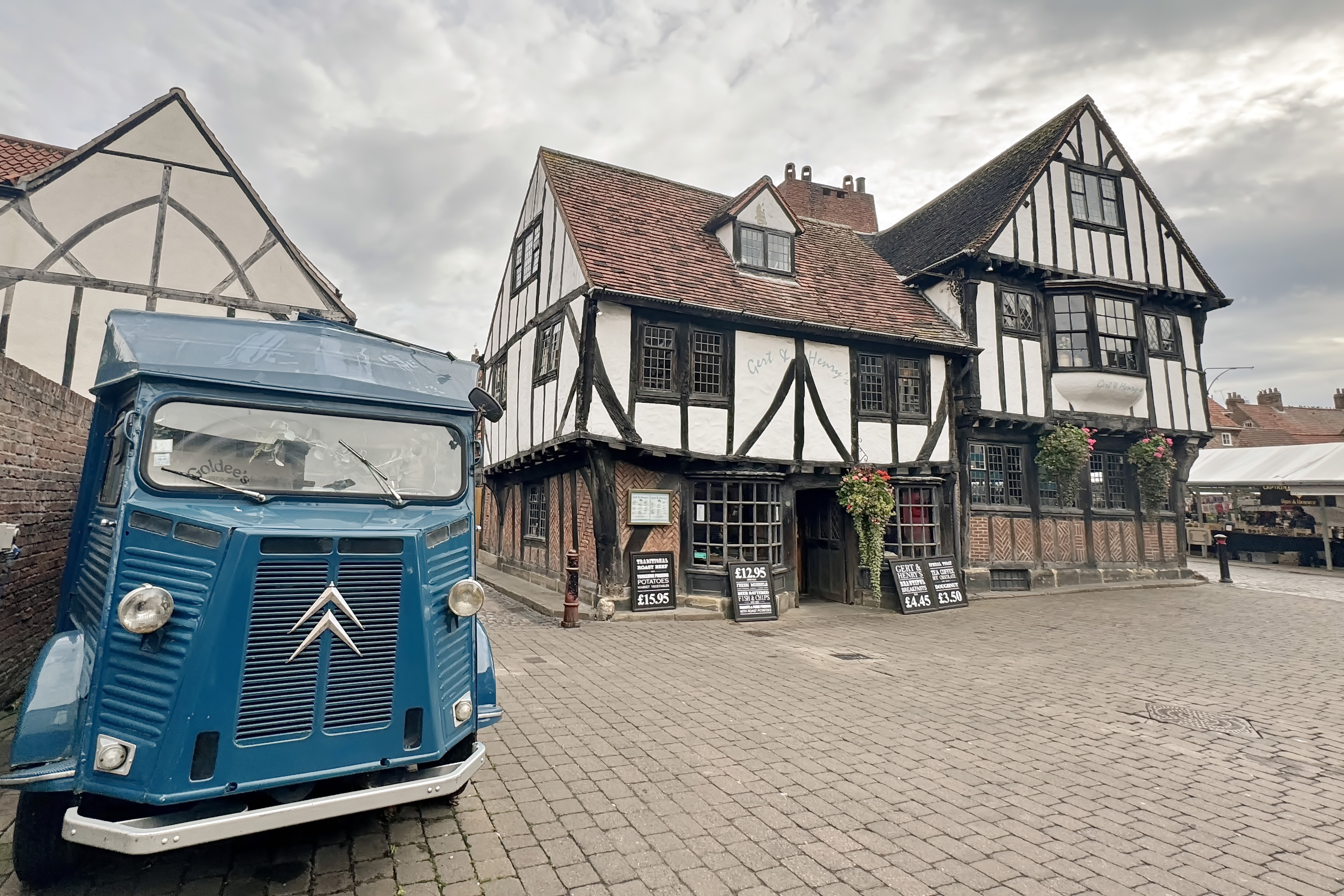
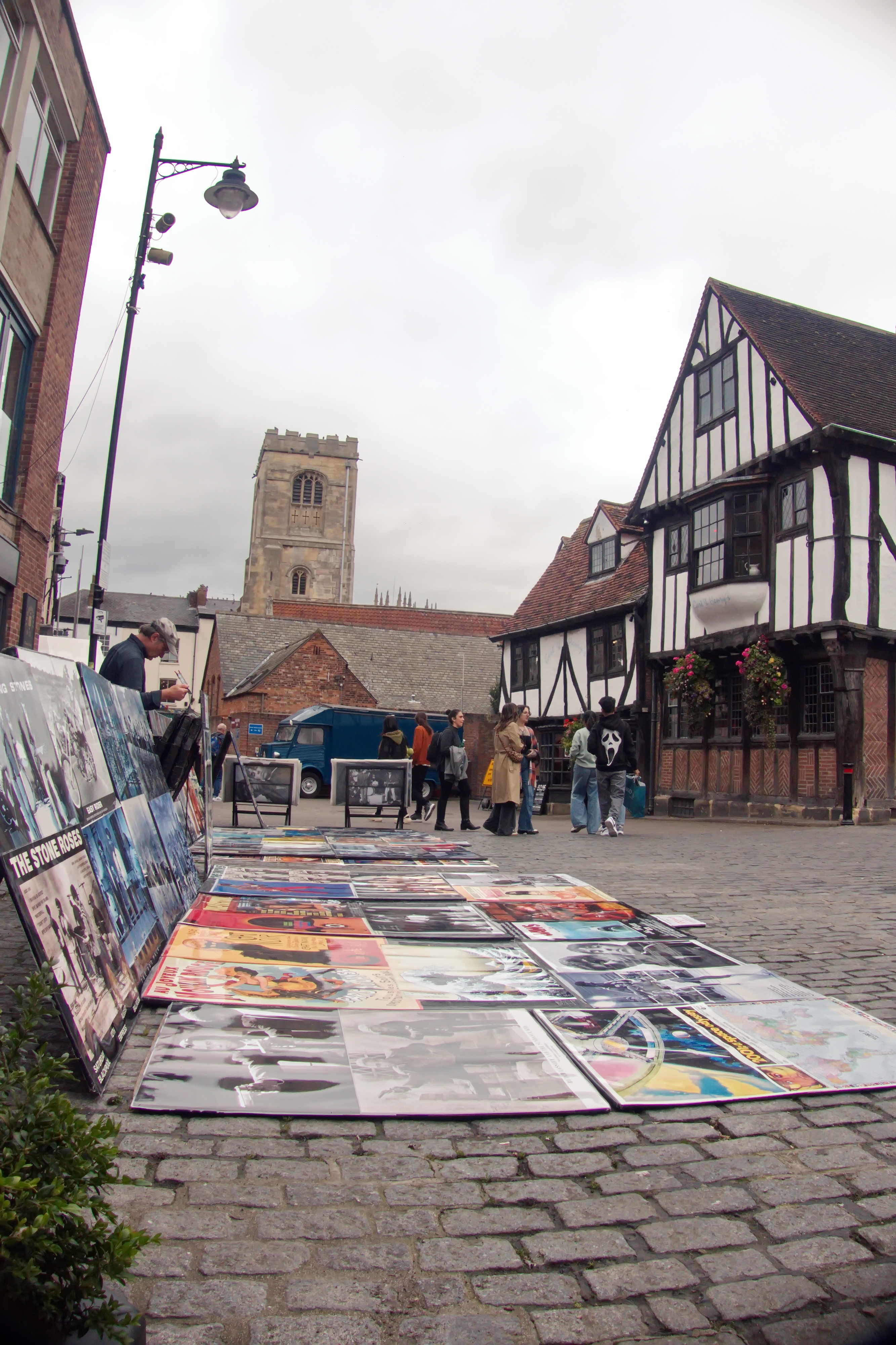
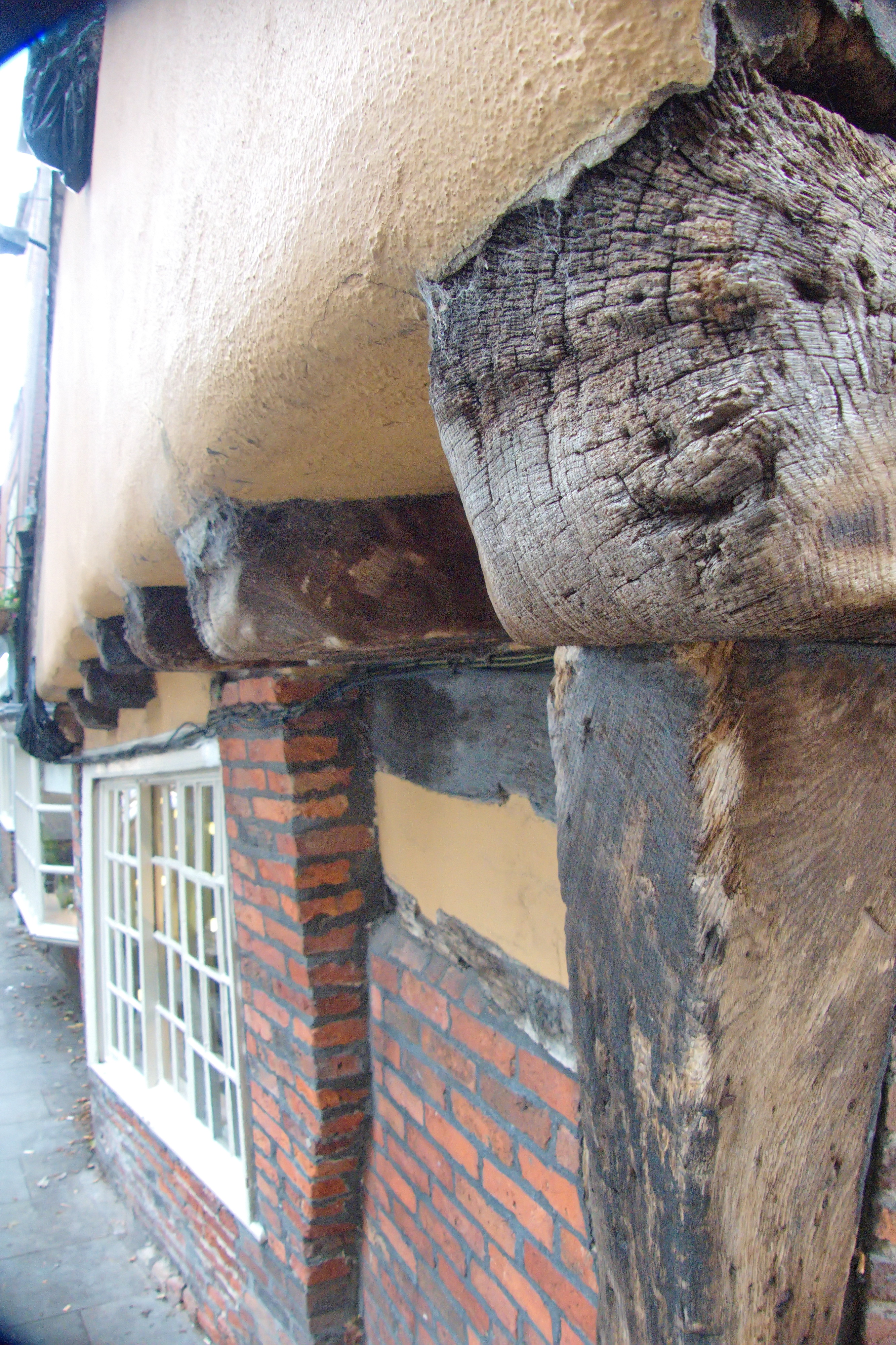
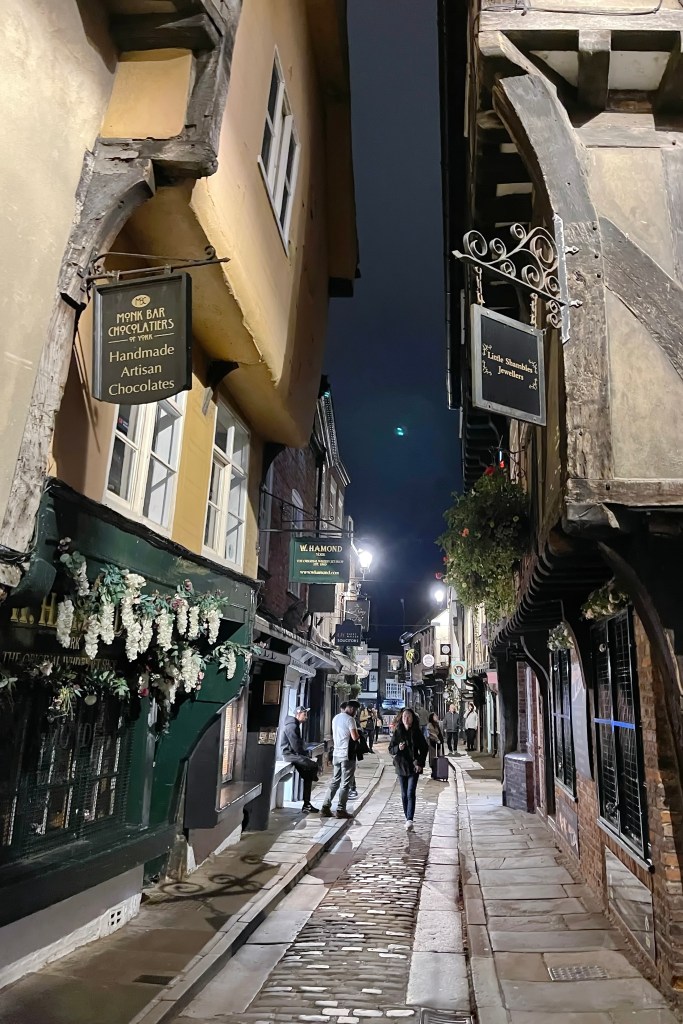
With just three days to explore York, we dove right in, starting at The Shambles—a storybook street of cobblestones and overhanging timber-framed buildings, beautifully preserved from medieval times. Originally lined with butcher shops, remnants of the trade still remain in the form of meat hooks and stone display shelves. The upper floors, leaning close together, were designed to keep meat out of the sunlight, allowing blood and waste to drain into the gutters below—not exactly an Instagram-worthy image, but it explains the street’s narrowness! Today, the street is filled with charming boutiques, cafés, and gift shops, yet it’s easy to imagine the bustle of medieval life centuries ago.


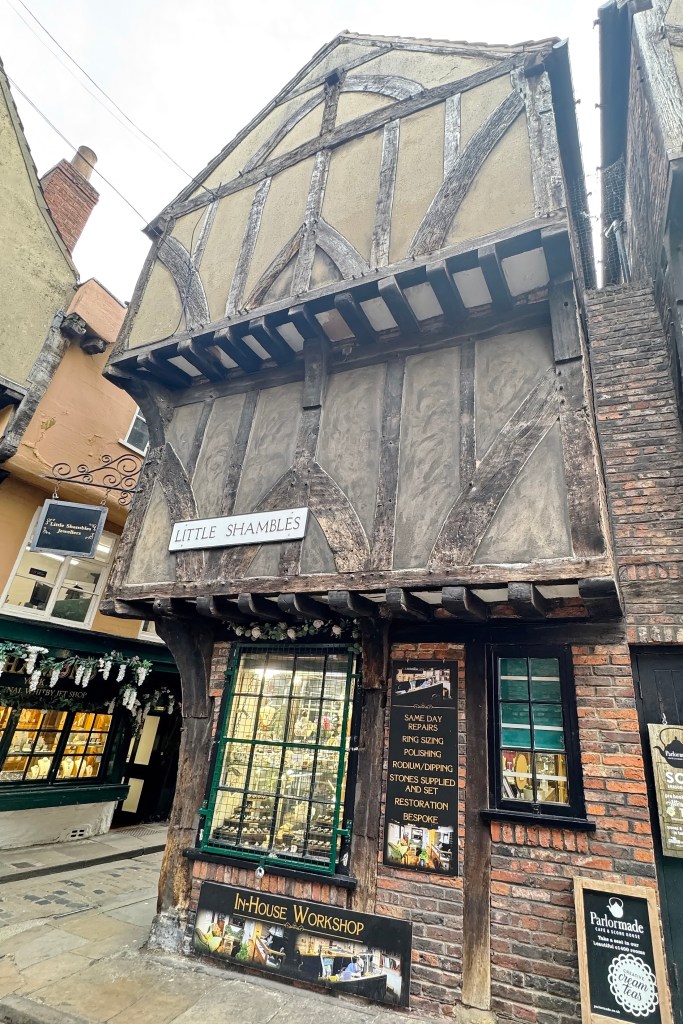
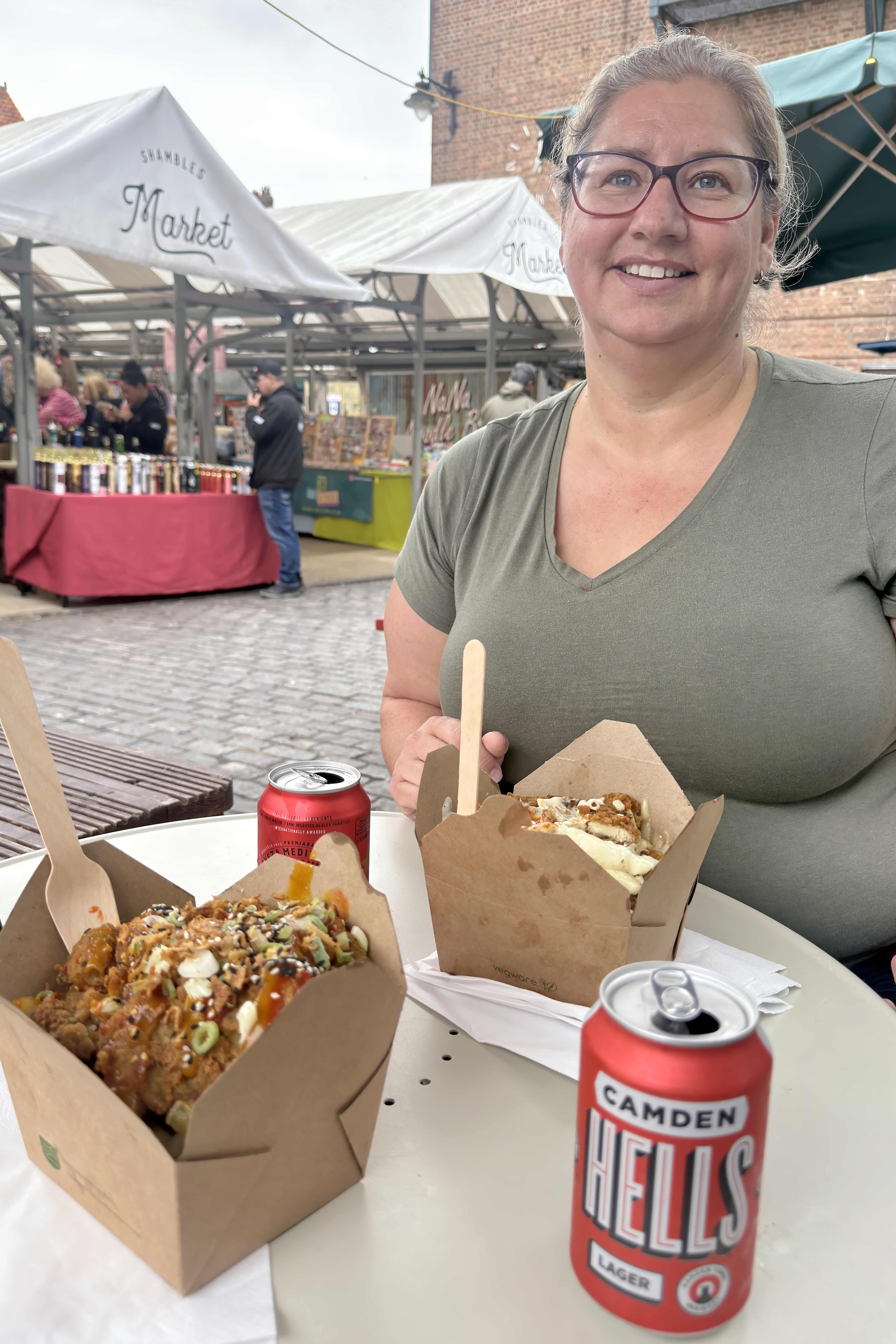
The adjacent Shambles Market is connected by what remains of the Little Shambles, a historical area that was largely demolished to make way for the market in the 1950s. This square now features a daily collection of arts, crafts, and gift stalls, as well as some pretty tasty street food vendors, which whetted our appetite.
Eager to walk in the footsteps of the Vikings, we made our way to the Jorvik Viking Centre, built atop a 10th-century settlement discovered in the late 1970s. The centre brings the past to life with sights, sounds, and even smells—some more memorable than others!
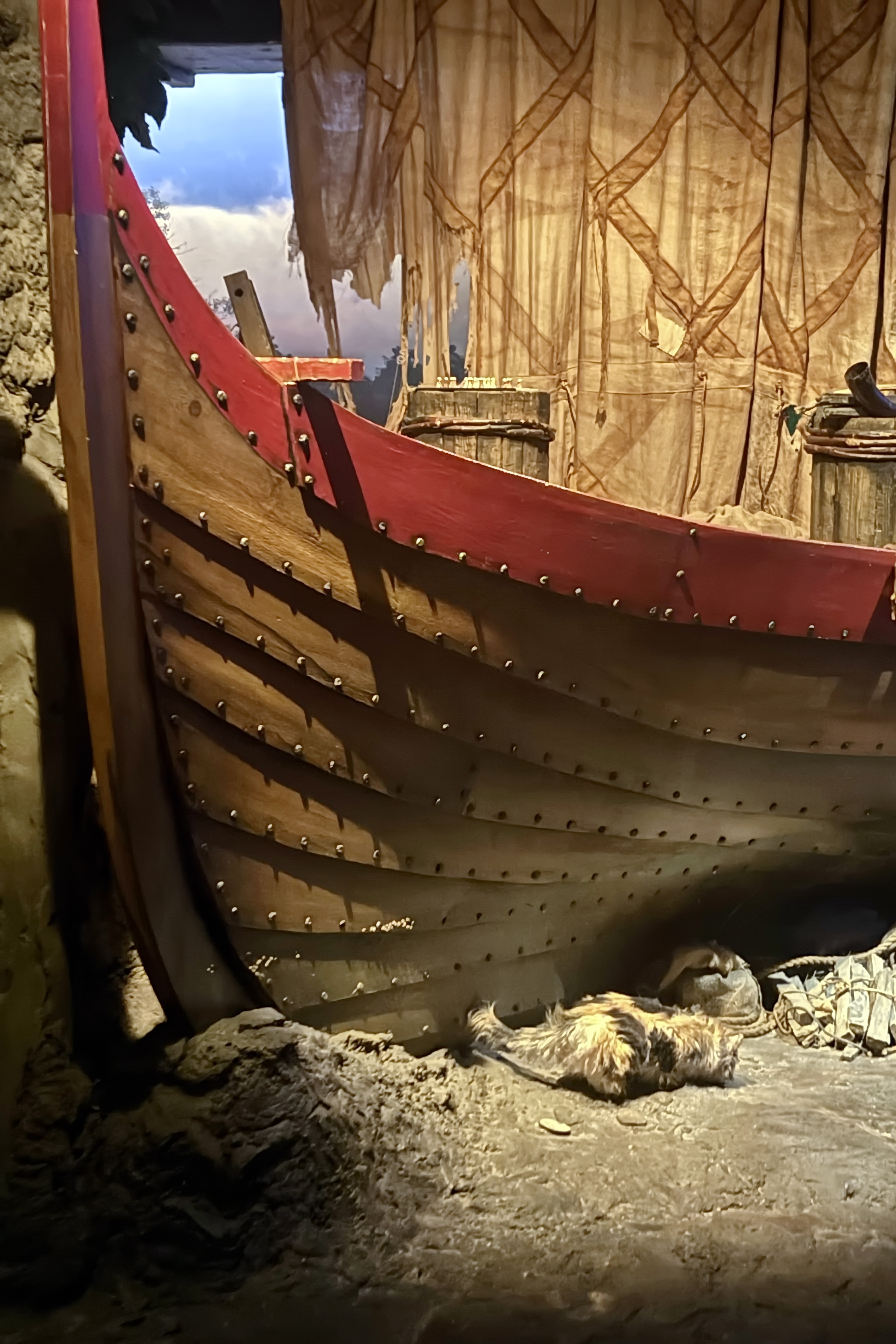




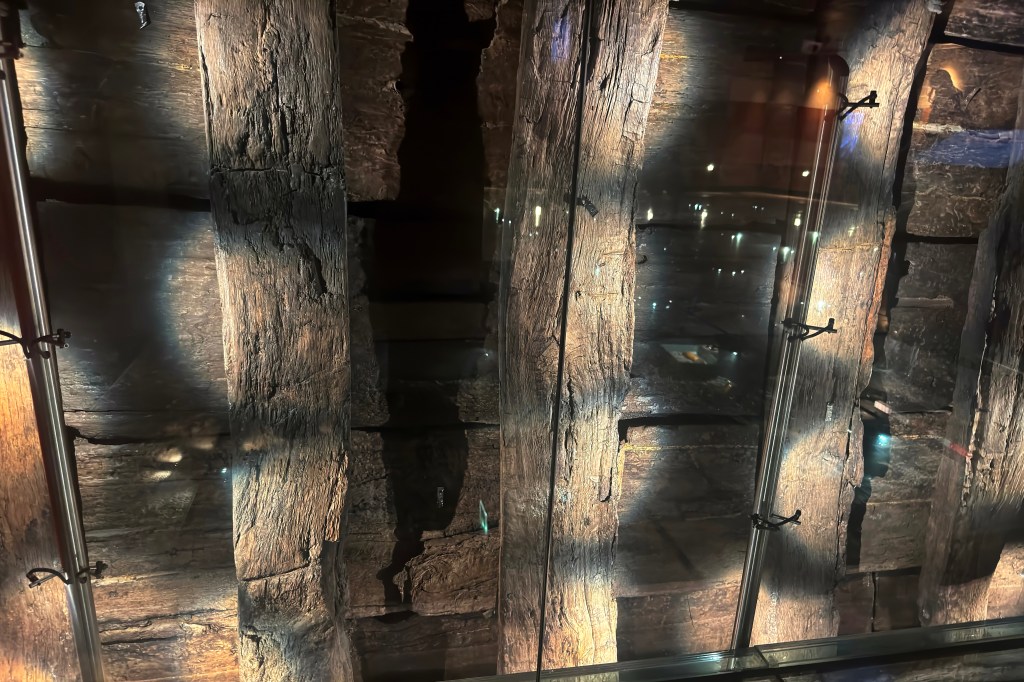
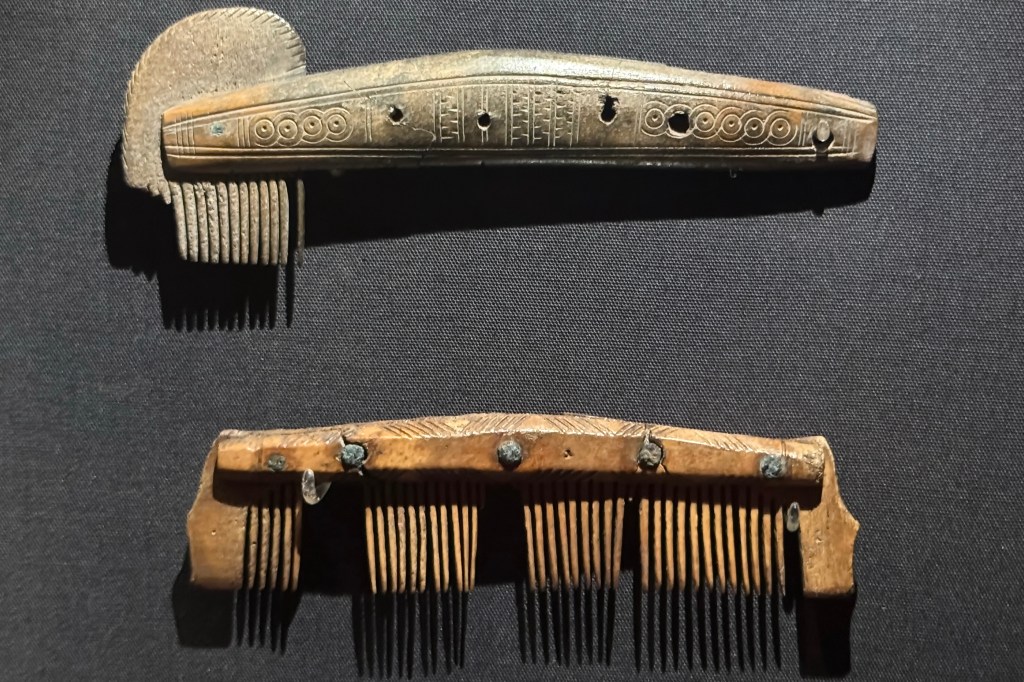
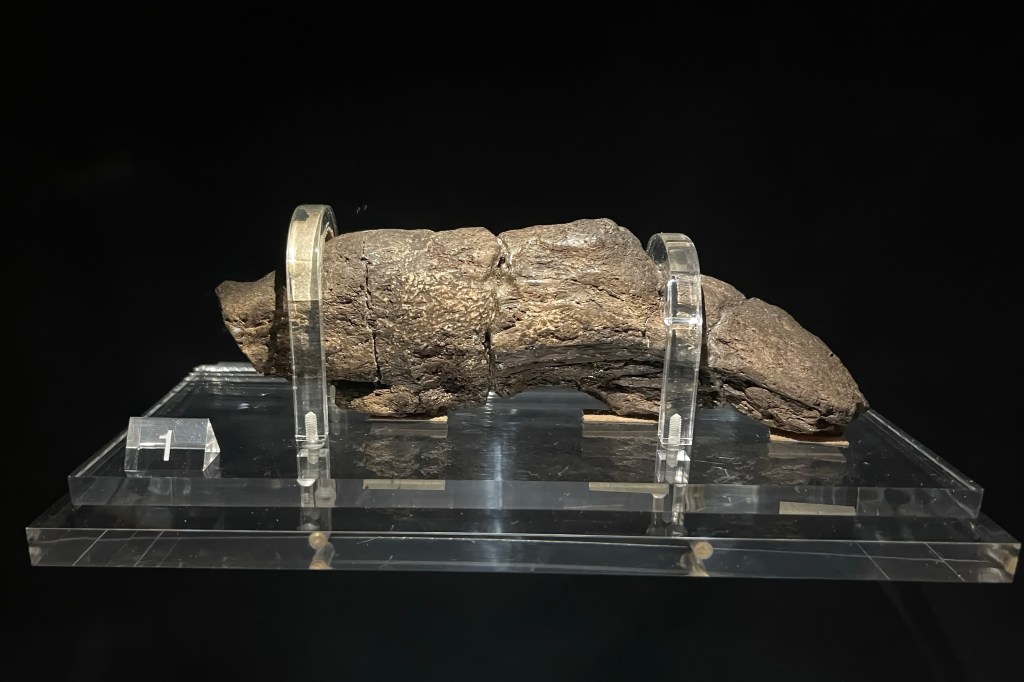
Inside the museum, there is a piece of the originally excavated timber wall and exhibits showcasing personal items like shoes and combs, tools such as bone needles, and food-related artifacts like a stone oil lamp. There is even a humongous piece of 1,000-year-old fossilized human poop!
Leaving the Viking world behind, we wandered into something delightfully unexpected, the York Cat Trail. This self-guided walk encourages visitors to look up and spot the many cat statues watching over the city from ledges and rooftops. Cats have long been part of York’s story: Roman pest controllers, Viking companions, and later, creatures of superstition. Today, they’re lucky charms, and their little stone and metal figures have become the city’s playful mascots.
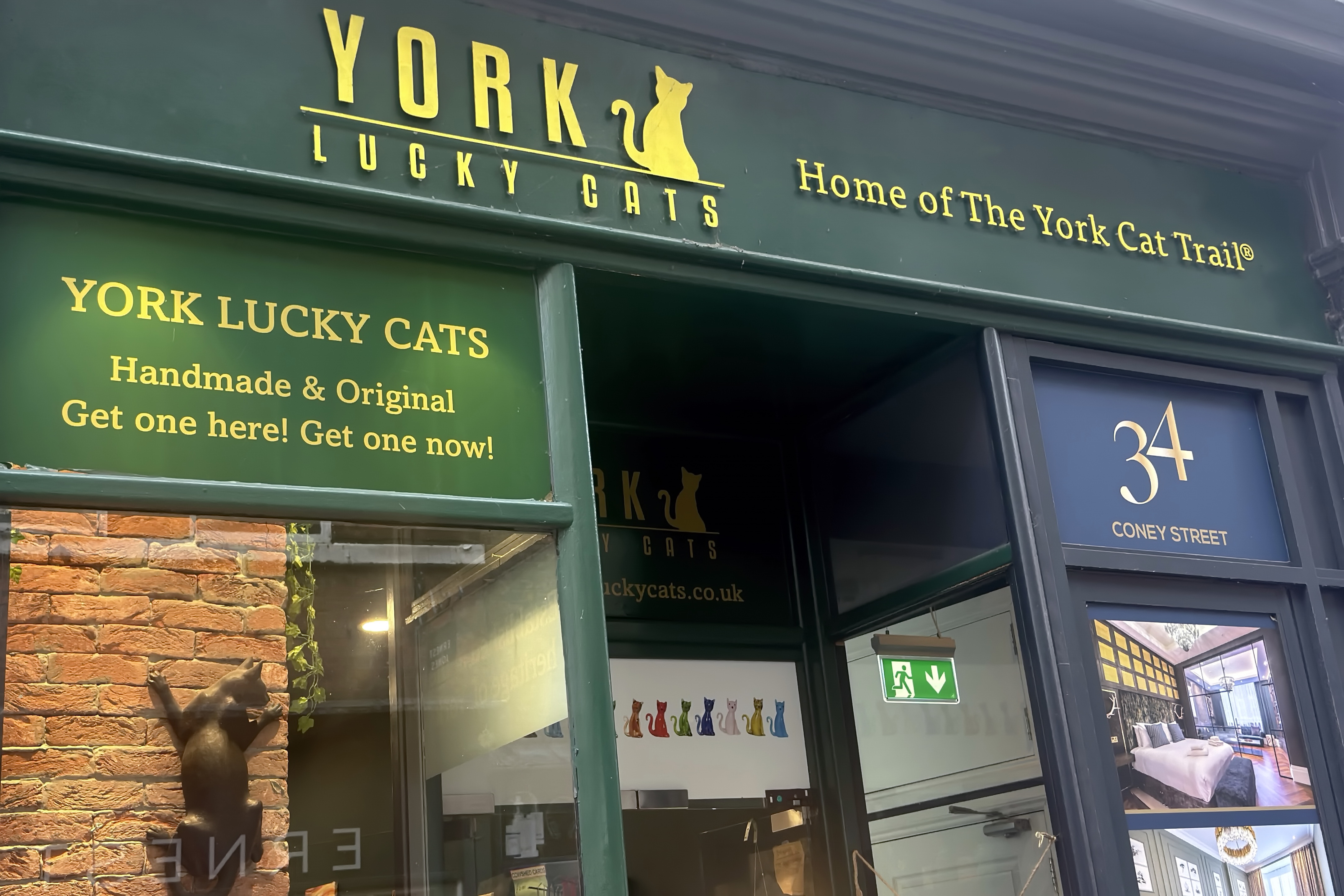


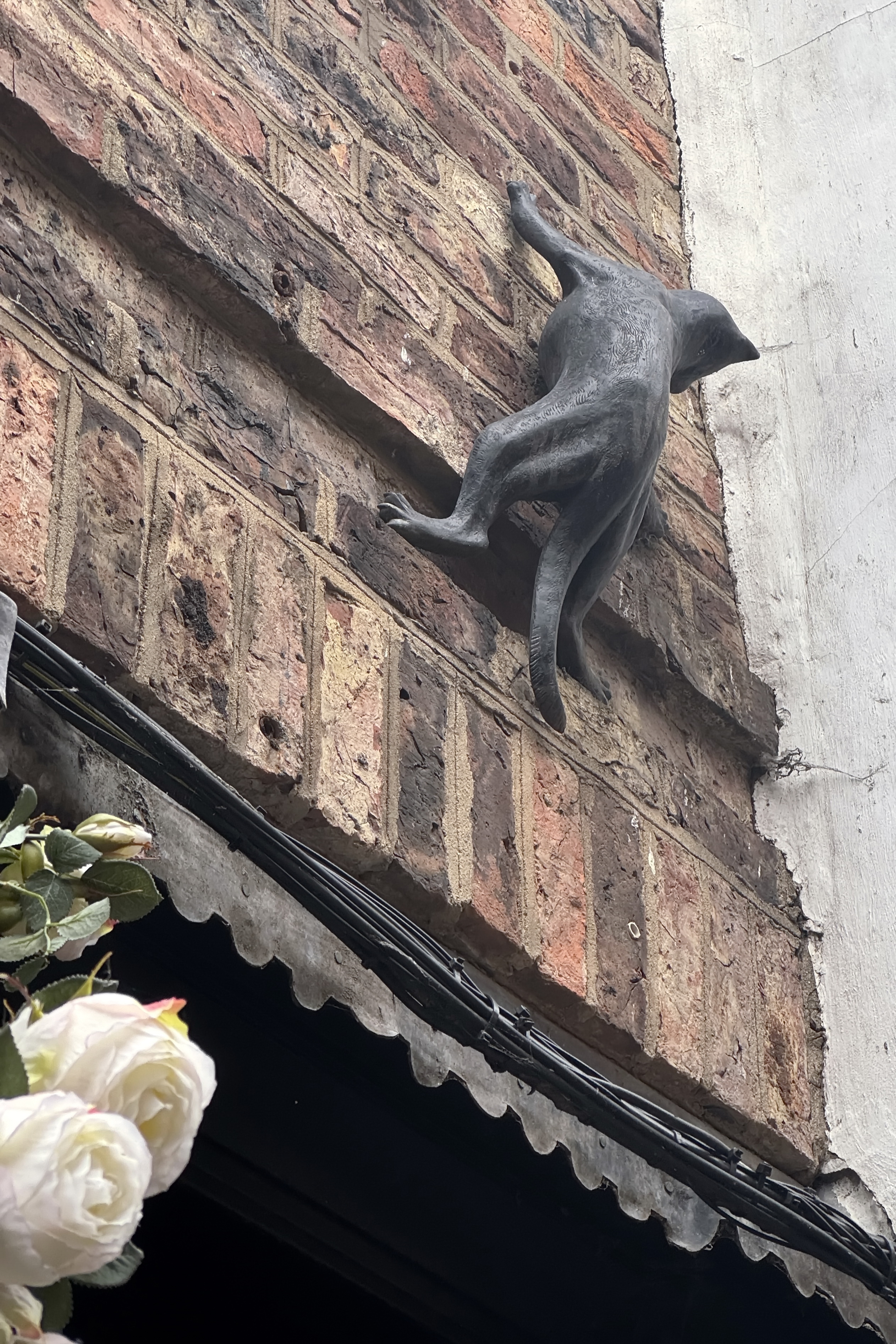
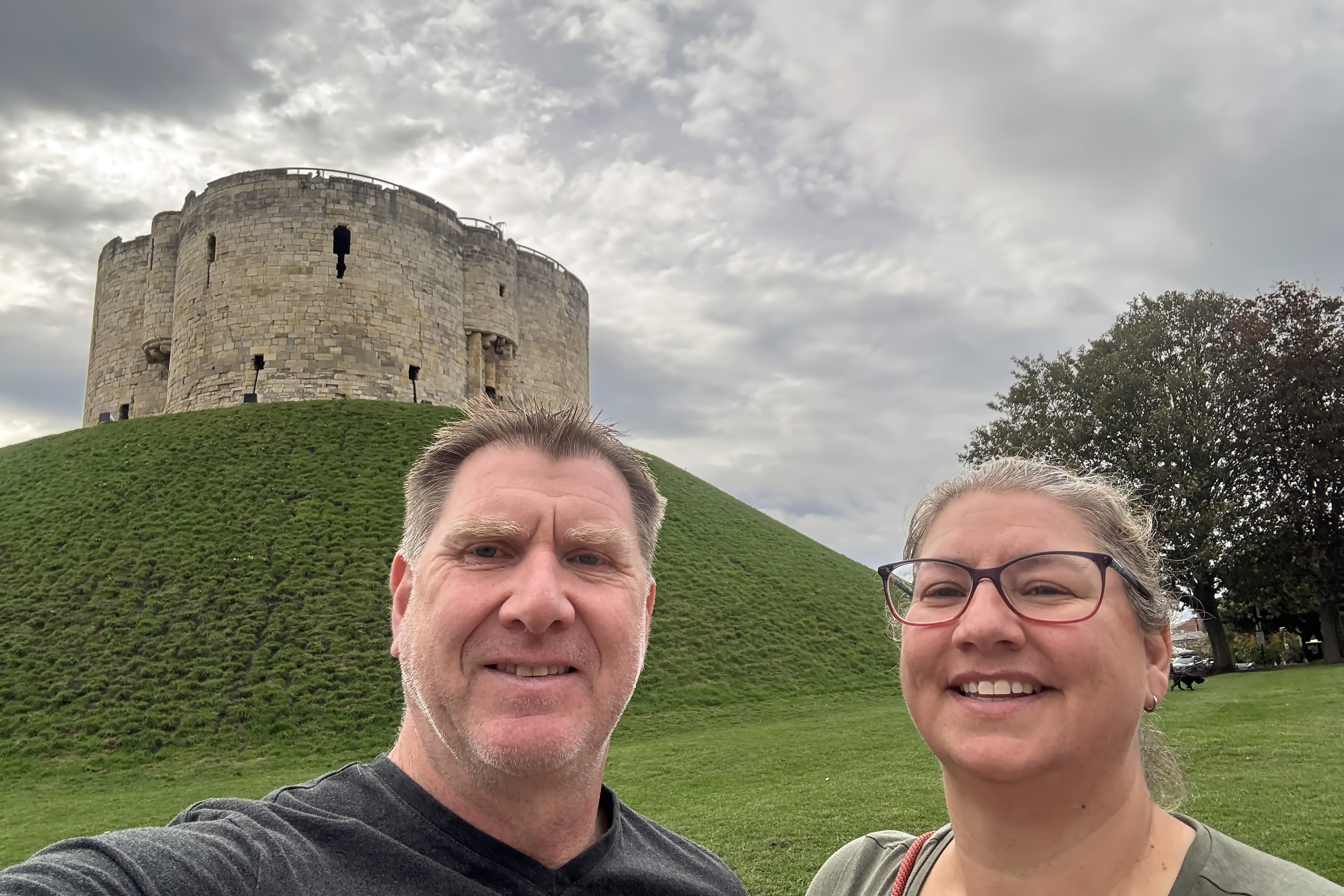
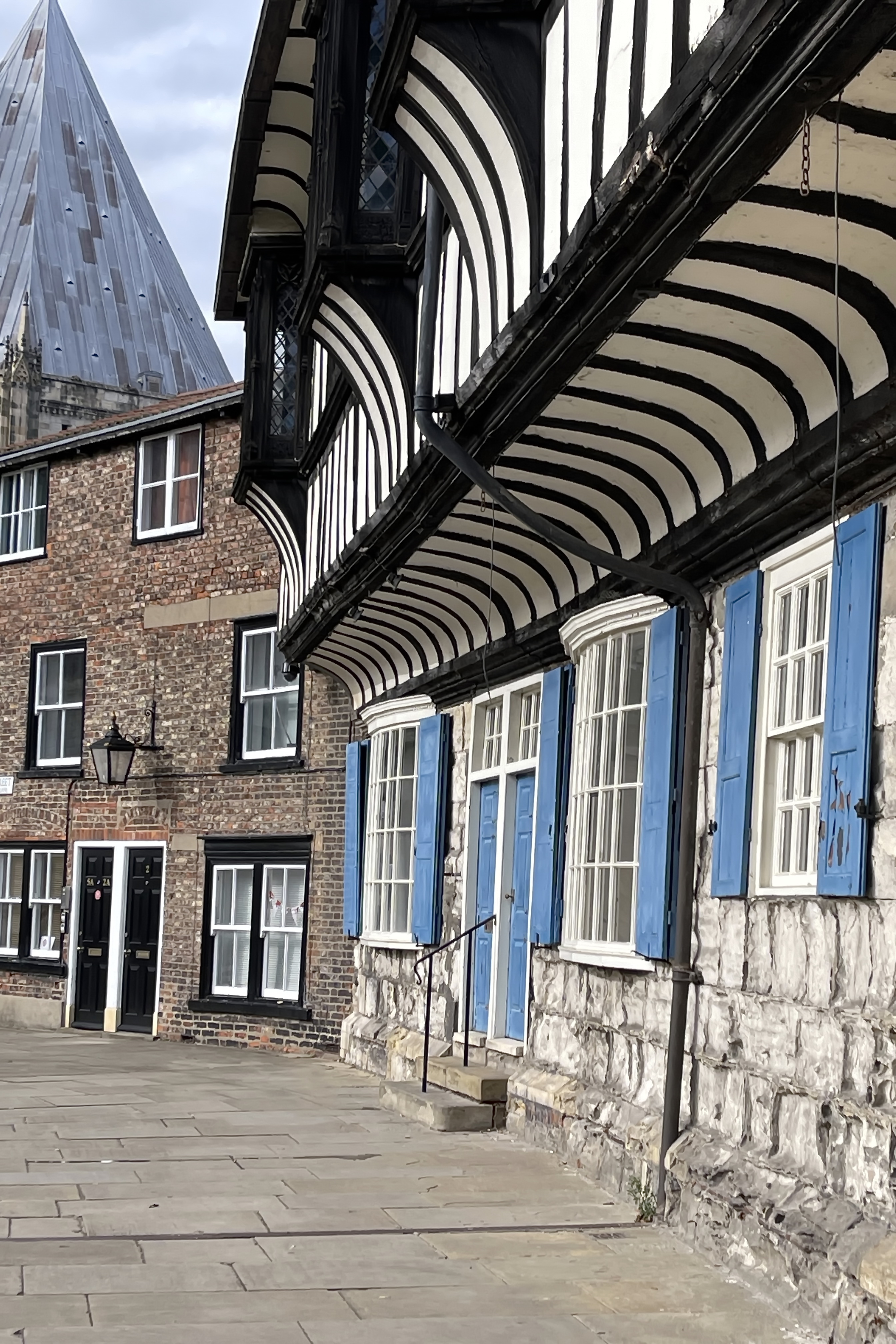
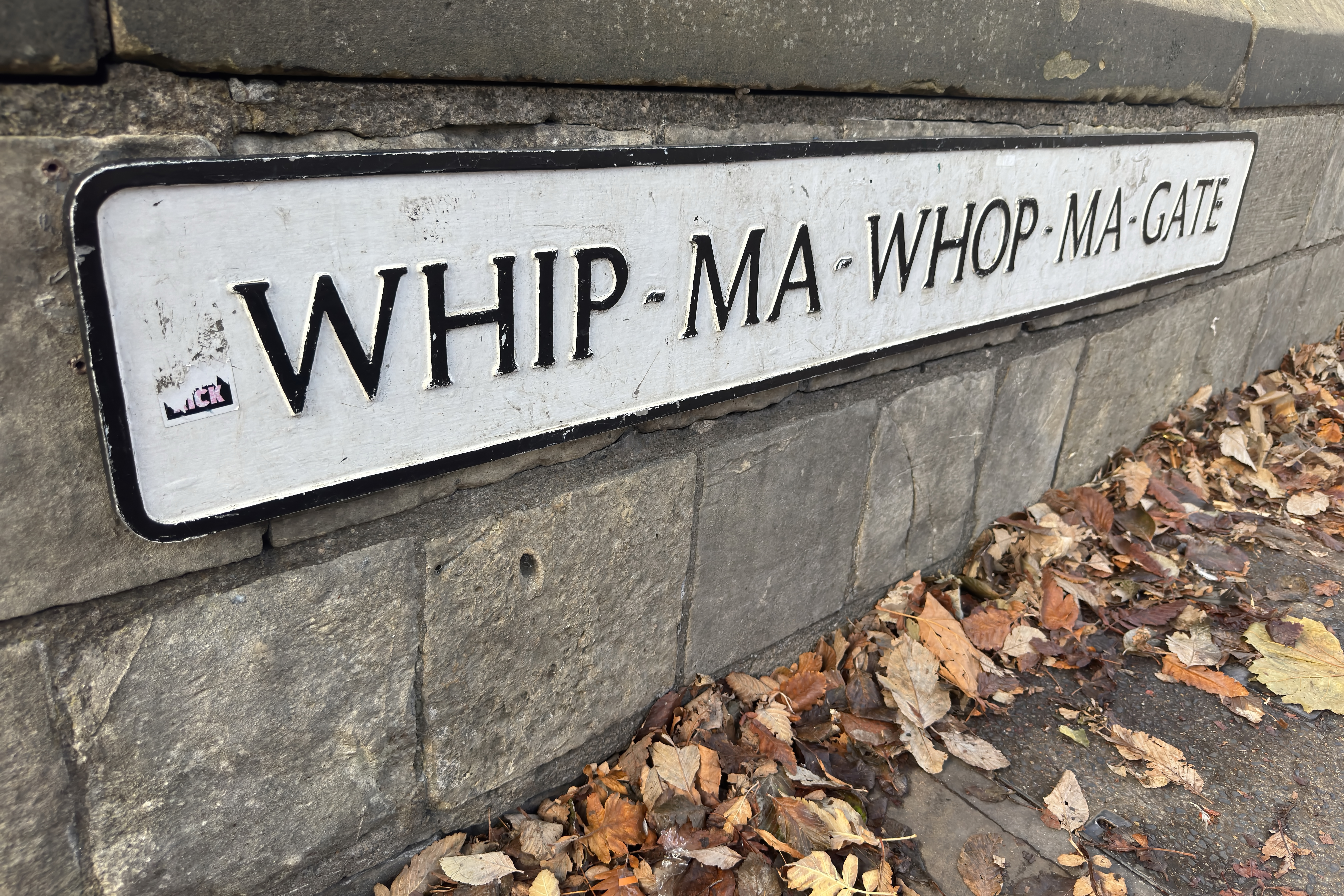
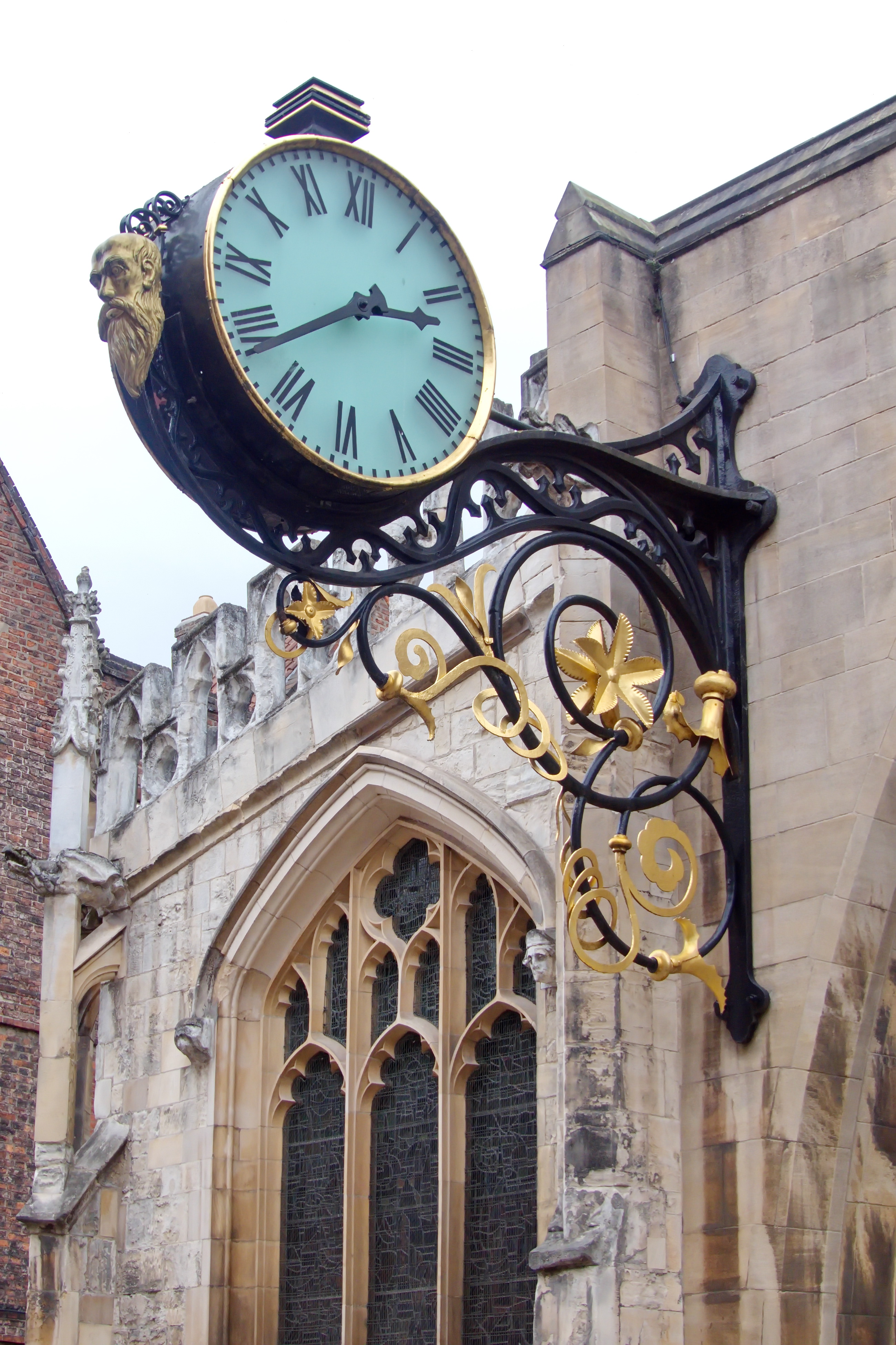
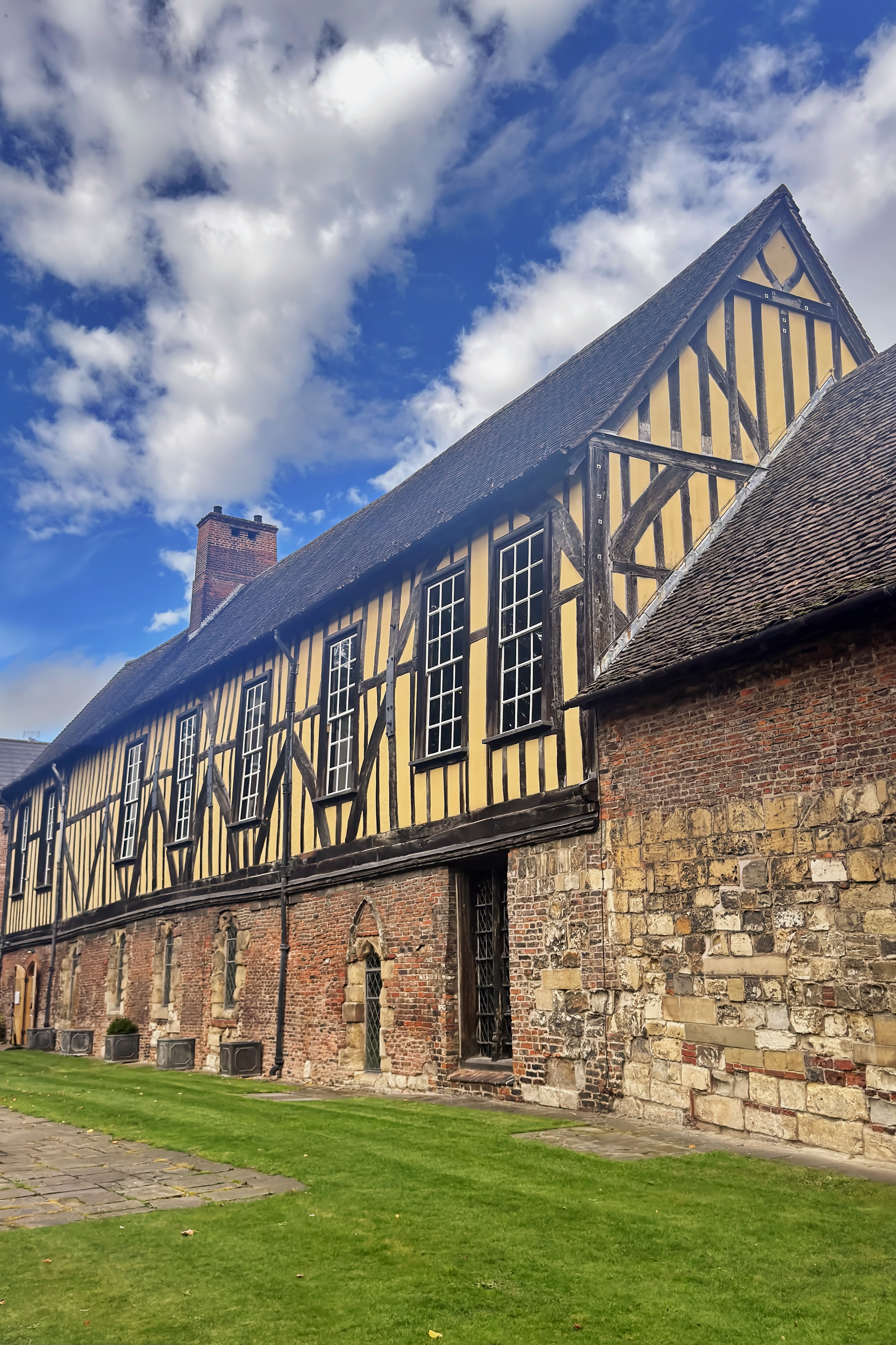
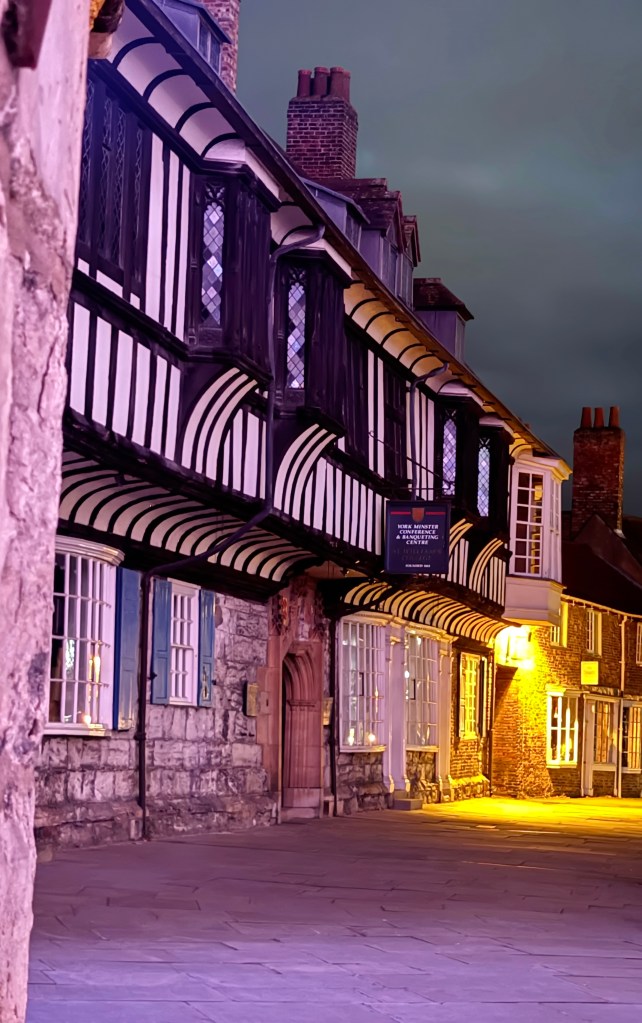
The Cat Trail led us along cobbled lanes lined with medieval buildings and through narrow “snickelways”, hidden passageways that connect one street to another away from the crowds, and past York’s shortest street, ‘Whip-Ma-Whop-Ma-Gate’. Although The Shambles remains the main draw for tourists, nearly every lane and alley within York’s medieval walls seemed to reveal some fascinating architectural detail or historical gem, and we passed several noteworthy buildings from across the centuries, including Clifford’s Tower, the Merchant Adventurer’s Hall, and St. William’s College. Also en route, we didn’t exactly pass York’s smallest pub, The Blue Bell, as it drew us in for a brief afternoon refreshment.


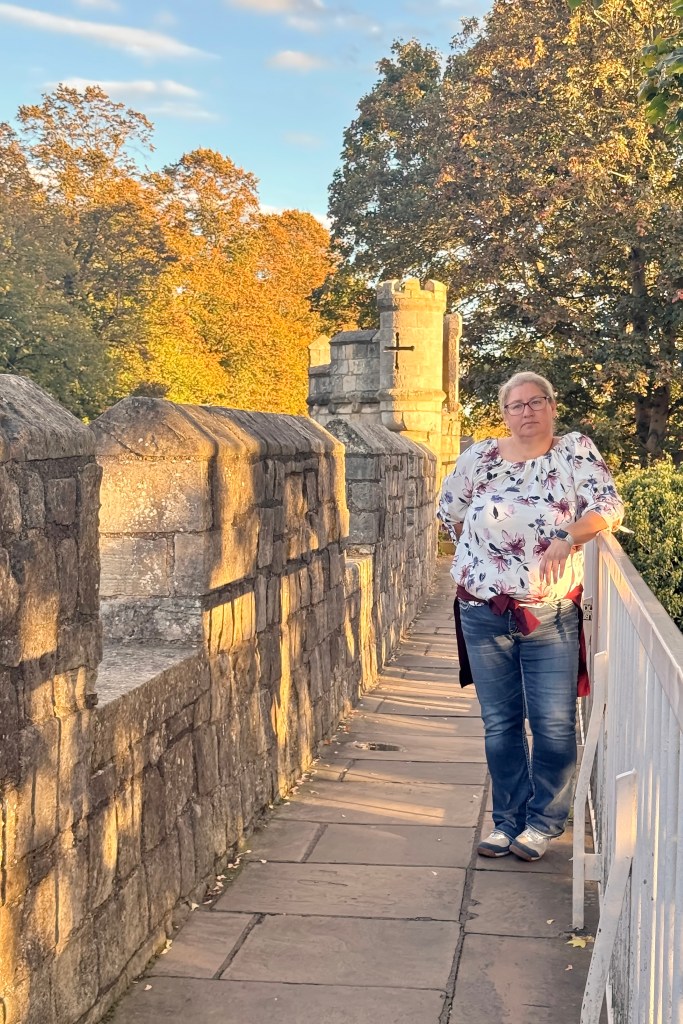
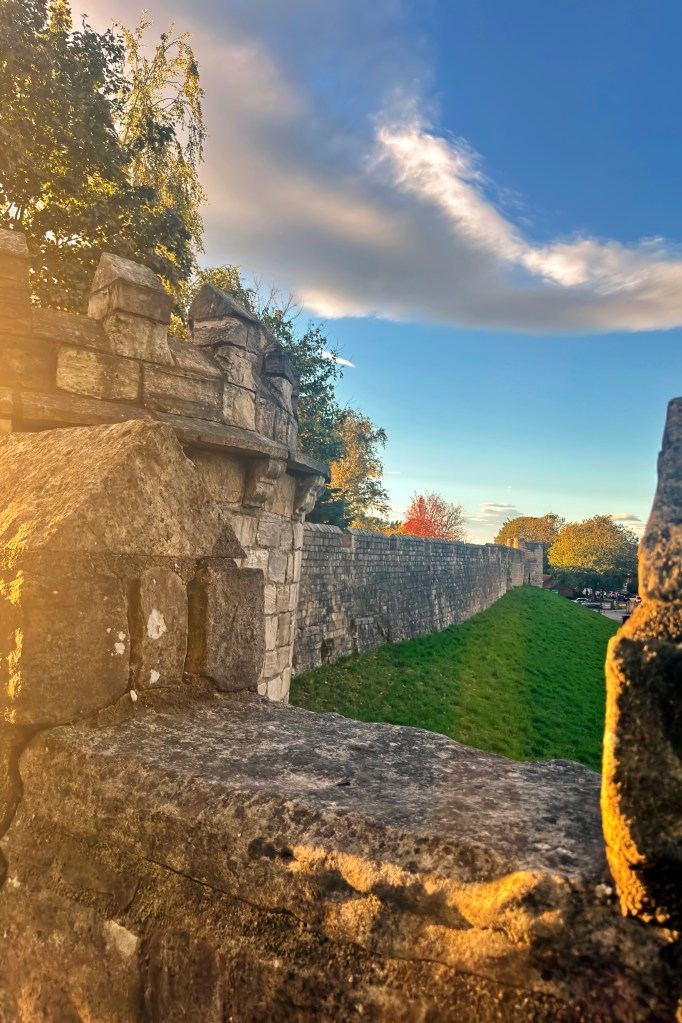
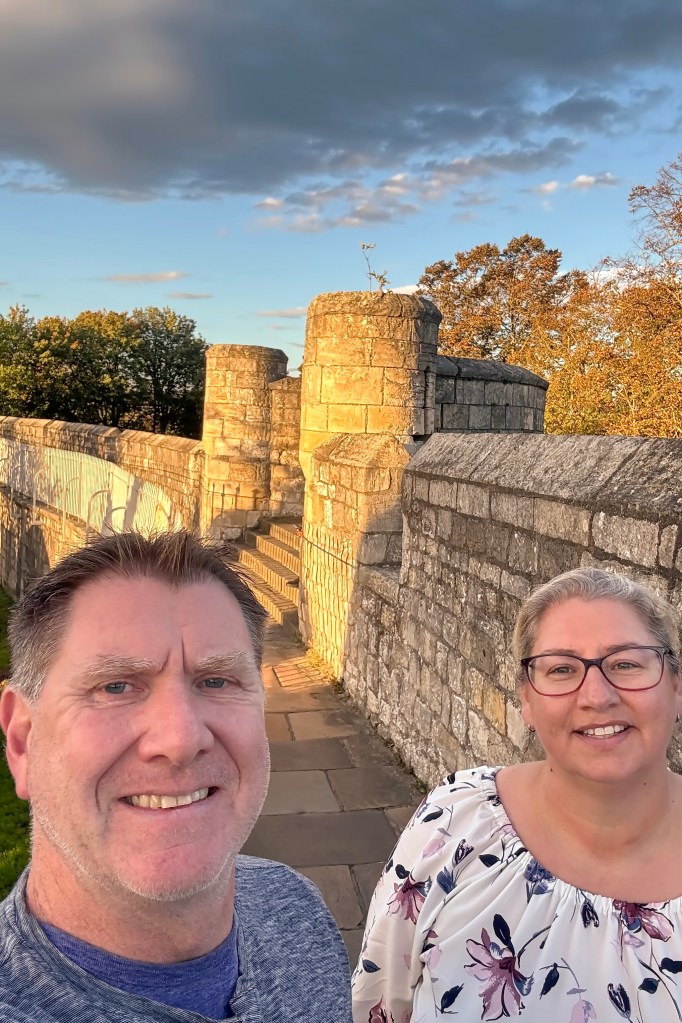
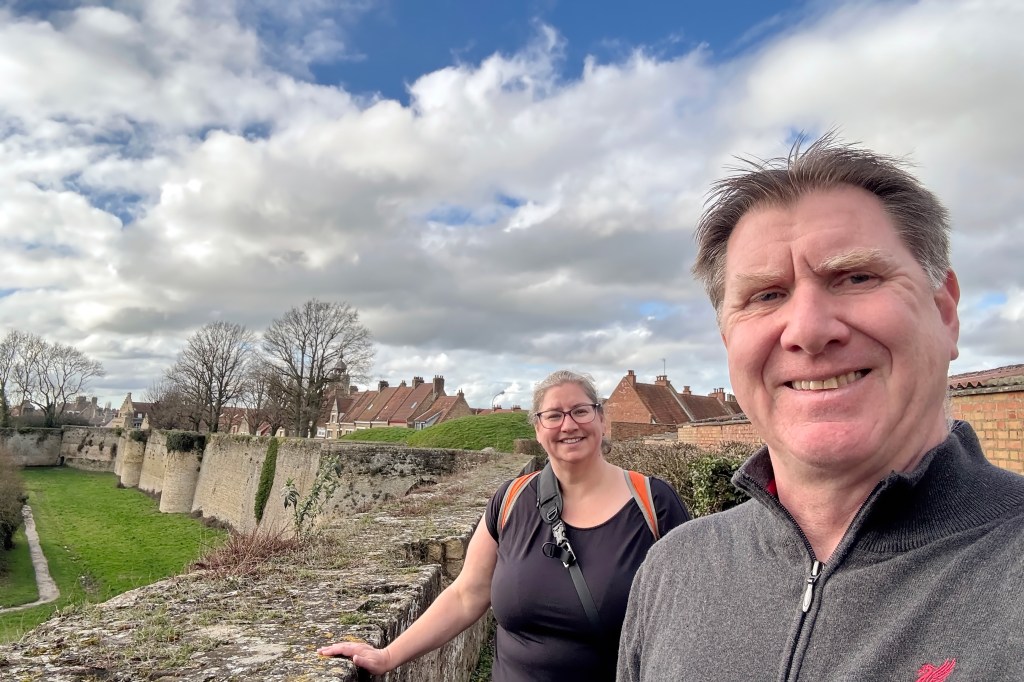
The walls surrounding York drew us up, their ancient stones whispering stories of empires and sieges. First built by the Romans and later strengthened in medieval times, they once guarded the city while standing as proud symbols of its power and prosperity. Standing four metres (thirteen feet) high and stretching 3.4 kilometres (two miles), the walls and towers offer sweeping views over the rooftops, the River Ouse, and the spires of the city’s many churches, including the striking Gothic towers of York Minster. Walking the city walls gives a real sense of how York’s long history is literally built into its skyline.
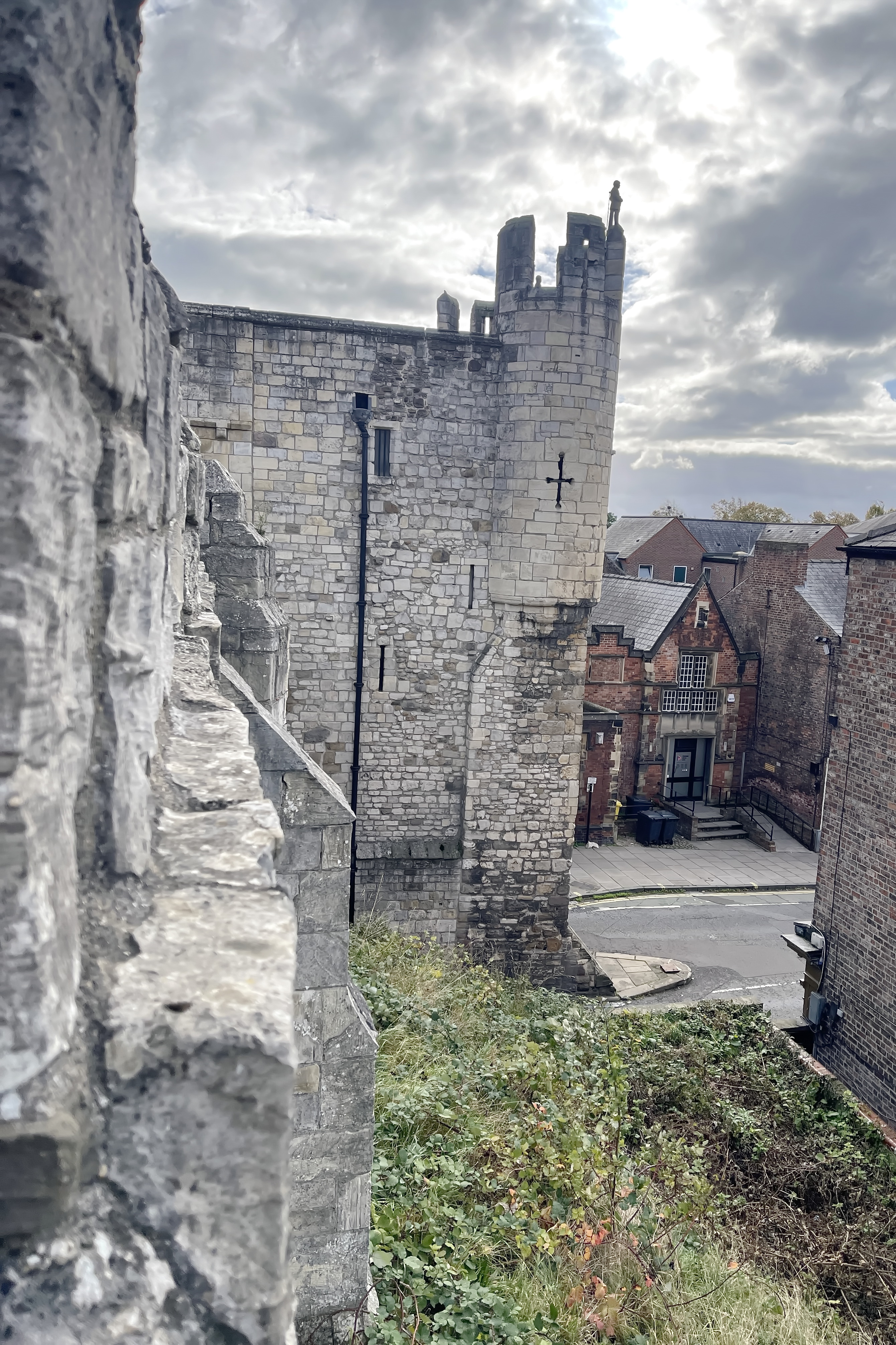

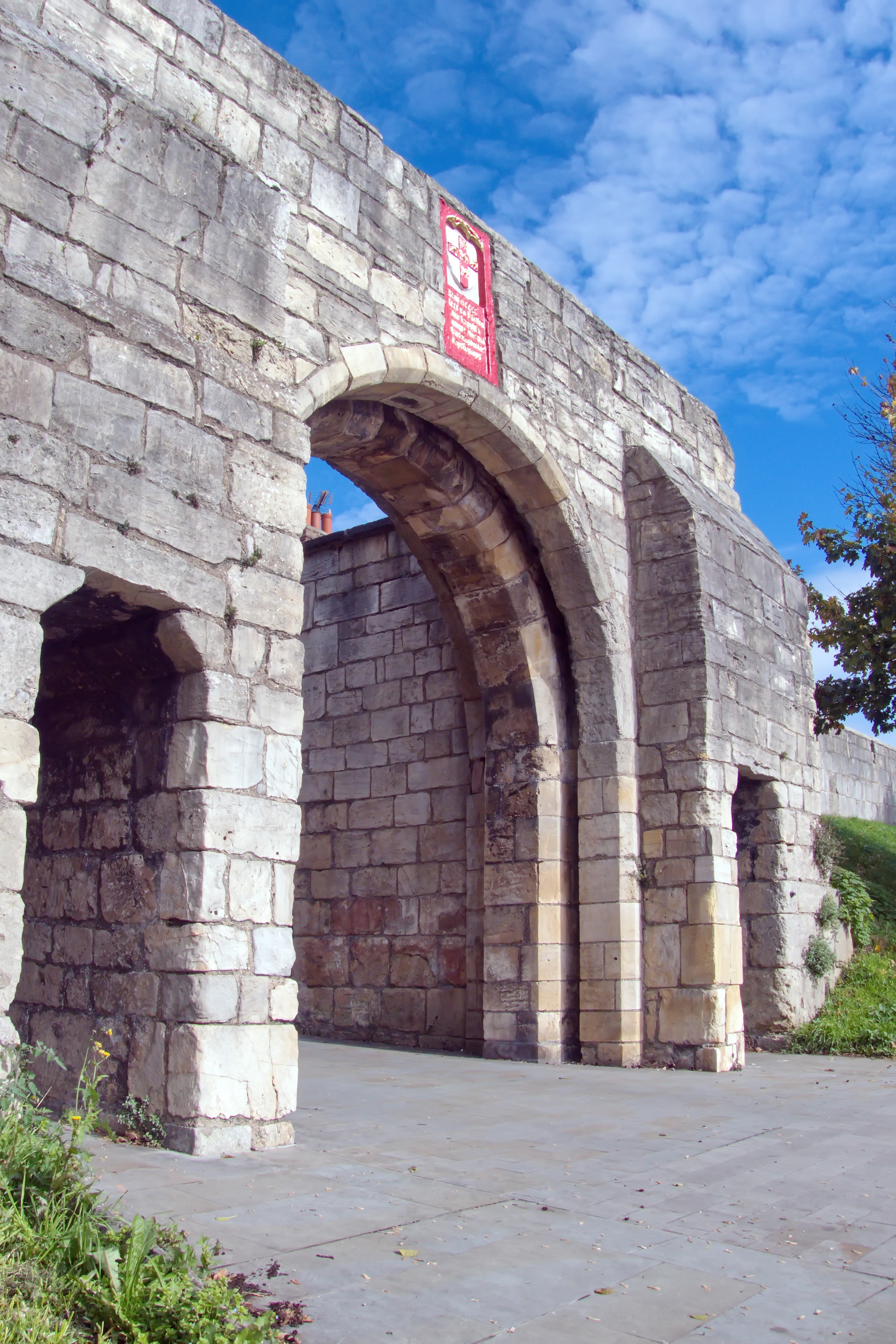


Gateways known as “Bars” once controlled entry and collected tolls, marking the main routes in and out of the city. Of these, Walmgate Bar remains the most complete, still standing tall with its original medieval gatehouse intact, a proud reminder of York’s fortified past.

Given York’s rich and sometimes dark past, we couldn’t resist joining an evening ghost tour. The city has earned its reputation as one of the most haunted in England, and our guide didn’t disappoint. Tales of ghostly Roman legions, restless medieval nuns, and other spectral figures filled the night air as we wandered through narrow alleys and past centuries-old pubs. Whether or not the stories are true, they certainly added another dimension to York’s layered history. The city also boasts real-life figures of intrigue, Guy Fawkes, born here in 1570 and infamous for the Gunpowder Plot of 1605, and the notorious highwayman Dick Turpin, executed nearby in 1739 and buried in York.
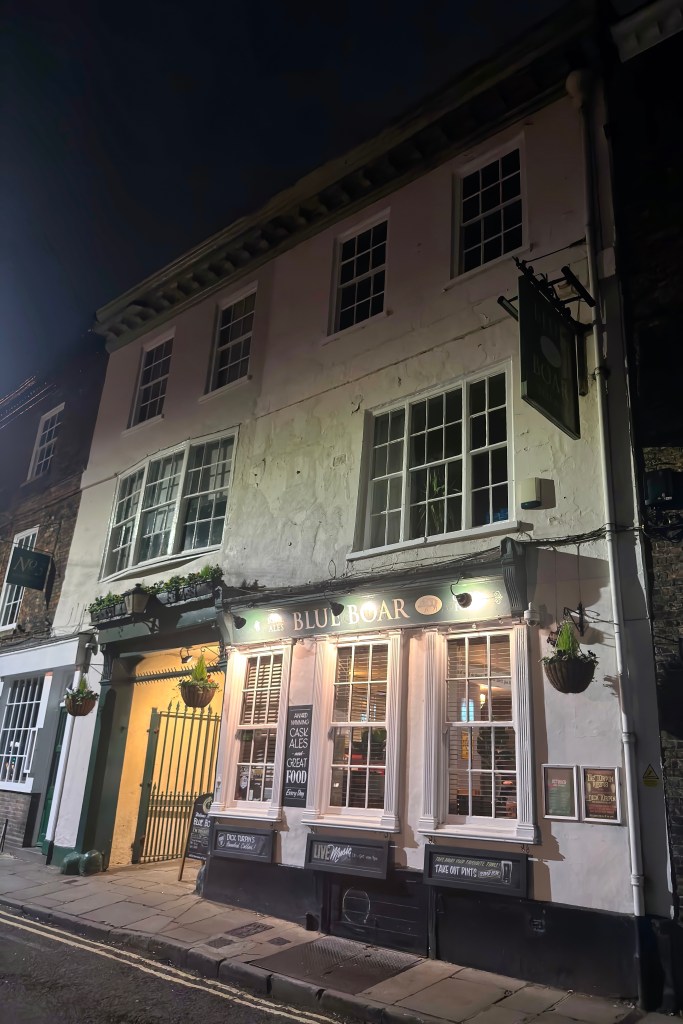



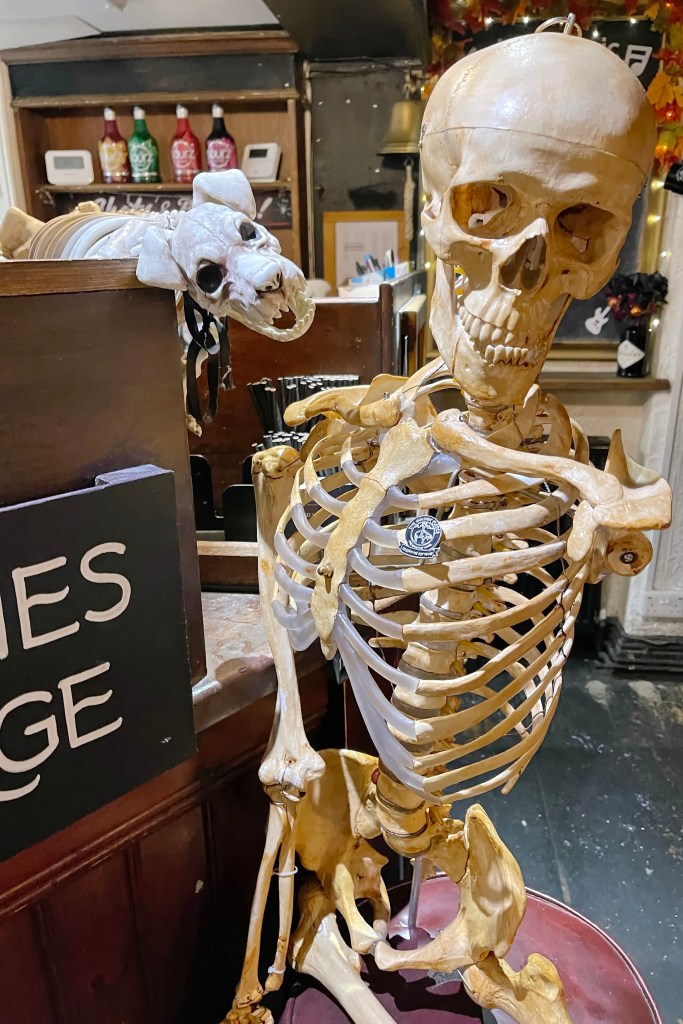
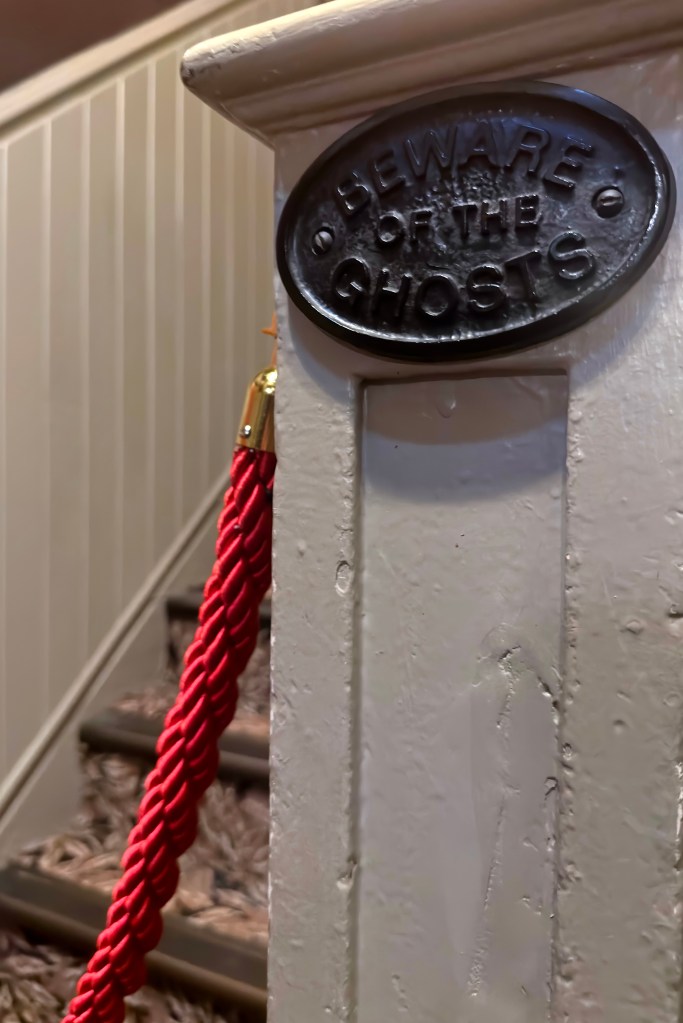
To round off the evening, we found ourselves at The Golden Fleece, said to be one of England’s most haunted pubs. For centuries, locals ducked beneath its low beams to share gossip or sneak goods through hidden back rooms. Today, the pub’s creaking stairs and narrow passages seem to whisper centuries of stories, and the presence of over a dozen reported spirits adds to its eerie charm. Nursing a pint beneath the watchful gaze of a skeleton perched in the corner, we couldn’t help but feel we’d stepped into a perfect blend of spooky fun and living history.


Though our time in York was short, we managed to experience a remarkable cross-section of its history and culture. From Roman ruins to Viking relics, from medieval fortifications to ghostly legends, York wears its past proudly. Every corner tells a story, every cobblestone holds a secret, and every visit reveals new layers of one of England’s most fascinating cities.


 Mapgirl Adventures
Leave a comment