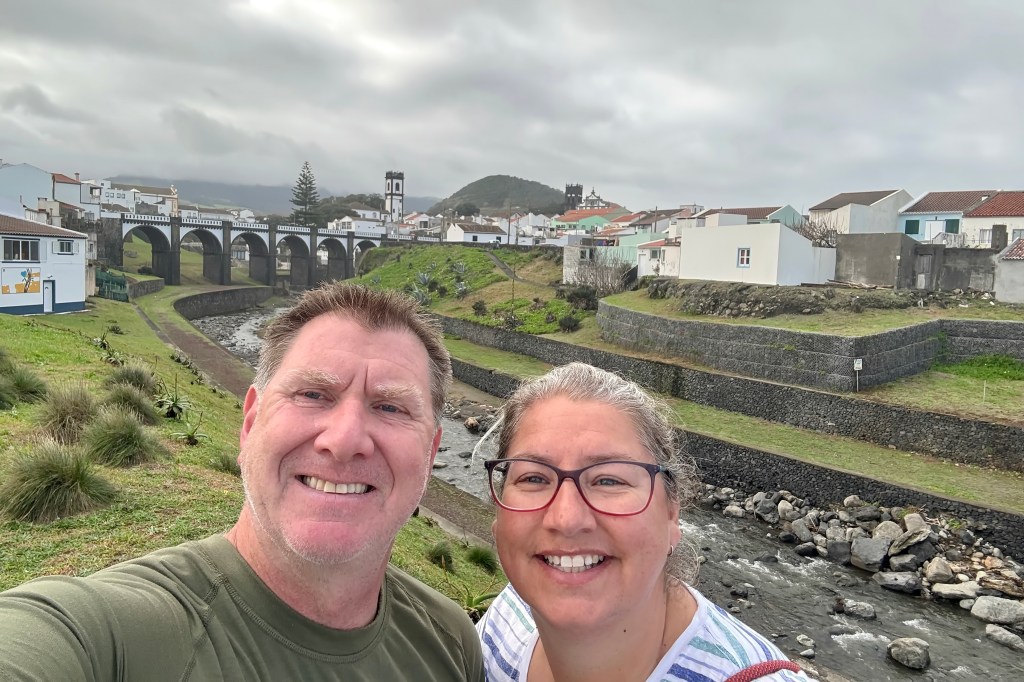
This is the third and final part of our (almost) A-to-Z guide which captures the highlights, surprises, and small details from our time exploring Sao Miguel island that made our Azorean adventure so memorable. If you missed Part 1 (A-F) you can view it here, and Part 2 (G-N) can be viewed here.
O – Ocean Pools
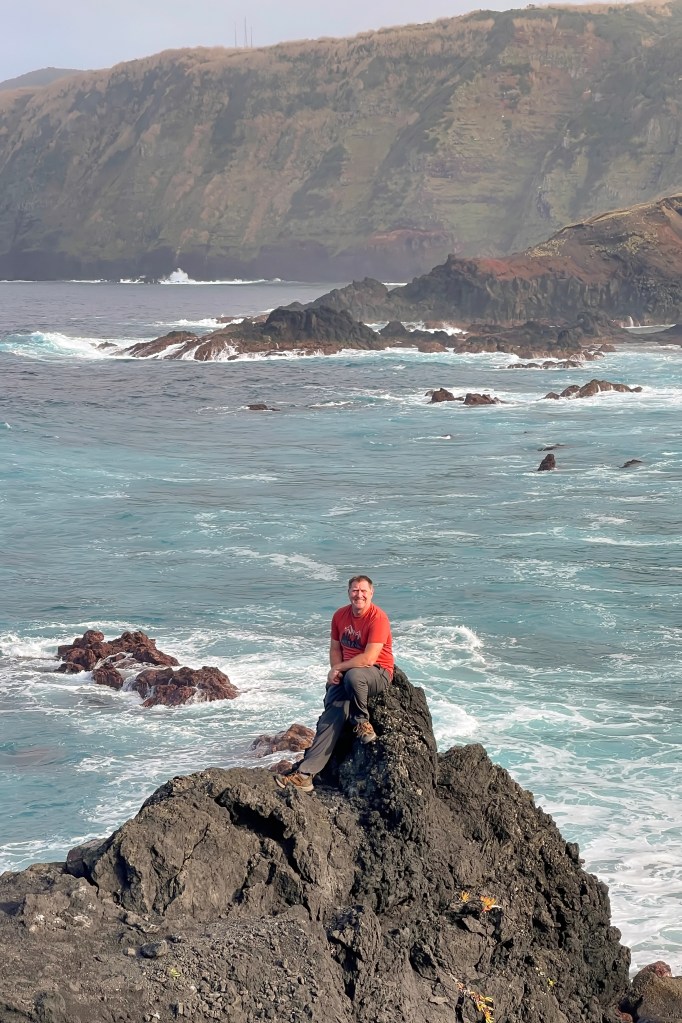
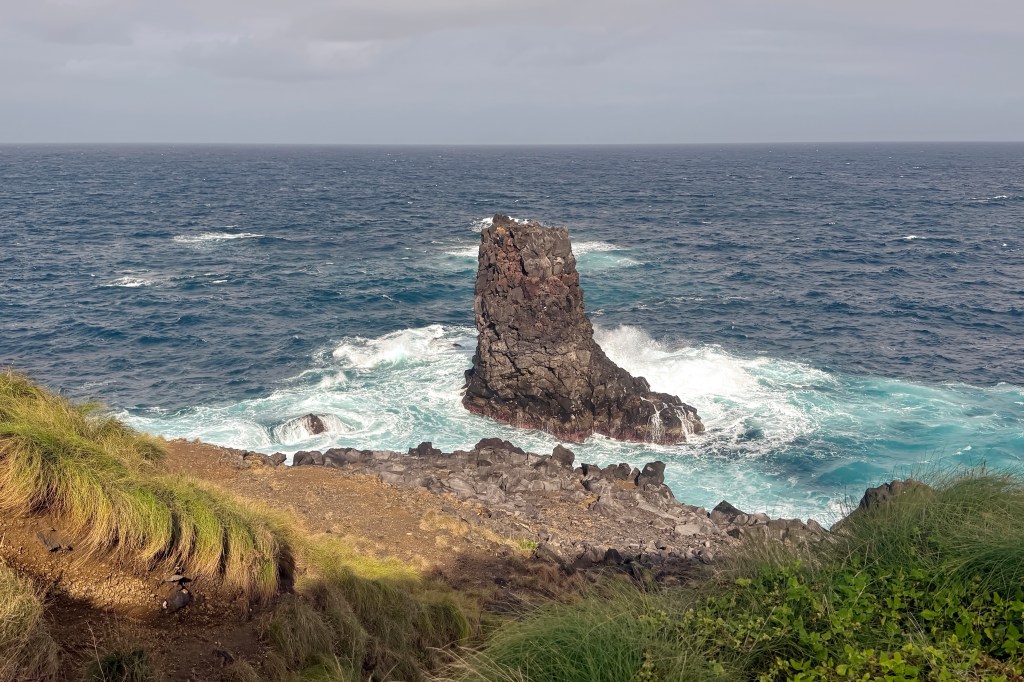
Tucked along the rugged Atlantic coastline of Sao Miguel are the natural ocean pools at Caneiros and Melo Nunes—places where volcanic geology meets the endless blue of the sea. Ancient basalt lava flows cooled and cracked here centuries ago, creating sheltered basins now filled with crystal-clear water that shifts between emerald and turquoise depending on the light. We arrived out of season, long after the days of summer swimming had passed, yet even without the temptation to dive in, the pools held an undeniable magic.
On the island’s western shore, just outside the village of Mosteiros, the Caneiros pools felt like a quiet conversation between rock and ocean. Waves rolled in steadily, breathing fresh water into the dark volcanic bowls, curved and sculpted by tides over generations. Standing there, with salt in the air and the Atlantic stretching endlessly ahead, it was easy to understand the draw to simply sit, watch, and be still for a while.
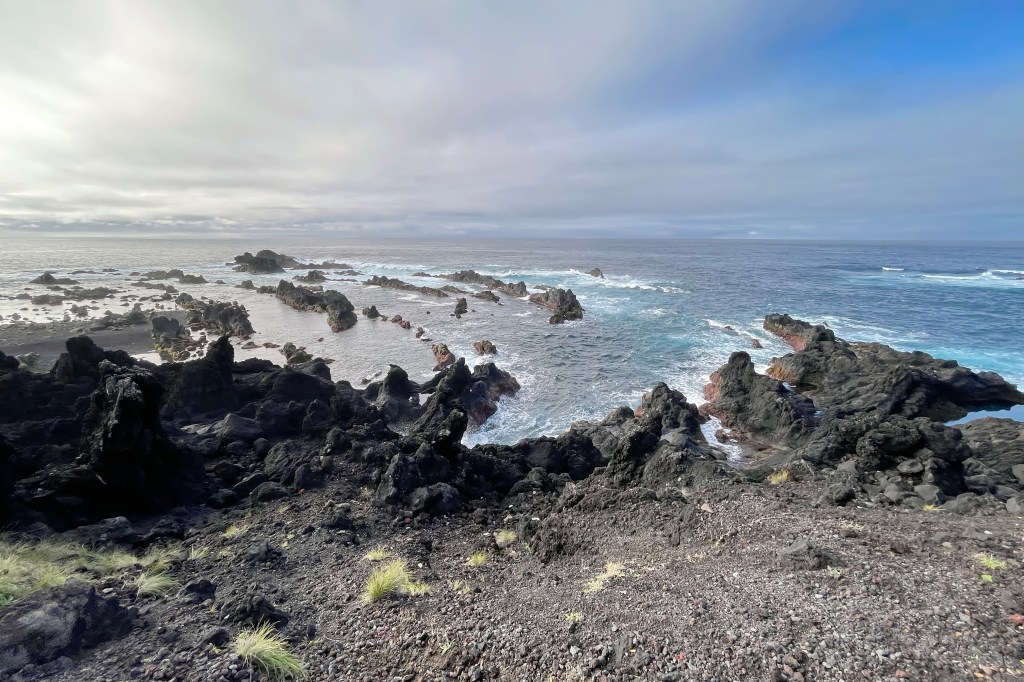
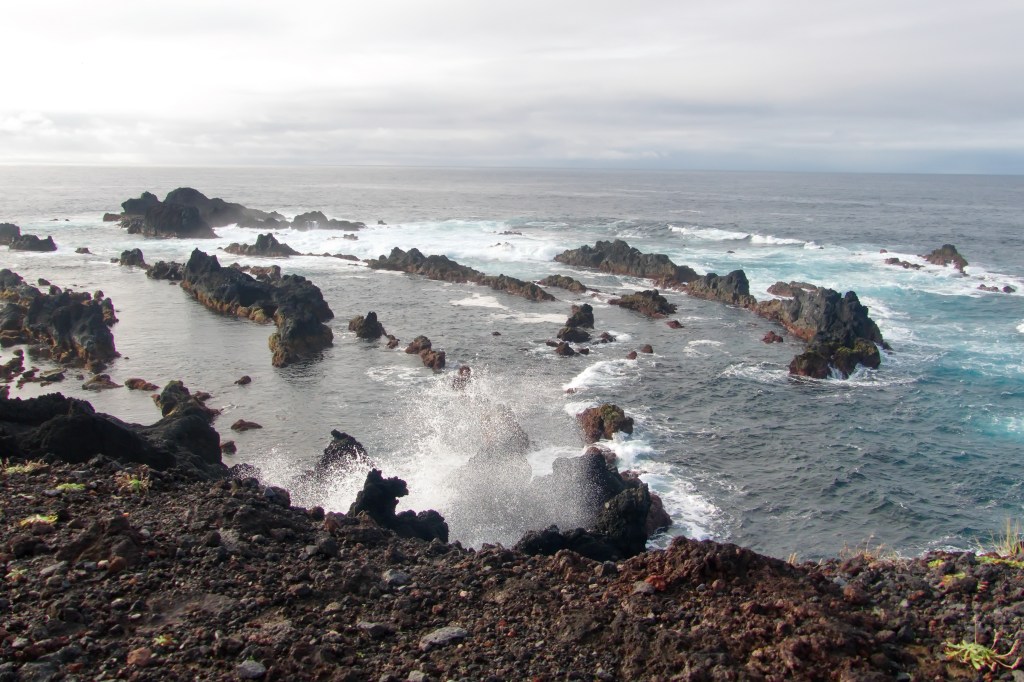
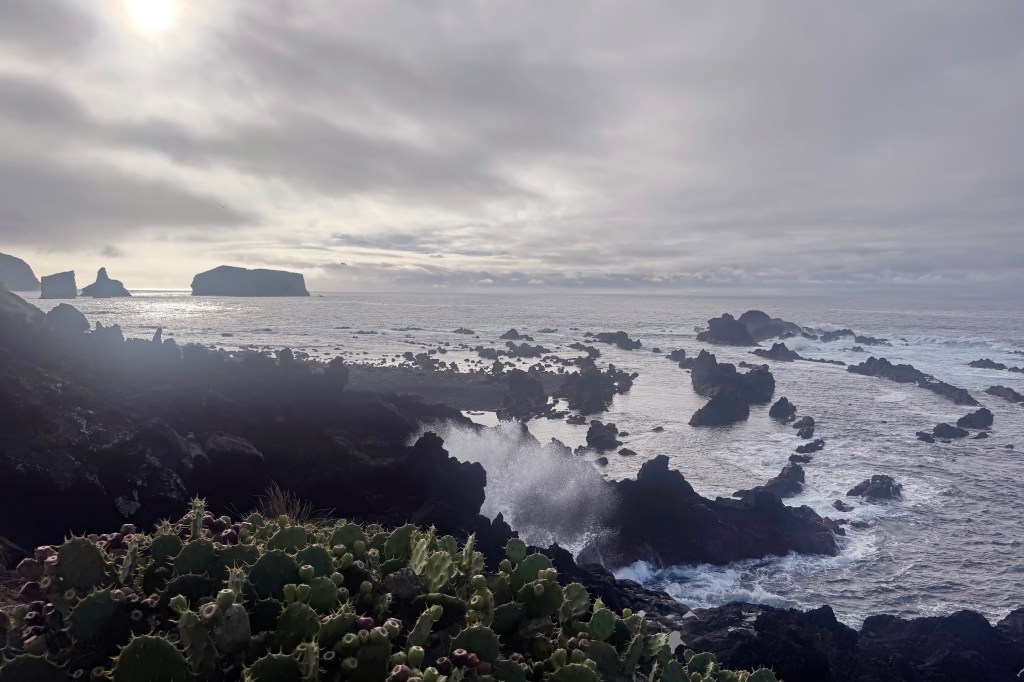
Further north, Melo Nunes greeted us with sweeping coastal views and a cheerful splash of colour—a bright staircase tumbling down the cliff toward the shore. We followed it out of curiosity and found a small natural pool cradled among jagged rocks, the kind of place that feels half-hidden and a little bit secret. The wind carried the sound of the surf, and for a moment it felt as though we had stumbled into our own private corner of Sao Miguel.
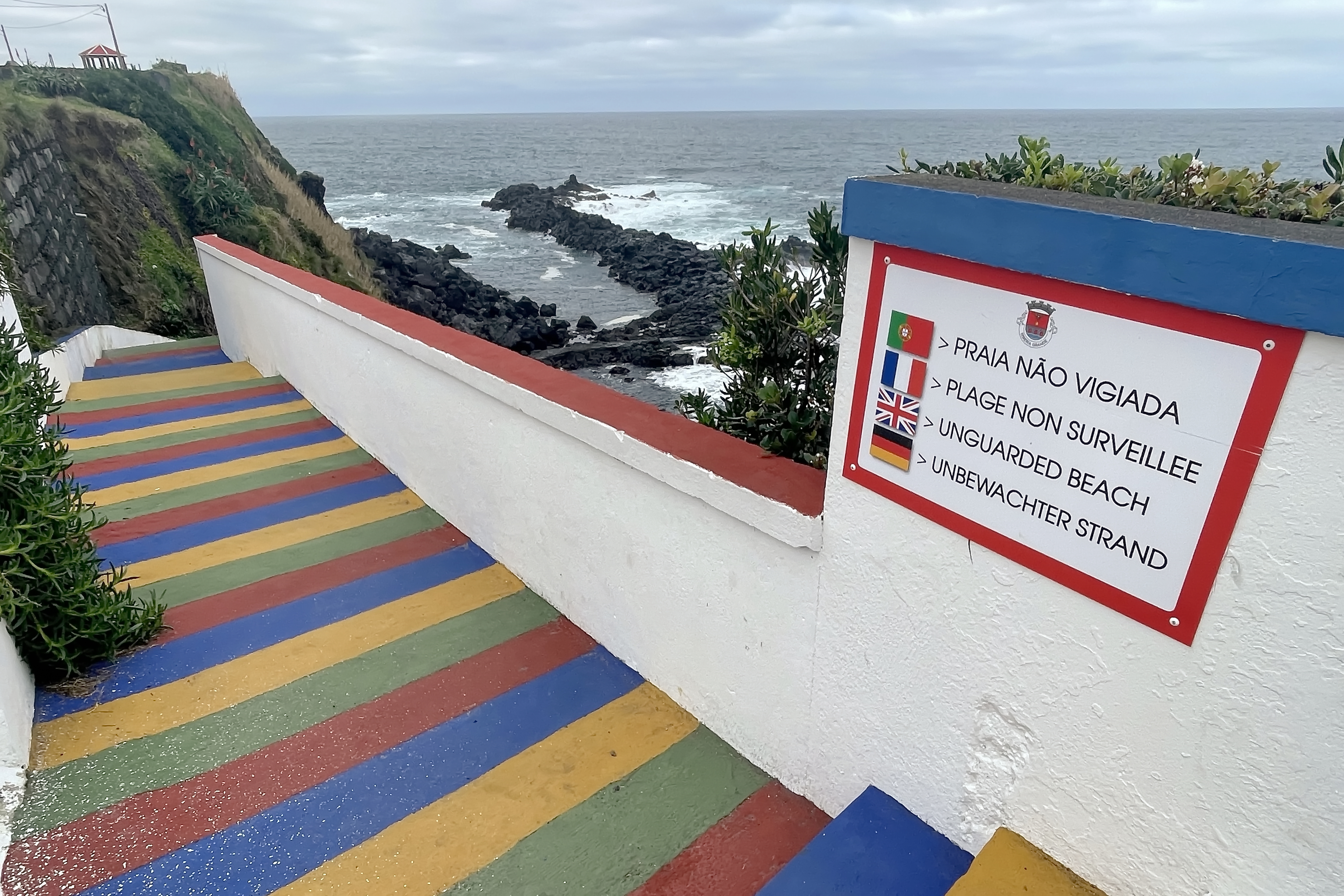
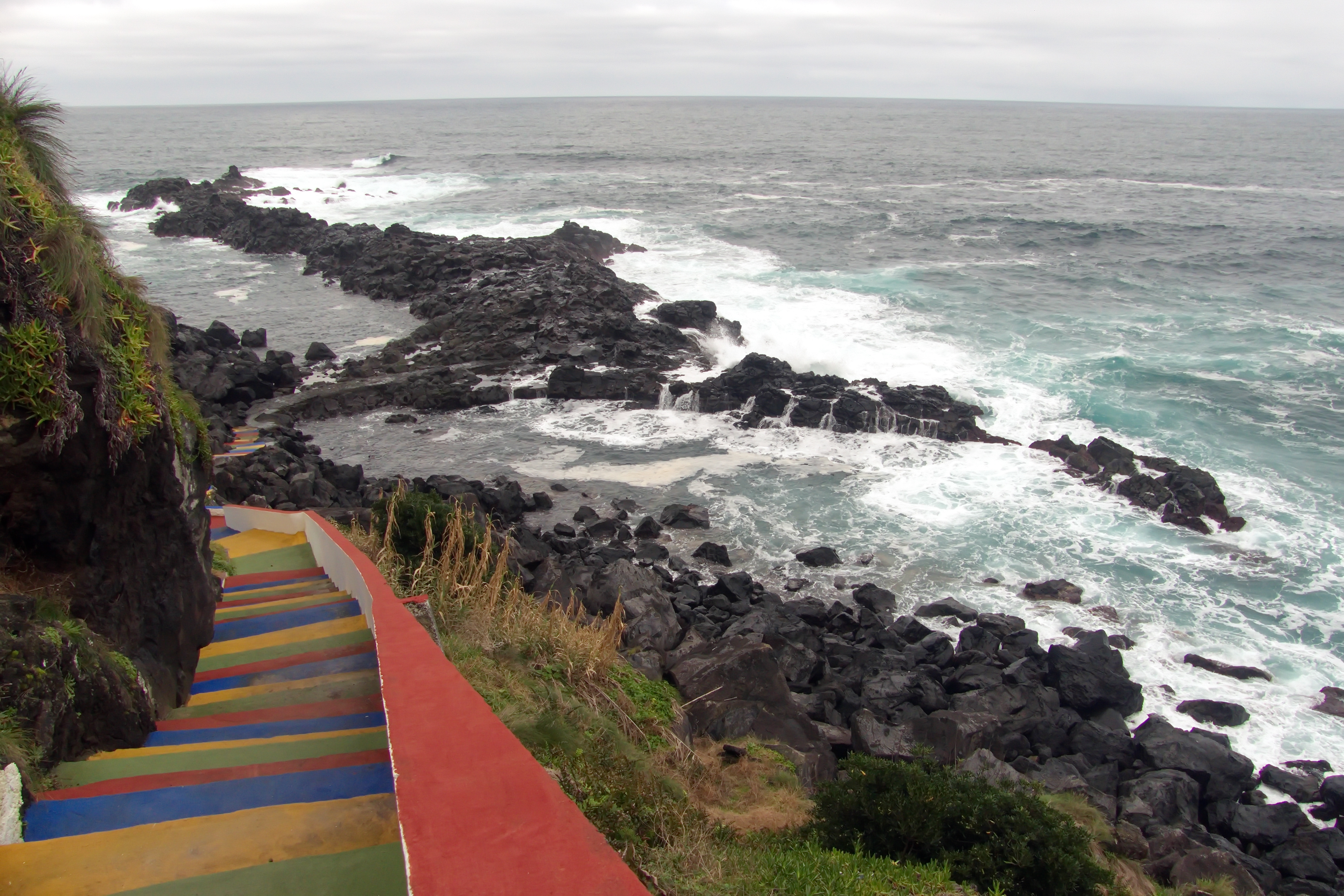
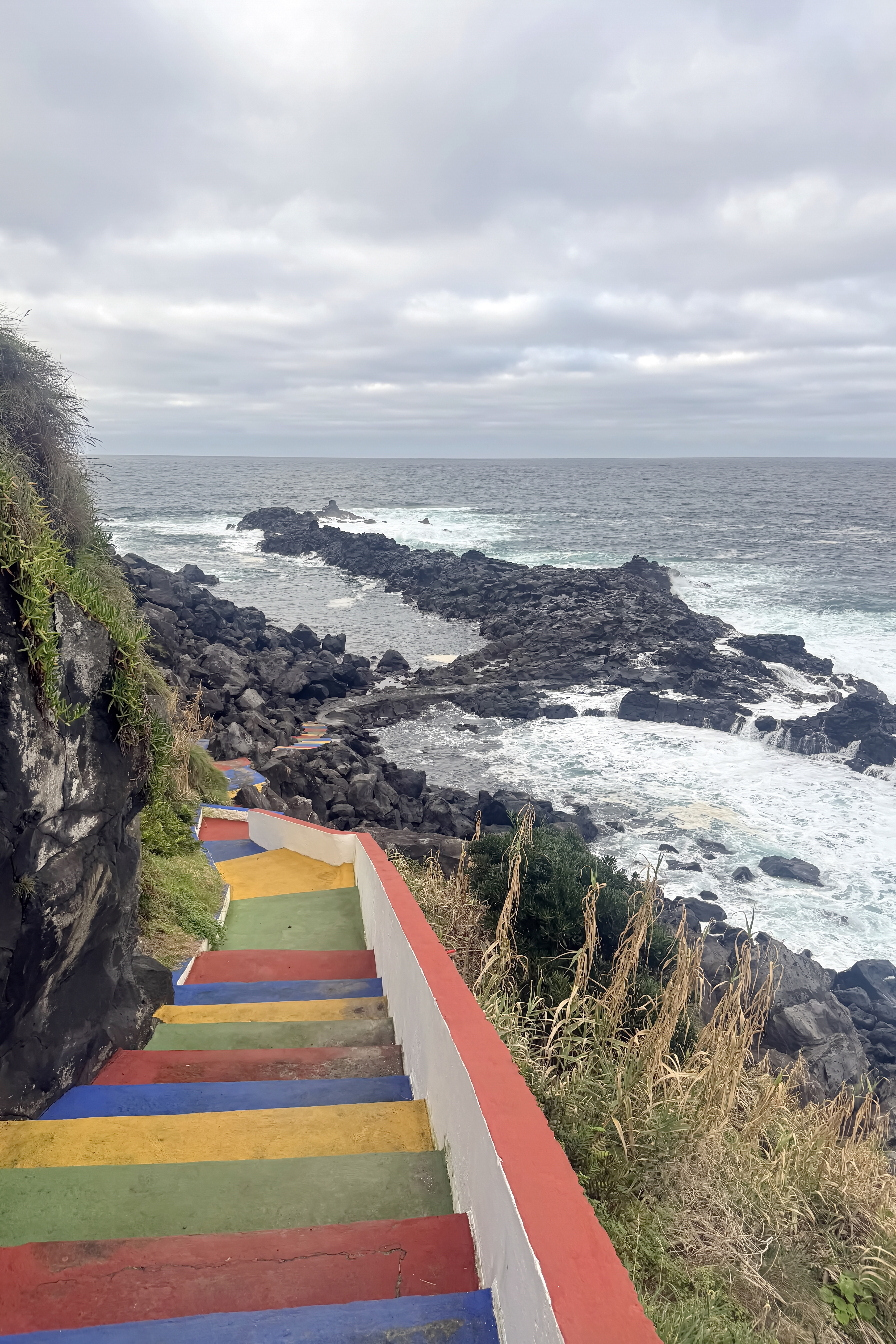
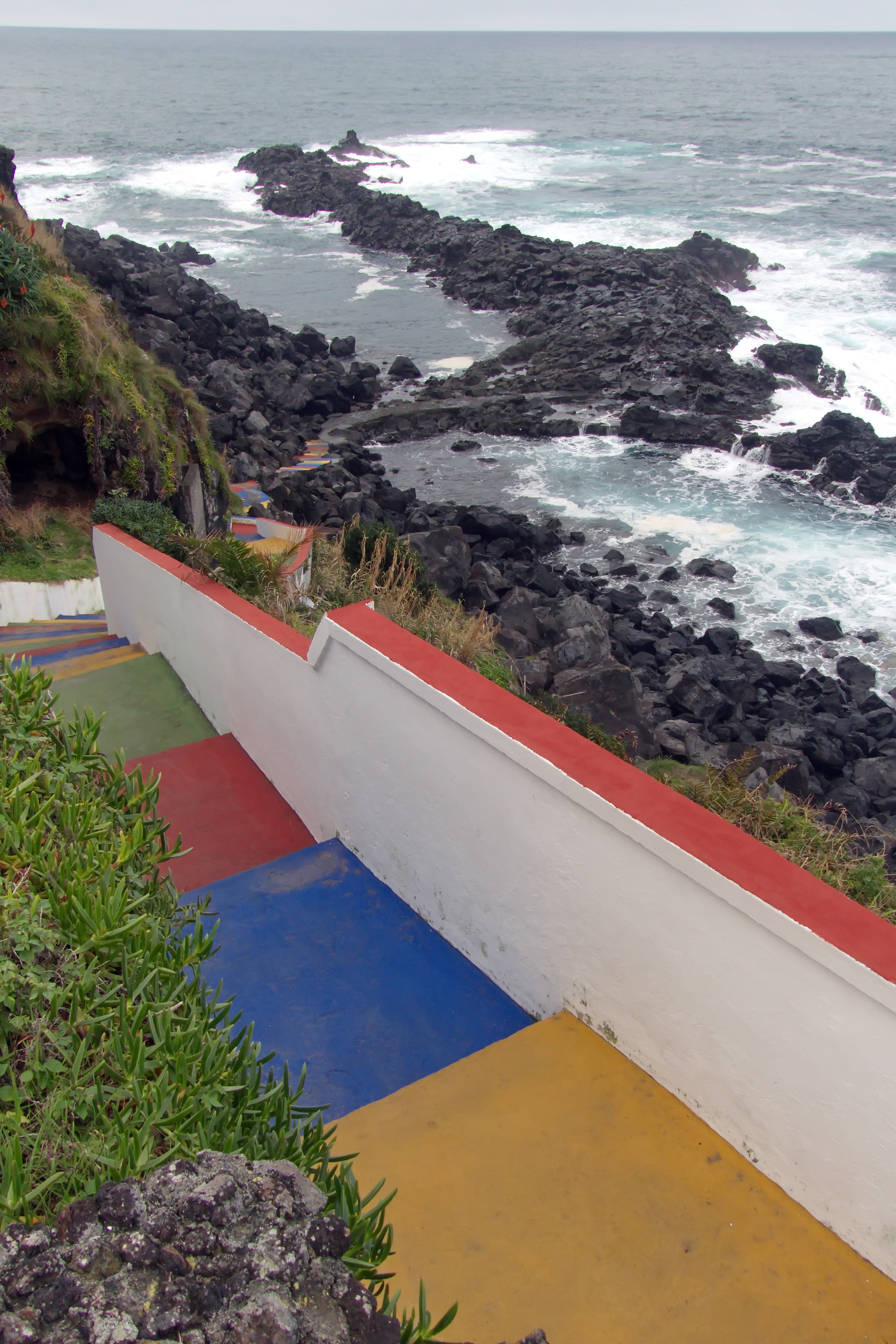
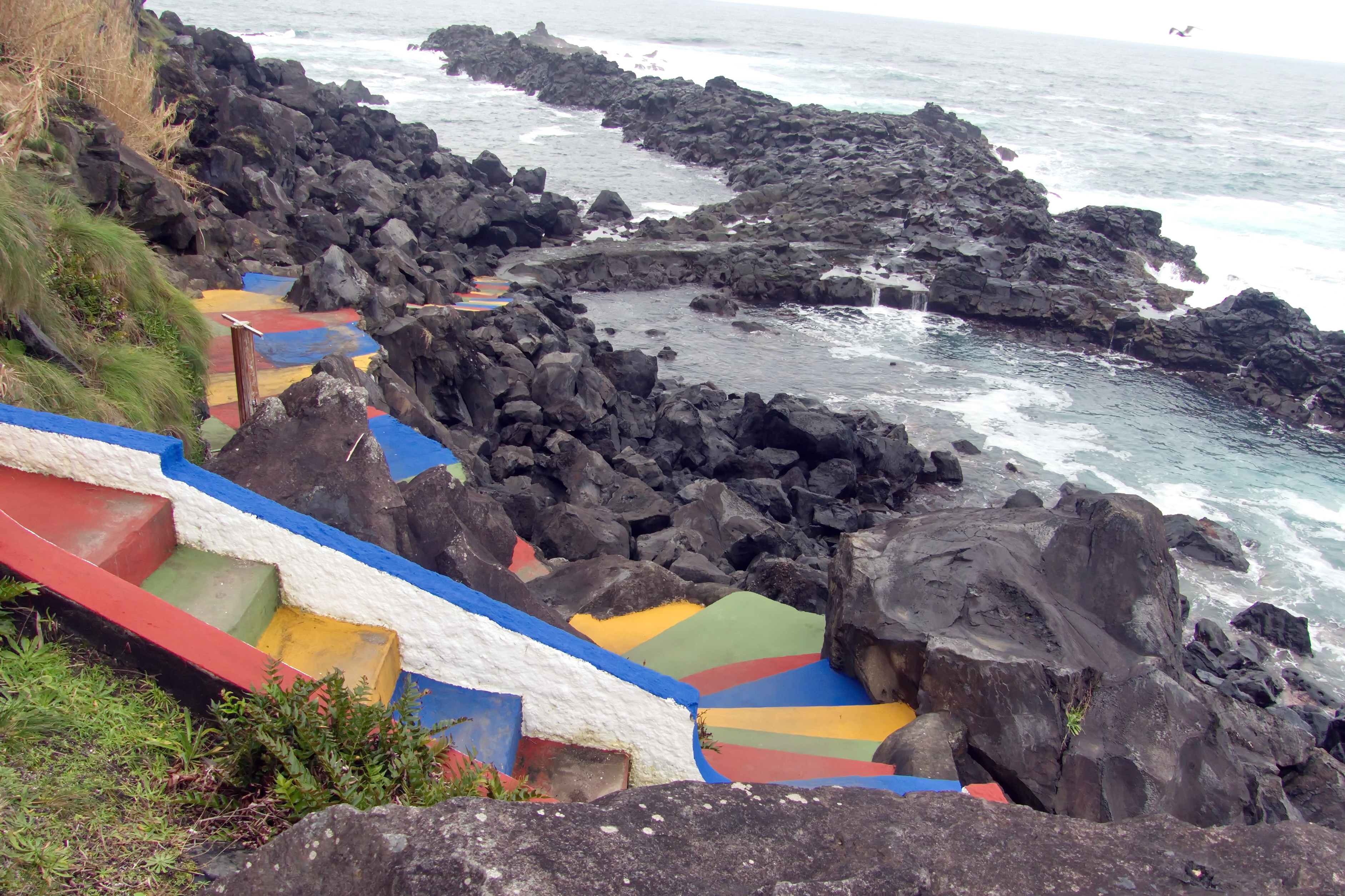
From the dramatic pools of Caneiros to the wild beauty of Melo Nunes, the island’s coastline rewards anyone willing to wander a little off the main road. Even without dipping our toes into the cool Atlantic, these places gave us something just as memorable—majestic views, the rhythm of the waves, and that familiar Azorean feeling of standing at the meeting point of land, sea, and time.
P – Pico da Barossa
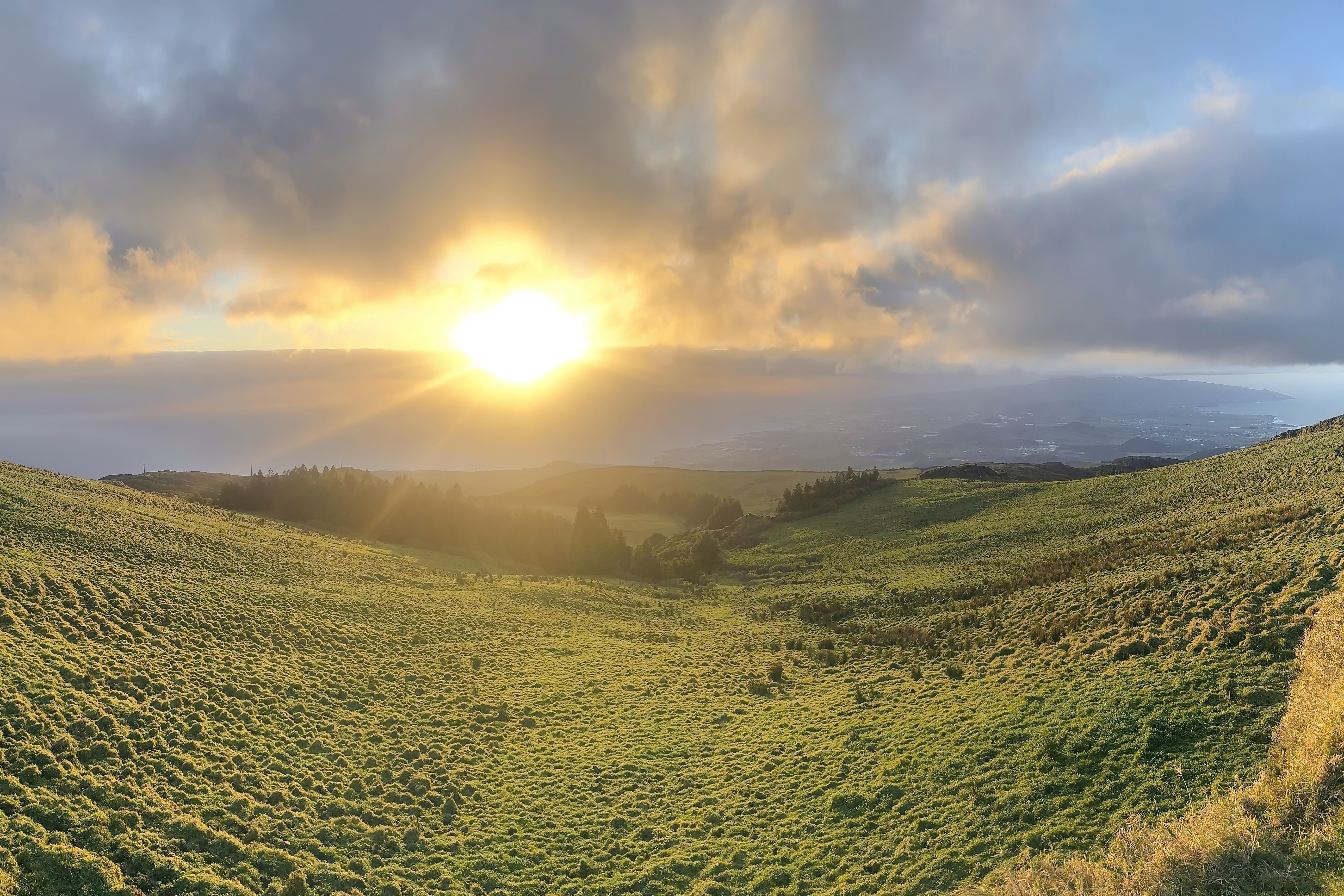
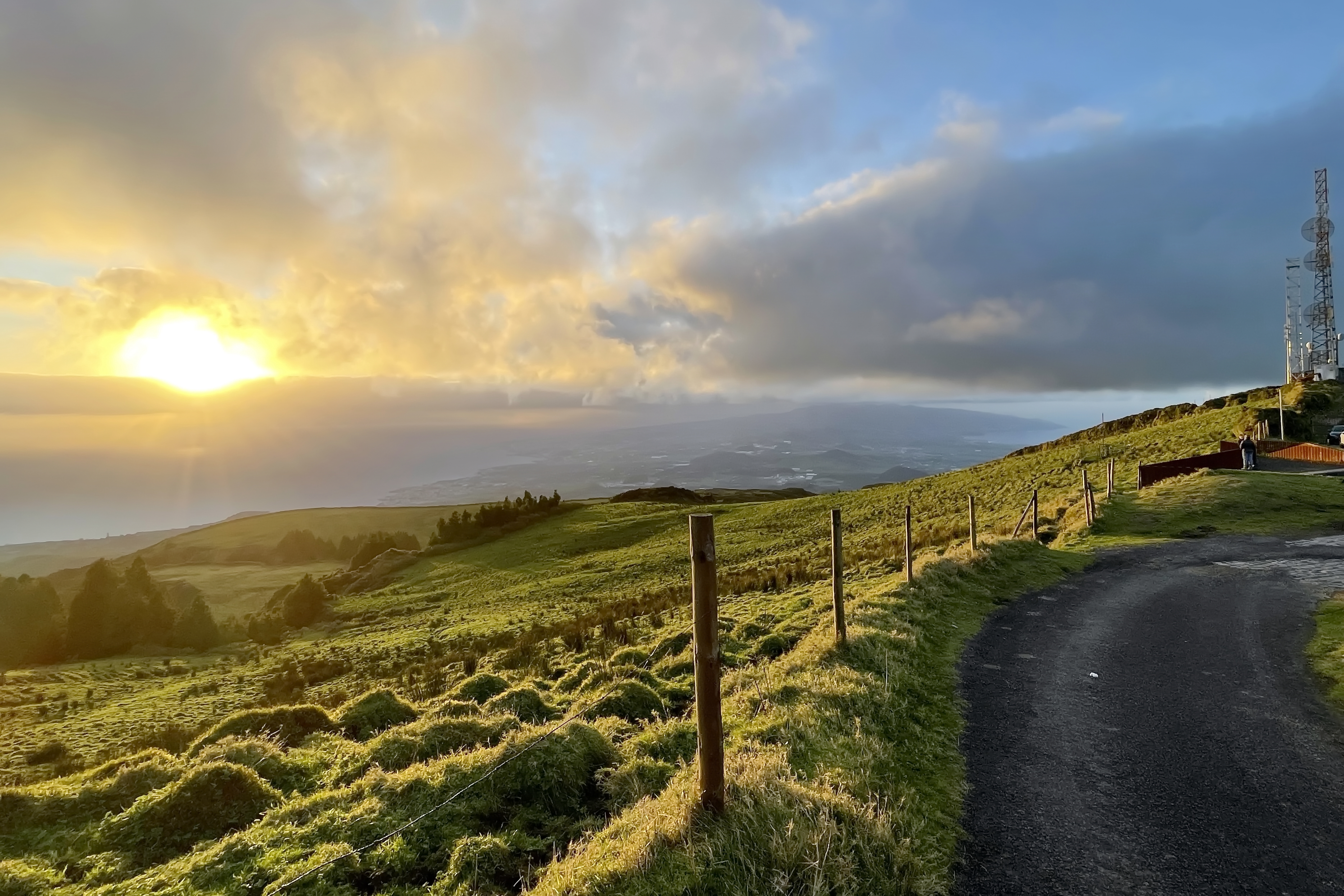
Pico da Barrosa is a high-elevation viewpoint, known for its sweeping panoramas over São Miguel—especially the breathtaking crater lake, Lagoa do Fogo. On a clear day, trails leading toward the radio masts at the summit offer views stretching to both the island’s north and south coasts. It’s considered a must-visit spot, though it comes with a reputation for fast-changing weather—something we experienced in full.
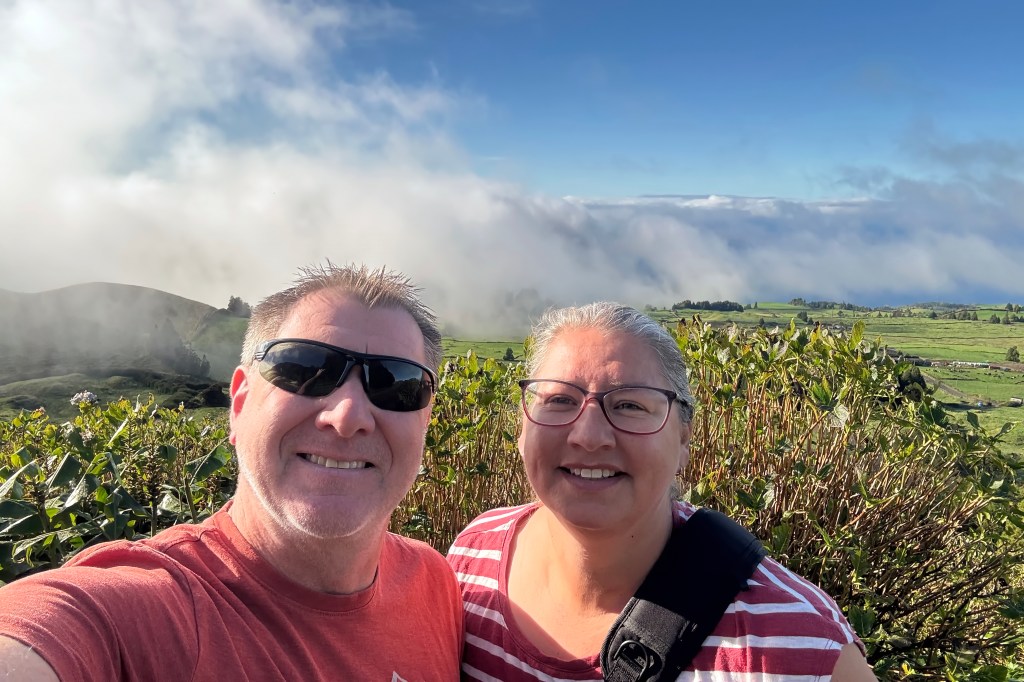
When we began winding our way up the narrow, twisting road, the skies were perfectly clear. But by the time we reached the viewpoint, the clouds had completely rolled in, swallowing the landscape whole. We stepped out of the car full of anticipation, only to find ourselves staring into a wall of mist, unable to see anything at all.
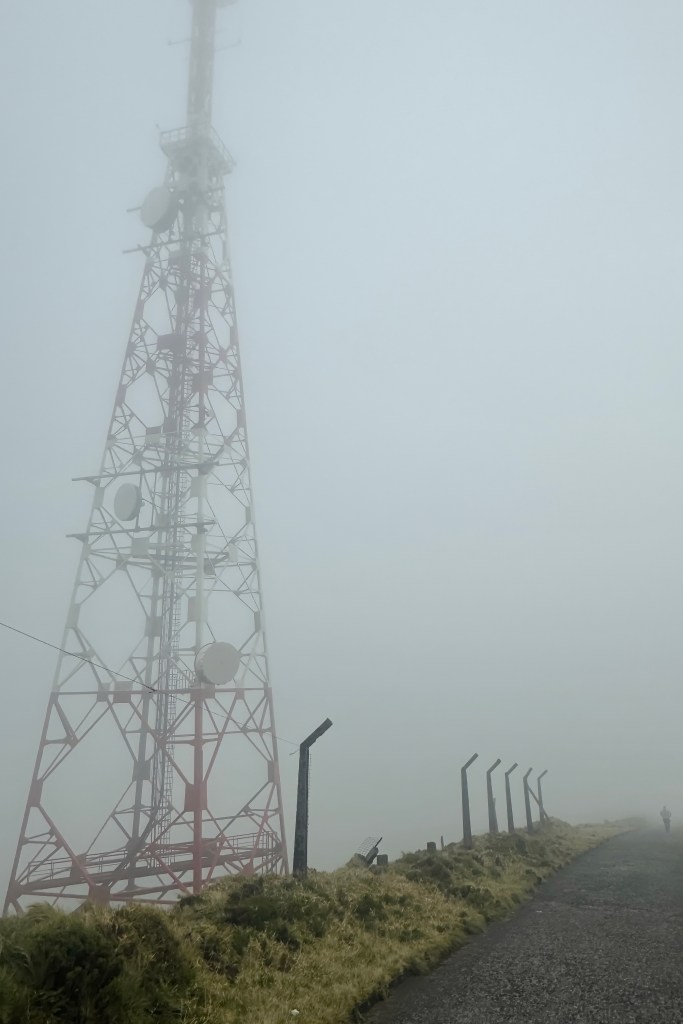
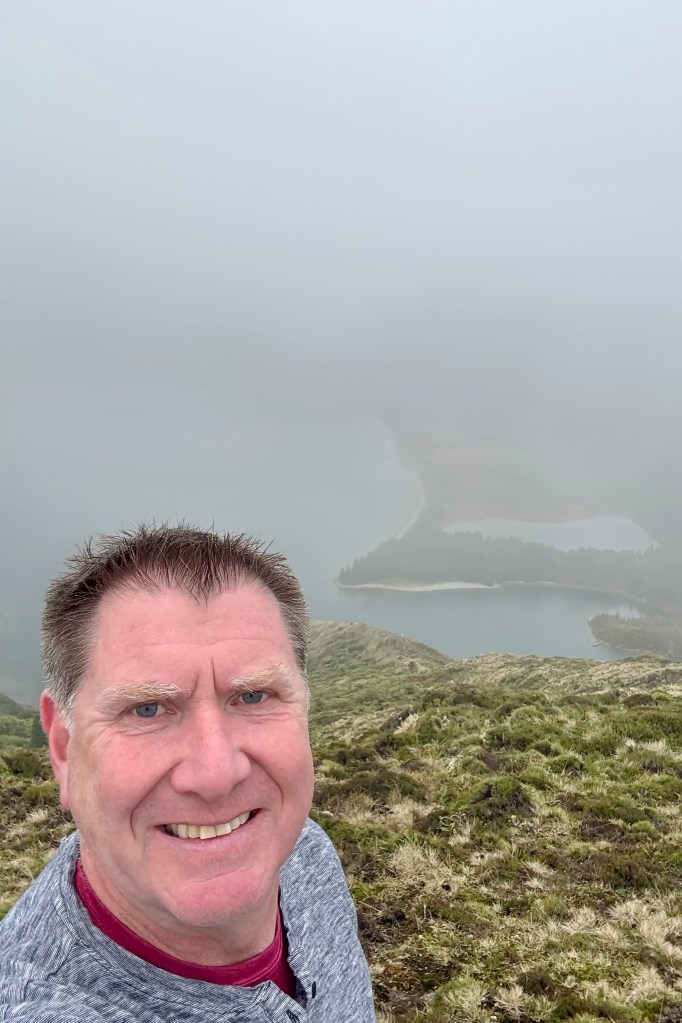
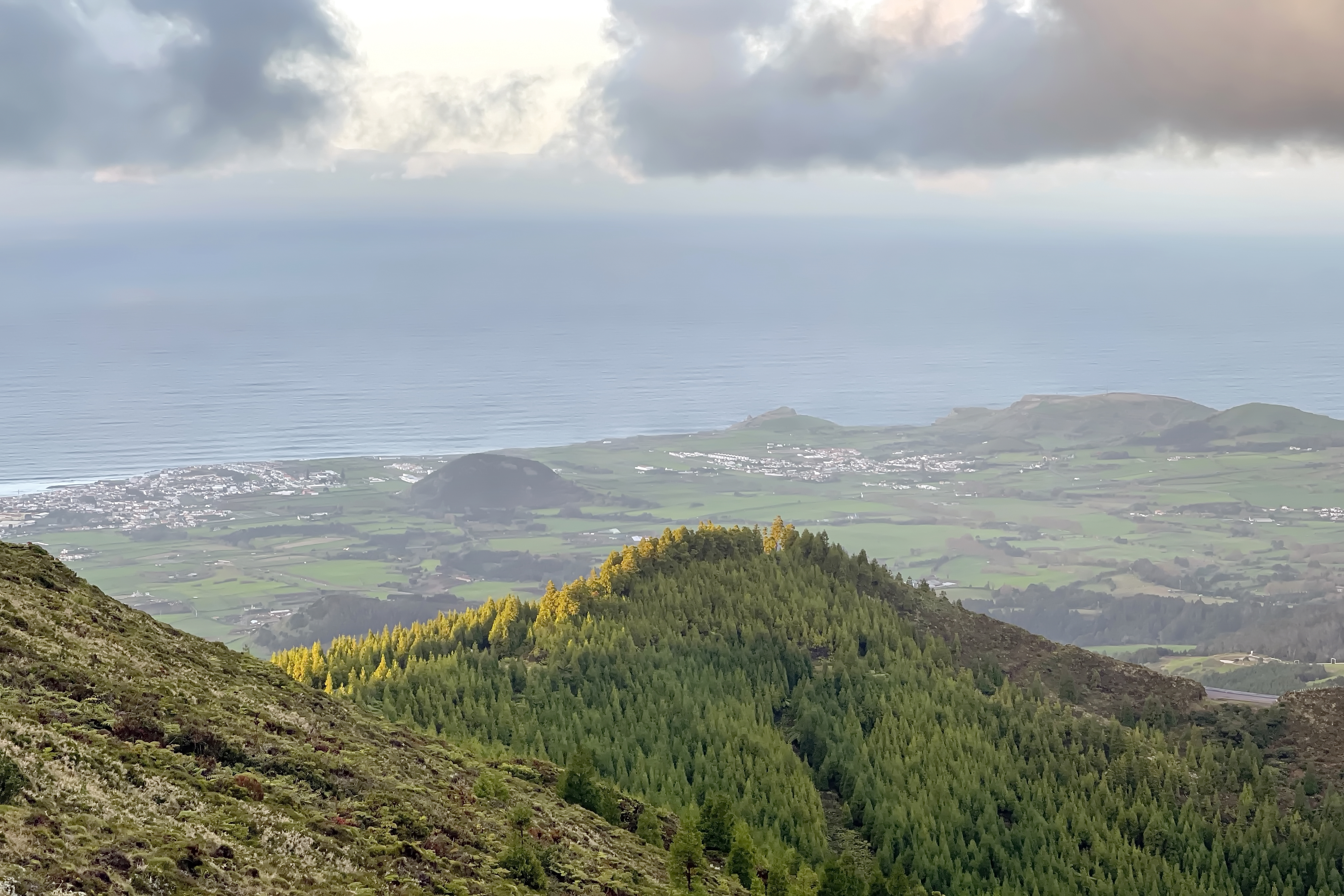
Rather than give up, we continued beyond the peak, stopping at several pullouts along the way down the other side where we crept below most of the clouds. Each viewpoint offered beautiful sightings of the vivid blue waters of Lagoa do Fogo, cradled by lush green crater walls. The lake looked almost unreal—the kind of scene that feels carefully composed, like a postcard brought to life.
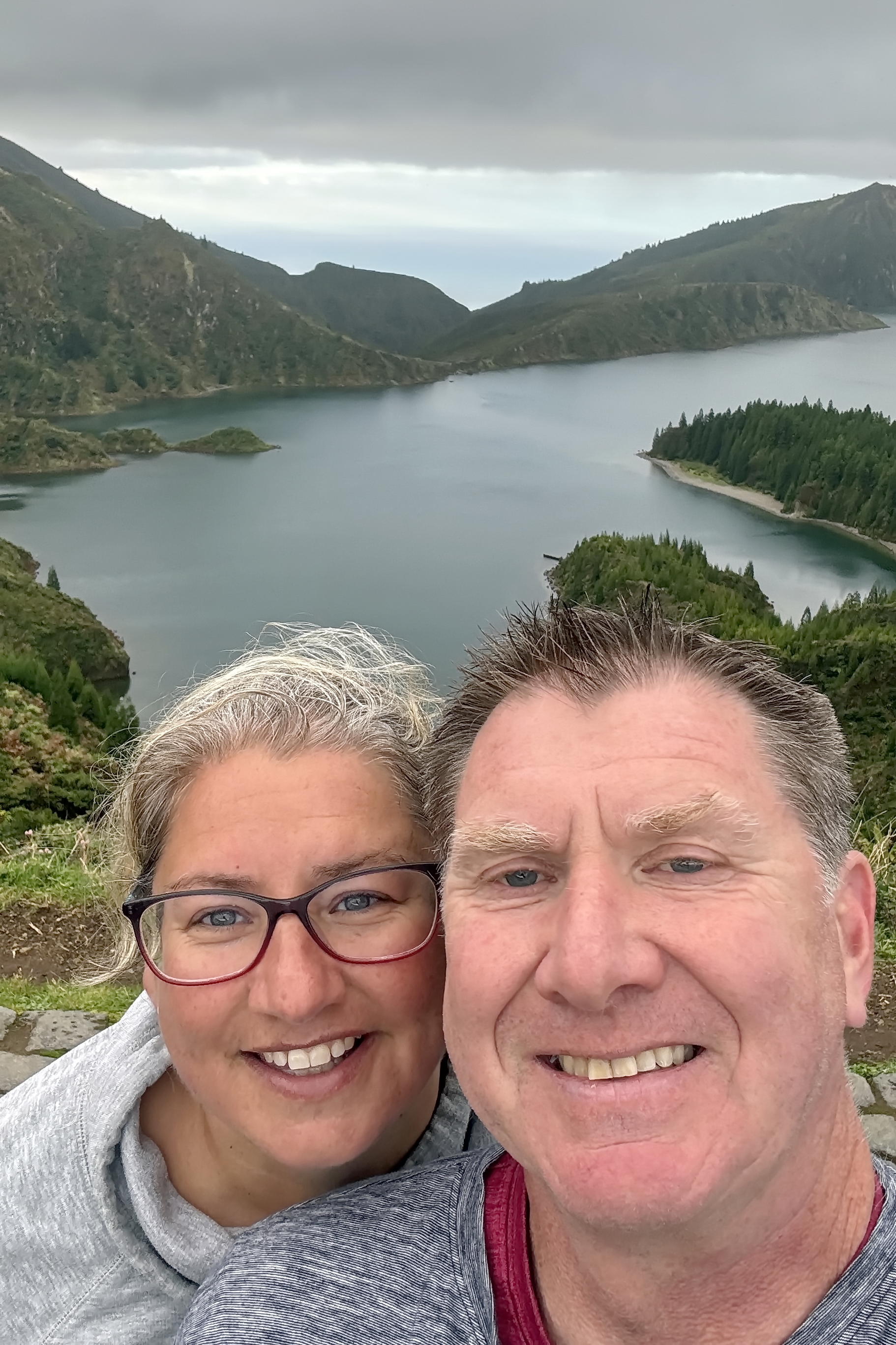
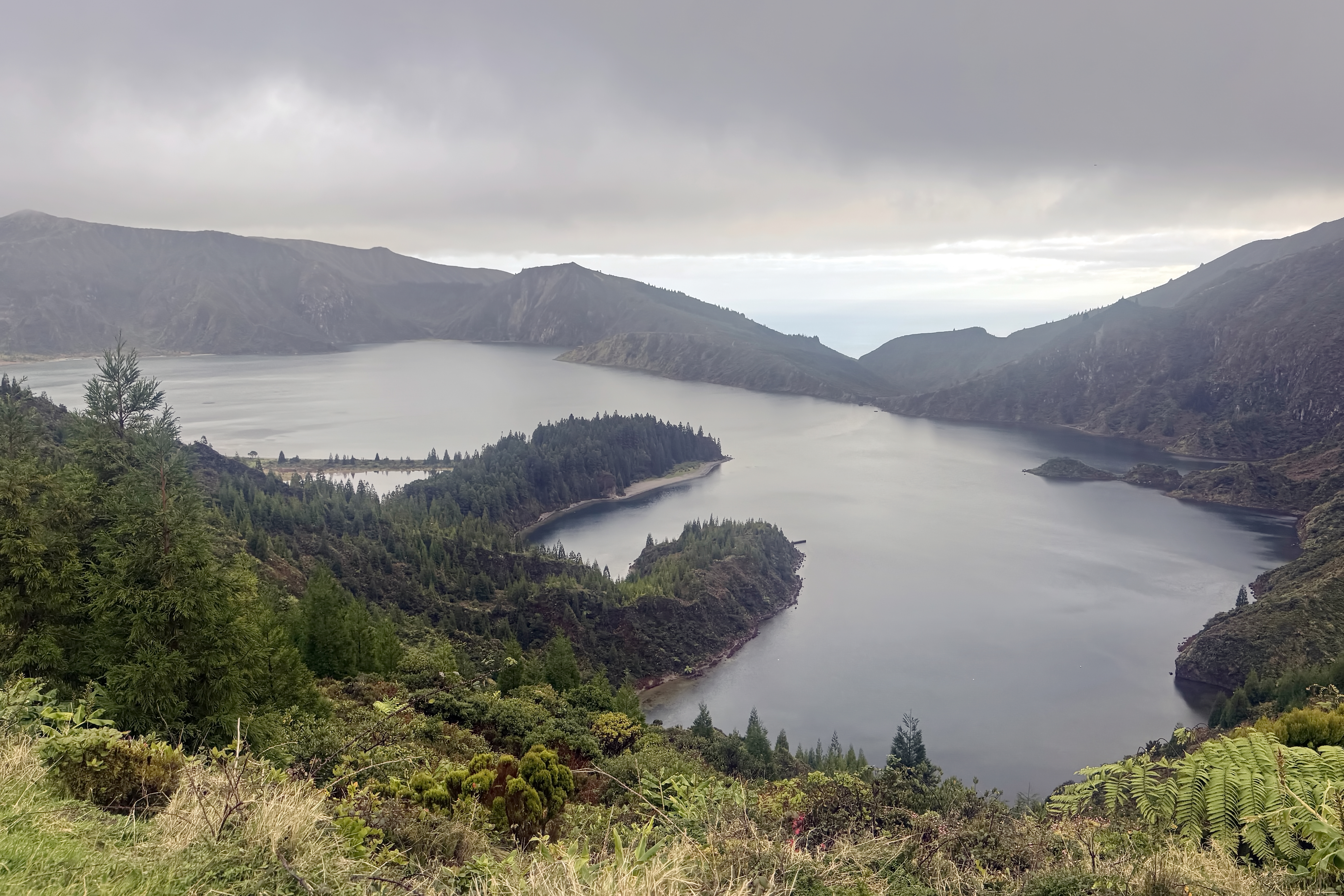
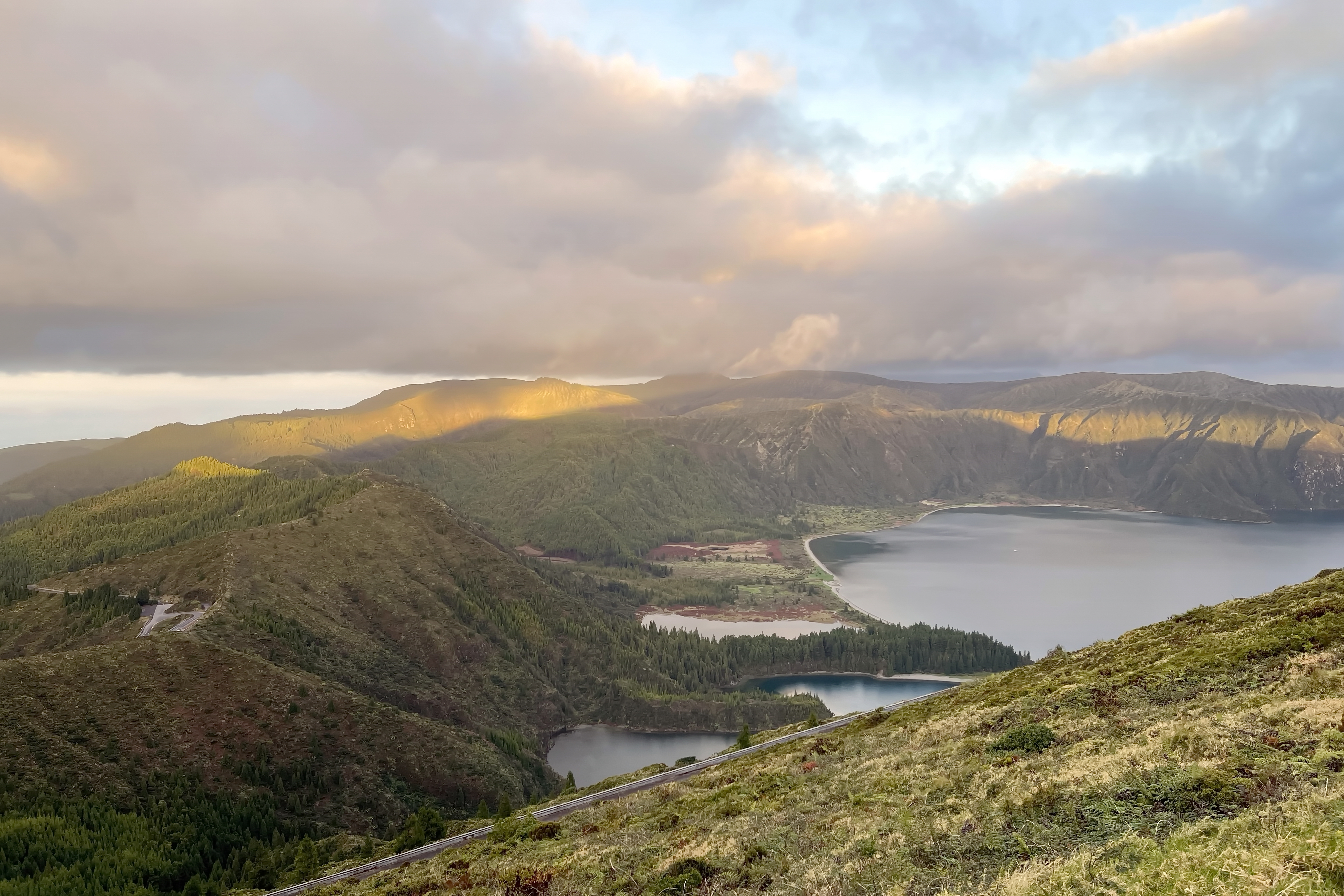
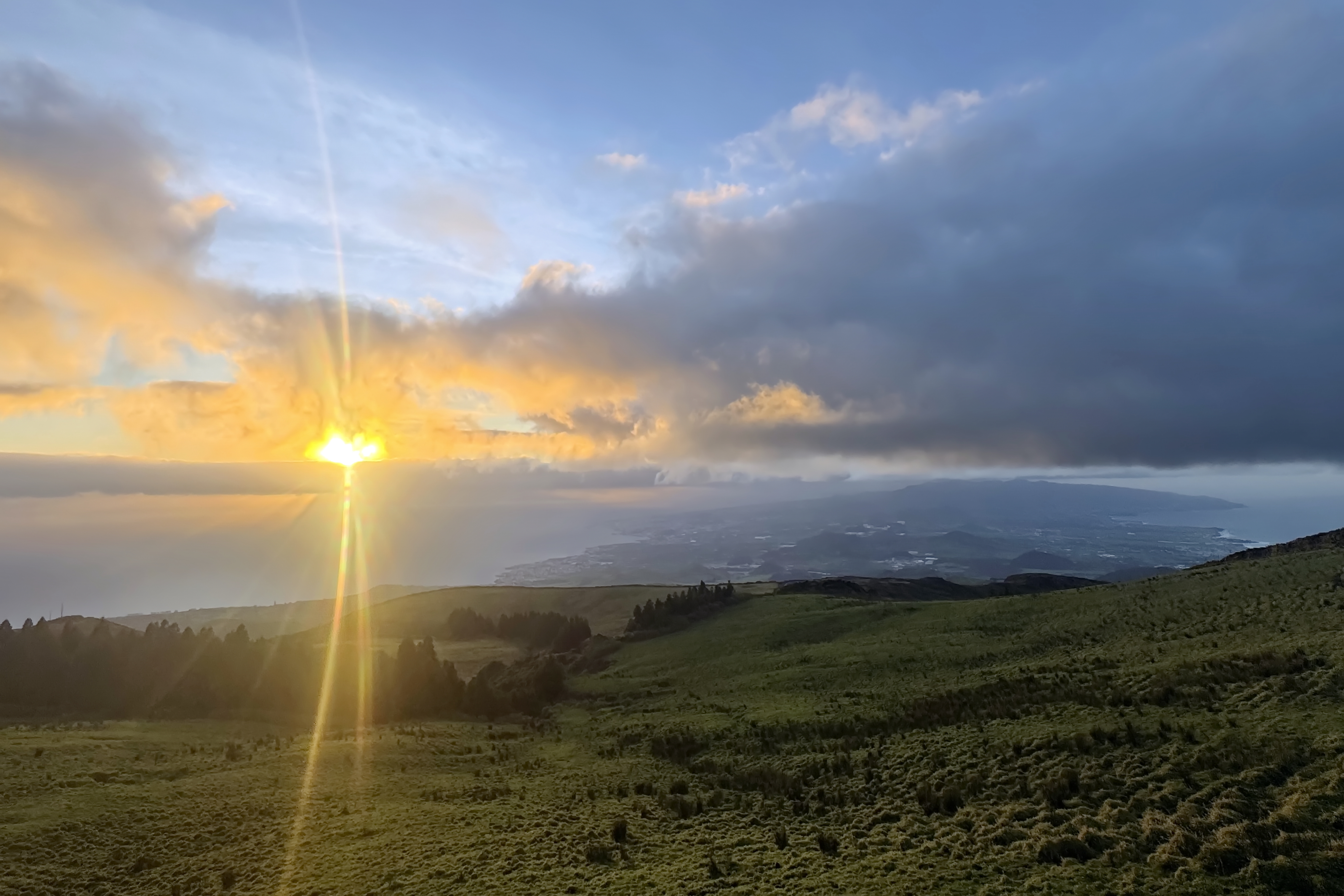
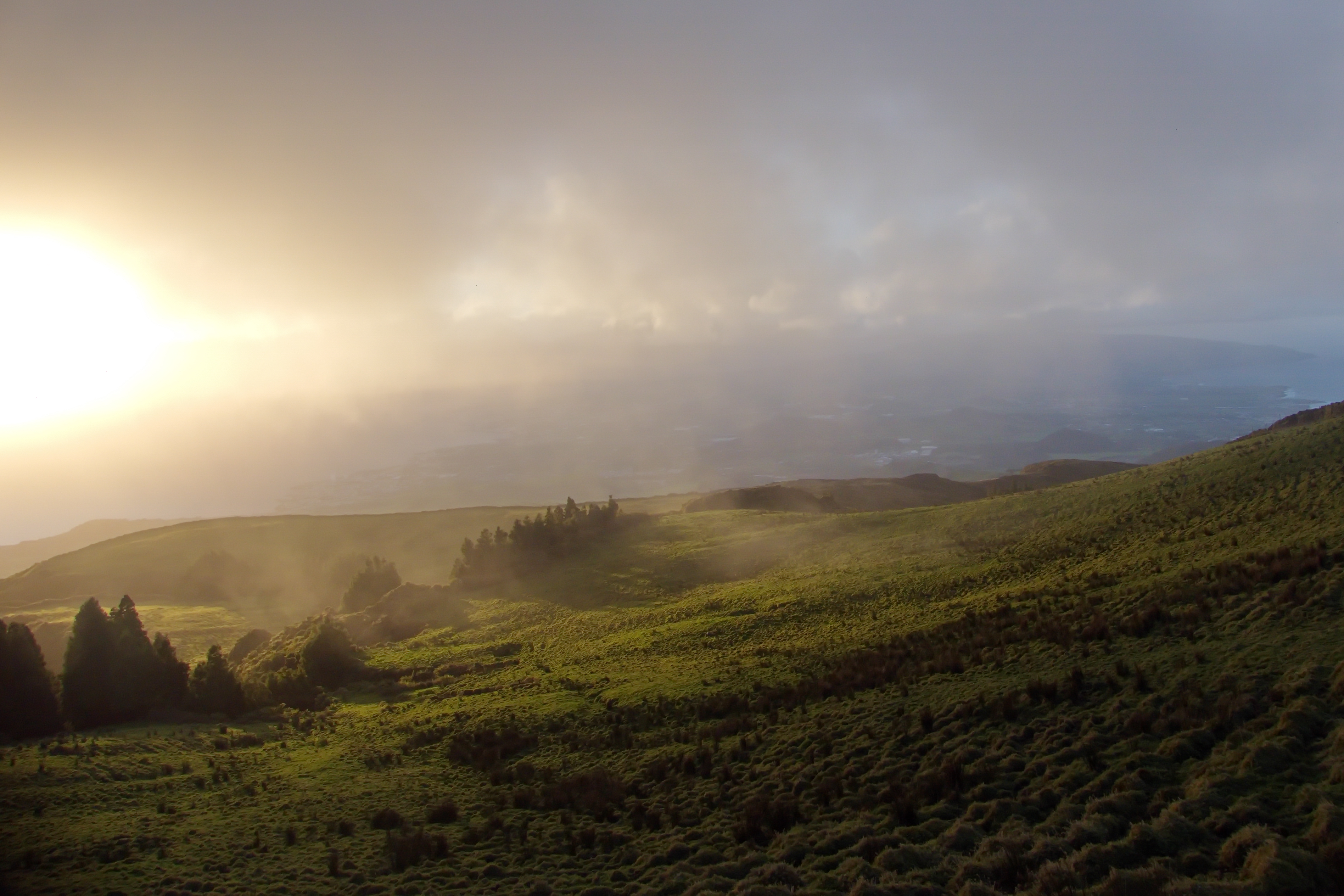
As sunset approached, we decided to return to the Barrosa summit and wait it out—a choice that paid off. The clouds finally began to lift, and warm golden light spilled across the green hillsides. The views toward the west and north were spectacular, and standing there in the quiet glow of the evening felt like our reward for a little patience and a lot of hope.
R – Ribeira Grande
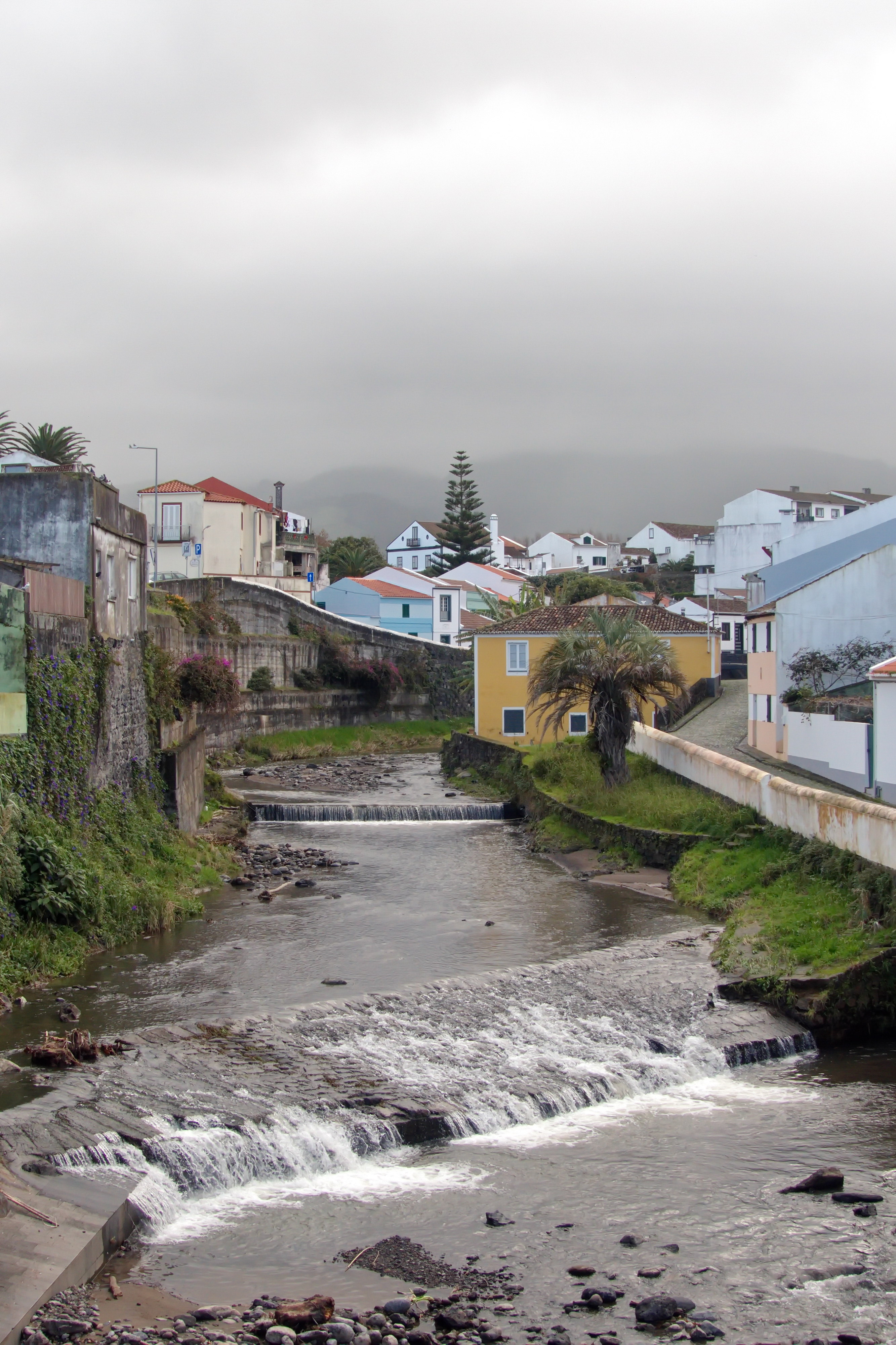
Nestled along the north coast of Sao Miguel, Ribeira Grande immediately feels like a place with stories to tell. It was here that some of the island’s first settlers chose to put down roots, drawn by the fresh water of the stream that still flows through the main square today. For the week we visited, this historic city became our home base, and each day it revealed a little more of its character—layered with history, culture, and a quiet architectural charm.
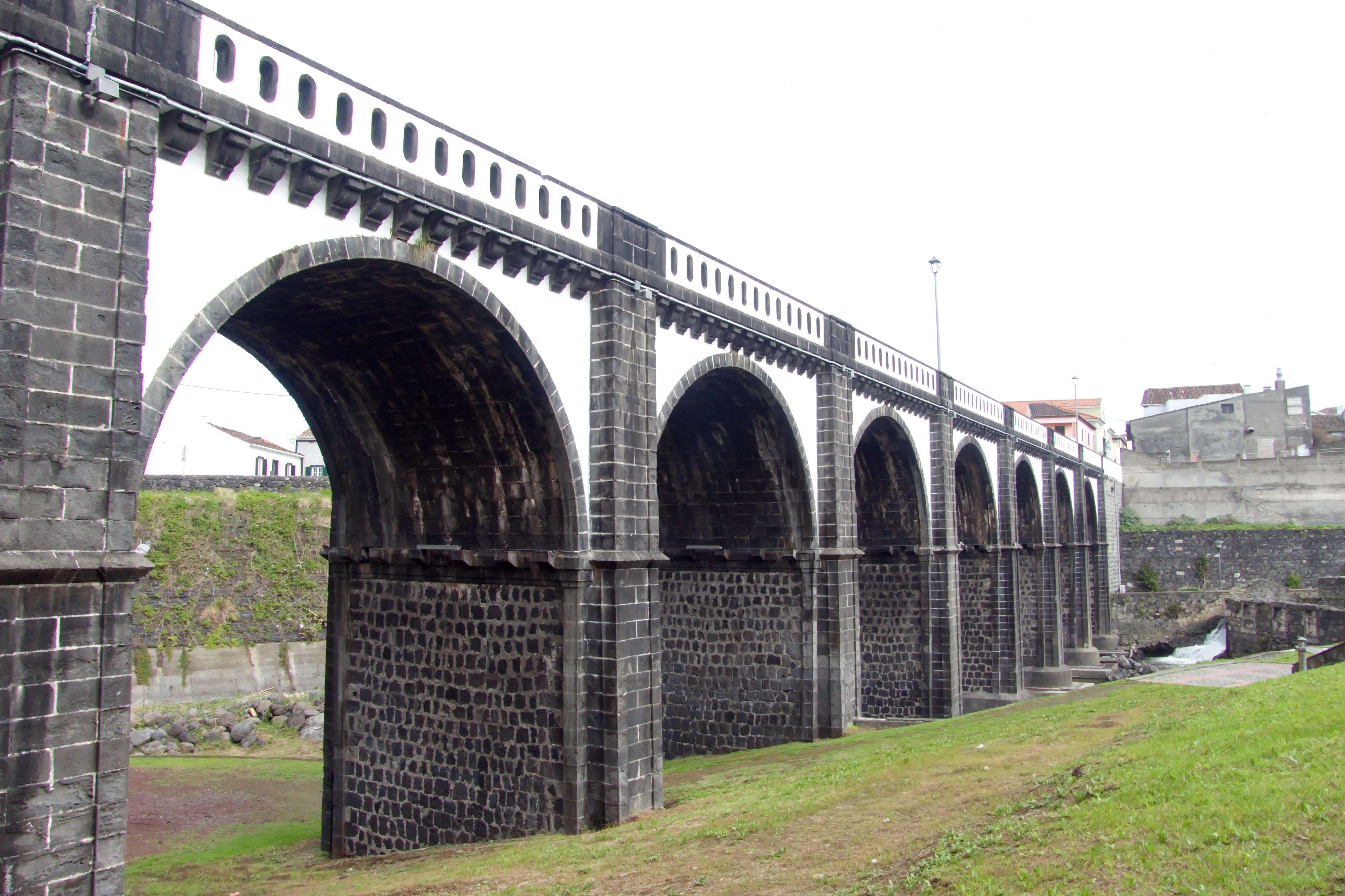
The city grew naturally along the banks of the Ribeira Grande river, its early streets following the water before gradually spreading outward as the town became a centre of commerce and civic life. One of the first landmarks we sought out was the Bridge of Eight Arches, built in the late 19th century and now one of the city’s most recognizable symbols. Walking across its narrow pedestrian path, we paused to watch the river moving beneath us and to take in the view toward the old town—the line of elegant civic buildings, whitewashed facades, and basalt stonework glowing softly in the Azorean light.
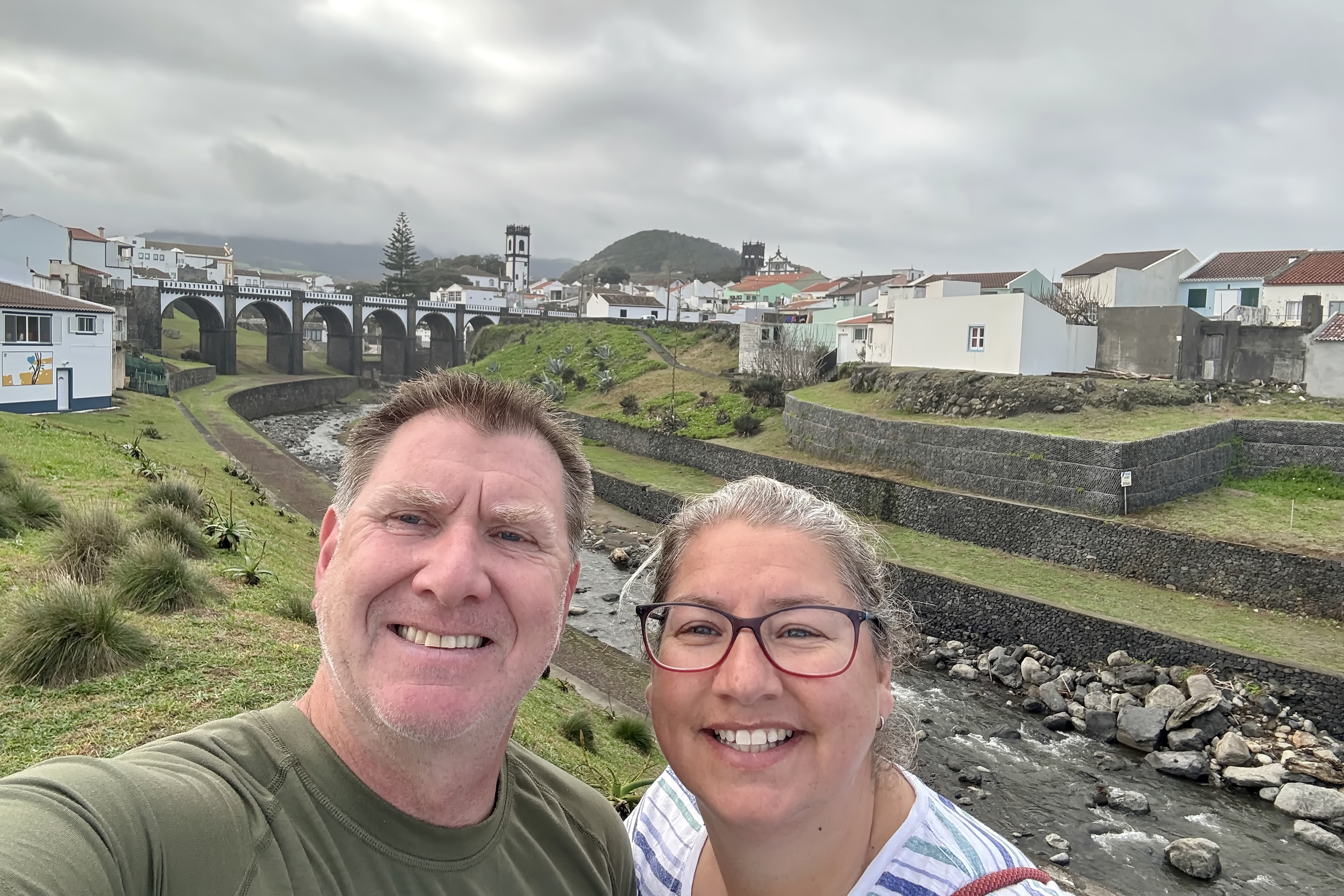

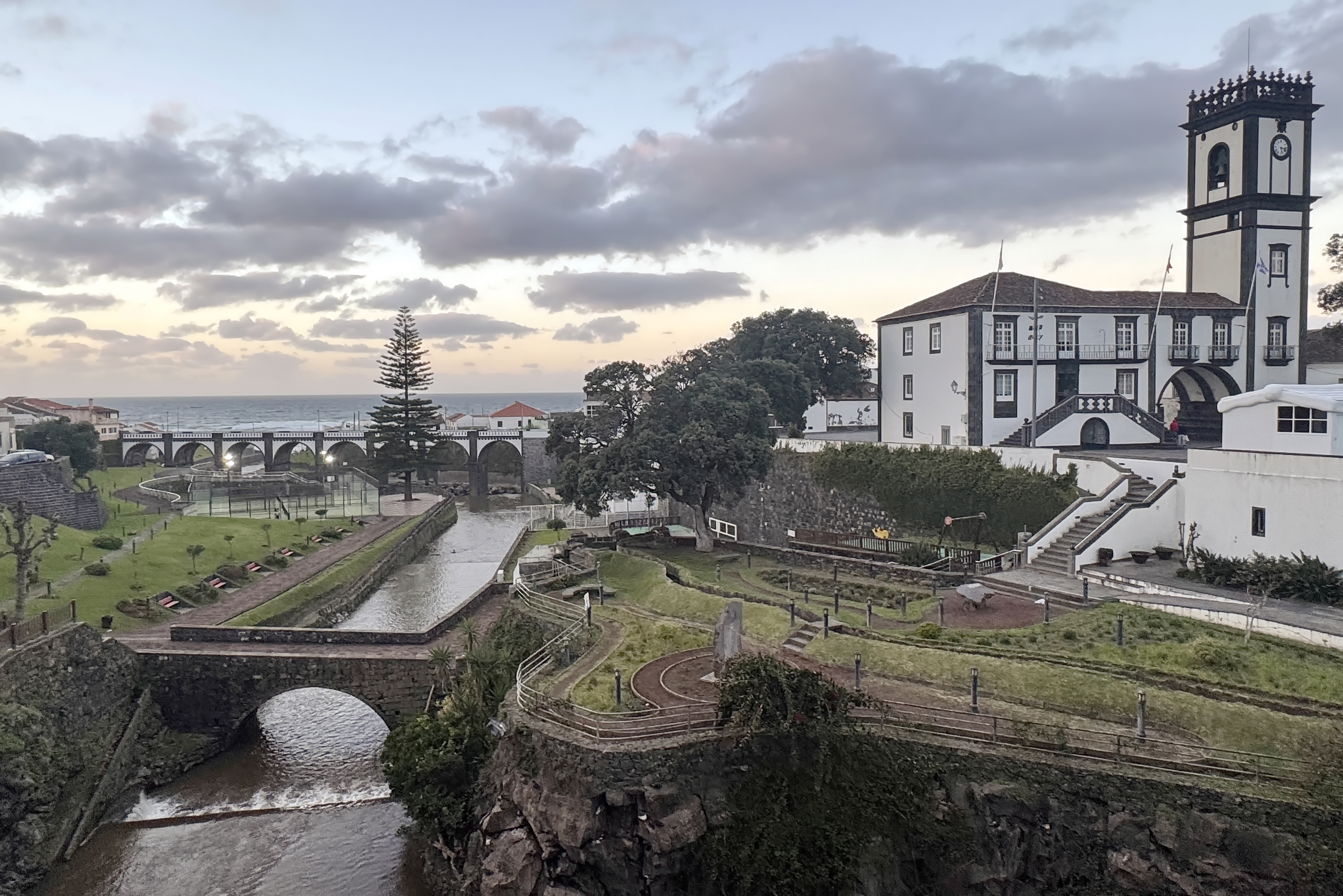
At the heart of Ribeira Grande stands the City Hall, impossible to miss with its elegant clock tower and the archway that seems to welcome you into the street beyond. We passed it countless times during our stay, often lingering in the little riverside gardens nearby, and it began to feel like a familiar meeting point—almost the heartbeat of the city. Just along the way, the restored Teatro Ribeiragrandense brought a creative energy to the old streets, its posters and open doors hinting at evenings filled with music and voices. The churches, too, slowly became part of our daily rhythm—the ornate Baroque façade of the Church of the Holy Spirit and the Church of Our Lady of the Star, watching over the square from its lofty perch, greeting us like old friends each time we wandered back through the centre.
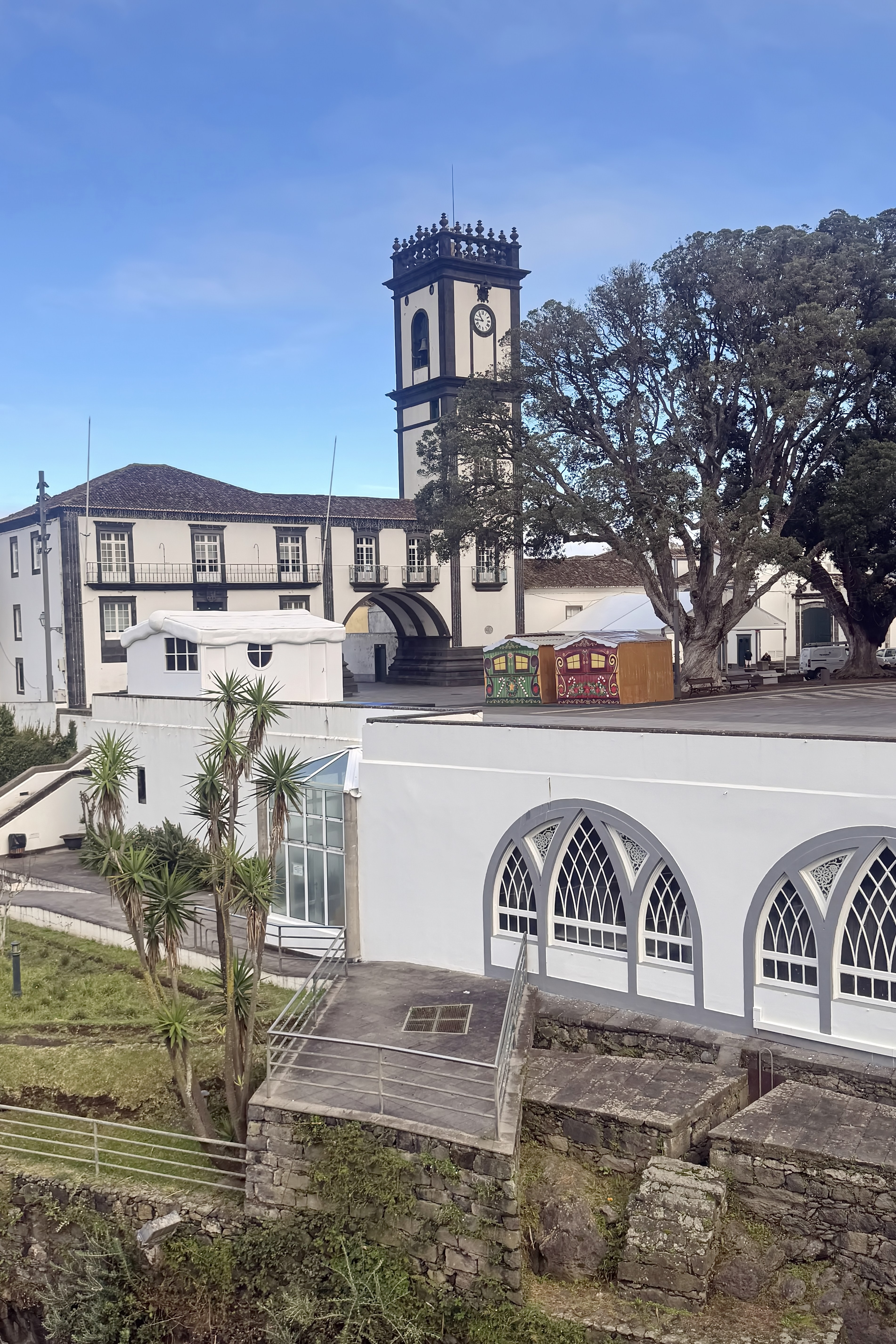
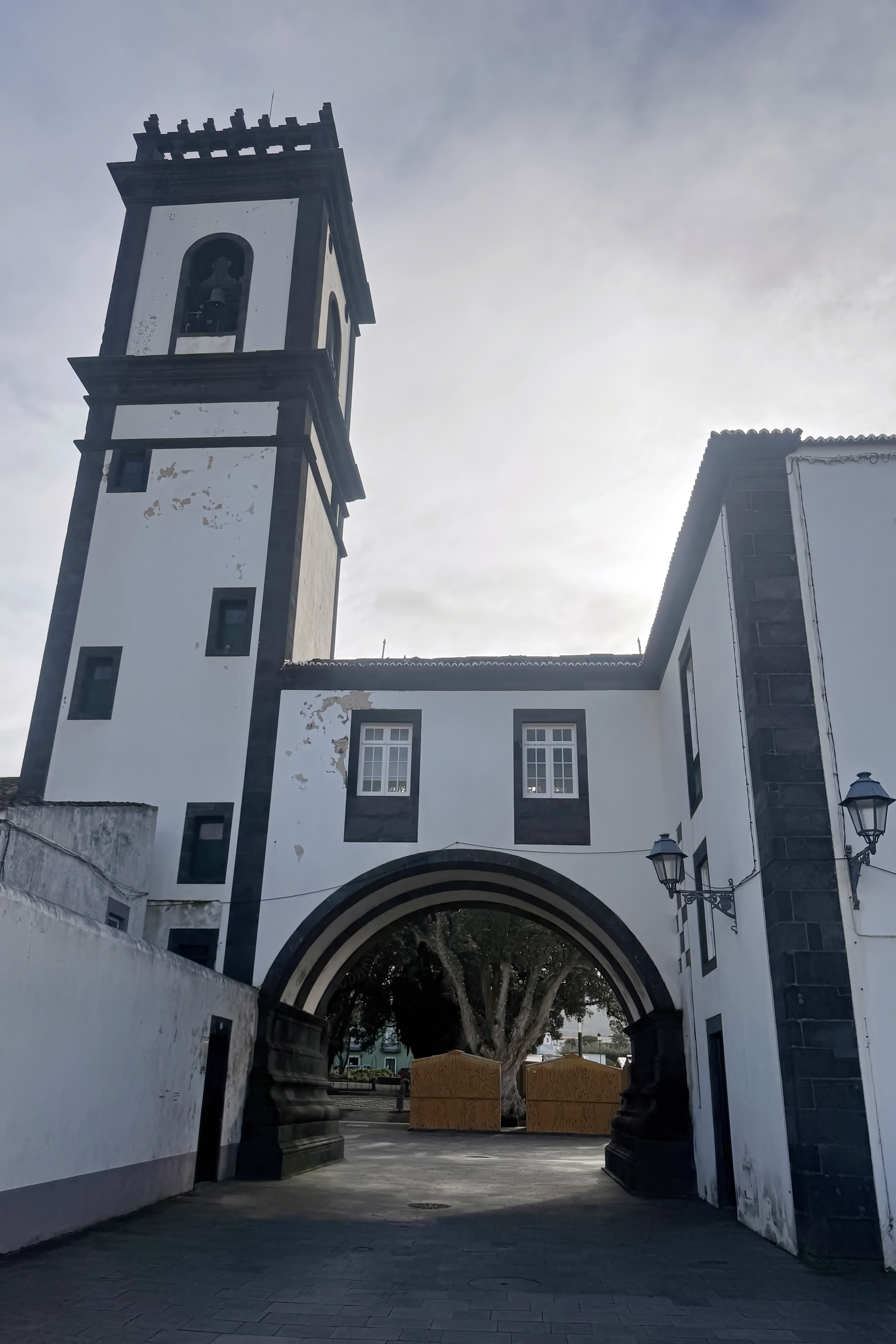
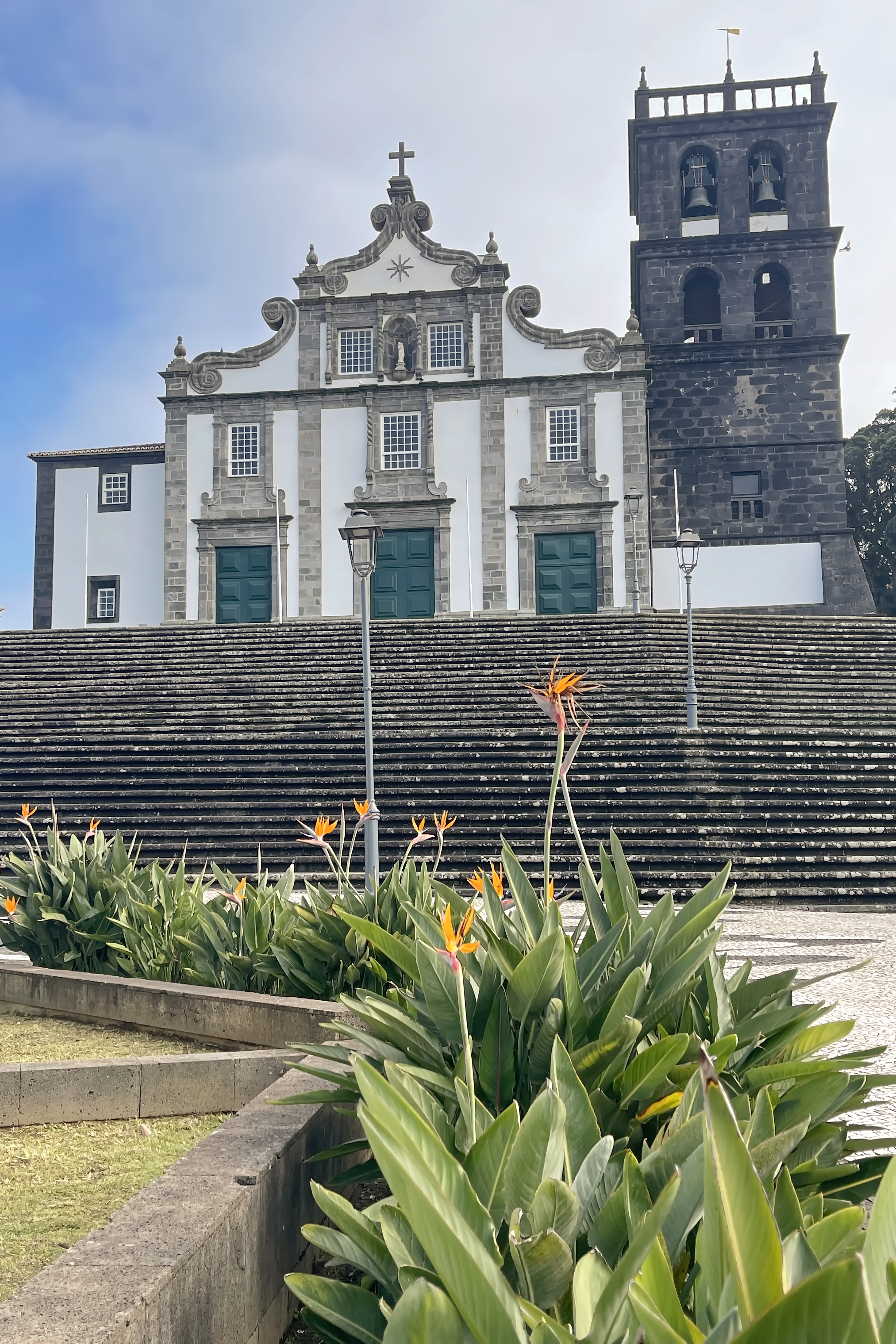
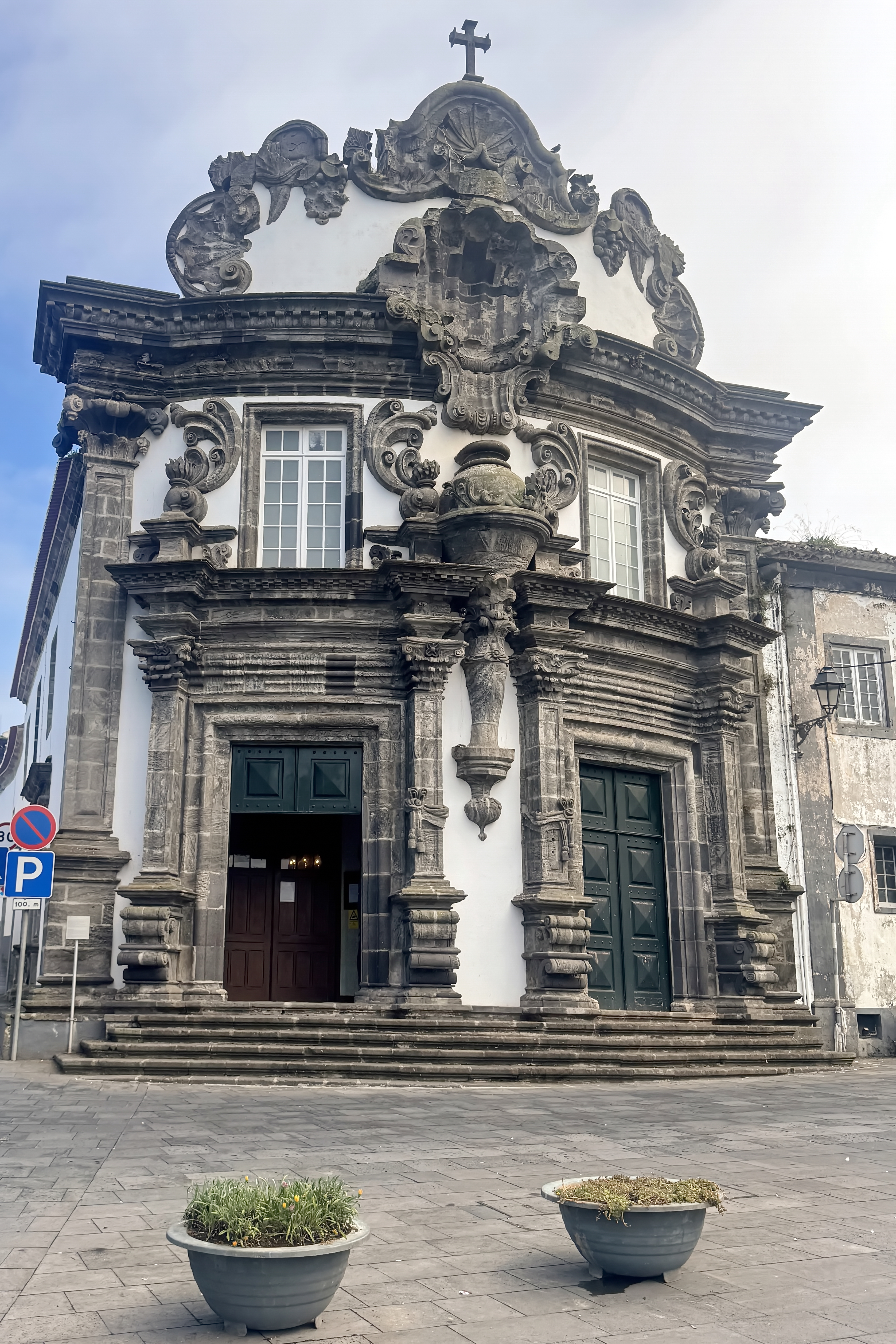
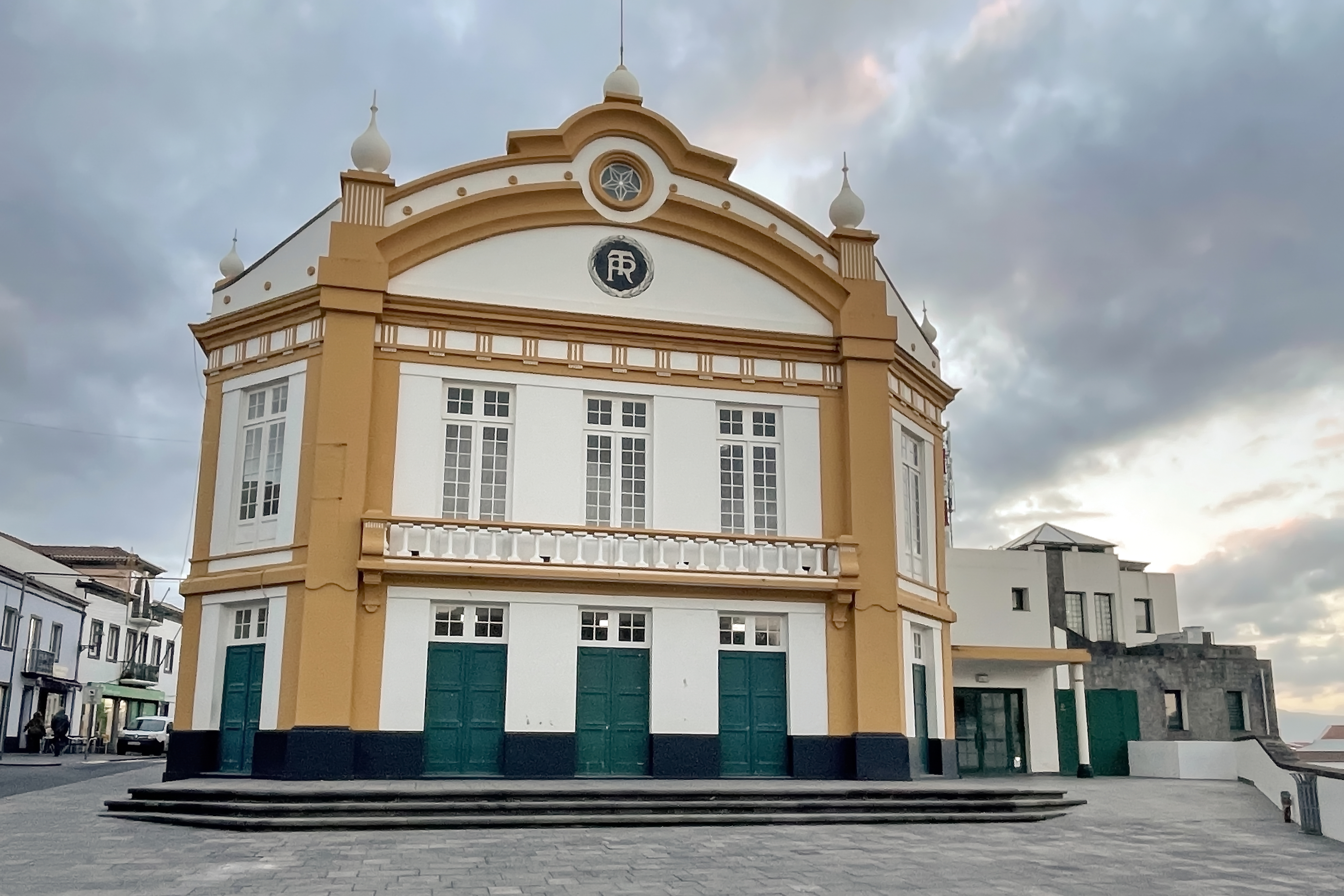
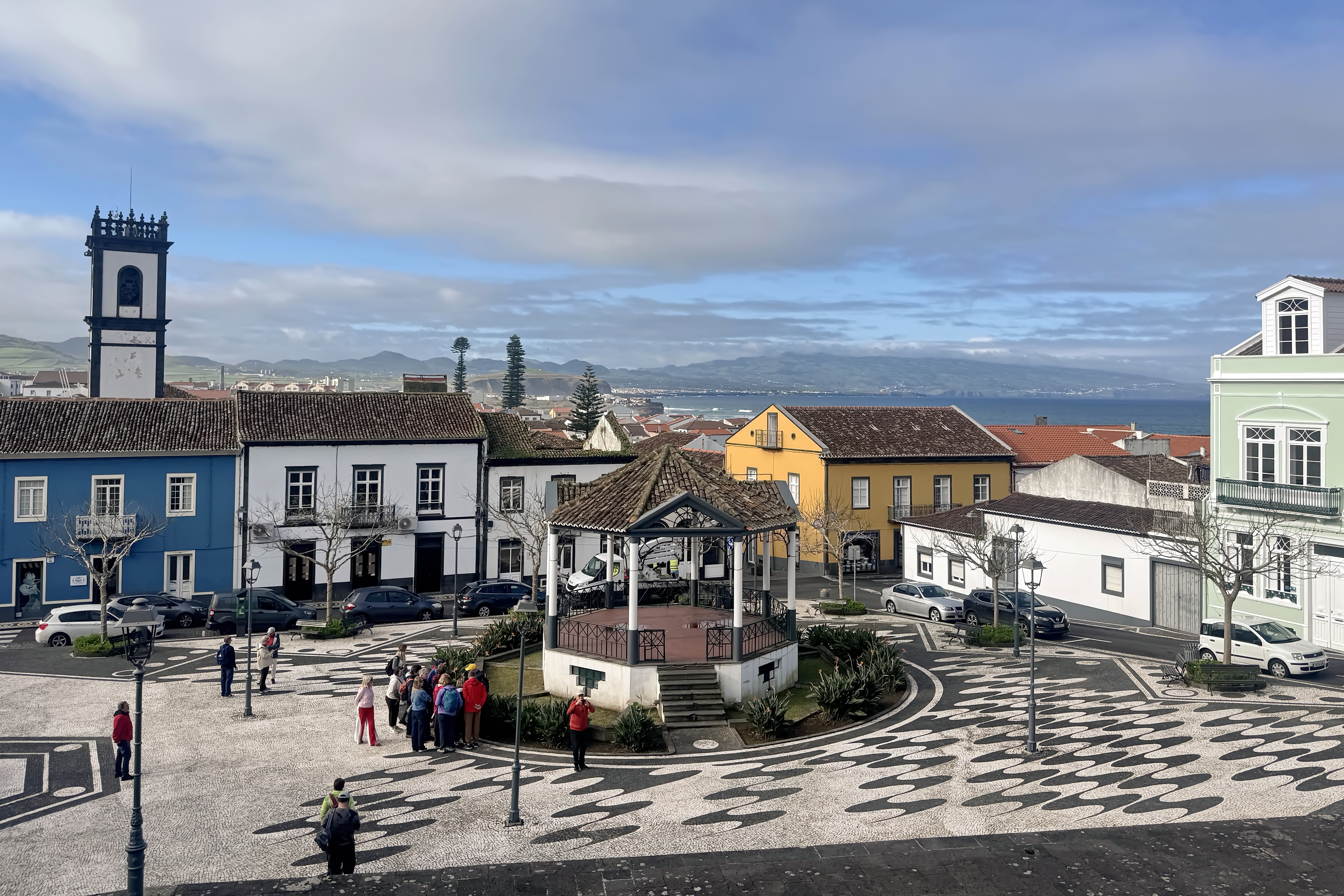
Exploring Ribeira Grande felt a little like reading a story written in stone and tile. Cobbled streets led us from bridges to civic buildings to quiet corners where everyday life unfolded around centuries-old walls. By the end of the week, the city was no longer just the place we were staying—it had become one of the experiences that shaped how we understood Sao Miguel itself, a compelling blend of past and present that stayed with us long after we left.
S – Sete Cidades
There are viewpoints, and then there is Sete Cidades—the quintessential postcard image of twin lakes cradled inside the wide, sleeping mouth of an ancient volcano. Standing at the edge of the caldera, with clouds drifting low over the ridges and hydrangeas lining the road, it felt less like looking at a landscape and more like stepping into a story.
Our first glimpse came from the famous Vista do Rei viewpoint. From that high perch the entire crater unfolded below us—the neat white houses of the town, the patchwork of green fields, and the two lakes resting side by side, divided only by a narrow causeway. The air was fresh and cool against our skin, and as mist drifted in, the background softened into something like watercolours. We lingered longer than we expected, reluctant to leave, before slowly following the winding road down into the crater, stopping more than once simply to see it all from another angle.
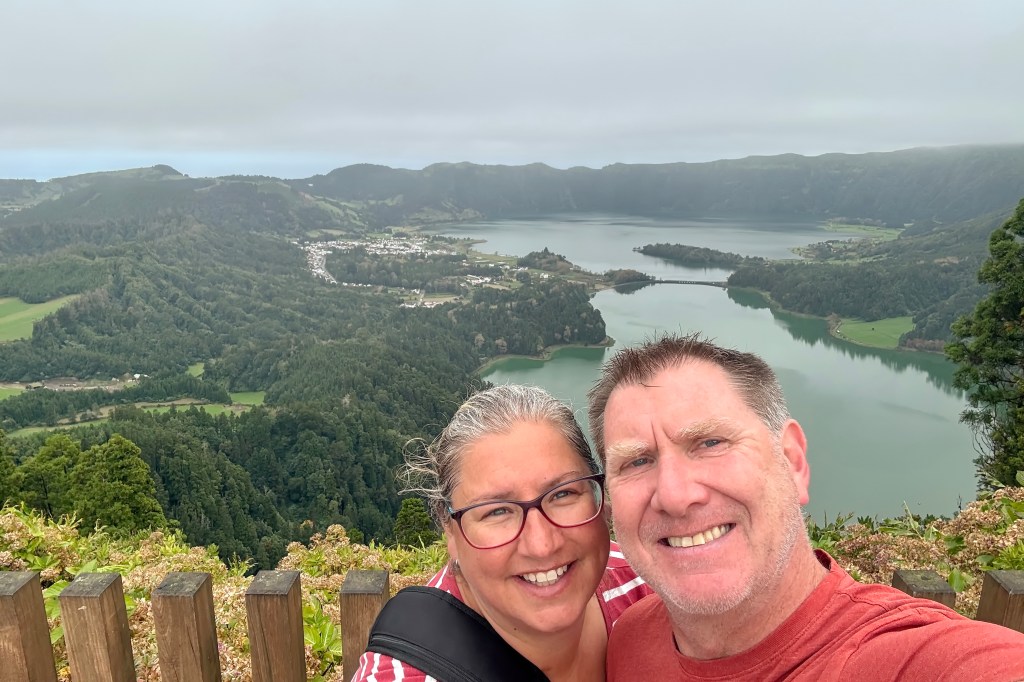
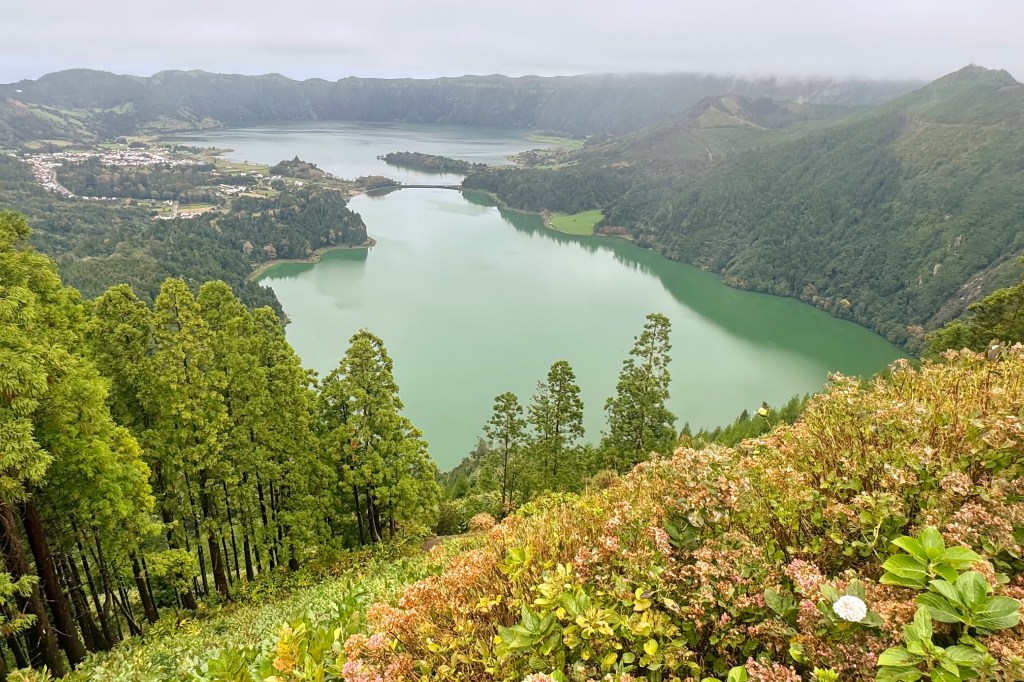
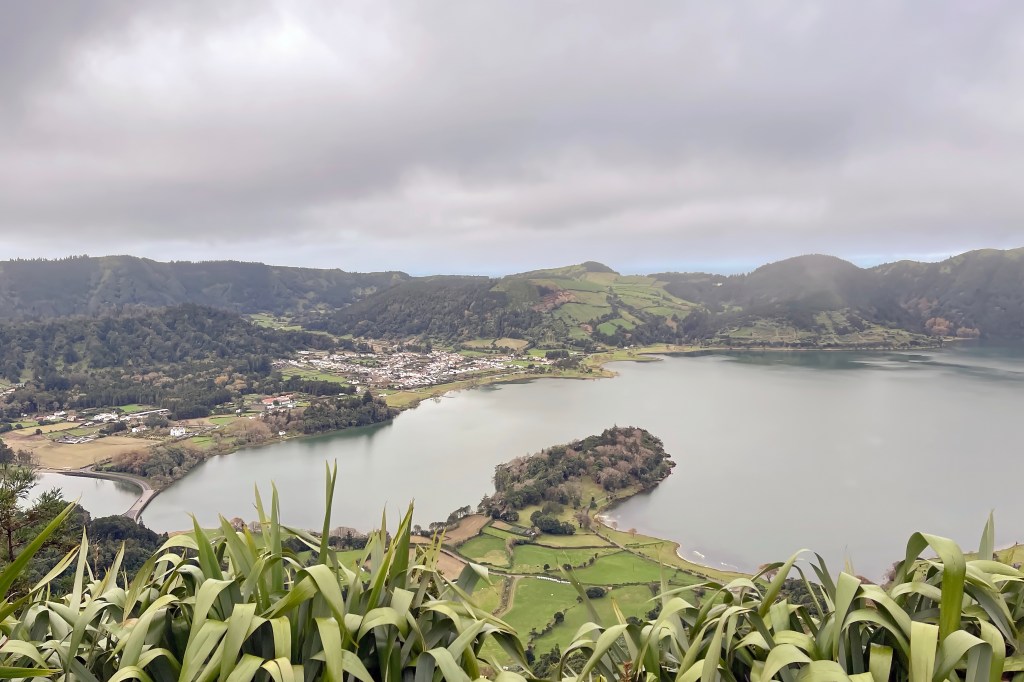
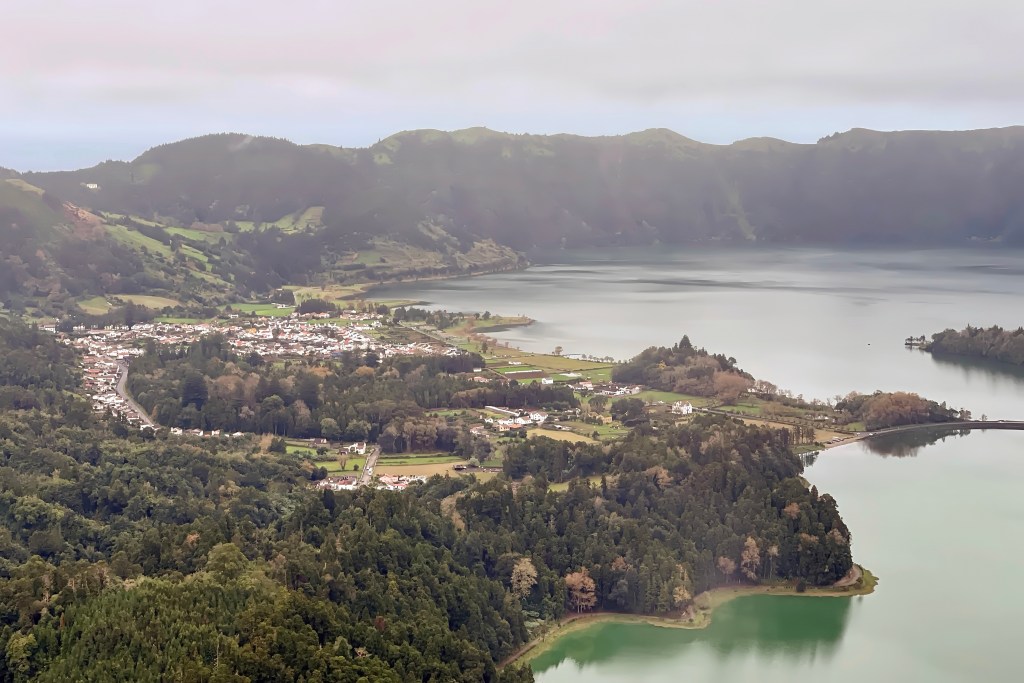
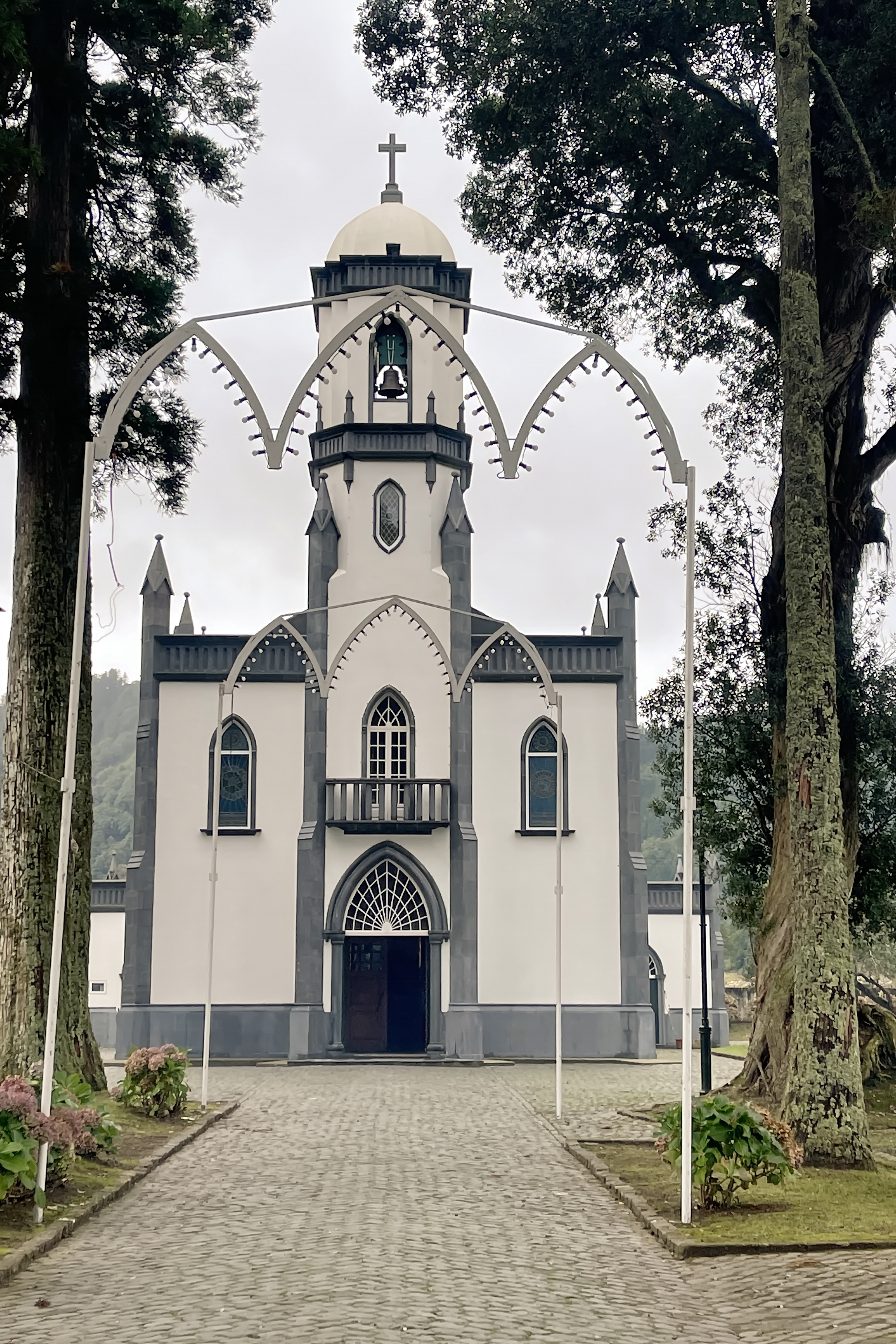
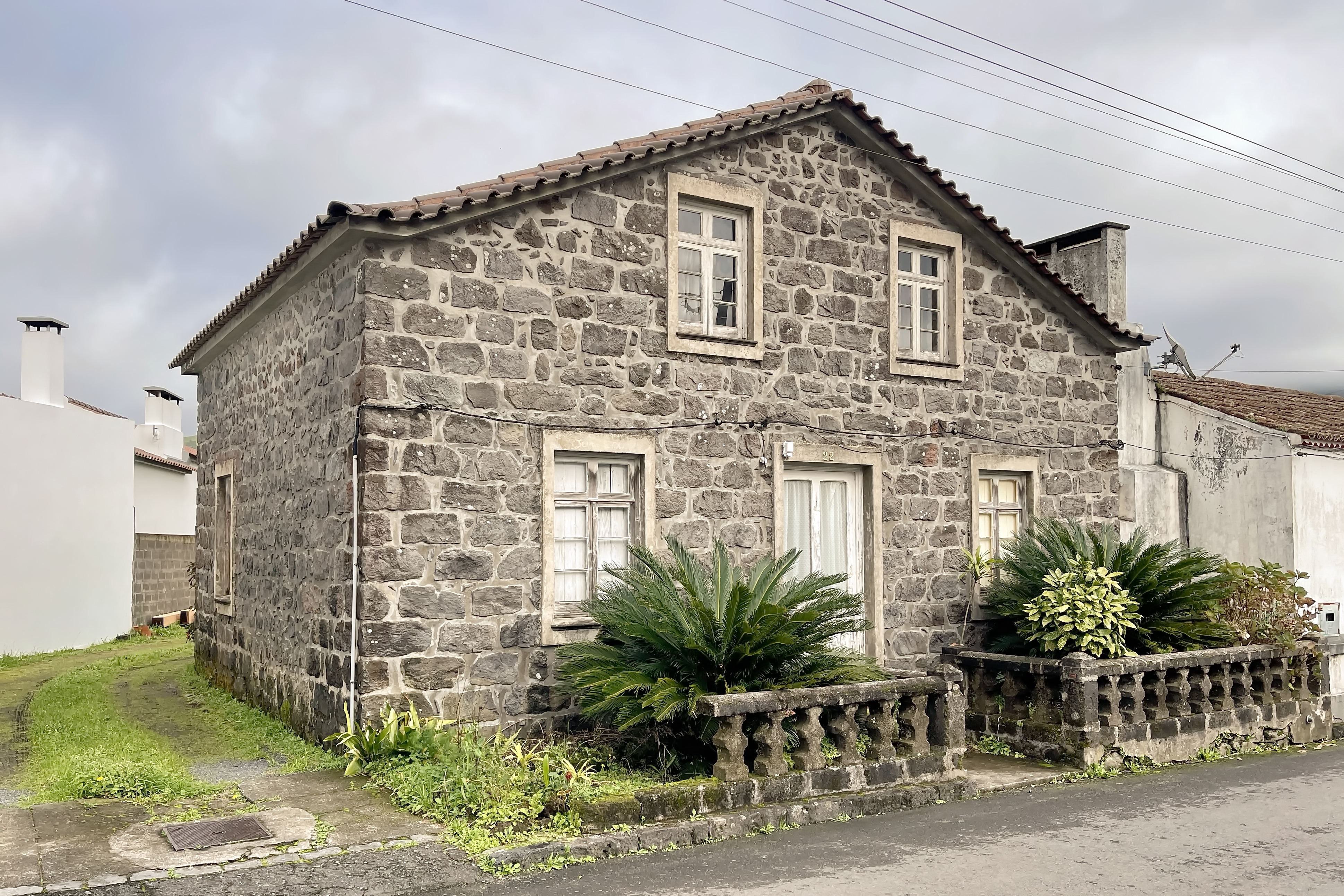
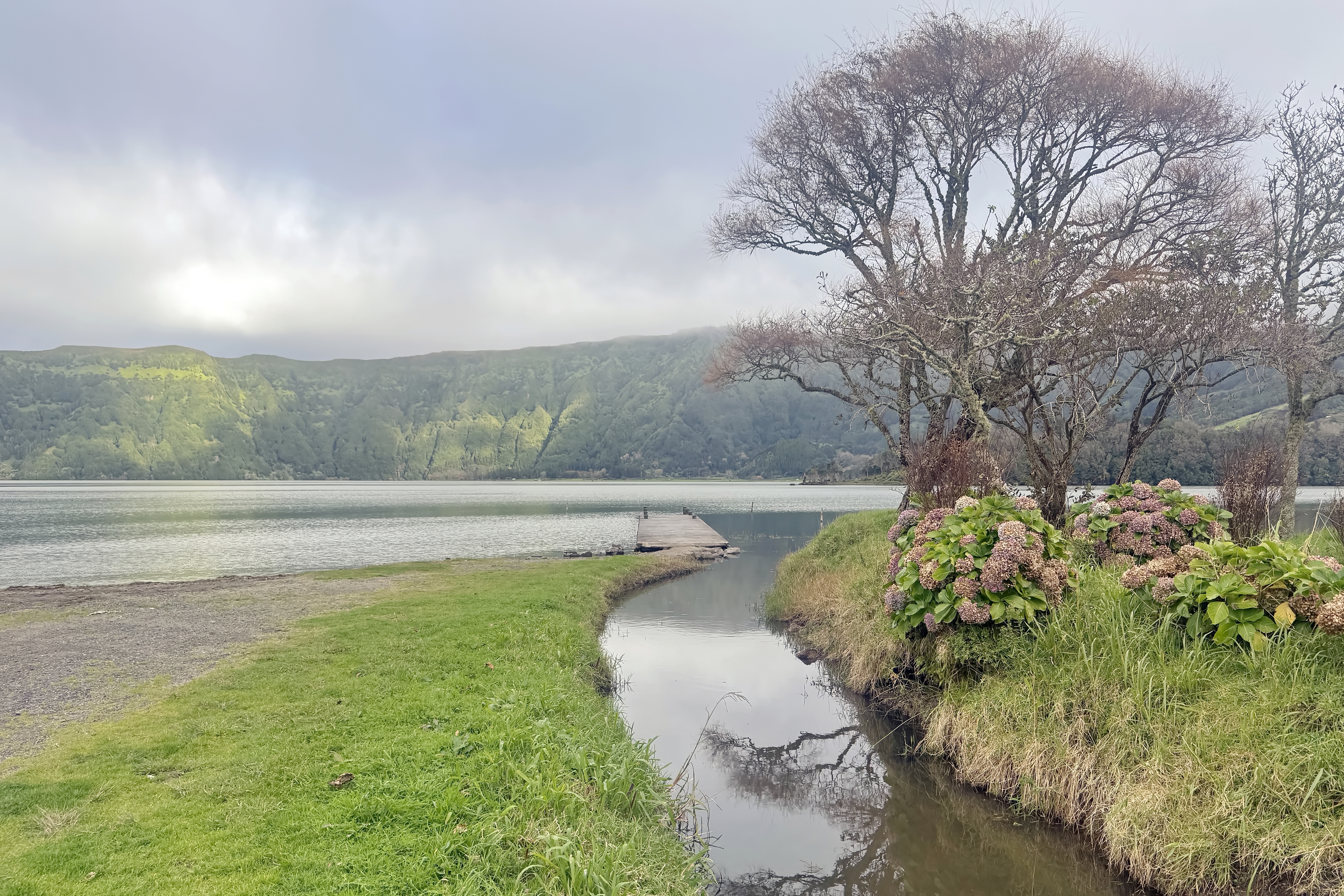
The town of Sete Cidades felt small and gentle, the kind of place where time seems to move at its own unhurried pace. Life here still revolves around the lakes the way it has for generations, and the solid stone houses carry quiet echoes of the past. At the centre stands the Church of São Nicolau, its simple neo-Gothic façade framed by a neat row of cedars that guide you to the door. Before moving on, we wandered along a dirt path to the shoreline and just sat for a while, doing nothing at all except watching the light shift over the ridges of the caldera and listening to the soft lap of water at our feet.

Sete Cidades is often called the most beautiful spot in the Azores, and it’s easy to see why. But what stayed with us wasn’t only the view—it was the feeling of being somewhere gentle and unchanged, where nature still sets the rhythm and the rest of the world feels very far away.
T – Thermal Baths
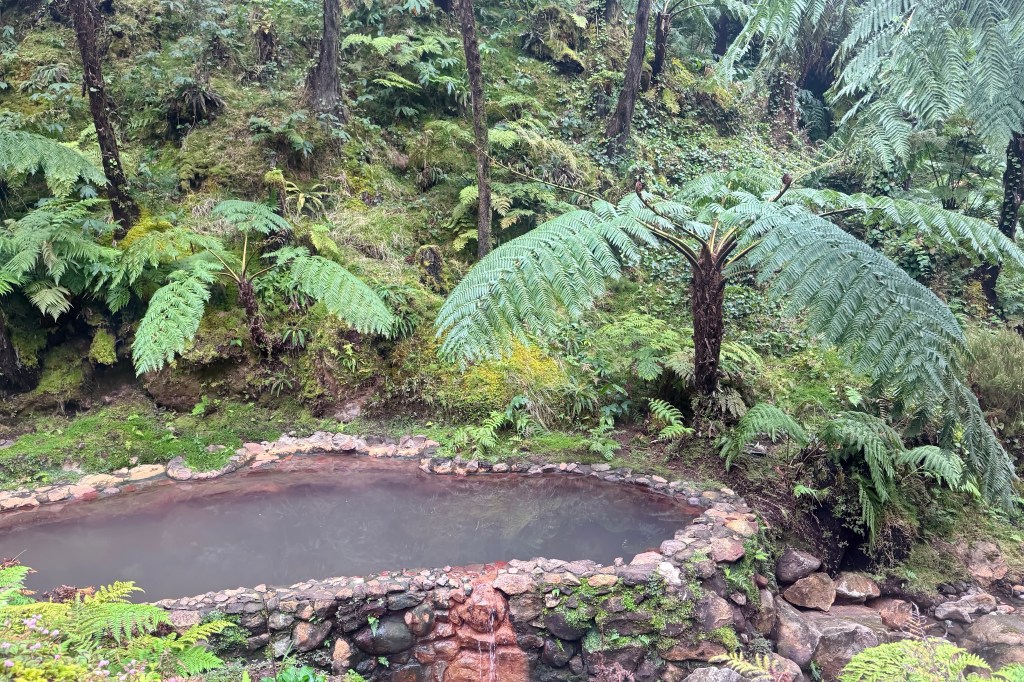
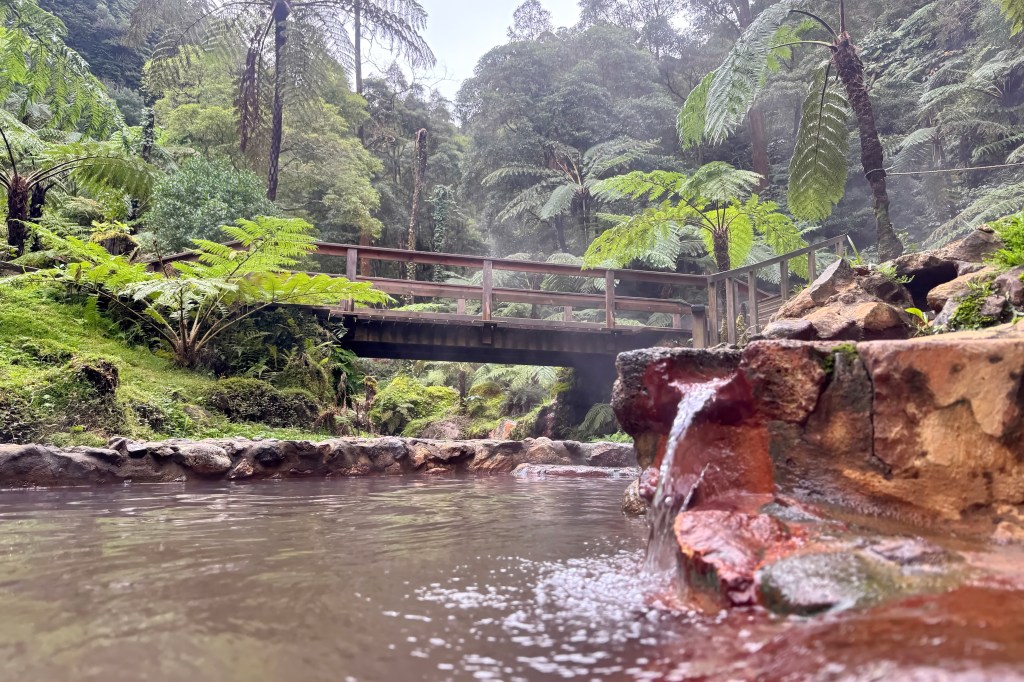
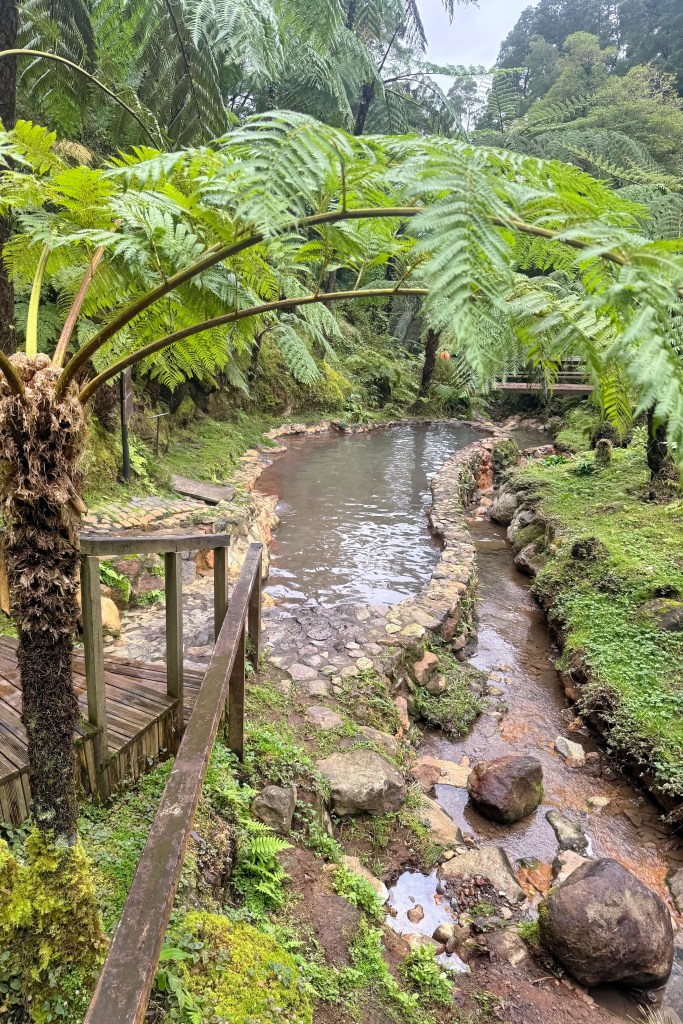
There are moments in travel that stay vivid long after the trip—not because they were loud or flashy, but because they were quiet, unexpected, and entirely ours. Our morning at the Caldeira Velha thermal baths was exactly that kind of experience. Hidden inside a lush, rainforest-like forest, Caldeira Velha feels less like an attraction and more like a secret corner of the island, where mineral-rich waters slip gently over moss-covered rock beneath a cathedral of green.
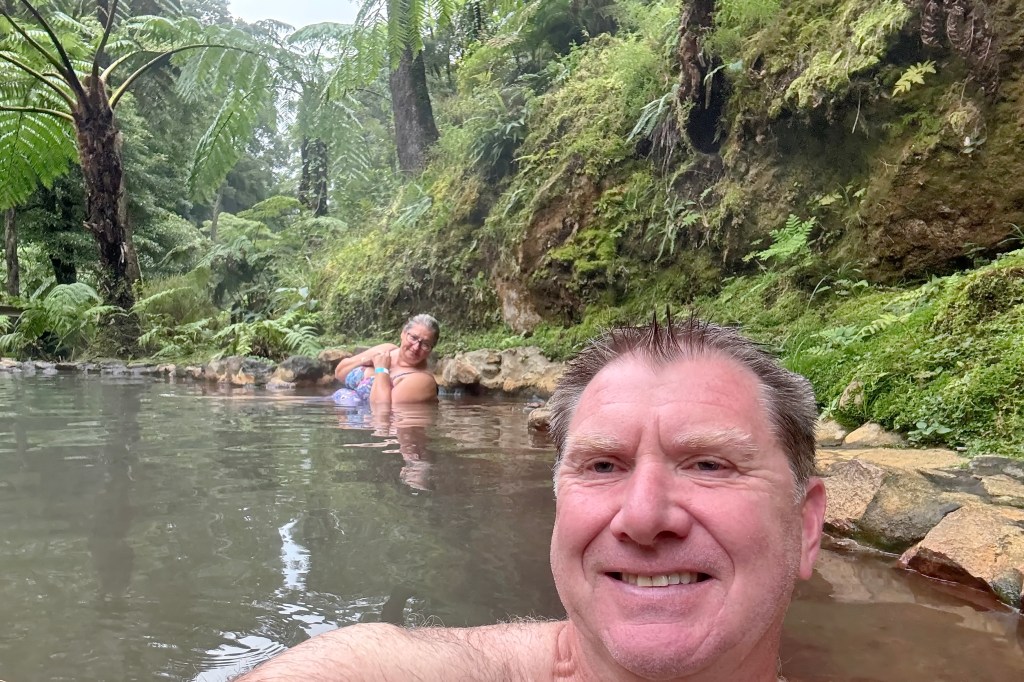
Visitor numbers are carefully limited, so booking ahead is essential. We chose the earliest time slot, arriving just as the first soft light filtered through the treetops. The path to the pools was cool and still, and to our delight we found we had the whole place to ourselves—a rare gift at one of Sao Miguel’s most beloved natural sites.
The air carried a faint scent of iron, mixed with the earthy sweetness of the forest. Steam curled lazily from the water, and each pool was framed by ferns, moss, and dark volcanic stone. Slipping into the warmth was instantly calming; the outside world faded as we soaked in the gentle sounds of dripping water and birds hidden somewhere high above.
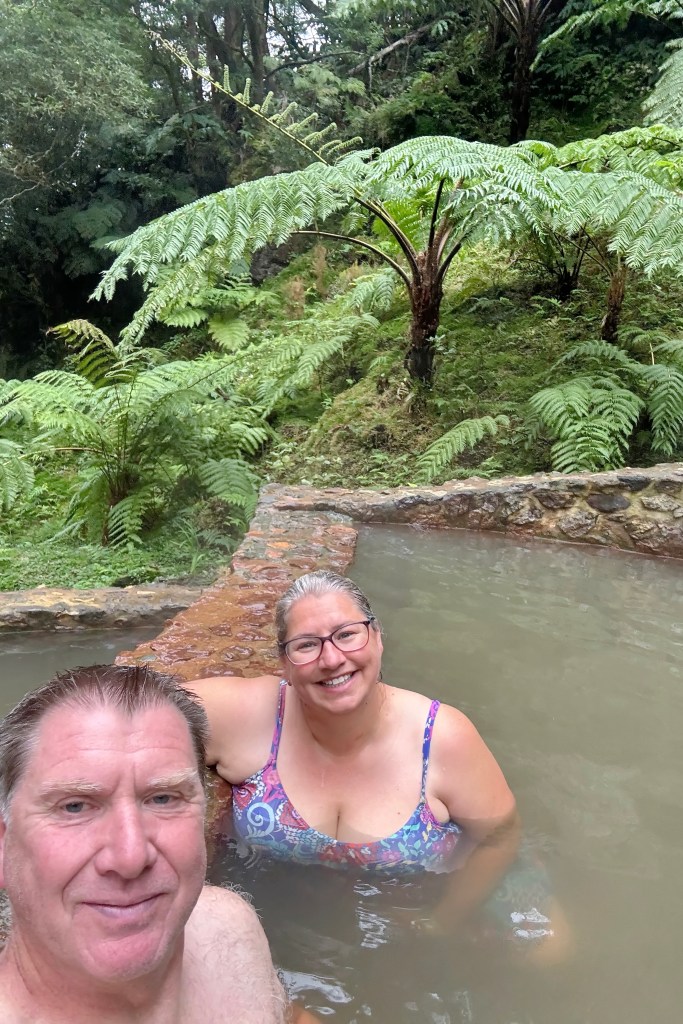
After a while we followed the trail to the cooler pool at the base of the waterfall. The change in temperature was bracing in the best way, and sitting beneath the falling water felt almost dreamlike, the cascade echoing through the quiet trees. It was one of those simple, immersive moments that remind you why you travel in the first place.
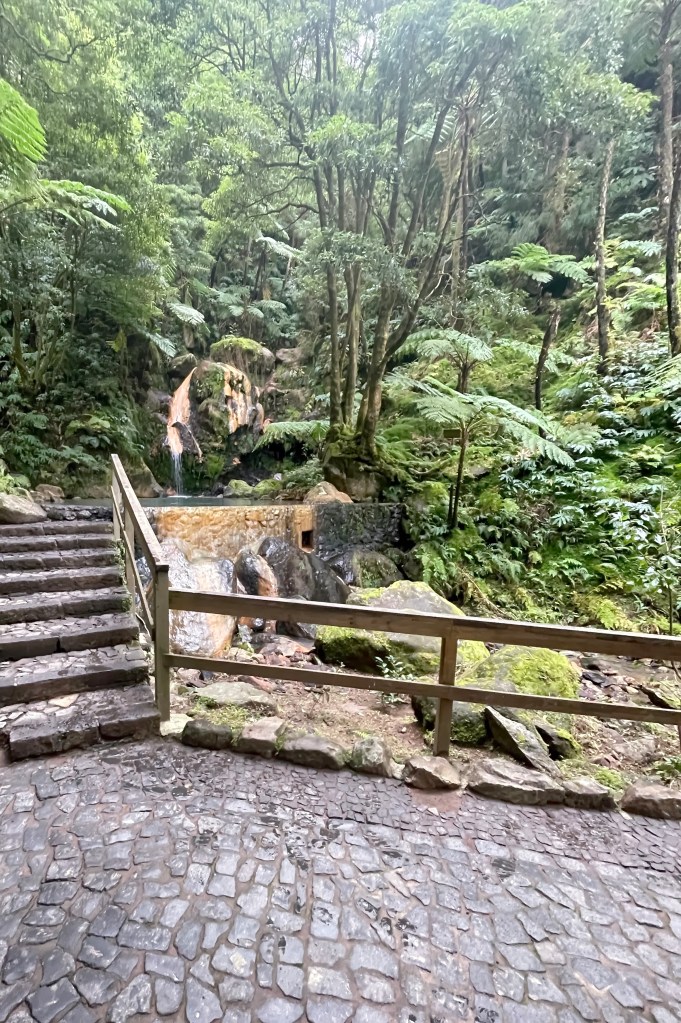
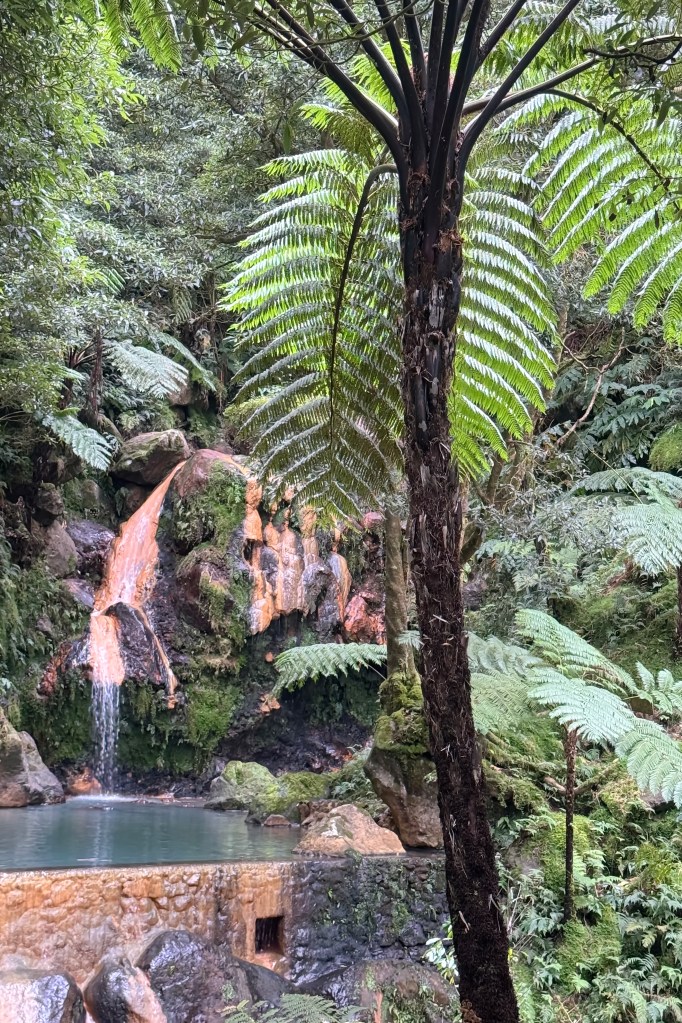
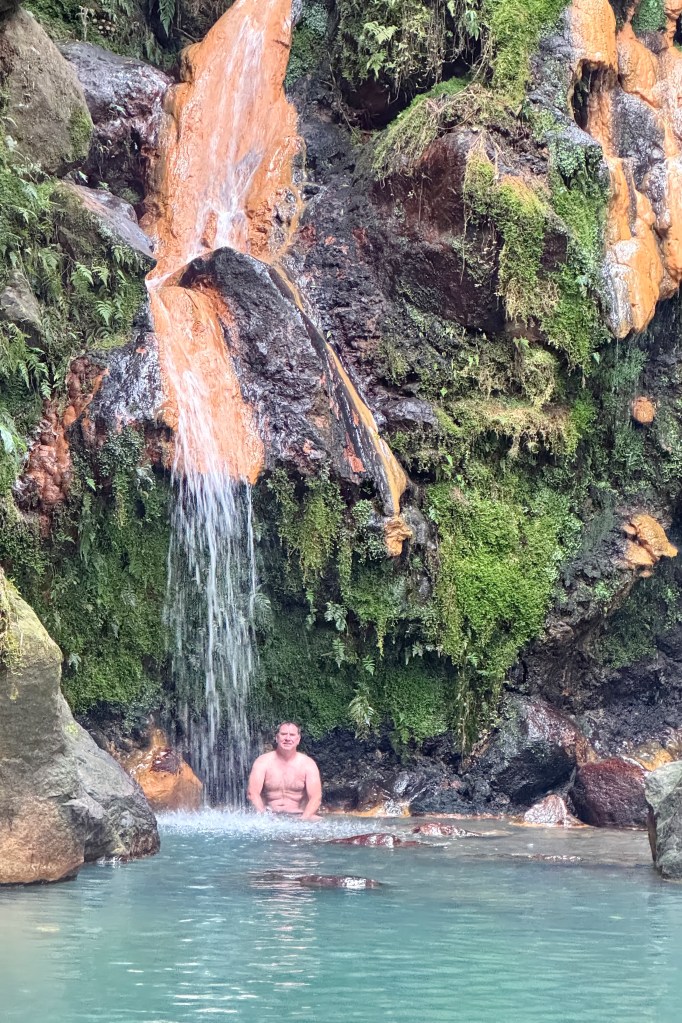
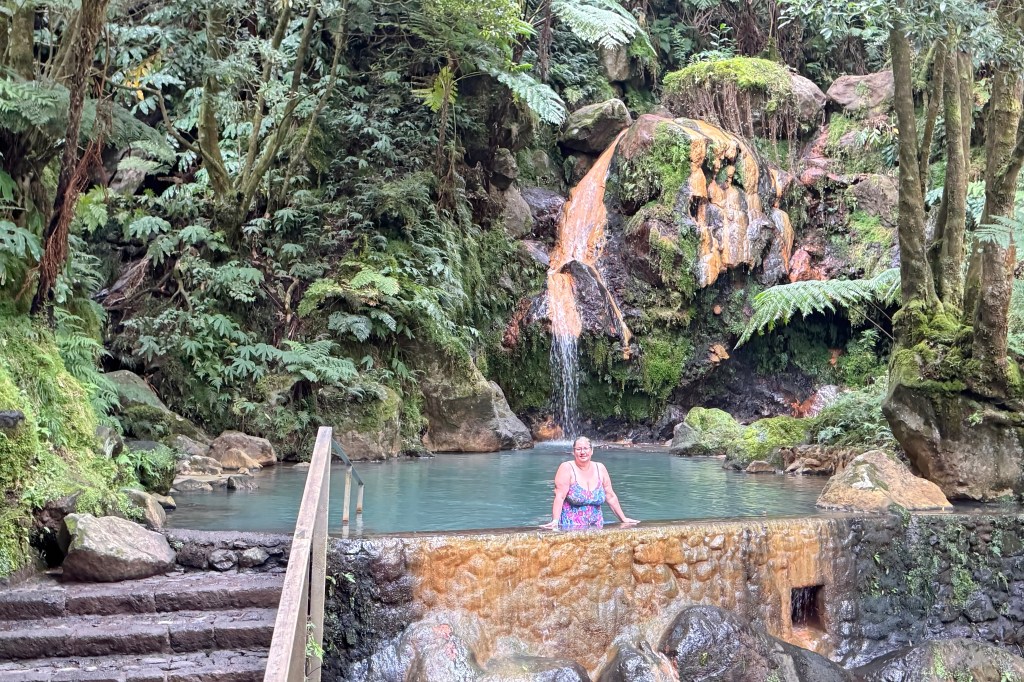
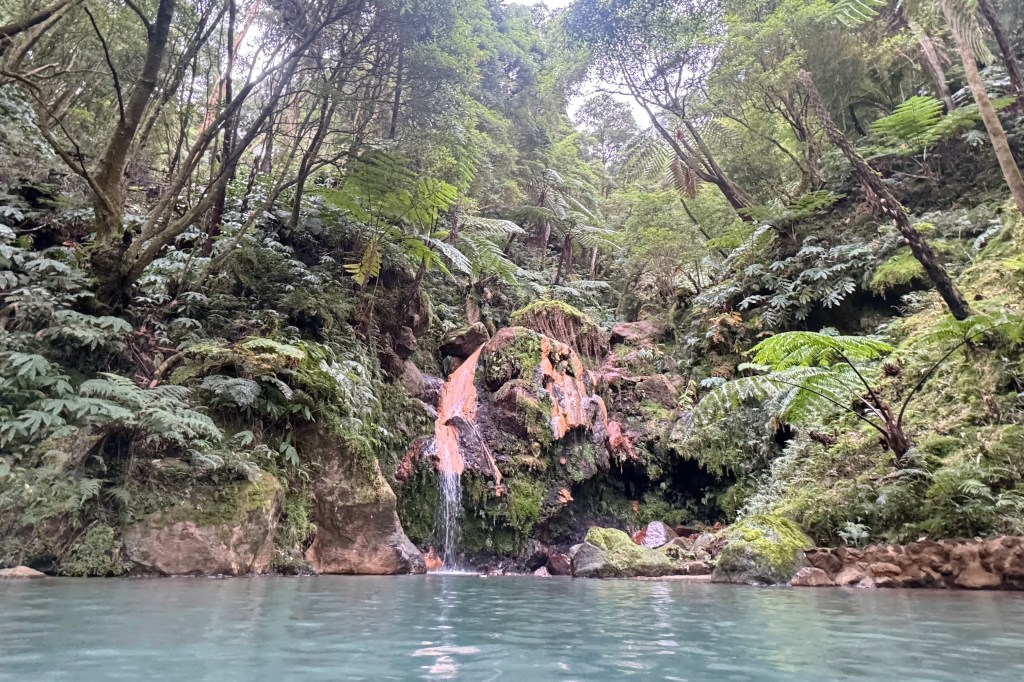
What made Caldeira Velha unforgettable wasn’t just the thermal waters or the beautiful setting—it was experiencing it before the day had woken up, with nothing but the forest for company. Those unhurried, golden minutes turned a planned stop on our itinerary into one of our favourite memories.
V – Volcanic History
The volcanic history of Sao Miguel is written everywhere you look—from dramatically cooled lava flows and black-sand beaches along the coast to the steep-sided craters and deep, glassy lakes scattered across the island’s interior. It’s a landscape that feels both powerful and alive, as though the earth is still quietly breathing beneath your feet.
One of the more mysterious traces of this past can be found in the ancient cart ruts etched into solid rock—long, emphatic parallel grooves whose origins remain uncertain. No one knows exactly what they were for. Theories range from the transport of materials to early farming or agricultural practices, but standing beside them it was impossible not to let the imagination wander. Running a hand along those worn lines, we found ourselves picturing generations long gone, moving through this same rugged terrain with purpose we can only guess at.
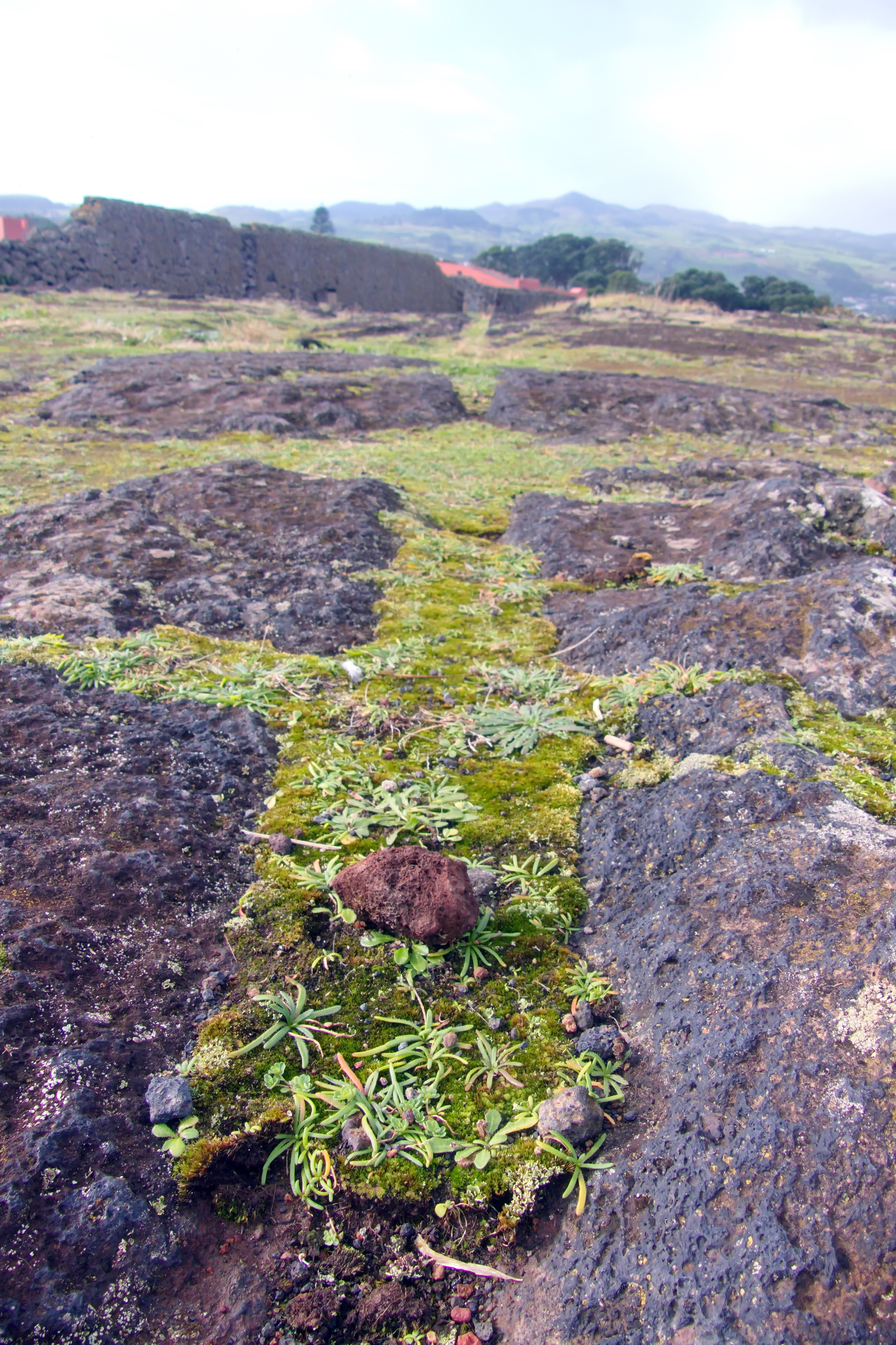
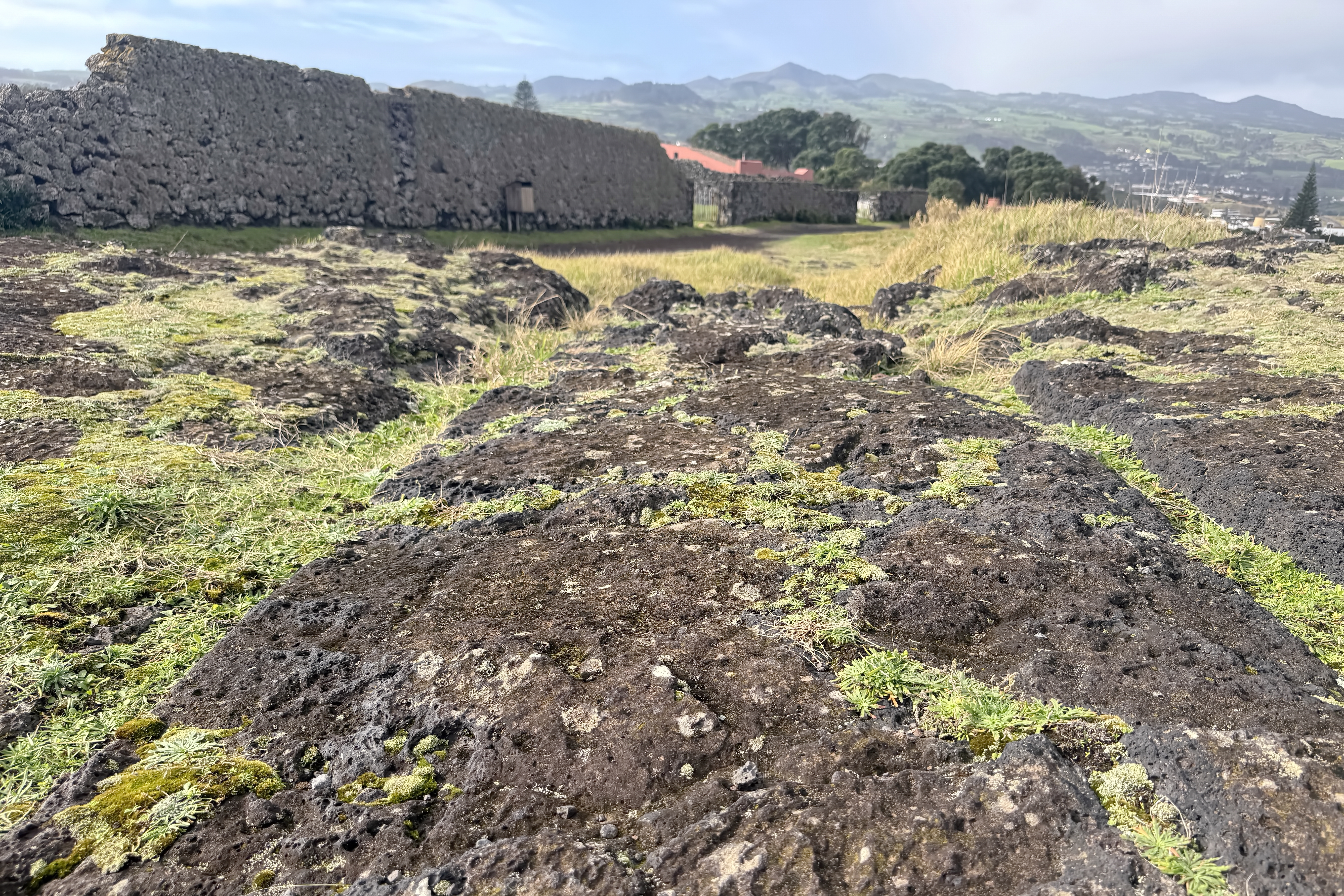
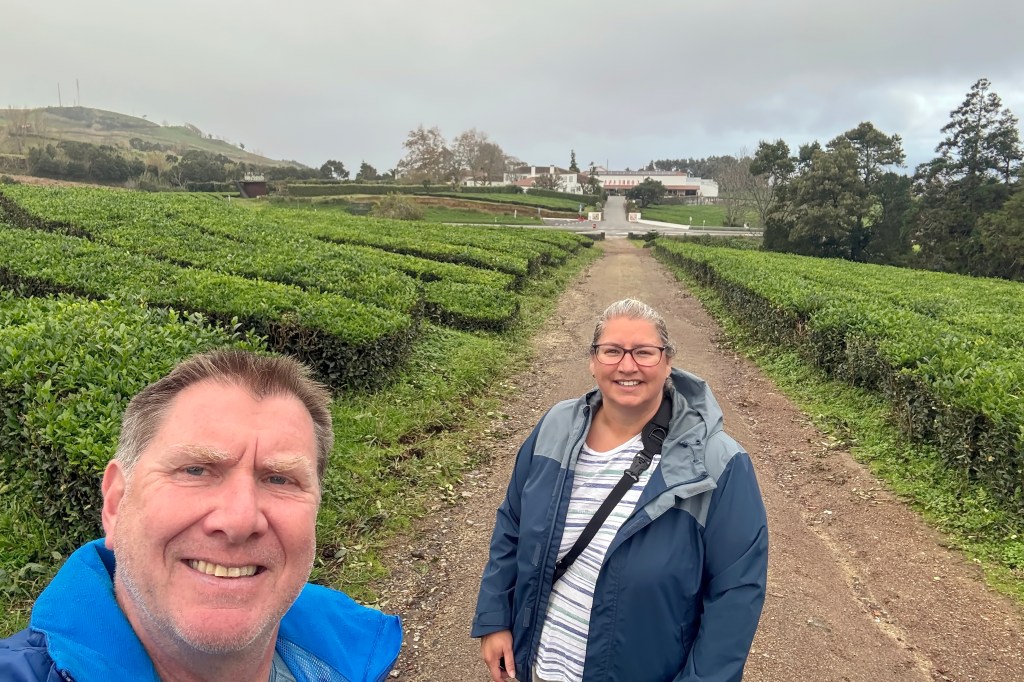
What struck us most, though, was how much the island’s volcanic nature still shapes everyday life. The rich, red soils beneath the Gorreana tea plantation—formed from centuries of weathered ash and basalt—create the perfect environment for Europe’s oldest tea fields to thrive. In Furnas and other spots, steaming fumaroles and bubbling springs are put to delicious use, slowly cooking traditional meals underground in the natural heat of the earth. Even the dark lava stone has been woven into daily living, stacked into low walls that divide fields from wind and wandering cattle, and built into the sturdy houses that line village streets.
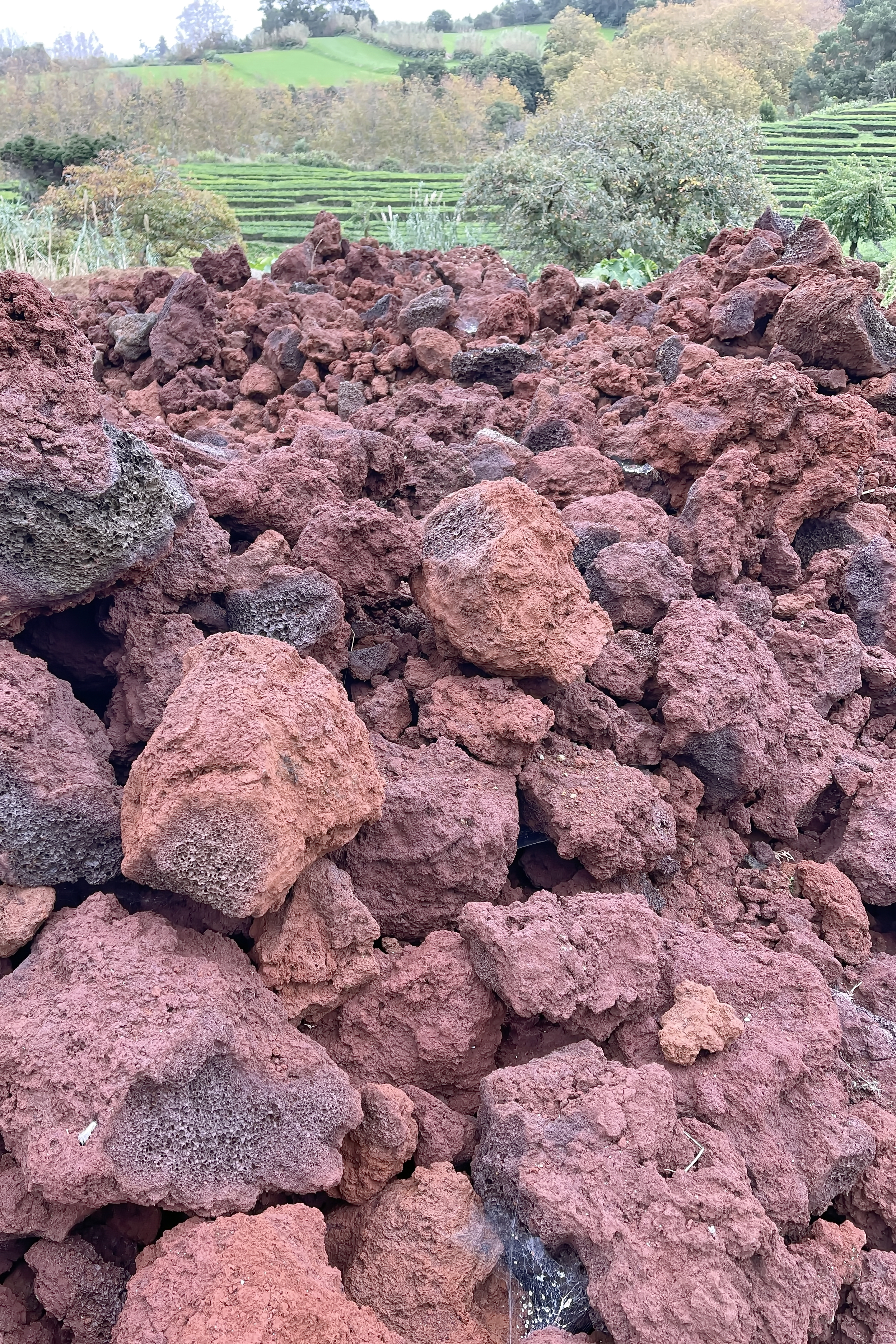
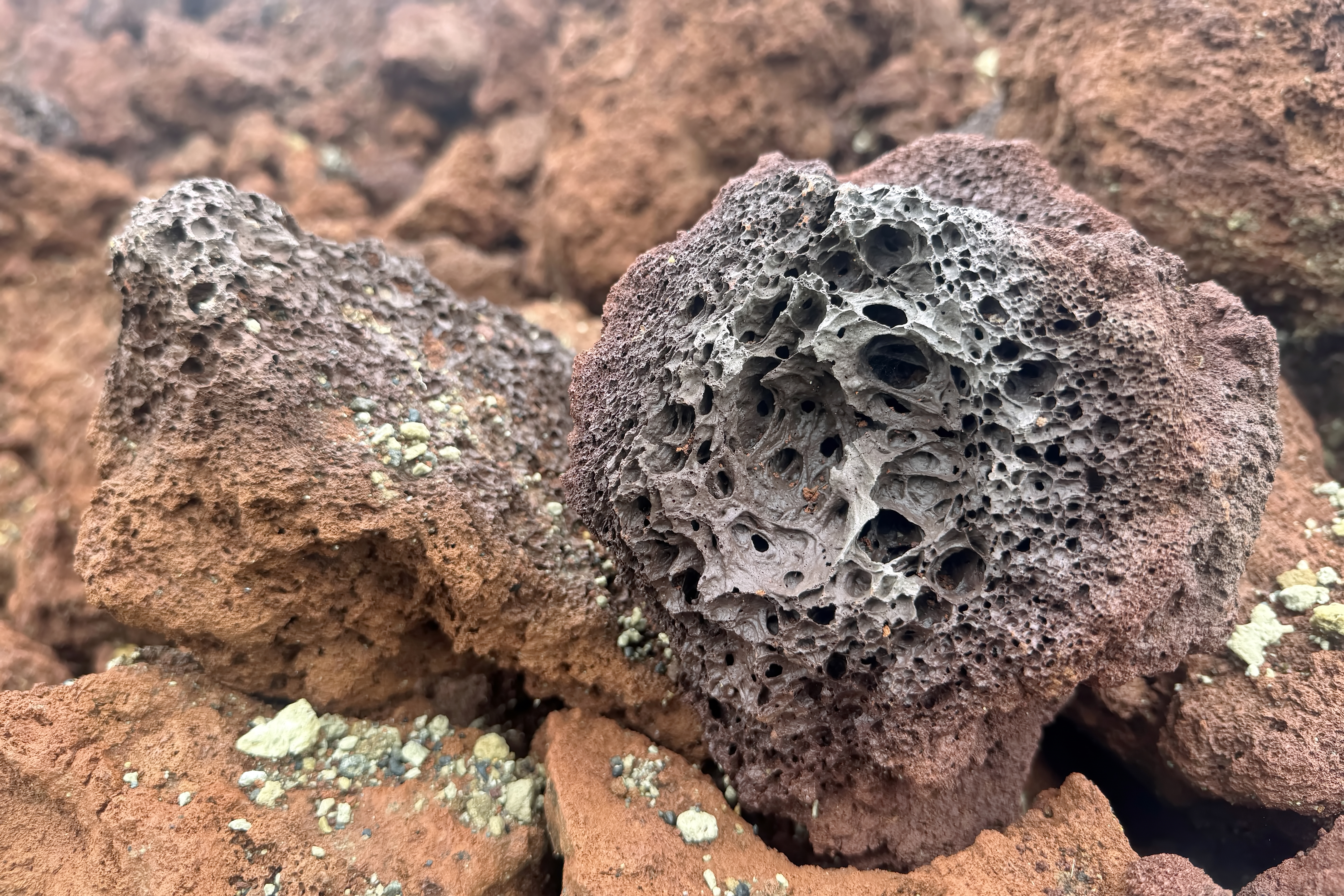
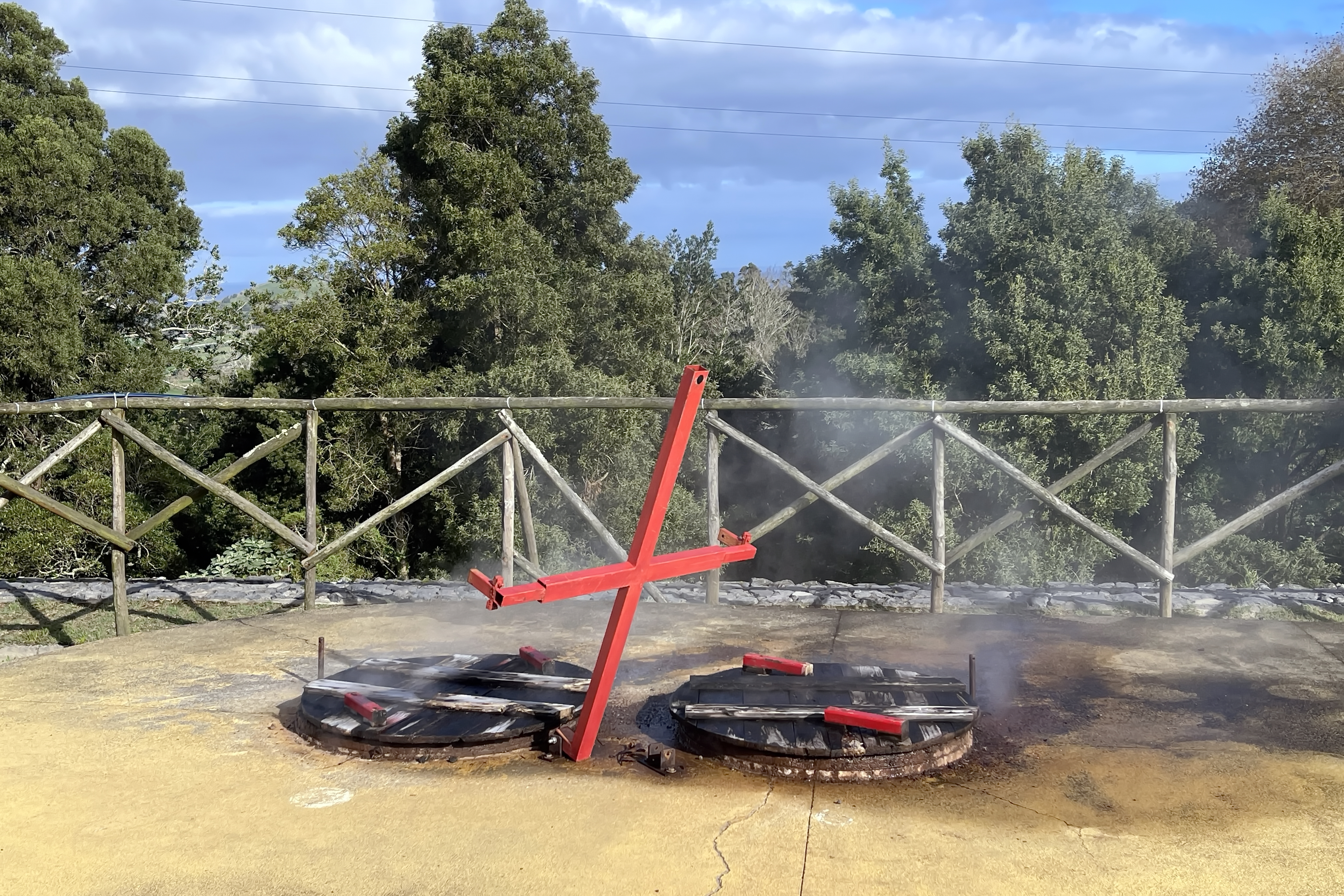
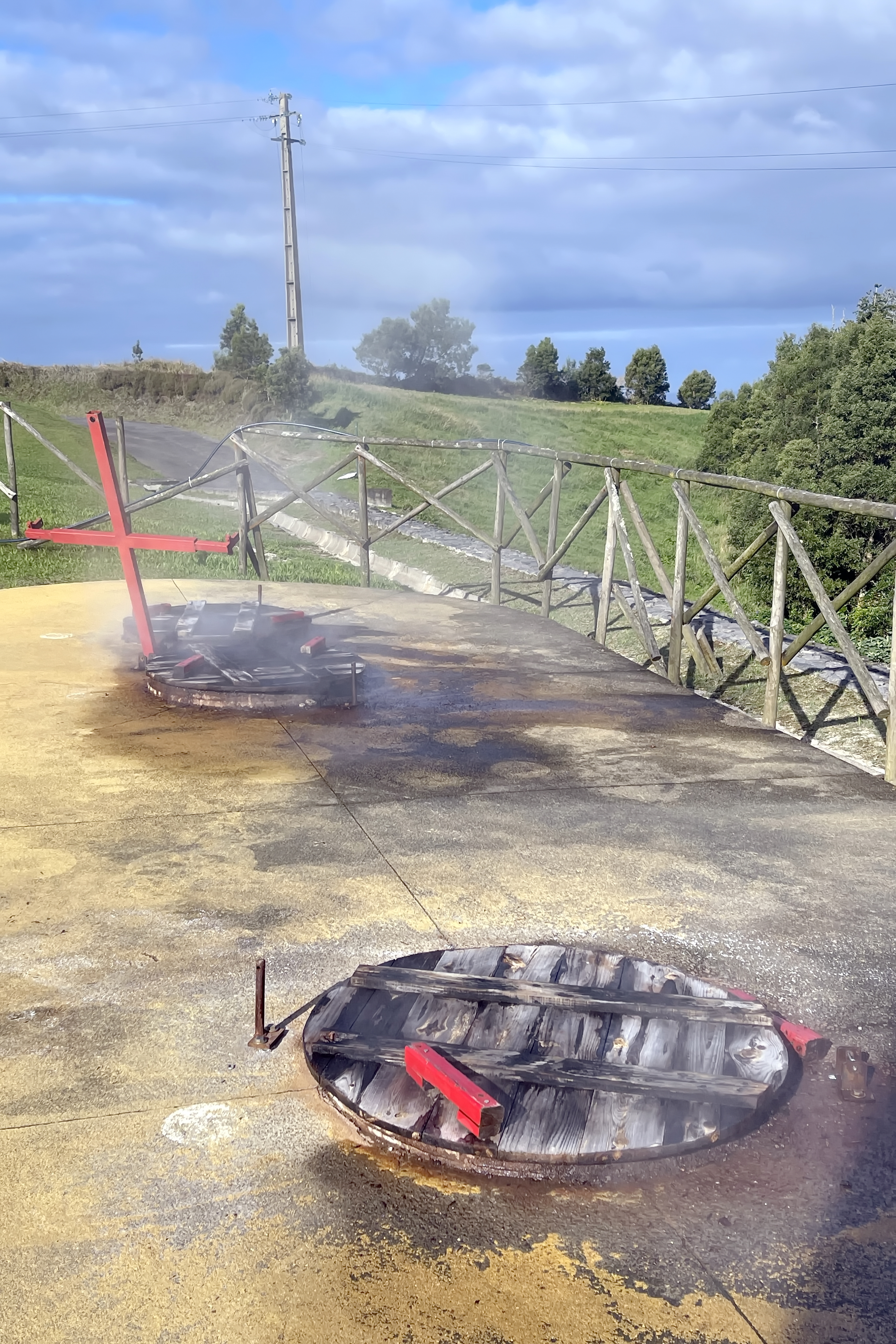
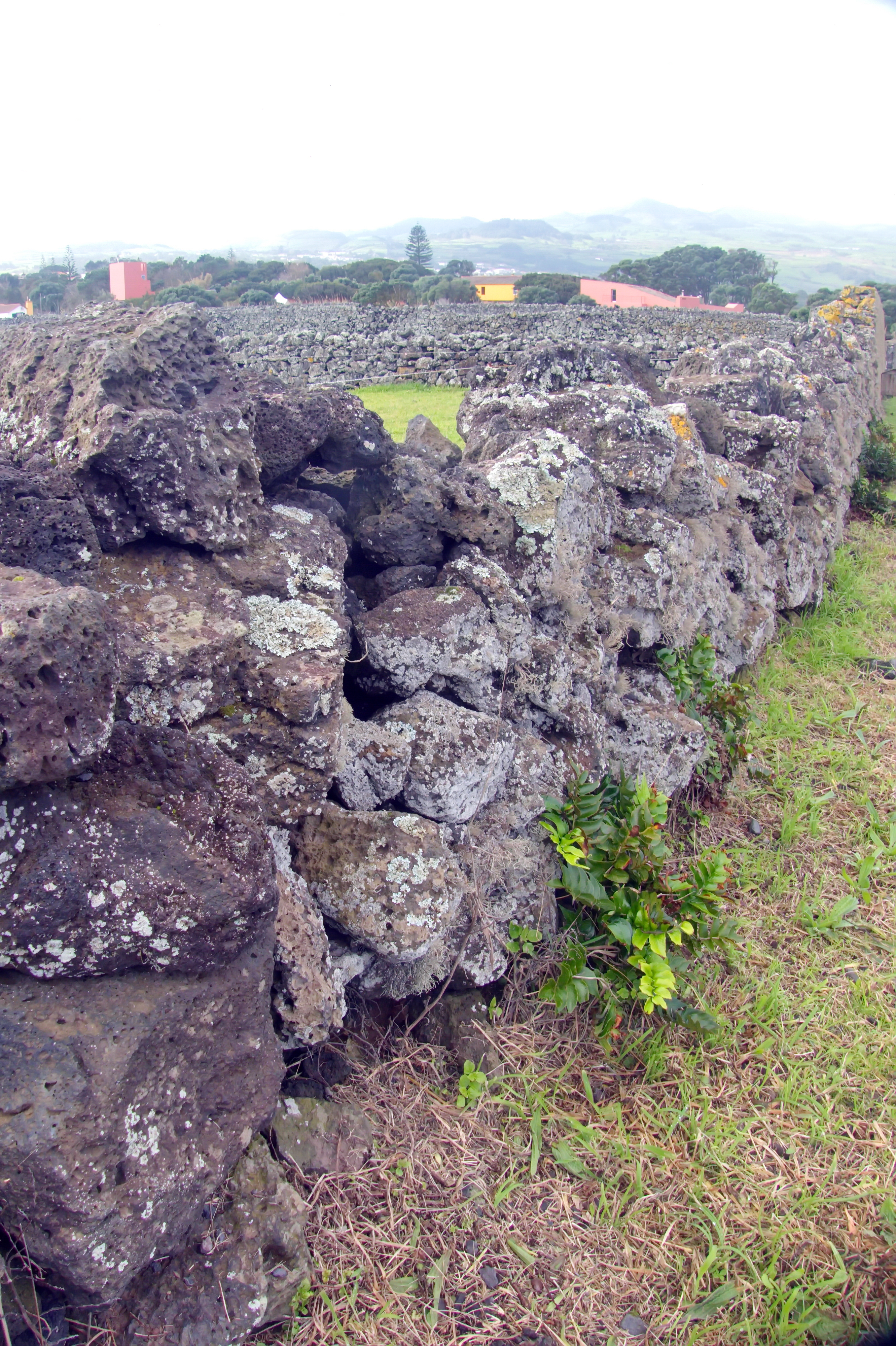
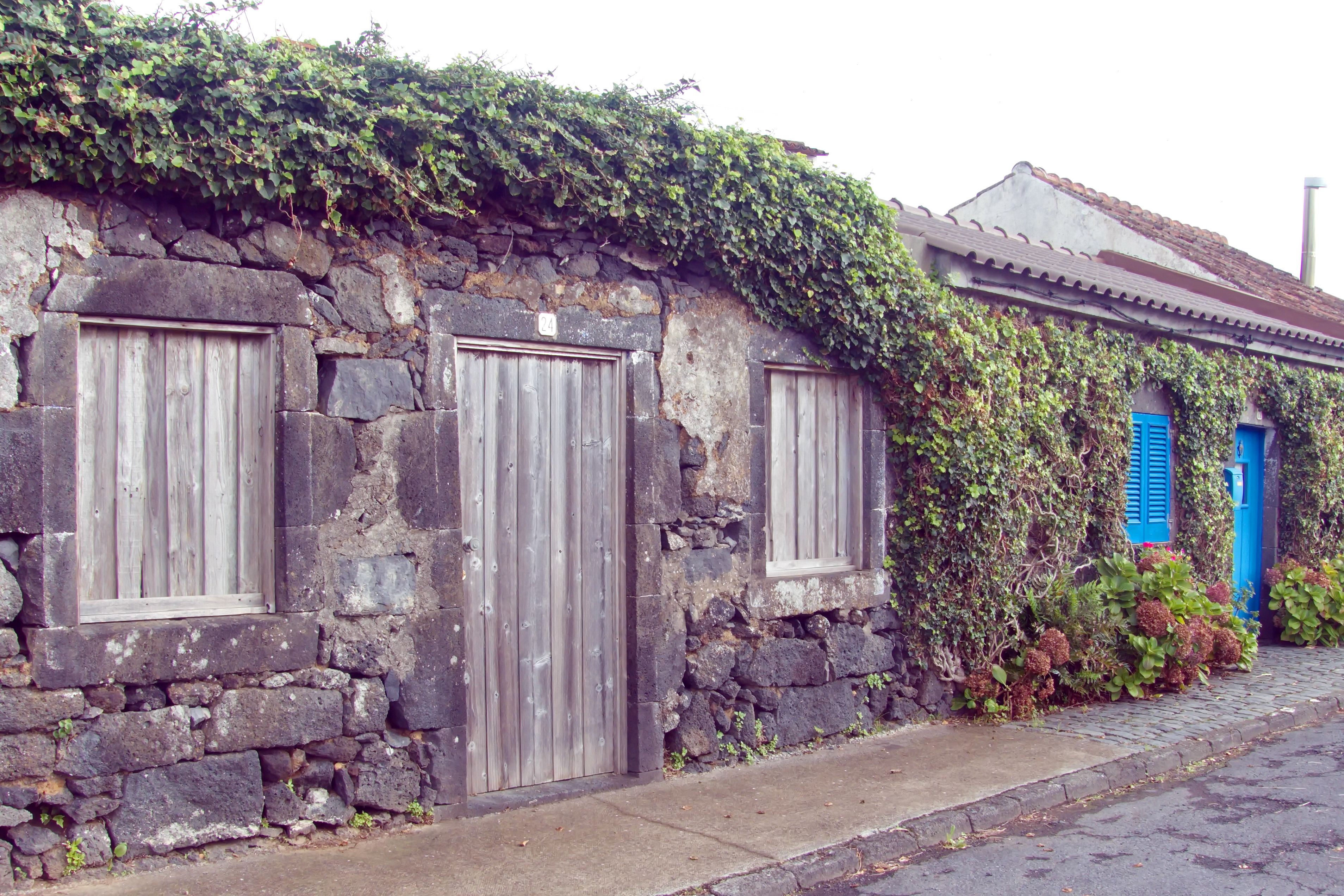
Sao Miguel doesn’t feel like a place that has simply moved on from its fiery beginnings. Instead, it lives in quiet partnership with them. The volcanoes that once shaped the island continue to feed its soil, warm its water, and give character to its towns—a reminder that here, history isn’t something locked in the past, but part of the rhythm of life today.
W – Waterfall
The temperate, high-humidity climate of Sao Miguel, combined with its steep volcanic ridges and ancient craters, creates perfect conditions for waterfalls. One of the most memorable we visited was Salto do Cabrito—a cascade tucked into the island’s lush interior, with an unexpected little surprise waiting for us at its base.
From the parking lot, a narrow trail zigzagged sharply downhill through moss-draped trees, the air thick with humidity and the earthy scent of ferns and wet stone. With each turn the sound of rushing water grew louder, guiding us forward until the first glimpse of the falls appeared just beyond the old hydroelectric powerplant building—a reminder that even in such wild places, traces of human history linger.
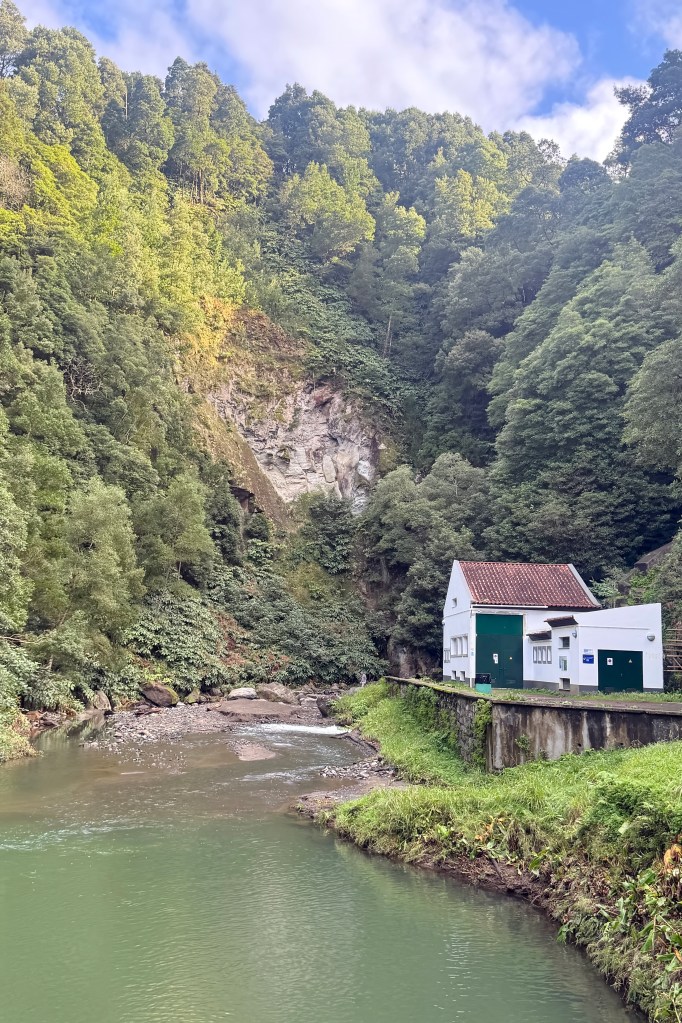
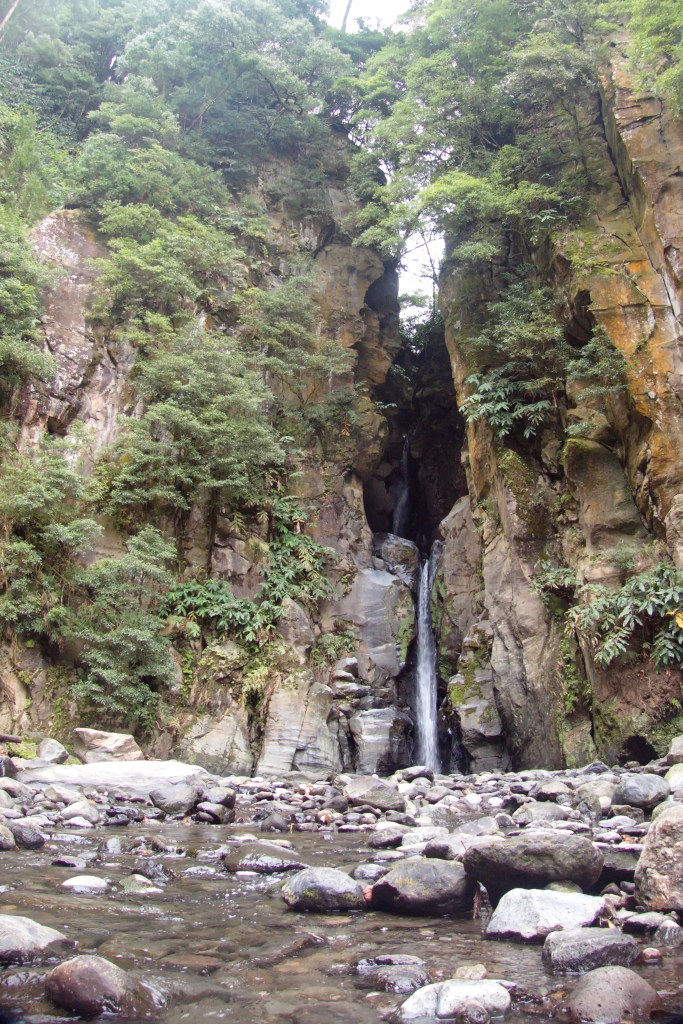
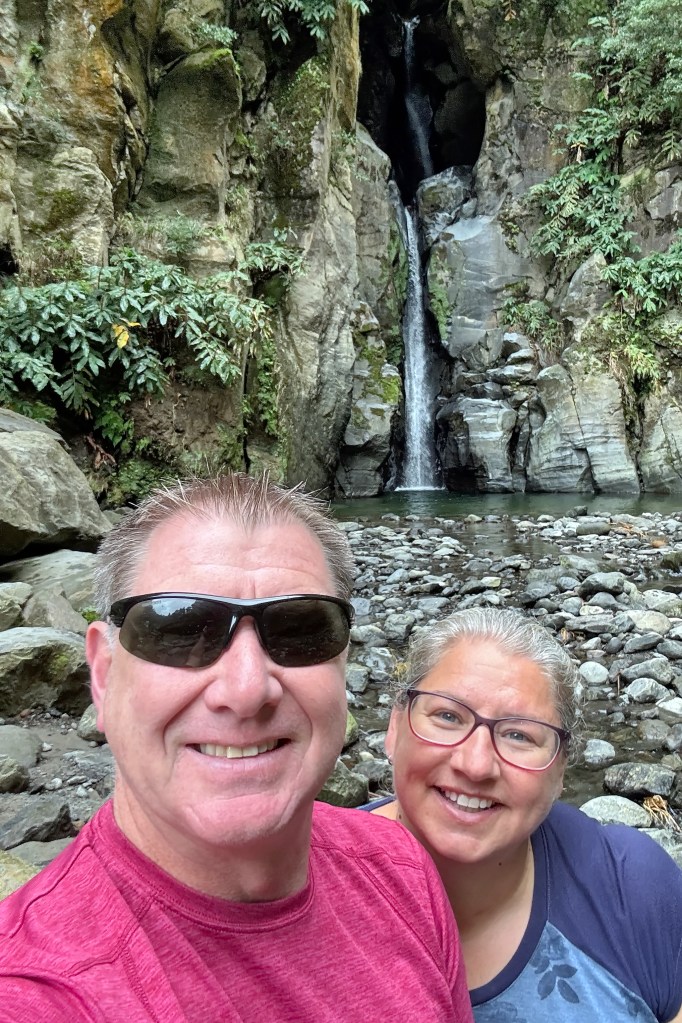
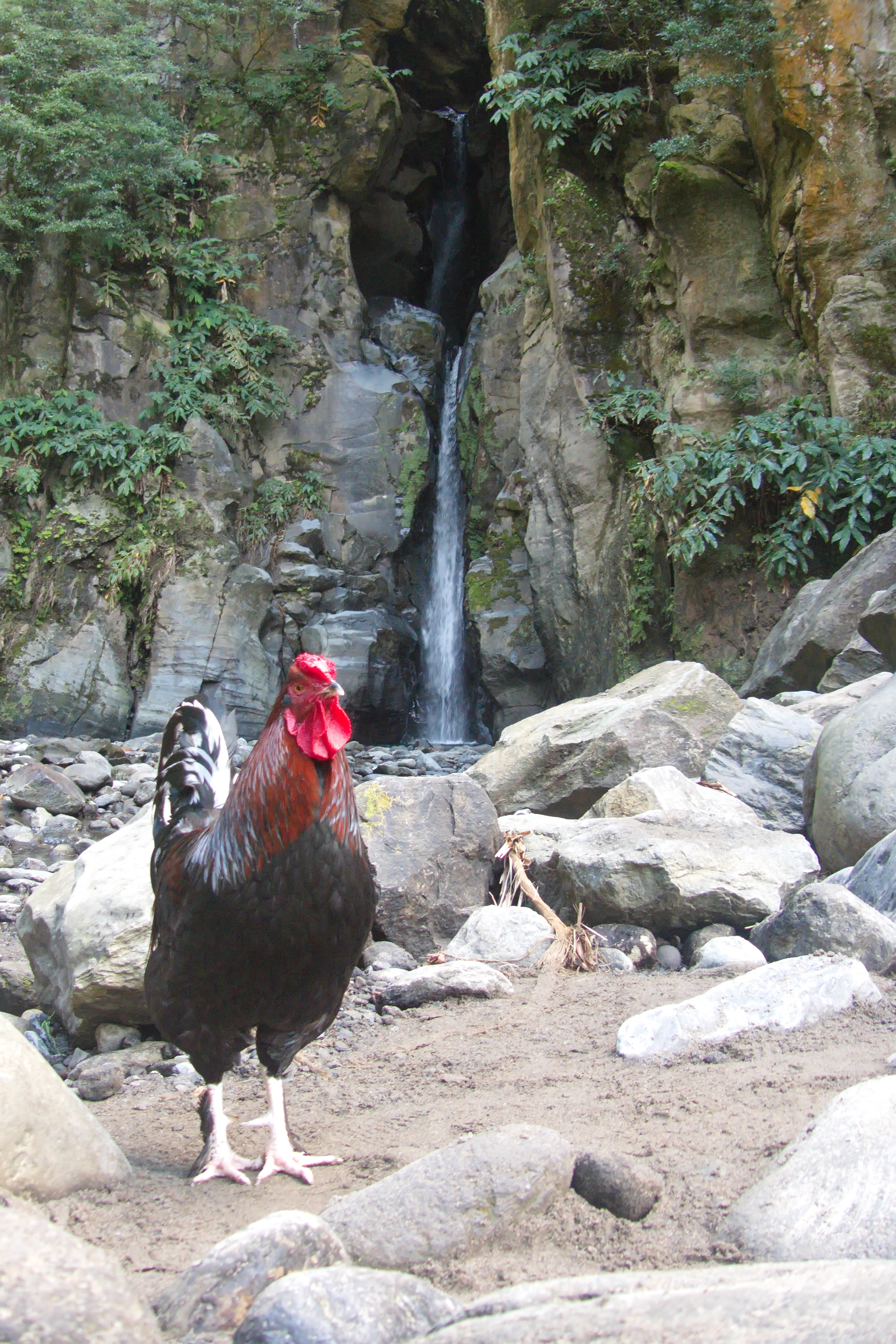
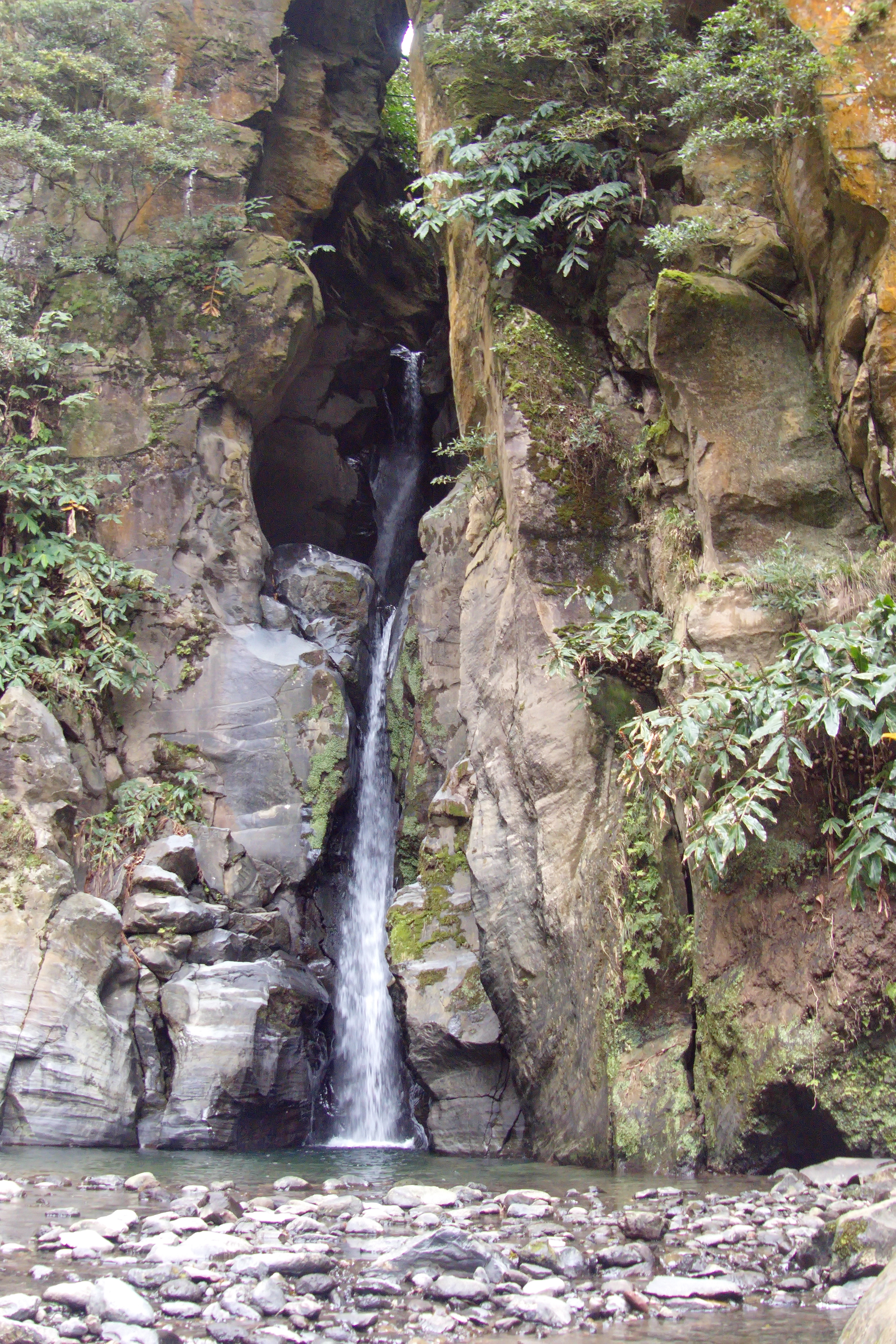
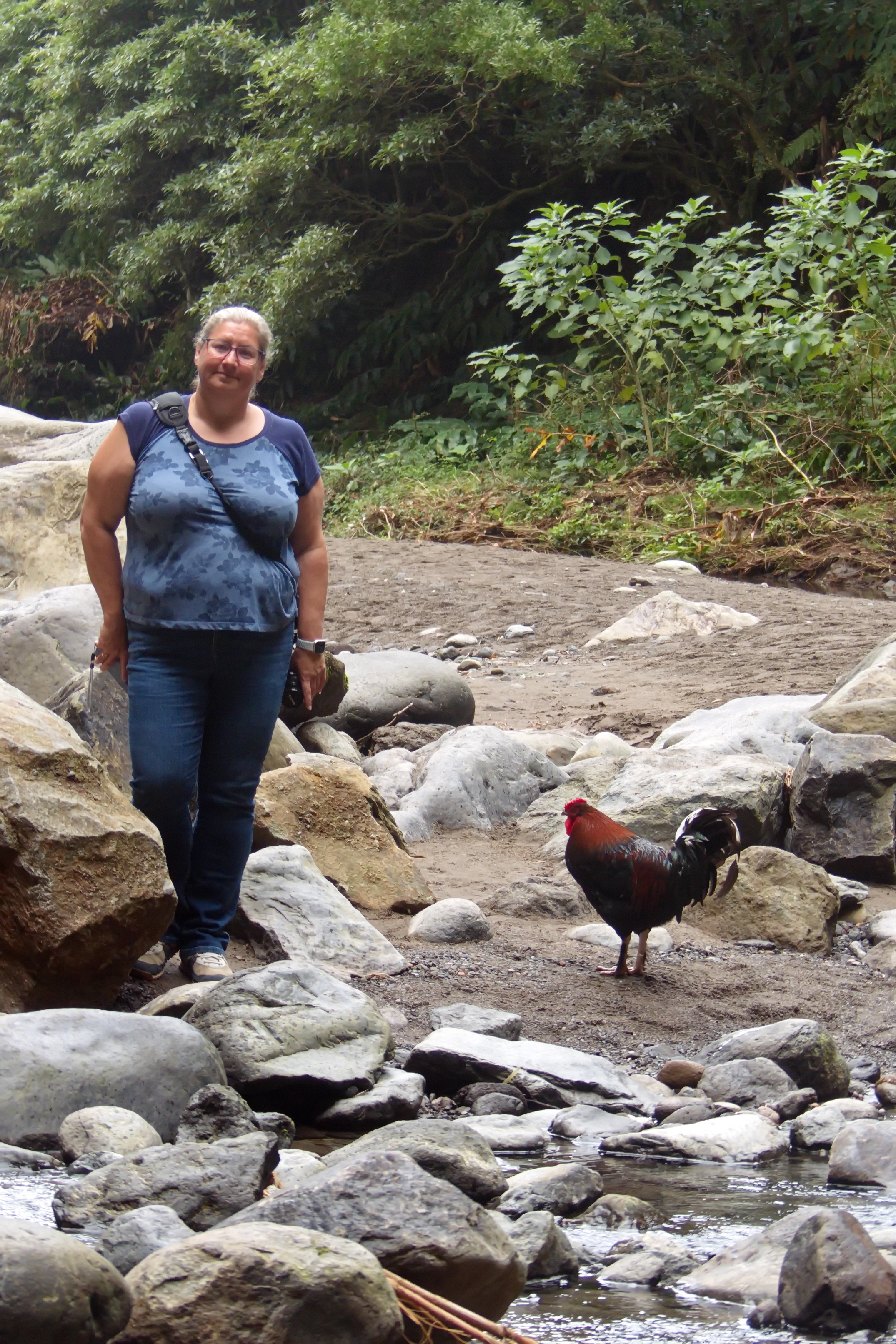
Salto do Cabrito is a powerful, multi-tiered cascade that plunges into a turquoise pool carved from dark volcanic rock. Sunlight filtered through the canopy, making the water sparkle, while a cool mist drifted up to settle on our skin. Standing at the base, the steady roar and spray was almost meditative, as if the waterfall was washing away more than just the heat of the day. And then came the surprise: a confident local rooster, casually wandering among the rocks as though he were the official guardian of the falls.
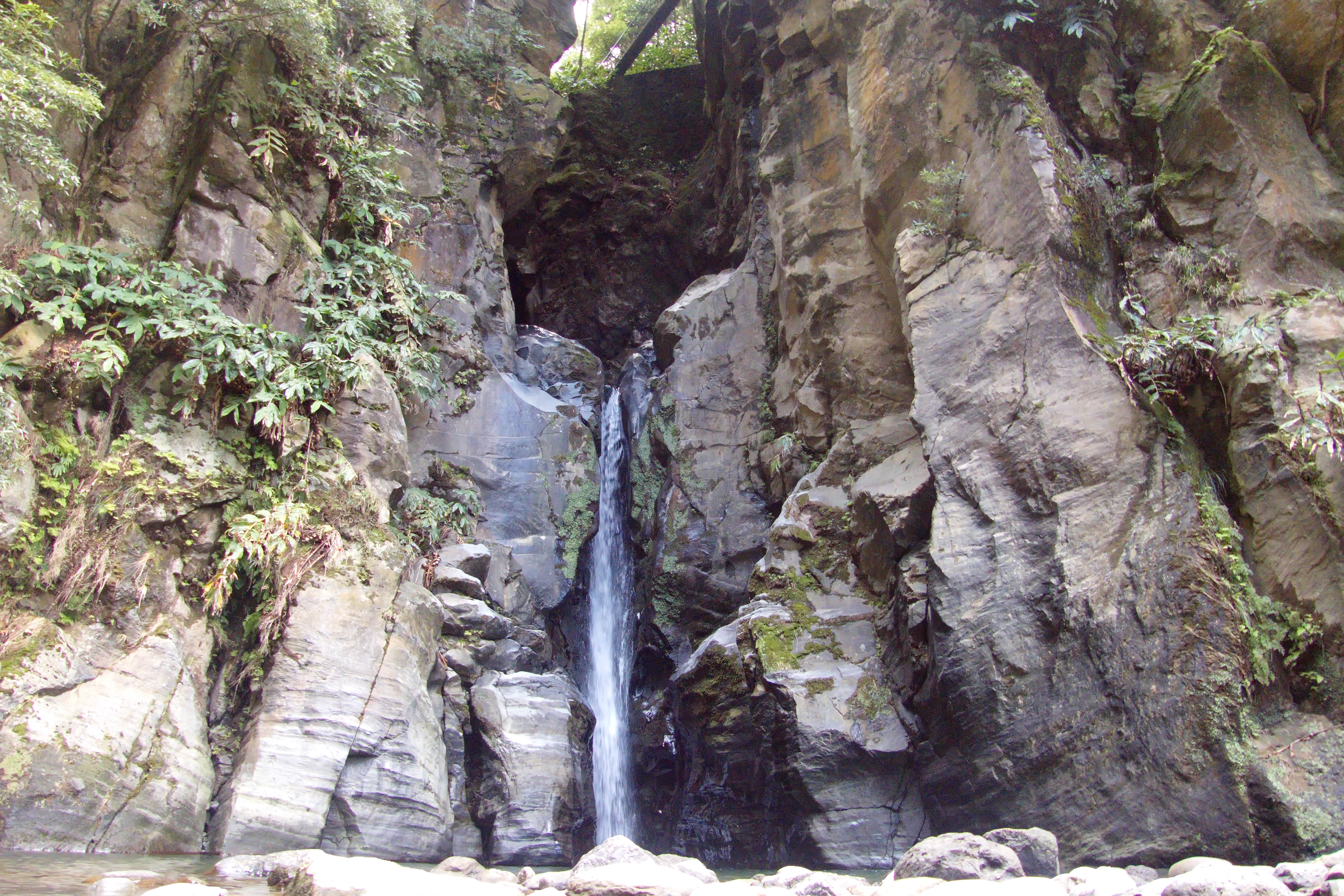
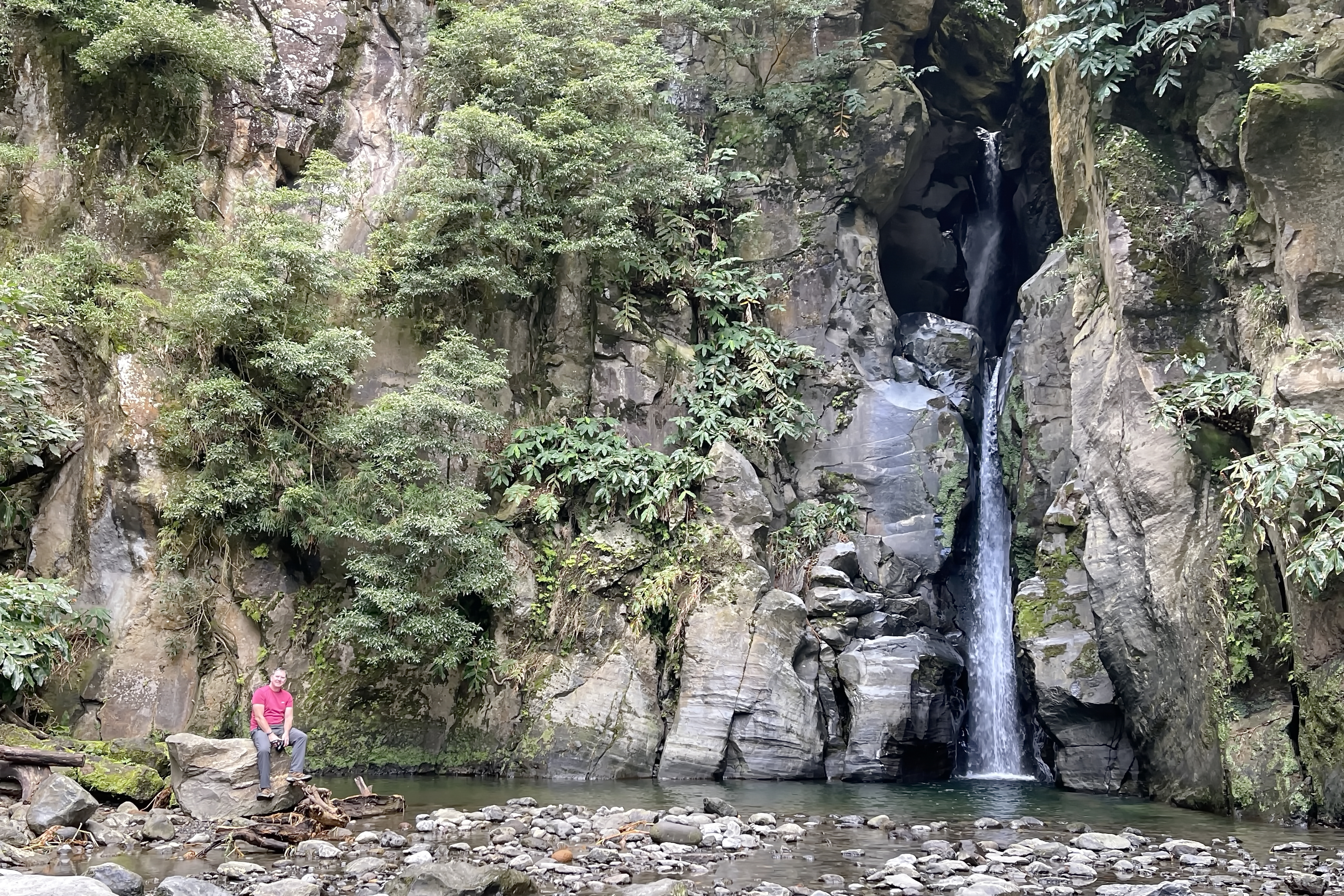
For us, visiting Salto do Cabrito was about more than just ticking off another sight. It was a chance to slow down and absorb the rhythm of the forest—the smell of wet earth, the softness of the air, the fine mist clinging to our hair. Places like this remind you how easy it is to breathe a little deeper and let nature reset your senses, even if only for a moment.
Y – Yummy
Sao Miguel isn’t just about landscapes—it’s also about culture, and during our visit we loved sampling some of the island’s yummy local food and drink specialties.
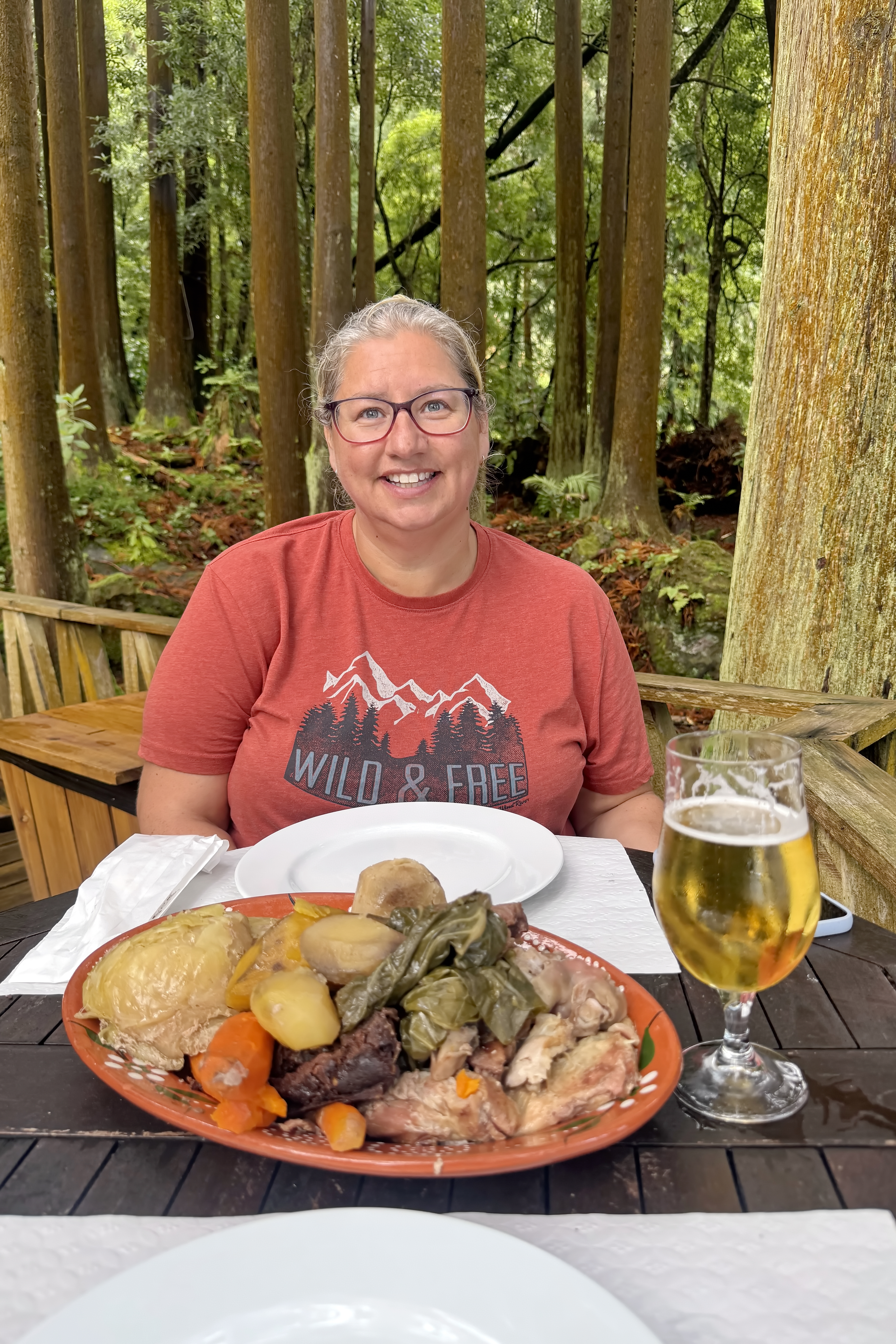
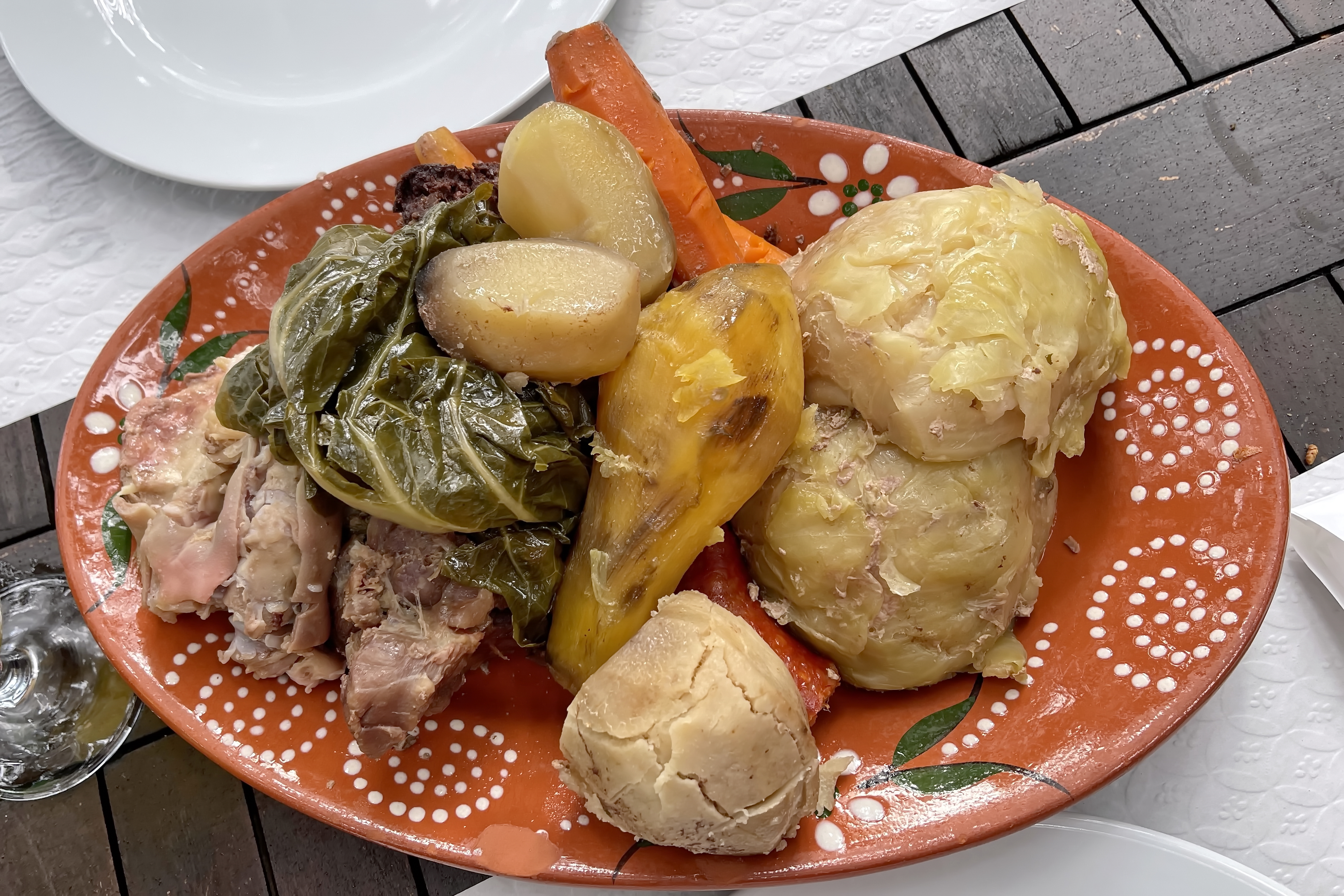
In Furnas, the cozido—a stew cooked underground using natural geothermal heat—is a must-try. Watching the traditional process, with pots buried in the earth and emerging hours later bursting with flavor, felt as much like an experience as the meal itself. The serving was enormous, with a succulent mix of meats and tender vegetables, more than enough for both of us.
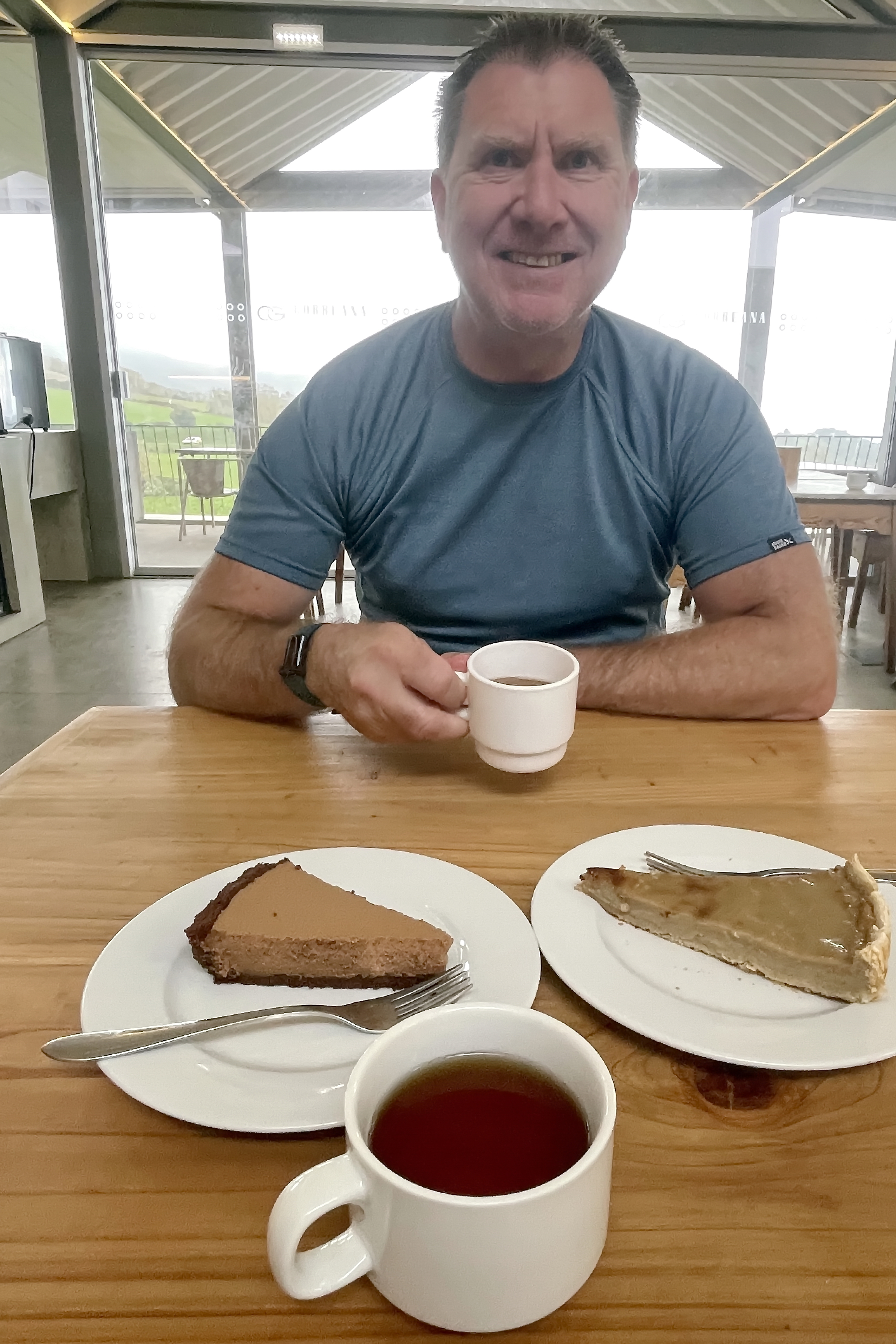
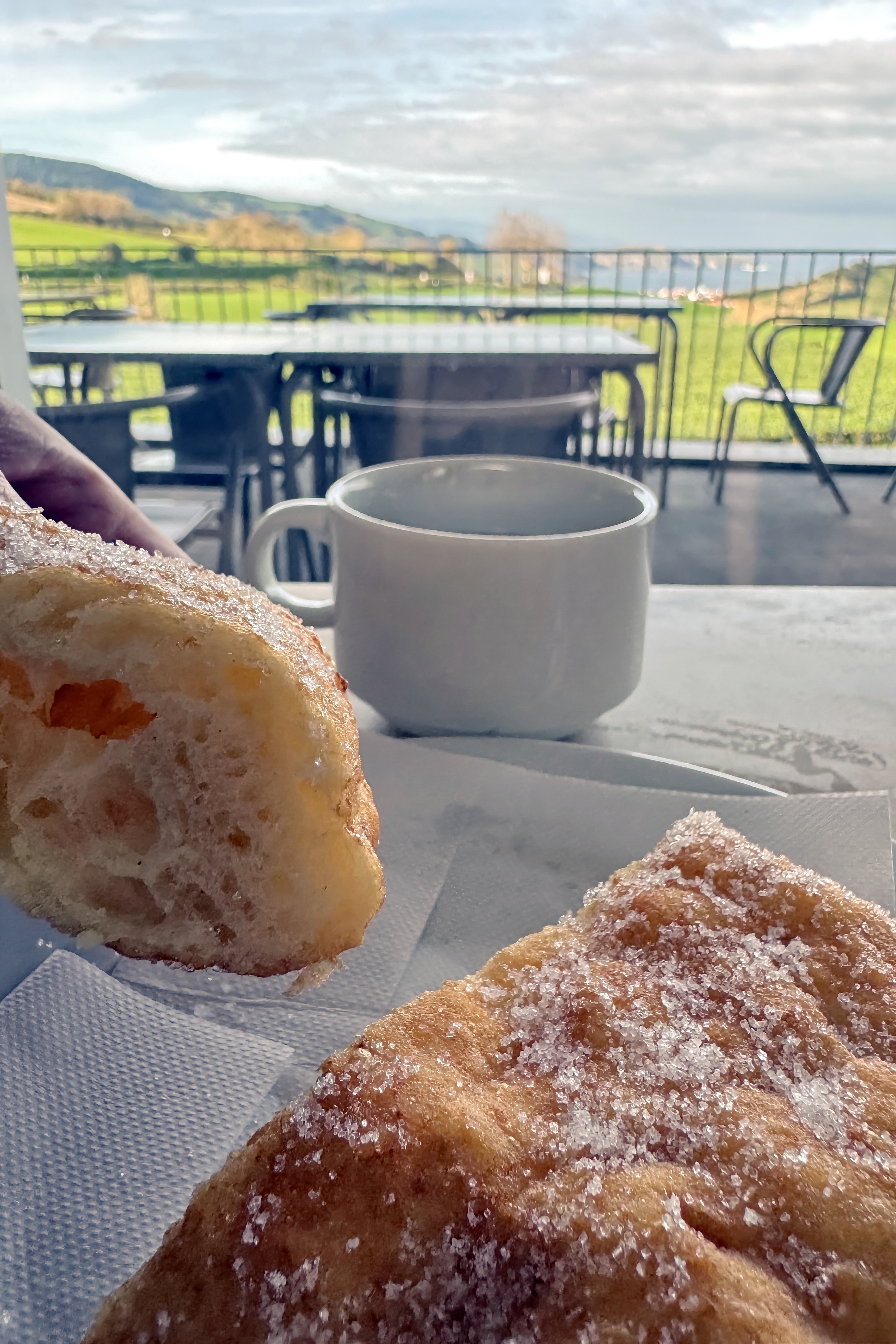
At the Gorreana Tea Plantation, we enjoyed sampling both green and black teas in the small café, accompanied by fresh tarts and pastries. Sipping the tea felt like tasting the fertile volcanic soils themselves—subtle, earthy, and impossibly fresh.
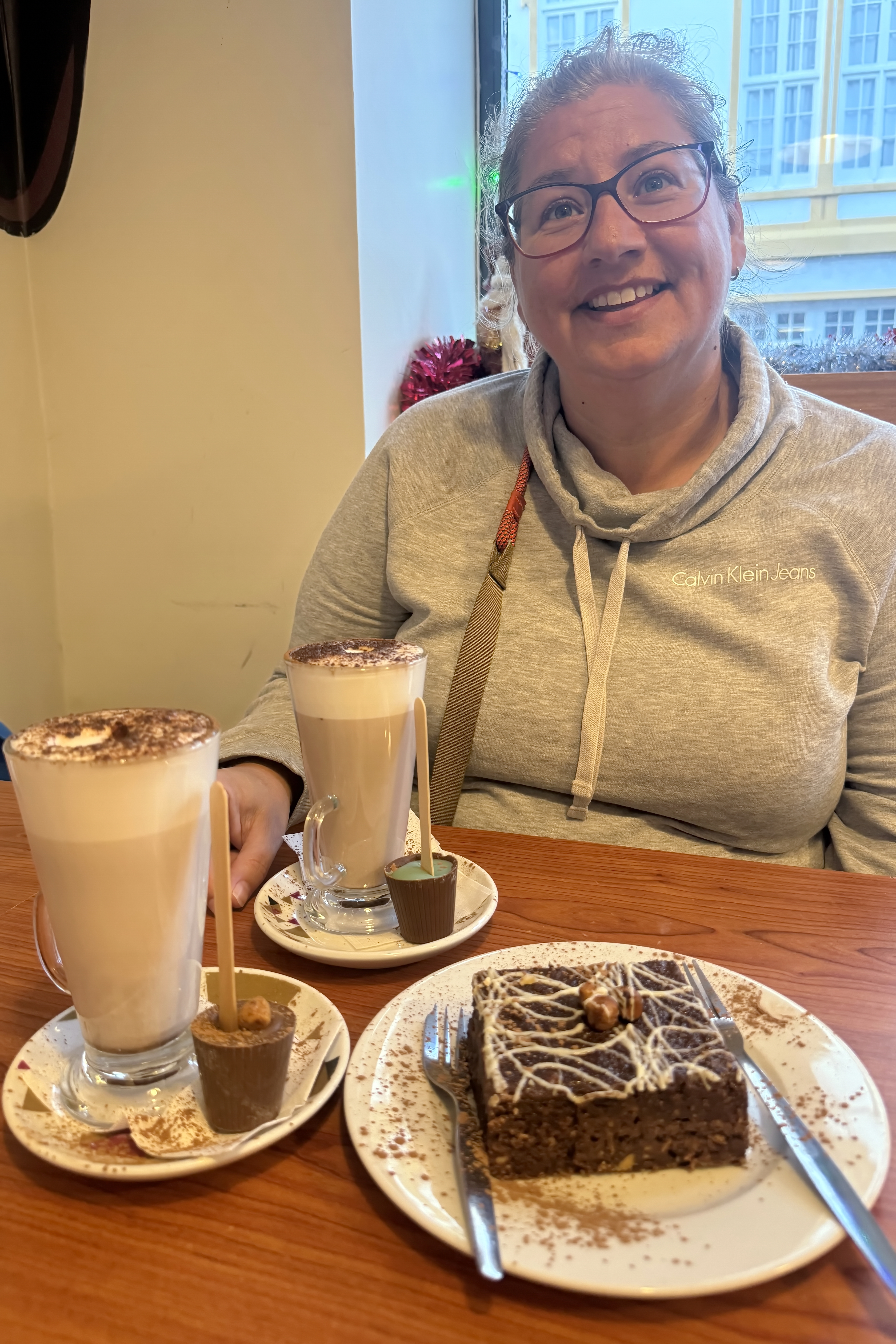
And in Ribeira Grande, we stumbled across O Chocolatinho, a cozy chocolate boutique and café. We couldn’t resist their rich hot chocolate and decadent brownies—a sweet reward after a day exploring the island’s dramatic landscapes.
Z – Zen Moments
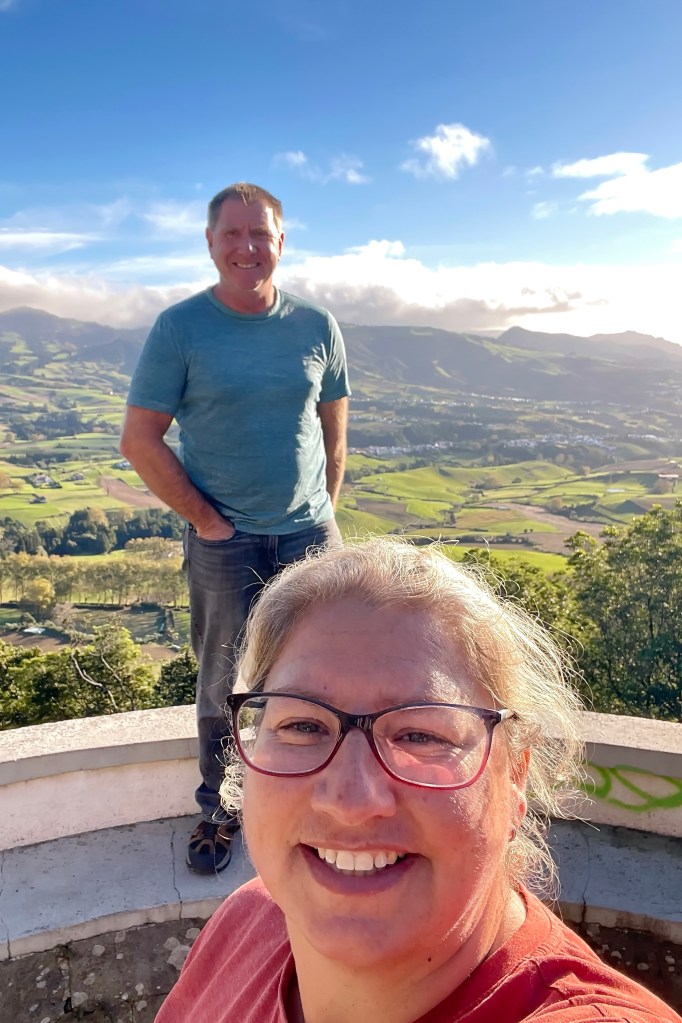
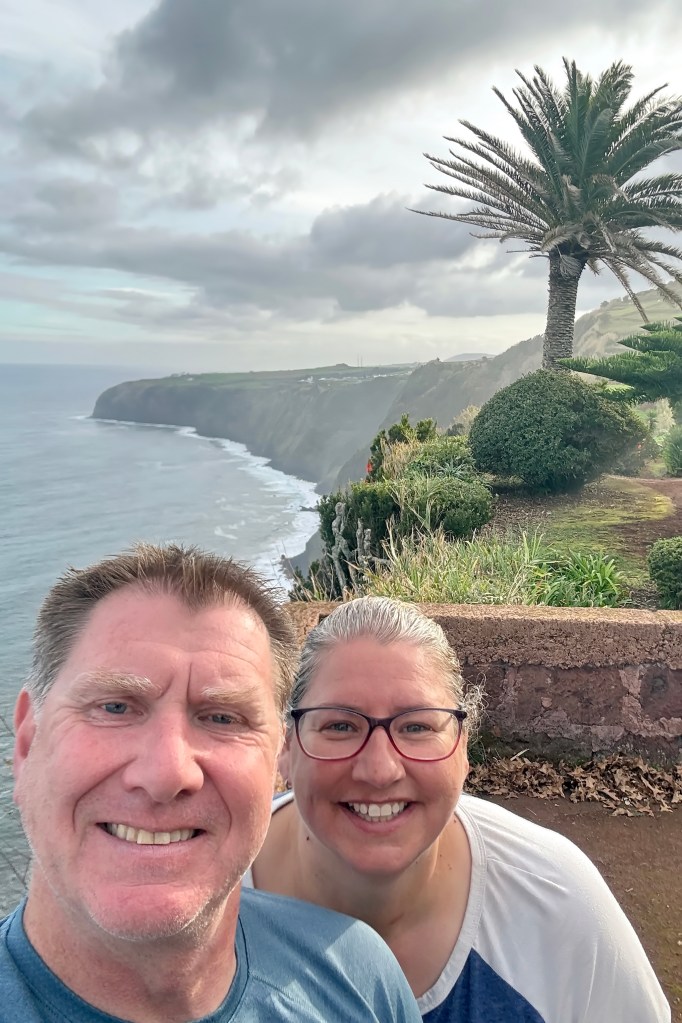
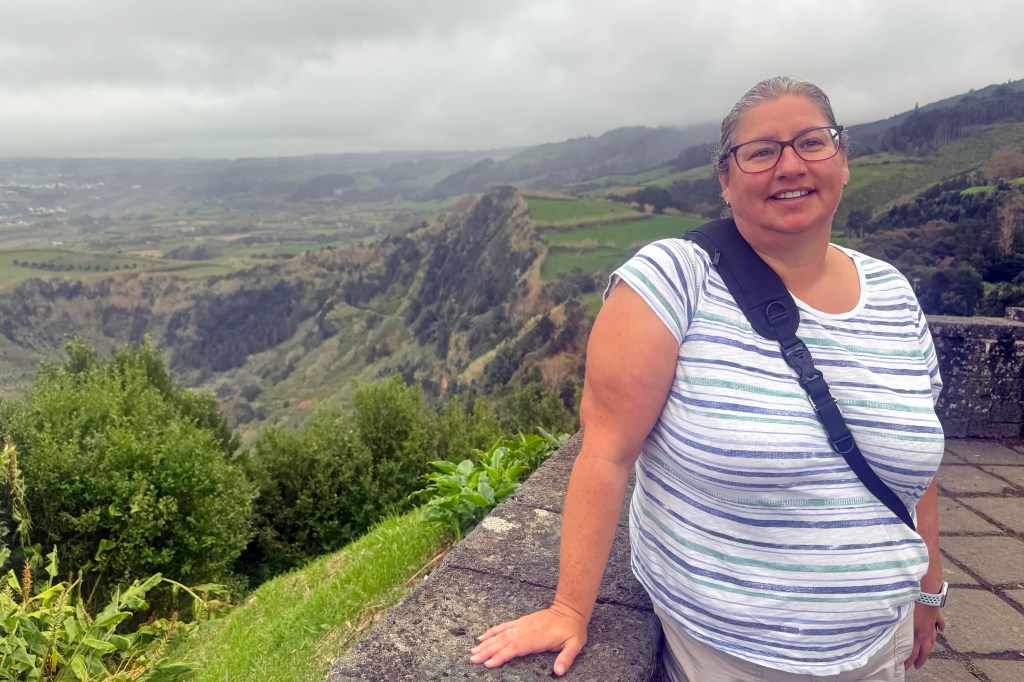
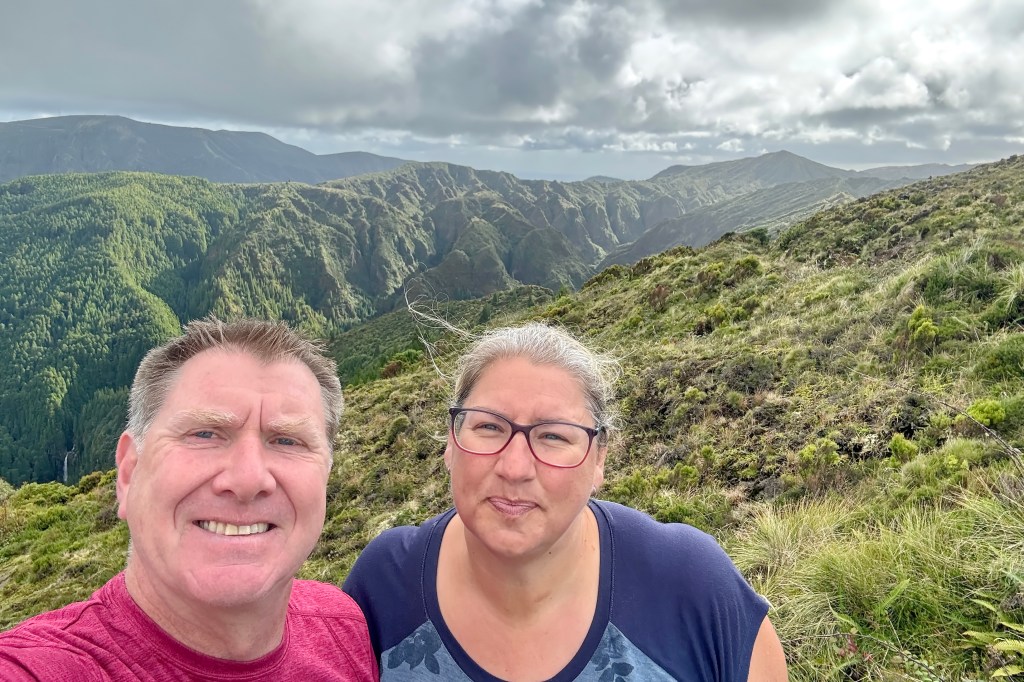
From quiet crater lakes to black-sand beaches and steamy valleys, Sao Miguel in the Azores is perfect for slow travel and zen moments. Each miradouro offers stunning vistas, with the coastline often front and centre, inviting you to pause, breathe, and soak in the natural sights and salty ocean smells. Away from the main connecting highways, the roads are narrow and winding, giving you time to admire the rugged mountains, rolling green hills, and ever-present volcanic landscapes.
Every corner of the island seemed to carry a quiet energy, shaped by centuries of volcanic activity yet alive with the simple pleasures of today. By the time we left, it wasn’t just the scenery we remembered, but the sense of calm and connection we felt everywhere we went—a gentle reminder of why taking your time can create the most lasting memories.

 Mapgirl Adventures
Leave a comment