Our niece surprised us by asking if we would take a trip with her over Spring Break. We were secretly thrilled that she wanted to hang out with us “old people,” so it didn’t take much convincing. After some map-studying (because you know I can’t resist that part) and searching for the best flight deals, we decided on a fleeting trip to Paris. Keith—our resident travel planner extraordinaire—found the perfect little apartment for the three of us, and just like that, we were off. We met her in Calgary and boarded a flight for a whirlwind four days in the City of Light.
The must-see and -do list was refreshingly simple. She wanted to see the Eiffel Tower, visit Notre Dame, and absolutely needed to eat a proper French sandwich, the traditional ‘jambon beurre.’ This girl loves a good sandwich, and I deeply respect that level of bread appreciation.
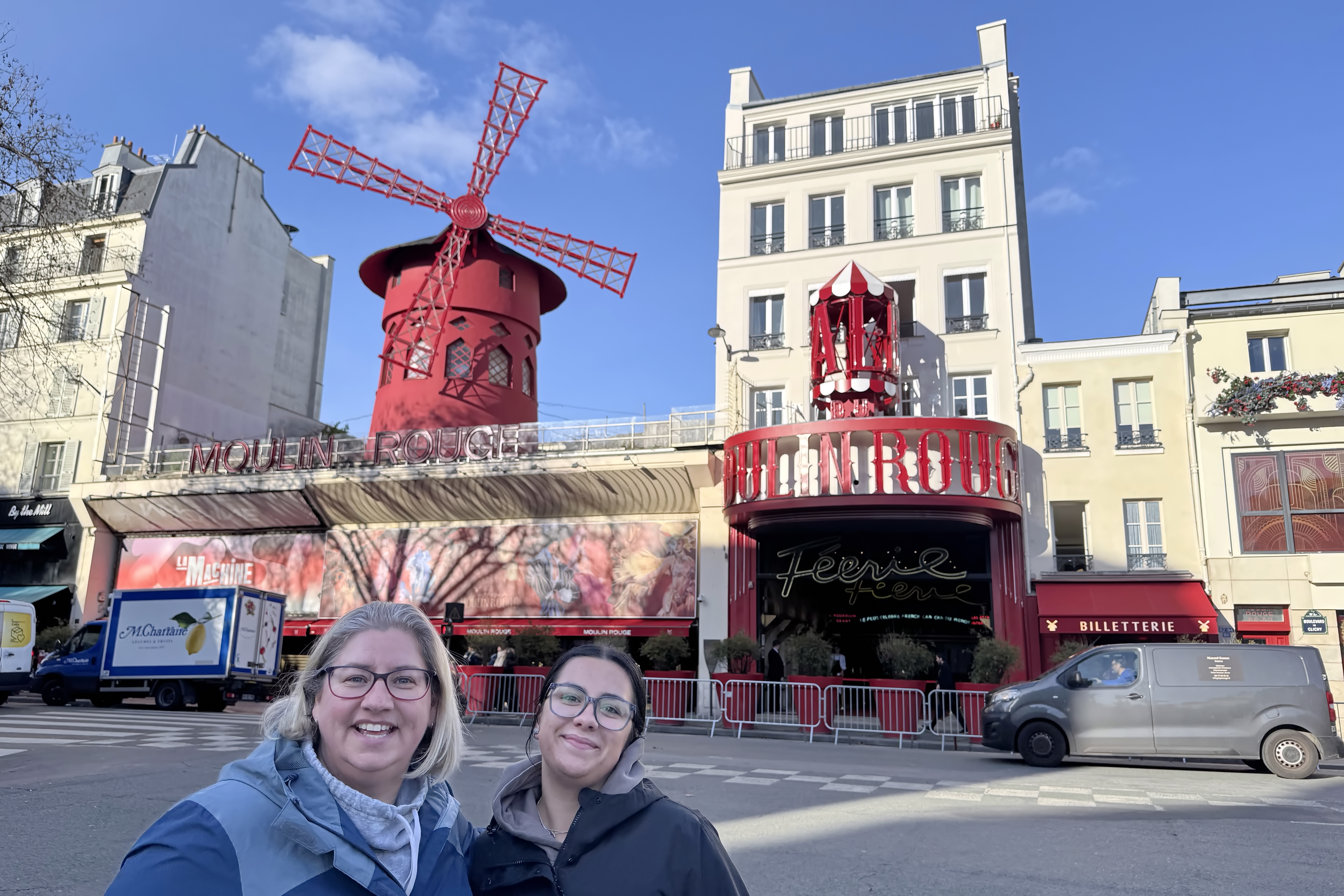
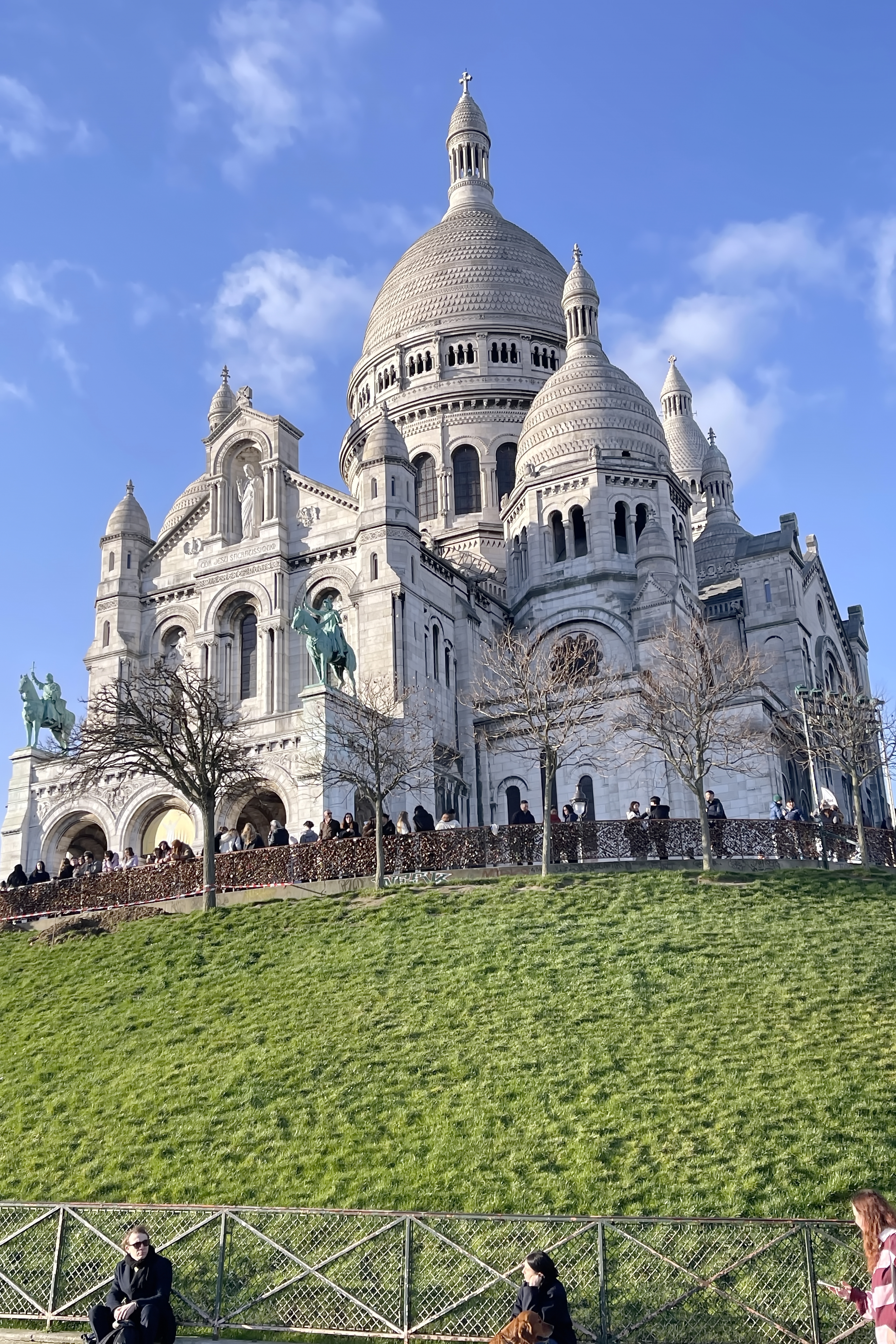
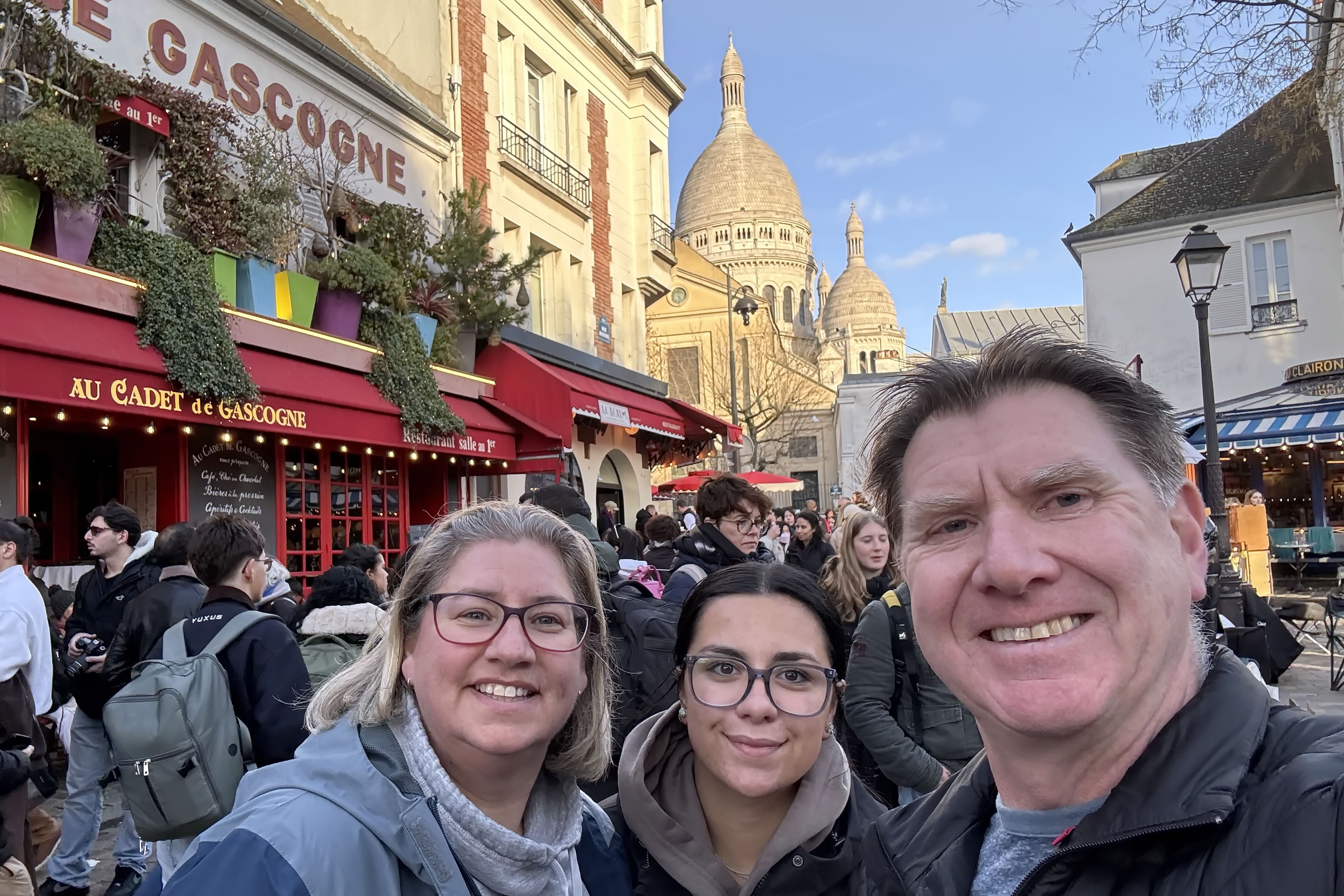
Our first afternoon in Paris felt exactly how a first day in Paris should feel—slightly dreamy and just a little surreal. We set off on foot, passing the iconic Moulin Rouge with its famous red windmill turning above the boulevard, before beginning the steady climb toward Montmartre. Once a bohemian village and long a haven for artists before being officially annexed to the city in 1860, it still feels perched slightly apart from the Paris below. High on the butte, the brilliant white domes of Sacré-Cœur rose against the sky, and from its steps the rooftops seemed to stretch endlessly in every direction. For a quiet moment, we simply stood there together, taking it all in—the view, the light, and the realization that we were really here.
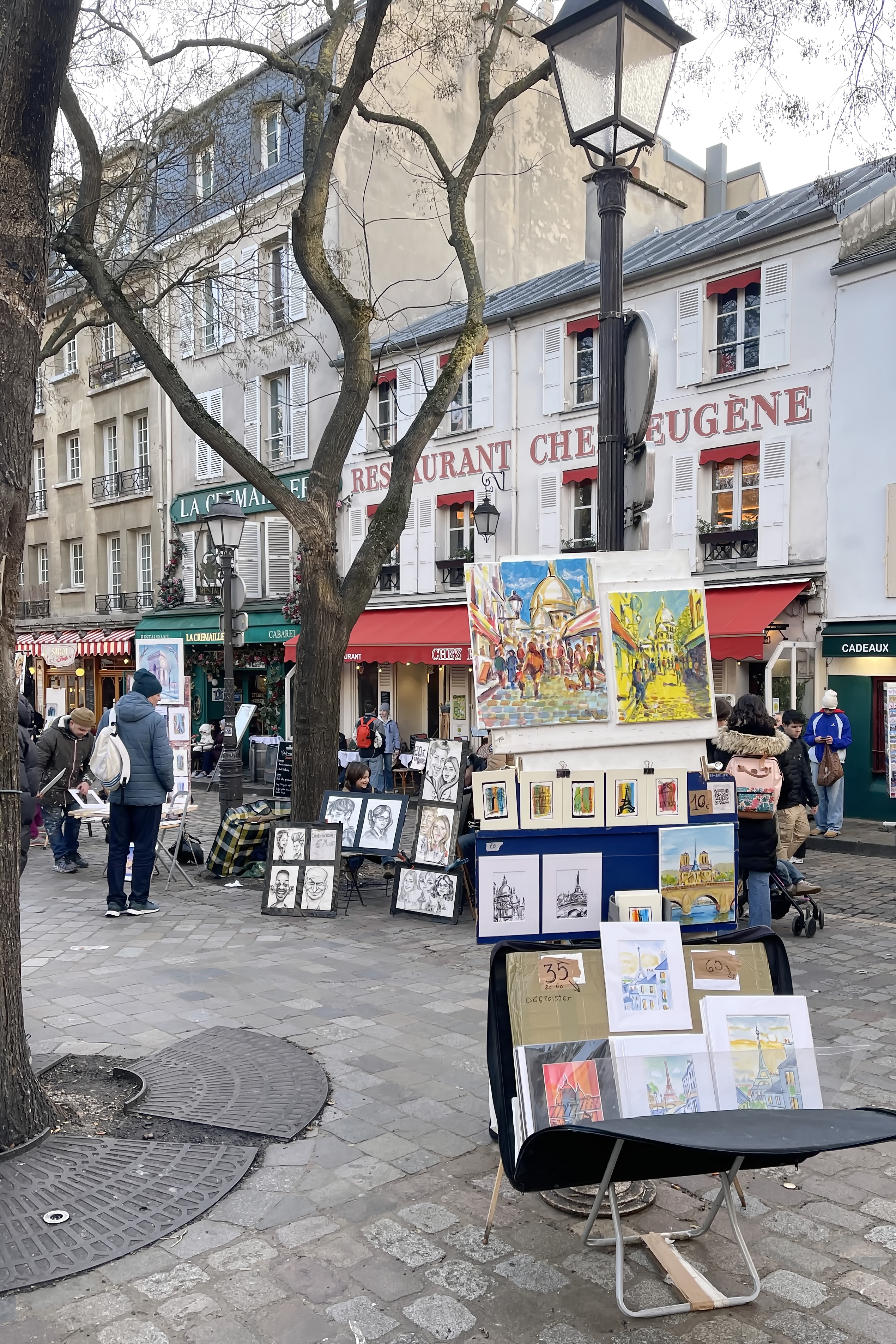
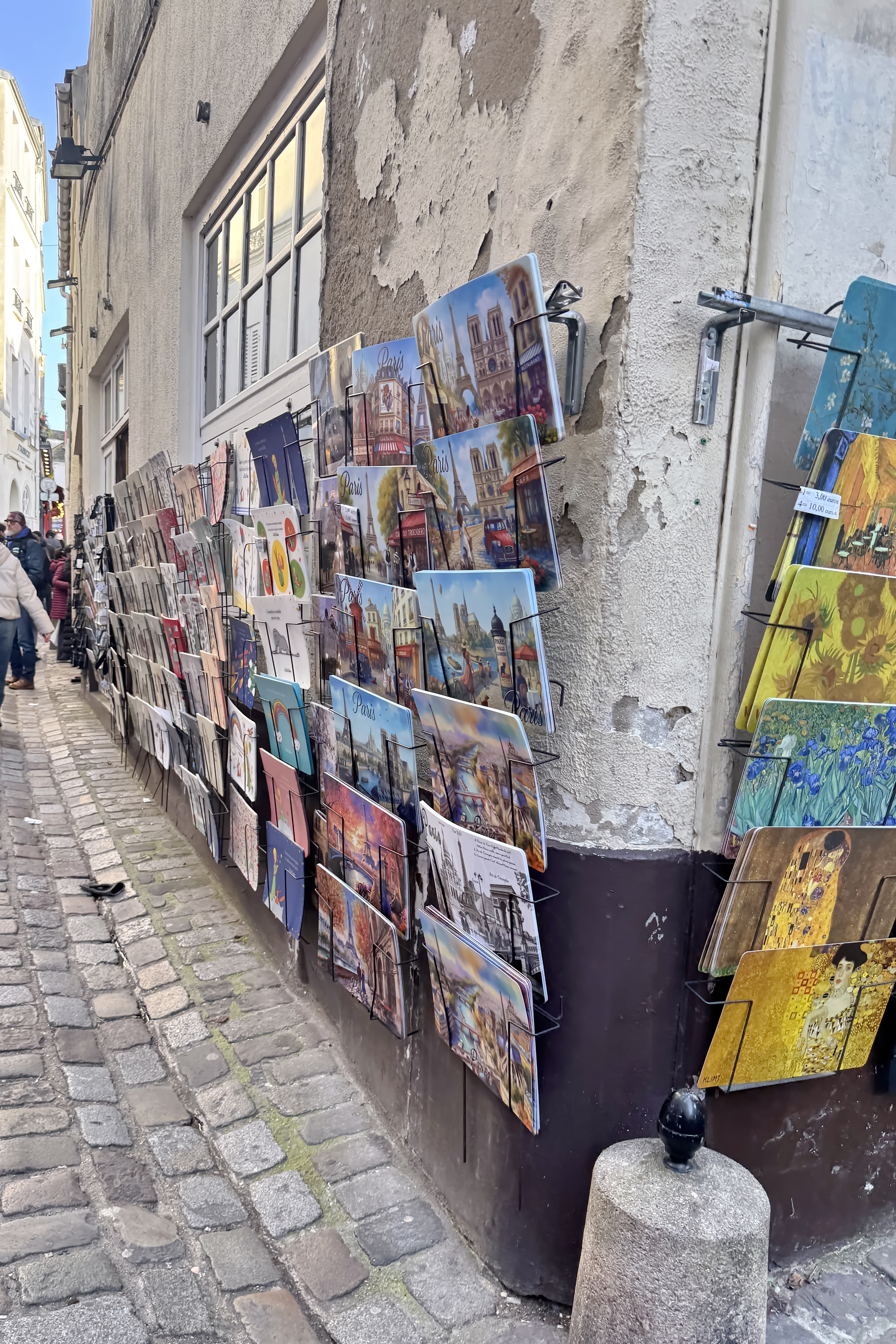
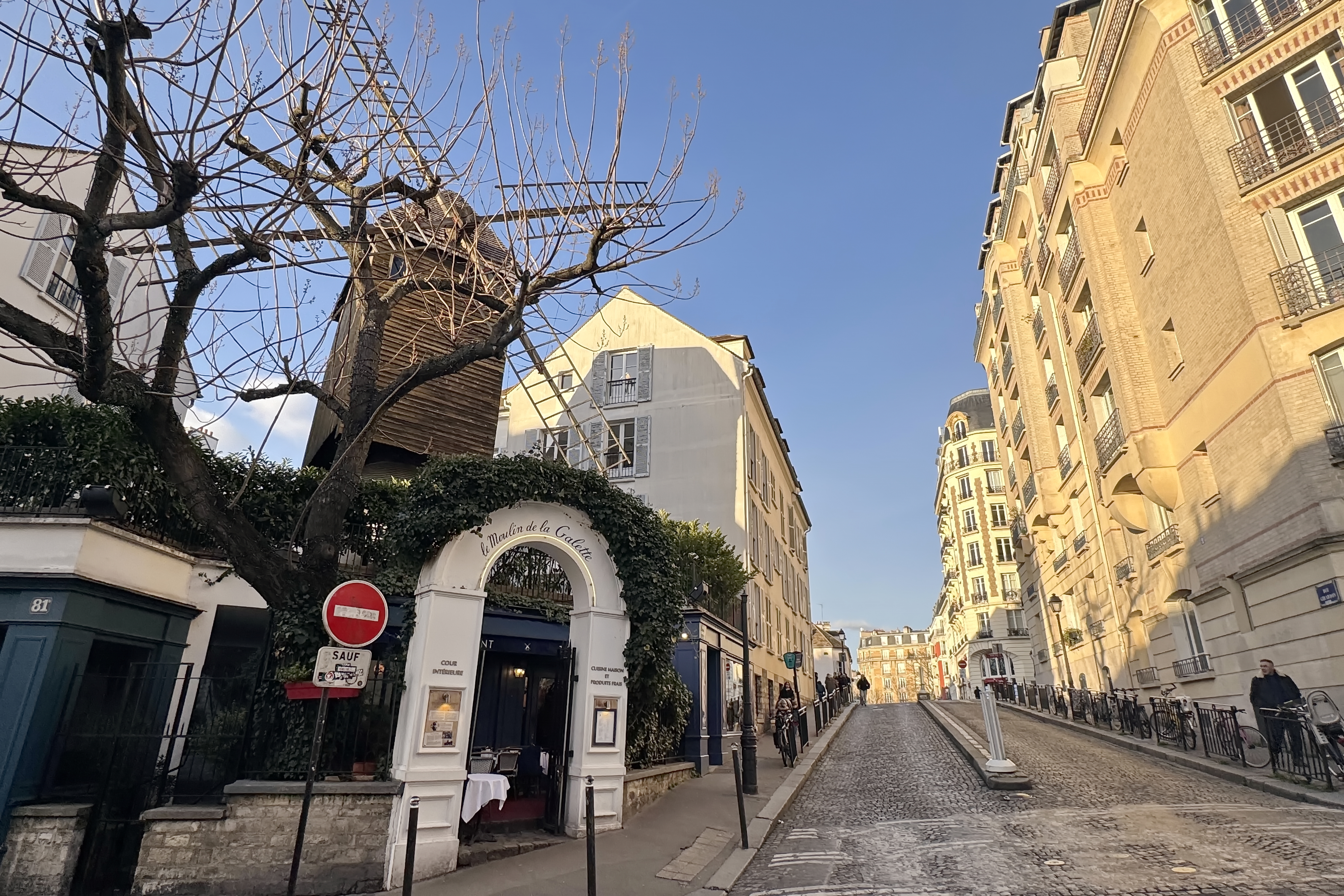
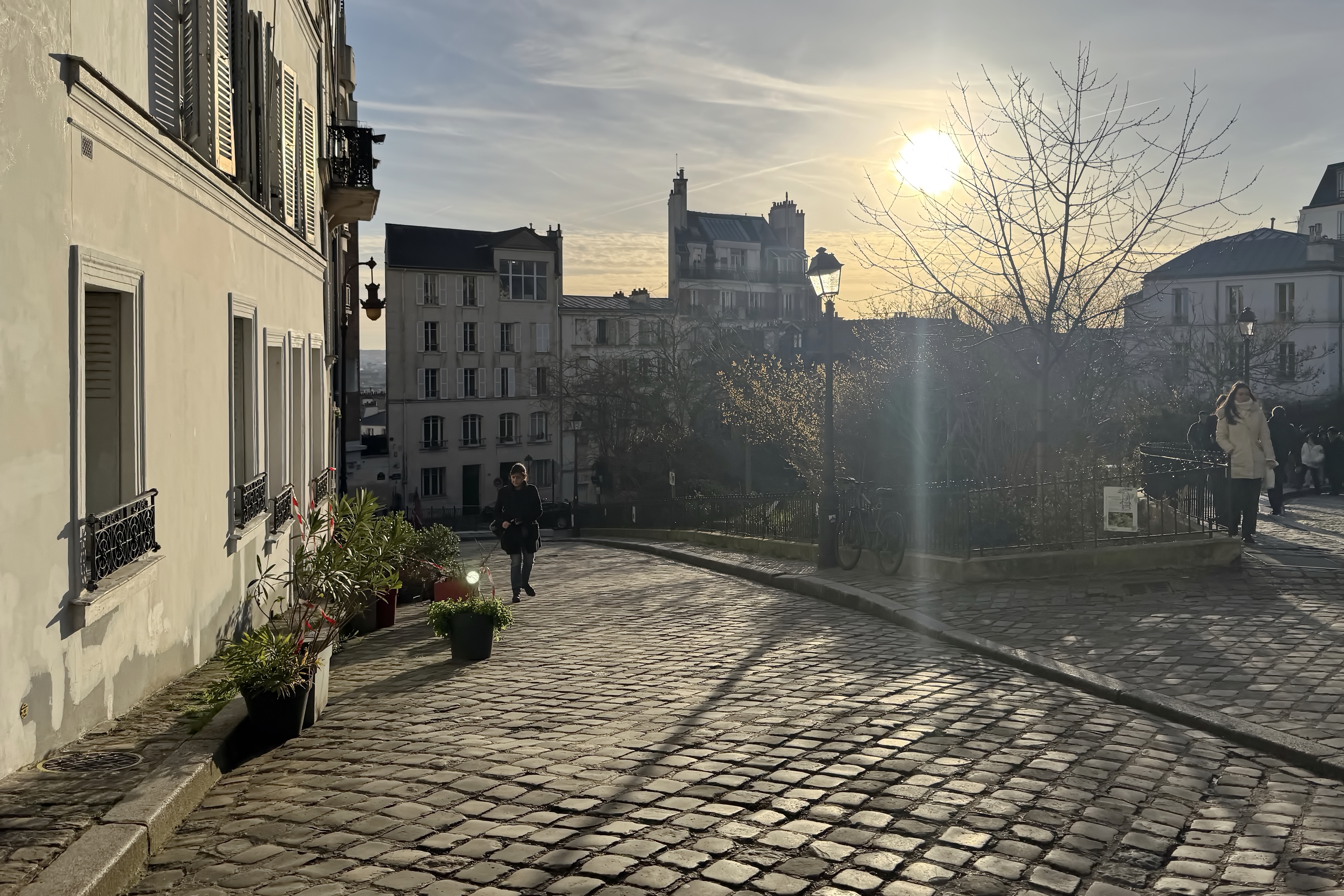
Wandering the streets around Montmartre felt like stepping into a living canvas suspended above the city. Narrow cobblestone lanes twisted and climbed without warning, leading us past ivy-draped buildings, cozy cafés spilling onto the sidewalks, and tiny studios tucked behind weathered wooden doors. In the lively square of Place du Tertre, artists worked quickly at their easels, sketching portraits and caricatures while visitors lingered and watched. It was easy to imagine creative spirits like Pablo Picasso and Vincent van Gogh once wandering these same streets, inspired by the soft light and village charm. Yet what I loved most were the quieter corners just beyond the crowds—shuttered windows, hidden staircases, and flower-filled balconies that made Montmartre feel less like a famous neighbourhood and more like a small hillside village gently removed from the rush of Paris.
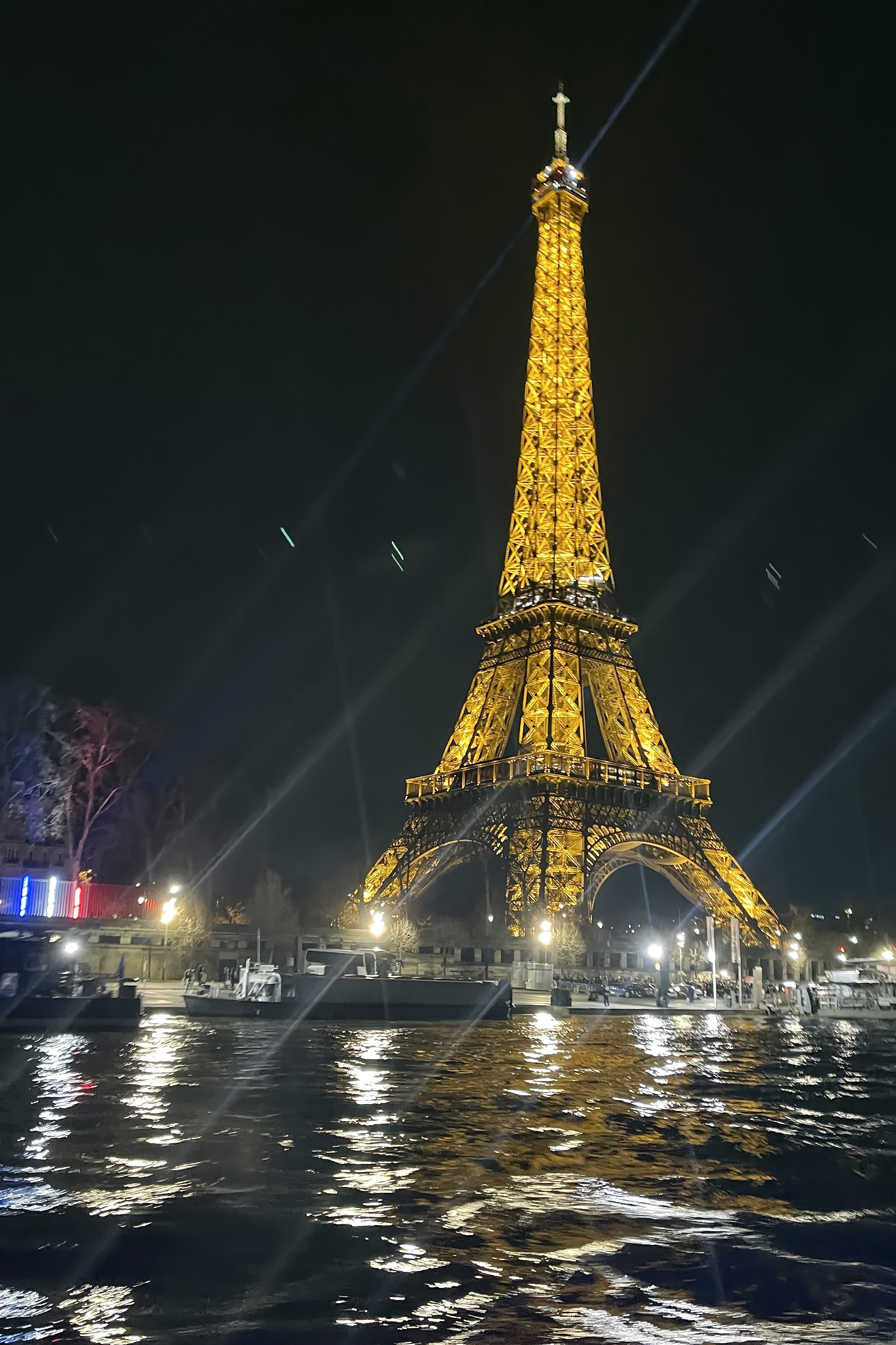
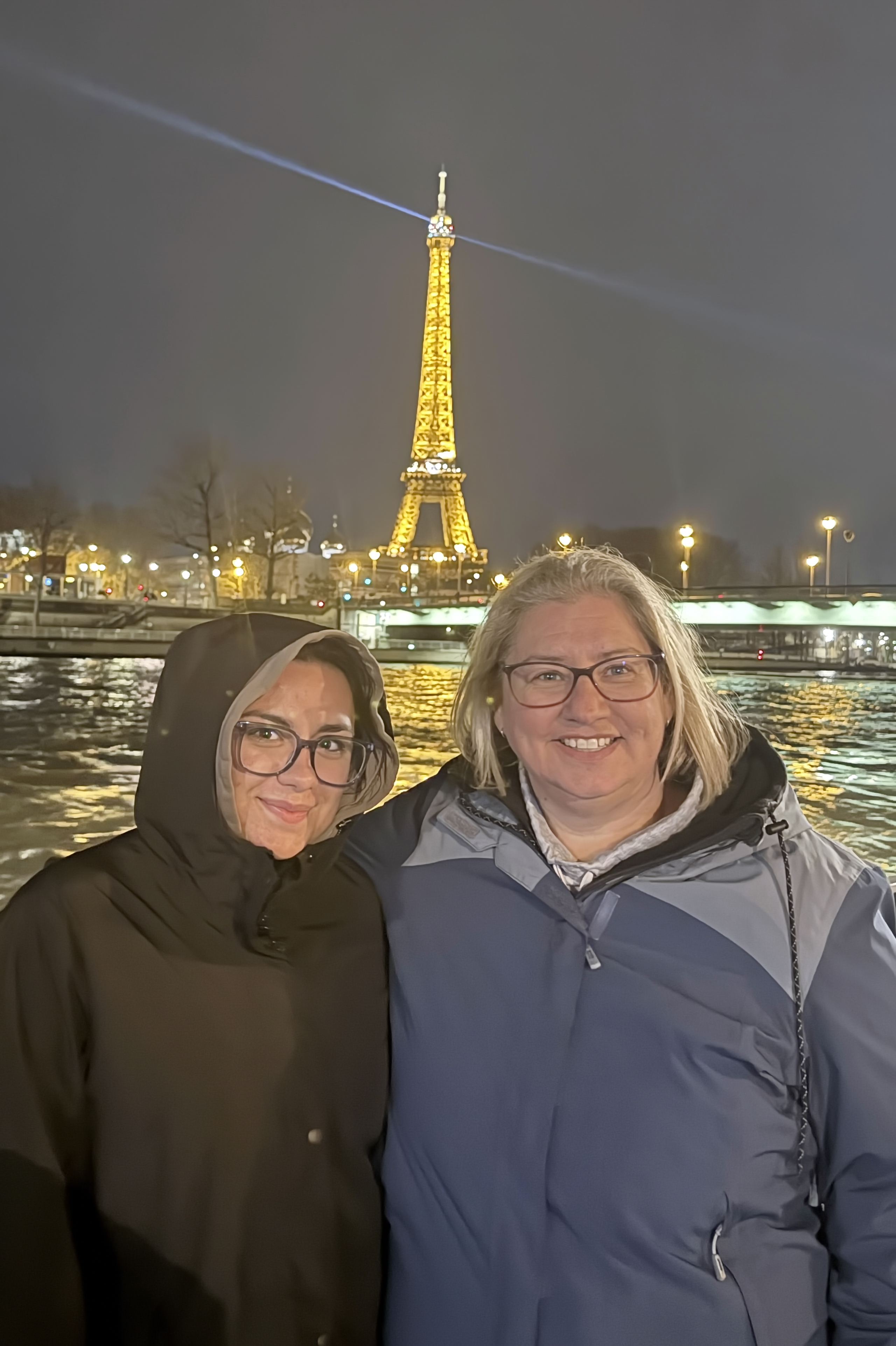
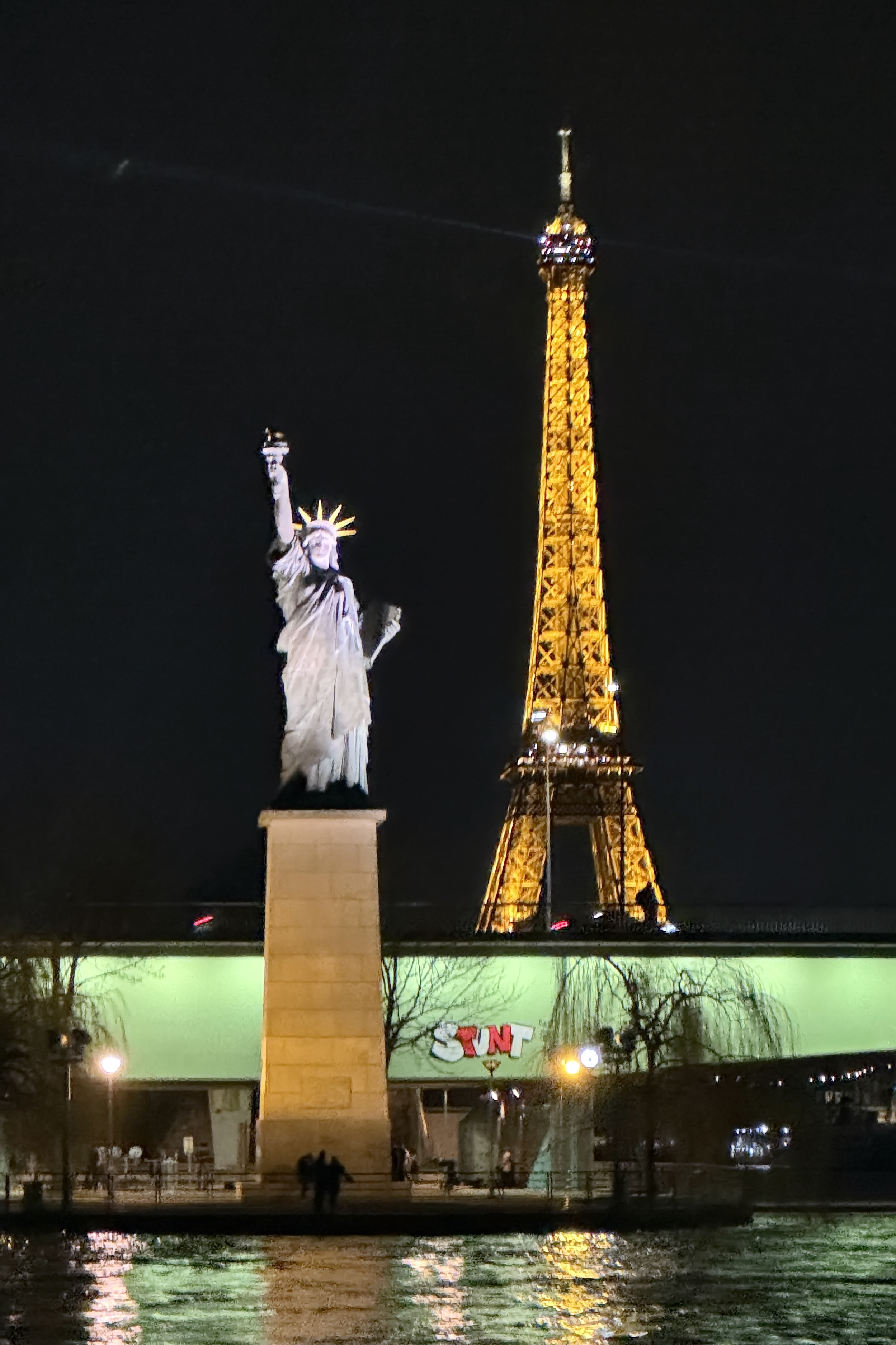
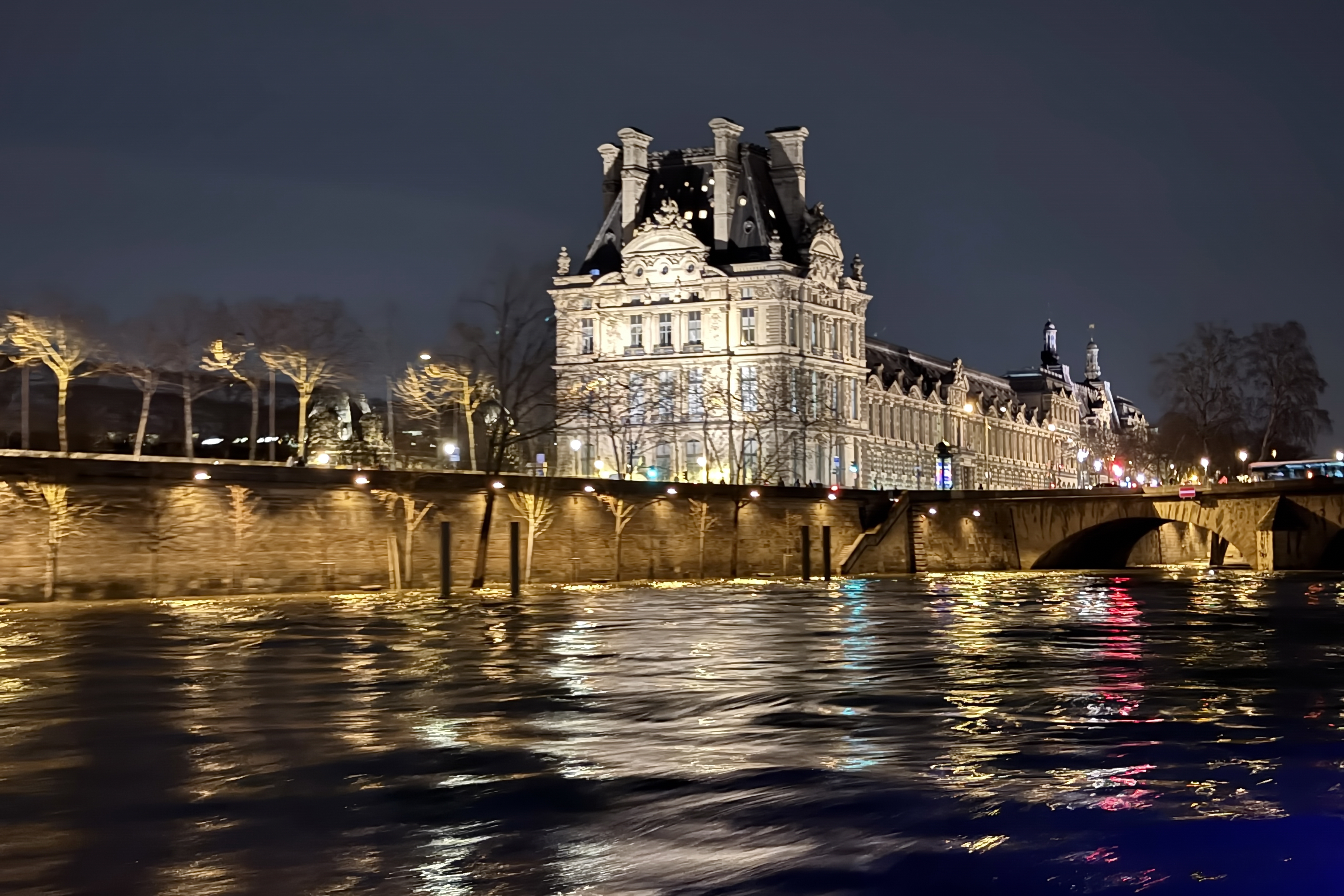
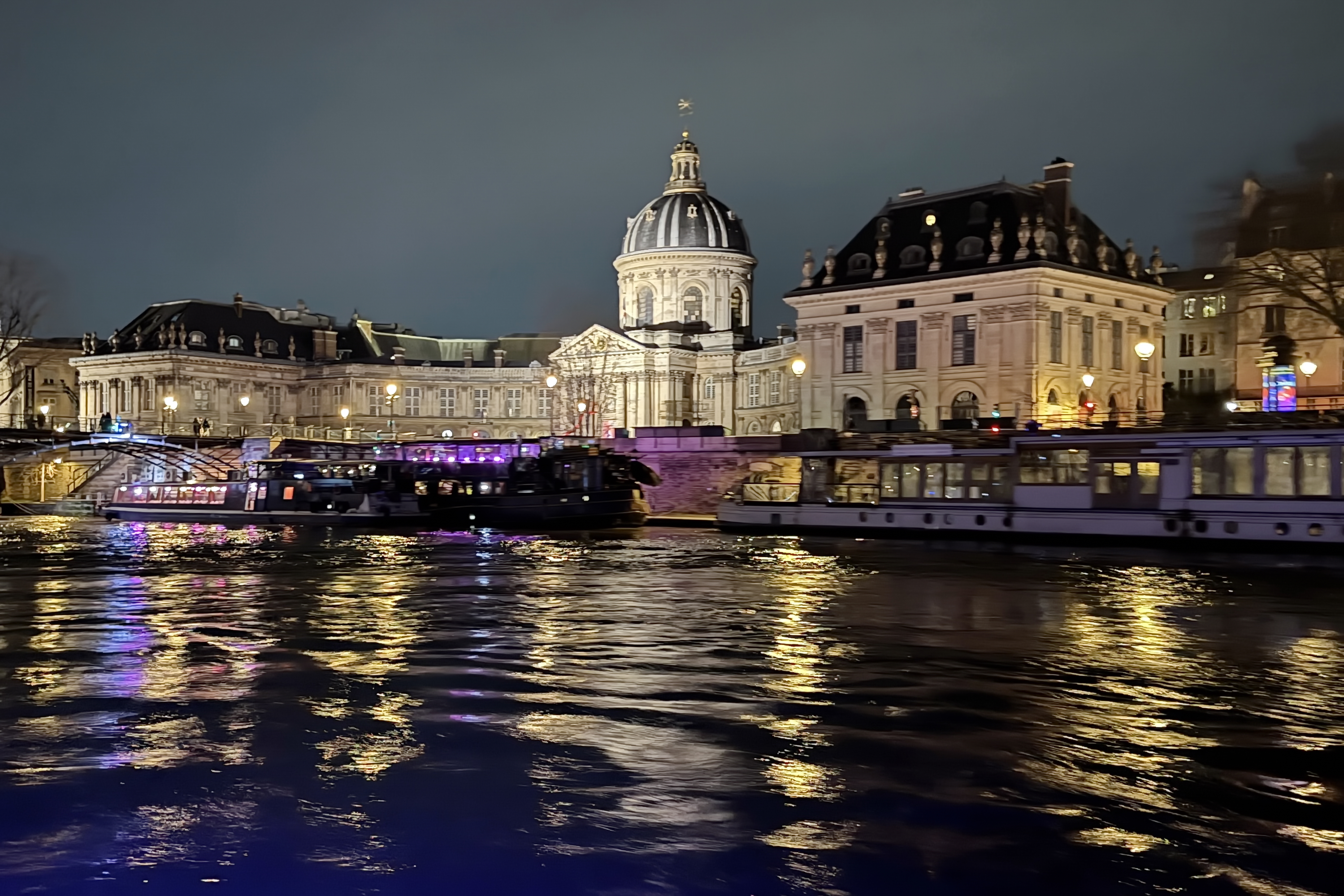
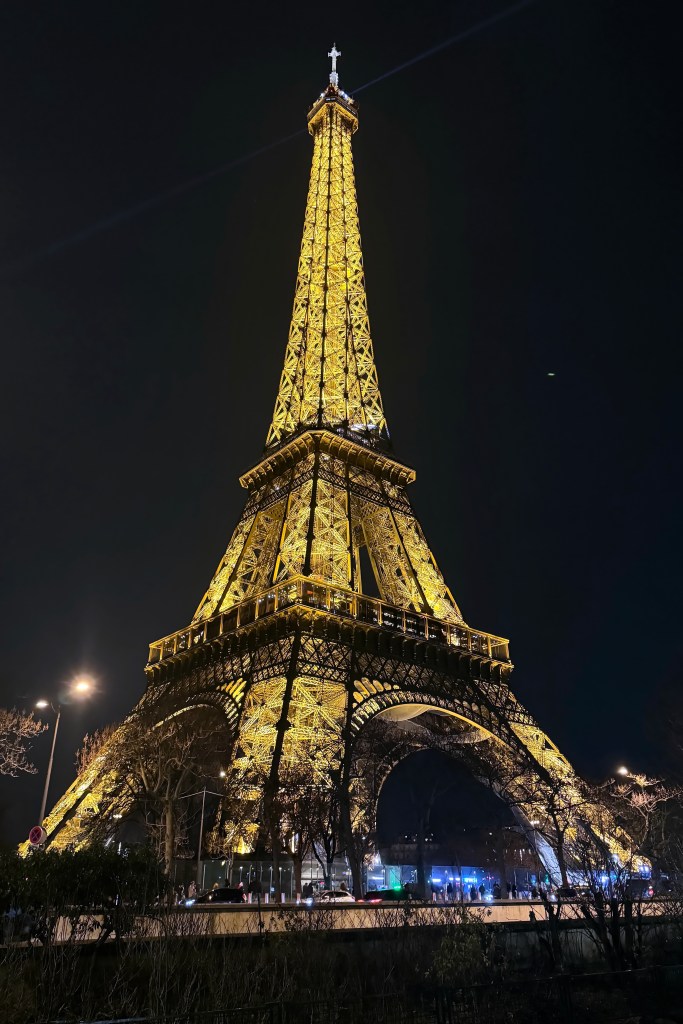
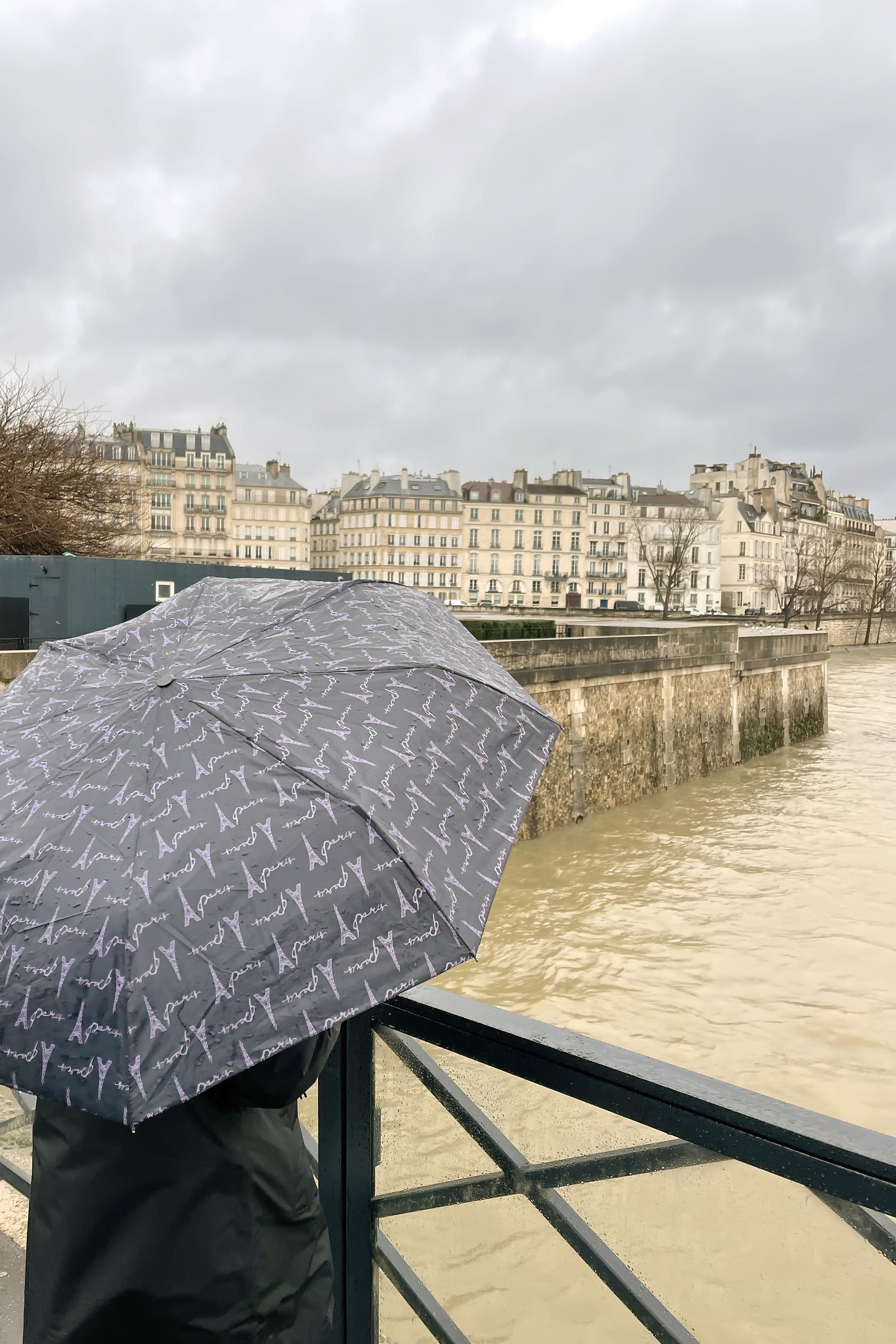
After a break for supper, we set off in search of the river for an evening cruise along the Seine. It had been raining in Paris for days before our arrival, and the water was swollen and muddy, pressing high against the embankments. Because of the elevated levels, our route was slightly modified, and the graceful silhouette of Notre-Dame Cathedral would have to wait for another day. Still, there was something undeniably magical about drifting along the shimmering river at dusk—bridges arching overhead, historic façades glowing in the soft evening light, and the city skyline revealing itself from the water. And then it happened—the Eiffel Tower lit up and began to sparkle against the darkening sky. Of course, watching from a distance wasn’t enough, and after disembarking we walked all the way to the tower afterward, craning our necks to take it in up close, because some moments deserve to be experienced twice.
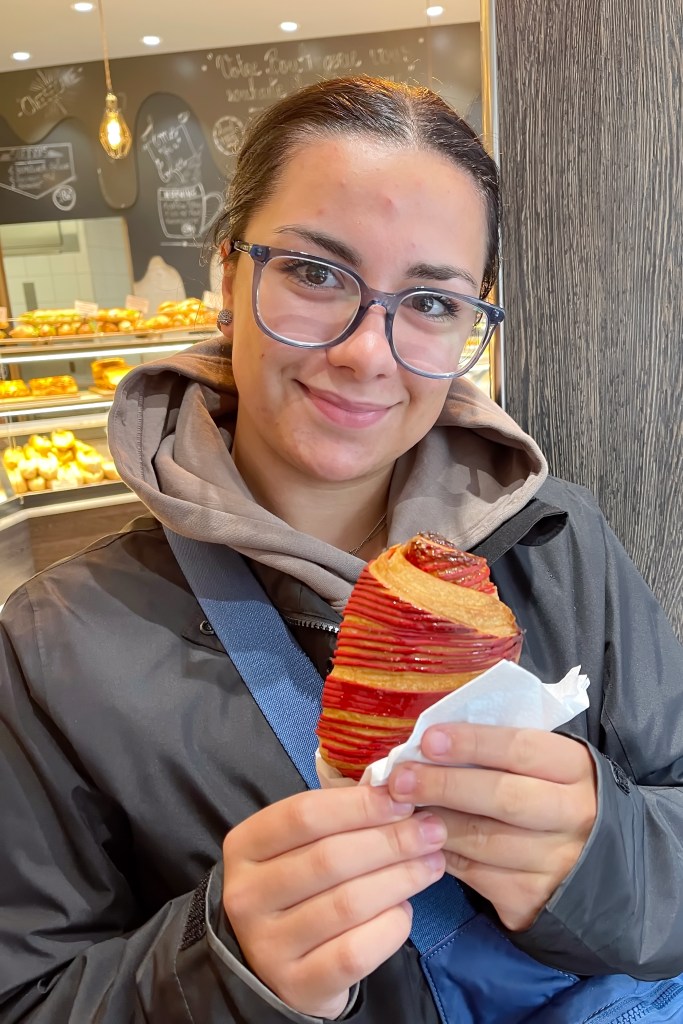
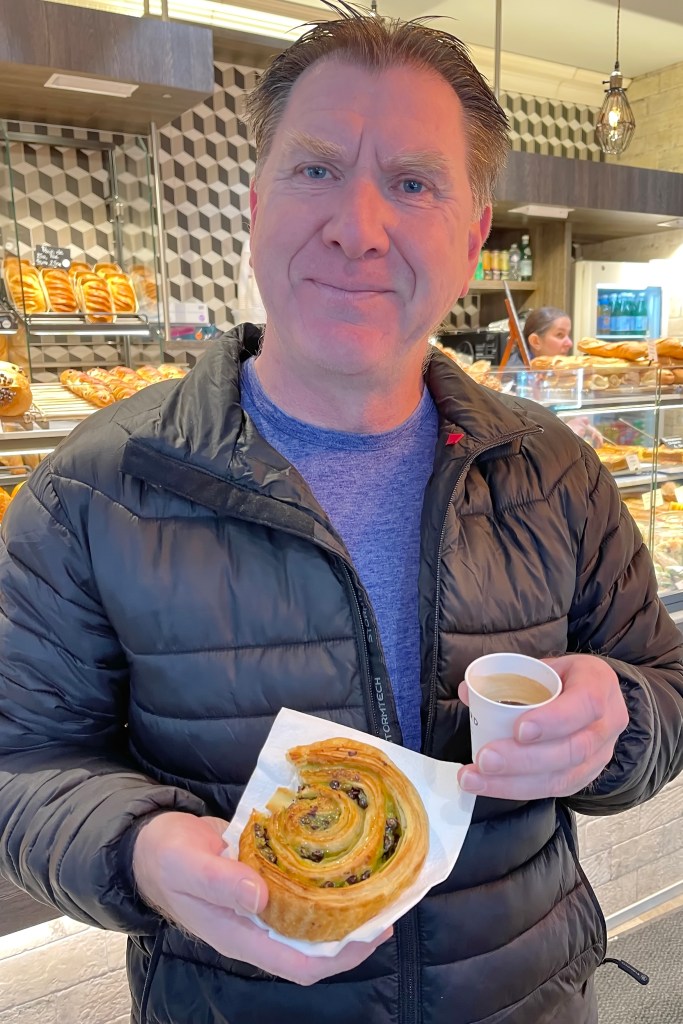
The next morning, still gently wrestling with jet lag and waking to a forecast that promised rain, we decided to begin the day the proper Parisian way—with pastries. There truly is a boulangerie or patisserie on every corner, and we happily put that theory to the test more than once during our stay. With warm coffee in hand and flaky crumbs inevitably tumbling onto our jackets, we stepped out into the soft grey light for a daylight wander among the city’s icons.
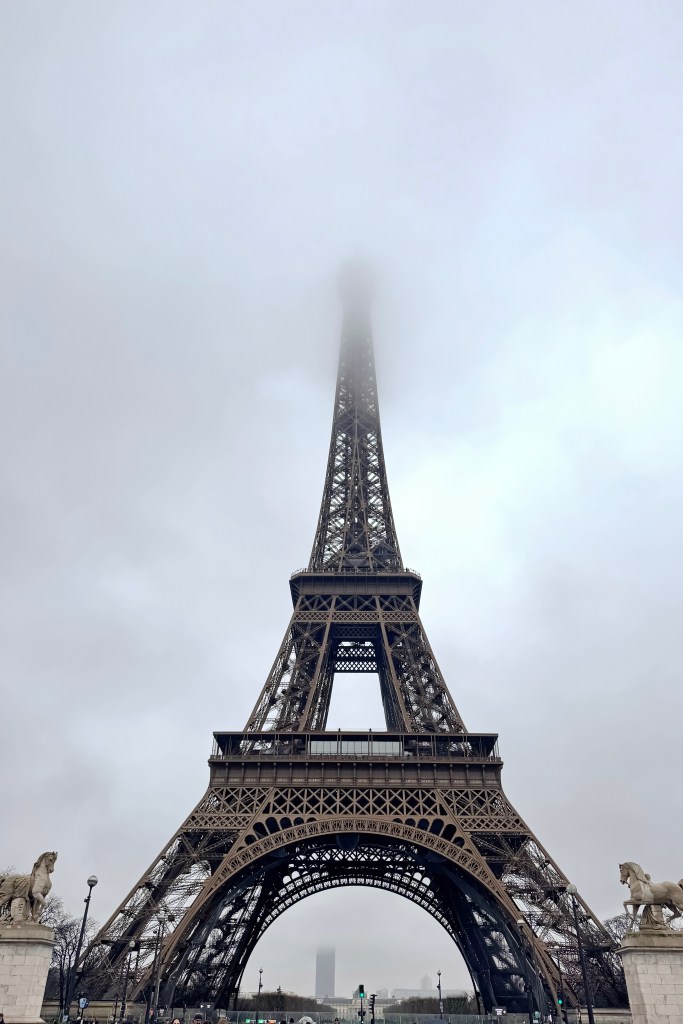
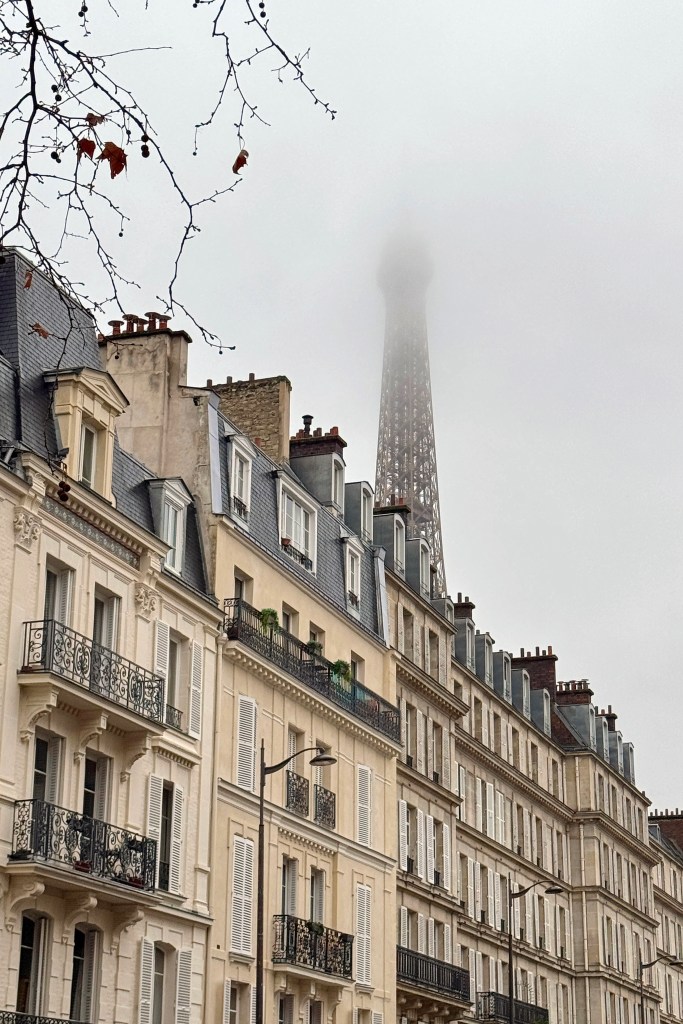
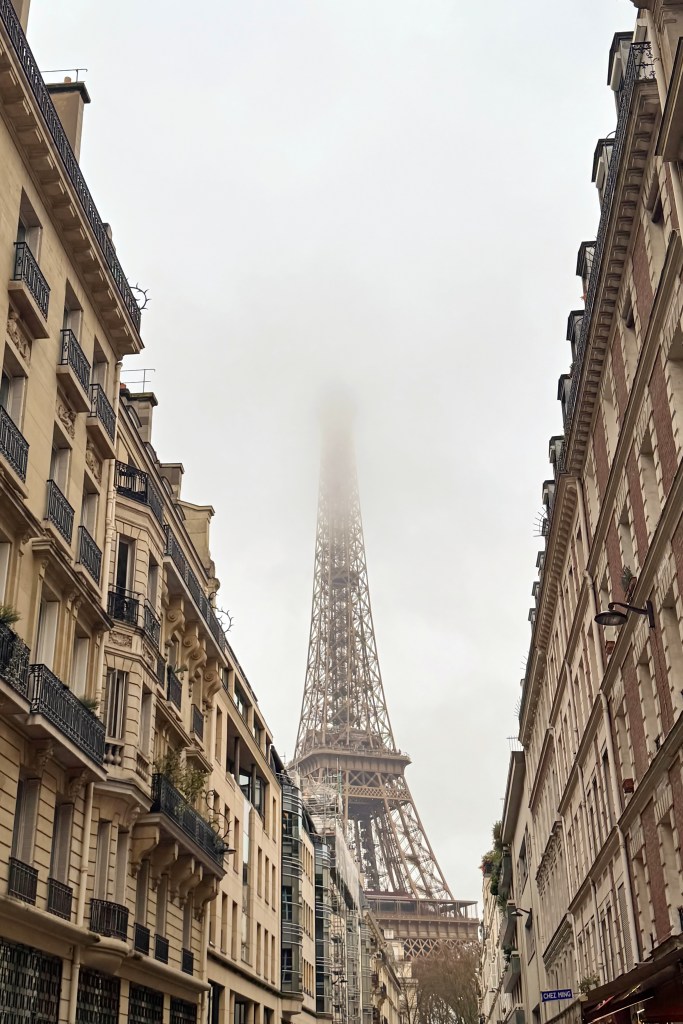
We began at the Trocadero, where the view of the Eiffel Tower across the Seine felt entirely different from the sparkling spectacle of the night before. This time, the Tower stood quiet and subdued, its top disappearing into low clouds as though it hadn’t quite woken up yet. Crossing the river, we slowed our pace, letting ourselves meander along elegant, tree-lined avenues. The classic Parisian buildings—all wrought-iron balconies and creamy stone façades—framed teasing glimpses of the Tower as it appeared and vanished between them.
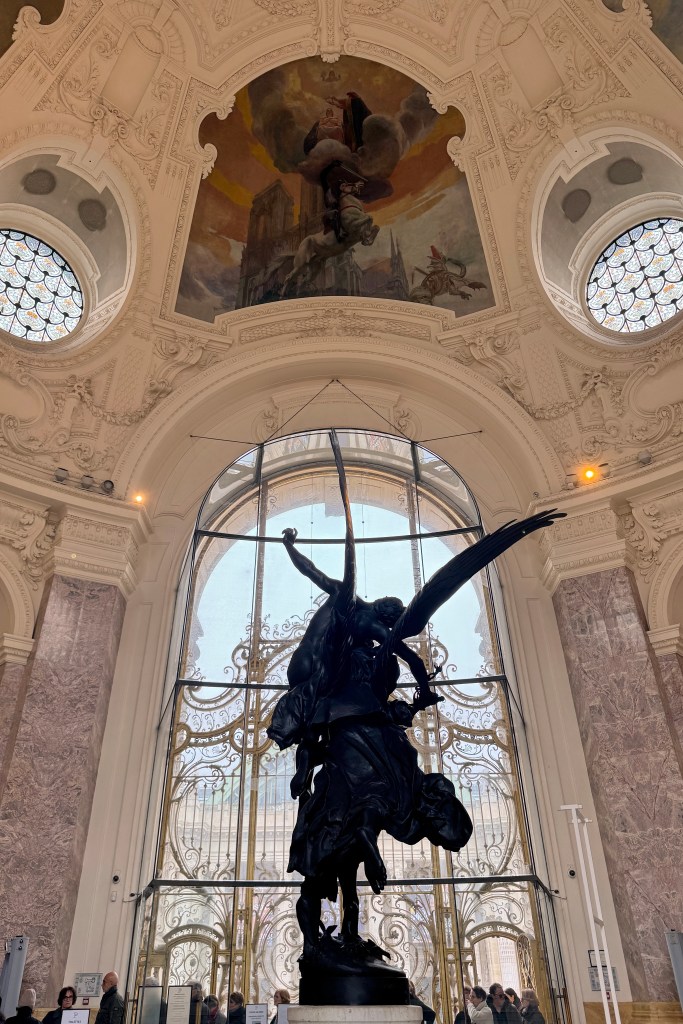
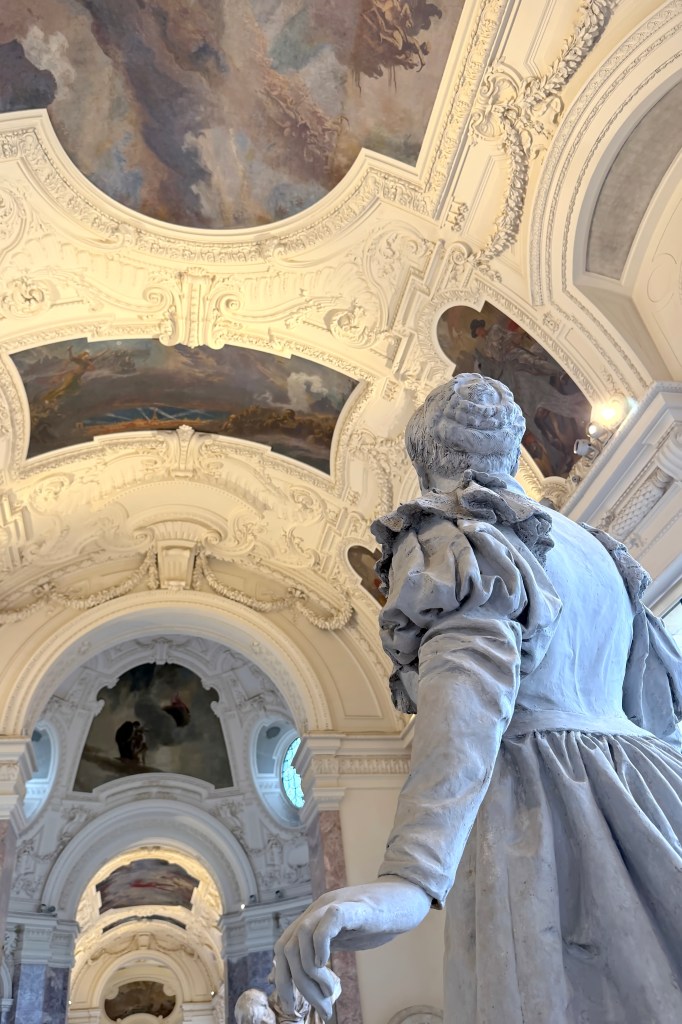
The spectacular Pont Alexandre III carried us toward the Petit Palais just as the clouds turned moody and the first determined raindrops began to fall. Seeking refuge (and perhaps a little culture), we stepped inside the ornate museum, trading umbrellas and puddles for marble floors and hushed galleries furnished with elaborate sculptures and works of art. There was something wonderfully comforting about lingering there—waiting out the rain while wandering past masterpieces by the likes of Auguste Rodin and Claude Monet. It felt like the most Parisian way possible to spend a rainy morning.

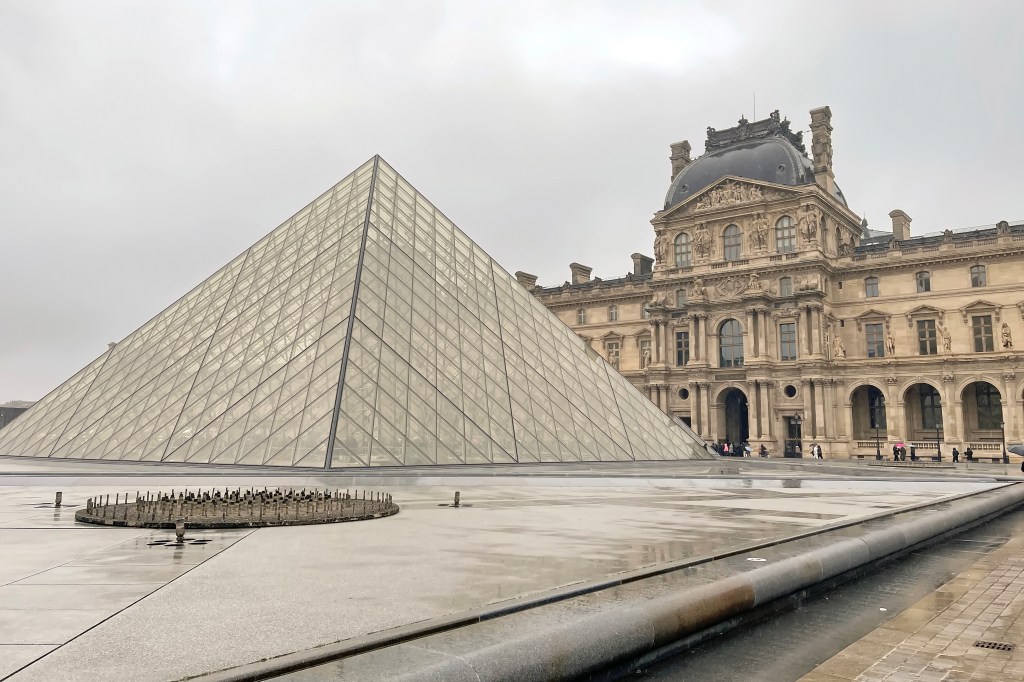
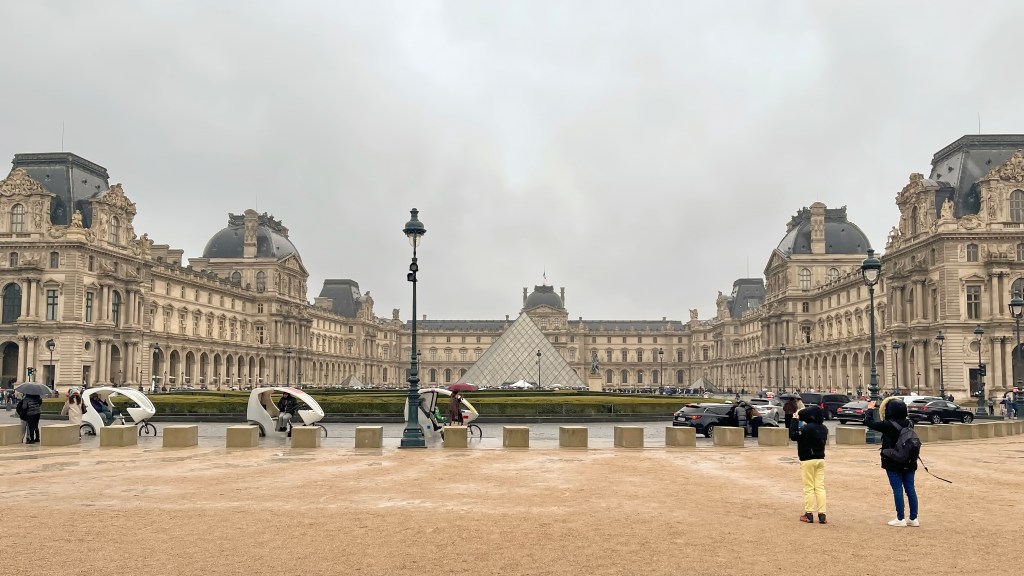
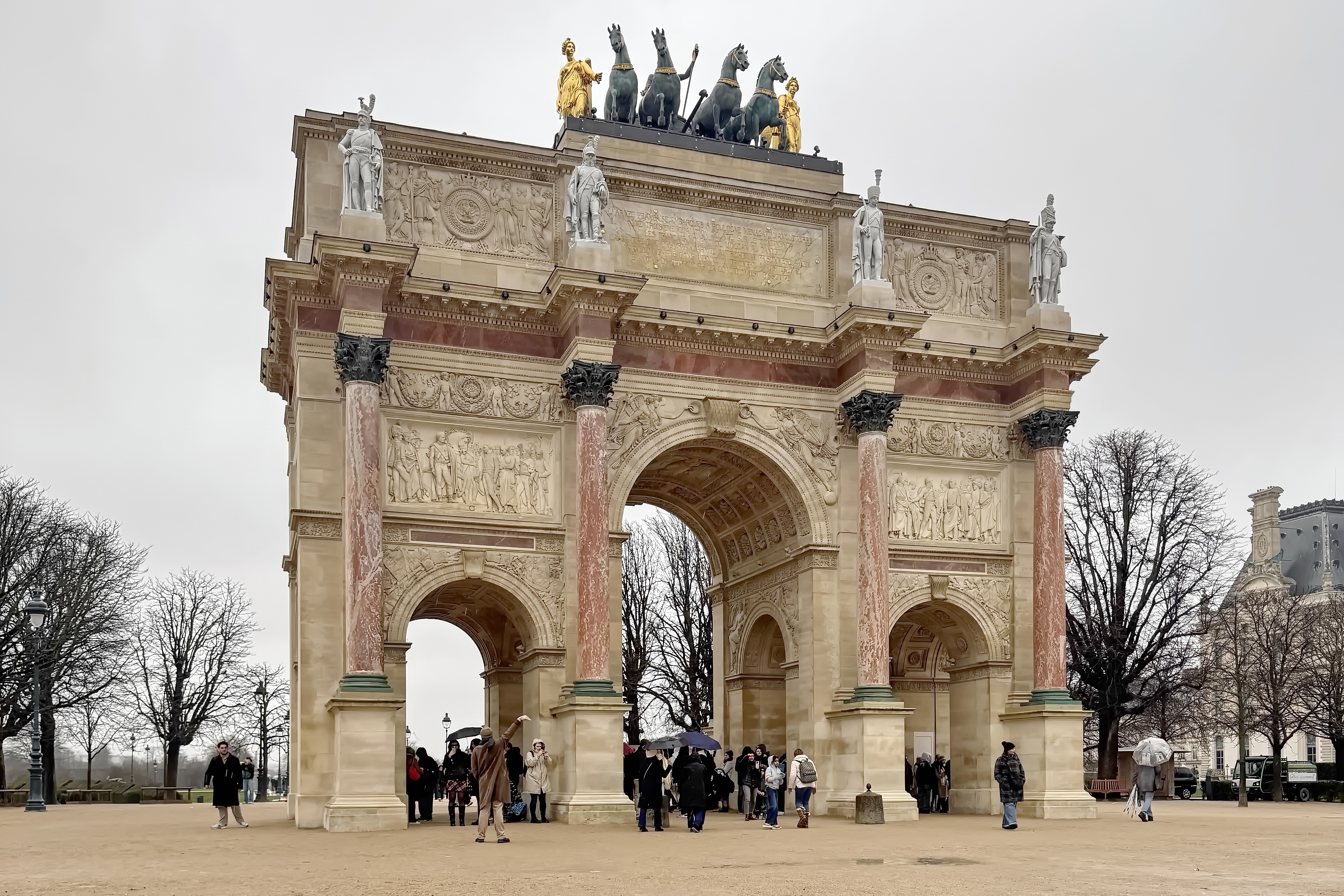
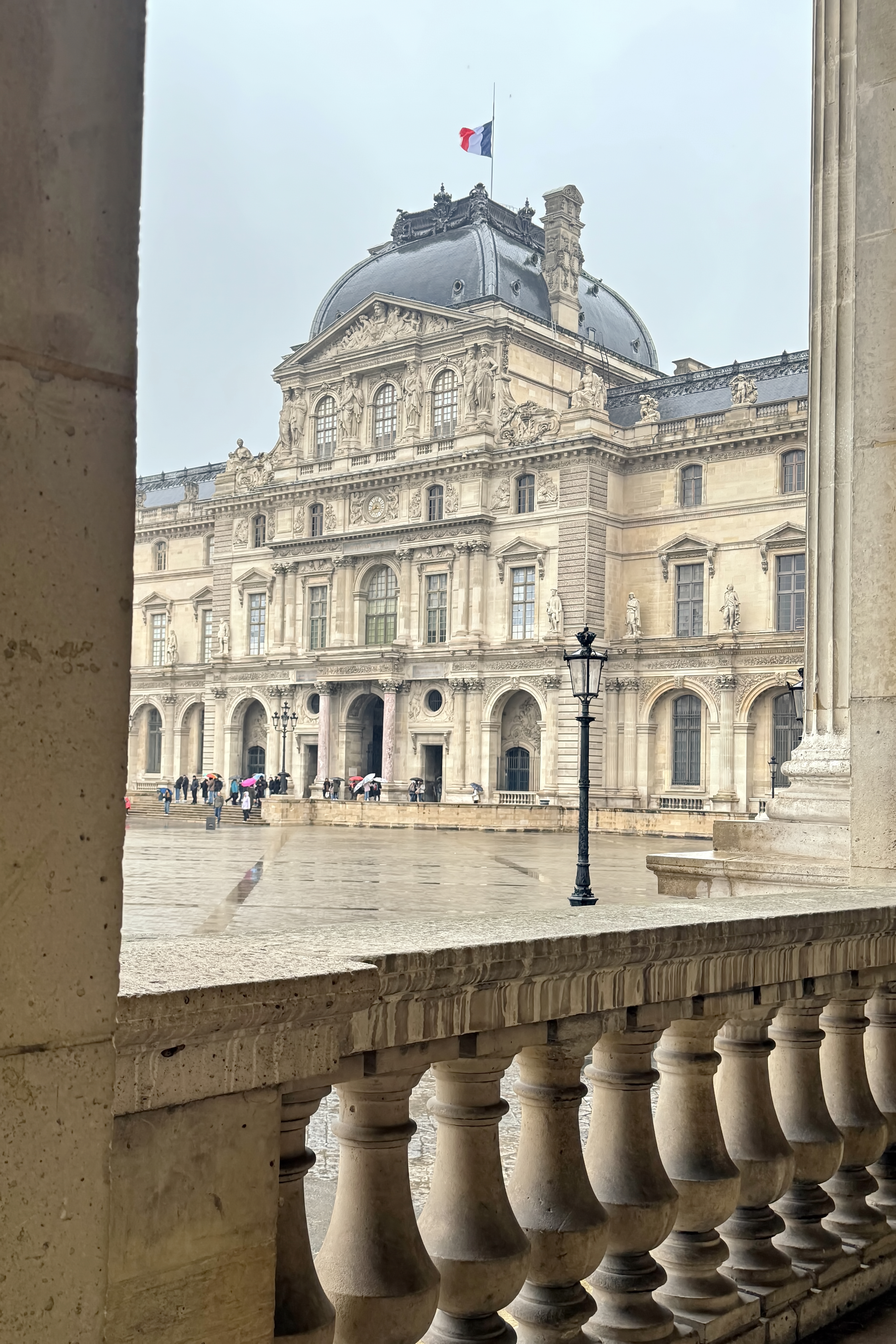
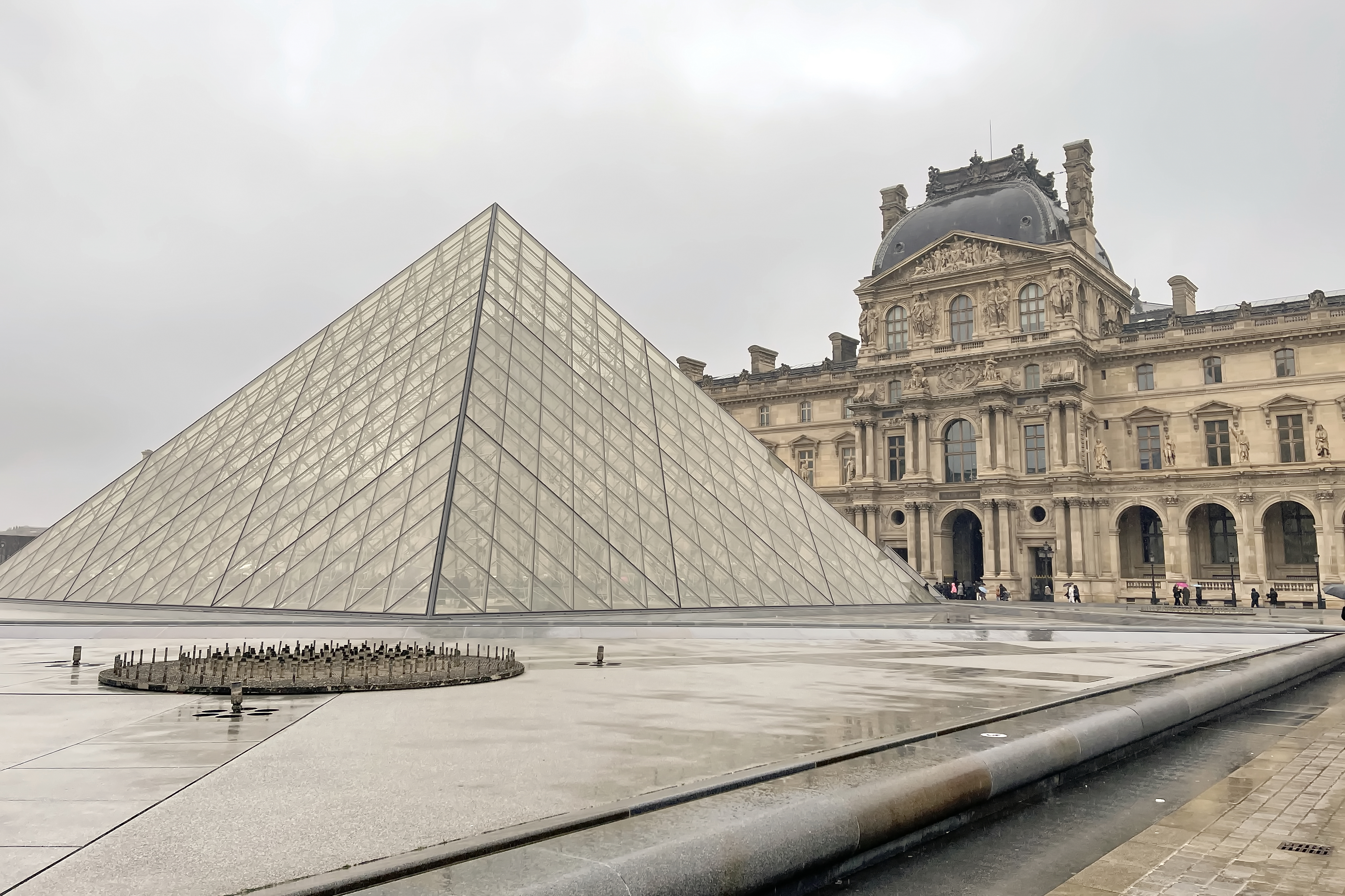
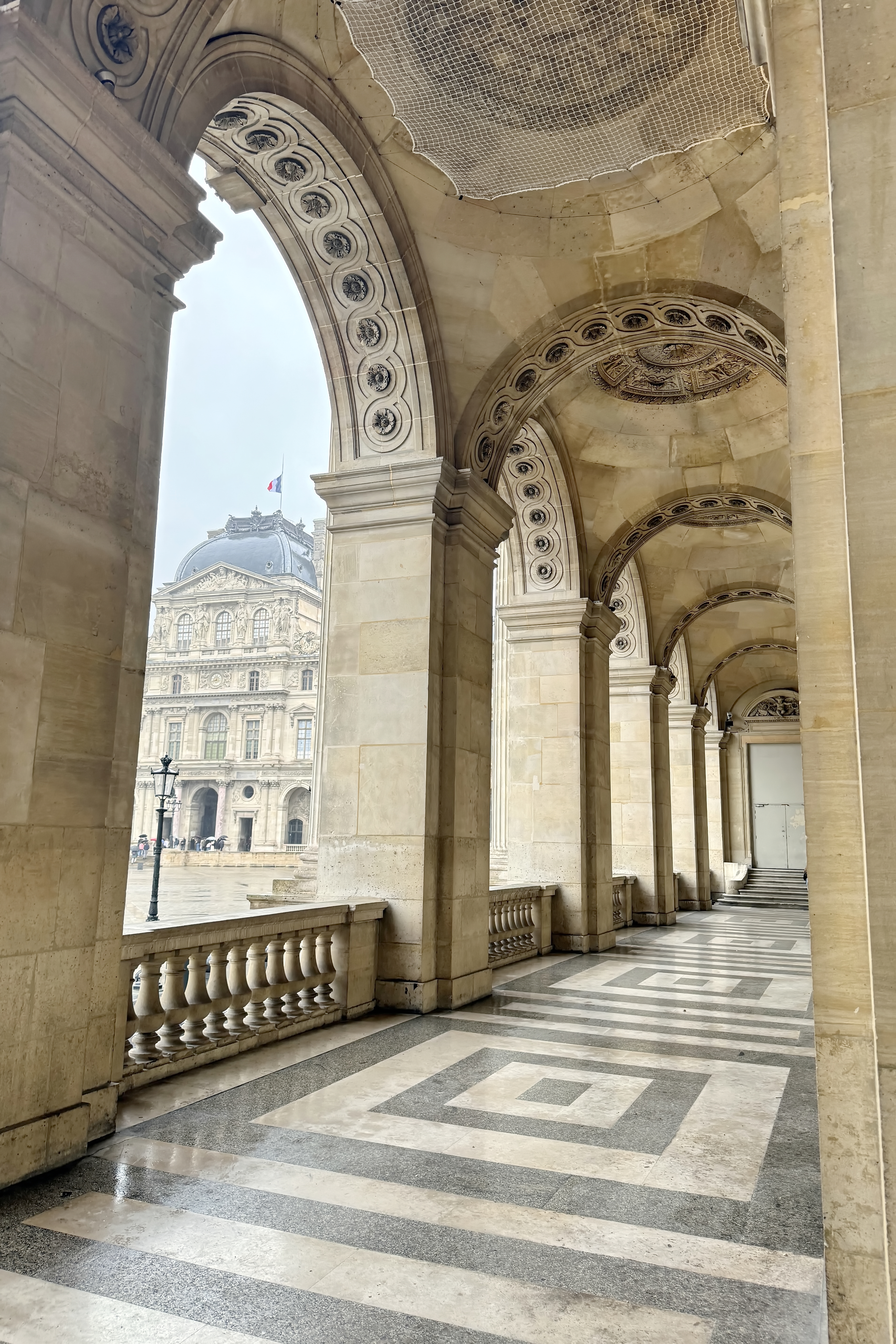
When we emerged again, the city had settled into a steady drizzle. We continued on to the Place de la Concorde, where the golden tip of the Luxor Obelisk shimmered bravely against the brooding sky. Ahead, framed perfectly through the Arc de Triomphe du Carrousel—Napoleon’s lesser-known tribute to victory—stood the vast and imposing Louvre Museum. Even in the rain, the courtyard buzzed with anticipation. Lines of visitors curled around the glass pyramid, umbrellas bobbing as people waited patiently for their chance to step inside—many, no doubt, with a quiet determination to glimpse the Mona Lisa in person. We paused for a moment, watching the scene unfold, feeling that familiar pull to join the queue. But with the rain settling in and the crowds thickening, we chose differently. Instead of squeezing in shoulder to shoulder with fellow sightseers, we wandered the perimeter of the grand façades, admiring the scale and symmetry, before turning back toward the dry, cozy comfort of our apartment.
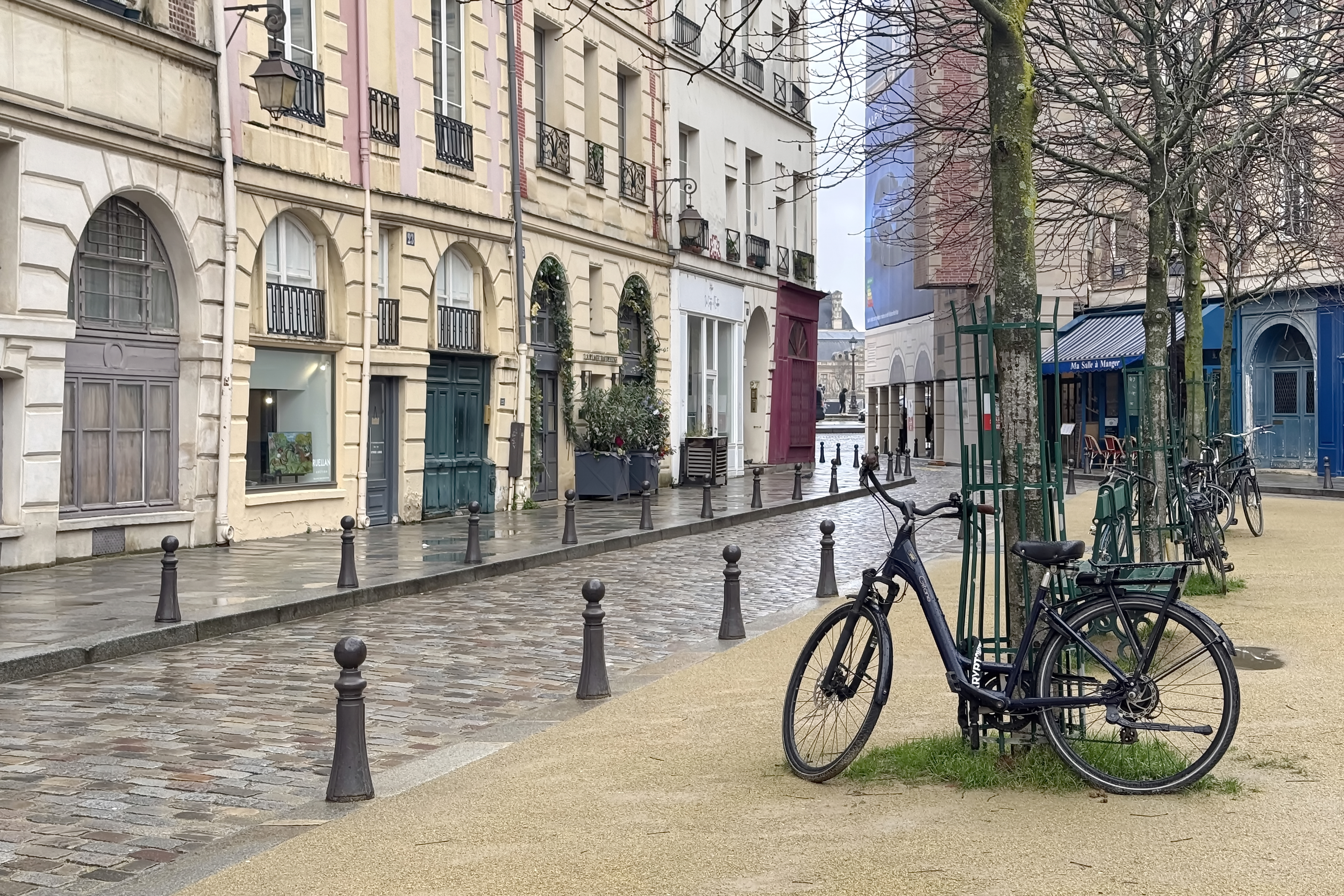
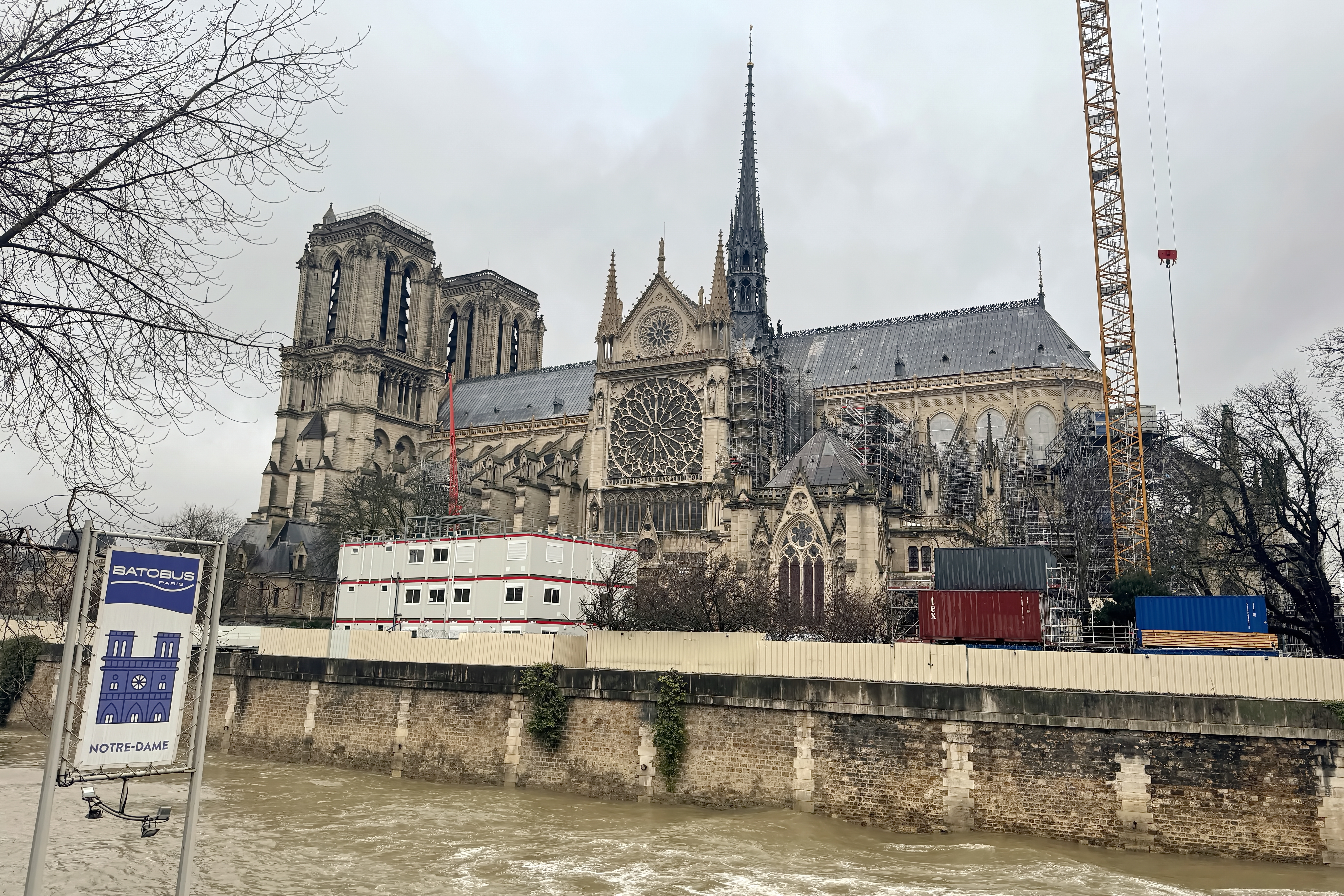
Day three belonged entirely to Notre Dame. The rain was still falling persistently, so we did what travellers do and bought souvenir umbrellas from a nearby tourist shop. Slightly overpriced and questionably sturdy, they felt like a very Paris solution to a very Paris problem. Then we set off, weaving through the narrow streets of Ile Saint-Louis and Ile de la Cite, the Seine sliding past us on either side. From the riverbank, we could see the ongoing restoration work, scaffolding still hugging parts of Notre-Dame Cathedral—a quiet reminder of both fragility and resilience.
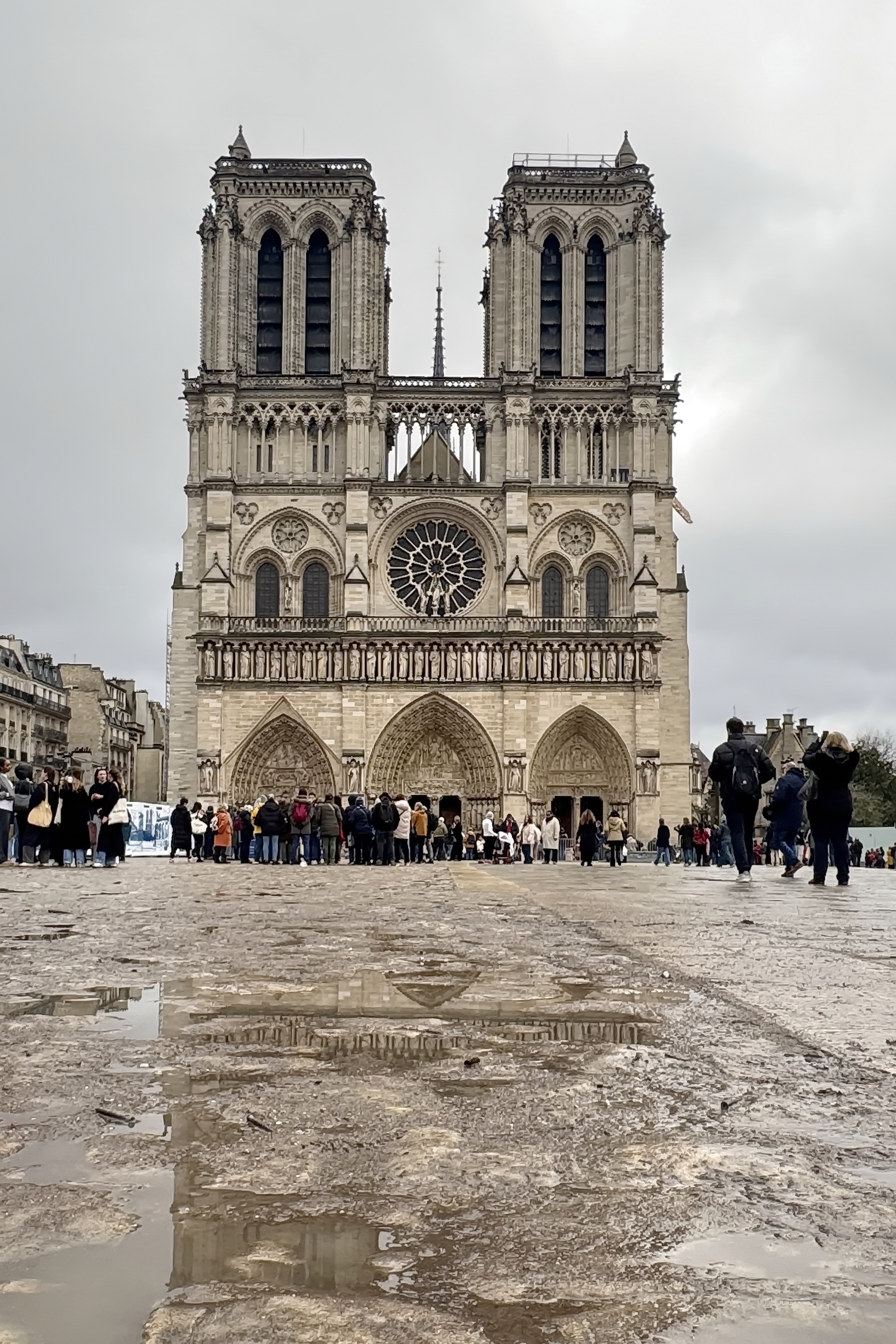
Even in the drizzle, the square in front of the iconic Gothic façade was full. We lingered there amongst the other pilgrims, tourists, families, school groups, and curious wanderers—all of us drawn to the same place for reasons that were probably slightly different, yet somehow shared.
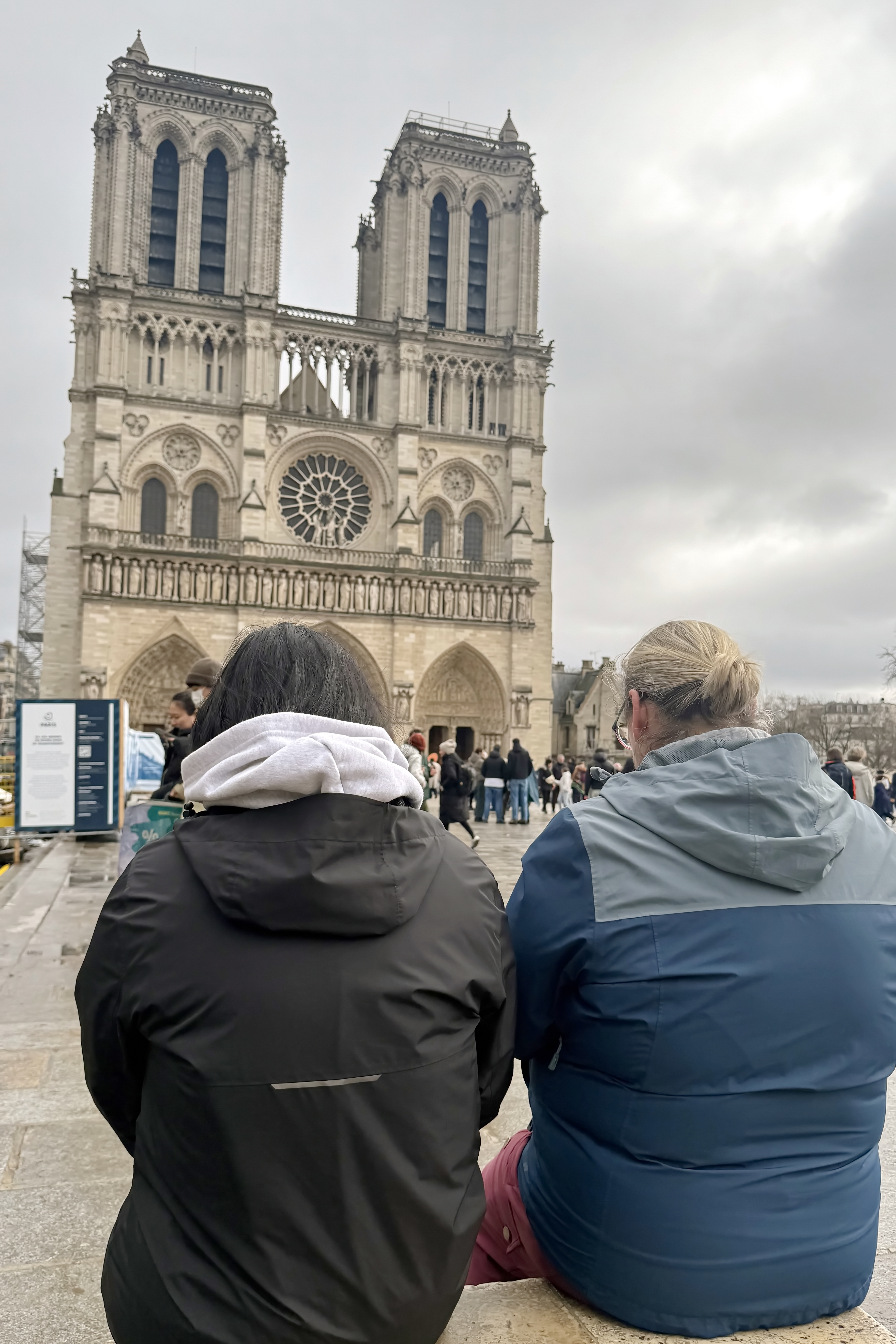
Inside, the energy shifted. Rather than allowing ourselves to be carried along in the steady current of visitors, we stepped out of the slow-moving line and slipped into some open seats. We didn’t speak. We simply sat. We looked up. Our eyes traced the soaring arches, the ribbed vaults, the intricate stonework—craftsmanship layered upon craftsmanship, century upon century. The cathedral was busy: footsteps echoed across the floor, cameras clicked, voices remained hushed but constant. And yet, in the middle of all that movement, we managed to carve out a quiet pocket of stillness.
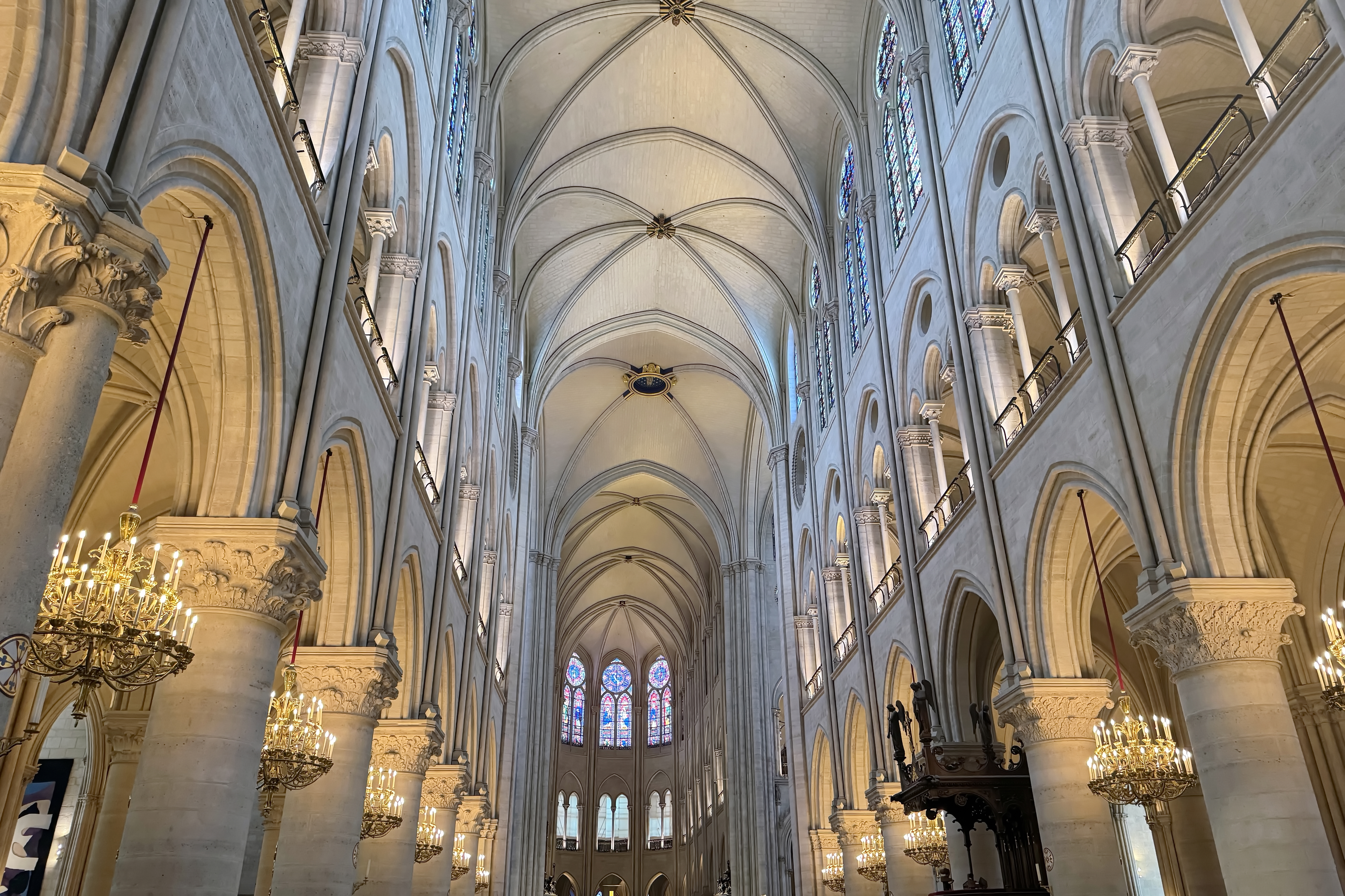
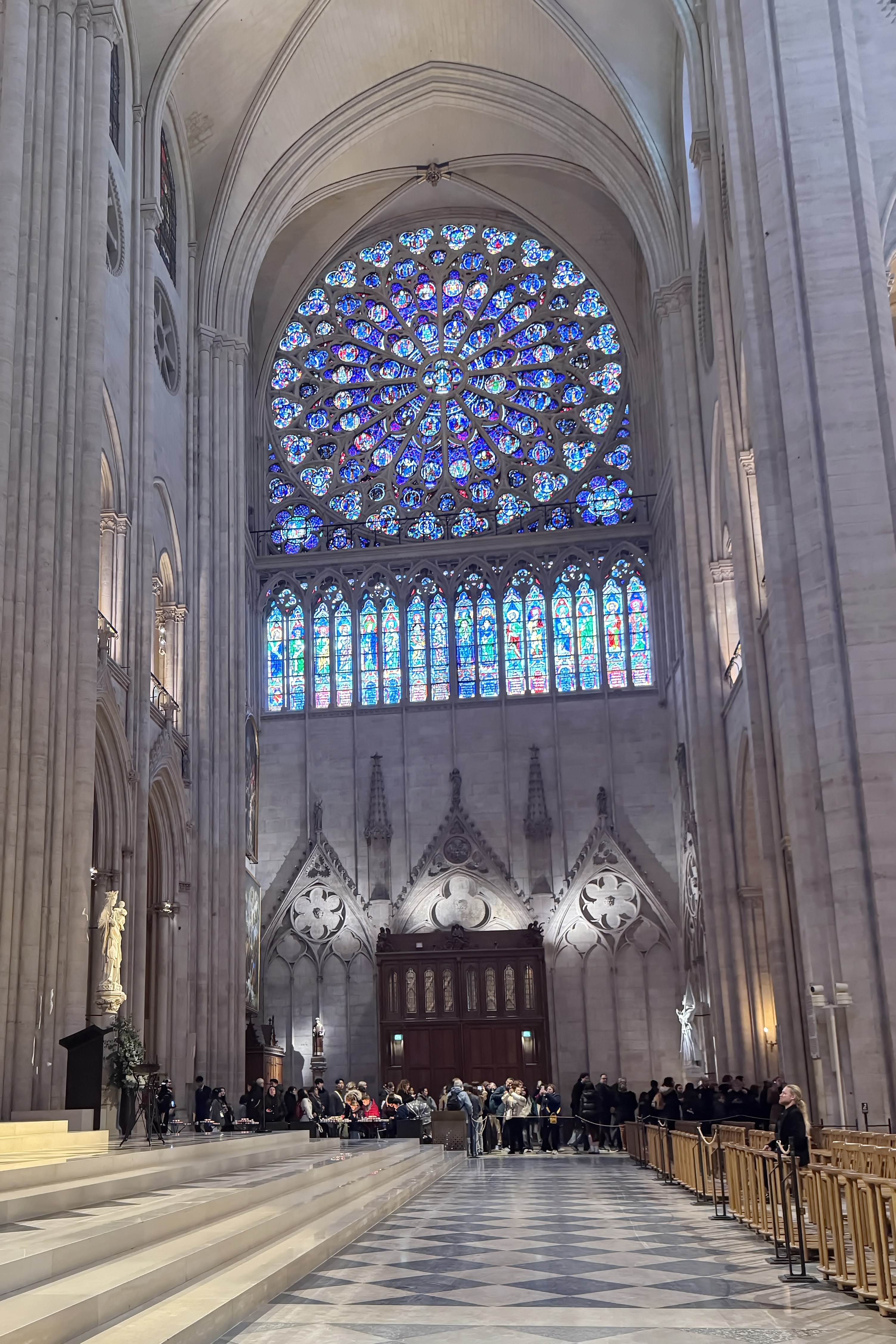
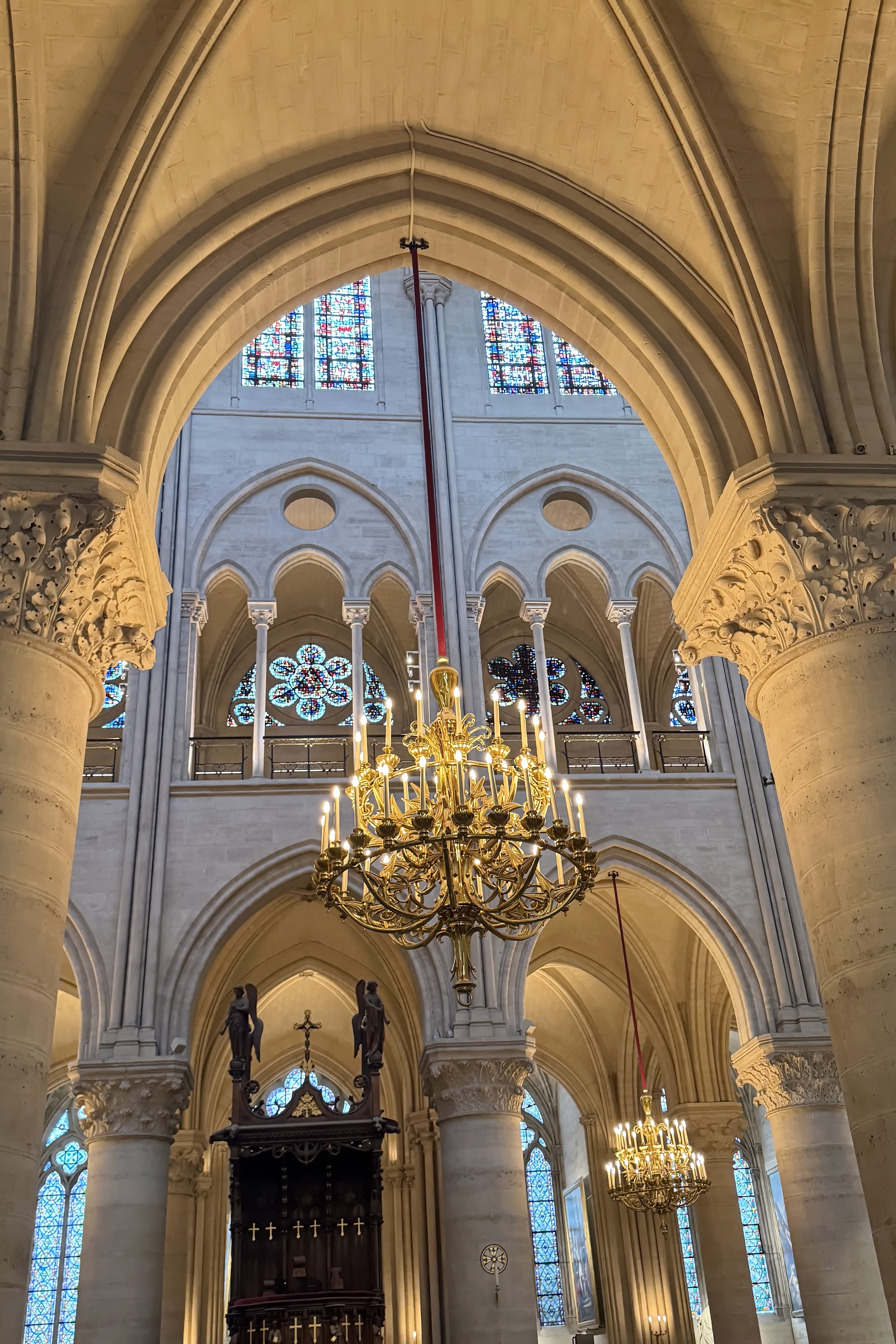
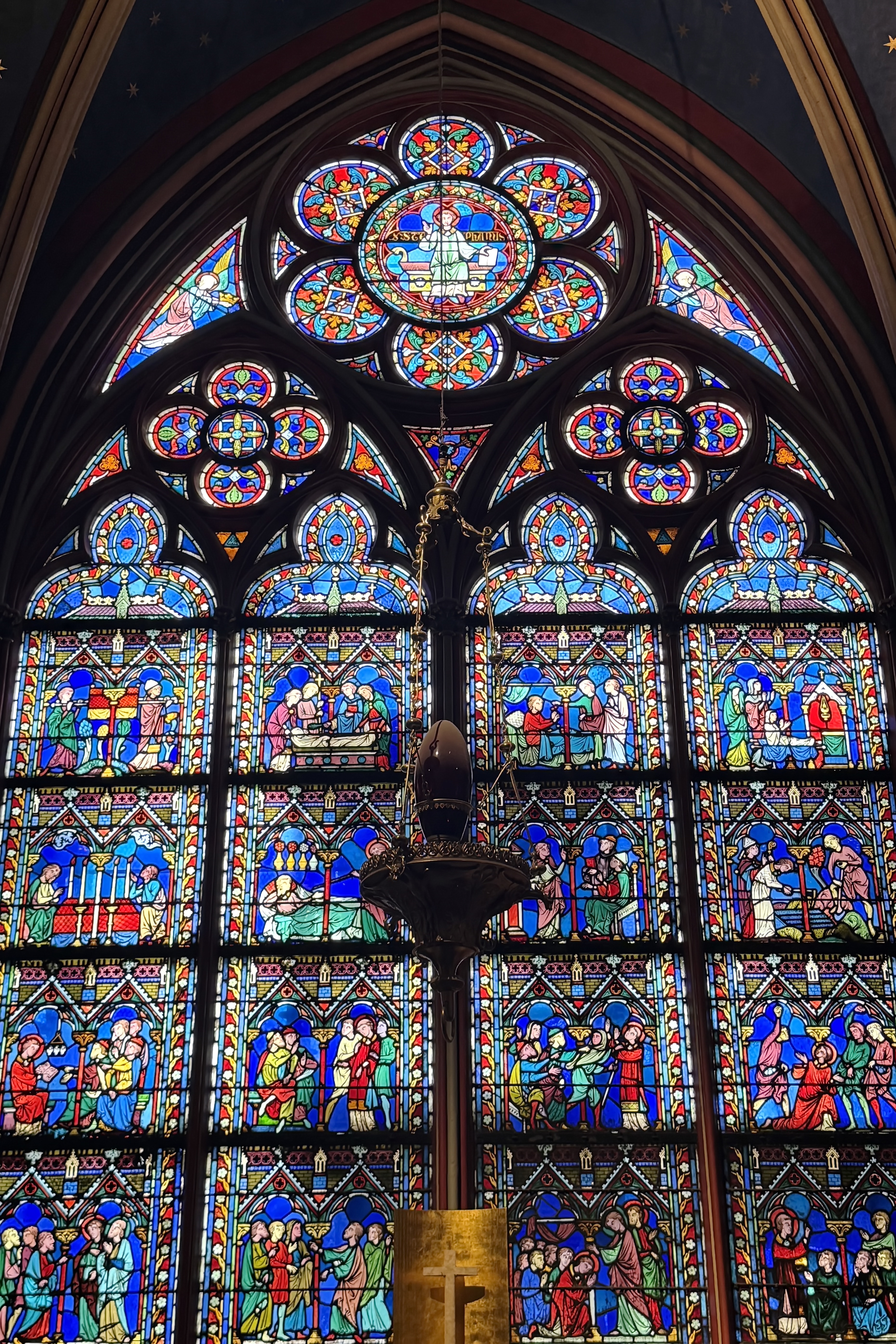
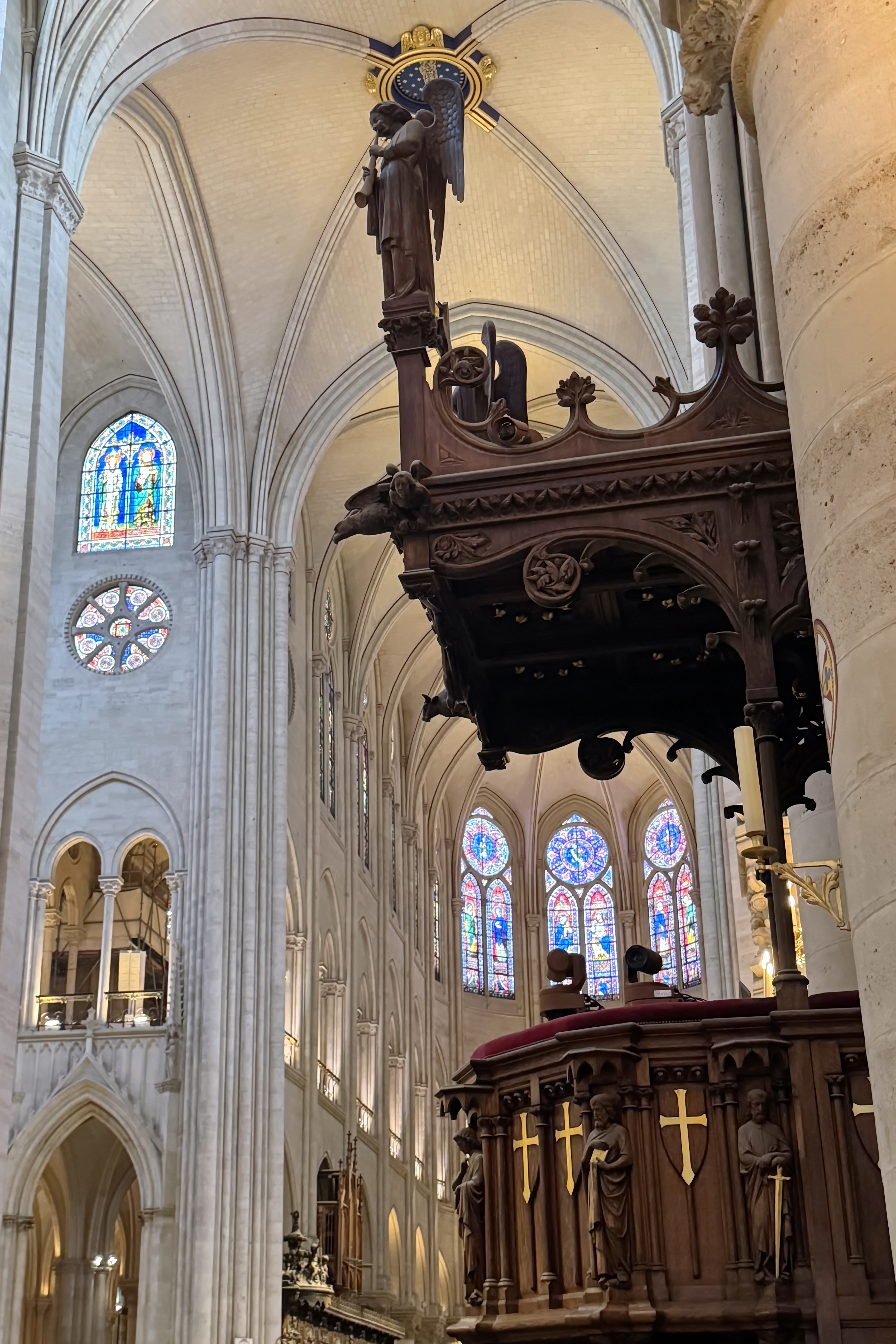
For a few minutes, we weren’t travellers checking off a landmark. We were witnesses—to history, to resilience, to light filtering softly through stained glass and pooling in muted colours across ancient stone. Despite the crowd, despite the noise, there was space to absorb it. To feel small in the very best way.
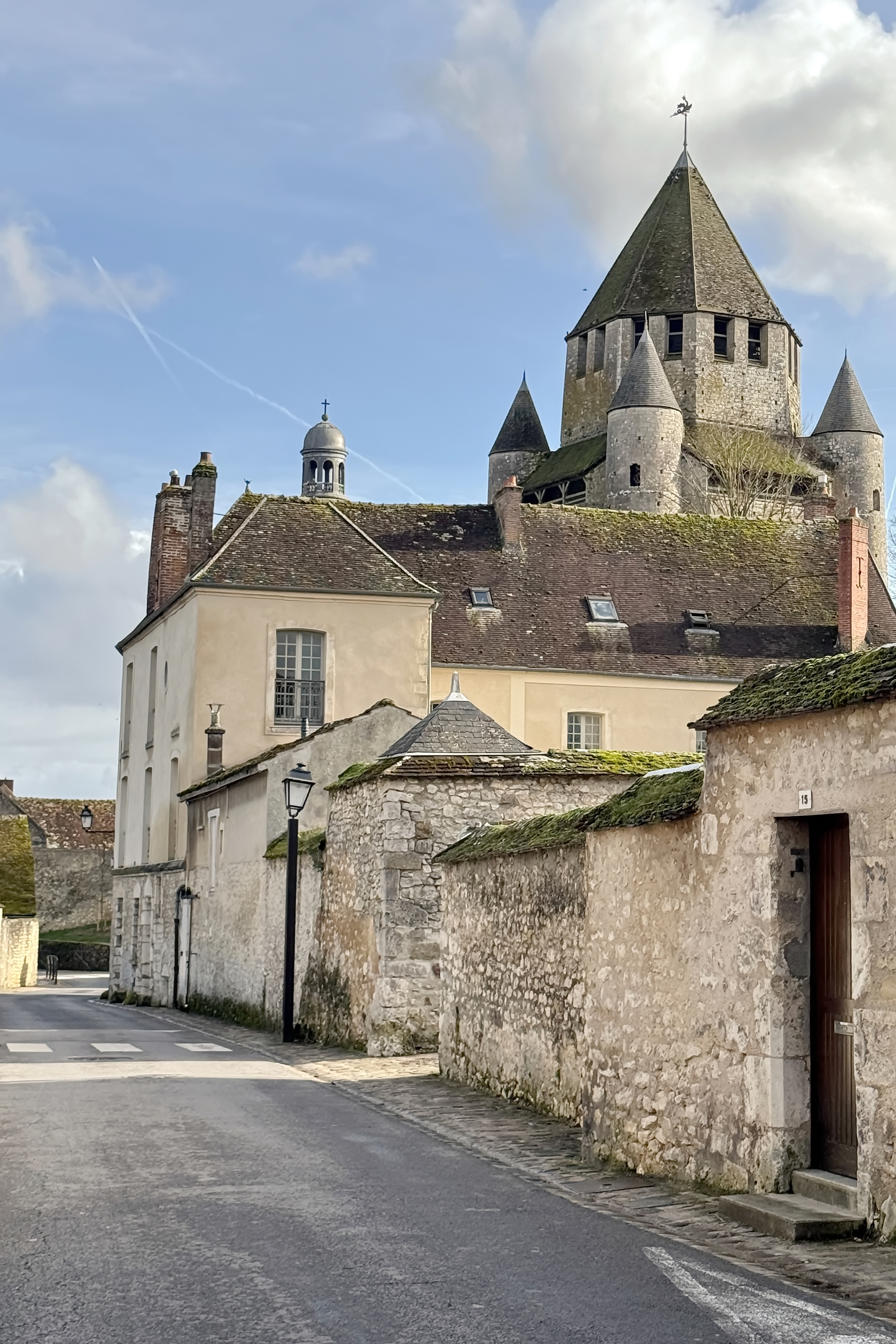
After our experience at the very busy Notre-Dame Cathedral, we decided that our final day called for something quieter. We traded city streets for a train platform and headed just 30 minutes outside of Paris to the beautifully preserved medieval town of Provins. Dating back to around the year 1000, Provins feels quaint, appealing and untroubled. Despite the passage of time, it has remained remarkably intact, offering a rare glimpse into medieval Europe. Today, it is recognized as a UNESCO World Heritage Site—and once you arrive, it’s easy to see why.
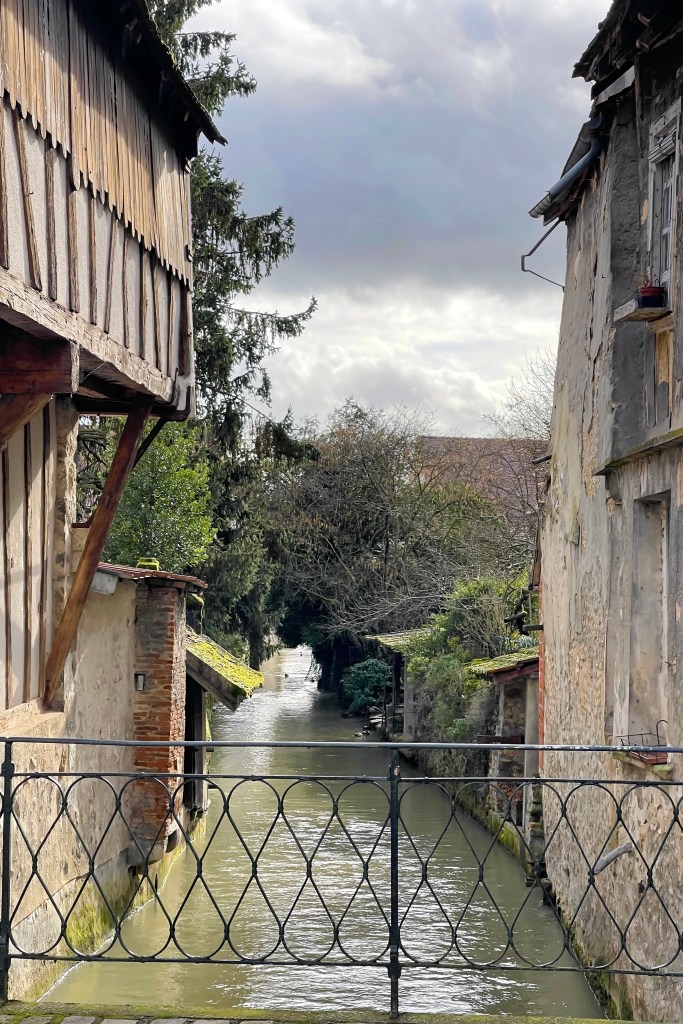
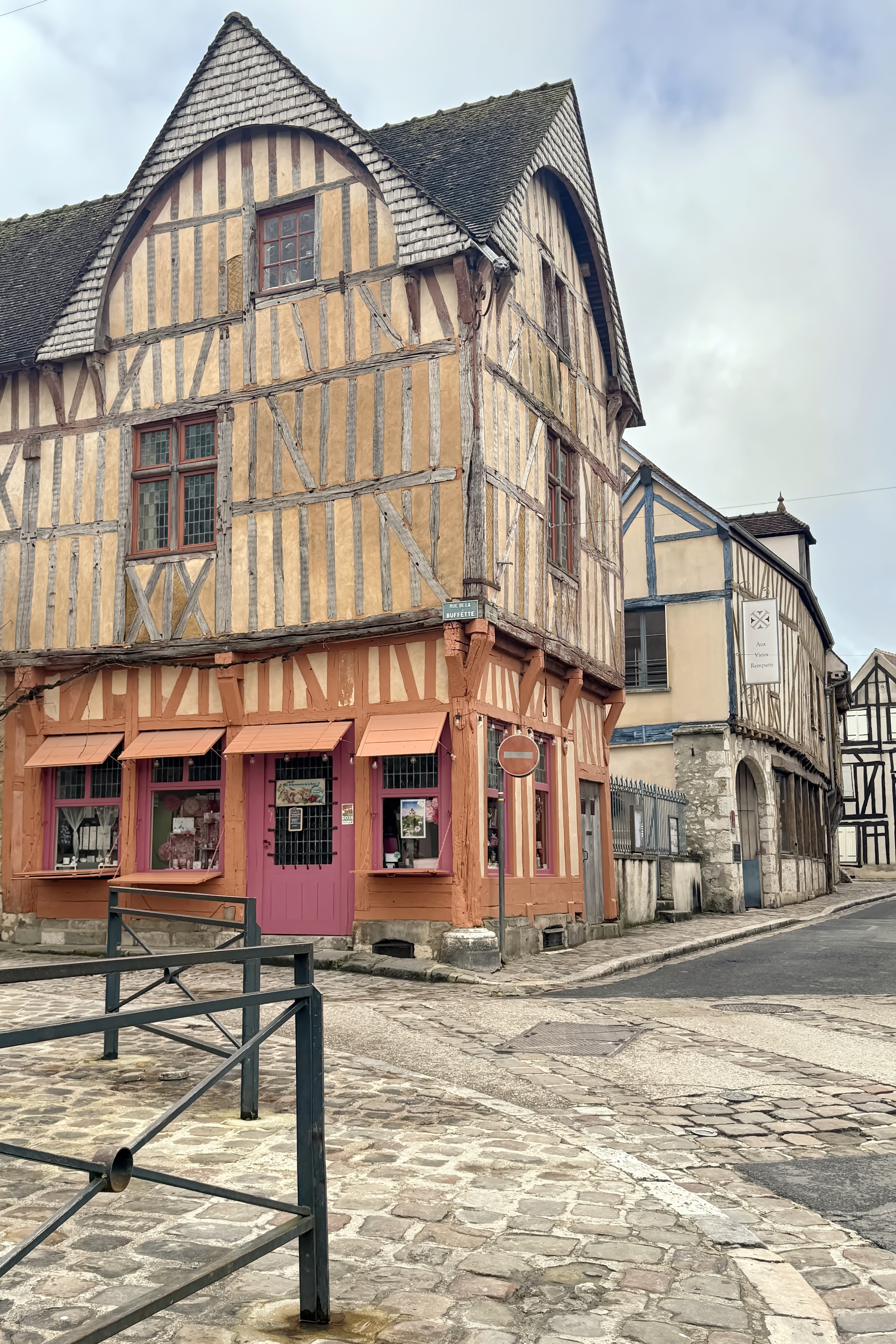
We quickly realised that this small town offered far more than we had expected. The lower town, near the train station, felt open and lived-in—modern in places, yet still holding onto its small-town charm. Local shops lined the streets, traditional stone and timber buildings stood shoulder to shoulder, and a gentle stream wound its way through town, inviting slow walks along its banks. It felt peaceful and authentic, a place where daily life quietly continues, unhurried.
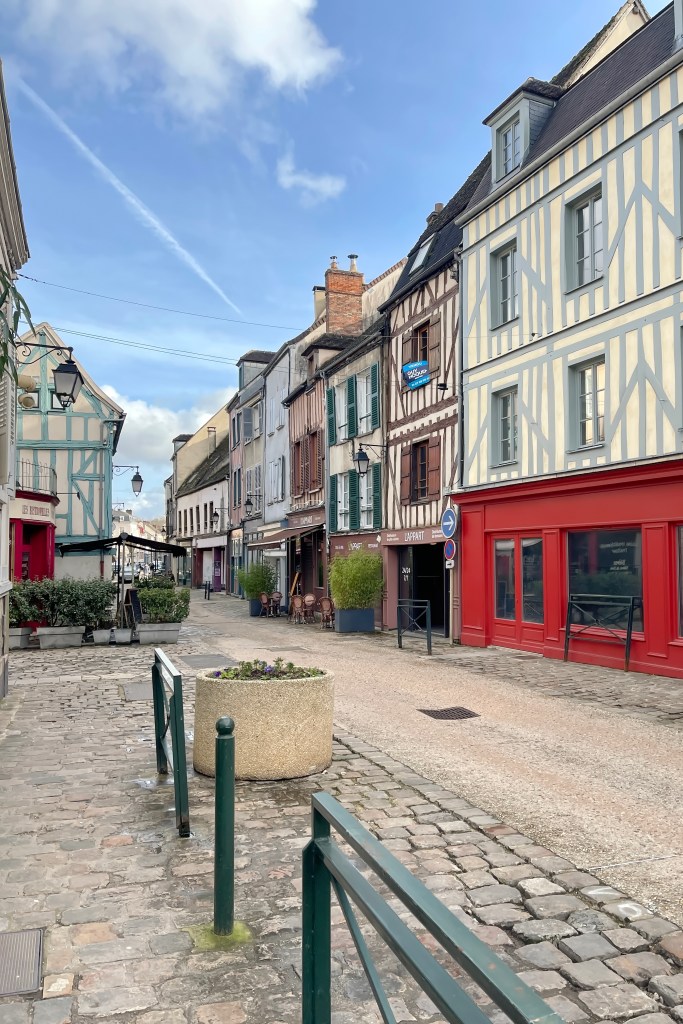
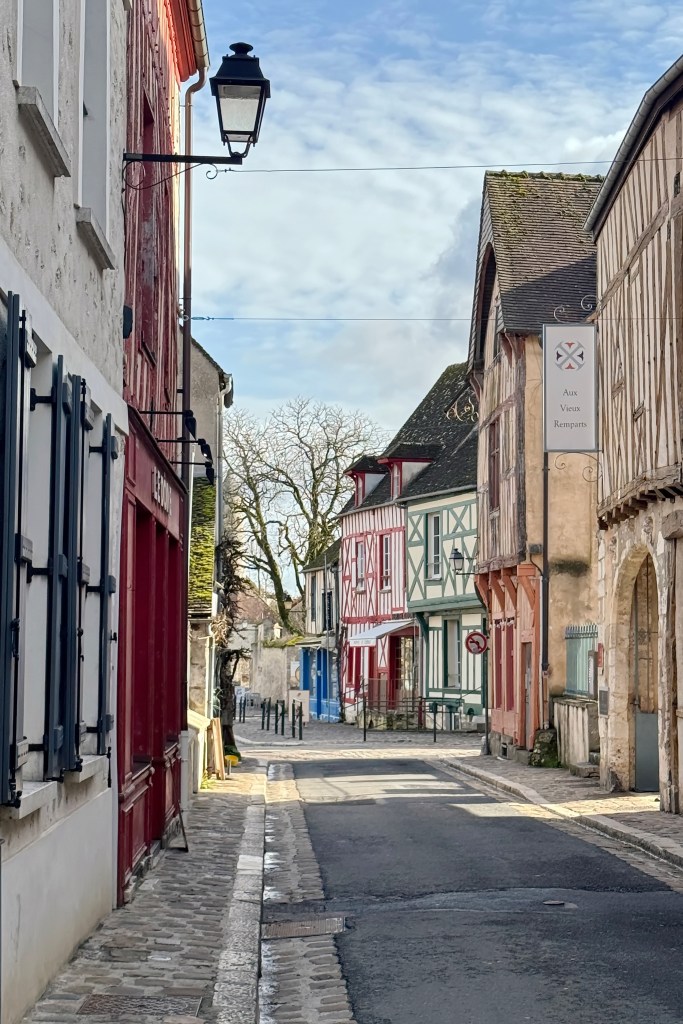
But it was when we began climbing uphill that Provins truly revealed itself. The shift felt almost theatrical. With each step, the streets narrowed, the stone seemed older, more worn, more storied—and then suddenly, we were standing before medieval walls. A remarkably well-preserved gate marked what had once been a defensive boundary, its heavy stone presence a quiet reminder that this peaceful hilltop was once a fortified stronghold. Running our hands along the cool rock, it wasn’t hard to imagine watchmen scanning the countryside centuries ago. Portions of the original ramparts still trace the edge of the hill, and walking beside them, with open views stretching out below, we felt suspended somewhere between past and present.
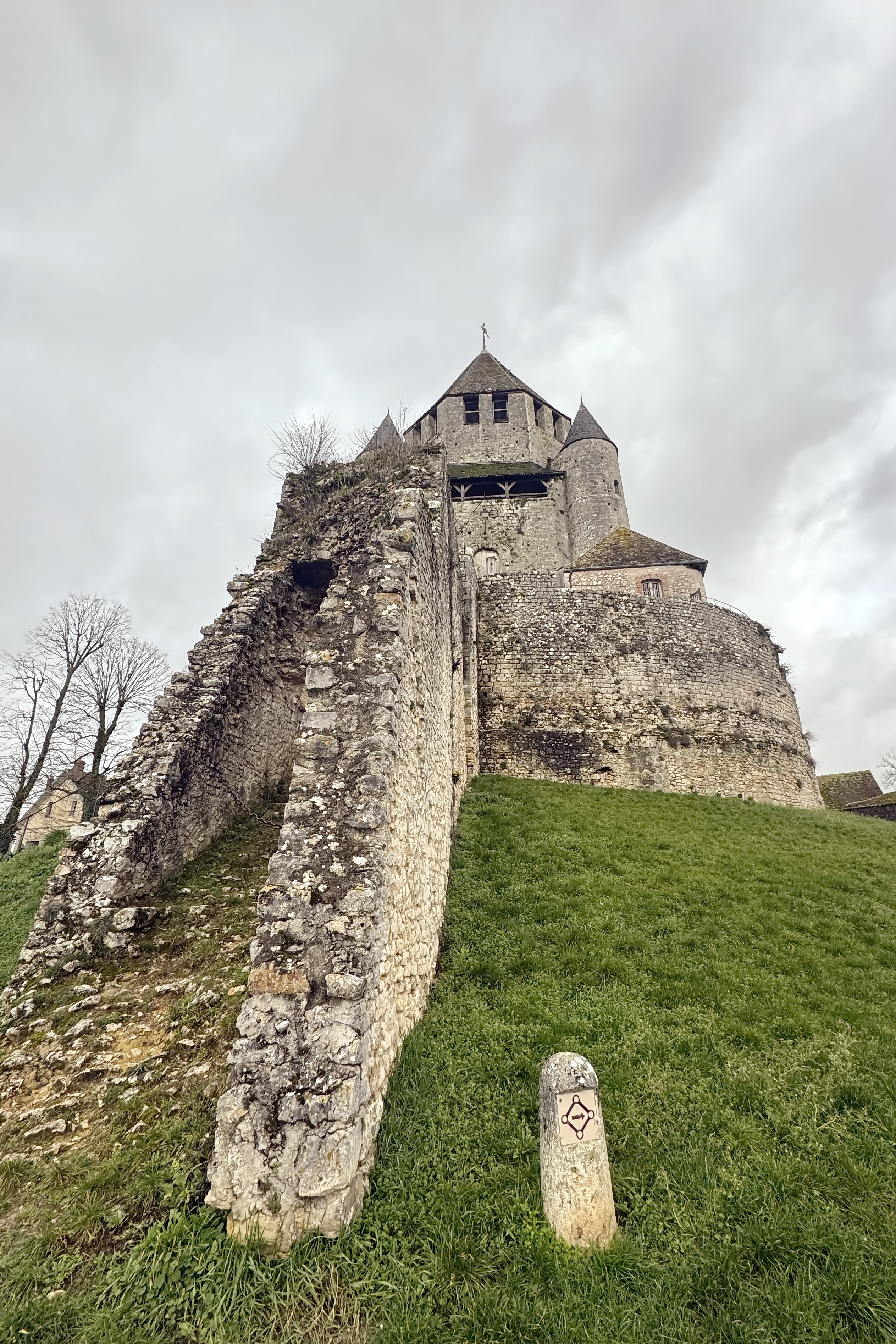
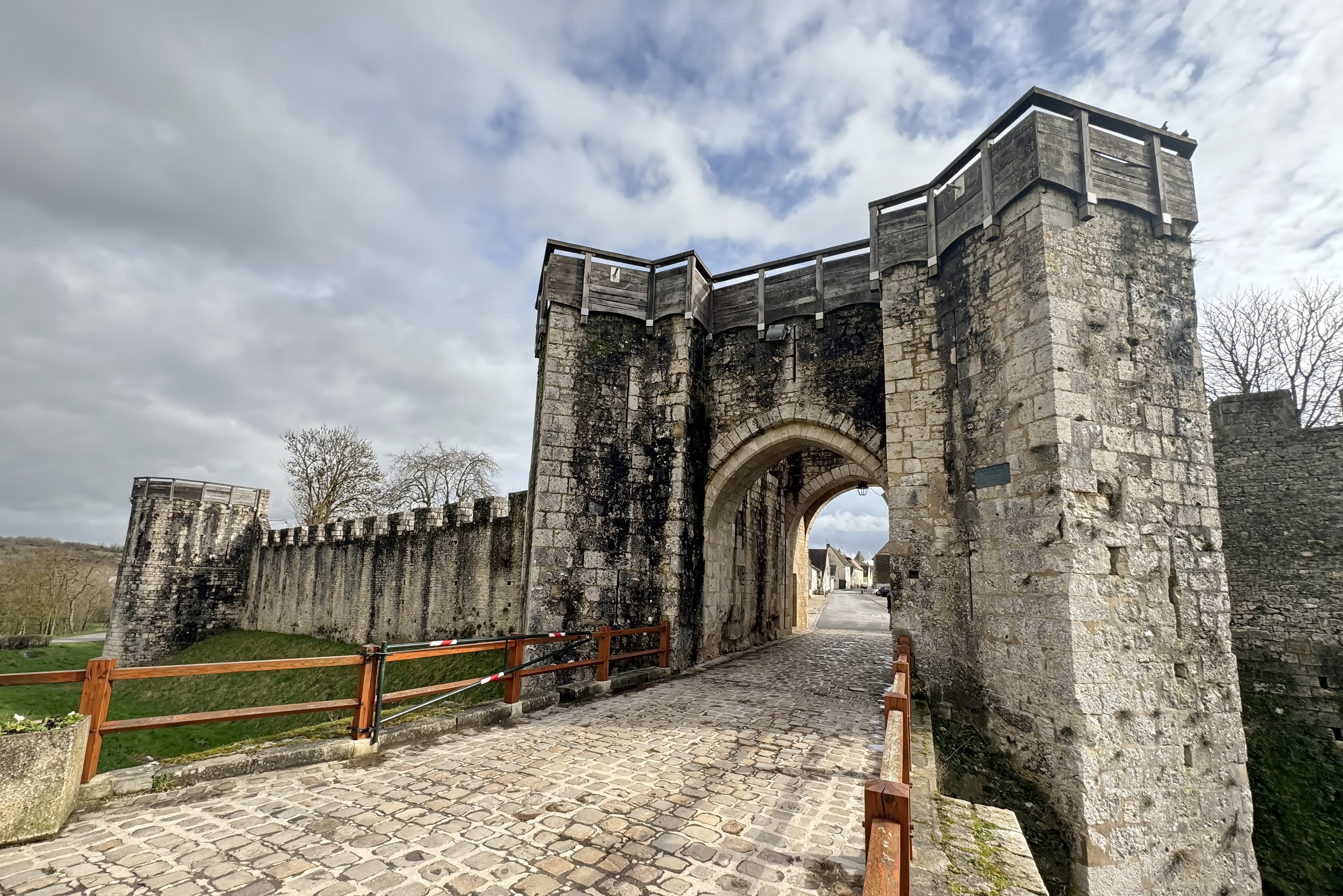
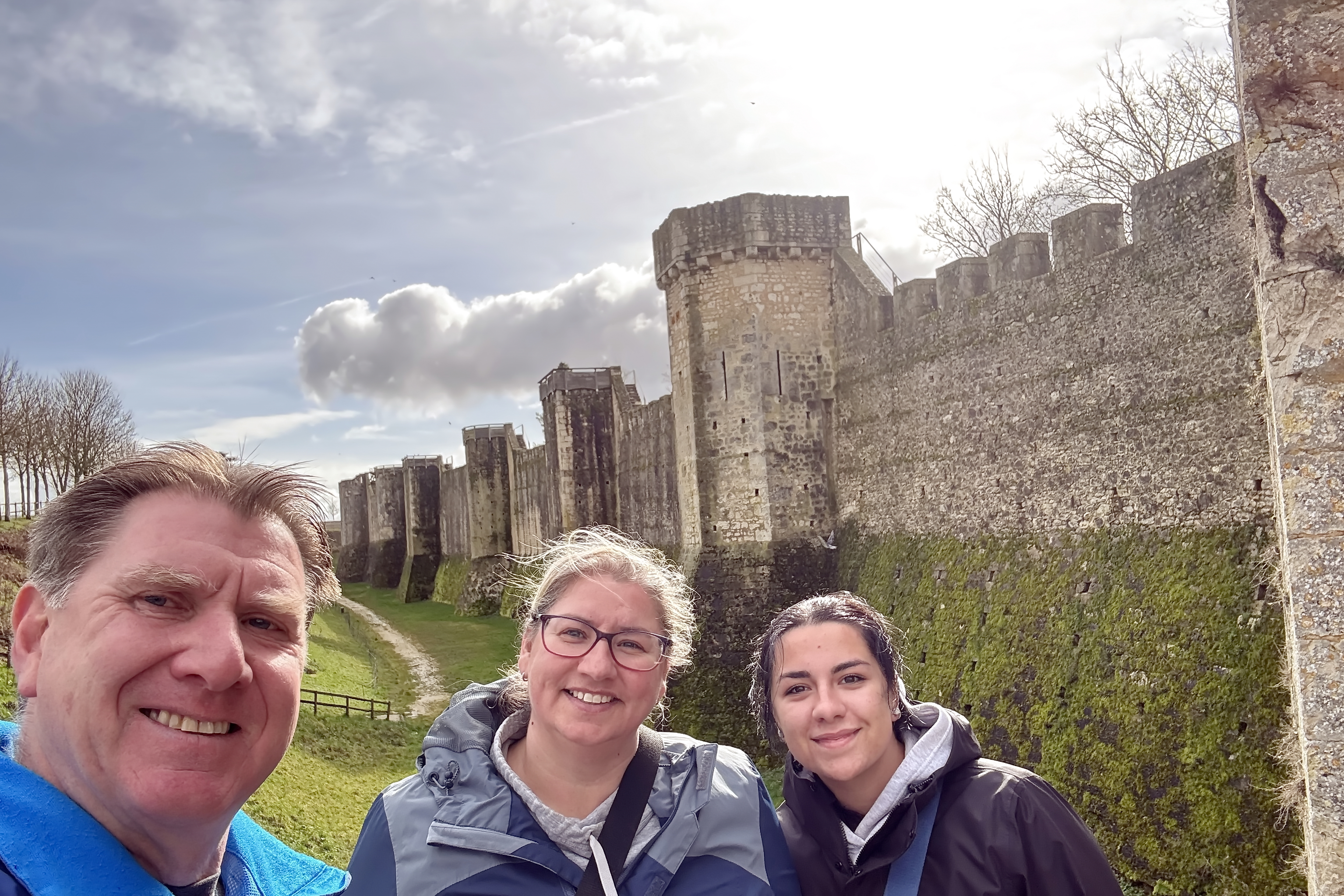
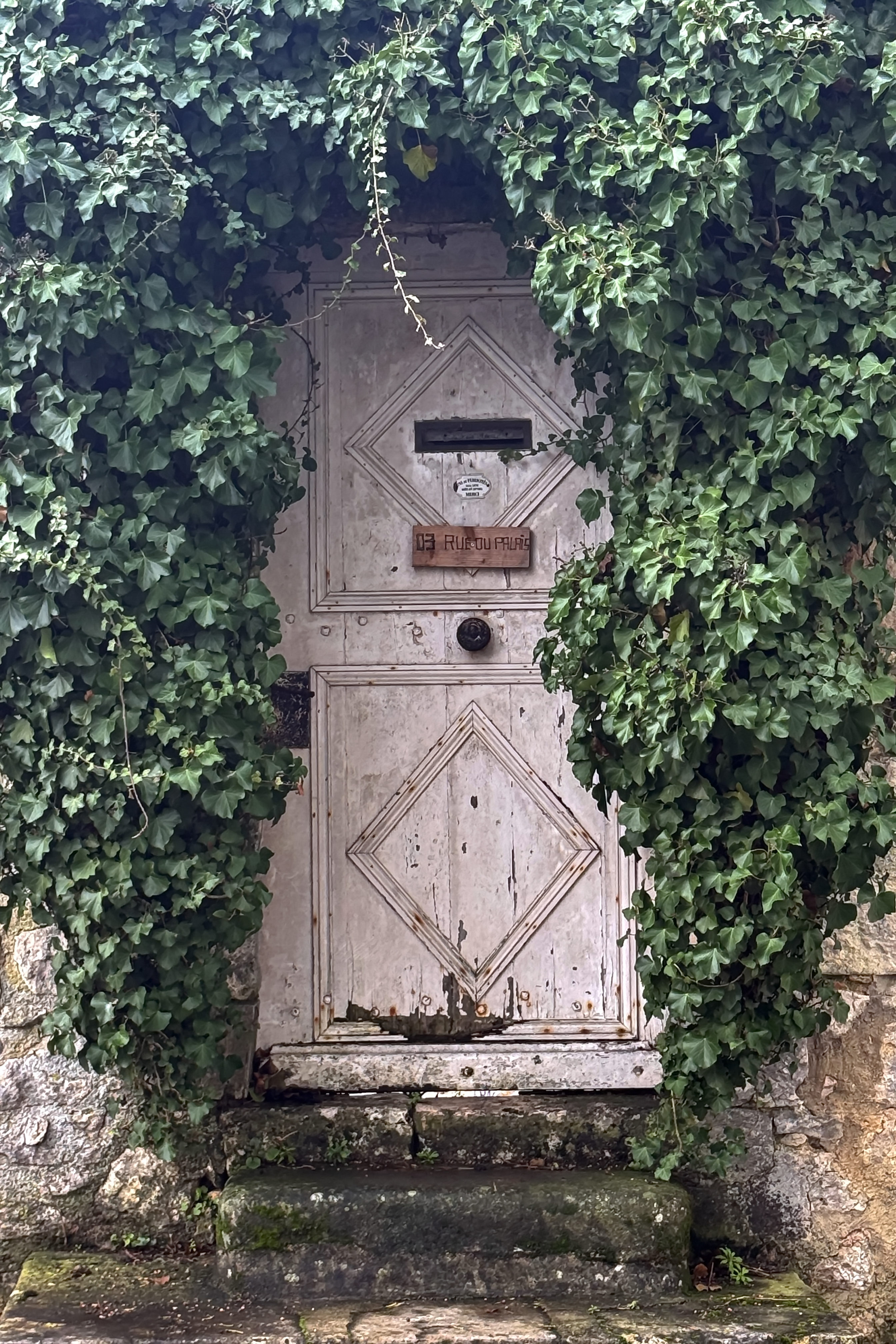
The upper town didn’t just look historic—it felt like stepping back in time. Winding lanes twisted between honey-coloured stone buildings, and every corner seemed to offer something that made us pause: a weathered wooden door, uneven cobblestones polished by generations of footsteps, ivy creeping up ancient walls. We found ourselves slowing naturally, not because we were tired, but because it didn’t feel like a place to rush. Half the joy of Provins was wandering without a plan — turning down narrow alleys simply because they looked interesting, peeking through archways, letting curiosity guide us rather than a map.
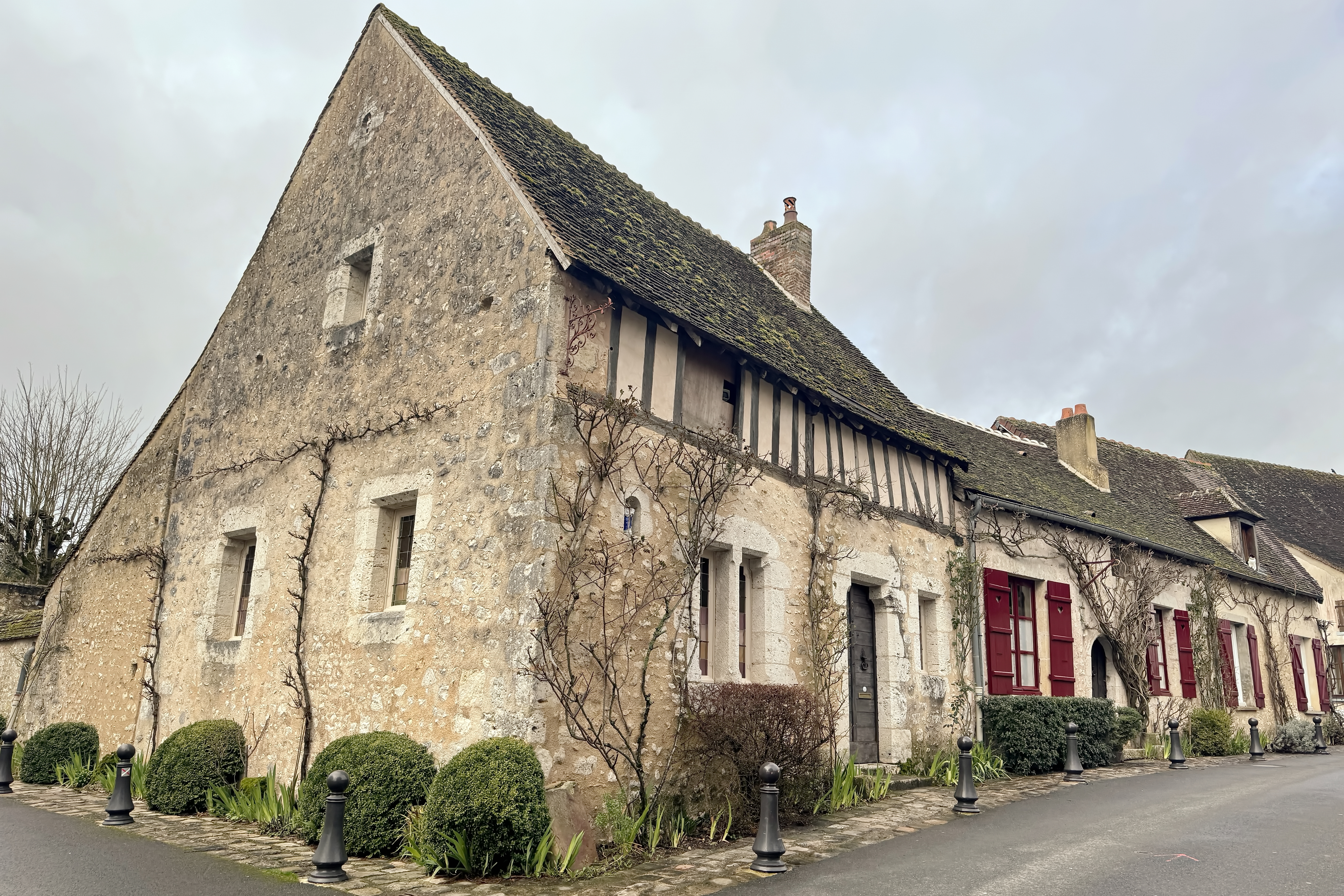
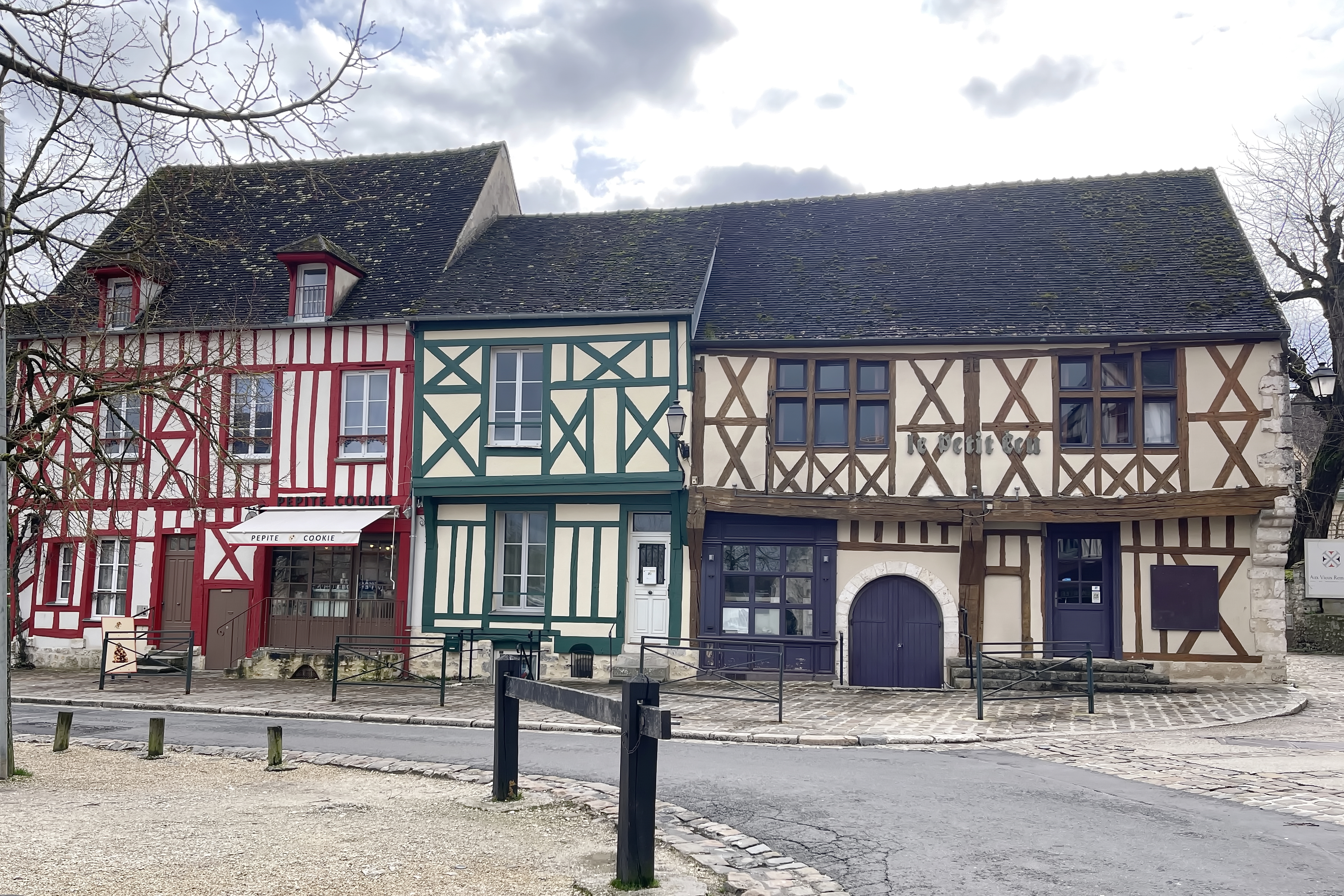
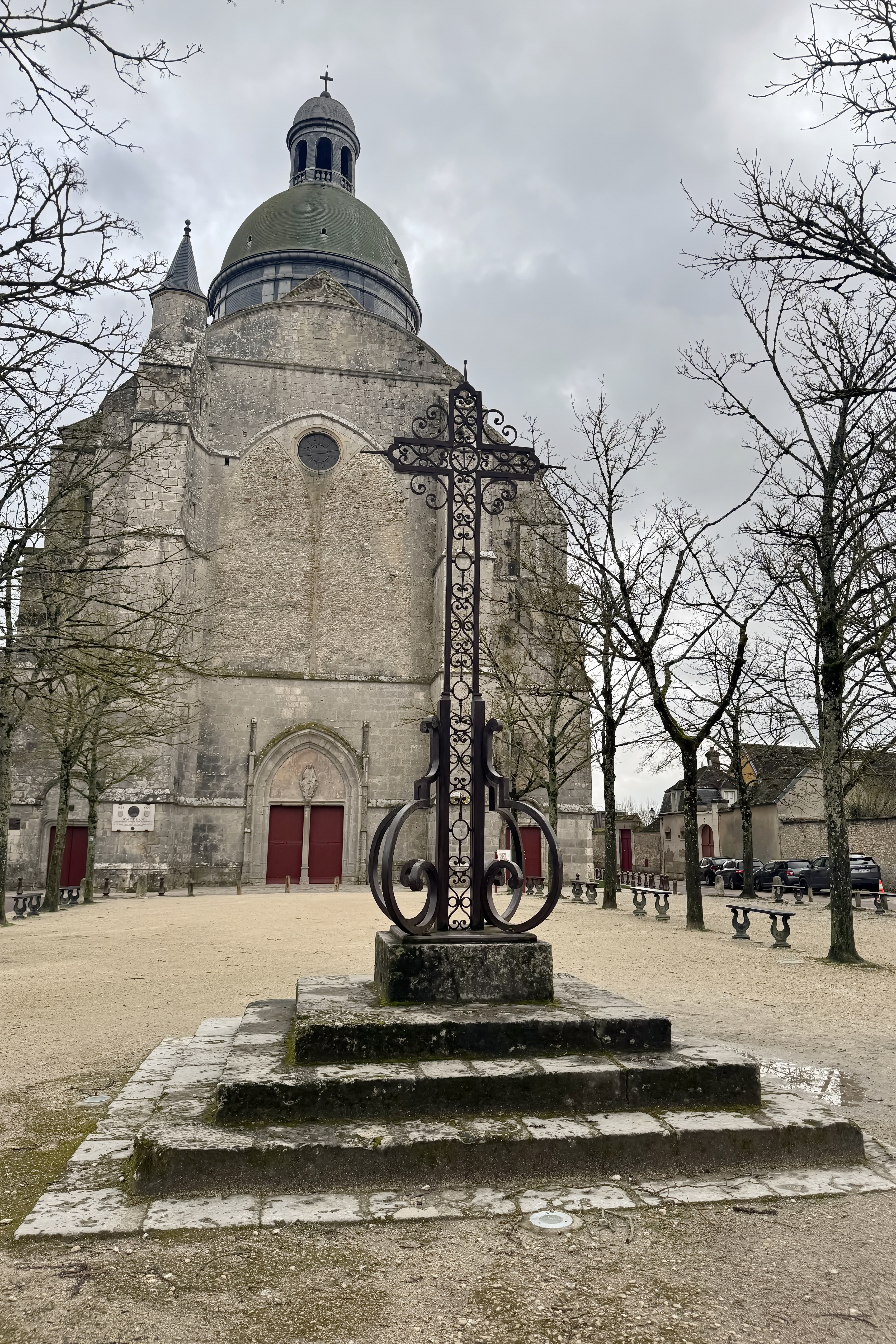
And beyond the history, Provins is simply beautiful in a quiet, understated way. Before catching the train back to Paris, we sat for a while in the main square, saying very little. The stillness settled around us in a way that felt almost protective. If Paris had been grand and dramatic—full of movement and monumentality—Provins felt intimate and timeless. Less about spectacle, more about atmosphere. Less about checking off landmarks, more about absorbing a feeling. And as we sat there, we both knew this slower, quieter moment would stay with us just as strongly as any famous Parisian icon.
The next day we navigated the Paris Metro one last time, rolling our suitcases through busy stations and replaying favourite moments from the past few days. At the airport, we hugged our niece goodbye—grateful she chose to spend her Spring Break with us and share this experience.
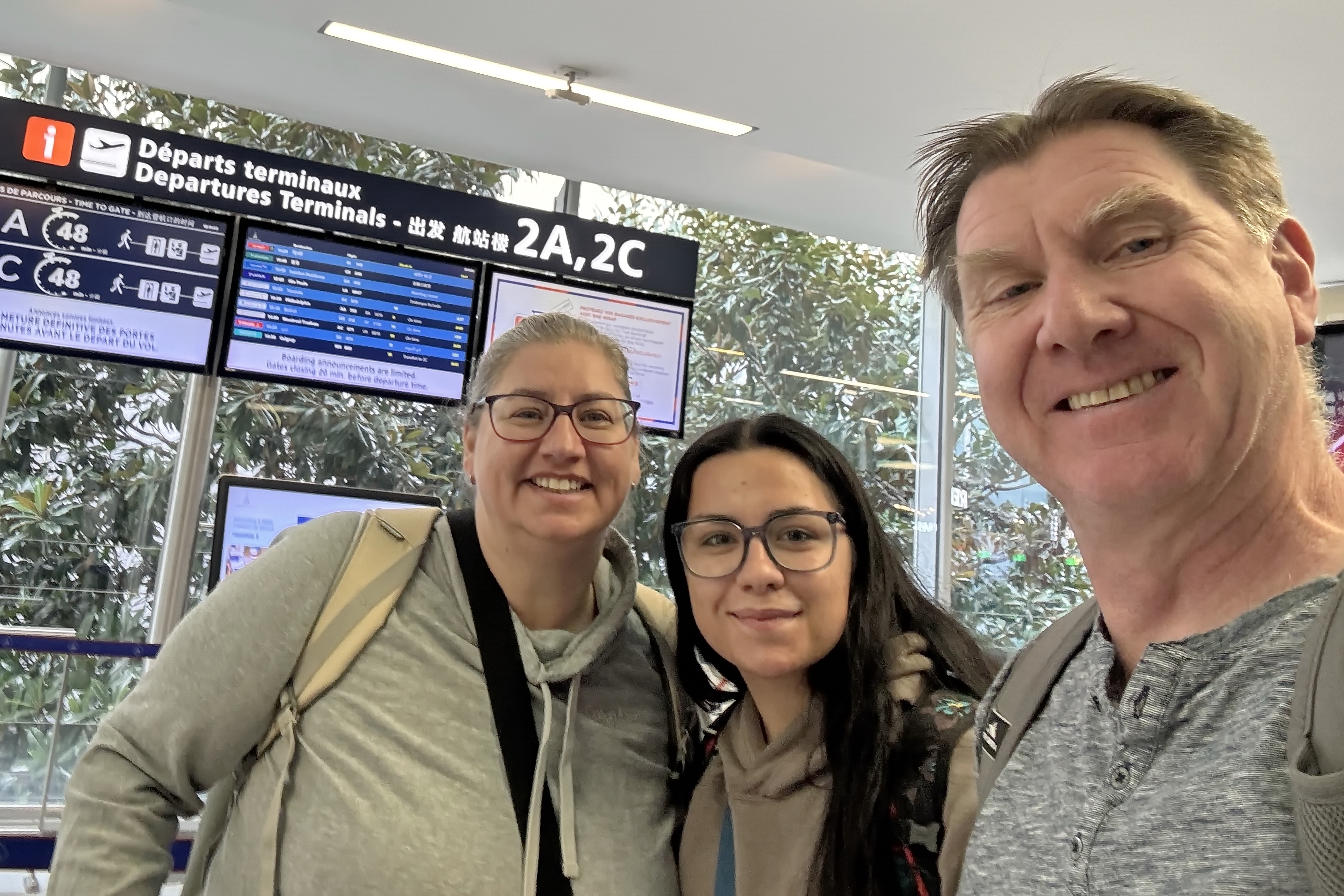
Then, instead of heading home, we turned north and boarded a train to Lille, ready to begin the next chapter of our French adventure.

 Mapgirl Adventures
Leave a comment