There’s something exciting about the moment one journey ends and the next begins. After saying goodbye to our niece at the airport in Paris, Keith and I turned our attention north. With our bags in hand and a new destination ahead, we boarded one of France’s high-speed trains, called TGV (Train à Grande Vitesse), bound for Lille, near the Belgian border. In what felt like the blink of an eye, the train whisked us out of the busy orbit of Paris and into the rural landscapes of northern France.
Lille
About an hour later we stepped off the train platform in Lille, ready to discover a city we knew very little about but were eager to explore. After a short walk through lively streets, we arrived at our home for the next five nights—the charming Hôtel Art Déco Euralille. Once we had settled in, we did what travellers often do best: headed straight back out in search of food and atmosphere.
After the grandeur of Paris and the medieval calm of Provins, this northern city immediately felt different—vibrant, lively, and full of character. Lille is defined by its stunning 17th-century architecture, and its culture reflects a fascinating blend of Flemish and French heritage. On local menus, hearty carbonnade and beer sit just as comfortably beside onion soup and refined wines.
Before long we found ourselves seated at Esprit Bistrot, enjoying a simple but perfect classic: steak frites. Surrounded by the gentle hum of conversation, the tender steak and crispy fries, paired with a flavourful Belgian beer, made for the ideal welcome to the city. As the evening settled in around us, we couldn’t help but feel that Lille might just hold a few surprises.
The next morning we set out with no real plan—only the intention to wander and see where the streets might lead us. We ambled past the historic buildings of the old town toward the bohemian and multicultural Wazemmes Market which felt lively, authentic, and wonderfully local—the kind of everyday scene that offered a real glimpse into the rhythm of a place.
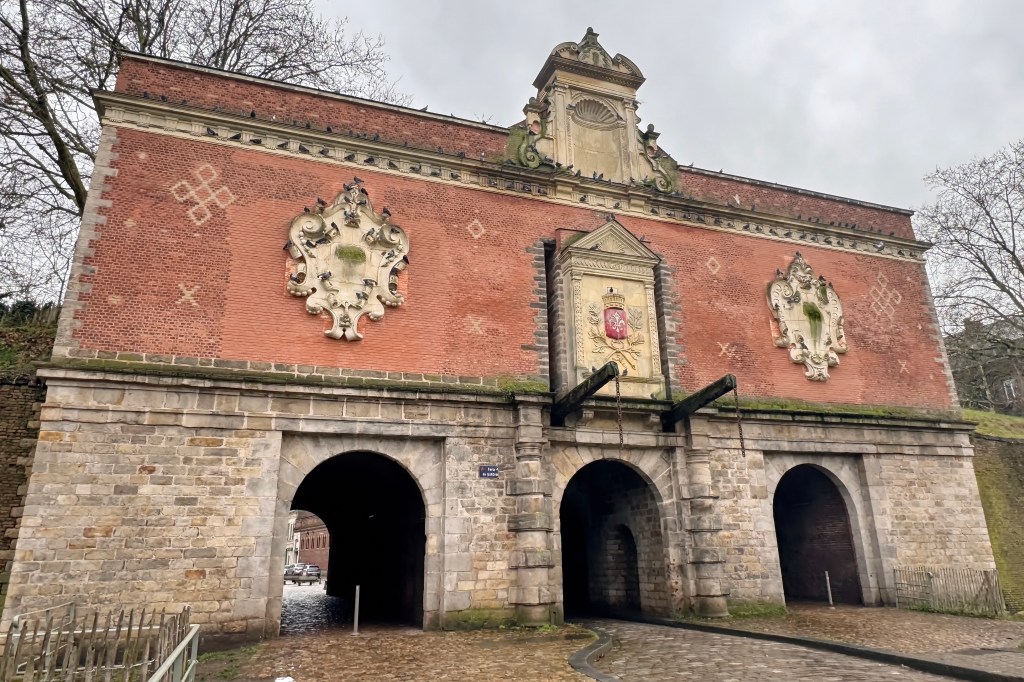
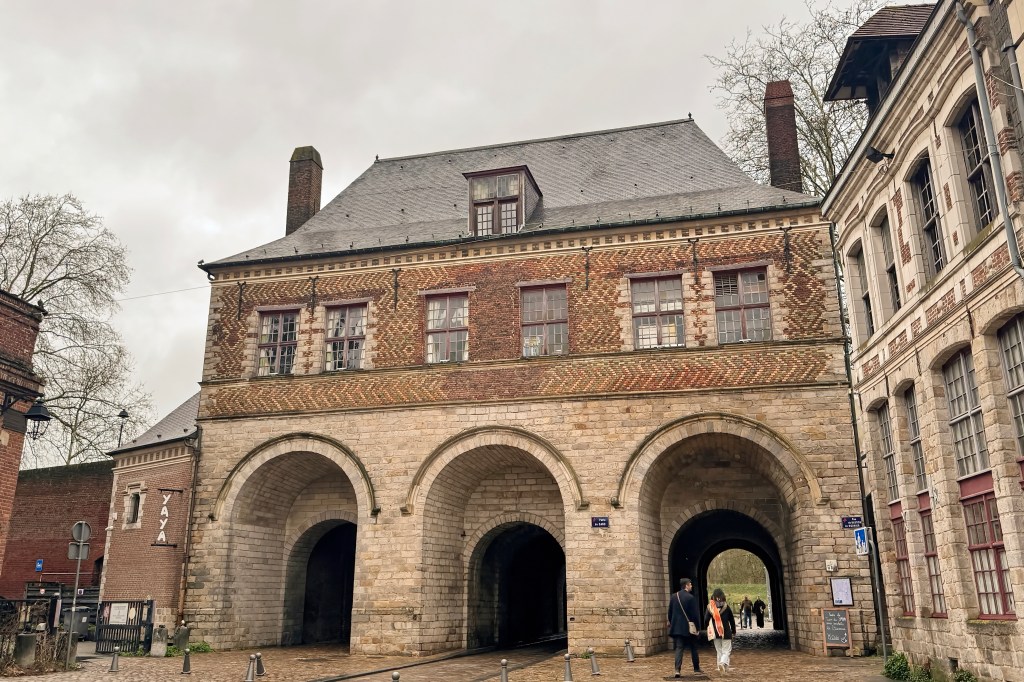
Along the way we came across two of the city’s old medieval gates, quiet reminders that long before Lille became the vibrant city it is today, it was once a fortified town protecting its borders. Standing beneath the stone archways, it was easy to imagine merchants and travellers passing through these very gates centuries ago.
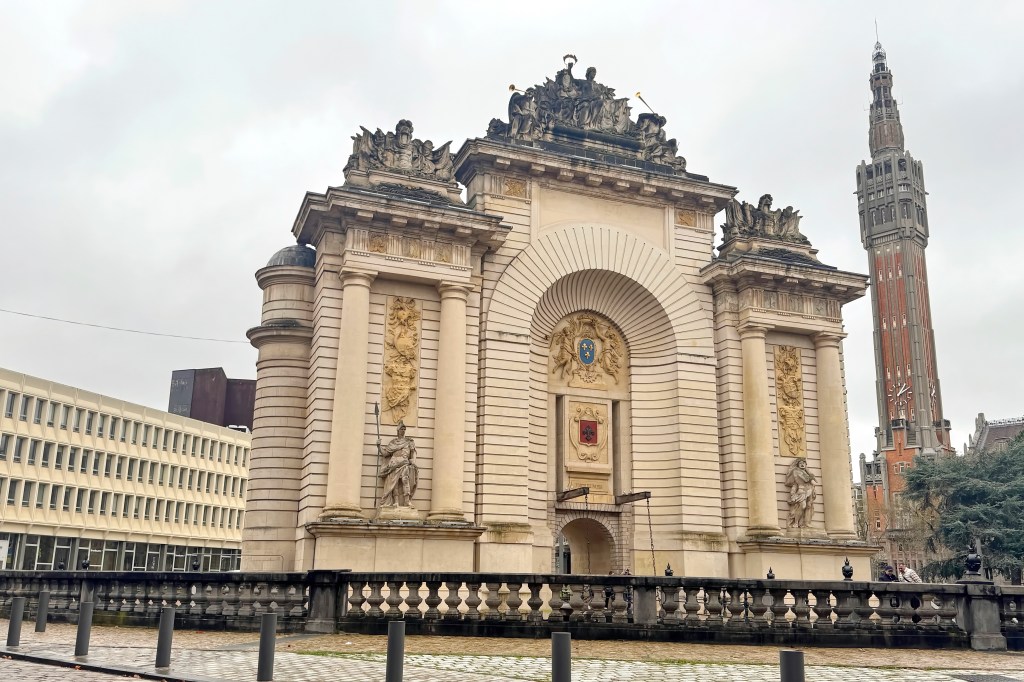
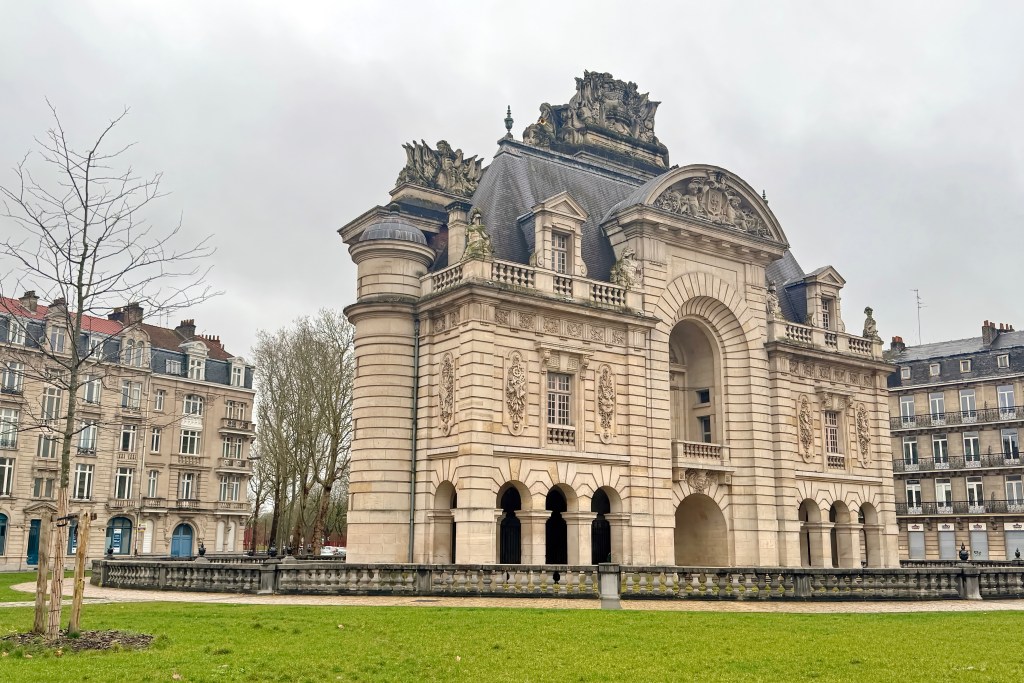
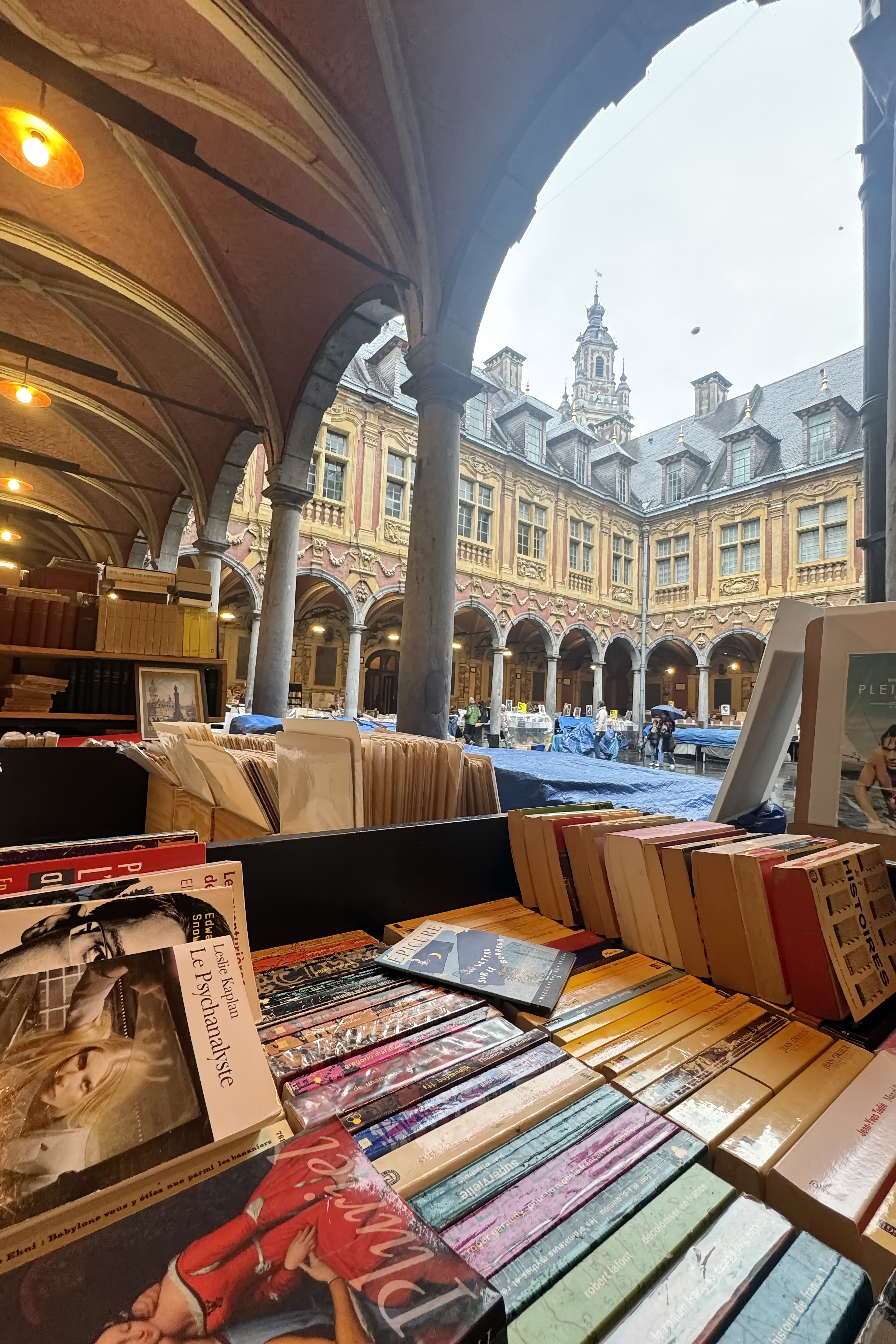
For the rest of the day we continued exploring on foot, letting curiosity guide us through Lille’s streets. The city revealed itself slowly: elegant buildings, narrow lanes, and unexpected pockets of history tucked between more modern corners. The vibrant Grand Place soon appeared before us, surrounded by beautiful Flemish Baroque buildings with ornate facades that now house bustling cafés and restaurants. Just off the square, we wandered through an archway and suddenly found ourselves in the peaceful courtyard of the old stock exchange building. Here we discovered the Vieille Bourse book market—a charming collection of stalls filled with classic books, vintage movie posters, and old prints. It felt like stepping into a quiet corner of the past right in the middle of the busy city.
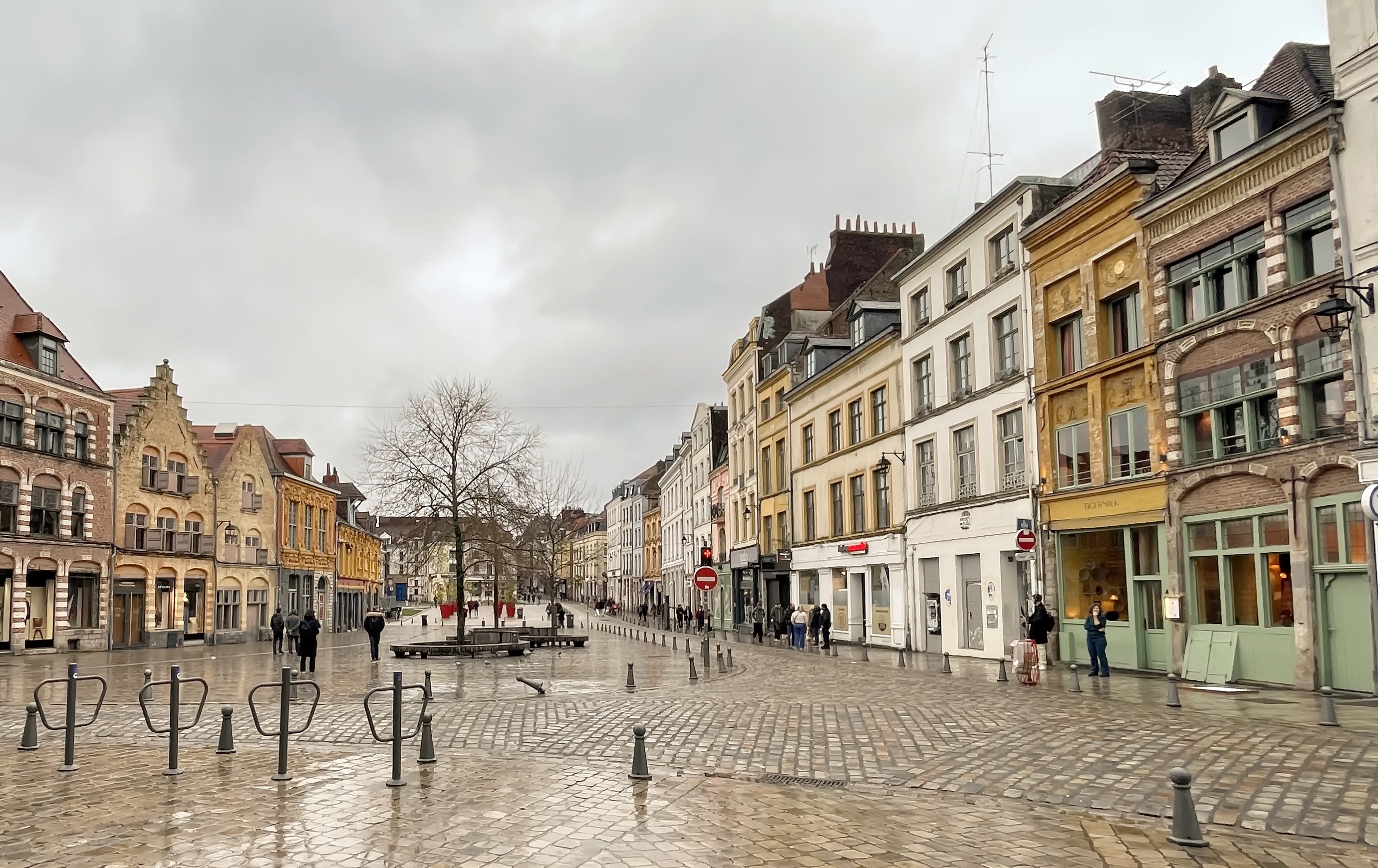
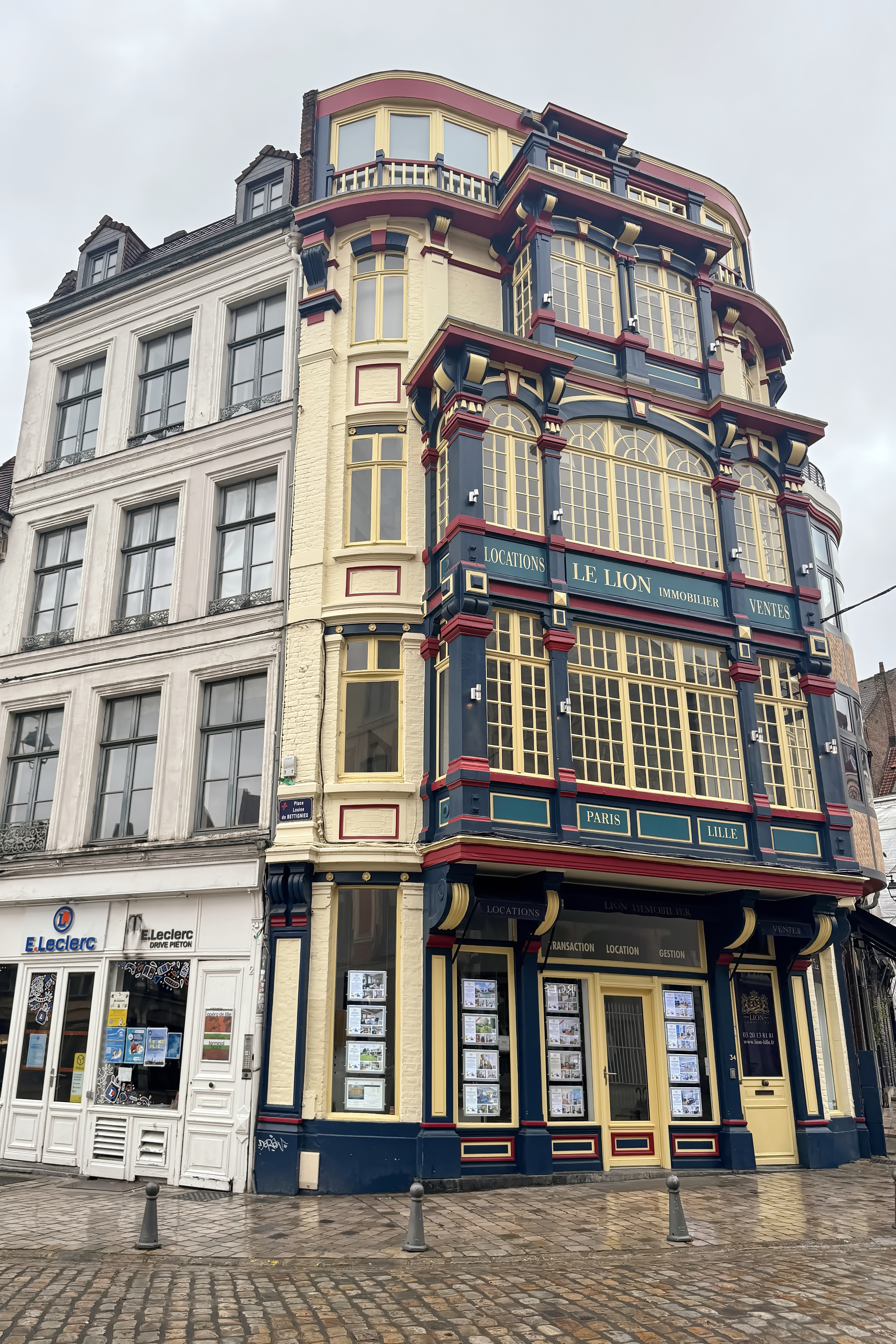
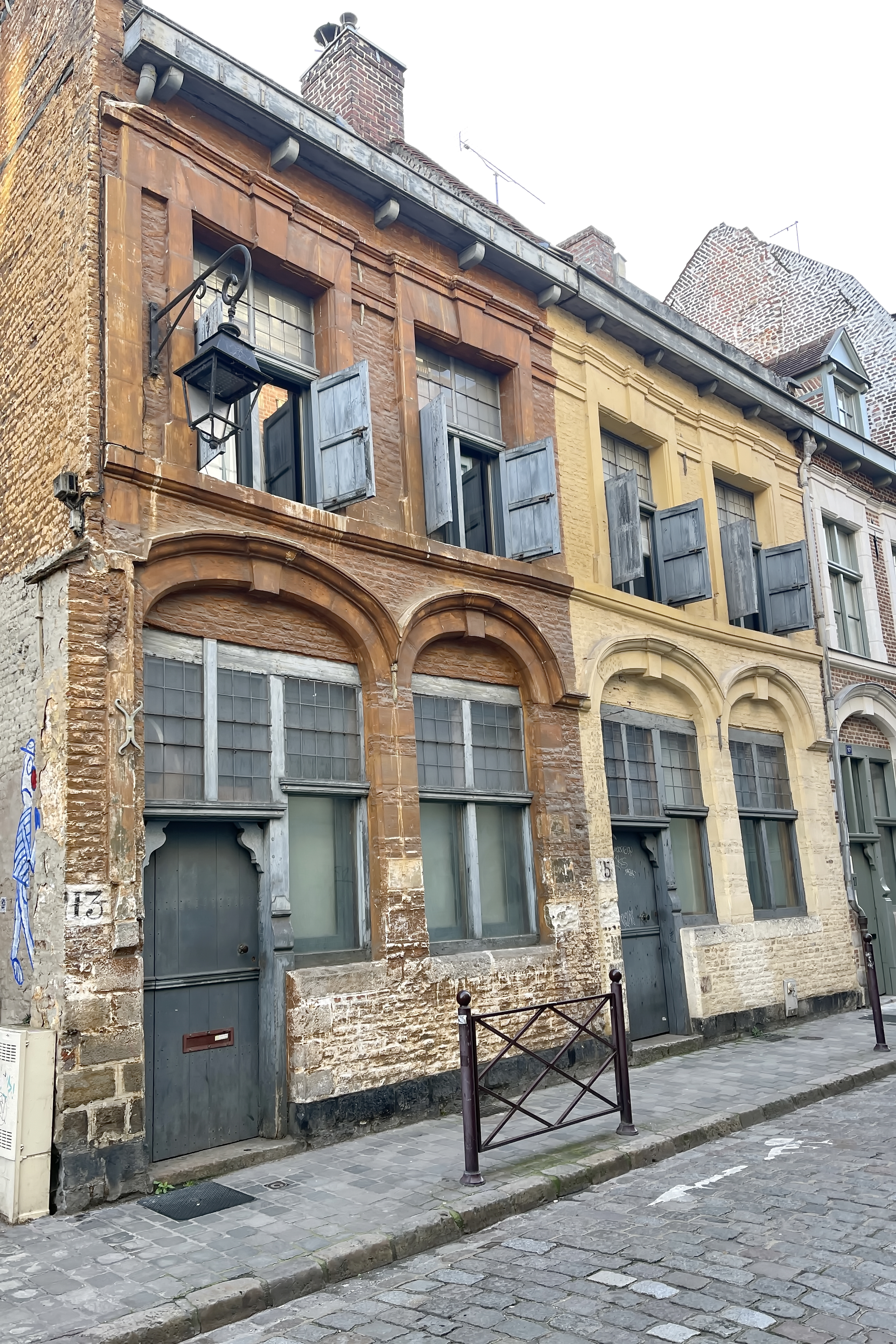
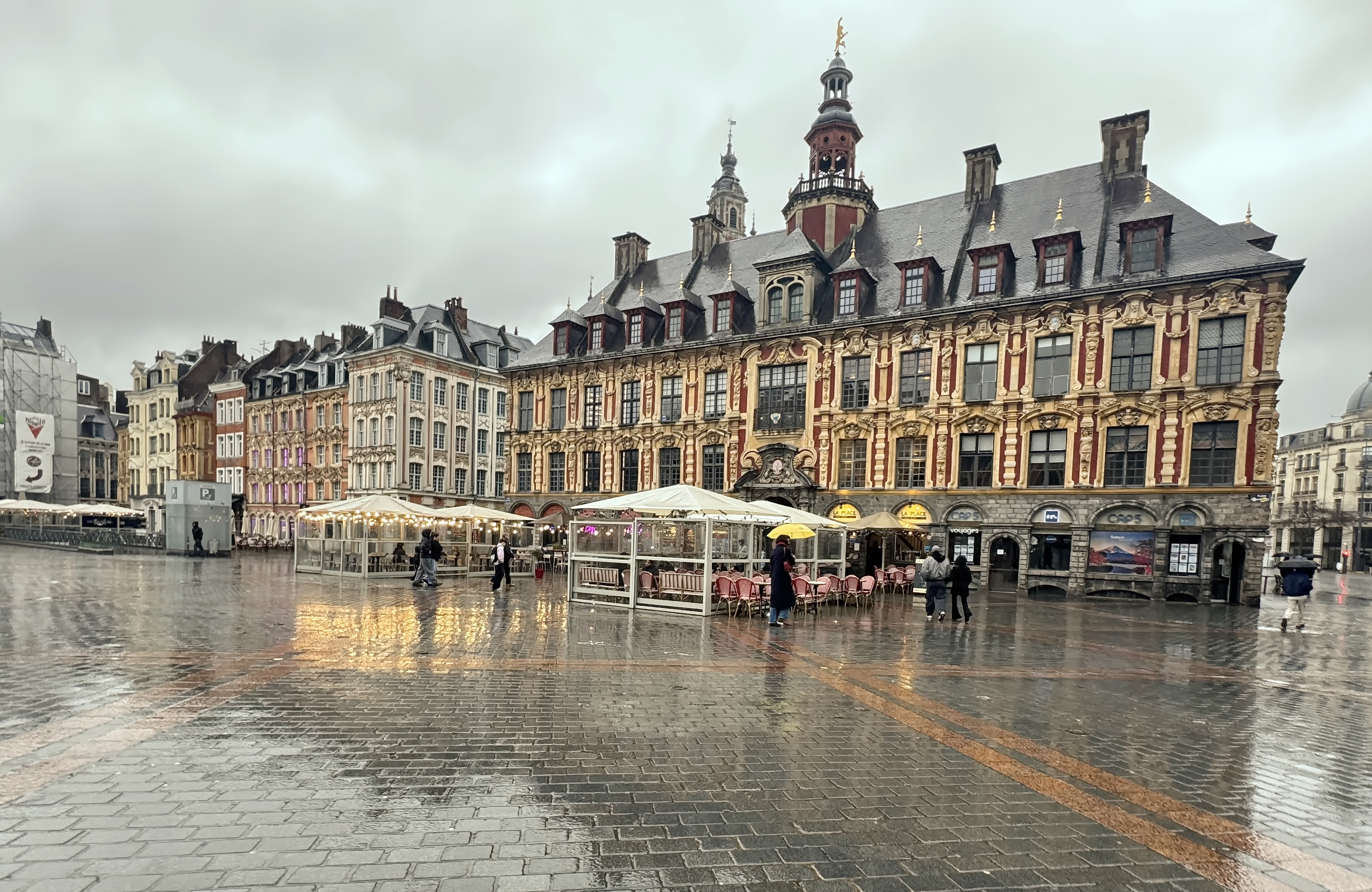
Although we left Lille each day to explore nearby towns, the city welcomed us back every evening. We returned to the old town to sample more of the local cuisine, enjoying the relaxed rhythm of the restaurants and cafés. As darkness fell, the buildings around the square slowly lit up, casting a warm glow across the ornate architecture and giving the city a completely different mood.
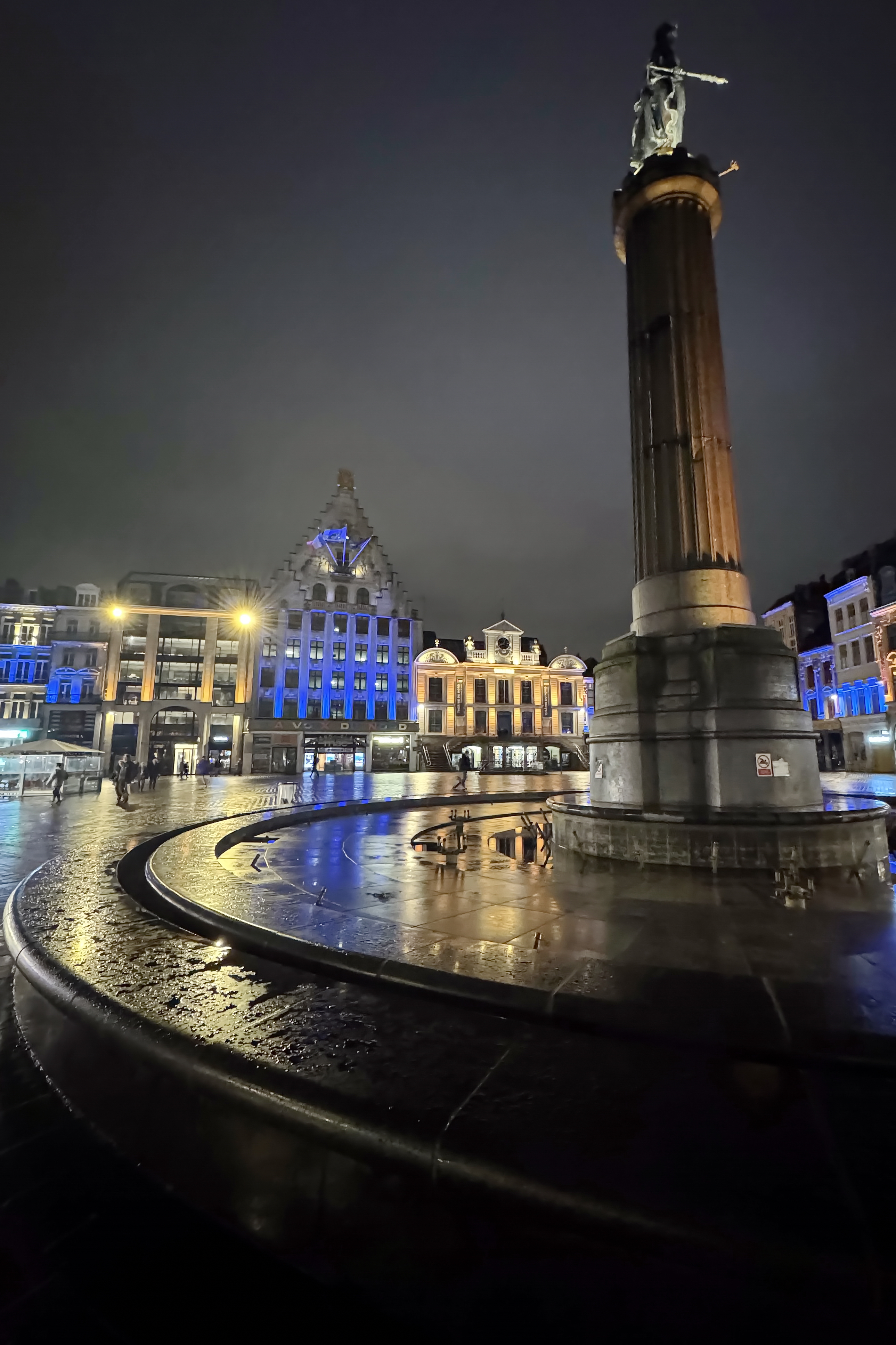
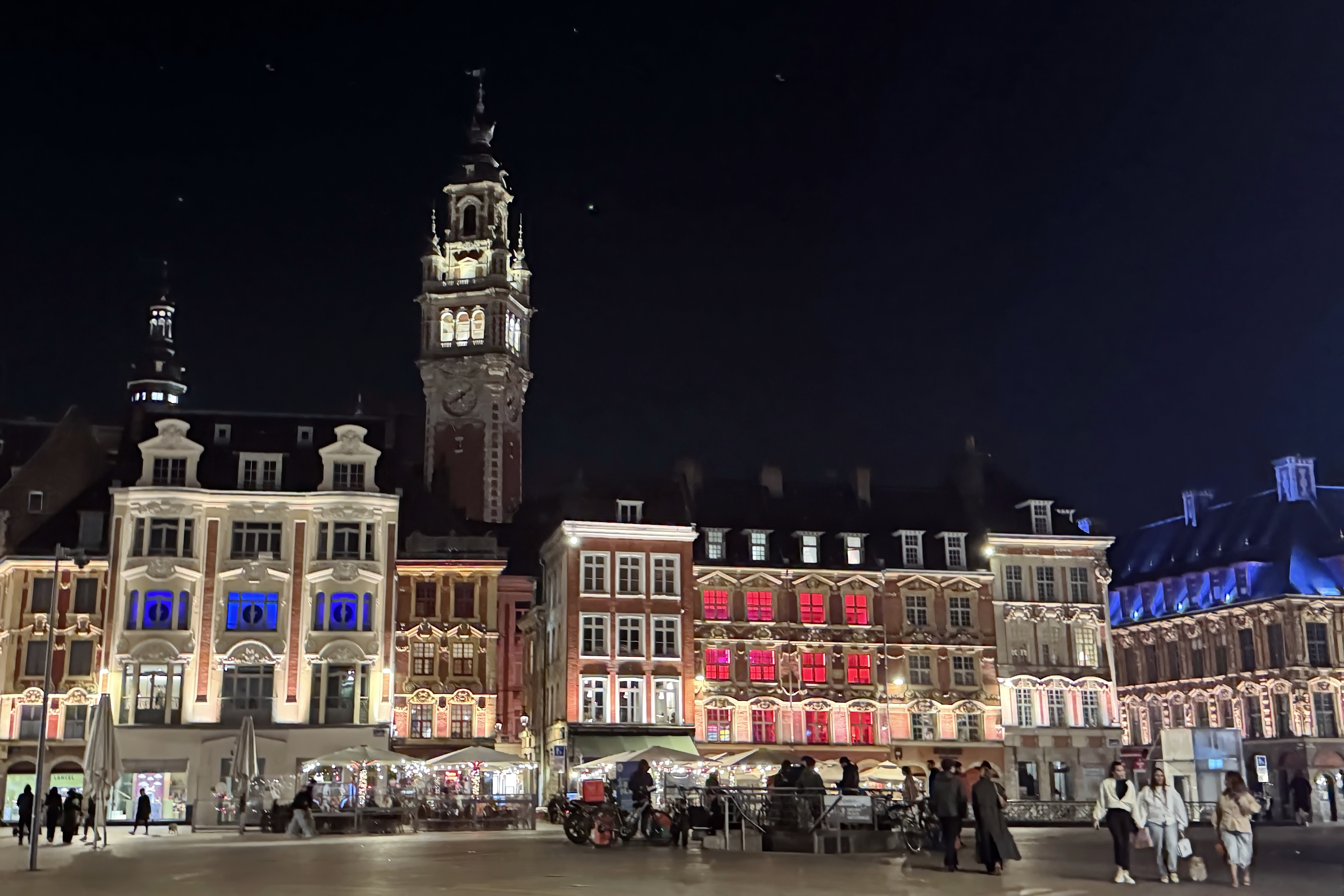
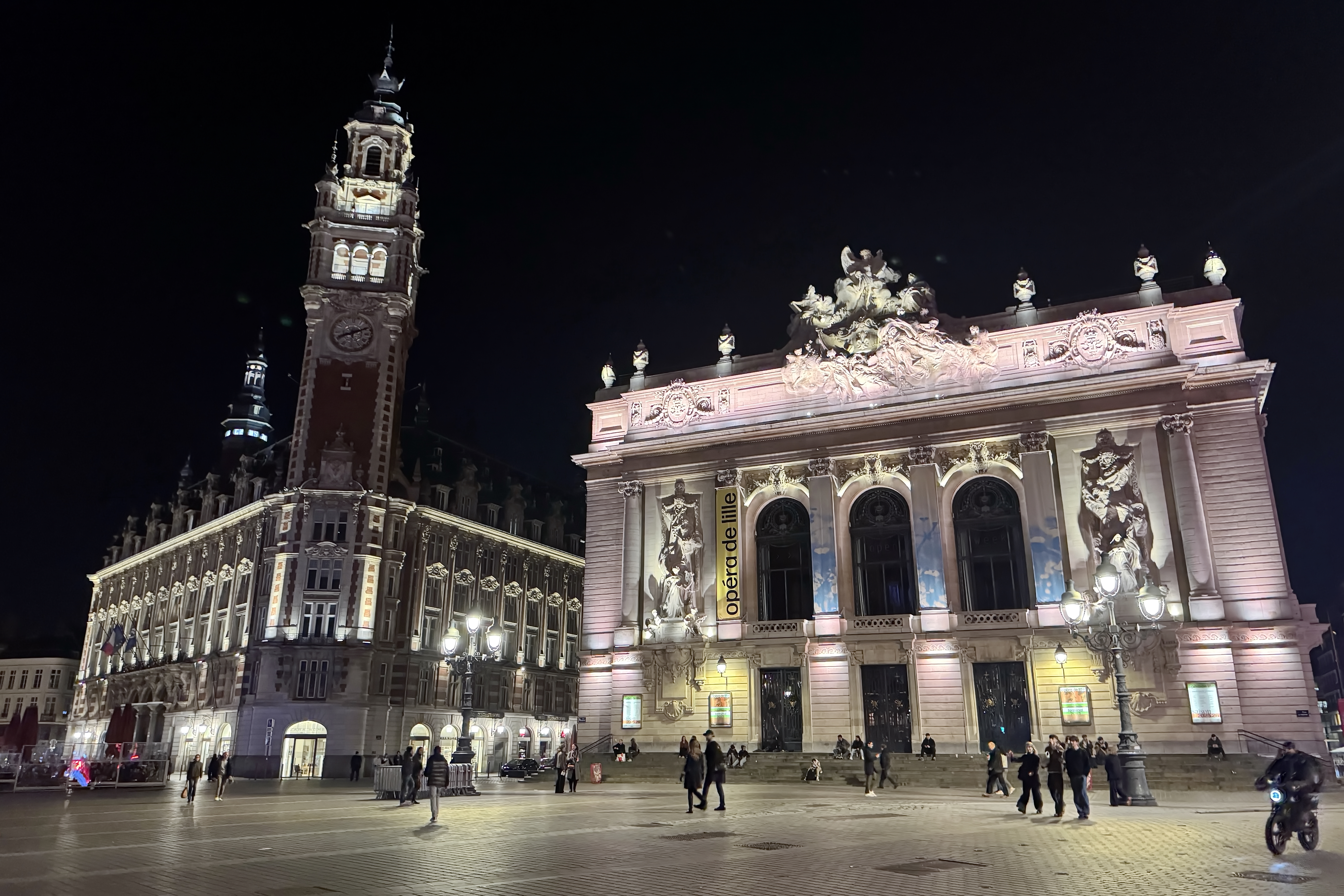
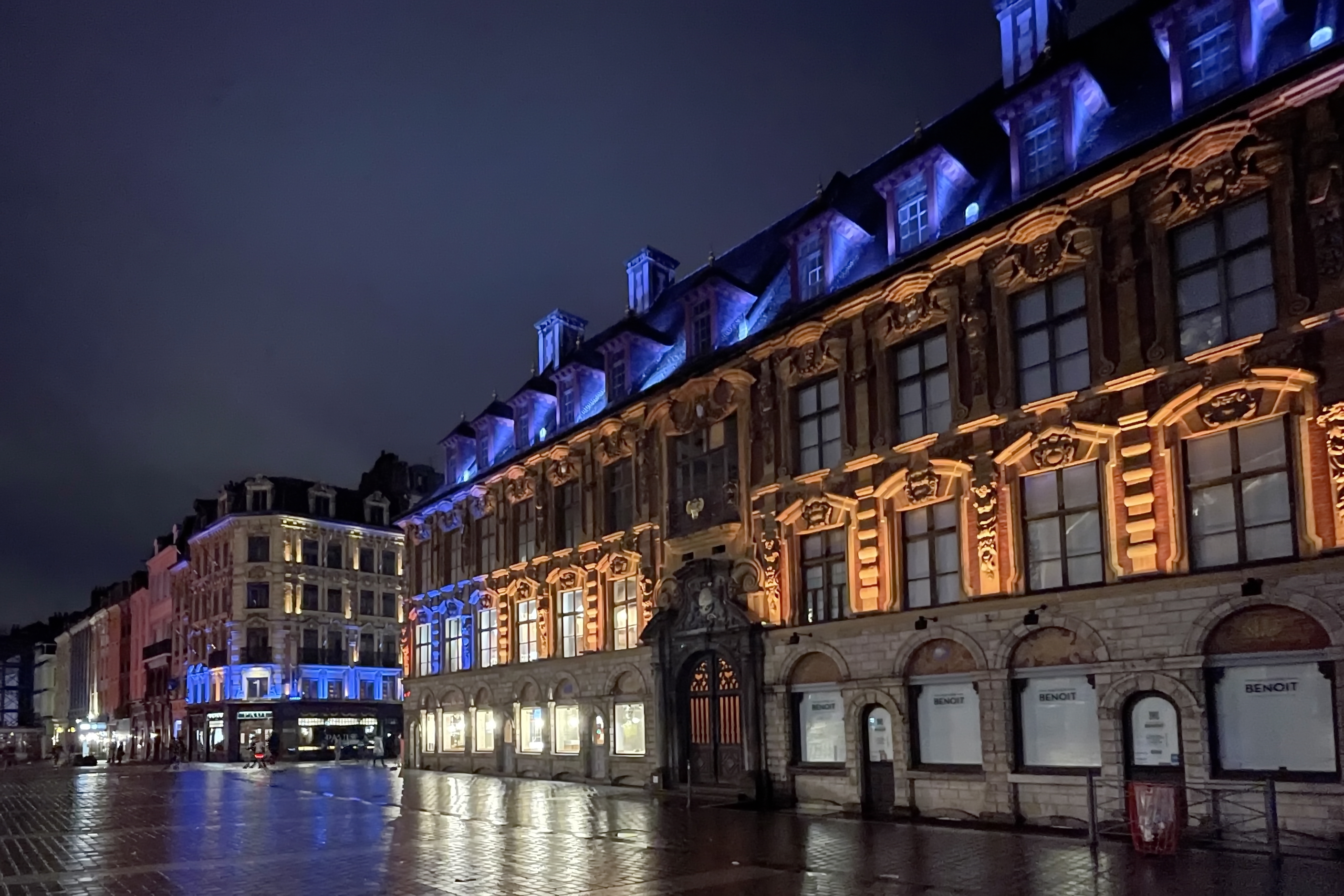
Not knowing quite what to expect, Lille turned out to be a wonderful surprise. Wandering its cobblestone streets, the old town feels like a warm and effortless blend of Flemish charm and French elegance. It’s the kind of place that invites you to slow down, explore a little longer, and simply enjoy the moment.
Arras
The following day we took a short trip south to the historic city of Arras. Known for its beautiful Flemish-style squares and deep history, the city immediately felt different from Lille—quieter, more reflective, yet just as rich in character.
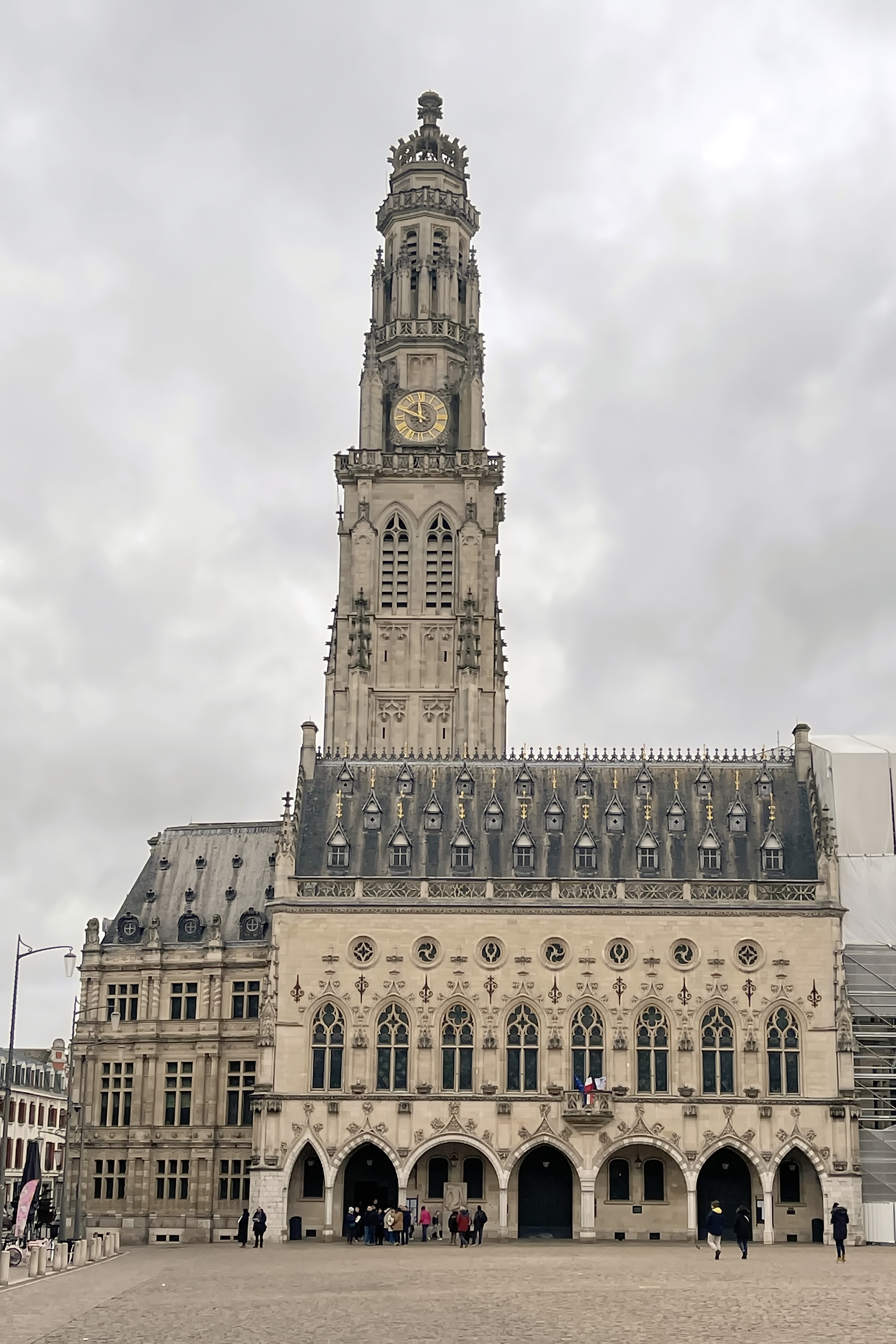
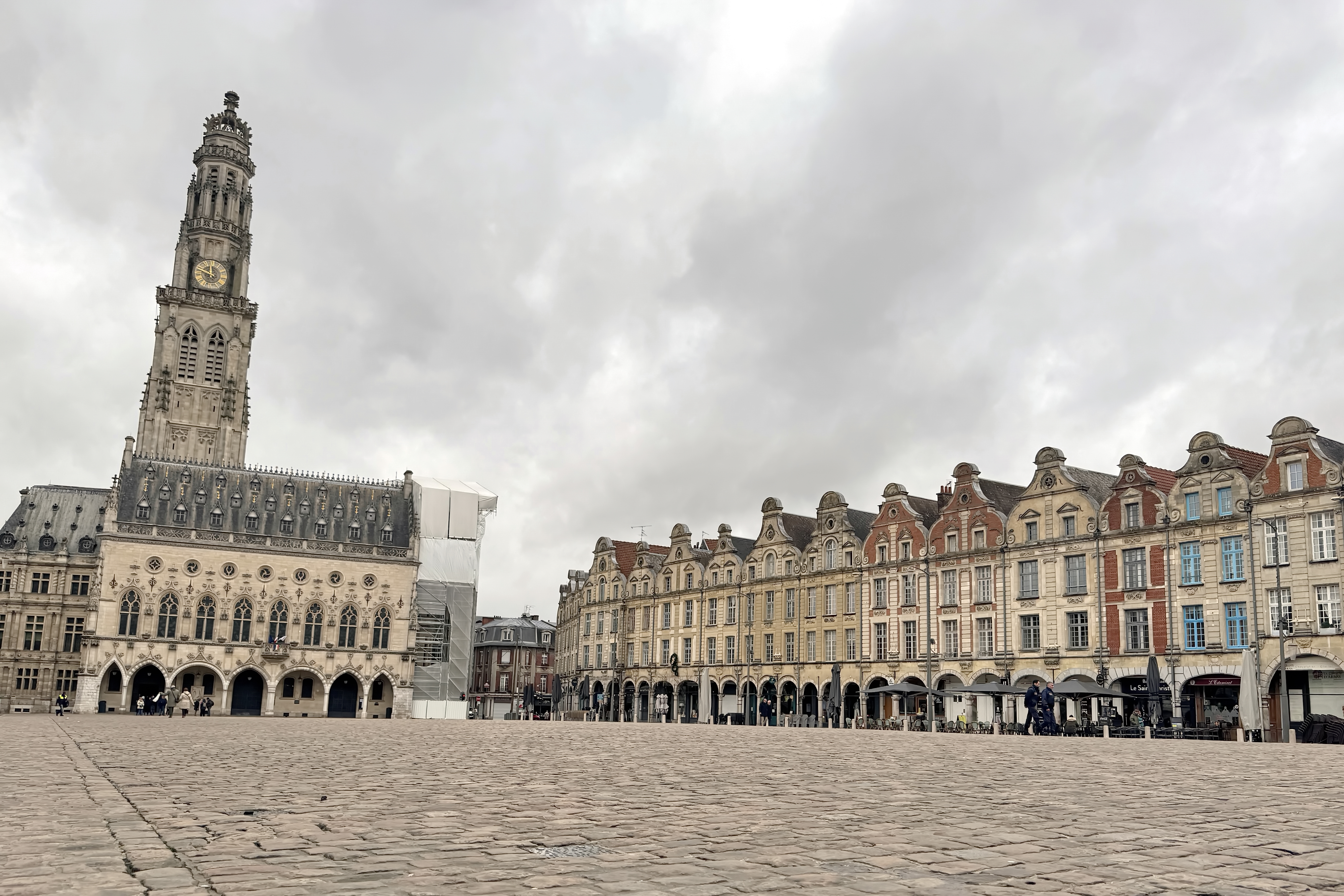
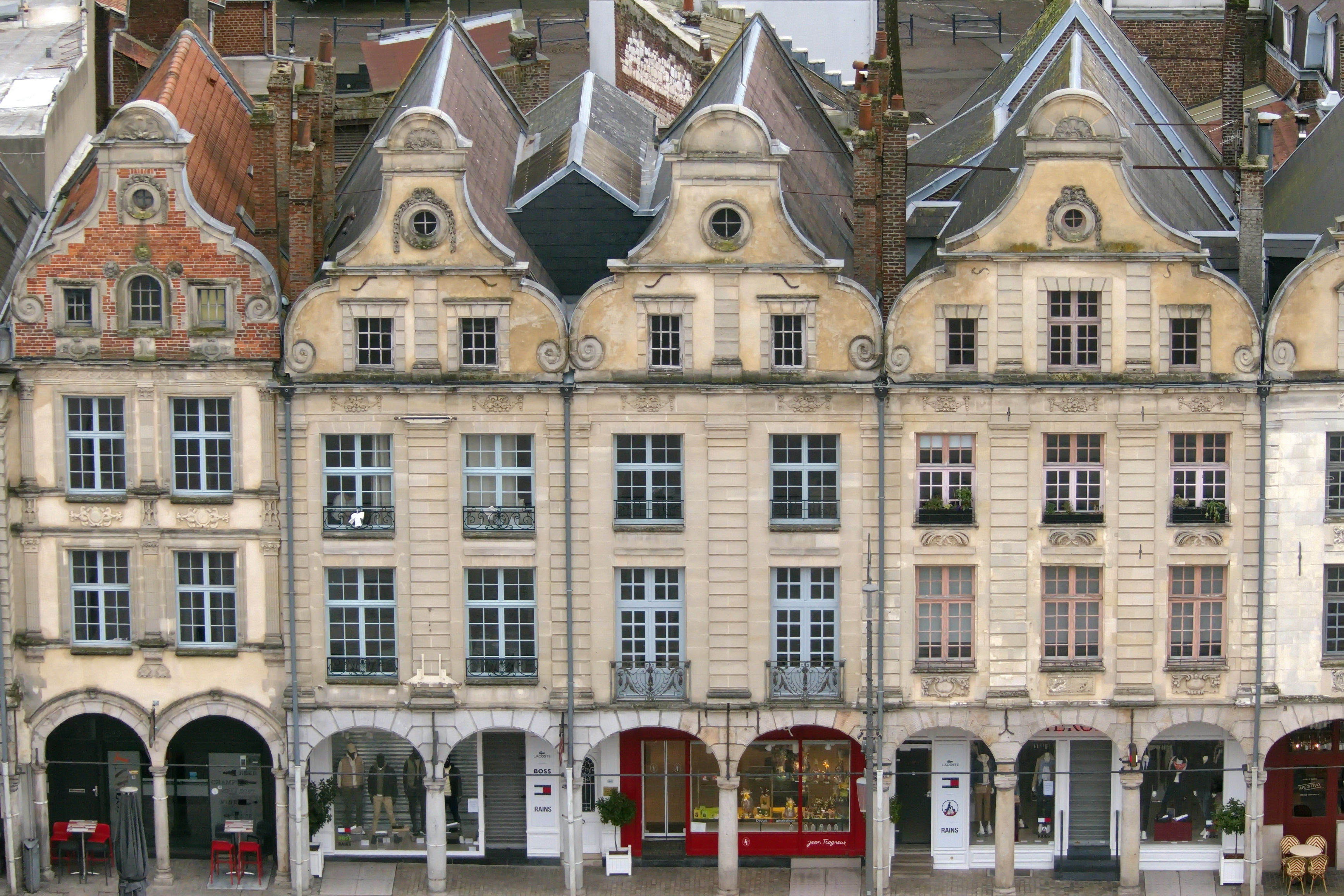
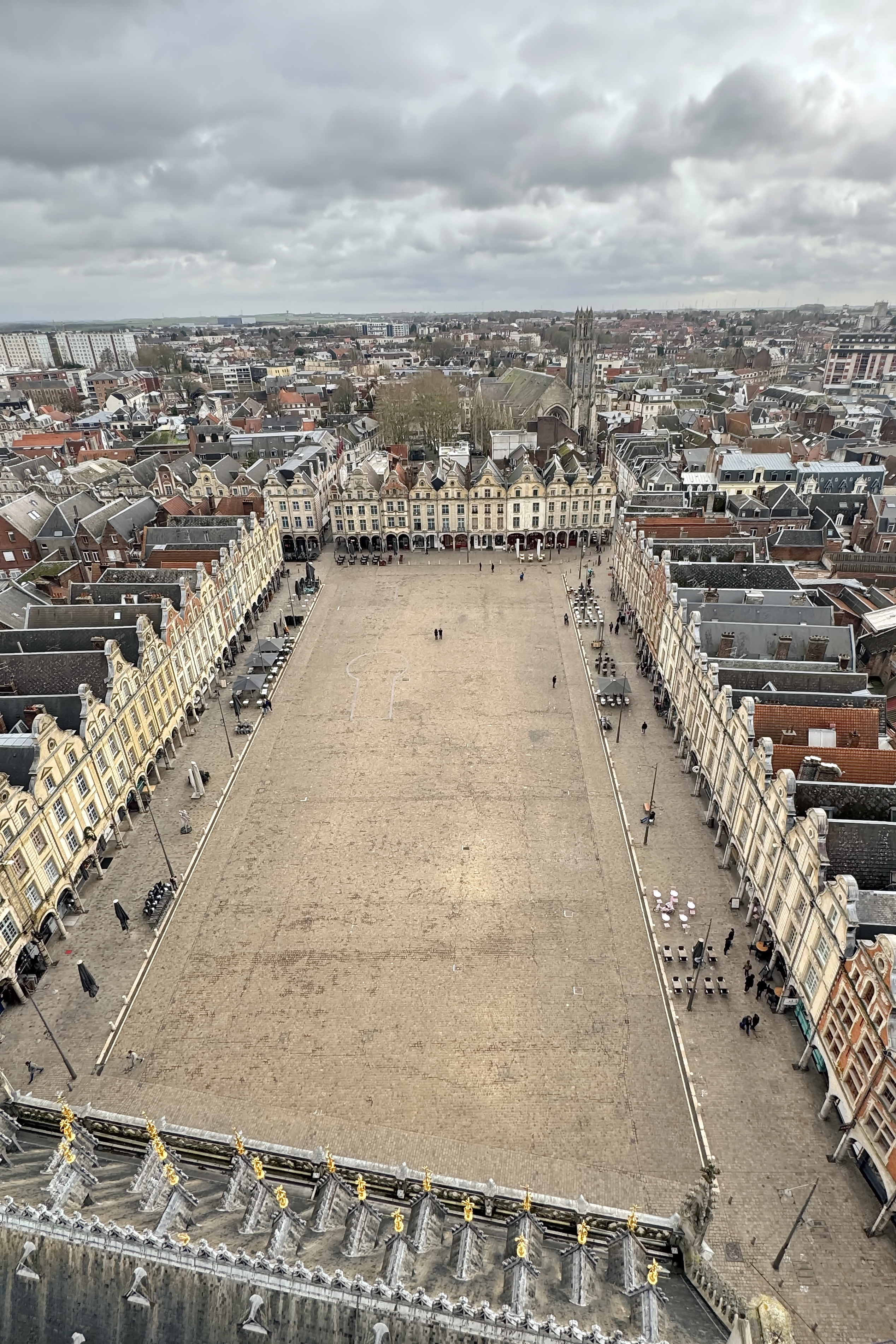
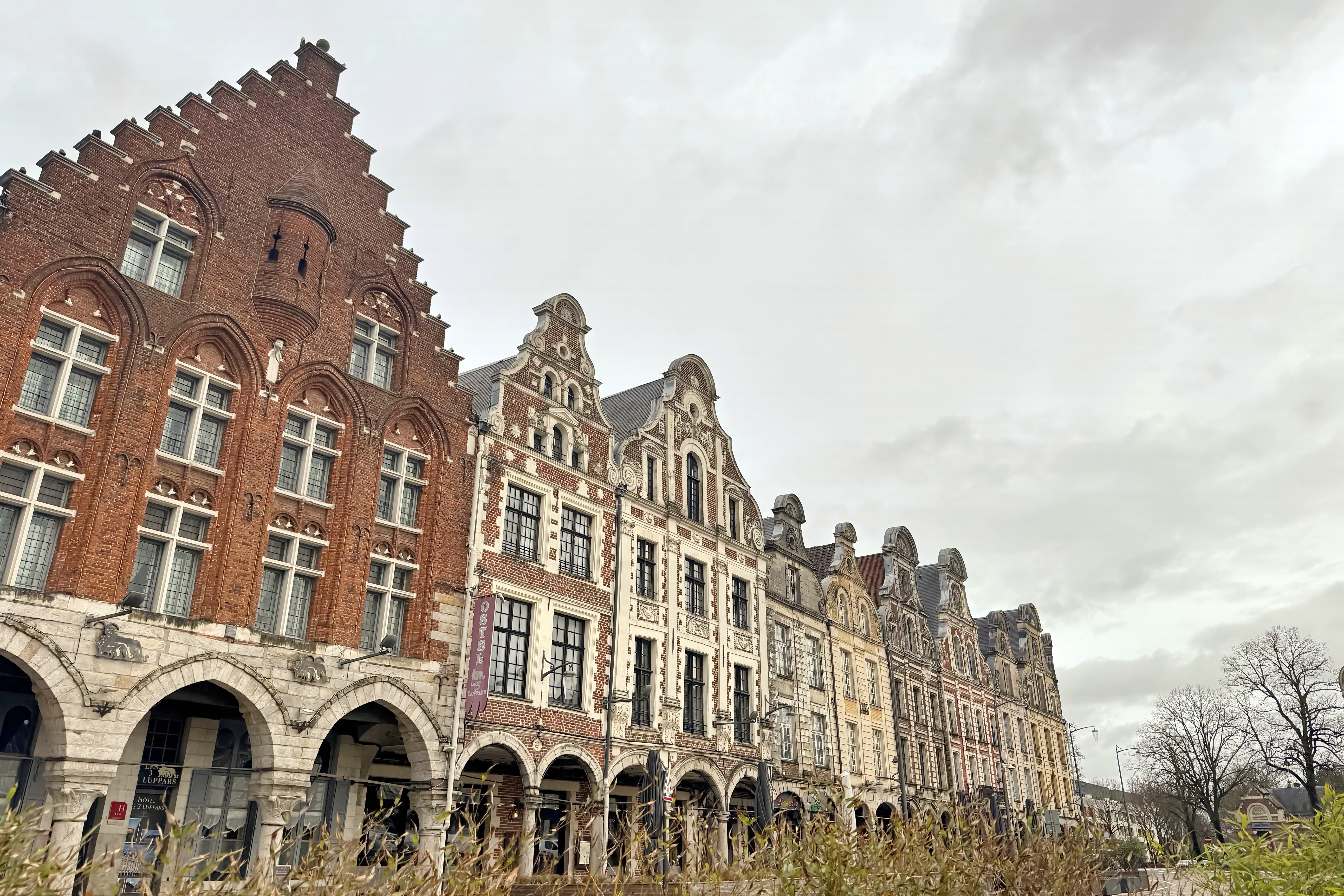
After arriving, we spent some time wandering through the old town, admiring the elegant squares lined with ornate gabled buildings. Our first real destination, however, was the towering Belfry of Arras, the city’s iconic clock tower rising high above the surrounding rooftops. From the grand square below, the buildings framed the tower perfectly, but we were curious to see the view from above. Climbing to the top, we were rewarded with sweeping views across the city and far beyond. From that vantage point, Arras stretched out beneath us—rooftops, church spires, and open countryside fading into the distance. Looking out over the surrounding landscape, it was impossible not to think about nearby Flanders, a region that witnessed so much history during World War I.
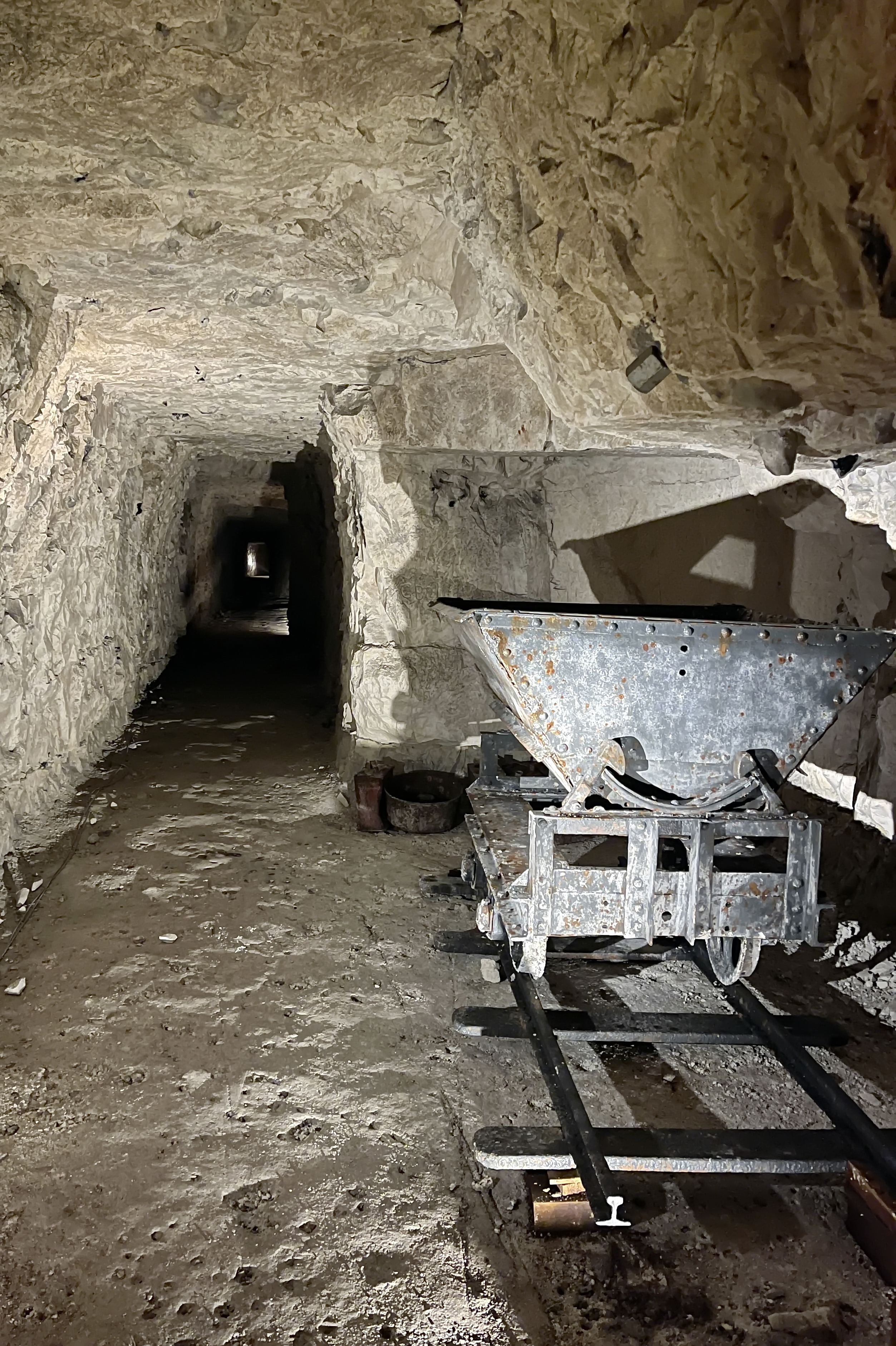
But the most powerful experience of the day waited beneath the streets. On the south side of town, we visited the Carrière Wellington, a network of chalk quarries originally dug beneath the city during the Middle Ages to provide building stone for homes, churches, and defensive walls. Forgotten for centuries, the tunnels took on new importance during World War I. In 1916, New Zealand tunnelling companies were brought in to connect and expand the old quarries, transforming them into a vast underground network capable of sheltering up to 24,000 Allied soldiers. On April 9, 1917, thousands of troops emerged from these tunnels in a surprise assault that marked the beginning of the Battle of Arras.
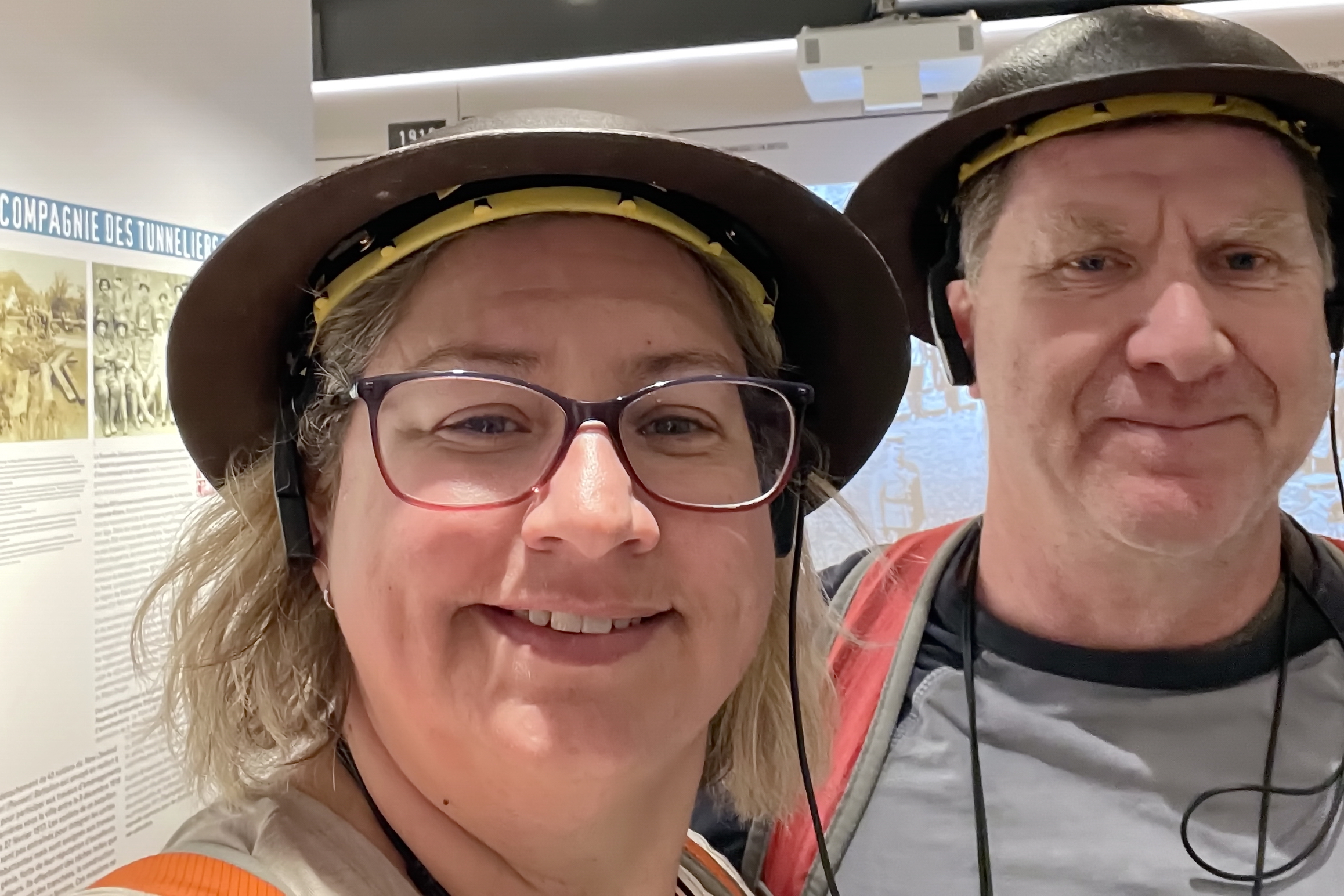
Today, the restored tunnels serve as a moving memorial and museum honouring the soldiers and engineers who created and used this remarkable underground city. Descending below the streets on the guided tour, we entered a world carved deep into the chalk beneath Arras. Walking through the cool, dim passageways was an unforgettable experience. The walls still bear carvings and messages left by the soldiers who once waited there—many from distant countries—preparing for a battle that would change their lives forever. Hearing their stories while standing in the very tunnels where they once gathered made the history feel incredibly real.
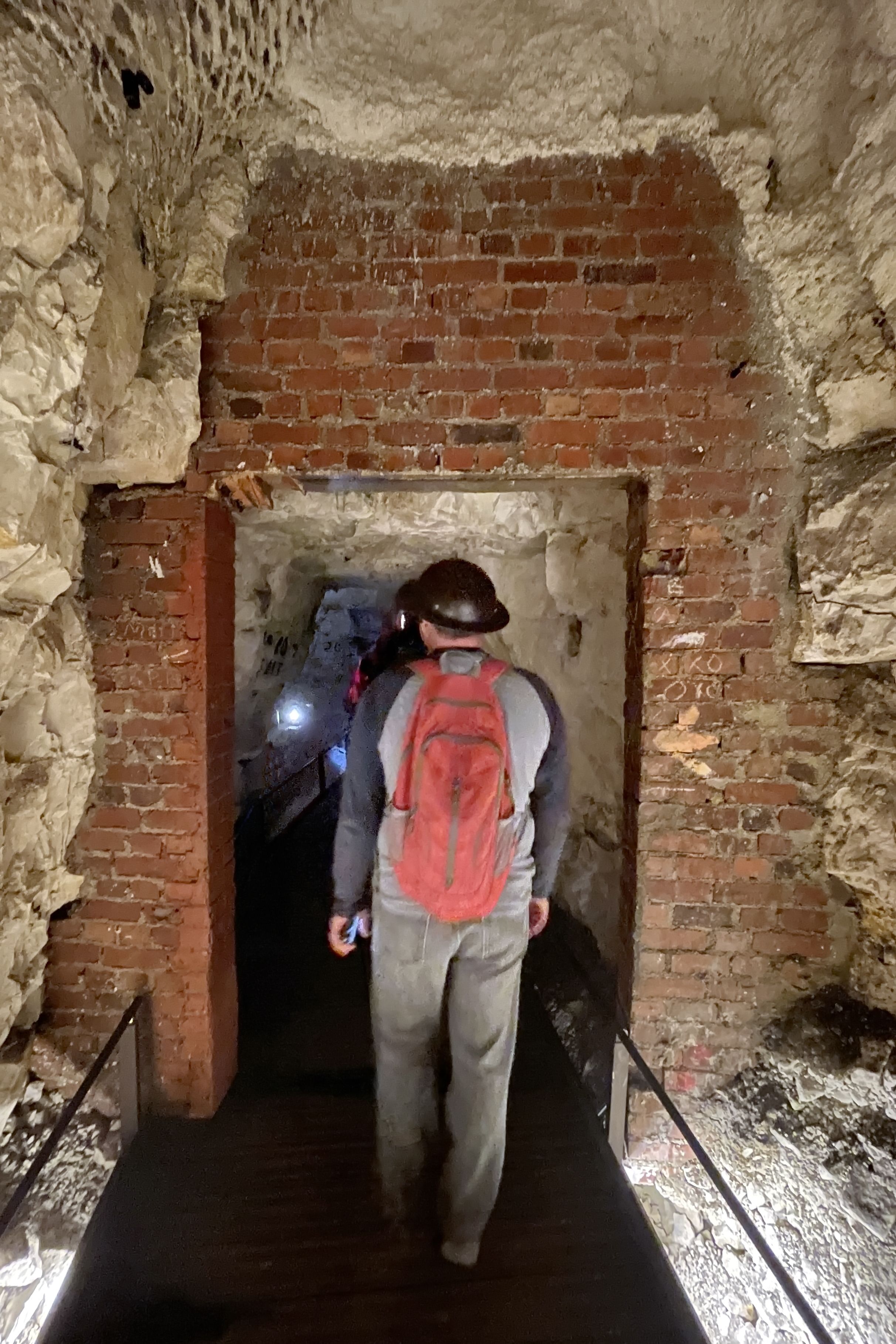
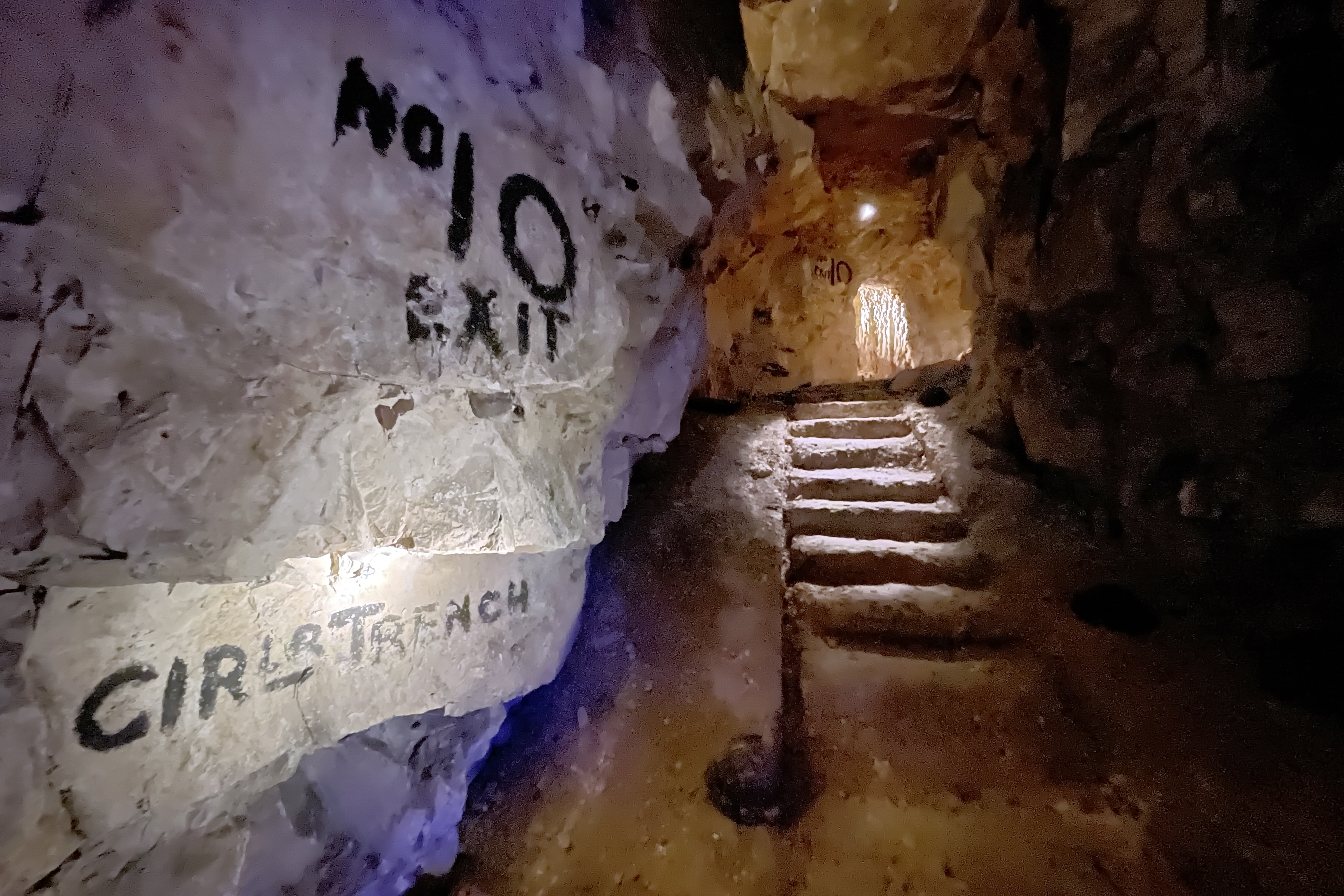
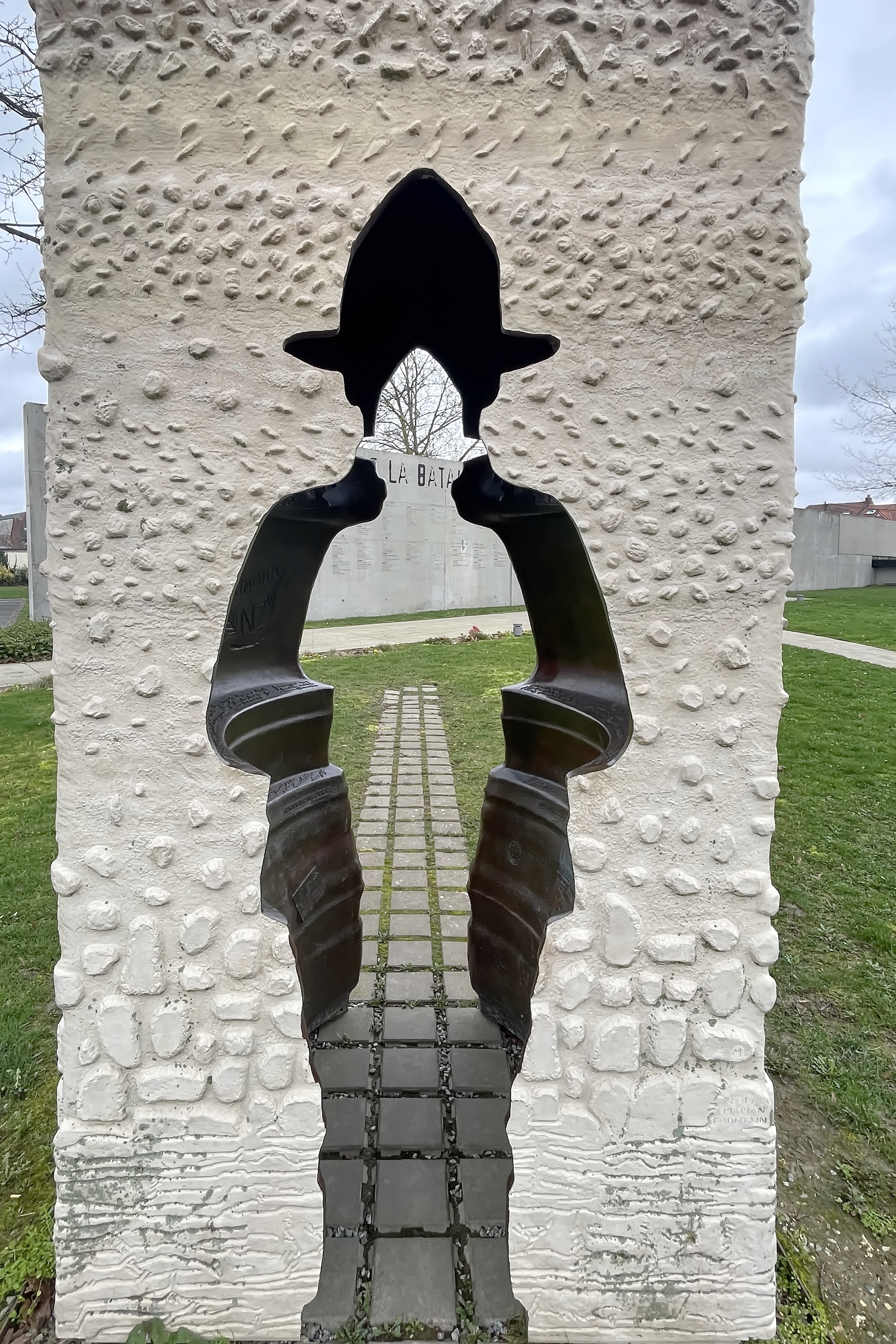
When we finally stepped back into the daylight above Arras, the city seemed different somehow. The beautiful squares and elegant buildings now carried a deeper meaning. It was a powerful reminder that beneath many of Europe’s most charming cities lie stories of resilience, sacrifice, and history that are impossible to forget.
Dunkirk & Buerges
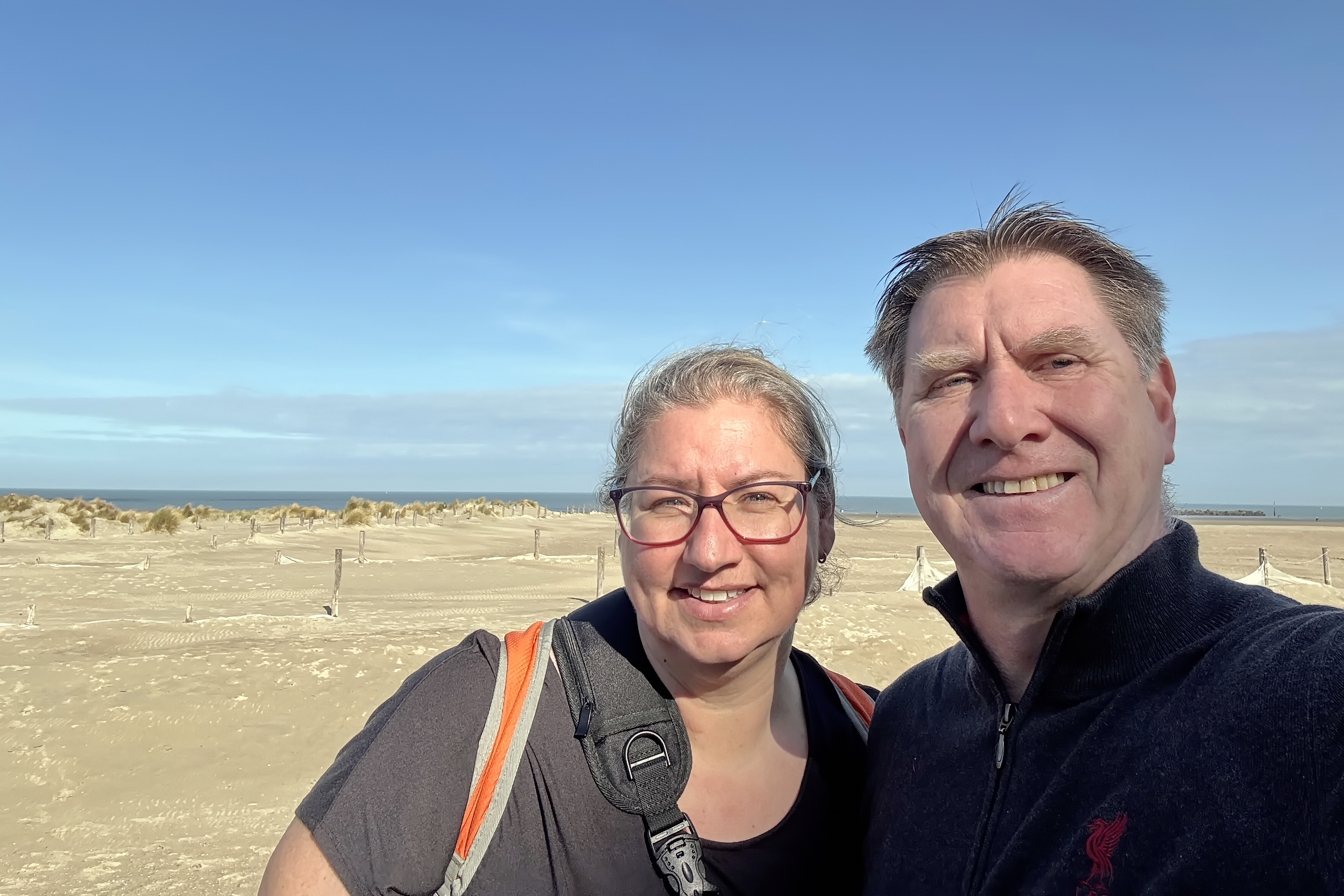
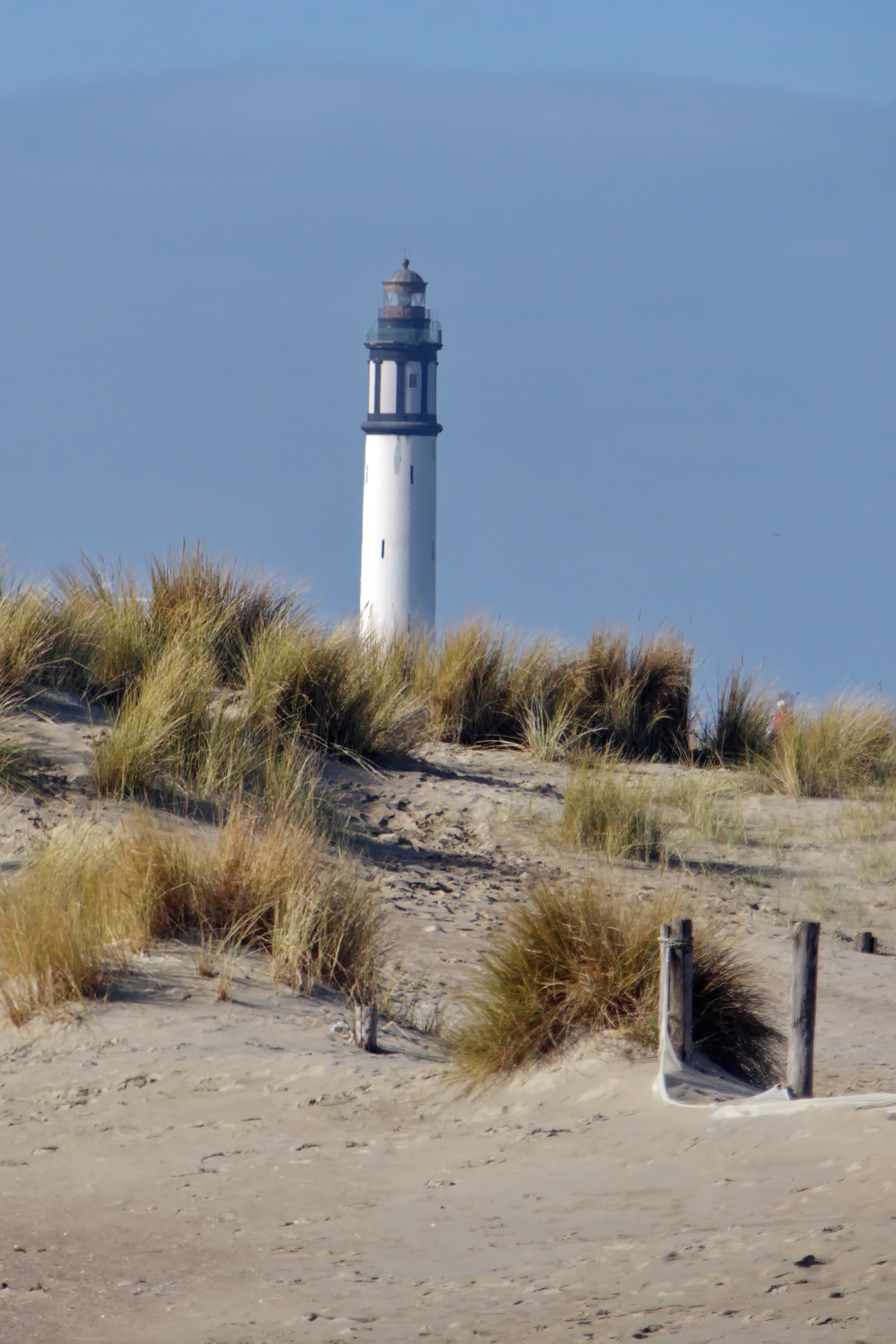
The next day we headed north to the coastal city of Dunkirk, a place whose quiet beaches hold one of the most dramatic stories of the Second World War. Standing on the wide stretch of sand near the Operation Dynamo Memorial, it was difficult to imagine the chaos that once unfolded here during the Dunkirk Evacuation. Today the beach feels peaceful and expansive, with tufts of grass growing among the rolling dunes and waves gently reaching the broad shoreline. Yet in 1940 this very coast became the setting for one of the most remarkable rescue operations in history. During Operation Dynamo, more than 338,000 Allied soldiers were rescued from these beaches in just over a week.
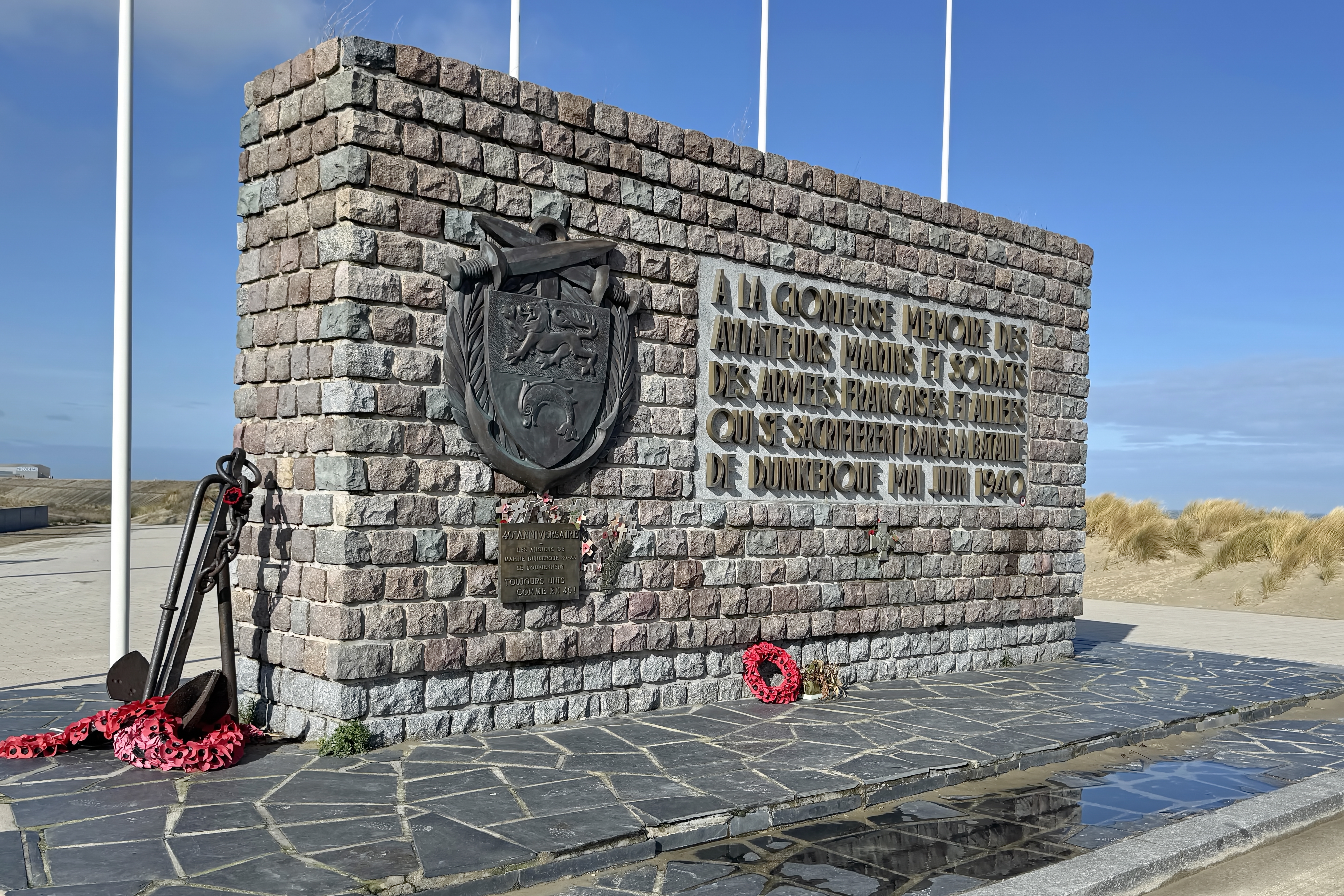
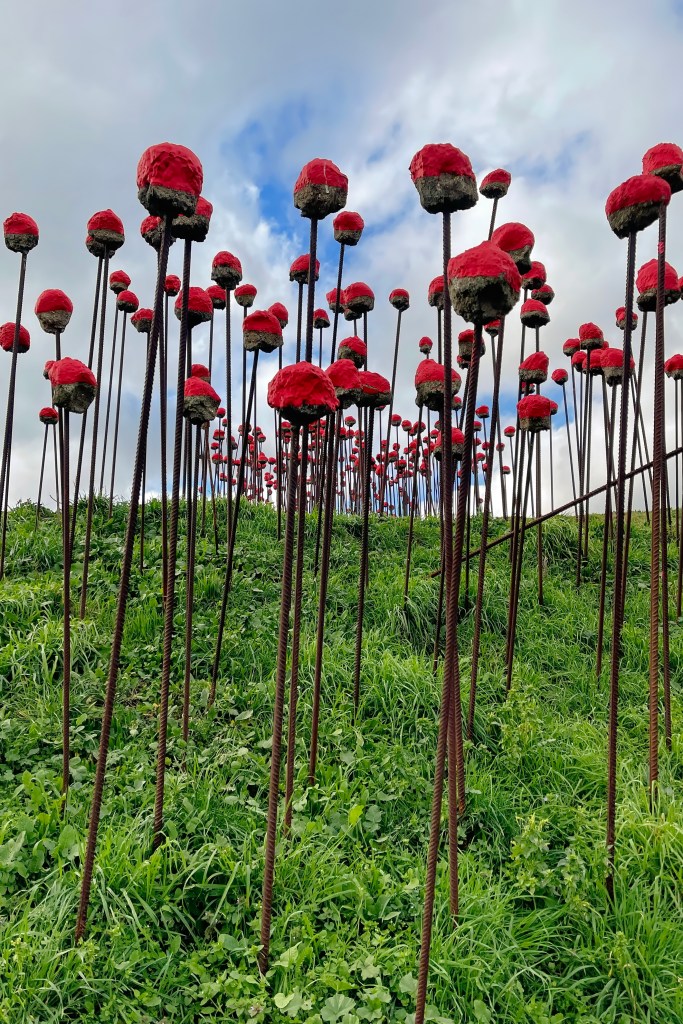
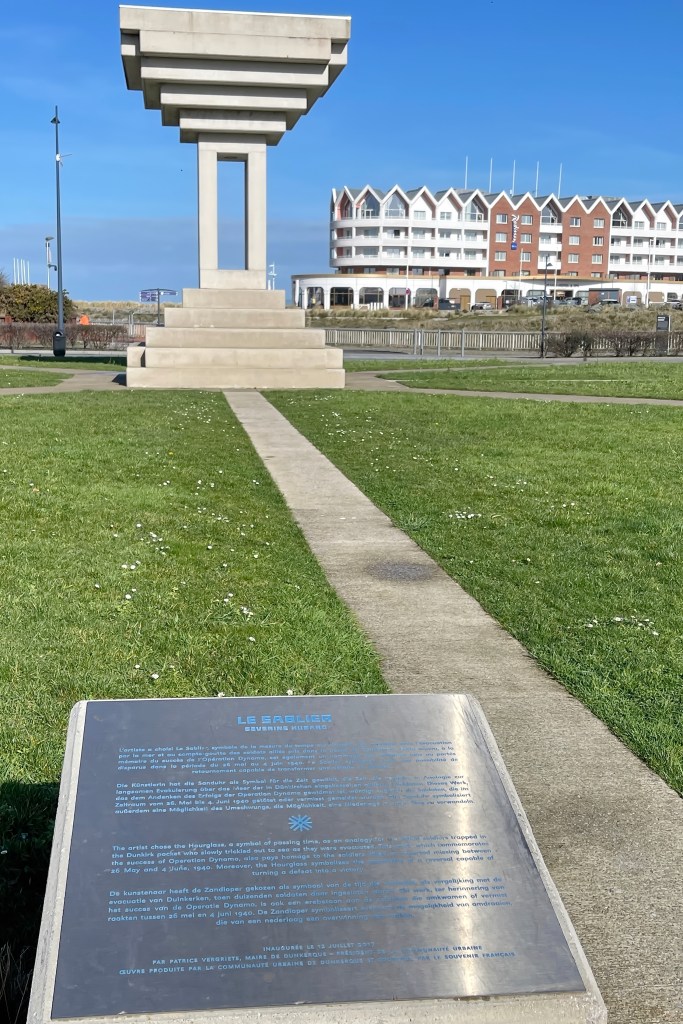
To better understand what happened here, we visited the nearby Dunkirk 1940 Operation Dynamo Museum, located in Bastion 32, a former French army headquarters. Near the entrance, alongside a collection of symbolic metal poppies, an hourglass memorial quietly reflects the short but intense timeframe of the evacuation. Inside, exhibits and personal stories helped bring those extraordinary days to life. Photographs, artefacts, and detailed displays explained how hundreds of thousands of Allied soldiers were evacuated from these very beaches while under constant bombardment from German forces. Seeing those images while knowing we had just been standing on the same sand made the history feel incredibly real and personal.
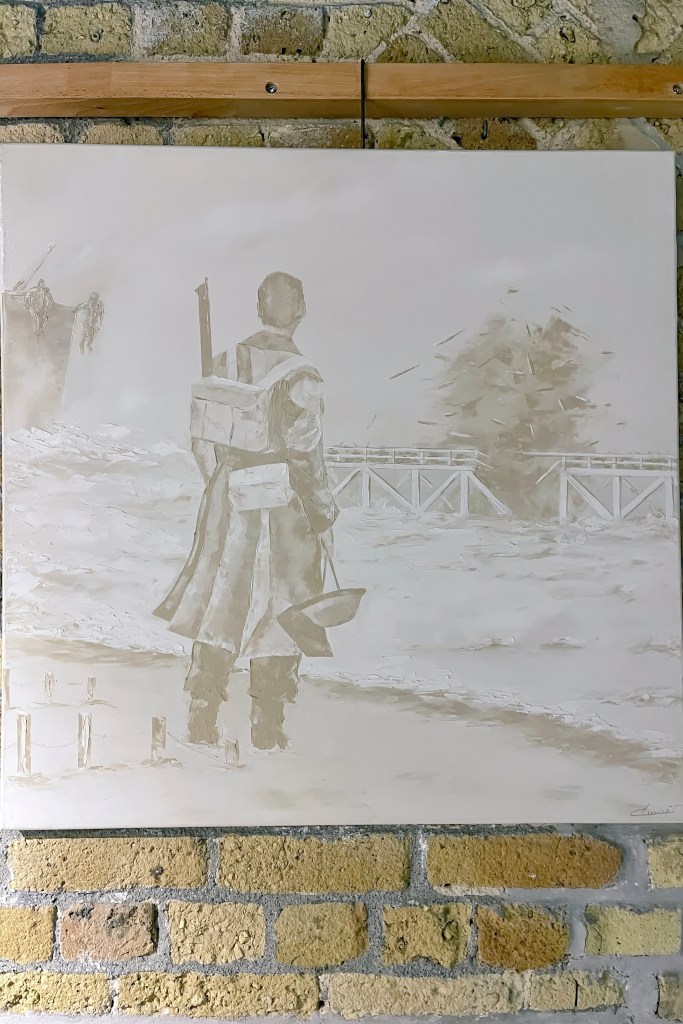
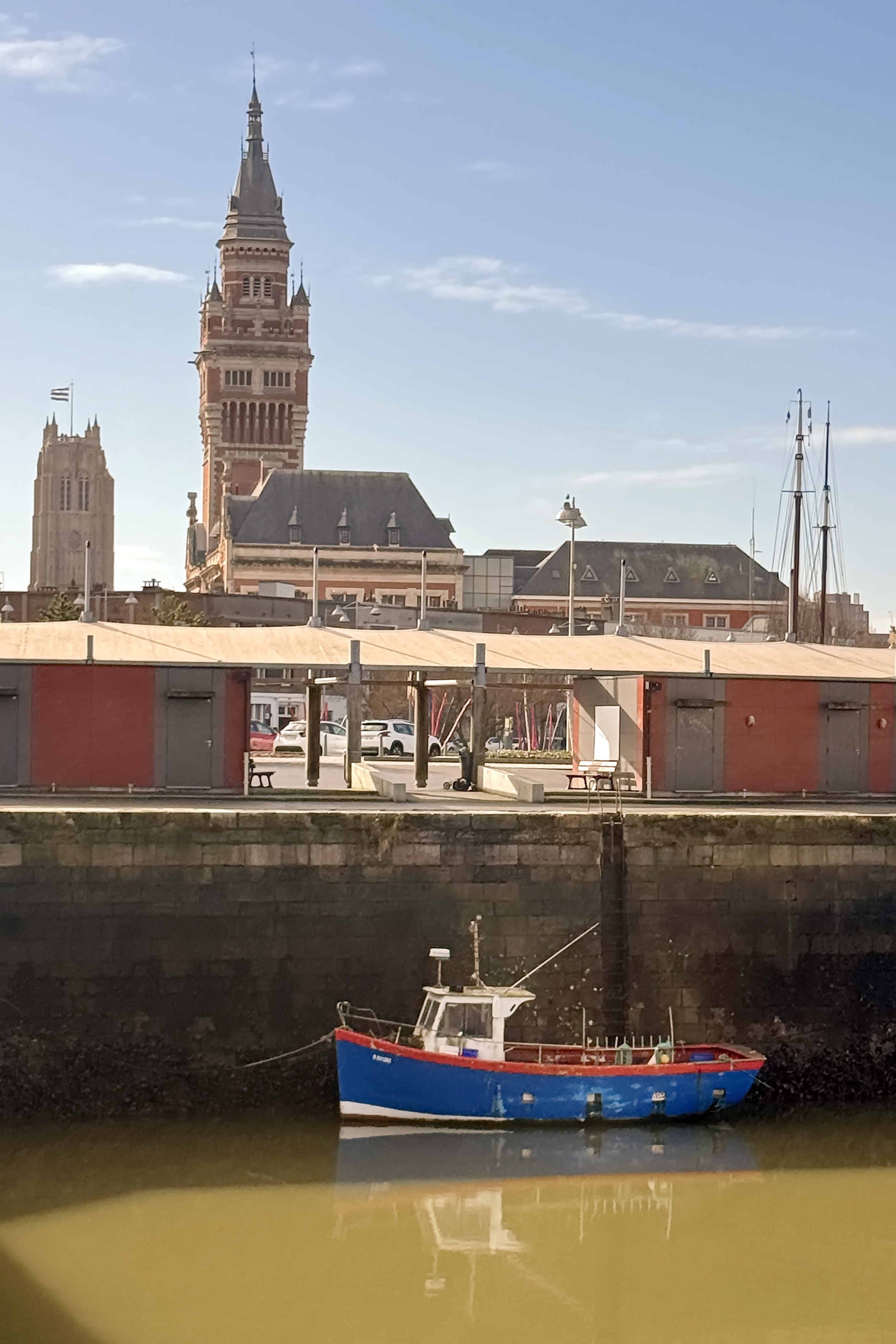
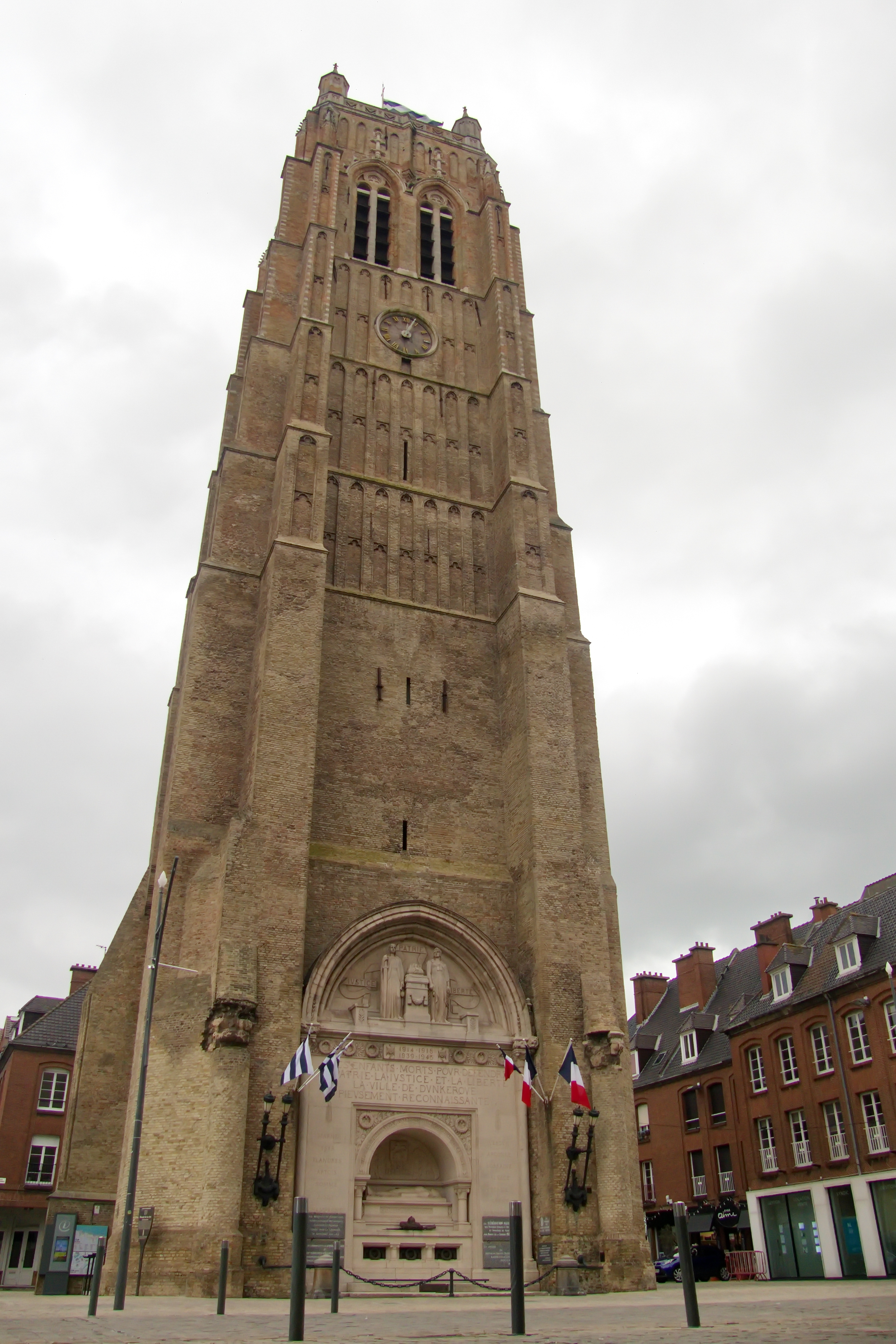
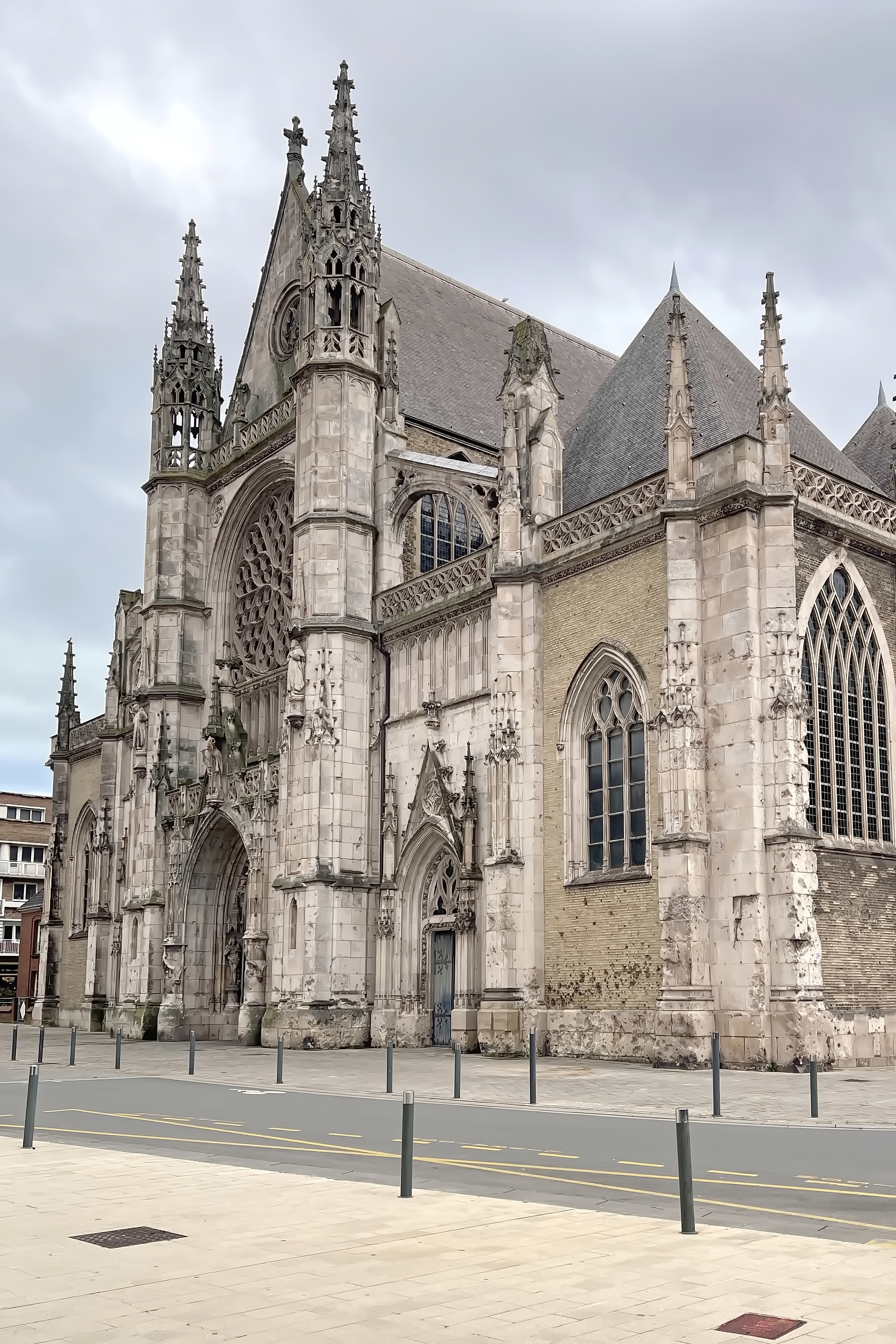
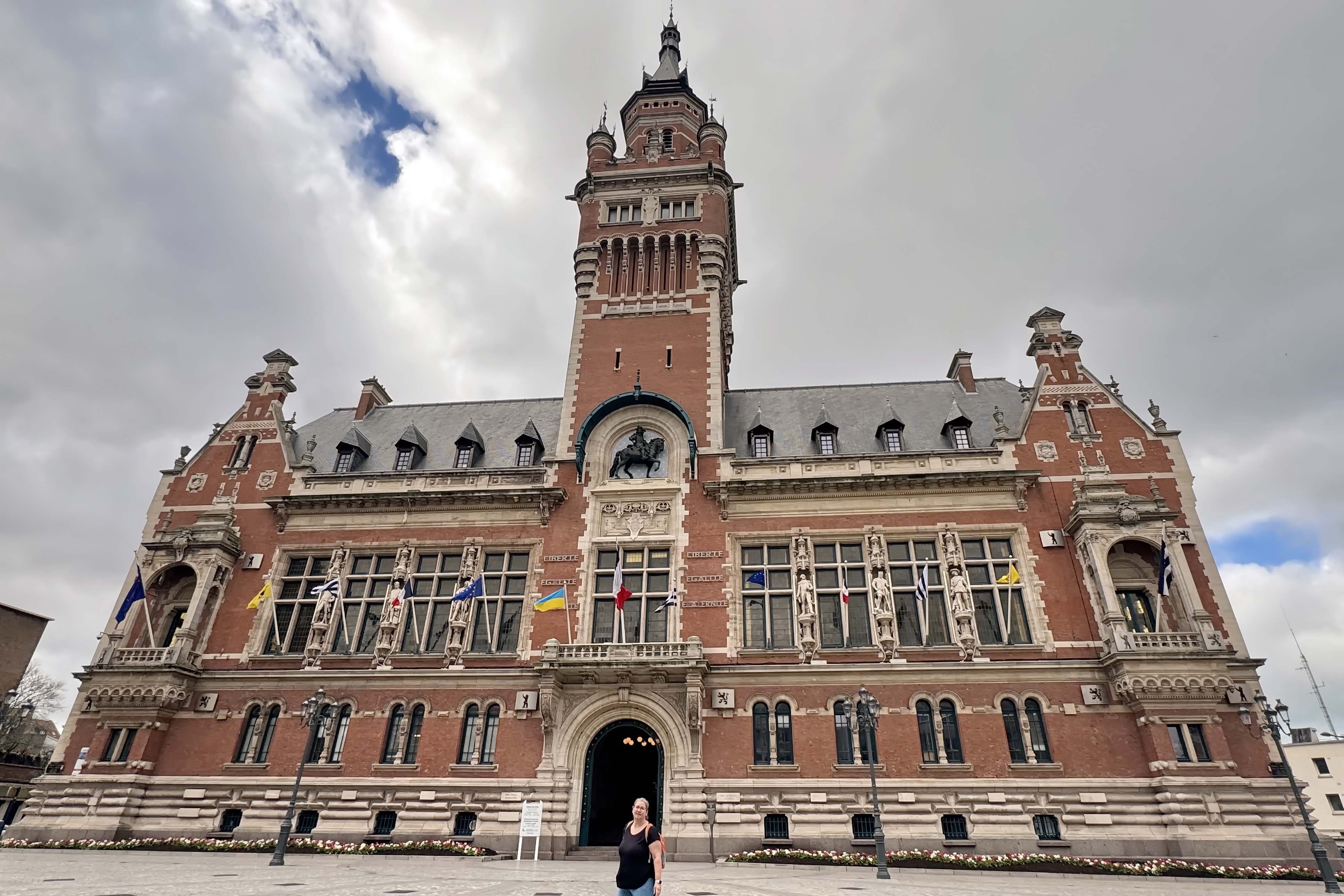
After leaving the museum, we walked back toward the train station along the canals and waterways that remain an important part of this North Sea port. Although the city suffered near-total destruction during the war, Dunkirk has rebuilt itself with remarkable resilience. Many significant landmarks—including the historic Belfry of Dunkirk, the neo-Flemish Dunkirk Town Hall, and the intricate Church of Saint-Éloi—have been carefully restored or reconstructed. Walking through the city today, it is hard to imagine the devastation it once endured, as Dunkirk has transformed itself from a wartime battleground into a thriving modern industrial port.
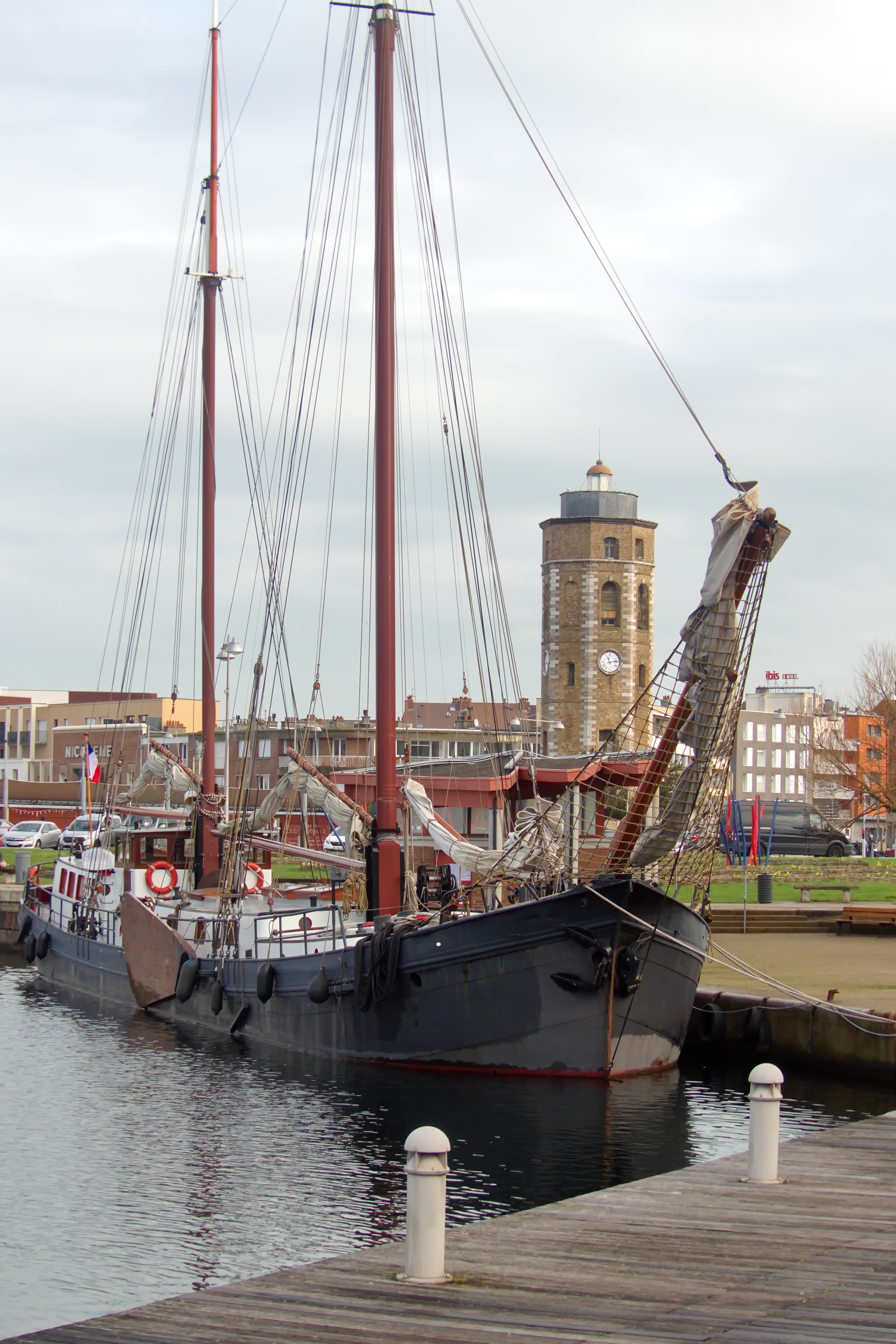
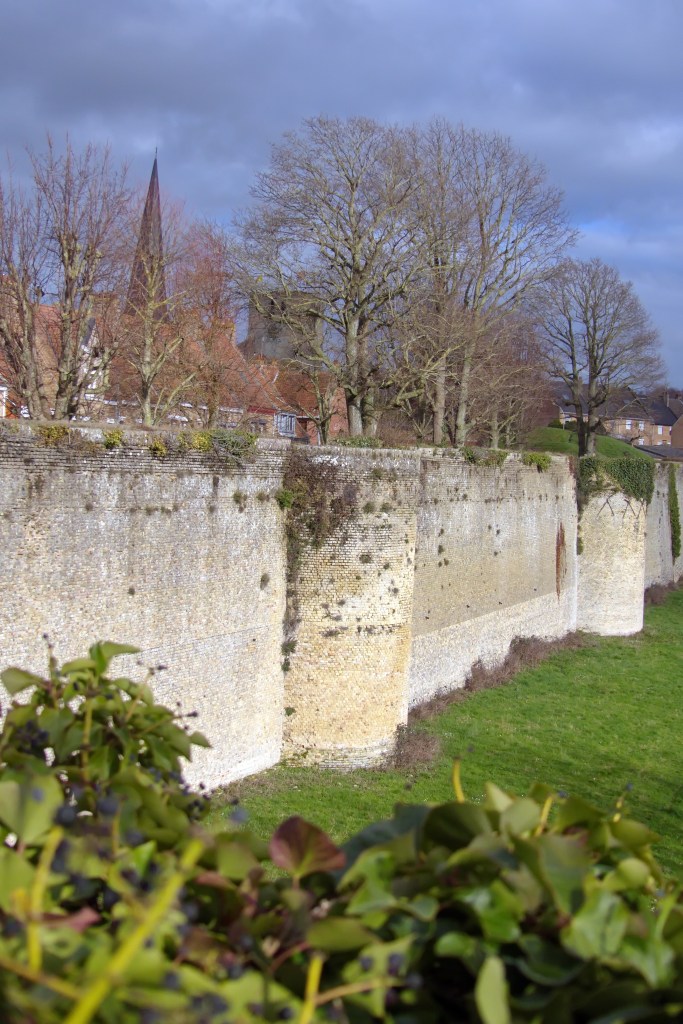
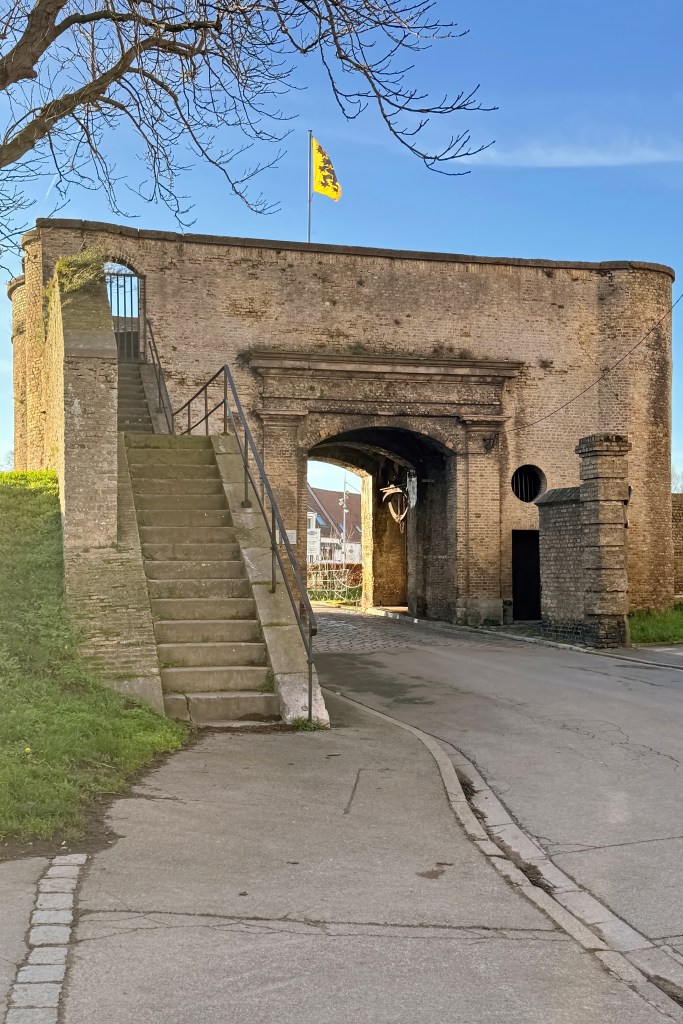
Later in the afternoon, we hopped on a short train ride to the nearby town of Bergues. If Dunkirk had been about powerful history, Bergues offered something entirely different—a step back into medieval charm. The town is encircled by impressive defensive walls, and we spent time walking along the ramparts, looking out over the canals as the town revealed its quiet beauty: narrow streets, historic buildings, and a peaceful atmosphere that made it feel wonderfully removed from the busier cities we had visited.


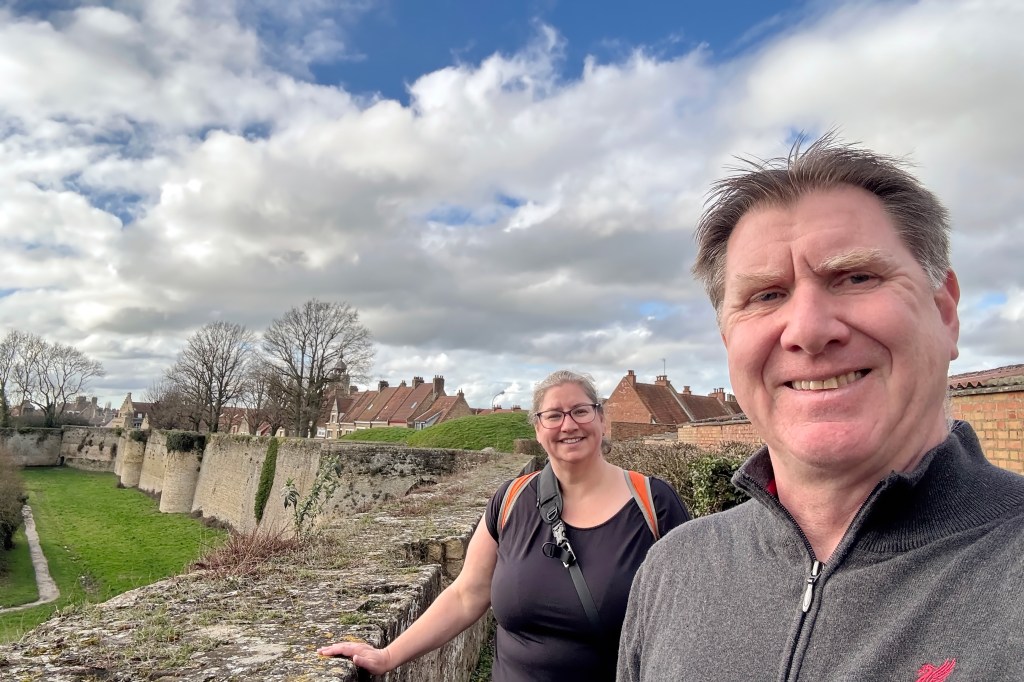
As we wandered deeper into town, the remains of the historic Abbaye Saint-Winoc came into view. Once an important Benedictine abbey dating back to the 7th century, only fragments of it remain today, but its towers and ruins still rise above the rooftops as a reminder of Bergues’ long history. Standing nearby, it was easy to imagine the centuries of life that had unfolded here—monks, merchants, and townspeople all passing through these same streets.


Wandering through Bergues without any real plan, we discovered small squares, charming corners, and that familiar feeling that comes when a place quietly wins you over. Eventually we found ourselves in the lively main square, where we treated ourselves to one of the region’s most famous sweets—a delicate Merveilleux. Light meringue layered with whipped cream and coated in chocolate shavings, it was every bit as delicious as it looked and the perfect reward after an afternoon of wandering the town.
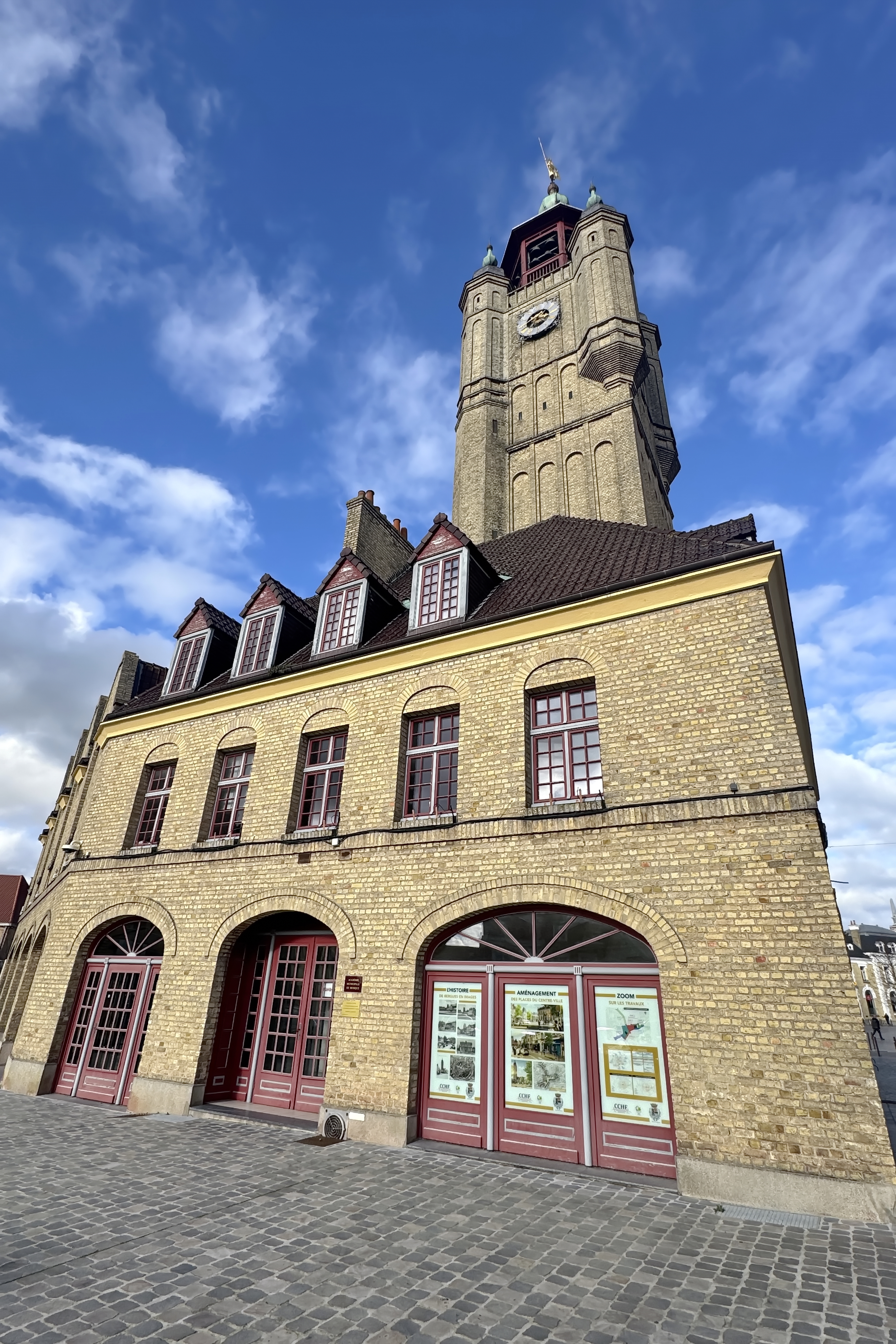
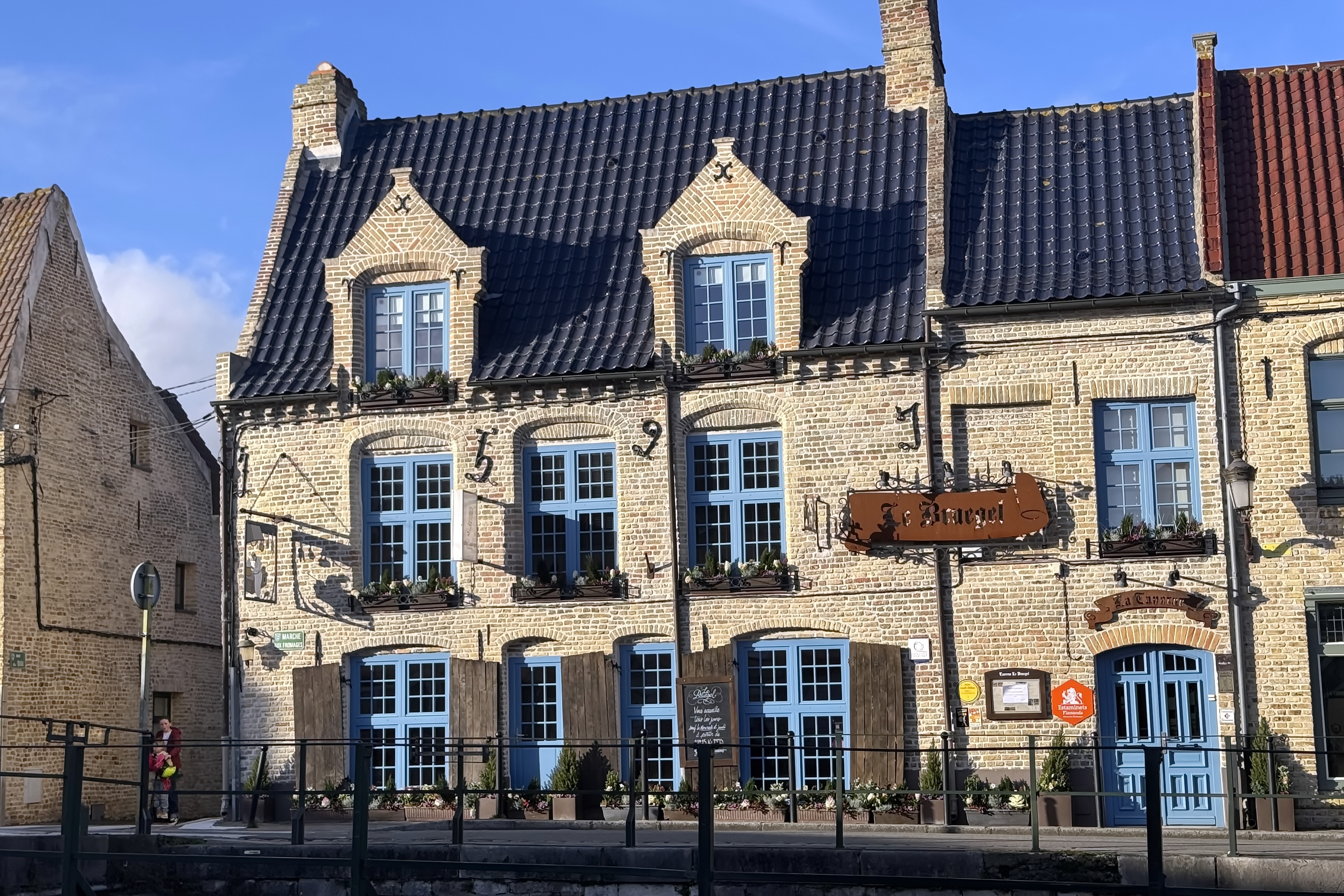
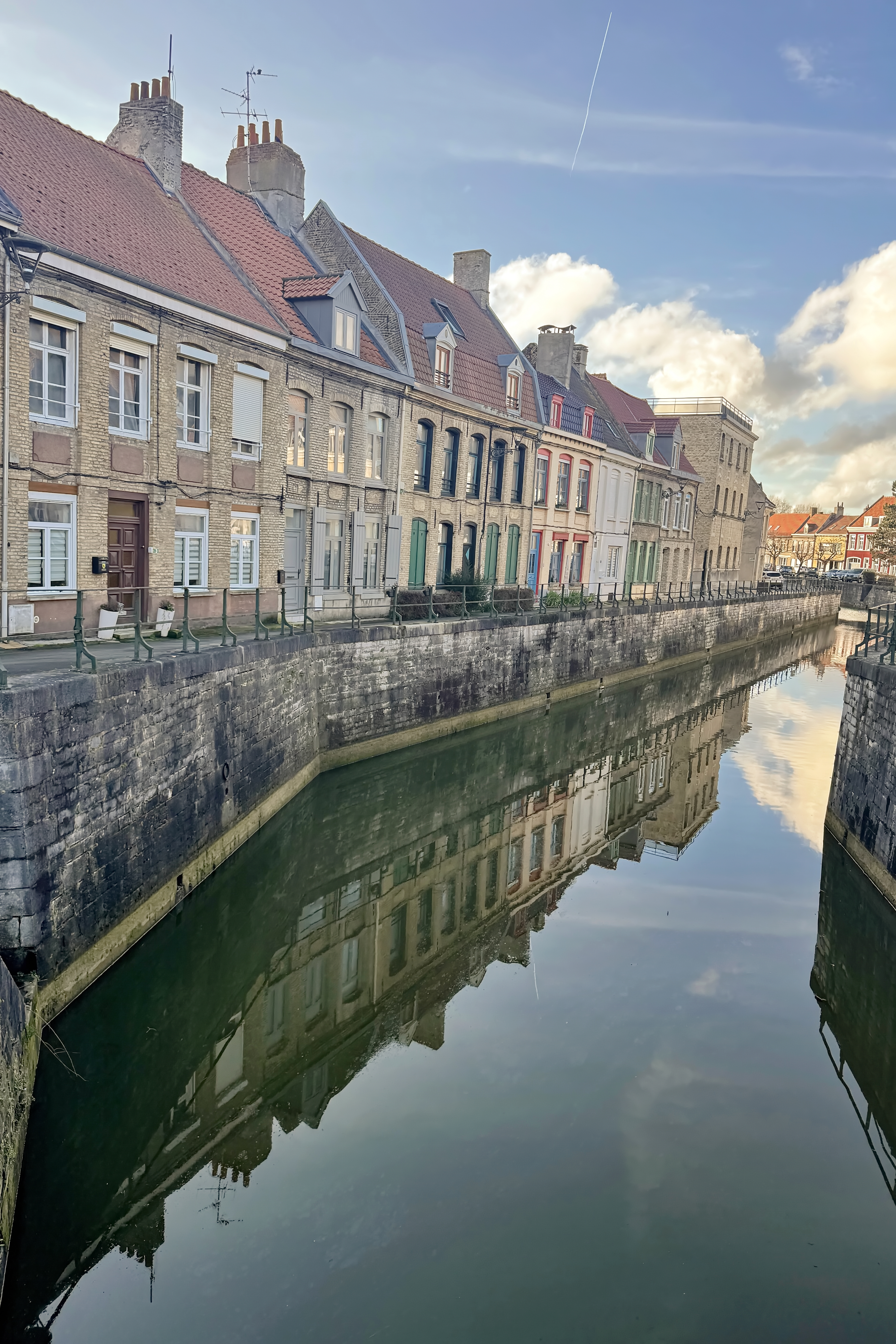
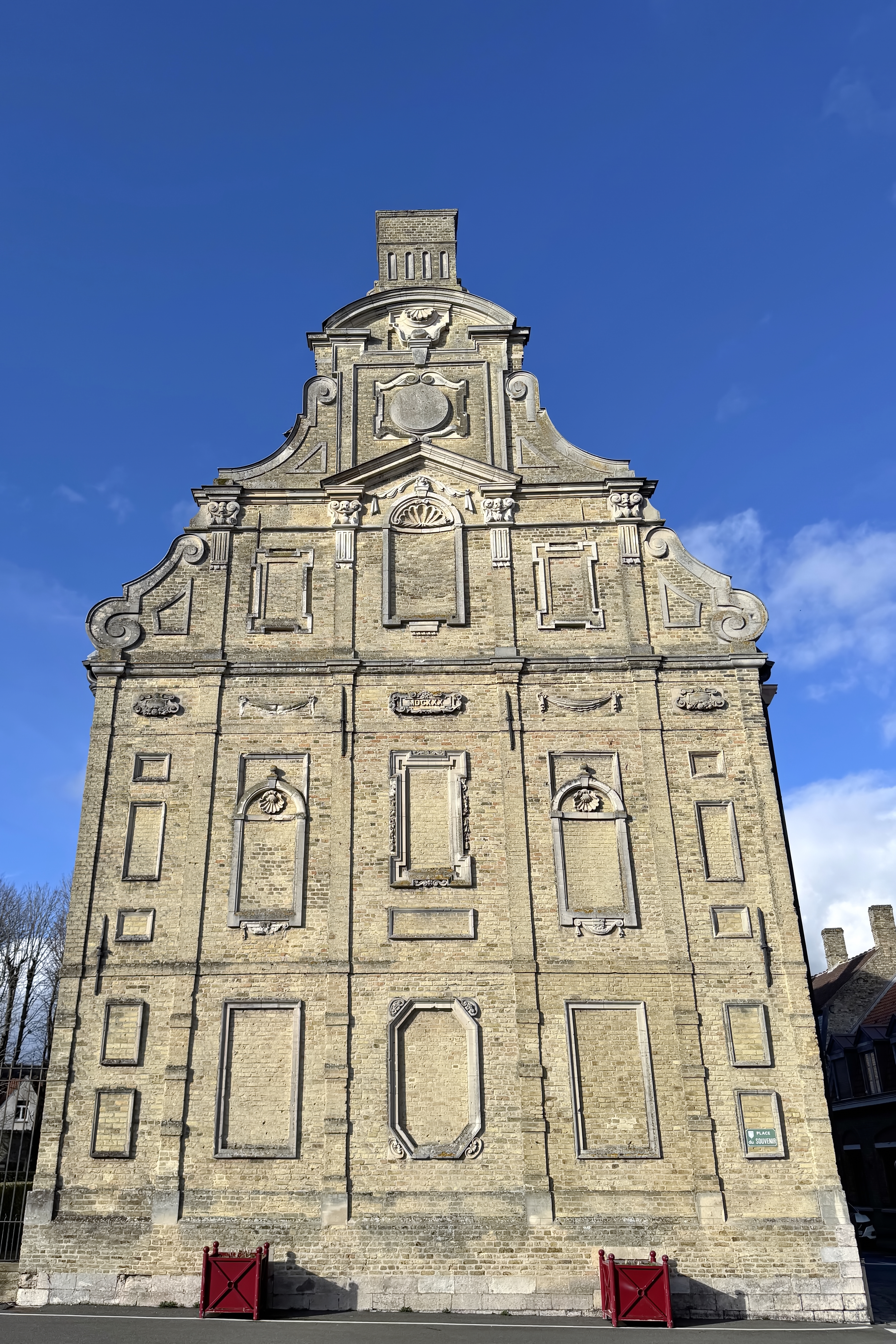
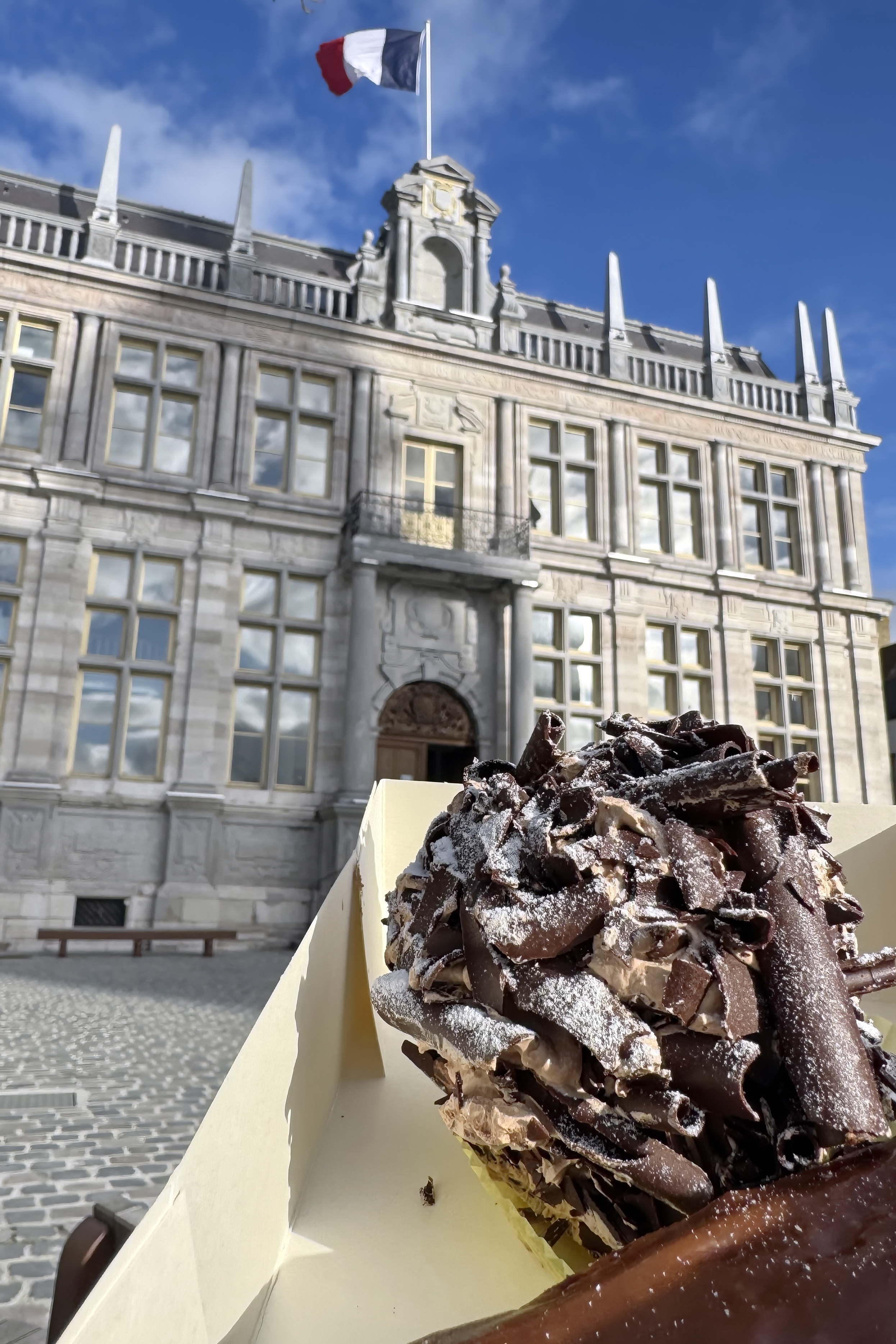
Sitting in the square enjoying our treat, surrounded by historic buildings and the relaxed rhythm of the town, it felt like we had stumbled upon one of those simple travel moments that stay with you long after the day is over. It was the perfect way to end another day of exploring northern France—balancing powerful history with the simple pleasure of discovering a beautiful town on foot.
Kortrijk
Our final day took us across the border into Belgium for a relaxed day exploring the charming city of Kortrijk. This was a German stronghold in World War I and a target of intense Allied air raids in World War II where it suffered massive destruction, and although the city has undergone significant postwar modernization, it remains a centre of Flemish history. The journey itself took less than half an hour, making it one of those perfect spontaneous day trips where a completely different country and culture suddenly feels just around the corner.
Arriving in Kortrijk, we set off on foot toward one of the city’s most recognizable landmarks, the picturesque Broel Towers. Standing proudly on either side of the River Leie, these twin medieval towers once guarded the entrance to the city. Connected today by a small bridge, they create one of the most iconic views in Kortrijk. We lingered along the riverbanks for a while, enjoying the reflections of the towers in the water and imagining the centuries of history they have witnessed.
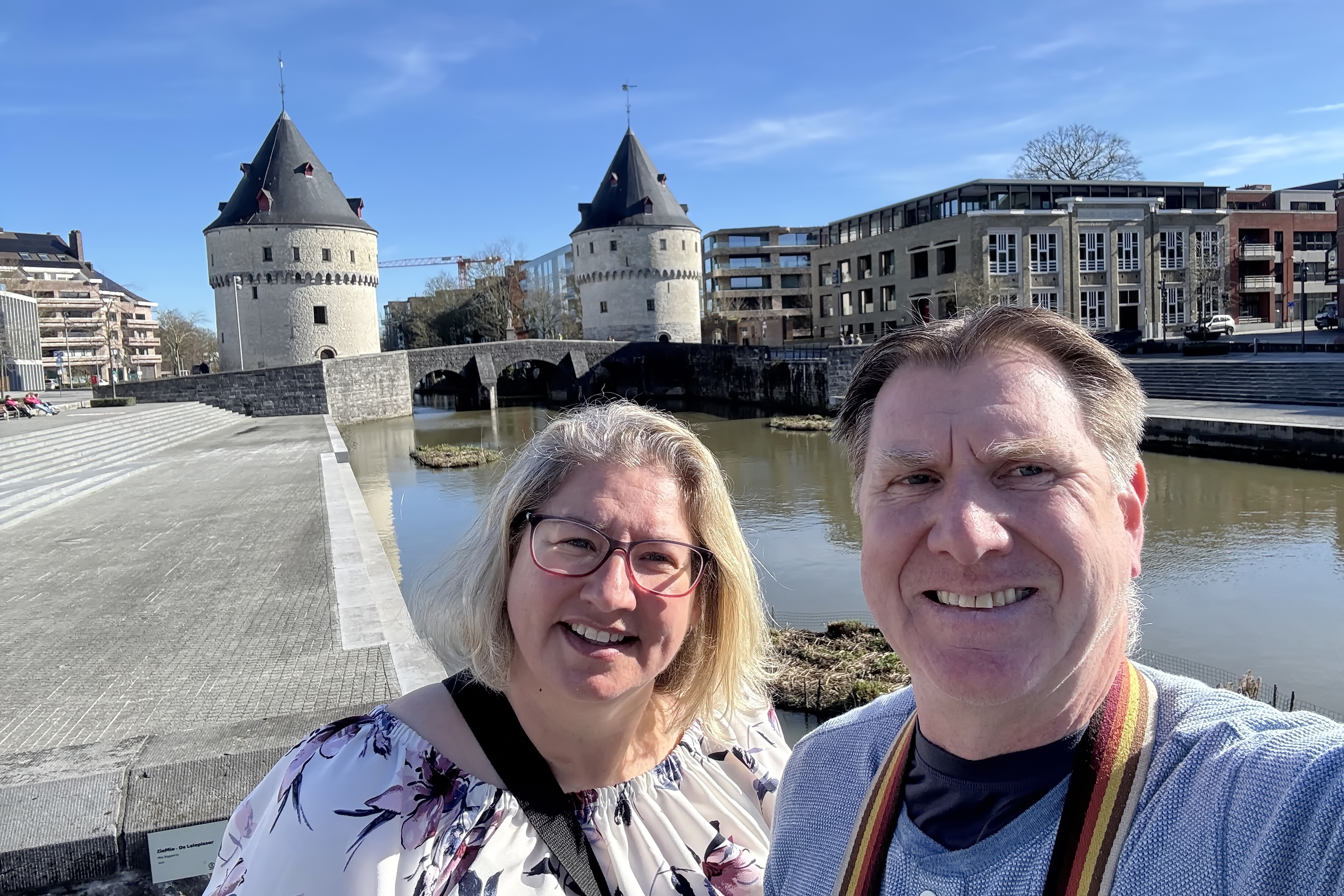
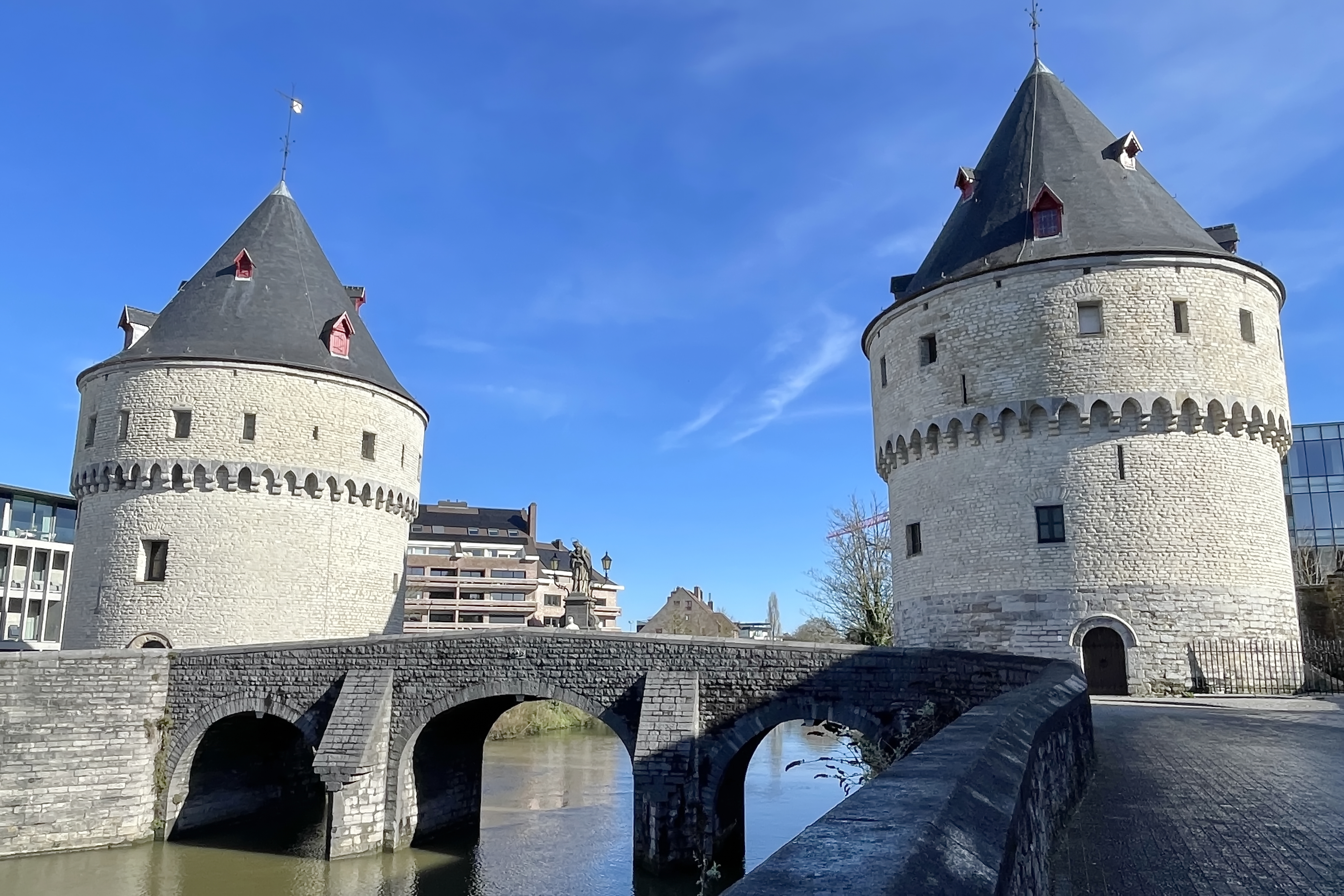
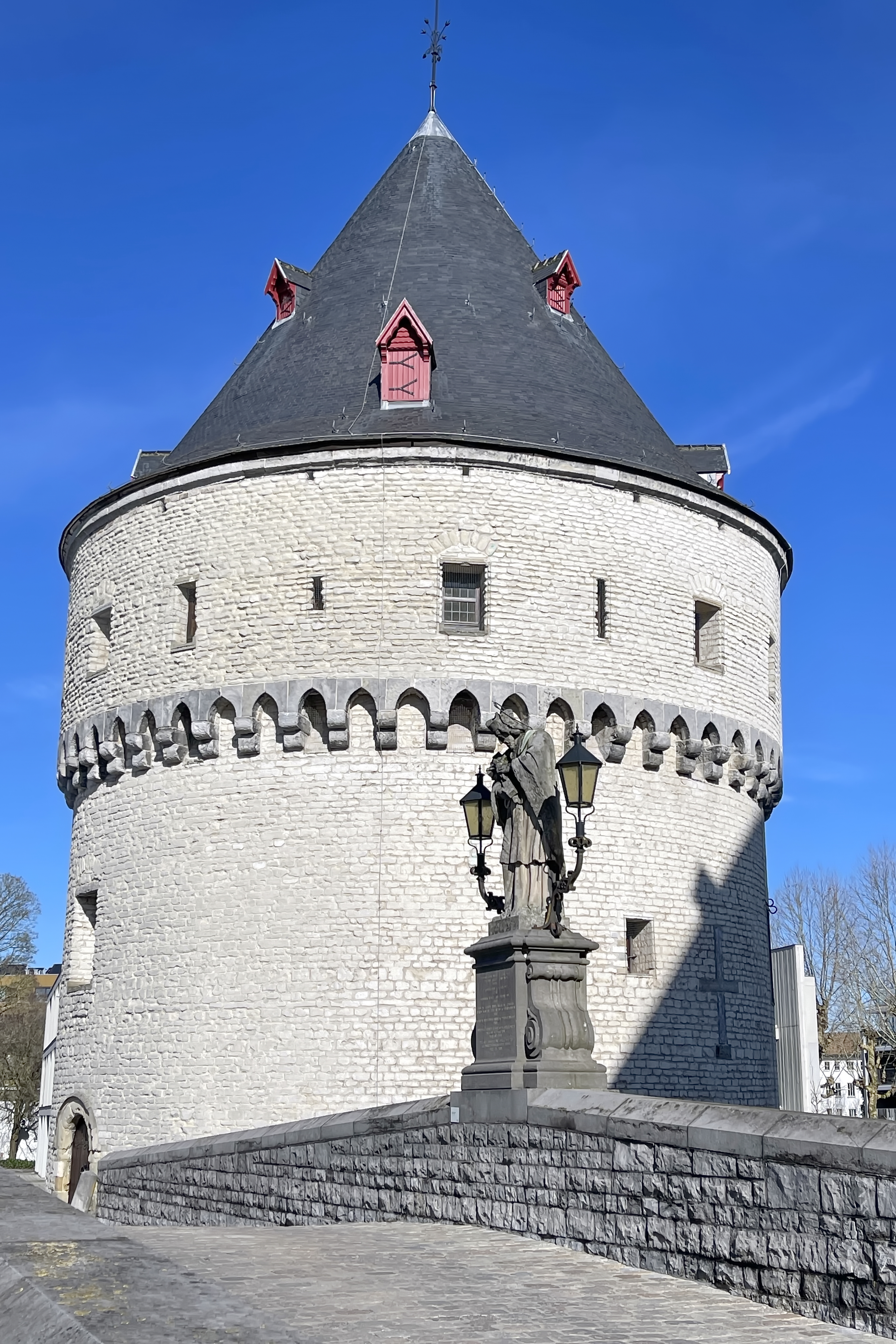
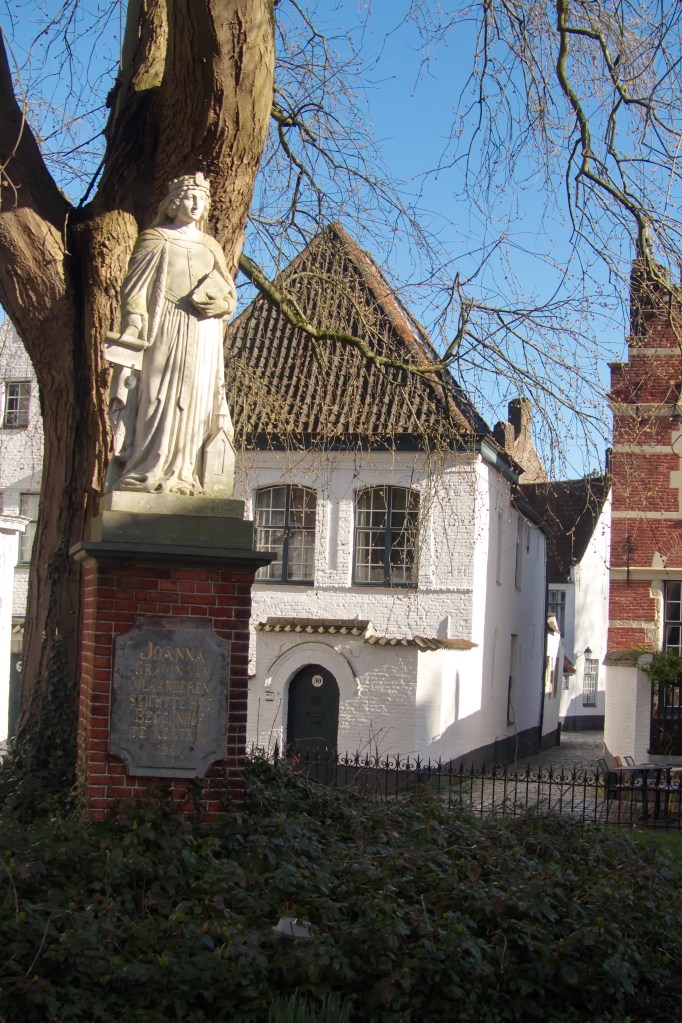
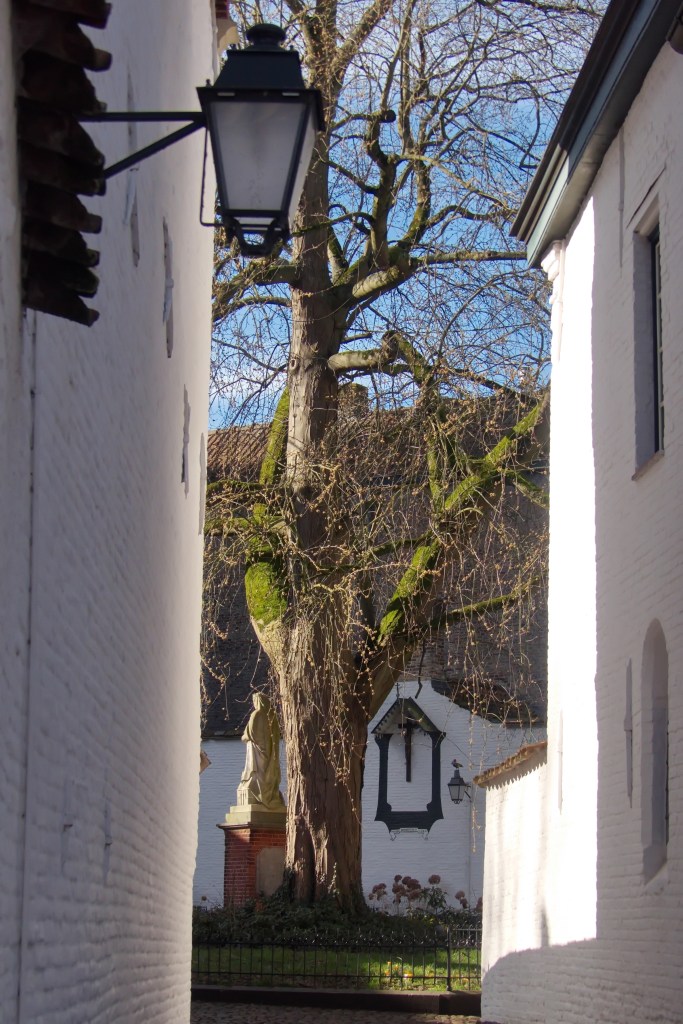
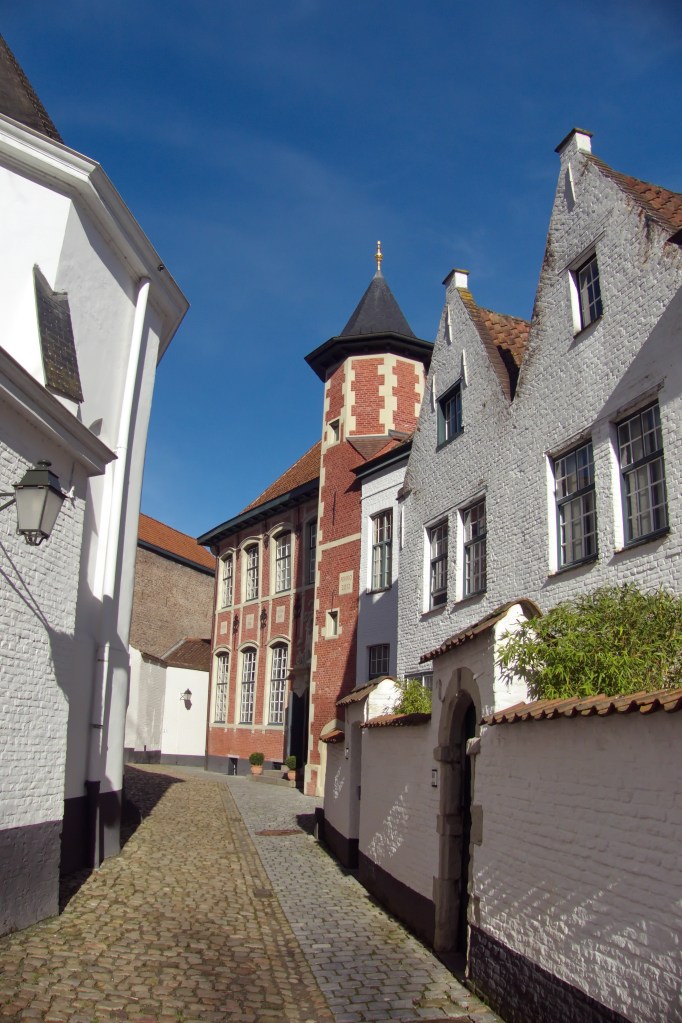
From there, we continued our walk to one of the most peaceful corners of the city—the Beguinage of Kortrijk. This small complex of whitewashed houses surrounds a quiet courtyard and dates back to the 13th century. Beguinages were once communities where religious women, known as beguines, lived independent lives devoted to faith and service. Today the calm atmosphere remains, and stepping through the gate felt like entering another world entirely. The soft light, tidy gardens, and simple buildings created a tranquil space that invited us to slow down and take it all in.
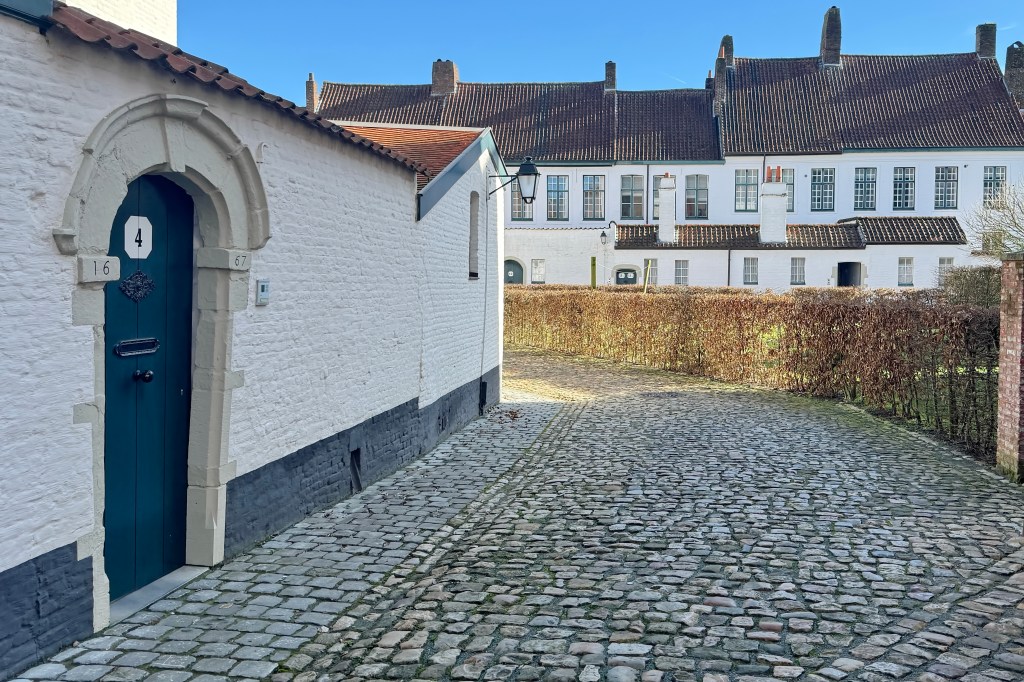
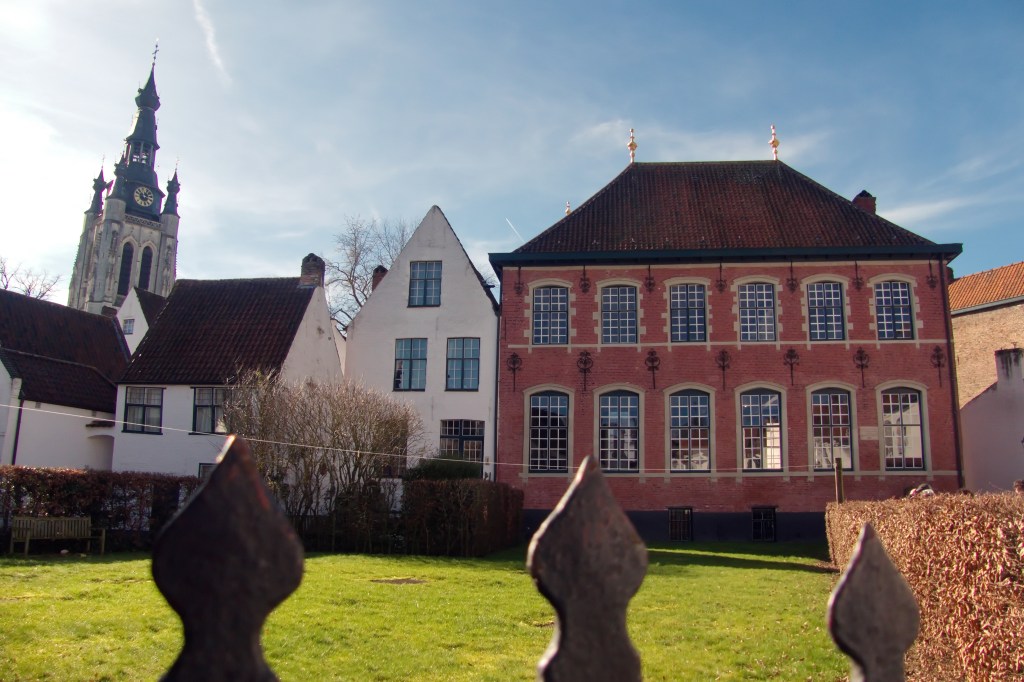
Eventually our wandering brought us into the heart of the city at the lively Grote Markt. Surrounded by elegant historic buildings, cafés, and restaurants, the square buzzed with activity as locals and visitors gathered to enjoy the afternoon. The beautiful Belfry of Kortrijk rises nearby, a reminder of the city’s long trading history and its proud place among the historic belfry towns of Belgium.


By late afternoon we were on the train again, heading back to Lille with the feeling that we had discovered a wonderful little corner of Belgium. Kortrijk may not be as famous as some of its neighbours, but its mix of medieval history, peaceful spaces, and welcoming squares made it an ideal day trip.
As our time in northern France came to an end, we found ourselves reflecting on just how many stories this region holds. Travel often begins with well-known destinations, but some of the most memorable moments come from the places we knew little about before arriving. Northern France surprised us in the best possible way, revealing a landscape rich in history, character, and everyday life that felt both welcoming and deeply meaningful. There is a quiet strength here—a sense of resilience and remembrance balanced by moments of simple beauty.
Like many journeys, this one left us with a familiar feeling—that there is always more to discover. Somewhere just beyond the horizon there is another train to catch, another town to wander, and another story waiting around the next corner.

 Mapgirl Adventures
Leave a comment