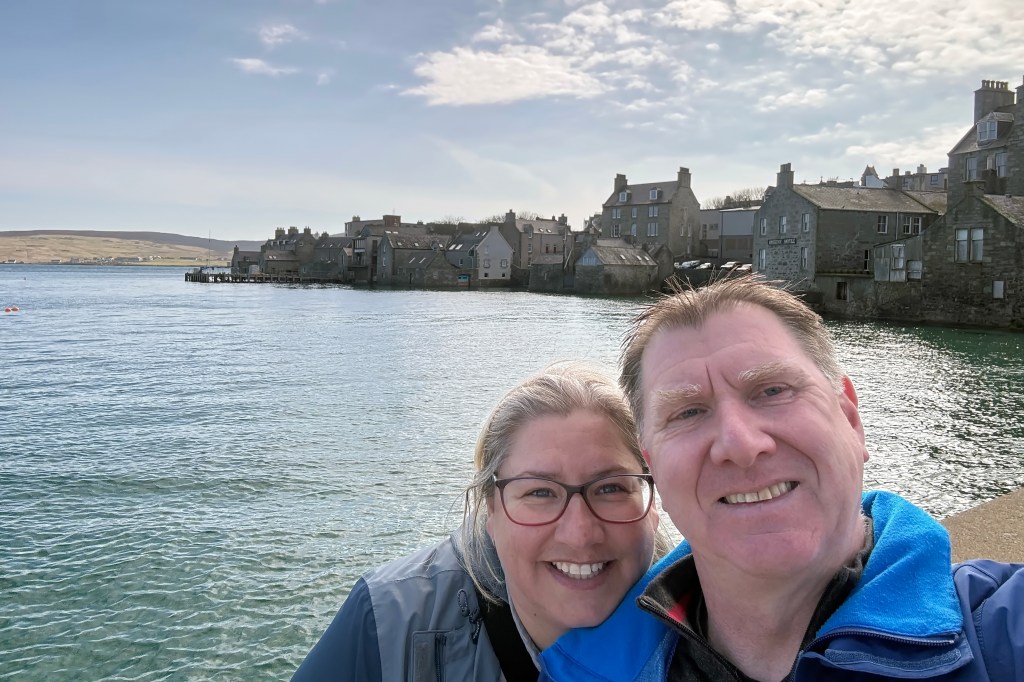
Keith and I had long dreamed of visiting the Shetland Islands, drawn there for two very different—but equally compelling—reasons. The first was Up Helly Aa, the iconic winter celebration of Vikings, torchlit processions, and the unforgettable burning of a galley. The second was our love for the windswept landscapes featured in the TV series Shetland, inspired by the novels of Ann Cleeves. We were captivated by the idea of standing in those same rugged places, following in the footsteps of Jimmy Perez as he searched for answers.
So, with that sense of excitement building, we set off—heading north by car until we reached the ferry, which carried us overnight across the North Sea. By the time we arrived in Shetland, there was already a feeling that we had stepped somewhere special—a place shaped by wind, sea, and story—and we couldn’t wait to begin a week of exploration.
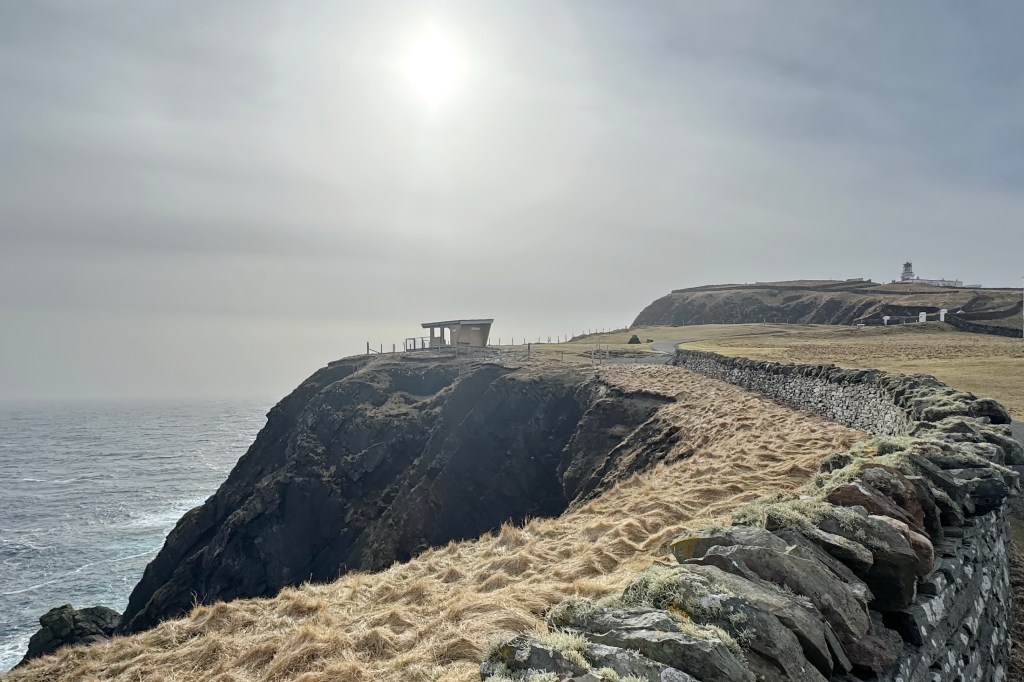
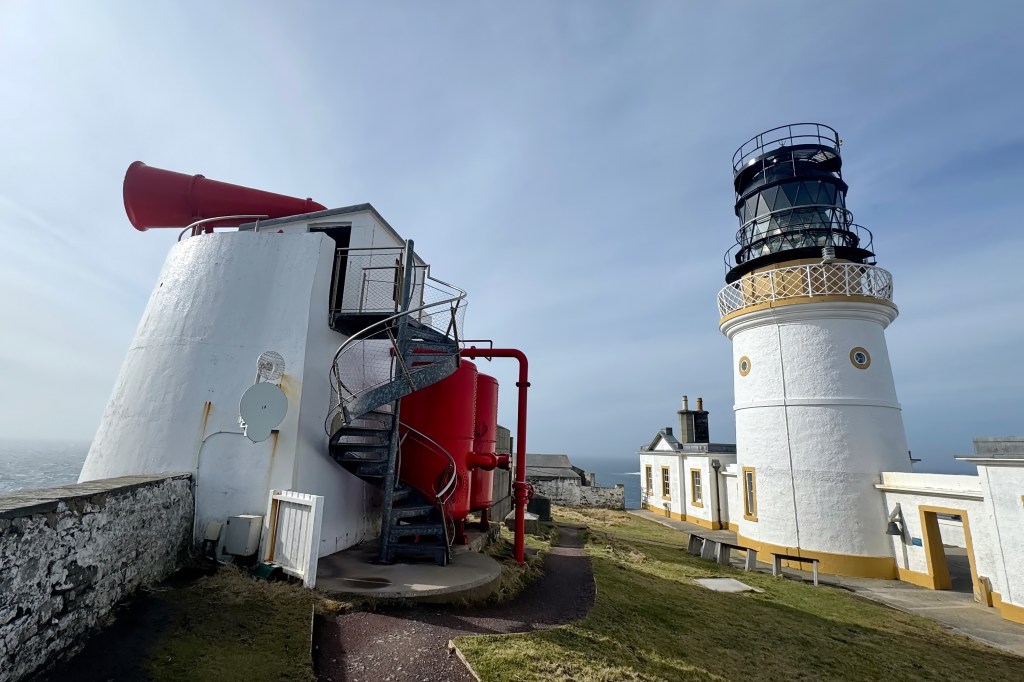
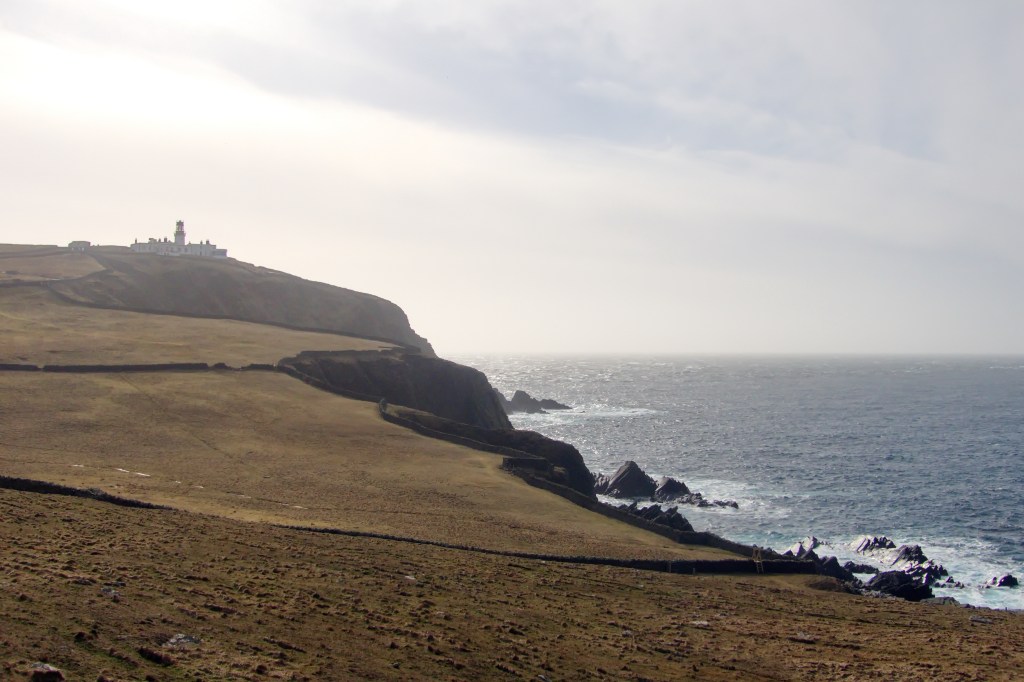
At the southern tip of the Mainland, Sumburgh Head Lighthouse stands watch where the North Sea meets the Atlantic, looking towards the distant Fair Isle, Orkney Islands and mainland Scotland. Built in 1821 by Robert Stevenson, it’s far more than just a navigational beacon; it feels like a front-row seat to one of Shetland’s wildest corners. Even though we arrived early in the season, before the famous Atlantic puffin colonies return, the cliffs were far from quiet. Fulmars drifted effortlessly on the wind, gulls circled above us, and below, the sea crashed endlessly against the rocks on all sides. There was something we really loved about seeing it in March—the landscape felt raw and untamed, with a quieter kind of beauty that made it easy to just stand still and take it all in.
Just minutes away lies one of Shetland’s most remarkable archaeological sites, Jarlshof Prehistoric and Norse Settlement—a place where time doesn’t just pass, it layers. What makes Jarlshof so extraordinary is its vast timeline, spanning over 4,000 years of human history. Here, you can trace a continuous thread of life from the Bronze Age, through Iron Age brochs and wheelhouses, into the Norse period with its longhouses, and onward to the medieval farmstead and the 16th-century laird’s house that still stands above it all, with a few gravestones standing proud for good measure. The site itself was only fully revealed after a violent storm in the late 19th century tore away the coastline, exposing these buried structures—almost as if Shetland was ready to share its story. The name “Jarlshof” was actually popularized by Sir Walter Scott in his novel The Pirate, adding yet another layer of storytelling to an already rich place.
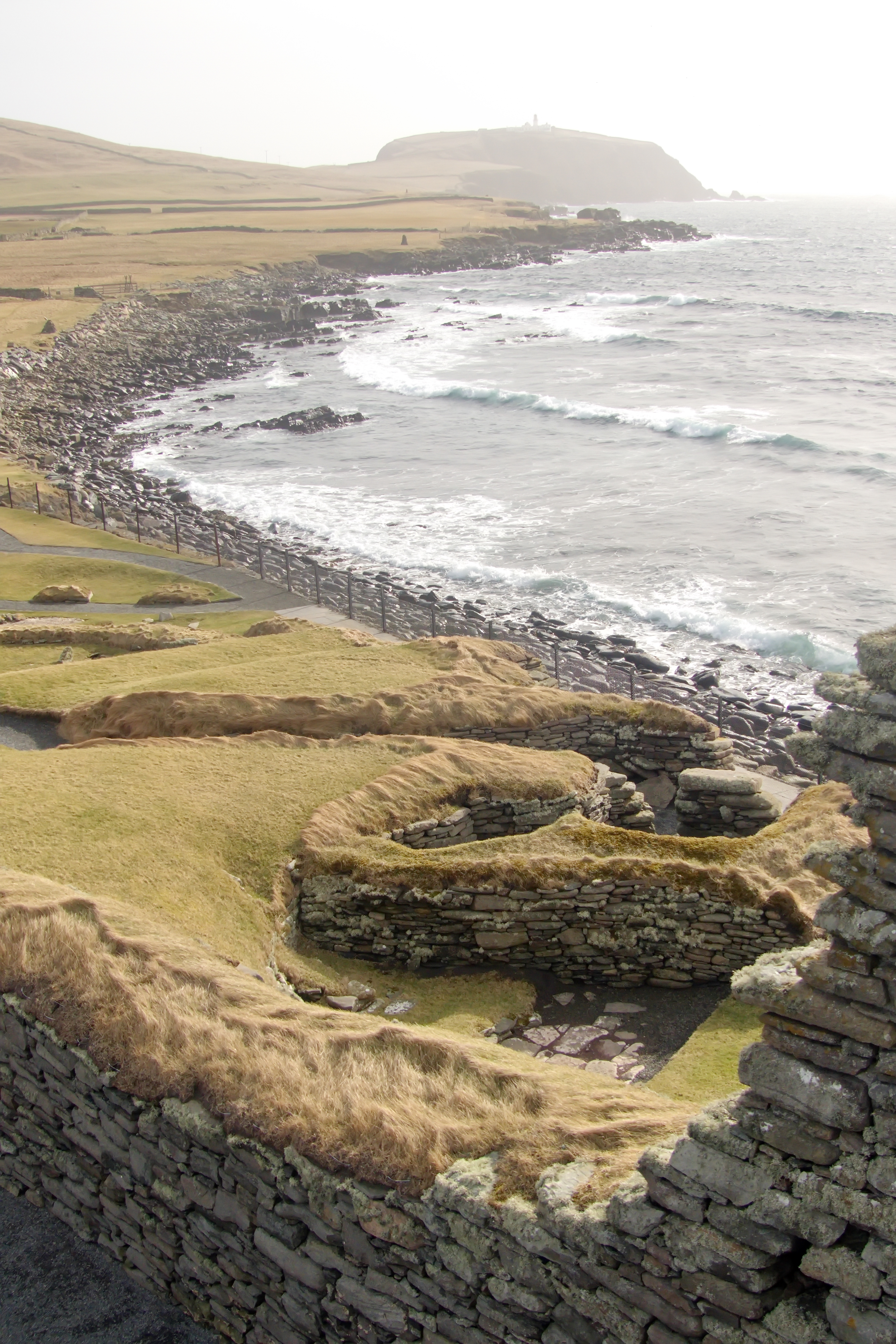
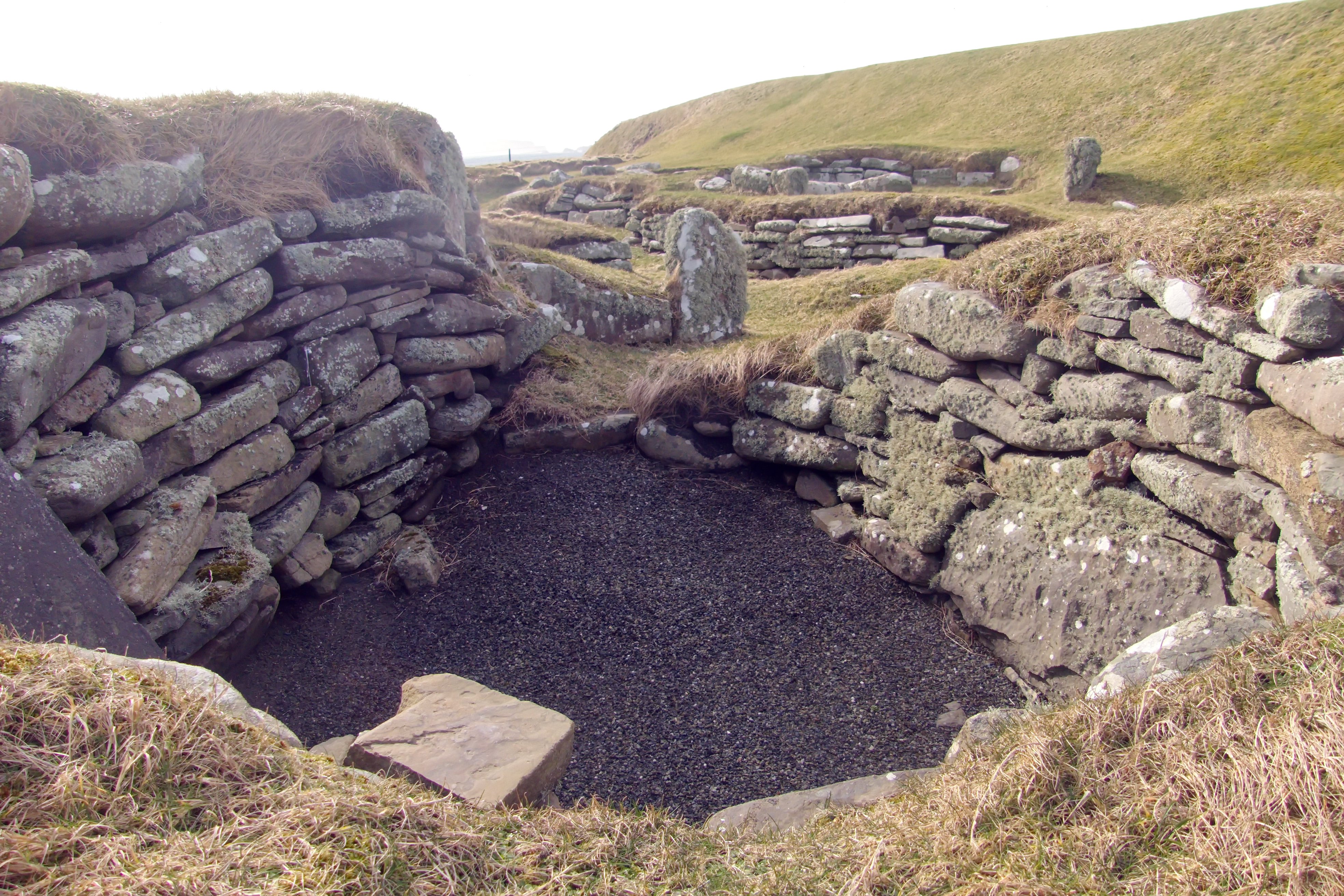
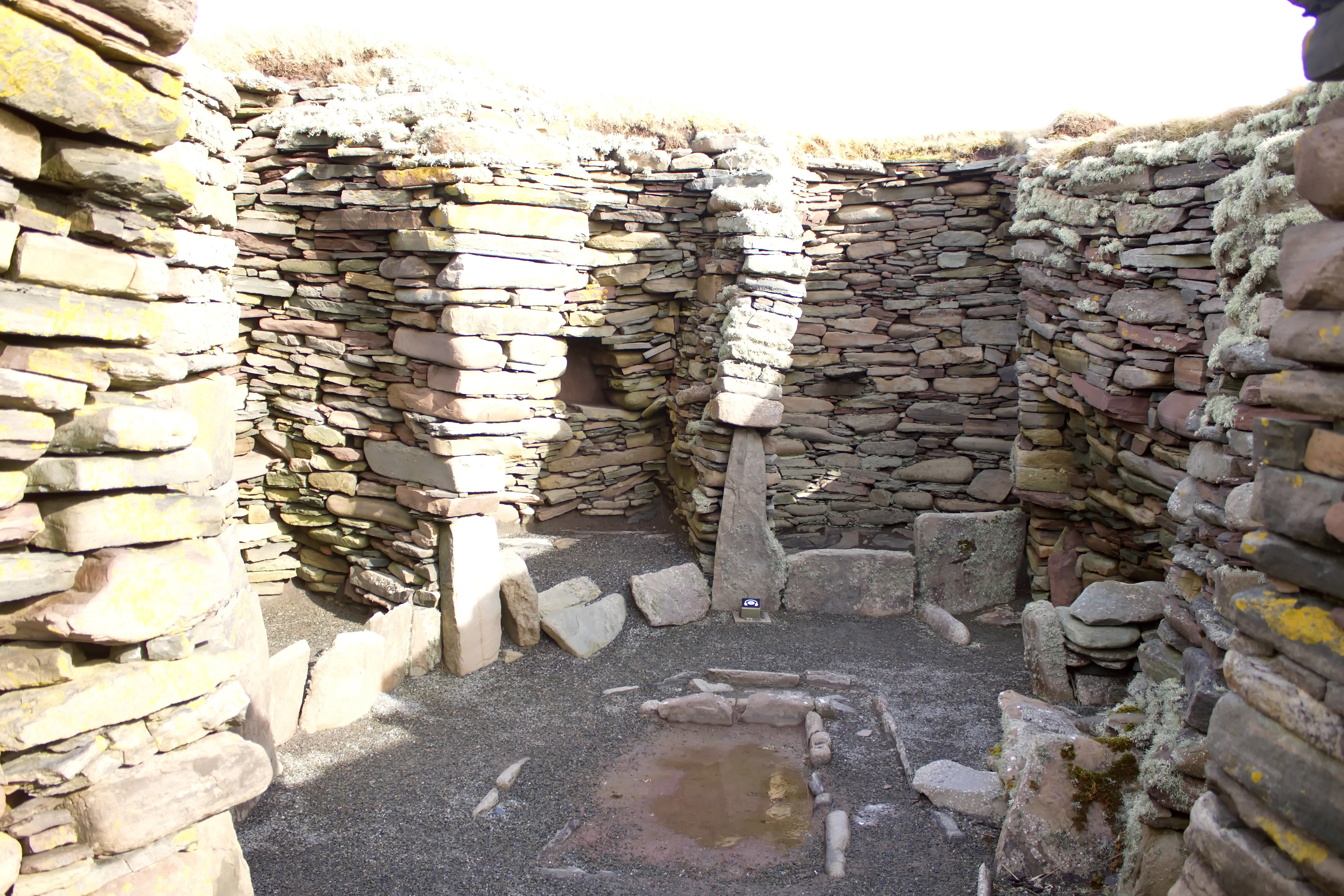
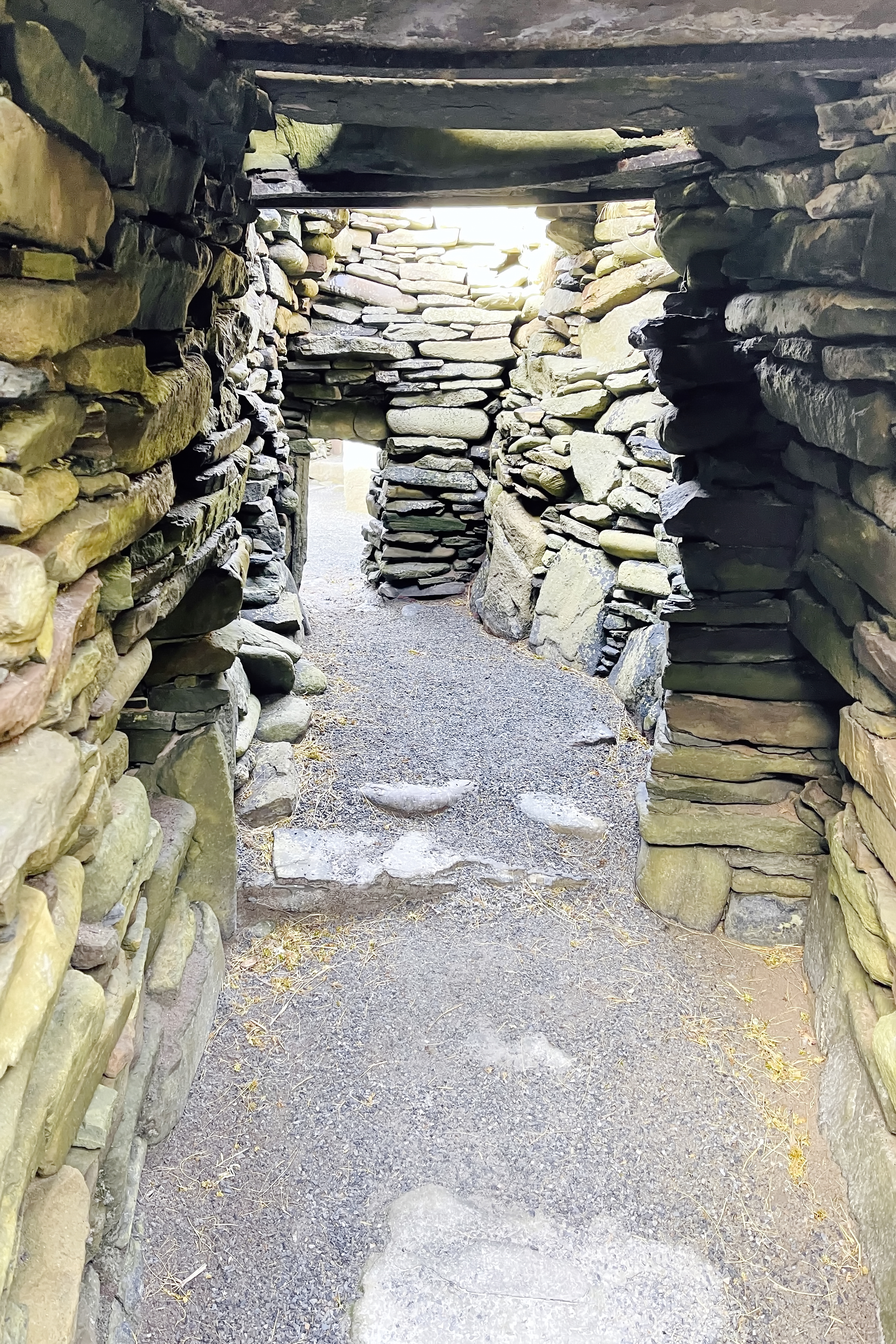
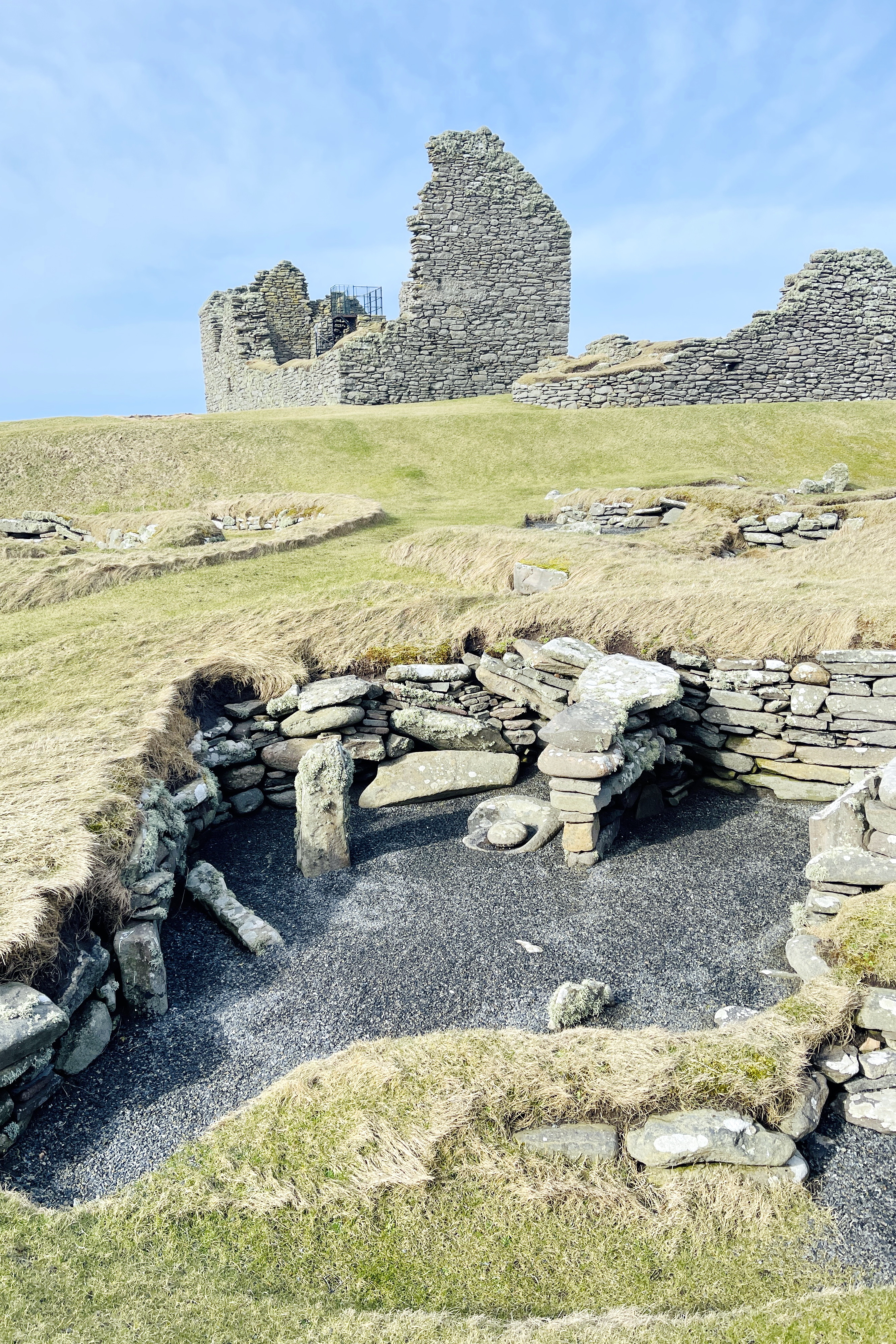
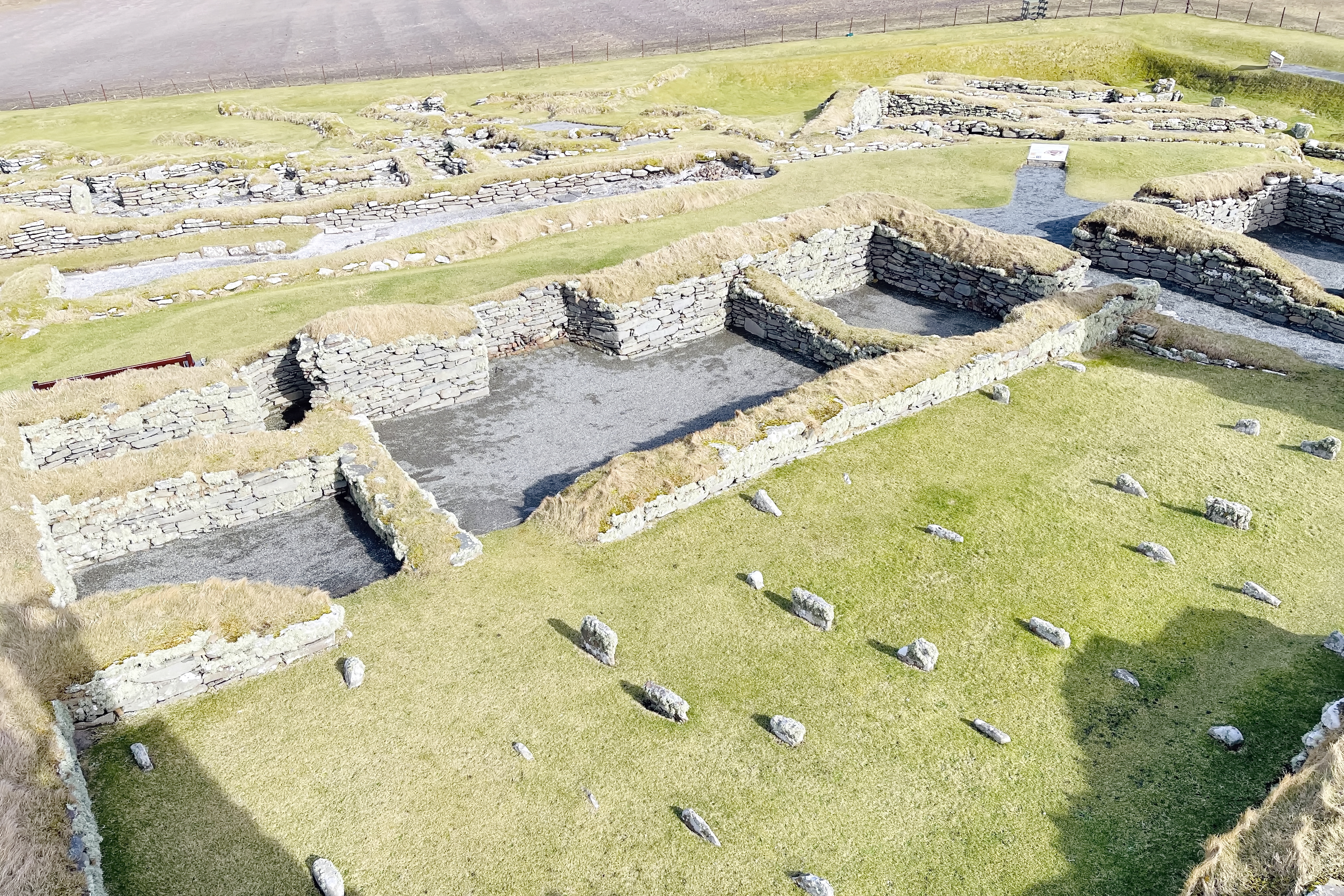
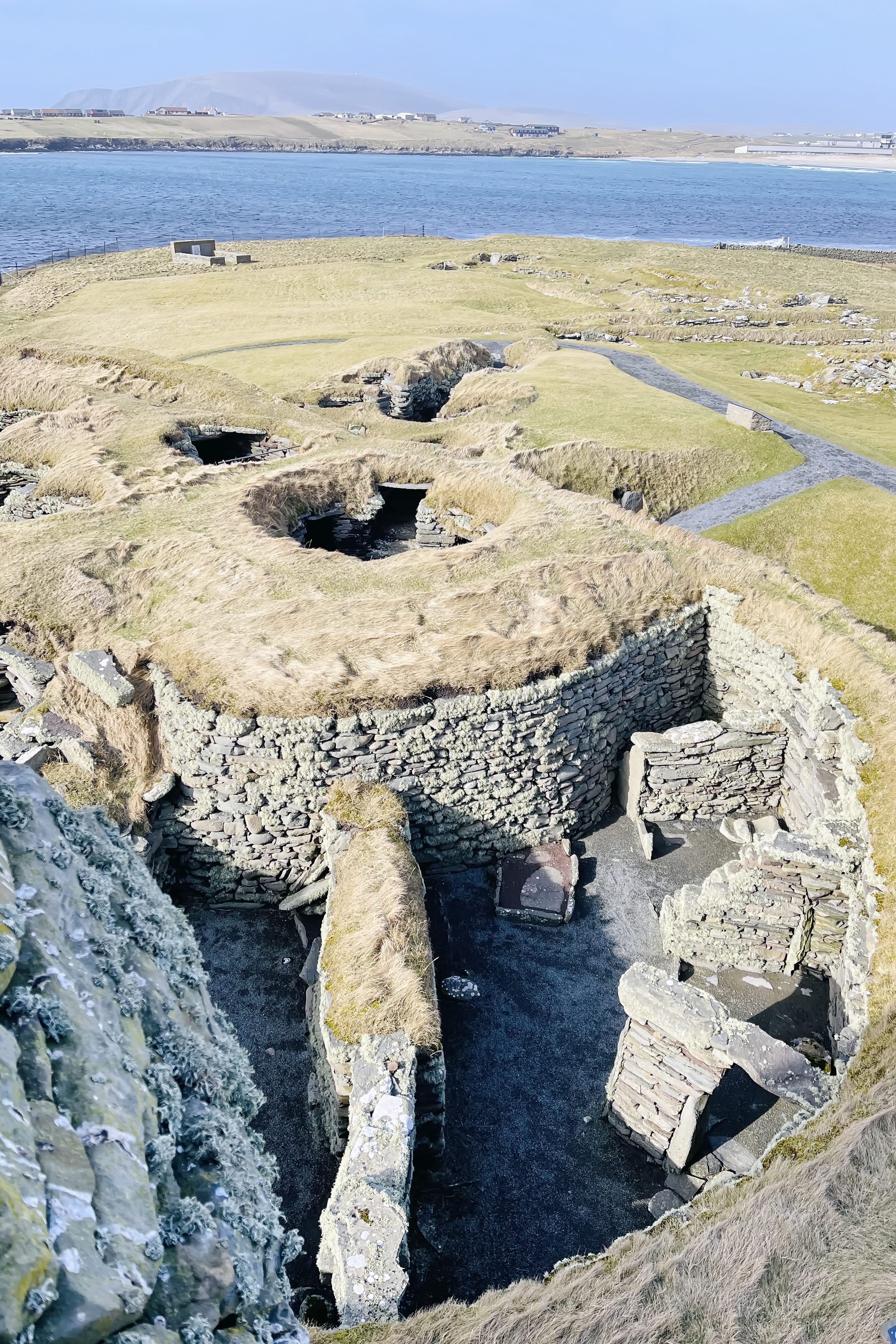
Upon our arival a tour bus had just left leaving us to explore the site all alone. We found ourselves slowing down, lingering a little longer at each structure, imagining the lives lived within those walls. It’s humbling to stand in one spot and realize that people have been doing the same for thousands of years, watching the same horizon, feeling the same wind, and calling this rugged edge of the world home. Walking through Jarlshof feels less like visiting a single site and more like moving through chapters of human resilience. You step from one era to the next in just a few paces—stone walls shifting in shape and purpose, each generation building quite literally on top of the last. Standing there in the early spring, with the wind sweeping in off the sea and the sound of waves in the distance, it’s impossible not to feel the weight of time. There’s a quiet hum to the place, a sense that life has always persisted here despite the elements.
History continues in Scalloway, once the capital of Shetland and still rich with stories that reach far beyond its quiet streets. Set along a sheltered natural harbour on the west coast of the Mainland, it has long been a centre for fishing, trade, and governance—something you can still feel as you wander through the town. Overlooking it all are the ruins of Scalloway Castle, a tower house built in 1600 by the tyrannical Patrick Stewart whose turbulent rule left a lasting mark on Shetland’s history.
When we visited in March, Scalloway felt calm and grounded, moving at a slower, more local pace before the summer season begins. But beneath that quiet surface lies one of the most remarkable wartime stories in Scotland. During World War II, the harbour became the base for the legendary Shetland Bus—a secret lifeline between Shetland and Nazi-occupied Norway. Small fishing boats, and later faster vessels, made dangerous crossings of the North Sea, carrying resistance fighters, supplies, and those seeking escape to safety.
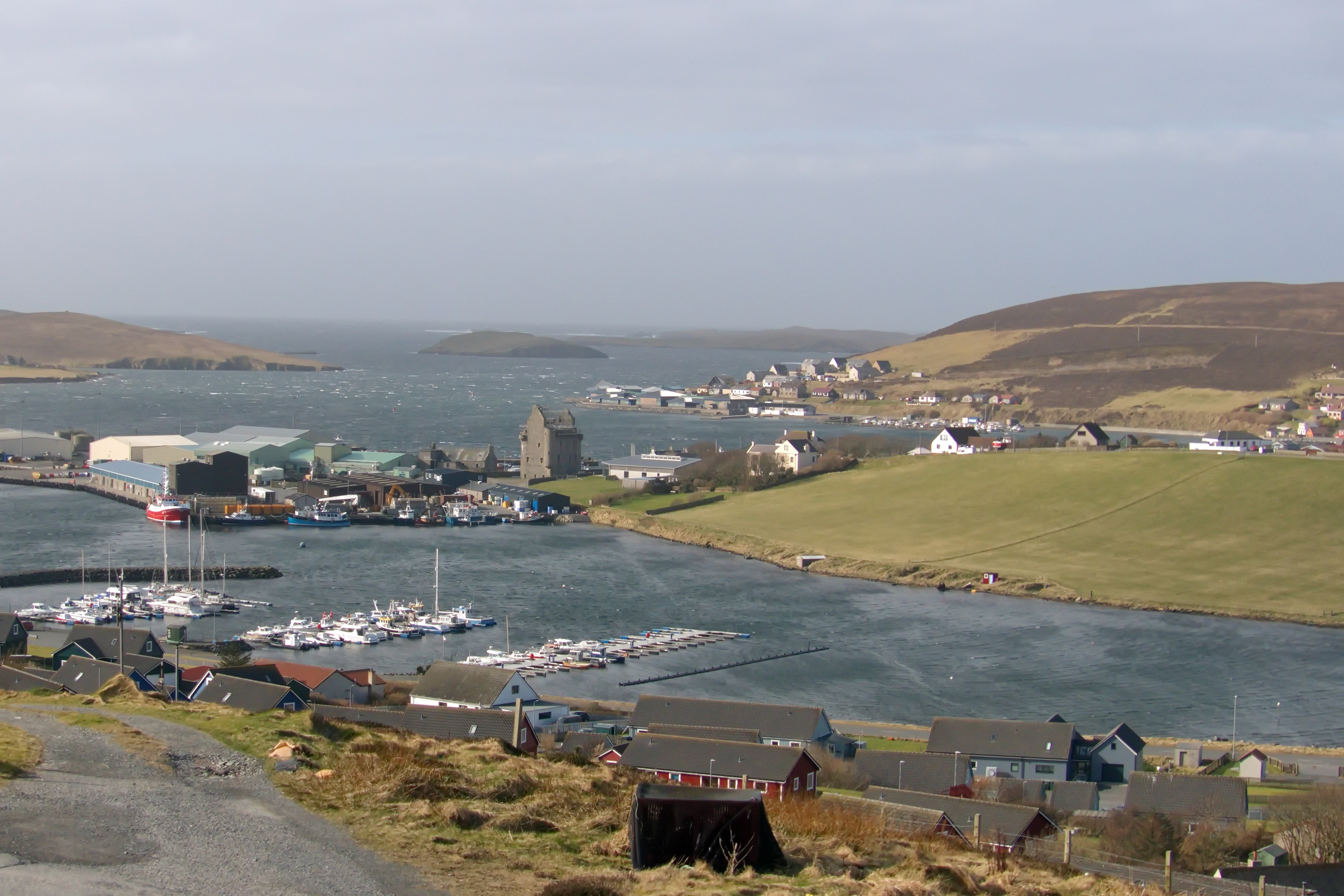
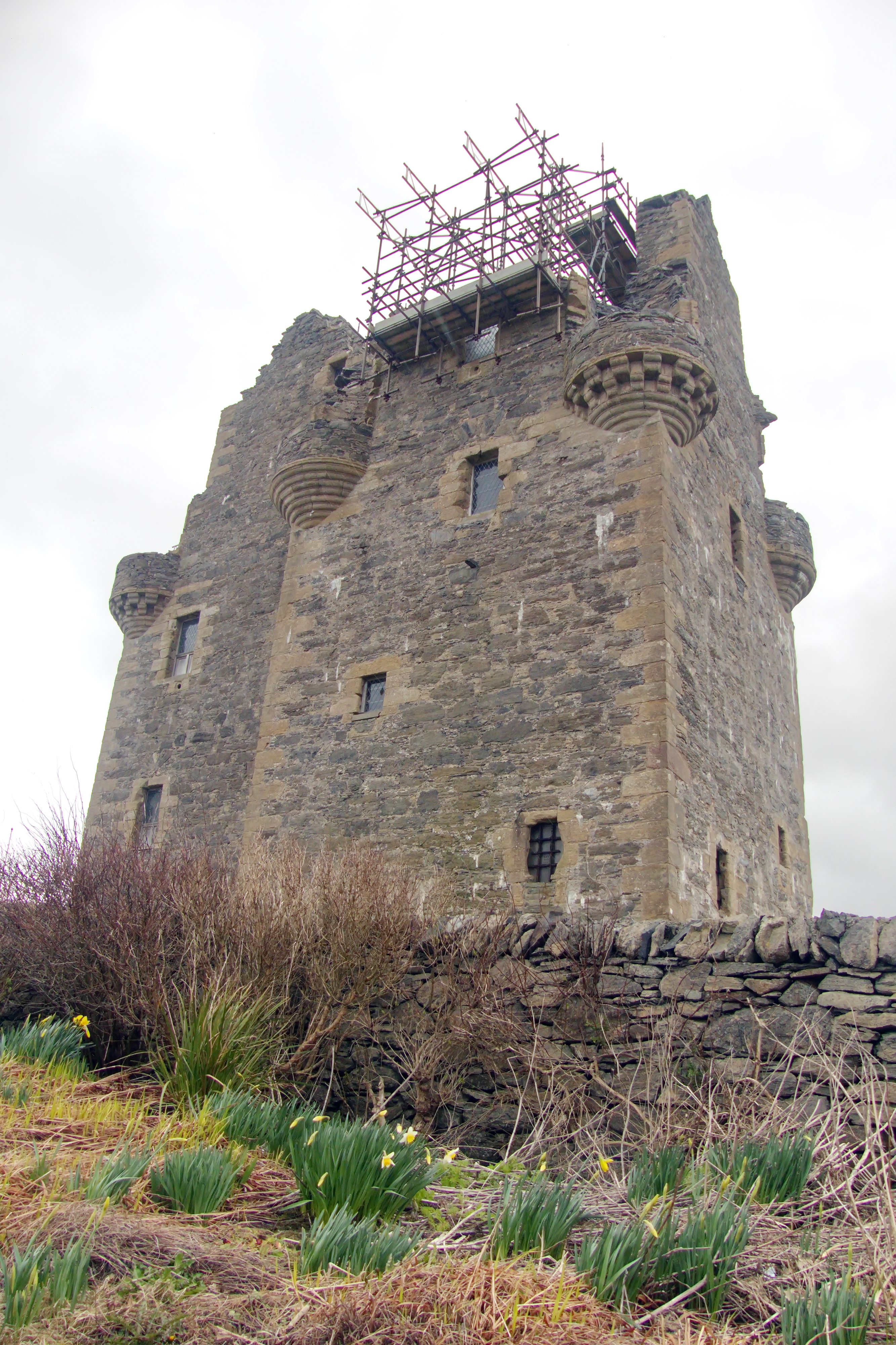
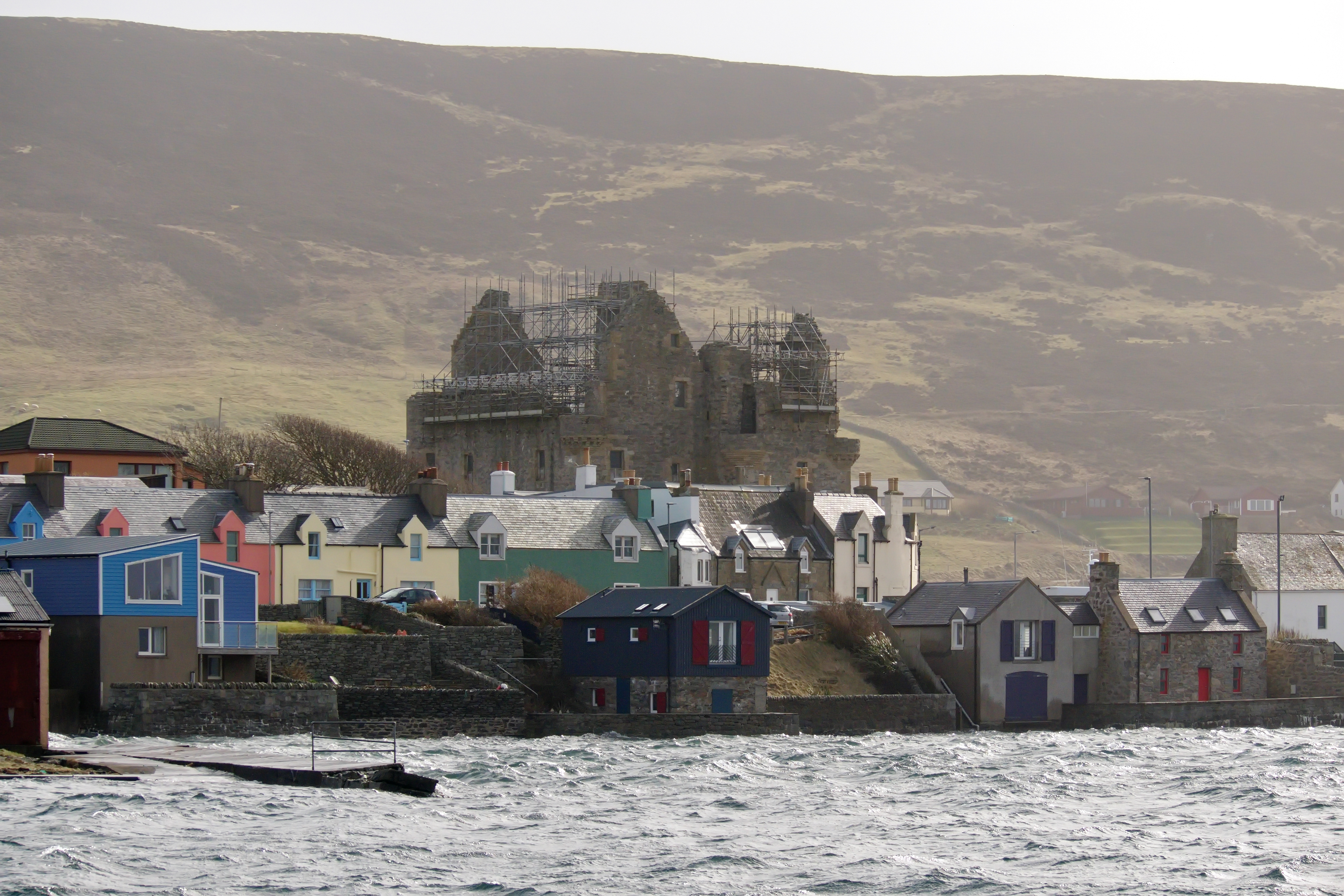
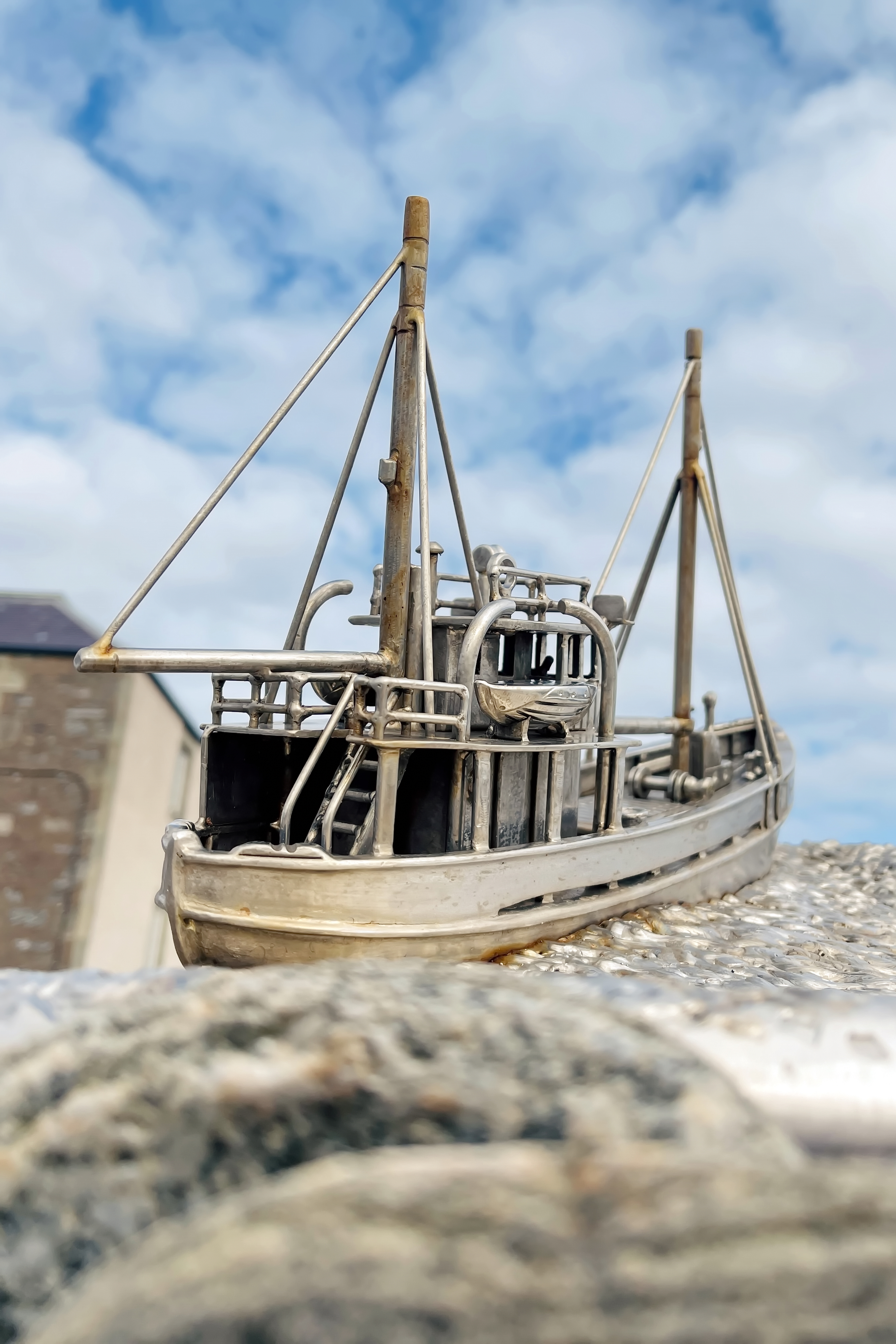
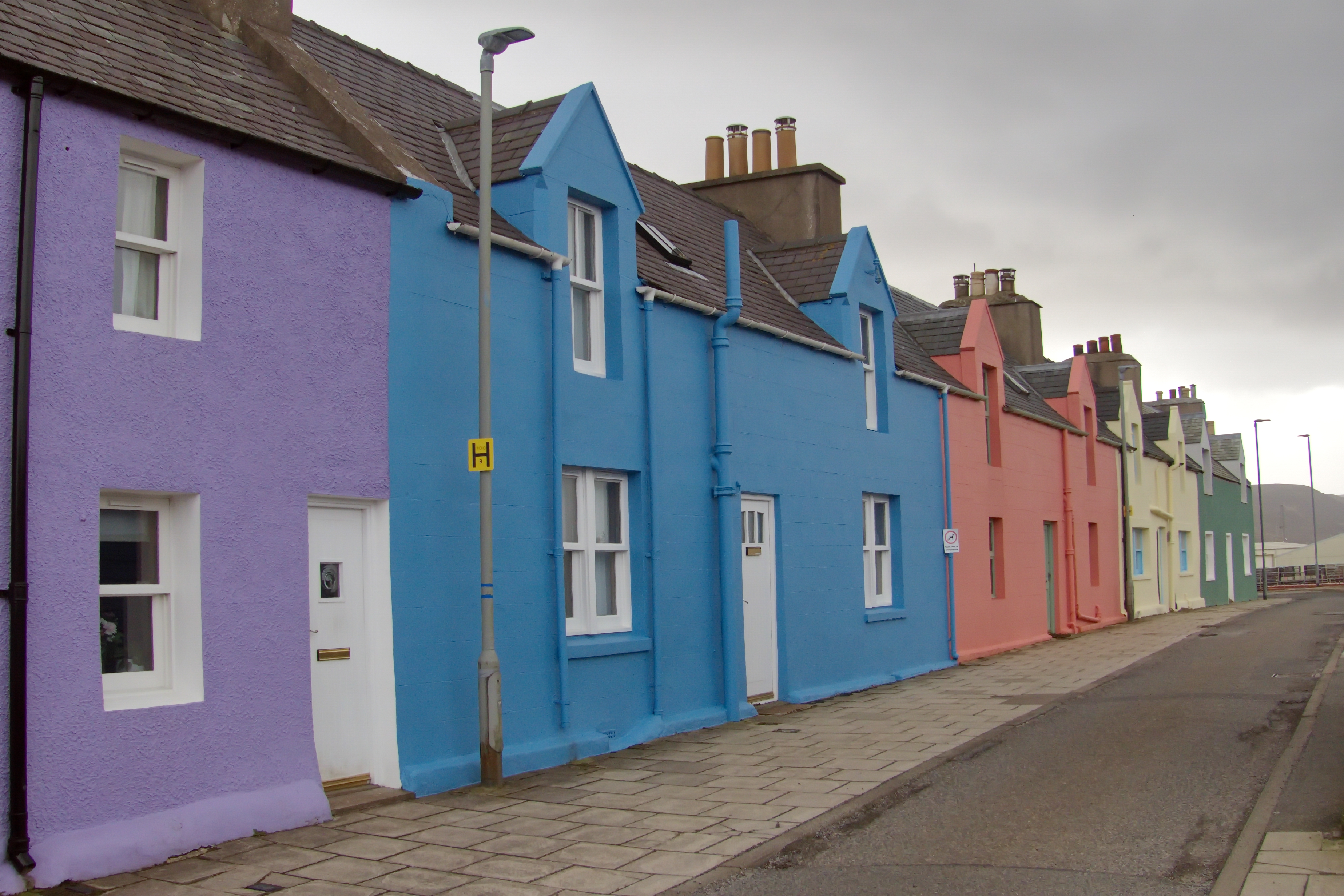
Standing by the waterfront, it’s hard not to imagine the courage it took to make those journeys in such unforgiving conditions. Today, that legacy is honoured by a memorial overlooking the harbour, where the names of 44 Norwegian crew members who lost their lives are etched in remembrance below a model of one of the fishing boats used in the Shetland Bus operation.—a powerful and moving reminder of the sacrifices made from this quiet corner of the world. It’s striking to think how such a small, peaceful harbour once played such a significant role on the global stage. Like so much of Shetland, it’s a place where history doesn’t shout—it waits quaitly to be discovered.
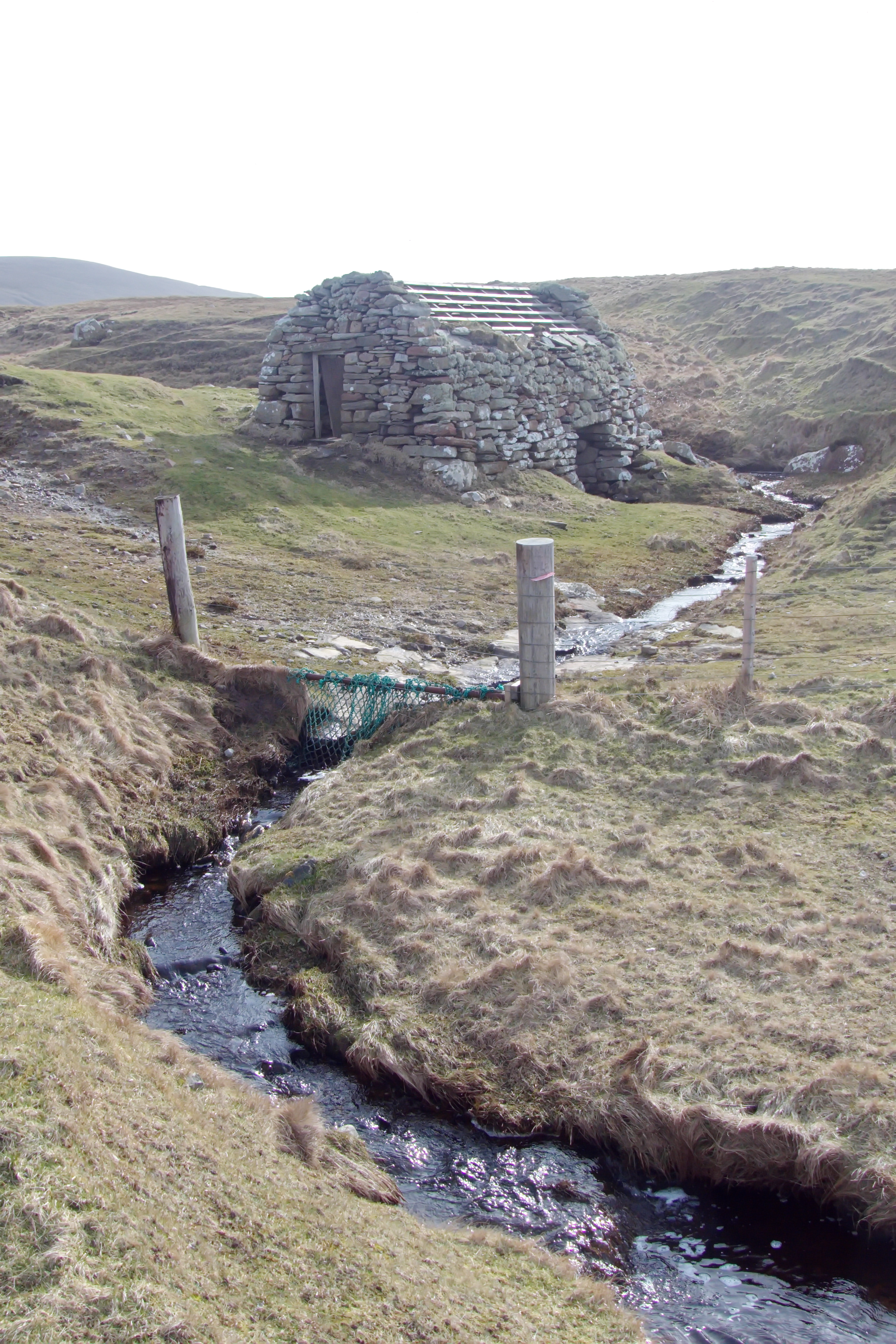
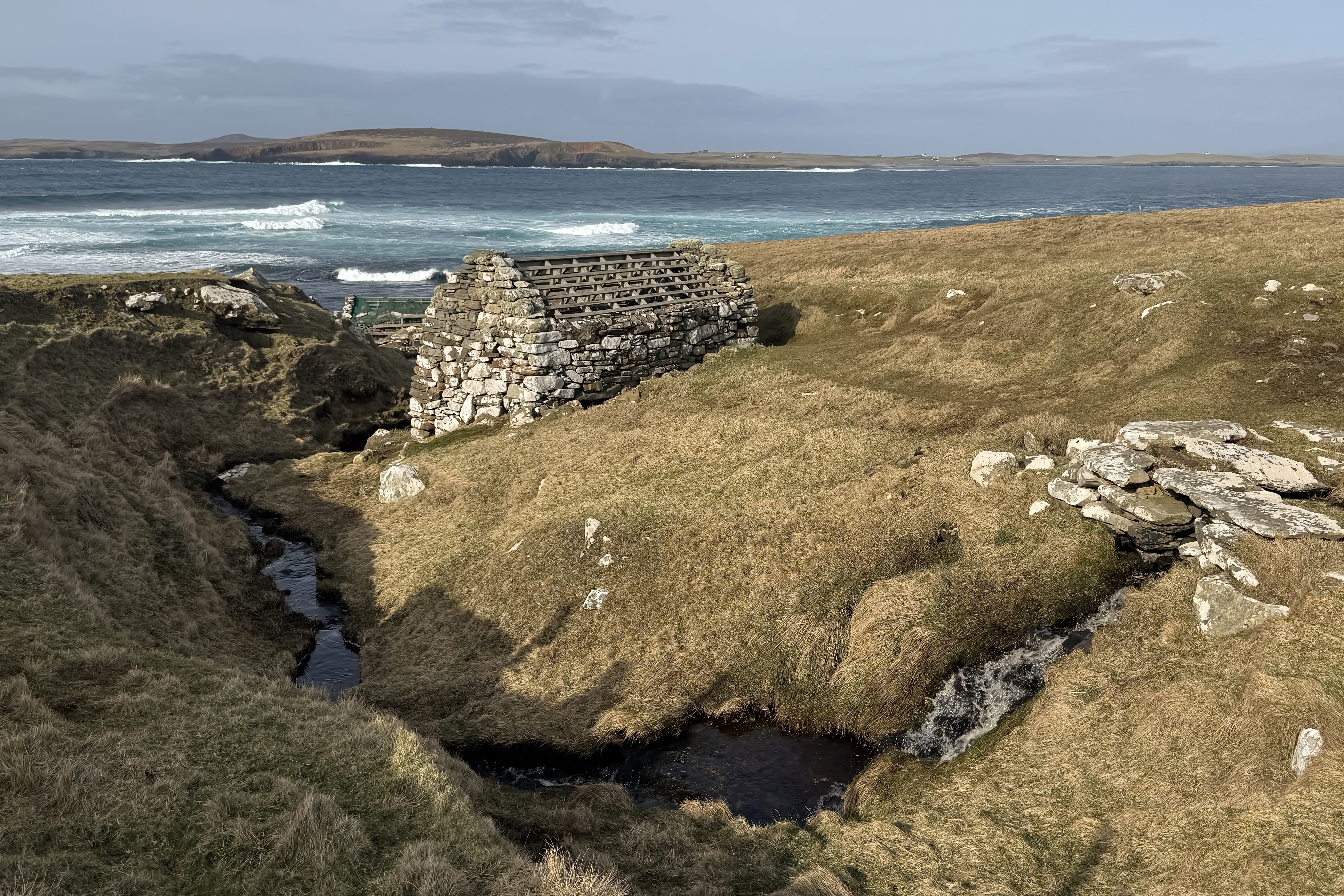
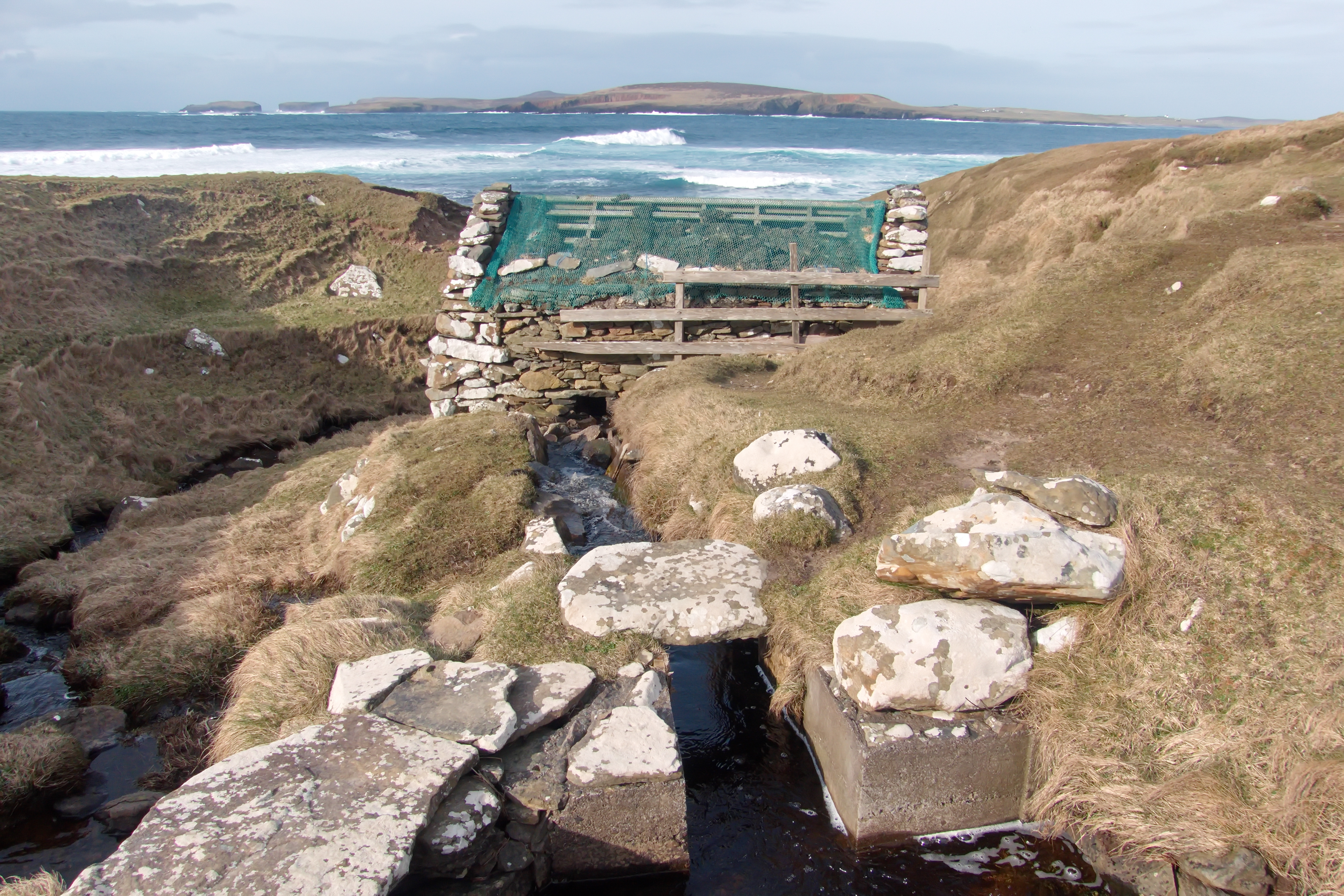
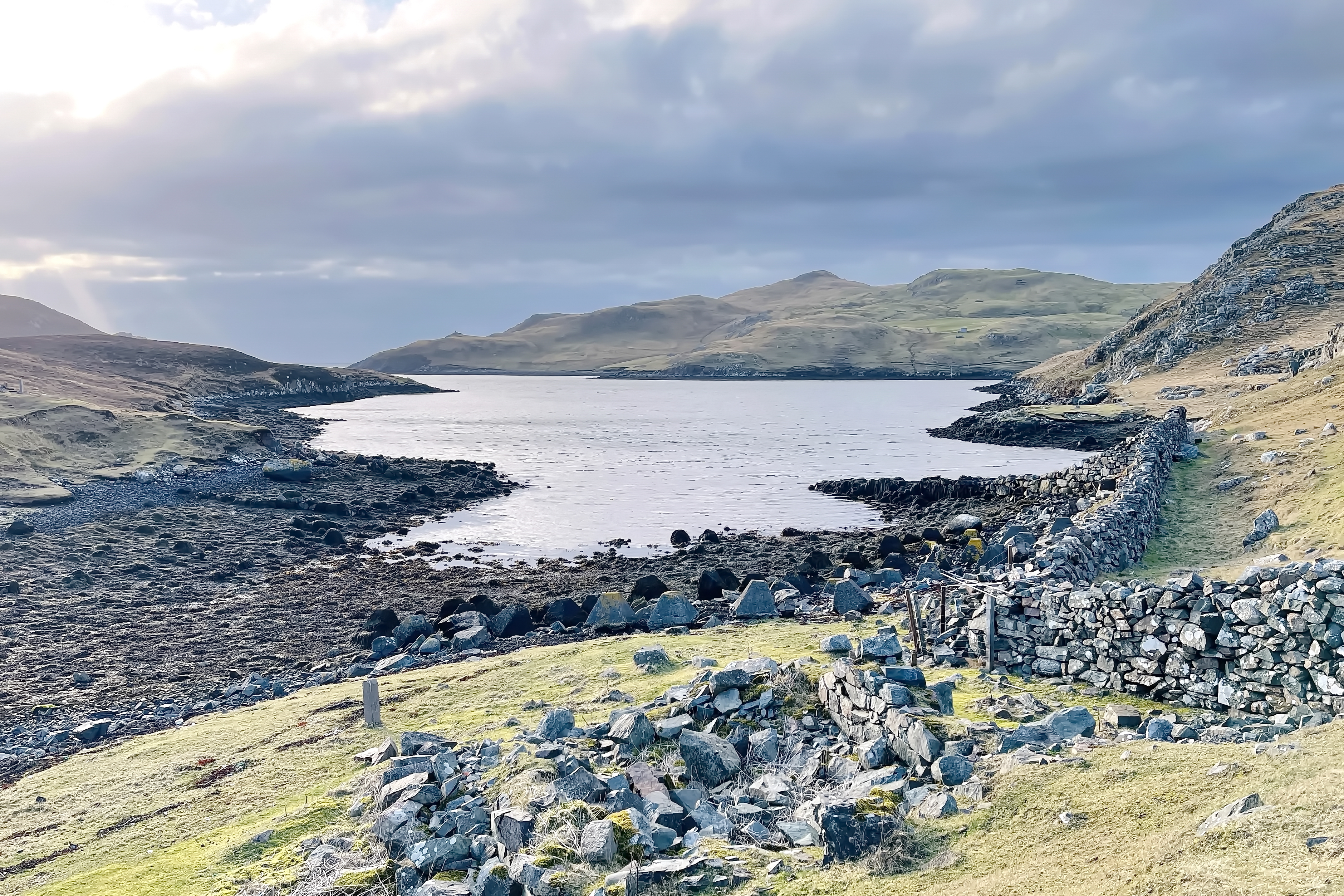
On the far west mainland, tucked into a quiet burn near the peaceful coastal hamlet of Melby, the Huxter ancient water mills felt like one of those hidden places you almost stumble upon. This rare group of three traditional Norse mills sits stepped along a narrow stream flowing from the Loch of Huxter to the sea, connected by simple stone channels, small bridges, and a low dam that once carefully guided the water’s flow. It’s easy to picture how these small buildings were shared by families in the surrounding crofting community, each one relying on the same steady current.
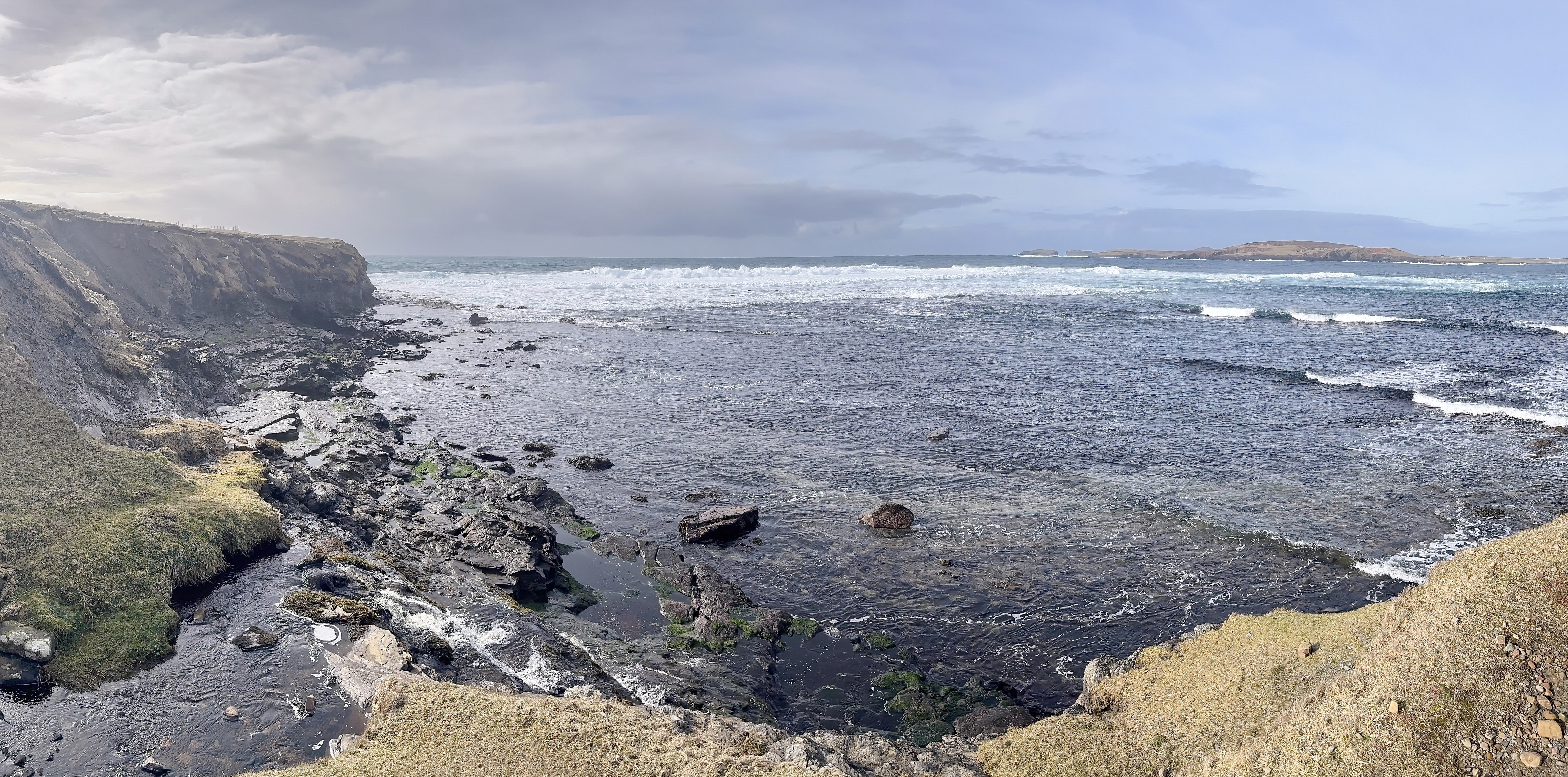
When we visited, one mill had been partially restored while the others stood roofless, weathered by time and the elements. Looking out towards the island of Papa Stour, there was something incredibly peaceful about it all—the sound of the water, the quiet setting—and it felt like a gentle, lingering connection to Shetland’s past and the resilience of the people who once lived and worked here.
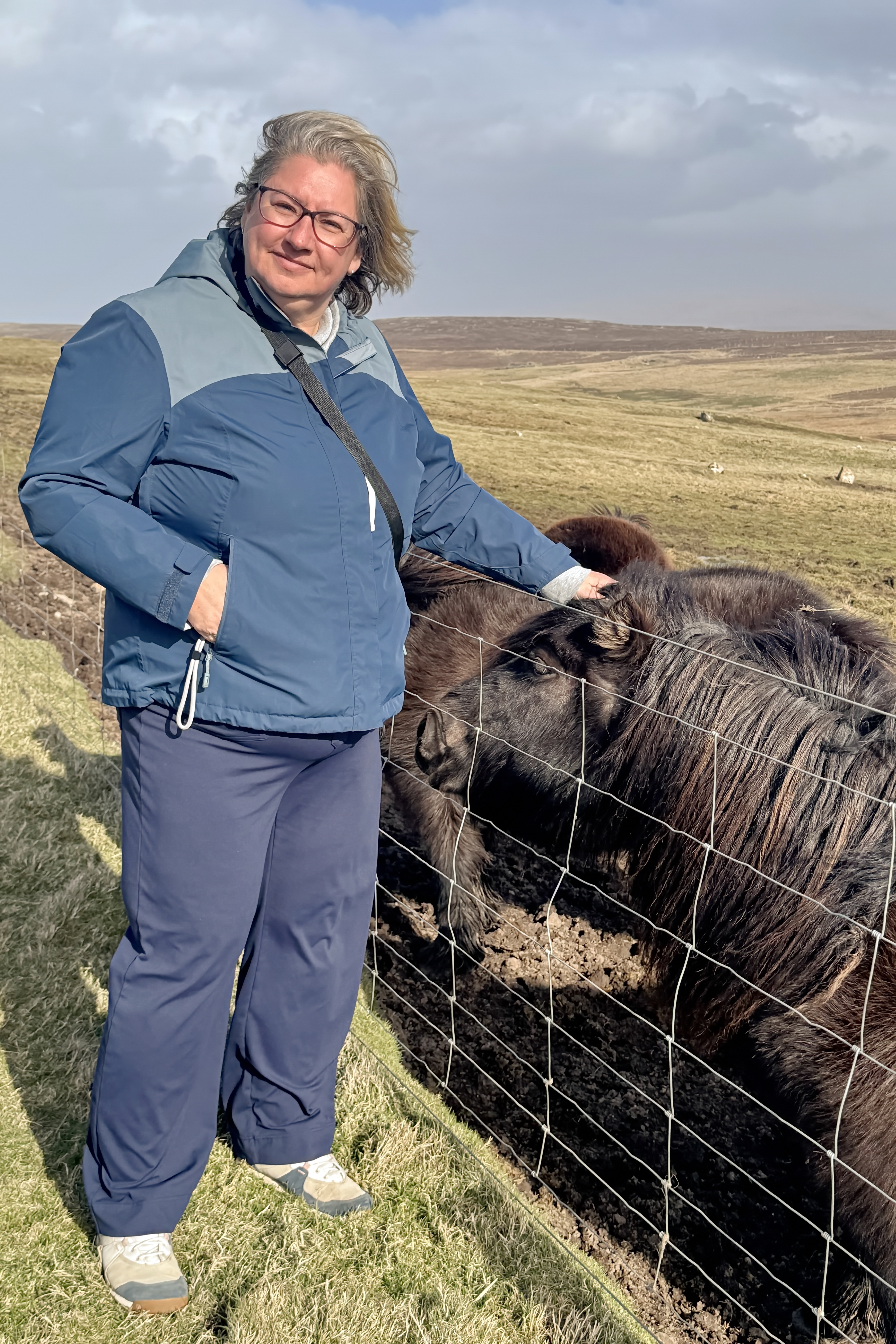
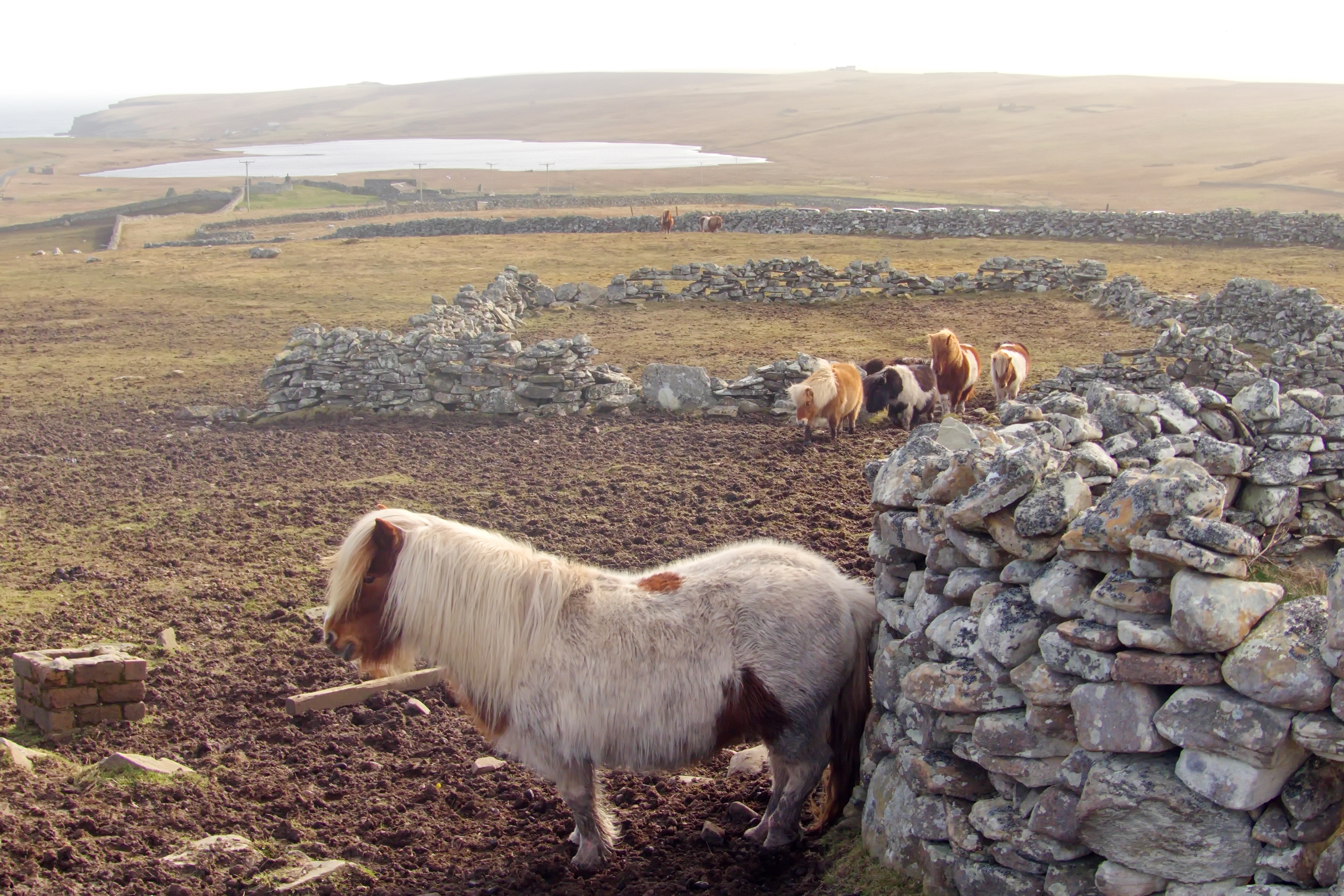
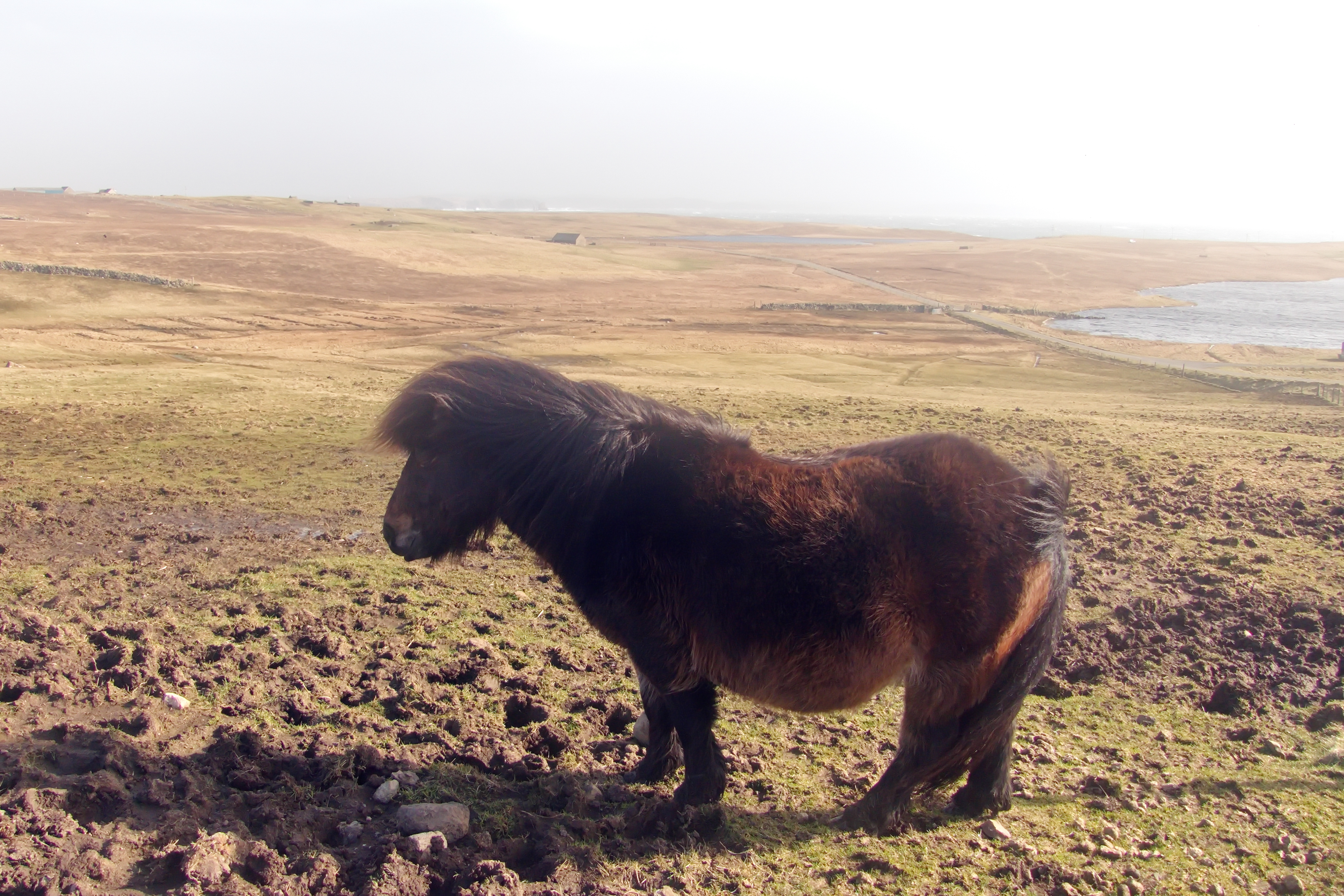
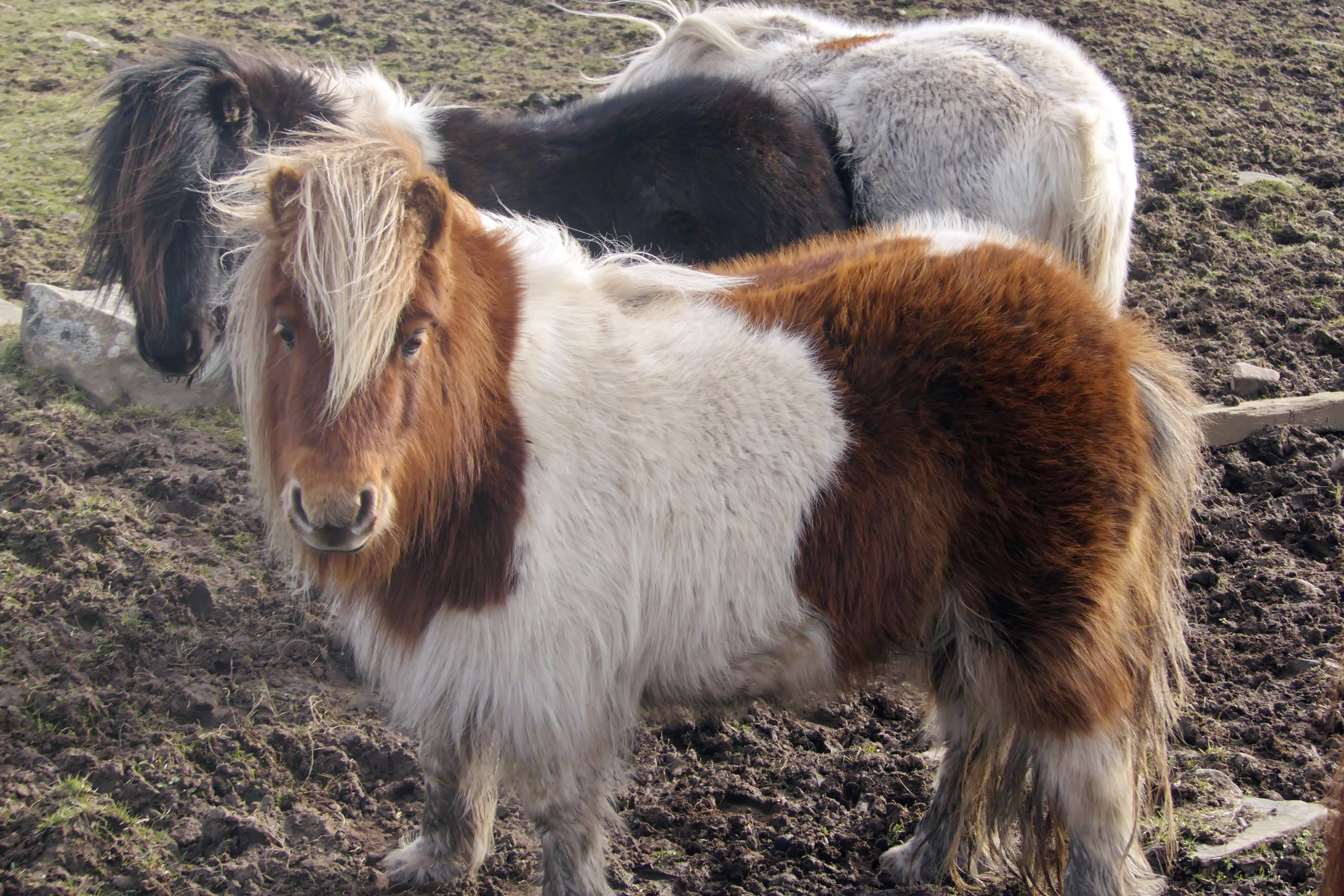
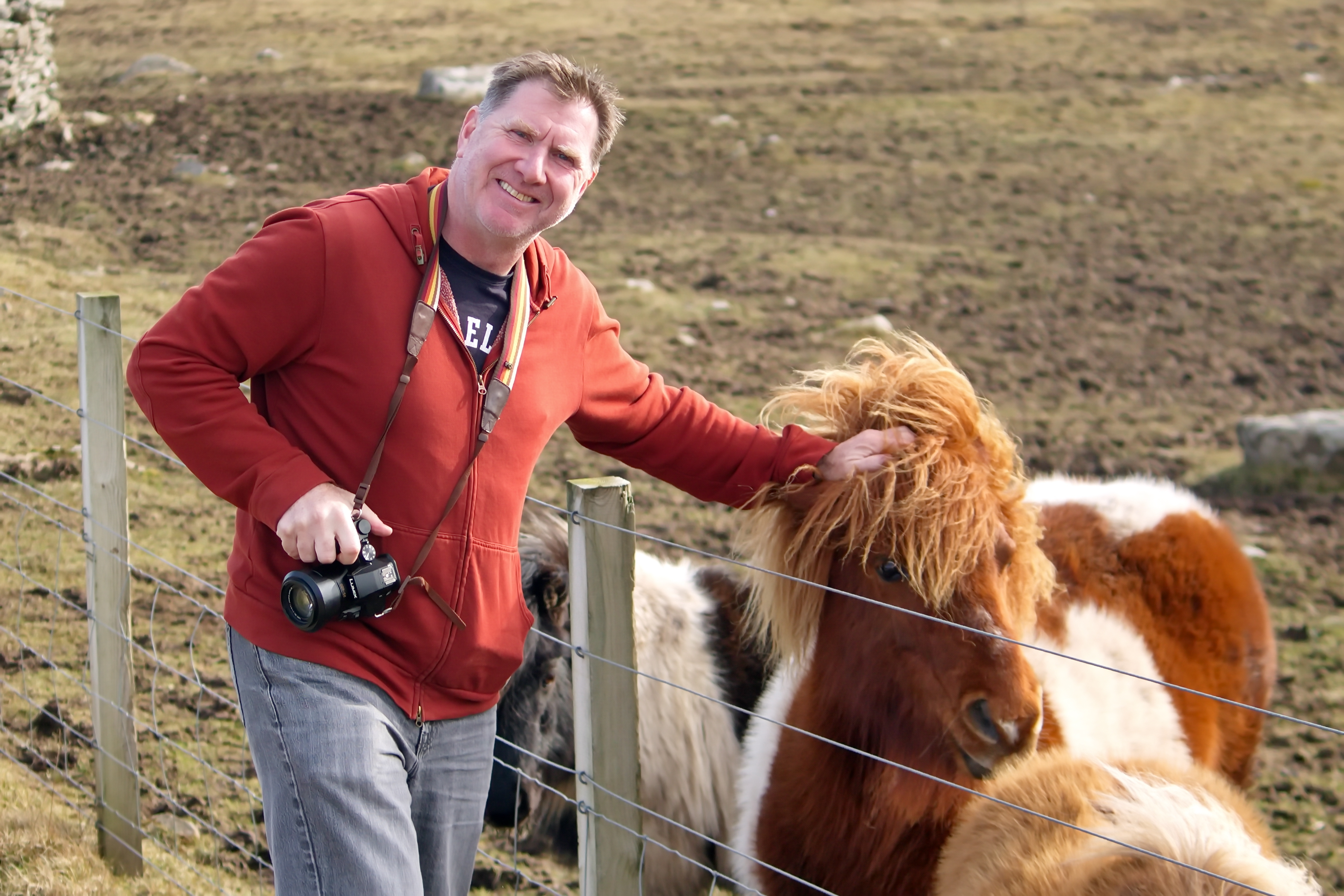
Ubiquitous throughout the islands, the Shetland Pony quickly became one of our favourite sights—impossible not to smile when you spot one grazing quietly in a field or peeking over a fence. Instantly recognizable for their small stature, thick coats, and surprising strength, these hardy ponies have been shaped by the harsh climate and rugged landscape of Shetland. Built to endure fierce winds, sparse grazing, and long winters, they carry a quiet resilience that feels deeply tied to the islands themselves.
Standing beside them, it’s hard to believe that something so small could have done such heavy work—carrying peat, pulling carts, and even labouring in coal mines during the Industrial Revolution. Yet they did, and somehow still seem to hold onto that strength and independence. For us, they weren’t just an iconic symbol of Shetland—they felt like a living reflection of the islands’ spirit.
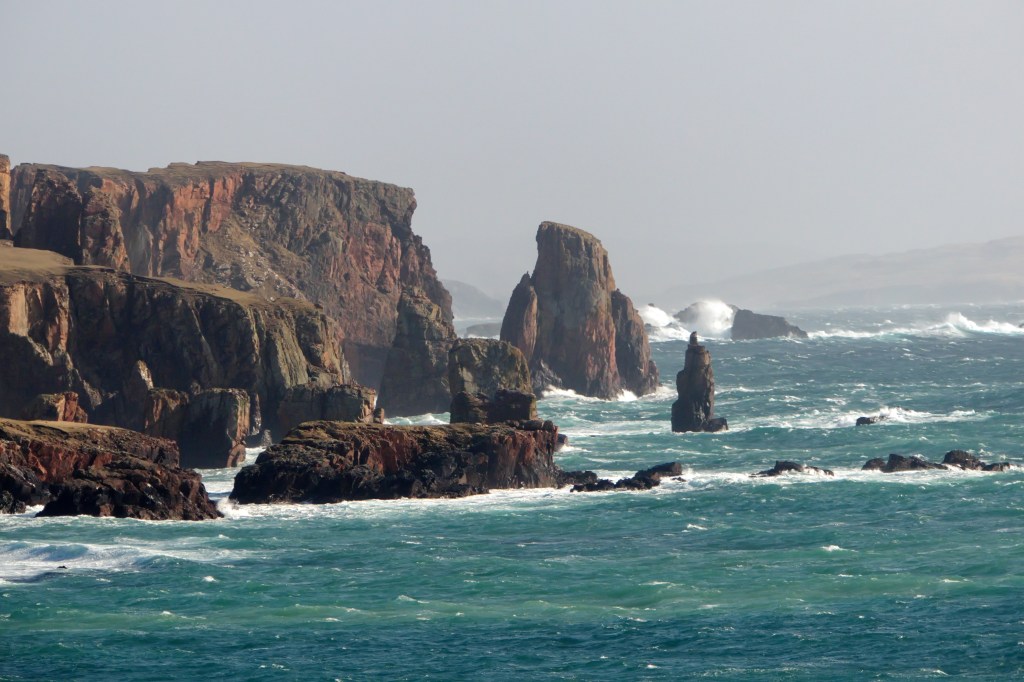
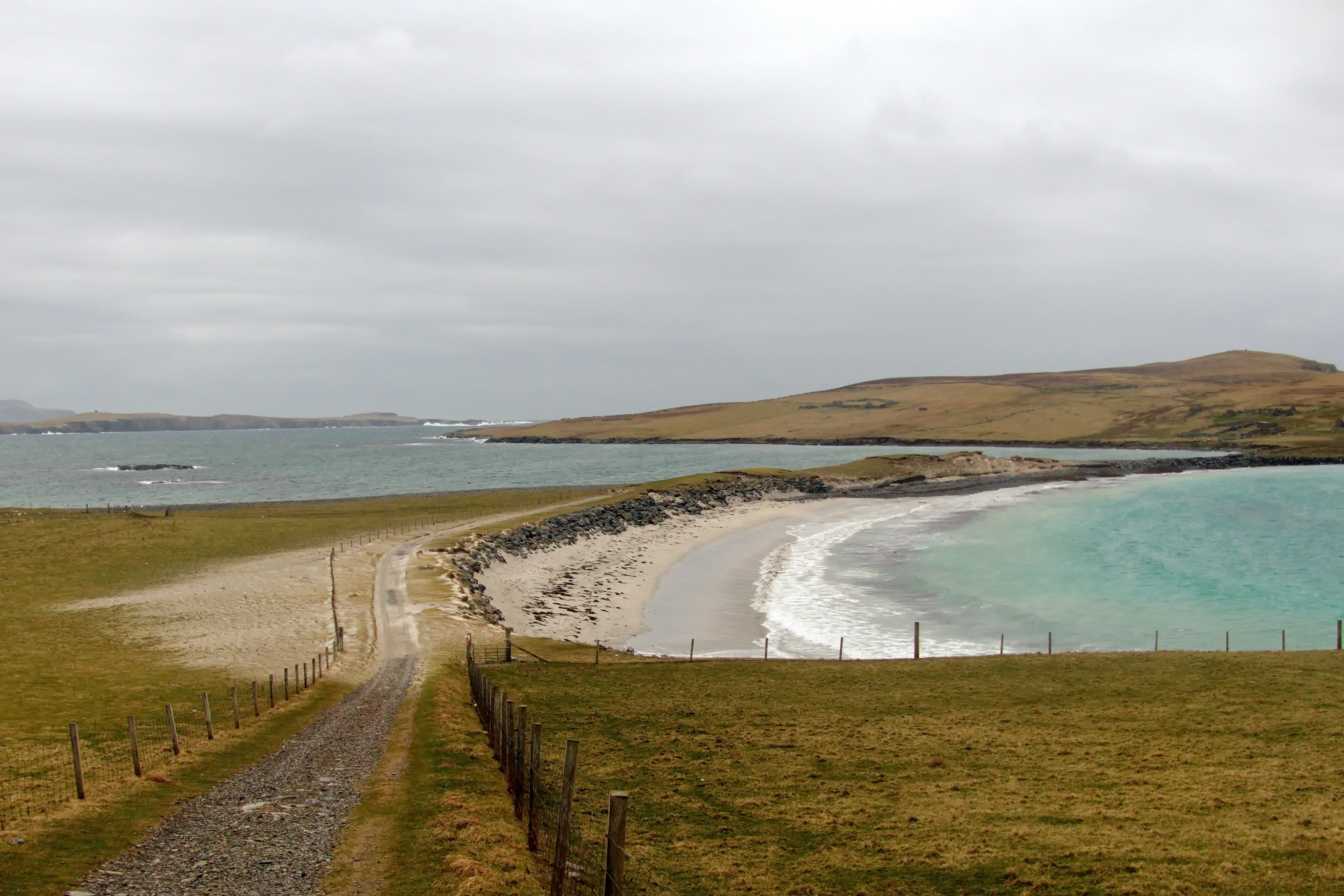
At the northern tip of Shetland’s Mainland, the area of Northmavine feels wild and wonderfully remote, almost cut off from the rest of the island by the narrow Mavis Grind, where the North Sea and Atlantic nearly meet. It was here that we really felt a different side of Shetland—one shaped not just by history, but by deep, ancient geology.
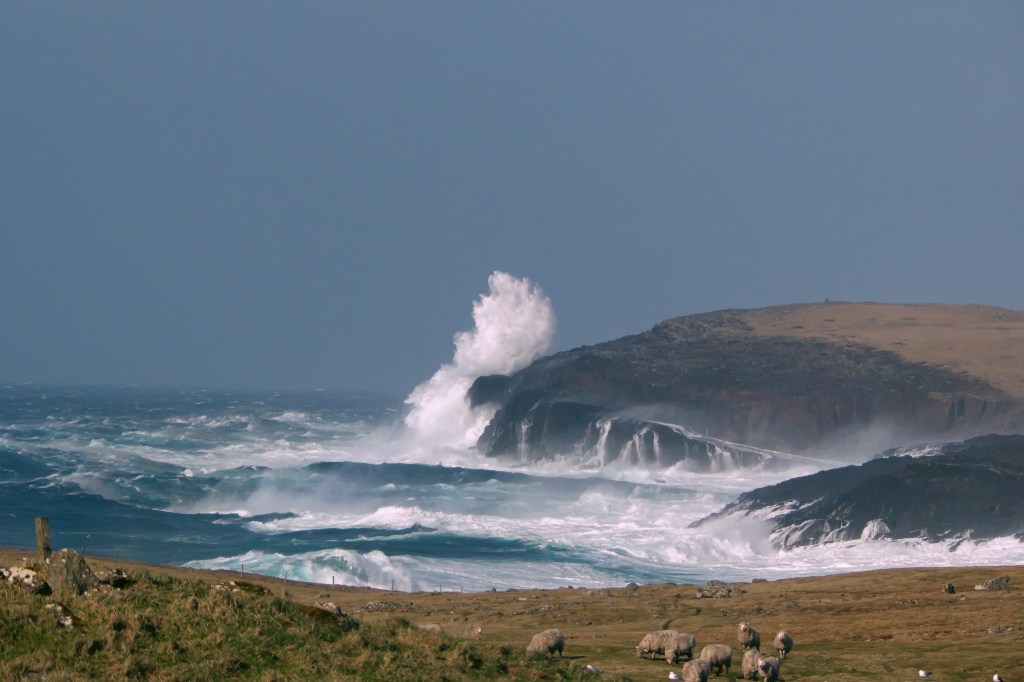
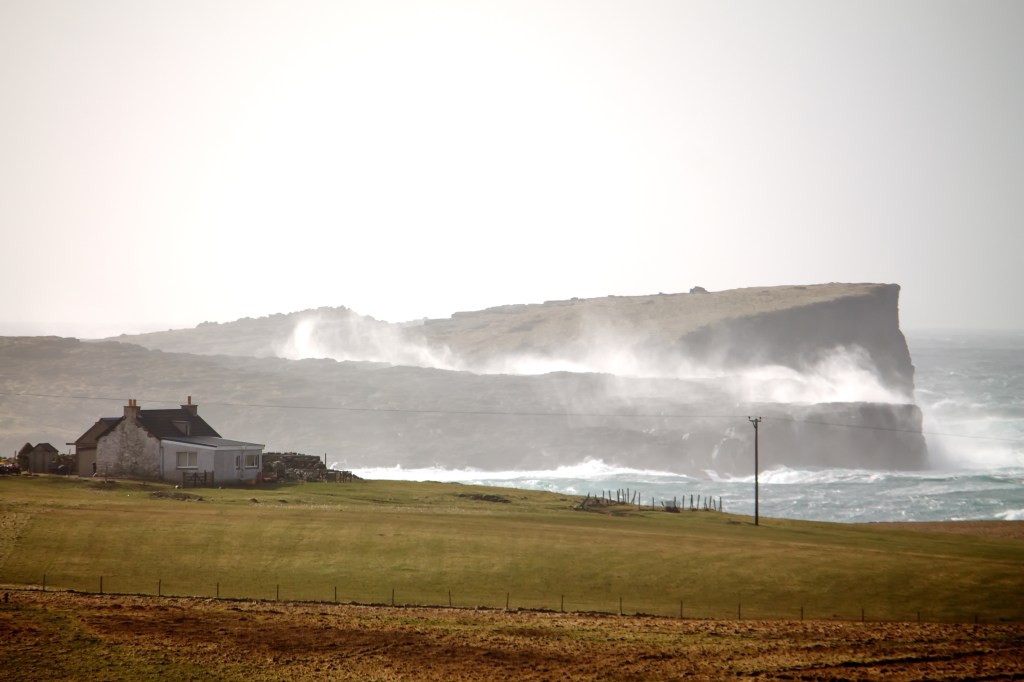
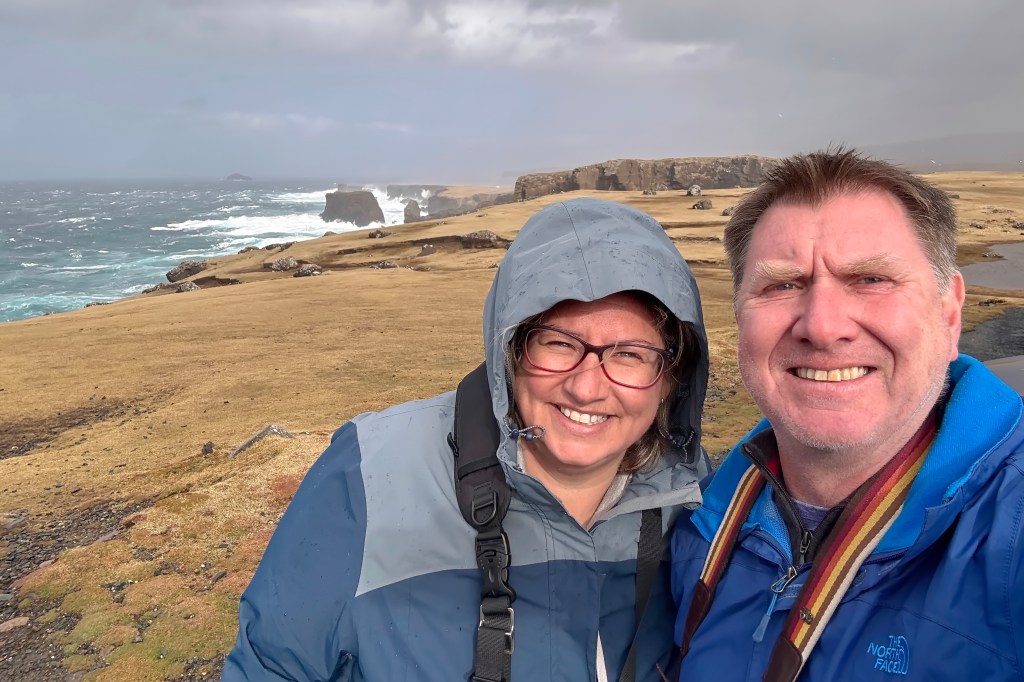
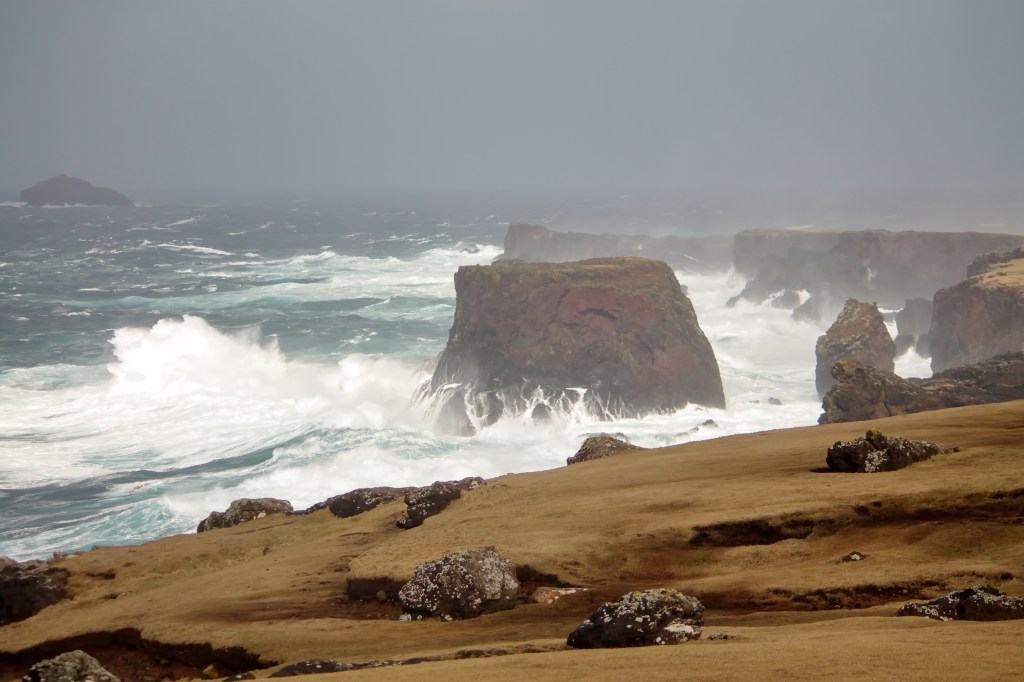
We paused at Stenness Beach, where the calm, sheltered cove felt almost deceptive compared to what lay just around the corner. Out along the coast, places like Dore Holm, the The Drongs, and the Eshaness Cliffs were alive with movement—waves crashing, spray lifting into the air, and the sea constantly shifting against the dark, volcanic rock. The ocean was restless the day we visited, and standing there, you could really feel its power—the same force that carved out this dramatic coastline over time. With the March wind whipping around us, it was one of those places that felt both exhilarating and humbling, and impossible to forget.
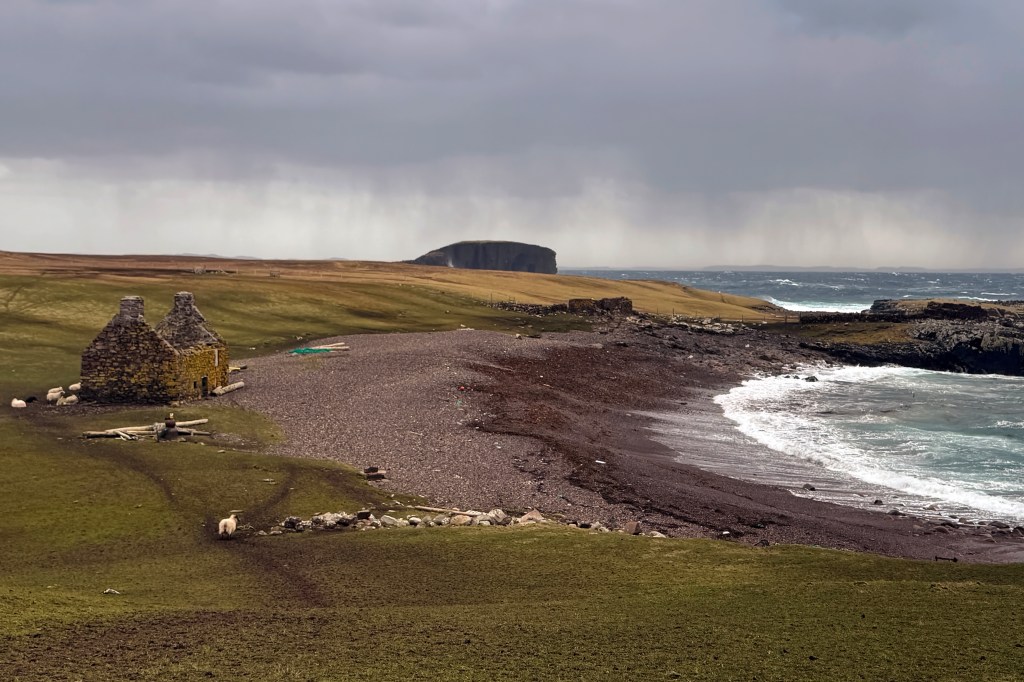
Venturing even further north, we had our sights set on Unst—the most northerly inhabited island in the UK—but travel in Shetland doesn’t always go to plan. The ferry was full and we were turned away, forcing us to spend our day on Yell—an island that is often overlooked by visitors.
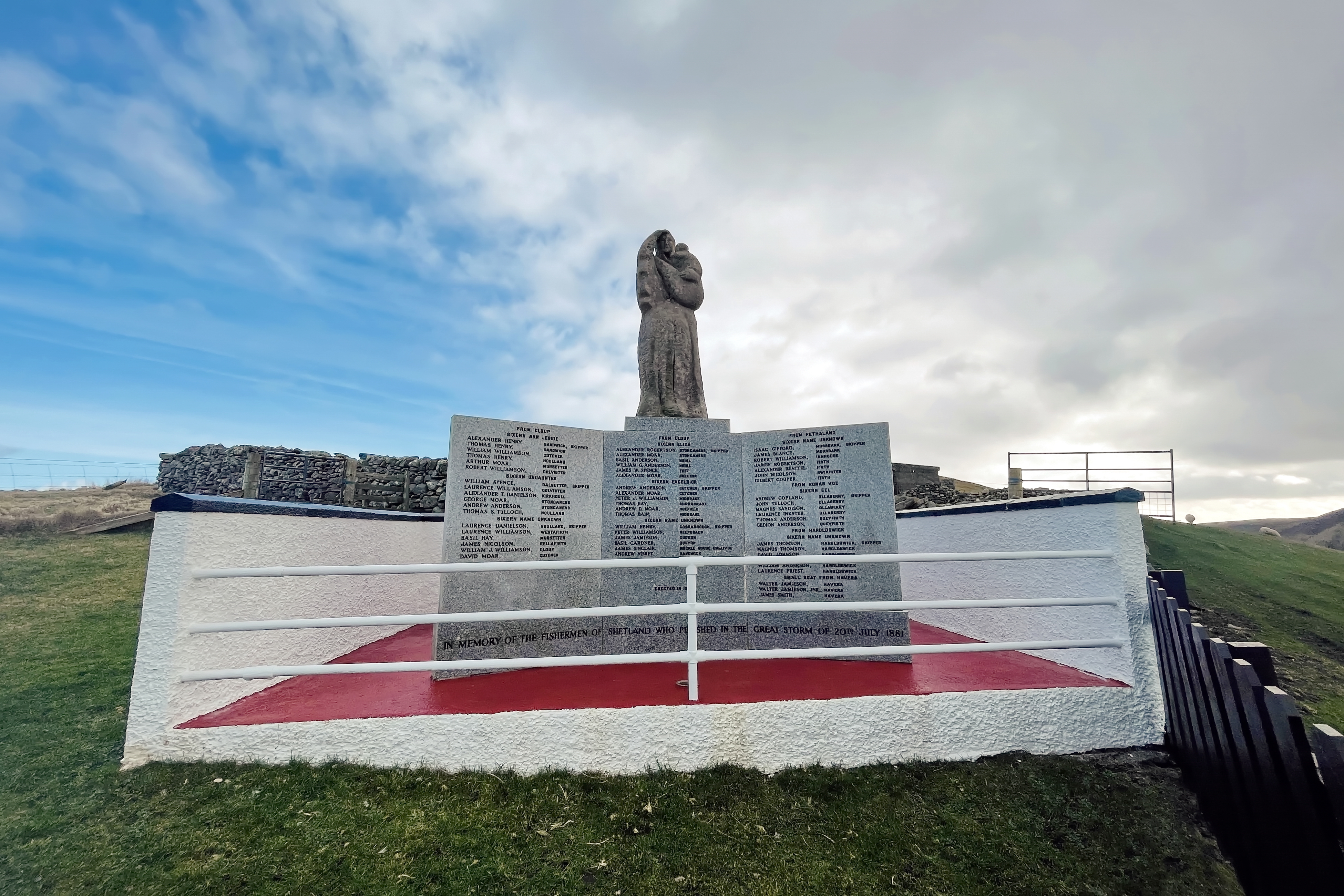
Historically, Yell has always been deeply tied to the sea. Once a hub for fishing and crofting, its small, scattered communities relied on both land and water to survive. Standing along its rugged coastline, we found the Gloup Memorial—a powerful and emotional tribute to one of Shetland’s greatest maritime tragedies. In 1881, a sudden summer storm overwhelmed small fishing boats known as sixareens, leaving dozens of families devastated. Being there, looking out over the same unforgiving sea, it was impossible not to feel the weight of that loss and the resilience of those who remained.
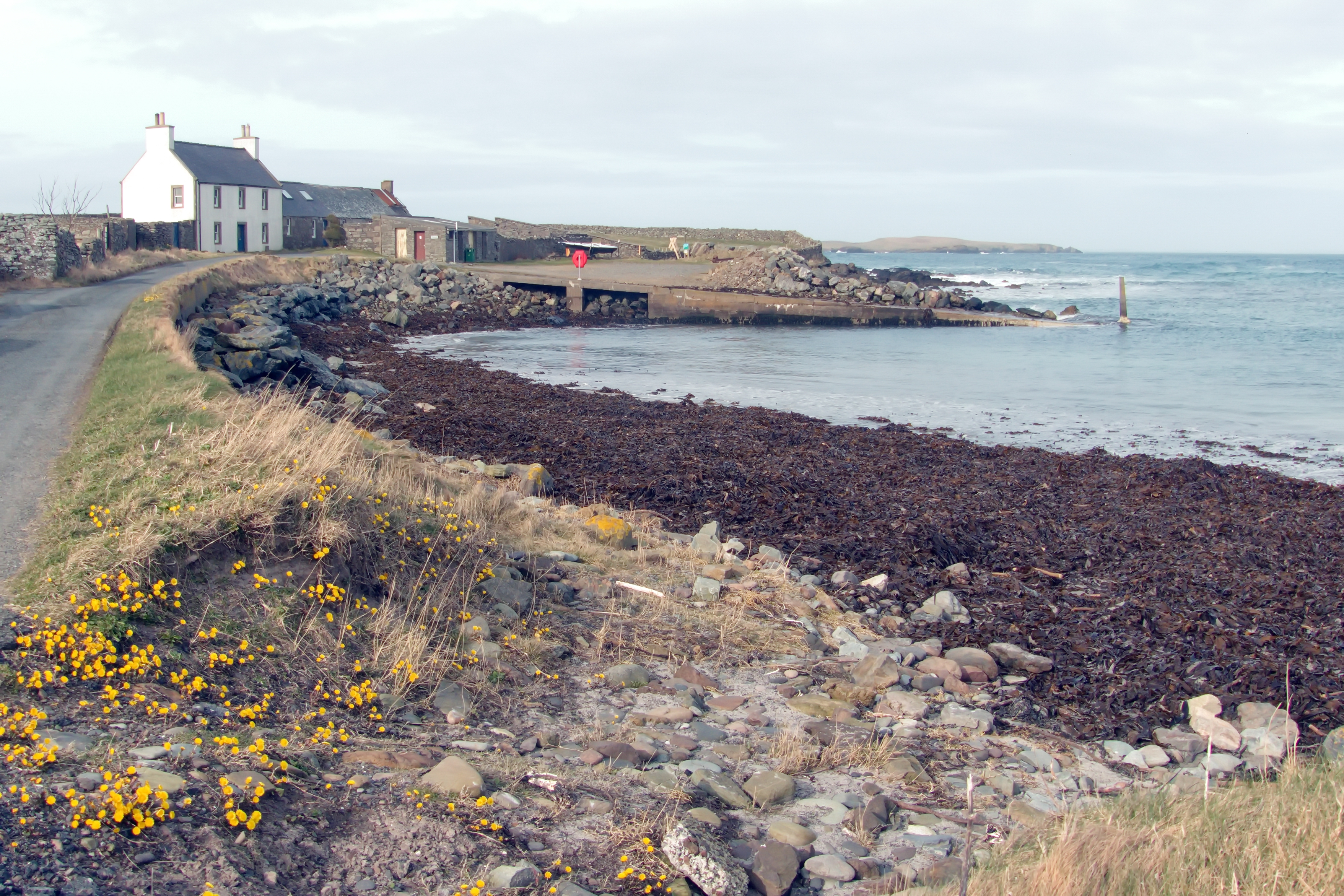
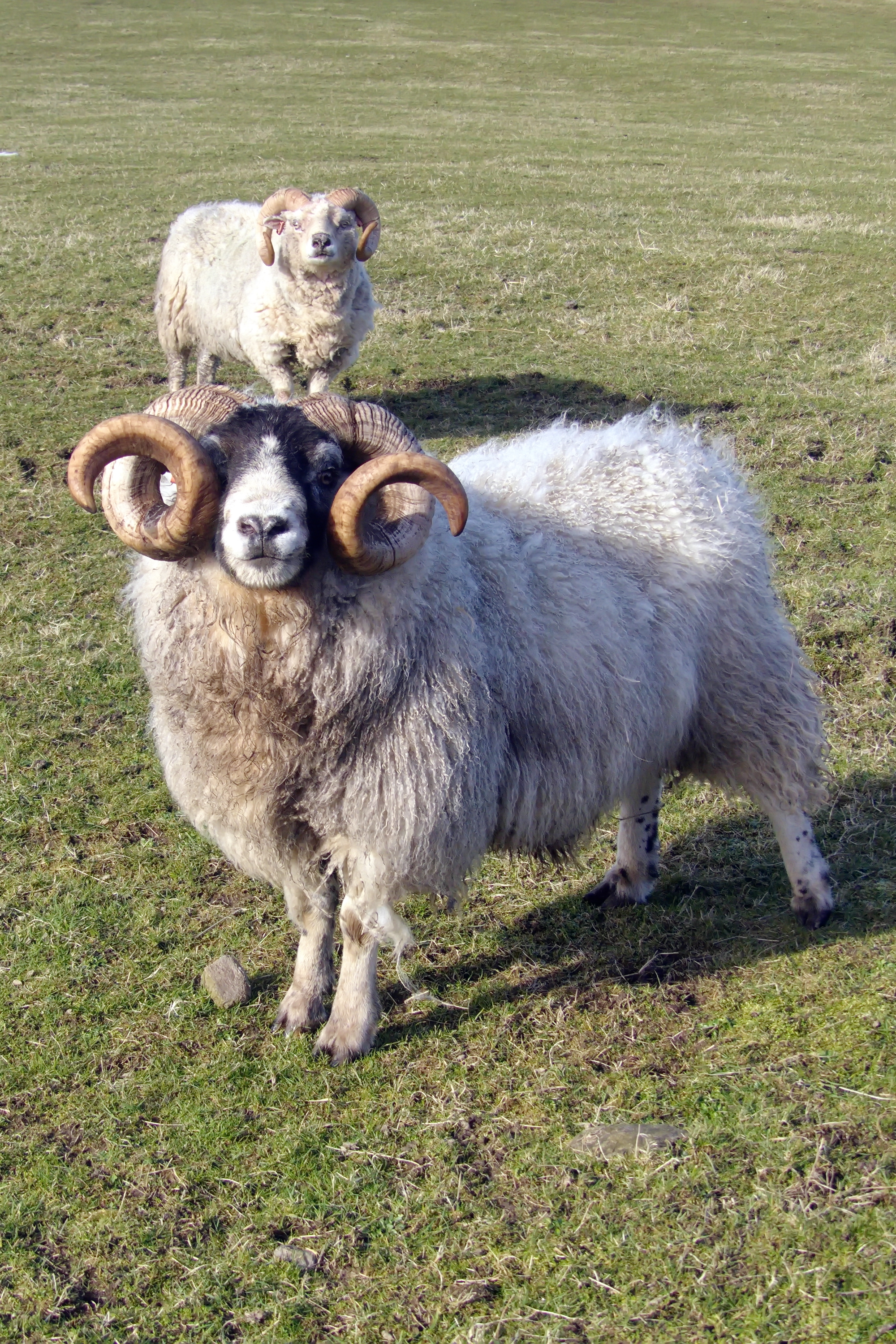
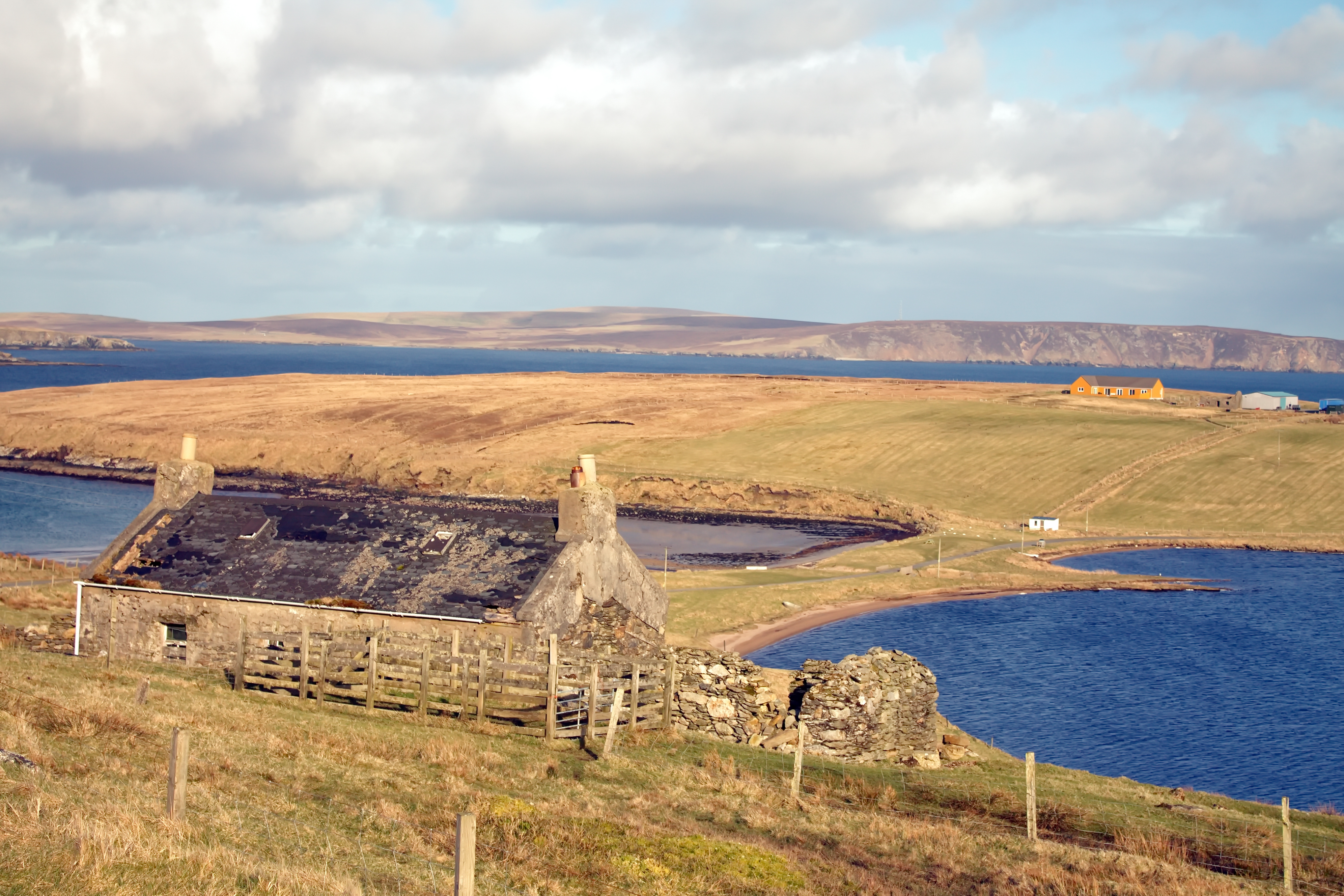
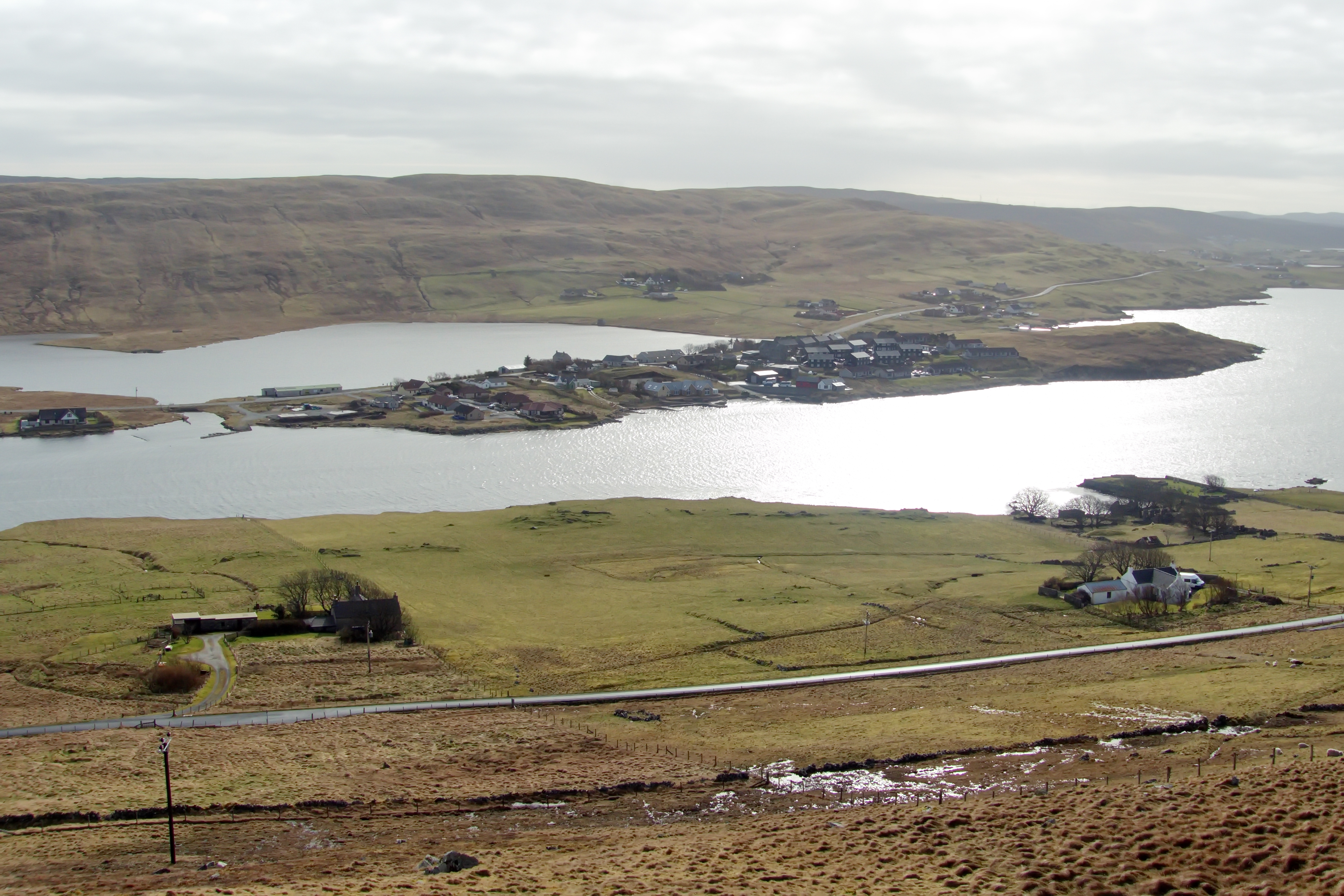
Beyond its history, Yell felt vast and open in a way that quietly draws you in. The landscape rolls gently through peat moorland and low hills, with sheep grazing everywhere—even along seaweed-strewn beaches. When we visited in late March, the island still held onto its winter palette—earthy browns, deep greens, and that soft, silvery Shetland light that seems to settle over everything. It’s not dramatic in the way of towering cliffs, but there’s a subtle beauty here that reveals itself slowly the longer you stay.
We found ourselves lingering along the sheltered coastline, where voes and inlets tucked into the land, and in quiet coves we spotted seals stretched out on rocks and old piers. It felt like a place that rewards patience—where the more you slow down, the more it gives back.
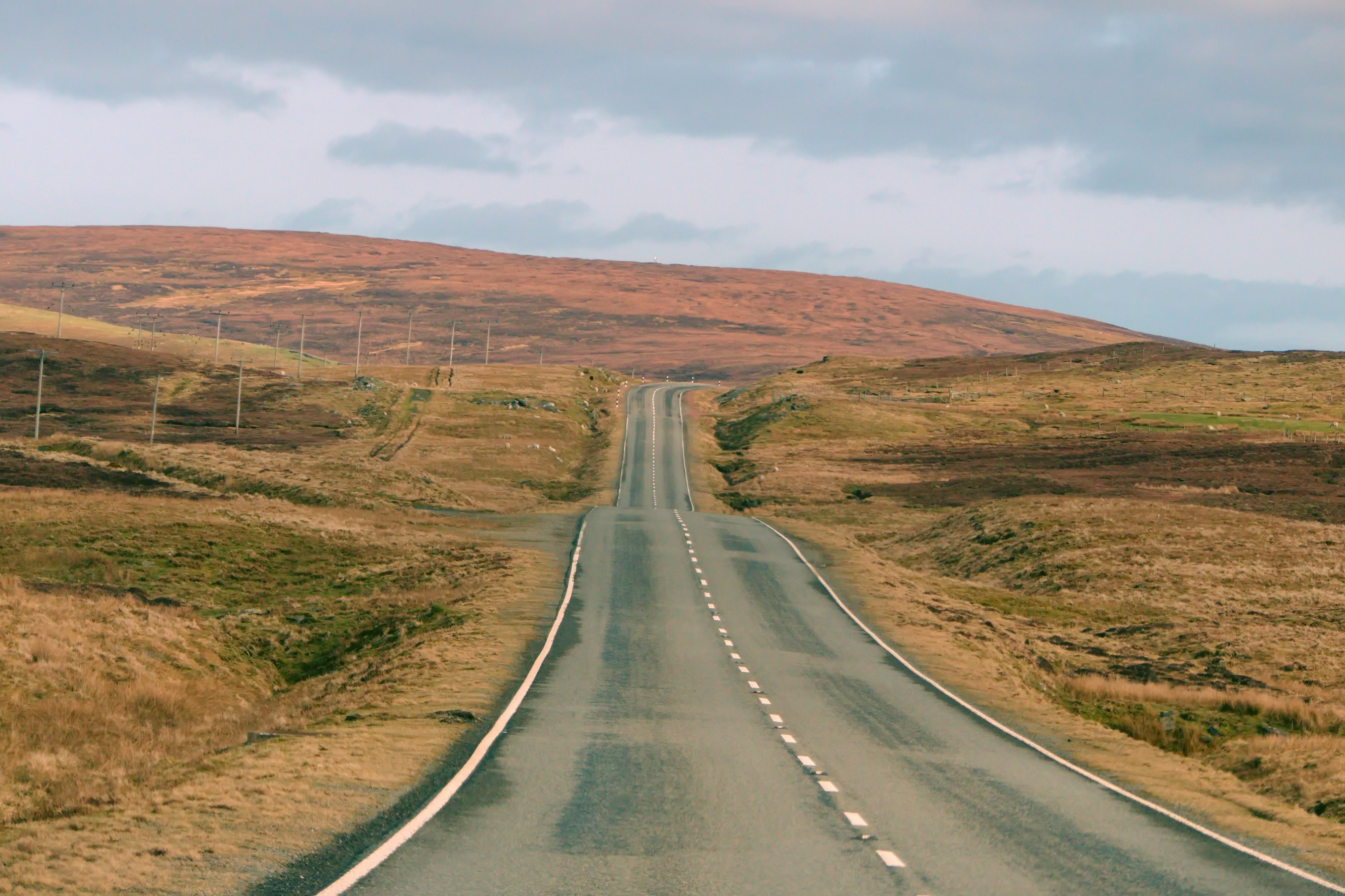
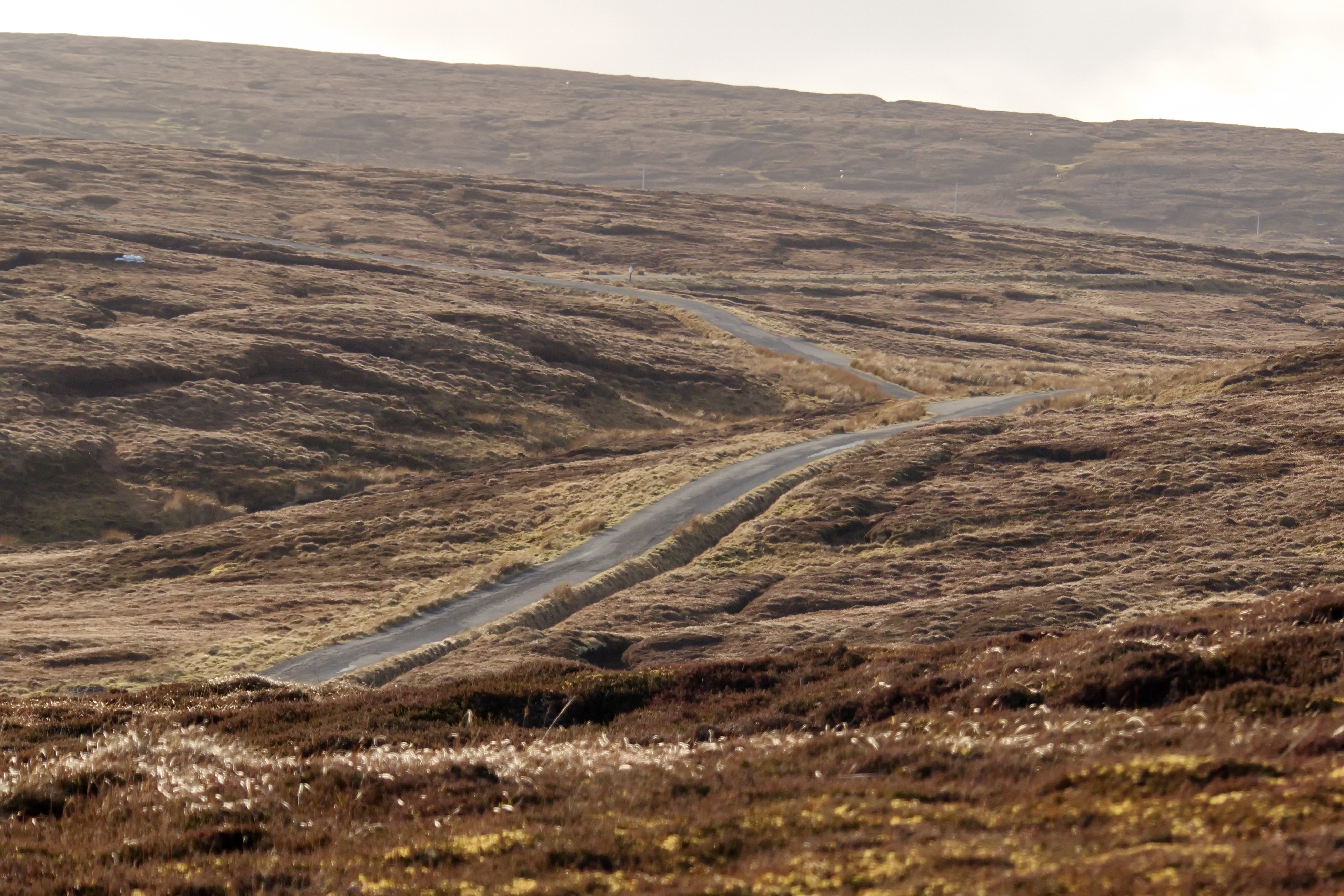
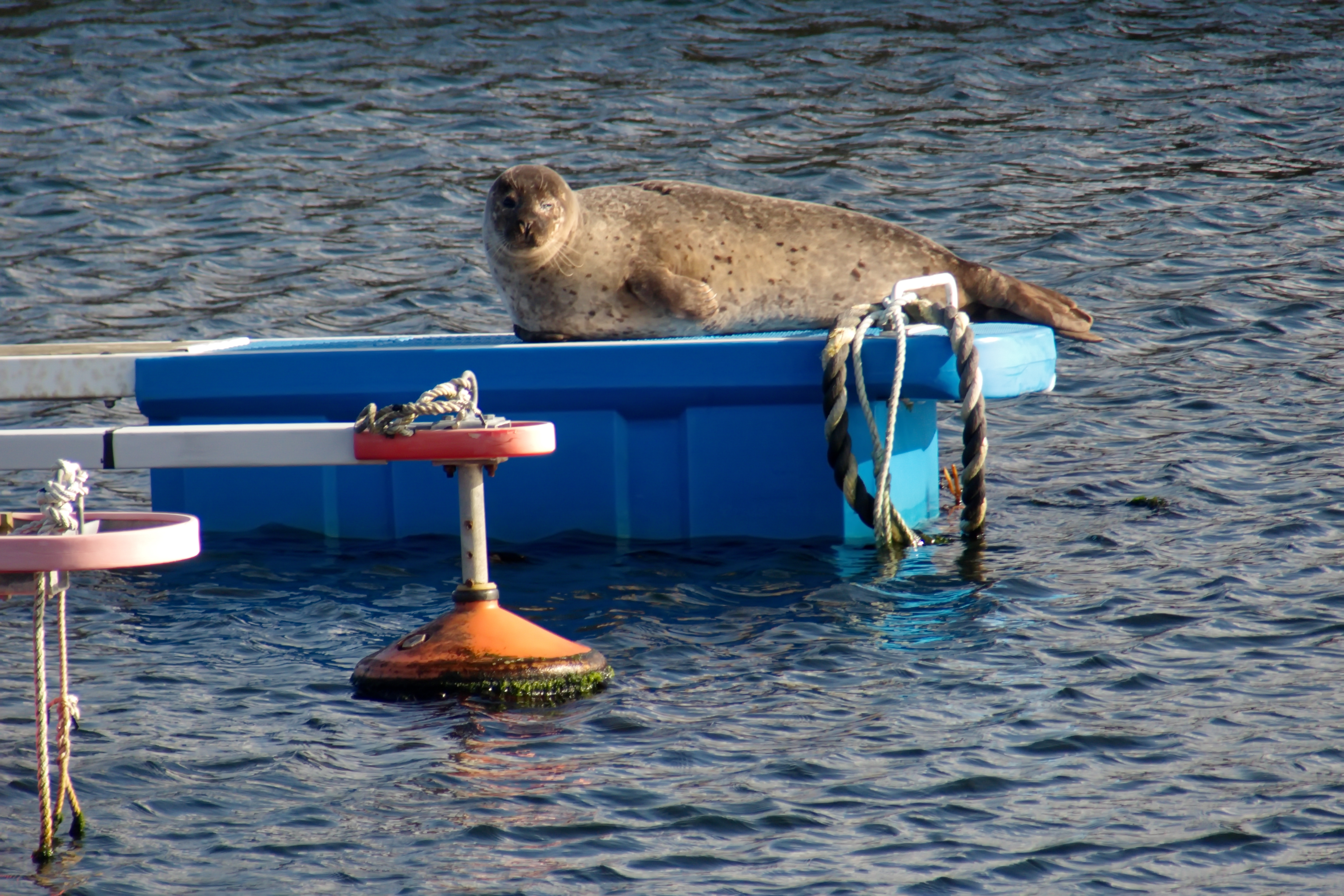
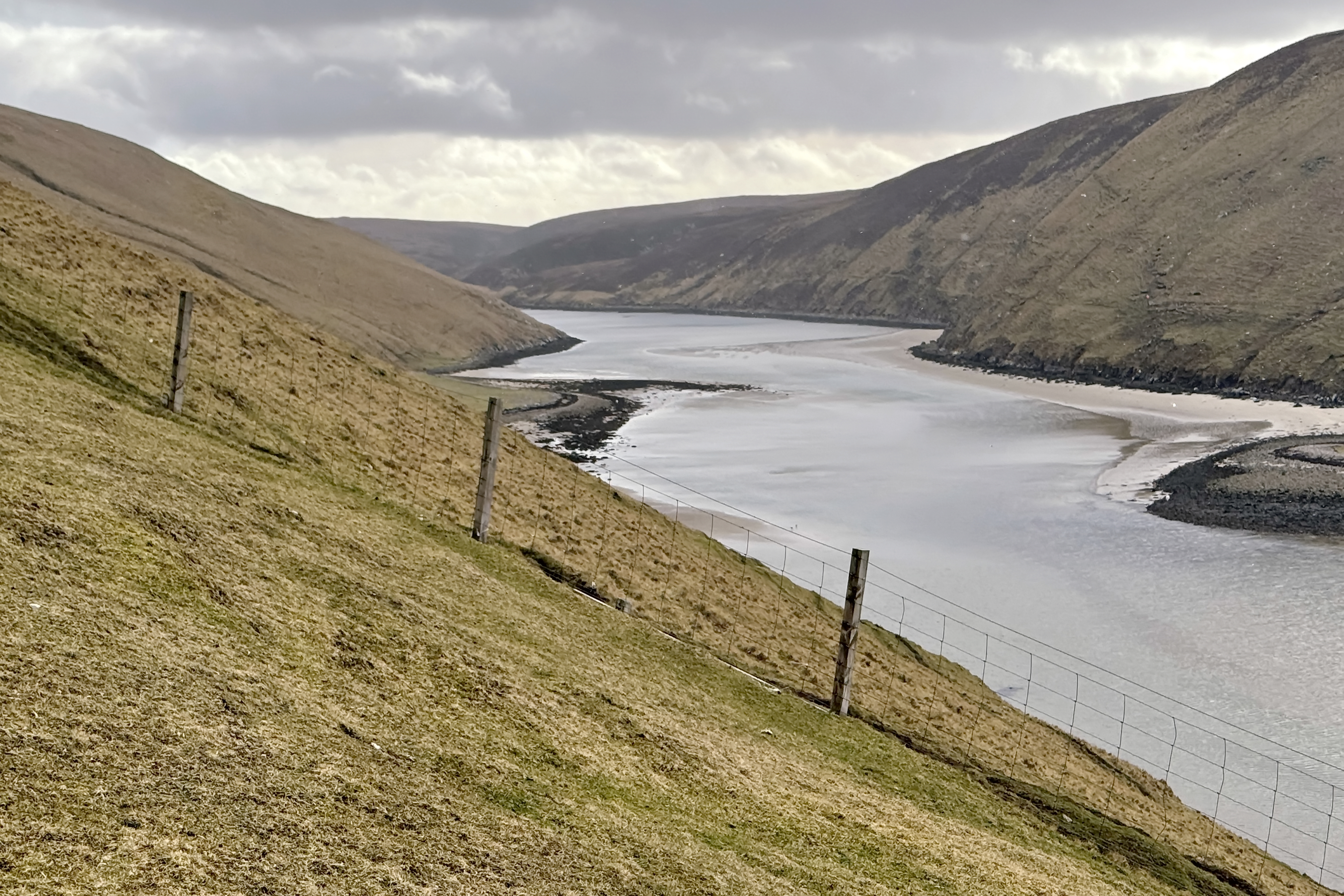
What stayed with us most was the stillness. Yell feels peaceful and sparsely populated, with space stretching in every direction. There’s no urgency here, no pressure to move on—just the steady rhythm of wind and sea. Missing the ferry ended up being a gift, giving us more time to simply be there, and reminding us that sometimes the best moments come when plans gently fall away.
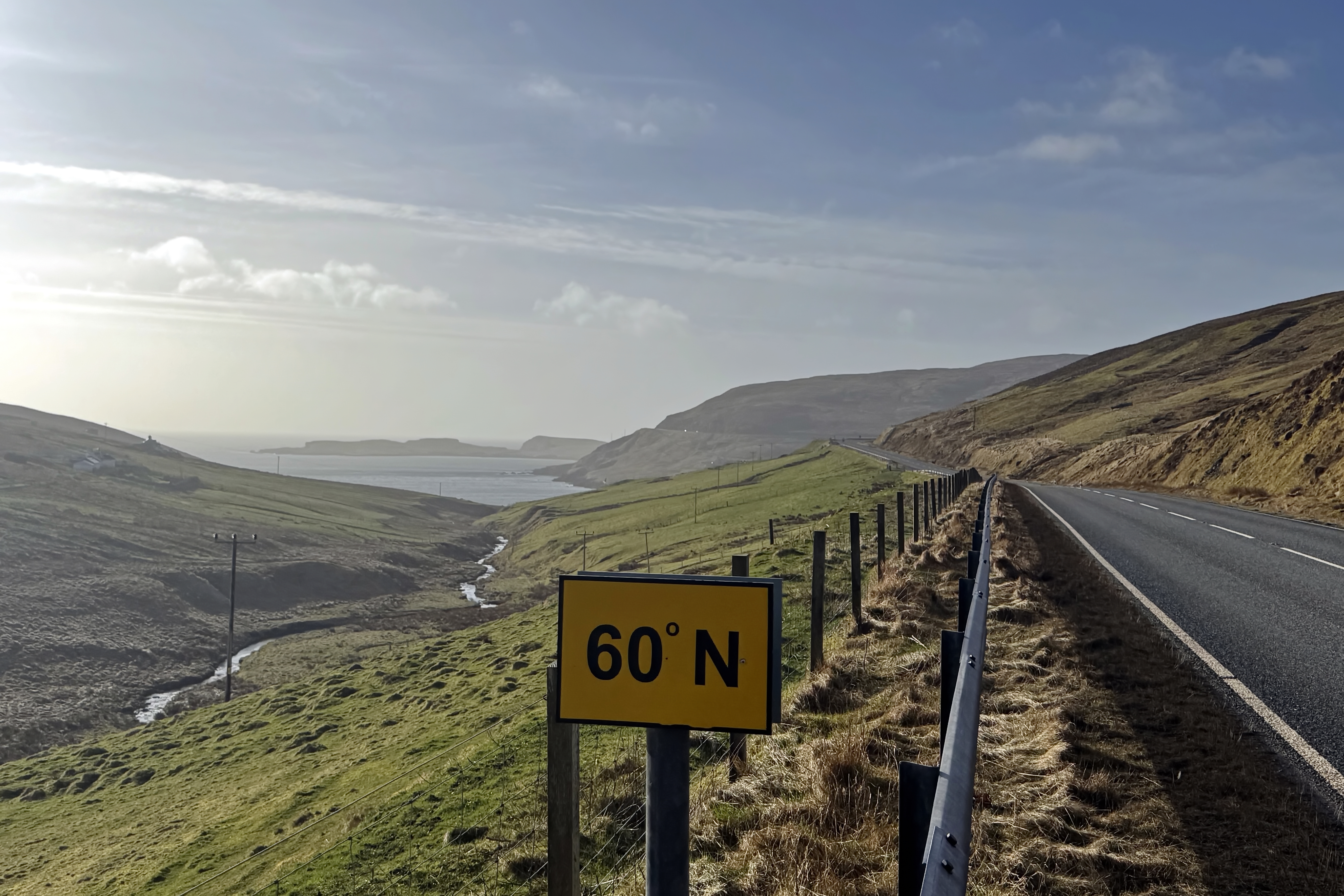
Throughout our week, each place we visited offered something different, with new sights and sweeping vistas around every turn. Slowly, they shaped our understanding of Shetland as more than just a landscape—it’s a place deeply influenced by the people who have called it home for thousands of years: adaptable, resourceful, and closely tied to the sea.
Life here feels remote, carved by a rugged coastline and ever-changing waters, and that constant movement is part of what makes the islands so special. It’s not just somewhere you look at—it’s somewhere you feel, shaped as much by nature as by the lives lived within it.
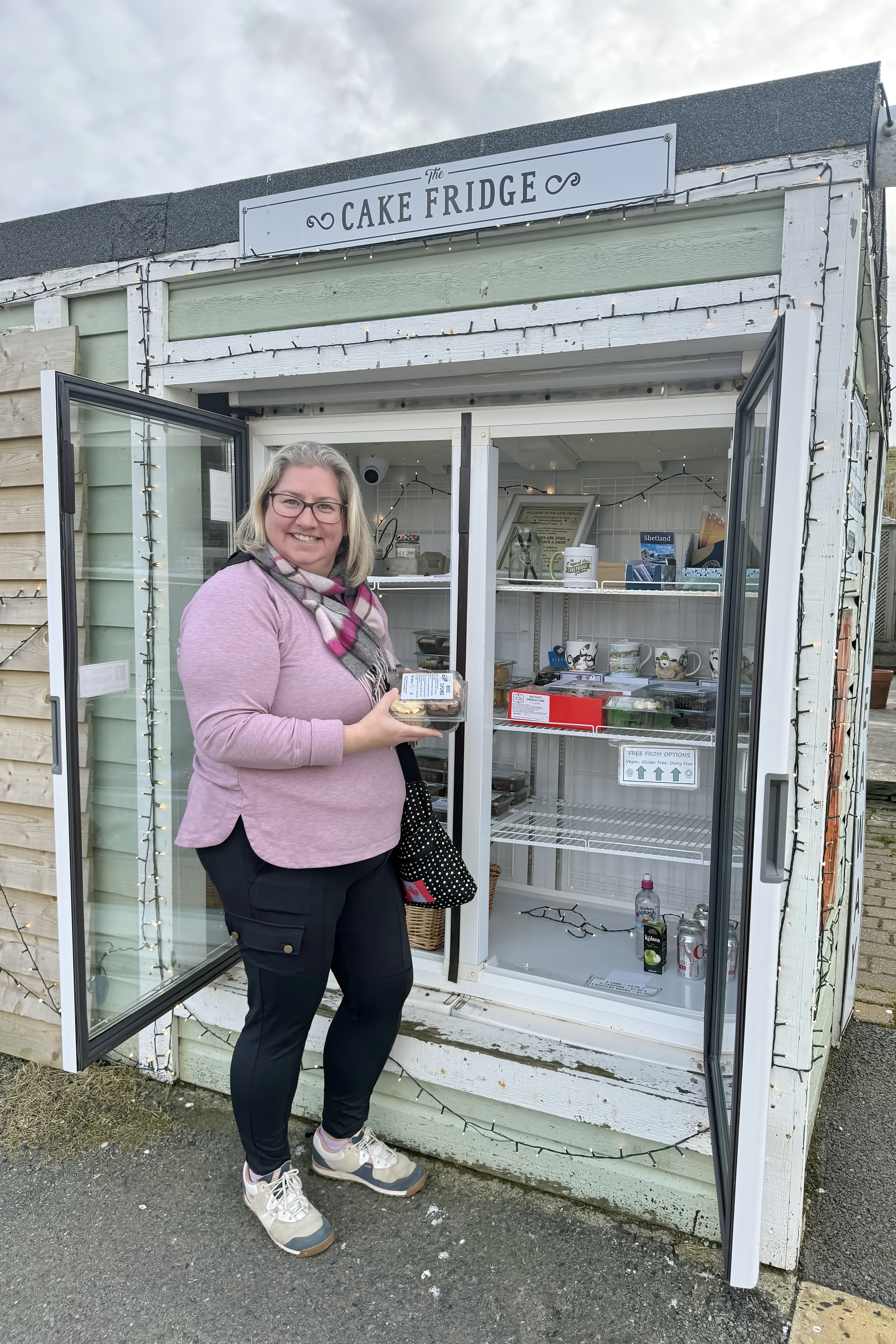
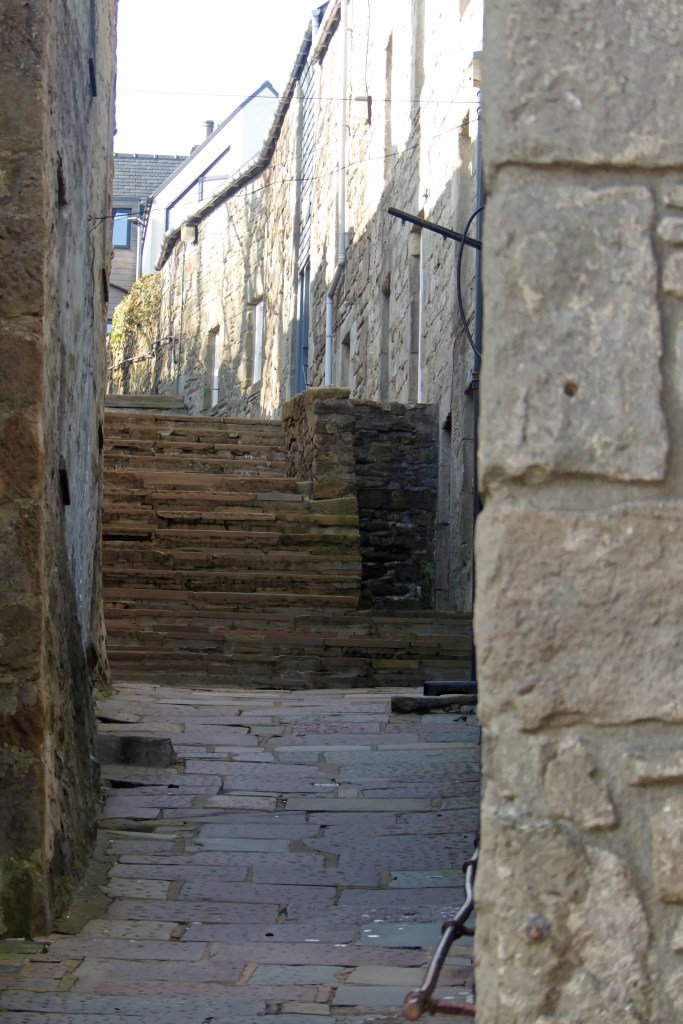
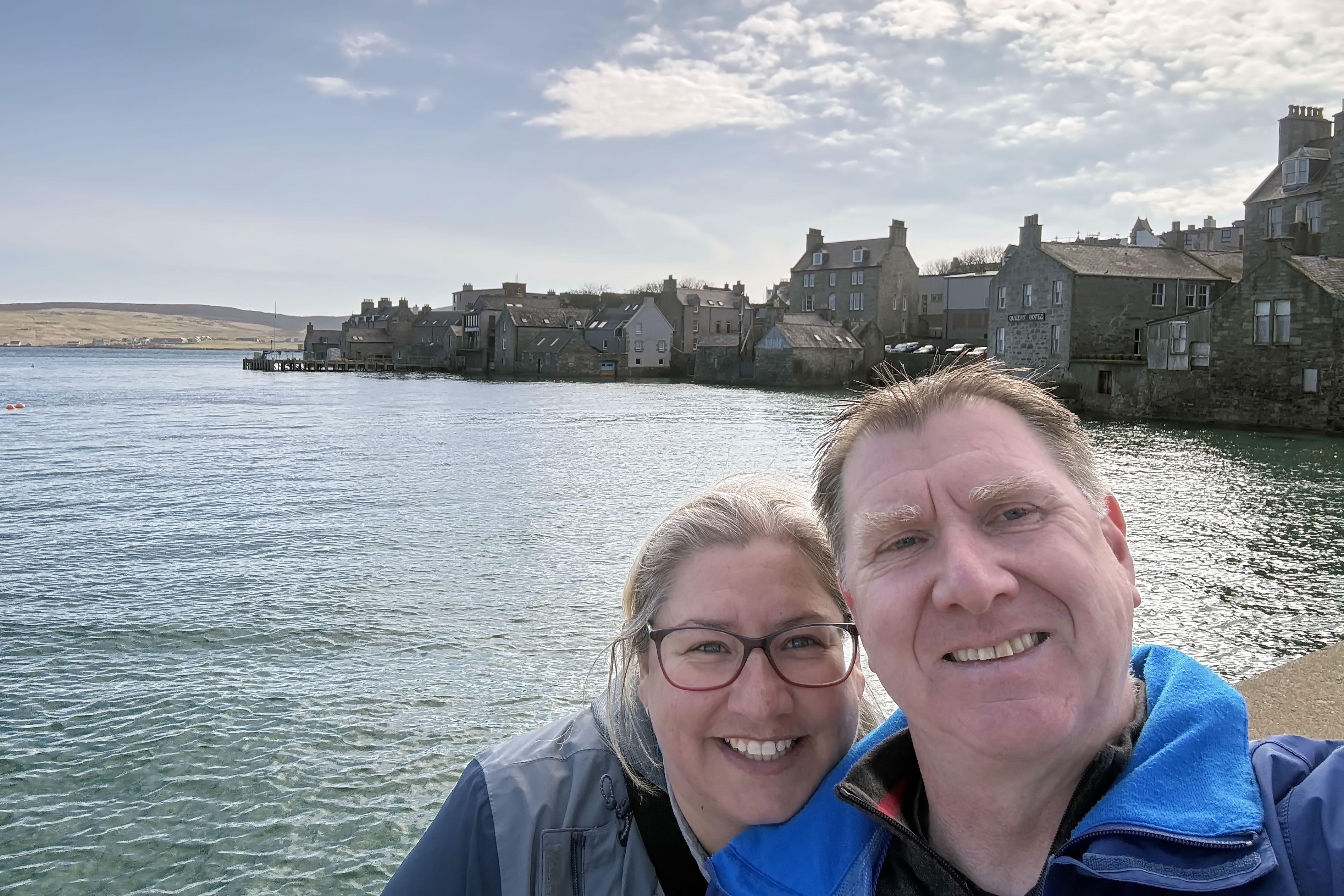
Finally, in Lerwick, Shetland’s largest town, past and present come together. Once a 17th-century Dutch herring port, Lerwick has grown into a lively harbour town while still holding onto its maritime roots. In late March, there’s a sense of transition—shops reopening for the season, locals going about daily life, and the harbour still dominated by working boats rather than summer visitors. Narrow lanes—known locally as “closses”—wind between stone buildings, giving the town an authentic, unhurried feel.
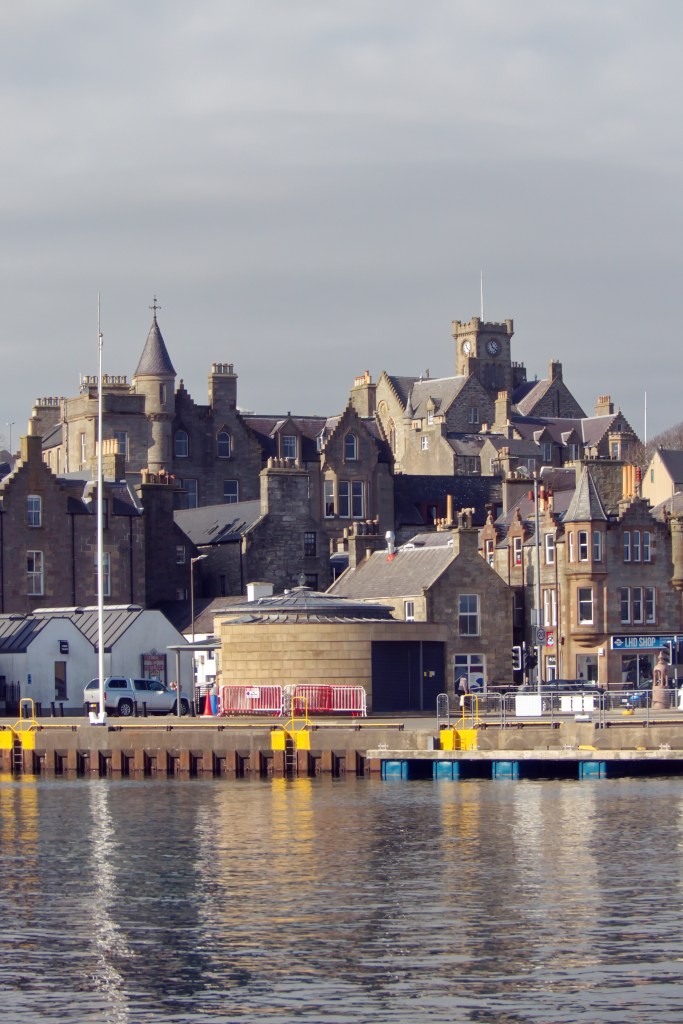
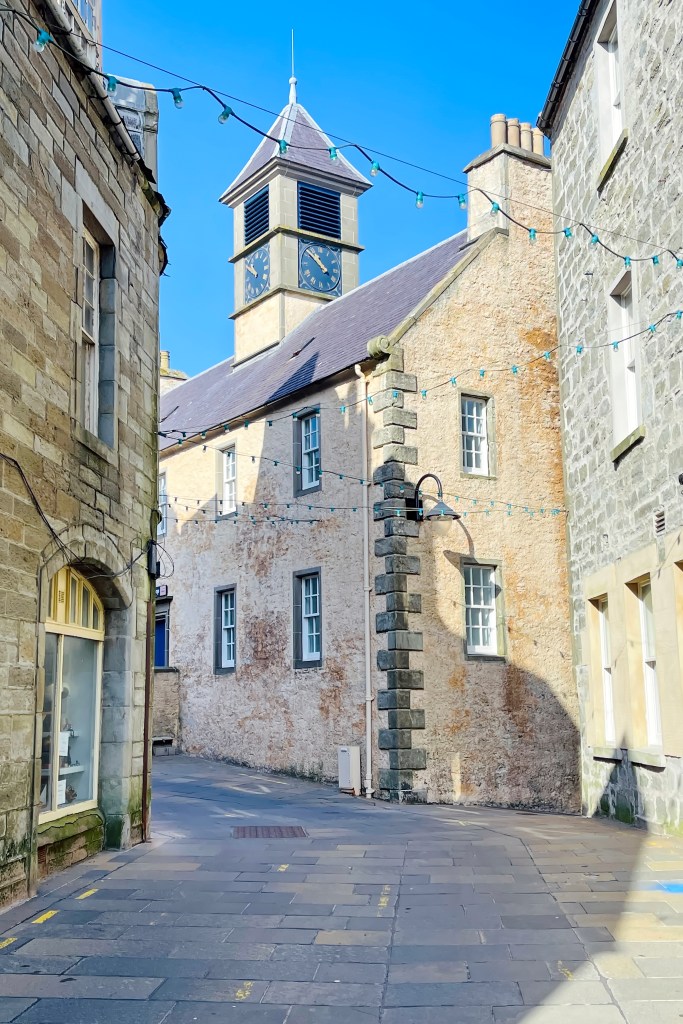
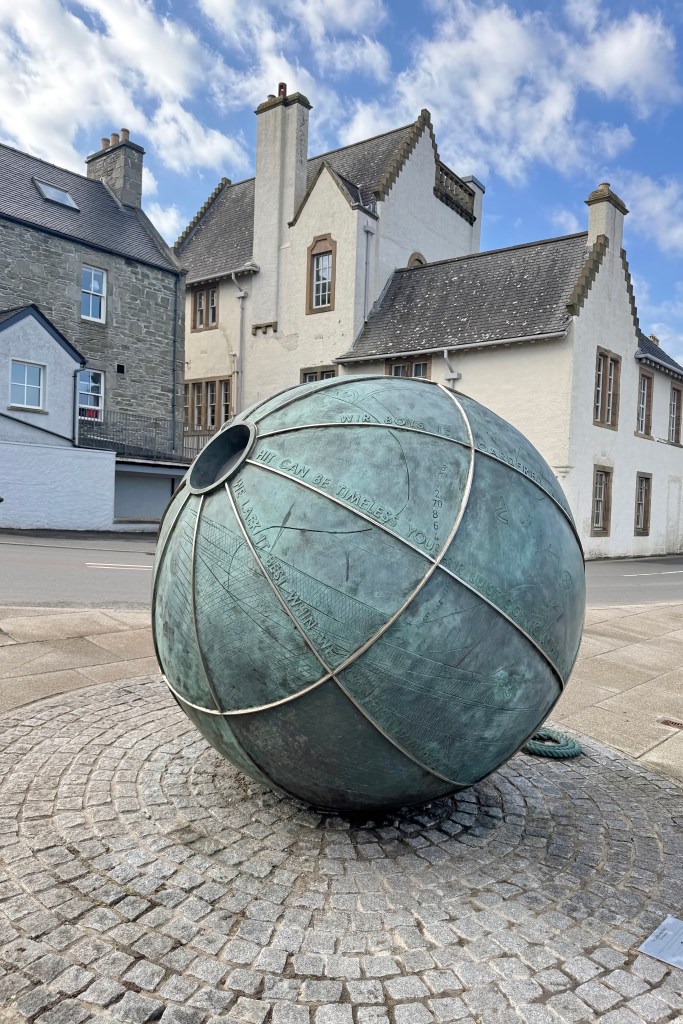
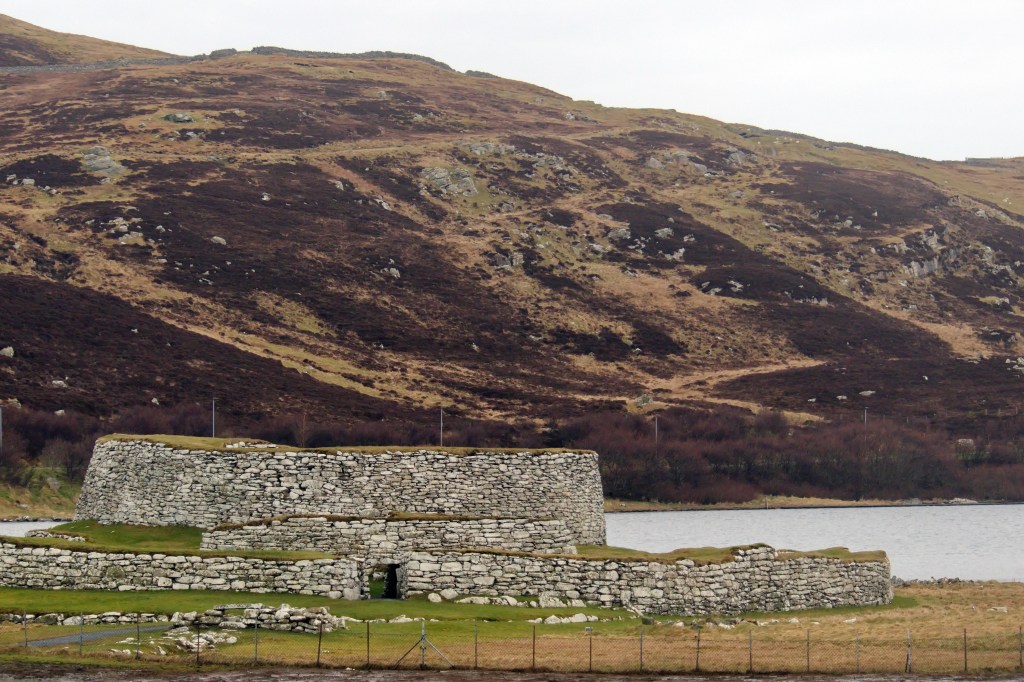
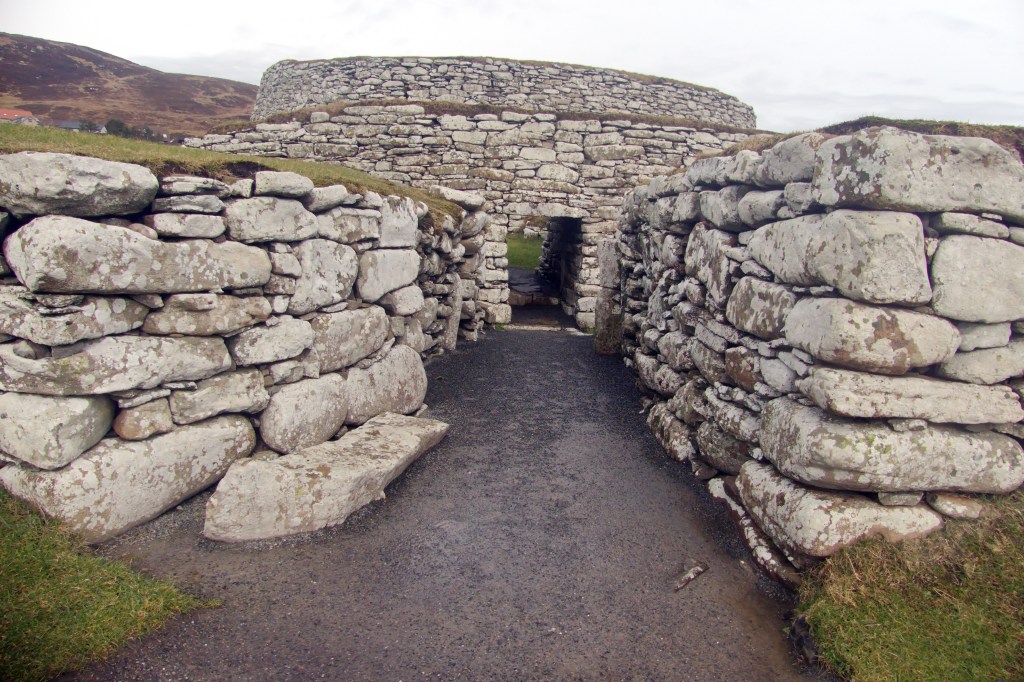
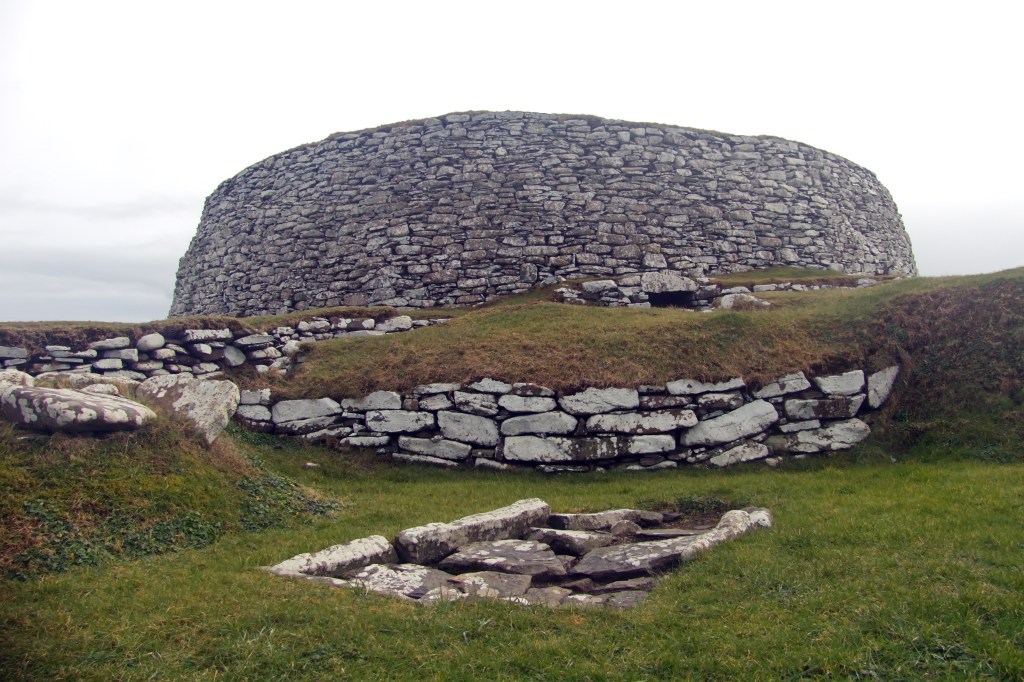
On the edge of town, Clickimin Broch quickly became one of those places we didn’t want to rush. Set on a small promontory in Clickimin Loch, this remarkably preserved Iron Age tower sits at the heart of a settlement shaped by people for over a thousand years—from early farmsteads to later wheelhouses. As we wandered through its weathered passages and climbed the worn stone steps, it was easy to imagine the lives once lived here. Surrounded by thick drystone walls, the broch feels both protective and enduring—a quiet but powerful reminder of the resilience of the people who called this place home nearly two thousand years ago.
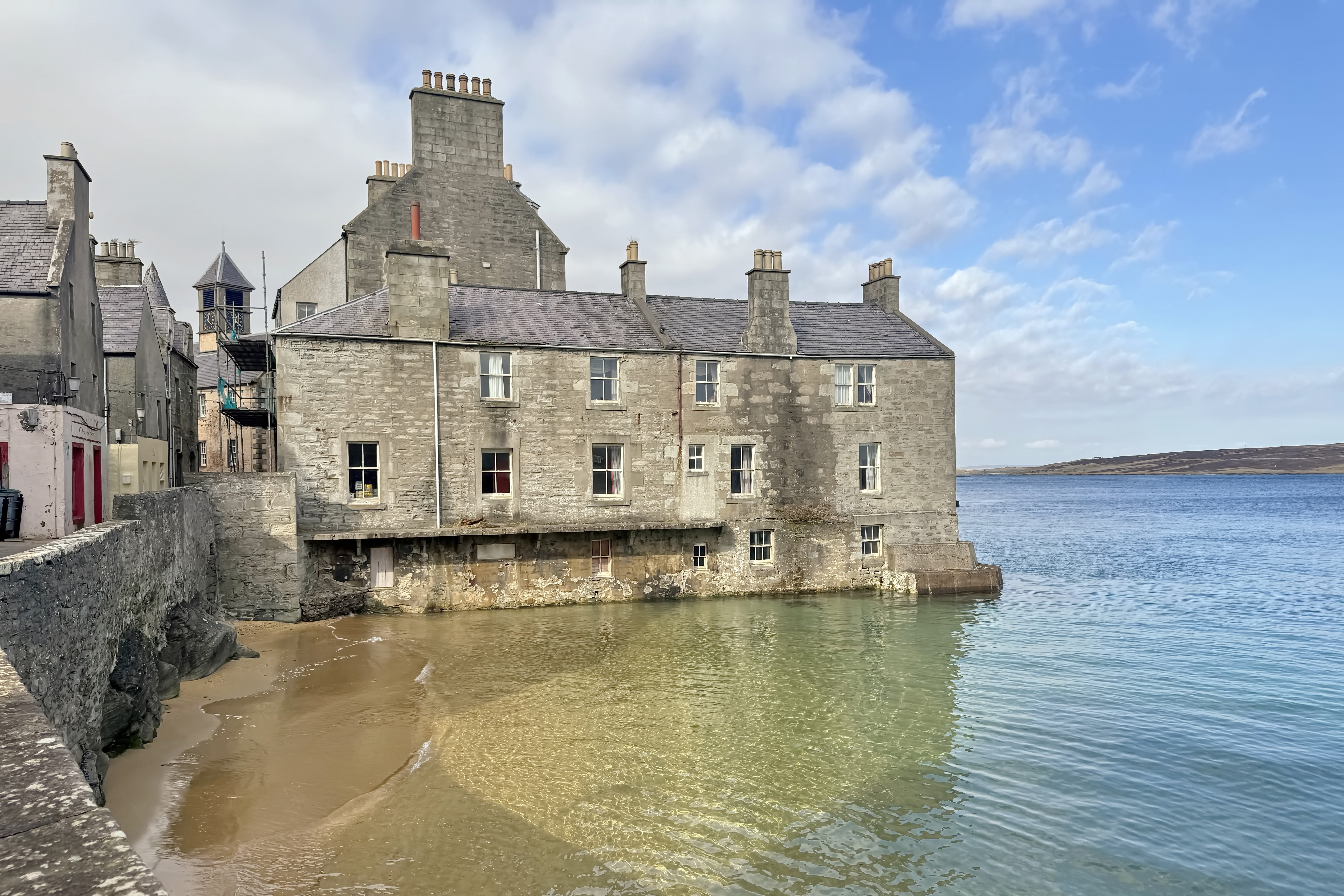
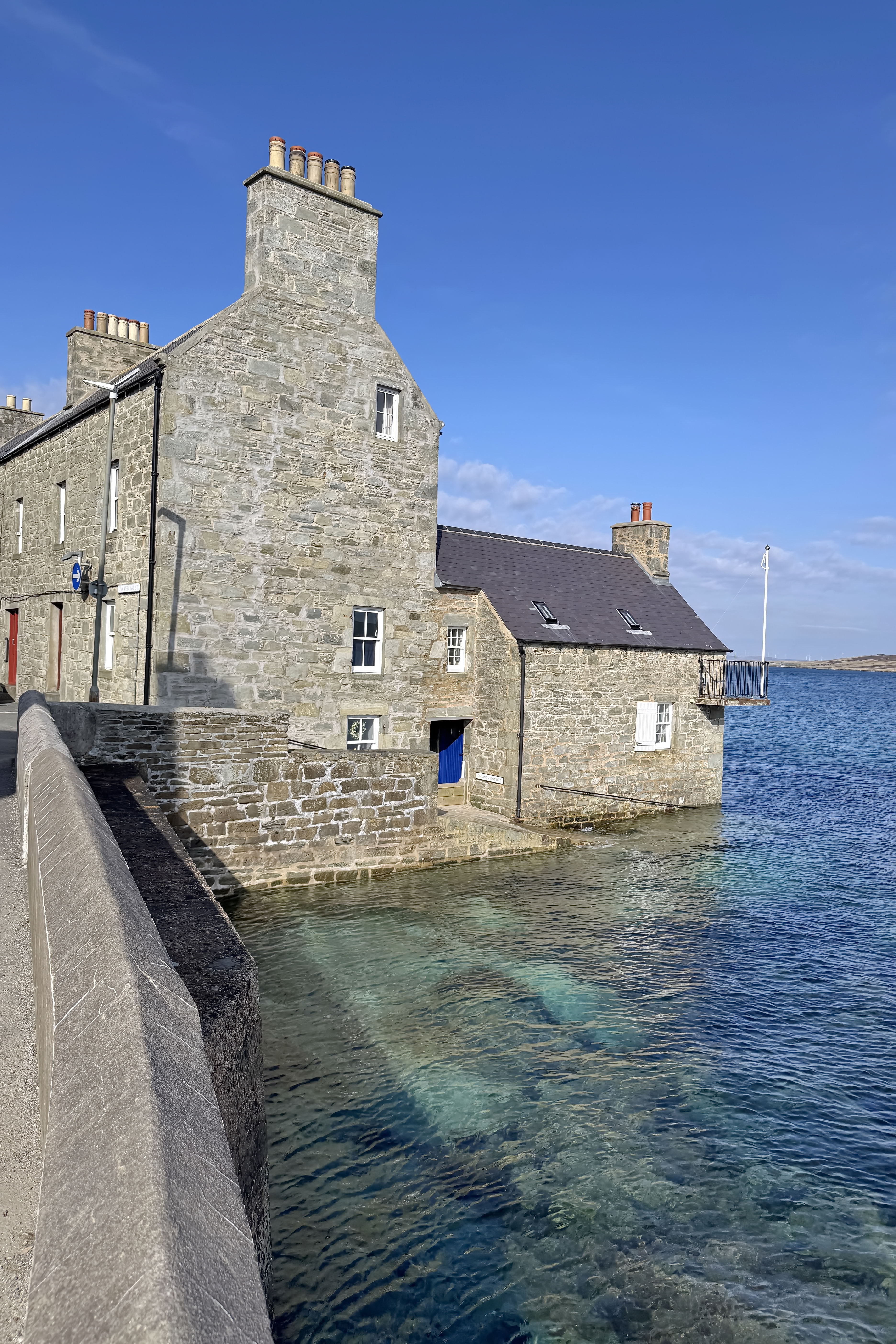
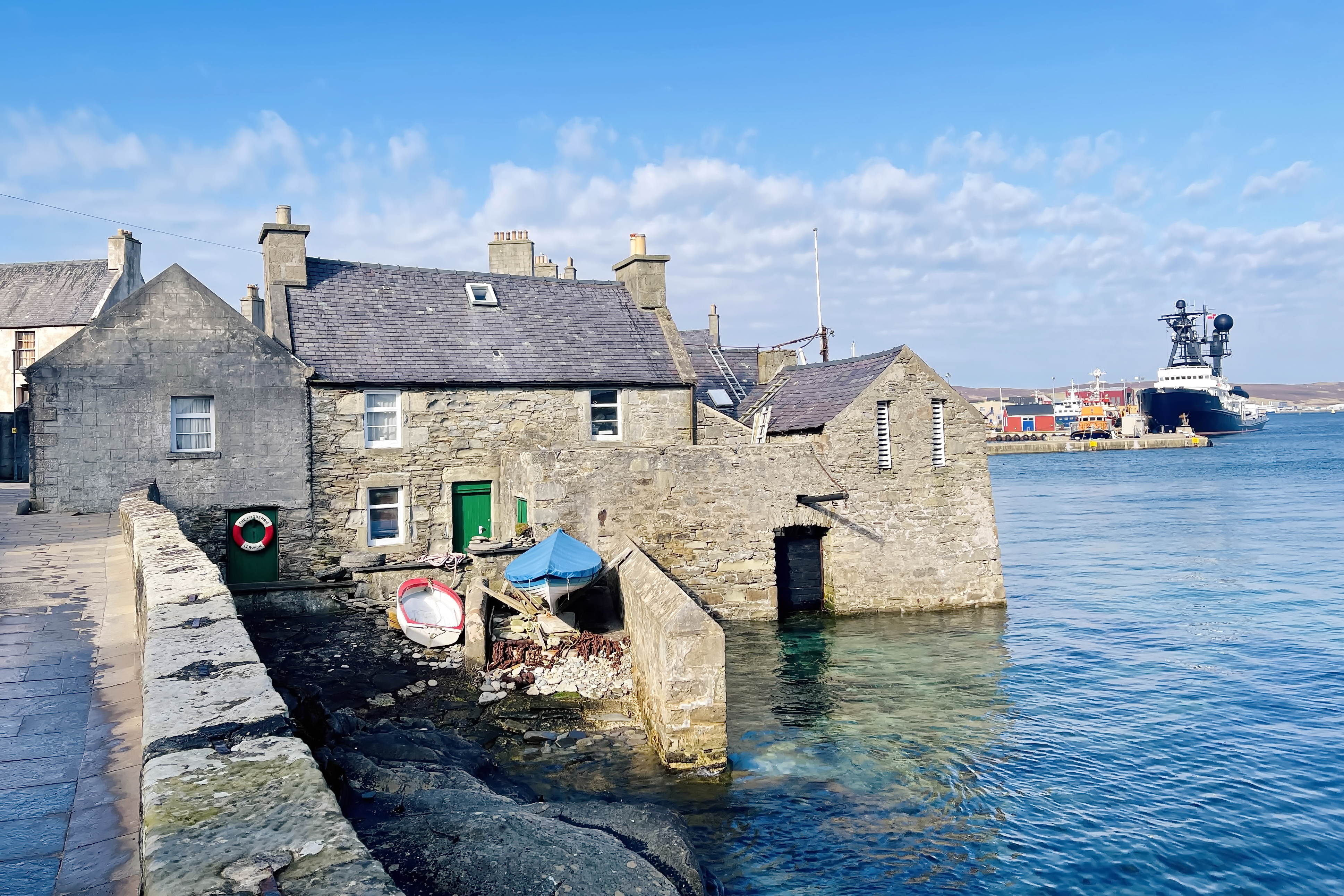
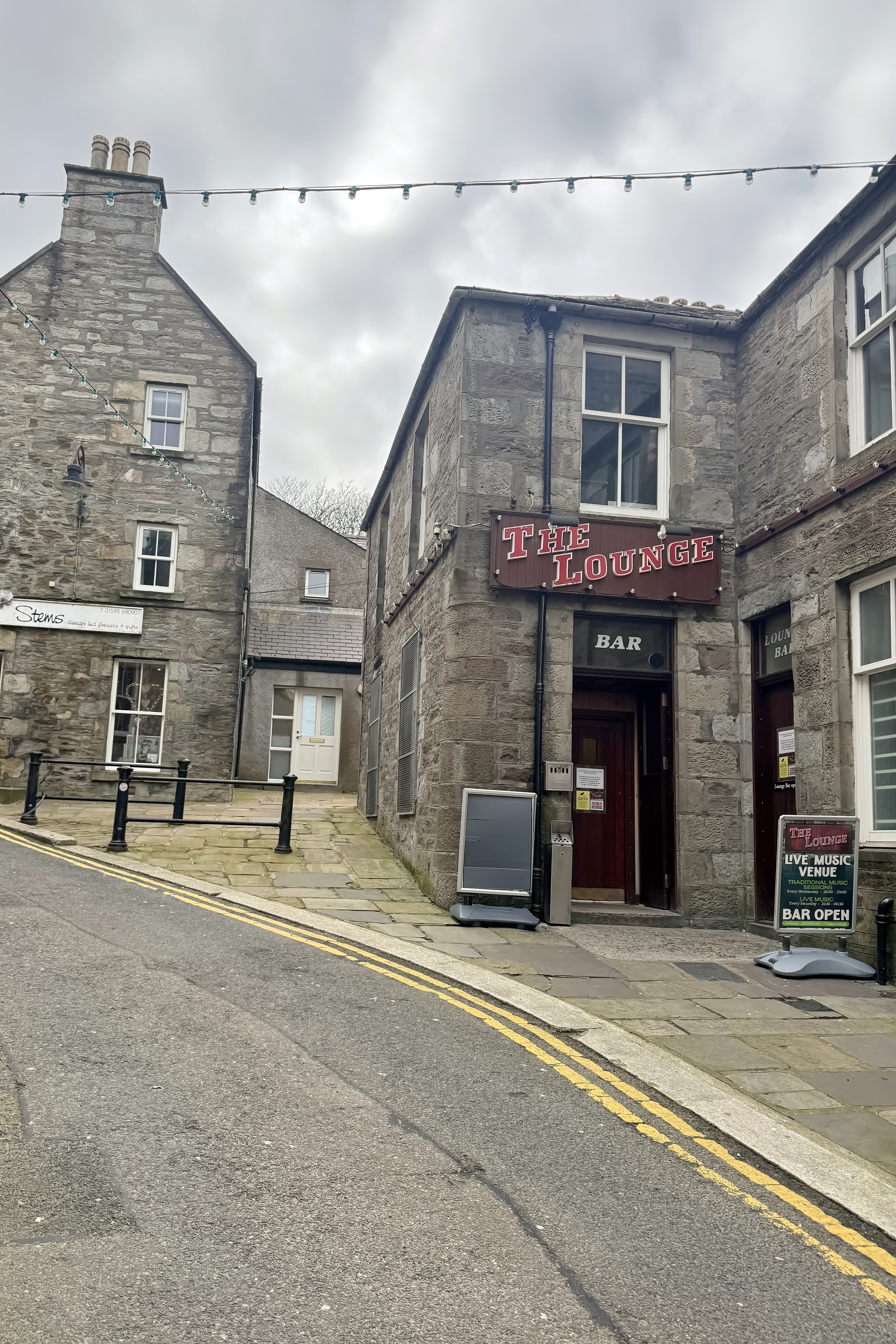
For us, Lerwick also carried a familiar sense of place thanks to the TV series Shetland. It was surreal to walk the same streets seen on screen, including a visit to The Lounge Bar—recognizable as a filming location in the show. We even sought out the exterior of the lodberrie used as Jimmy Perez’s home, adding a fun layer of connection between fiction and reality. It’s one thing to watch Shetland’s landscapes unfold on screen, but quite another to stand in those places yourself, with the sea air and shifting light bringing it all to life.
It’s also here that Shetland’s cultural heartbeat is strong, as Lerwick hosts the largest of the Up Helly Aa celebrations—though it’s just one of several held across the islands each winter. By late March, a sense of the festivities still lingers. Charity shops display pieces of Viking armour, stories from recent fire festivals are shared in local pubs and cafés, and you can almost imagine the glow of torches carried on the wind. It feels like the tail end of something special—while hinting there’s more to discover beyond Lerwick, in communities where these traditions continue in their own unique ways.
Visiting in March gave us a quieter, more reflective glimpse of Shetland—wild, beautiful, and just beginning to stir before the season ahead. It felt like we were seeing the islands in a more personal moment, and it’s something that will stay with us long after we’ve left.


 Mapgirl Adventures
Leave a comment