Stepping into a Fairytale – Discovering Tallinn, Estonia
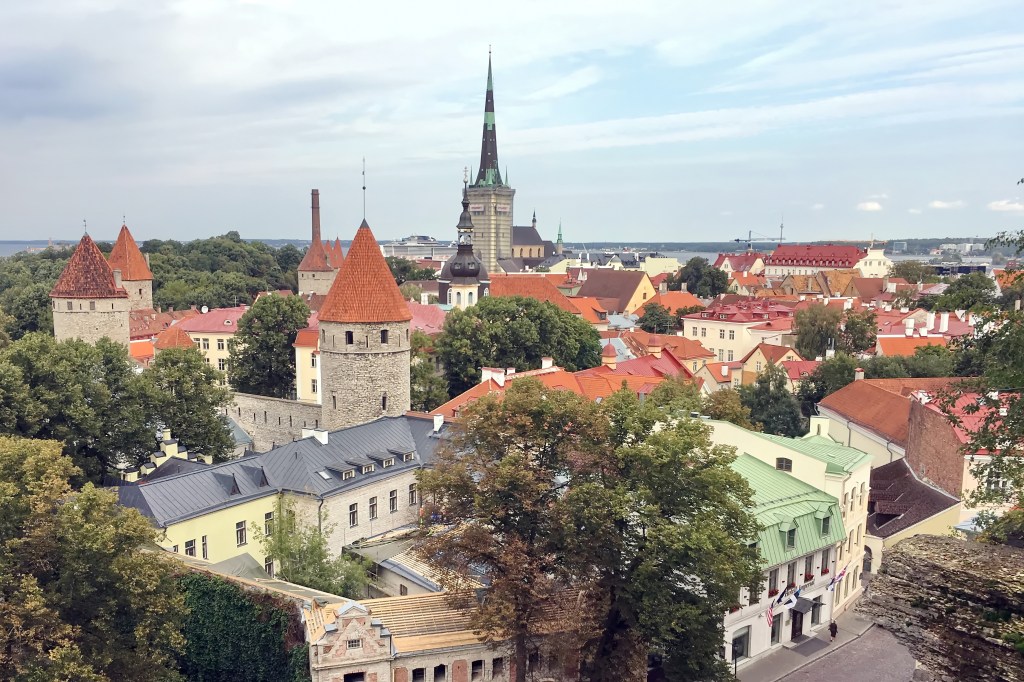
Tallinn, the capital of Estonia, swept us off our feet the moment we stepped into its storybook Old Town. With its cobblestone streets, medieval towers, and charming pastel buildings, it honestly felt like walking straight into a fairytale. Tallinn’s Old Town, a UNESCO World Heritage Site, is one of the best-preserved medieval town centers in all of Europe. Once a key hub of the Hanseatic League, it’s a dream come true for history lovers and culture seekers. We took our time wandering the narrow, winding streets, admiring centuries-old architecture, peeking through archways into hidden courtyards. Every turn seemed to offer something new, or very, very old.
We where on a bus tour so a guided interpretive walk was provided so we don’t need a plan anything we just stroll and soak it all in. The well-preserved city walls still encircle much of the Old Town, and you can even climb a few of the towers for amazing rooftop views over the red tiles and spires.
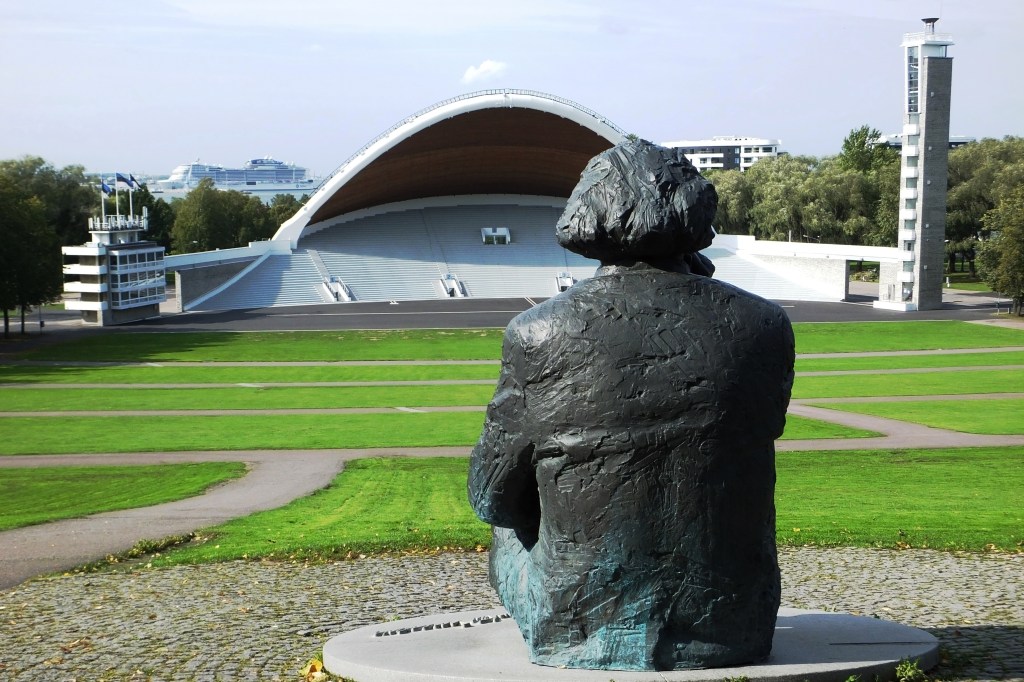
Outside the Old Town, Tallinn’s Song Festival Grounds are worth a visit too. The space is not only famous for its massive traditional song festivals but also holds deep emotional meaning for Estonians, as it played a major role in the Singing Revolution, a peaceful movement that helped Estonia regain independence in the late 20th century. It’s both beautiful and powerful, a reminder of how art and unity can truly shape history.
Wandering the Streets of Old Town
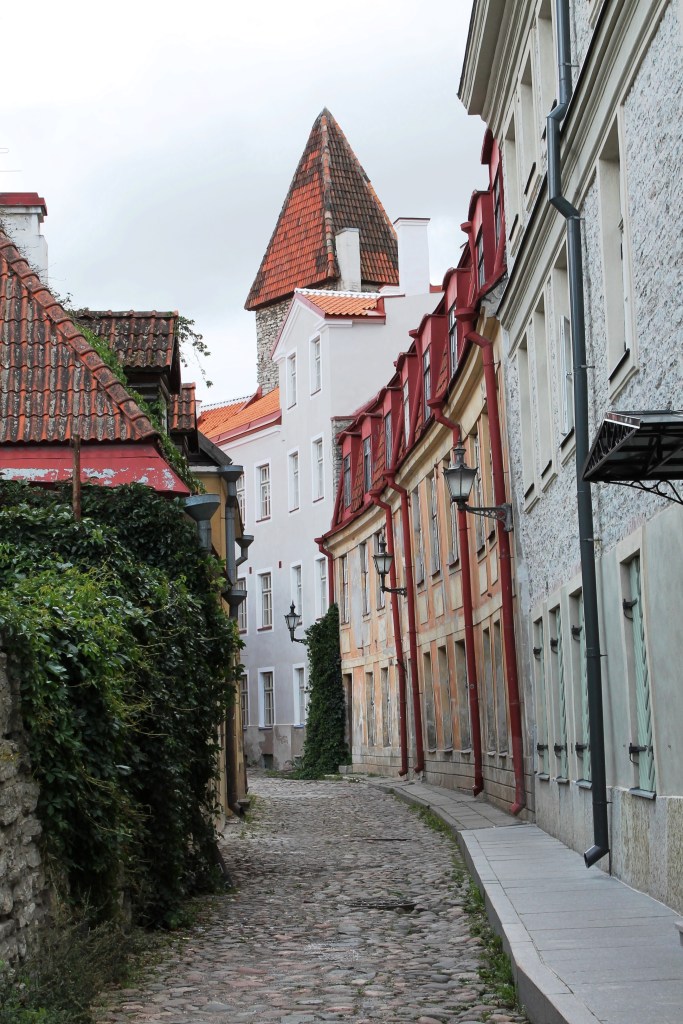
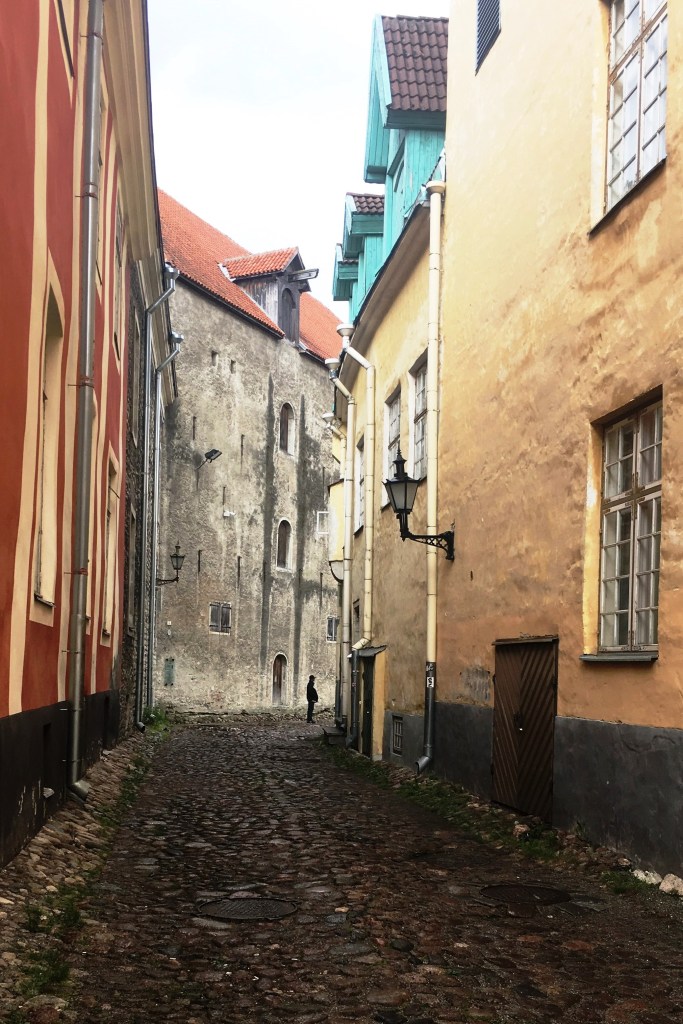
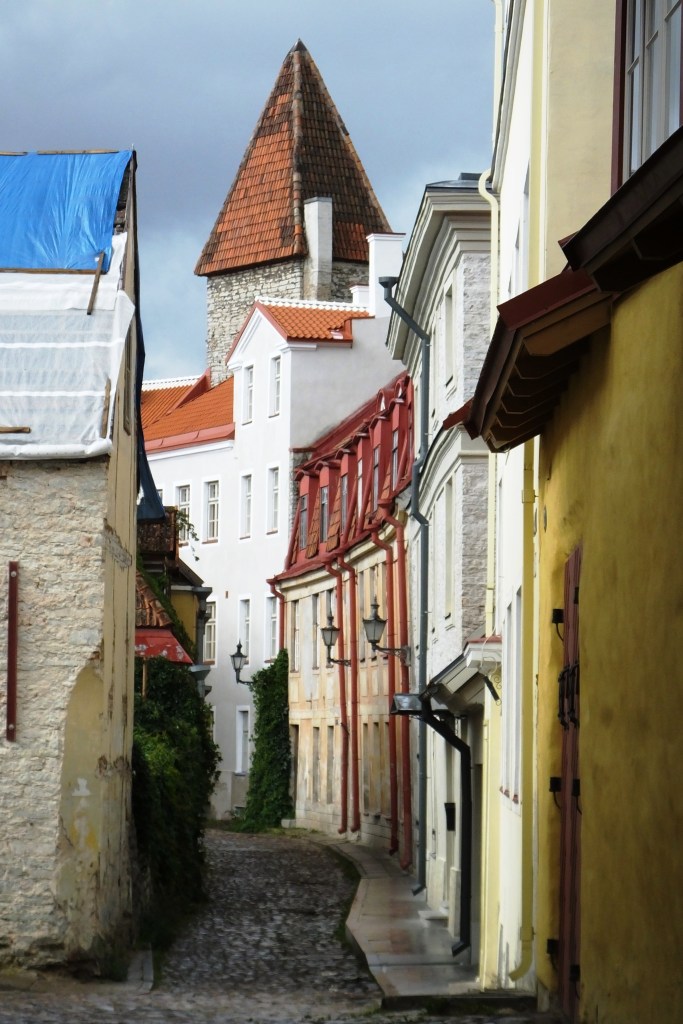
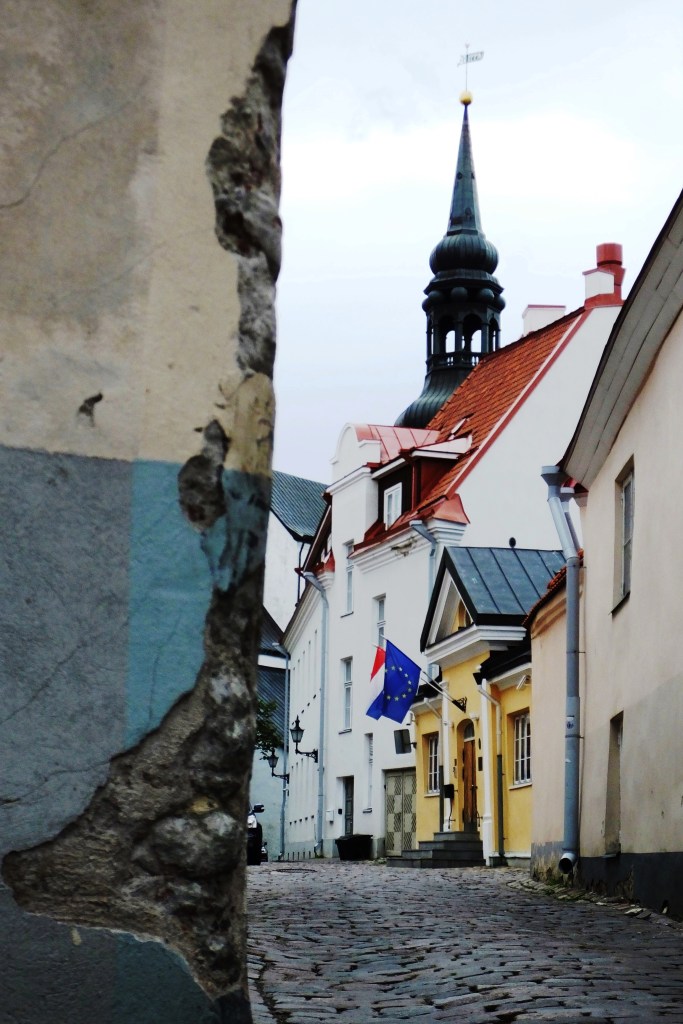
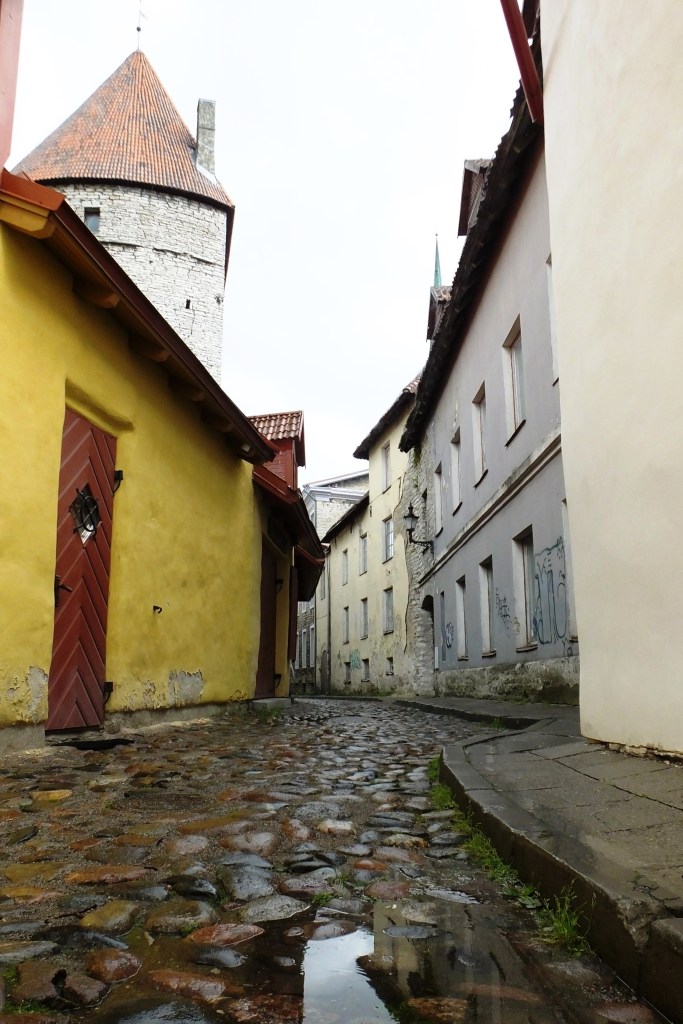
After our guided walk, we had a bit of time to wander the cobbled streets of Tallinn’s Old Town on our own — and we soaked up every moment. With the tour groups gone and the light starting to soften, it felt like we had the place to ourselves.
The narrow lanes twisted and turned through pastel buildings and ivy-draped archways, with hidden courtyards, weathered doorways, and flower-filled windowsills waiting around every corner. We paused often to take photos, trying to capture the charm, from crooked rooftops to lantern-lit passageways.
Even in a short stroll, the Old Town reveals so much character. It’s easy to see why it’s a UNESCO World Heritage Site not just for its history, but for the way it makes you feel like you’ve stepped into another time.
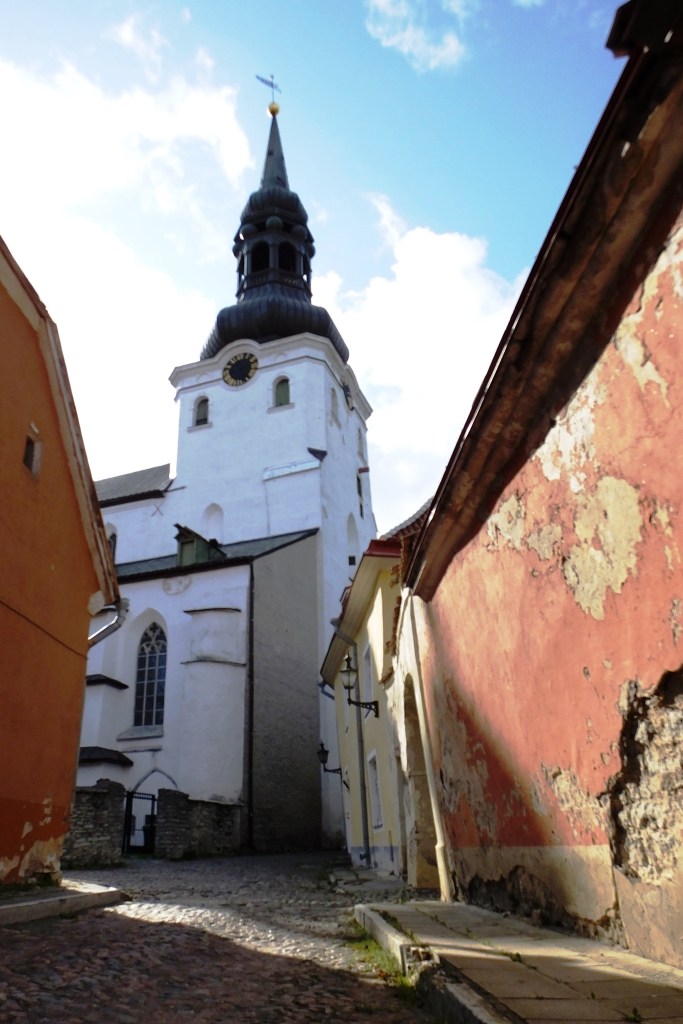
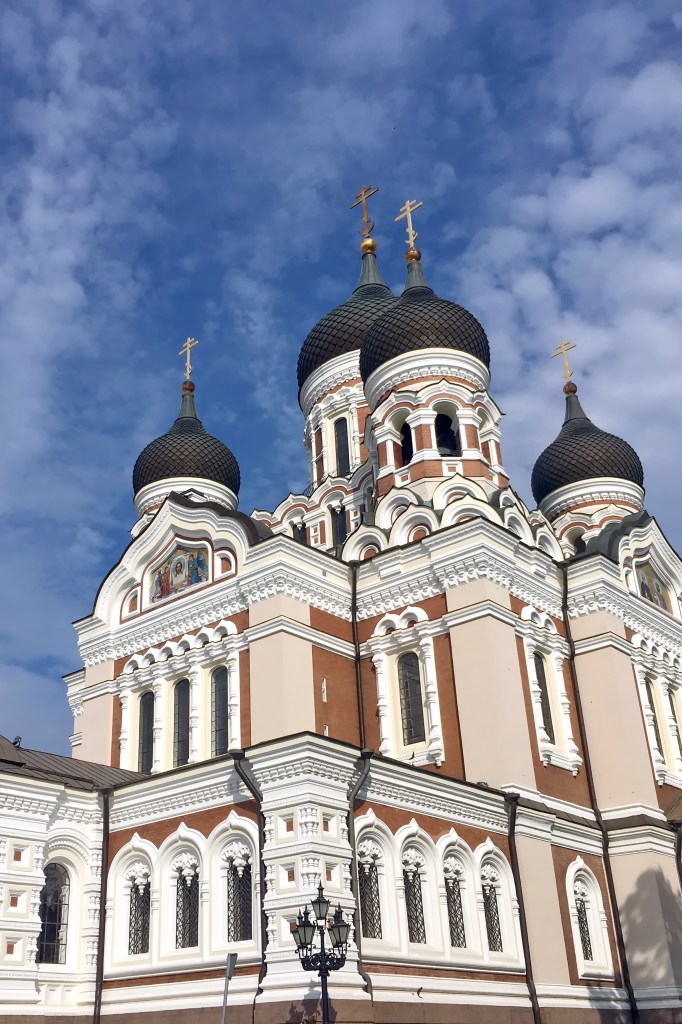
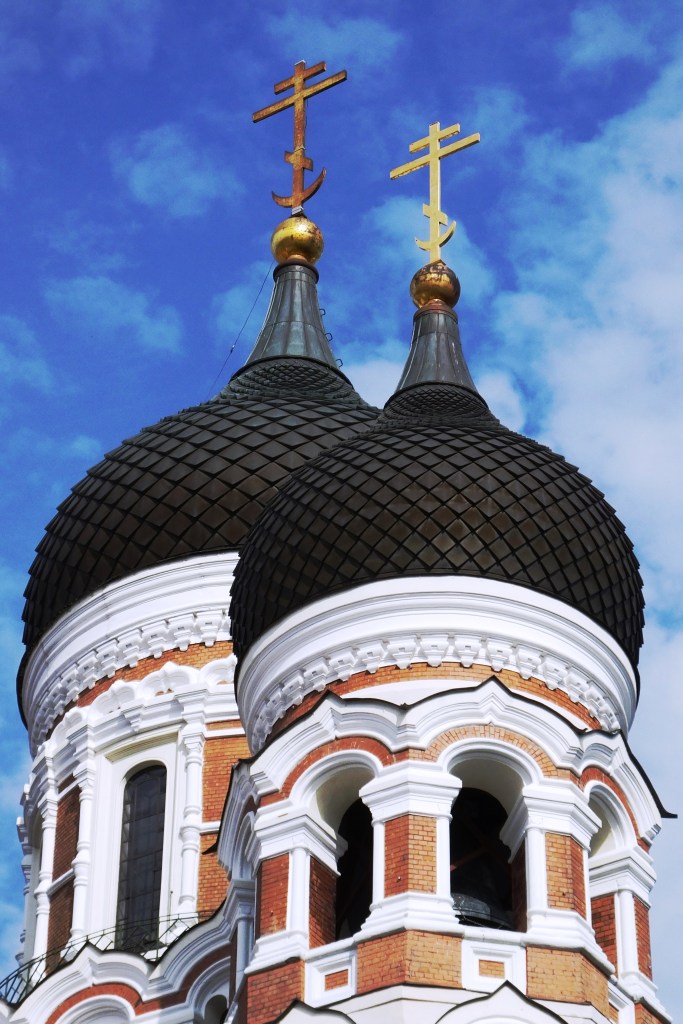
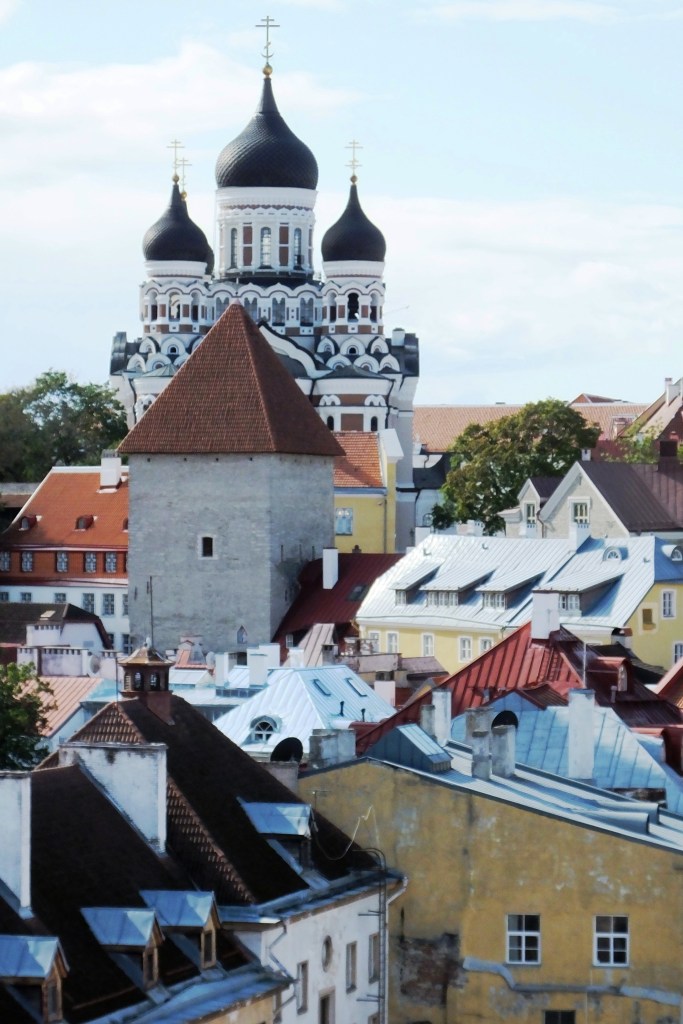
The Alexander Nevsky Cathedral exudes sacred Russian Orthodox style, with five bulbous onion domes crowned by gilded iron crosses and an ornate brown and white exterior that stands out dramatically atop Toompea Hill. Built in the late 19th century during the period of Russian rule, the cathedral is a bold and beautiful reminder of Estonia’s layered history.
As we approached, the scent of incense lingered faintly in the air, and the soft sound of chanting drifted from inside. Stepping through the doors, we were surrounded by rich iconography, golden chandeliers, and glimmering mosaics. Everything felt hushed and reverent, with people quietly lighting candles and taking in the spiritual stillness of the space.
Whether you’re drawn in by the history, the architecture, or the atmosphere, the Alexander Nevsky Cathedral is one of those places that leaves a lasting impression.
The Nun’s Platform & Tallinn’s City Walls
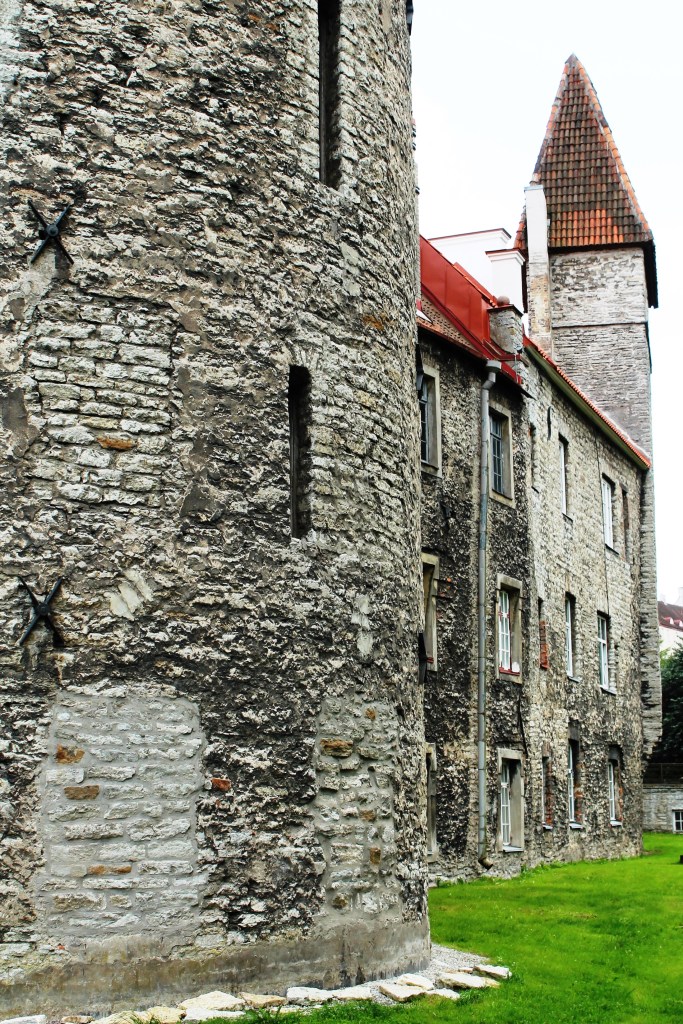
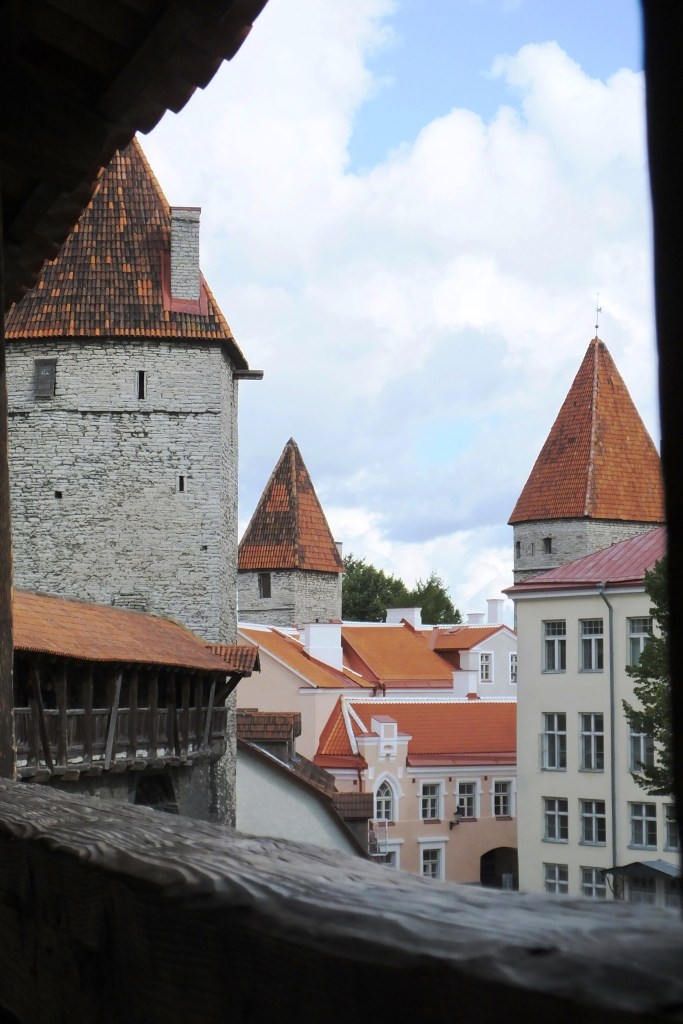
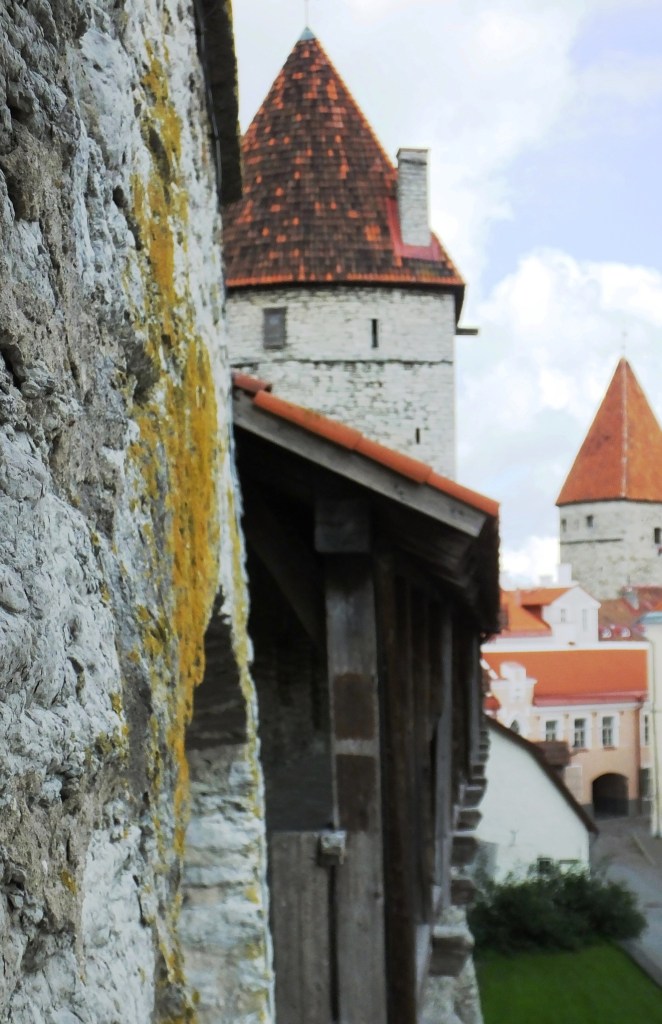
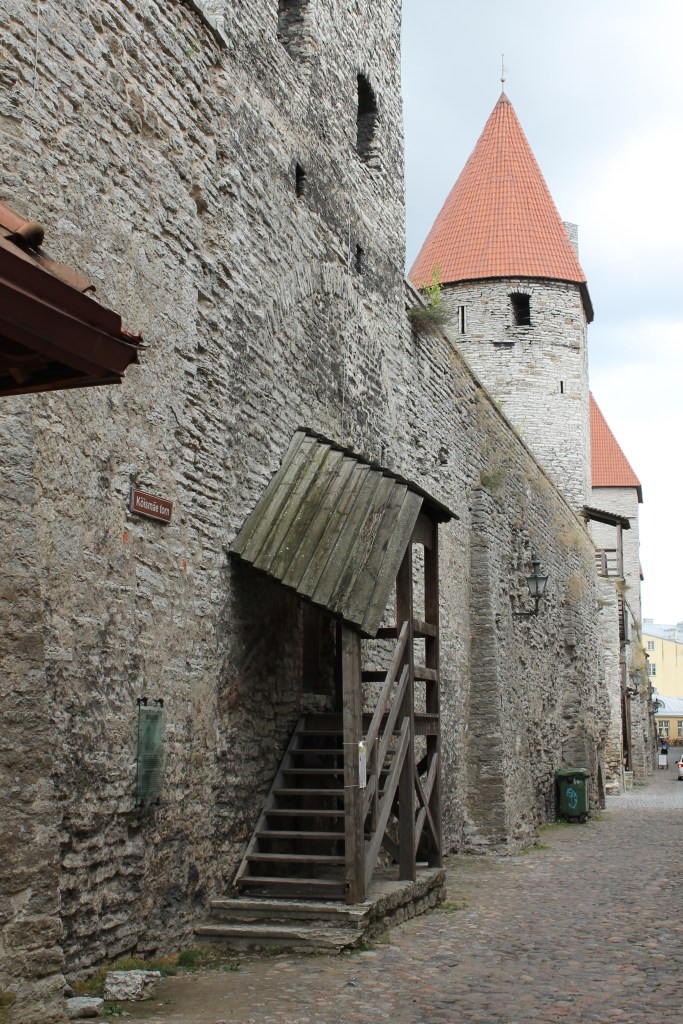
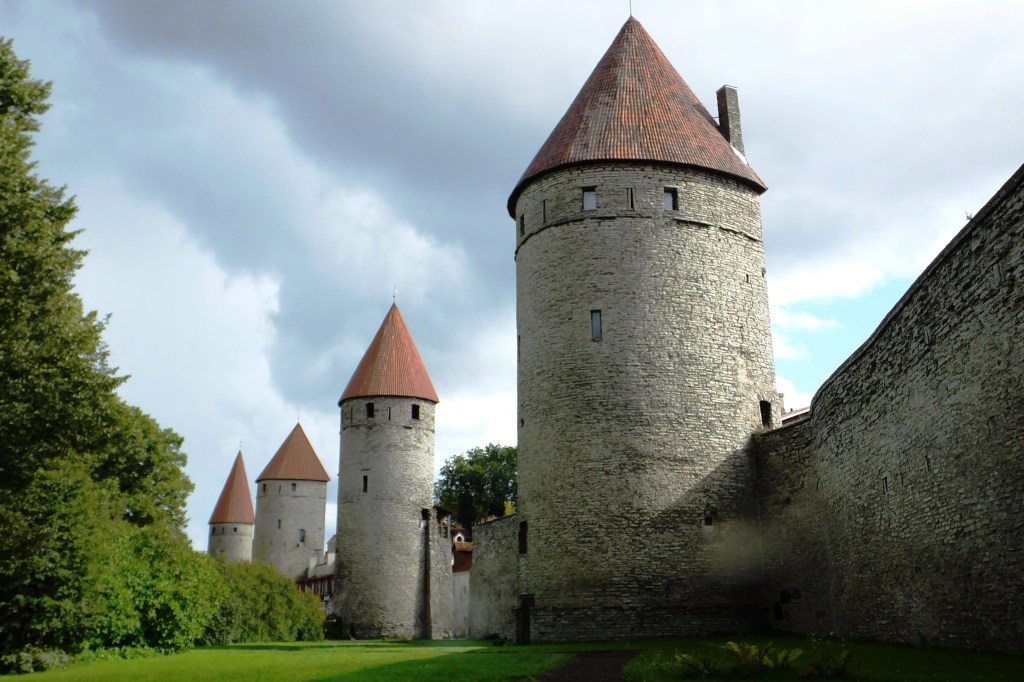
From the Nun’s Platform, you get a striking perspective of Tallinn’s medieval city walls, with their sturdy limestone ramparts and red-roofed towers standing guard like silent sentinels over the Old Town. It’s a peaceful little spot, slightly tucked away, offering views that feel both intimate and grand, perfect for taking a breath and imagining what life was like when the walls were more than just picturesque.
Tallinn’s city walls are some of the best-preserved in Europe, originally stretching over 2 kilometers with more than 40 towers. Today, about half the walls and many towers still remain, and some are even open to explore. There’s something special about walking beside these centuries-old defenses, where moss grows between the stones and the past feels just within reach.
We lingered here for a while, snapping photos and just taking it all in, the rooftops, the church spires, and the way history still clings to the stone.
The Danish King’s Garden & Its Spooky Monks
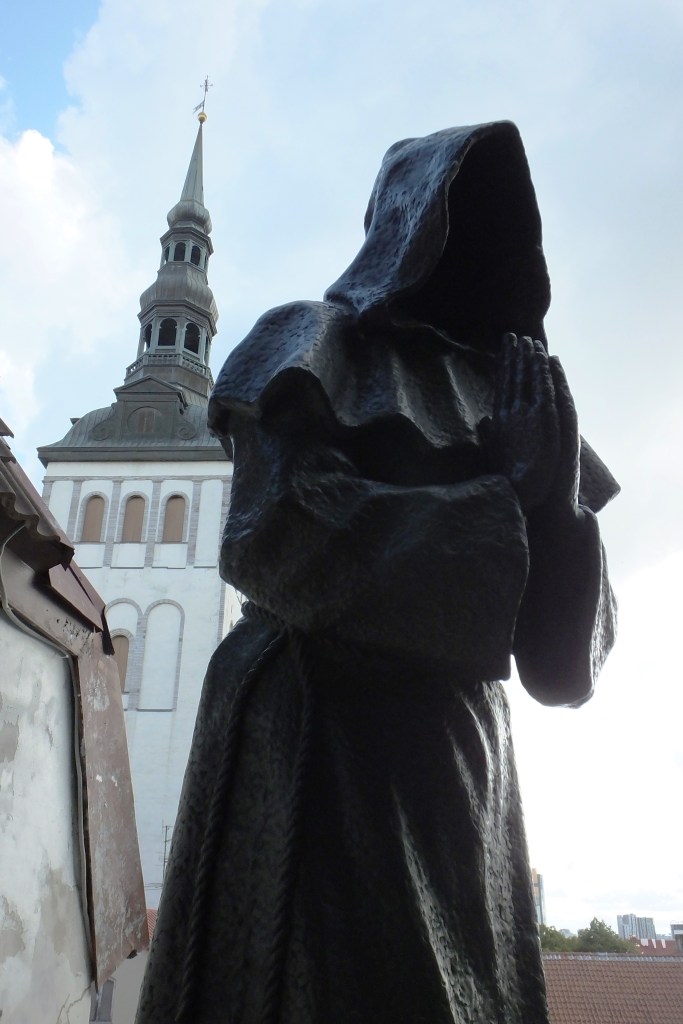
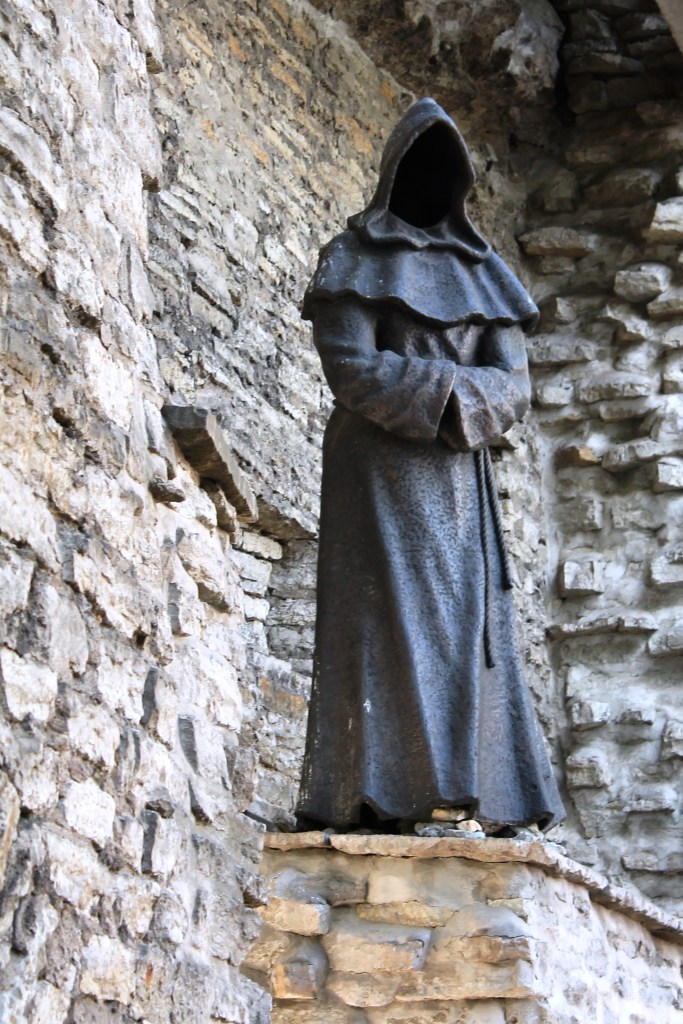
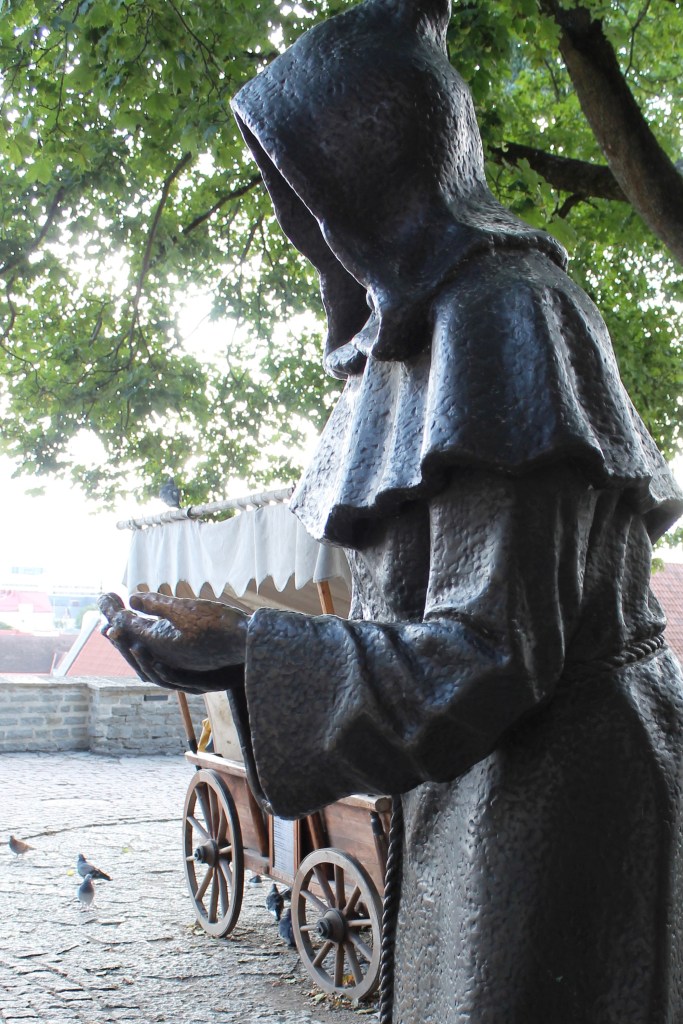
The Danish King’s Garden is one of the more unusual and strangely wonderful spots in Tallinn. What makes it especially memorable are the eerie bronze monk statues scattered around the garden, hooded and faceless, giving the area a quiet, slightly spooky feel. They seem to appear out of nowhere as you walk through the shaded stone paths, adding a sense of mystery to the space.
This garden isn’t just atmospheric, it’s historically significant too. It’s said to be the birthplace of the Danish flag, and locals still honour the role Denmark played in Estonia’s past, particularly during the 13th century when the Danes ruled over the area.
Tucked beneath the city walls with views of the towers above, the Danish King’s Garden offers a reflective pause in the middle of Old Town’s bustle where folklore, history, and art come together in the most unexpected way.
View all our Tallinn pictures here.

 Mapgirl Adventures