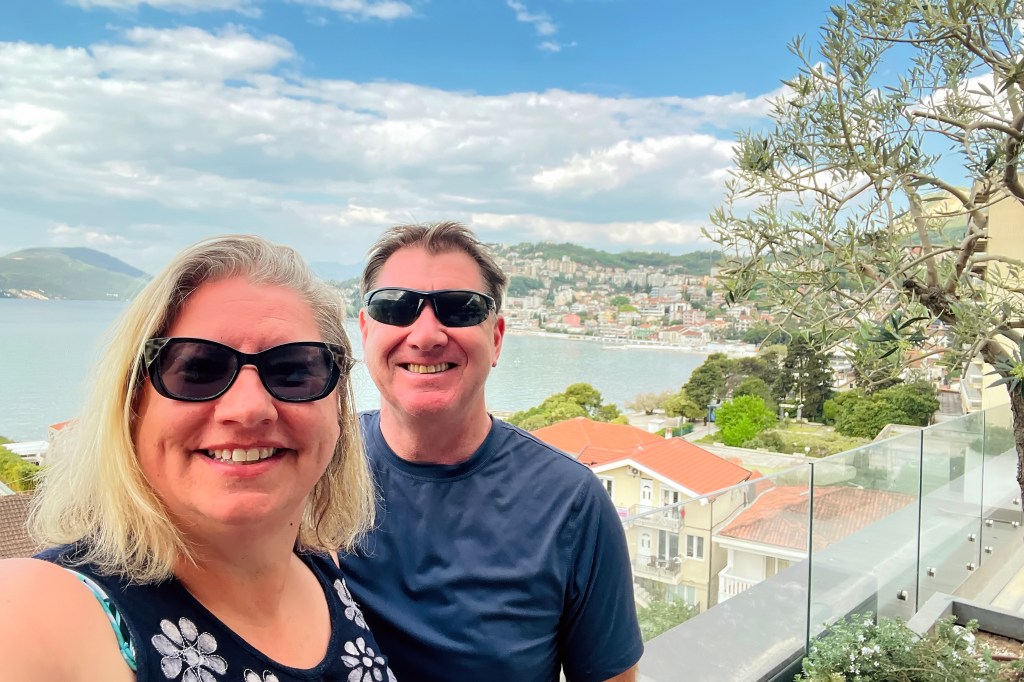
Tucked along the Adriatic coast, Montenegro is one of Europe’s youngest countries—yet its story stretches back thousands of years.
Gaining independence in 2006, Montenegro is, on paper, just 20 years old. But that sense of newness sits in fascinating contrast to the depth of history woven through its landscapes. From Illyrian tribes and Roman rule to centuries under the Ottoman Empire and the maritime influence of the Republic of Venice, Montenegro has long stood at the crossroads of cultures, empires, and identities. You don’t have to look far to see it—stone villages, fortified towns, and winding streets all carry echoes of the past.
We spent our week just outside Herceg Novi, perched at the entrance to the breathtaking Bay of Kotor — or Boka, as the locals call it. Almost immediately, the area felt less like a destination and more like a place we could settle into. Stretching along the shoreline was Setaliste Pet Danica (Five Danica Promenade), a lively waterfront pathway lined with cafés, small shops, and beautiful views across the bay. Built atop a former railway line that once connected the coast to Sarajevo, the promenade carried a unique sense of history. In addition to the stunning location, what made Herceg Novi so memorable for us was how naturally history blended into everyday life, with old fortresses, quiet churches, and sunlit squares revealing stories around every corner.
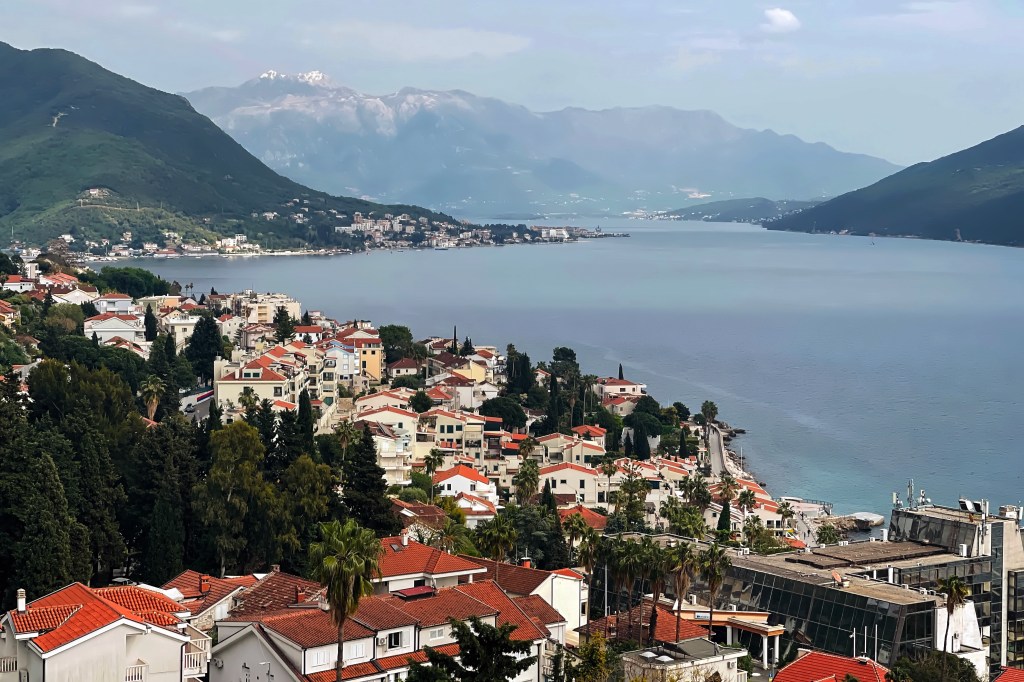
Watching over Herceg Novi are a string of old fortresses, each built during different periods of rule and serving as reminders of how strategically important this coastline once was. During our stay, we explored two of them, wandering through ancient stone passageways before emerging onto ramparts overlooking the bay. Standing high above the town, we could see red rooftops spilling toward the sea, boats carving quiet paths across the water, and mountains rising dramatically in the distance. It was hard not to pause and imagine the centuries of history these walls had witnessed. What we loved most, though, was the contrast between past and present—fortresses once built for defence now used as amphitheatres for musical performances and summer festivals overlooking the bay.
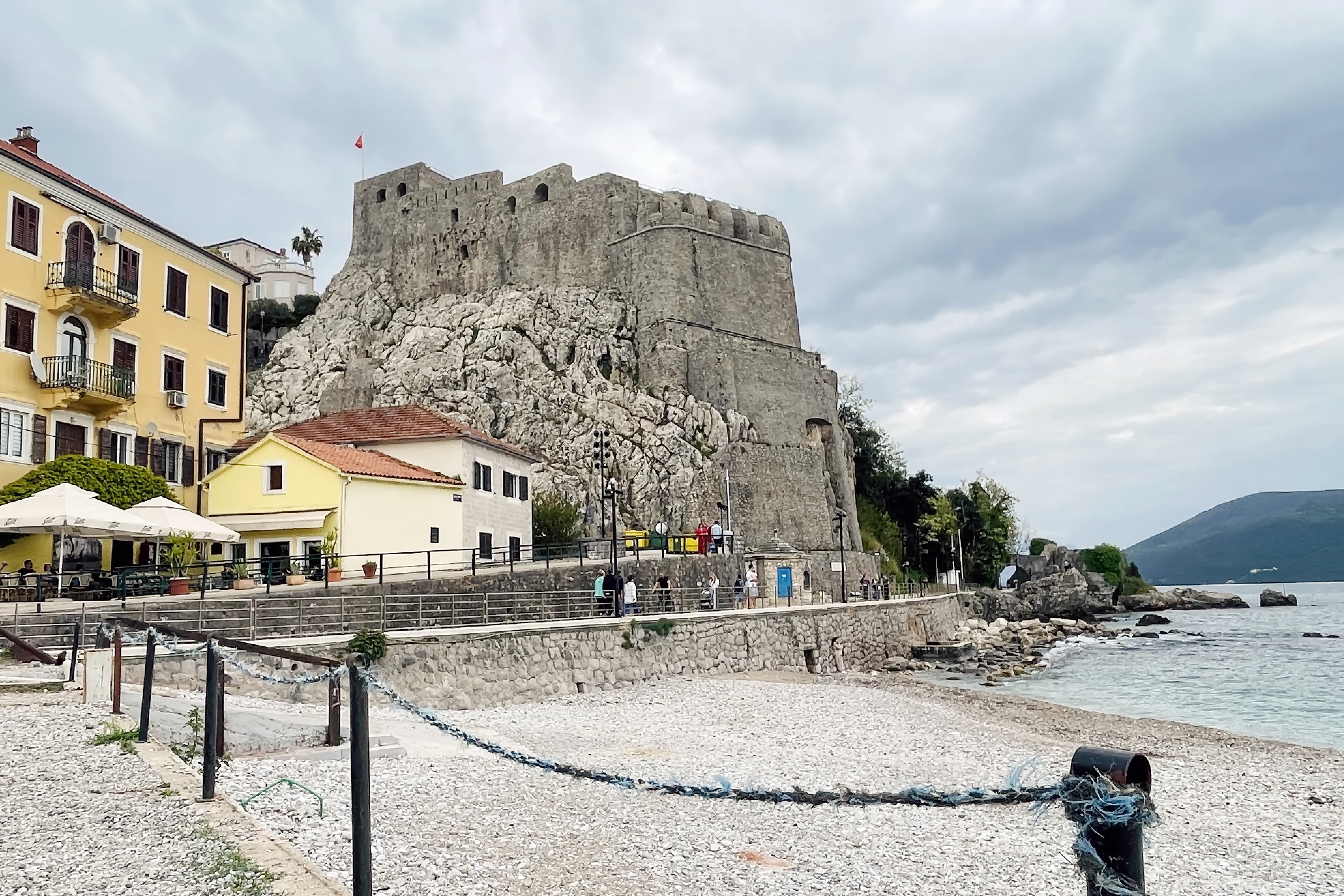
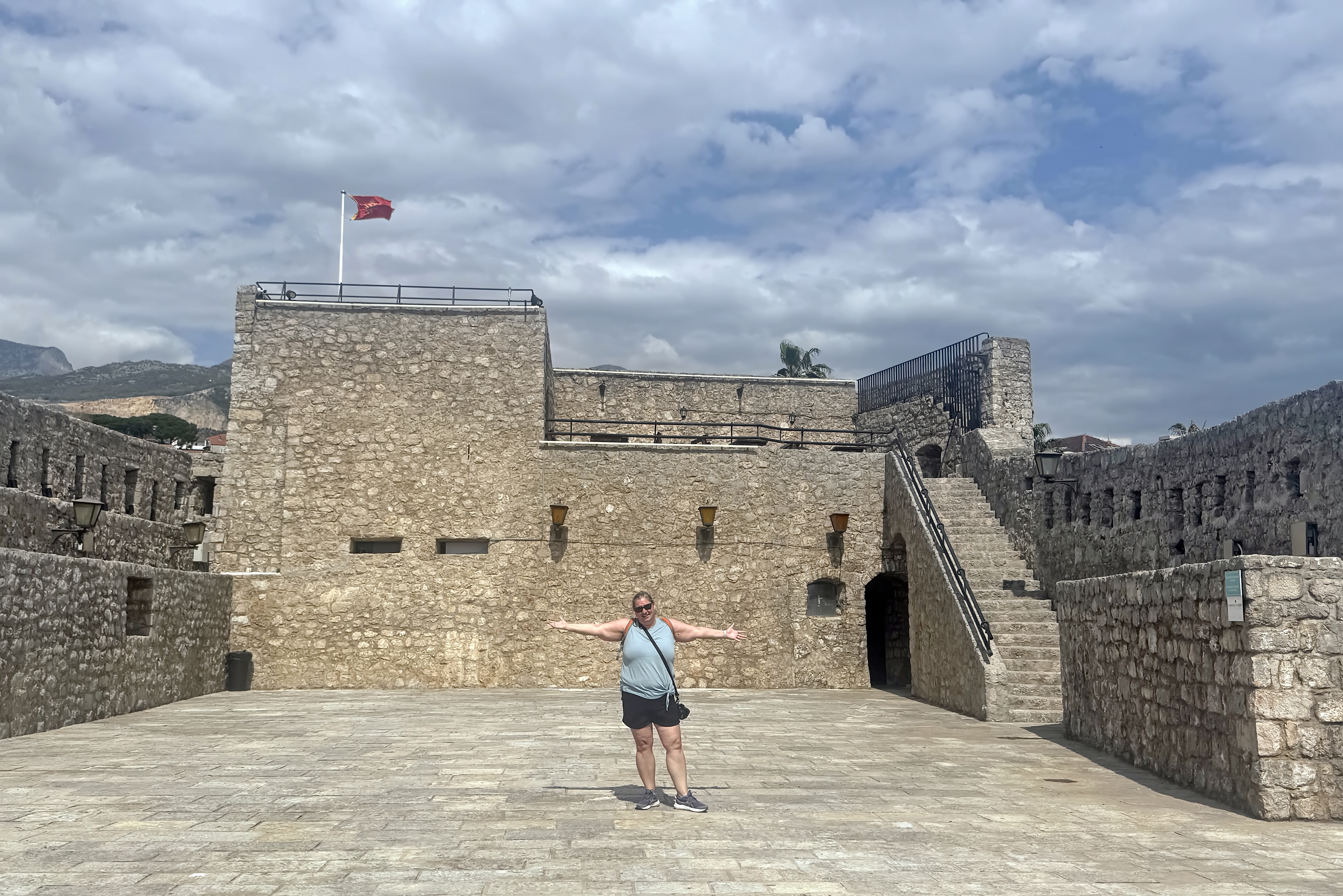
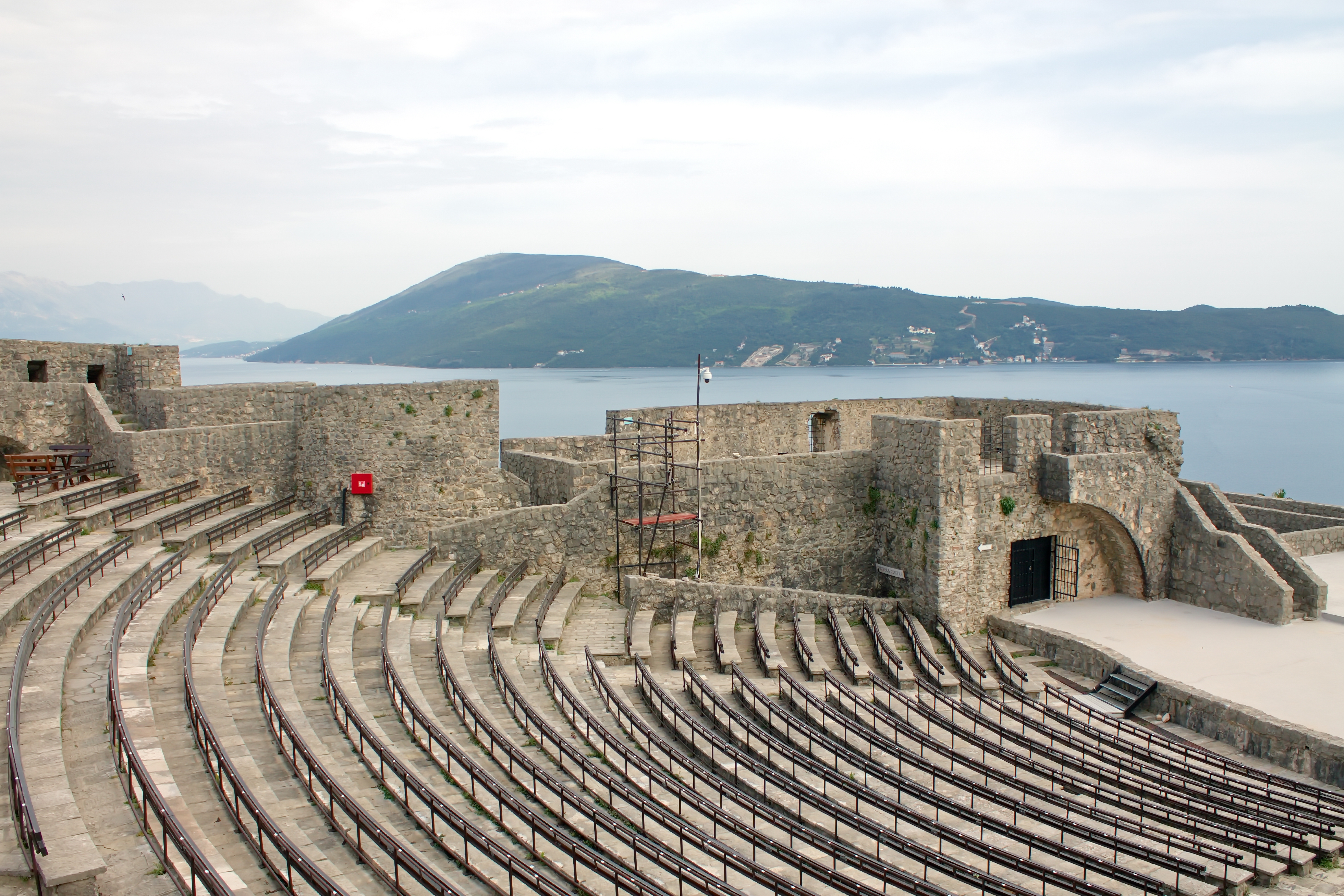
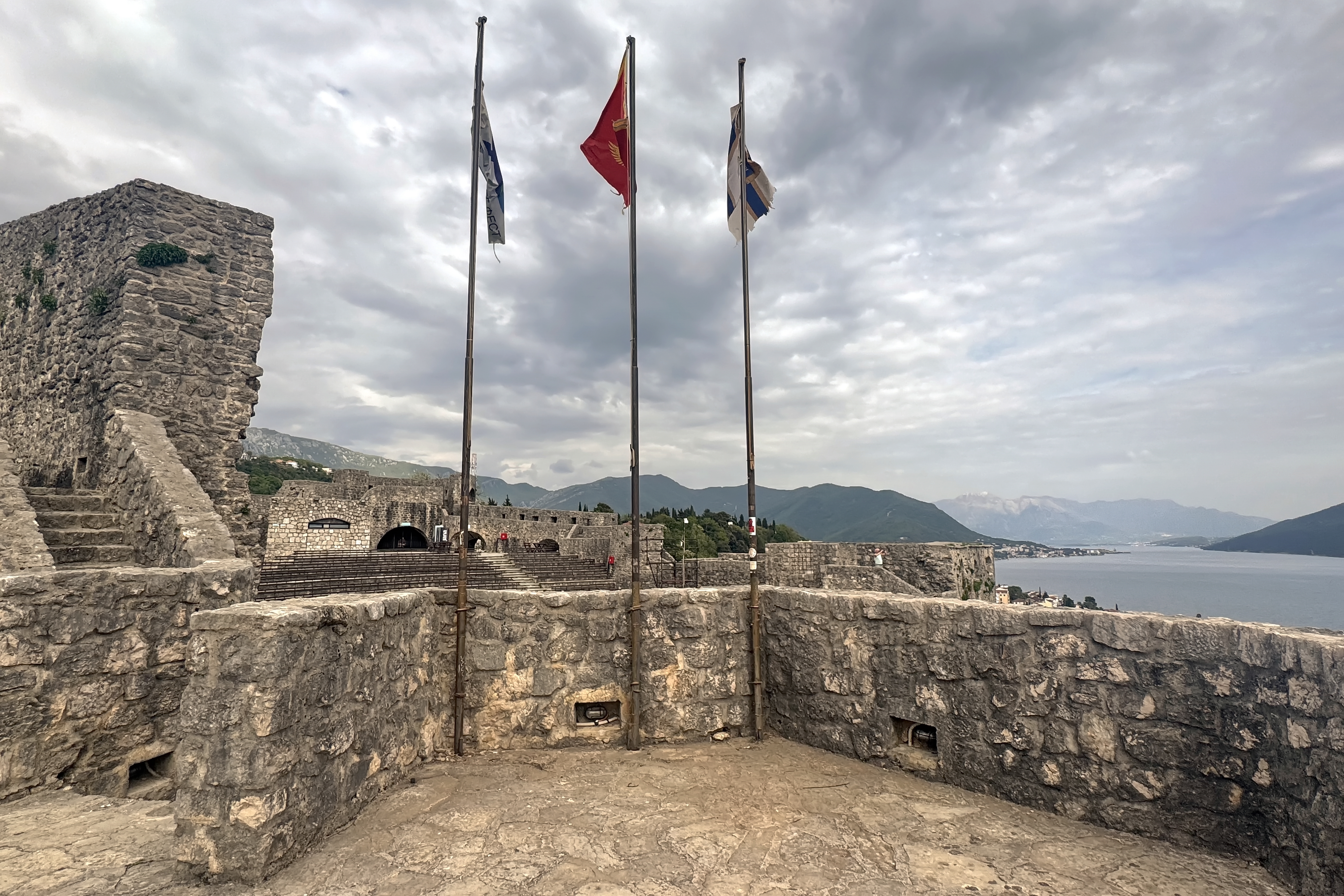
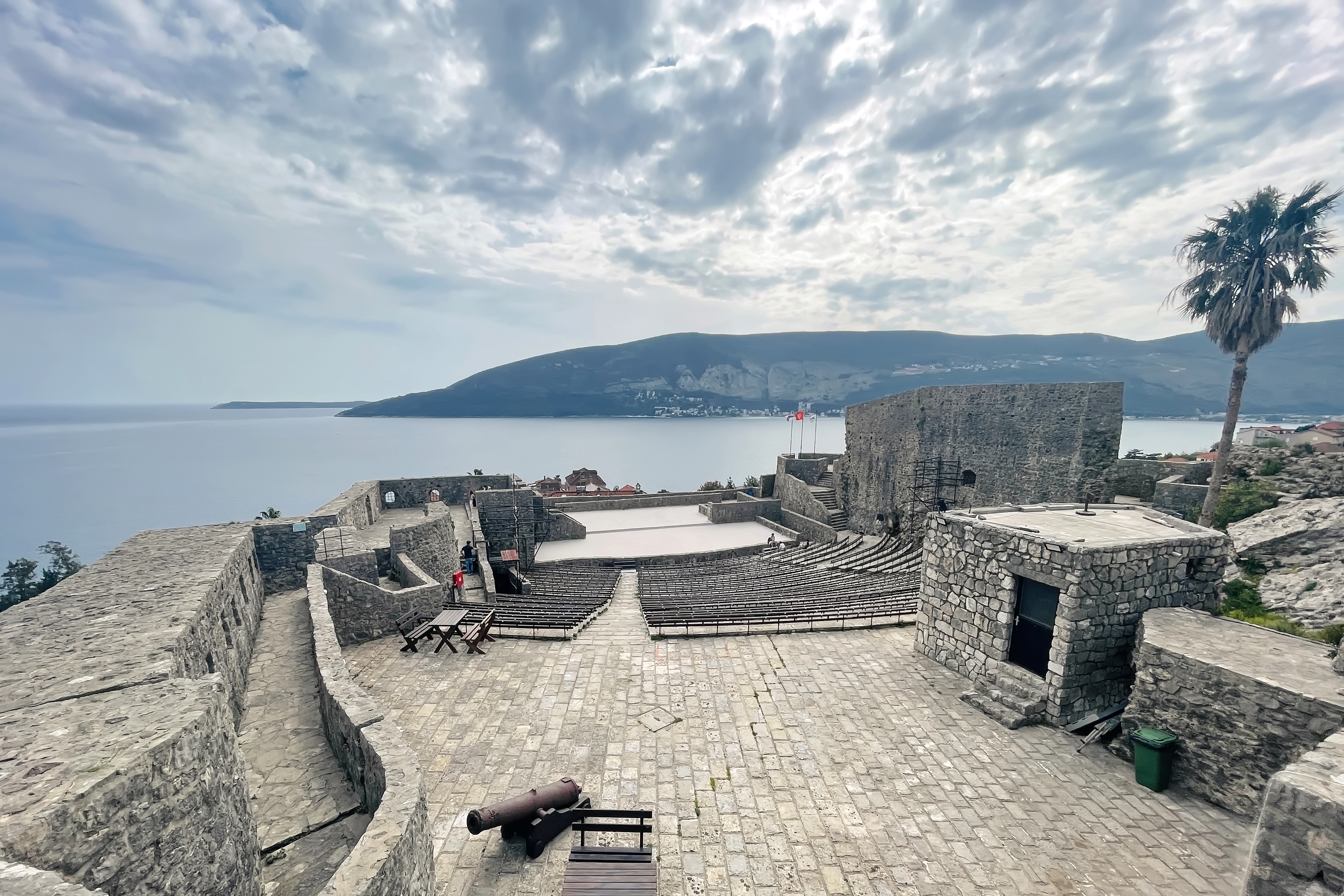
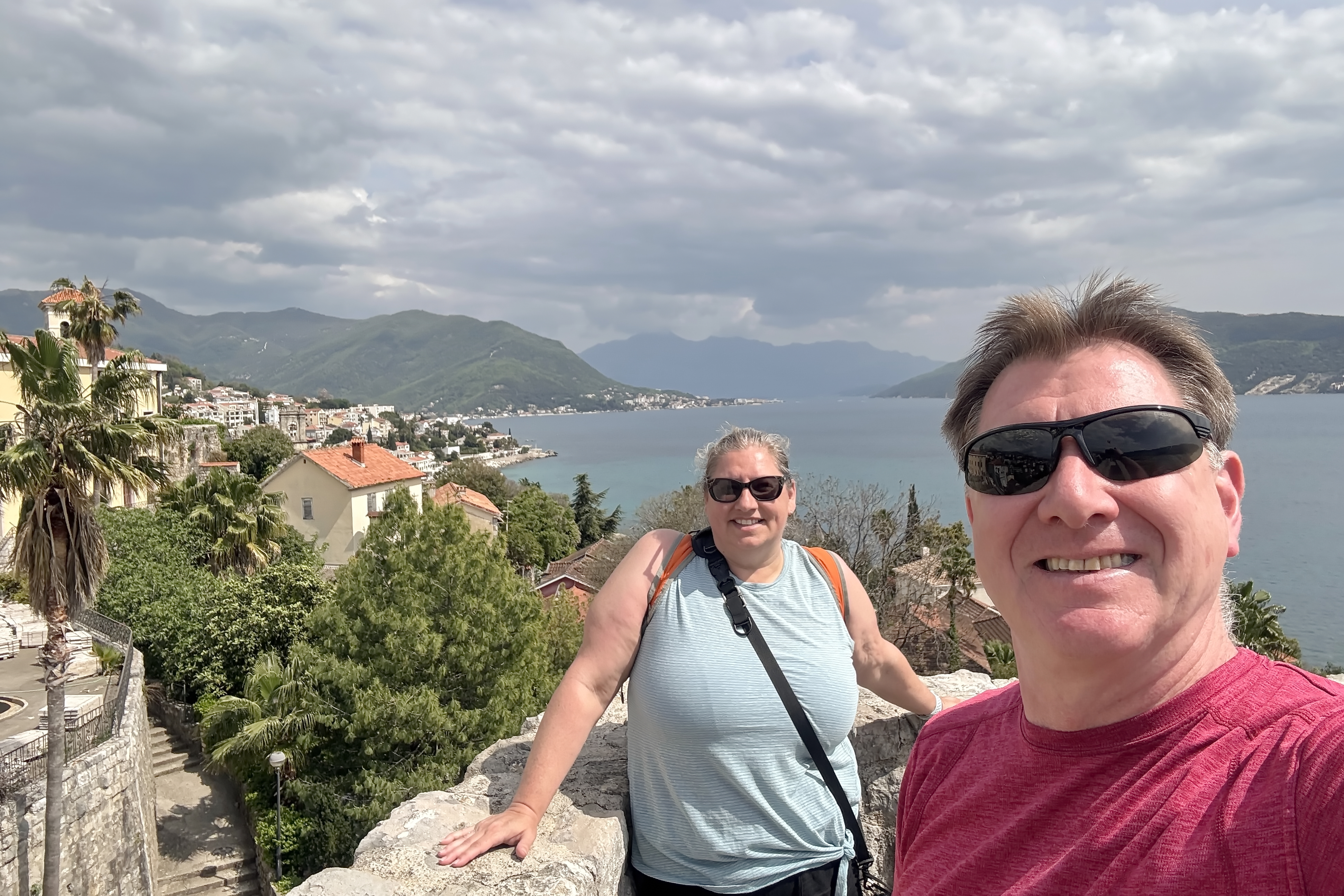
The old town of Herceg Novi rises steeply from the waterfront, tucked beside the chain of historic fortresses that watch over the bay. At its heart is Belavista Square, where the Church of St. Michael the Archangel overlooks cafés filled with locals lingering over coffee while visitors soak up the warm Mediterranean sun. Keith and I found ourselves slowing down here, wandering through narrow stone alleyways and winding passages that opened unexpectedly into quiet little squares shaded by palm trees. There was something about the atmosphere that felt effortlessly relaxed.
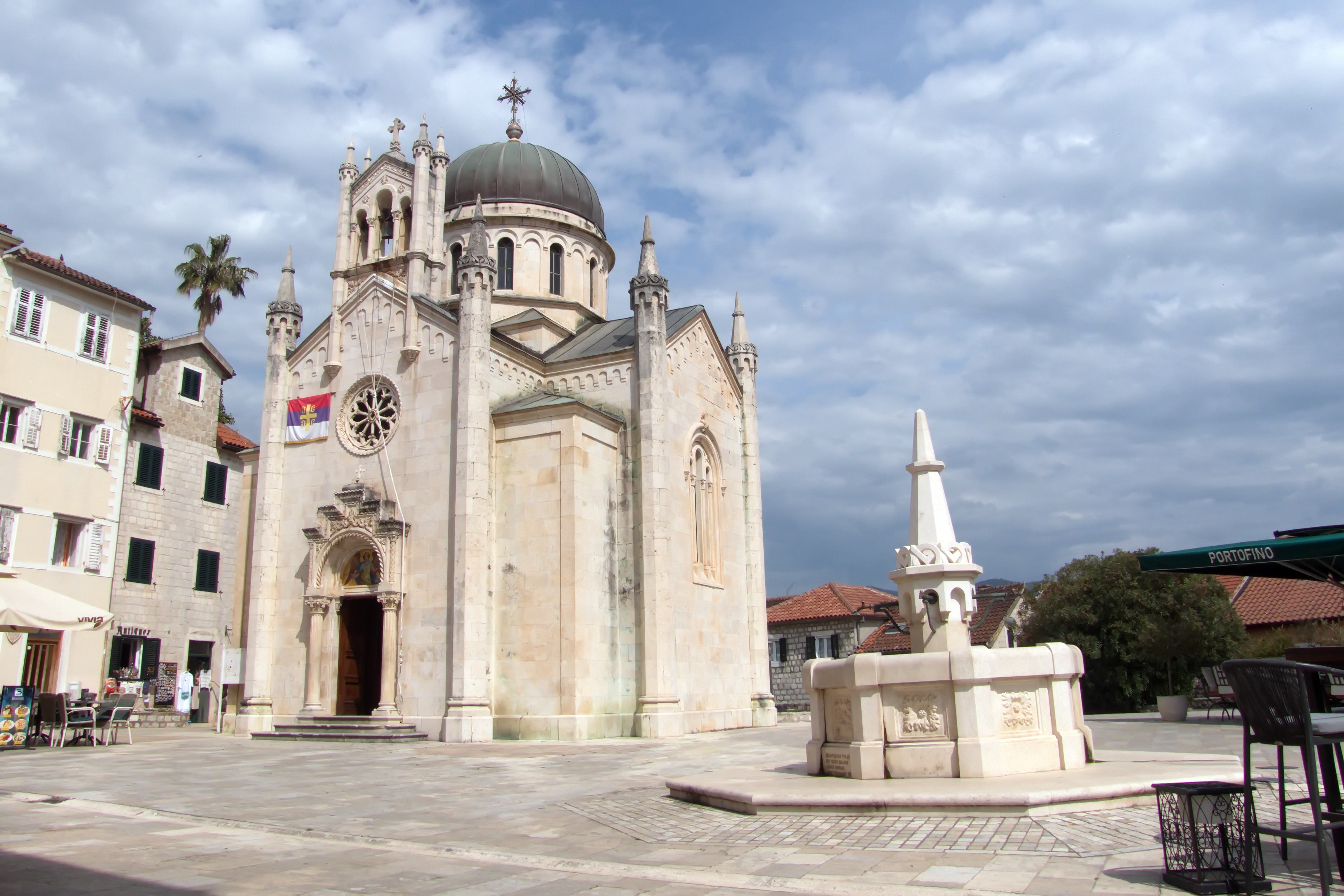
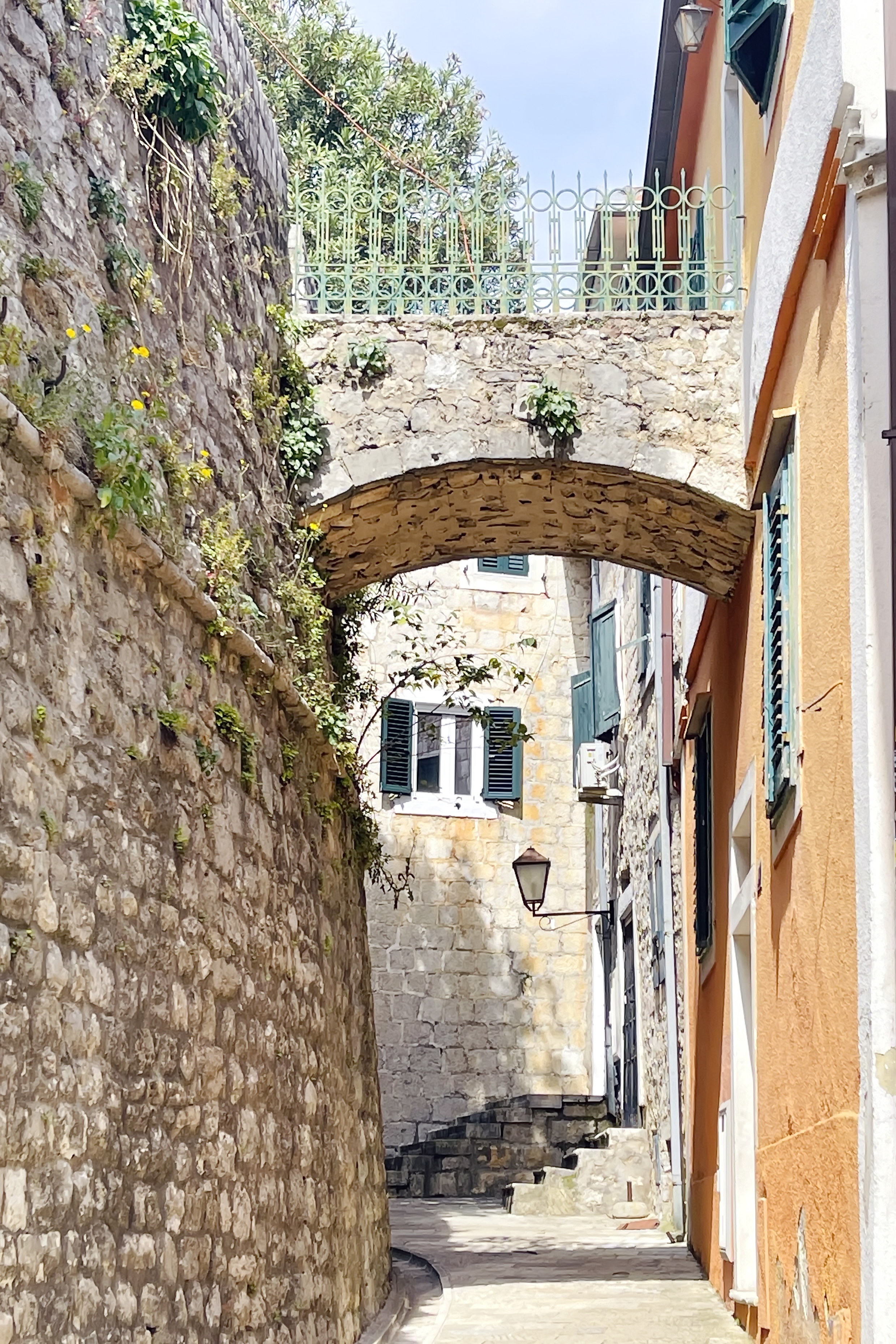
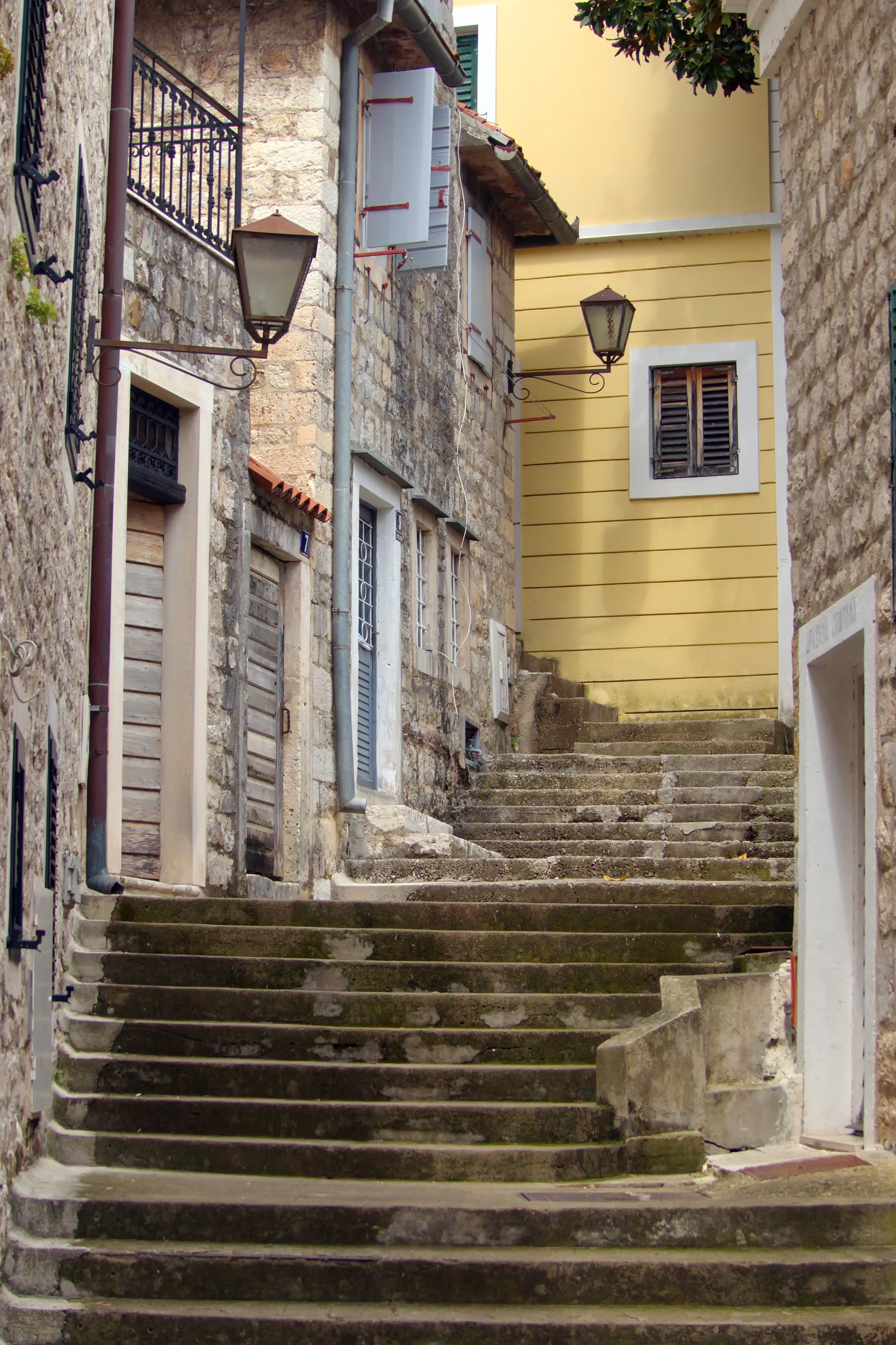
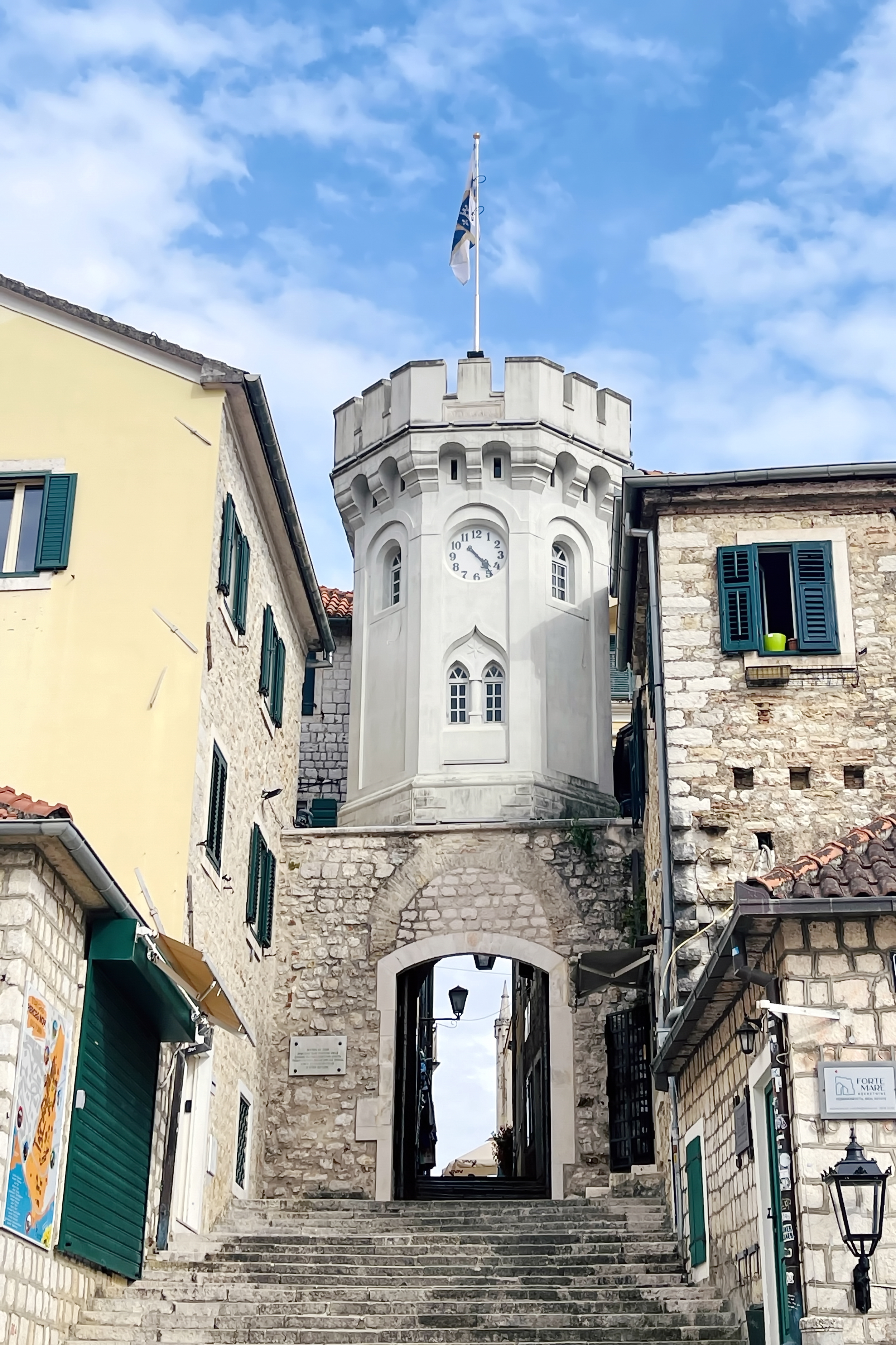
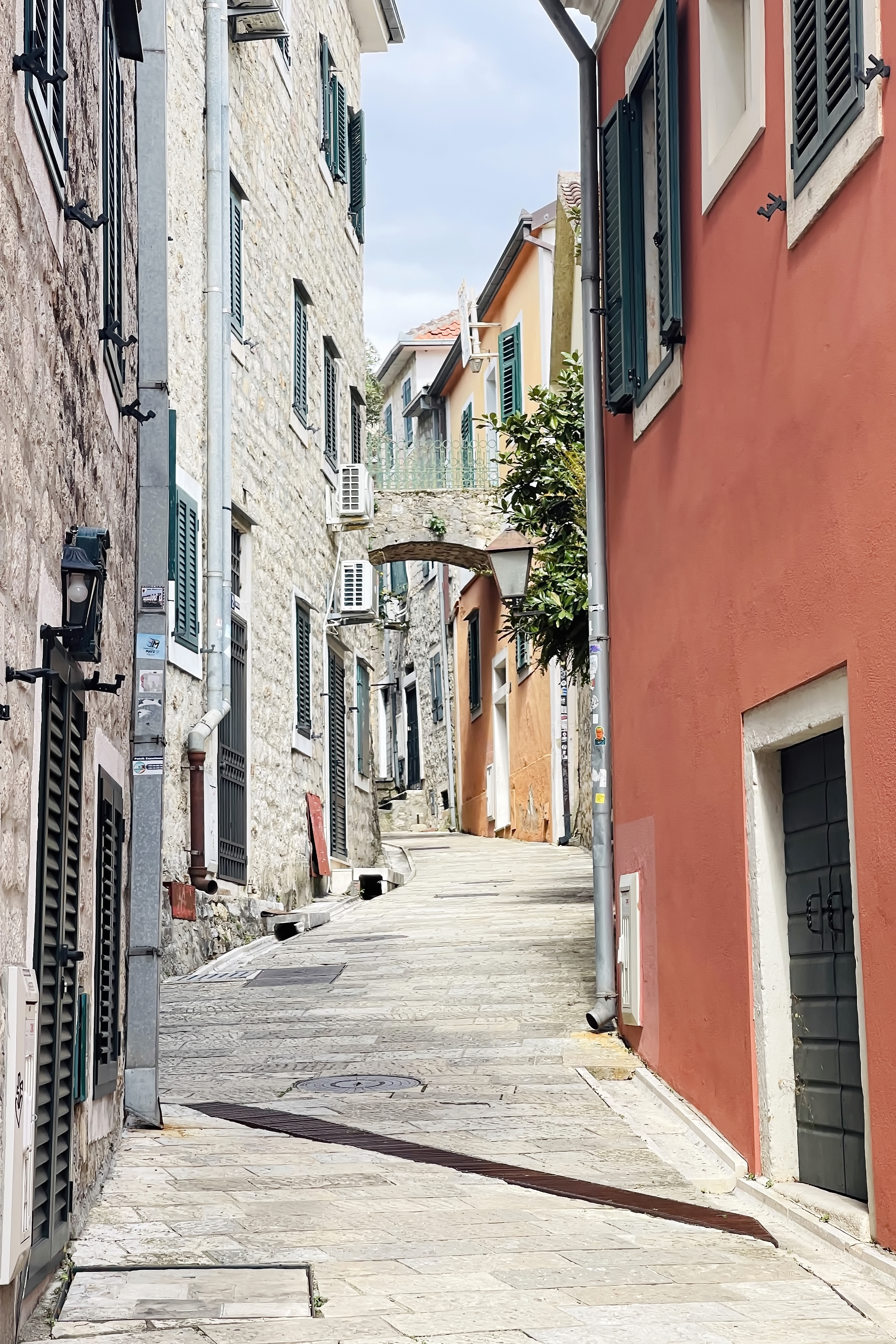
From there, we set out to explore the curves of the bay, not quite knowing what we’d find—but quickly realizing that in Montenegro, history isn’t something you visit. It’s something you move through. We hopped on the local bus and headed to the Savina Monastery. Perched on a quiet hillside just outside Herceg Novi, it became one of the most peaceful places we visited along the Bay of Kotor.
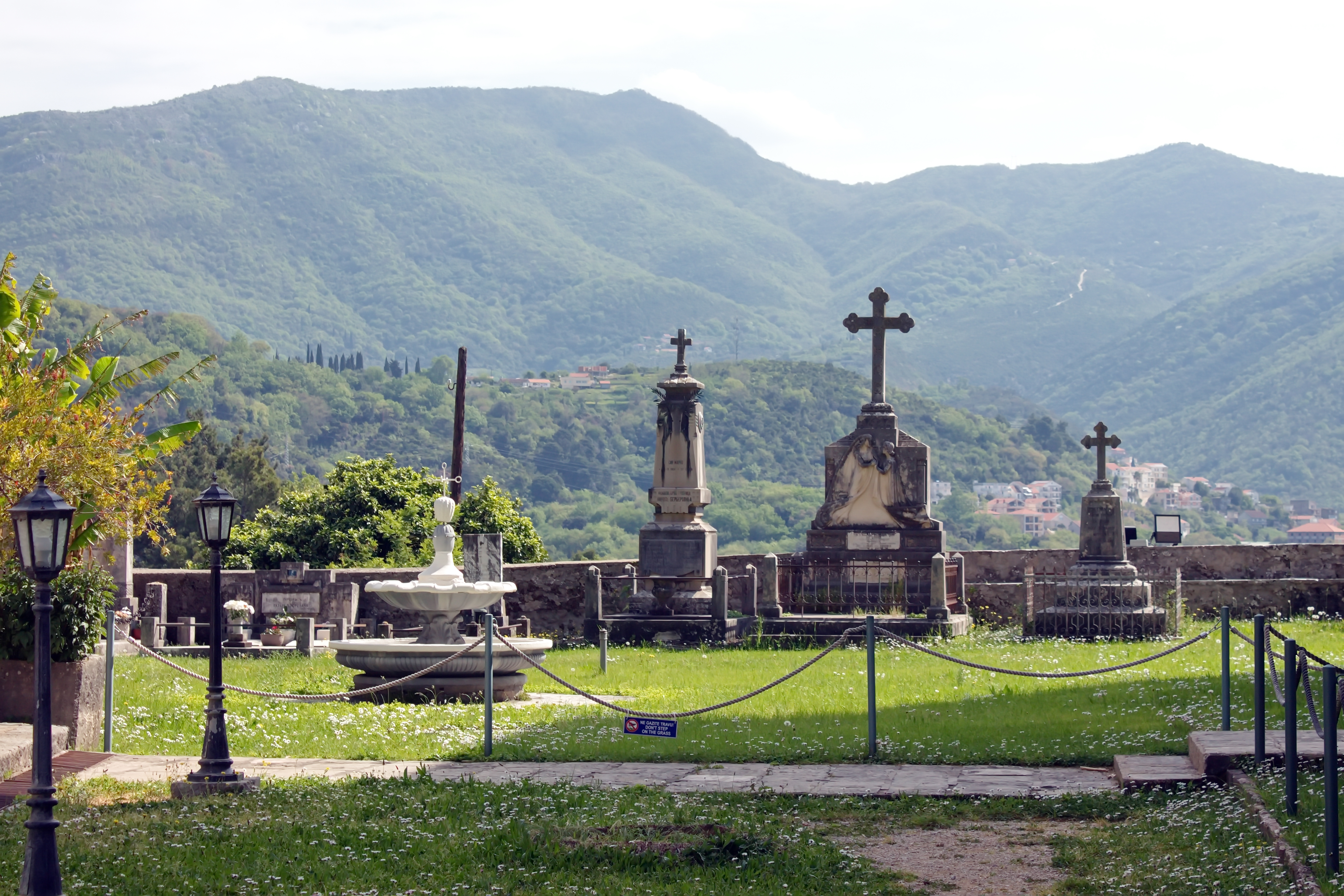
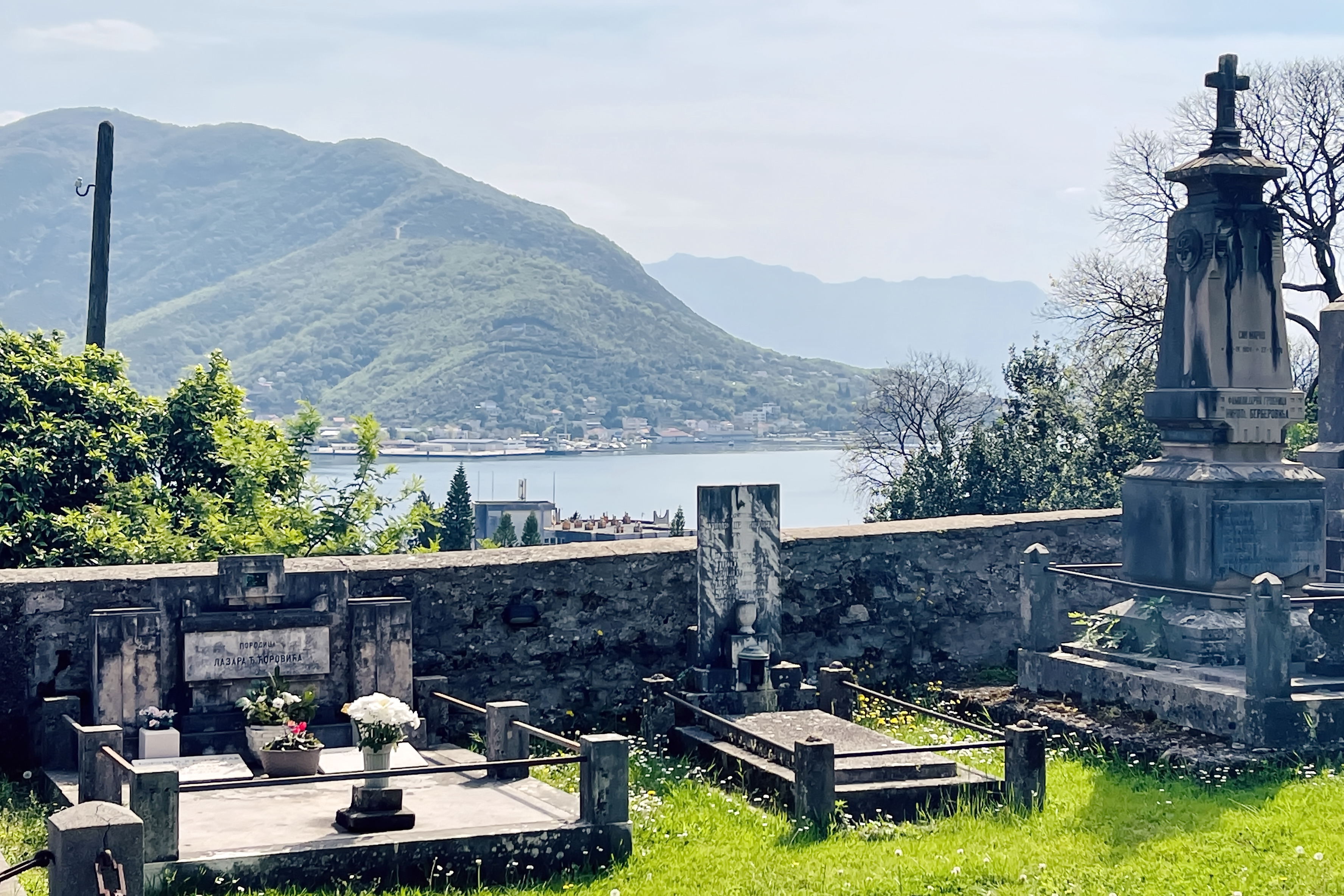
Surrounded by towering cypress trees and overlooking the shimmering waters of the bay, Savina Monastery felt completely untouched by time. Arriving early in the morning, we found ourselves to be the only visitors there, which made the experience feel even more intimate and memorable. The grounds were incredibly peaceful as we wandered slowly through the hillside cemetery beneath the trees, where weathered stone graves and old crosses reflected generations of families connected to this coastline. Like so much of Montenegro, Savina carries layers of history, blending Serbian Orthodox traditions with the distinct coastal character of the Adriatic. But more than anything, what stayed with us was the feeling of the place itself—the silence, the sweeping views, and the sense of being suspended somewhere between the mountains, the sea, and centuries of history.
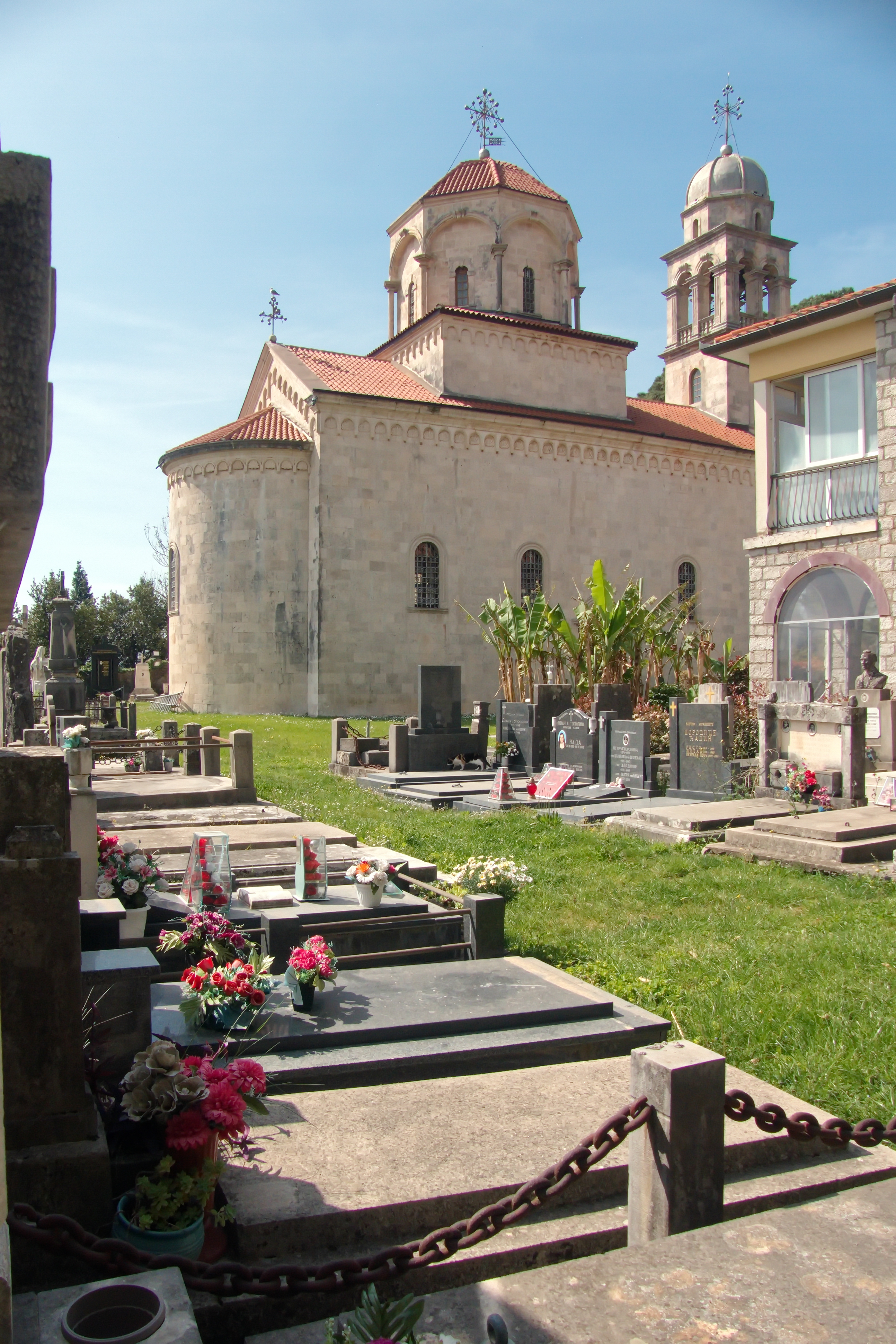
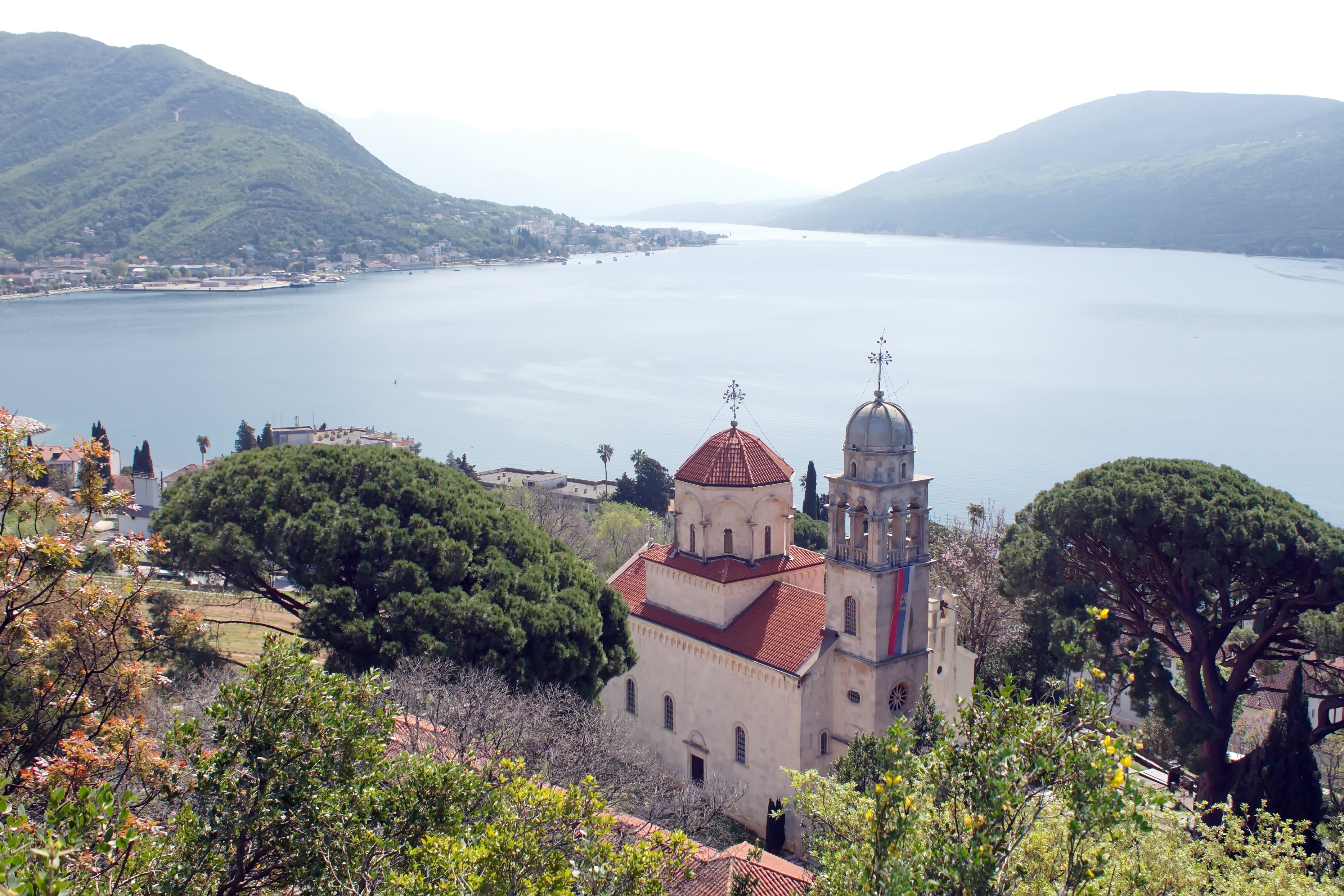
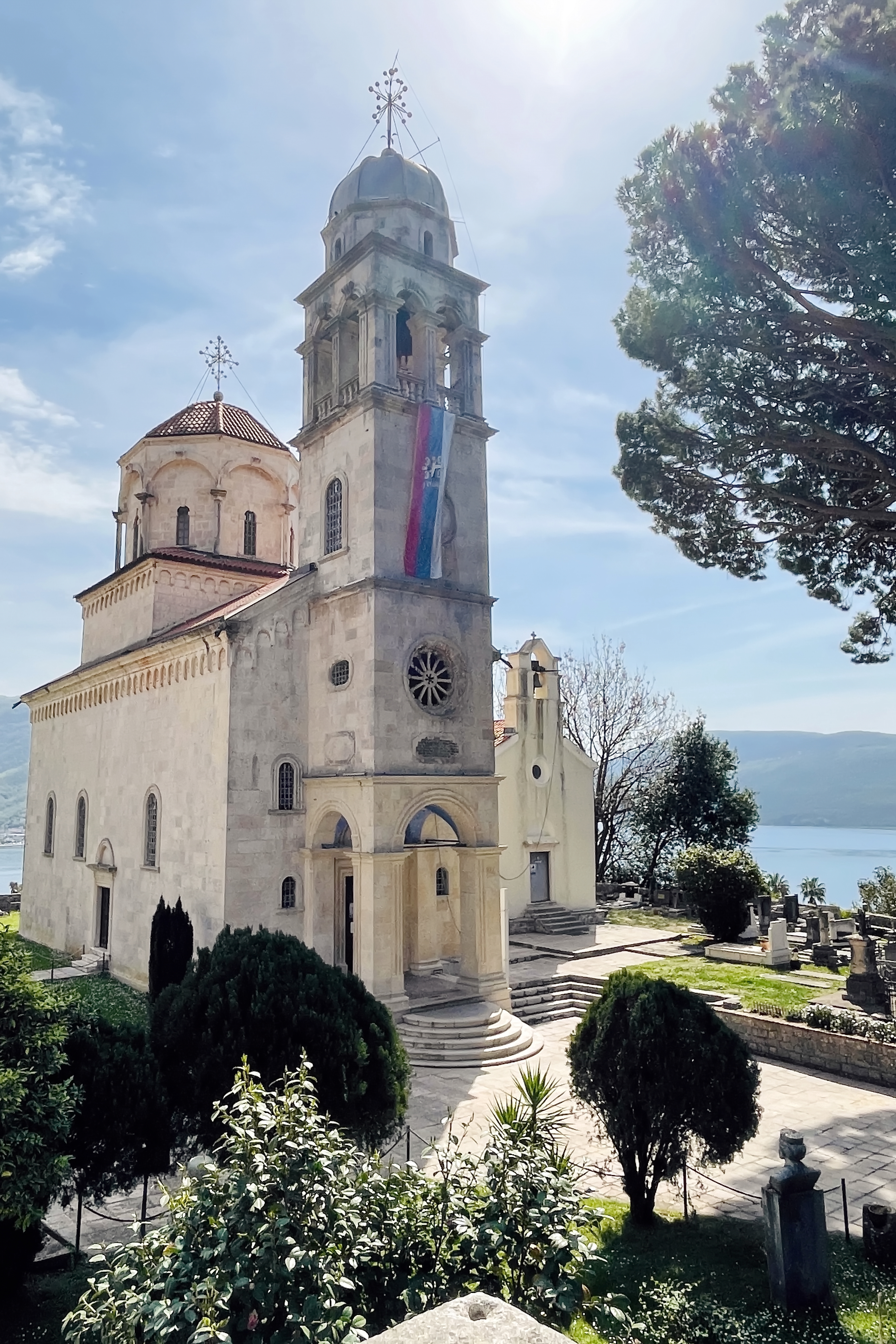
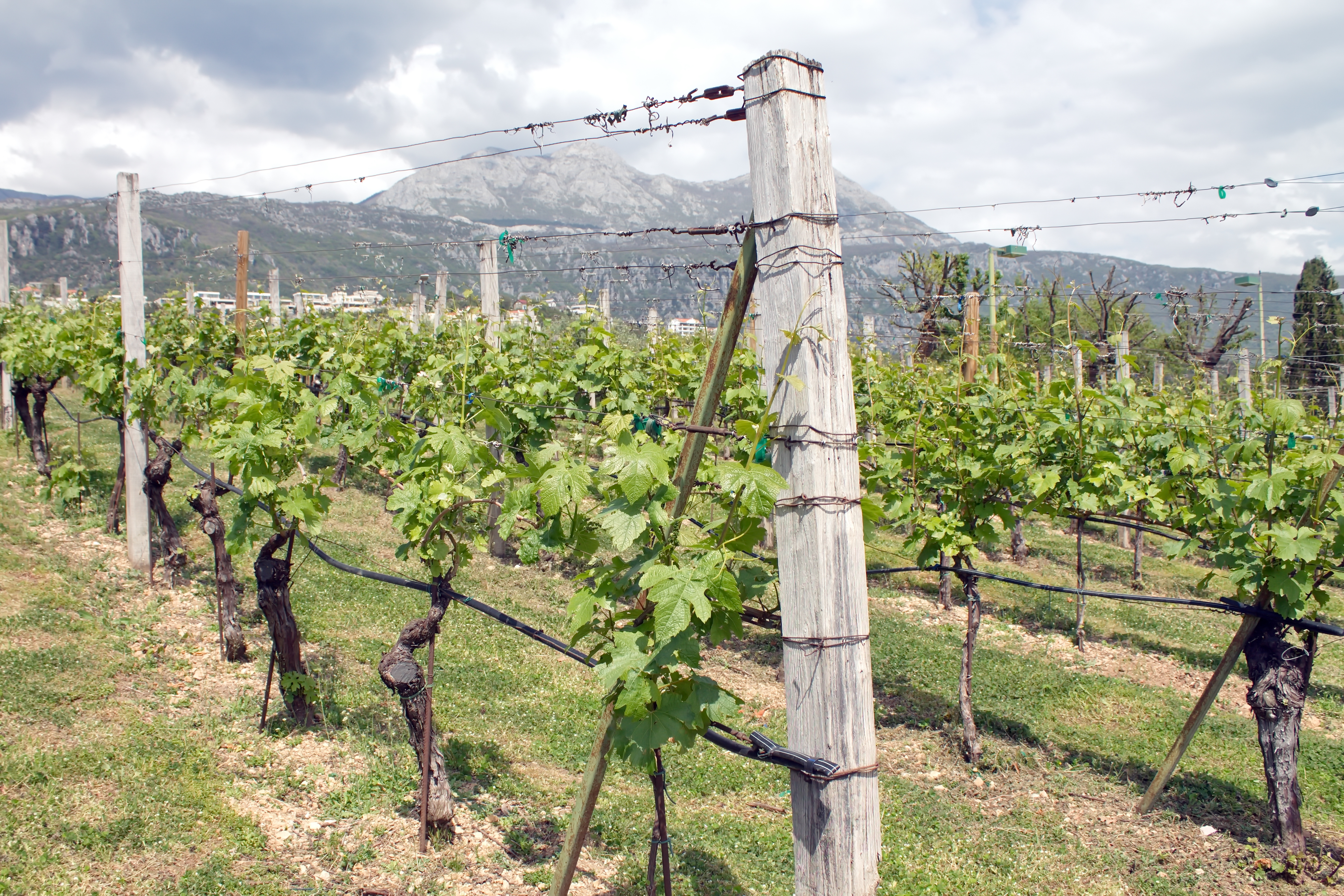
After leaving the monastery, we decided to walk back toward our hotel, exploring as we went and discovering places we hadn’t planned to see. Not far from the monastery, we came across Savina Winery, where centuries of tradition meet a newer generation of Montenegrin winemaking. Terraced into the hillside above the bay, the winery overlooks the water, with rows of vines framed by mountains and sea.
Montenegro may not be internationally known for wine in the same way as some of its neighbours, but winemaking here stretches back thousands of years, shaped by the Mediterranean climate and rugged landscape. Reaching the winery definitely encouraged us to slow down, mostly because the walk to the top of the hill was steep. Still, the reward at the top was worth every step.
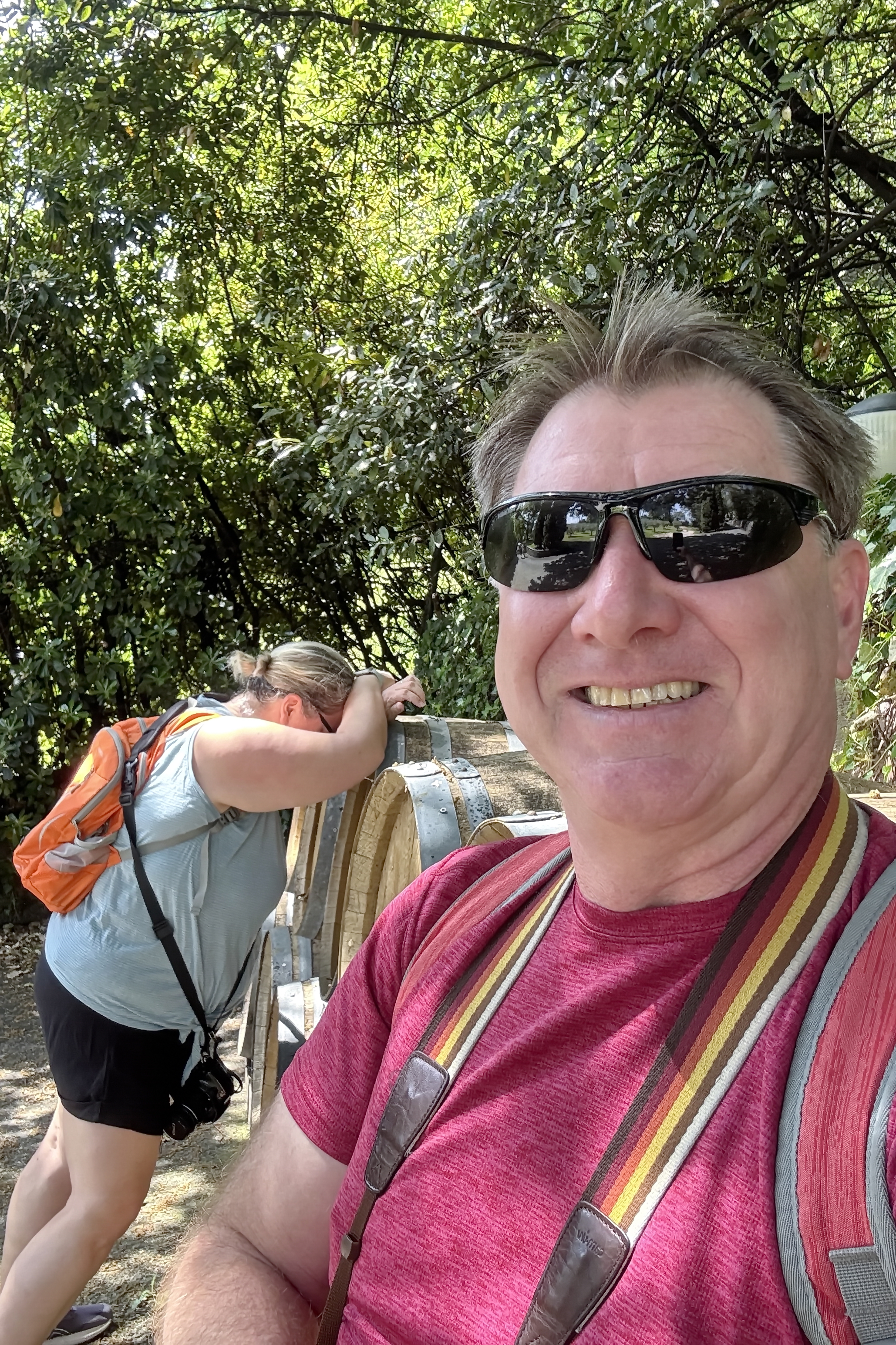
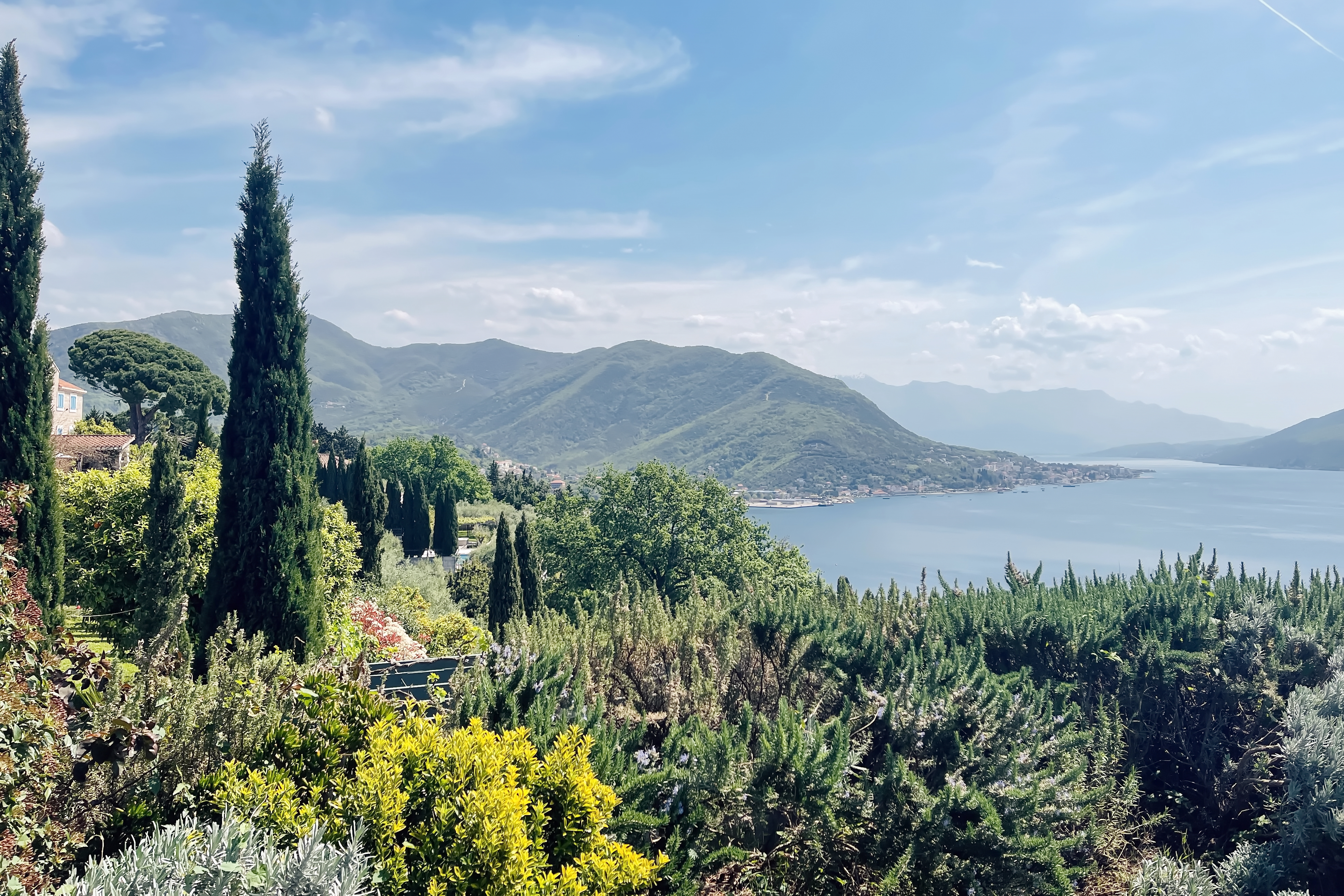
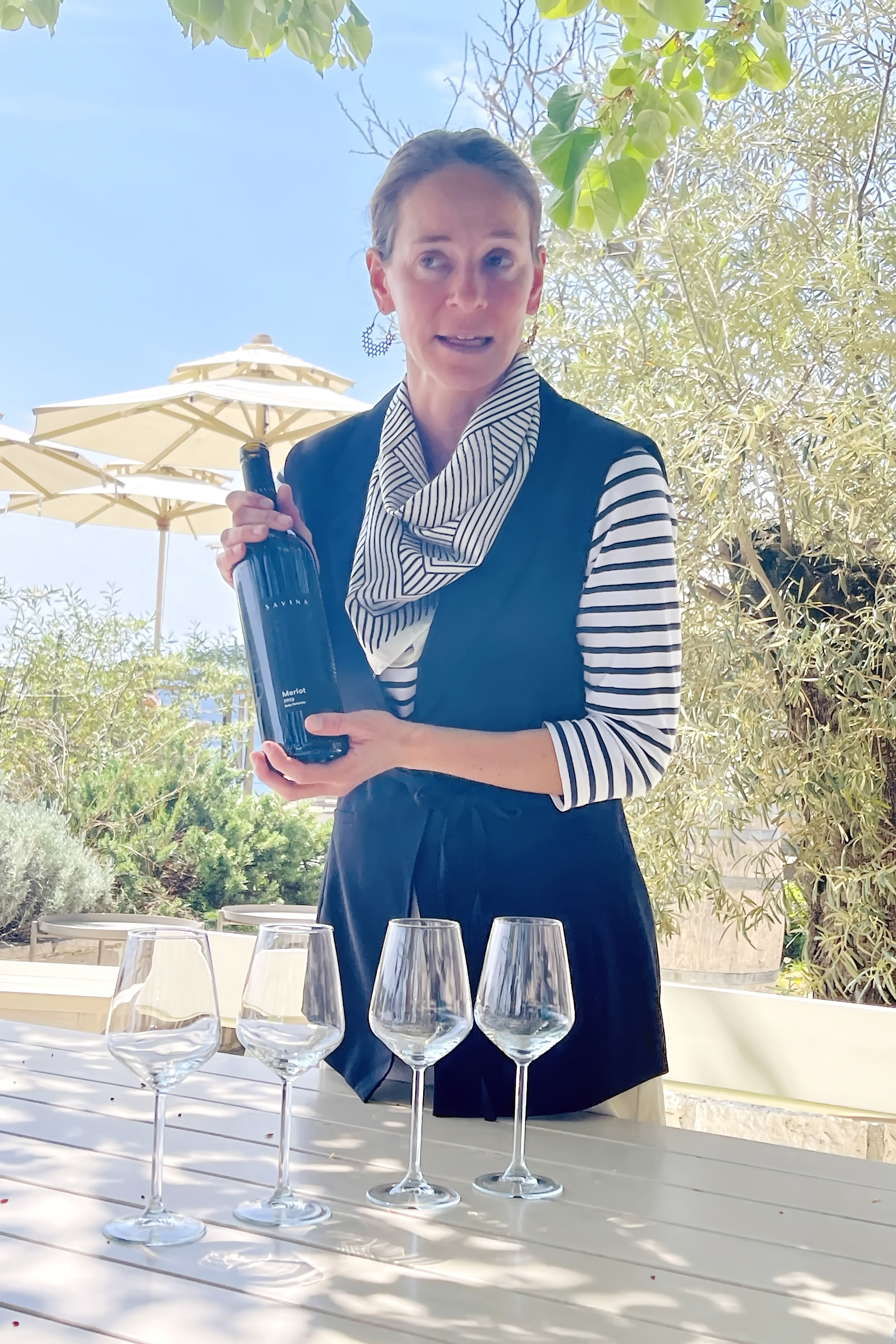
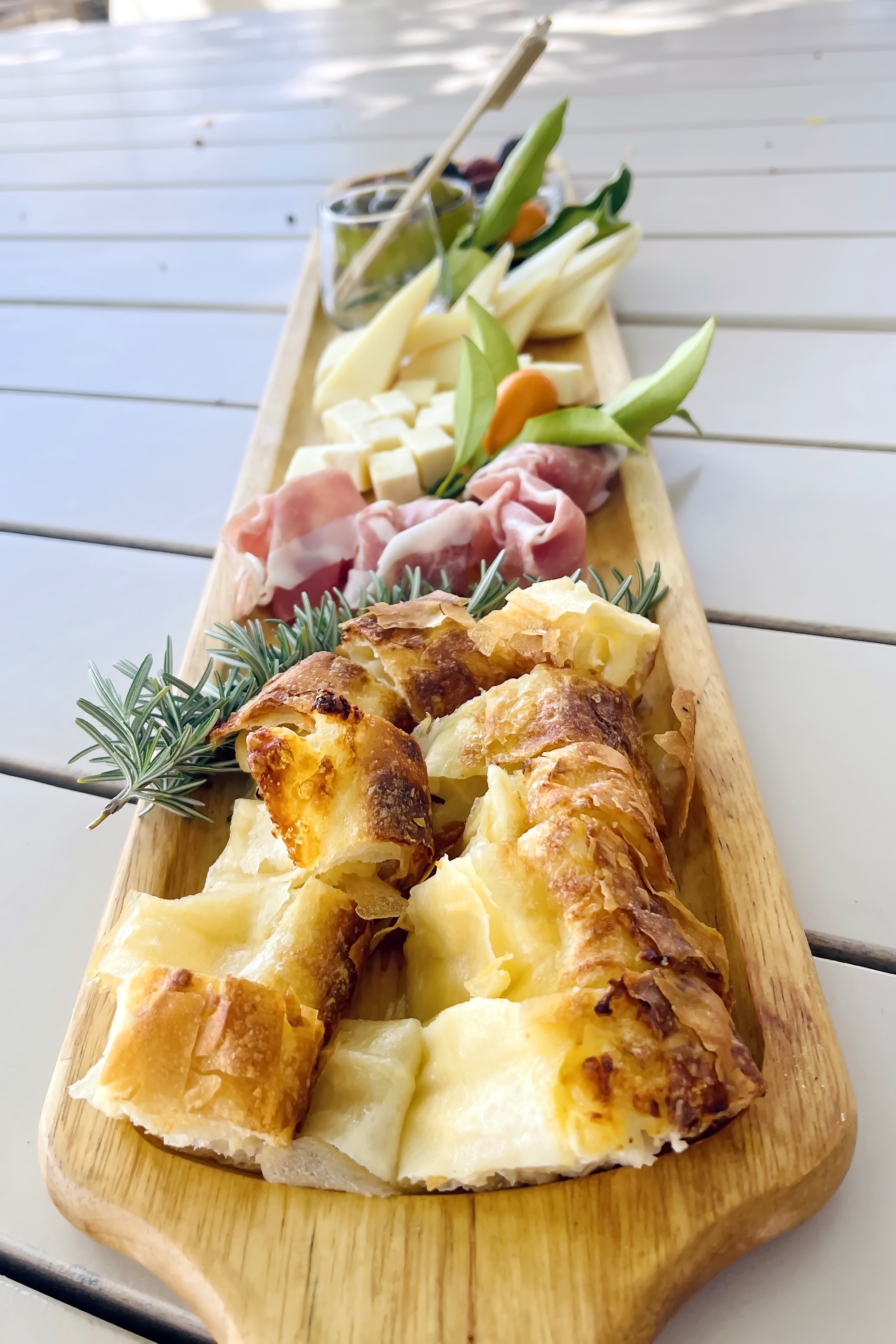
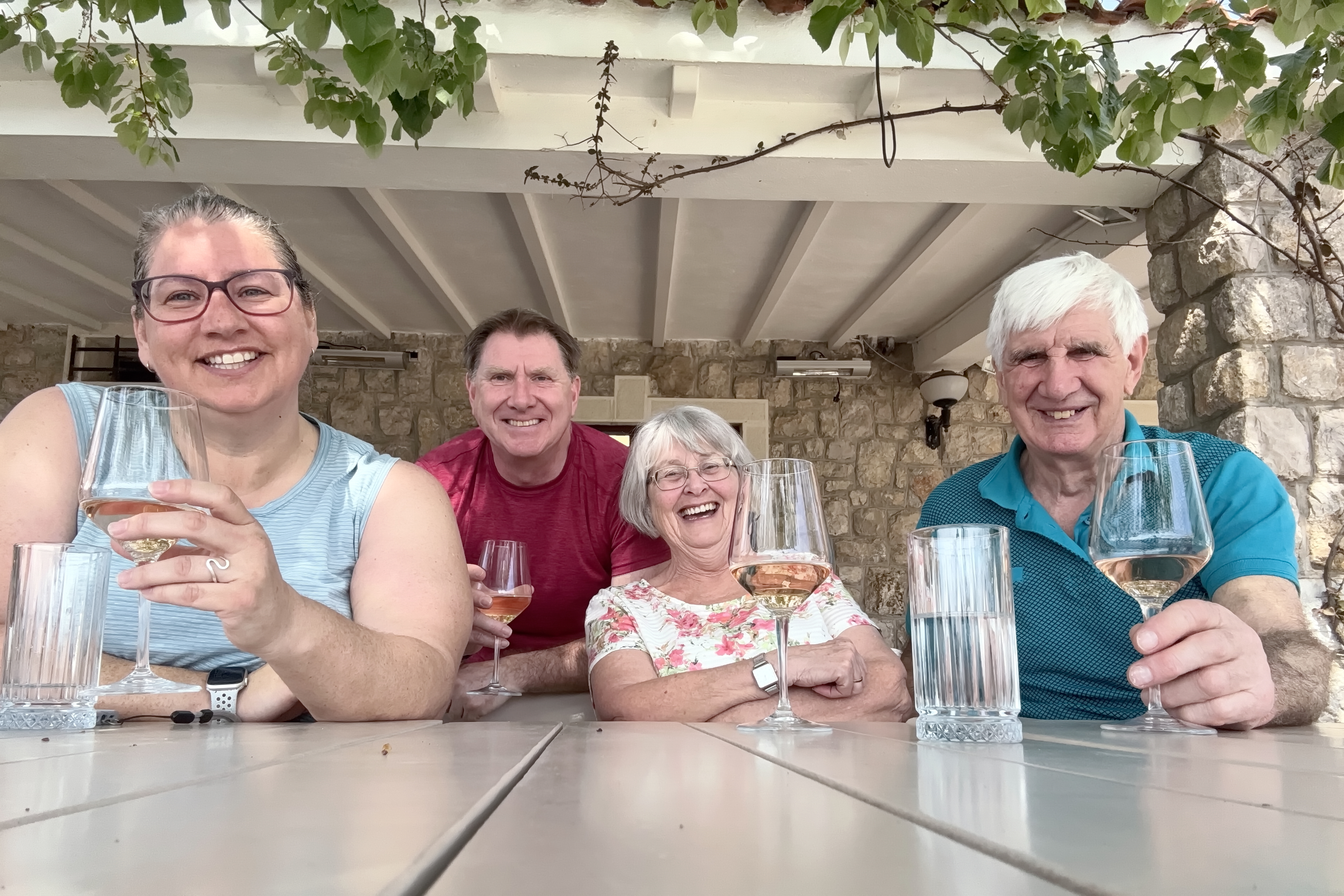
What stood out most was how the setting seemed to make everything taste better. Sitting high above the bay, we sampled three of the wines produced at the winery. This wasn’t a typical tasting either. Each pour was a full glass, paired with local fare sourced from nearby farms surrounding the vineyard. The experience felt unforgettable. Sitting beneath an ancient olive tree, surrounded by stone terraces and grapevines while looking out over the Bay of Kotor, we felt ourselves settling into the slower rhythm we kept discovering throughout Montenegro.
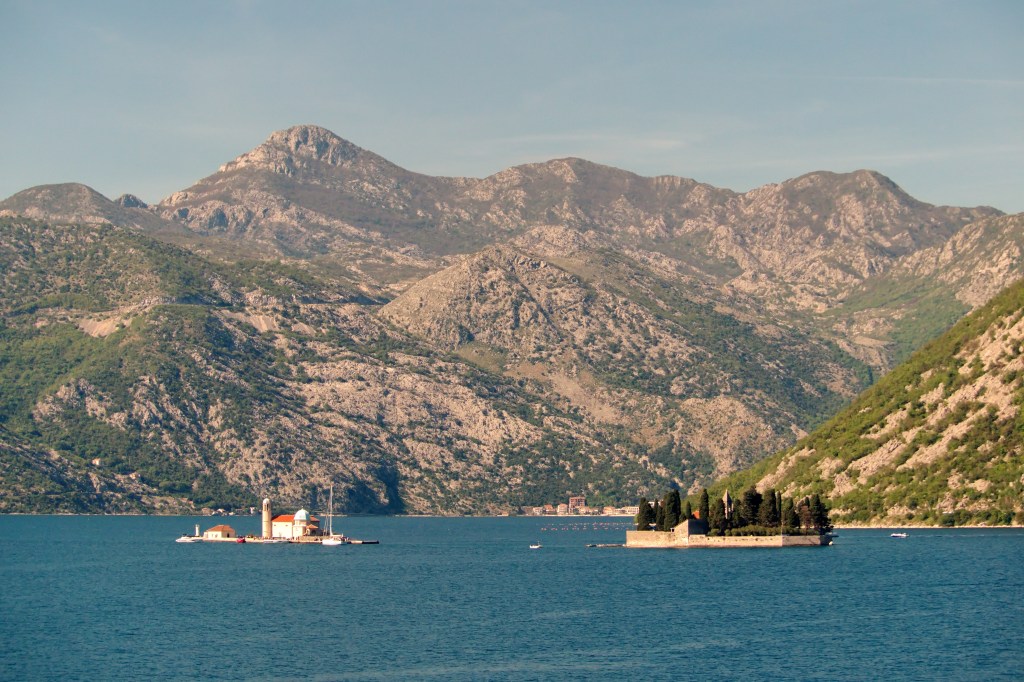
The next day, we hopped on another local bus and made our way to the far end of the bay to explore the old town of Kotor. The ride took just over an hour, winding slowly along the fjord-like inlet and passing through a string of small communities tucked between the mountains and the water. Around nearly every corner, the scenery seemed to become even more dramatic—stone villages clinging to the shoreline, tiny docks lined with boats, and steep mountains rising almost straight out of the bay. We found ourselves constantly looking out the window, trying to take it all in.
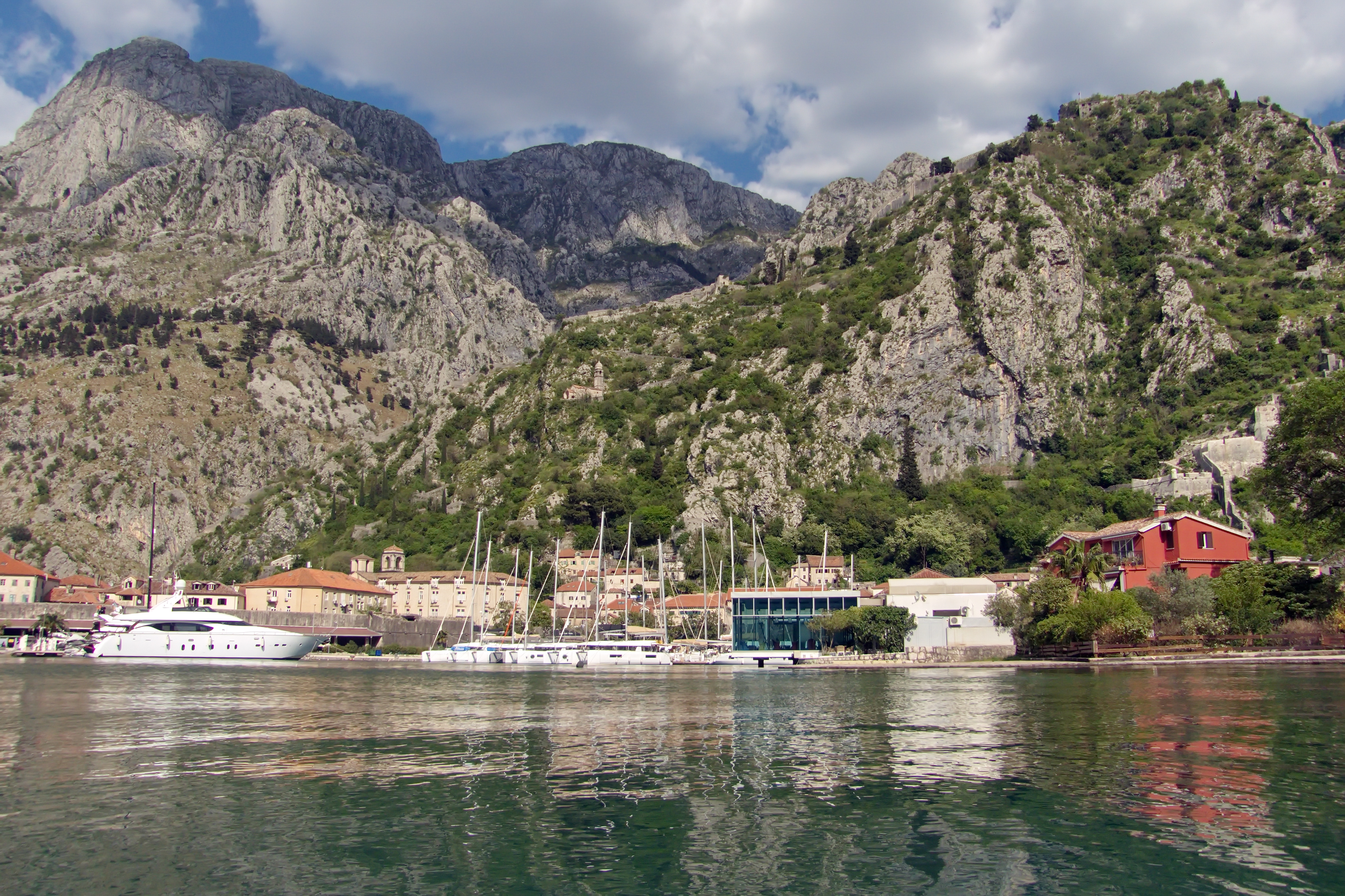
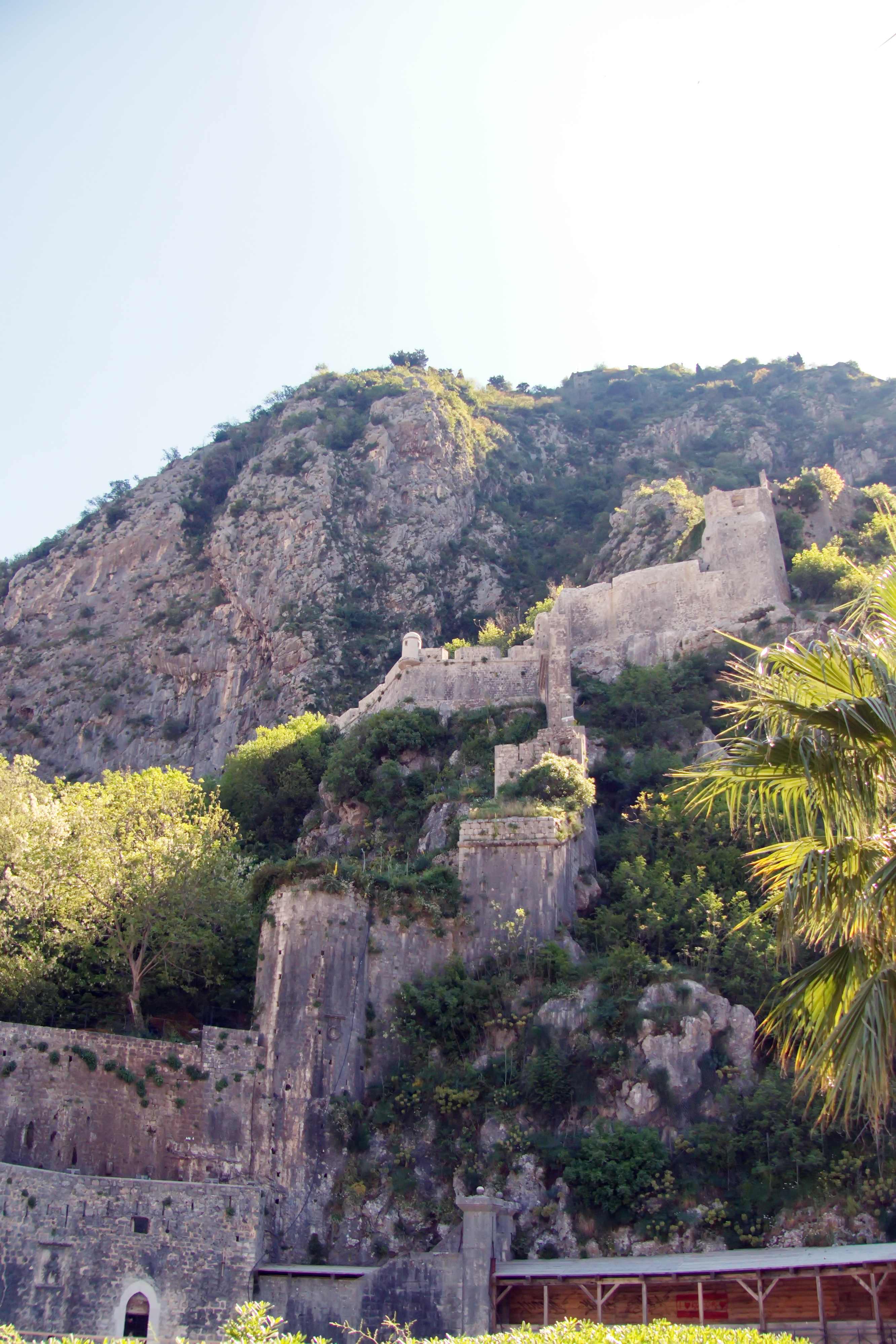
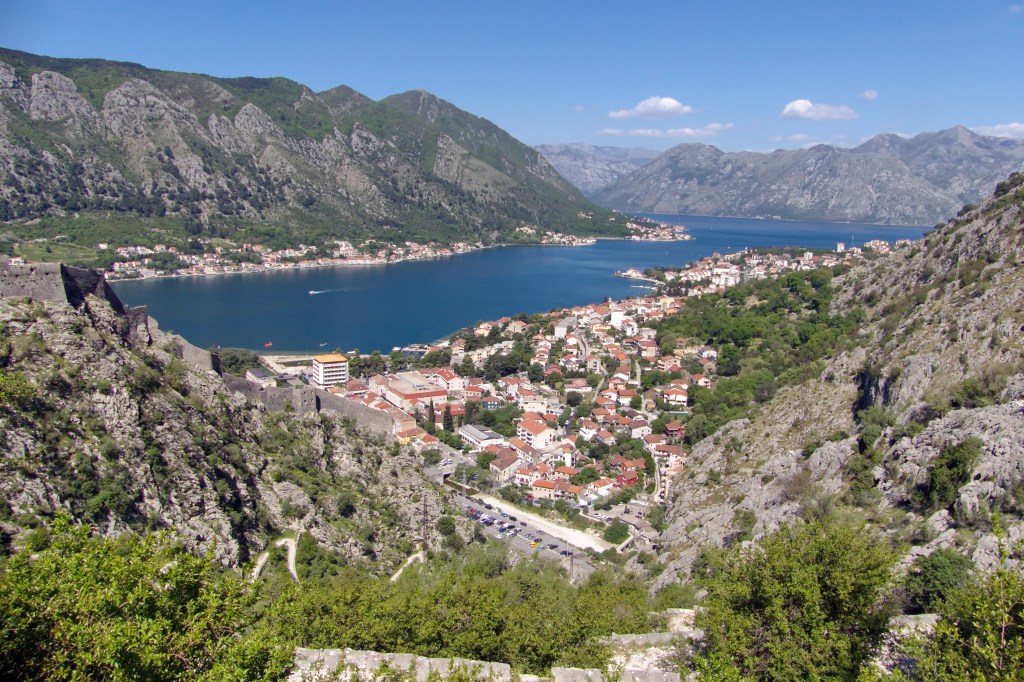
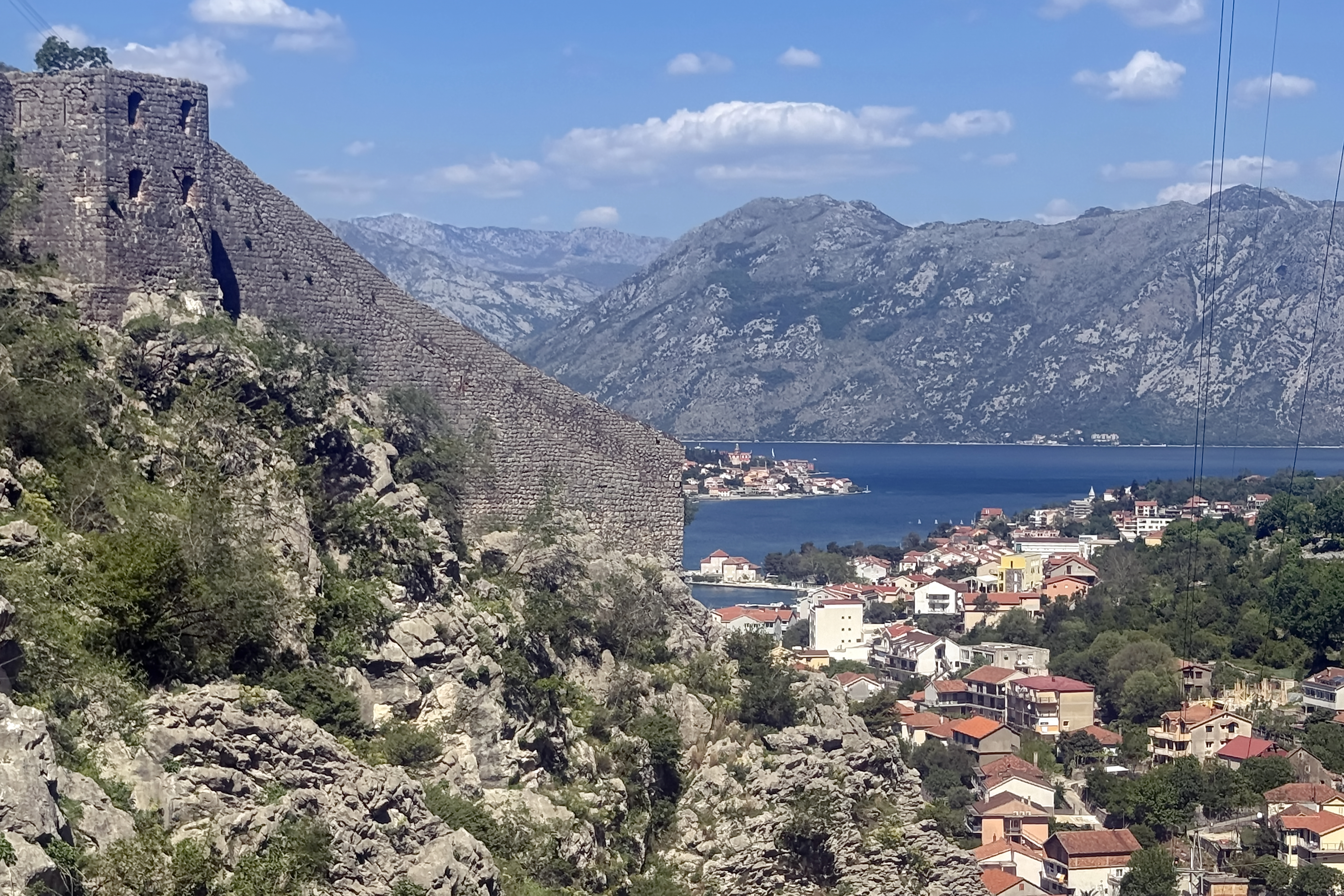
Once we arrived in Kotor, its sheltered and highly defensive location immediately stood out. Massive stone walls and ancient fortifications climbed the steep mountainsides behind the old town, forming an imposing ring around the city. The ramparts stretched all the way down to the modern marina, enclosing the medieval heart of Kotor beneath towering cliffs. Even at first glance, the setting felt spectacular — calm, sparkling water resting beneath dramatic gray mountains that rose sharply from the bay.
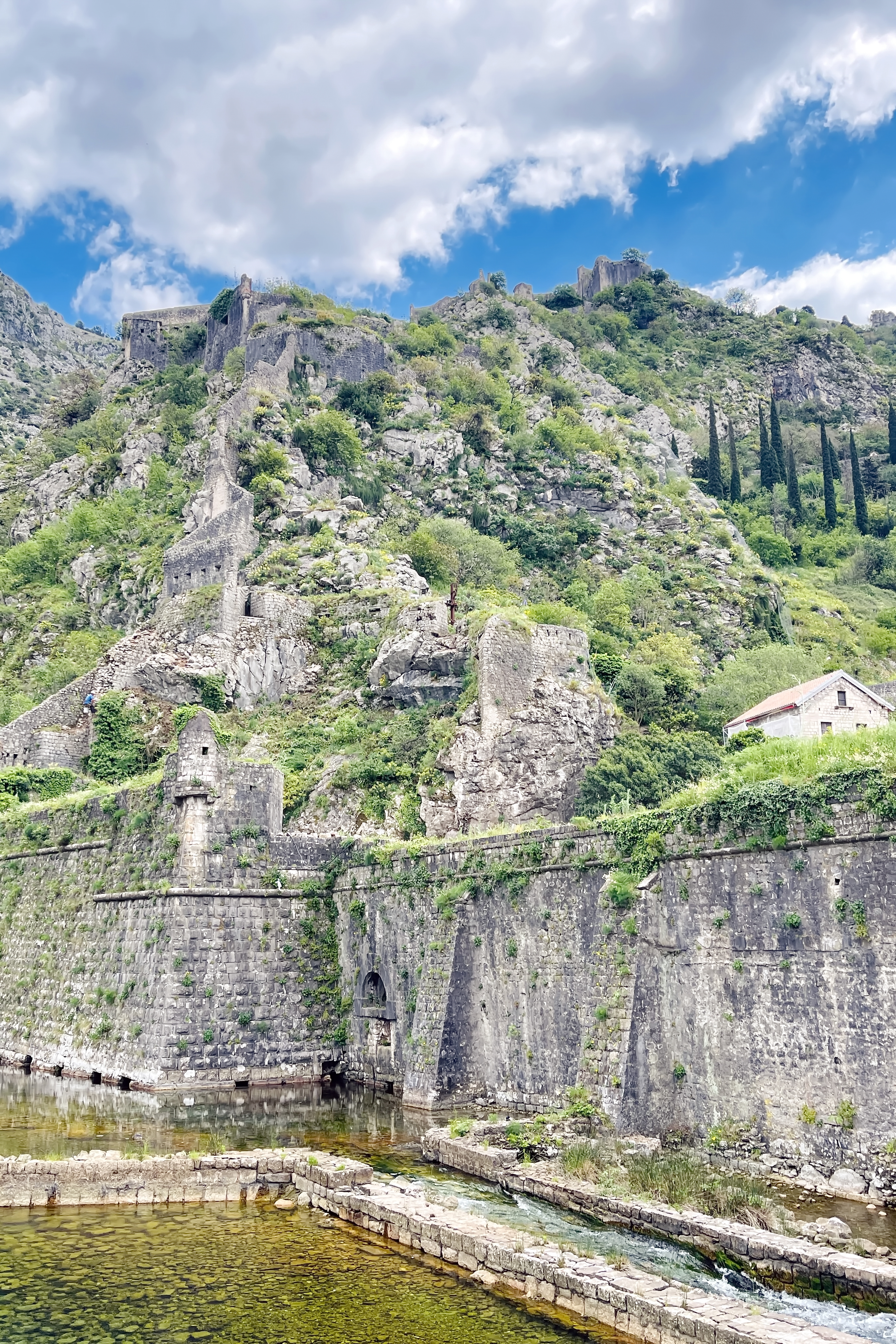
We had signed up for a “free” walking tour, though it’s really a pay-what-you-feel experience with tips going directly to the guide. We had about an hour before the tour started to explore on our own and decided to split up. While I explored centuries of history at ground level through the narrow streets tucked inside the old city walls. Keith was experiencing Kotor from high above.
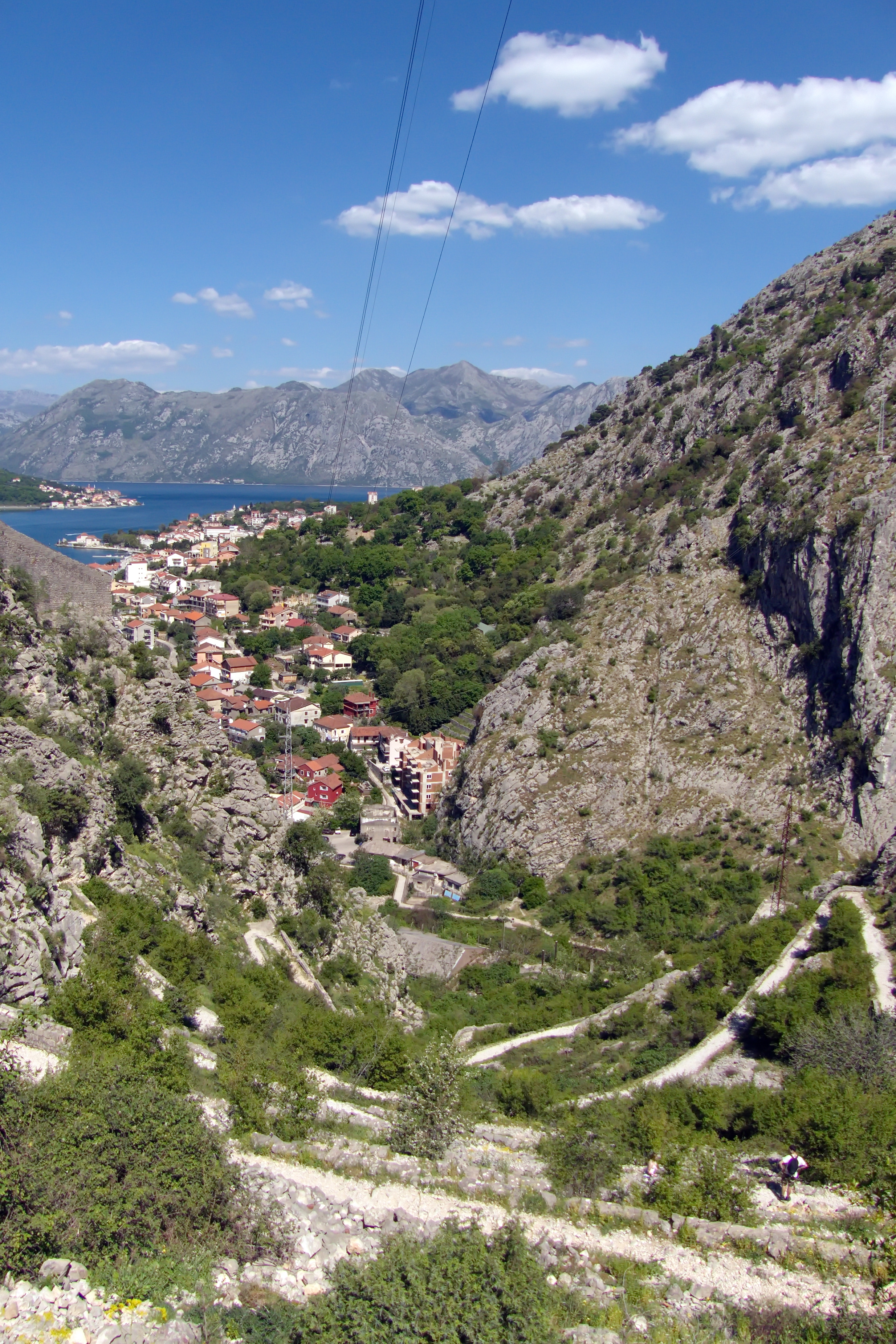
He headed off to tackle the famous Ladder of Kotor, far from a casual walk. It’s a steep, winding climb up the mountainside along an old series of switchbacks that seem to continue endlessly upward. With every tight turn, the view opened wider and the panorama stretched further. Below, Kotor’s terracotta rooftops cluster tightly inside the fortified walls, while beyond them the bay stretched out in layers of blue, surrounded by dramatic limestone mountains. Although it was a lung-bursting trek, the panoramic vista was totally worth the effort.
By the time we regrouped, we were ready to experience the city through a different lens. Our walking tour, led by Helen, added an entirely new layer to our visit. She had a way of turning stone buildings and winding streets into stories, bringing centuries of history into focus with every stop.
One of the most fascinating stories involved the early Catholic presence in Kotor. At one point in history, there was enough confusion that Rome believed this stretch of coastline fell under Venetian influence. Because of that, religious relics were sent here, prompting churches to be built to house them. It’s one of those small historical details that says so much about how connected — and sometimes misunderstood — this region once was.
Helen also pointed out something we never would have noticed on our own: the old town has no street names. Instead, everything revolves around its squares, those small open spaces that appear unexpectedly as you wander through the maze of stone lanes. Their names are wonderfully straightforward. The square just inside the Sea Gate, where soldiers once gathered, became “Army Square.” The one built around a church became “Church Square.” Simple, practical, and, as Helen joked, maybe a little lazy, but perfectly logical in a city designed long before modern addresses existed.
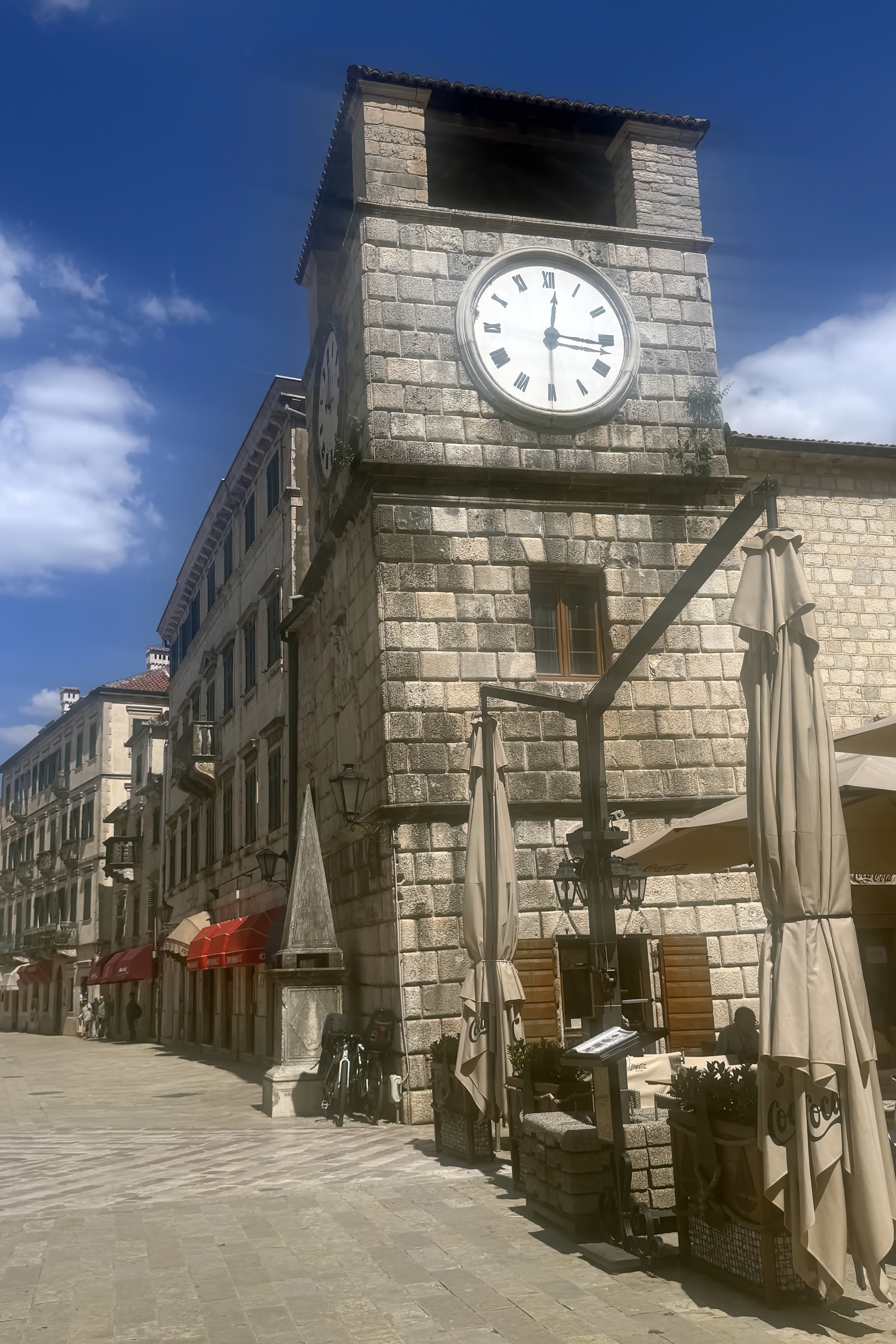
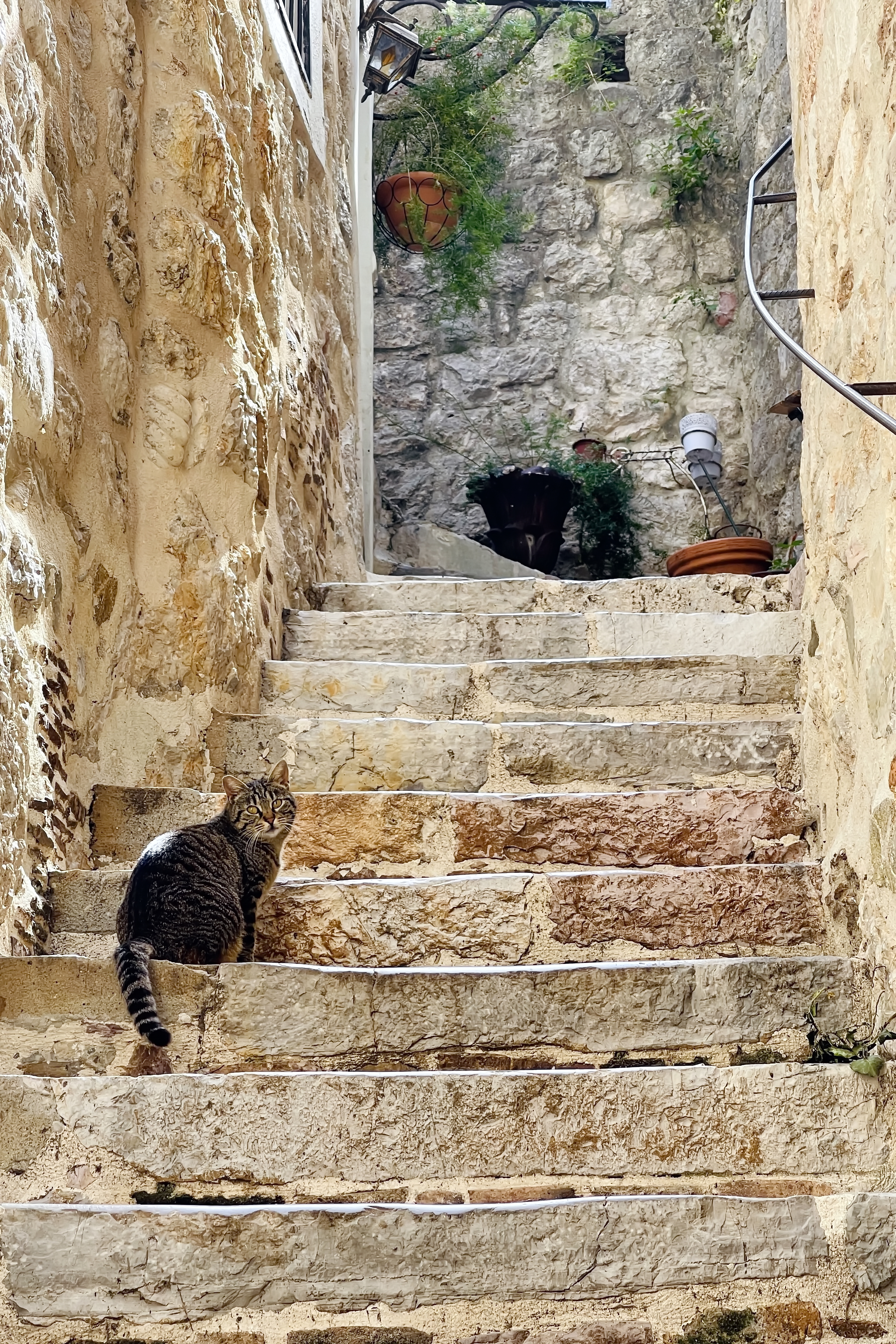
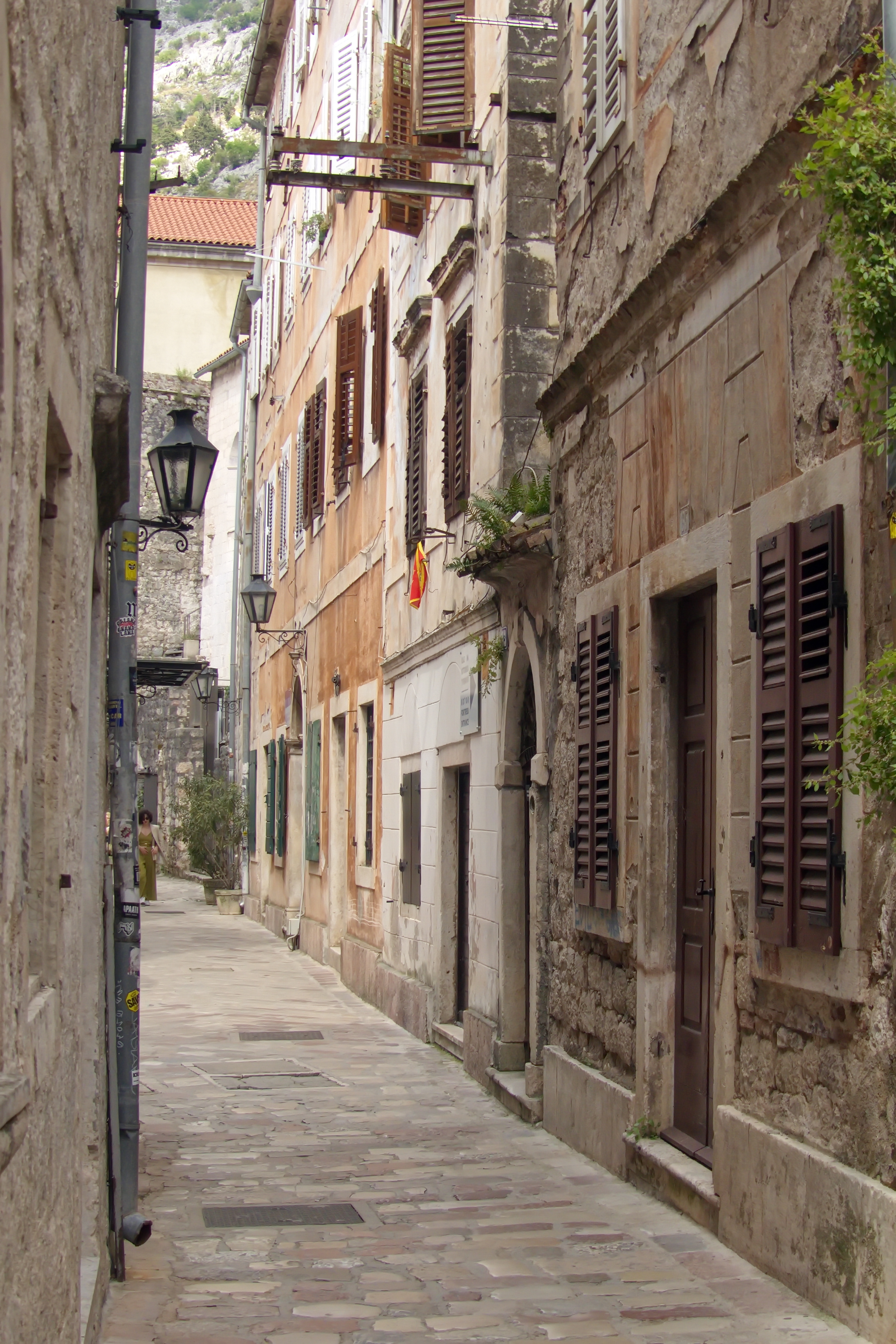
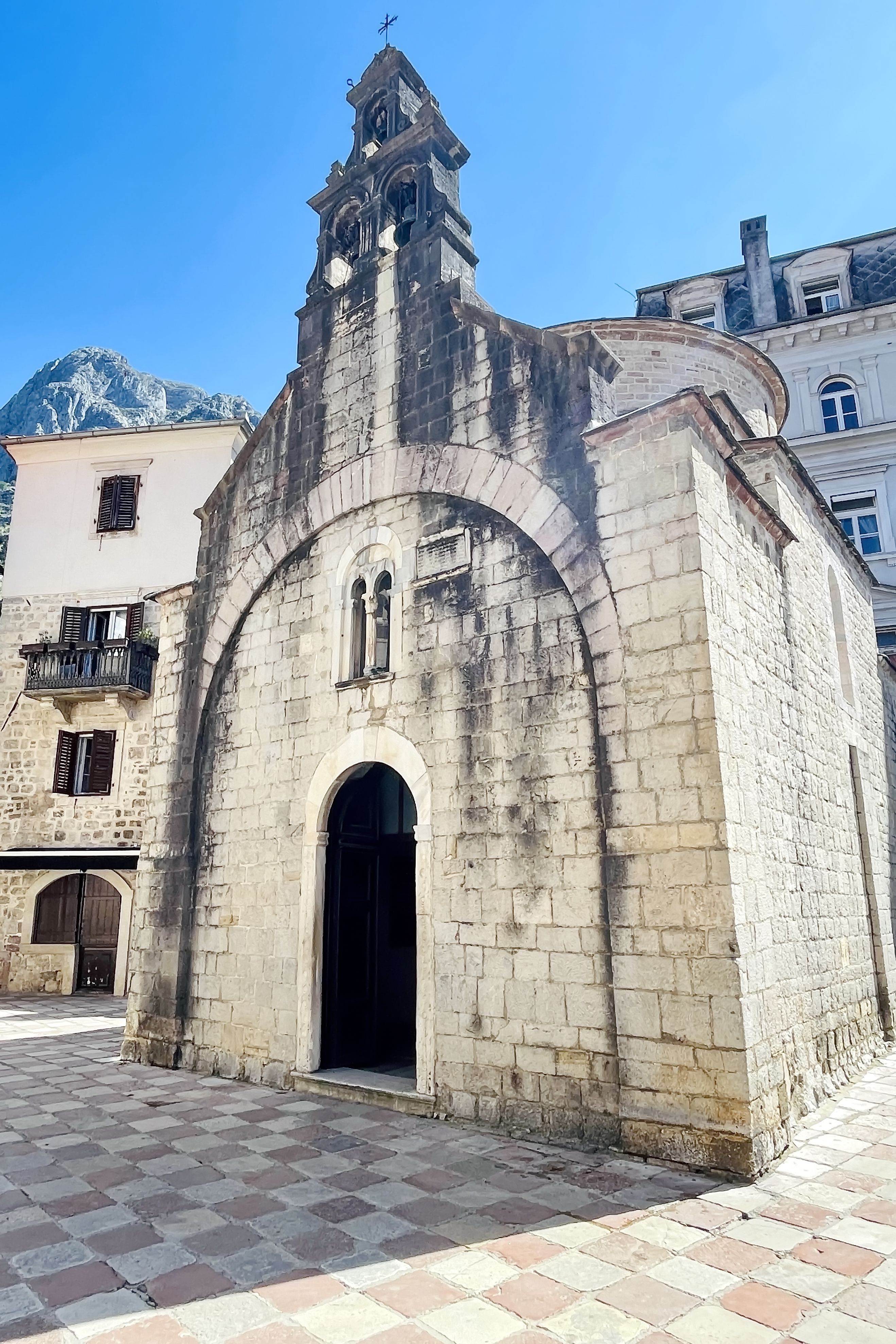
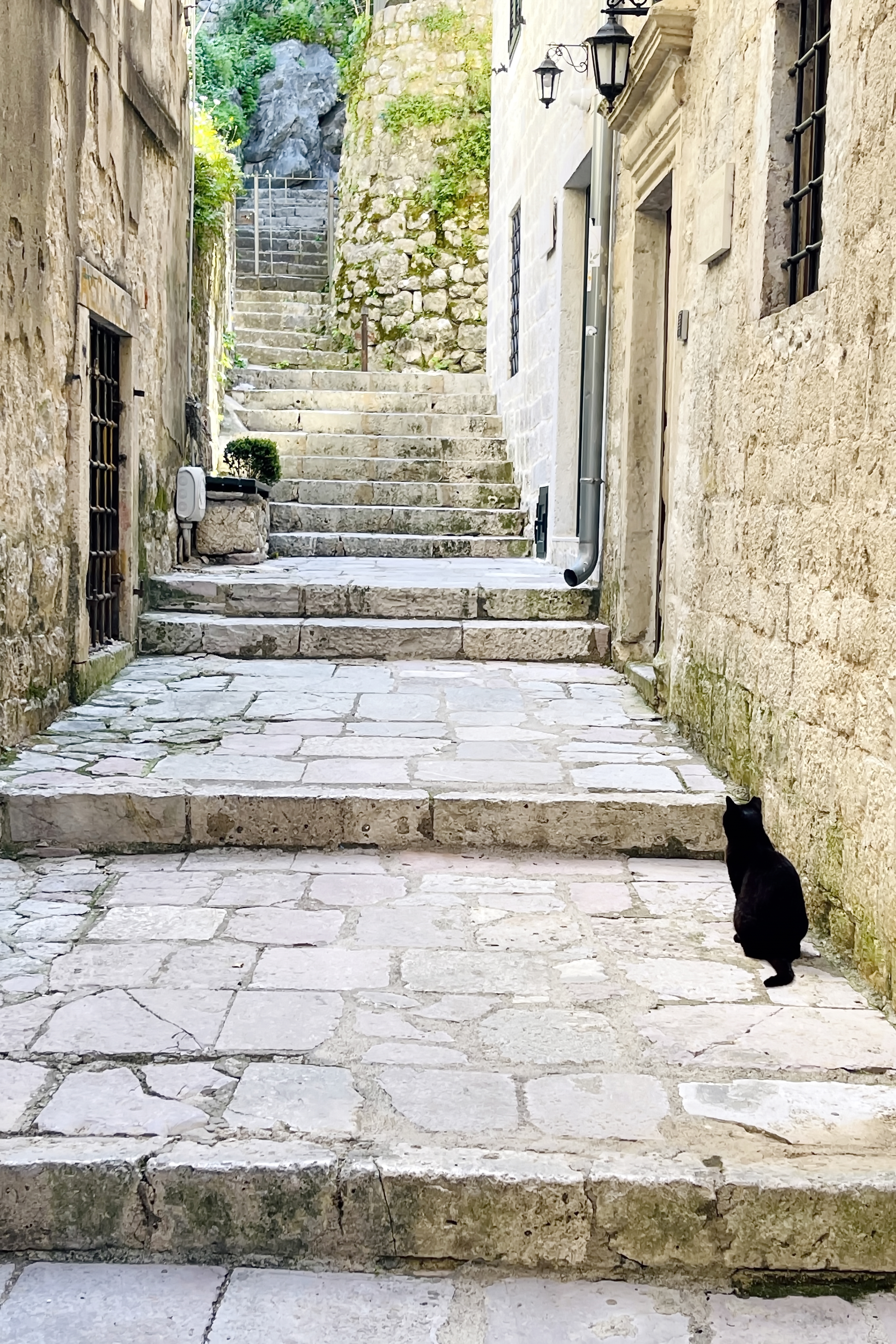
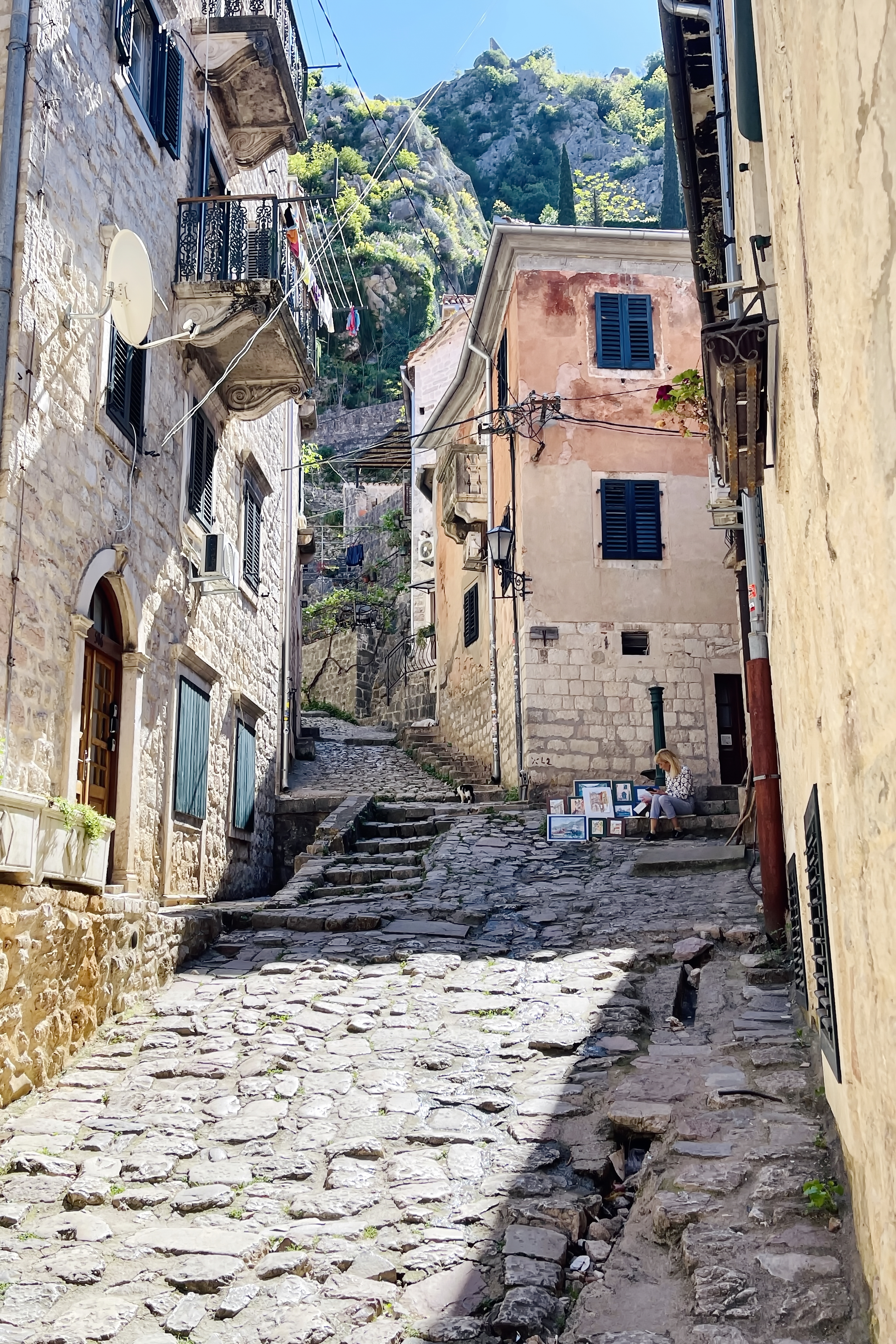
What made Kotor feel so memorable wasn’t just the history but how alive it still felt. During our visit, a wedding was taking place at St. Nicholas Church, and seeing guests gathered in the square brought warmth and energy to the old city. Cats lounged in sunny corners, café tables spilled into the squares, and church bells echoed through the narrow stone alleyways. Kotor never felt like an open-air museum. It felt lived in.
Our final excursion in Montenegro took us inland to Skadar Lake, a place completely different from the coastal towns and mountain scenery we had explored throughout the trip. We had booked the tour through our holiday provider, and early that morning our guide and driver picked us up directly from our hotel before heading toward the small lakeside town of Virpazar.
When we arrived, the rain was coming down hard. We were given a little time to explore the small village before the boat tour began, but most of our group ended up gathered beneath a canopy along the waterfront, warming up with hot chocolate and coffee while watching the rain ripple across the lake.
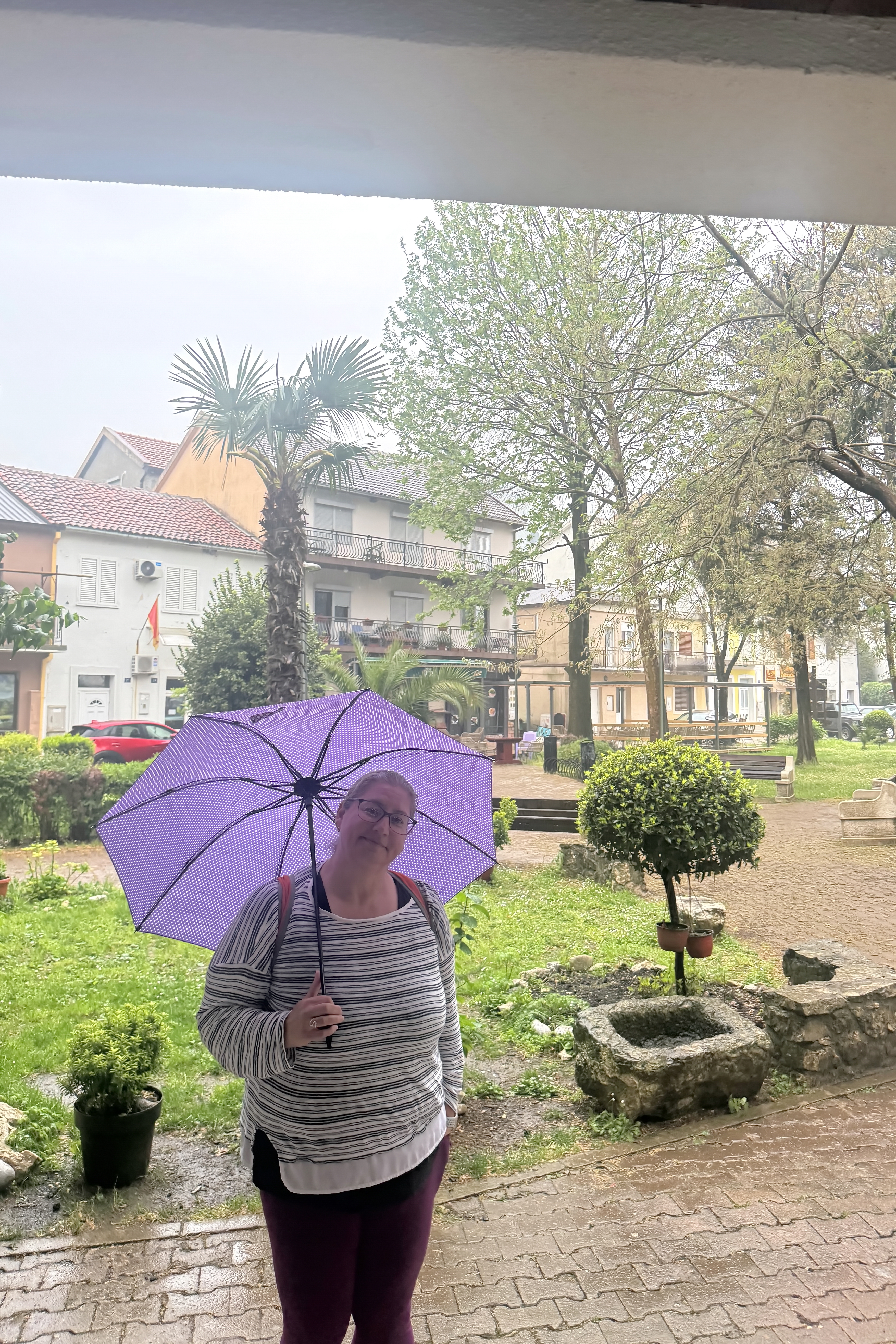
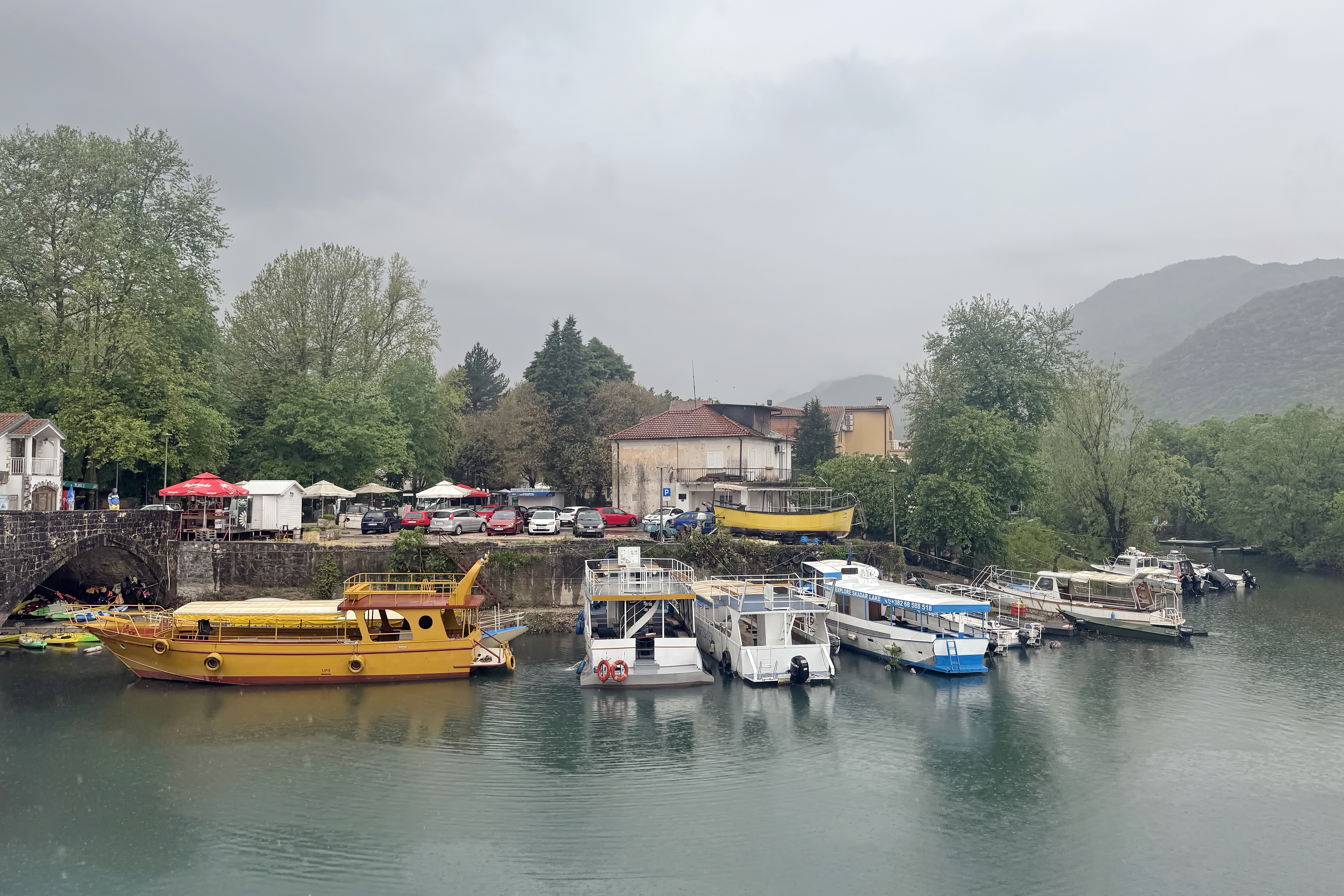
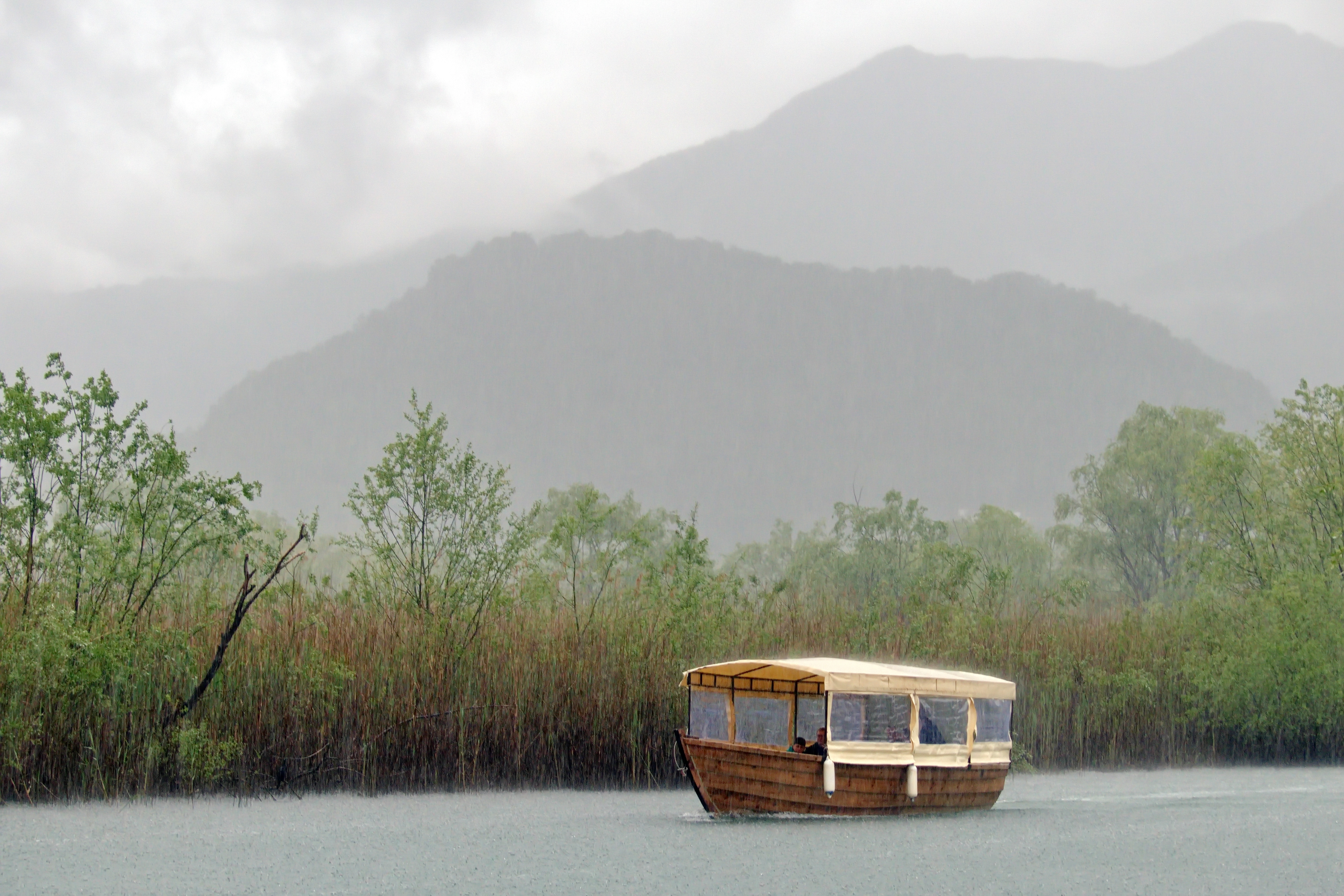
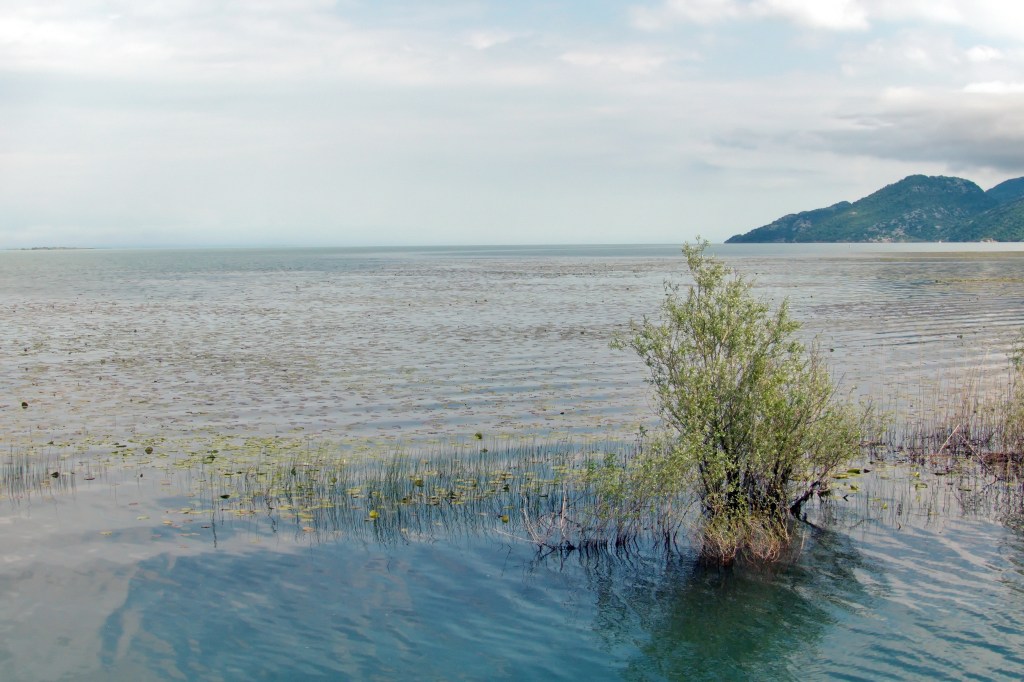
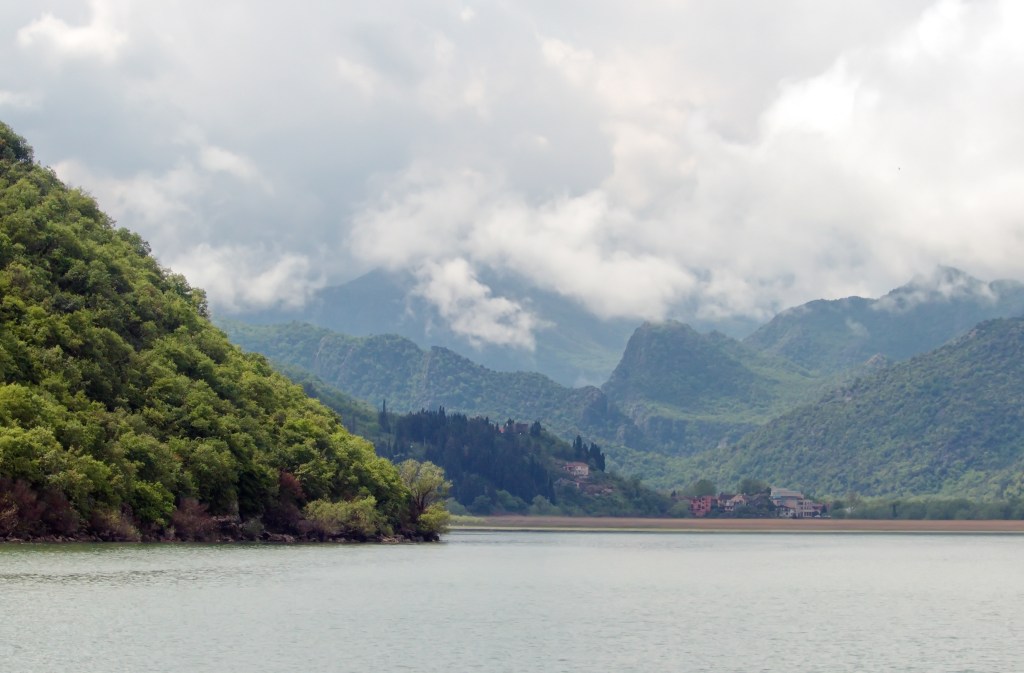
Eventually, beneath still grey skies, we boarded our boat and headed out onto the water. Skadar Lake is the largest in the Balkans and stretches across both Montenegro and neighbouring Albania. Over the centuries, it has served as a natural border, a fishing region, and an important trade route connecting communities around the lake. What makes the area especially remarkable is its wildlife. Skadar Lake is one of Europe’s most important bird habitats and home to hundreds of species, including Dalmatian pelicans, one of the largest pelican species in the world. As we cruised through narrow channels lined with reeds and water lilies, we spotted pelicans gliding low over the water along with cormorants drying their wings near the shoreline.
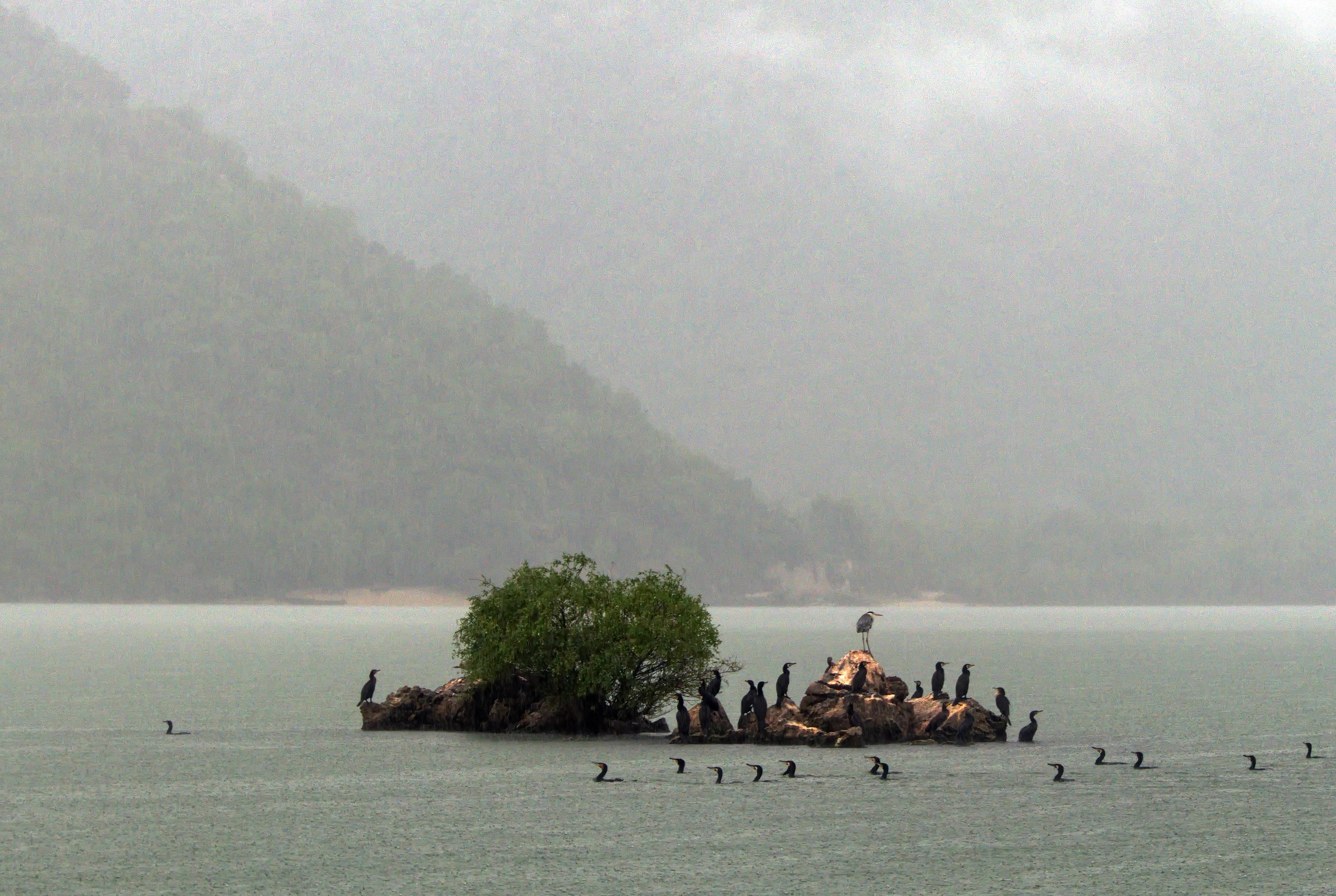
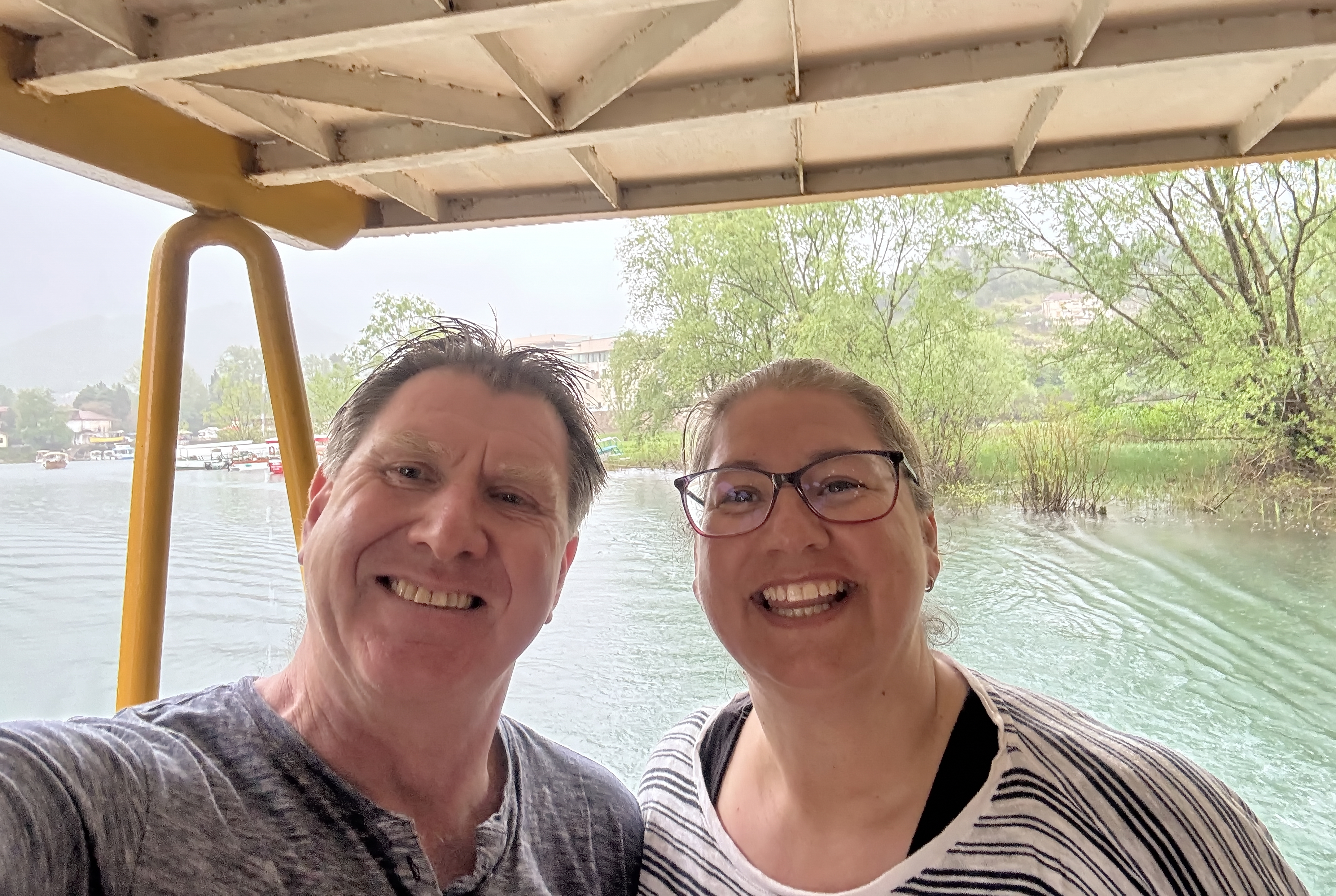
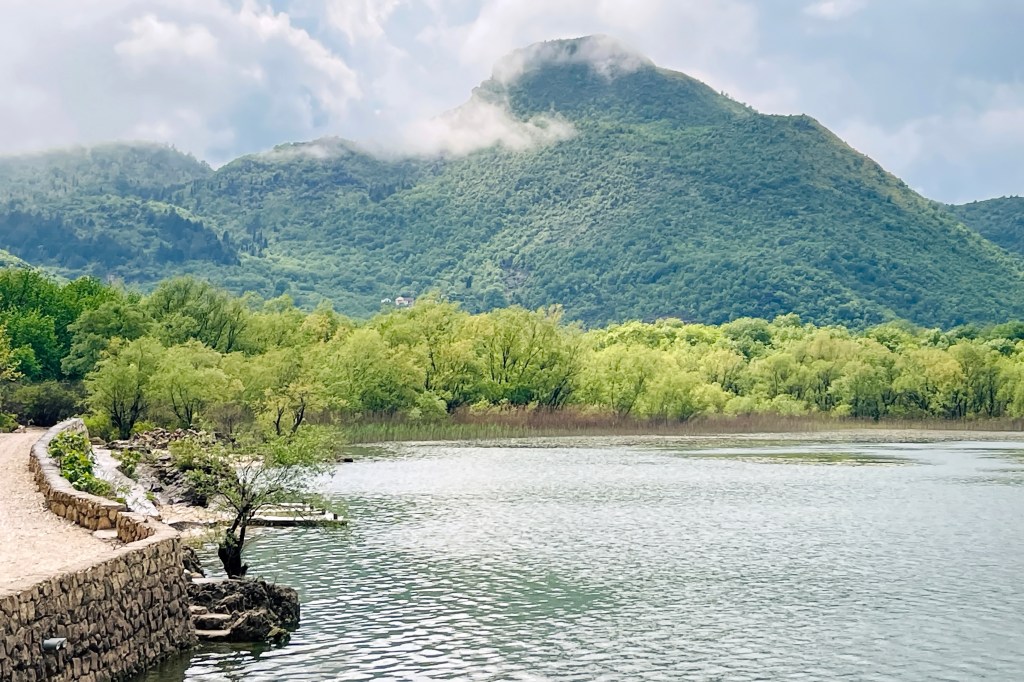
Our boat eventually stopped near Pjesacac Beach, where we were served a fresh fish lunch prepared from fish caught directly from the lake. While we ate, the weather finally began to change. The clouds slowly broke apart, patches of blue sky appeared overhead, and sunlight spilled across the water and surrounding hillsides.
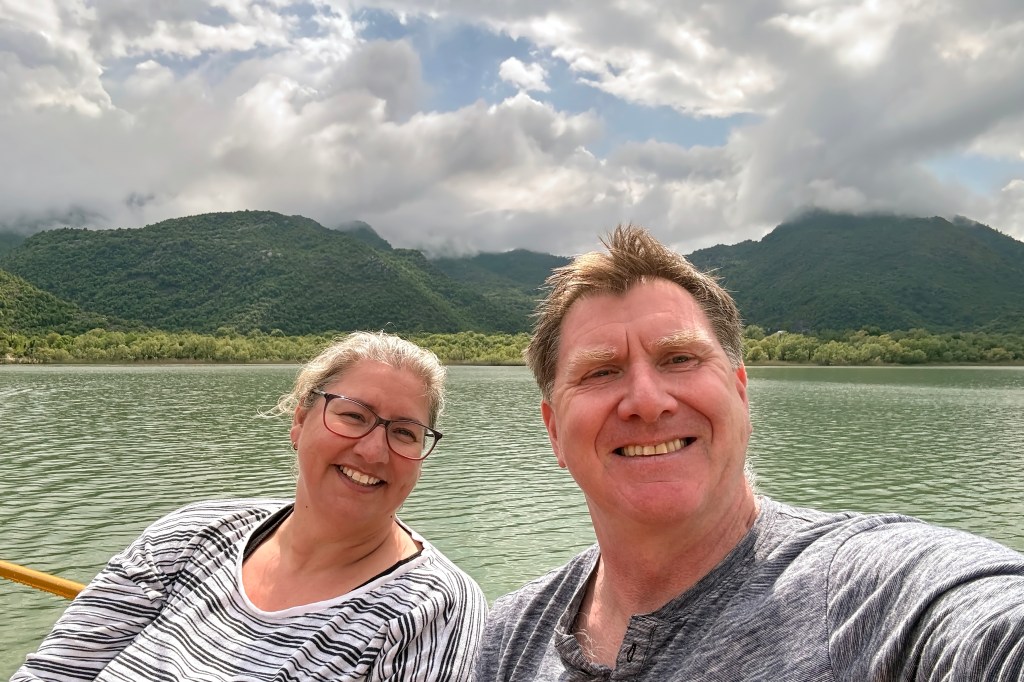
By the time we climbed back onto the boat for the return trip, everything felt completely different from the rainy morning we had started with. The ride back across the lake was warm, dry, and beautiful, with the mountains reflecting off the calmer water and the late afternoon sun giving the landscape a completely different feel. Looking back, Skadar Lake felt like the perfect final glimpse into Montenegro—a country where mountains, coastline, history, and nature all seem to exist side by side, often within the same day’s journey.
As our time in Montenegro came to an end, we found ourselves reflecting on how much this small country surprised us. Before arriving, we knew about the dramatic coastline and beautiful scenery, but we hadn’t expected the depth of history, the warmth of the people, or the feeling of discovering a place still finding its place on the world stage.
Everywhere we travelled, we could see signs of change and growth. New roads, hotels, marinas, and tourism infrastructure are steadily transforming Montenegro into a destination more travellers are beginning to notice. Yet at the same time, reminders of its more recent past are still very visible. You still see traces of the former Yugoslavia and the country’s communist era woven into everyday life, from aging apartment blocks to old infrastructure and quiet reminders of a very different time not all that long ago. That contrast is part of what made Montenegro feel so authentic to us. It’s a country balancing old and new, tradition and tourism, while still holding tightly to its identity.
For us, Montenegro wasn’t just about the scenery, although the mountains rising above the Adriatic and the still waters of the Bay of Kotor will stay with us for a long time. It was the slower pace, the hidden moments, the conversations, the winding roads, and the feeling that around every corner there was still something undiscovered waiting to be found.



Leave a Reply